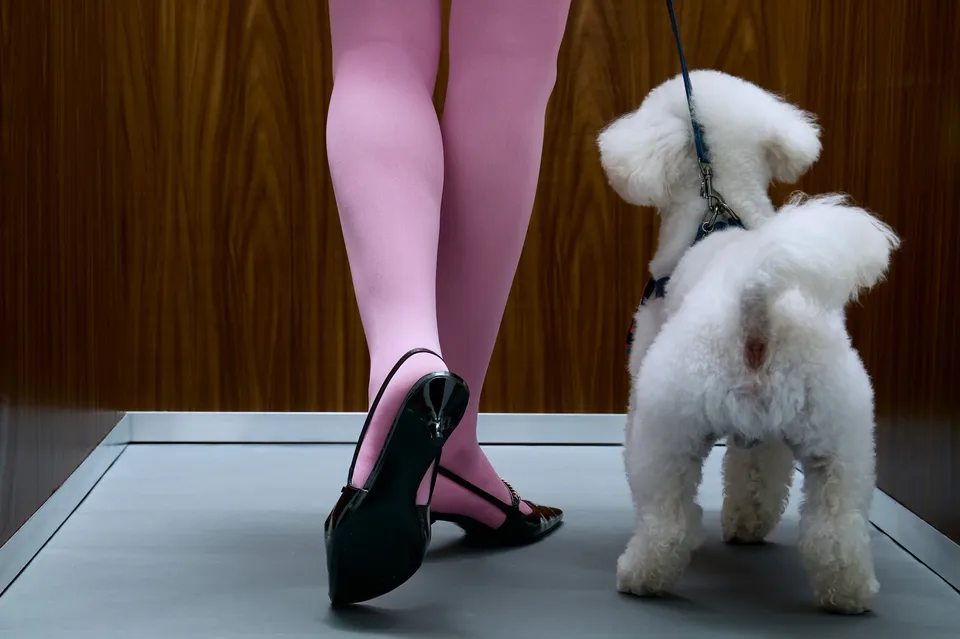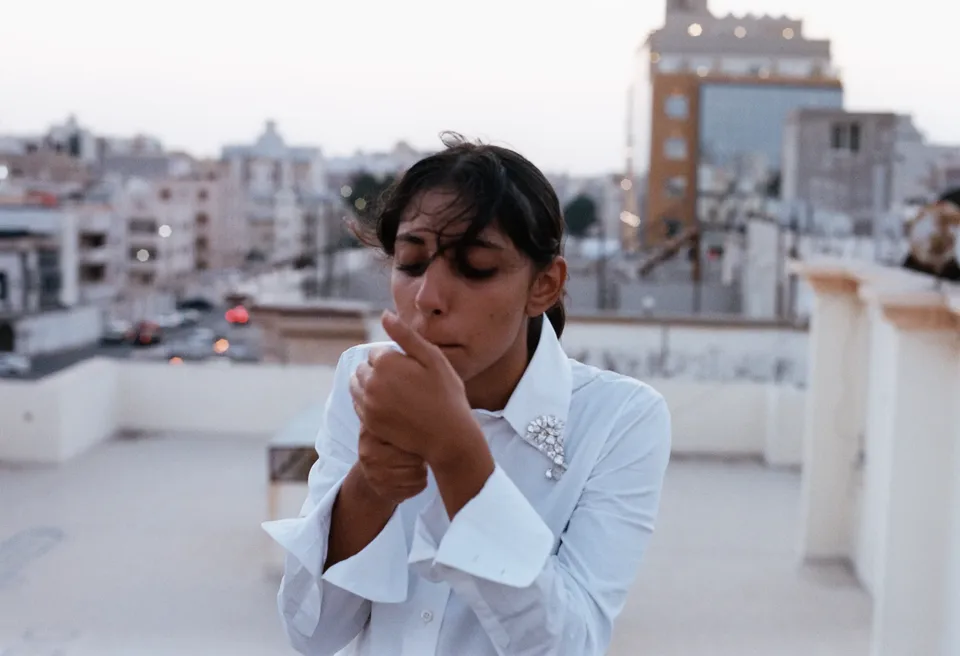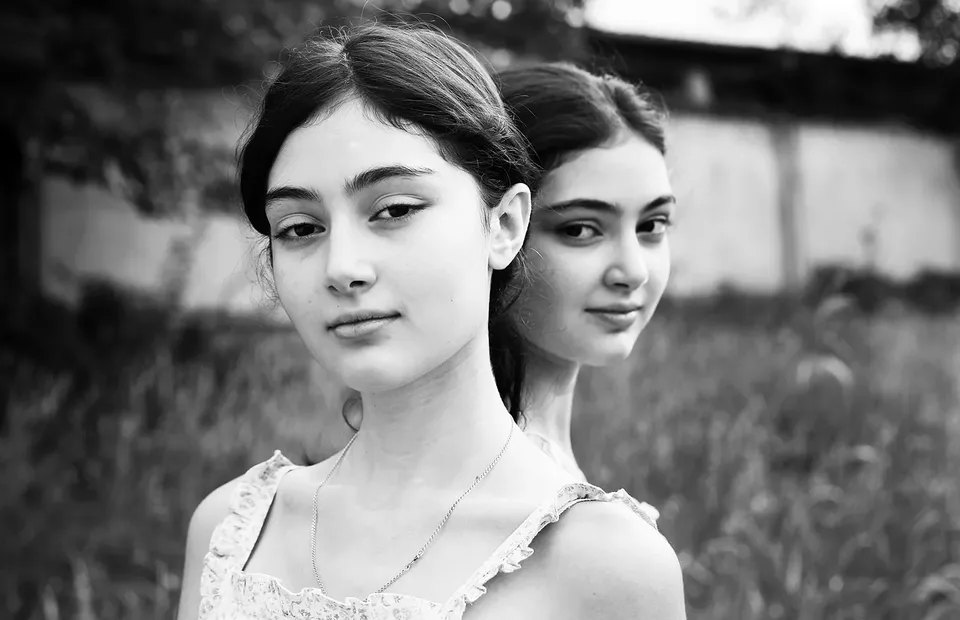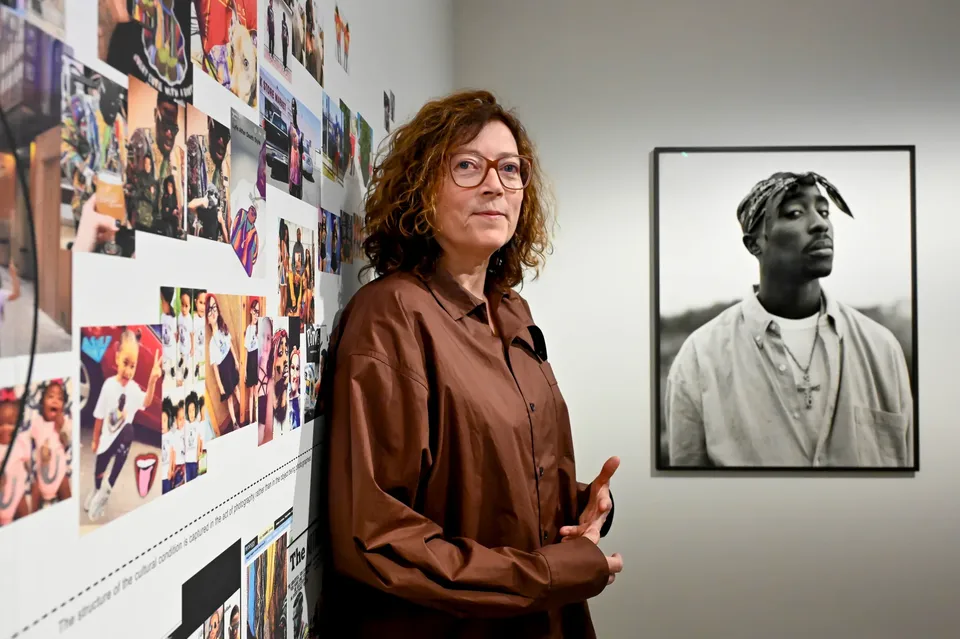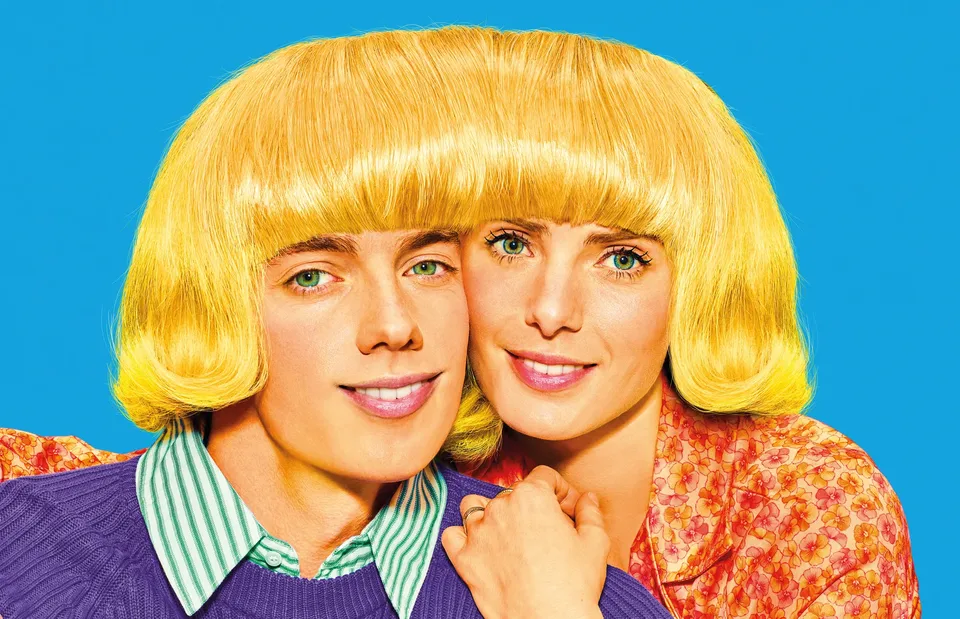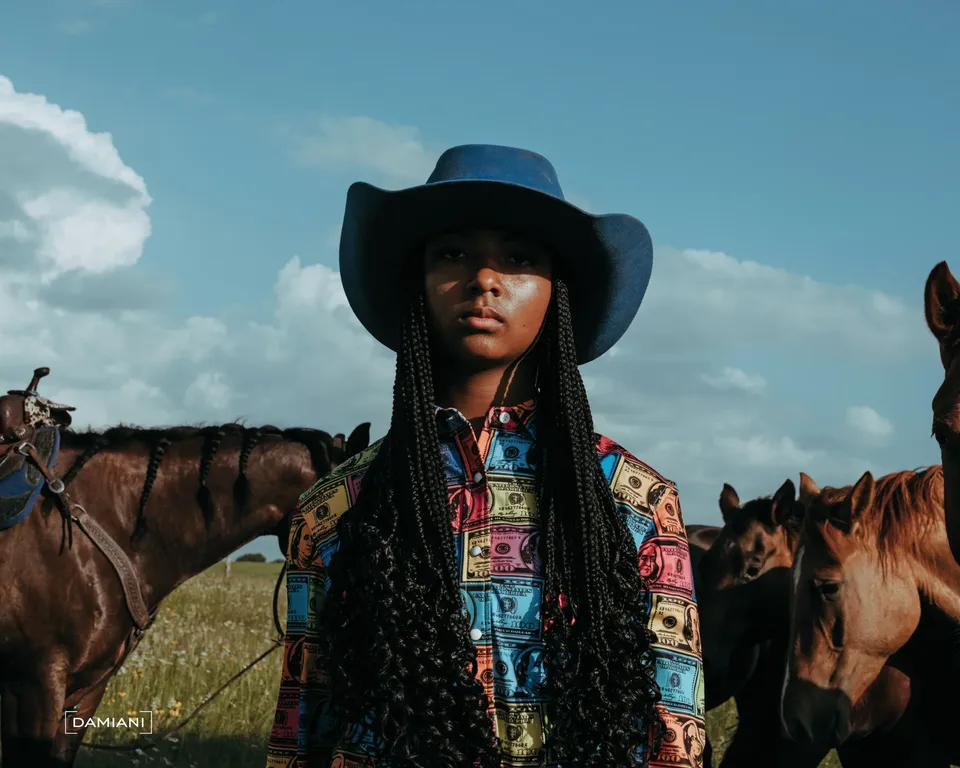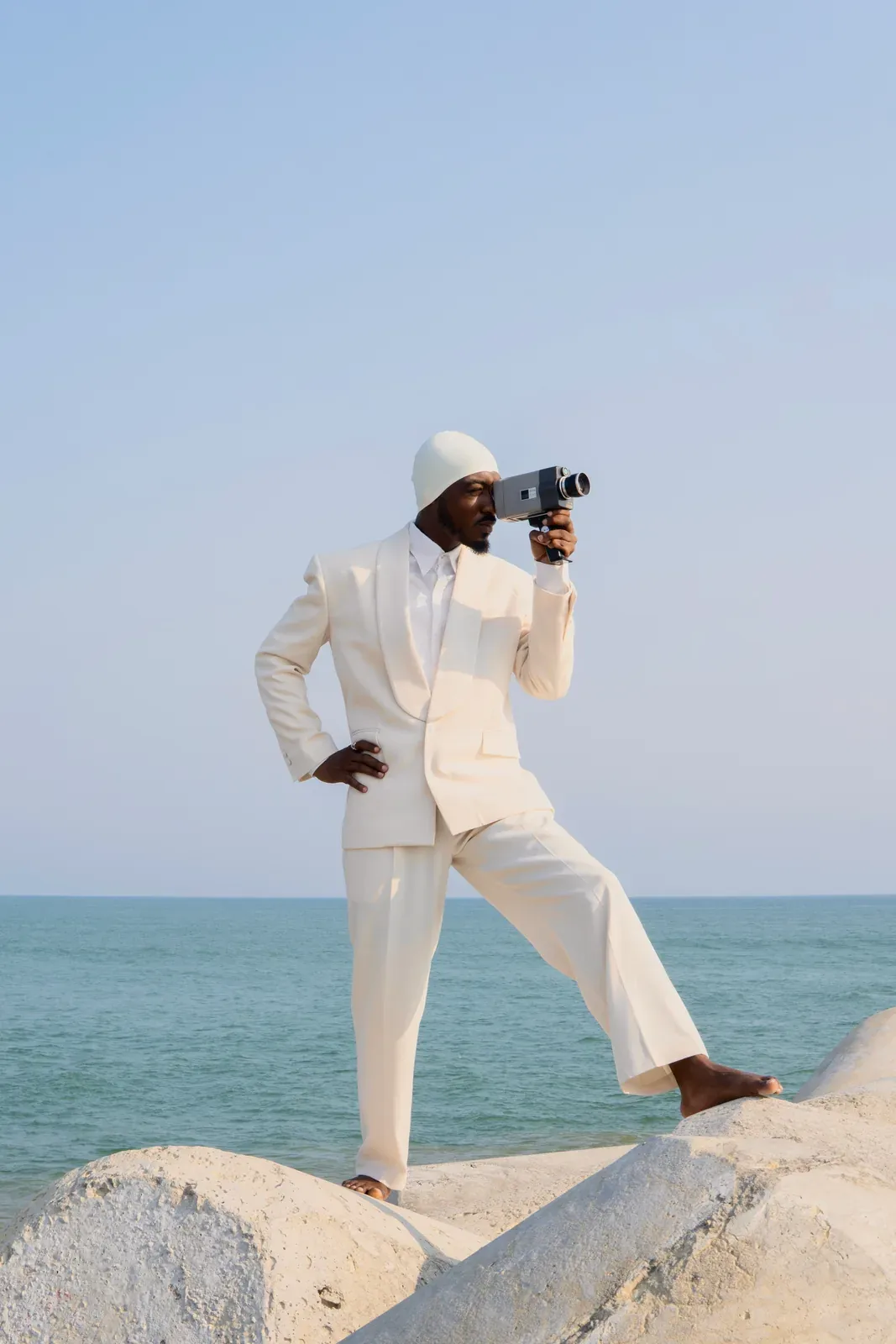
Nuits Balnéaires is a pseudonym, or a moniker, or perhaps a very short poem. The photographer found his name through the writing of a poem which he will one day share with the world (though not today). For now, we are left with this evocative fragment – in English, Seaside Nights. It captures the dreamy haze of his work, a quality prevalent throughout his work in Latitudes: Nuits Balnéaires and François-Xavier Gbré, currently on view at New York’s International Center of Photography Museum (ICP).
Latitudes is an annual joining of forces amongst Fondation d’entreprise Hermès, the Fondation Henri Cartier-Bresson, and ICP. Each year, its laureates are exhibited in Paris, New York, and in the laureate’s home country. In 2024, François-Xavier Gbré was named the first awardee, and in 2025, Nuits Balnéaires its second. Radically different in style and subject, their work presents a discourse on contemporary Ivorian photography.
Balnéaires is a captivating aficionado of poetry and motif, drawing across his collection personal, culturally specific, and global narratives. He takes for his collection’s name, Eboro, the point of origin and return in the cosmology of the Nzima and Agni-Bona peoples of Côte d'Ivoire. The photographer walks us through a technicolor dream of memory and imagination in images that dance between fine art abstraction and editorial crispness.
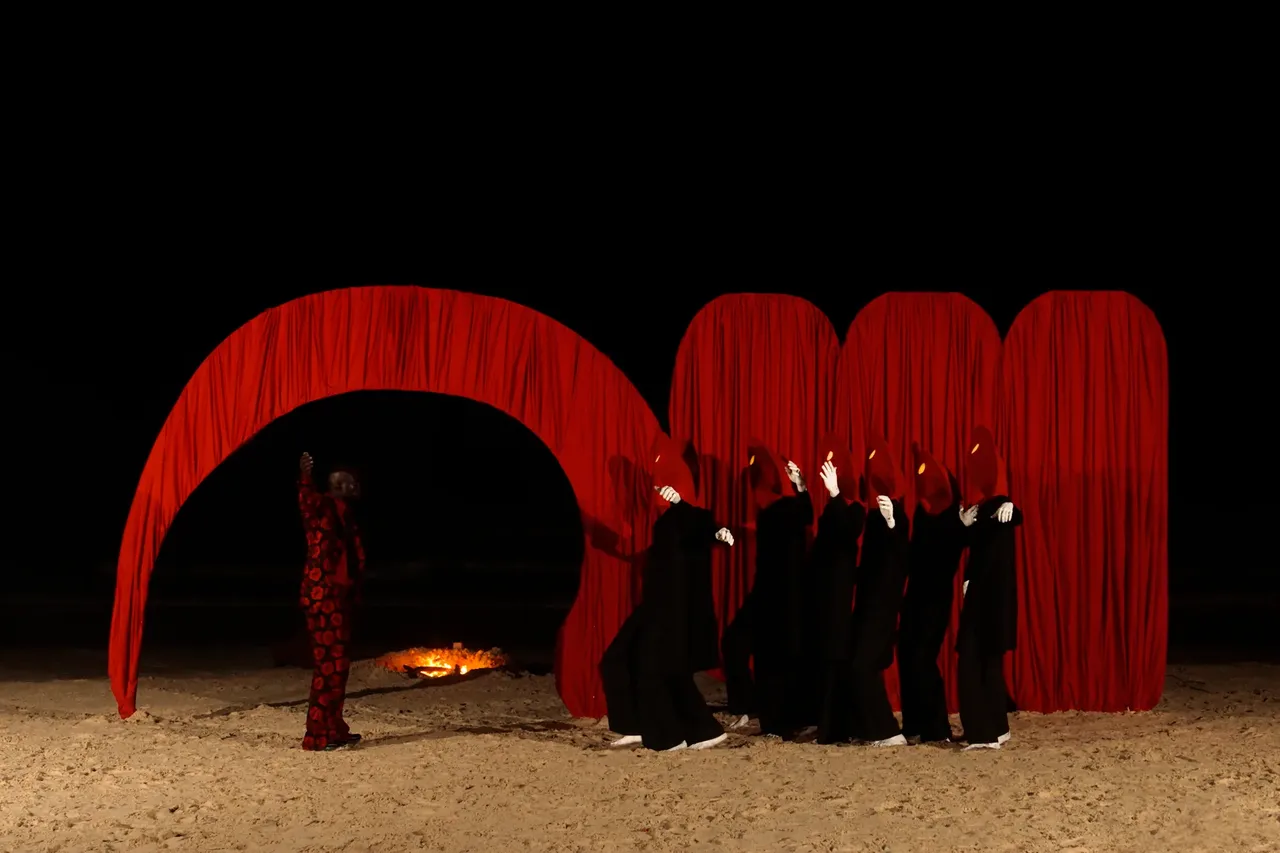
His work samples freely across culture and film – my favourites were a series of Jodorowsky-esque group portraits saturated in an almost bleeding red. In his first interview for METAL, he tells of his eclectic references, the stories which have shaped his work, and his approach to collaboration. The show will remain on view at ICP until May 4, 2026 before traveling to Paris’s Fondation Henri Cartier-Bresson.
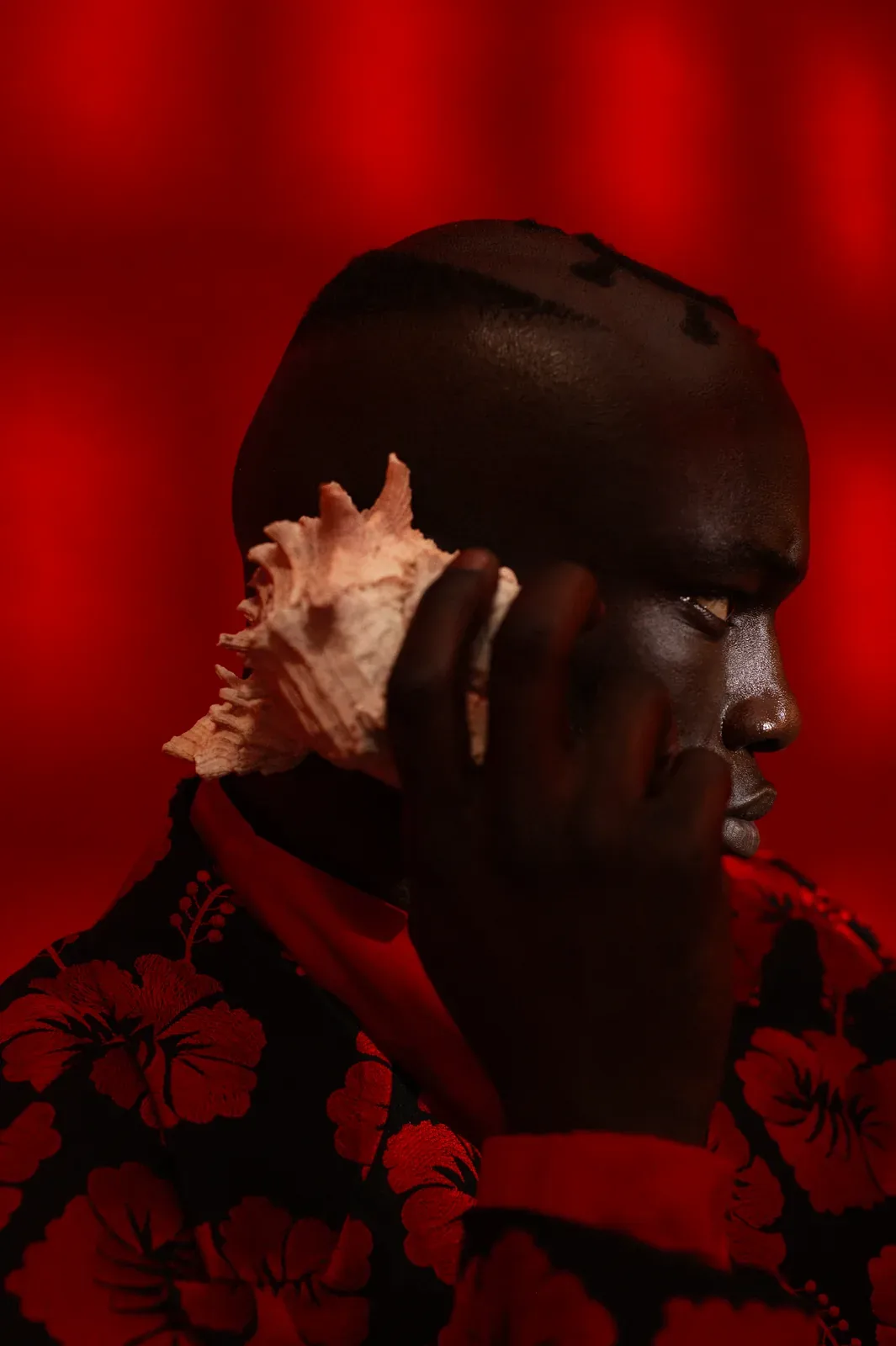
© Nuits Balnéaires, ADAGP, 2026
When did you come up with your artist’s name? What does Nuits Balnéaires mean to you?
Literally, Nuits Balnéaires means Seaside Nights. Nuits Balnéaires revealed itself to me in a poem I wrote. It is a long poem that has not yet been published but will be released at the time destined for it. Through this poem, tumultuous landscapes are crossed before finding a sense of peace and harmony, in this vision of Seaside Nights. After rereading it, I realised that this expression crystallised all the emotions that had been moving through me for a long time, this obsession with the power of the landscapes of the Gulf of Guinea region, this intense and active nostalgia, as if these landscapes were crying out a history several millennia old that was simply waiting to be heard and told. Nuits Balnéaires first became an artistic project and then became the artist. The name became a space to explore questions about the absurdity of time, cultural mutations, and the relationship to both physical and imagined geographies where all these dimensions could coexist.
There is a tension between lo-fi sensibilities and sleek, editorial style. What does each mode offer you?
Several influences converge in my practice, both from my fashion background and from a strong research-based dimension. I am also deeply inspired by dreams and the idea of nostalgia. Technically, I constantly combine and alternate between analogue and digital photography. In the context of Eboro in particular, the dream occupies a central place: if it were to be considered a medium in its own right, it would likely be the primary one in this work. The structure of the dream is often fragmented and discontinuous, frequently placing us in spaces and situations whose logic is not immediately clear. There is also a relationship to the aesthetics of the dream, which can oscillate between clearer and more ambiguous states. In the fable of Eboro, the story is situated at this boundary, and the aesthetic language strives to fully serve that narrative.
Latitudes feels like an experience as much as an exhibition. How did you approach the gallery space? What did you hope to achieve by breaking away from the white cube?
The gallery space was approached in dialogue with David Campany, creative director of ICP and curator of this exhibition, who also supported me in bringing my project to life. In general, the goal was to remain consistent with my artistic vision and allow the visitor to immerse themselves in the world I am presenting. My approach to the exhibition is focused on creating an experience for each person encountering the work: how to craft an atmosphere that is clearly perceptible and fully conveys the emotion I wish to share.
Beyond creating the work itself, I try to provide a framework for reading it, much like how the editing of a book or a film contributes to establishing a narrative. The placement of the works on the walls served both to amplify the dialogue between photography and cinema, and to create a sense of sequence, while exploring rhythm and overall harmony. The two-channel video installation on a sculptural screen was also inspired by the idea of the book and how the sacred notion of the book informed the creation of Eboro as a whole. By breaking away from the white space, I pursue a minimalism that still conveys a strong message and exudes a certain intensity. This is why I choose to incorporate colours and backgrounds, as well as framing choices that become extensions of the story carried within the photographs. The ICP team for this first exhibition was an immense help in shaping an experience that goes beyond what I had initially imagined and I learned a lot from them.
Beyond creating the work itself, I try to provide a framework for reading it, much like how the editing of a book or a film contributes to establishing a narrative. The placement of the works on the walls served both to amplify the dialogue between photography and cinema, and to create a sense of sequence, while exploring rhythm and overall harmony. The two-channel video installation on a sculptural screen was also inspired by the idea of the book and how the sacred notion of the book informed the creation of Eboro as a whole. By breaking away from the white space, I pursue a minimalism that still conveys a strong message and exudes a certain intensity. This is why I choose to incorporate colours and backgrounds, as well as framing choices that become extensions of the story carried within the photographs. The ICP team for this first exhibition was an immense help in shaping an experience that goes beyond what I had initially imagined and I learned a lot from them.
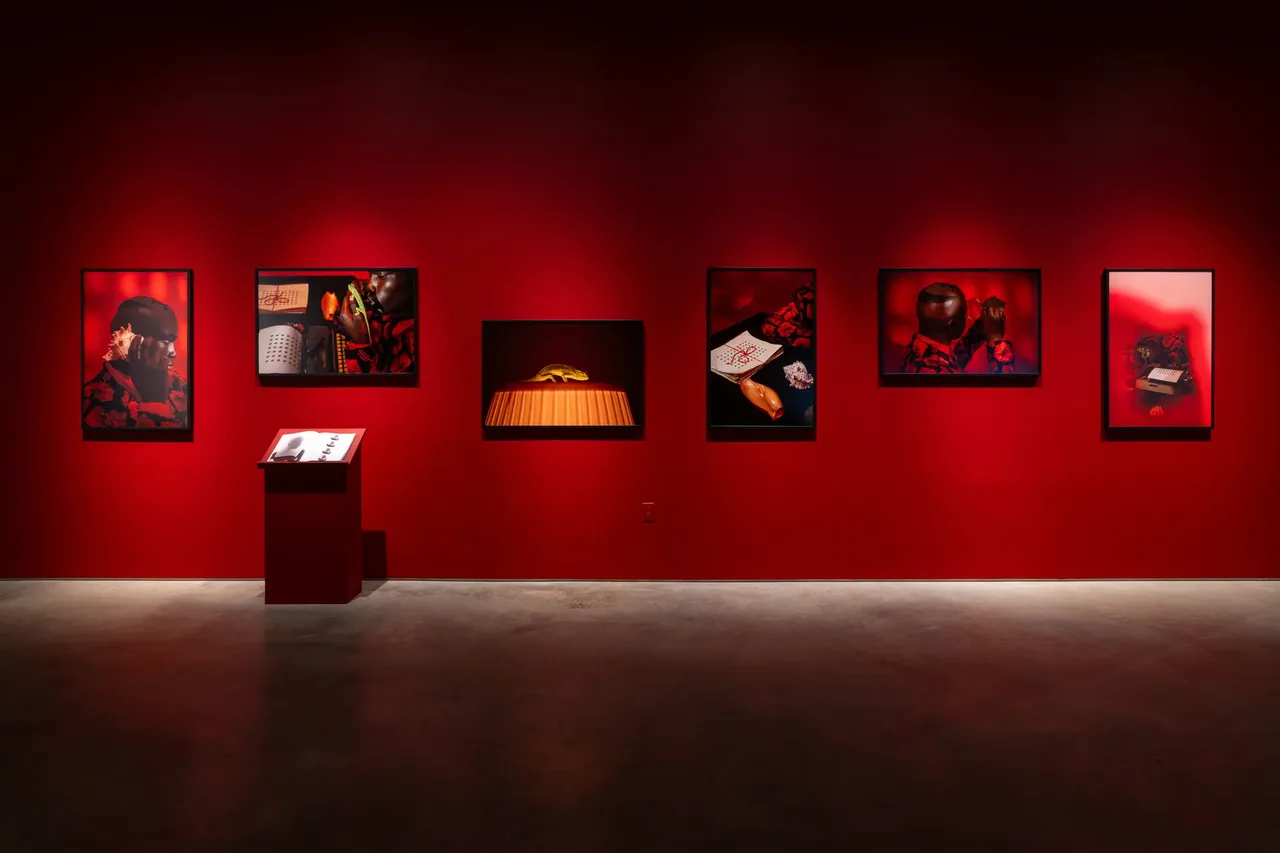
Installation View : © Jenna Bascom for the International Center of Photography
Latitudes brings your work into discourse with François-Xavier Gbré. What has that experience been like? What have you learned from him?
I have long admired François-Xavier Gbré’s work. He is one of the precursors of our photographic scene, with an extremely prolific career and experience. It is a real honour to have my work in dialogue with his in the context of this exhibition. It has been enriching. Gbré’s relationship to architecture and history is rigorous and deeply political. Being in dialogue with his work sharpened my awareness of space as testimony. I learned from his precision, the way a building can silently hold memory, tension, and power dynamics. Our perspectives truly complement each other and bring a new view on Ivorian and West African photography. Beyond that, it was also the opportunity to spend more time with him and to discover his beautiful personality that left a strong impression on me.
In the ICP show, you play with several motifs across images. What are they? Tell me about the graphic mark that appears in a couple of the images (first noticed on the red eggs).
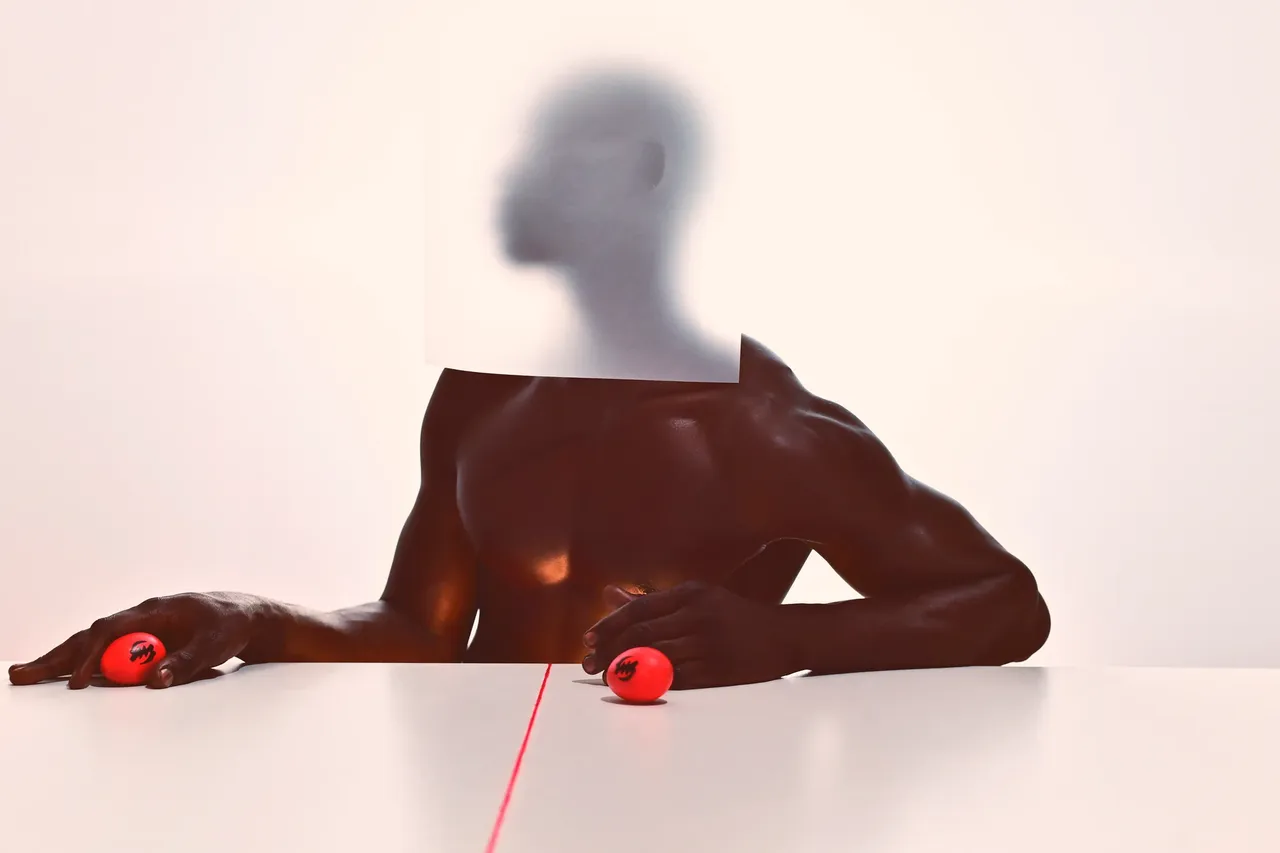
We have Gye Nyame, one of the most important Adinkra symbols, visual symbols originating from the Akan people of Ghana and Côte d’Ivoire that represent philosophical concepts, proverbs, and historical events. It represents the ultimate divinity and underscores this obsession with the essence of all life. It appears on the eggs in this chapter, which I titled Adama and Awa, exploring the idea of genesis and placing ancestral African traditions in dialogue with certain Judeo-Christian religious codes.
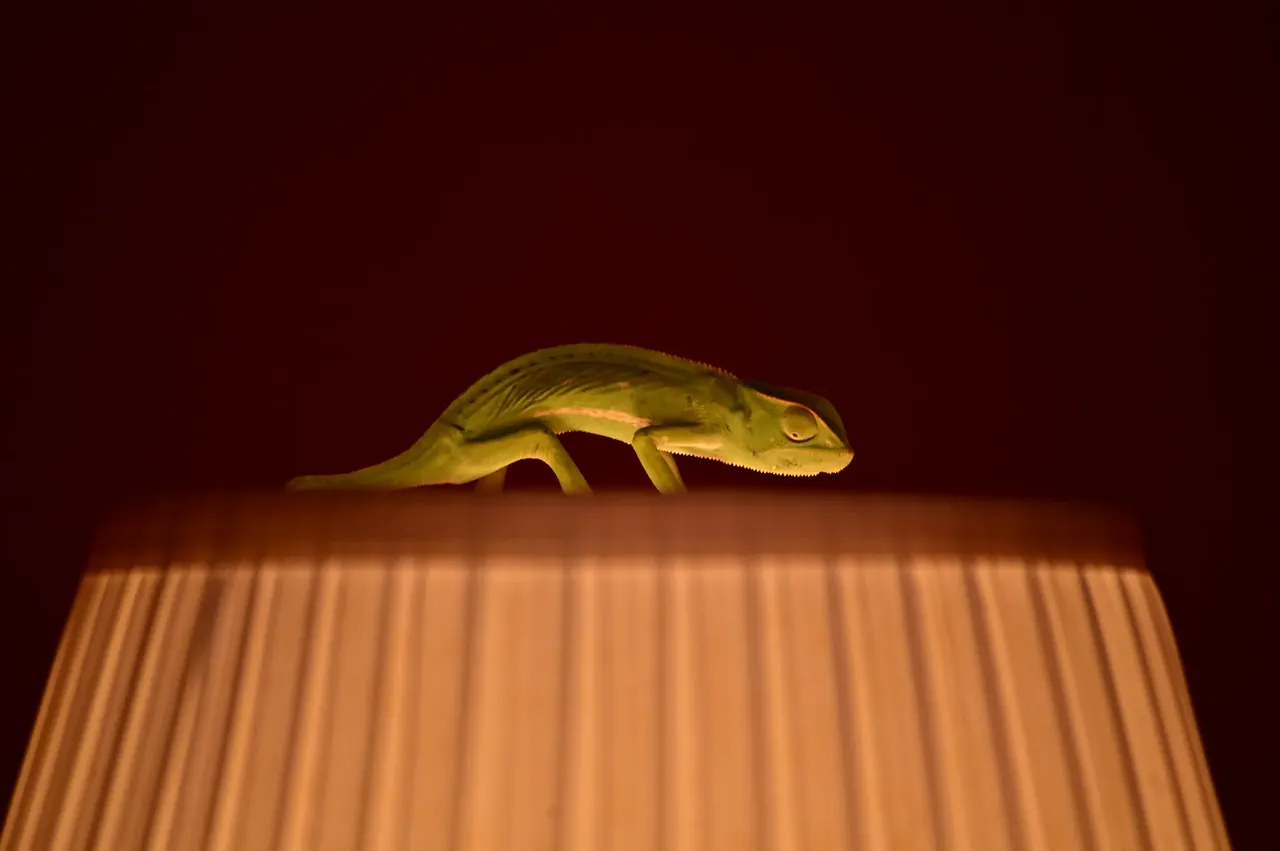
Here, the eggs speak of origin and potential. They represent that primordial state before the emergence of gender and the definition of identity. The graphic mark acts almost like a seal or a scar. Its specificity perhaps already indicates how historical, cultural, and spiritual contexts shape and mark a life trajectory. The serpent creates tension and sets religious interpretations in opposition. Within the framework of Genesis, it can be perceived as the being that brings the curse, while in several African traditions it stands as a divinity or a symbol of protection. The chameleon symbolises adaptability and multiplicity, while the baobab emphasises permanence, longevity, resilience, and ancestral wisdom.
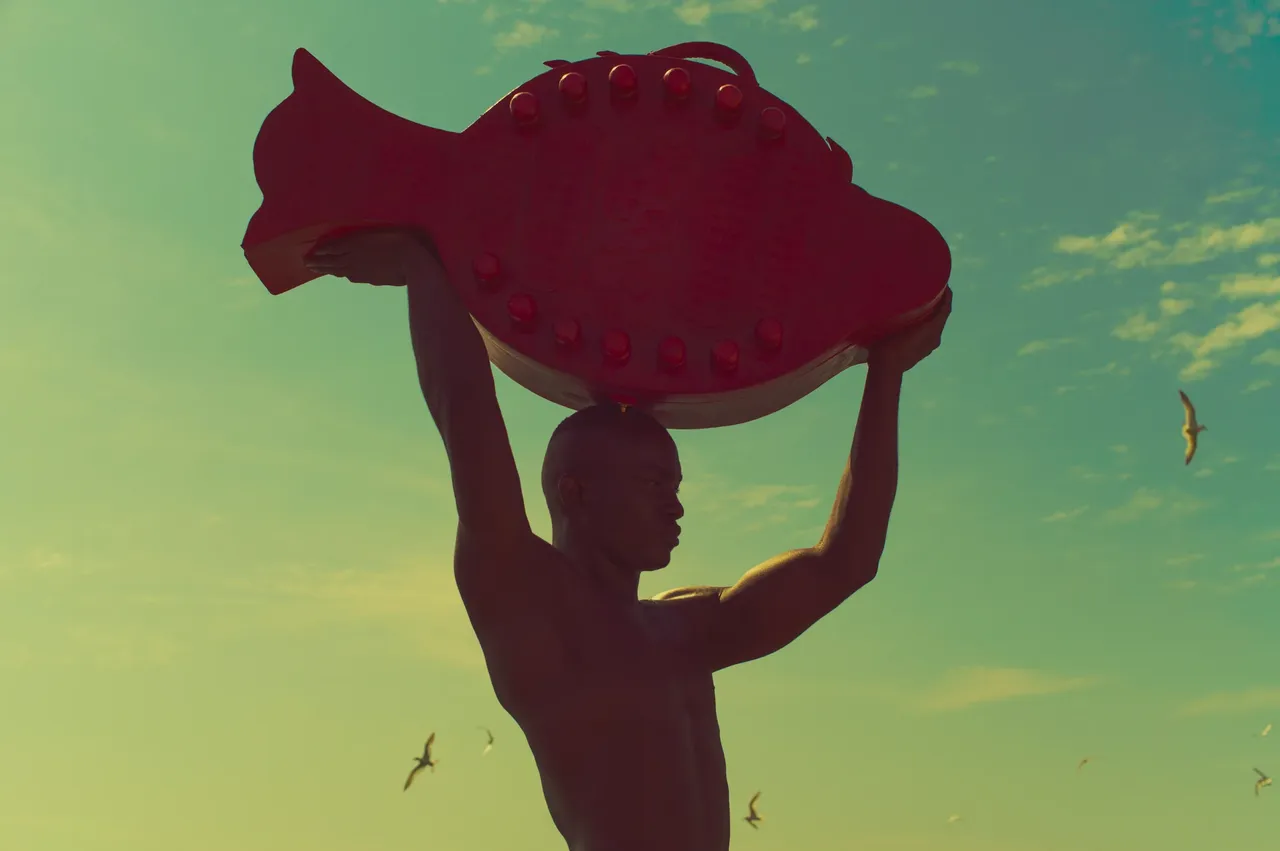
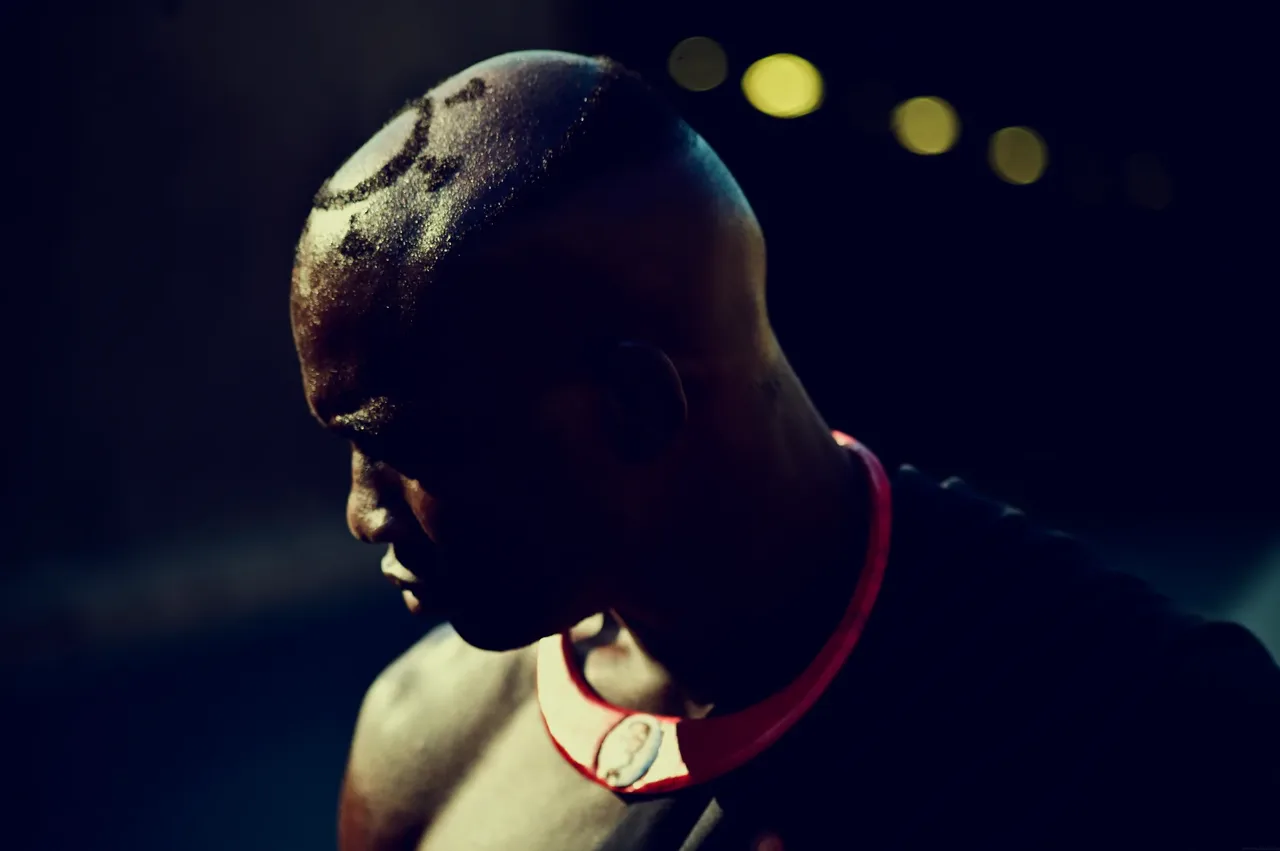
I draw strong inspiration from the structure of the tarot and its ability, through an assemblage of iconographic elements, to evoke destinies. The ocean and the Gulf of Guinea remain very present, particularly at the site of the Mamelles Lighthouse, the place where the life of Noël X. Ebony came to an end. It becomes a scene I investigate in order to retrace the space of his final presence, and from which I bring forth this fable that, in a way, extends his life.
Here, the eggs speak of origin and potential. They represent that primordial state before the emergence of gender and the definition of identity. The graphic mark acts almost like a seal or a scar. Its specificity perhaps already indicates how historical, cultural, and spiritual contexts shape and mark a life trajectory. The serpent creates tension and sets religious interpretations in opposition. Within the framework of Genesis, it can be perceived as the being that brings the curse, while in several African traditions it stands as a divinity or a symbol of protection. The chameleon symbolises adaptability and multiplicity, while the baobab emphasises permanence, longevity, resilience, and ancestral wisdom.
I draw strong inspiration from the structure of the tarot and its ability, through an assemblage of iconographic elements, to evoke destinies. The ocean and the Gulf of Guinea remain very present, particularly at the site of the Mamelles Lighthouse, the place where the life of Noël X. Ebony came to an end. It becomes a scene I investigate in order to retrace the space of his final presence, and from which I bring forth this fable that, in a way, extends his life.
Your work feels cinematic. What can photography do that film cannot?
The still image carries a power that does not rely on action but on suggestion and the projections of the viewer. Its silence and stillness captivate me, freezing a moment while opening a window onto multiple possible realities. What lingers in a photograph is the emotion, the atmosphere, the intangible resonance. This is what I strive to capture in my approach to storytelling. Video and cinema extend this same pursuit. Moving images, paired with carefully composed sound, magnify emotions that often elude conventional language, allowing the work to speak in its own terms, with its own logic and rhythm.
Tell me about the video piece in your ICP show.
It is a two-channel video installation that extends the photographic universe into movement and sound. Beyond all the states it evokes, the film offers a powerful moment in which a poem by Noël X. Ebony is recited, speaking of identity and multiplicity. Its form is less narrative and more atmospheric, remaining aligned with the contemplative stillness of the photographs. We imagined this sculptural form to create a dialogue with the shape of the book, a medium, like film, that calls for presence, slowing down, immersing oneself, and feeling.
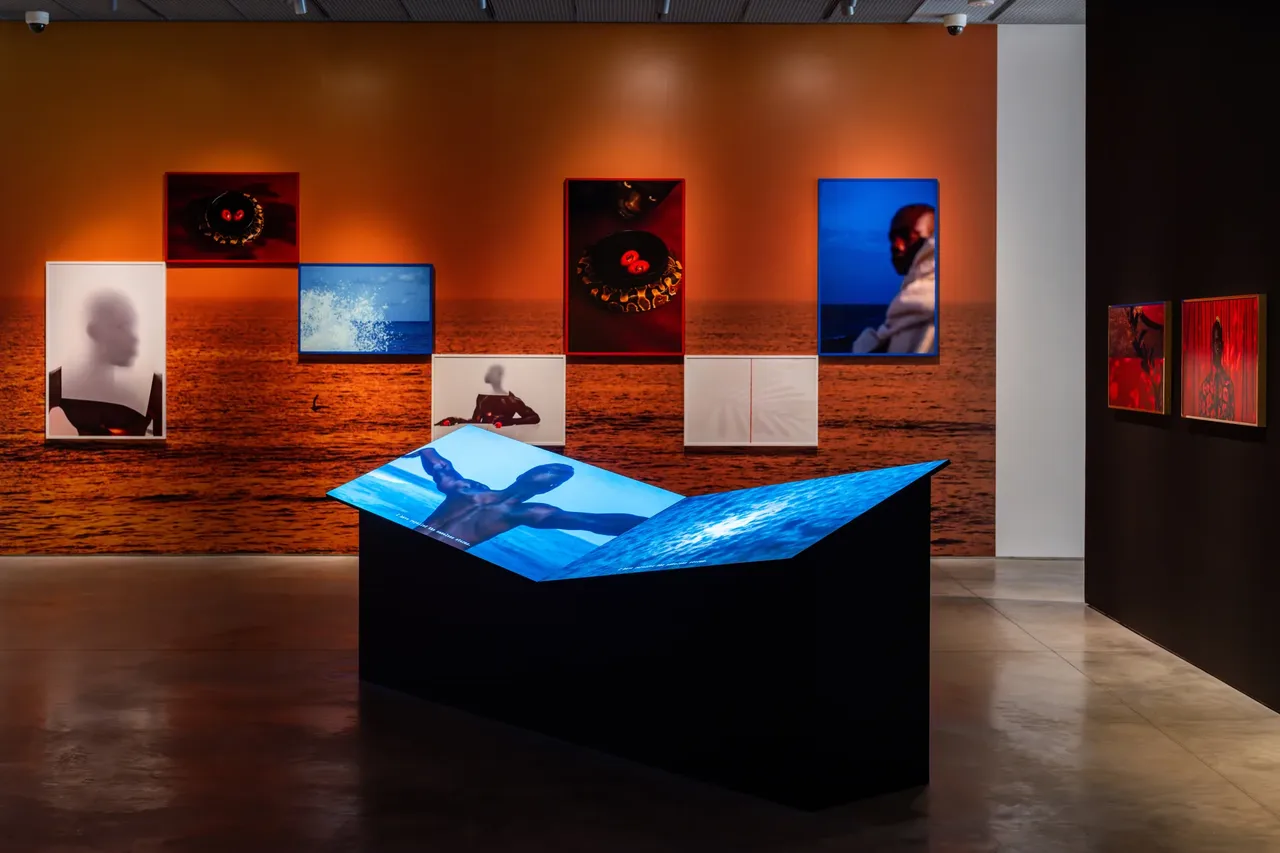
Installation View : © Jenna Bascom for the International Center of Photography
Who are some of the artists you turn to most often for inspiration?
Noël X. Ebony is definitely one of them, but I am also deeply captivated by Byzantine art, the Pala d’Oro is an absolutely sublime work. I think of Georgia O’Keeffe, Constantin Brâncuși, Donald Judd, Wael Shawky, the portrait work of Samuel Fosso and the Ivorian Paul Kodjo, Jodorowsky, and a great deal of music, from Meiway to Keith Jarrett, from Zambian garage rock to Ghanaian highlife, through Sudanese and Sahelian music, as well as Brazilian music. My family, my friends, and the people I work with every day also inspire me greatly.
How do you approach working with models? What are your favourite kinds of shoots?
I approach working with models collaboratively, always through dialogue. I often work with people from my circle of friends or family, including my sister Fatima Kouamé, who is truly my muse. Building trust is my first priority, because the projects I undertake often require openness and vulnerability, sometimes in entirely new contexts for both myself and the team. For me, the most rewarding shoots are those where models can fully embody a character.
I met Mody Lakhamy, the actor who played the lead in Eboro, in Dakar at a time when I was still hesitating to use my own body for this story. He immediately understood the narrative I wanted to convey, having himself experienced uprooting in a profound way. His talent reminded me how crucial it is that a model is not simply posing, but inhabiting a role and helping to tell a story.
I met Mody Lakhamy, the actor who played the lead in Eboro, in Dakar at a time when I was still hesitating to use my own body for this story. He immediately understood the narrative I wanted to convey, having himself experienced uprooting in a profound way. His talent reminded me how crucial it is that a model is not simply posing, but inhabiting a role and helping to tell a story.
What is your dream project?
Nuits Balnéaires is my dream project. I hope to continue expanding my artistic universe to its fullest, through collaborations around the image, like the one with the Hermès Foundation, but also through other forms. I aim to develop collections of objects that celebrate multiculturalism and the intergenerational transmission of knowledge and craft, to create more films and large-scale series that continue to explore the memory of the Gulf of Guinea, and to keep building bridges between cultural geographies around the world.
© Nuits Balnéaires, ADAGP, 2026
© Nuits Balnéaires, ADAGP, 2026
© Nuits Balnéaires, ADAGP, 2026
© Nuits Balnéaires, ADAGP, 2026
© Nuits Balnéaires, ADAGP, 2026