This Will Not End Well, Nan Goldin’s chronicle of survival, is far from exhausted by nostalgia; instead, it spreads like an epidemic at the Grand Palais in Paris until 21 June. The exhibition’s title exudes that melancholy irony so characteristic of her spirit: though it seems to foretell disaster, it contains an indestructible vitality.
The Ville Lumière welcomes Nan Goldin with the honours usually reserved for a secular saint. In the sacred gloom designed by Hala Wardé, black cylinders emerge like contemporary satanic chapels. Enveloped in a deathly silence, everything is staged for a ceremony. This sanctuary of memory invites the visitor into a liturgical contemplation of her work, one that verges on devotion.
The exhibition consists of six slide shows (diaporamas) spanning five decades of work: the monumental diary of life The Ballad of Sexual Dependency; the tribute to her trans friends in The Other Side; the account of her sister’s suicide in Sisters, Saints, Sibyls; the immersion into the nightmare of withdrawal in Memory Lost; the journey into chemical ecstasy in Sirens; and a reflection on lethal beauty in Stendhal Syndrome.
To these is added Gaza, an ongoing project that the artist describes as a testimony constructed from footage filmed by journalists and friends on the ground. Unlike the others, it is projected in a transitional space where the photographer cedes her platform to external voices. Whilst it reinforces her social commitment, it is perceived as an urgent and strictly political annex that pierces the haze of intimate recollection.
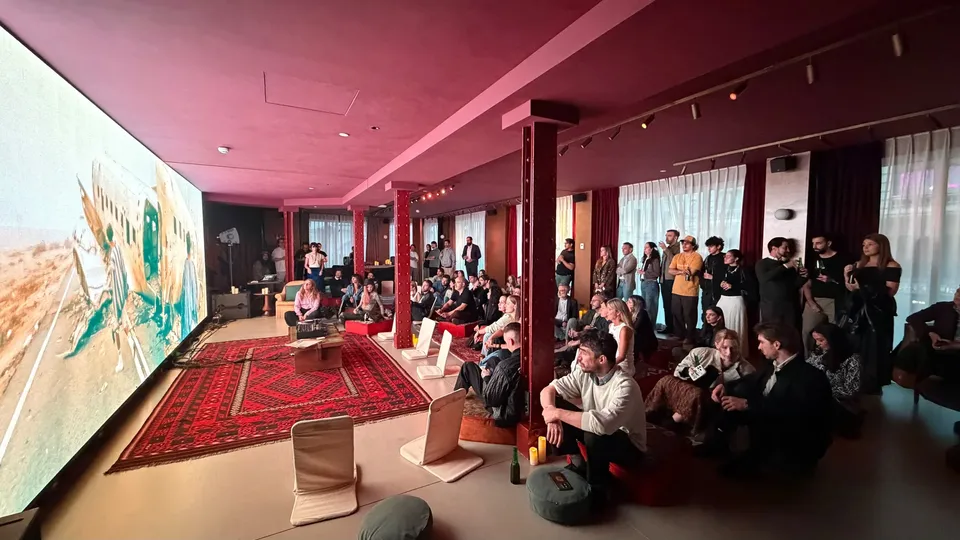
Goldin has always championed the diaporama as the most natural way to present her work, closer to cinema than to photography. It was born as an act of domestic guerrilla warfare. Lacking a darkroom in Provincetown, she would project her slides in her flat or in dive bars using a borrowed projector and a cassette soundtrack. Now, in Paris, The Ballad of Sexual Dependency has the screening times of an arthouse film and a generous queue at the entrance.
The Ballad remains the gravitational axis of her cosmos. This mutable forty-minute artefact insists on the Goldin imagery of her early work as a visceral diary. Sex, dependency, motherhood, childhood, illness, drugs, friendship, men, violence, tenderness, community, death; they follow one another under an eclectic soundtrack that dictates the emotion of each block. It is a work non finita that embraces the fluidity of the seventh art. The shadow of Brian persists — that assault that literally attempted to annihilate her gaze, a landmark of gender-based violence that she transformed into an eternal manifesto of autonomy and dependency.
As with Pedro Almodóvar, Nan Goldin’s most significant images are those arising from the effervescence of the seventies, eighties, and nineties, whose frontal marginality eventually seduced the upper echelons. Sustained by prestige, however, her subsequent production moves rather between reiteration and over-explanation. Goldin recycles her own photographs to the point of exhaustion. Their repetition across different slide shows betrays an evident comfort zone.
Then came the turn of the century and, with it, luxury commissions for Dior, Gucci, or Saint Laurent. The same hand that portrayed dilapidated rooms and a generation ravaged by AIDS thereafter immortalised Robert Pattinson promoting a bottle of cologne. Nevertheless, her combative pulse remains intact. Her battle against the Sackler family through P.A.I.N., the organisation she founded in 2017, proves that her art remains a tool for political intervention.
This direct-action group successfully campaigned for museums worldwide to cut ties with donations from the Sacklers, the family responsible for the opioid crisis in the United States, of which she herself was a victim. This is the story told in the documentary All the Beauty and the Bloodshed, in which she stars, and whose 2022 release coincided with the opening of this touring exhibition. Memory Lost and P.A.I.N. are the same story: pharmaceutical addiction and the struggle. Goldin’s activist side also extends to current conflicts. Her support for Palestine caused an institutional earthquake during the presentation of this very show at the Neue Nationalgalerie in Berlin, nearly costing her friend and museum director Klaus Biesenbach his position.
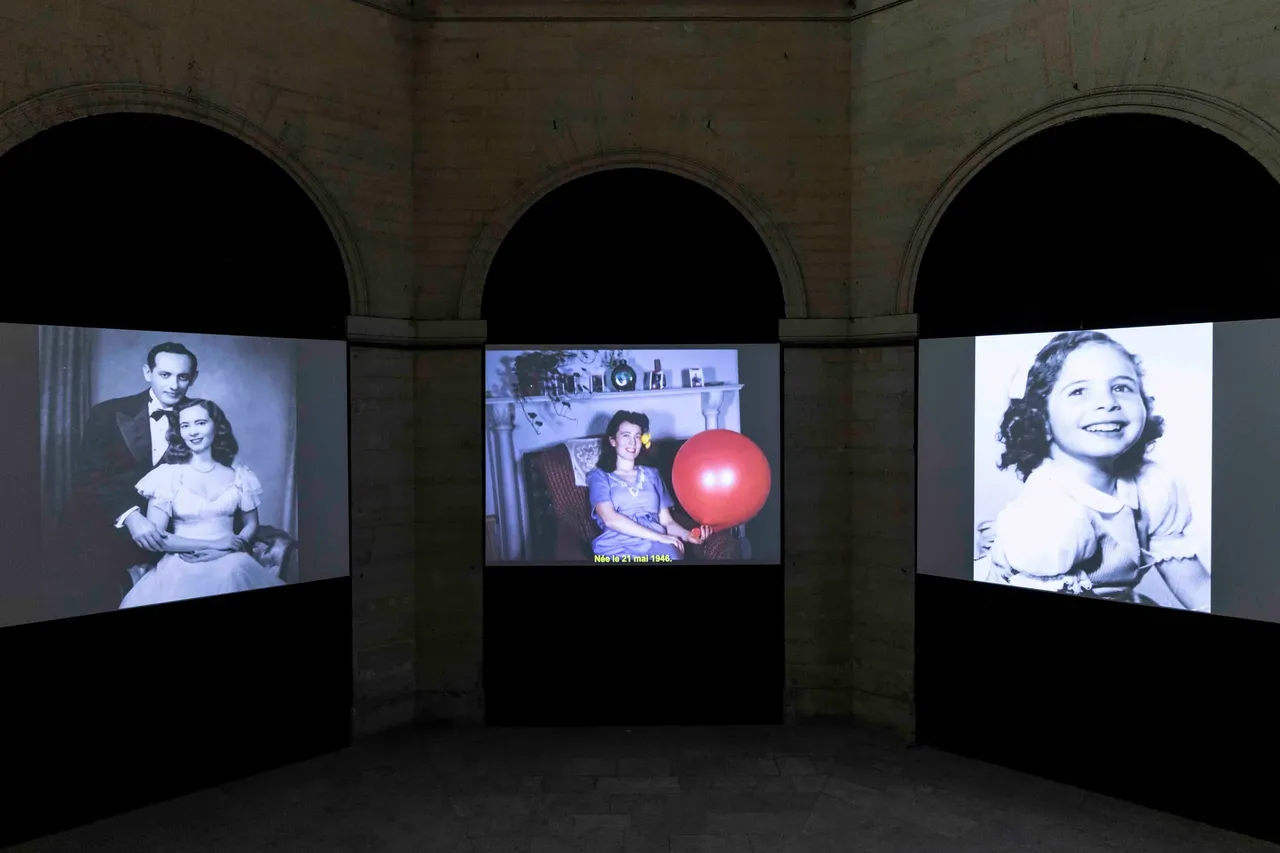
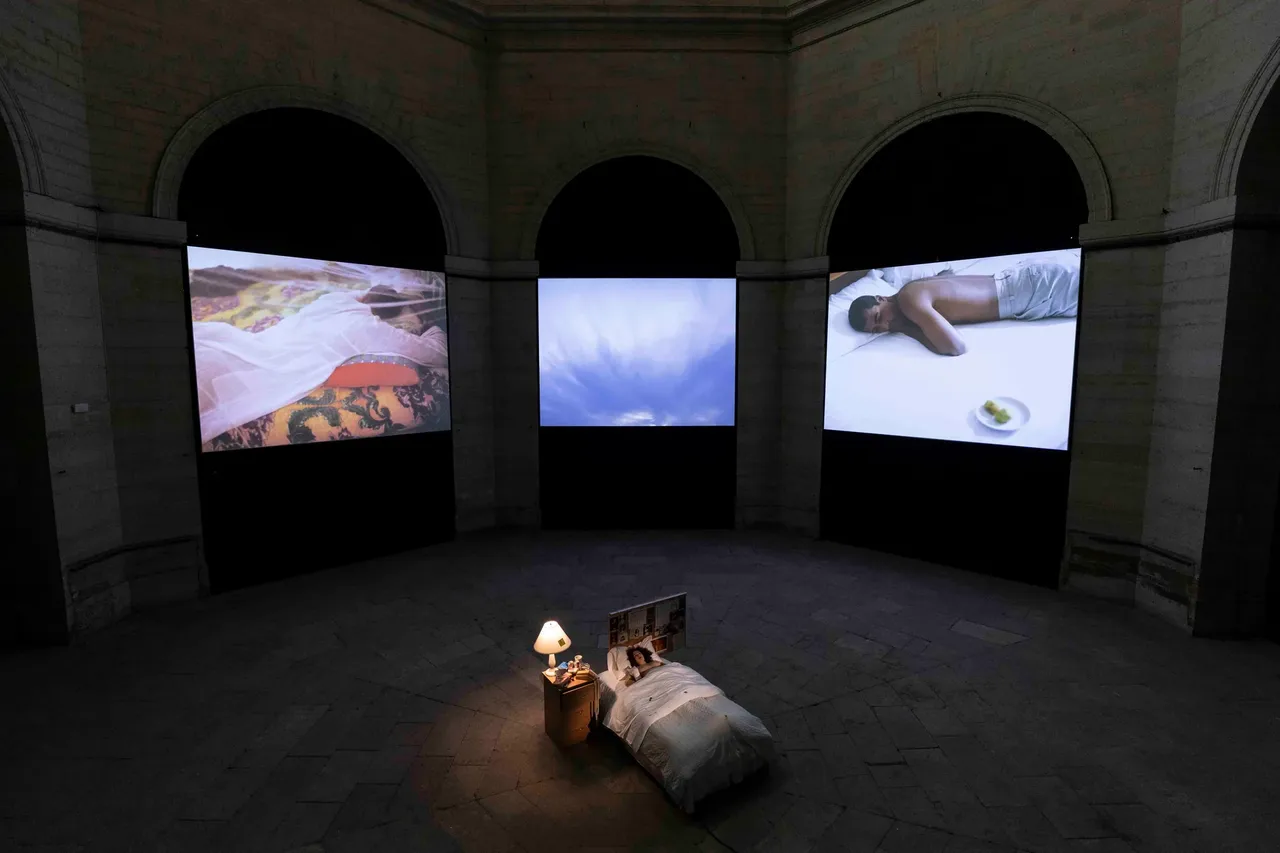
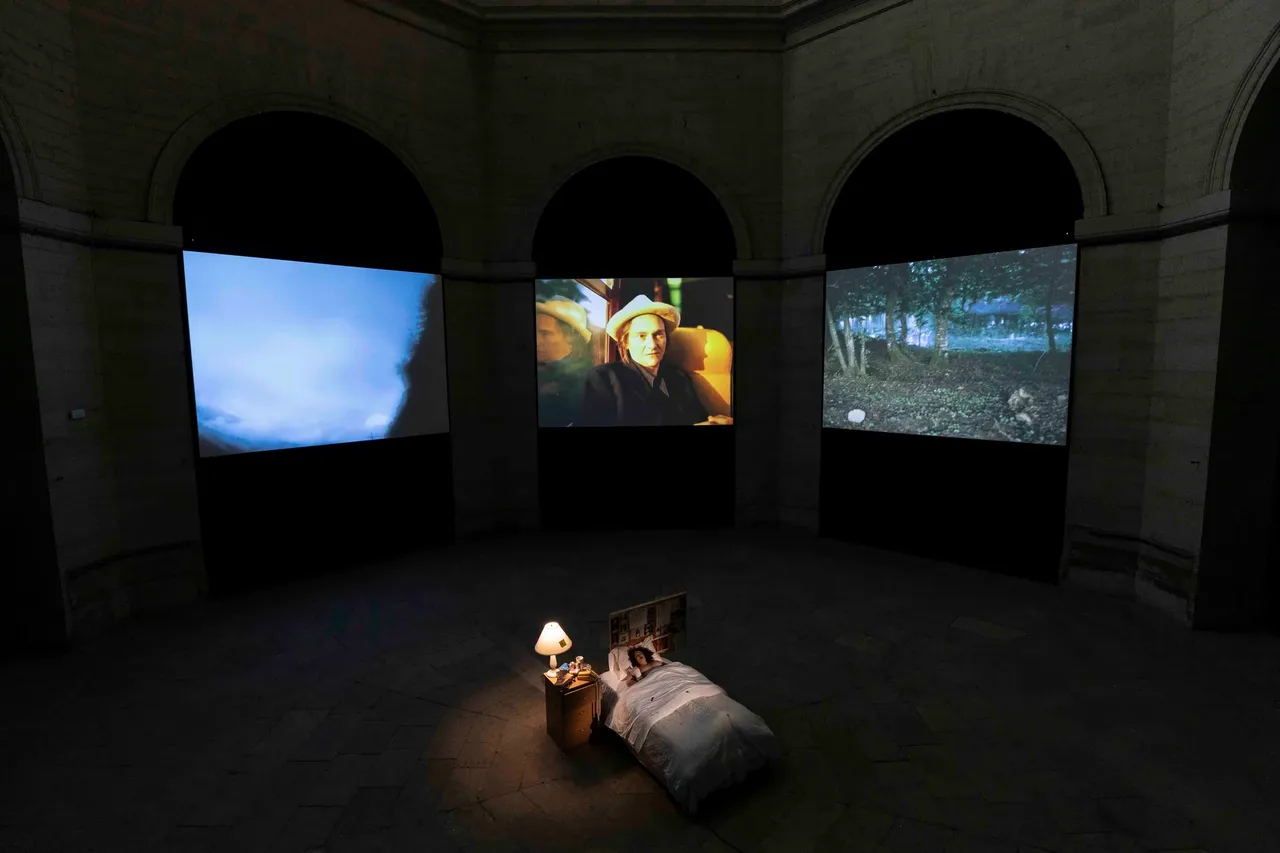
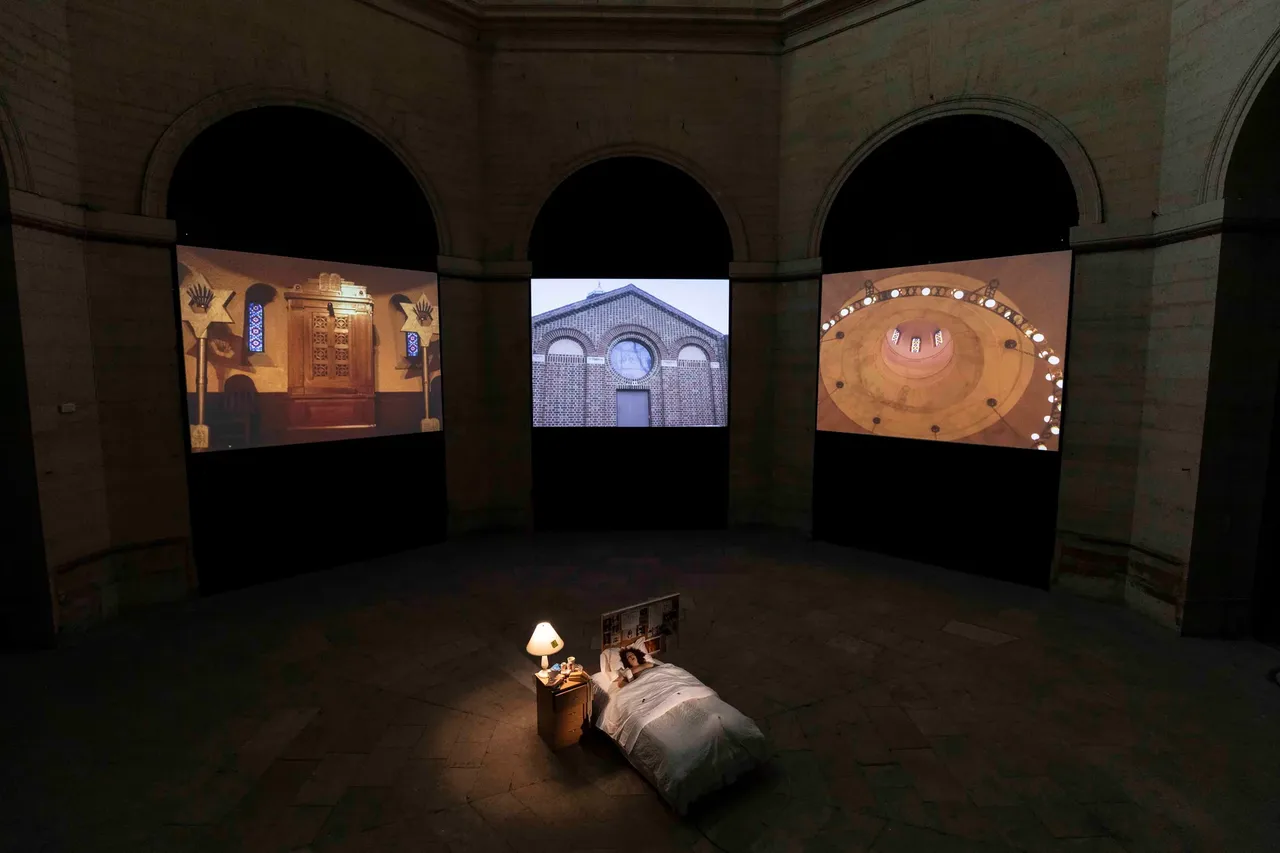
In any case, the best-curated projection of this retrospective is found, paradoxically, outside the Grand Palais. The Chapelle Saint-Louis de la Salpêtrière provides the setting for Sisters, Saints, Sibyls. The three-channel installation – free to enter, perhaps as a hook to draw the public to the Grand Palais – approaches family trauma through the myth of Saint Barbara, the suicide of her elder sister, and Nan’s own confinement in a rehabilitation centre, which she documents herself.
The suicide of Barbara Goldin at the age of eighteen marked the artist’s childhood; she grew up under the shadow of a prophecy by her sister’s psychiatrist, who predicted an identical fate for her. La Salpêtrière, historically an almshouse for poor women and a psychiatric hospital, imbues the work with an overwhelming symbolic weight composed of myth, biography, and confession.
The third act, dedicated to her addiction, avoids explicit narrative and bets on the eloquence of her visual self-archive. In it, Goldin shows her arm scarred by cigarette burns. “The drugs liberated me. Then they became my prison,” she narrates. The montage includes music by Leonard Cohen and Nick Cave that resonates throughout the space. Alongside the triple projection, a sculptural installation recreates Goldin in her sanatorium bed. This work, in harmony with Stendhal Syndrome and the immortal Ballad, carries the weight of an exhibition that, within its black cylinders, holds its breath almost to the point of exhaustion.
The contrast between the two locations is striking. Whilst the Grand Palais opts for a functional staging with its set of isolated, sombre capsules, the chapel concentrates the experience into a single, resounding performative gesture. One wonders what might have happened if the entire project had been articulated with that dramatic intensity which, the organisers explain, a lack of space prevented. Thus, Goldin, the chronicler of New York chaos, remains fossilised within a black vitrine.
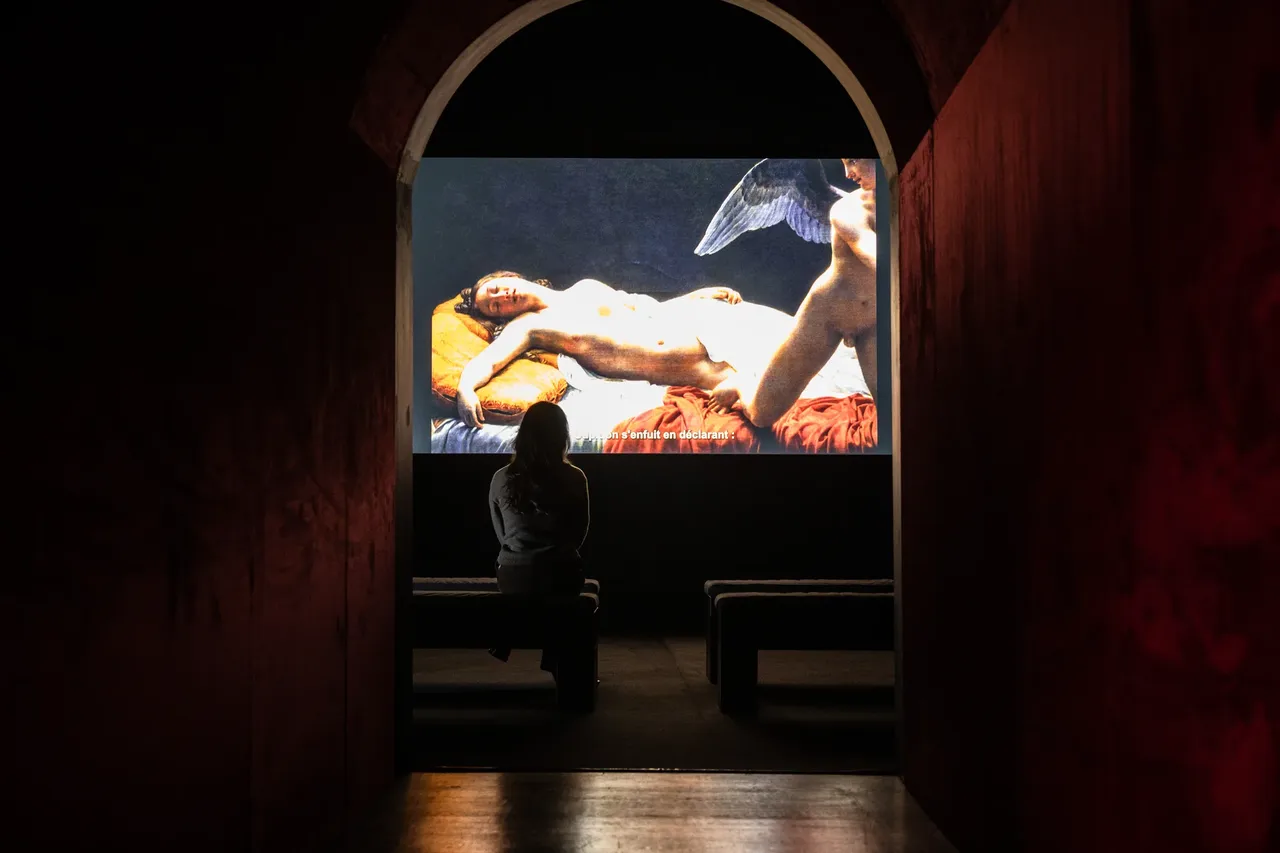
Expendable works such as Sirens – her found footage on drugs and sensuality that dissolves into a tedious, dreamlike haze – or Memory Lost, which accentuates the claustrophobia of withdrawal symptoms through video, photography, and private conversations, sit alongside the documentary ambition of Stendhal Syndrome, where Goldin intertwines classical mythology and personal archive. This set of slides is based on myths from Ovid’s Metamorphoses read by the artist. The fruit of years of work, photographs of classical masters from the Louvre and other museums representing the legends of Narcissus, Cupid, Artemis, Pygmalion, or Hermaphroditus are juxtaposed with portraits of lovers, friends, and family.
Nor is the memory of her deepest affections missing. The Other Side pays tribute to her trans community through a slide show documenting their lives from the seventies well into the new millennium. Goldin observes, accompanies, registers. Her camera returns to that place where it has always been most precise: shared intimacy.
Paris witnesses the unfolding of an artist who uses the unmade bed as a sacred refuge and the camera as a shield. This exhibition, which began its journey at the Moderna Museet in Stockholm in 2022, has already passed through Amsterdam, Berlin, and Milan. Goldin’s light, warm and at times tenebrous, continues to illuminate the shadows of her memory. The Grand Palais surrenders to a creator who knew how to transform her intimate diary into a universal mirror in which we are all, in some way, portrayed. There is no doubt that Paris consecrates her. The question is whether that consecration does not ultimately bury what made her necessary in the first place.
This Will Not End Well is on view through 21 June at the Grand Palais, Square Jean Perrin - 17 Avenue du Général Eisenhower, Paris.
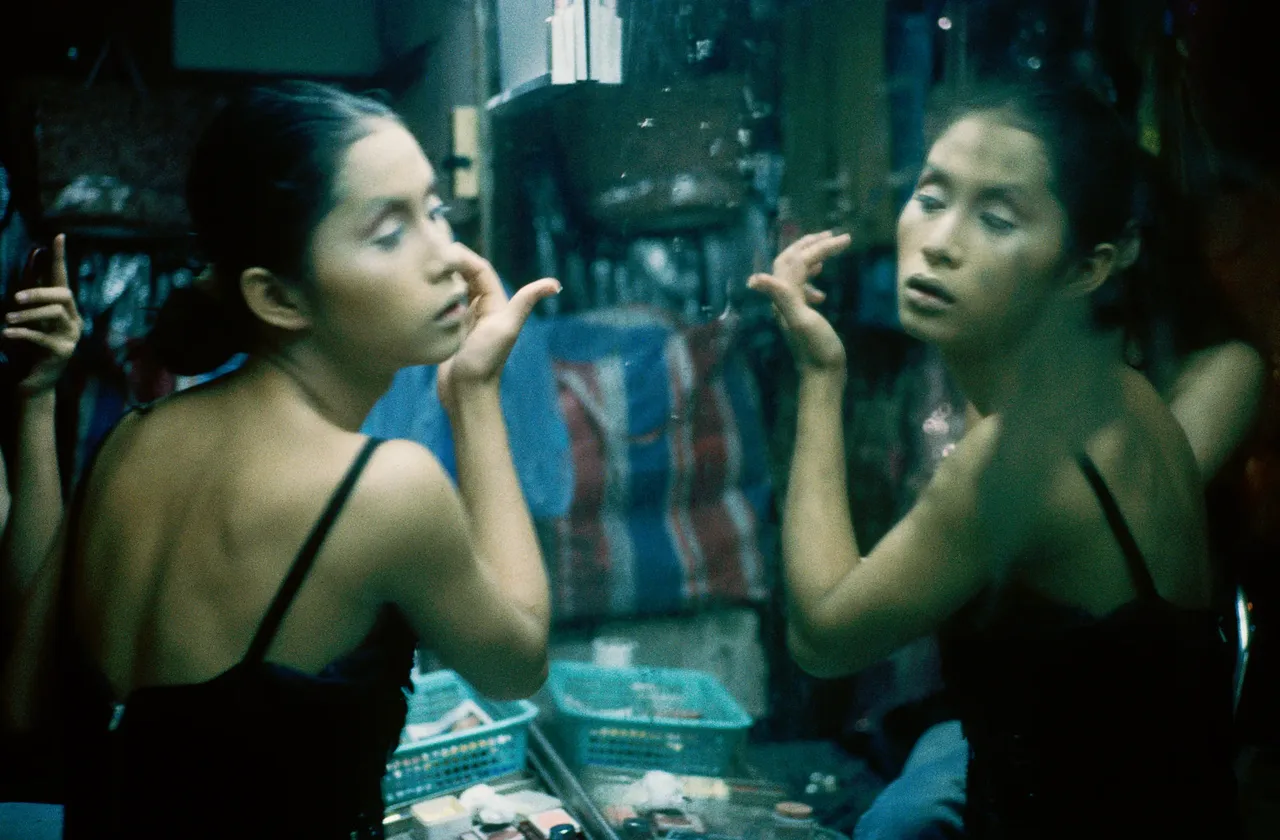
C putting on her make-up at Second Tip, Bangkok 1992 © Nan Goldin
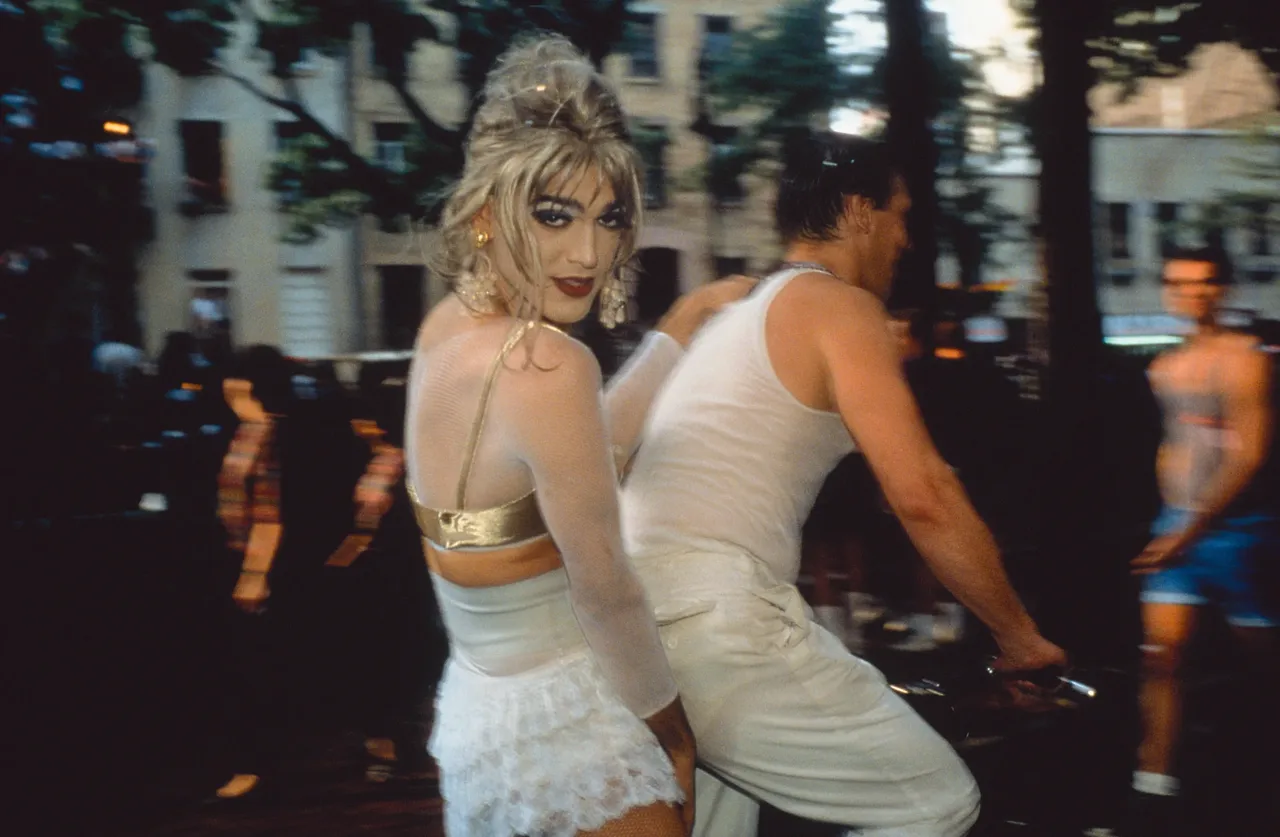
Jimmy Paulette on David’s bike, NYC, 1991 © Nan Goldin
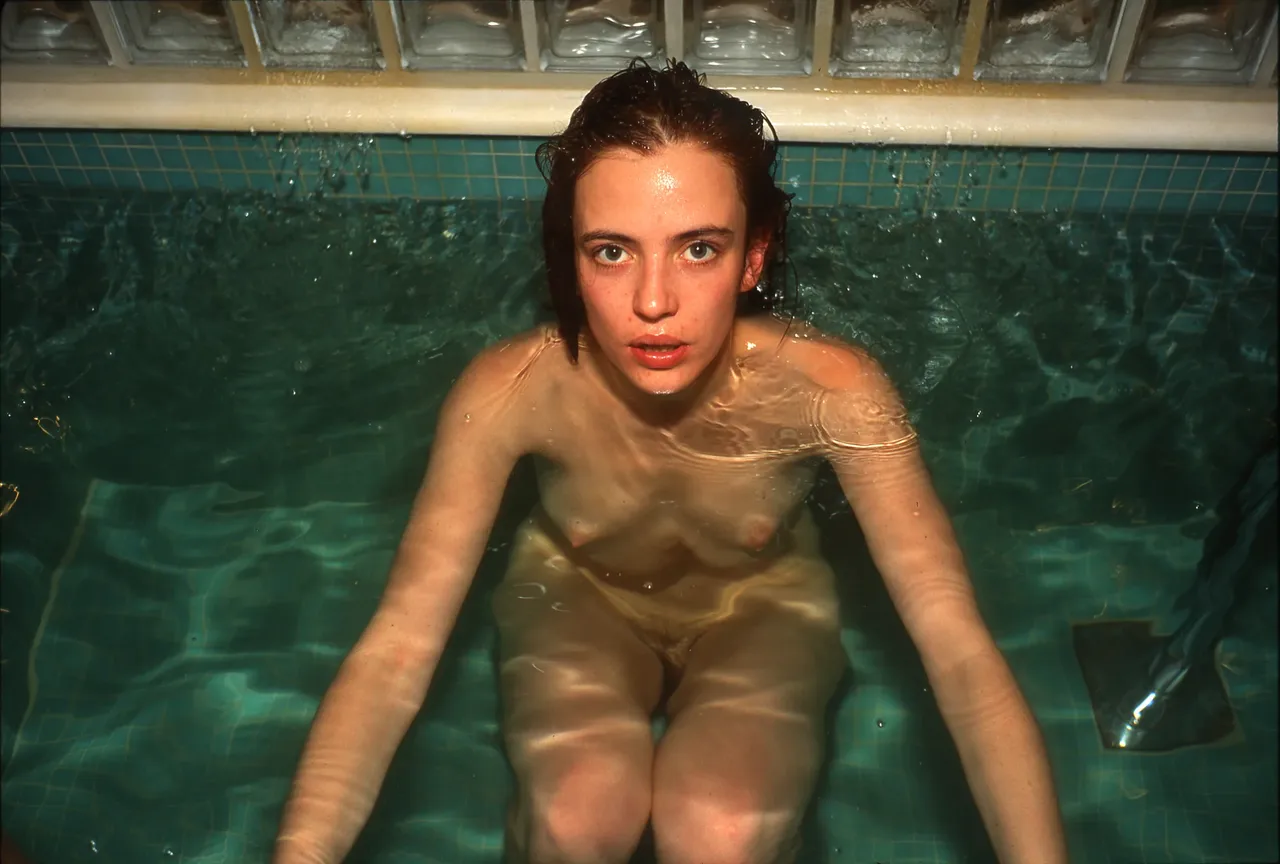
Amanda at the sauna, Hotel Savoy, Berlin, 1993 © Nan Goldin
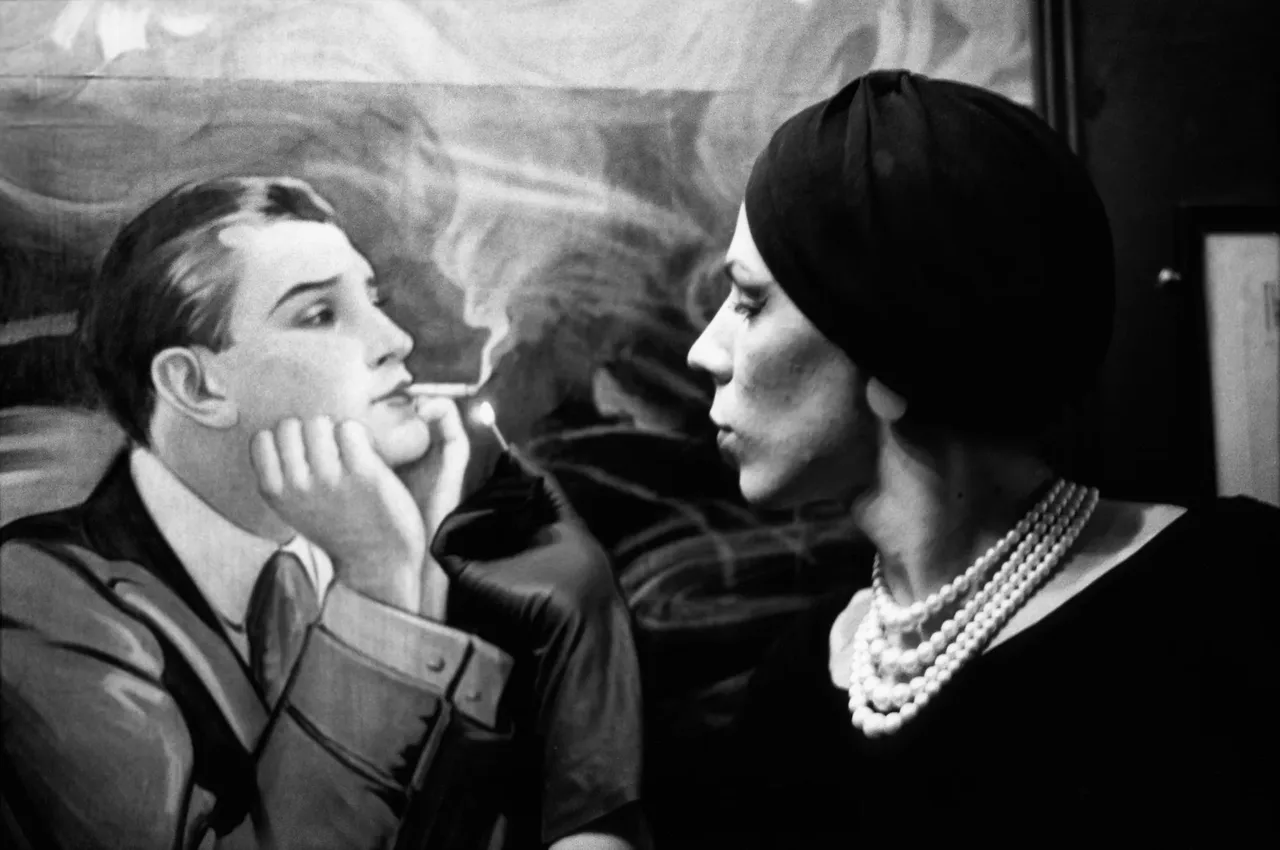
Christmas at The Other Side, Boston, 1972 © Nan Goldin
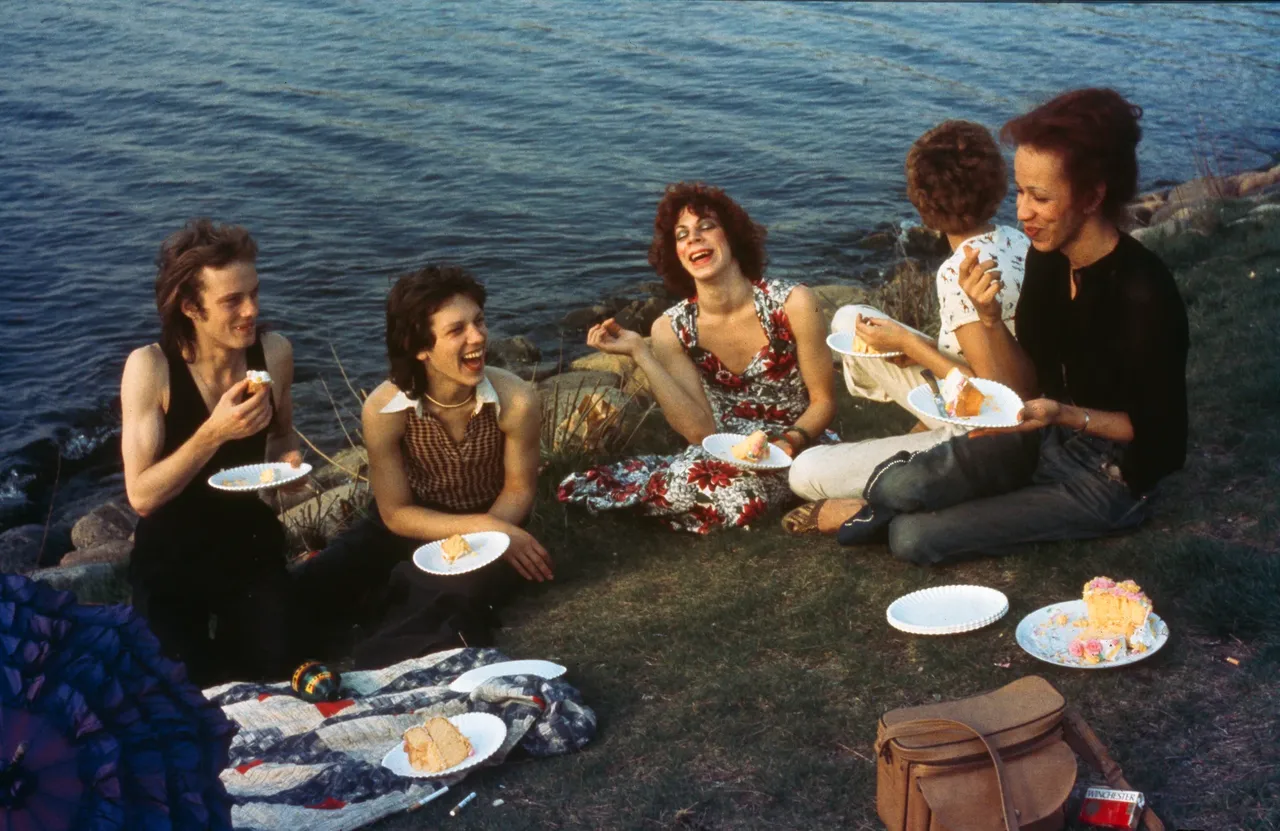
Picnic on the Esplanade, Boston, 1973 © Nan Goldin
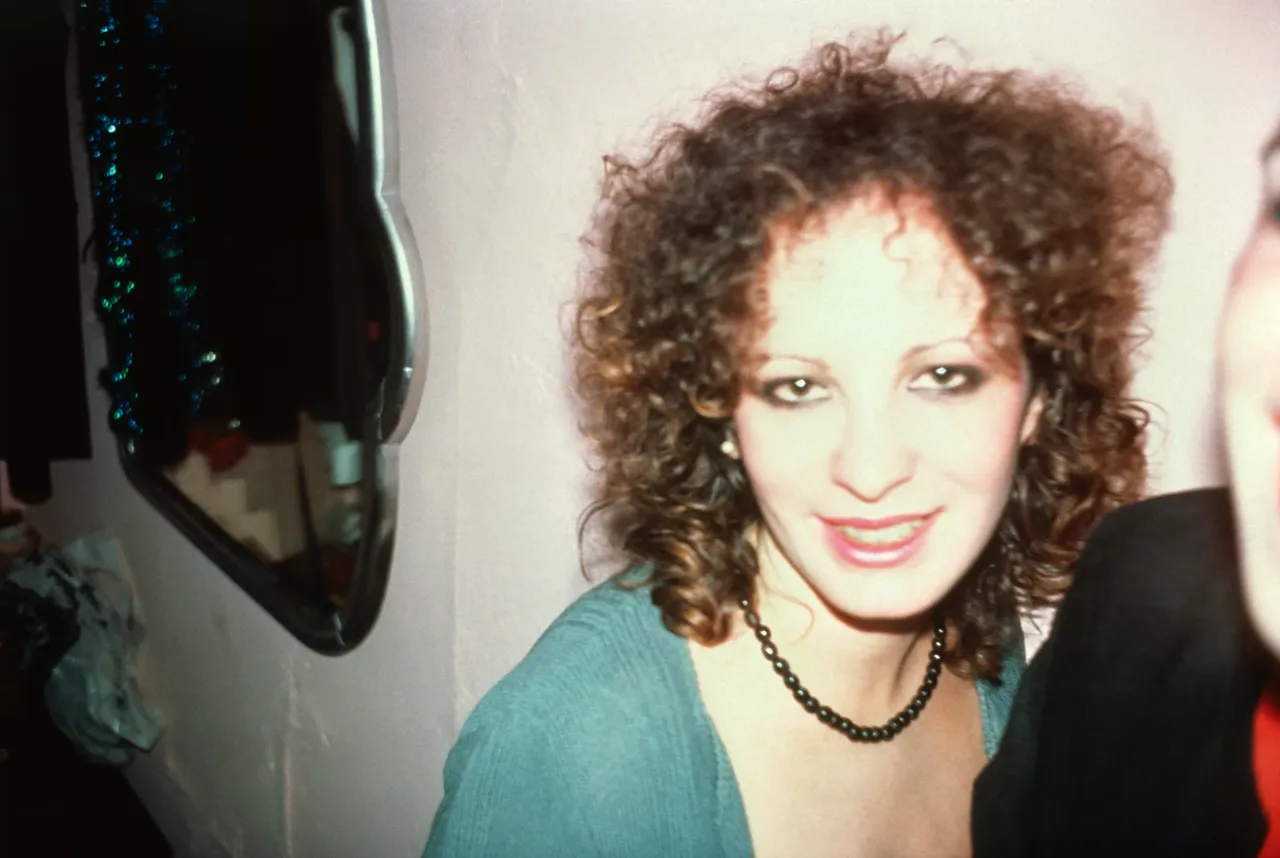
Untitled, 1982 © Nan Goldin
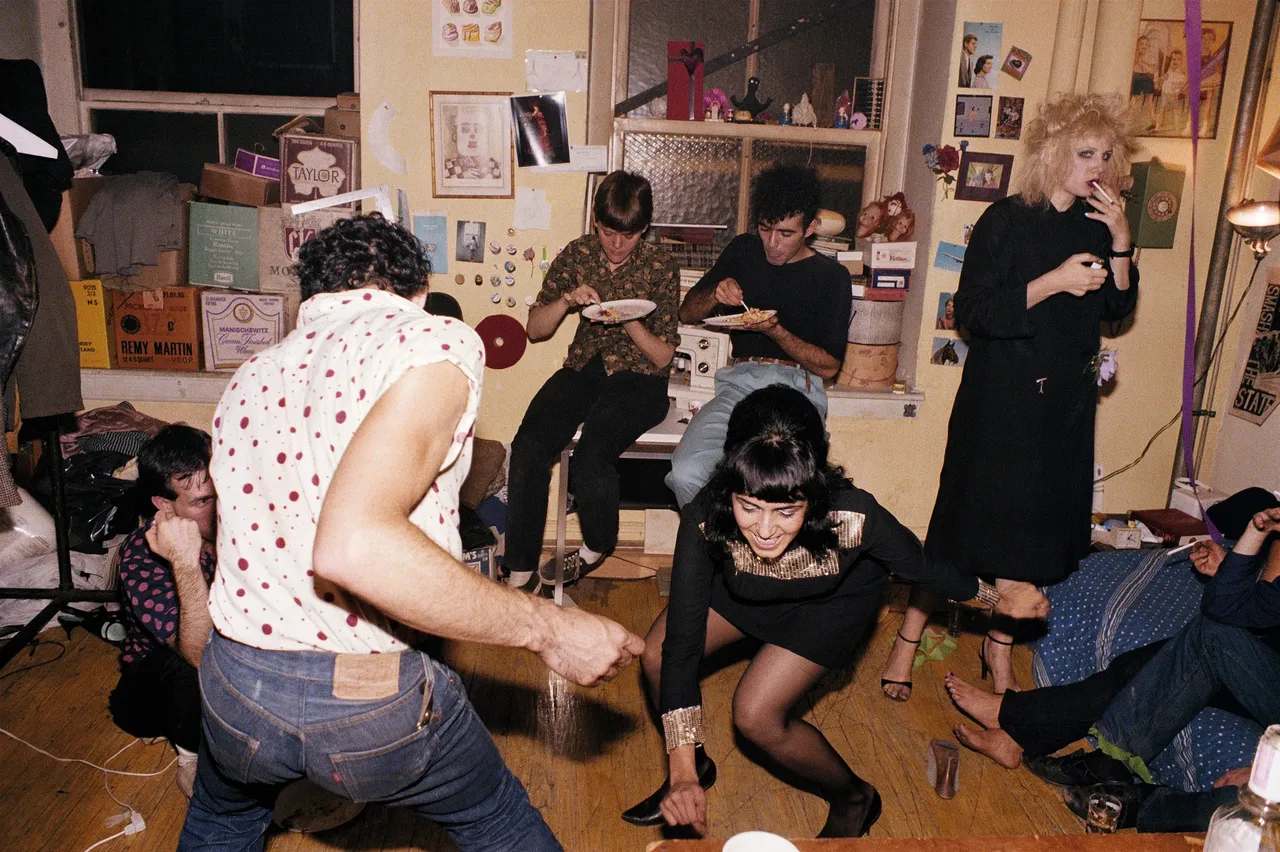
Twisting at my birthday party, NYC, 1980 © Nan Goldin