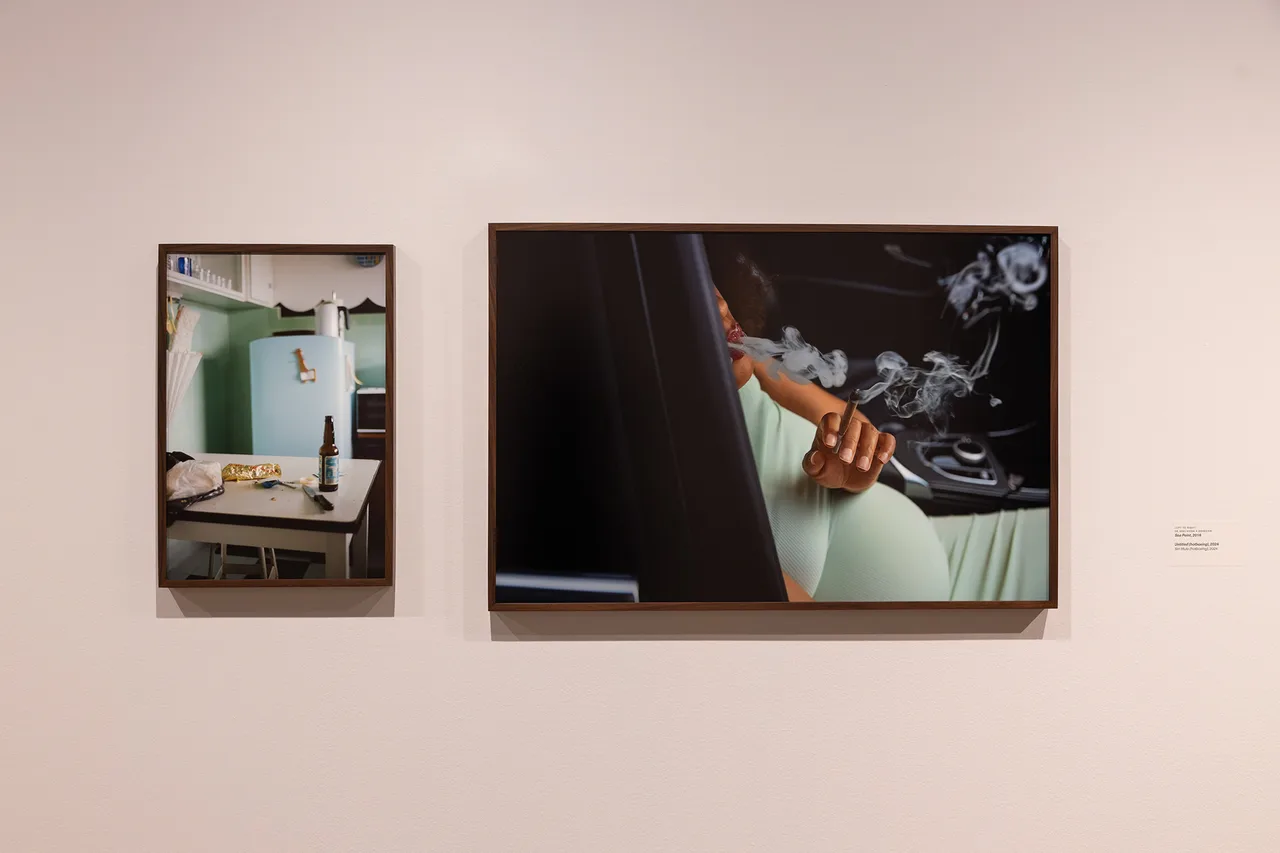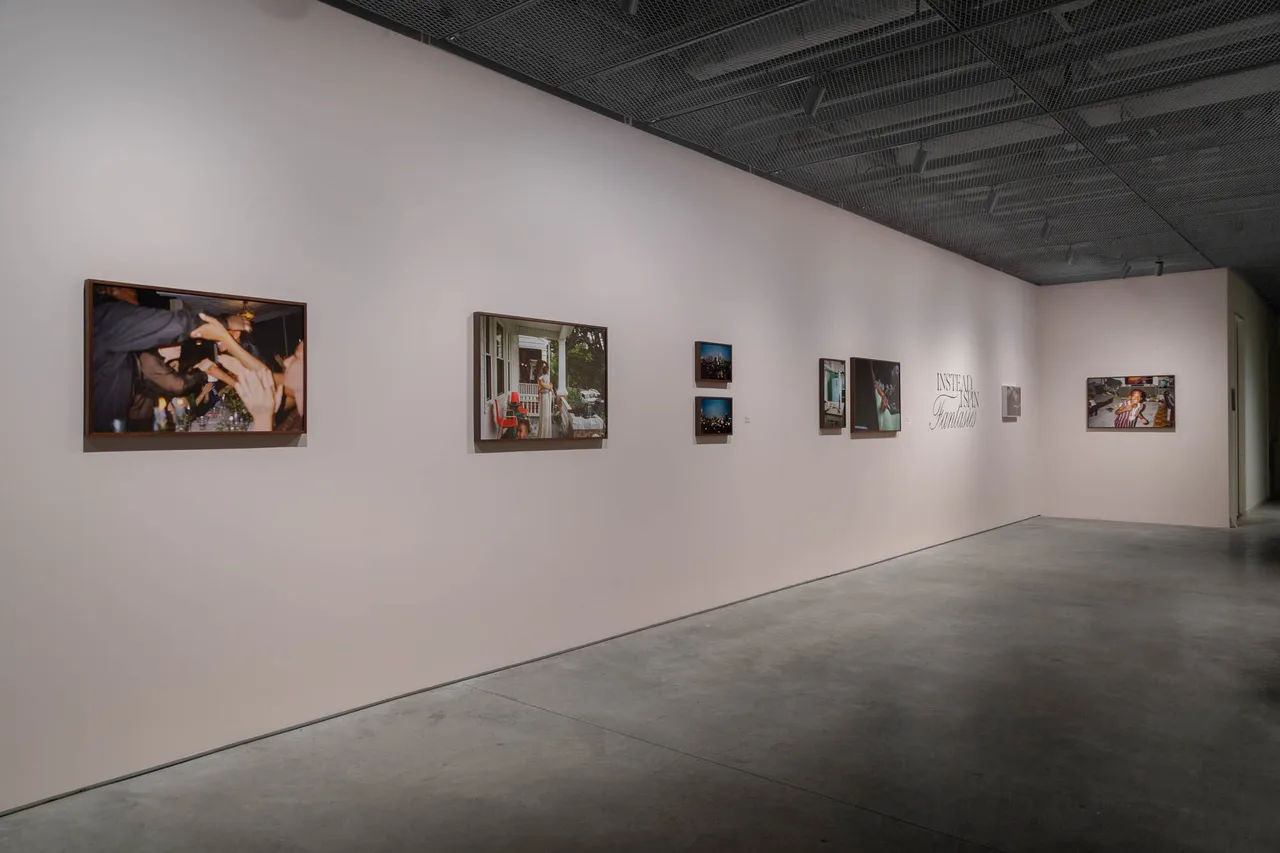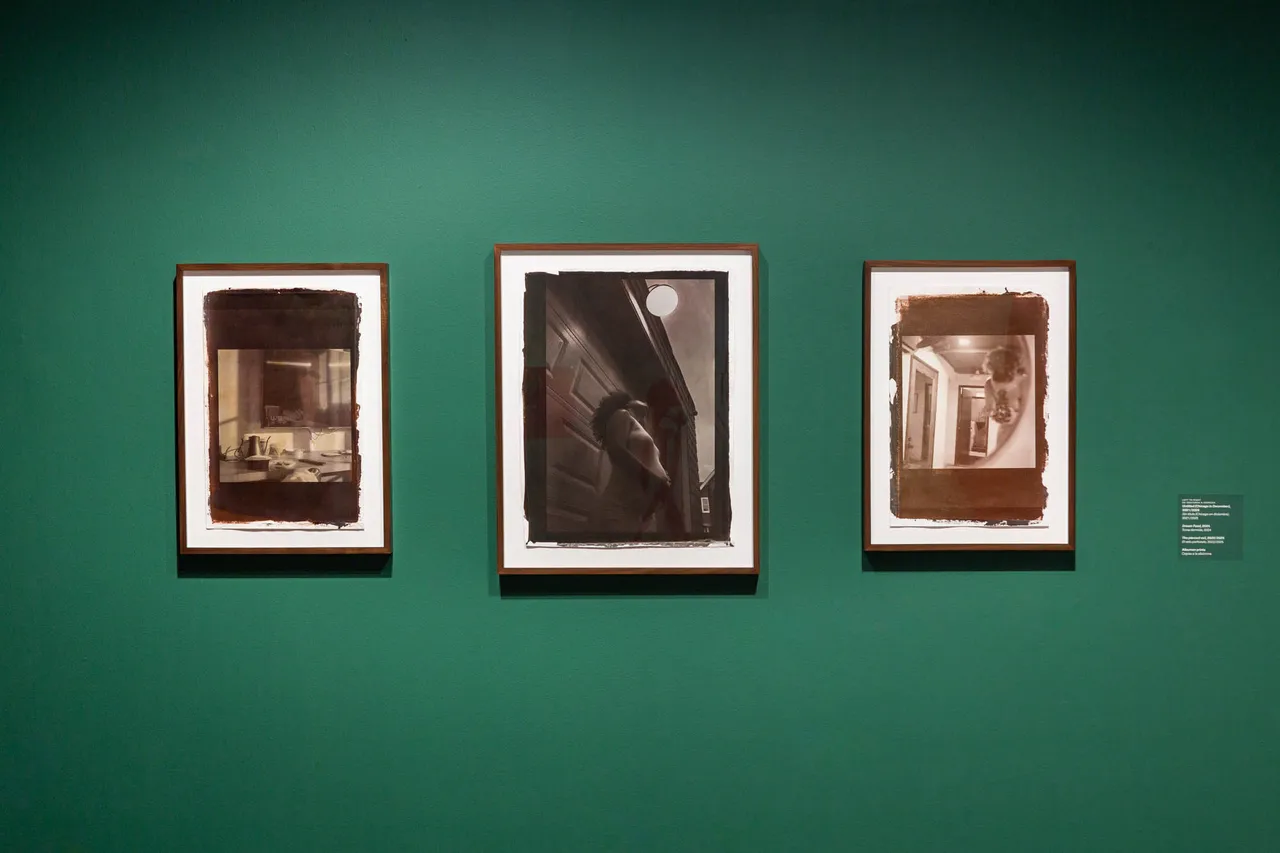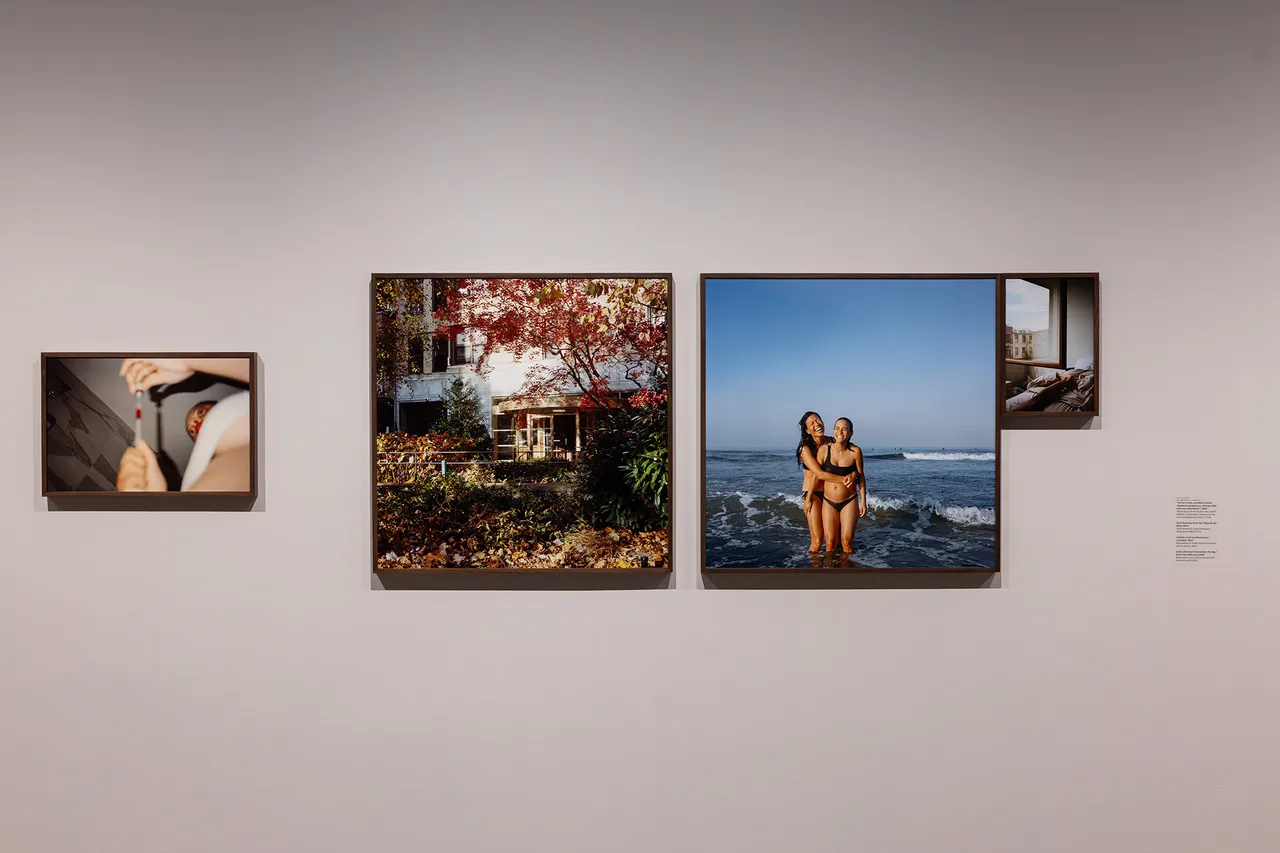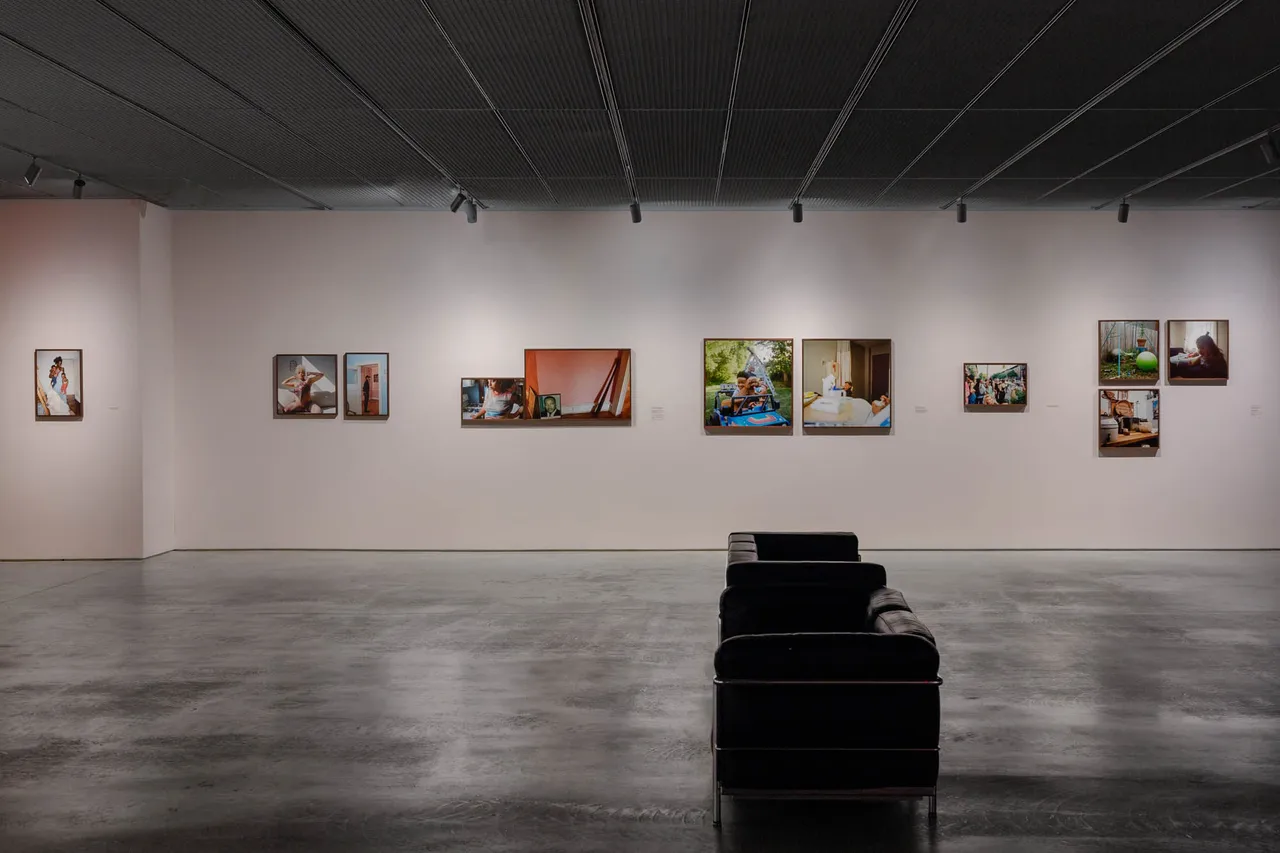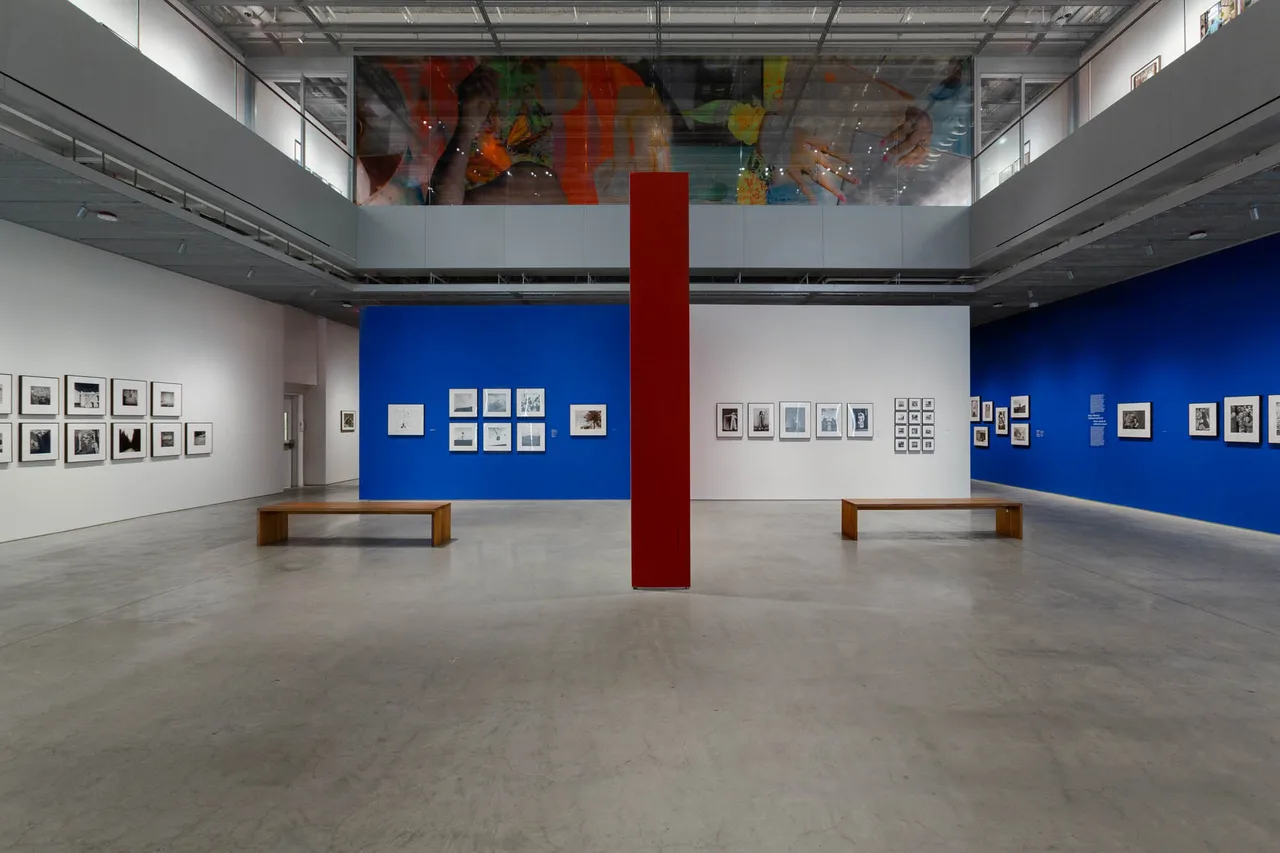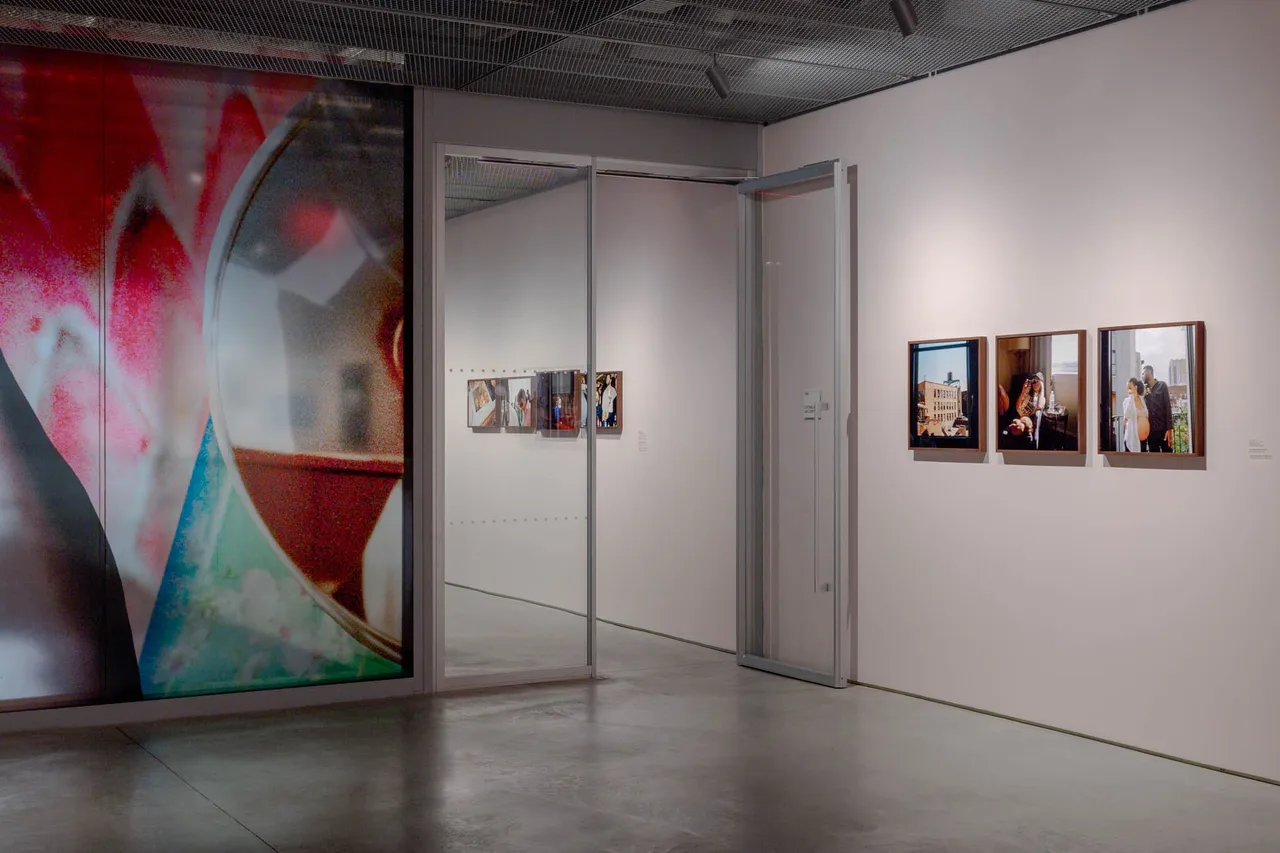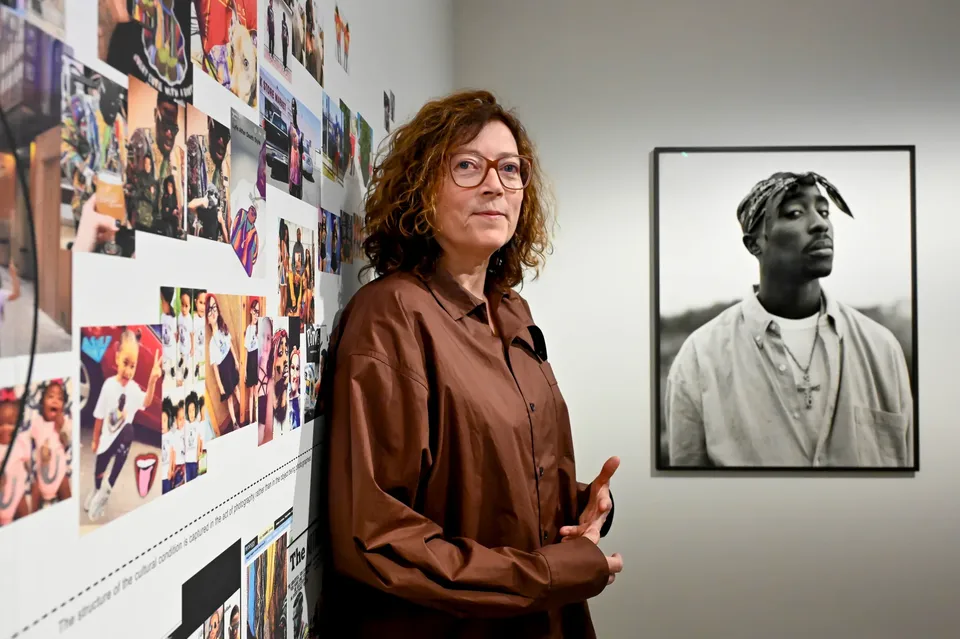
Suzanne Finnamore once said that pregnancy is the closest thing a woman will ever come to magic, and there’s really no arguing with that. Being able to carry and bring life into the world is truly one of the most incredible phenomena of nature, a testament not only to unconditional love but, perhaps most importantly, to the strength of women. Yet, while this is undeniable, there are also many expectations placed upon us as women. We are often expected to be “birthing persons”, to have the desire to carry life, to become mothers. If our answer to a “Would you like to be a mother?” question is not a firm yes, we are often reassured that it’s just a matter of time: “You are too young; you’ll change your mind.” Sometimes it seems that the desire for motherhood and pregnancy is the only acceptable answer. Naima Green, with her new exhibition, Instead, I Spin Fantasies, at New York’s International Center of Photography, reflects on pregnancy as both a personal and societal experience, imagining different scenarios without romanticising it.
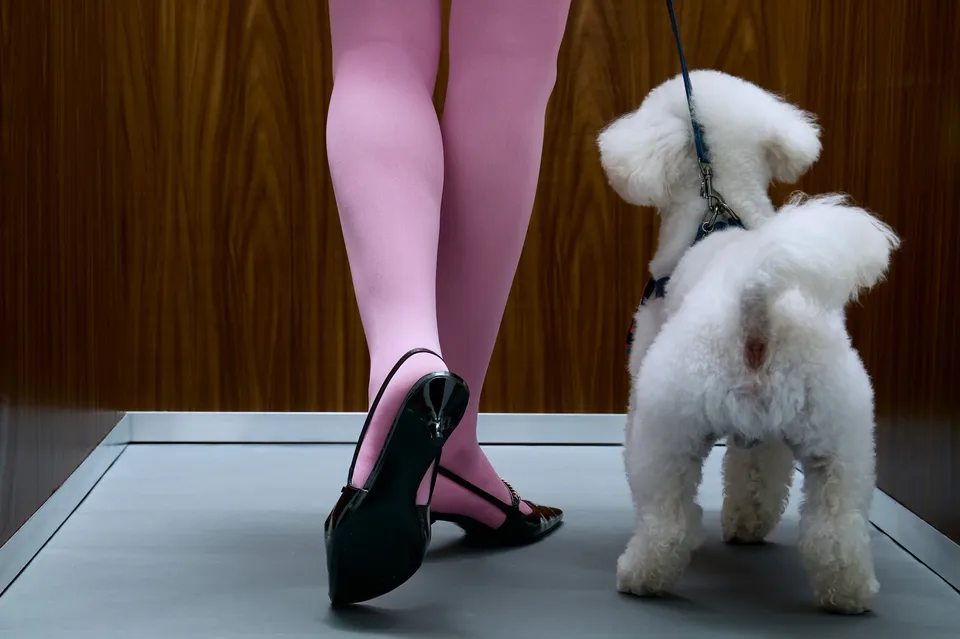
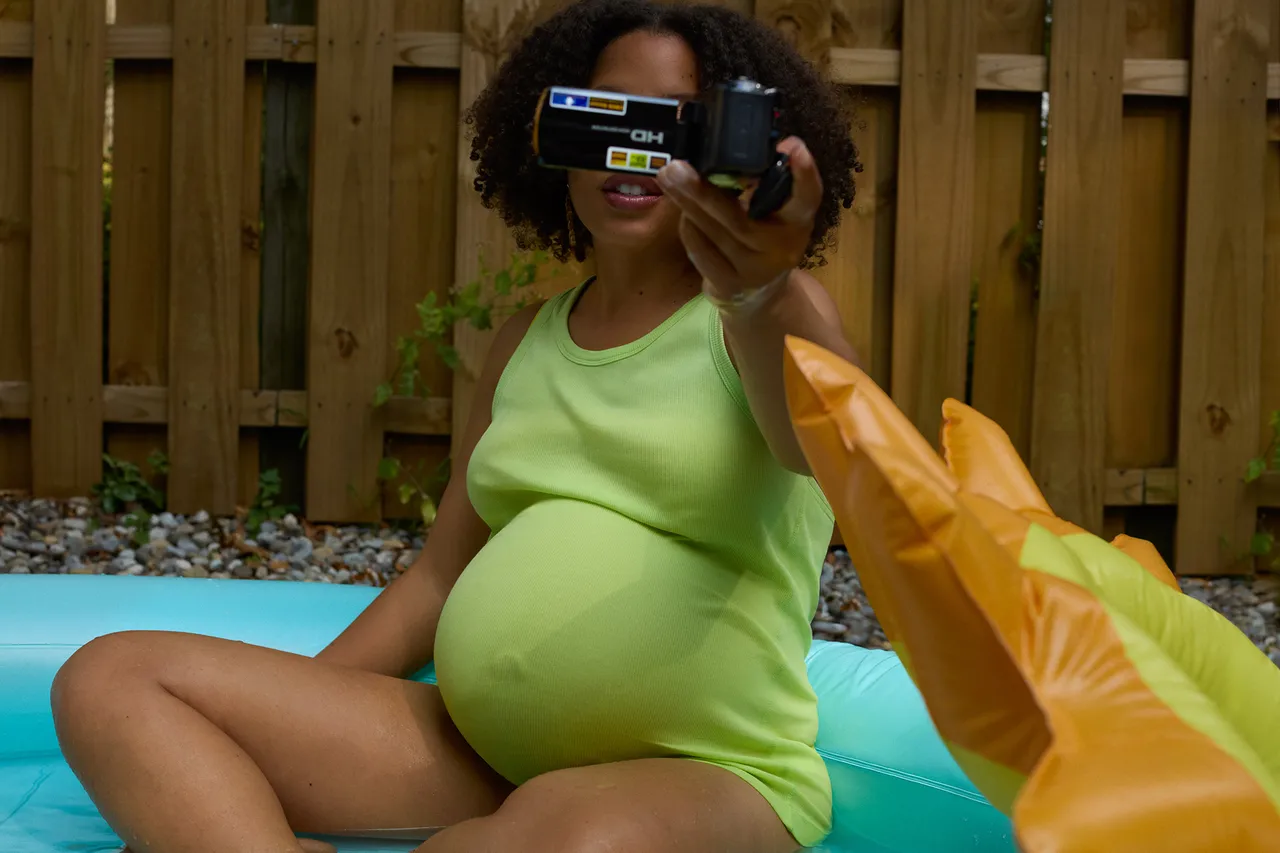
Through constructed self-portraits, landscapes and still life, Green doesn’t portray pregnancy in a stereotypical way; as the title suggests, she spins fantasies. Using a prosthetic belly, she stages alternative versions of herself, creating what she calls “prosthetic lives”, exploring what it might mean to inhabit the body of a pregnant woman without actually being one, literally stepping into their shoes and blurring the line between documentation and performance, creating imaginative scenarios and offering glimpses into myriad potential trajectories of any one individual’s life.
If I didn’t let my mind run too far ahead, I felt happy.
It’s funny how people don’t give that much thought to what kids want, as long as they’re quiet. Molly 19 Days Before Zadie.
The other is an outpouring of everything good in you.
It’s funny how people don’t give that much thought to what kids want, as long as they’re quiet. Molly 19 Days Before Zadie.
The other is an outpouring of everything good in you.
Each title sounds like a thought caught mid-sentence, a fragment from an inner monologue. Together they build the rhythm of an everyday story through images that feel both intimate and performative: a fleeting moment of calm in a bathtub, a lunch thrown together with what’s left in the fridge, an intimate exchange between a mother and her children, a woman filming a vlog she might one day show her child, the company of friends and family, the subtle fatigue.
Her photographs don’t act as confessions but as possibilities. Green’s lens also ventures into less comfortable narratives, the ones that aren’t usually shown: Pregnant women drinking, smoking, late-night club scenes, and acts that defy the sanitised, moralised image of motherhood. Is that a responsible mother, or do we see her humanity first? Green asks us to challenge our automatic judgements and the way in which we moralise the maternal body.
Is this really something we really want, or is it an expectation that’s been put on us? Why does the question of becoming a parent feel inevitable? How is a pregnant woman supposed to act and feel? What does it mean to be a parent? To raise a child? To be responsible for someone else’s life? Through these prosthetic lives, the photographer stages a conversation with herself, presenting pregnancy as a sort of metaphor, a mutable space where desire, doubt and autonomy coexist.
Her photographs invite us to inhabit the in-between: the tension between fantasy and truth. She doesn’t tell us what pregnancy should look like; she imagines what it could look like. Her images are open questions, tender yet defiant, reminding us that motherhood can exist in many possible forms. The exhibition will be on view until January 12 of 2026.