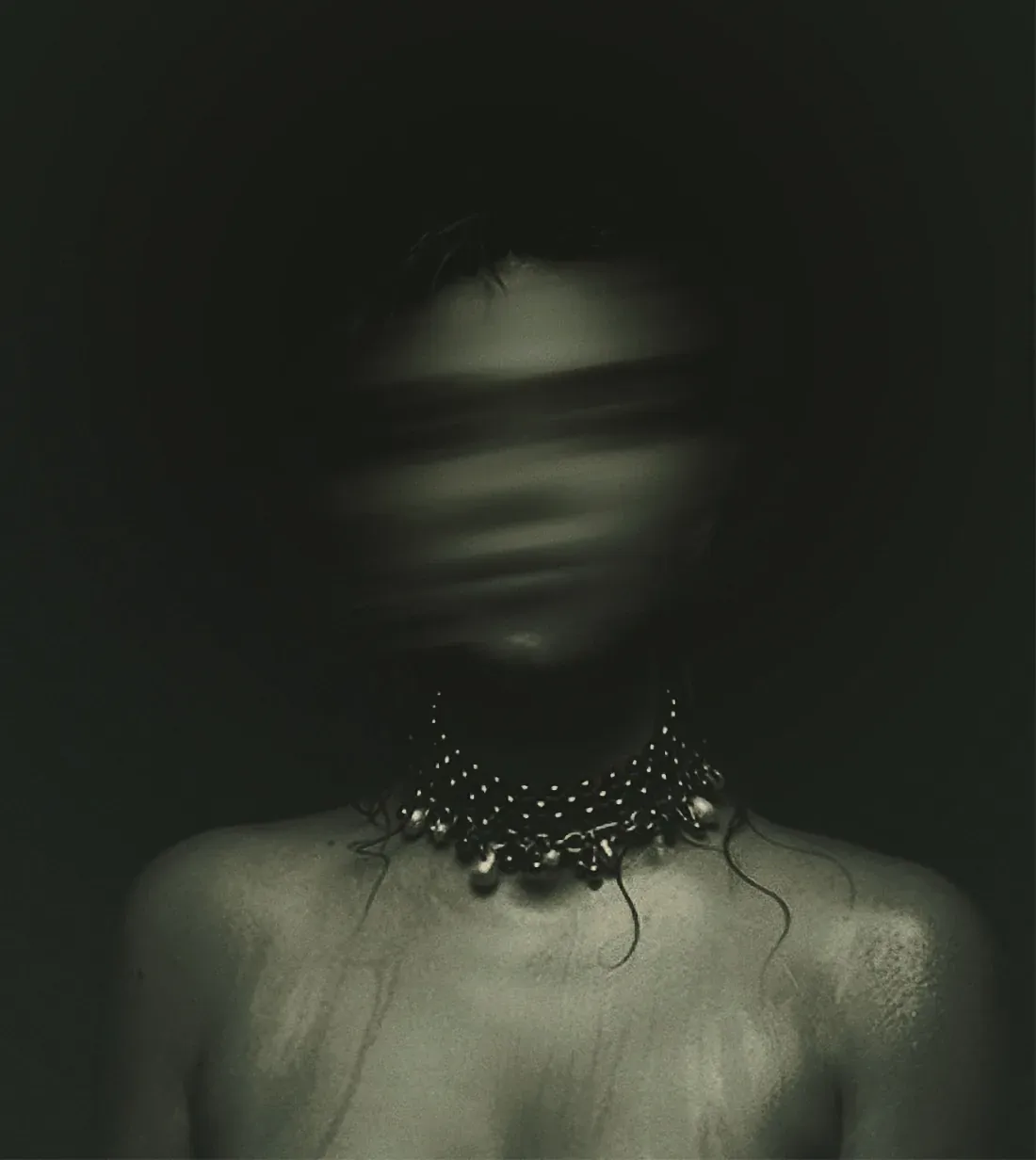
Most artists spend their careers trying to be seen. MOON disappeared. After releasing Electric in 2022, the Swedish artist stepped away and stayed silent until Rhythm arrived three years later. Looking back, the decision feels entirely in character. “When it was finished, I realised I didn’t have anything honest to say next, so I stopped,” she tells us. In an industry built around constant visibility, it was a rare thing to do. Since then, she has released DNA, accompanied by a striking music video, and, just last week, Rhythm (After Dark), continuing to expand a universe that seems to grow at its own pace.
“It isn't about my transformation. It is the transformation, set in sound,” MOON says. That idea runs through our entire conversation. Speaking about fear, stillness, pain, and the courage required to confront yourself, she reflects on a culture addicted to speed and distraction. “The pain was never the enemy. It's the door.” As she prepares to unveil an album and an accompanying art film, one thing becomes increasingly clear: music was only ever the way in.
Your latest single, DNA, arrived a month ago alongside a striking video. Looking back now that some time has passed, how do you feel about the song? Has your relationship with it changed since its release?
DNA is the truest thing I’ve made. It isn’t about my transformation. It is the transformation, set in sound. That's why I never tire of it. You don’t tire of your own pulse. What’s changed since the release is only that I’ve heard it land in other people and felt them recognise something in themselves. My mind moves fast. I’m always already reaching for the next place I want to go. But that restlessness isn’t me leaving DNA behind. It’s the same force the song is about. Transformation doesn’t finish. It only keeps asking: where next?
DNA feels deeply connected to the idea that emotions shape who we are. What was the first spark behind the track, and how did it evolve into the version we hear today?
I was in the studio with my friend Outrovert. He played me a few chords, and I started singing the chorus instantly. The whole thing literally took twenty minutes. It didn't feel like writing. It felt like releasing something my body had been holding. But the real evolution came after. I lived with the song for a long time before I decided to release it, and that waiting was part of the transformation too. It took me a while to understand why I was making music at all. It came so naturally that I couldn't stop to reflect. My body felt the truth first. My mind was only taking notes.
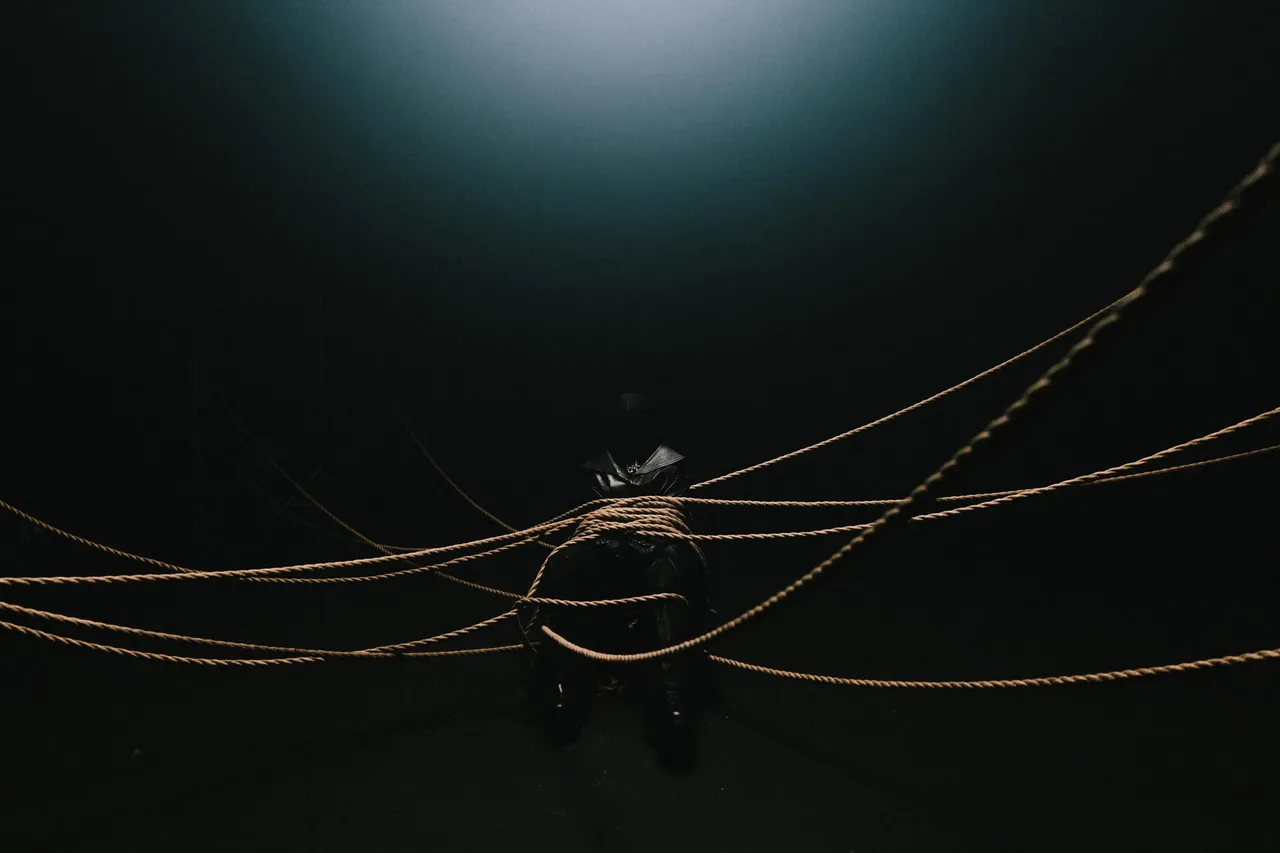
The video introduces a powerful visual language, particularly through the covered face. What does that imagery represent to you?
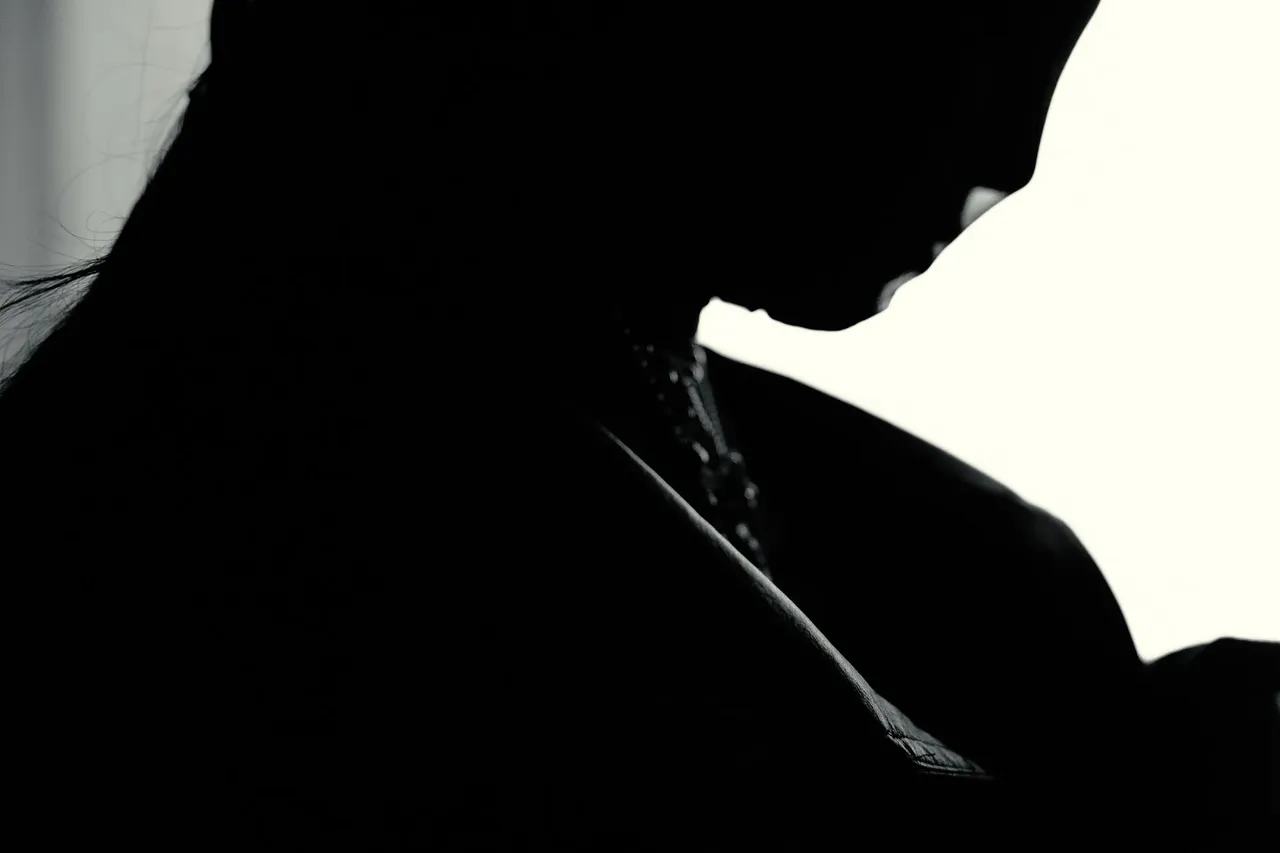
For me, the video is about confronting yourself. The most terrifying thing I've ever done was to face myself. It's two sides of one person, dark moon and bright moon, finally finding each other and becoming one. Everyone carries darkness. The whole point is to embrace all of who we are, not only the parts that are easy to look at. The covered face is both a metaphor and a statement. It removes the individual, so what you see isn't my face. It's a face that could be anyone's. And it says something I believe completely. The feeling comes first, and who delivers it comes second. That isn't a concept I built. It's just the truth of how I work.
You released your debut single, Electric, in 2022, but then disappeared from streaming platforms until Rhythm arrived in 2025. What was happening during those years?
Something was shifting. Electric was the first experiment. I'd only just started, and I wasn't sure of anything yet. When it was finished, I realised I didn't have anything honest to say next, so I stopped. And that felt completely natural. I've never been able to release something just to stay visible. Some things only take shape in the dark, under pressure, where no one is watching. Those years were that.
In an industry obsessed with constant visibility, stepping back can almost feel rebellious. Did you ever feel pressure to release music sooner, or was taking your time essential to becoming the artist you wanted to be?
No. I don't follow any industry clock. Finding your own rhythm in the work matters more to me than keeping pace with anyone else. Back then, I was in the middle of something much bigger than putting out songs, so waiting never felt like pressure. It felt like the only thing that made sense.
Everything seems to move faster than ever now. Songs arrive and disappear within days, and audiences are expected to keep up. Do you think we've lost something in that speed?
Yes, I think we've lost depth. So much gets made to keep up with the pace, not from having something true to say. And we've lost it on the listening side, too. That old obsession of falling into a record and needing to know everything, who made it, where it came from. You can't lose yourself in something that disappears before it lands. Craft takes time to make, and time to fall in love with.
Your work places emotions at the centre of the conversation, yet many people find certain feelings so overwhelming that their instinct is to avoid them altogether. Why do you think we are often more comfortable distracting ourselves than facing what hurts?
Because pain asks everything of you. To feel something fully, you have to lose control, and that terrifies us. But the pain was never the enemy. It's the door. Everything real I've ever made came from the thing I didn't want to look at.
“My mind moves fast. I’m always already reaching for the next place I want to go. Transformation doesn’t finish. It only keeps asking: where next?”
You wrote, "I learned early that you can carry a lot and still look composed. That silence can be mistaken for peace. That not everything that hurts makes a sound." What experiences first taught you those lessons?
I look composed from the outside, but inside, it can be a storm I feel in every inch of my body. People read the quiet as peace. Really, it's just everything held very still. Pain you don't let out doesn't disappear. It infests you from within. The things that hurt most make no sound. So I gave them one.
When you were younger, did you have a safe place where those emotions could go? Or has music often played that role for you?
Music has been a huge part of my life for as long as I can remember. My mother says that as a little girl I'd walk into the woods and sing to the bees, to anything I could see. Like there was already something in me that had to come out. So yes, music was always the safe place. It was where the feelings could go before I had any words for them. It still is.
You've said that human beings are led by feeling more than thought. Looking at the world today, which emotions do you feel are most present in society right now?
Fear. So much fear, dressed up as everything else. The anger, the noise, the speed. It's all about fear wearing a costume. We're afraid to love, afraid to be seen, afraid to be still. But underneath there's this enormous hunger for something real, something that actually touches us. The world is starving for feeling and running from it at the same time.
We live in a culture that often prioritises productivity, stimulation, and constant activity. Where does emotion fit into that landscape? Is there still enough room for reflection?
I can only speak for myself, but some of the most important reflections I've ever done happened when everything got quiet. A few years ago, I stepped away from everything. I spent months alone watching films, documentaries, reading, and thinking. From the outside, it probably looked like nothing was happening. At the time, I thought I'd lost something. My spark. My direction. Maybe even myself. But looking back, I think I found myself. That's why I've never been afraid of stillness. Every time I've tried to outrun what I feel, it eventually catches up with me. But when I sit with it long enough, it usually has something to teach me. For me, reflection isn't separate from life. It's how I understand it.
“Everyone carries darkness. The whole point is to embrace all of who we are, not only the parts that are easy to look at.”
Beyond music, are there particular artists or creative projects that have moved you recently or reminded you why art matters?
I take little pieces from everywhere. Opera, ballet, butoh, and old rituals. I'm a curious person, and I love errors. The things that aren't supposed to be a certain way are the ones that fascinate me. There's a photograph Gertrud Arndt made of herself that I keep coming back to. A covered face, made for no one but herself. I don't know why it stays with me. It just does.
You've built a world around MOON that feels carefully considered and intentionally mysterious. How do you balance revealing enough of yourself to connect with people while still protecting something that remains private?
There's no balancing act. I'm not protecting anything. I give everything. It all goes into the work. I don't decide what to reveal. I just create, and what's true comes out on its own. It's like a painting. You're not looking at the person who made it, only at what they made, and still it reaches you, because an artist's vulnerability is set in what they create. Seeing it doesn't mean you see them. But that isn't me hiding. It's me giving you the real part of who I am.
What does the rest of 2026 look like for you?
More than music. That's what I keep coming back to. There's an album coming, and right now I'm building an art film out of one of its interludes. But the music was always just the way in. MOON is a whole world, and you've only just stepped through the door.