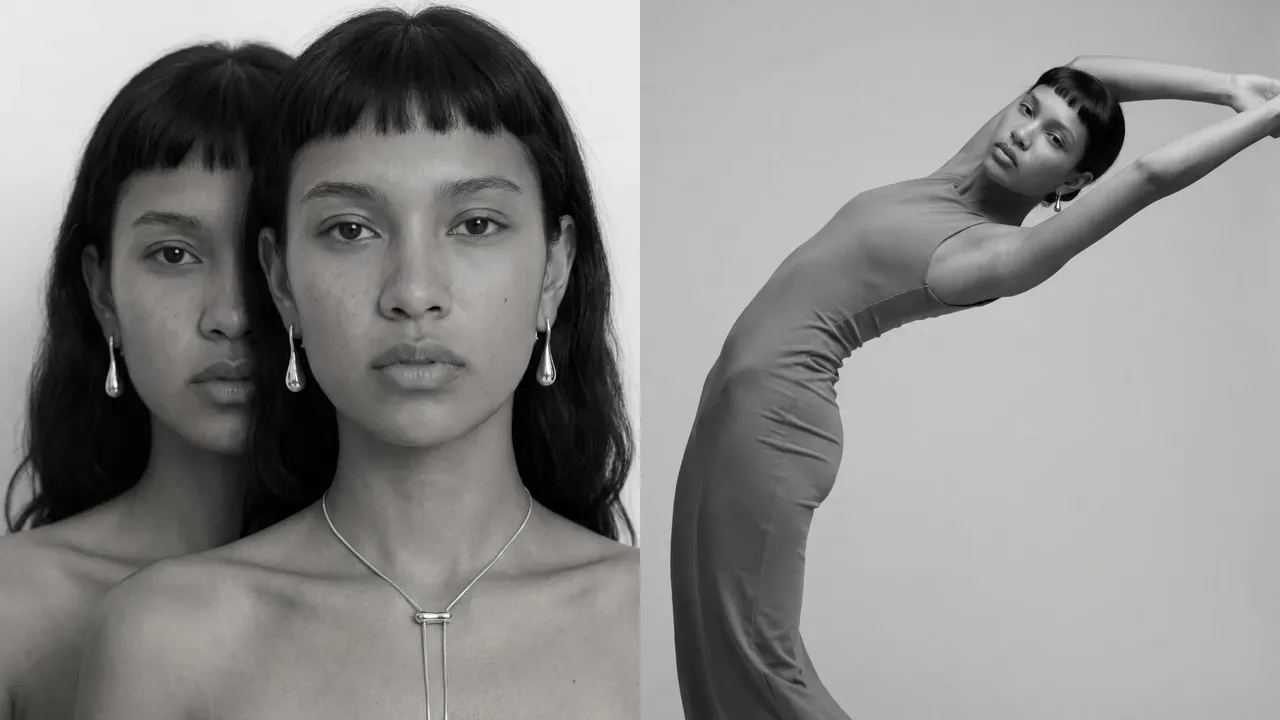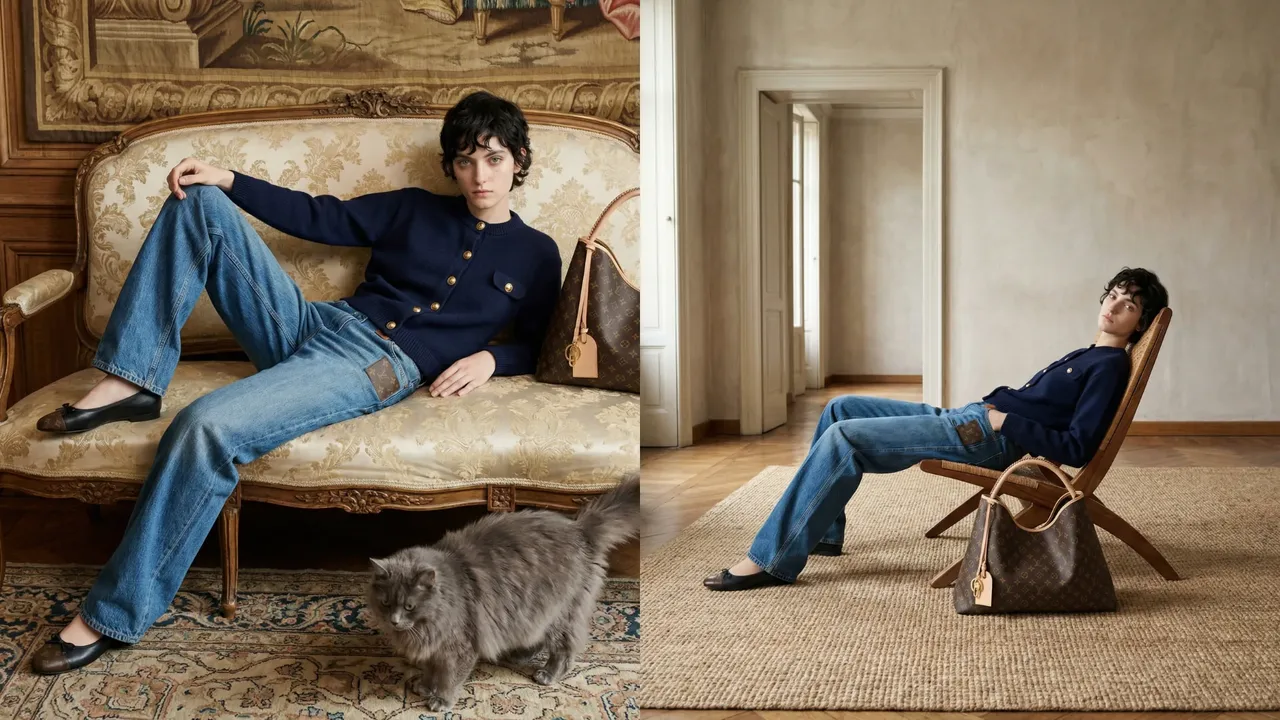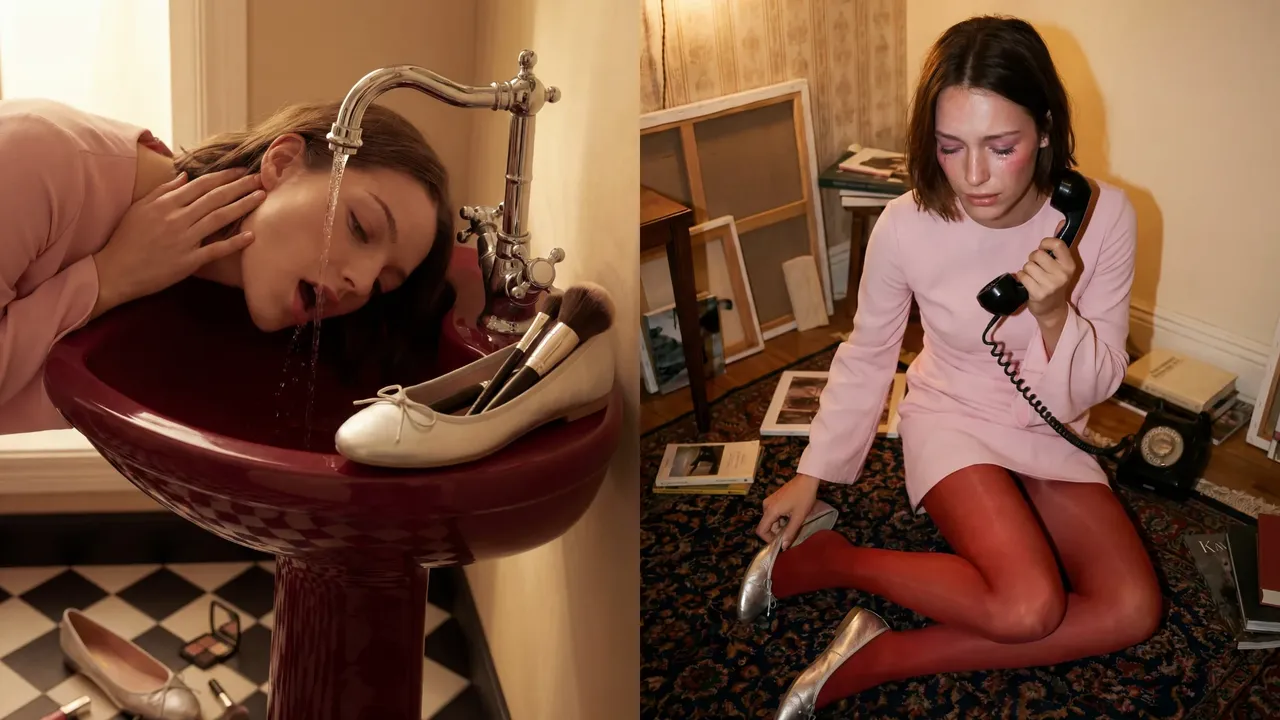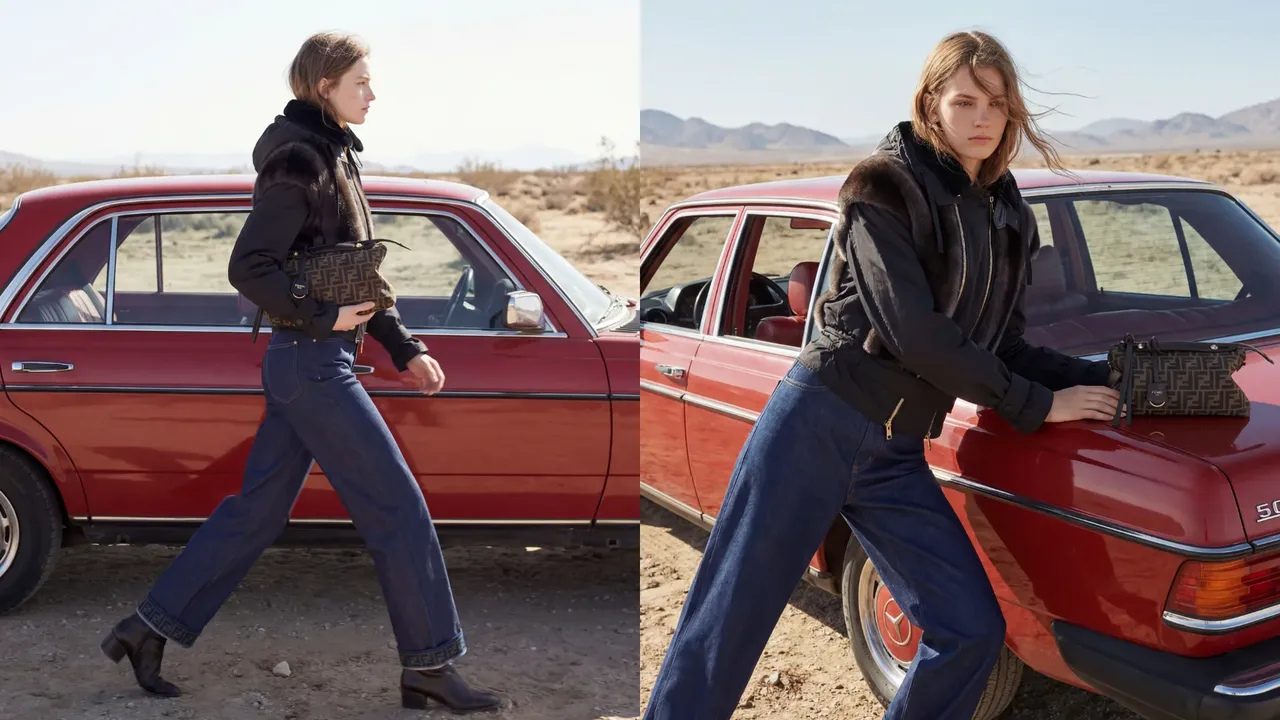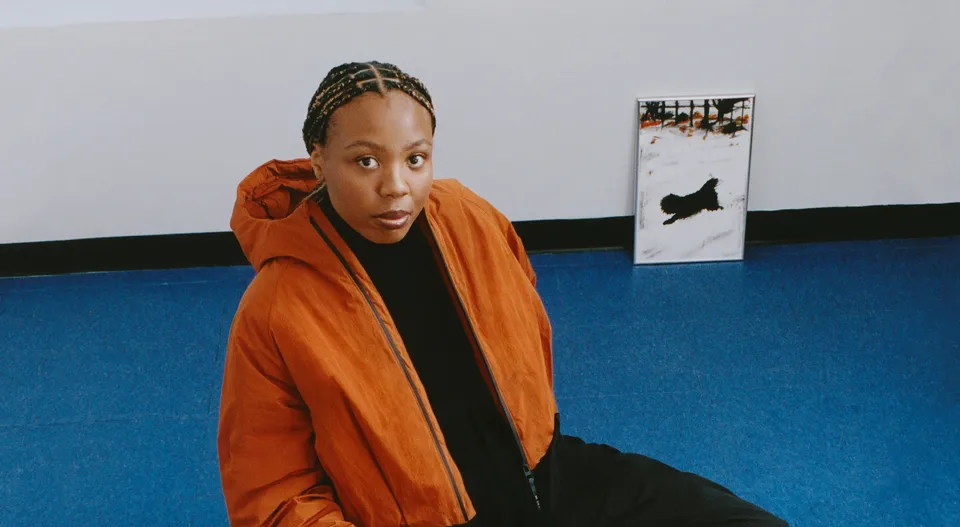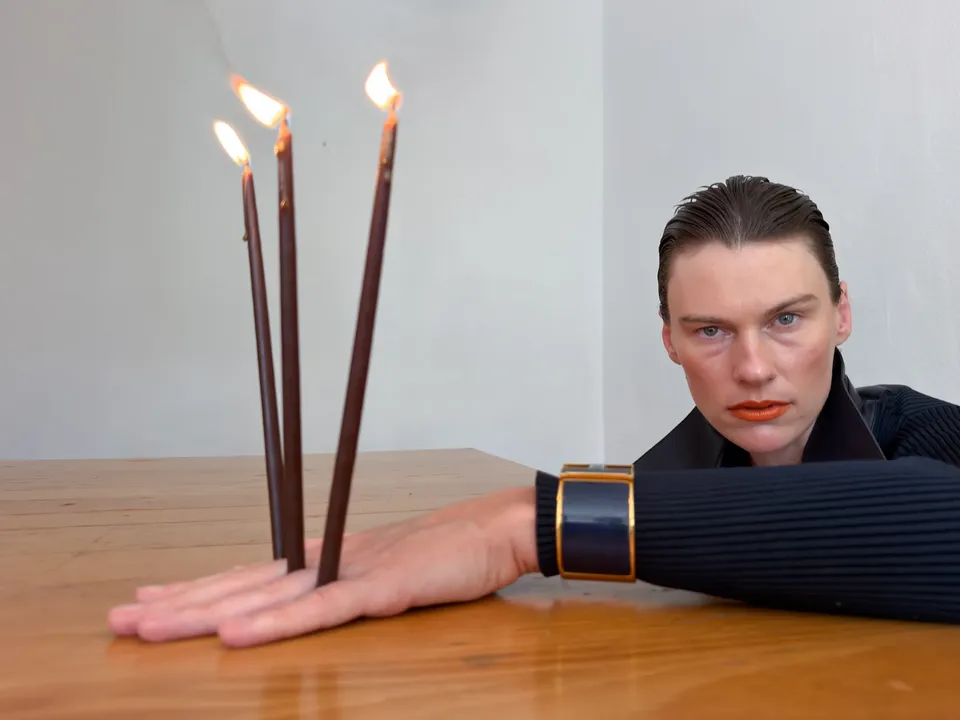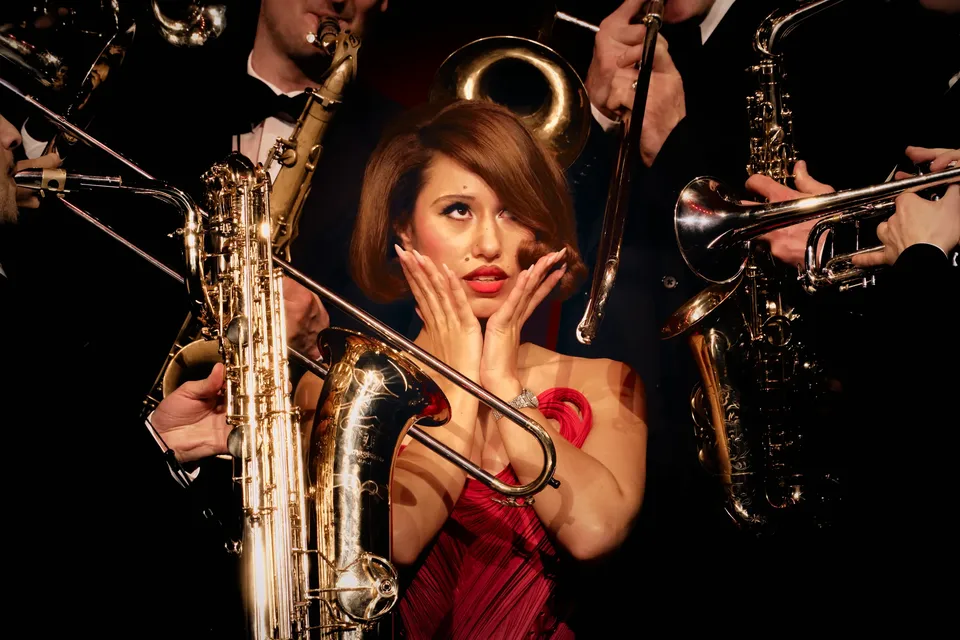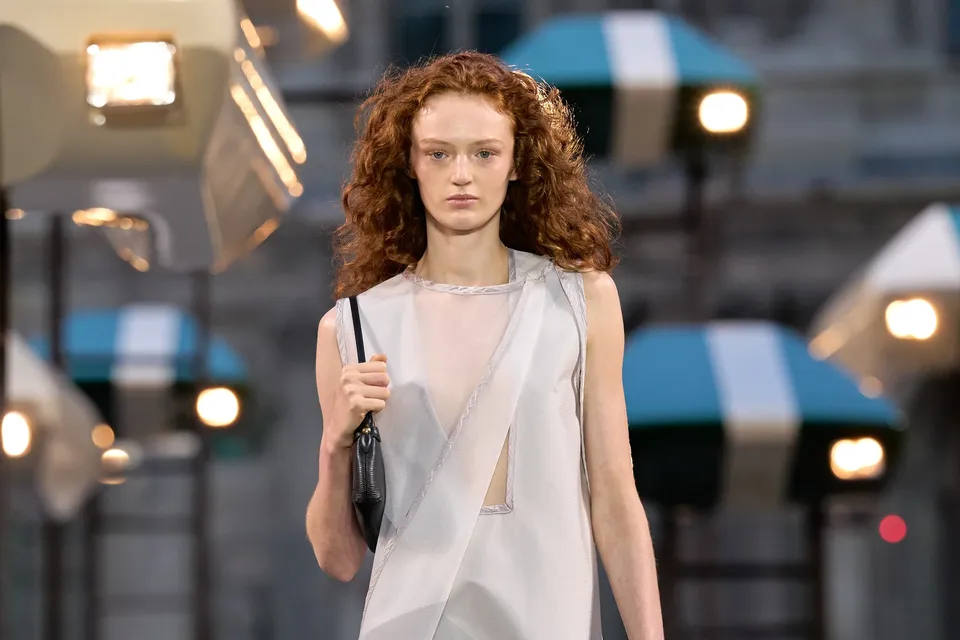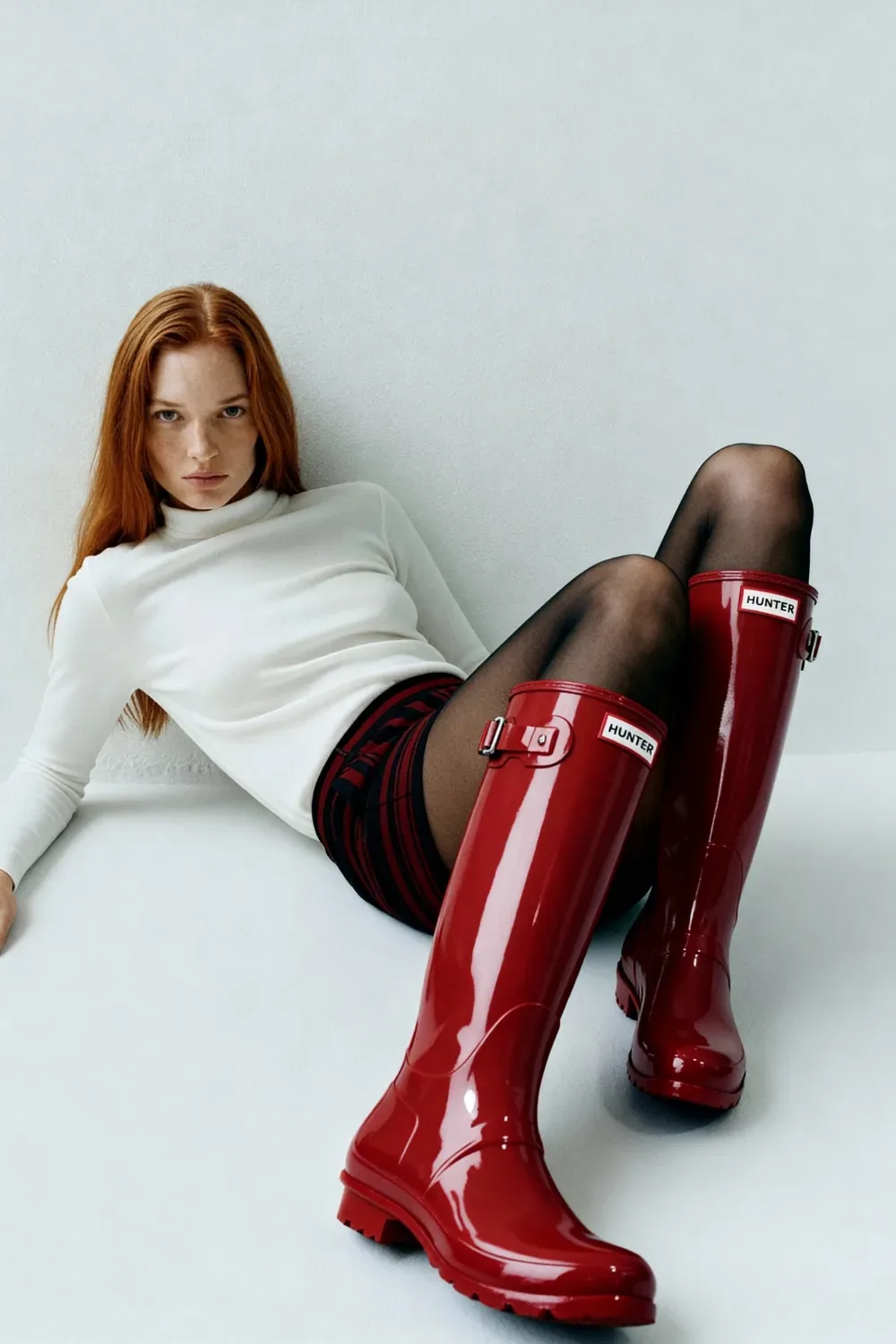
Fashion is moving through a visible shift, and projects like Modelia are becoming part of a conversation that no longer feels distant or theoretical. The Spanish platform, which specialises in AI applied to fashion and beauty, has begun attracting attention through fictional campaigns, digital runway experiments and collaborations linked to Copenhagen Fashion Week and Mercedes-Benz Fashion Week Madrid. To better understand where all of this is heading, we speak with Ariana Aguilar, Art Director & Visual Designer at Modelia, about how AI is beginning to reshape fashion imagery, why so many brands are embracing these tools, and what this shift could mean for the industry moving forward.
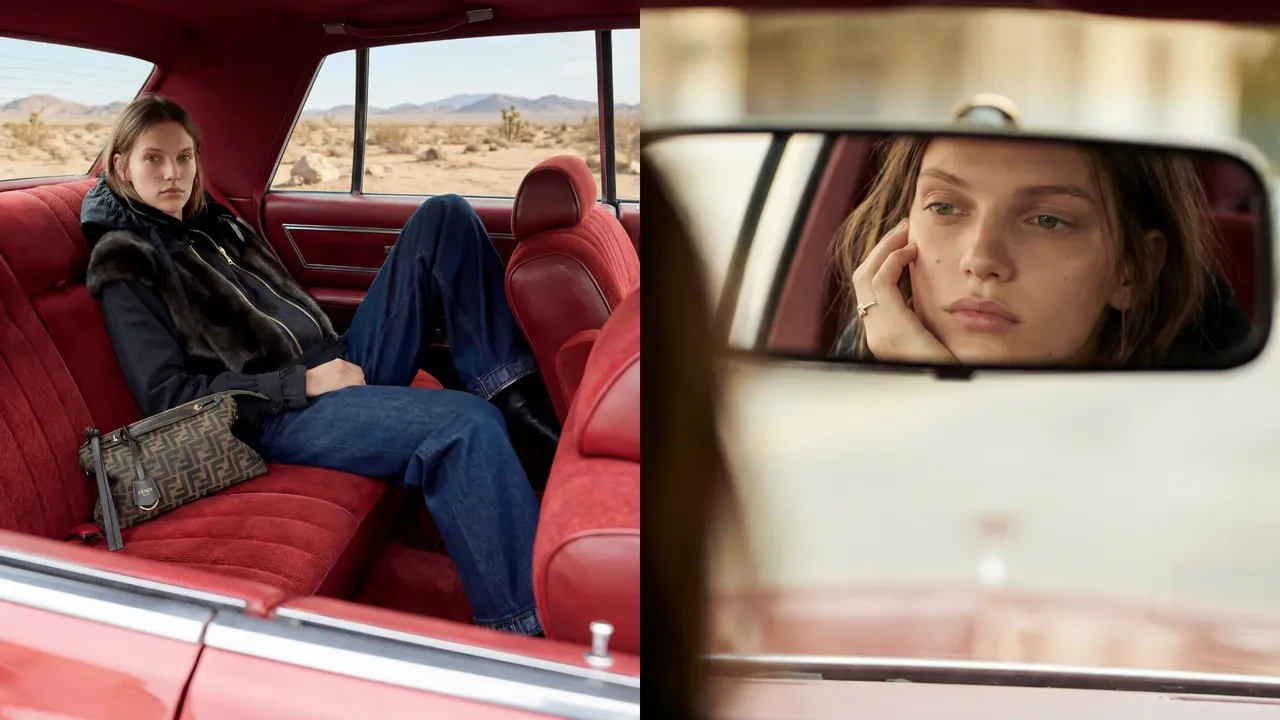
At a time when brands are expected to generate content faster than ever, Modelia approaches artificial intelligence less as a replacement for human vision than as a tool capable of extending it. From transforming sketches into hyperreal editorials within minutes to building speculative visual worlds for brands such as Rhode or Fendi, the project sits somewhere between technology and creative direction, exploring new ways of building fashion narratives without disconnecting them from human authorship.
There is also room in the interview below for doubt and uncertainty. Part of our conversation with Ariana focuses precisely on understanding this intersection better: the fears AI still generates for many creatives, the resistance surrounding these tools, and the possible impact this transformation could have across the industry. “Now, a small brand from anywhere in the world can create a visual that competes with any major campaign,” she explains. “That opens fashion to voices and perspectives that previously simply didn’t have the means to make themselves visible. For me, that is the most transformative thing of all.”
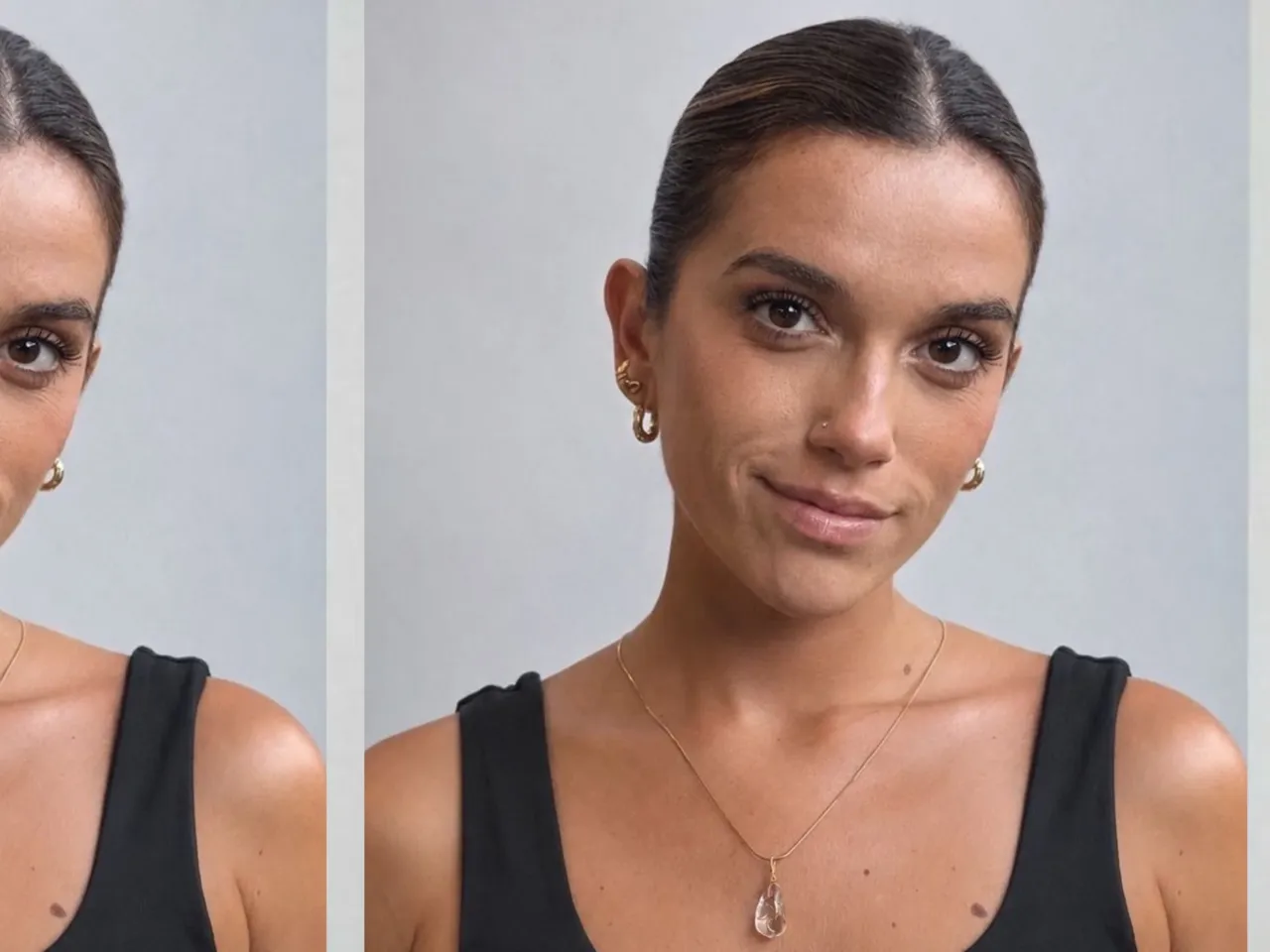
Thank you so much, Ariana, for taking the time to speak with us today. To begin very simply: how would you explain Modelia to someone who has never heard of the project before?
Modelia is an end-to-end B2B platform for generating and managing visual assets with artificial intelligence for the fashion sector. Founded in 2024 by Iván Rodríguez and René Haas, the company enables brands and retailers to produce on-brand fashion imagery at scale, with garment fidelity, automatic application of brand guidelines, team collaboration and traceability. But beyond the technical definition, we are a specialised AI platform for fashion: editorials, campaigns, product imagery, visual storytelling... everything a brand needs visually, Modelia can help make possible. Unlike generalist AIs, we focus on the details that really matter in this industry: that a fabric falls correctly, that a texture feels real, that the colour of a garment stays true to the designer’s vision. It was born to support emerging designers and small brands with enormous talent, but not always the resources to make that talent visible. Now we are taking it a step further: we want to be a third creative arm for major brands too. Not to replace human talent – we are the first to believe it is absolutely necessary – but to amplify creative ideas that, in reality, are impossible or very difficult to achieve. What excites us most is that Modelia is not just an image generation tool, but an extension of the creative and content production process for any brand.
On Modelia’s Instagram profile, the bio says, “Where fashion meets AI vision.” For people who still see fashion and artificial intelligence as two completely separate worlds, what do you think happens when those two languages begin to connect? What possibilities does that synergy open creatively, and even culturally?
When these two worlds connect, the first thing that starts to disappear is the set of limitations that used to stop an idea from being materialised. How many times has a designer had an incredible vision that stayed only in their head because the model did not show up, the garment could not be produced, the budget was not there, or the shoot was simply unviable? AI helps solve that. And it can do so more sustainably: less pollution, fewer unnecessary physical samples, less time, investment and cost. On a cultural level, I think the most interesting thing is that it changes who gets to tell stories in fashion. Before, you needed an enormous production to have a powerful image. Now, a small brand from anywhere in the world can create a visual that competes with any major campaign. That opens fashion to voices and perspectives that previously simply didn’t have the means to make themselves visible. For me, that is the most transformative thing of all.
How did the original idea for Modelia first appear?
The idea for Modelia was born from a very clear conviction: that the fashion industry had reached a breaking point. Iván, our CEO, had been observing for a long time how an obvious tension was growing. Brands needed more and more visual content, on more channels and at a faster pace, while visual production still depended on processes that had not fundamentally evolved in decades. Models, locations, samples, shoots, last-minute cancellations, budgets that did not add up... for many designers, simply materialising what they had in their head had become a luxury few could afford. Meanwhile, generative AI was advancing at a speed nobody had anticipated, opening doors that had stayed closed for years. Iván saw the equation immediately: an industry under pressure from its own visual demands and a technology that could help release it. He spoke with creative directors, designers and fashion CEOs to confirm whether what he was sensing was a real pain point, and the answer was unanimous. One sentence summed it up perfectly: “We are building 21st-century brands with 20th-century processes.” That image captured exactly what was happening: a sector in which digital channels already represent 70% of the first impression, but where the way of producing those visuals has barely moved in thirty years. From that conviction, Modelia was born, not as another generic AI, but as a platform thought through and designed from fashion, for fashion. From the very beginning, I was clear about where we wanted to go: to position Modelia among the strongest AI tools in the fashion world. And there was only one way to prove it: to create visuals so powerful, creative and real that brands and designers would feel they needed it; to show that, with Modelia, they could bring entire campaigns to life from start to finish.
We first discovered Modelia through your Copenhagen Fashion Week collaboration with emerging designers. Why was it important for you to enter the conversation through emerging talent rather than only established brands?
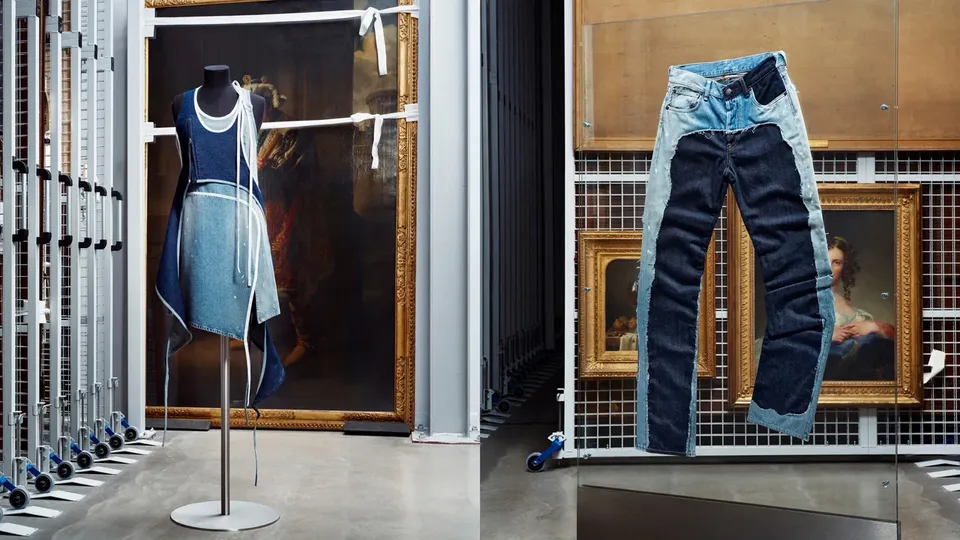
Major brands have very established processes: the same photographers, the same models, the same formulas. They need those moments of physical shooting, that ritual that forms part of their identity. We understand and respect that. But emerging talent has something different: the willingness to investigate, to take risks, to try things without the weight of a visual heritage to protect. At Copenhagen Fashion Week, we experienced this first-hand. We collaborated with two designers, Inma Dueñas and Miyuki Ohashi, and with our Sketch to Image tool, they brought their sketches to life. They saw their designs materialised visually in a way that would otherwise have been impossible or very costly. There, we understood something we already sensed: that Modelia does not just help, it can make garments visible that might never have existed in any other way. Starting with emerging talent was not just a strategic decision; it was the right decision.
“Unlike generalist AIs, we focus on the details that really matter in this industry: that a fabric falls correctly, that a texture feels real, that the colour of a garment stays true to the designer’s vision.”
You also collaborated with the EGO Showroom at Mercedes-Benz Fashion Week Madrid. What did that experience tell you about where the relationship between fashion and AI is heading?
The EGO experience at Madrid Fashion Week was a turning point for us. Modelia was an official partner of Mercedes-Benz Fashion Week Madrid in its March 2026 edition, and as content partner of the EGO Showroom, we worked with twenty emerging designers to transform their hero pieces into editorials and virtual runway shows generated entirely with AI. Starting from their favourite pieces, we built a unique visual universe for each designer, respecting fabrics, patterns, shapes and colours, and translating their vision into an aesthetic that amplified their identity. The result took shape in two pieces: a personalised poster at each designer’s stand with their star garment reinterpreted with AI, and a screen with a virtual runway show where each look came to life as each designer had imagined it. The impact was immediate: the audience could not distinguish the generated videos from a real runway. That moment confirmed something I already sensed: that we have reached a point where the barrier between the real and the generated is extremely thin. And the fact that Fashion Week has chosen Modelia for a second time, in an edition as special as its 40th anniversary, is no coincidence. It is a recognition that AI already has a place on the runway. The next date will be from 14 to 19 September 2026, and we can’t wait. But beyond the data and the impact, what that experience told me is that the relationship between fashion and AI is no longer a conversation about the future; it is a reality of the present. The fact that an institution like Mercedes-Benz Fashion Week integrates AI into its official programming is not an experiment; it is a clear signal of where the industry is heading. Fashion has always reflected its time, and this time is digital, generative and AI-driven. What we experienced at EGO was confirmation that both worlds do not just coexist; together, they can create something neither could achieve alone.
Your social media feels almost like a creative laboratory, especially with those fictional campaigns for brands like Louis Vuitton, Rhode, Hunter or Laagam. What are you really trying to explore through those visual experiments?
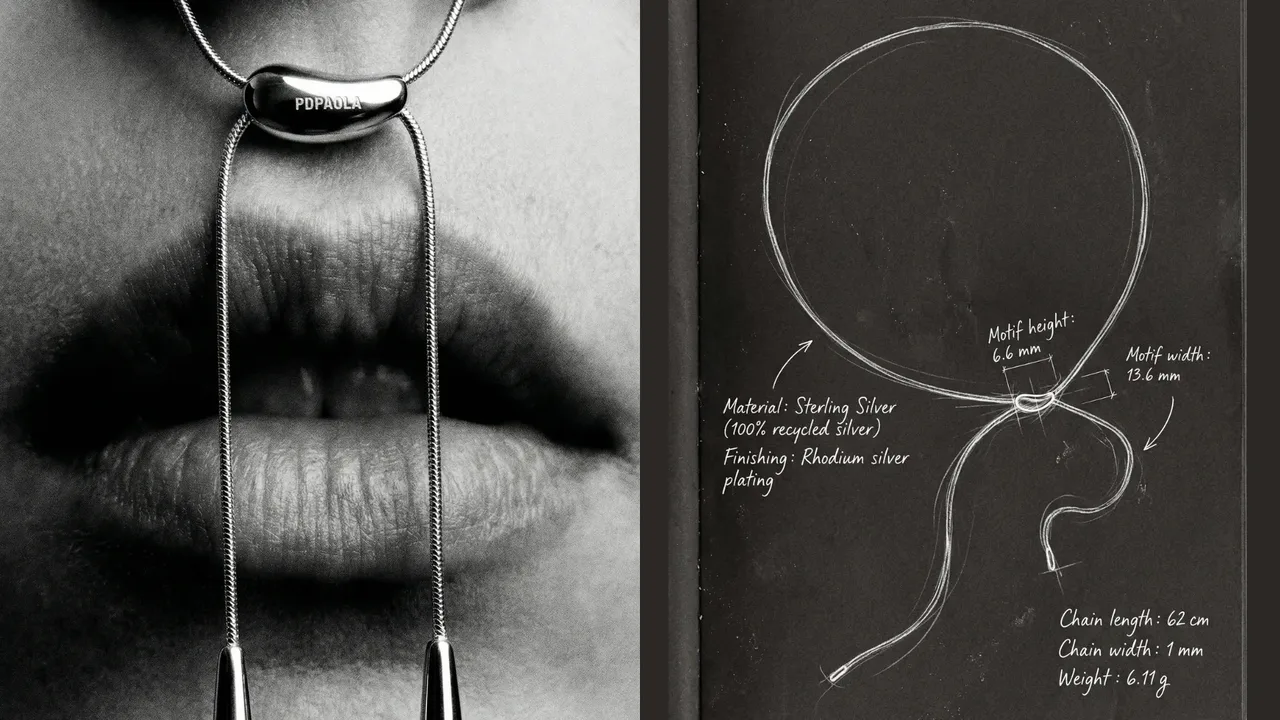
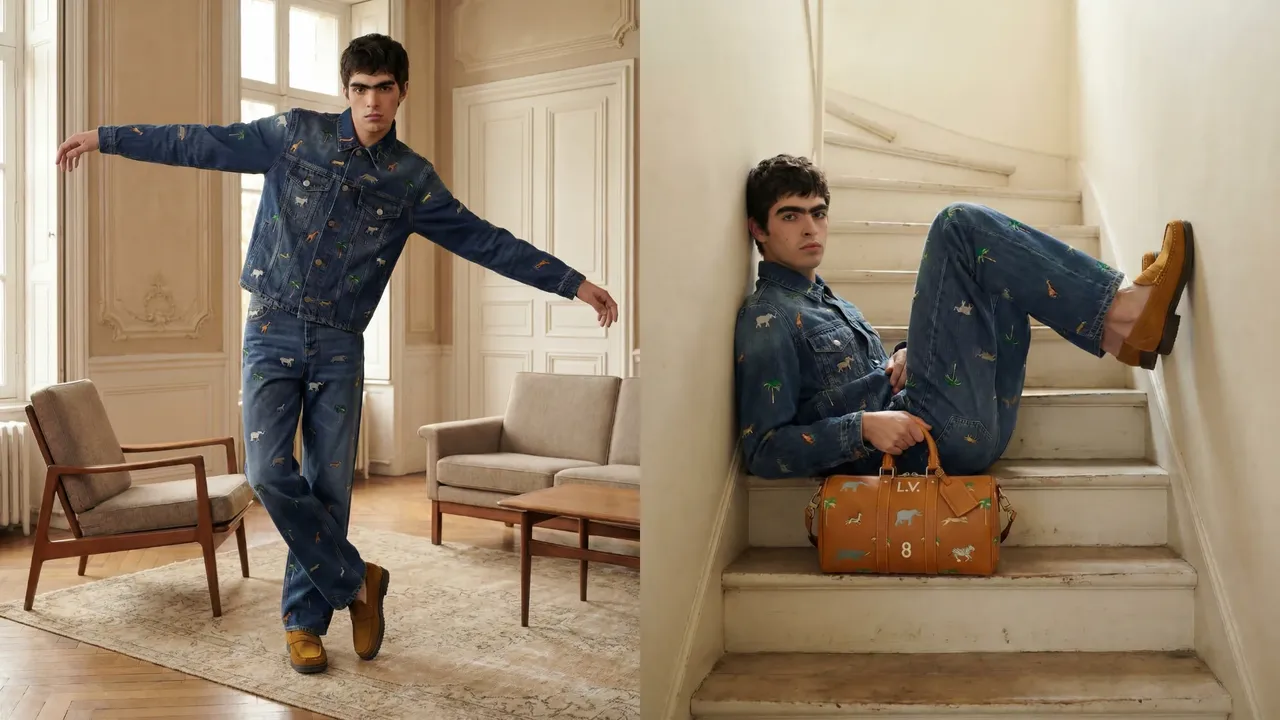
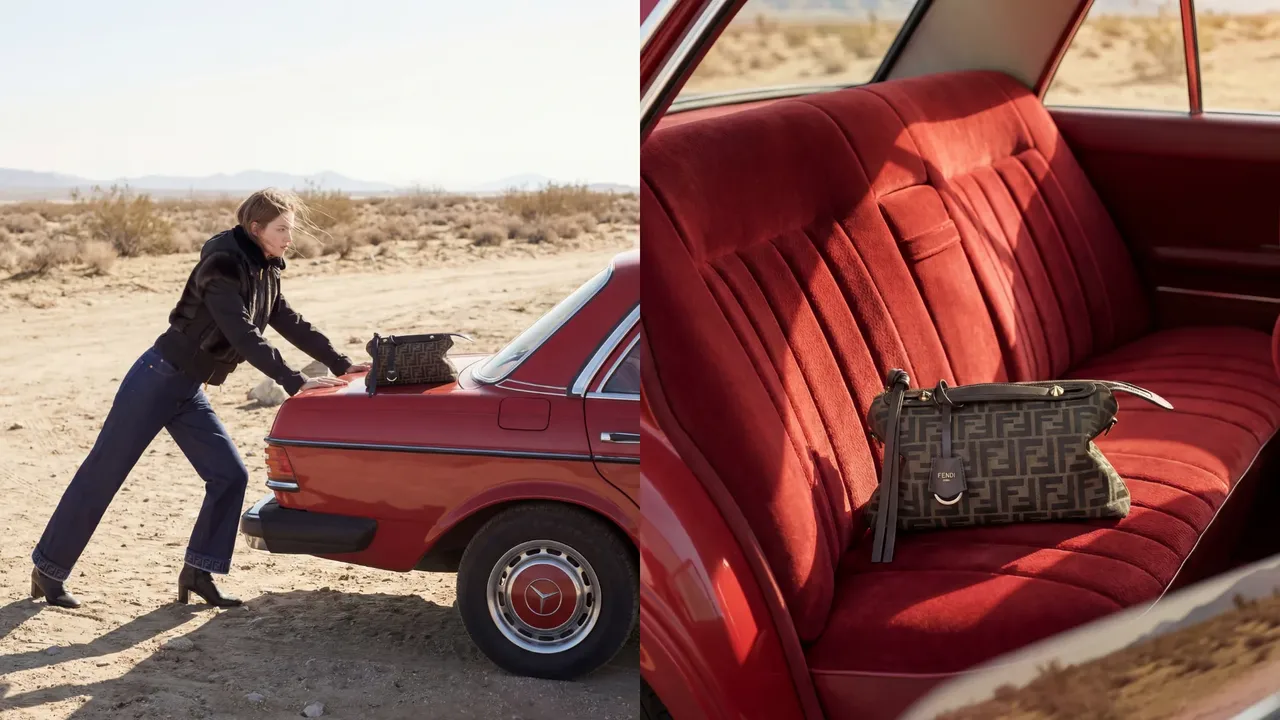
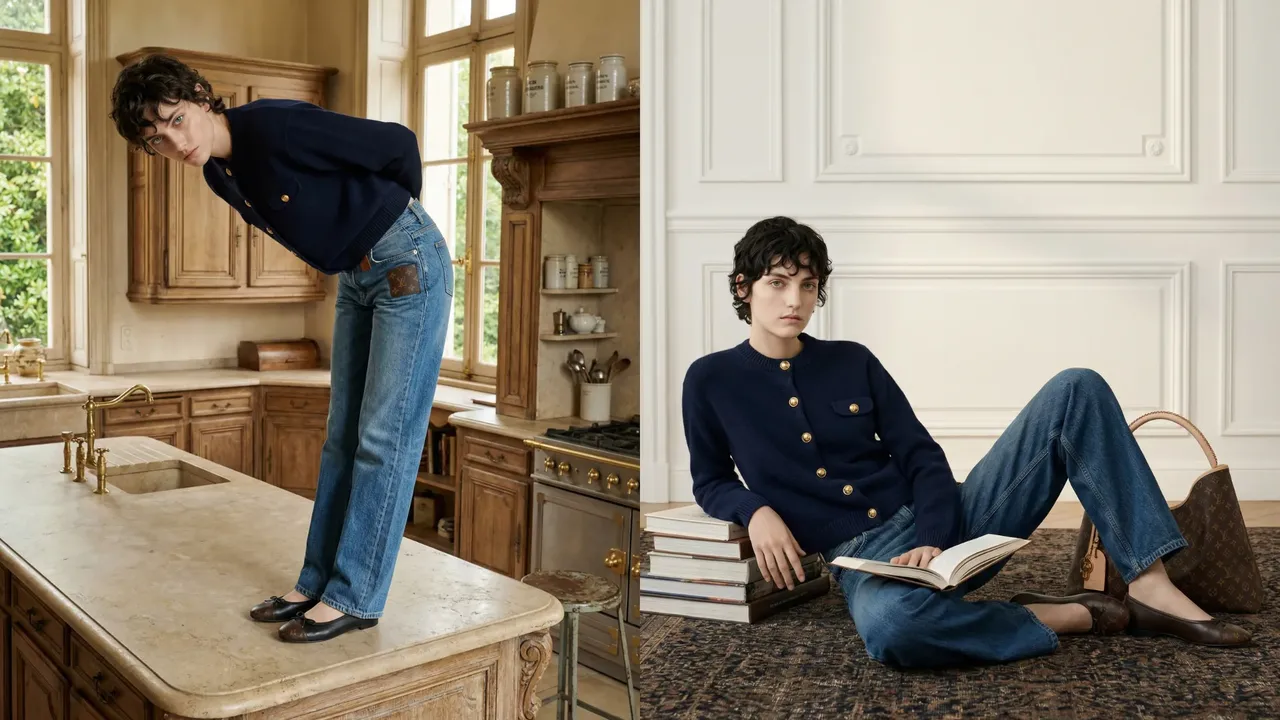
Our social media works as a constantly moving creative laboratory. With those fictional campaigns, we explore how far Modelia can go and what we can bring to each brand. But it is not an arbitrary exercise; there is a very conscious strategy behind it. Before creating for a brand, we immerse ourselves in it, analysing how it communicates, what it transmits, and what aesthetic universe defines it. We do not just generate visuals; we try to understand their essence and reinterpret it. The team enjoys that enormously: we build the briefs and imagine the stories behind each piece, almost as if we really were their creative team. The goal is for brands to see in those visuals something they recognise as their own, but taken somewhere new. We want to create impact, to transmit something, and above all to create that doubt about whether what you are seeing existed or not. And it works: brands have contacted us as a result of those campaigns. We also want each piece to highlight the human talent behind Modelia, because none of this comes from a tool alone, but from people with vision and creative judgment who make each image possible.
Some of those projects raise an interesting question: if an image can still create desire, emotion and conversation, does it matter whether the campaign physically existed or not?
In the end, as long as the visual shows what the brand wants to express and the garments are true to their essence, it does not matter so much whether it physically existed or not. And that is what we are trying to achieve with
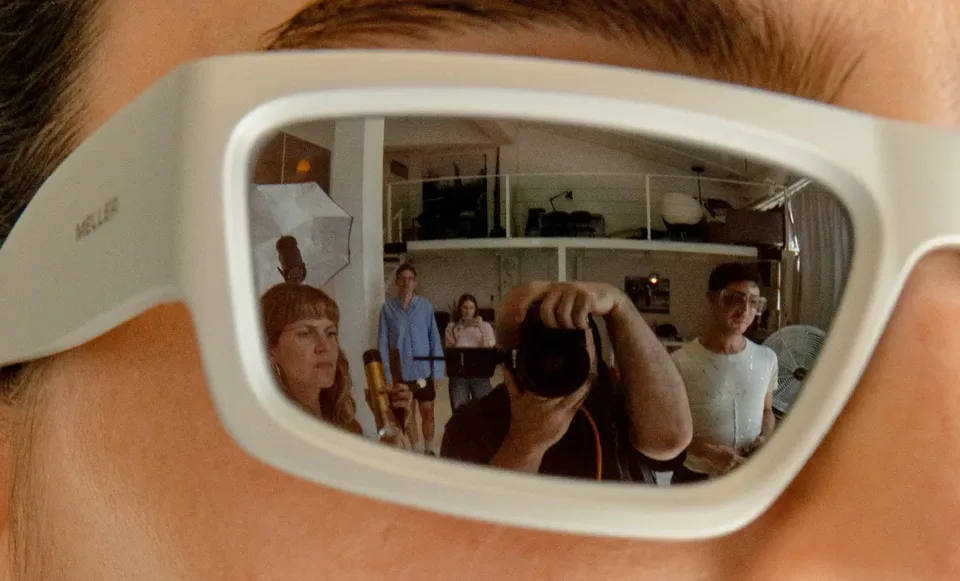
Modelia: images that generate real desire, emotion and conversation. That said, Modelia has never wanted to position itself as a platform that comes to replace everything physical. Shoots have something that goes far beyond the final result: the team, the atmosphere, that irreplaceable moment of creating together and watching something you have invested so much time and energy in come to life. That has a value we do not want to disappear. Our vision is different: to be the element that enhances and amplifies, allowing the physical and the digital to coexist and complement each other. That is what Modelia represents.
Modelia: images that generate real desire, emotion and conversation. That said, Modelia has never wanted to position itself as a platform that comes to replace everything physical. Shoots have something that goes far beyond the final result: the team, the atmosphere, that irreplaceable moment of creating together and watching something you have invested so much time and energy in come to life. That has a value we do not want to disappear. Our vision is different: to be the element that enhances and amplifies, allowing the physical and the digital to coexist and complement each other. That is what Modelia represents.
One of the most interesting things about Modelia is this idea that fashion imagery no longer depends entirely on travelling teams, physical samples or large-scale productions. How does removing so much of that process change the way brands approach creativity and storytelling?
Honestly, the creative process does not change at all. Behind every visual we generate at Modelia, there is a person thinking, developing a brief and making decisions. The poses, the background, the light, the expression, the campaign’s storytelling: everything requires the same level of thought and judgment as a traditional shoot. The only thing that changes is the means of execution: instead of materialising it physically, you translate it through a prompt. What is added is a new and very specific skill: learning to talk to the AI, to communicate precisely what you have in your head in order to get the result you are looking for. But the underlying process – analysing the brand, understanding its values, its narrative, its audience, and from there building a visual idea – is identical. What disappears is everything around the physical execution: logistics, finding models and production timelines. All of that dissolves. The AI executes, but the vision is always yours.
“Now, a small brand from anywhere in the world can create a visual that competes with any major campaign.”
Fashion has traditionally linked luxury to scale and exclusivity. If spectacular visuals no longer depend on massive budgets or productions, what makes an image feel aspirational now?
Budget has not disappeared, but it is no longer the determining factor. Before, an aspirational image almost always required enormous investment: the photographer, the team, the location, the production. Now all of that can exist without existing physically, and the result can be equally powerful. What makes an image aspirational today is exactly what it has always been: the story it tells, the emotion it transmits and the creative judgment behind it. With AI, you can choose the models you want, the colours, the light, the atmosphere, and even work towards the style of a specific photographer. That level of control over every element of the visual is what allows you to create images that feel real and desirable. At Modelia, we do not talk about images that look generated, but about visual universes that seem to have existed physically. With the right creative vision behind it, that can be just as aspirational as any multi-million-budget campaign.
On the platform itself, there are tools like Flatlay to Model AI, Sketch to Image, AI Outfit Generator, AI Video Generator or AI Garment Fit. Which use cases have surprised you the most once brands actually started interacting with them?
We have many tools, and all of them are heavily used by our clients, each designed to solve a specific need. Sketch to Image is one that generates the most impact: in a matter of minutes, you can transform a sketch into an image that looks as if it was physically shot. The video tool is equally powerful because it brings campaigns to life, adds movement, and makes products and models feel much more real and relatable. AI Fashion Lab is the most versatile: through a prompt, you can create almost anything you can imagine. Flatlay to Model converts a flat garment image directly into a model wearing it, and Mannequin to Model does the same, starting from a mannequin. Then there are the specific cases that show the real potential in action. Ulanka makes heavy use of Virtual Try-On, which lets you take any garment and place it on an existing image. Football Emotion works with the PDP tools for catalogue and the Outfit Generator to create complete looks on a model. Every brand finds its own use, and that, for us, is the most fascinating thing of all.
The Sketch to Image tool feels especially interesting because it allows someone to start with nothing more than a rough drawing or an early concept and transform it into a fully realised visual in seconds. What does that kind of immediacy change for designers creatively?
It changes so many things. It sounds simple to say “bringing a sketch to life”, but materialising a garment in the physical world requires an enormous process: time, exact fabrics, production, fittings, adjustments. With Sketch to Image, all of that compresses into a matter of minutes. But for me, what is truly transformative is not just the speed, it is the ability to iterate without cost. Many designers do not discover the flaws in a design until they are deep in the production process, having already invested time and money. With Modelia, that moment changes. You can modify the sketch, remove, add, reinterpret, and see the result instantly. No additional cost, no wasted time, no starting over from scratch. That ability to experiment and correct in real time is something that simply did not exist for a designer before, and it profoundly changes the way they relate to their own ideas.
A lot of fashion brands today are trapped in an endless content cycle: drops, capsules, e-commerce, social media, campaigns, sales periods. Has visual production become impossible to sustain traditionally at the current pace of the industry? And how important is sustainability within the long-term vision of Modelia?
It depends on the type of brand, but the trend is clear: the world demands more and more content, more frequency, more channels, more formats. There comes a point where traditional production, however well organised, simply can’t keep up with that pace without driving up costs or sacrificing quality. That is where Modelia makes the most sense: not as a replacement for everything that exists, but as support that allows brands to generate the inputs they need without production becoming a bottleneck. The big, special shoot still has its place, but for everything else, Modelia is there. And sustainability is fundamental to us. The data speaks for itself: a traditional fashion campaign with international travel can generate up to 15 tons of CO₂, hundreds of kilograms of physical waste and thousands of litres of water. With Modelia, that same campaign generates less than one ton of CO₂, practically zero physical waste and 85% less water. It is not just about saving time or money; it is about doing things in a more responsible way. And in an industry that represents between 2% and 8% of global greenhouse gas emissions, that matters enormously.
At the same time, many creatives still see AI as a threat. What would you say to photographers, stylists, retouchers, art directors or image-makers who are genuinely worried about losing work?
Do not be afraid. And I say that from the experience of working with AI every day. AI does not come to take anyone’s place; it comes to expand what each person already knows how to do. A photographer can use AI to experiment with aesthetics that would be impossible to achieve physically, and even ask it to work with their own style, turning their visual signature into something scalable. A retoucher is more valuable today than ever, because their critical eye is essential for supervising and refining the outputs that AI generates; that level of detail and exacting standards can’t be automated. A stylist can use Modelia to visualise complete looks before producing them physically, saving time, money and wrong decisions. And an art director remains the mind behind everything: the AI executes, but the vision, the narrative and the aesthetic judgment are still theirs. The AI is the instrument, but the author is always human.
“AI is the future, but that future needs us. It needs people with brilliant ideas, with judgment, with the ability to imagine things that do not yet exist.”
Do you think AI will replace certain jobs in fashion, or mainly transform the way those jobs operate? And what kinds of new creative roles or professions do you think will emerge from this shift?
My conviction is that no job is going to disappear; they will evolve and, in many cases, multiply. There will be much greater demand for creative profiles who know how to work with
AI: who know how to direct it, interpret it and give it criteria. That generates opportunities; it does not eliminate them. As for new roles, there is a lot of talk about figures like the prompt director or the AI creative strategist, but for me, those profiles are essentially a natural evolution of what an art director already does today. The tool changes, but the need for someone with vision and judgment behind it does not change at all. If AI is teaching us anything, it is that human creative thinking is more valuable than ever.
AI: who know how to direct it, interpret it and give it criteria. That generates opportunities; it does not eliminate them. As for new roles, there is a lot of talk about figures like the prompt director or the AI creative strategist, but for me, those profiles are essentially a natural evolution of what an art director already does today. The tool changes, but the need for someone with vision and judgment behind it does not change at all. If AI is teaching us anything, it is that human creative thinking is more valuable than ever.
You often describe AI as something that amplifies creativity rather than replacing it. In practical terms, what does collaboration between human vision and AI actually look like inside Modelia?
The collaboration between human vision and AI is something that builds over time and with practice. It is not immediate: there is a learning process in which you discover how to talk to it, how to communicate exactly what you have in your head. Which words work? How do you describe a texture, a light, an emotion? It is almost like developing your own language. And when you master it, that collaboration becomes very fluid and powerful. The AI surprises you, takes you to places you did not expect, and opens up possibilities you had not considered. But always within a direction that you set. That tension between what you are looking for and what the AI interprets is where the magic happens, and where human judgment becomes more important than ever.
Are there fashion or beauty brands right now that you think are implementing AI in a particularly intelligent or inspiring way?
There are many brands doing this in a really intelligent way that serve as a reference for us. Mango launched its first S/S 2026 campaign with no physical models, using generative avatars for its basics line. What previously required three days of shooting they now resolve in four hours of prompts. Zara and Inditex are investing in generative AI visual production infrastructure, testing synthetic image pipelines with the goal of cutting shooting costs by 60%. It is not a question of whether they will implement it, but when. Pull&Bear was the first brand in the group to launch a fully AI-generated social campaign with no physical models, betting very decisively on Gen Z on TikTok and Instagram. And then there is Acne Studios, which collaborated with an AI studio for its F/W 2026 campaign, creating impossible architectural environments with synthetic models while keeping its visual identity intact. For me, it is one of the most inspiring examples of how a brand can embrace AI without losing its creative essence.
You have also brought Modelia into fashion education through collaborations like IED Milano. What would you say to young creatives entering the industry today who feel excited by AI but also slightly afraid of what it could mean for their future?
That AI is the future, but that future needs us. It needs people with brilliant ideas, with judgment, with the ability to imagine things that do not yet exist. So do not be afraid, and incorporate it into your process from the beginning, not as a shortcut but as an extension of your own creative language. That said, there is something you absolutely must develop: learning to talk to AI. Building that sensitivity to communicate precisely what you want to achieve is a skill that makes an enormous difference. And also cultivating a critical eye, because AI is not perfect and knowing how to detect every error, however small, is a fundamental part of the work. The combination of creative vision and critical capacity is what distinguishes someone who simply uses AI from someone who truly masters it.
And finally, when you imagine Modelia five years from now, what do you hope the project will represent within fashion and visual culture?
In five years, I see Modelia as a reference point in artificial intelligence applied to fashion at a global level. I want us to be consolidated and recognised in the most important markets in the industry: the United States, Europe, Asia and the Middle East. For any brand, large or small, that thinks about AI and fashion, I would like Modelia to come naturally to mind. Not just for the technology, but for the quality, vision and professionalism we offer. And I am certain we will get there, because the team behind Modelia is extraordinary. The creative team that brings each visual to life, the backend and development team that makes the tool work, the UI-UX team that takes care of every detail of the experience, the SEO team that positions us, the AI team that is always up to date with every advance in the field... Every area, every person, adds up and pushes in the same direction. And that is felt in everything we do. We are already on the path, and I have no doubt that we will reach where we want to go.