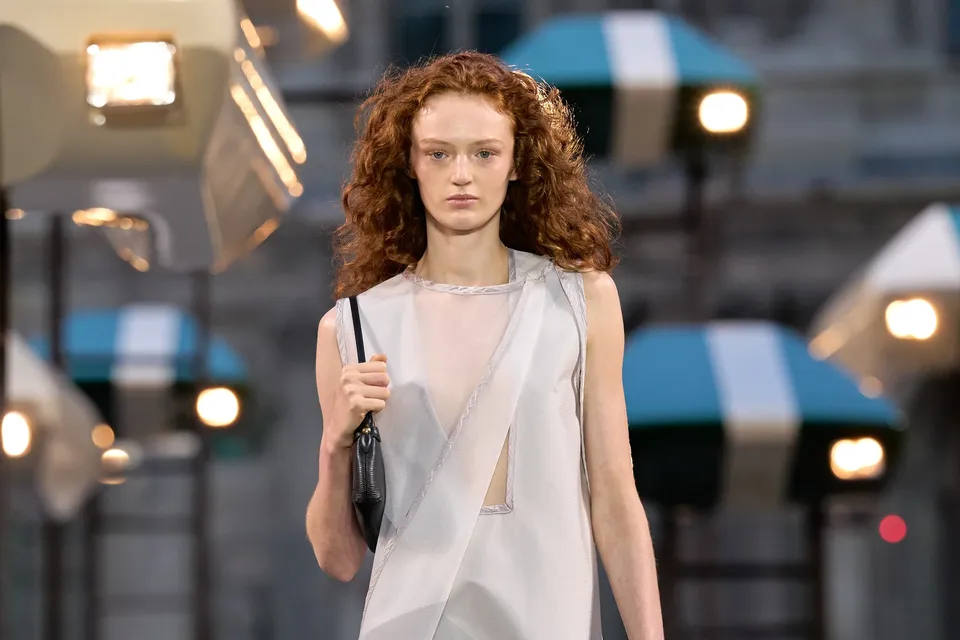
Fashion appears as this incredibly alluring, captivating, and endearing industry at first glance, but we often forget that it can carry a deeper, even purposeful background. On the surface, it’s all about beauty, glam, artistry, chicness, and charm. And even if still relevant because of its cultural impact, it may disguise very important realities that come with it: gender norms, cultural heritage, and class distinctions; how we consume and overproduce; the environmental impact of the entire industry; or even the invisible labour and human cost behind it. It’s not only about being on trend — like any other art form, it’s meant to express and reflect. This is what the 65th edition of ModaLisboa set as its foundation: to imagine fashion as a living ecosystem, where doing intersects with knowing, and where creative action extends into systems of connection, experimentation, and attentive listening.
Held from the 1st to the 5th of October, Lisbon Fashion Week offered a multifaceted programme of runway shows, talks, exhibitions, workshops, showcases, and a variety of parallel events that brought the city to life, while giving broader visibility to an incredibly talented new generation of designers.
Beyond showcasing both emerging and established talent, ModaLisboa acts as a collaborative platform connecting Portuguese associations and institutions committed to sustainability, as well as affirming the country’s creative strength in fashion and textiles. Among these is APICCAPS (the Portuguese Footwear, Components, and Leather Goods Manufacturers’ Association), which represents the national footwear and leather goods industry, and the CTCP (Portuguese Footwear Technology Centre), a research and innovation institute supporting the sector’s technological advancement. Together with universities, technology firms, and APICCAPS, CTCP plays a key role in the FAIST project, a transformative initiative driving automation, digitalisation, and sustainability in Portugal’s footwear and leather goods industry.
We often overlook how the simple act of purchasing clothing can shape the values we support. Some companies –and the institutions behind them– actively work to improve how the industry operates. APICCAPS, for instance, positions Portugal at the forefront of innovation by leading initiatives that integrate advanced technologies such as automation and robotics, promote talent development and education, and advance sustainability in the footwear sector. Its work encourages companies to adopt circular economy principles, prioritise renewable materials, reduce waste, and increase energy efficiency.
ModaLisboa was not only a celebration of art and design but also an ode to craftsmanship, innovation, sustainability, and the desire to improve the way we do things every day. It serves as a reminder to look closer to discover talent, mastery, and creativity. And so here, we showcase some of our favourite Spring/Summer 2026 collections.
Bárbara Atanásio
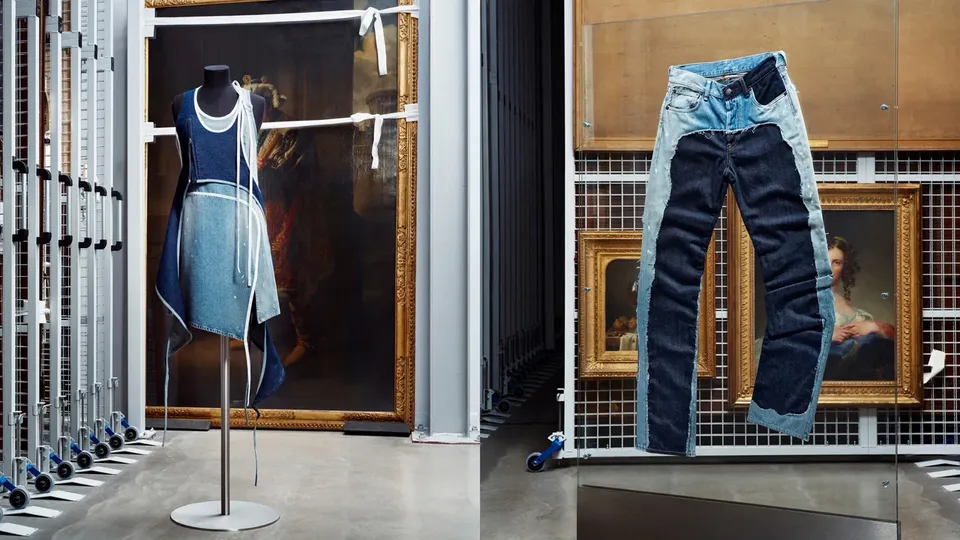
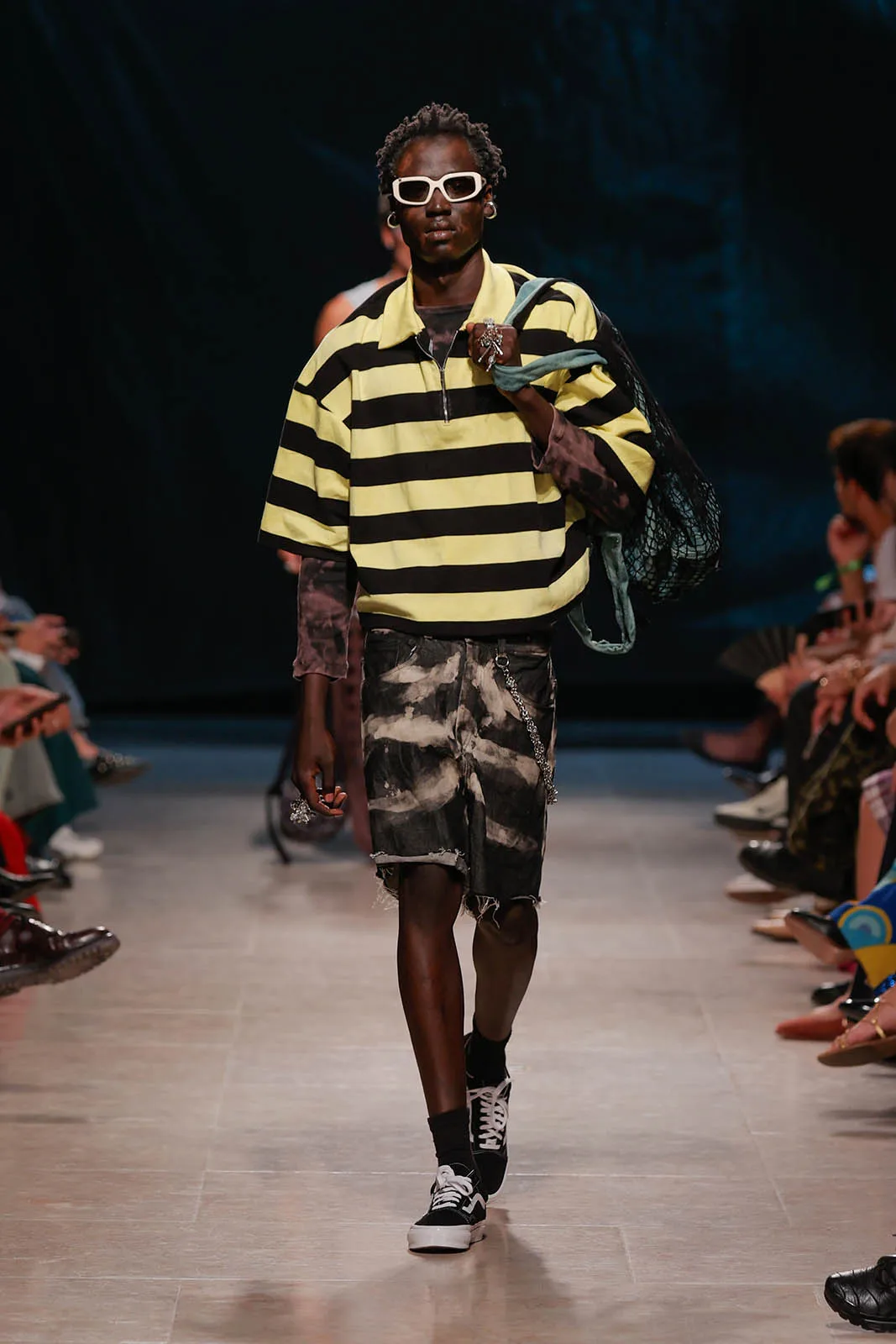
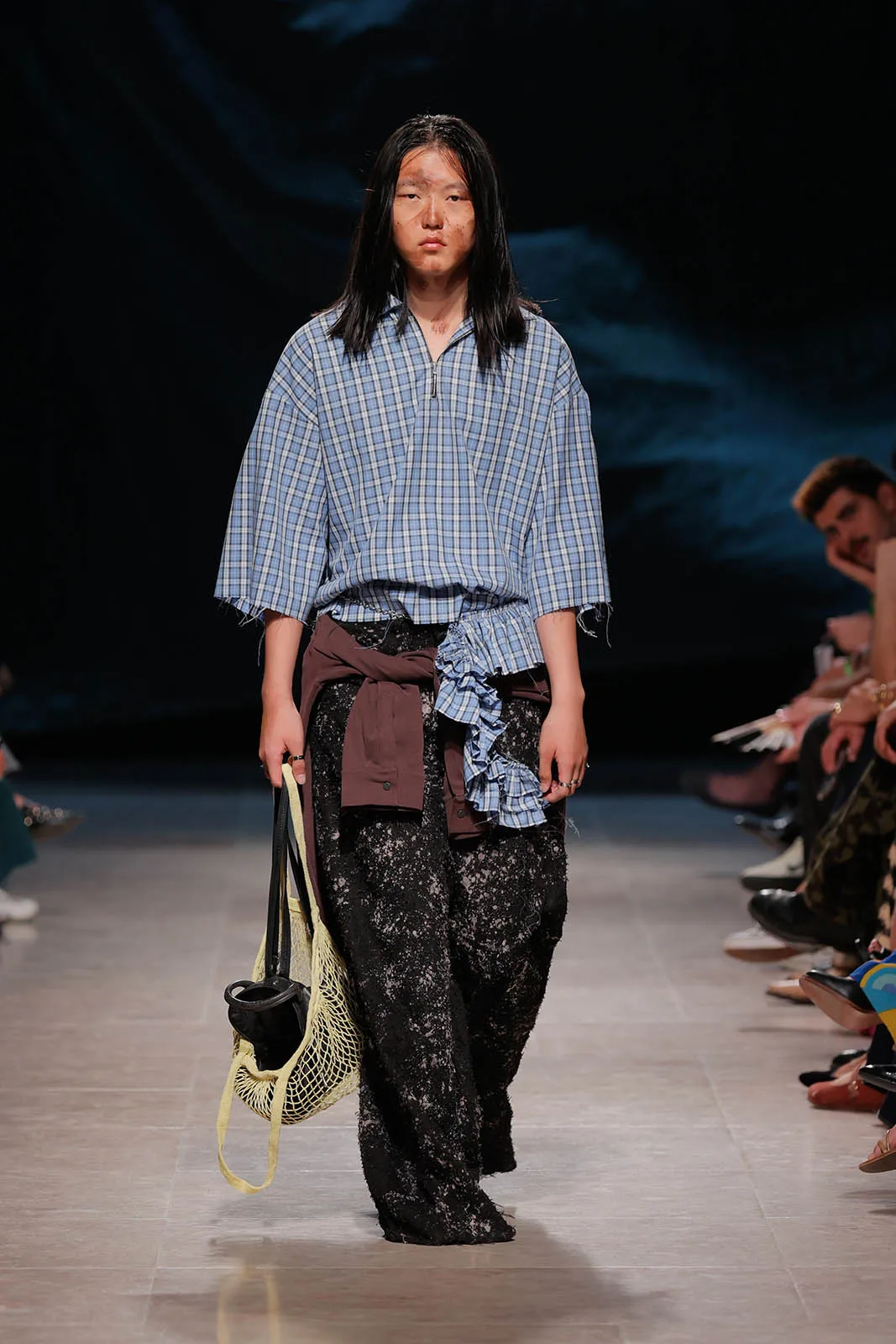
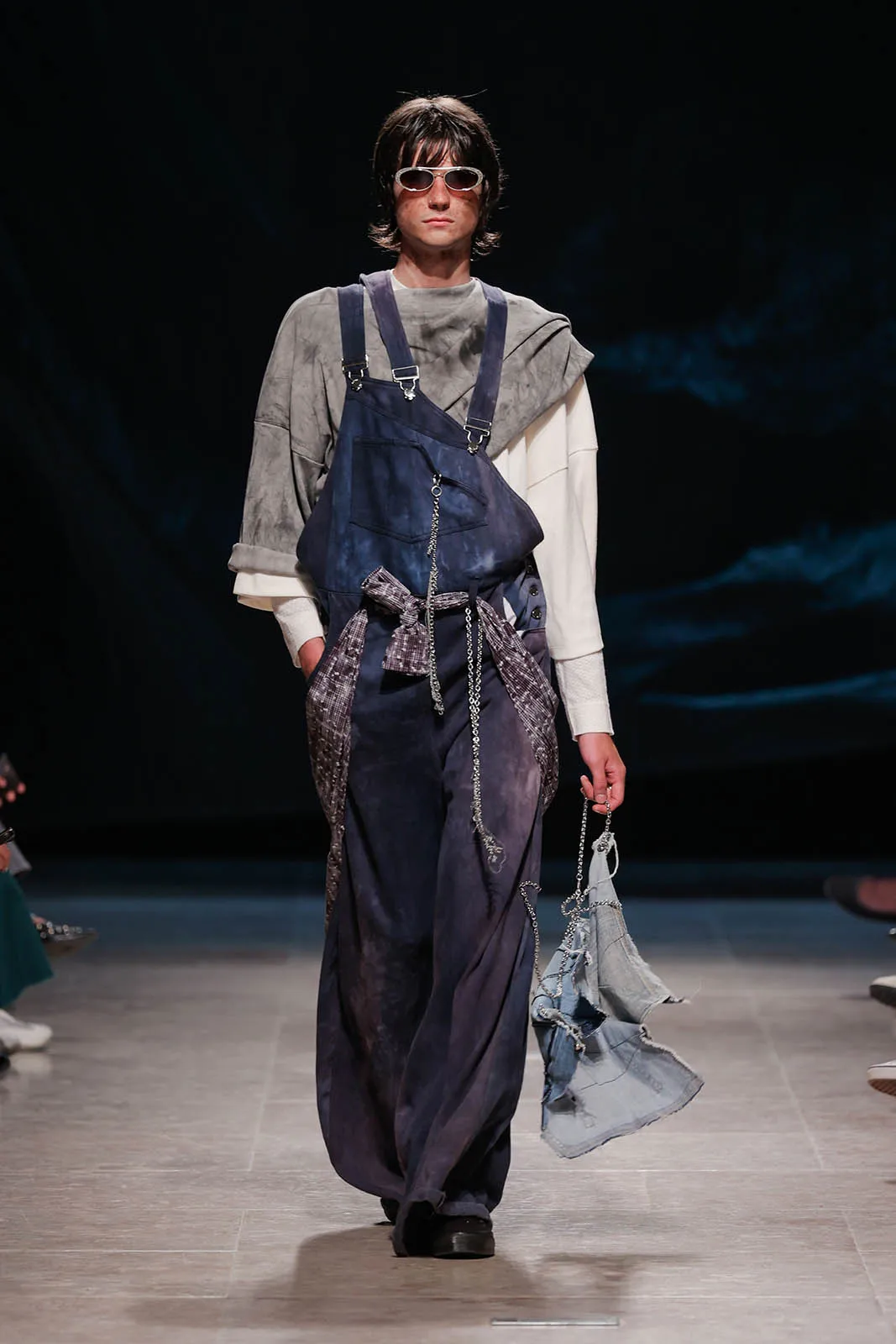
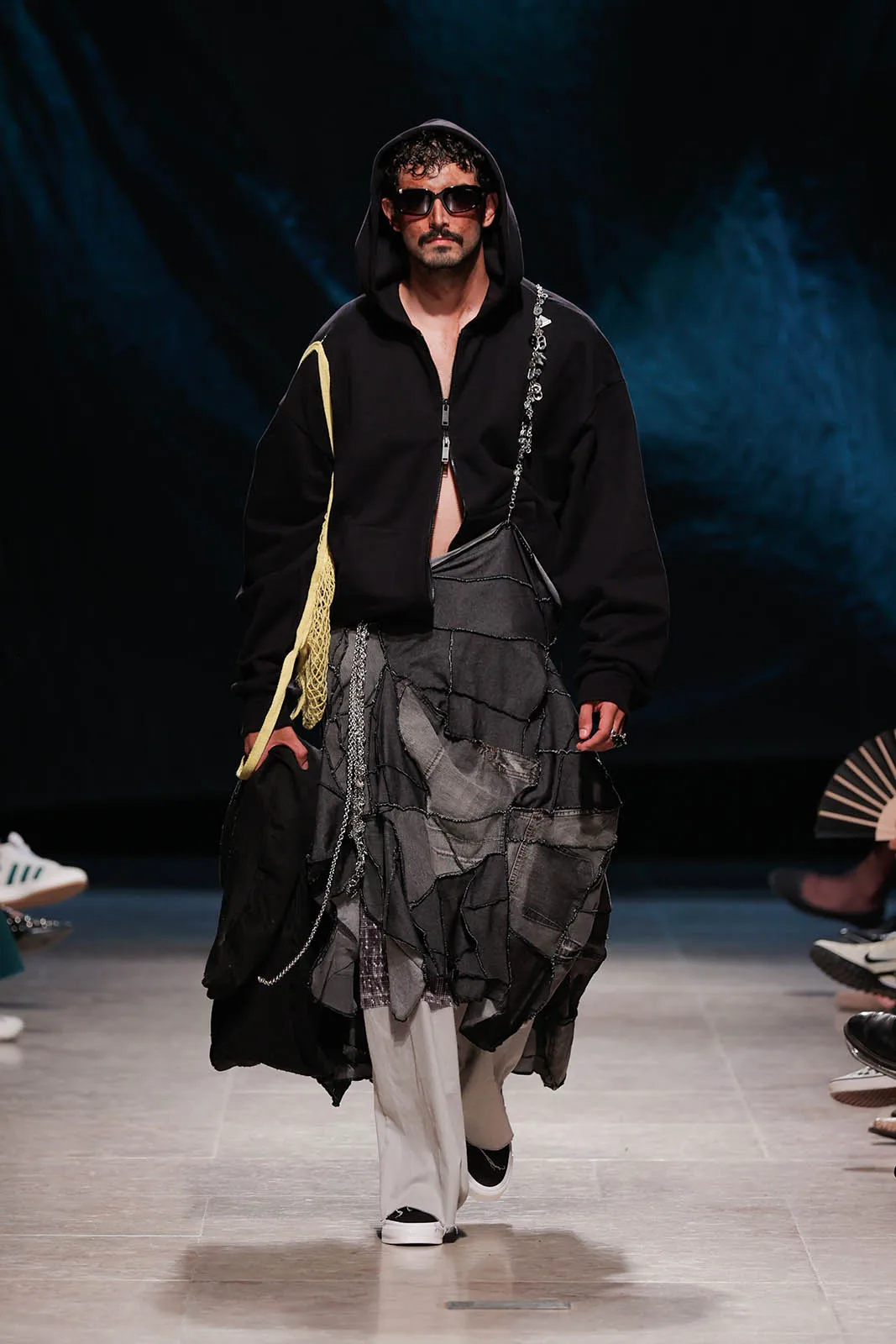
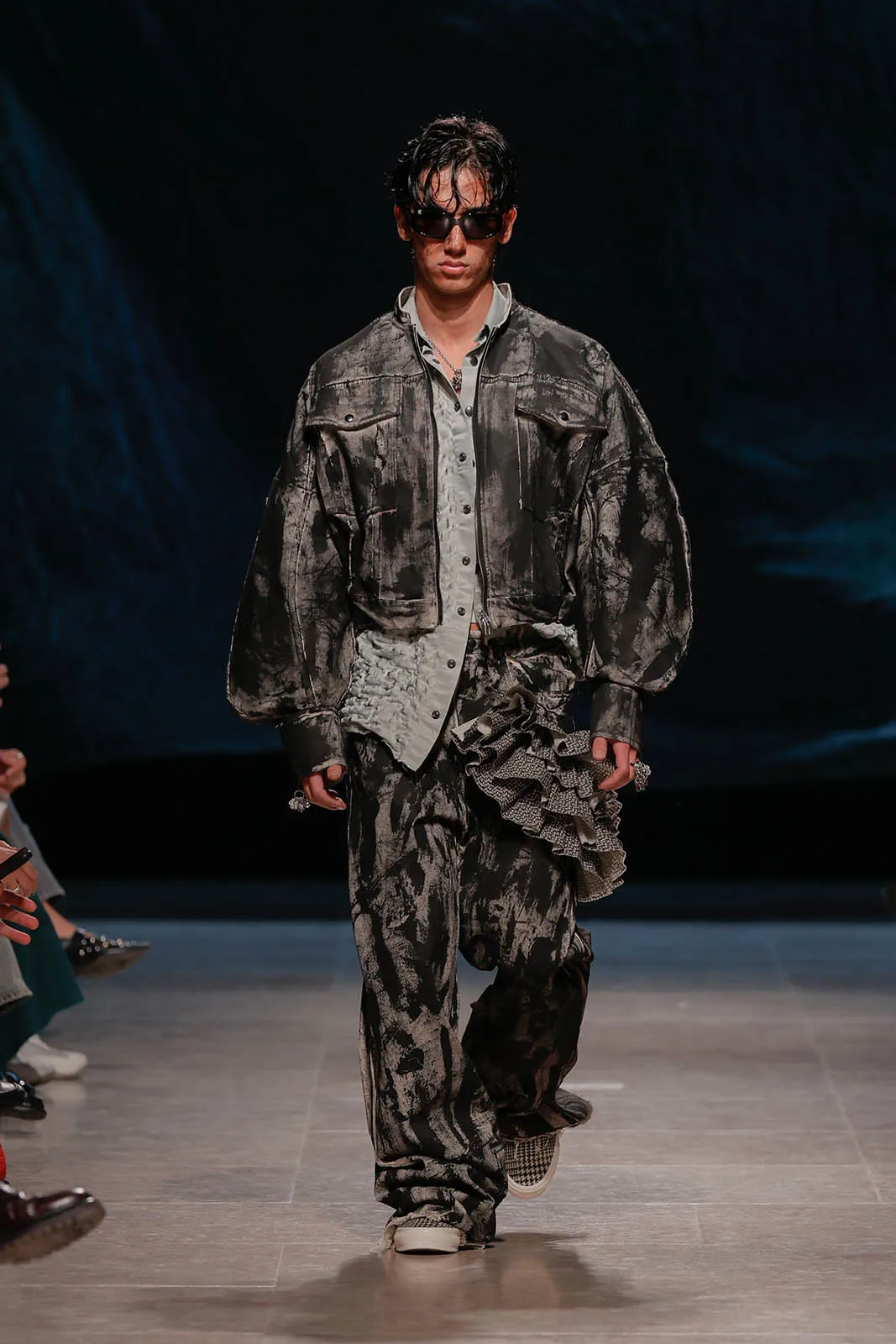
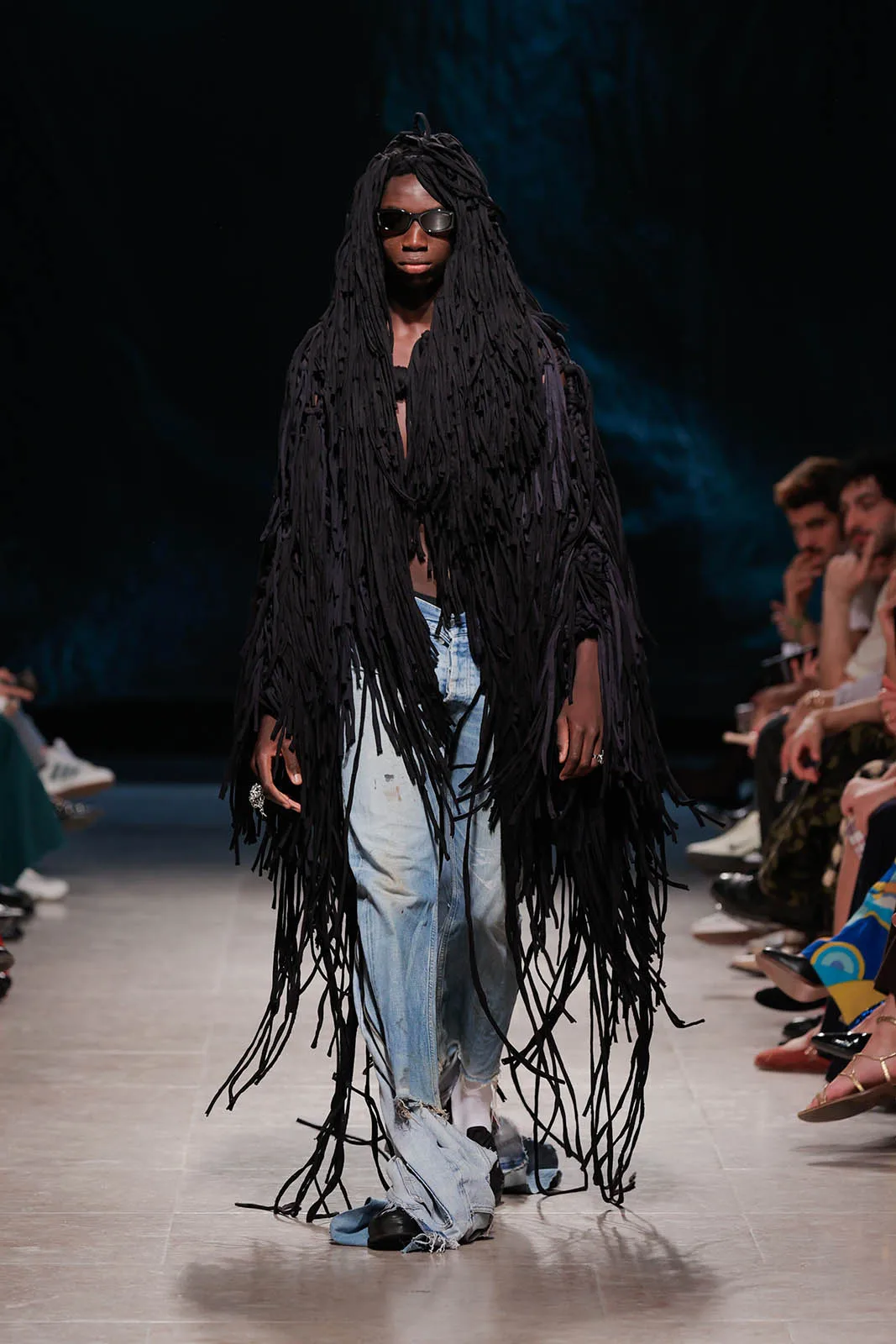
In her collection, Anarchy of Innocence, Bárbara Atanásio celebrated her multidisciplinary approach, blending upcycling, deconstruction, and a playful sense of humour. Models took the runway with muddy, dirty faces and what can only be described as streetwear swag. Layering, textures, and oversized, loose-fitting silhouettes stole the show, fusing grunge with avant-garde aesthetics. Highlights included hooded sweatshirts paired with deconstructed or layered skirts, crocheted vests teamed with plaid skirts, and denim overalls accented with metal details — a stylish reminder that fashion can break the rules while staying undeniably cool.
Atanásio frames anarchy not as chaos but as the organic energy of what is still becoming. Upcycling techniques punctuated this vision, celebrating the beauty of the unfinished while infusing the collection with a sustainable edge.
Béhen
Being one of Portugal’s rising fashion powerhouses, Béhen, founded by Joana Duarte in 2020, stands at the intersection of sustainability, tradition, and community. Since its inception, the brand has focused on traditional hand embroidery and upcycling vintage textiles such as bed covers, tablecloths, and curtains sourced from Lisbon markets and personal collections. Collaboration with artisans from various Portuguese communities have further enriched the brand’s offerings, reinforcing its commitment to preserving Portugal’s intangible heritage and promoting sustainable practices. Behén’s mission extends to empowering artisans, safeguarding ancestral techniques, and integrating technological innovation to ensure the longevity of traditional craftsmanship.
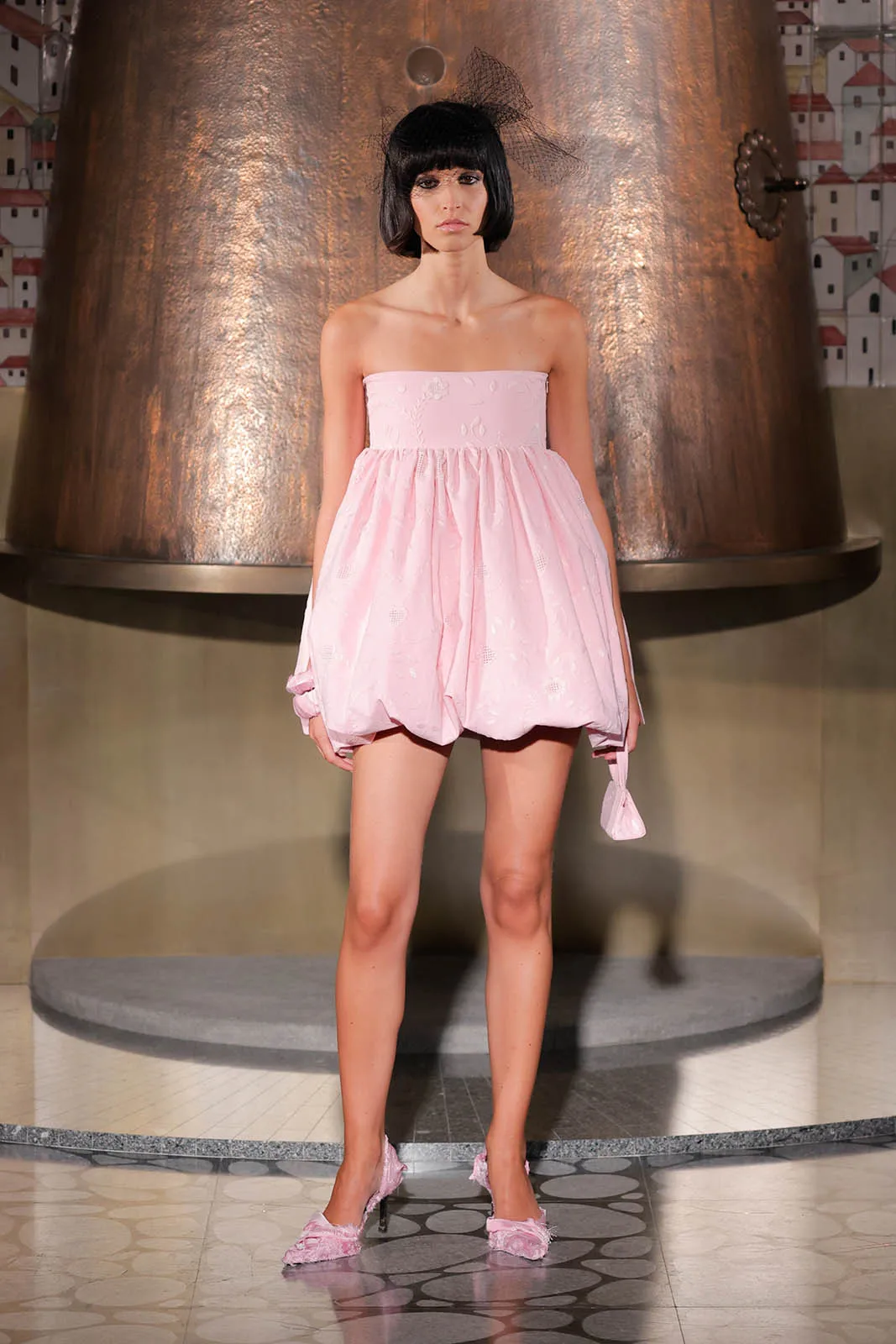
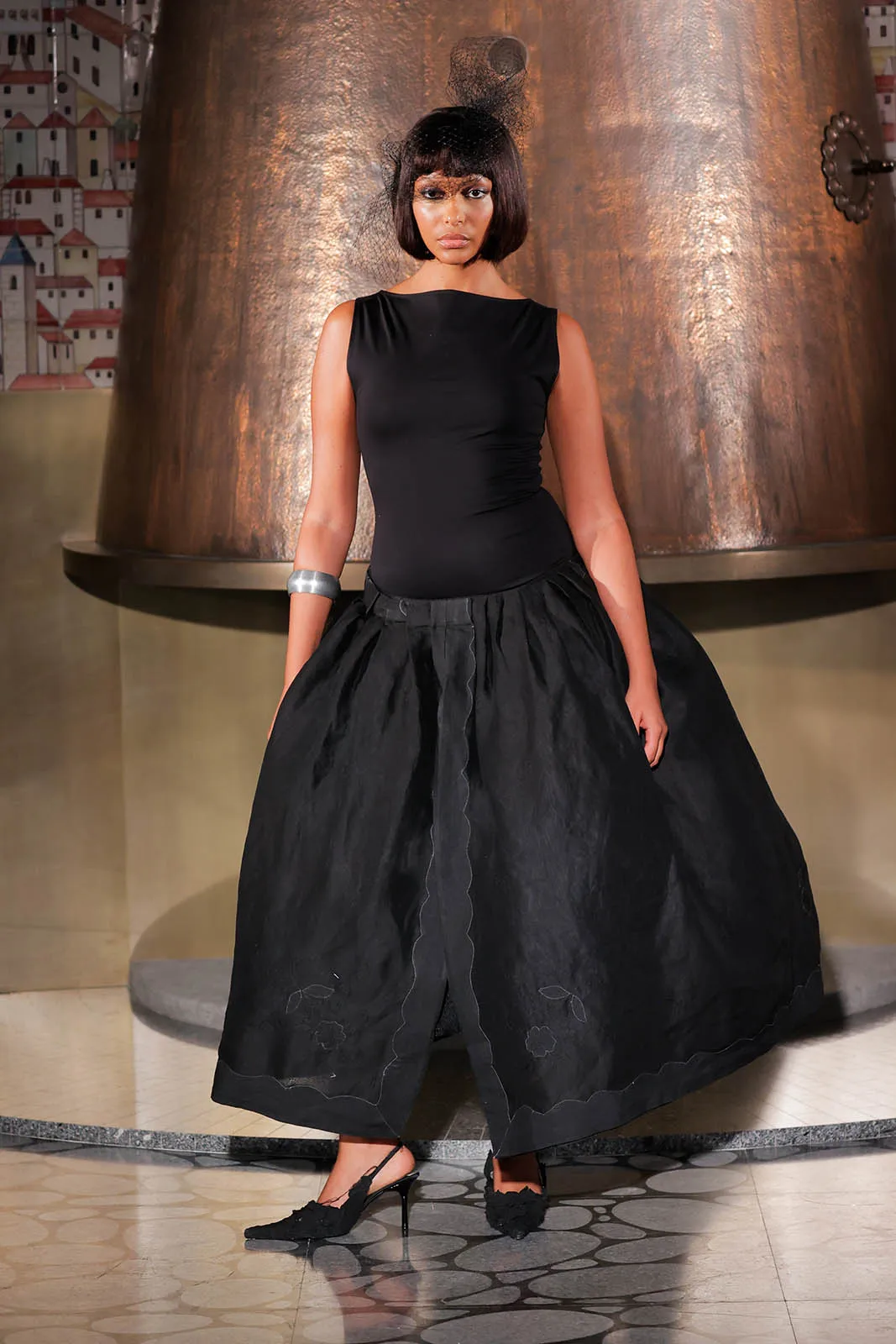
Beyond its ethics, Béhen continues to captivate with its distinct aesthetic sensibility. For Spring/Summer 2026, the brand paid homage to 20th-century classics in a presentation that evoked the intimacy of old salon shows: a small audience, quiet elegance, numbered looks, and live commentary. On the runway, black lace dresses with flared skirts, a cheeky pastel-pink bubble mini dress, and a romantic blush velvet gown recalling 1920s glamour captured a dialogue between nostalgia and modernity. The collection unfolded as a playful study of retro femininity, merging vintage couture codes with a contemporary, lighthearted spirit — proof that Béhen’s vision of fashion is as much about memory as it is about reinvention.
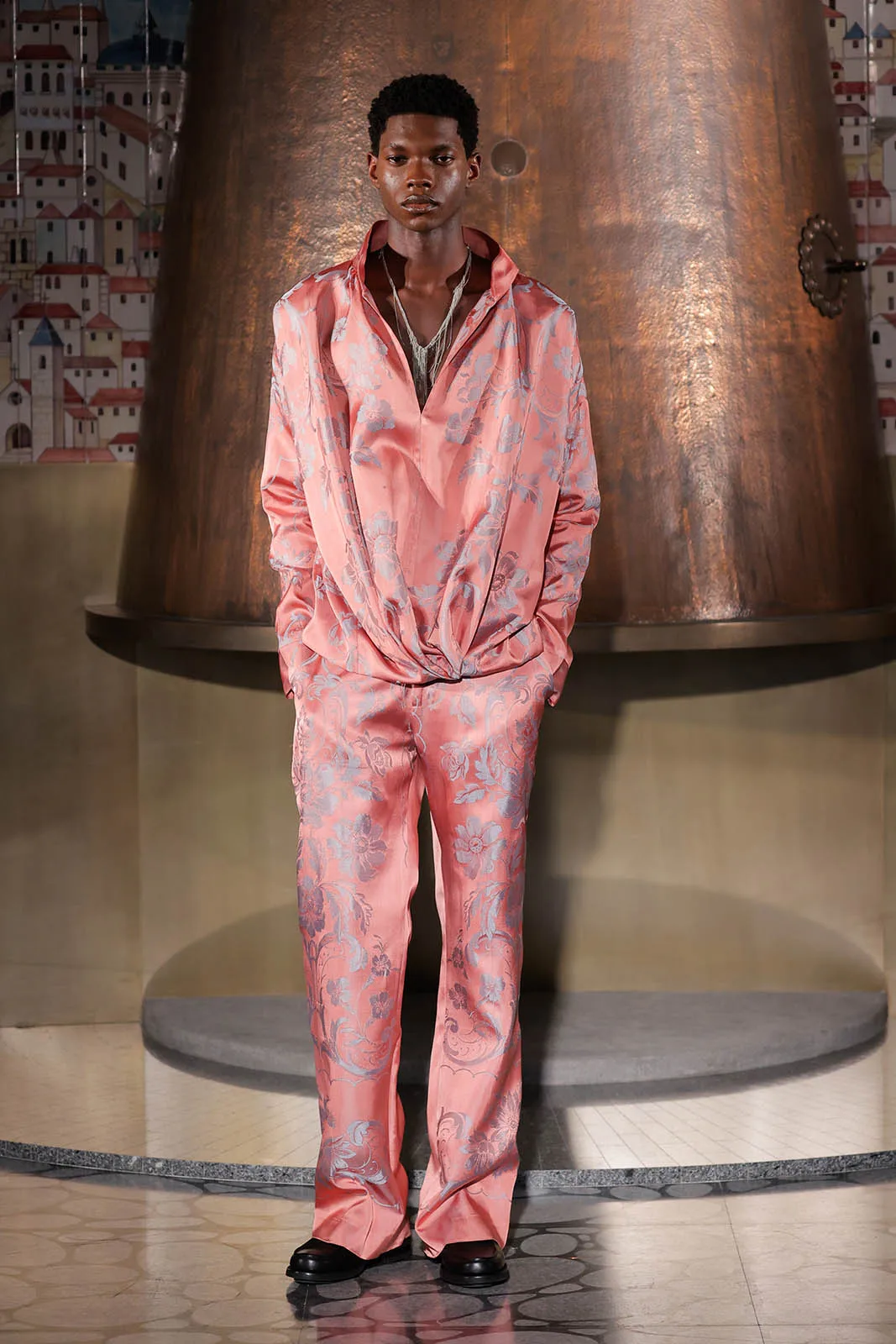
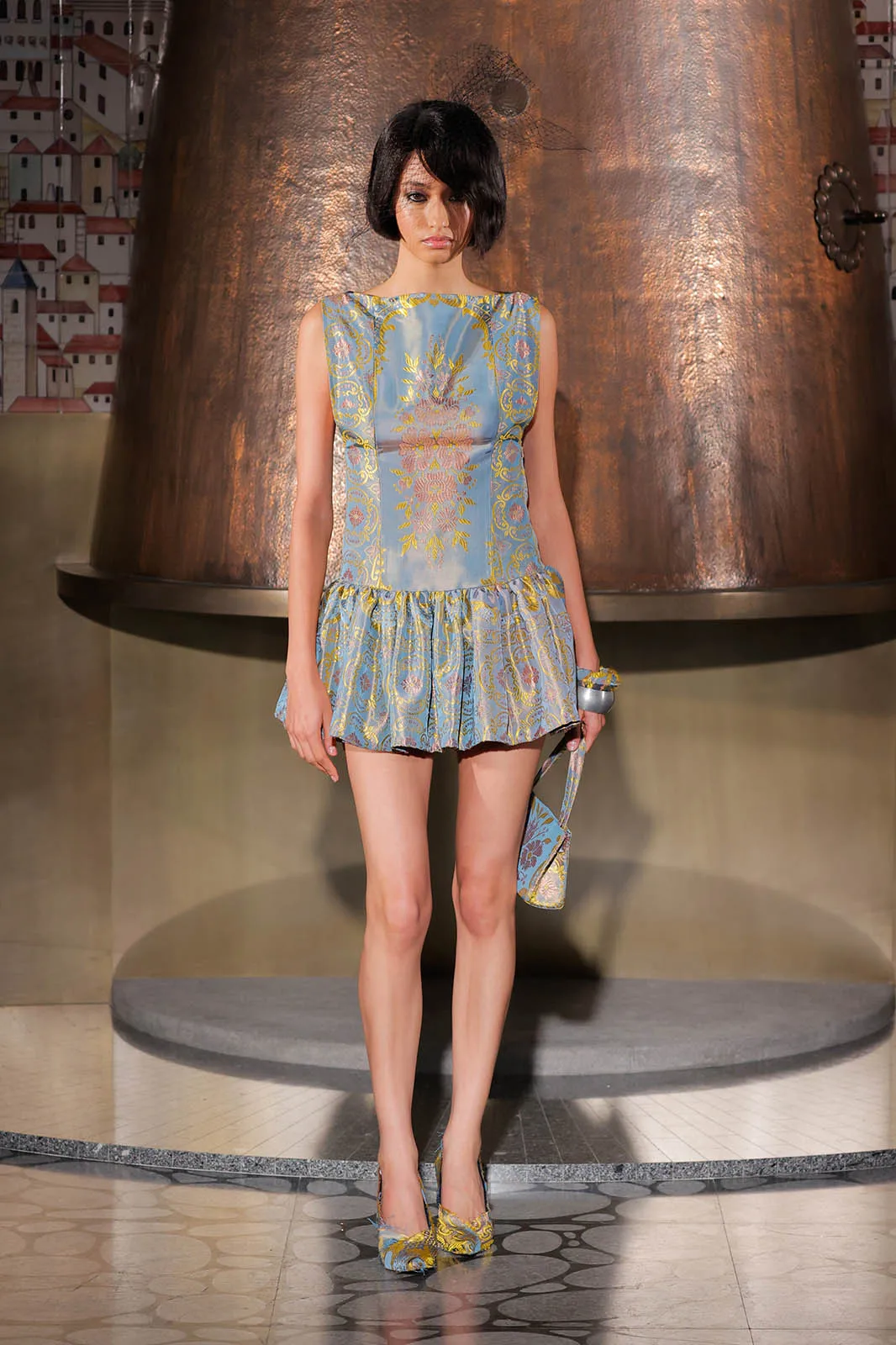
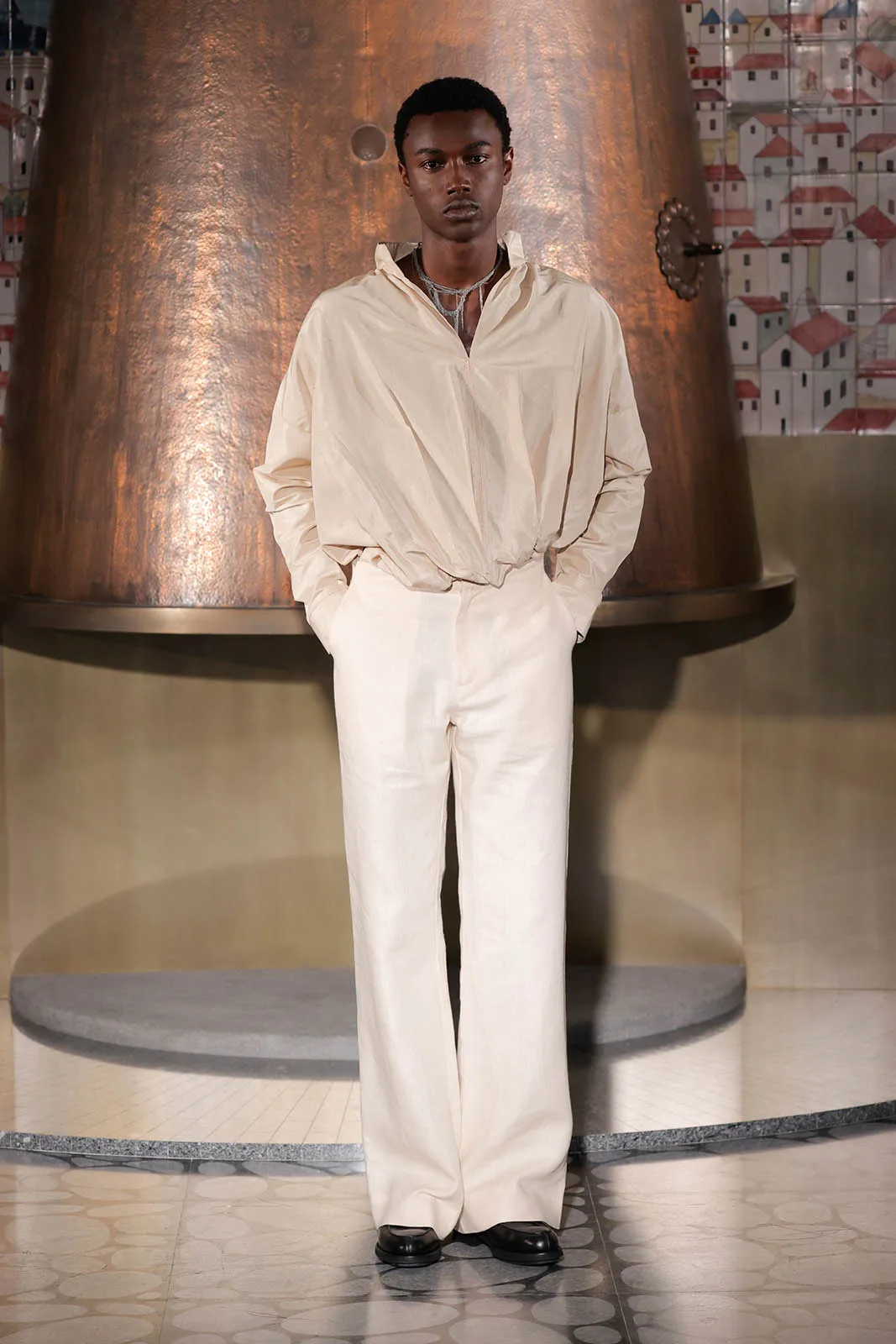
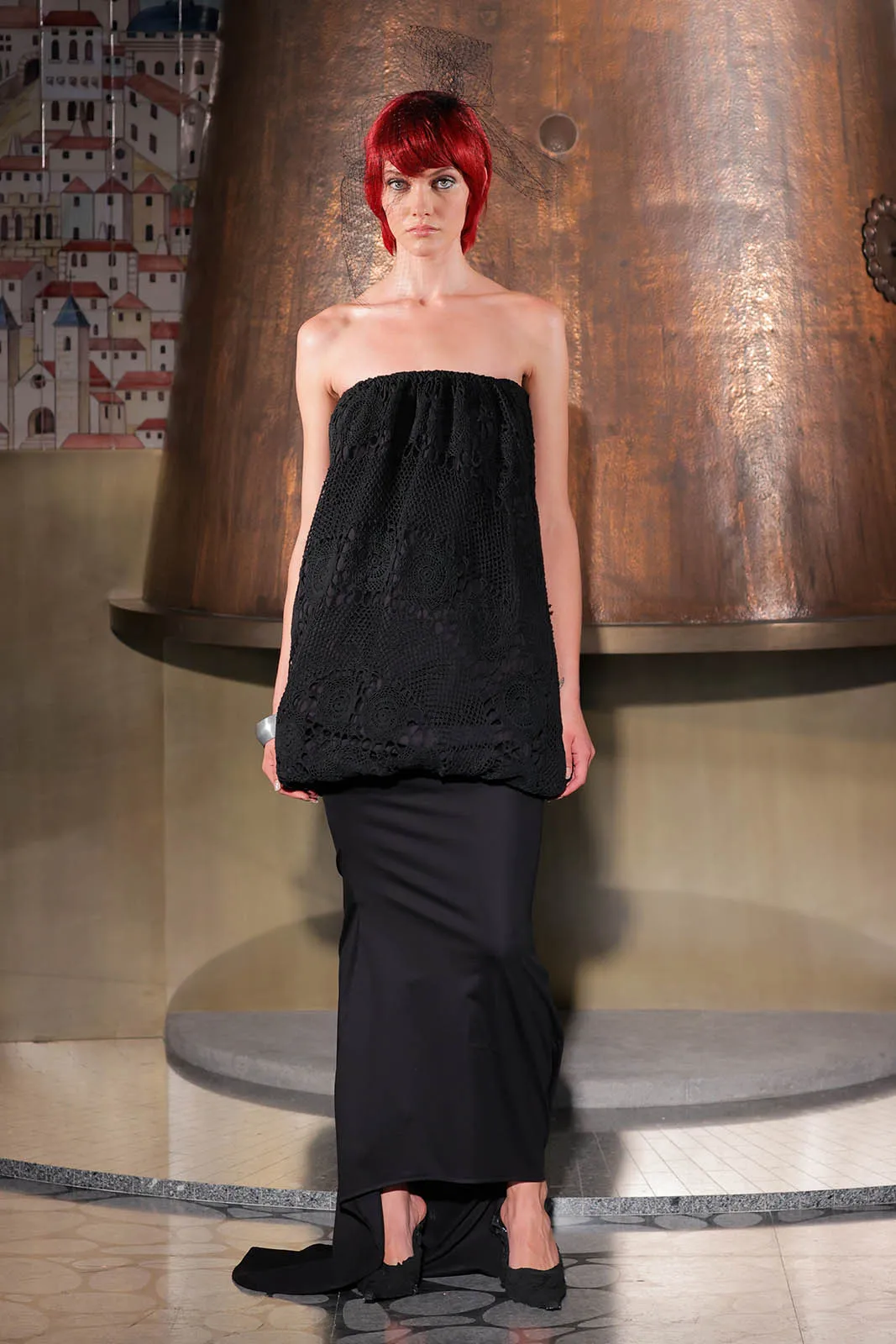
Mestre Studio
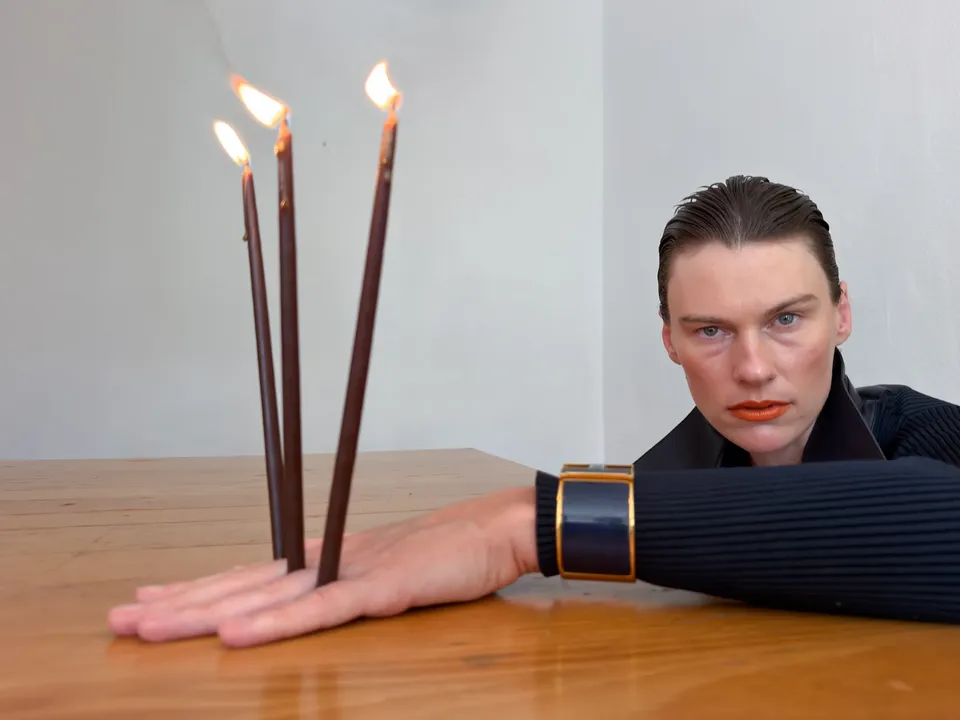
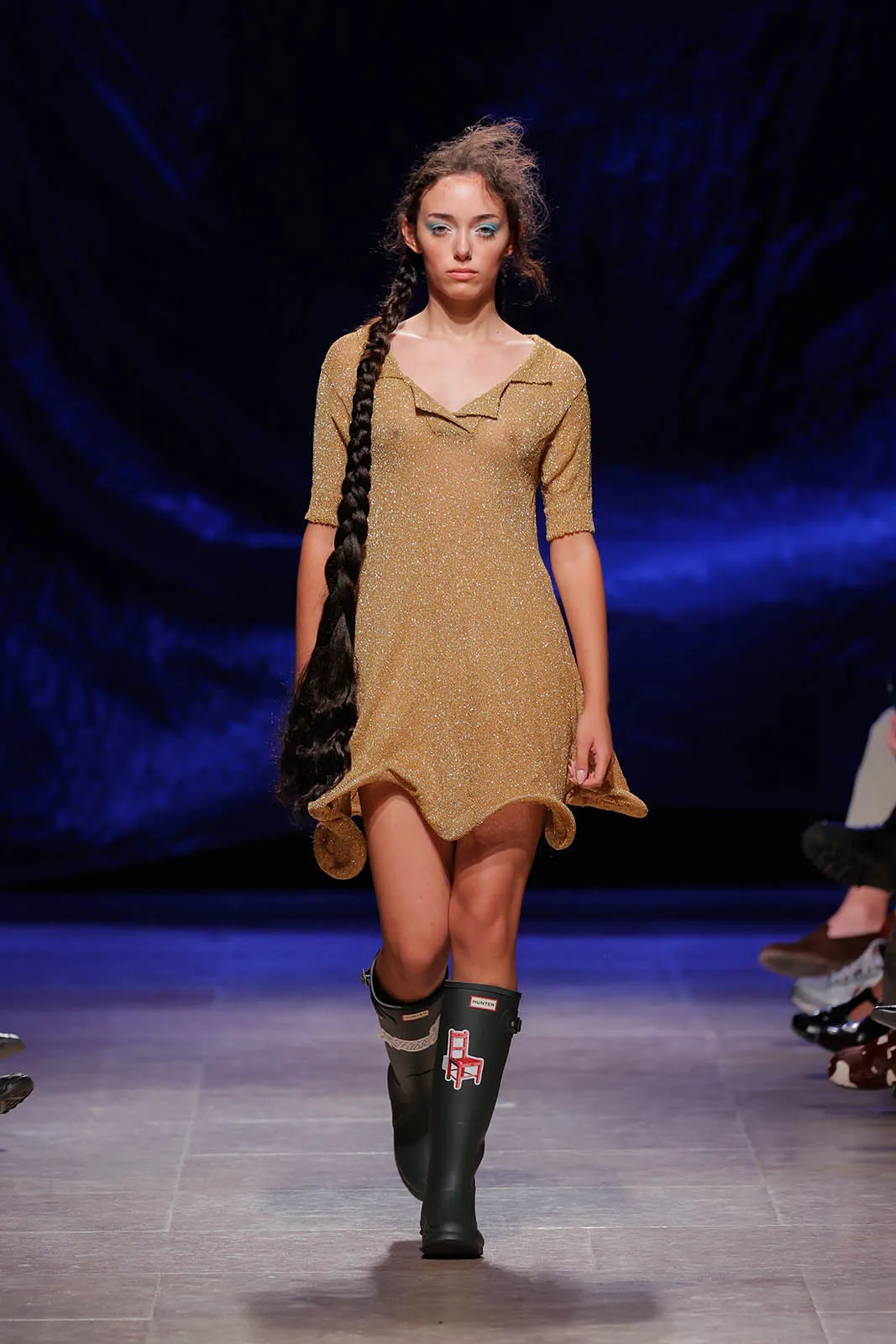
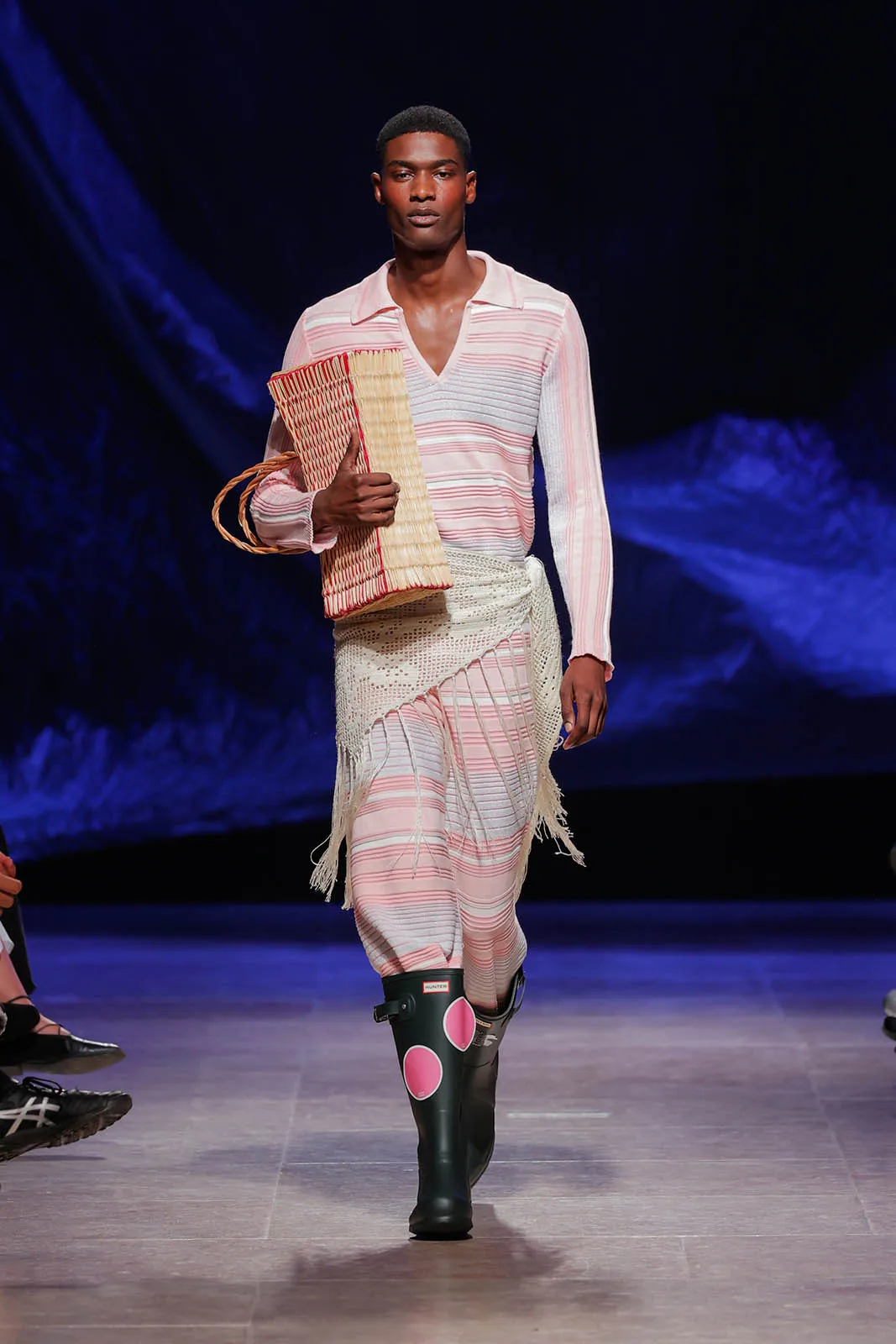
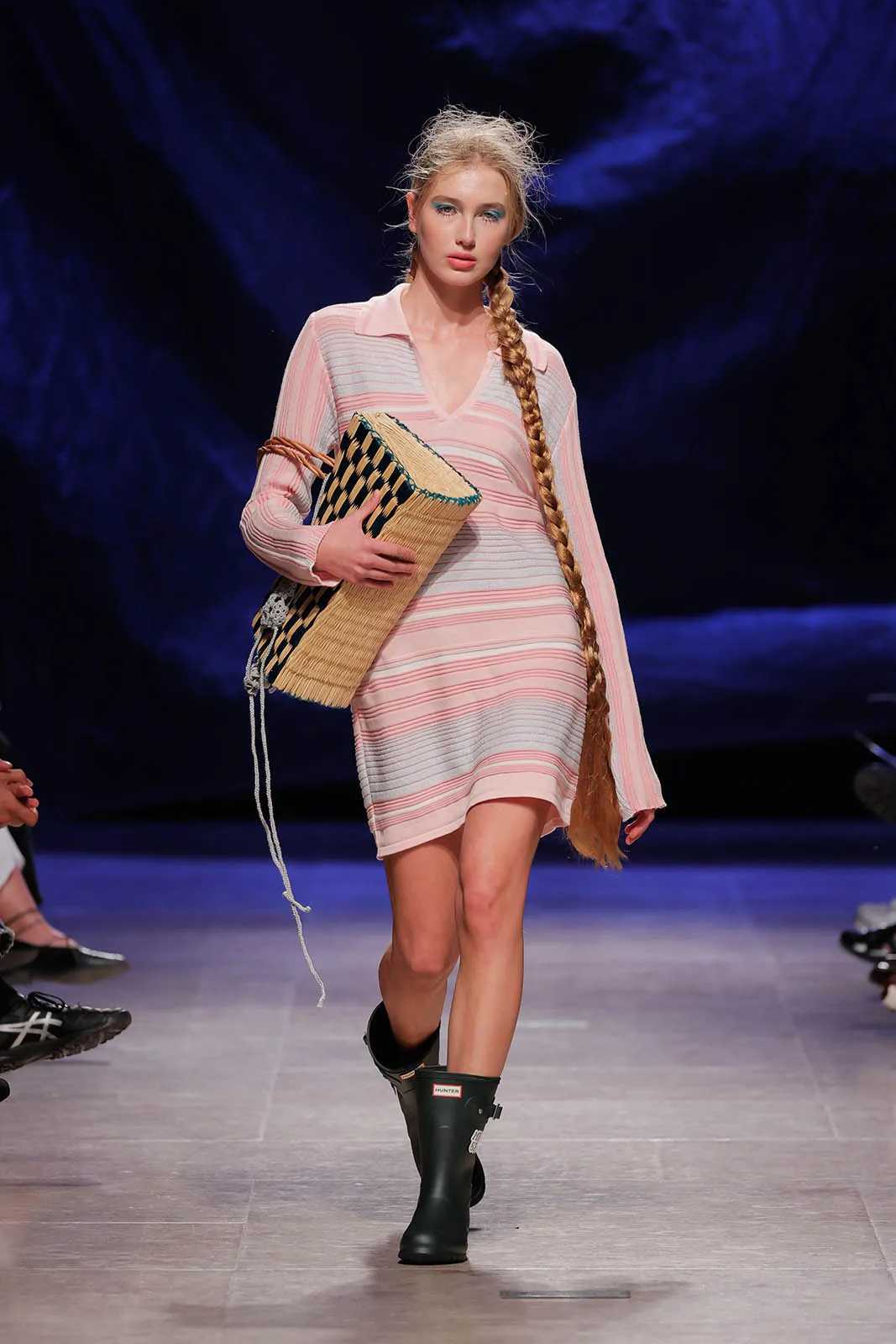
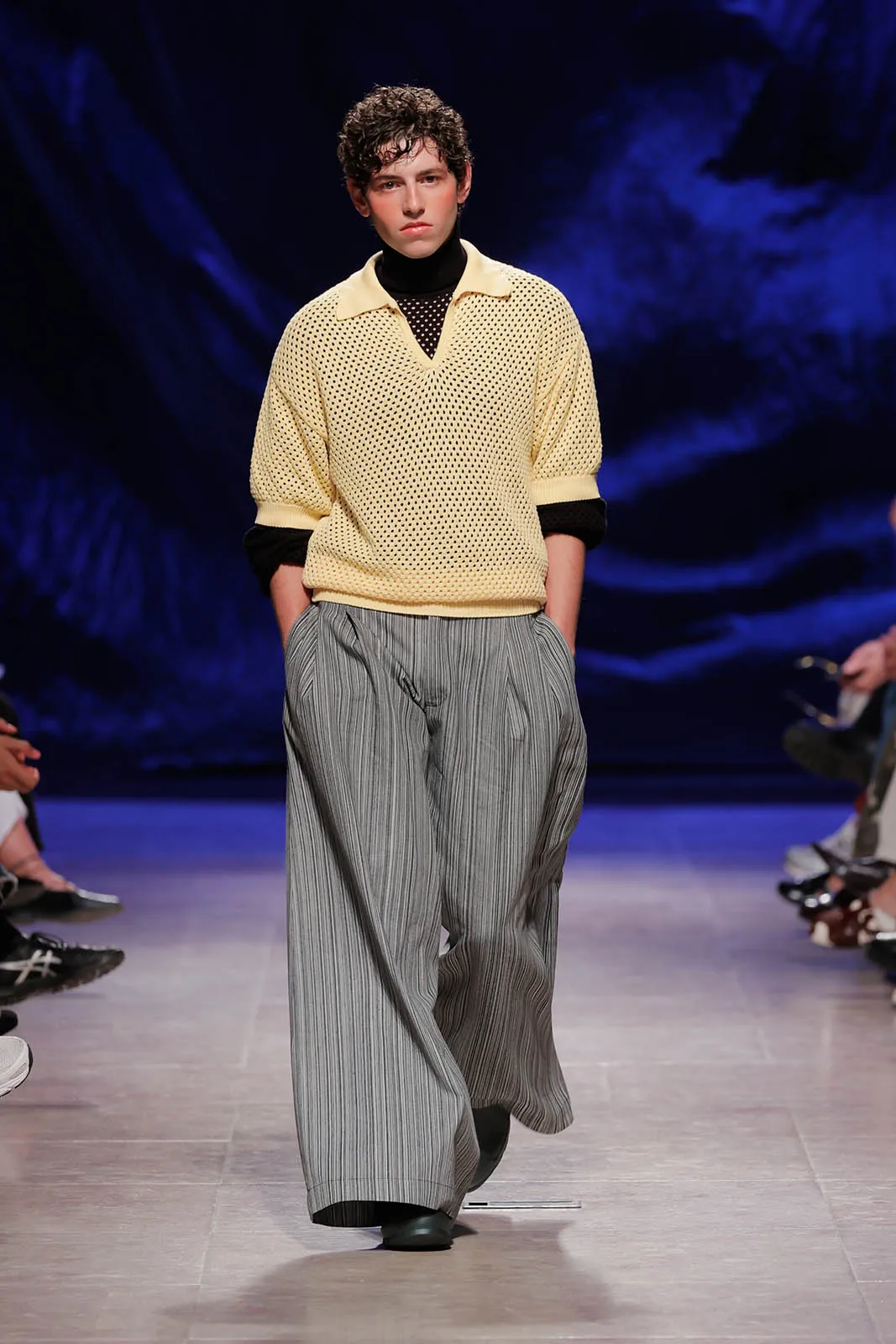
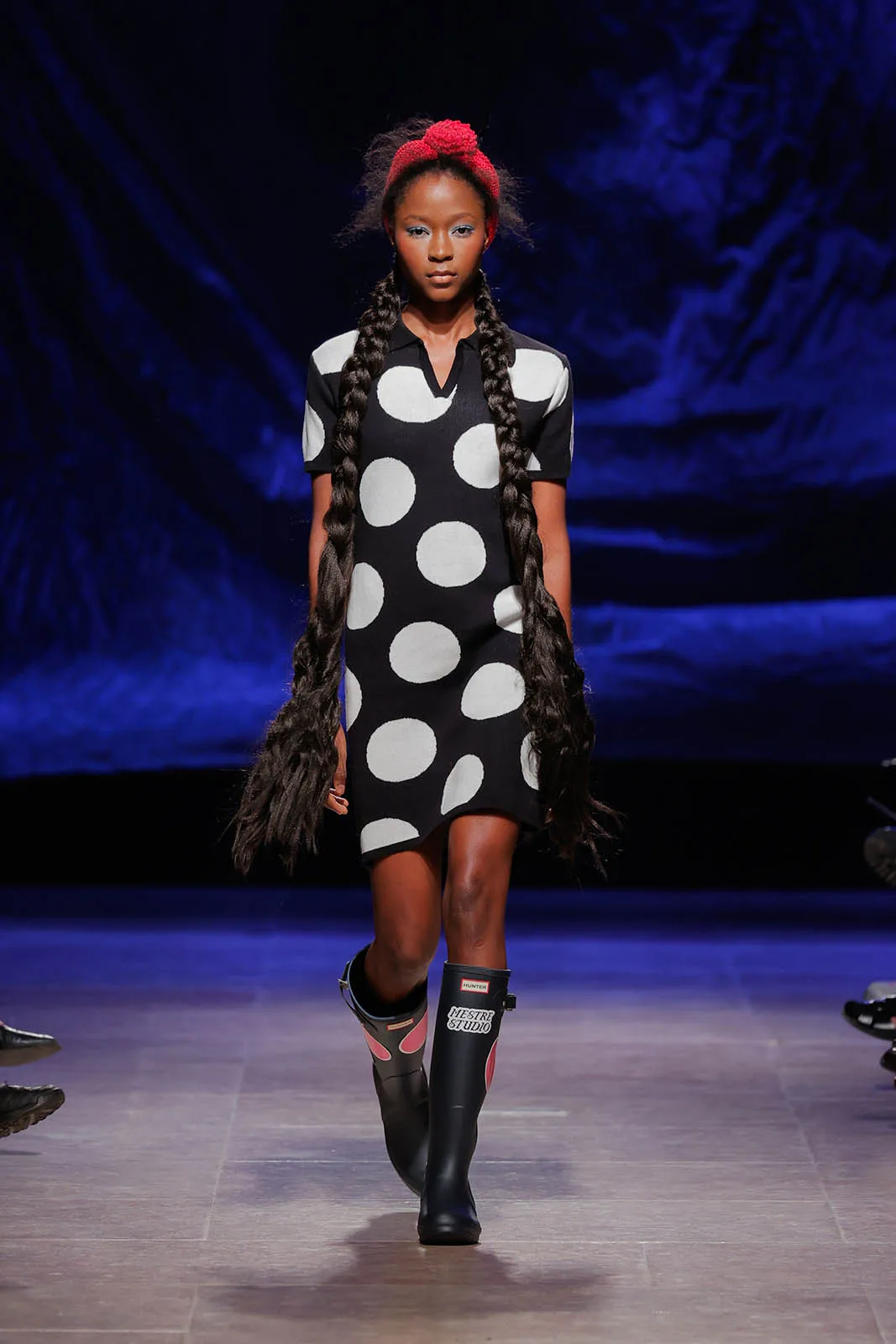
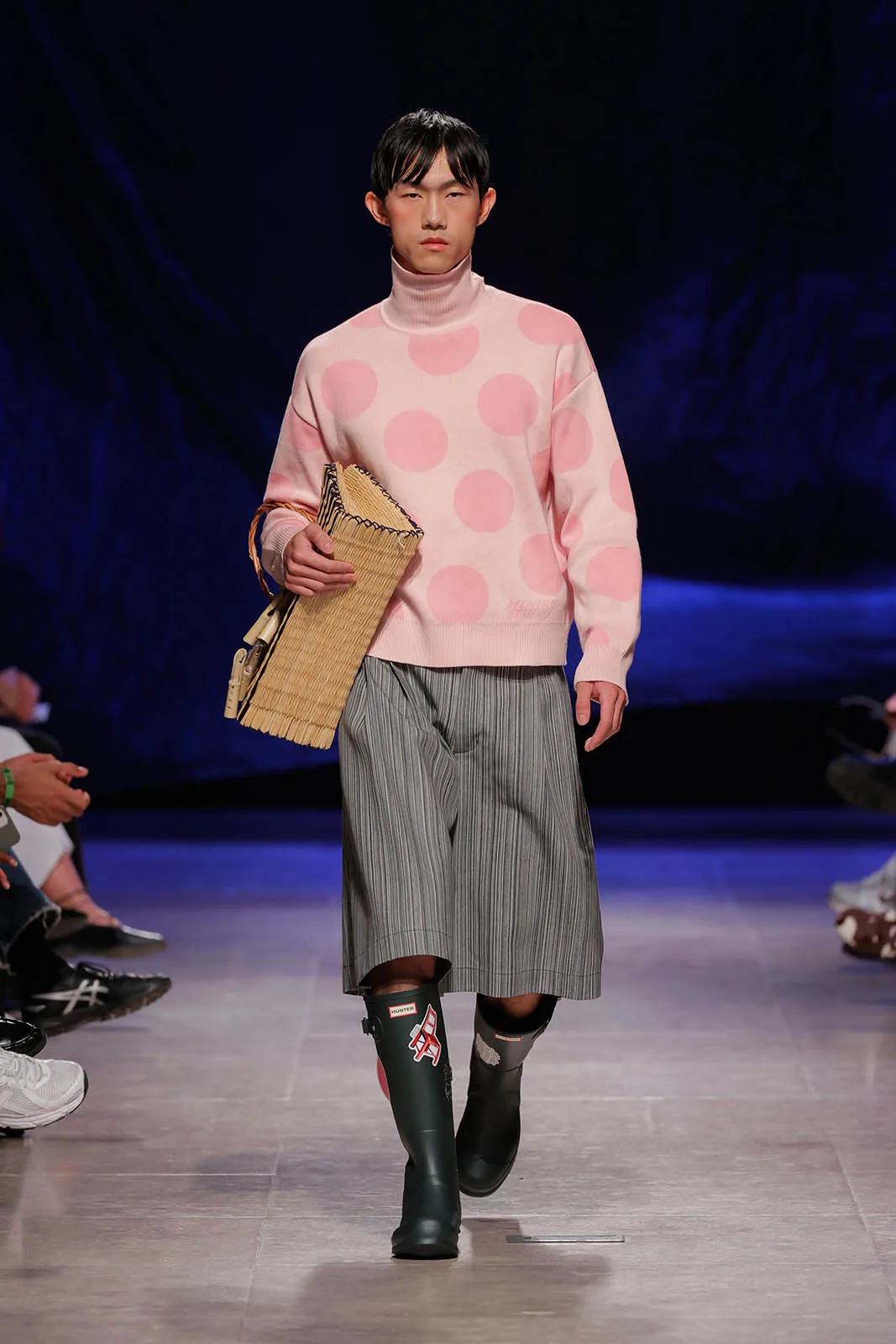
Founded in 2023, Mestre Studio has already developed a very personal design language. Diego Mestre is the creative mind behind the brand, and more than simply creating clothes, he aims to craft narratives that immerse viewers in his universe. Mestre focuses primarily on knitwear and the deconstruction of traditional techniques, while emphasising its nostalgic vein and the role of memories in shaping its identity. The name of the S/S 2026 collection, Trugia, refers to objects that may seem valueless but carry profound intrinsic meaning — they are deeply and emotionally significant to their owner. As proof of this, Diego revealed after the show that the inspiration for one of the collection’s sweater designs came from drawings found in his grandmother’s house.
The collection combined cohesive storytelling with playful, engaging designs: see-through dresses, oversized polka dots on cozy sweaters and rain boots, and bold, graphic lines. The knitwear, hyper-long messy braids, oversized parkas, and wicker baskets transported us to a Portuguese countryside reimagined in a fresh, contemporary way.
Arndes
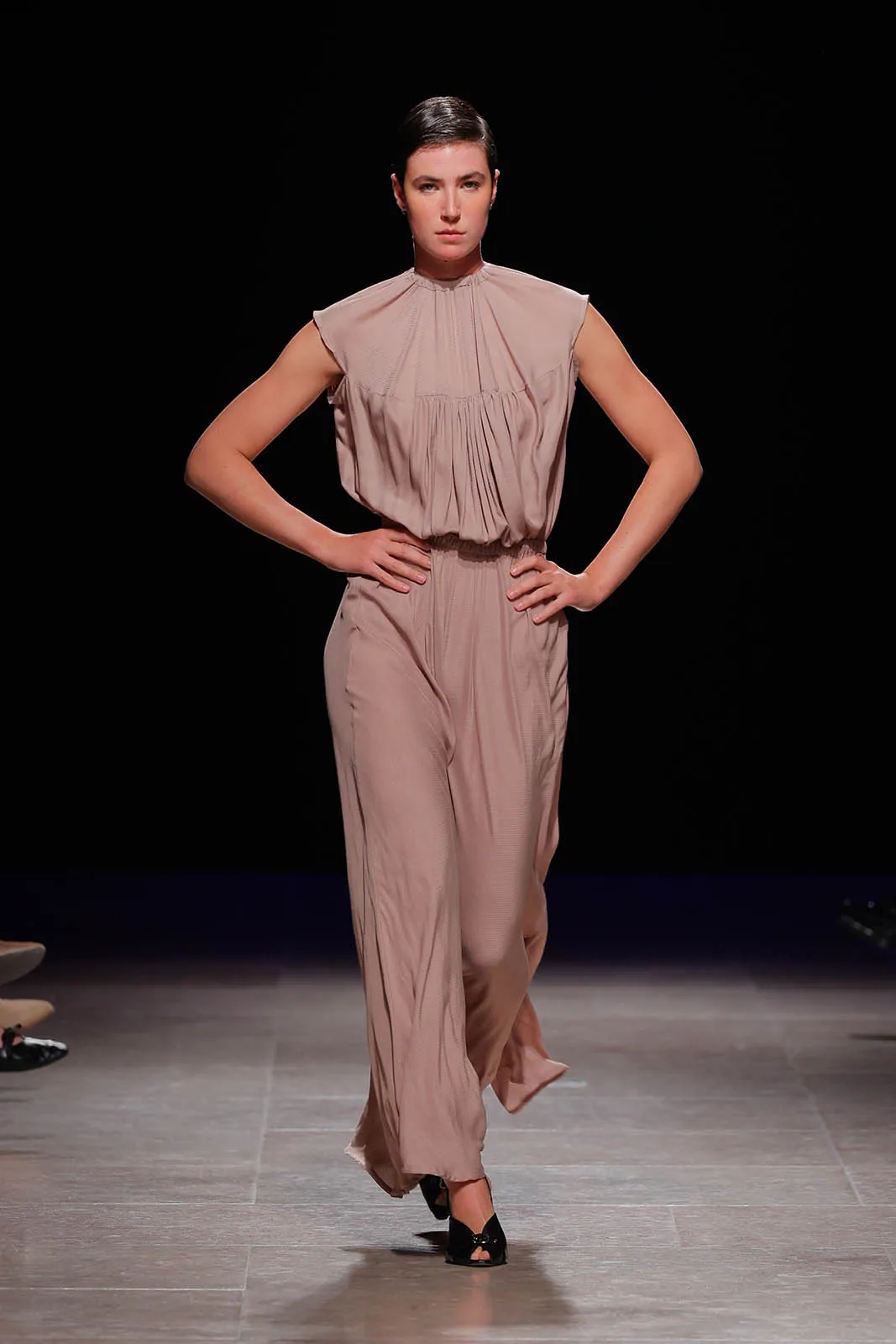
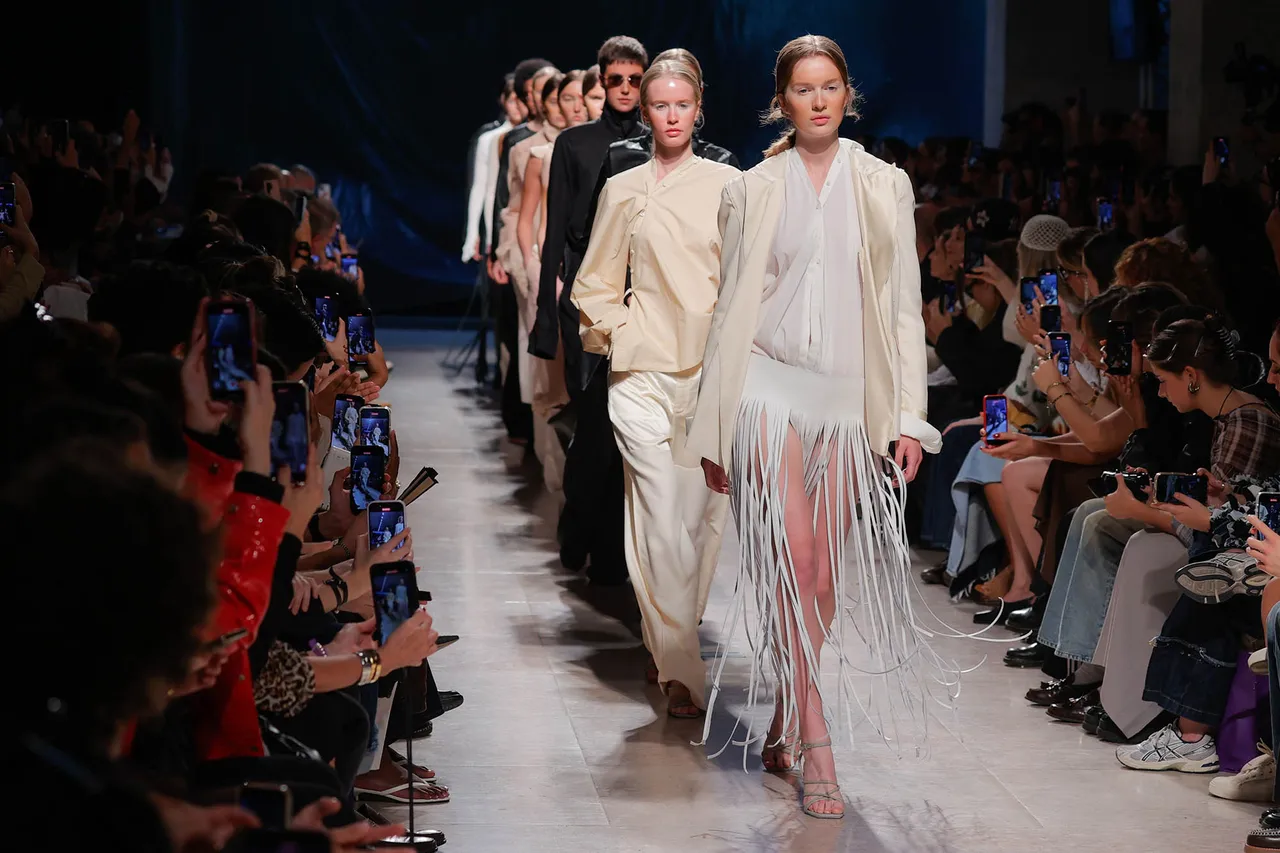
Veraneio, meaning “summer” in Portuguese, is the name of Arndes’ new collection — an ode not only to the season itself and what it embodies (collectivity, warmth, and rest) but also a sensitive celebration of femininity. Aimed at an audience that values craftsmanship and distinctive silhouettes, the collection featured pieces ranging from dresses to suits reimagined for the modern woman: elegant, yet playful and daring. From fringed and mesh skirts to leather dresses, Veraneio evoked a summer of contrasts: rustic and sophisticated, traditional and technological, nostalgic and experimental. It offered an open invitation to reject a single way of living or dressing, and instead embrace exploration and transformation. With their S/S 2026, Arndes reaffirmed their commitment to uniting aesthetics, functionality, and quality.
Dino Alves
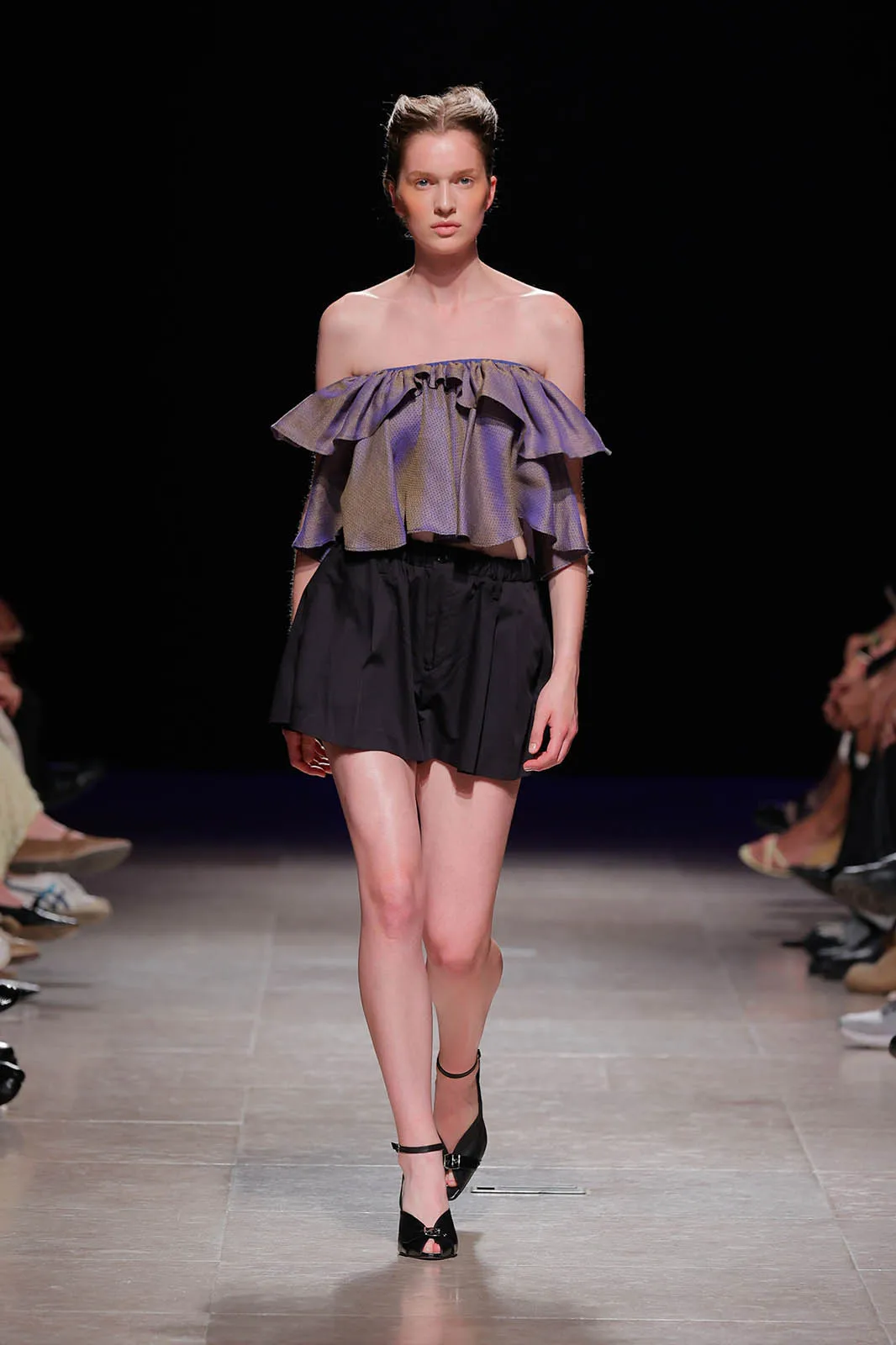
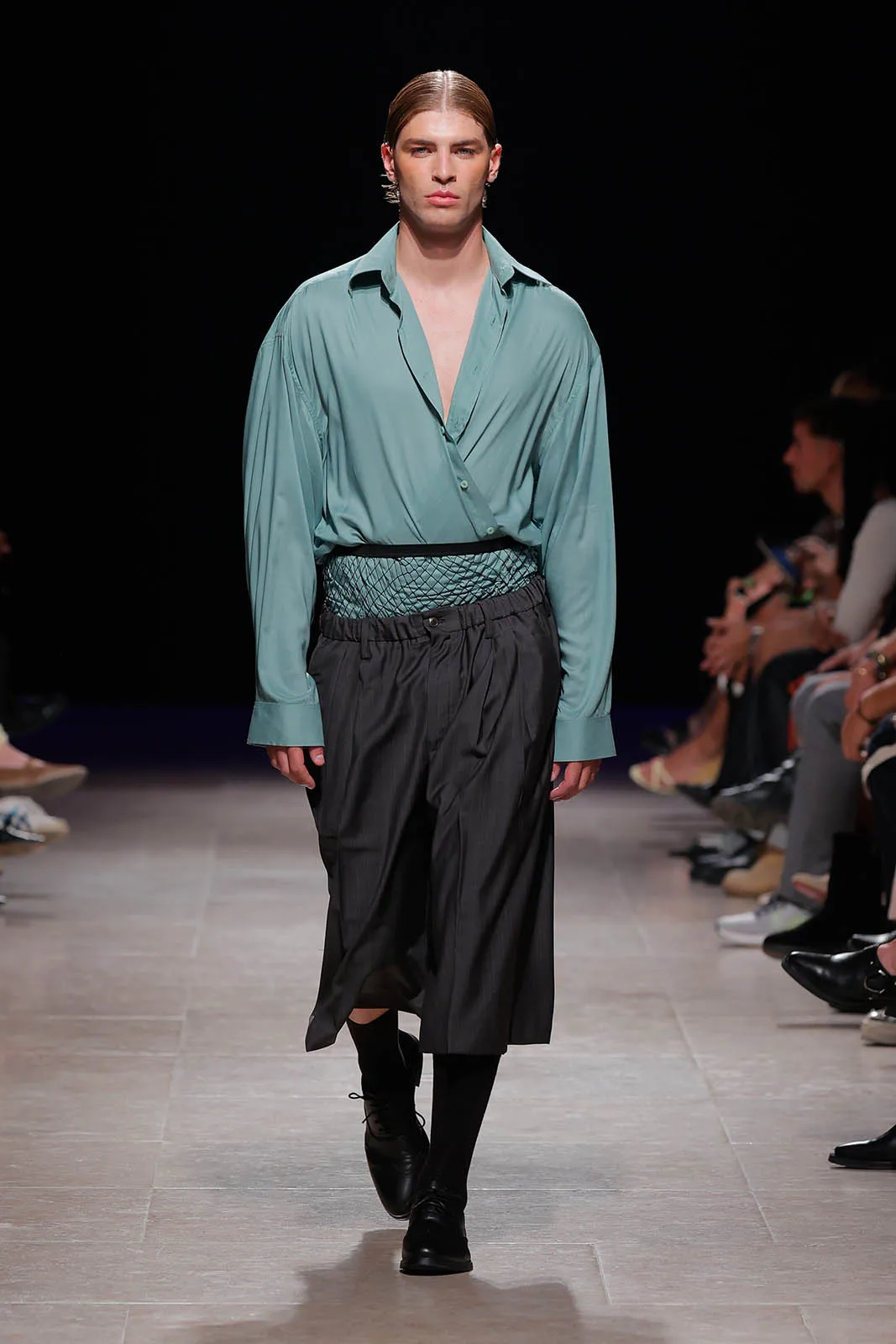
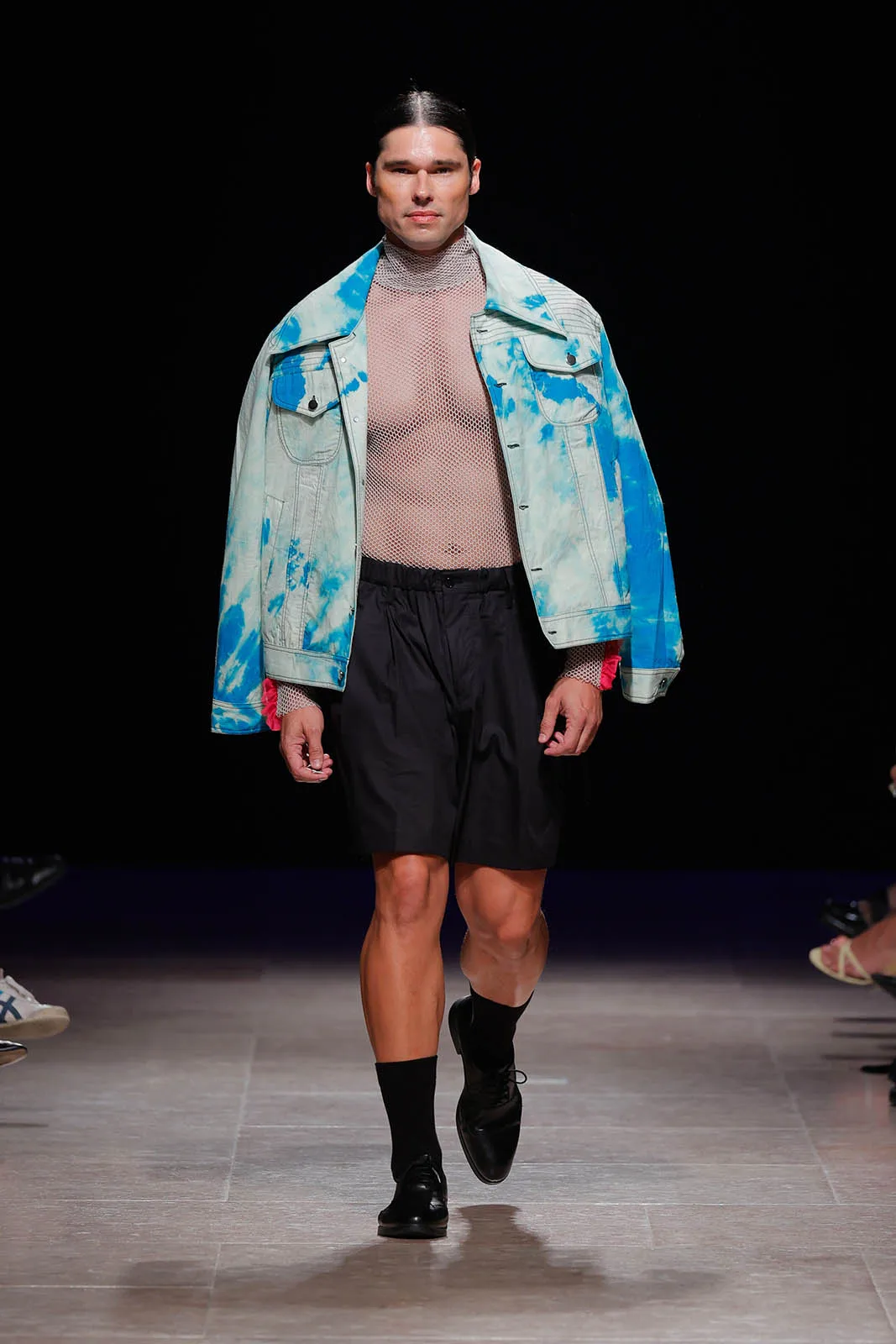
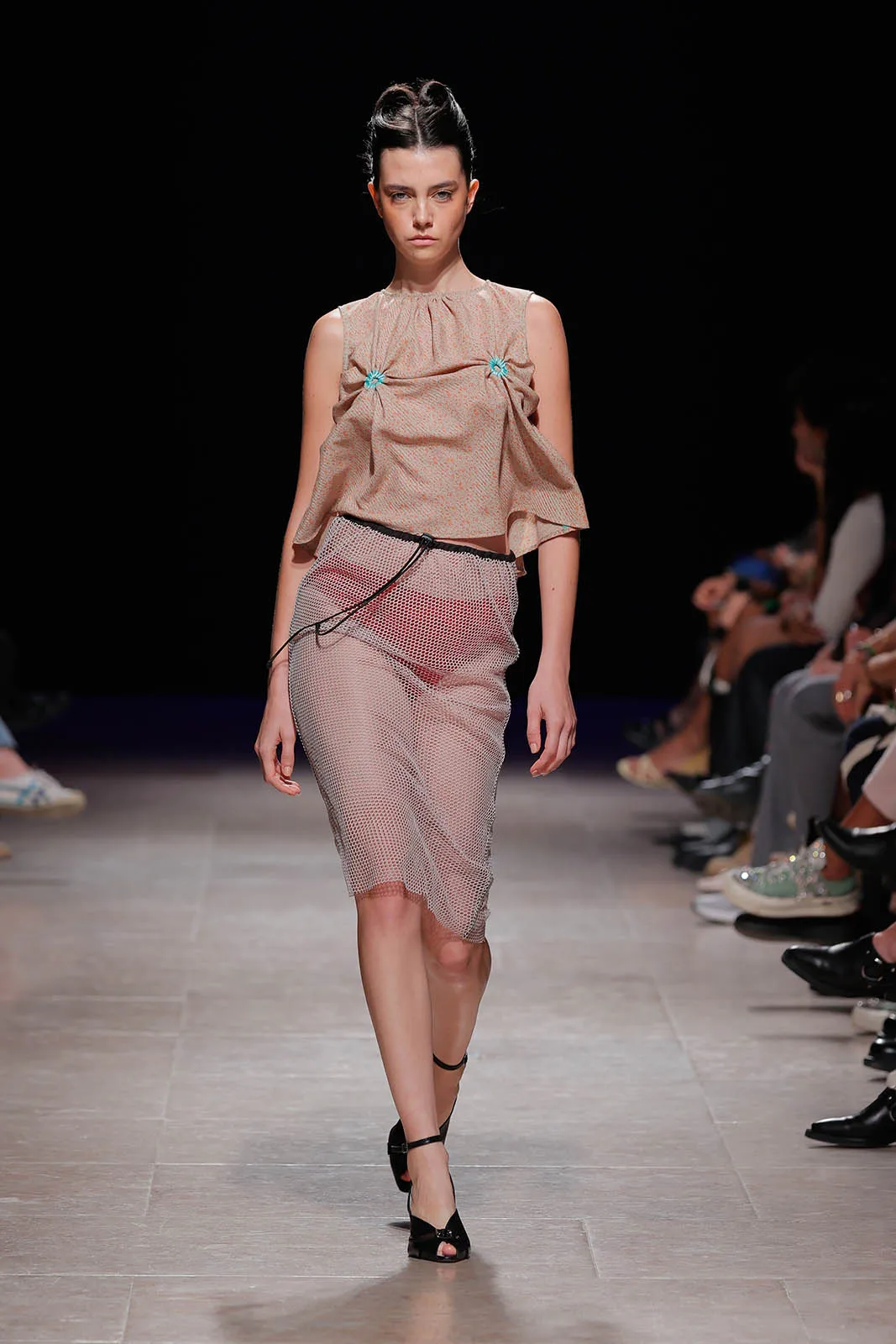
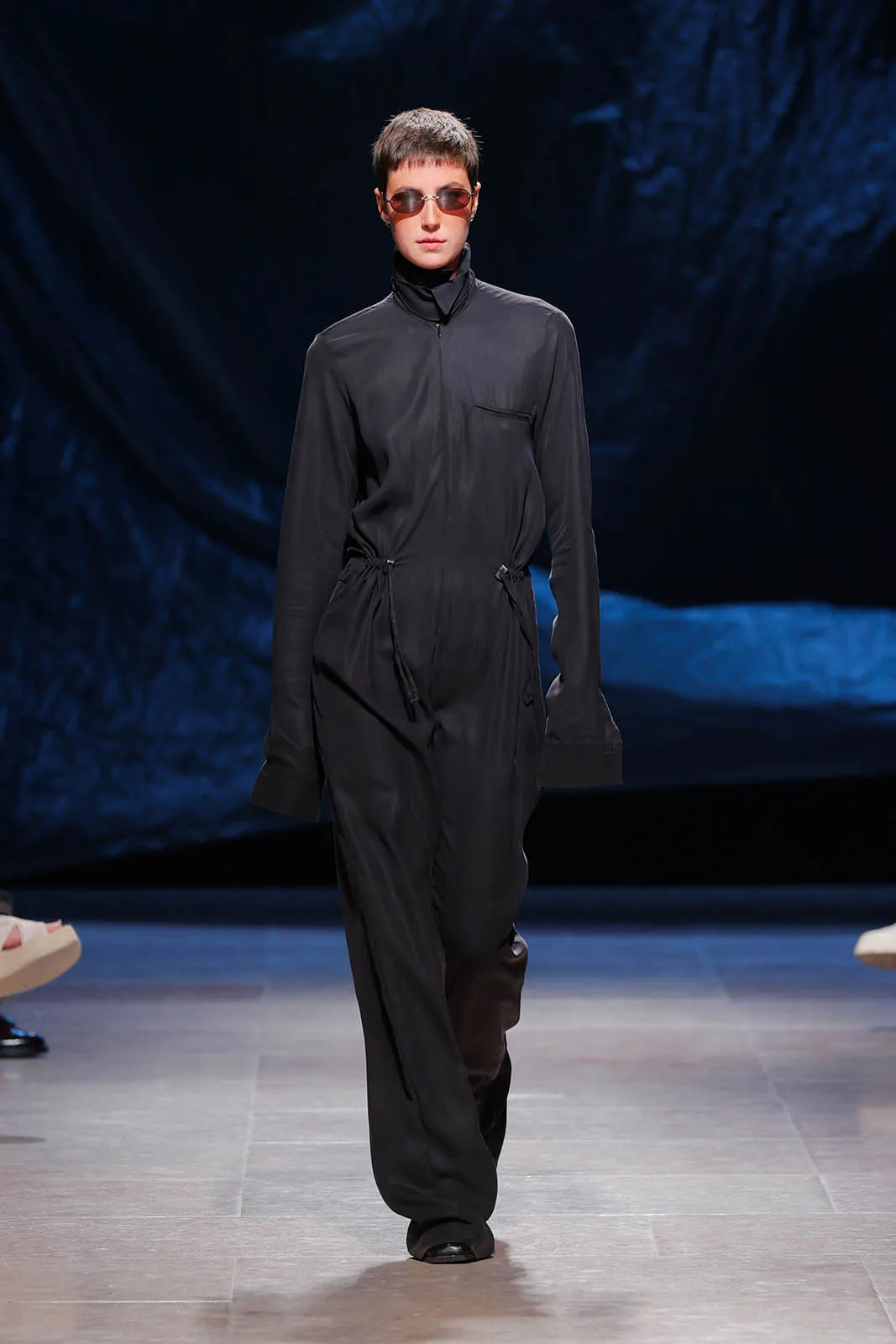
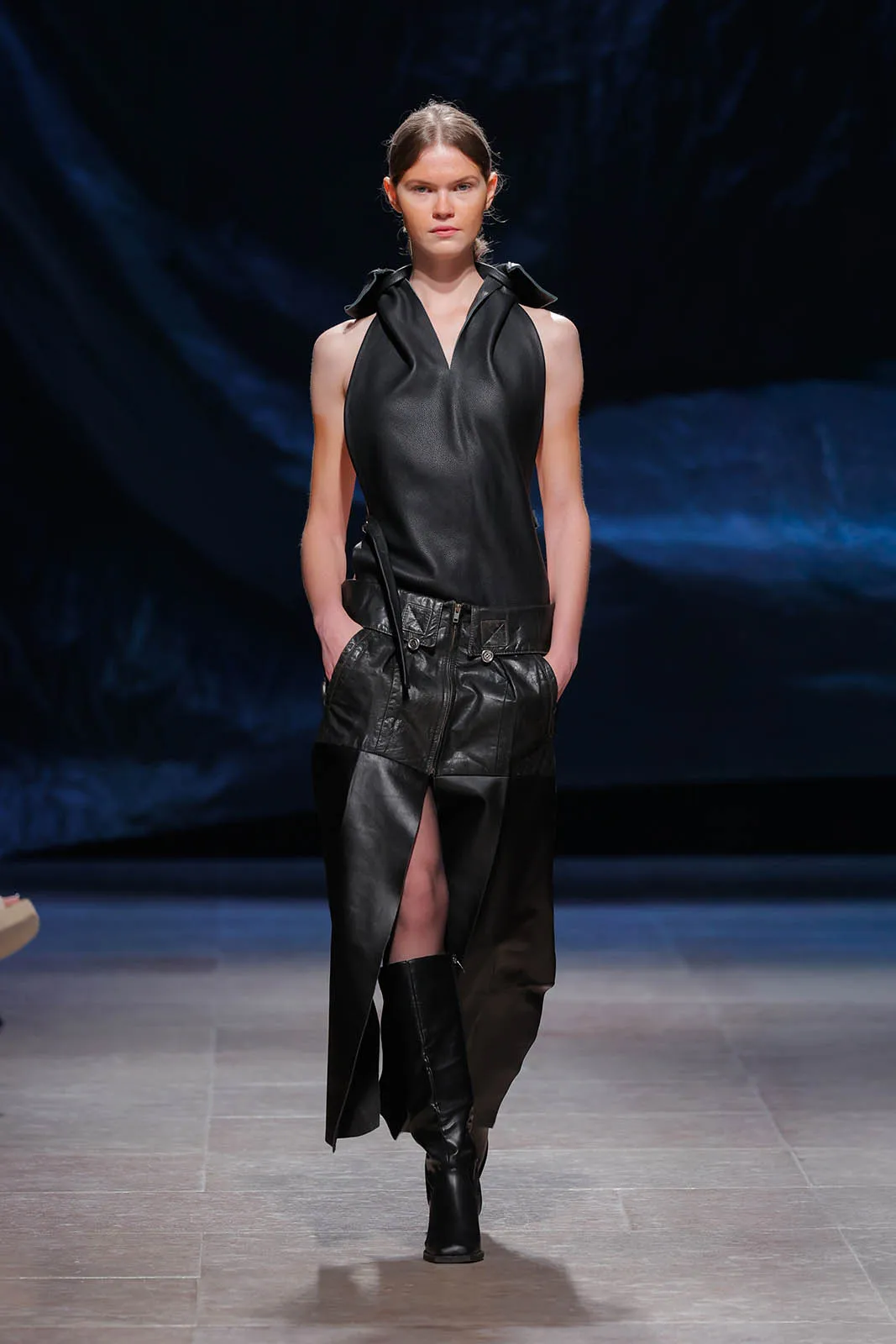
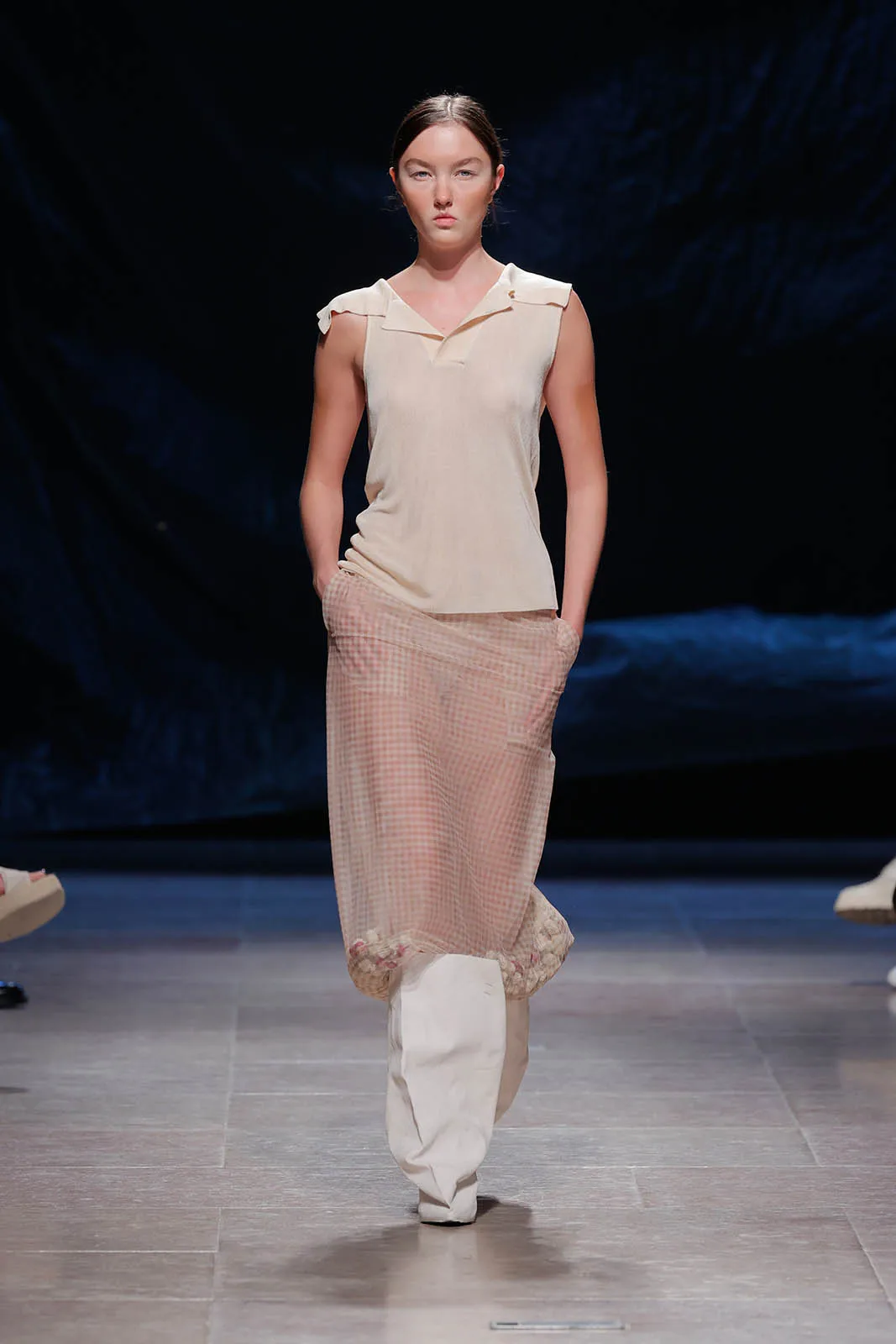
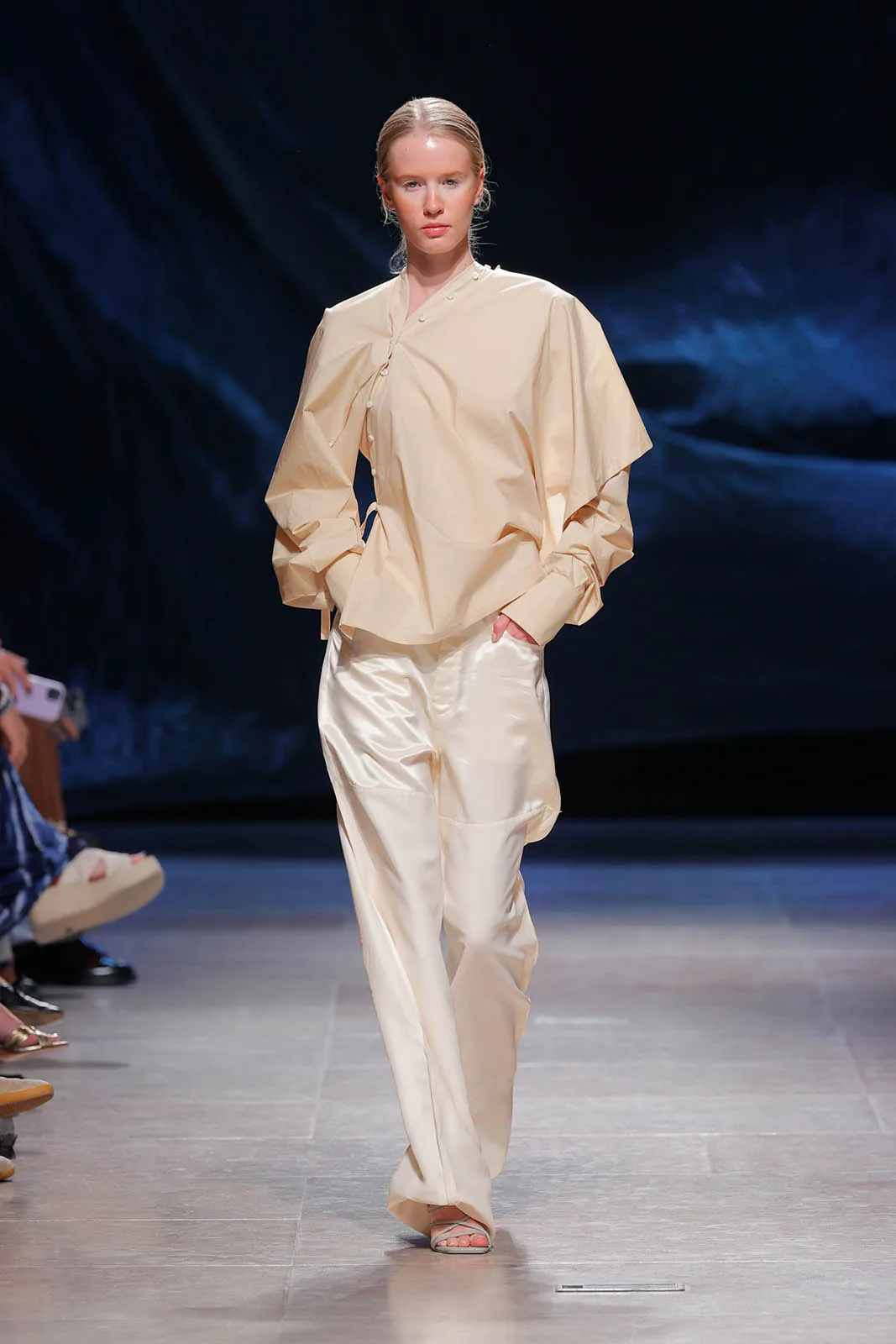
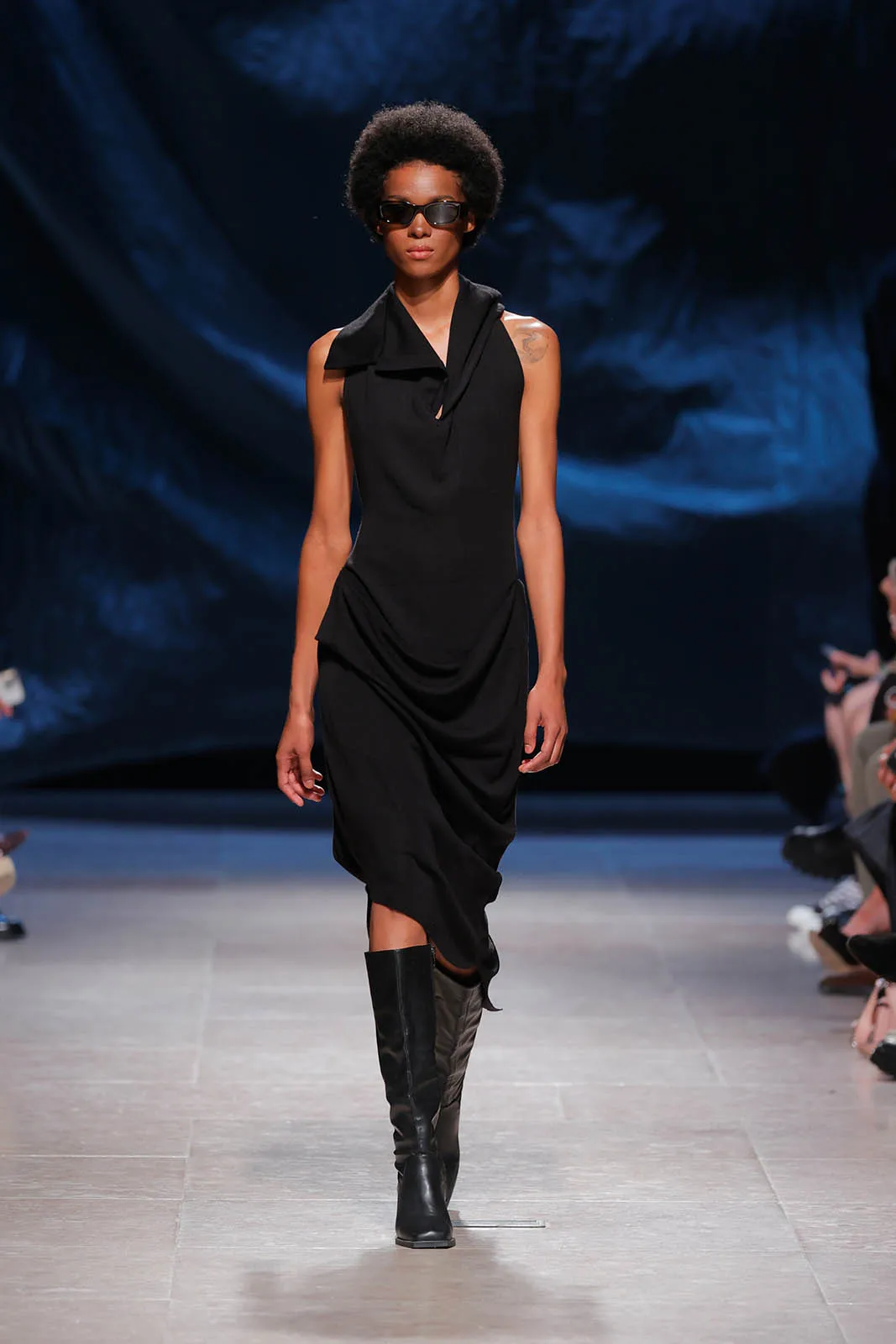
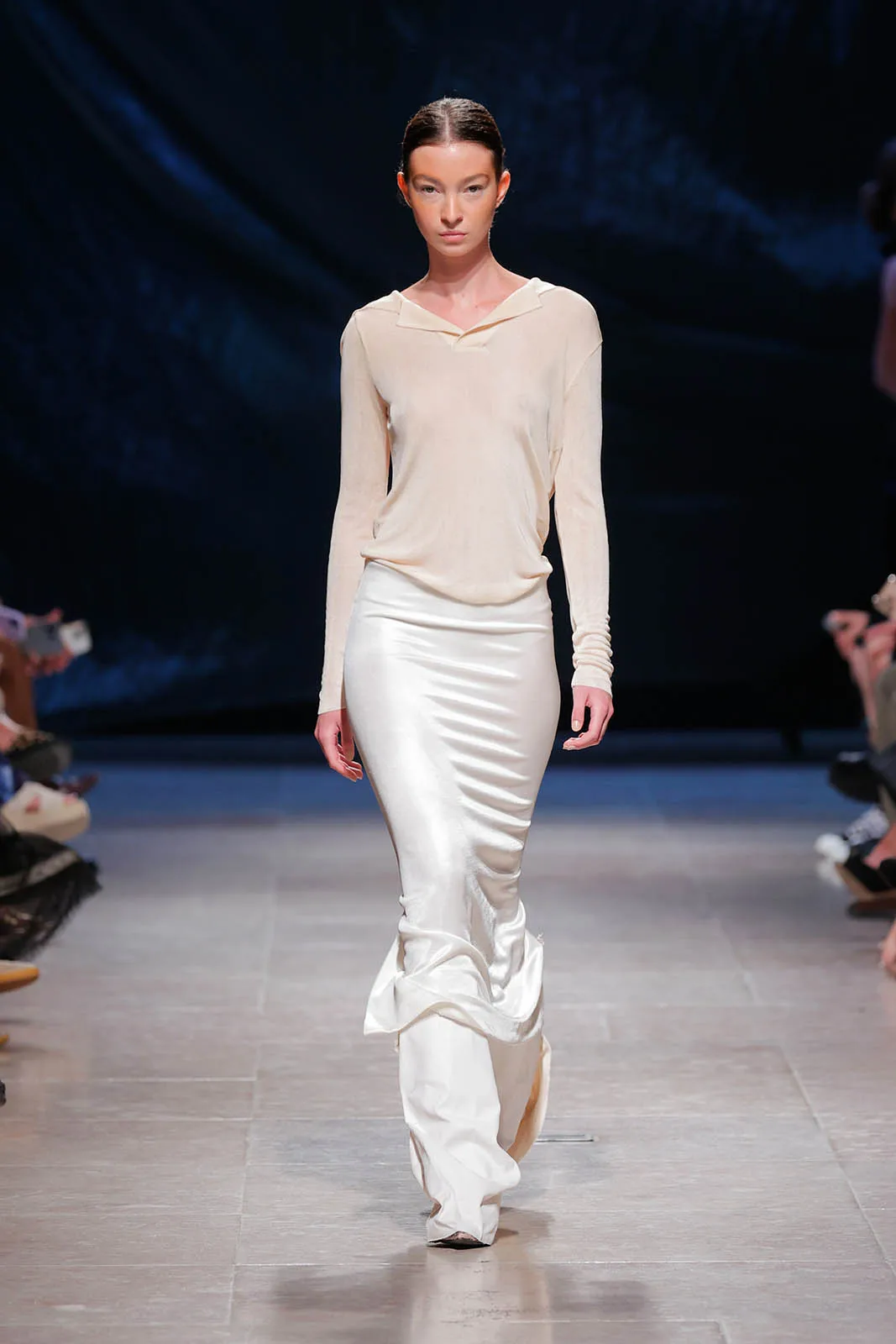
Dino Alves collection, Mais Além, is born from the intrinsic act of dressing oneself: it’s an expression of truth, of who we are, of what we portray. It’s an exercise in freedom that transcends the superficial. And, in the designer’s own words, this act doesn’t necessarily require garments to be elaborate, eccentric, or flamboyant; going beyond can also mean refining and simplifying.
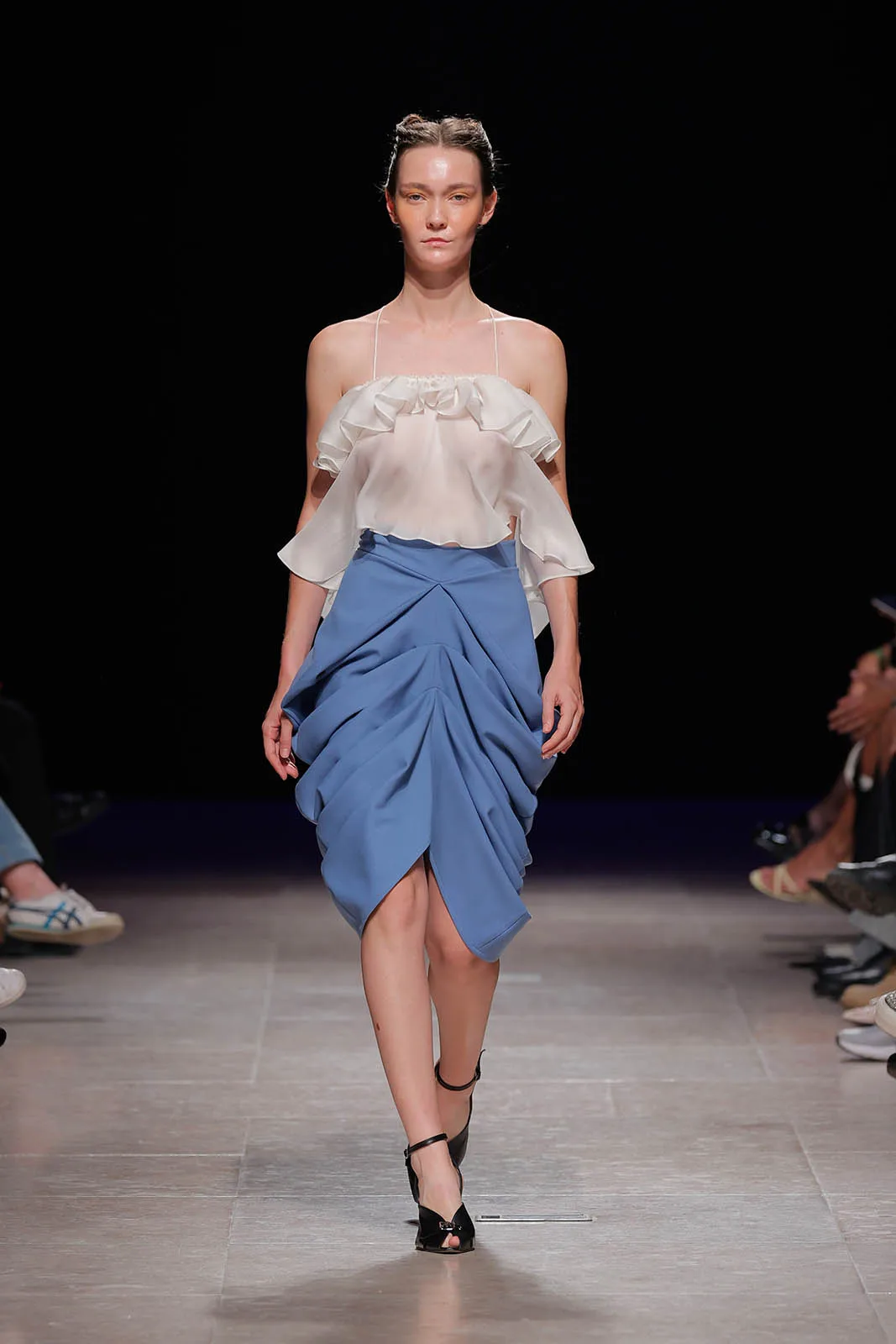
The Spring/Summer 2026 collection reflected the essence of Alves, revisiting concepts and ideas hinted at in previous seasons in order to evolve and mature them alongside the brand’s journey. Presented in a wide colour palette spanning petrol blue, sky green, bold orange, pearl, and black, the collection showcased pieces rich in detail. Draping and mesh played a starring role, as did the subtle, playful transparencies in delicate shirts and the sculptural, architectural volumes of the skirts. Movement and craftsmanship were central throughout the show, giving the collection, which featured both womenswear and menswear, a playful yet conceptual couture sensibility.