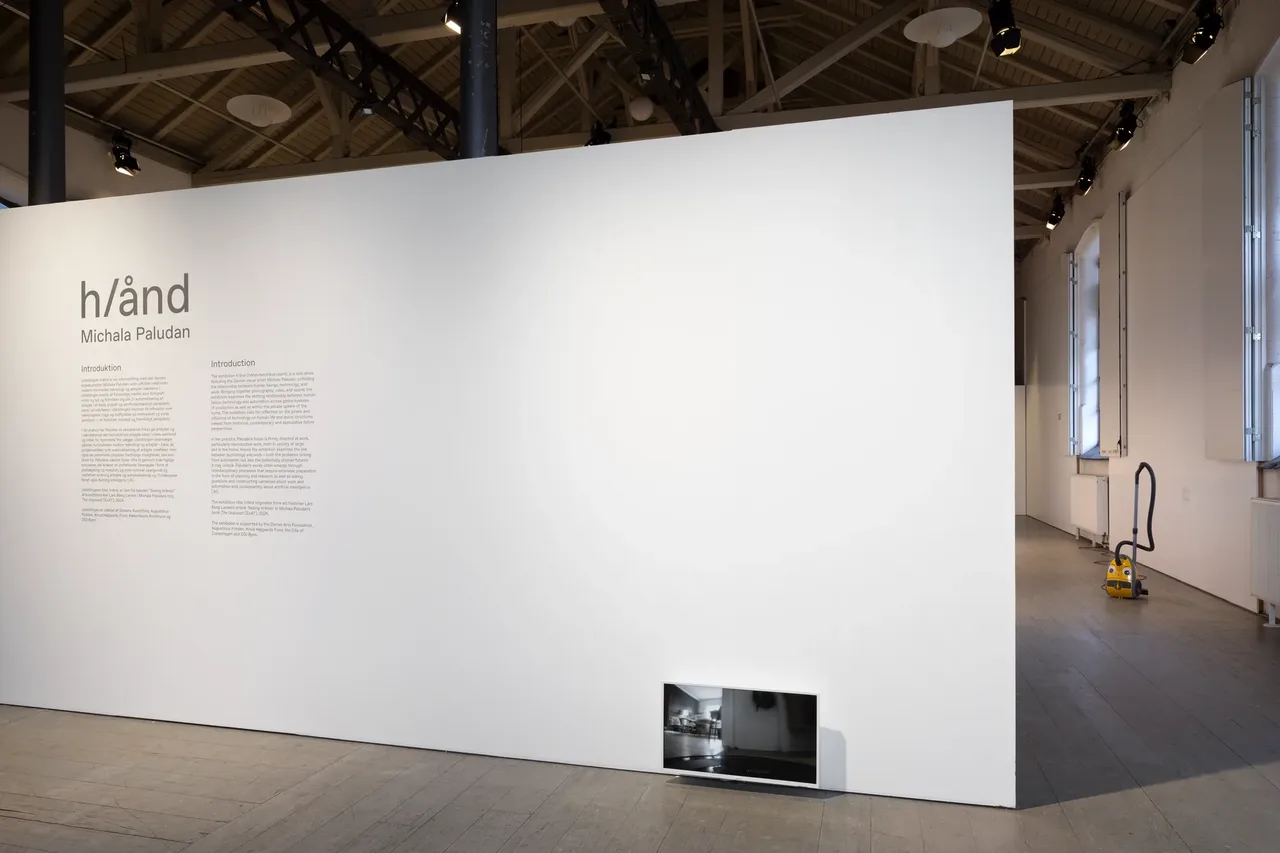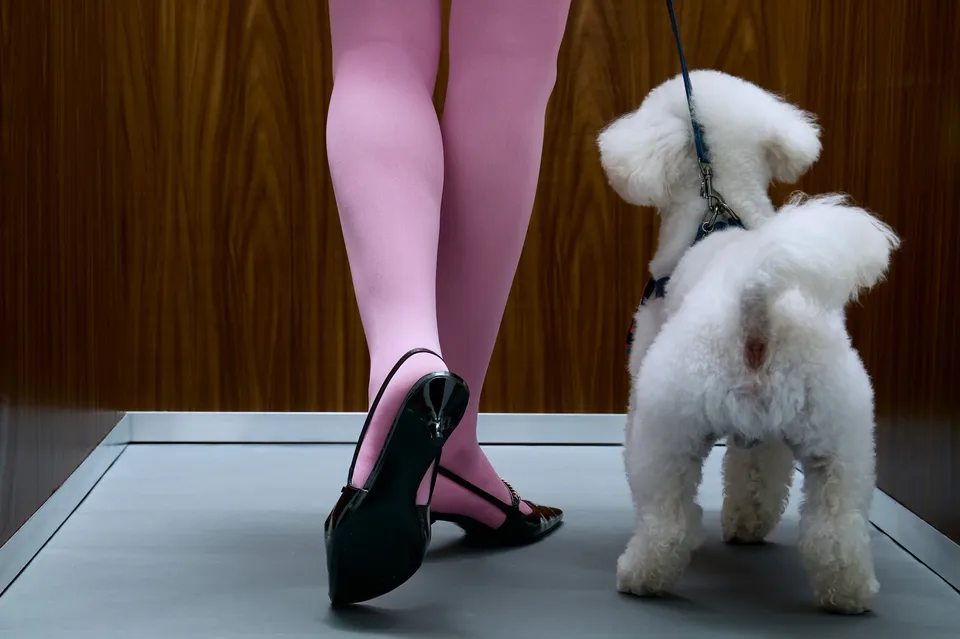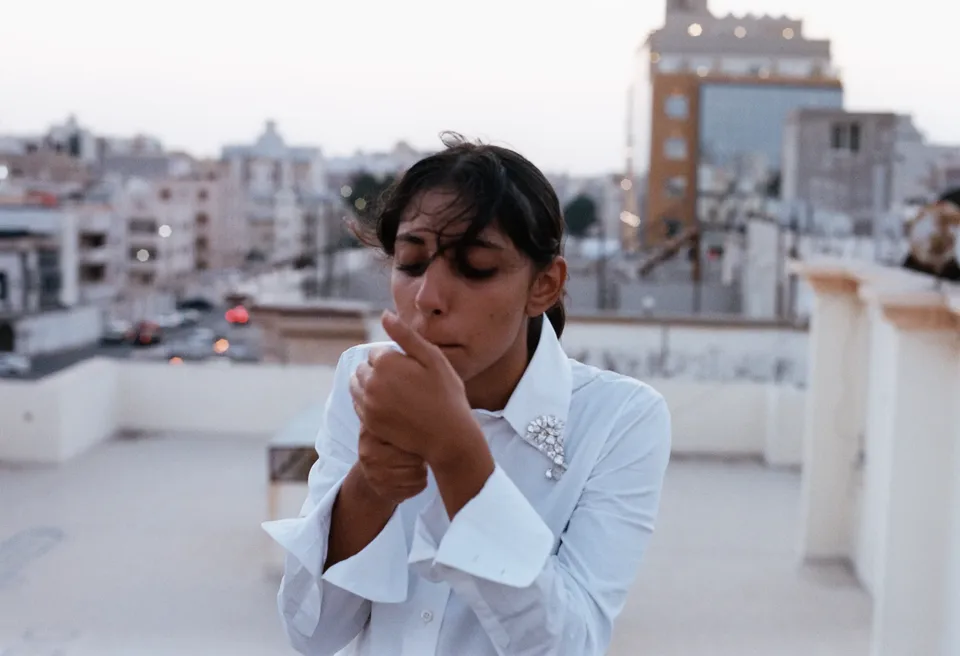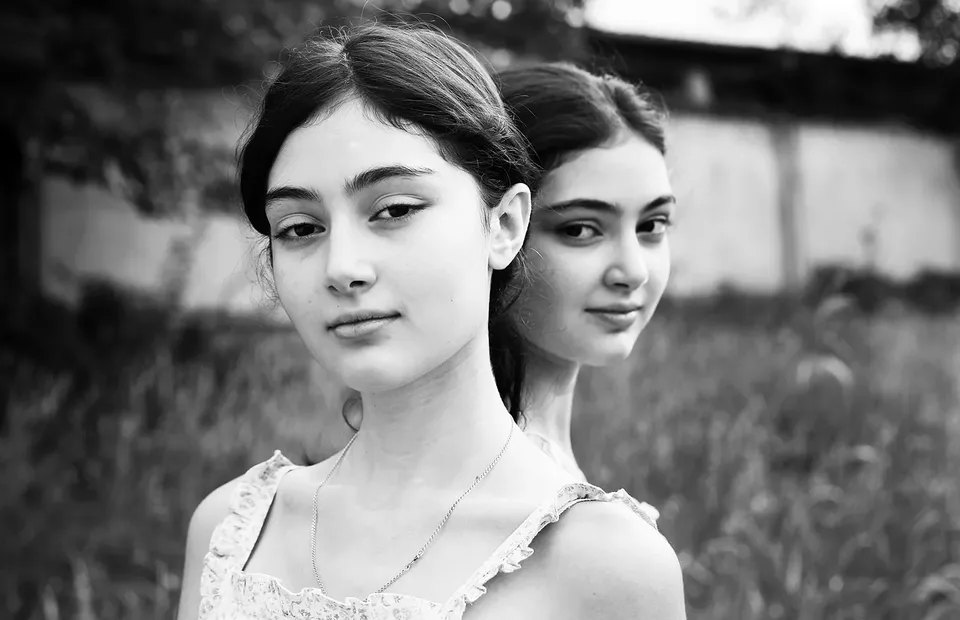
In a moment saturated with conversations around artificial intelligence, automation and ever-shifting definitions of work, photographer Michala Paludan offers a quietly subversive counterpoint. She looks at something very human, hands. The exhibition, developed in the midst of the pandemic when touch became fraught and the discourse around AI started to erupt, h/ånd emerged from a rather simple question: how does automation really shape our world? Setting aside the grand narratives of technological progress and capitalism itself, Paludan looks at the subject through a distinctly human lens: the art of photography.
She turns to the hand, long a symbol of craft, creativity, closeness, a key essence of what distinguishes humans from other species, and “notoriously one of the hardest things to replicate in robotics”, as a way to ground the debate. Fears about the future come up or No Future, the “natural” state of humans, of power, of work, as a standstill point.
Her work seems a paradox in itself. At a time when image-making is increasingly associated with artificial intelligence, Paludan produces an almost cannibalistic body of work. One where there’s no room for ambiguity, because no machine can meaningfully observe, let alone observe itself. Observation, for now, remains a crucially human act.
Rather than offering exclusively her point of view or definitive answers, Paludan’s work opens up the conversation. It doesn’t reject automation, but instead tries to find the very essence that makes it appealing to us, and puts a light on the invisible human labour that maintains the illusion that machines are supposedly more intelligent. Suddenly, there’s an entirely new meaning given to handmade.
Congratulations on your new exhibition and on the precision with which you capture the complexities of contemporary society. We have been following your work closely. To begin with, I’d like to focus on the exhibition itself. In a moment where automation and artificial intelligence are at the centre of debate, how does h/ånd start, and what key questions are you seeking to raise through it?
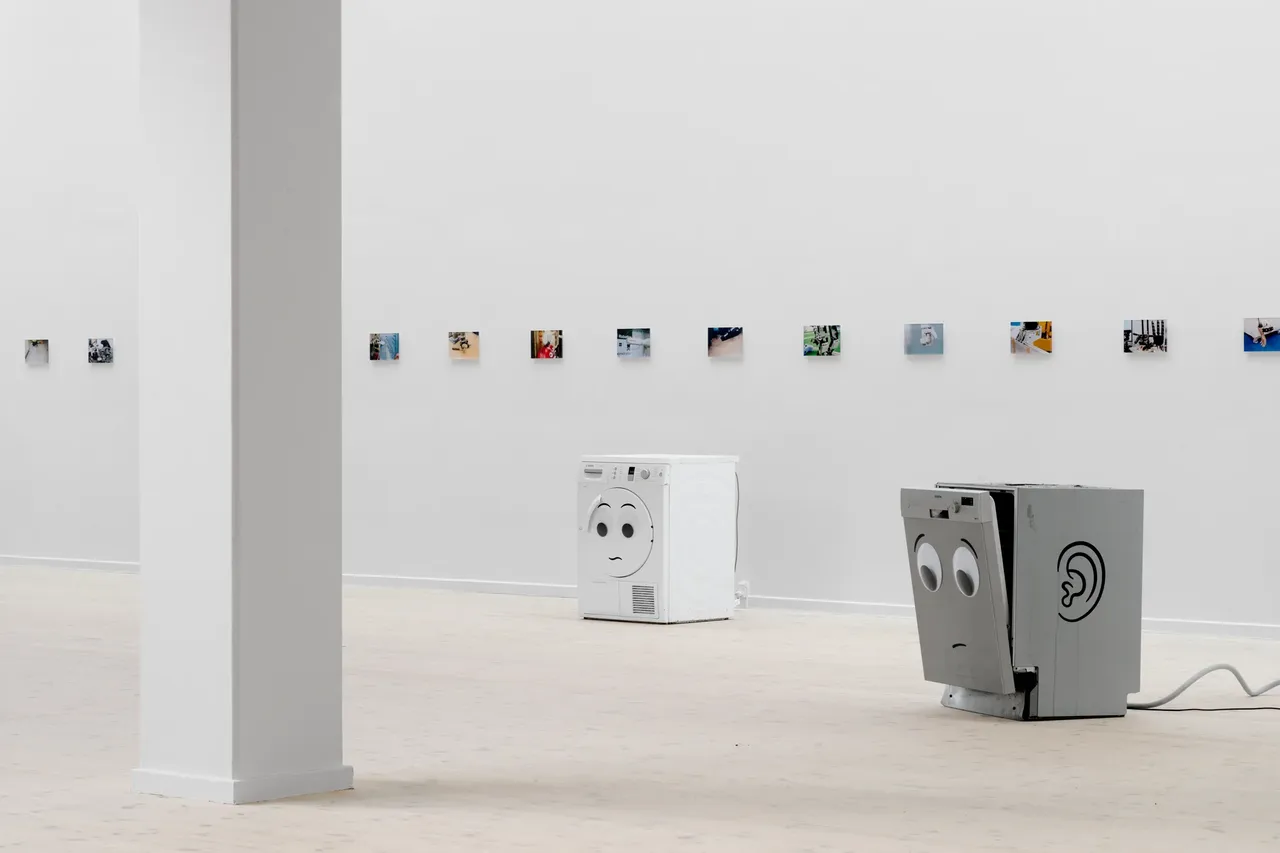
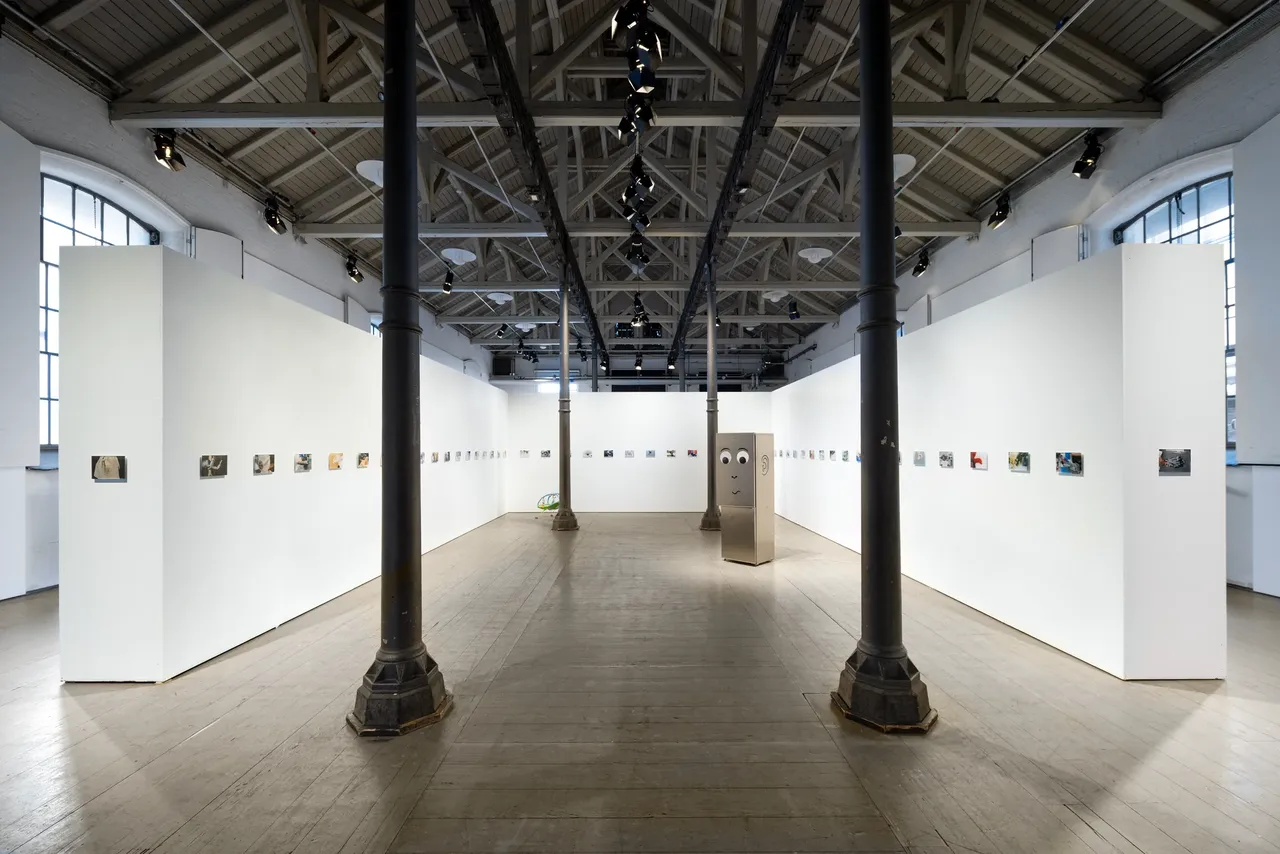
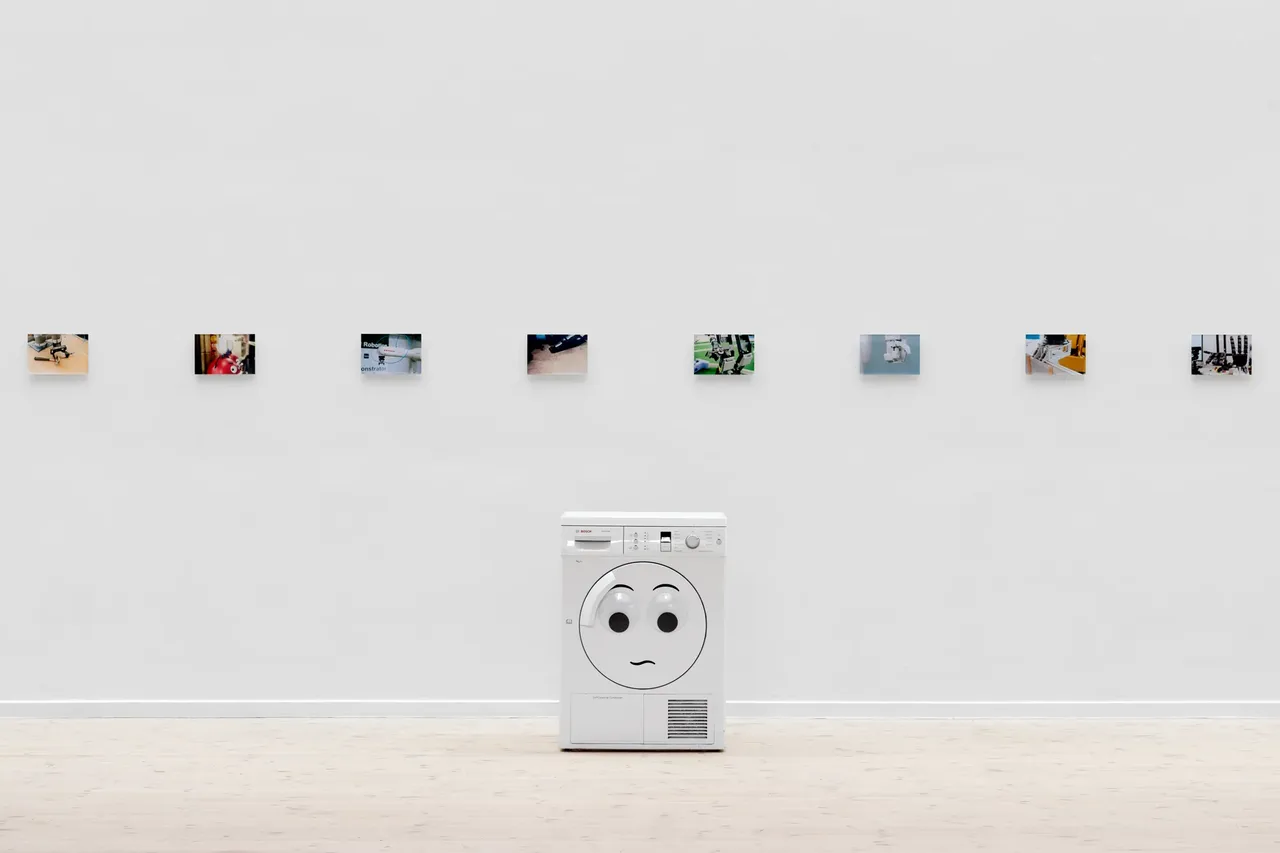
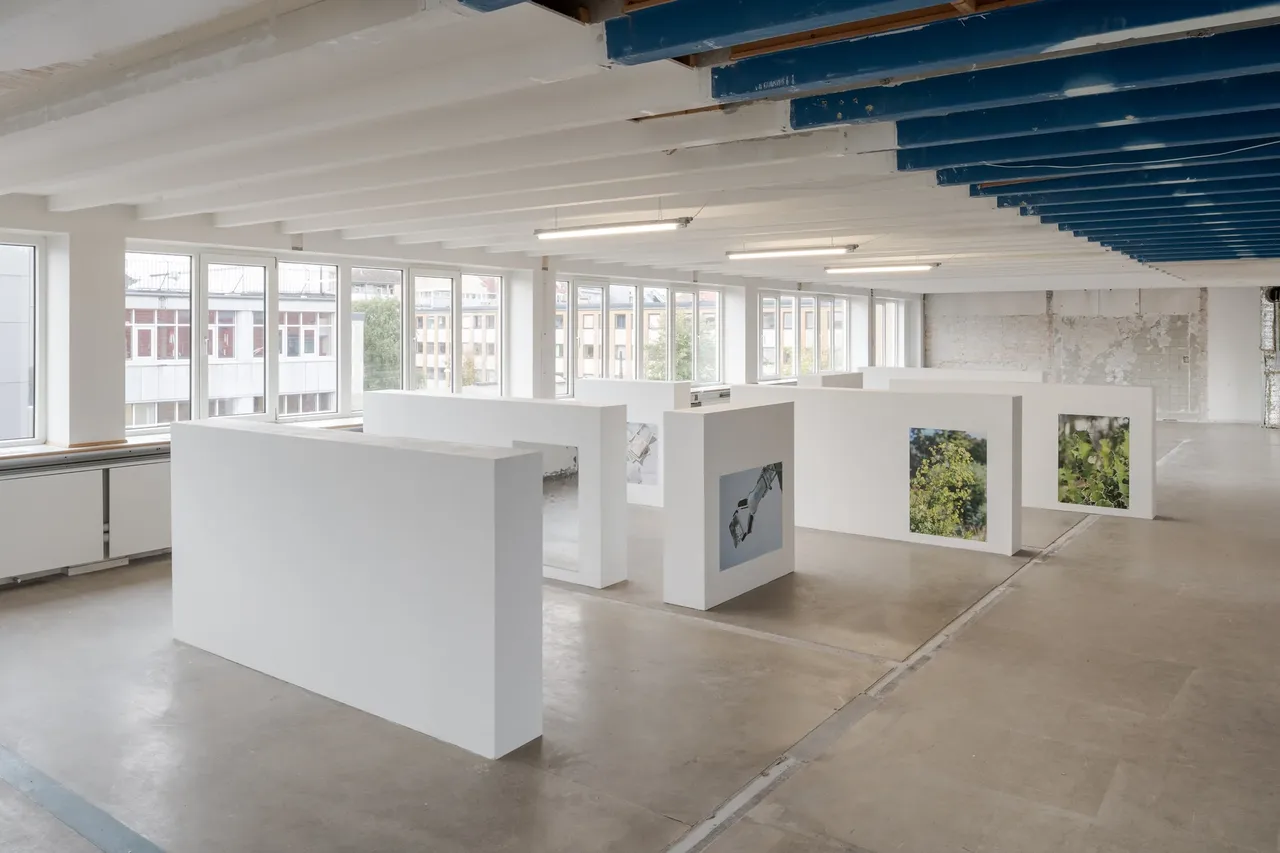
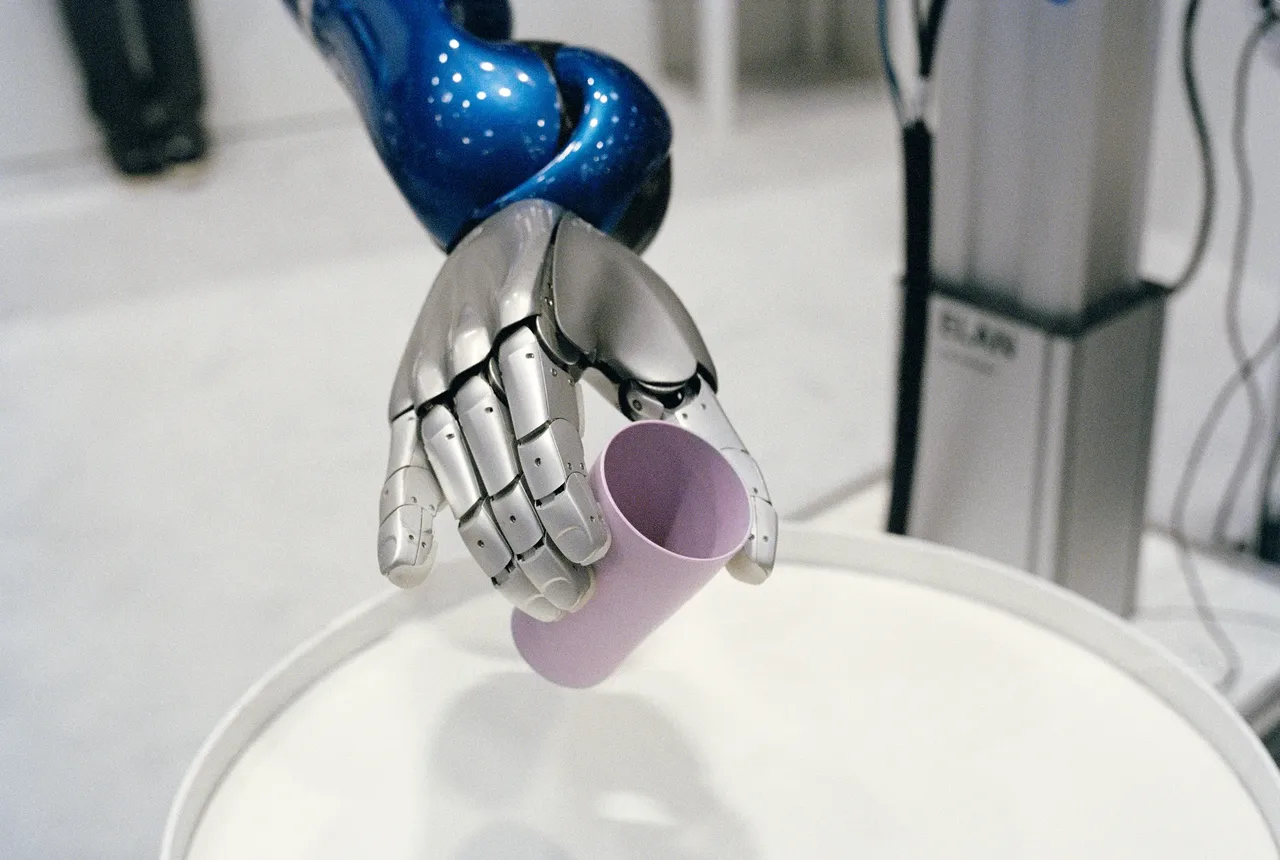
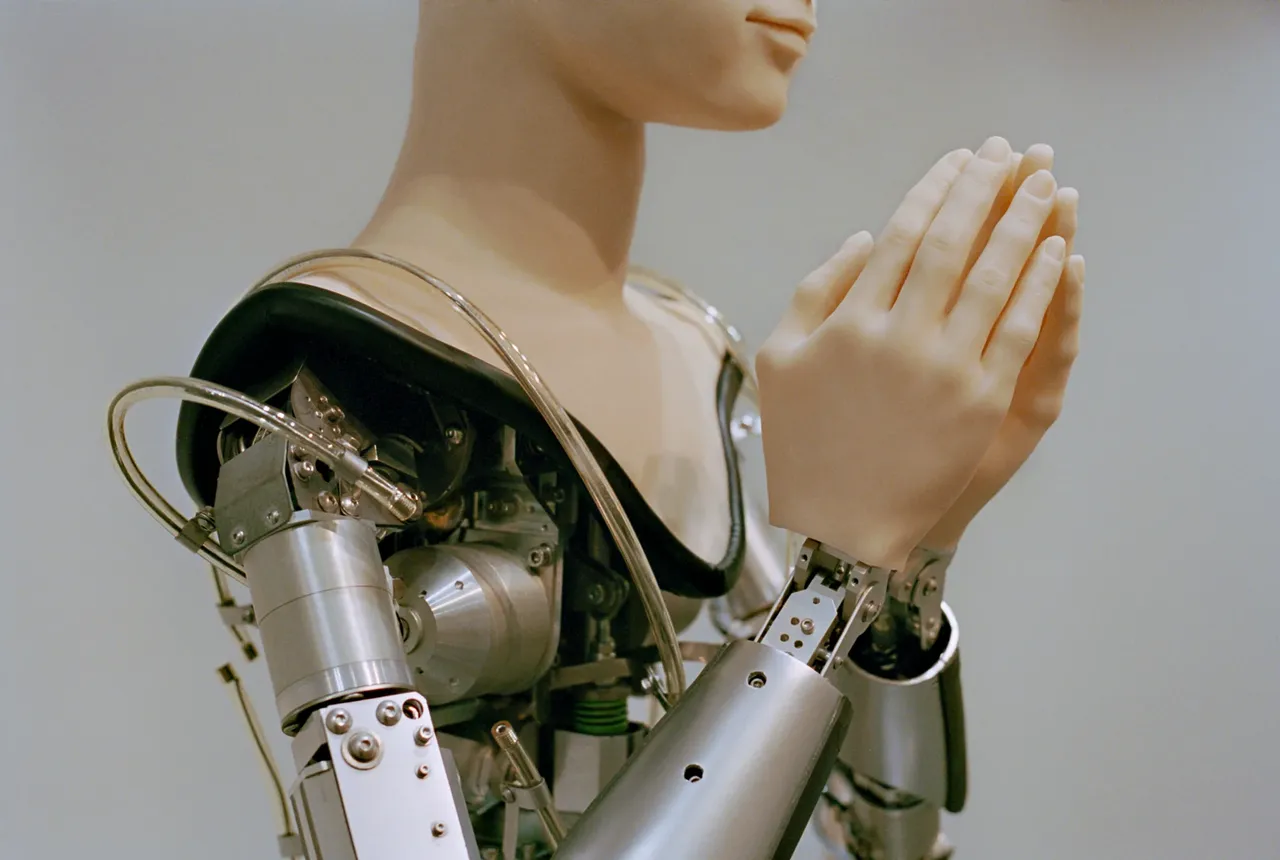
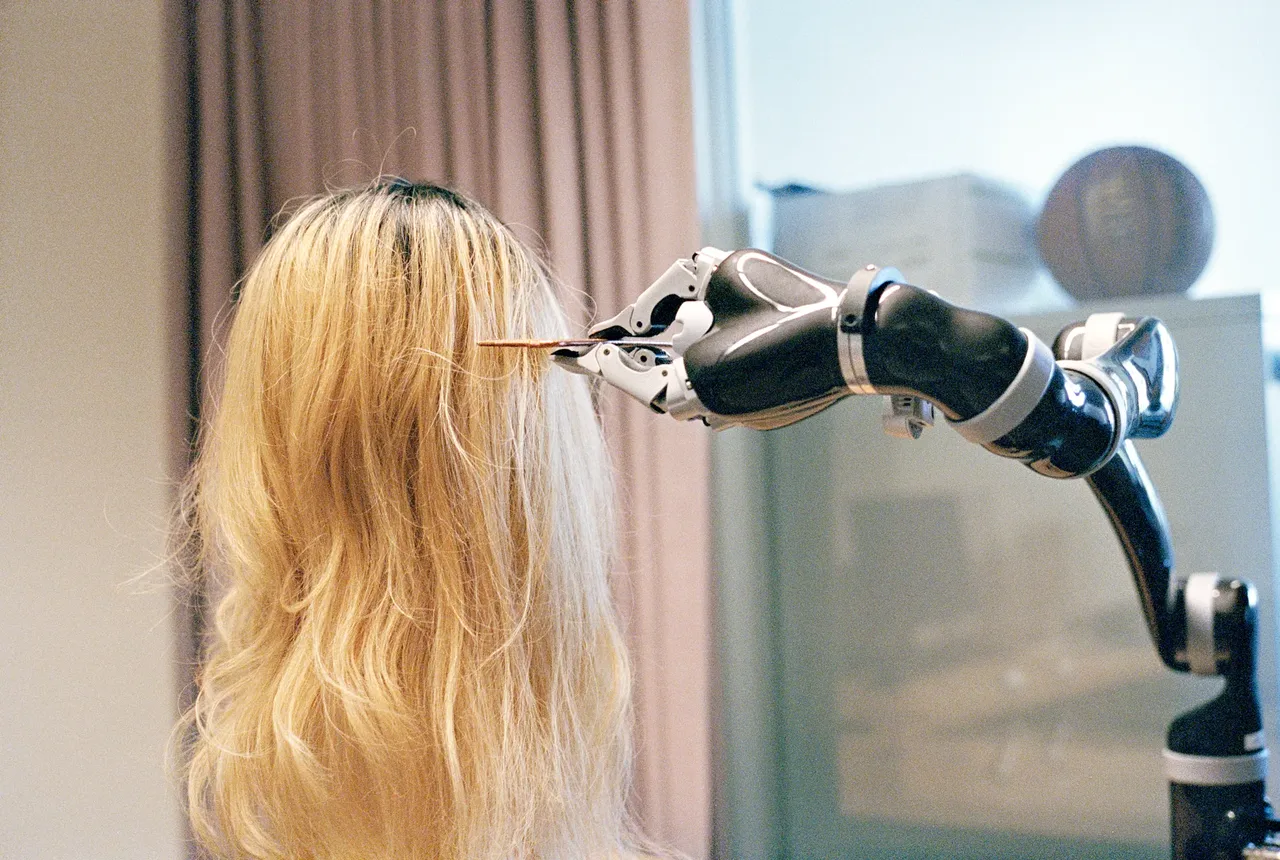
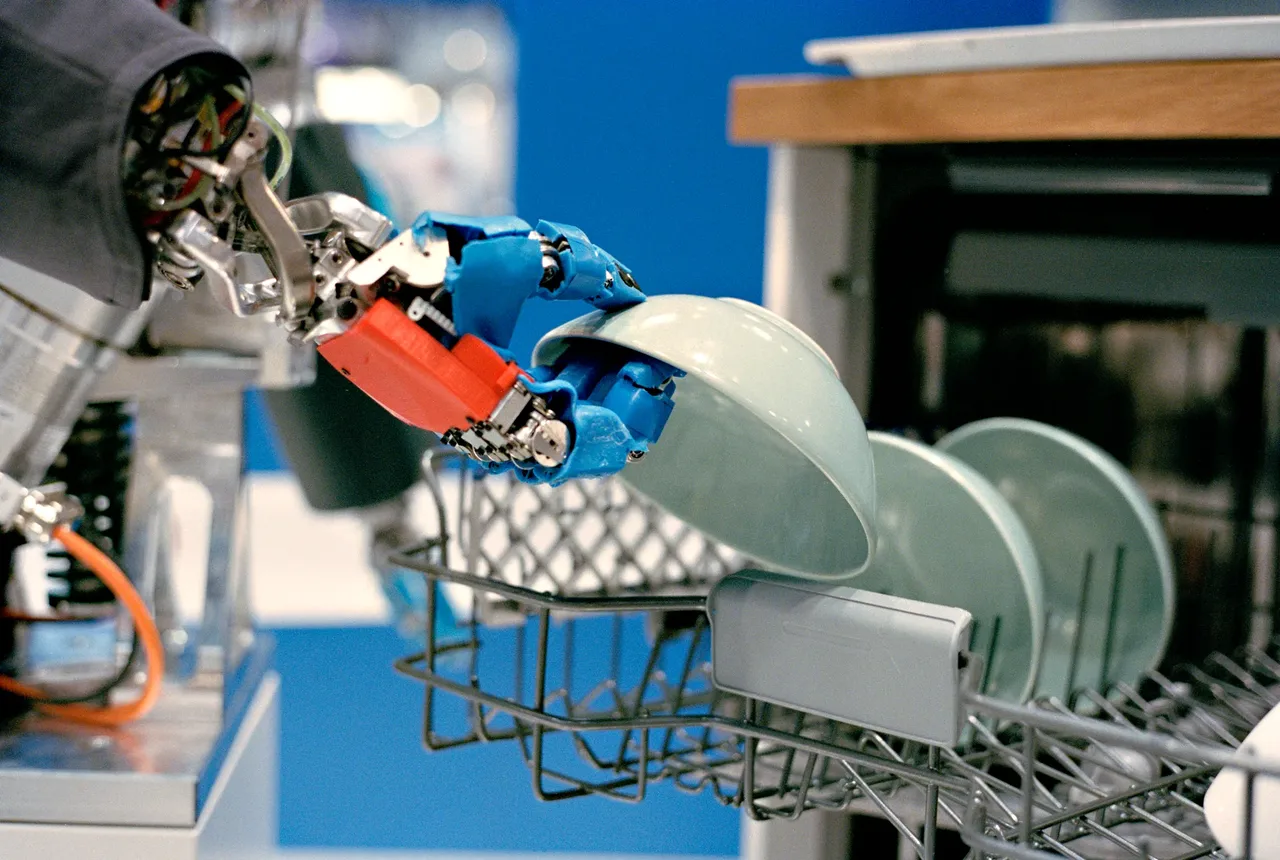
In the exhibition h/ånd at Fotografisk Center in Copenhagen I’m showing three bodies of work, that all look at how technology shapes our lives in both the workplace and at home. In my practice I have long been looking at questions of work and as the question of automation is the central question around work currently, it is what I’ve been particularly invested in. The centre of the exhibition is the work The Unposed (EoAT), a hundred and one photos of robot hands that are also the subject of my book that was published in 2024 by Disko Bay Books. I began this project in 2021, at a time when anxieties around automation were starting to intensify — particularly fears about the future of work and the possibility that machines might render human labour obsolete. These concerns, however, were being challenged by scholars such as Astra Taylor, who coined the term “fauxtomation” to describe “the process that renders invisible human labour in order to maintain the illusion that machines and systems are more intelligent than they really are.” So, I was curious to see what was actually going on in robotics and for various reasons decided to use the hand as the focal point for my project.
I’m interested in how this specific line began. What initially drew you to robotics? At what point did the robotic hand become the central focus through which you approach the relationship between labour and power?
Automation is a very powerful spectre in contemporary cultural imagination, but I was interested in what was actually happening on a material level. What were robots touching and how? By breaking it down to the very concrete level of hands and touch, the question of automation became more tangible. There has always been a fascination around the hands of the maker and the handmade, also throughout art history. The hand is also a powerful symbol in resistance and labour struggles. Within industry the photography of hands has a fascinating history in labour management technology where Frank and Lillian Gilbreth photographed the hands of workers to optimise their workflows, which ultimately paved the way for automation. The hand is also notoriously one of the hardest things to make in robotics. So, in this way the hand to me seemed like a fitting site to explore these questions of labour and power.
The human hand is often associated with dexterity, skill, even what distinguishes us from other species. Is this why you chose to focus on it?
Yes exactly, I think that when you see all the photos together you really start to think about what the human hand actually is and what it does and in extension hereof what it means to be human. Some of the hands that I’ve photographed can do aspects of what a human hand can do and some even better than a human hand, but none of them can do everything that a human hand can do. There is also the whole question of touch and what does that mean in our everyday lives. In this way, it is no coincidence that I began this project in the midst of the pandemic.
You’ve spent several years travelling to photograph robotic hands across different countries. Were there specific encounters or technologies that significantly shifted your understanding of what these machines are capable of?
The short answer would be no, I would rather say that I was surprised to see how fairly slow things were moving along, but I would say that shortly after I finished my project AI significantly changed the game in robotics.
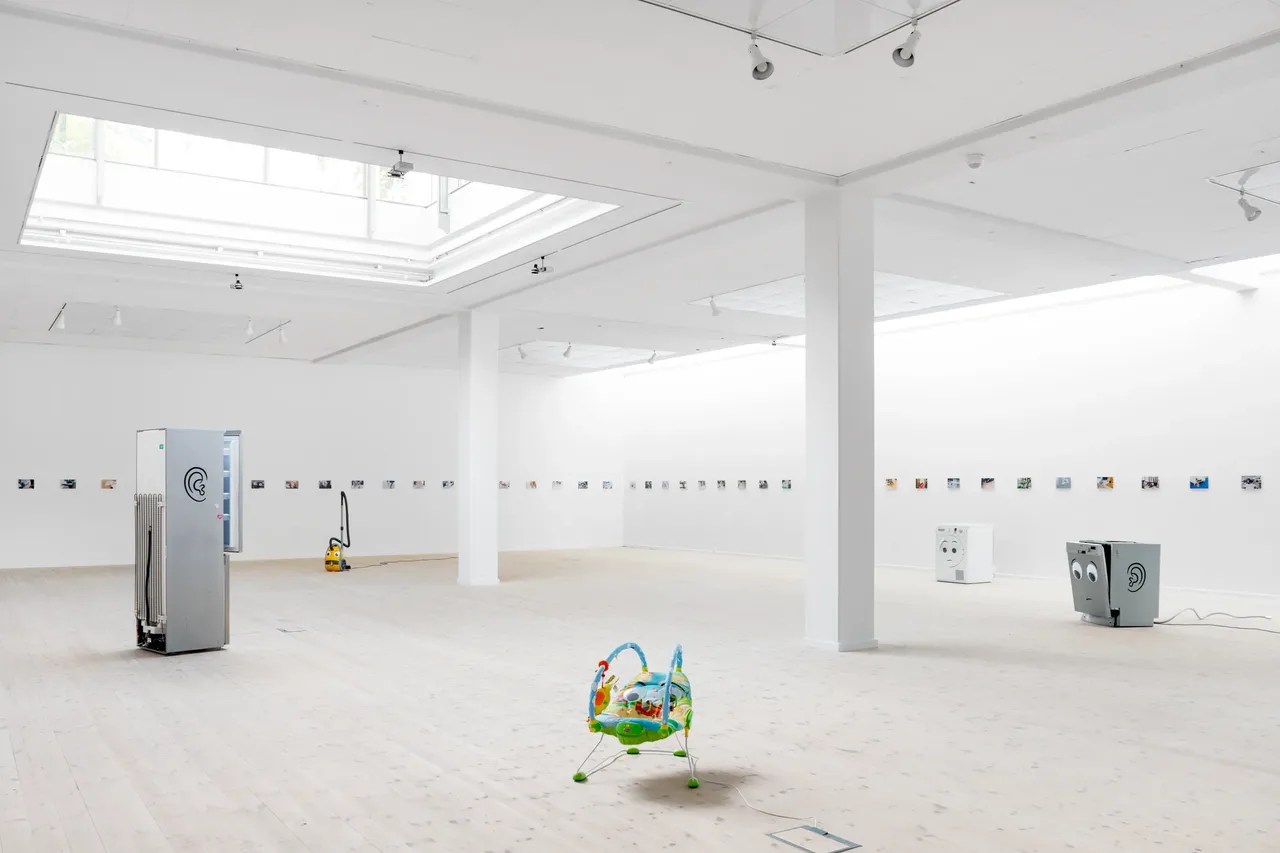
Alongside these images, the exhibition also includes domestic appliances such as washing machines, dishwashers and vacuum cleaners. These immediately evoke everyday routines, but also historically gendered forms of labour within the home. How do these elements expand or complement your exploration of automation?
The work Slunkety Wunkety WEEE is a singspiel for seven discarded household appliances created in collaboration with composer Aske Zidore. While the photographs primarily address production and automation in the workplace and in a global context, the sound piece focuses on the everyday, bodily, and experiential dimensions of industrialisation within the home. The singspiel explores the profound changes this has brought about over the past century, during which convenience has increasingly taken precedence over efforts to eliminate housework altogether. At times, the machines communicate with one another, and at others, a single machine speaks or sings alone. Together they create a cacophonic sound image that fills the space and questions the extent to which machines can adopt human traits, and about the direction we wish to take in the development of the technology that we surround ourselves with? Trash is another big interest of mine and the industrialisation of housework has generated ever-increasing amounts of waste, the WEEE in the title stands for Waste from Electrical and Electronic Equipment and represents the fastest growing waste stream in the EU.
More broadly, how do you position your work in relation to current discussions around artificial intelligence, particularly within creative fields such as art and photography? Is there a deliberate tension in working with a subject that is often framed as a potential threat to human creativity?
I might be naively optimistic, but I don’t see a threat from AI in regards to art as such, viewers are already getting very good at discerning what is generated and most people are already quite wary of AI generated art. I am more interested in looking at all the very human labour, mining and exorbitant energy consumption that goes into creating AI.
“I feel that it is urgent in this time where we’re ever more flooded with images, both captured and generated, to critically interrogate what it means to produce photography.”
I’m curious about your creative process. To what extent is your work shaped by philosophical or economic ideas, and to what extent does it develop more intuitively through making?
All my projects come out of extensive research and, as you say, questions of an economic and philosophical nature. But then there is a point where I also need to put all the research a little bit on the backburner and make some kind of leap into the artwork. I don’t know if I would call it intuition, but maybe informed intuition through making?
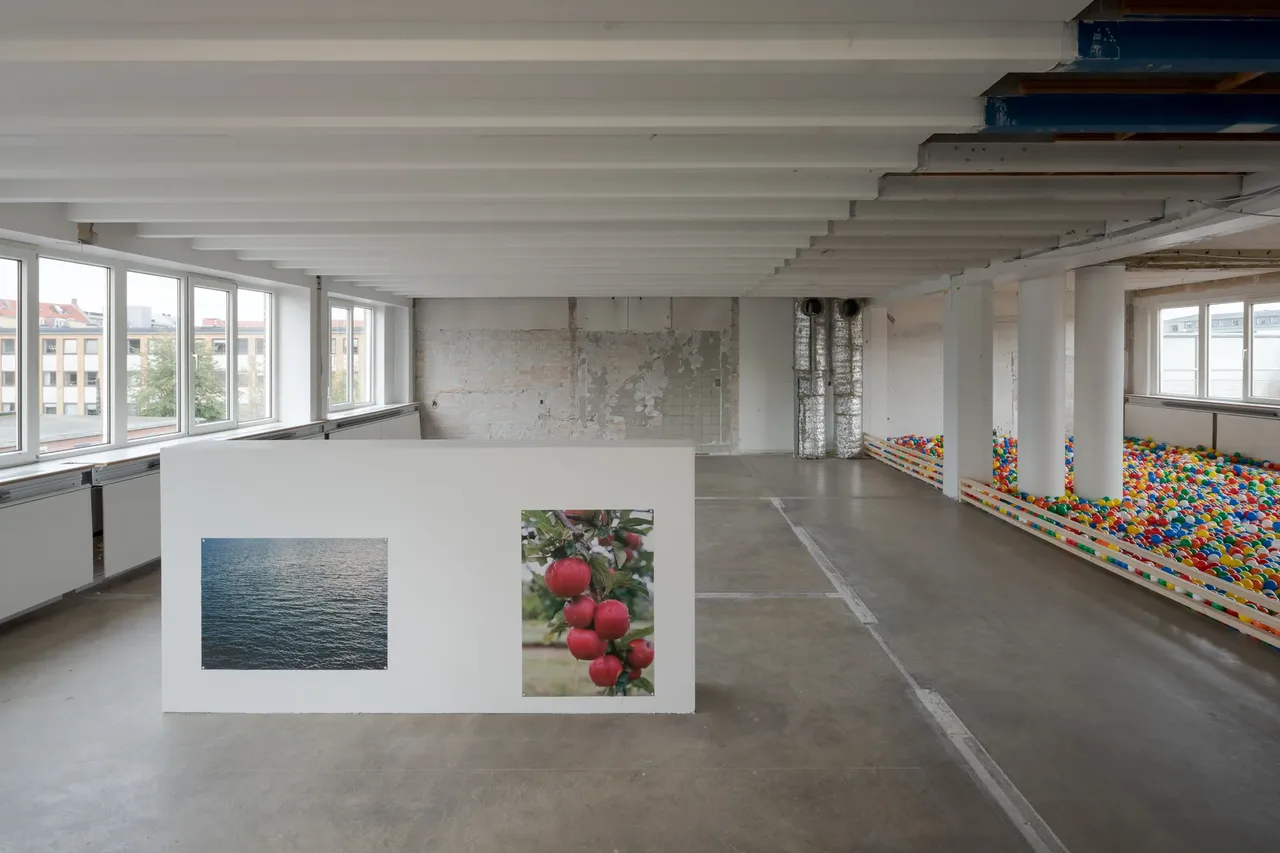
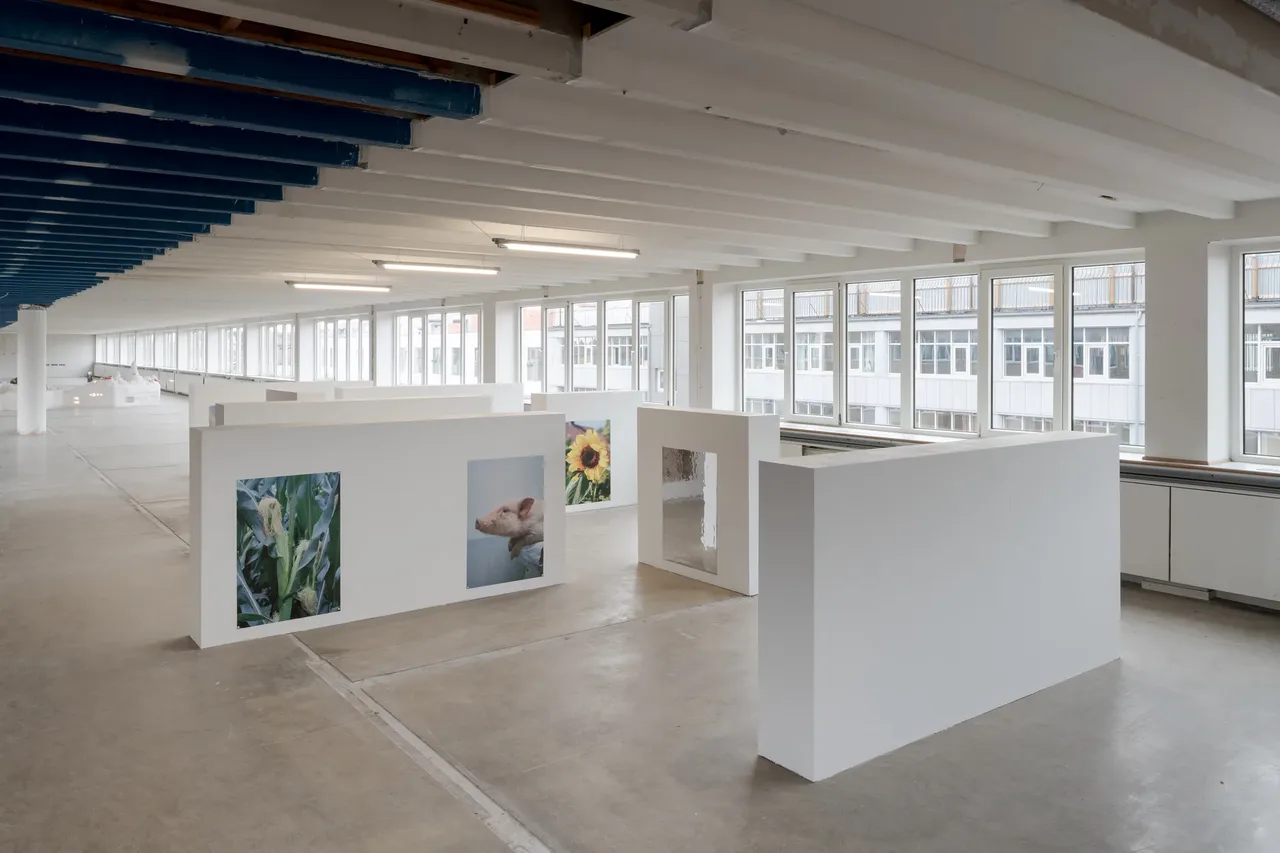
In No Future you present images of nature addressed to young viewers, almost as if archiving a world that may no longer exist in a near future. Do you see this work as a form of preservation, a warning or perhaps a gesture of rebellion?
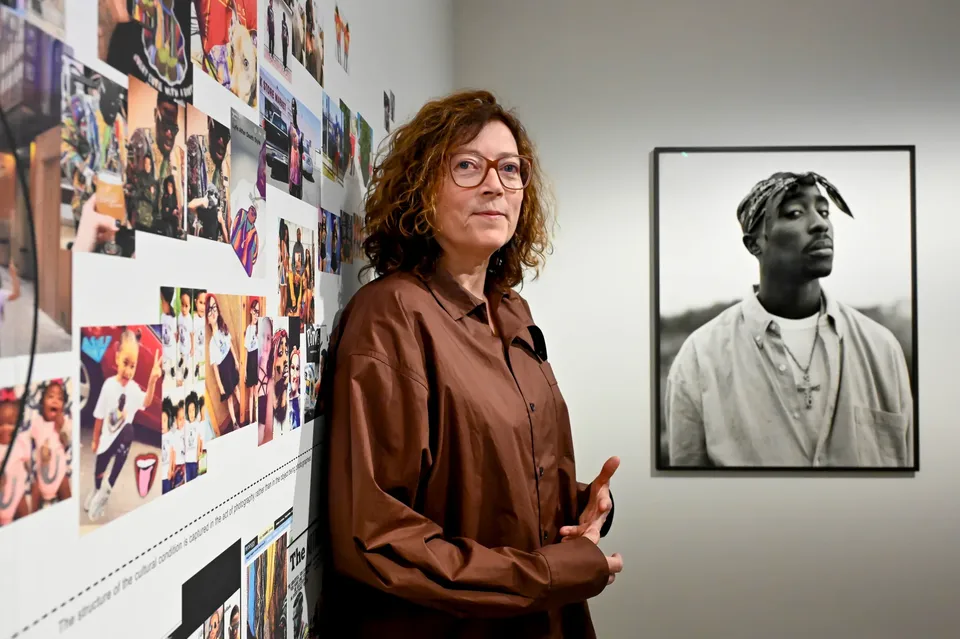
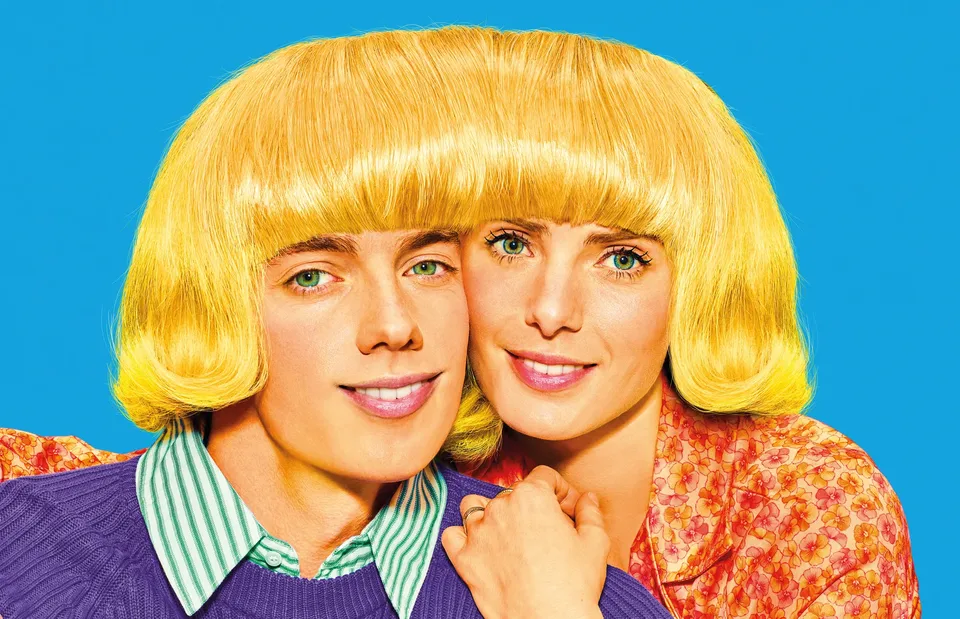
The piece No Future (photos for toddlers) was inspired by the book Børnenes Billedbog, a book made by Jesper Høm and Svend Grønnelykke in 1971 and sold in supermarkets across Denmark, printed on cheap paper so that kids could tear out pages to cut or draw on. I wanted to make an updated version of this book, and a central question for me became what images or more specifically photographs do children need to know to prepare for the future they are growing into. The way I went about it was to photograph different things that somehow had two sides to it, an easily discernible one, with the target group being toddlers — there wasn’t much room for ambiguity, let's say an apple, and another side that somehow appears as a proxy for futurity. So, the aforementioned apple is an apple from the Danish state’s collection of fruit trees, that’s kept in case an older apple might have the answer to a not yet known plague of the future. The title of the piece of course has a nod to Lee Edelman's famous book No Future, mainly for his writing on reproductive futurism and the image of the Child as “the perpetual horizon of every acknowledged politics, the phantasmatic beneficiary of every political intervention”. Edelman notes queerness as the site of “those not fighting for the children” and I think my question was not so much about those that don’t fight for the children, but what happens to the Child/children when there is no future. So, I stayed with the question Edelman dismisses, but I changed its ending, looking at the children for whom there is no future.
In your earlier works, you engaged more directly with natural environments, whereas this exhibition feels deeply embedded in technological systems. Has your perception of nature shifted as a result of this research?
Nature is a tricky concept and I am always a bit wary when something is defined as natural. In earlier works I worked a lot with questions of reproduction and here the concept of the natural (natural birth, natural mother and so on) pops up quite a lot, which is actually what led me to look more into technology via the writings of Shulamith Firestone, Sophie Lewis and others. So, I would rather say that nature has shifted my perception of technology.
Your projects seem to allow for both optimistic and more critical readings of automation. Do you find yourself leaning towards one of these perspectives, or is it important for you to keep that tension unresolved?
In my work I’m generally not so interested in black and white statements, but prefer to complicate and nuance questions. I’m not per se against automation and can think of many instances where it is very helpful, but I do think we need a broader conversation about the global implications of automation. There is of course also a bigger question about energy consumption. But yes, it is important to me to keep the tension unresolved.
What do you hope viewers take from the exhibition? What kinds of questions or reflections would you like them to leave with?
How does automation or AI shape our world and bodies? Especially relating to work. What does the drive towards automation say about us as humans and our ideas of labour and futurity? What is the fascination with robots? And what does that reflect back on us? Ultimately, I’m interested in having a broader conversation about what drives innovation, obviously right now it is capitalism, but if we as a society were to have a conversation about what we wanted to spend all these resources on (both monetary and planetary) what kind of innovation would we want? What kind of futures do we imagine and how do we want to shape them?
Stepping slightly away from the work, I’d like to ask a more personal question: how did you first come to photography, and what continues to draw you to it today?
My father was a photographer, so I got my first camera when I was a kid and photography was a big part of my life growing up. Since then, it has been an on-off relationship, but I’ve returned to photography for the past five years because I feel that it is urgent in this time where we’re ever more flooded with images, both captured and generated, to critically interrogate what it means to produce photography. Thinking about photography as a social practice, however messy, feels especially urgent to me.
And finally, what are you currently working on? Can you tell us about what lies ahead?
Right now, I’m working on a whole new series of photographs about digits and the digital for an exhibition at orthunga this autumn and a pamphlet about the No Future project which will be published by emancipa(t/ss)ionsfrugten. I also just finished my first musical! Which is on view in the exhibitions Seed Savers at SMK Thy all summer.