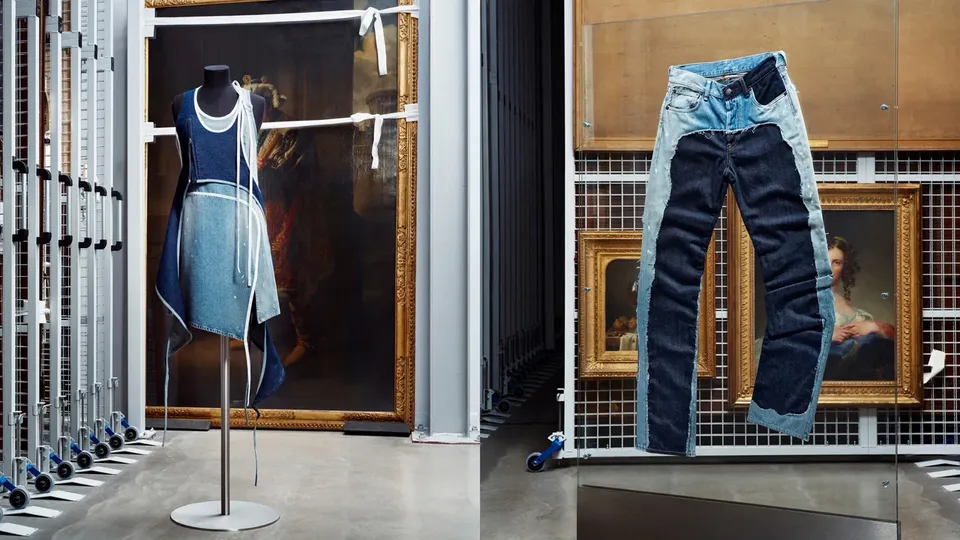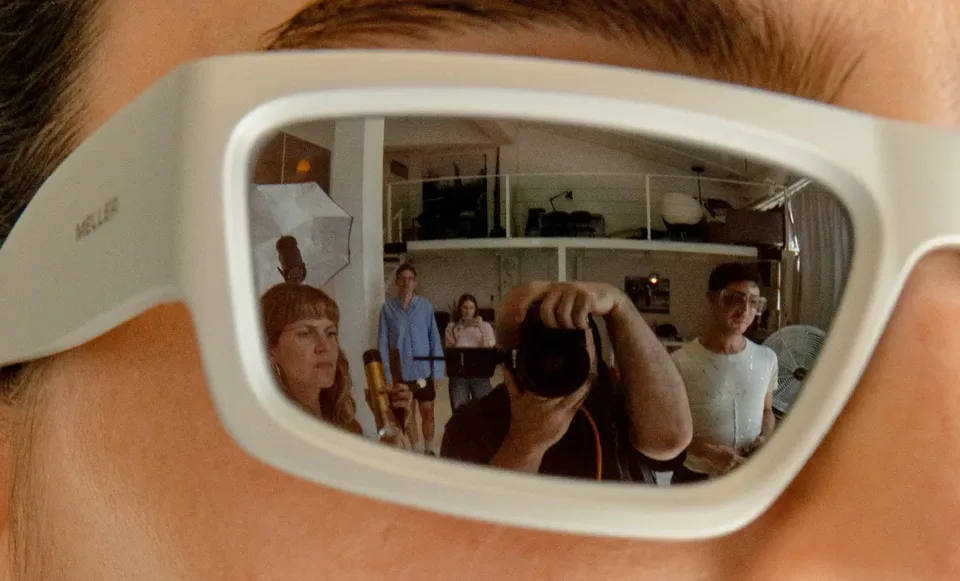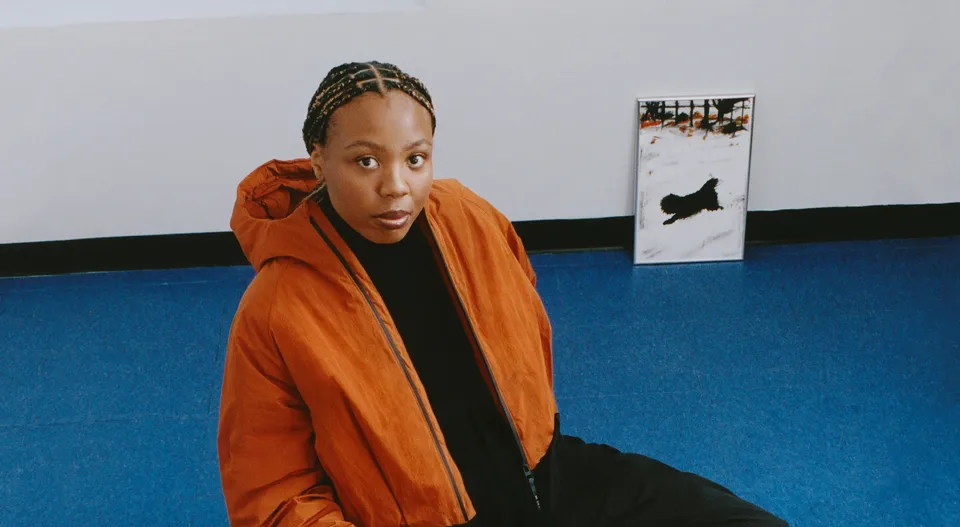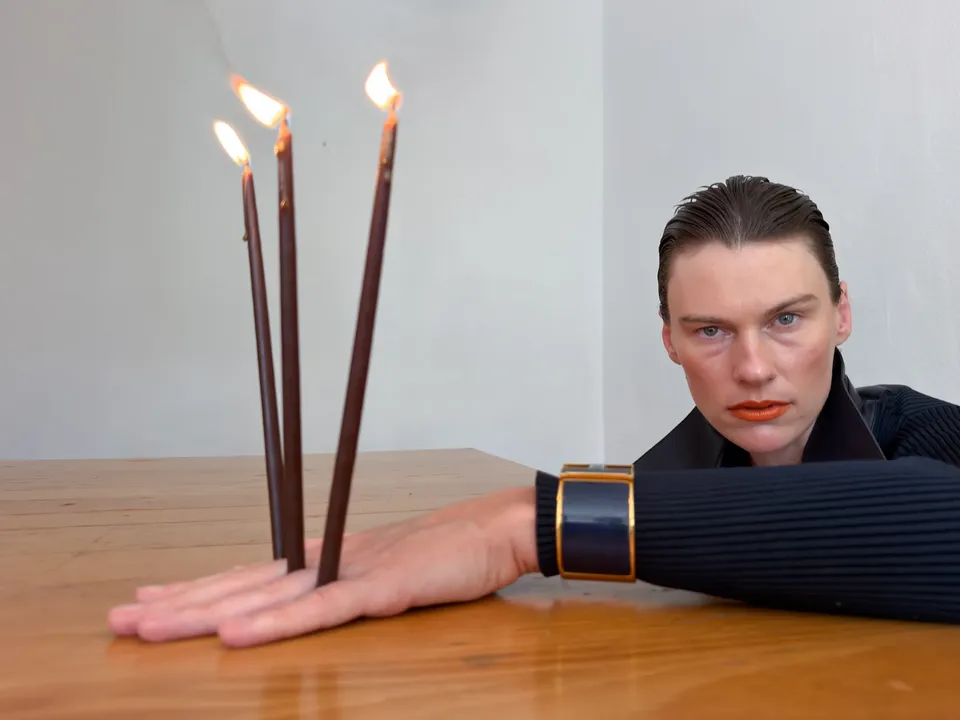
We’ve just returned from Georgia after attending the long-awaited return of Mercedes-Benz Fashion Week Tbilisi , held from May 7 to 10, and the atmosphere across the city made one thing immediately clear: this was not simply the comeback of another fashion event. A few years ago, Tbilisi was one of those fashion weeks everyone wanted to attend, a platform with enormous international projection that helped place Georgian fashion on the global map. After years marked by political tension, uncertainty and pause, its return feels more meaningful than ever.
Some cultural projects struggle to survive periods of instability. Others return with a clearer understanding of what they represent and why they matter. Mercedes-Benz Fashion Week Tbilisi belongs firmly to the second category. What unfolded across these days in Georgia went far beyond the runway itself. Fashion remained at the centre, but never disconnected from the city surrounding it. Music, nightlife, food, craftsmanship, performance and conversation all became part of the same experience, creating a portrait of Tbilisi that felt deeply connected to the realities and communities shaping it.
Returning now also carried a particular significance for us. Over the years, we have followed Tbilisi through different moments and contexts, from previous editions of the fashion week to Culture Week Tbilisi in 2022, where Georgia’s strong connection with Ukraine became one of the emotional cores of an event built around dance, theatre, music and cultural exchange. Coming back in 2026 was not about rediscovering the city, but about seeing how much its creative ecosystem has evolved while remaining attached to its roots and identity.
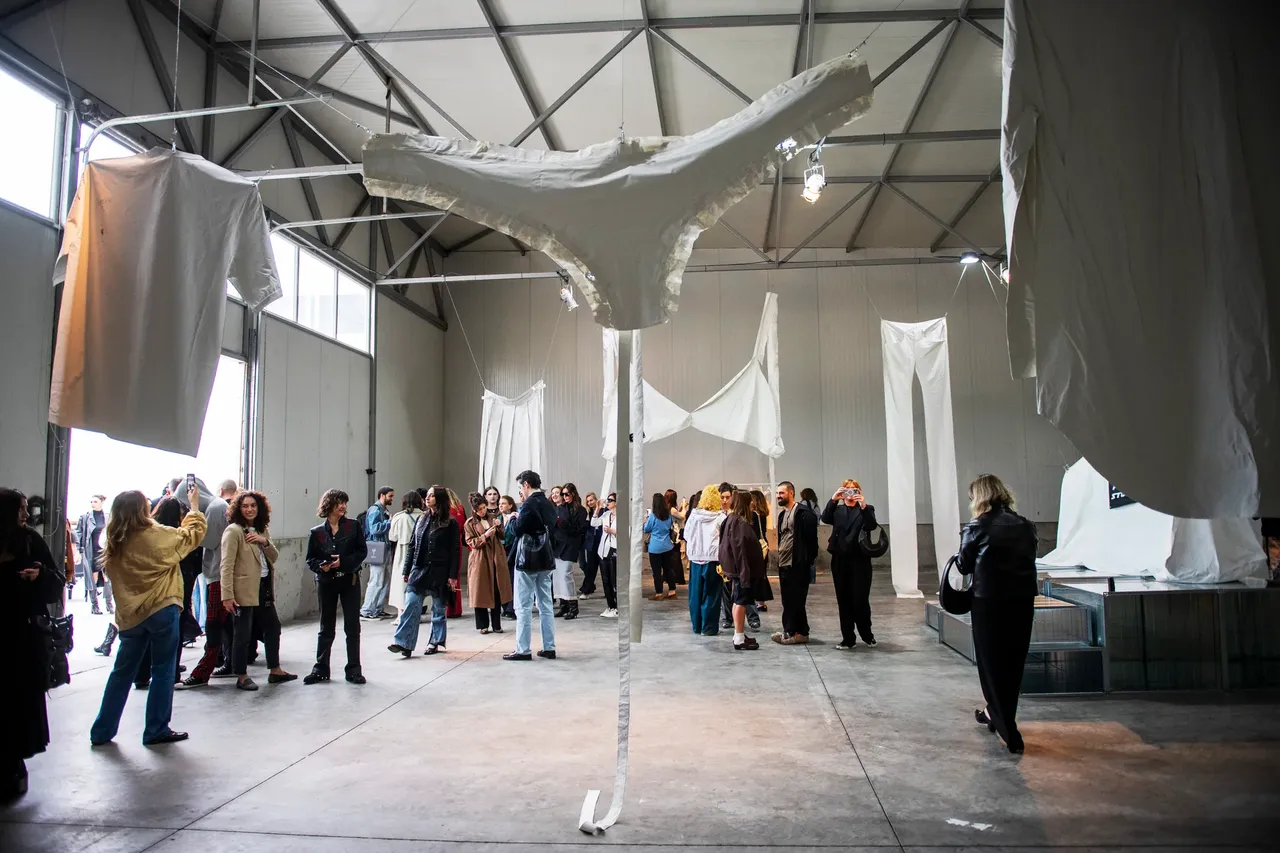
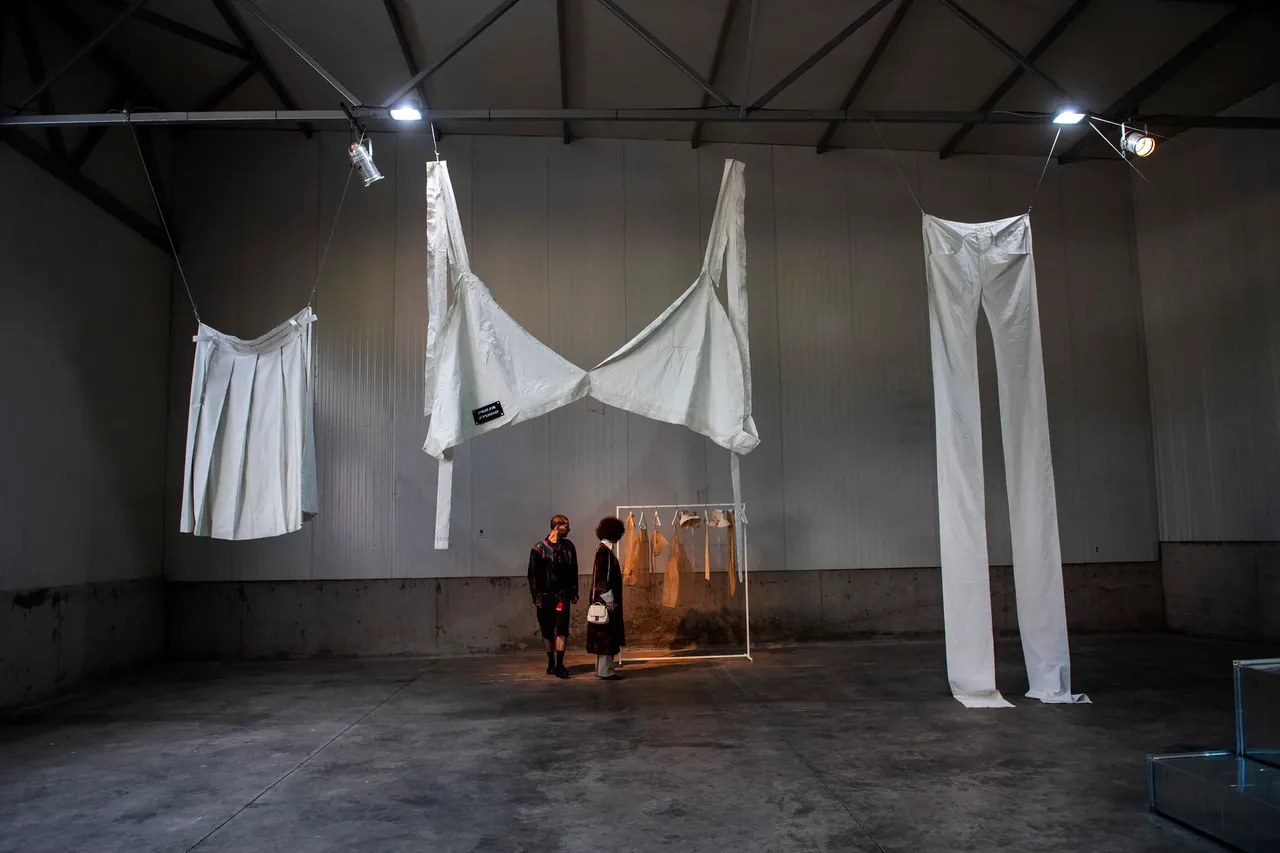
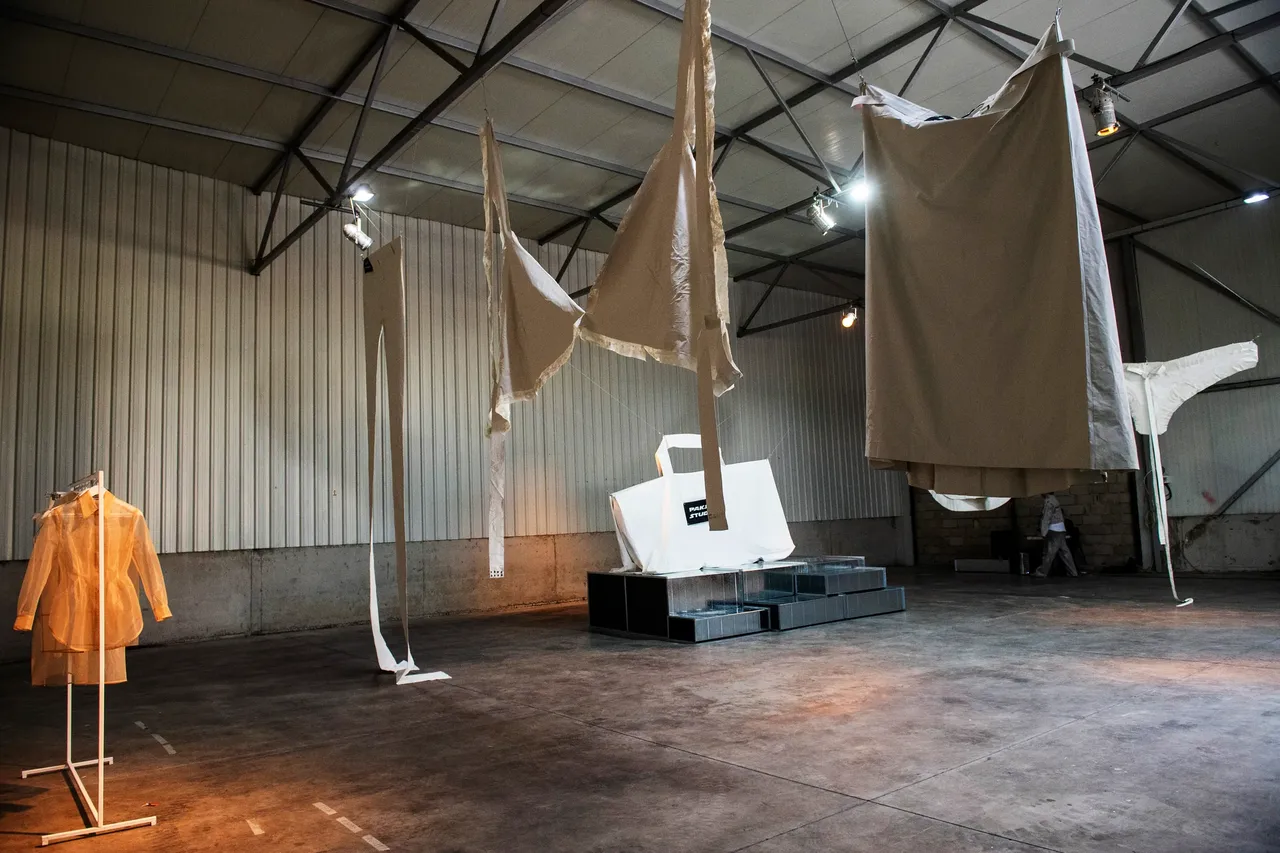
Factory Tbilisi once again became the natural centre of the programme. The former Soviet Coca-Cola factory, transformed into a multidisciplinary cultural complex, remains one of the most interesting venues in the region precisely because it does not feel overly polished or artificially constructed for fashion. Its industrial architecture and flexibility allowed every creative to approach the space differently.
The opening day already established the breadth of the conversation taking place within the Georgian fashion scene, with presentations by Supernatural Superstar , Numen and Syndrom . Heritage, experimentation, club culture, craftsmanship and emotional vulnerability all appeared naturally within the same environment.
Galib Gassanoff’s presence felt especially significant this season. The Georgian designer, recently selected as a finalist for the LVMH Prize 2026, returned to Tbilisi with Institution , the multidisciplinary brand he founded in Milan in 2024 and through which he explores his connection to Caucasian craft, textile heritage and the cultural influences that shaped him growing up between Georgian and Azerbaijani traditions.
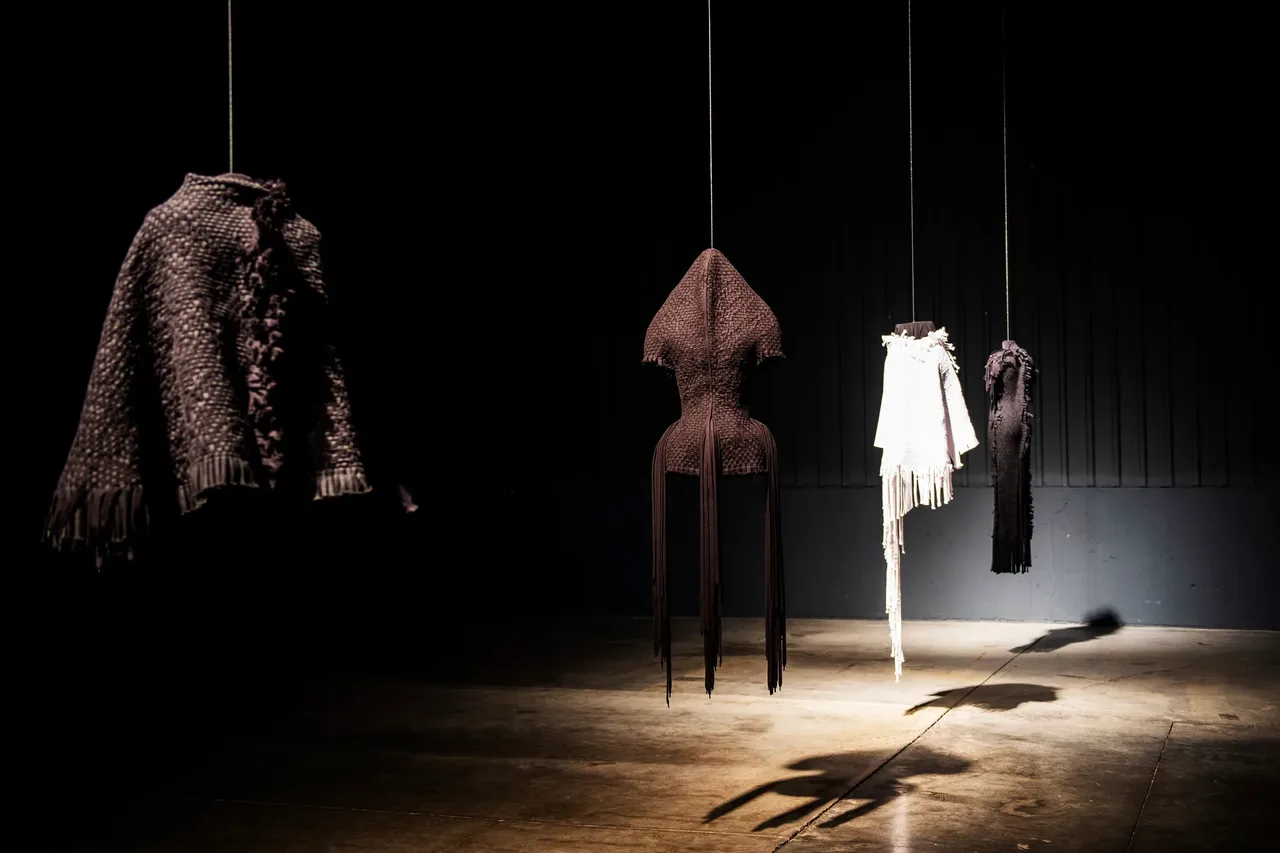
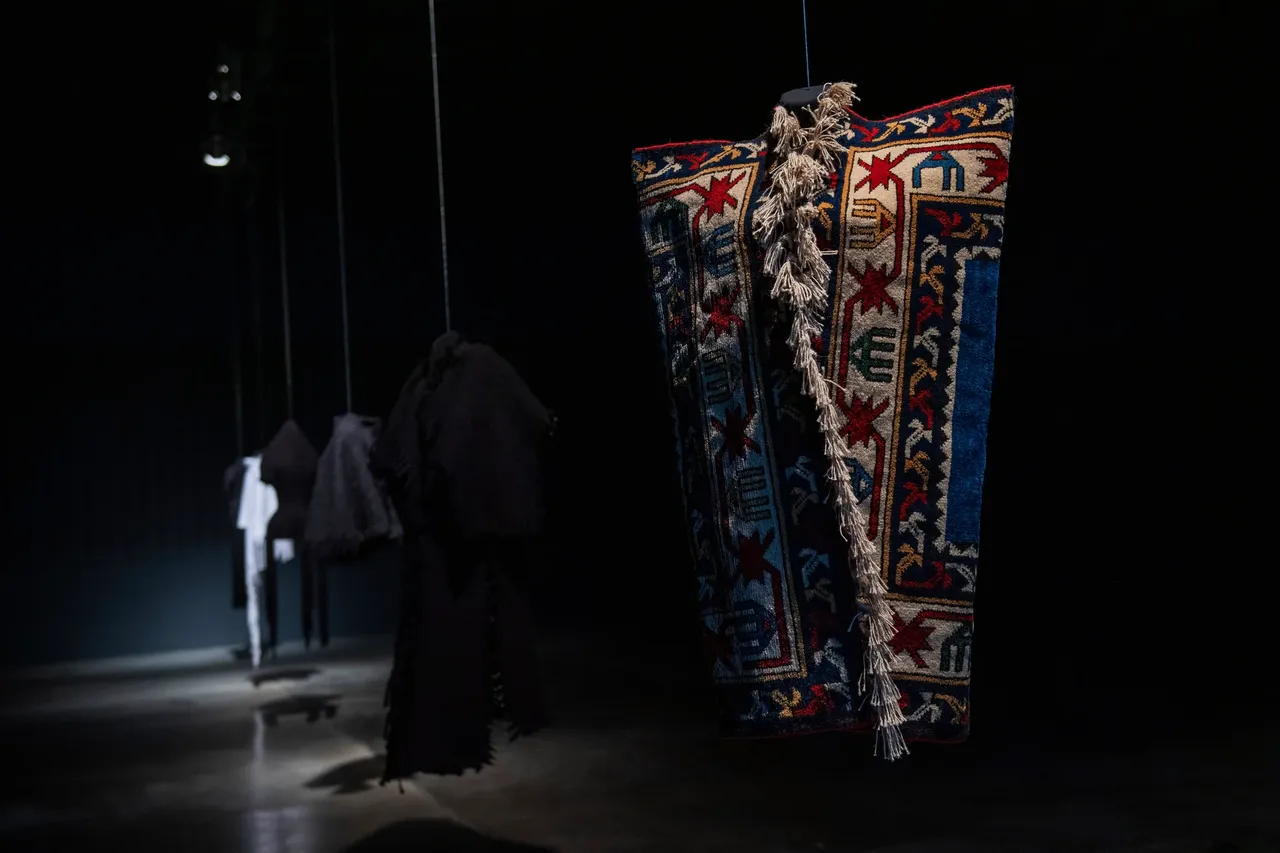
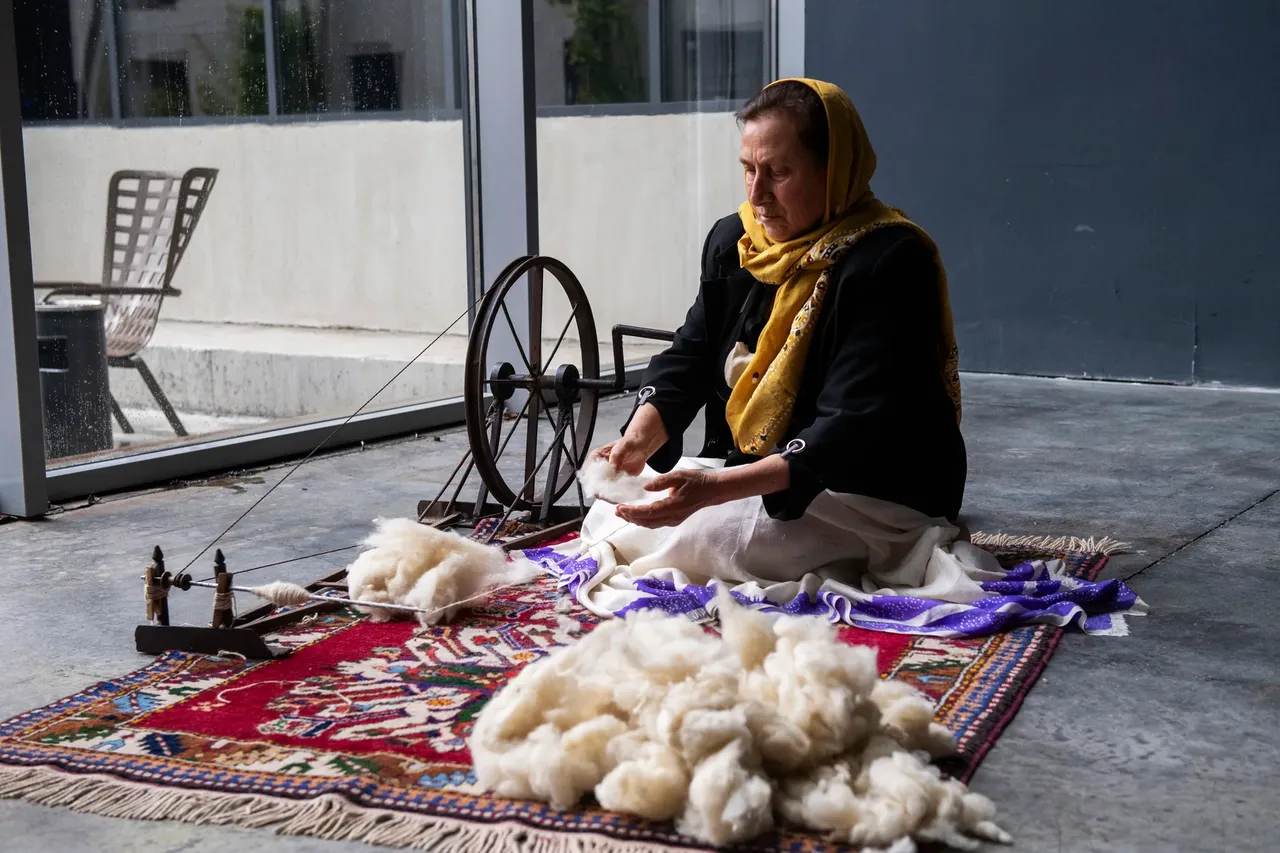
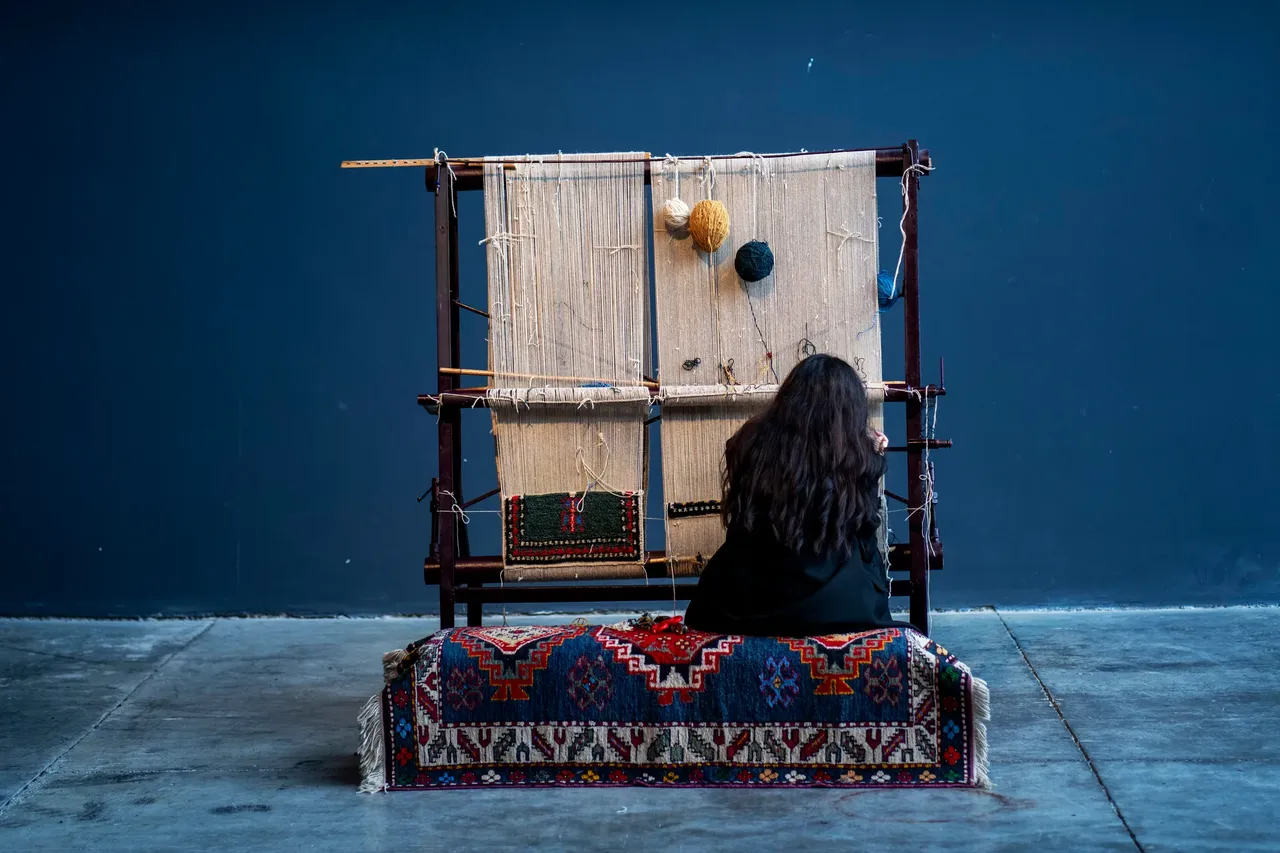
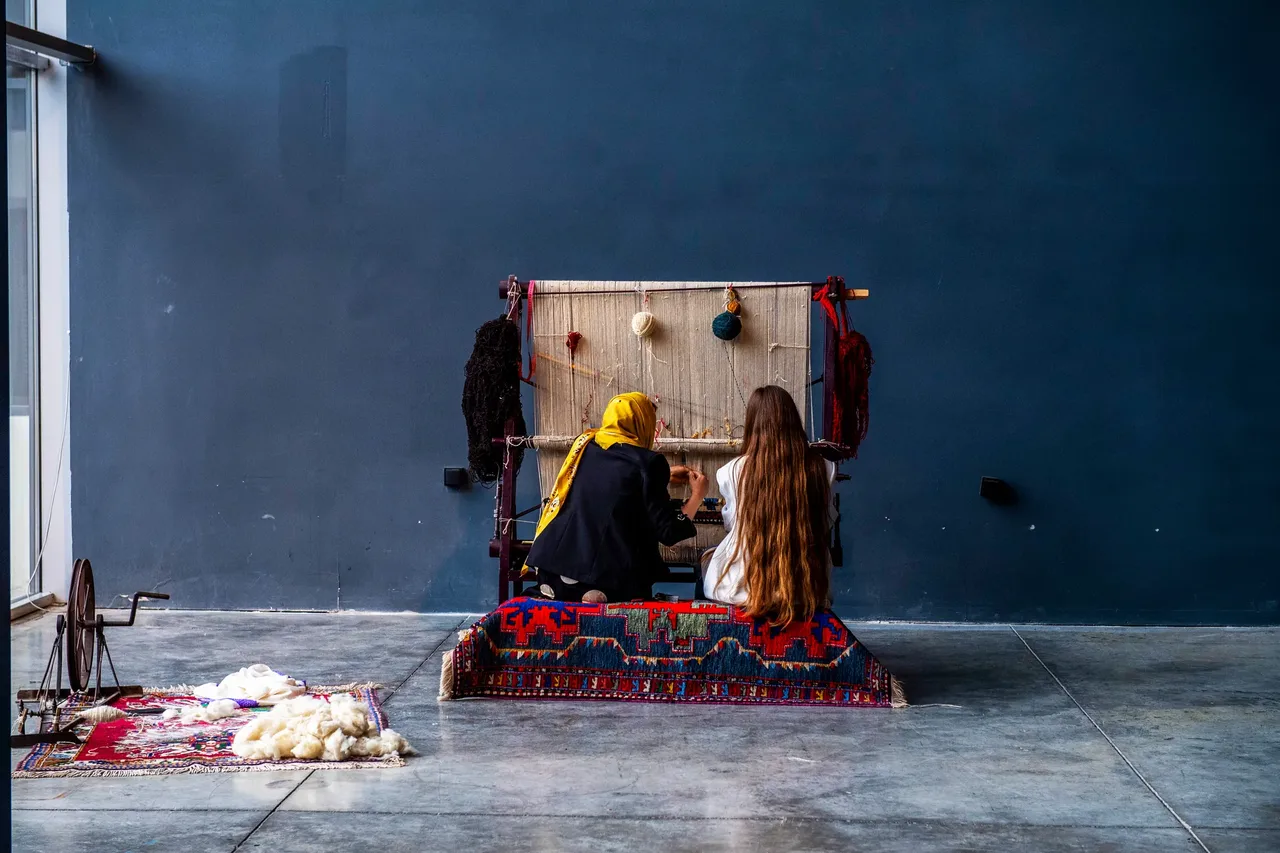
That relationship with heritage became even more visible through Samoseli Pirveli , a project we had the chance to discover more closely during our time in Tbilisi. More than an atelier, it functions almost like a living archive of Georgian craftsmanship and cultural identity. Spending time around projects like this helps explain why Georgian fashion feels so emotionally grounded. There is still enormous respect here for craftsmanship and for the idea that garments carry memory and identity.
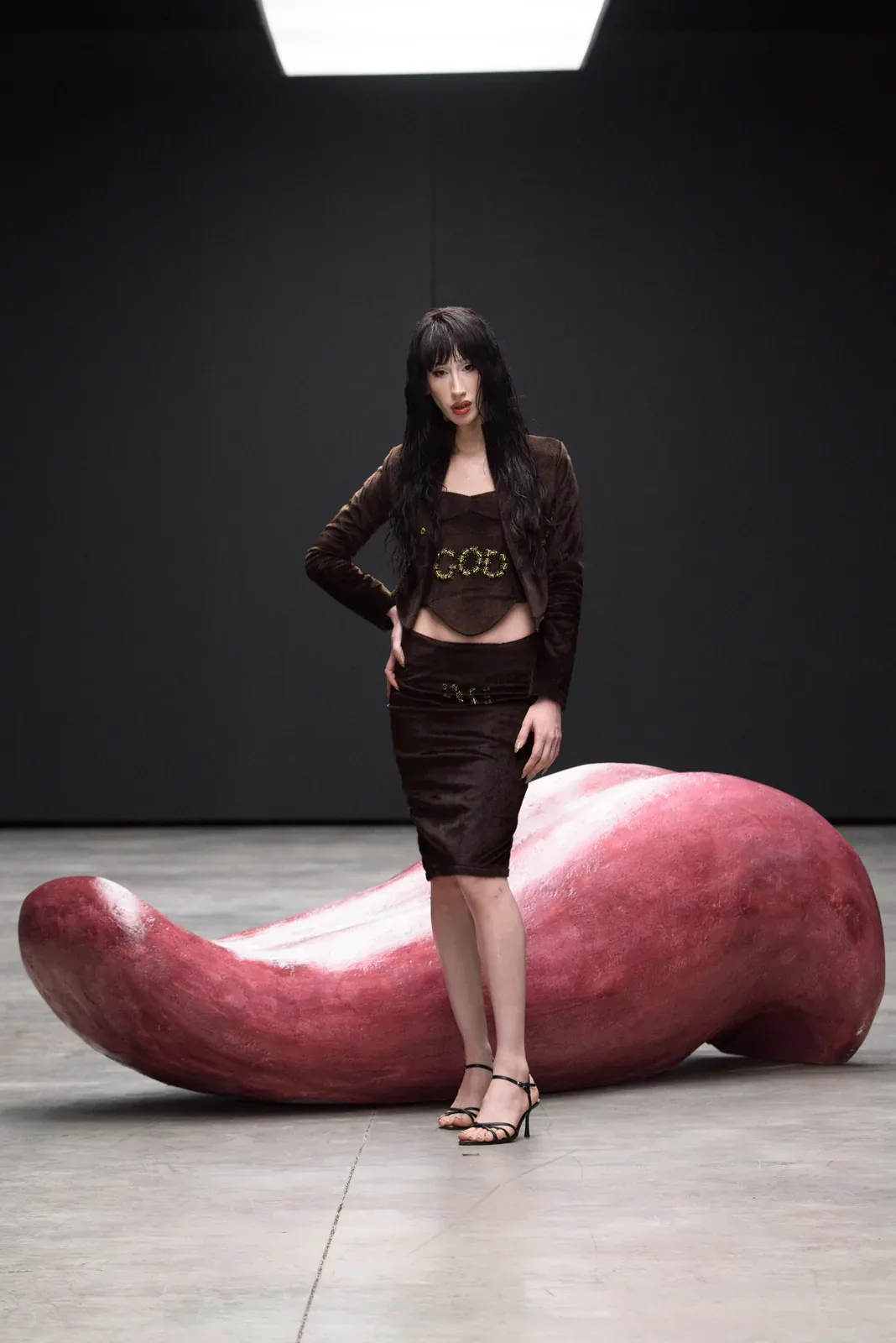
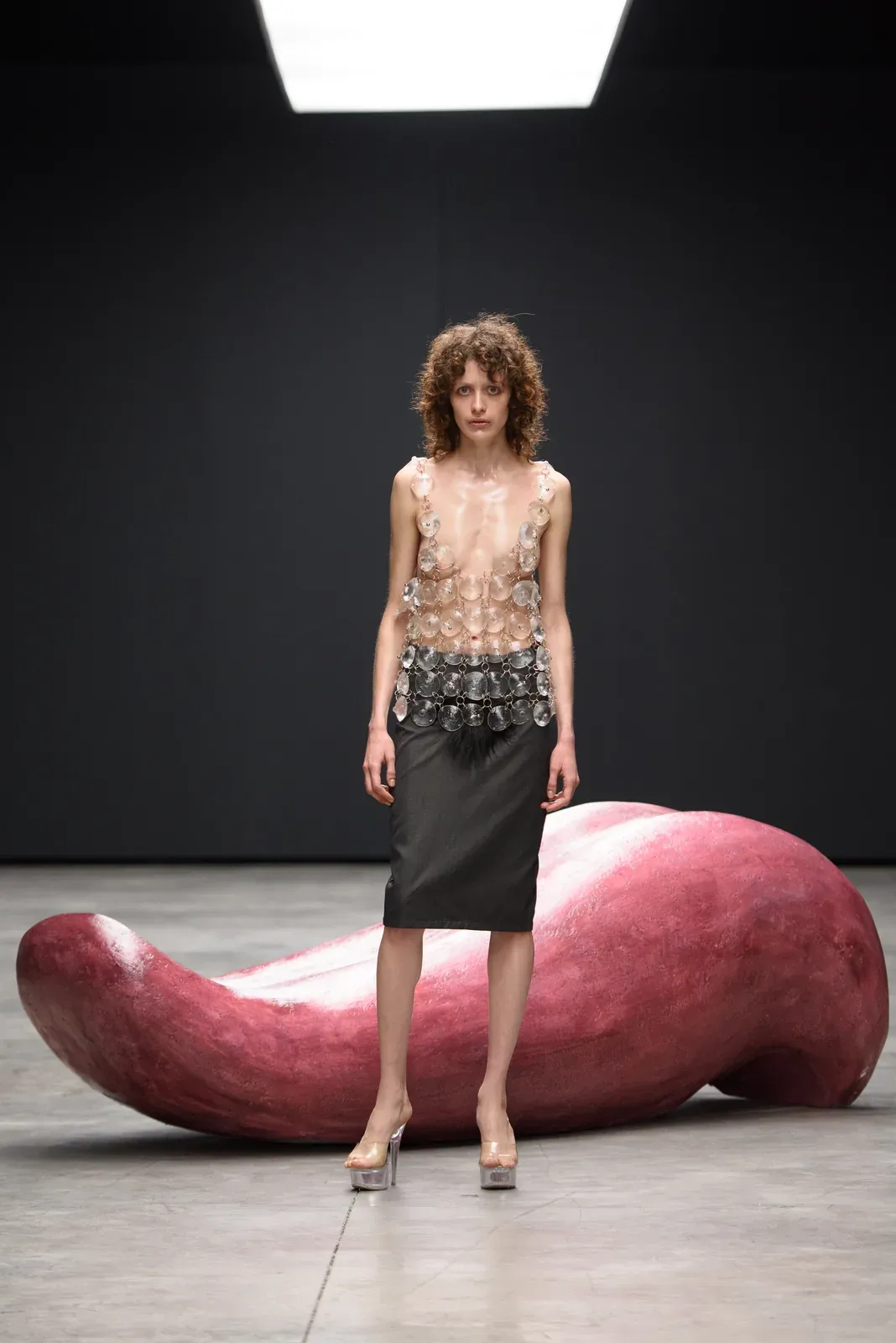
At the same time, one of the most compelling aspects of Tbilisi is how naturally those traditions coexist with much younger and more politically charged voices. God Era stood out as one of the clearest examples of that energy throughout the week. We had already encountered the brand a few months ago during Moldovan Brands Runway in Chișinău, where its performative language and strong sense of identity immediately caught our attention, but seeing the project now in its home context gave the work a completely different weight.
Founded by Nino Goderidze, this brand functions almost as a social and cultural catalyst for a younger generation trying to defend free expression, build community and find space for itself within an environment that does not always make that easy. The brand does not separate clothing from politics or identity because, in Tbilisi, those things are already deeply interconnected. Queer culture, uncertainty, humour, frustration and resilience all become part of the same visual language.
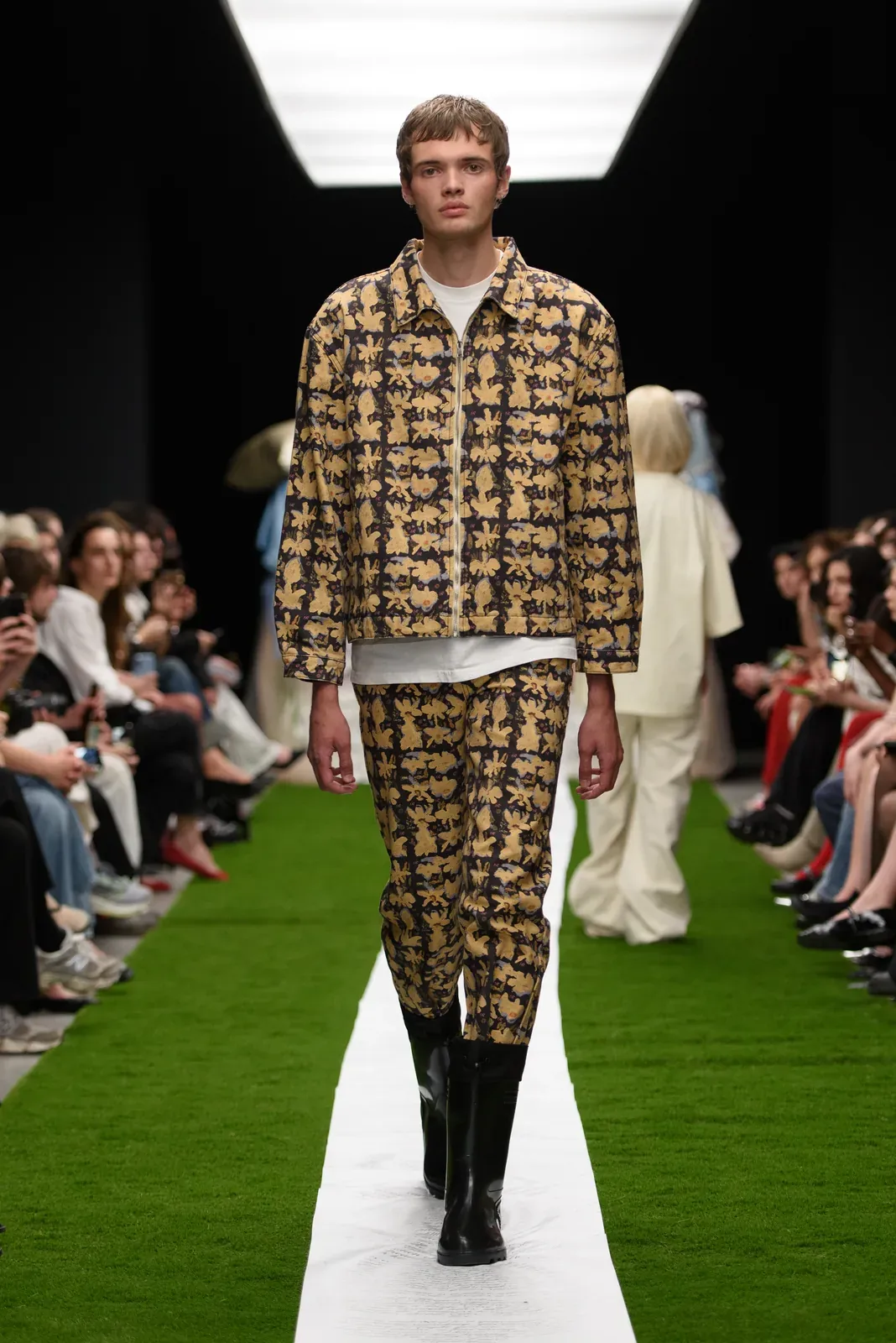
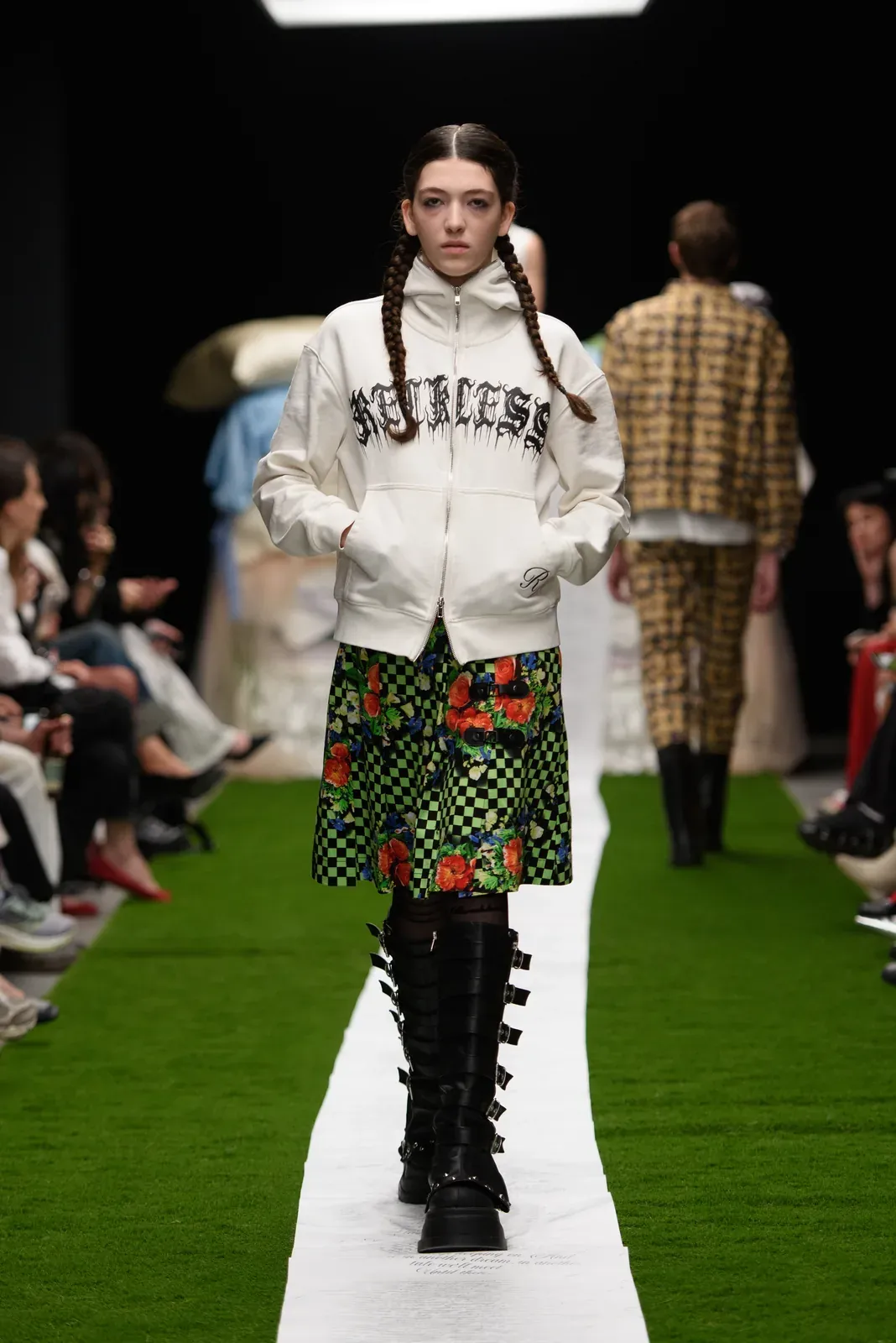
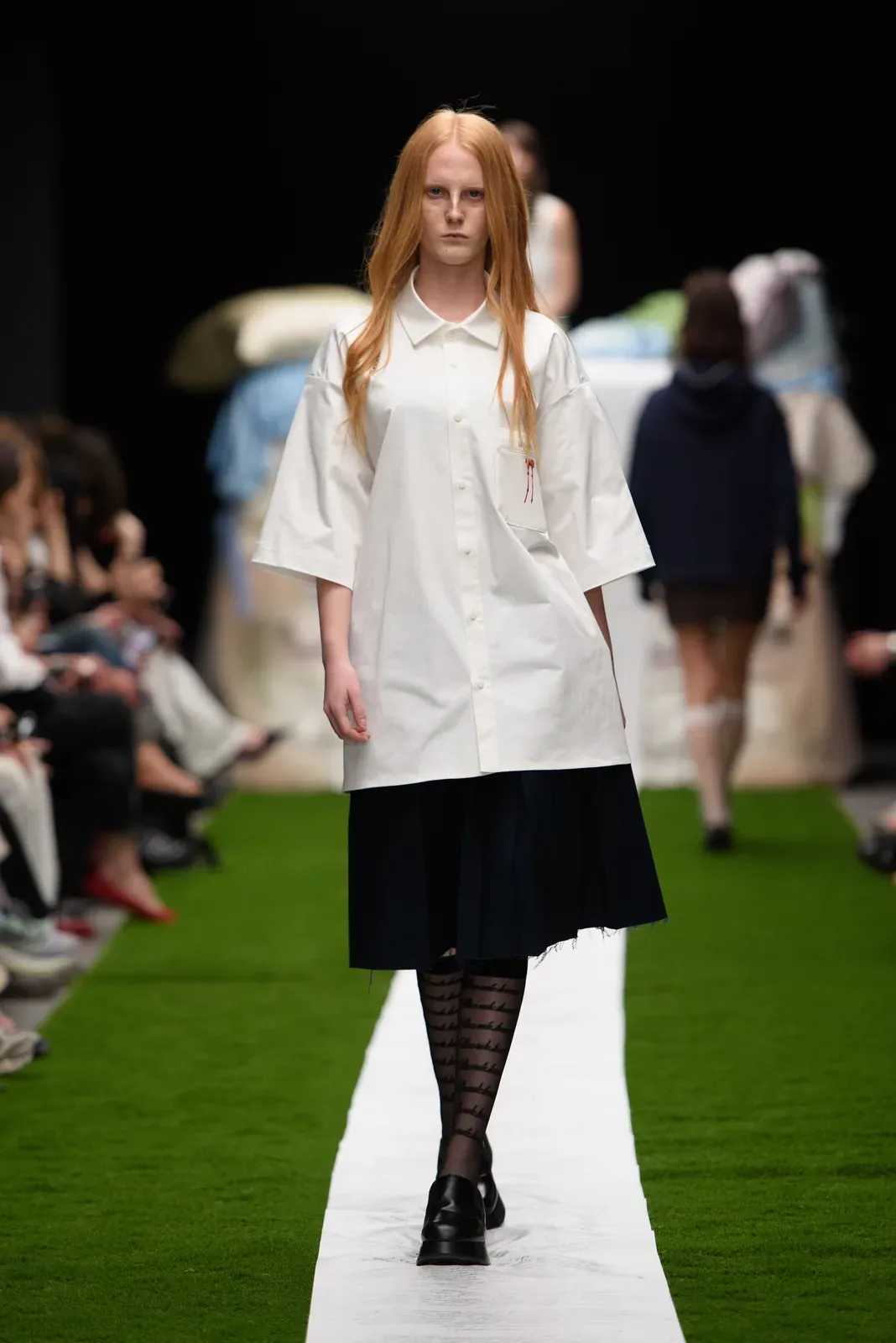
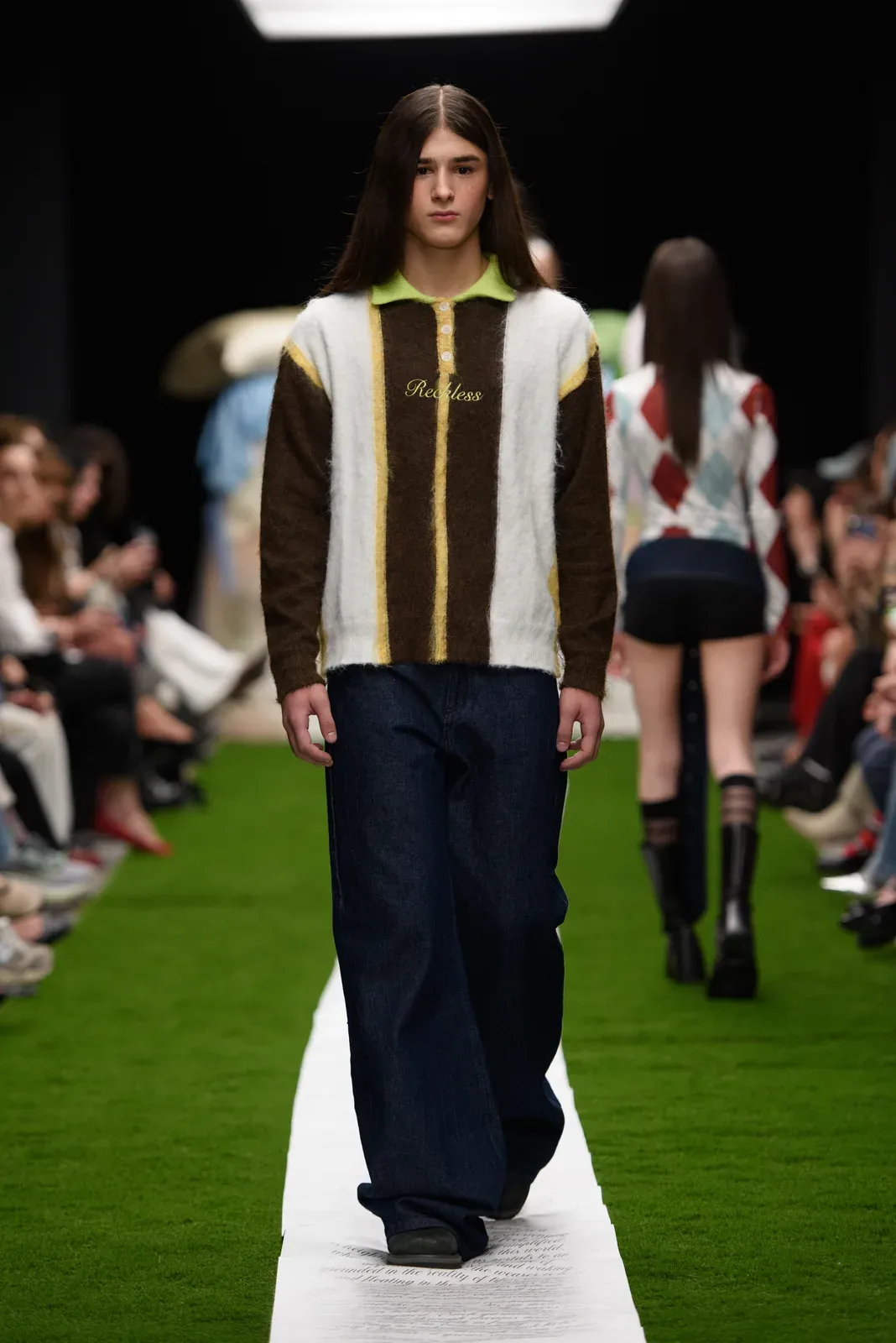
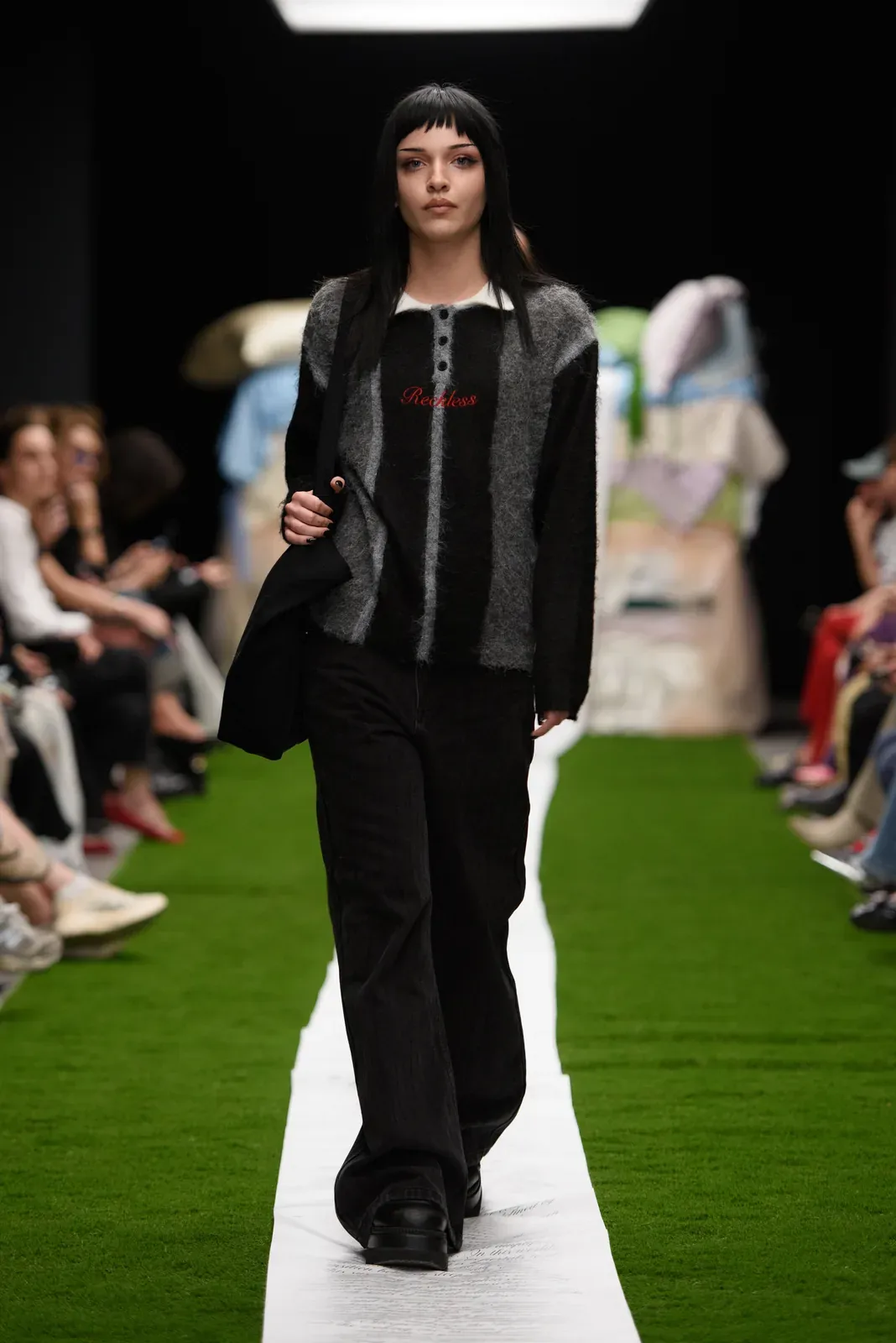
Reckless continues to represent another side of that same generation. Now five years into its story, the project has become one of the freshest and most followed brands among Tbilisi’s younger creative community. Founded by Anka Koiava, Liza Kajrishvili and Masu Mtsariashvili, Reckless still carries the same chaotic and emotionally open spirit that caught our attention during previous editions of the fashion week years ago.
One of the reasons why projects like this continue to emerge is the consistent support Mercedes-Benz Fashion Week Tbilisi and its founder, Sofia Tchkonia, have given to younger generations of designers over the years. This commitment became especially visible through the return of BENEXT 2026 , one of the most important initiatives within the programme and, honestly, one that many international fashion weeks could learn from.
Far too often, emerging talent competitions feel disconnected from reality or designed mainly for visibility. BENEXT still feels genuinely invested in helping creatives grow, develop and enter larger international conversations. This year’s participants included Elene Turashvili, Natia Lolashvili, Merabo Lomadze, Tako Ckhartishvili, Eka Kharebava, Tebrole Kemoklidze, Kato Japaridze, Eva Gogotidze, Nico Vadakaria, Babilina Machaidze, Nestor Rotsen and Vika Samkharadze.
The level of the international jury also reinforced the seriousness and relevance of the platform, with figures such as Diana Murek, Director of Education at Istituto Marangoni, SETCHU founder Satoshi Kuwata and Barbara Trebitsch from AZ Academy’s Business for Designers, among others.
More importantly, Tbilisi already has proof that these initiatives matter. George Keburia , now one of the best-known Georgian designers internationally, was once part of this same ecosystem before eventually presenting during Paris Fashion Week. His trajectory demonstrates how local support structures can genuinely transform creative careers when they are sustained over time.
That relationship between local identity and international projection could also be felt strongly in Tatuna , a brand we have been following for around a decade, ever since the first wave of international attention towards Georgia and the so-called post-Soviet aesthetic began entering the Western fashion conversation through designers like Demna.
What feels particularly interesting today is seeing how brands such as Tatuna have moved far beyond those early readings while still maintaining a strong sense of place and identity. The brand continues to operate with one of the clearest and most refined visual universes within the Georgian scene, balancing craftsmanship and structure with remarkable precision.
Lado Bokuchava’s return to the runway also carried a particular sense of continuity. The last time we spoke with the designer, back in 2020, he talked extensively about his fascination with contrast — the way past and future, softness and severity or sensuality and restraint could coexist naturally within the same garment. Those ideas still define the core of his work today, in collections where traces of ‘90s grunge, sharp tailoring and a certain industrial futurism continue to collide in a way that feels unmistakably his own.
Materiel brought another kind of relevance to the programme, one rooted in longevity and consistency. Established originally in 1949, the Georgian fashion house continues evolving while preserving the sharp tailoring and wardrobe intelligence that made it one of the country’s defining brands in the first place. This season’s collaboration with the Kyiv-based brand Gudu created a particularly interesting dialogue between Georgian and Ukrainian fashion sensibilities.
Ingorokva generated some of the strongest anticipation among the local audience throughout the week, which says a lot about the brand’s role within the Georgian market itself. In a fashion scene often celebrated for conceptual experimentation and underground energy, Ingorokva demonstrates the importance of understanding wearability and economic sustainability without compromising identity.
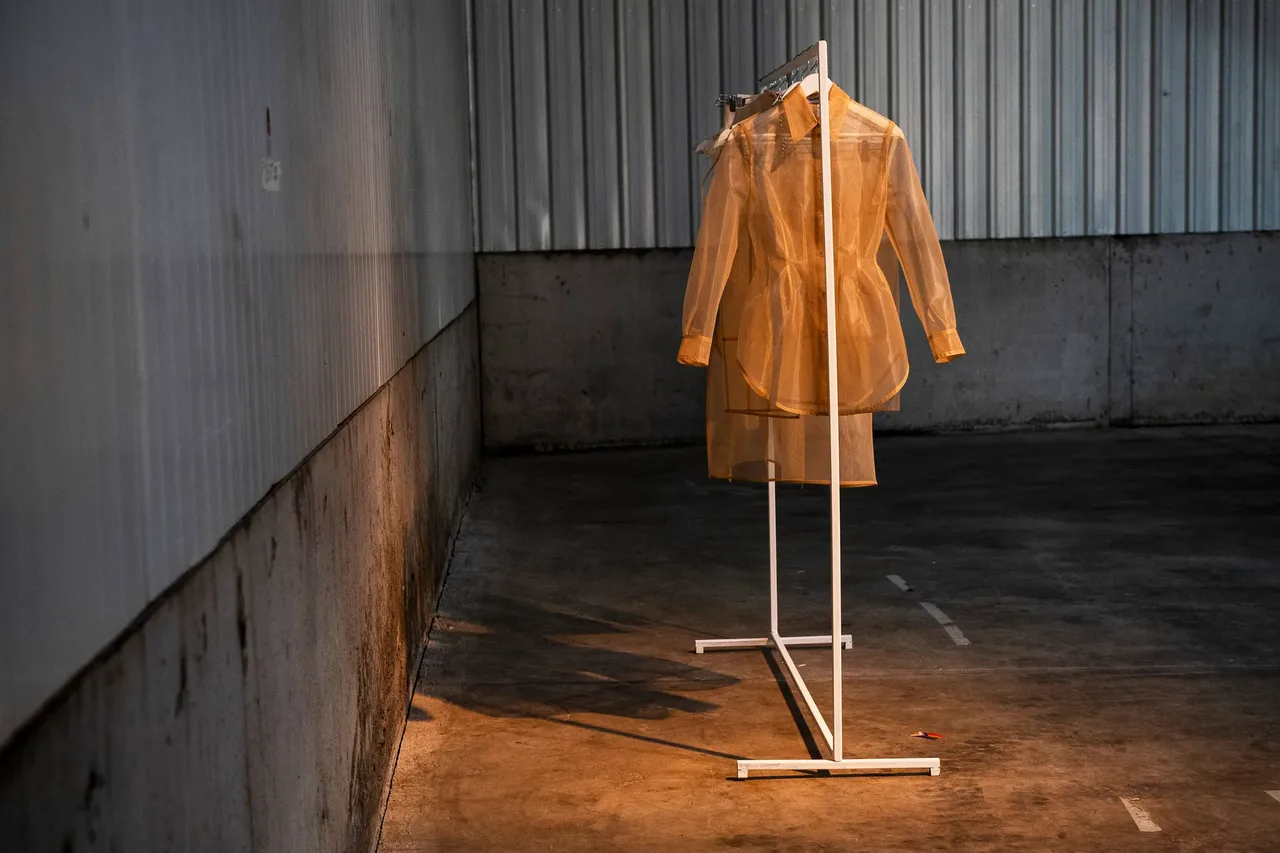
Tiko Paksa’s presentation demonstrated particularly well how effectively Factory Tbilisi adapts to different creative needs. The industrial atmosphere of the venue became the perfect setting for a collection where volume, simplicity and construction needed space to breathe naturally.
Aleksandre Akhalkatsishvili represented another important facet of the Georgian scene: maturity. His work has always been associated with minimalism, vegan leather and a disciplined understanding of silhouette, and this season confirmed the solidity of his language.
Among the youngest projects in the programme was Gio Levan , launched only last year but already showing a strong interest in storytelling, historical references and emotionally charged image-making. Its first collection drew inspiration from The Knight in the Panther’s Skin, the 12th-century Georgian epic poem by Shota Rustaveli, once again reinforcing how naturally many Georgian creatives engage with heritage while building something contemporary.
By the end of the week, what remained strongest was not simply the memory of individual collections but the feeling of having witnessed a creative scene moving together. The Drag Ball, Bassiani, dinners and conversations all revealed how much everyone involved seems to push in the same direction. Even from very different spaces and perspectives, designers, artists, venues and organisers are helping build a fashion scene with real identity and cultural value, one that resonates both inside and outside Georgia’s borders.
That is also what makes Mercedes-Benz Fashion Week Tbilisi feel so relevant today. Fashion here does not exist disconnected from the city around it. Music, nightlife, craftsmanship, politics and younger creative communities all shape the atmosphere of the week itself. There is international ambition, but also a strong sense of identity and community that gives Tbilisi something many fashion capitals have slowly started to lose.
God Era
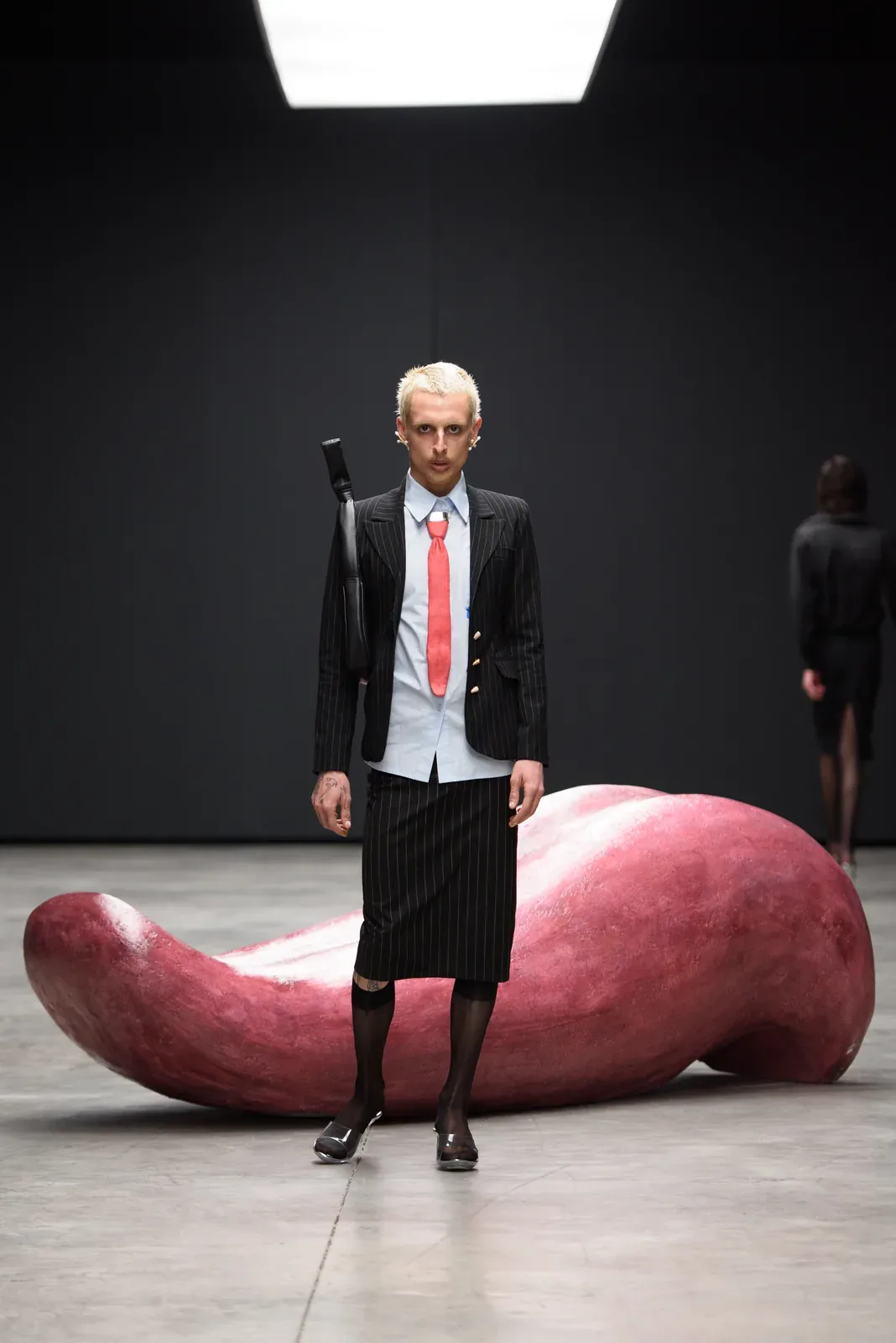
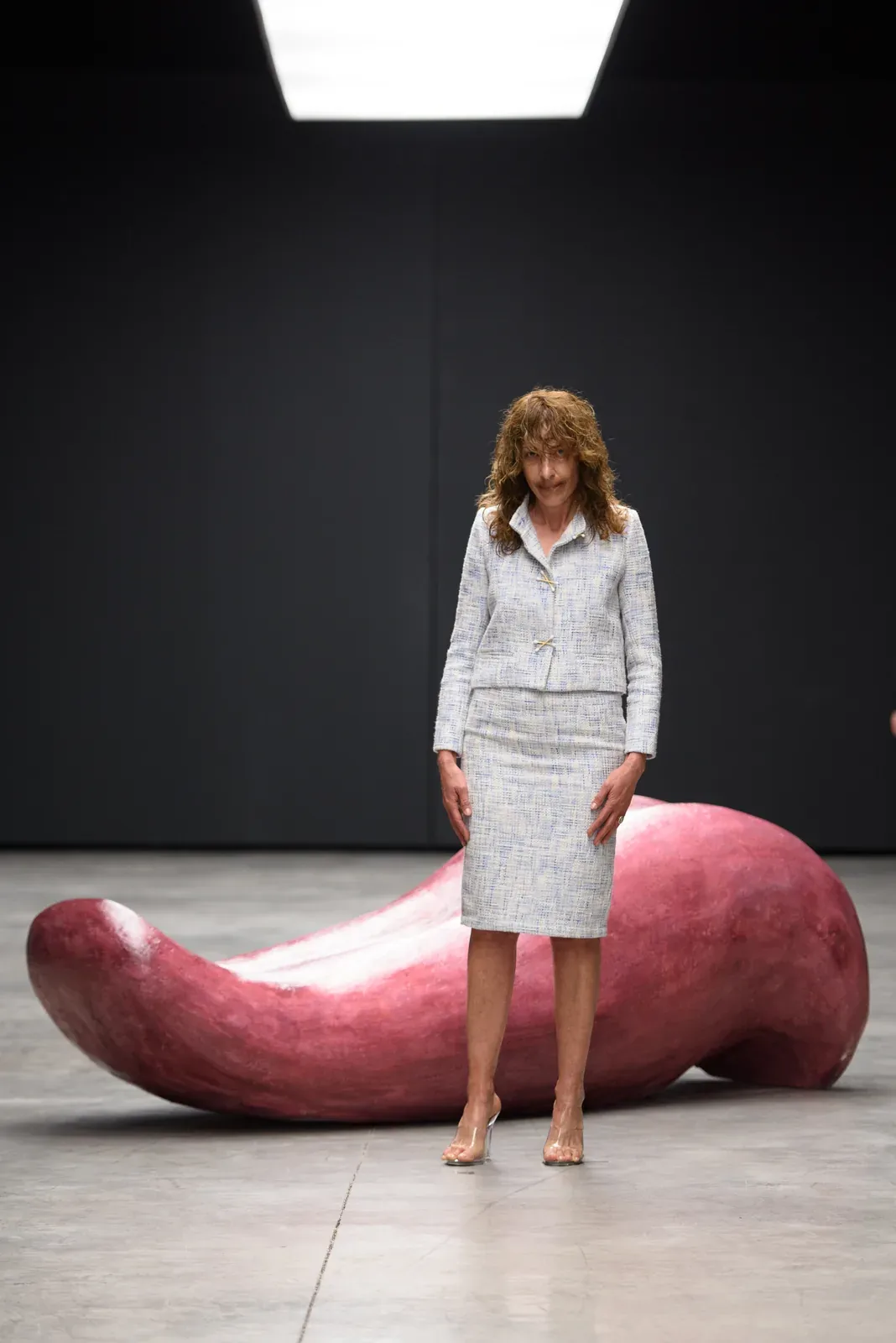
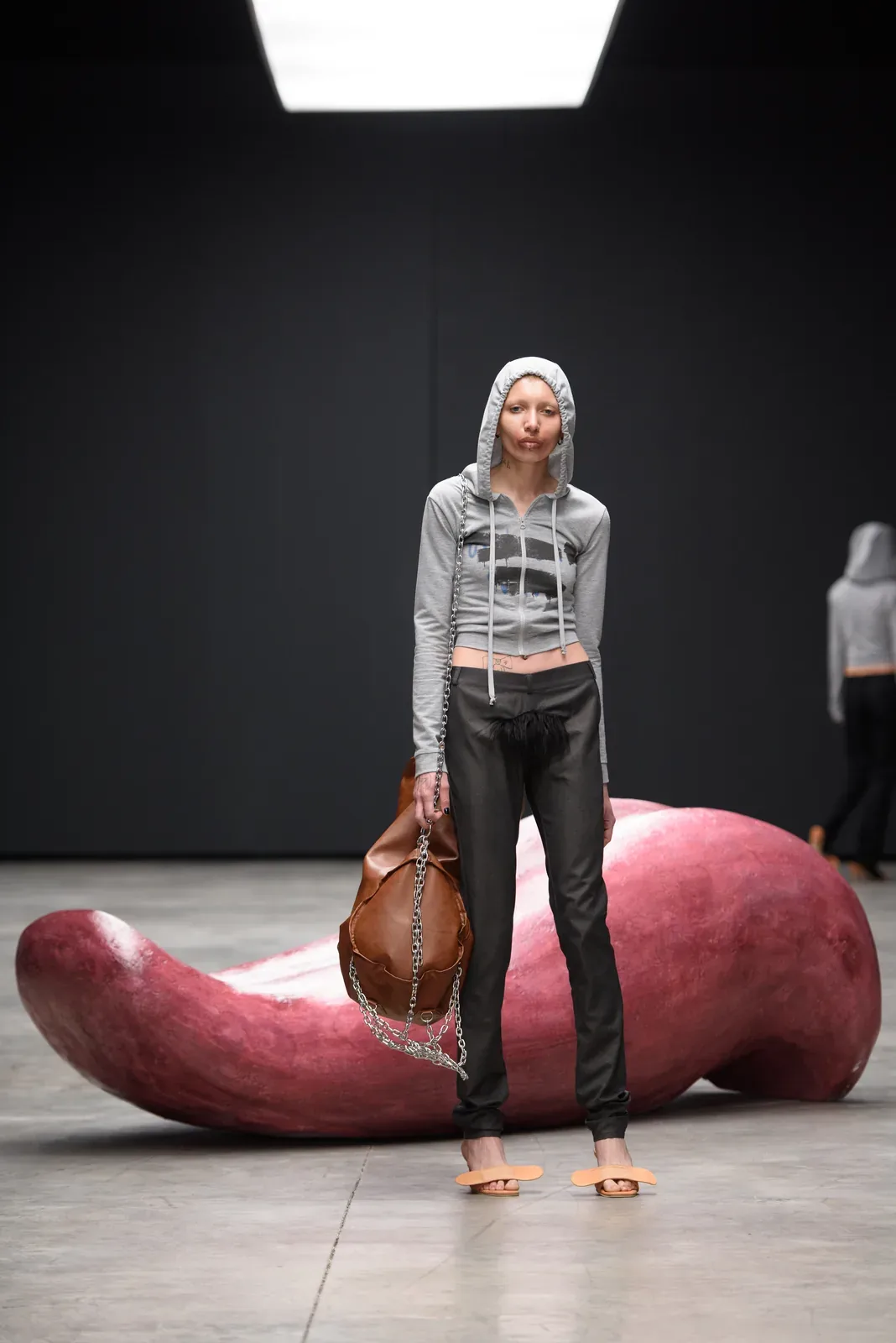
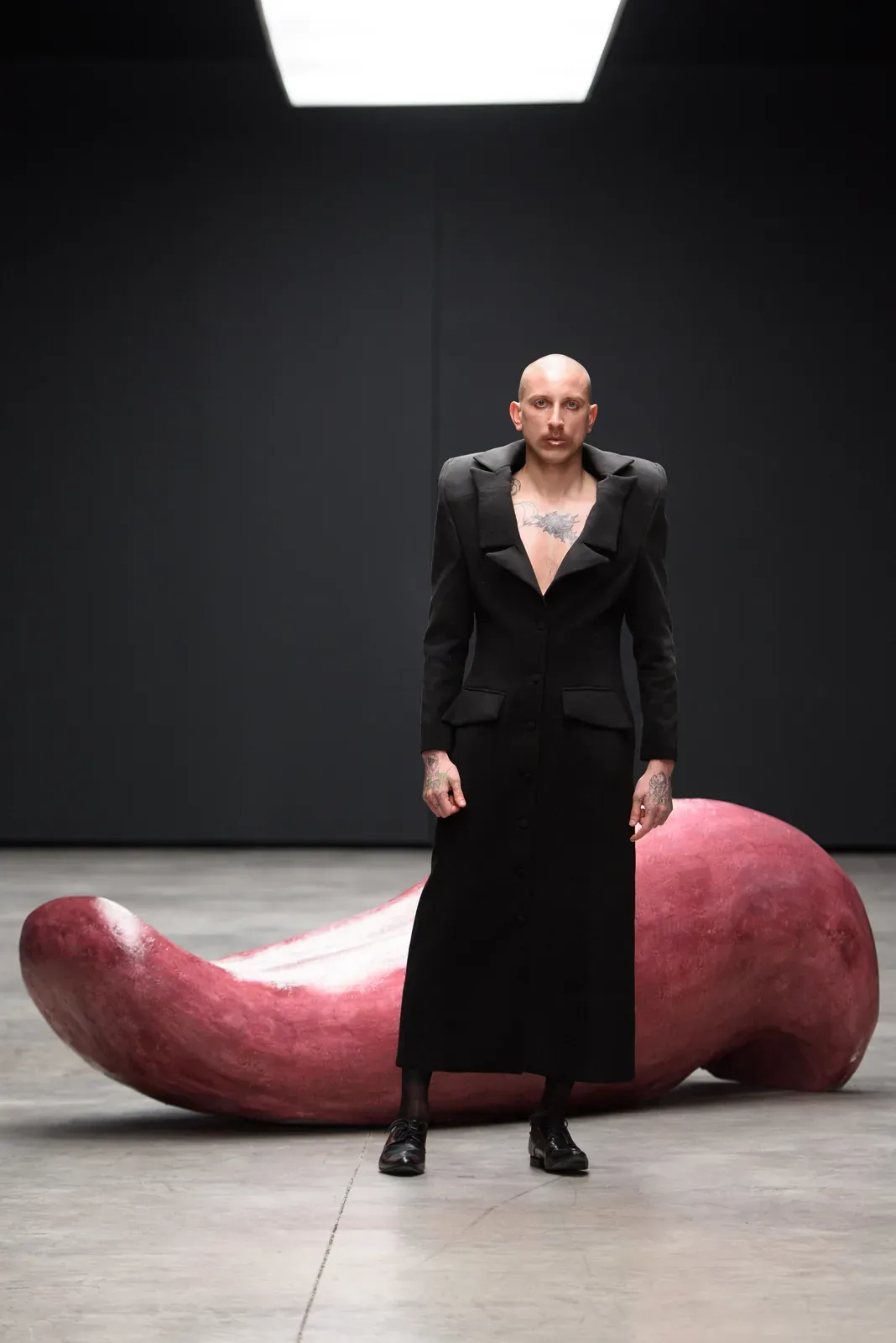
Reckless
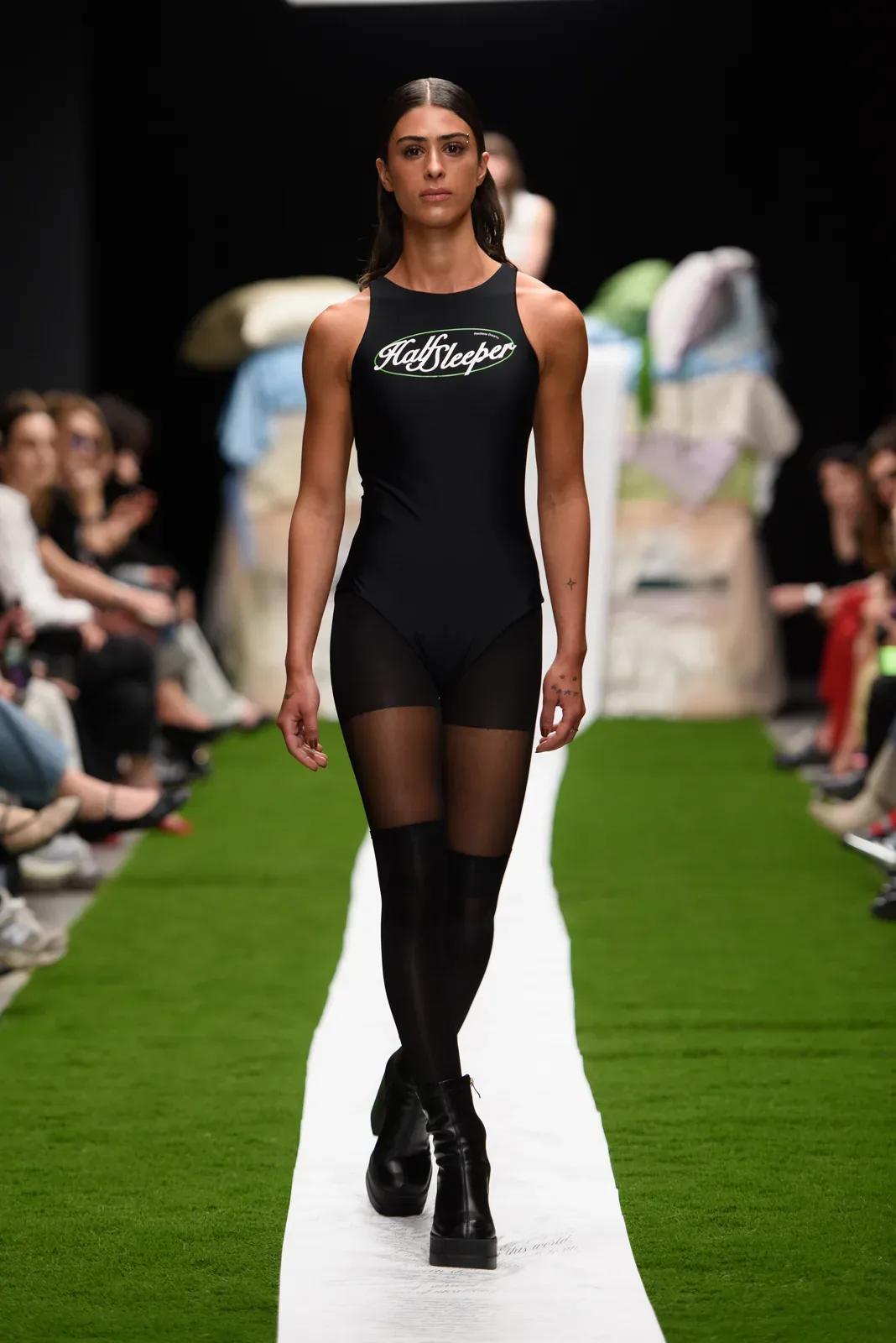
Supernatural Superstar
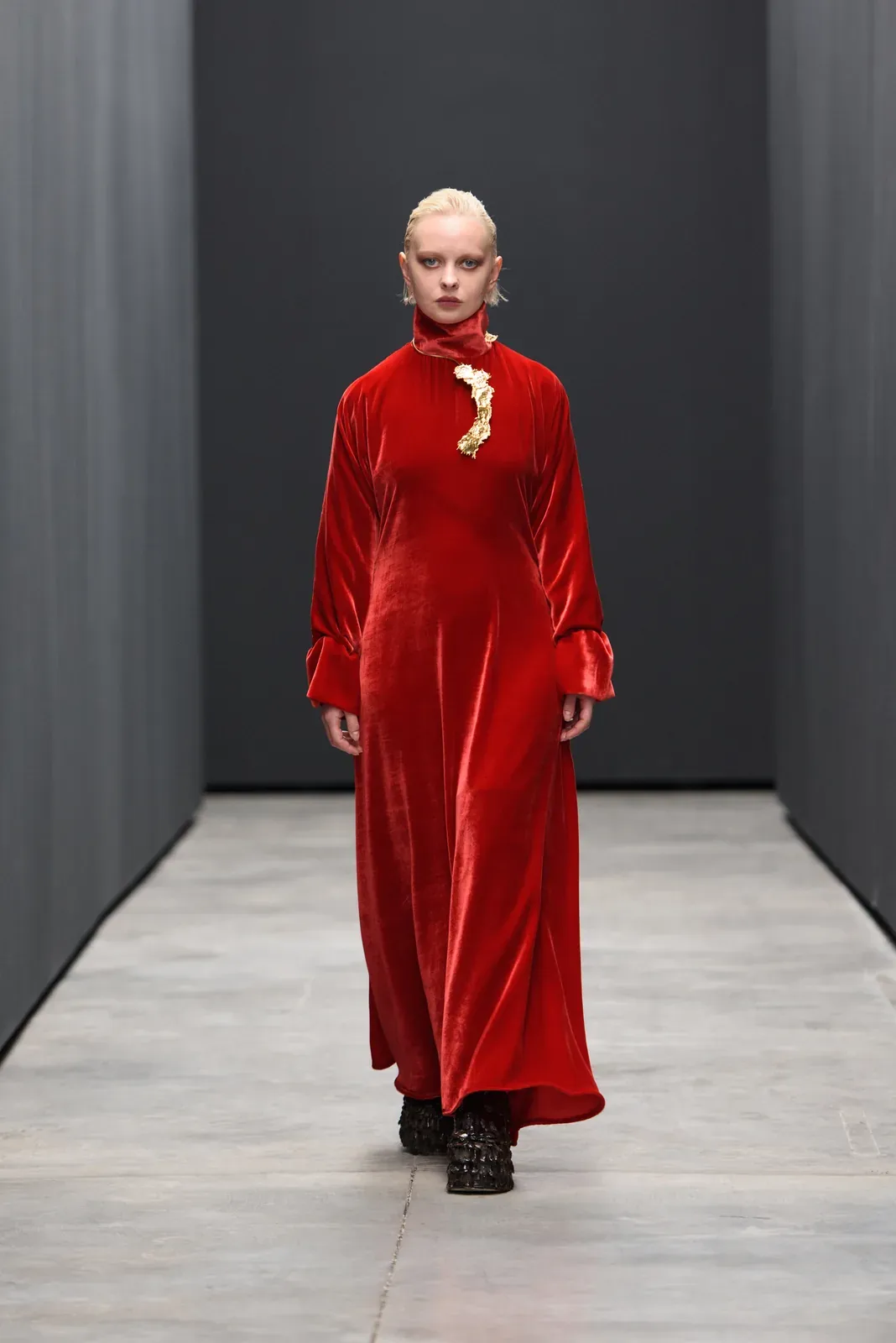
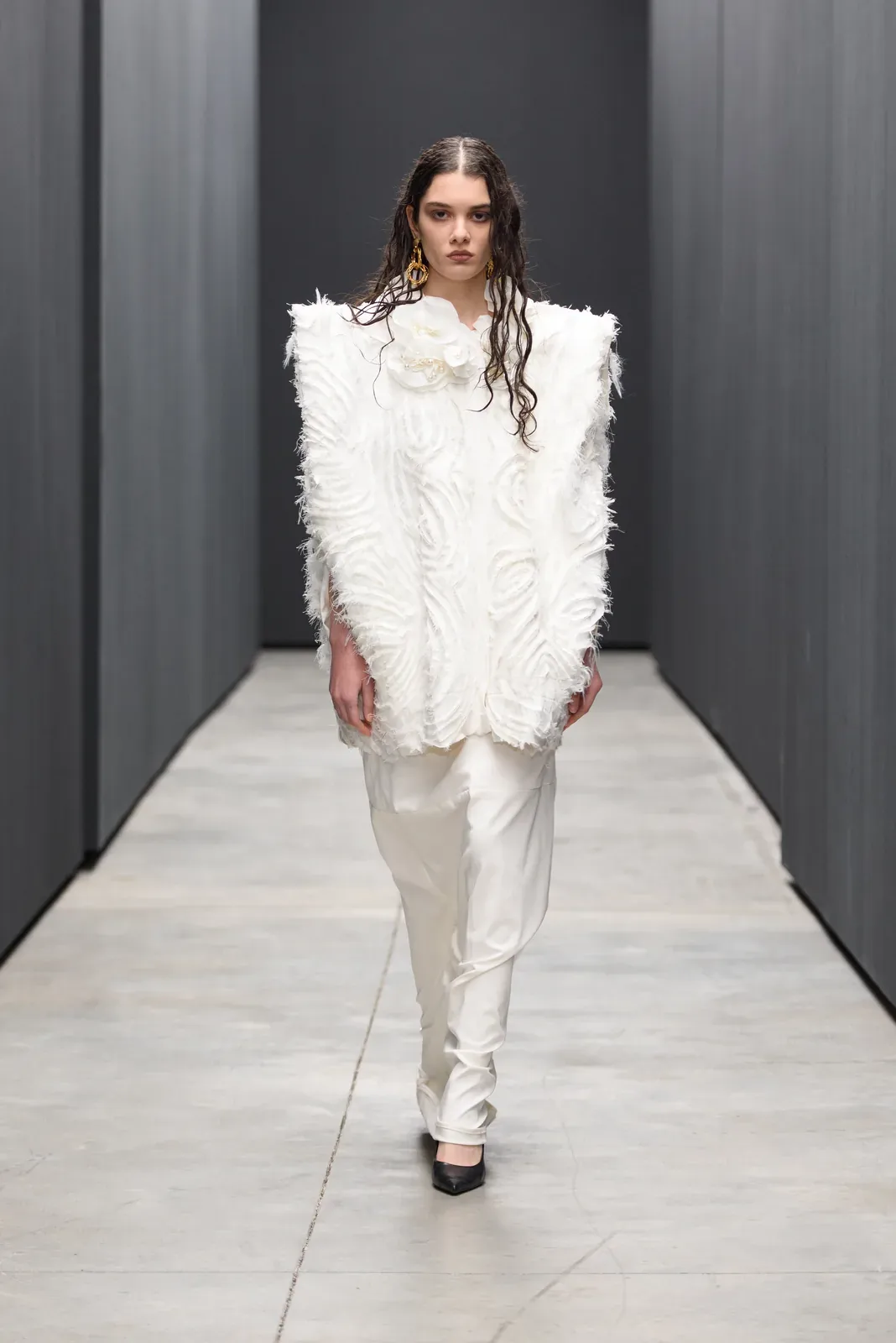
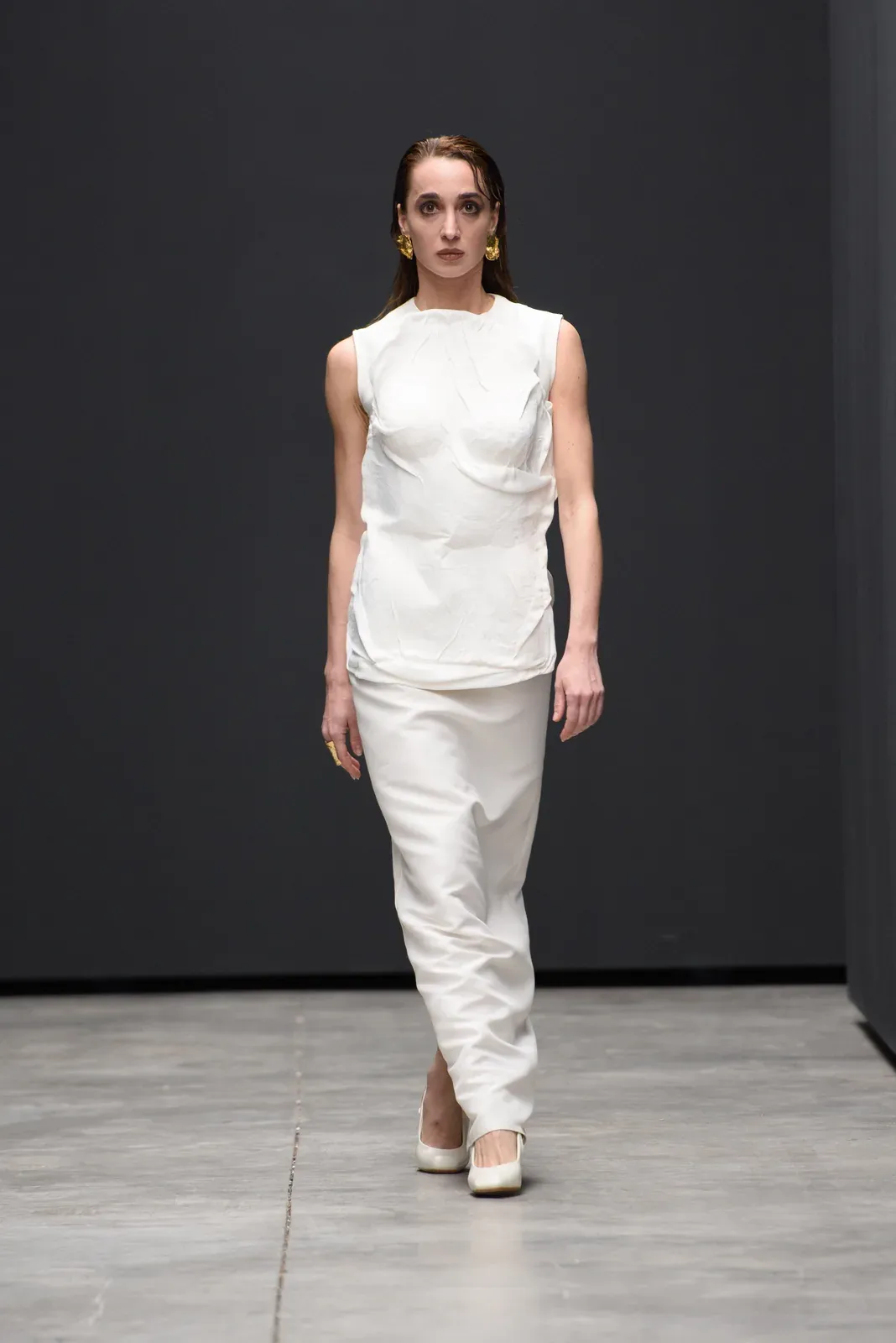
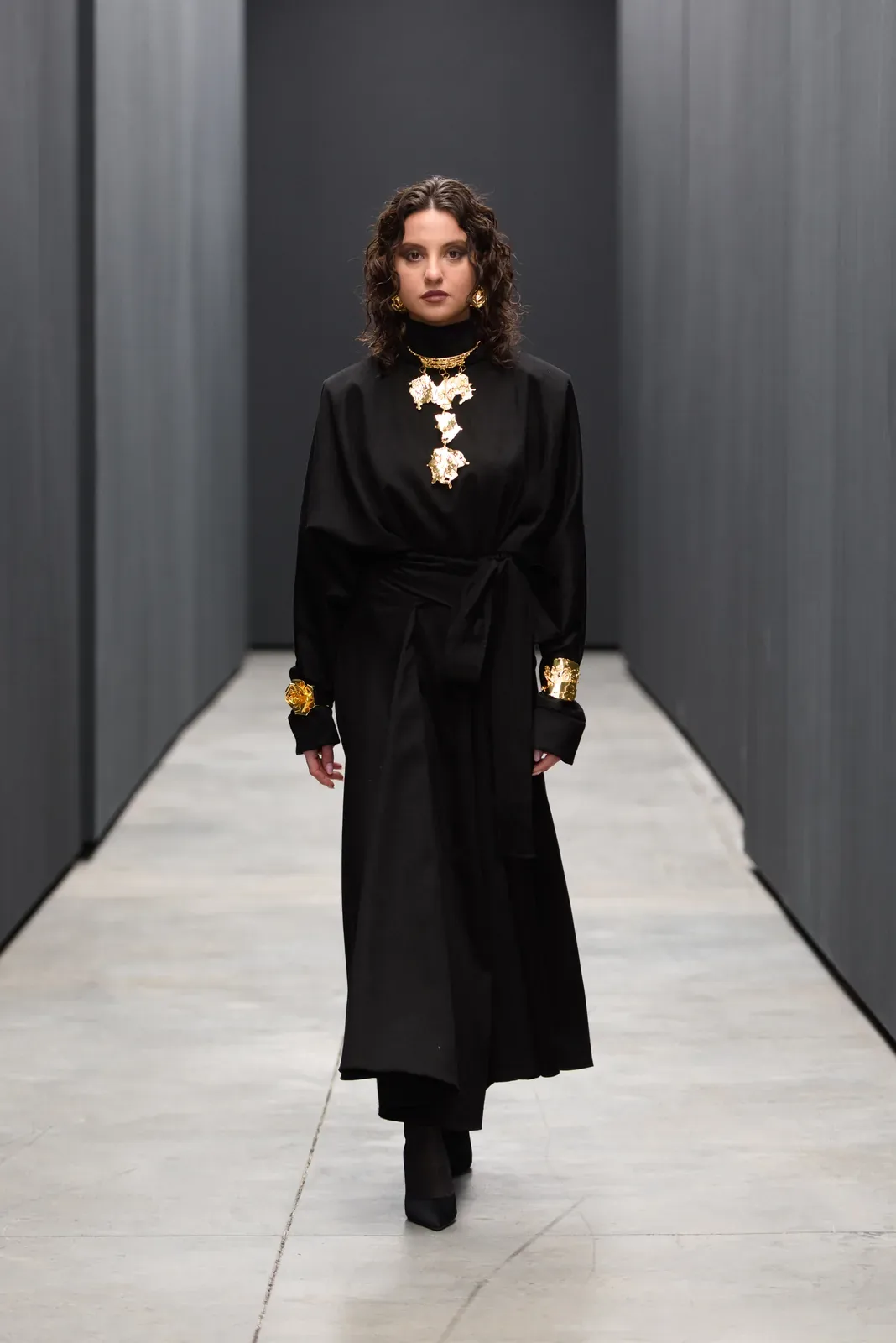
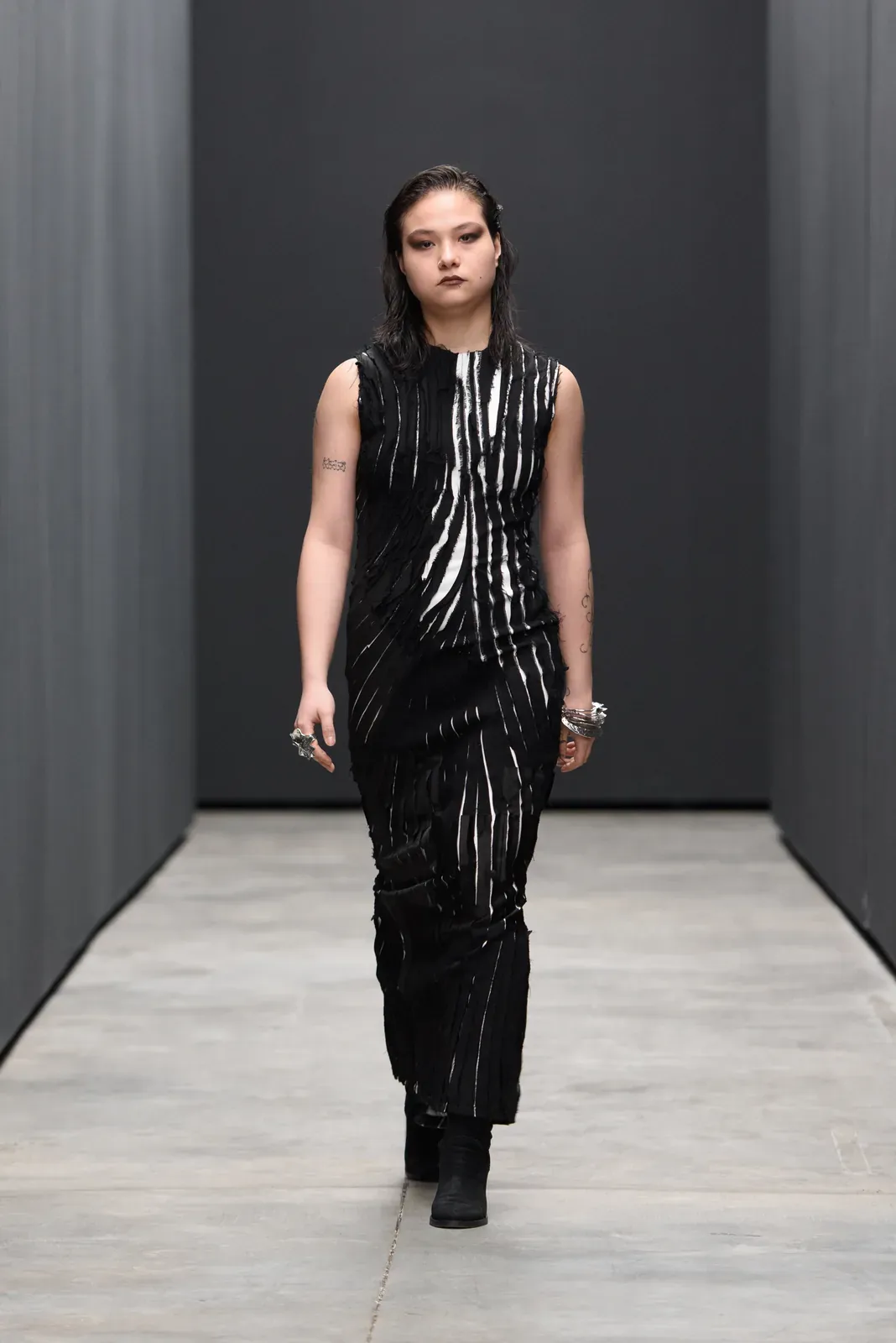
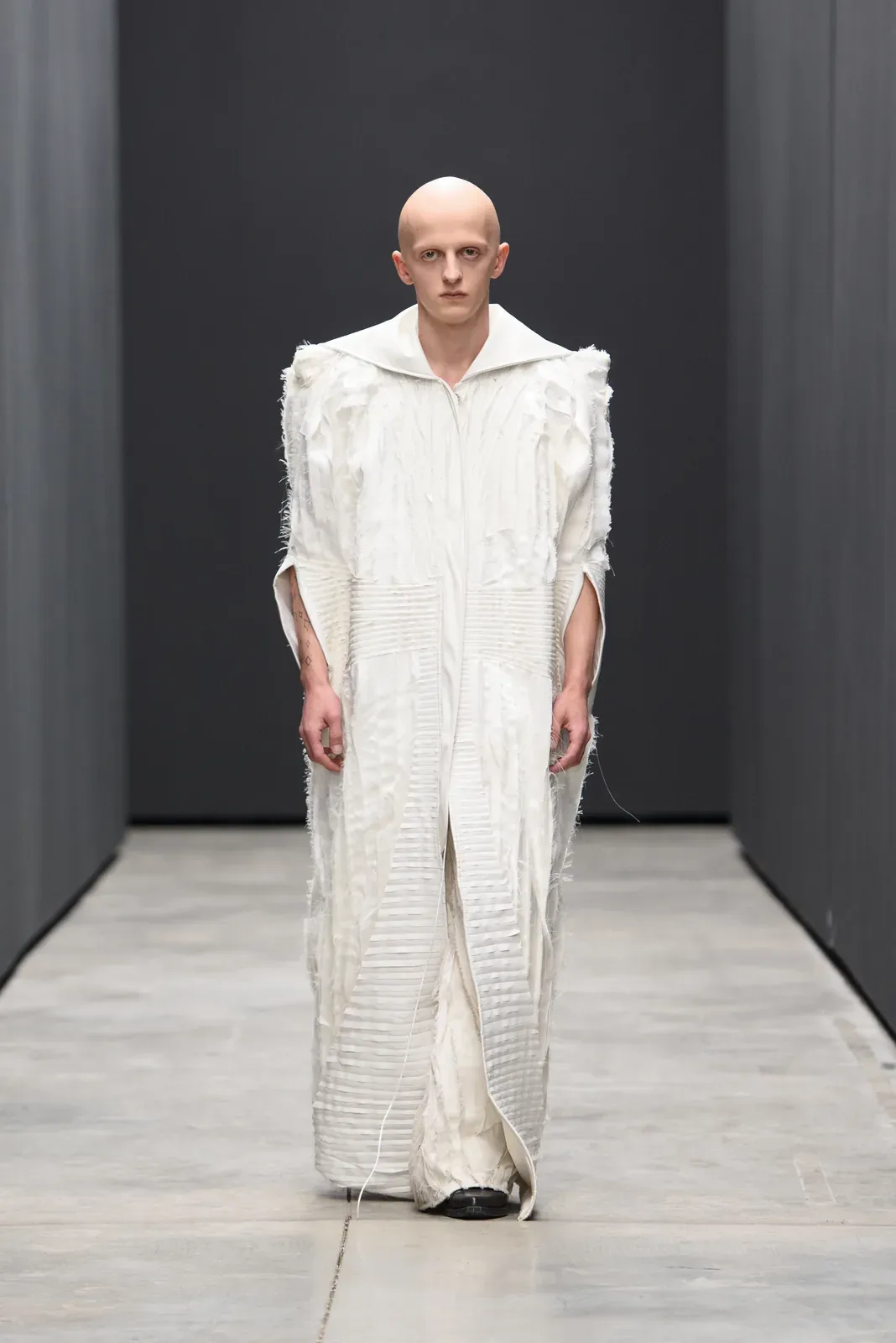
Gio Levan
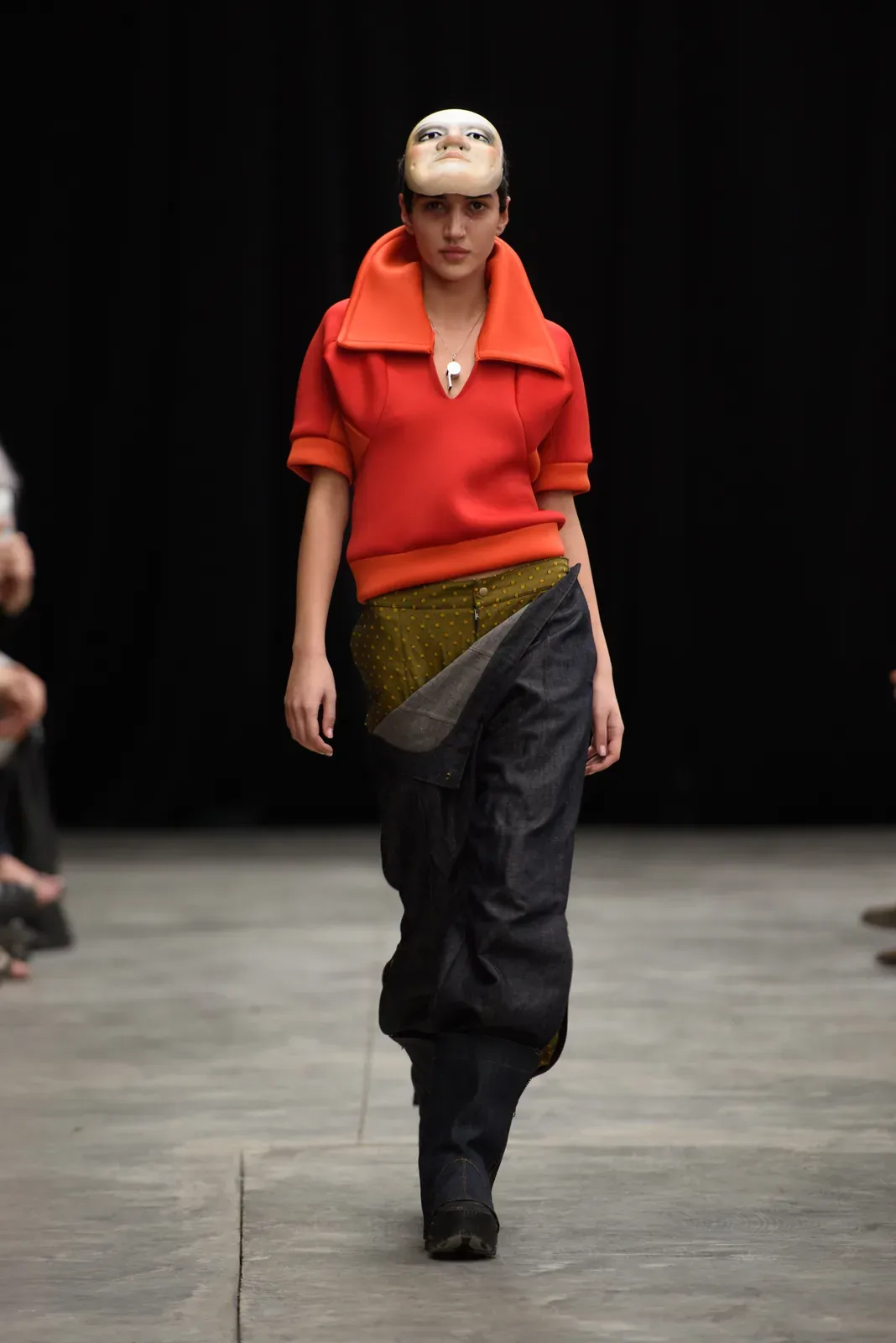
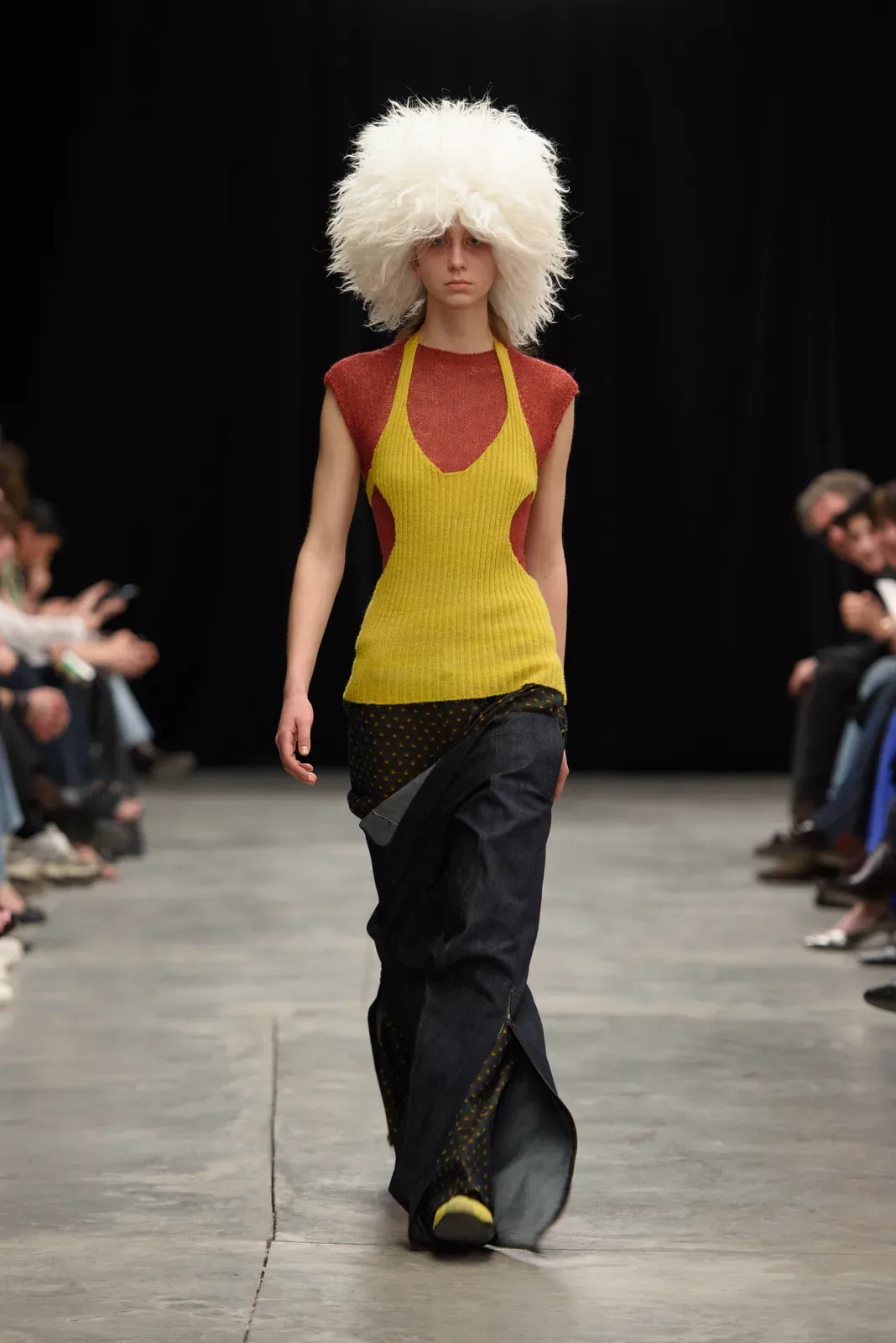
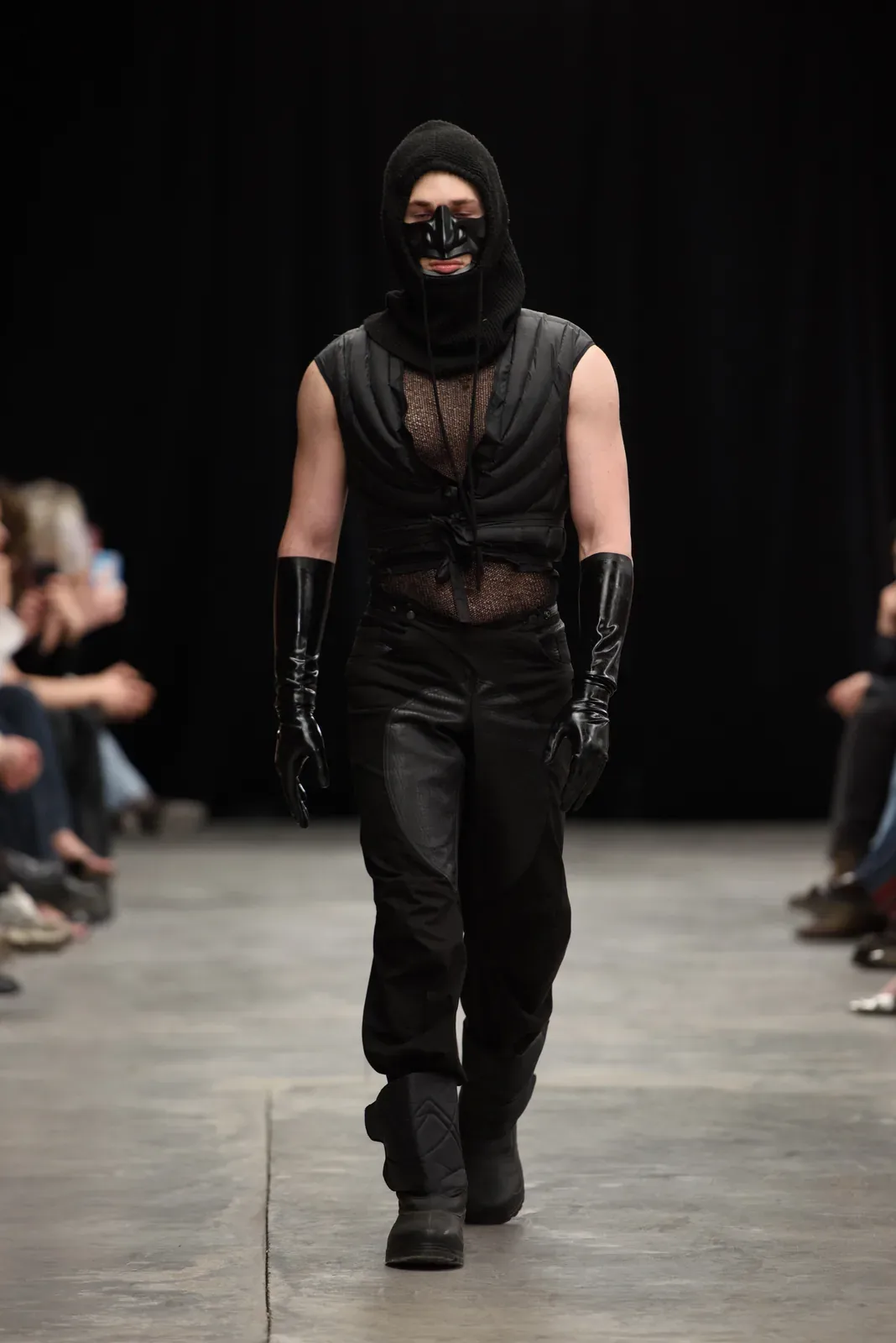
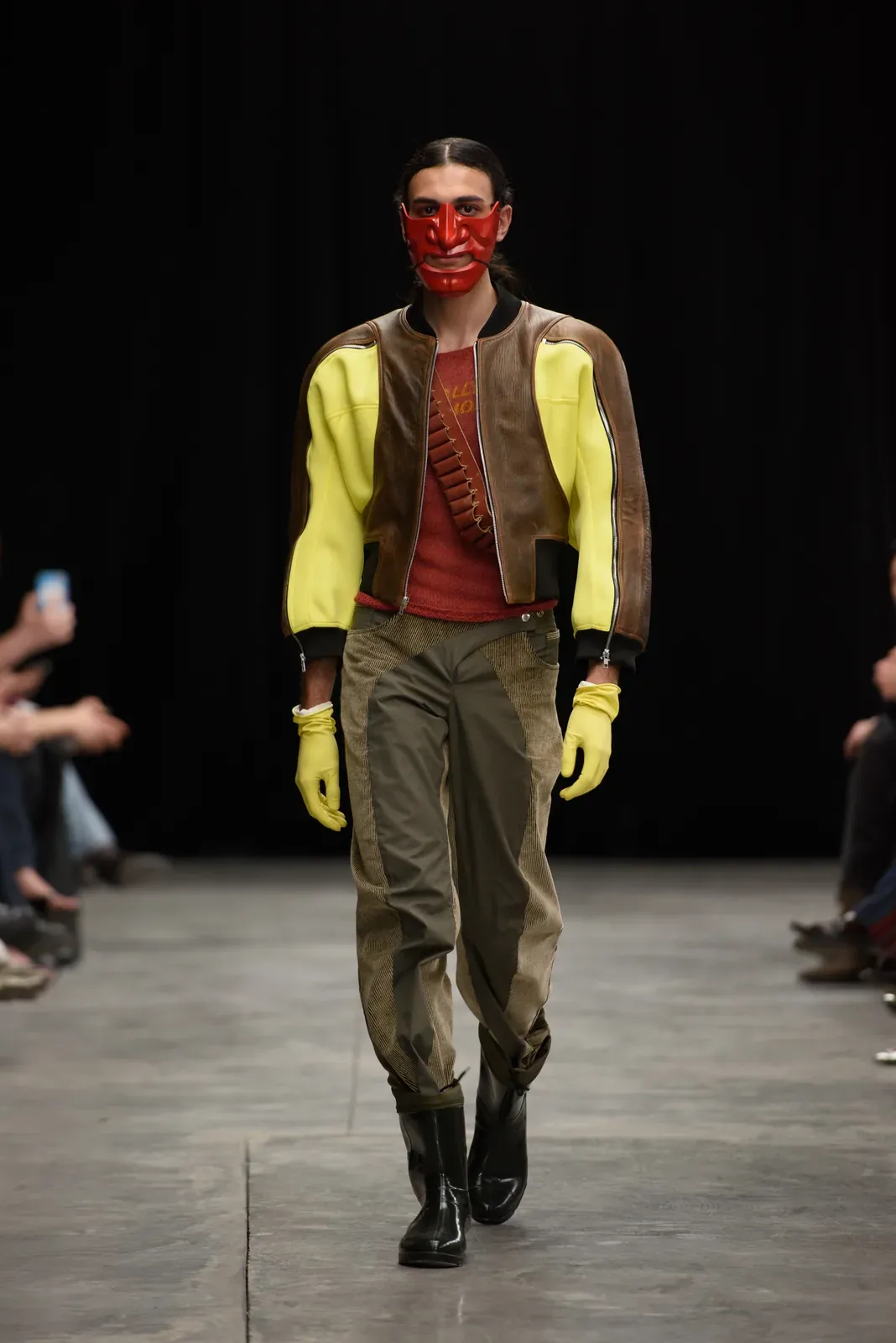
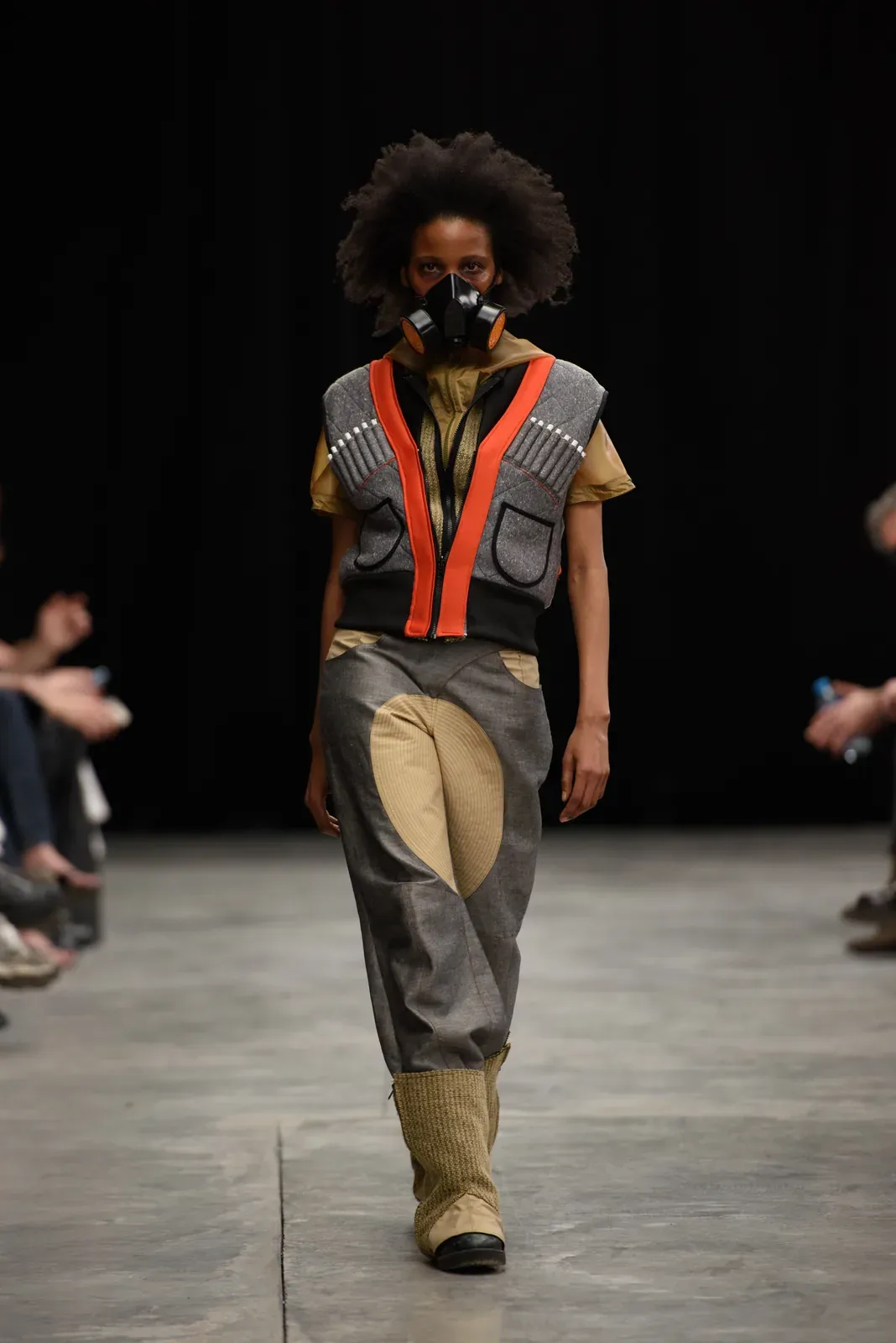
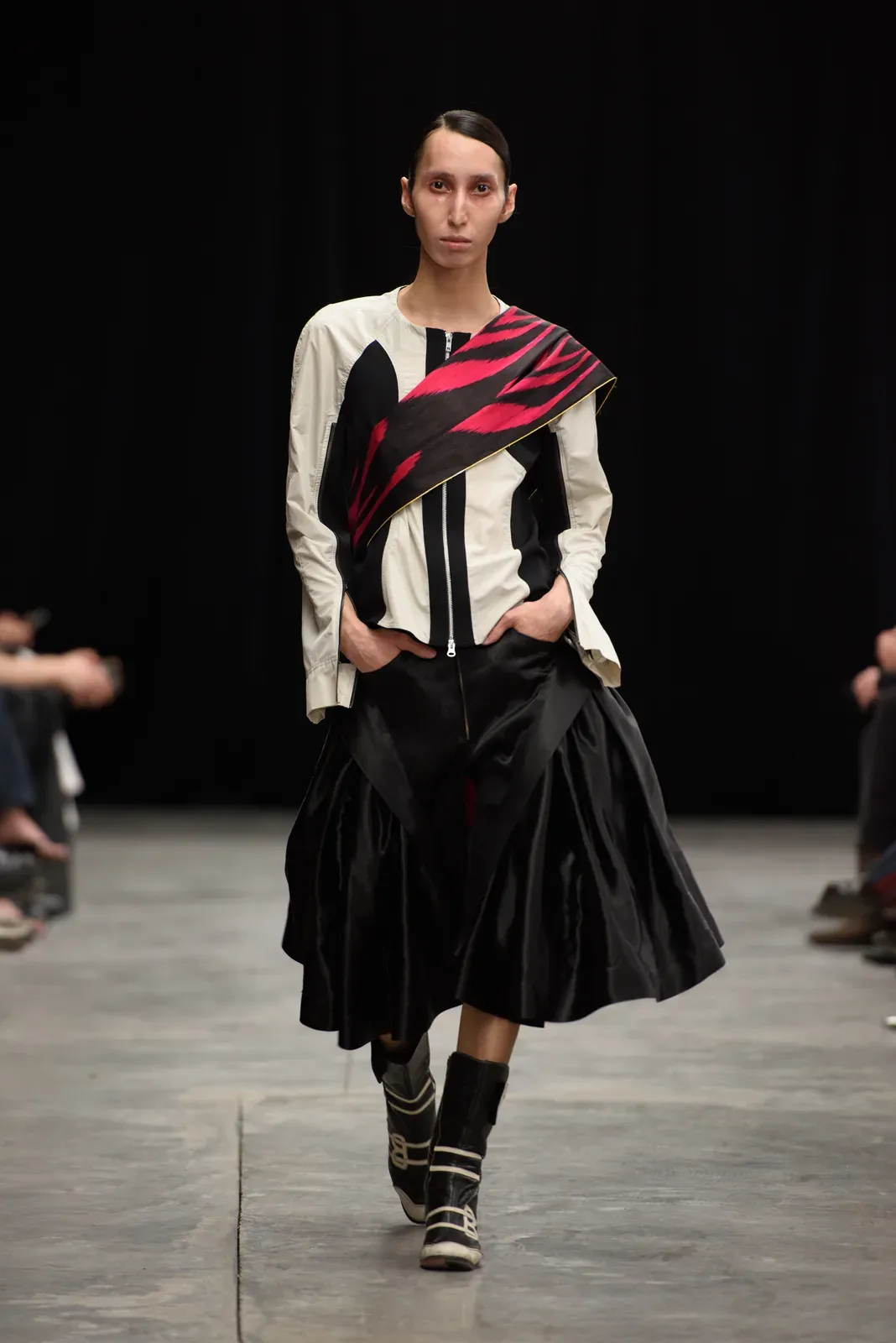
Numen
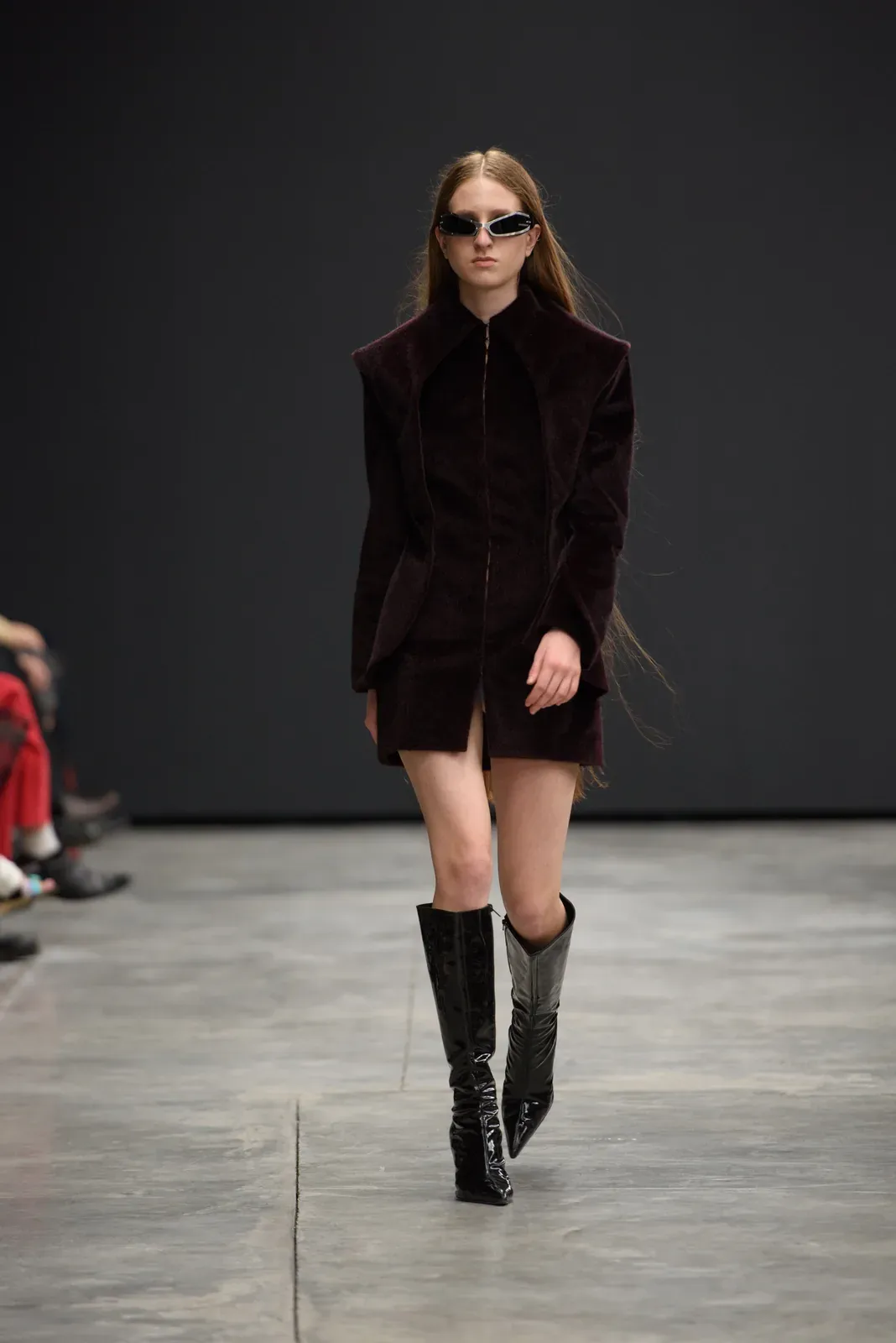
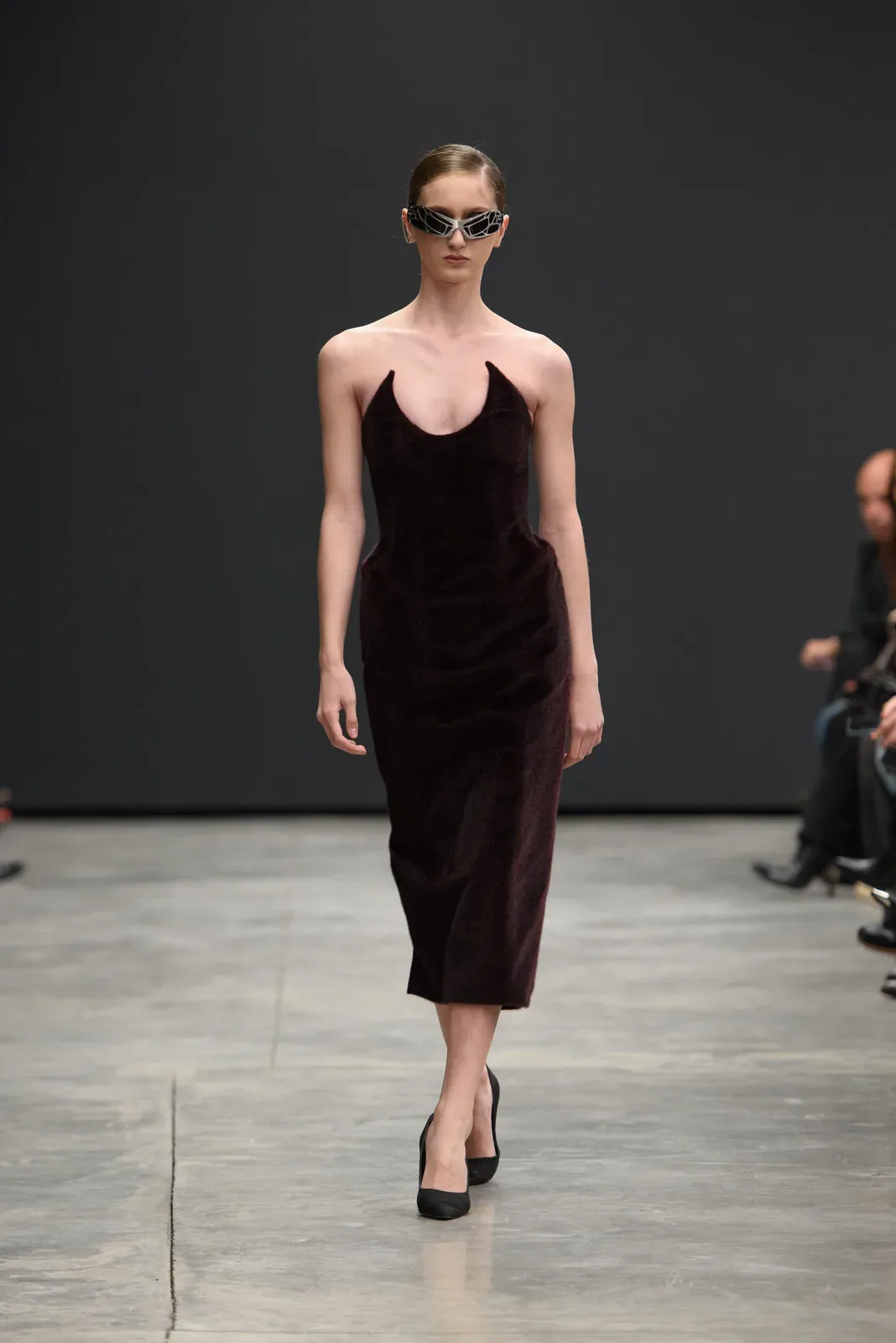
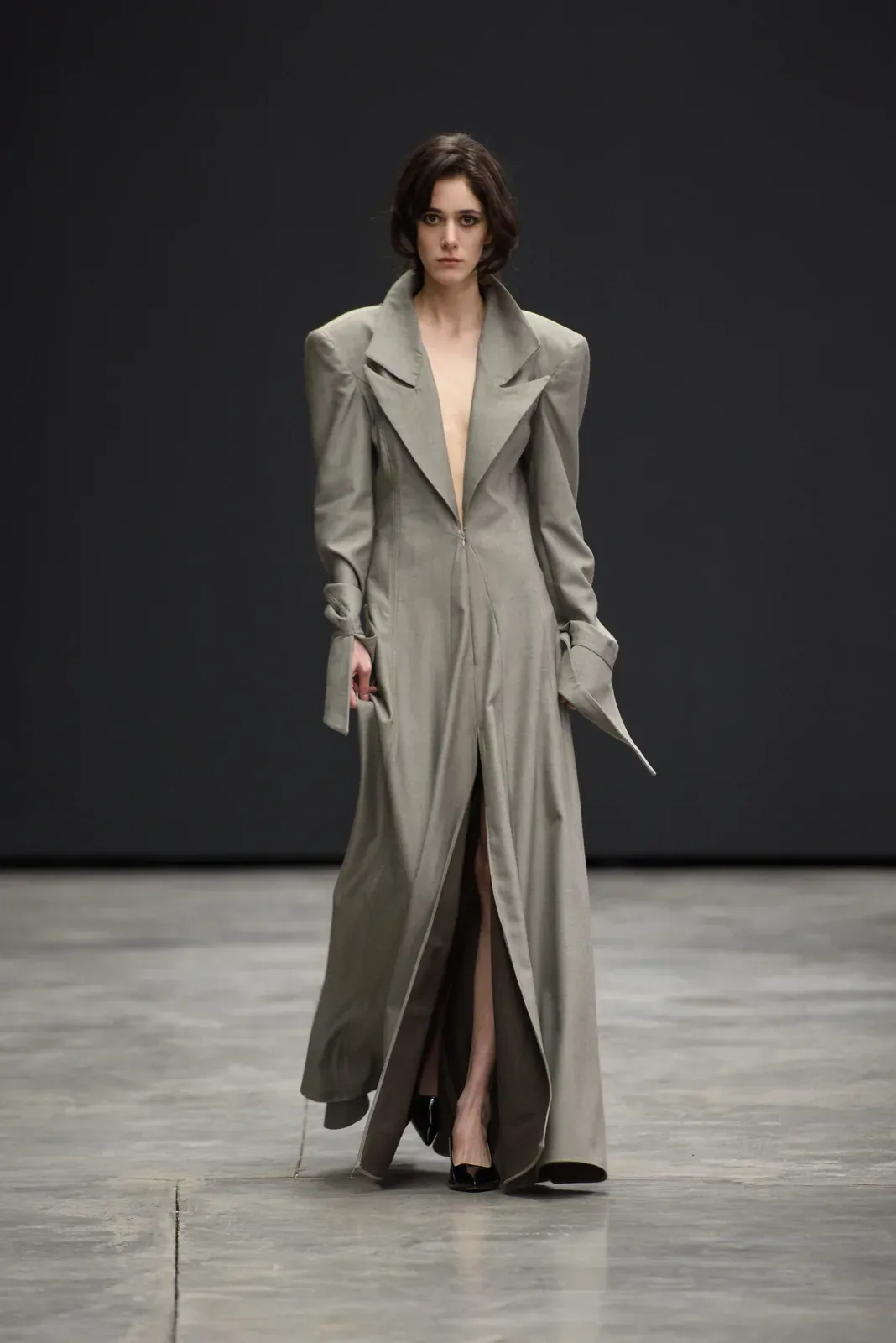
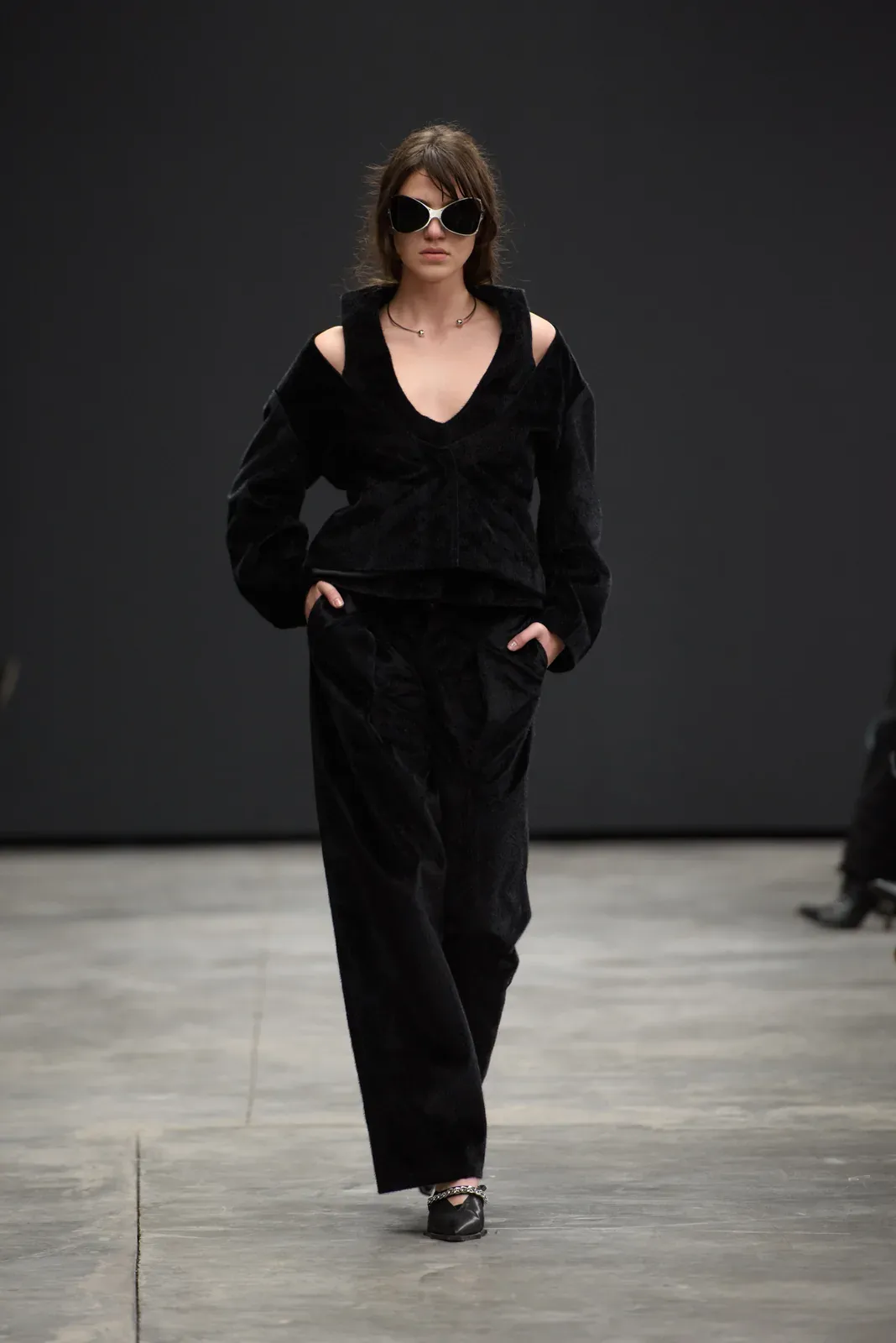
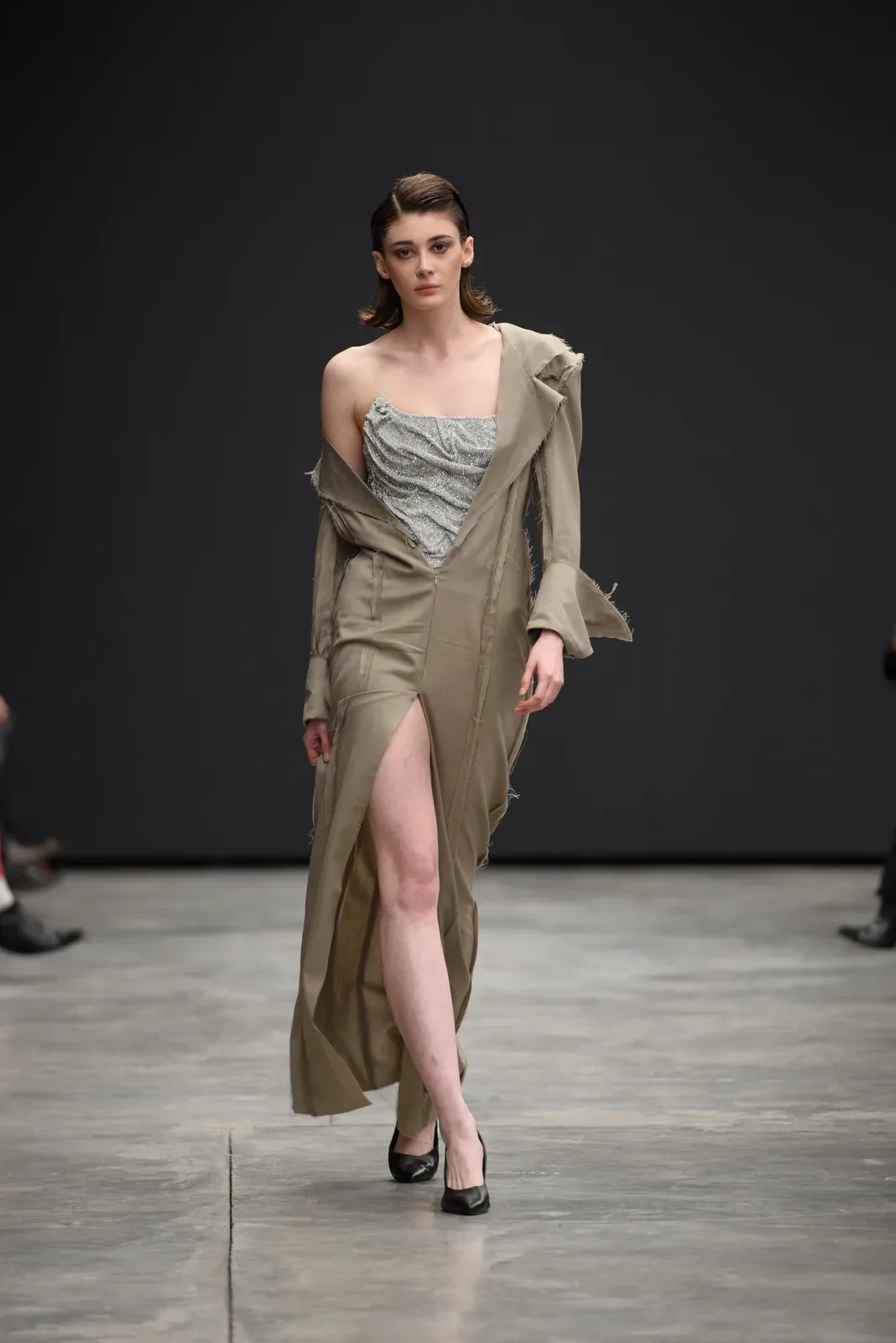
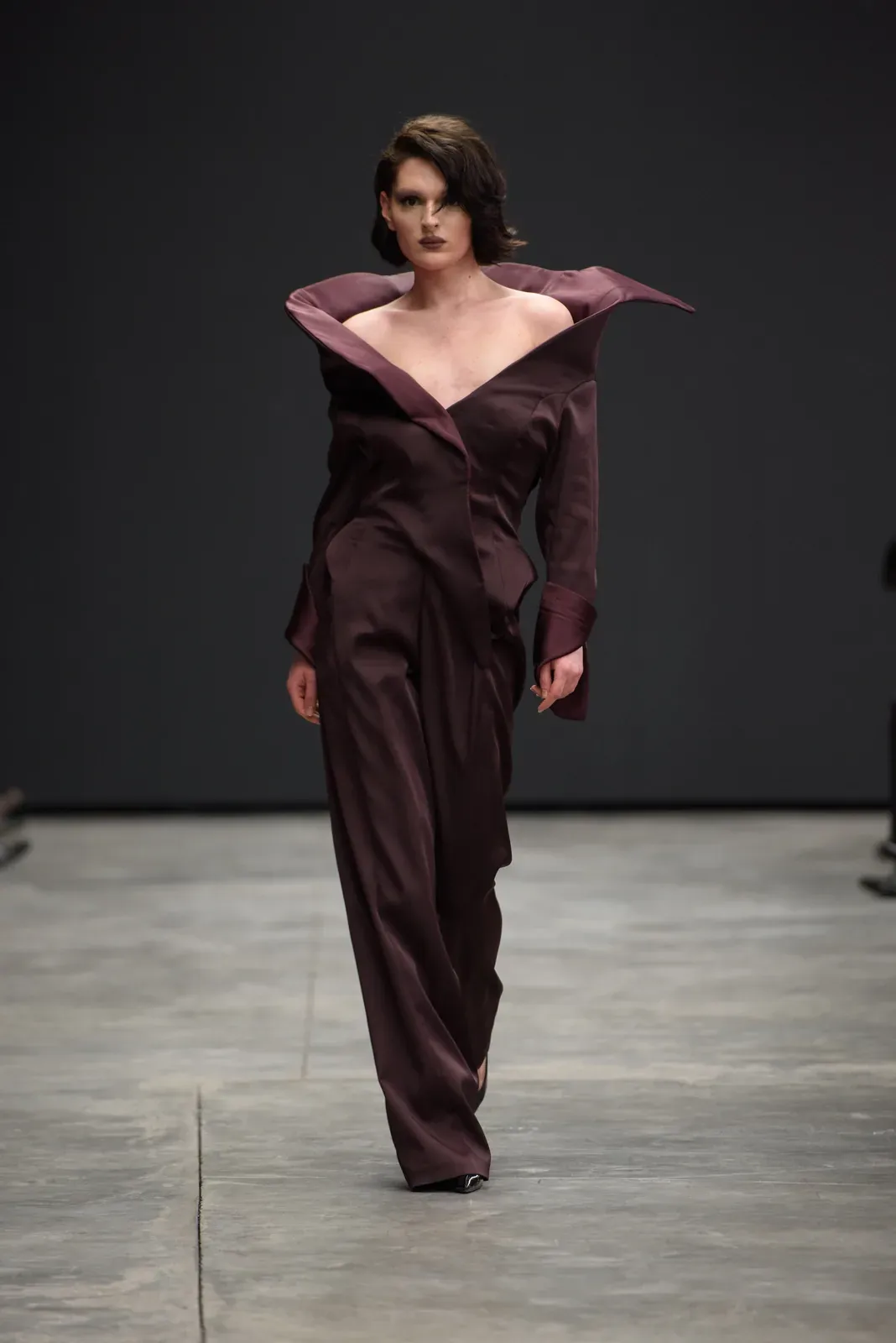
Tatuna
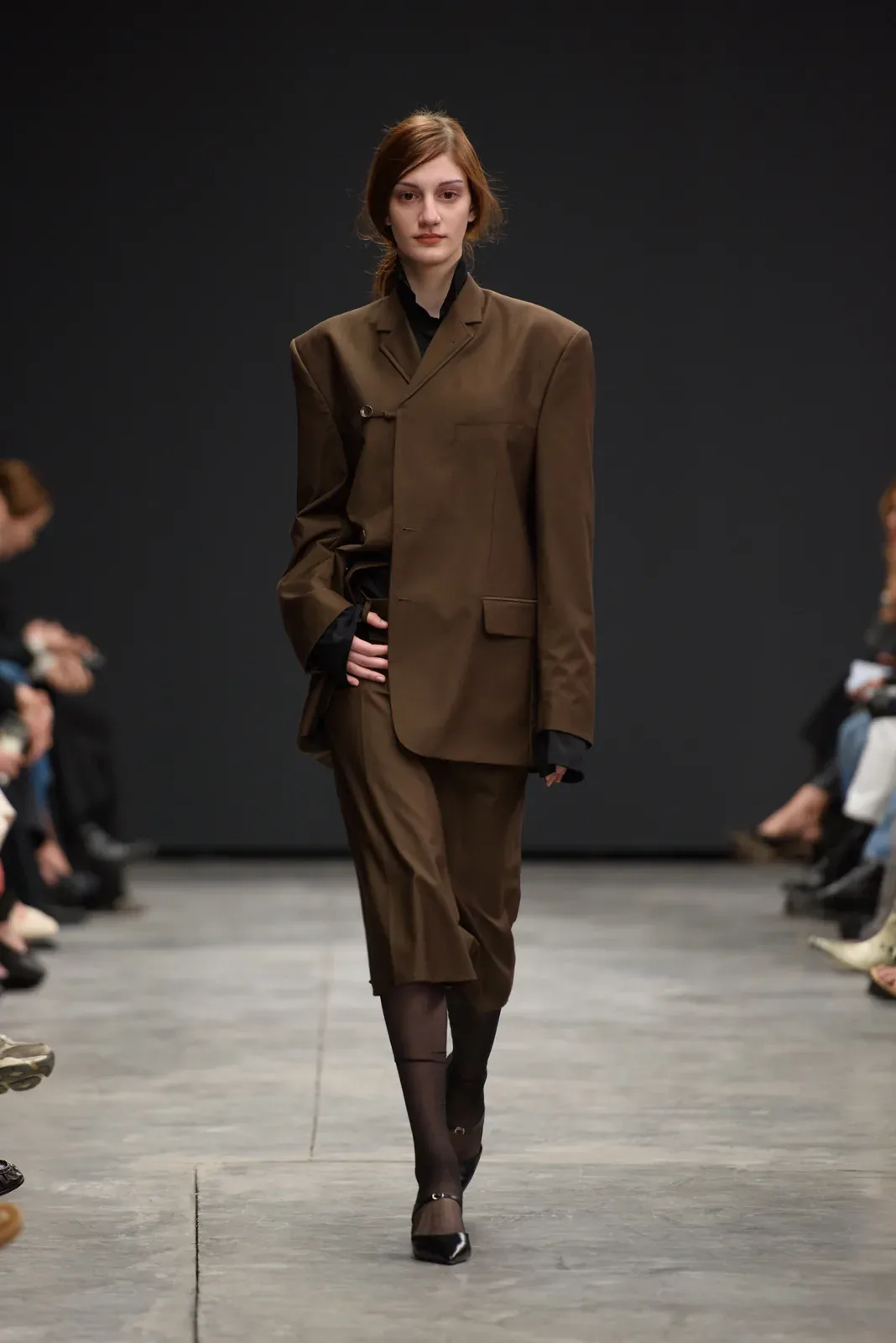
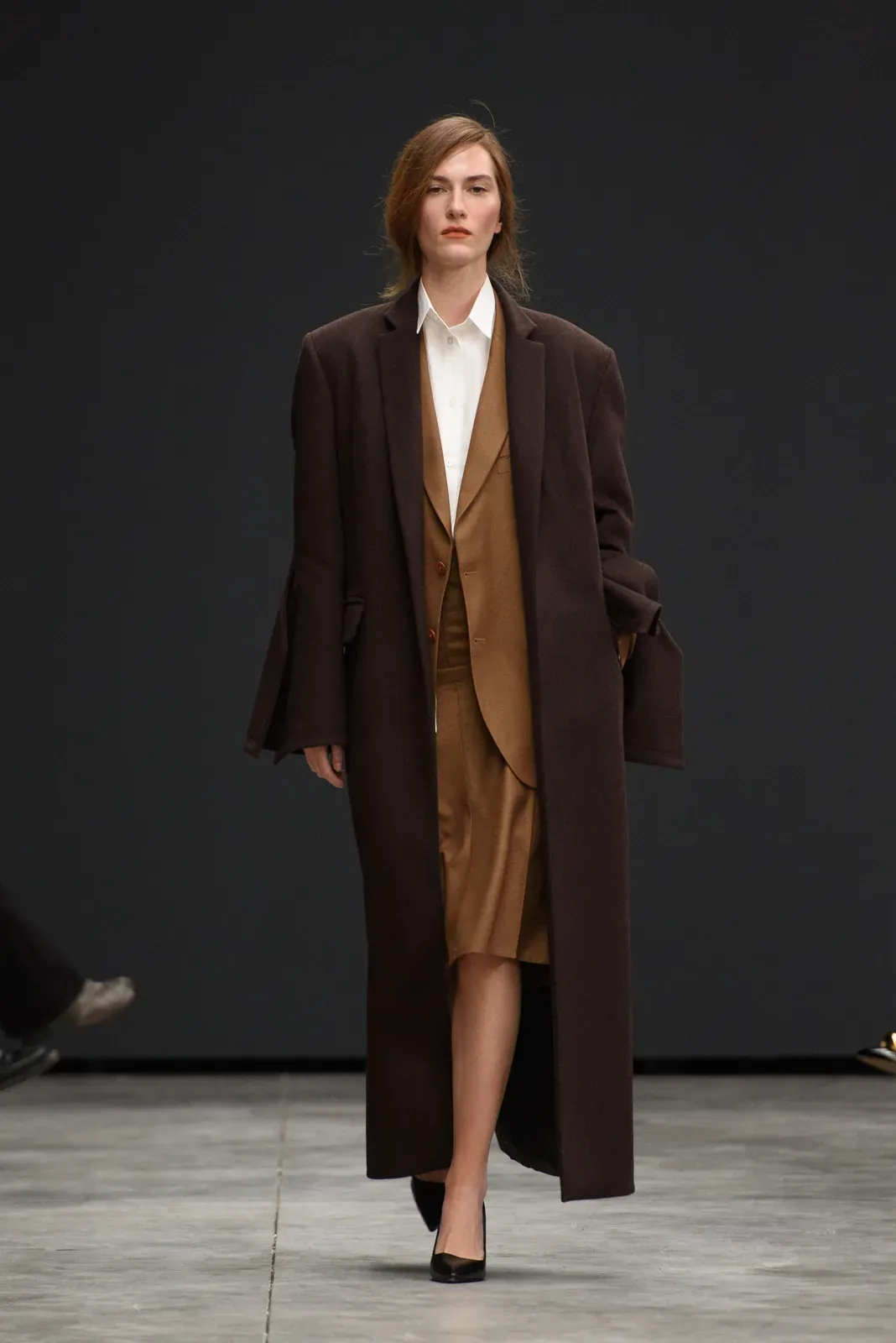
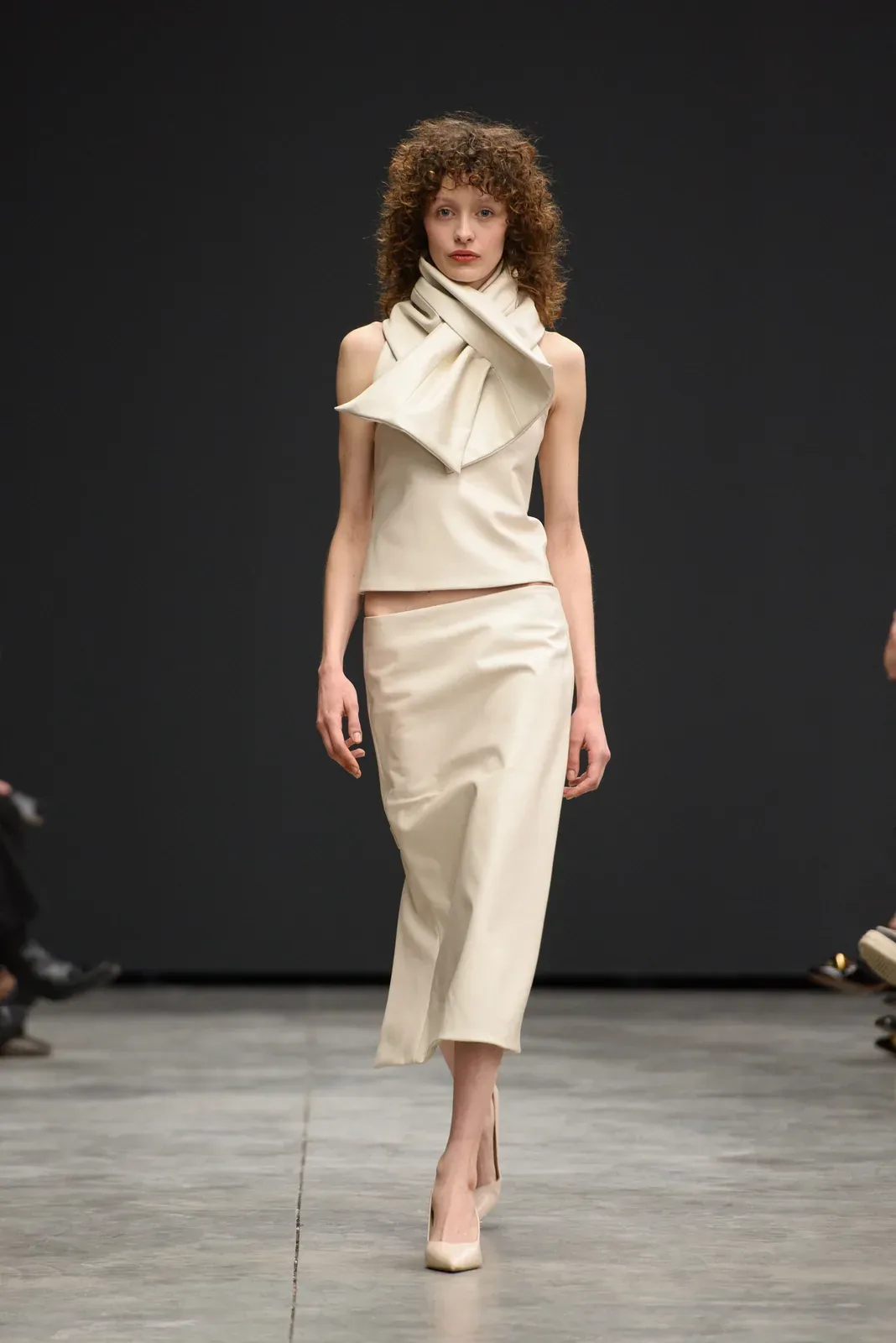
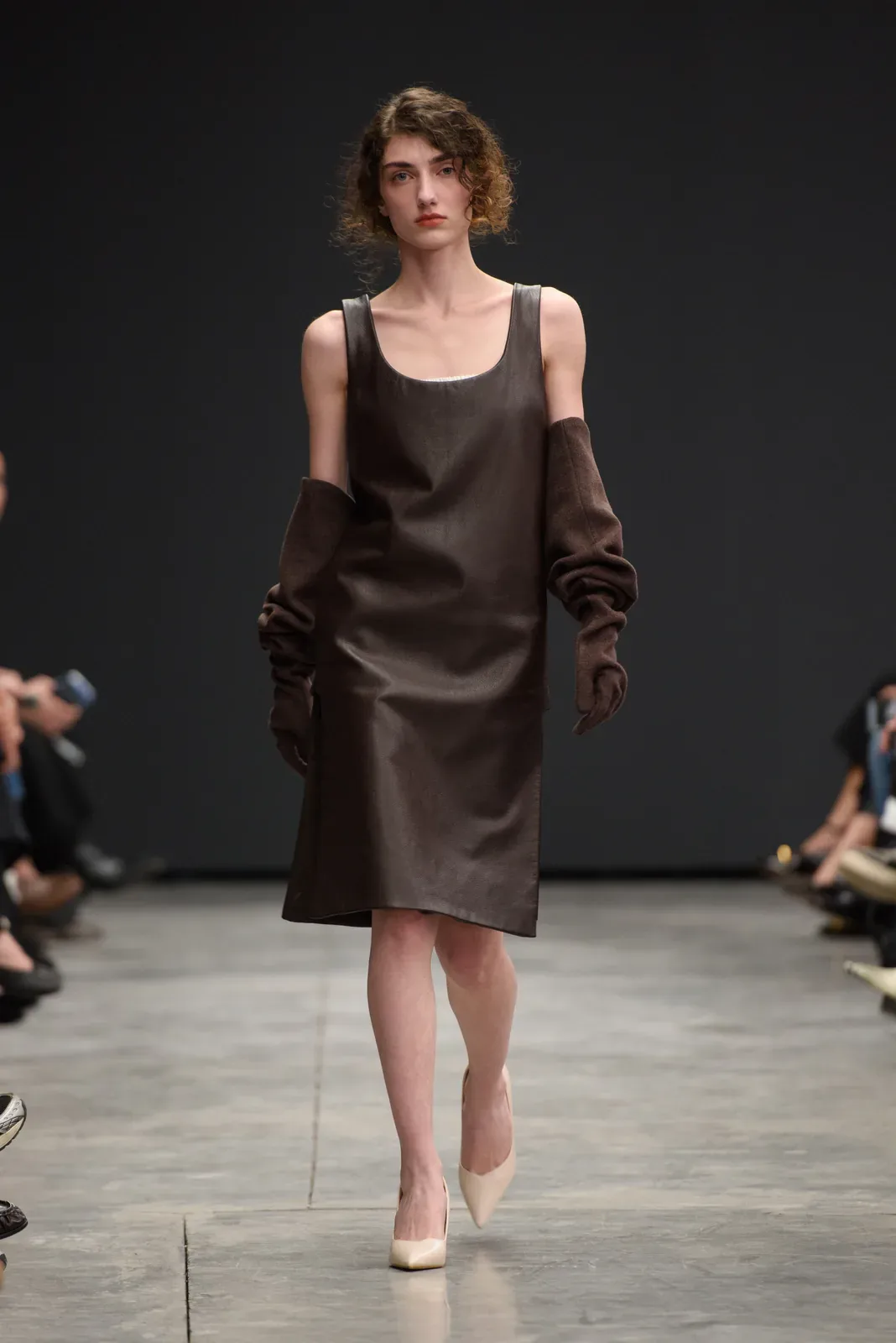
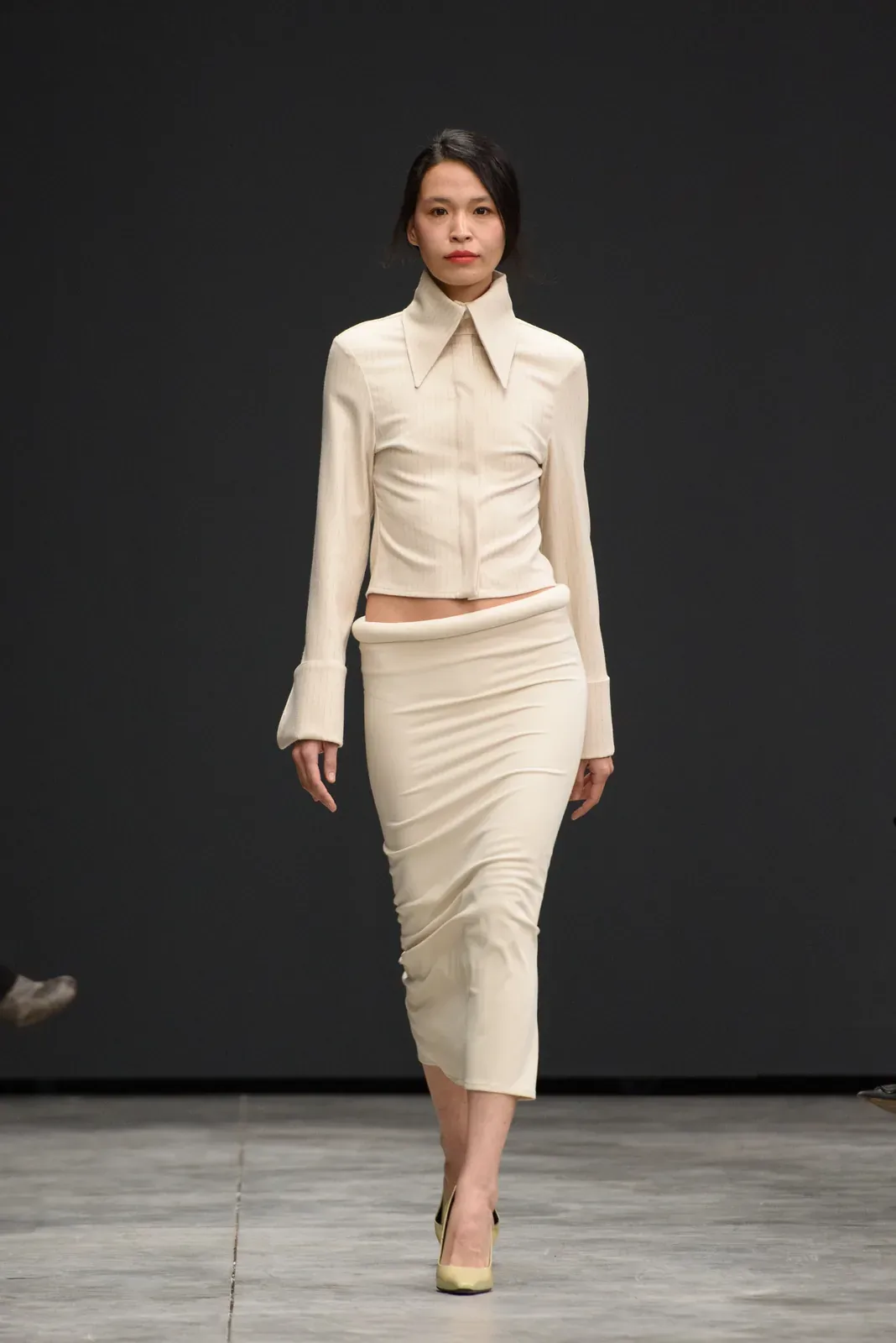
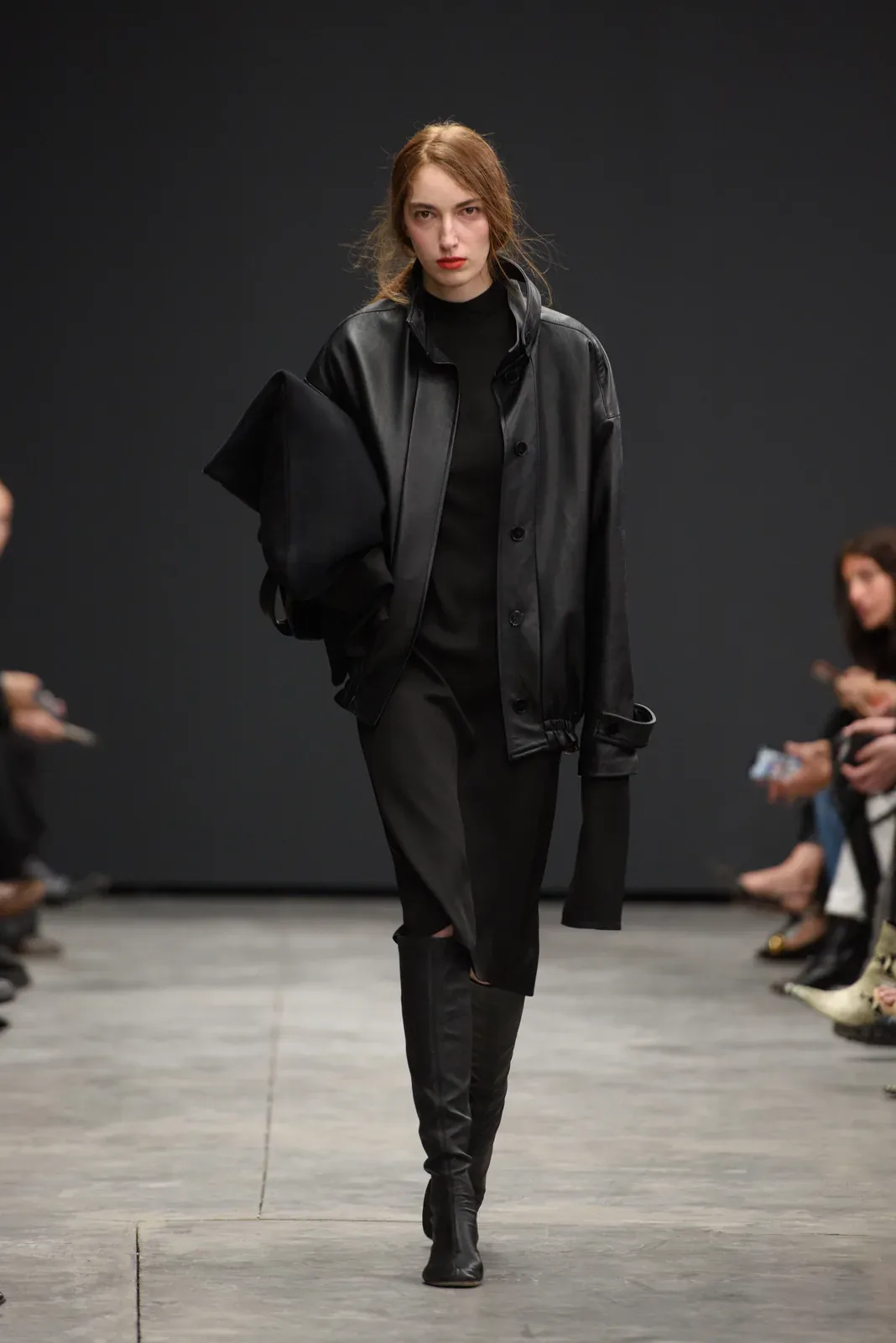
Alekandre Akhalkatsishvili
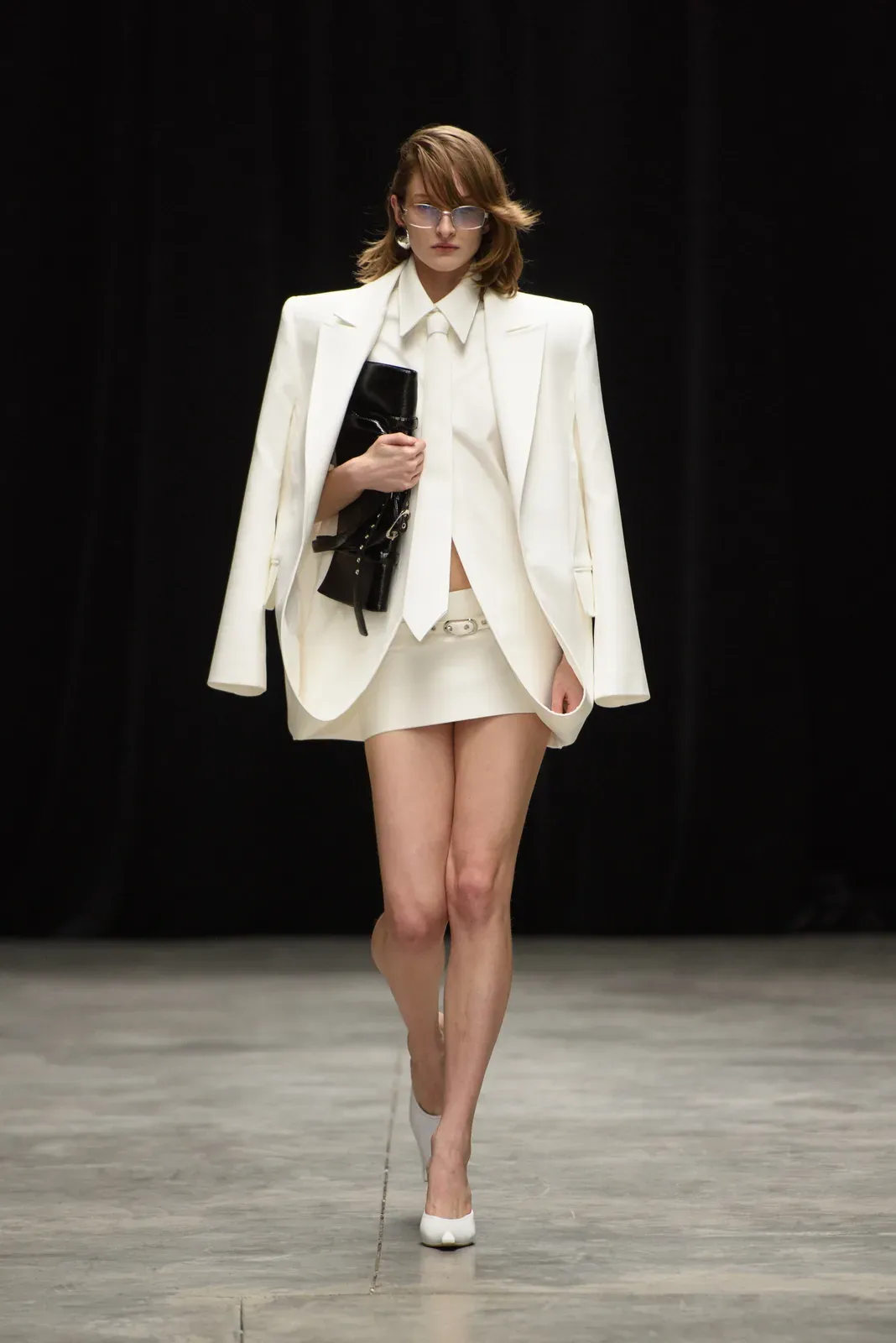
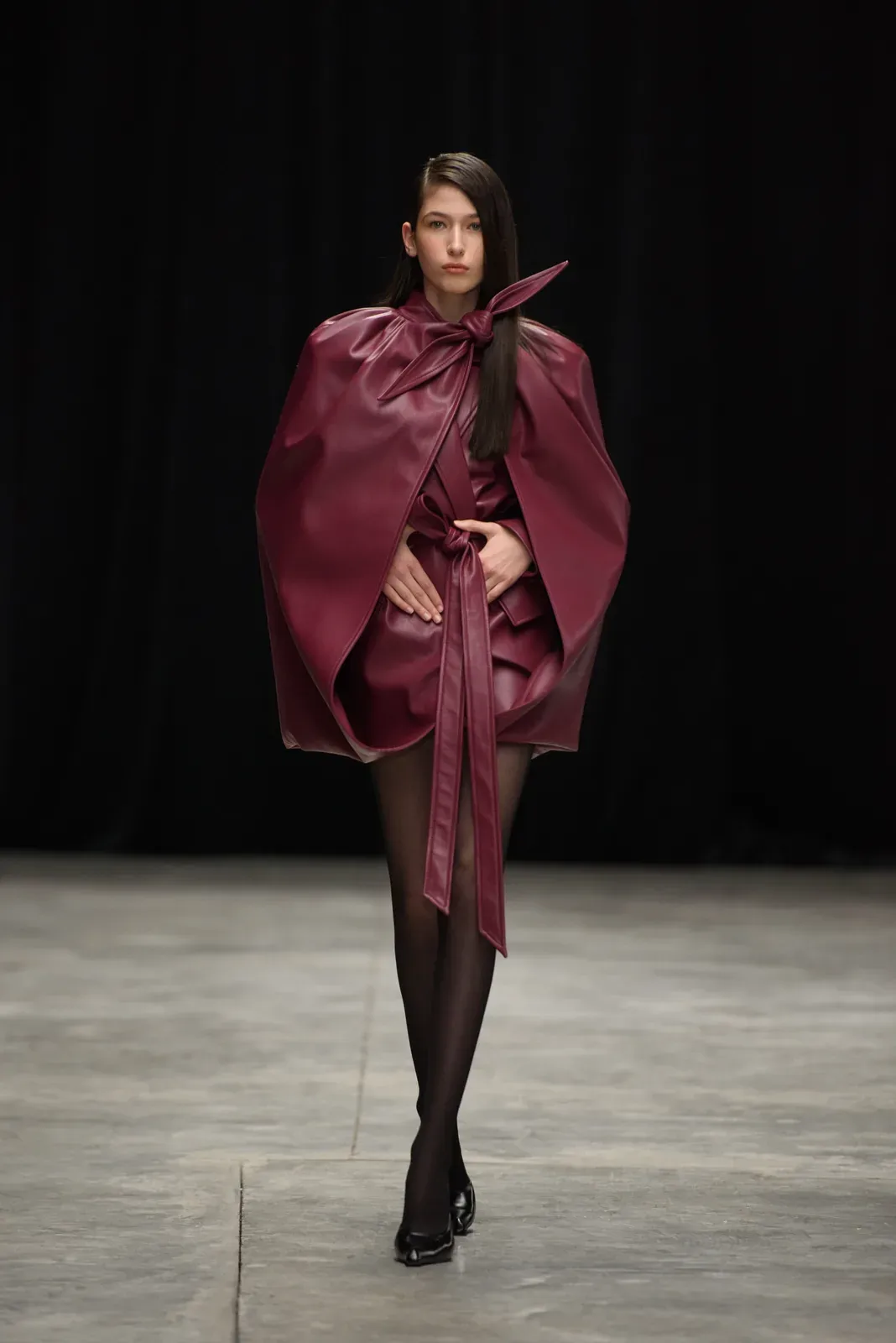
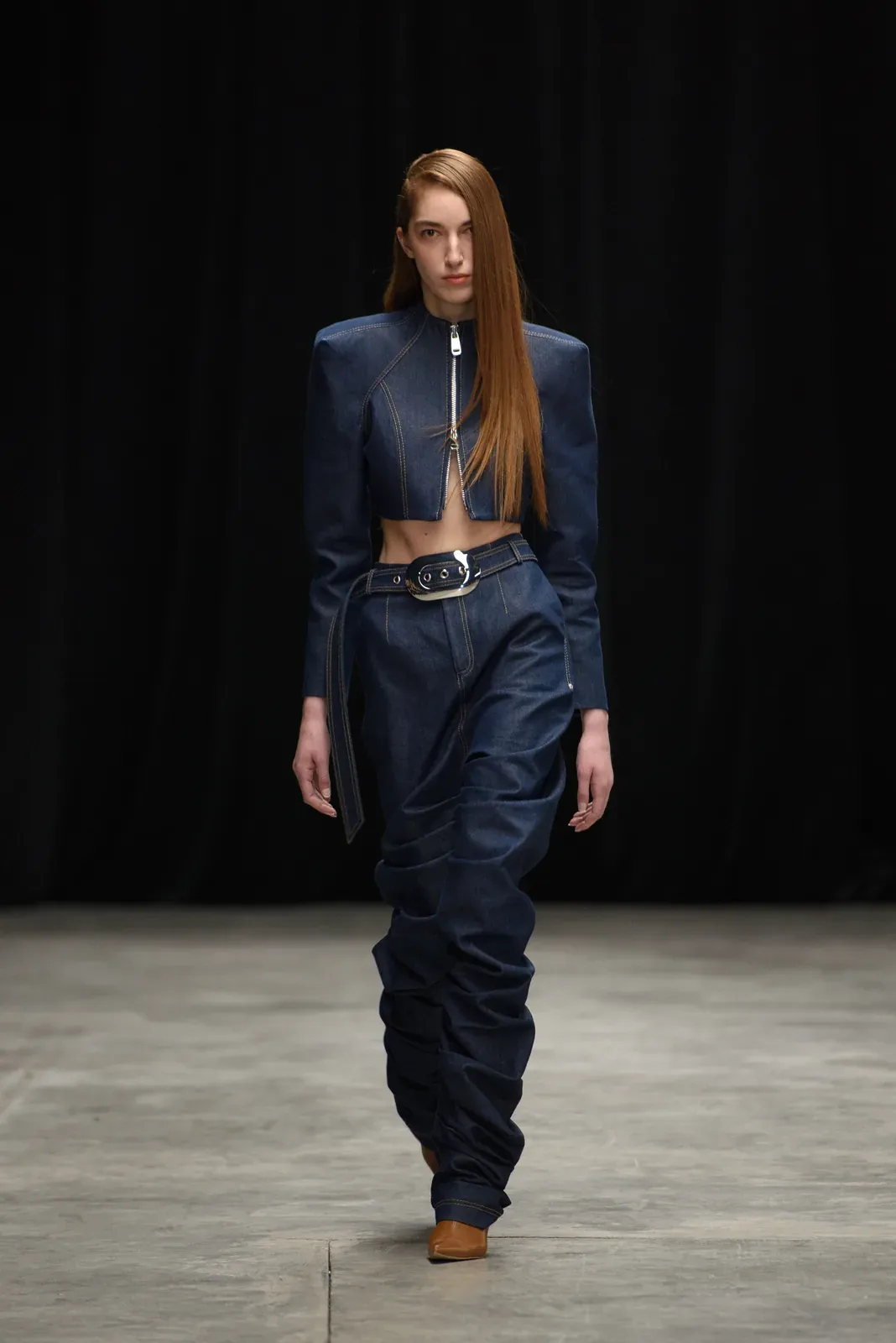
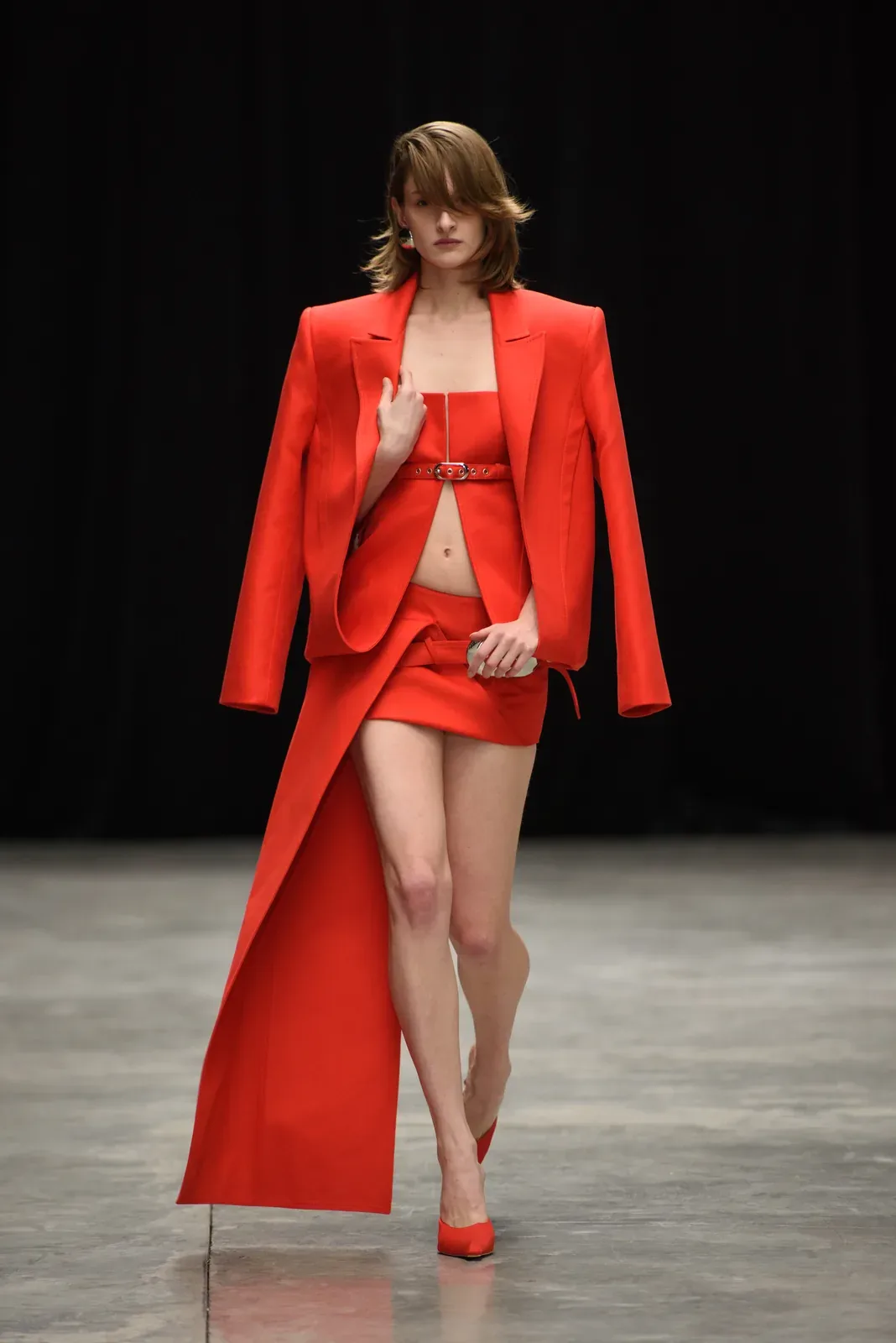
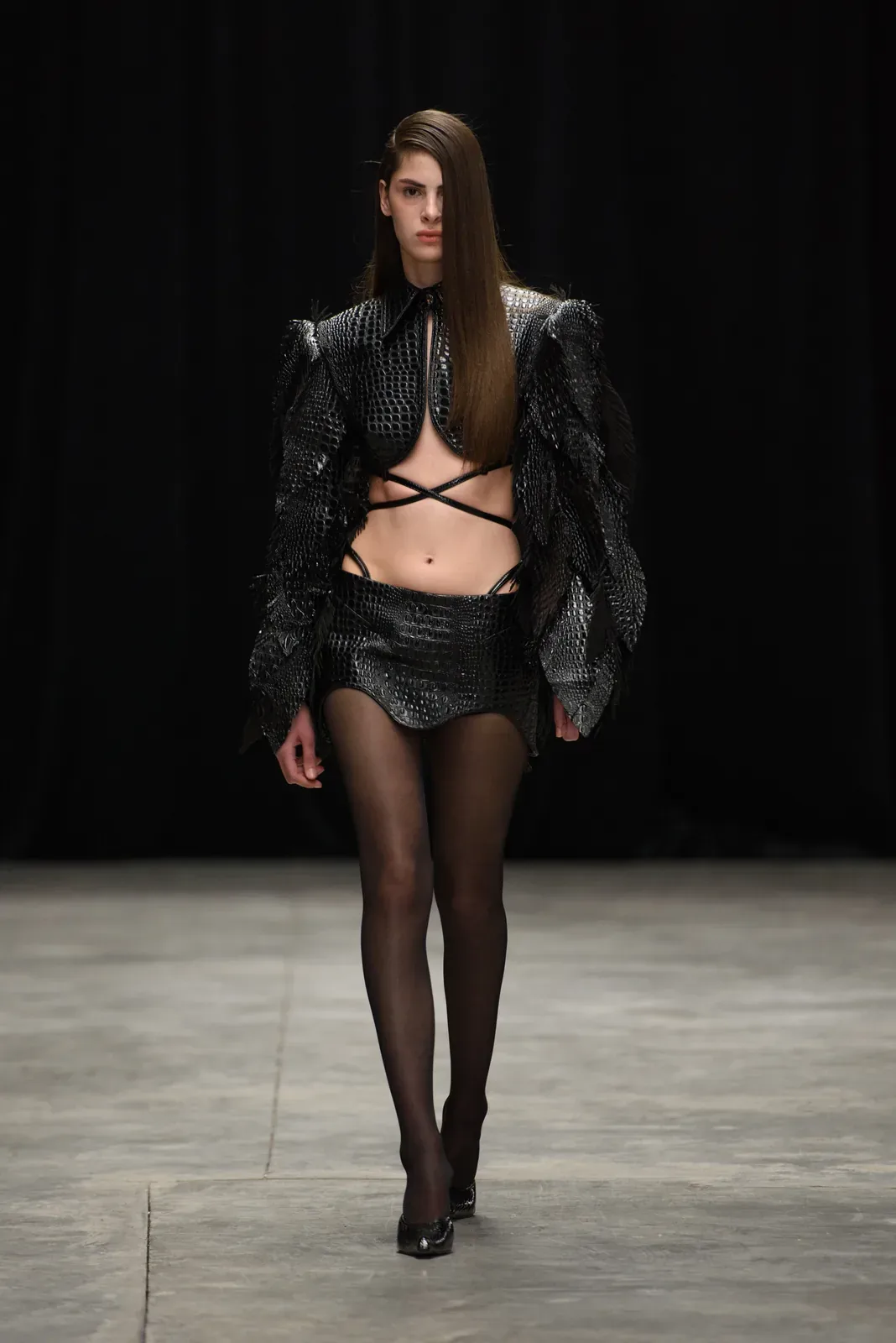
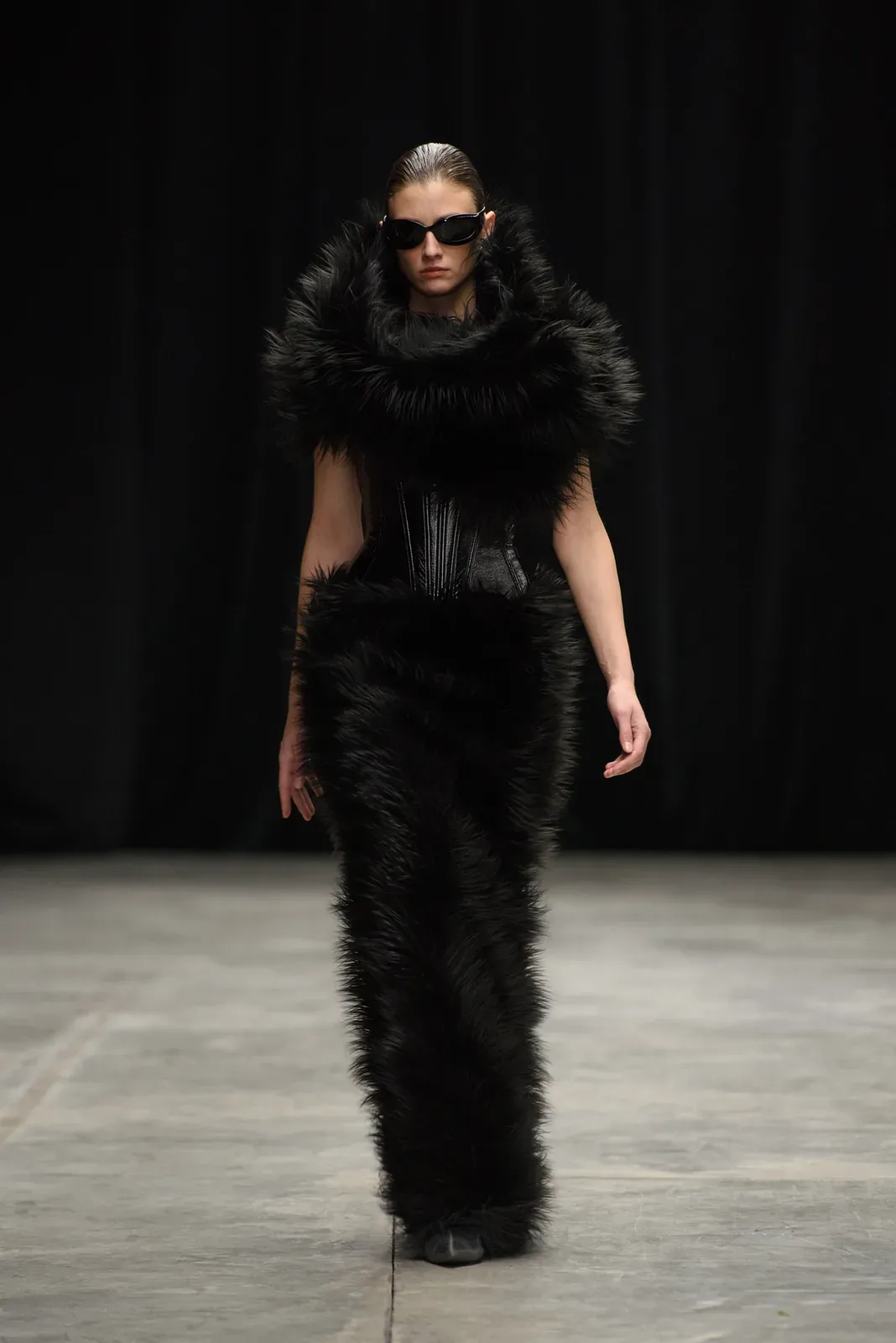
Lado Bokuchava
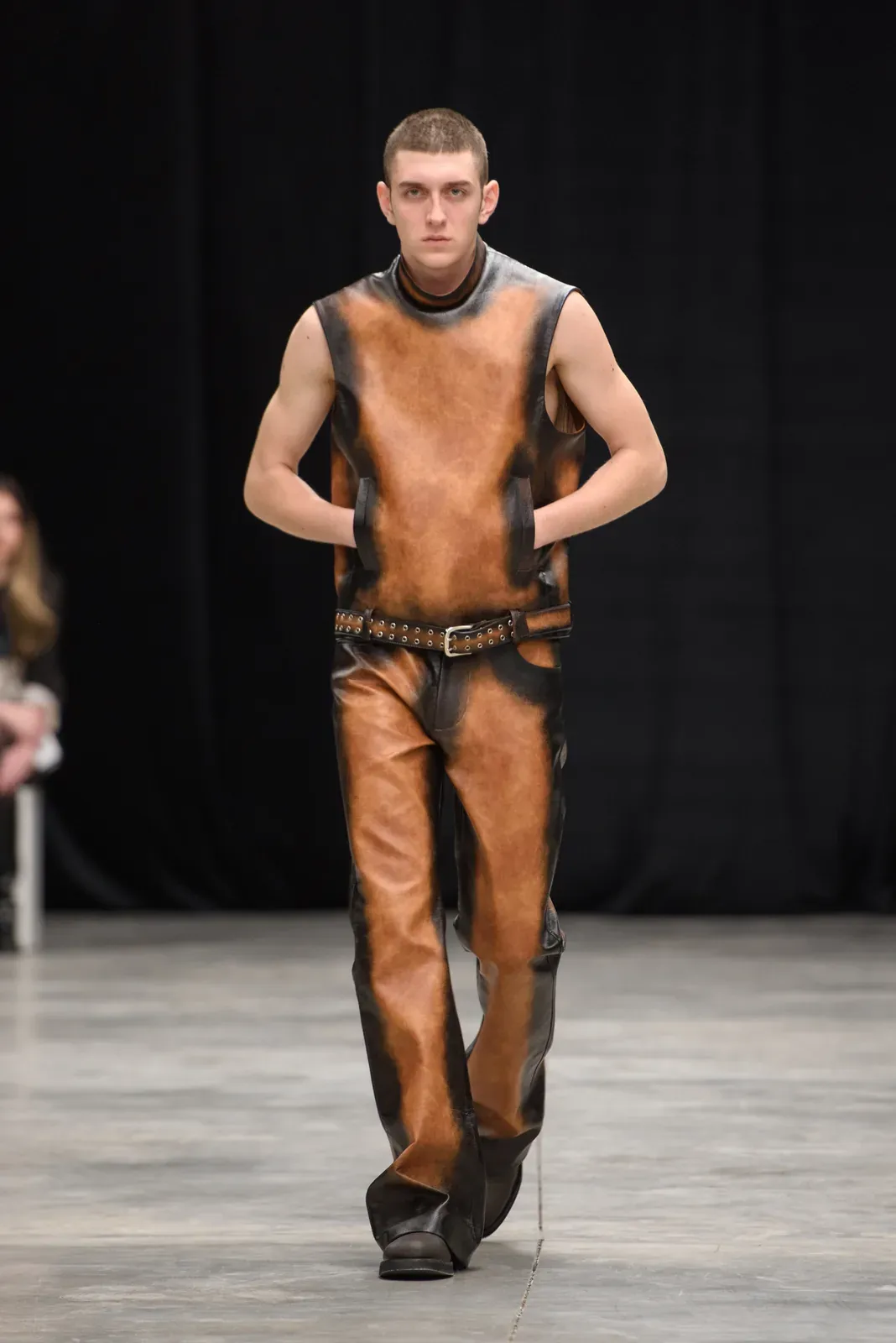
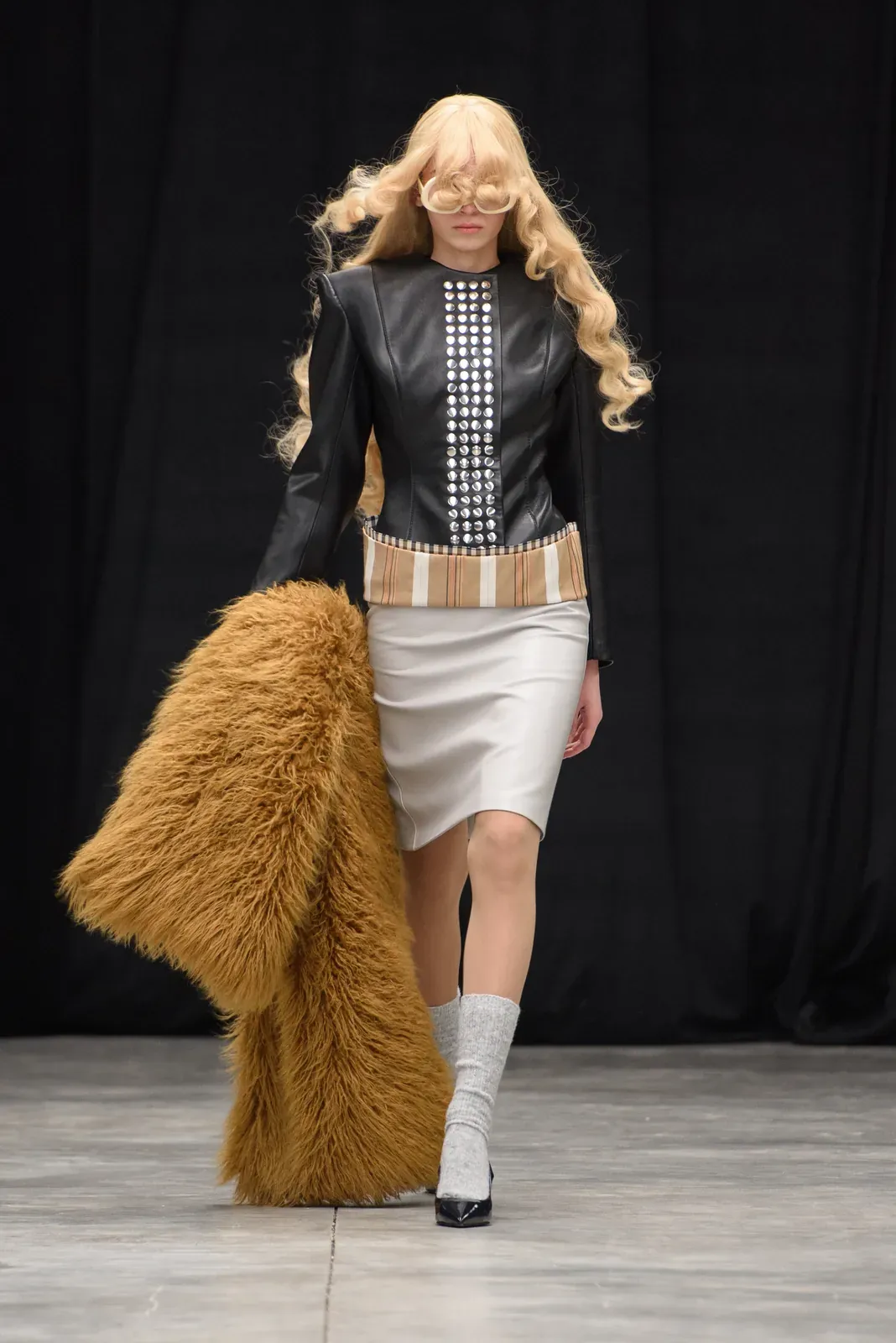
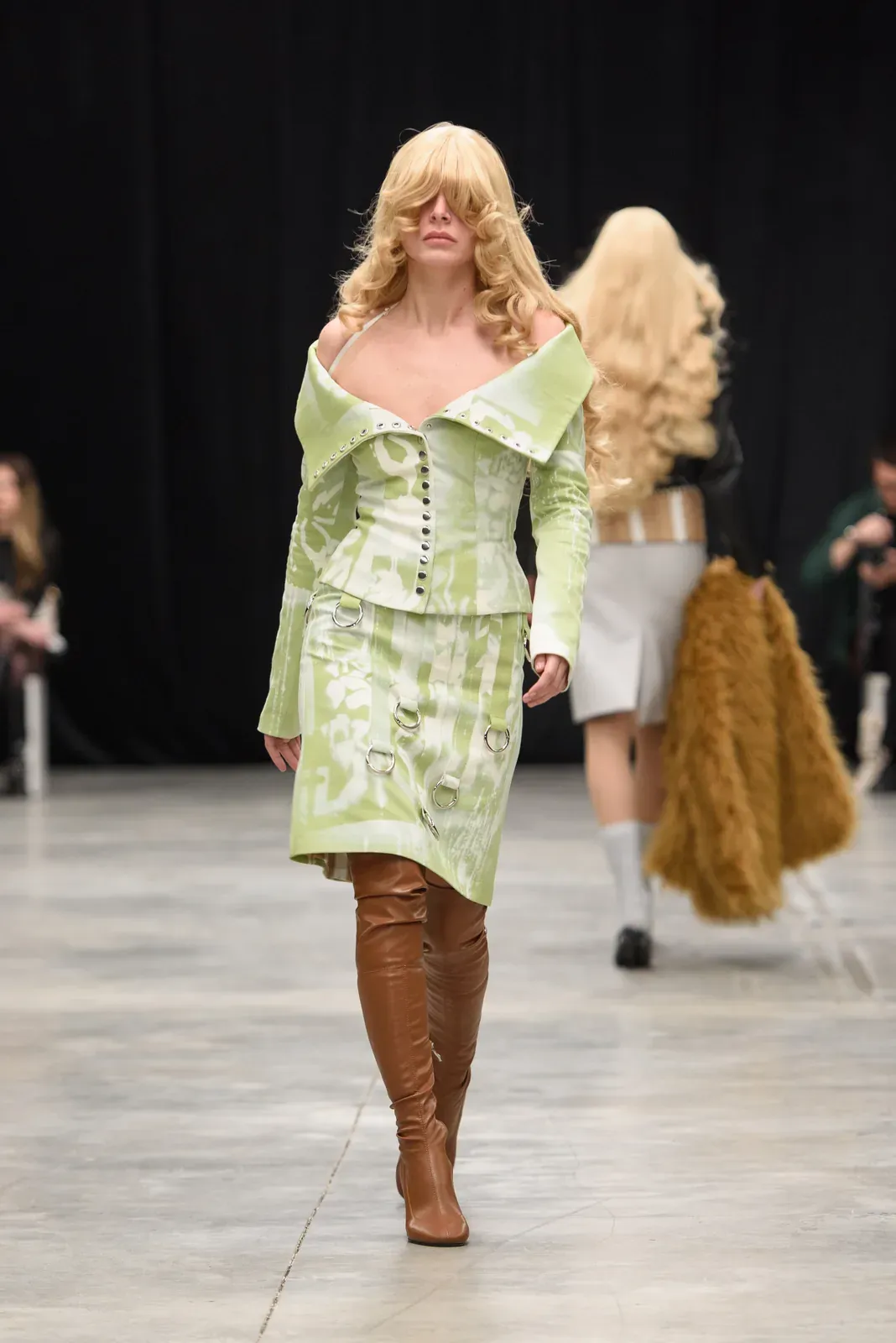
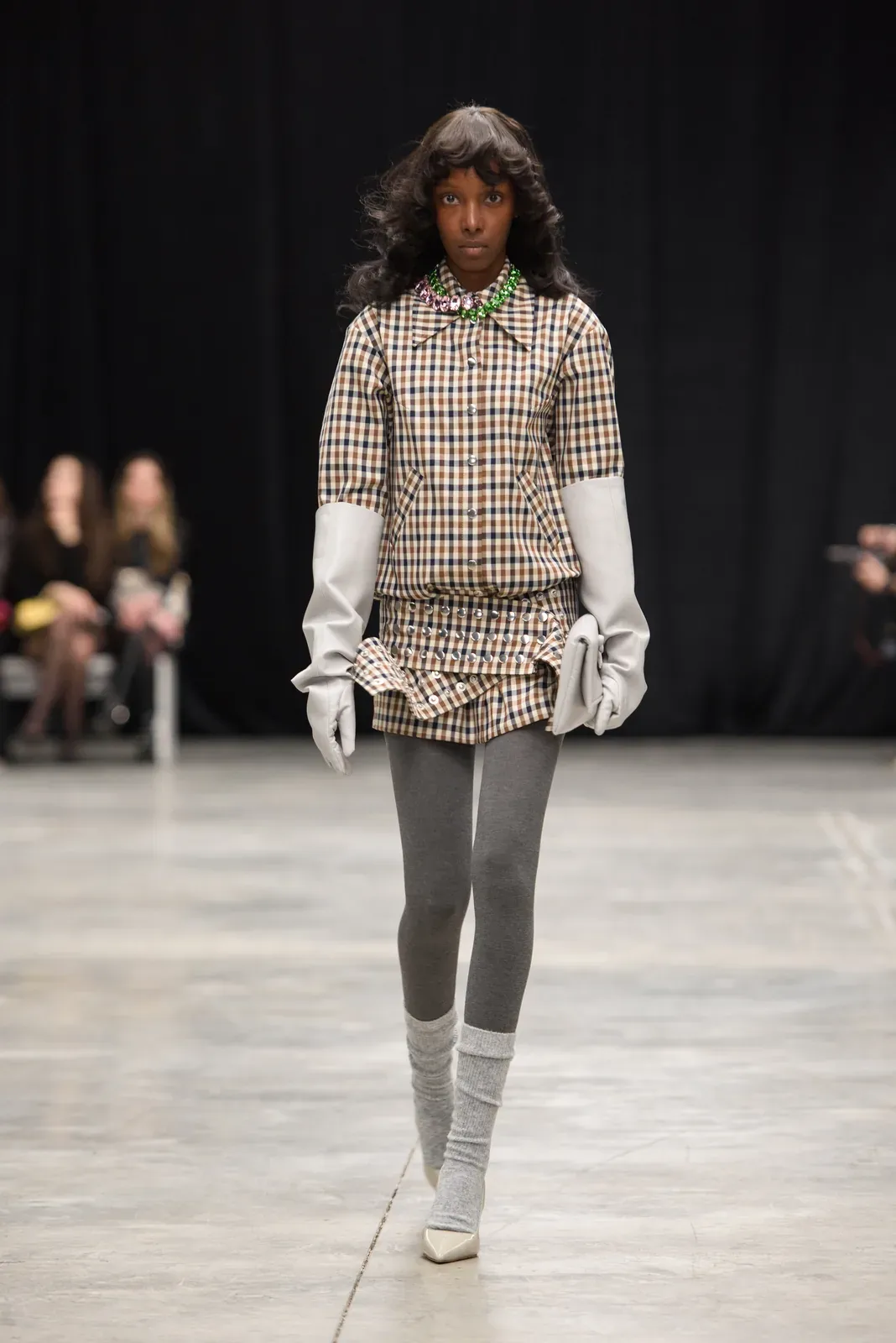
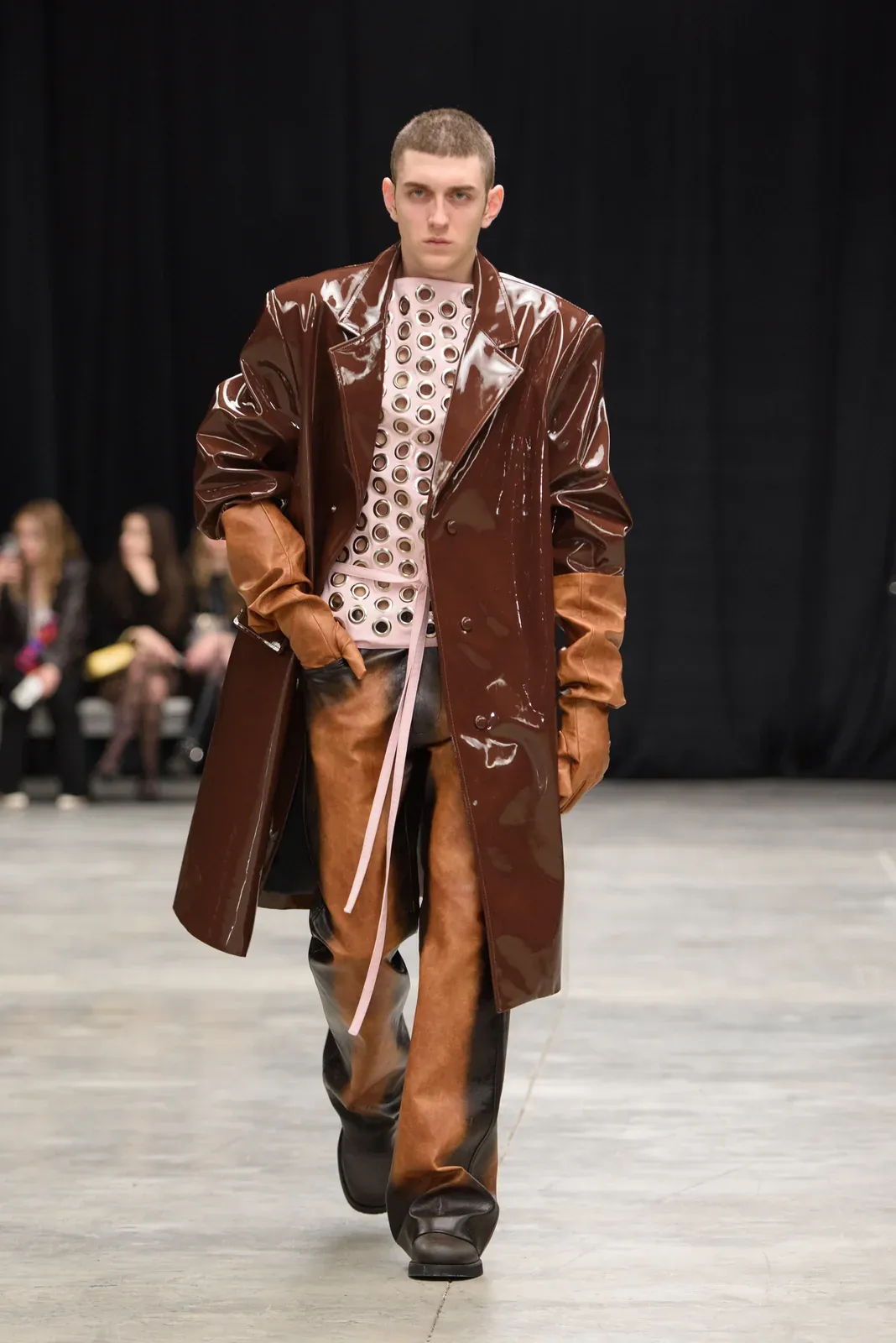
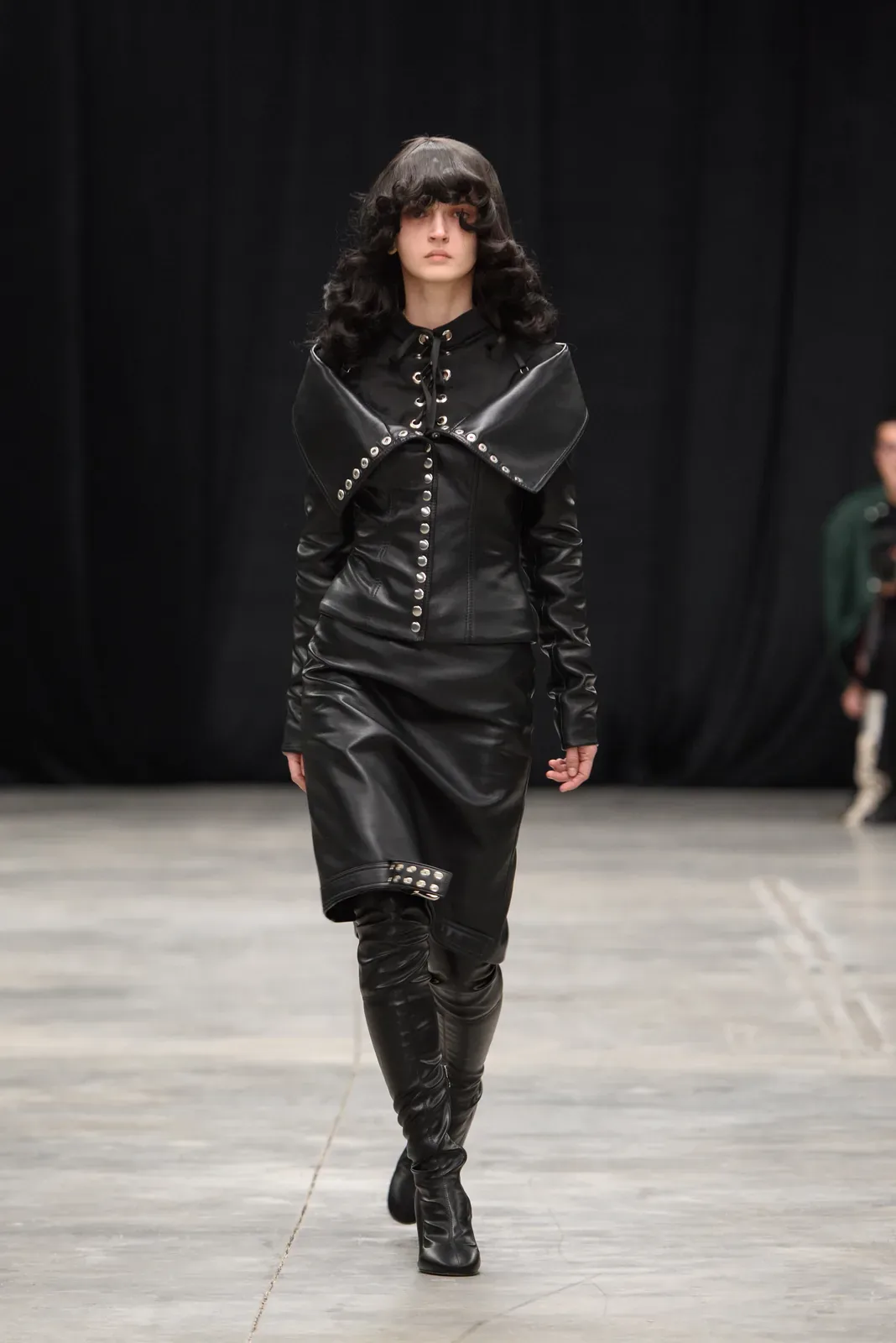
Syndrom
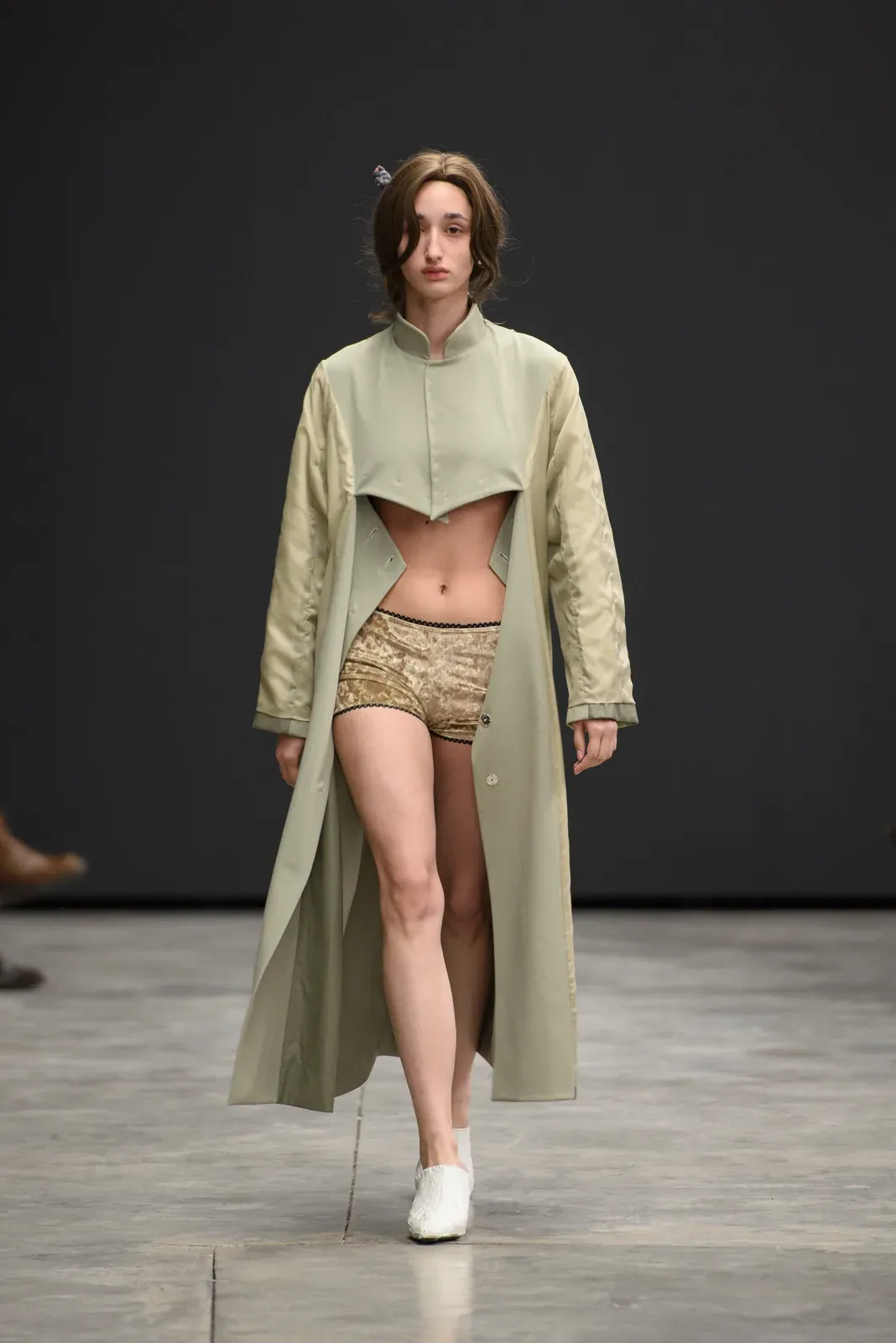
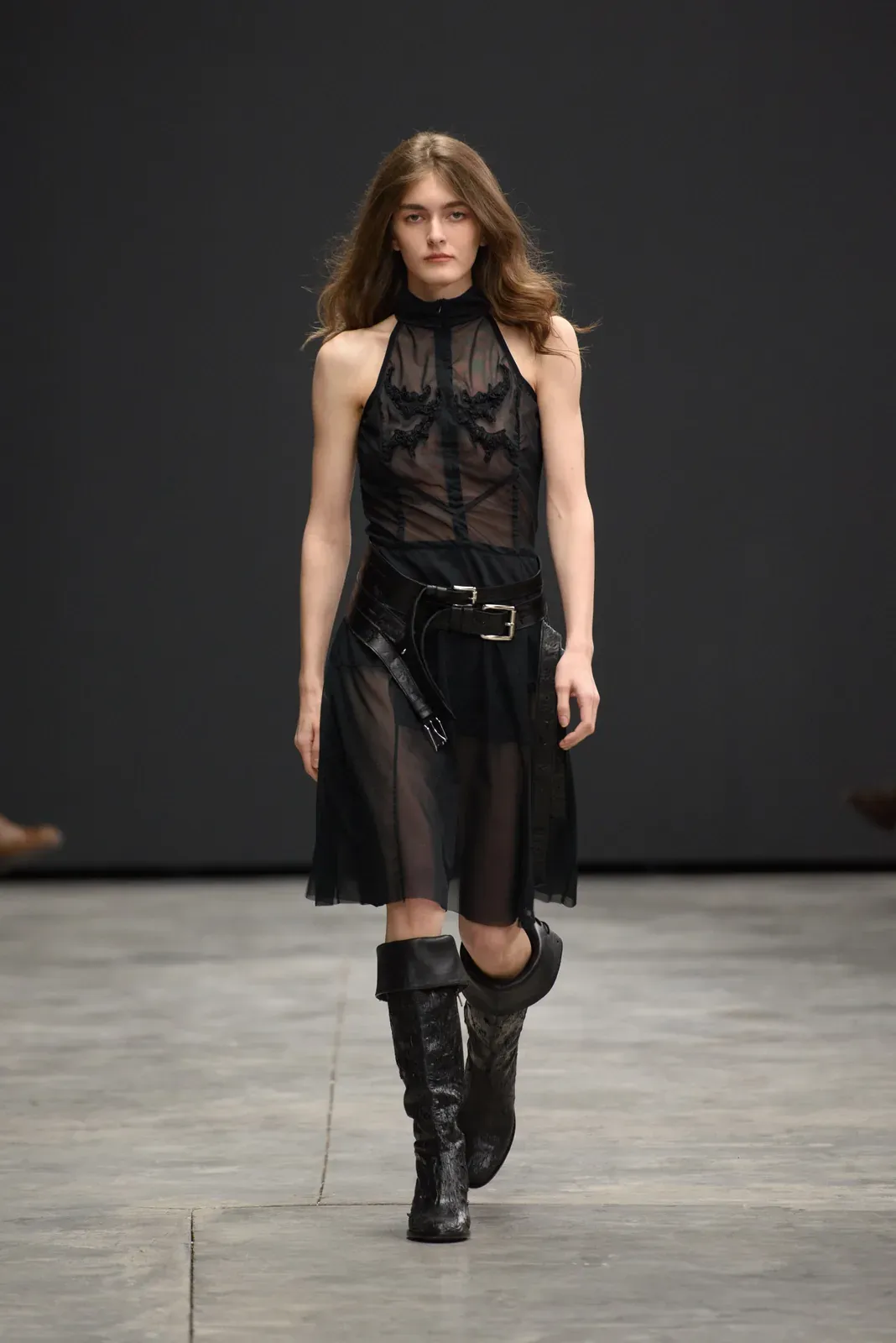
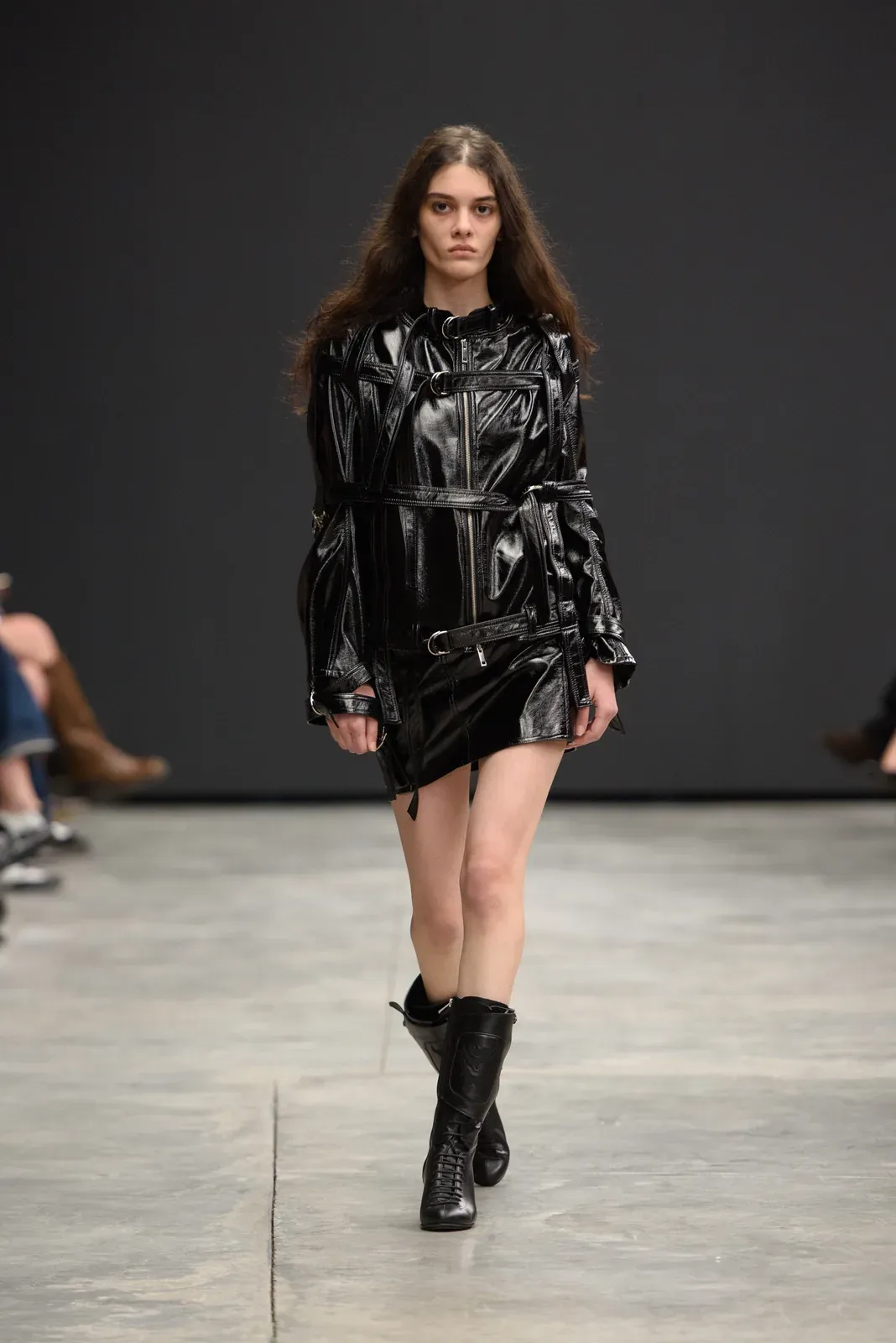
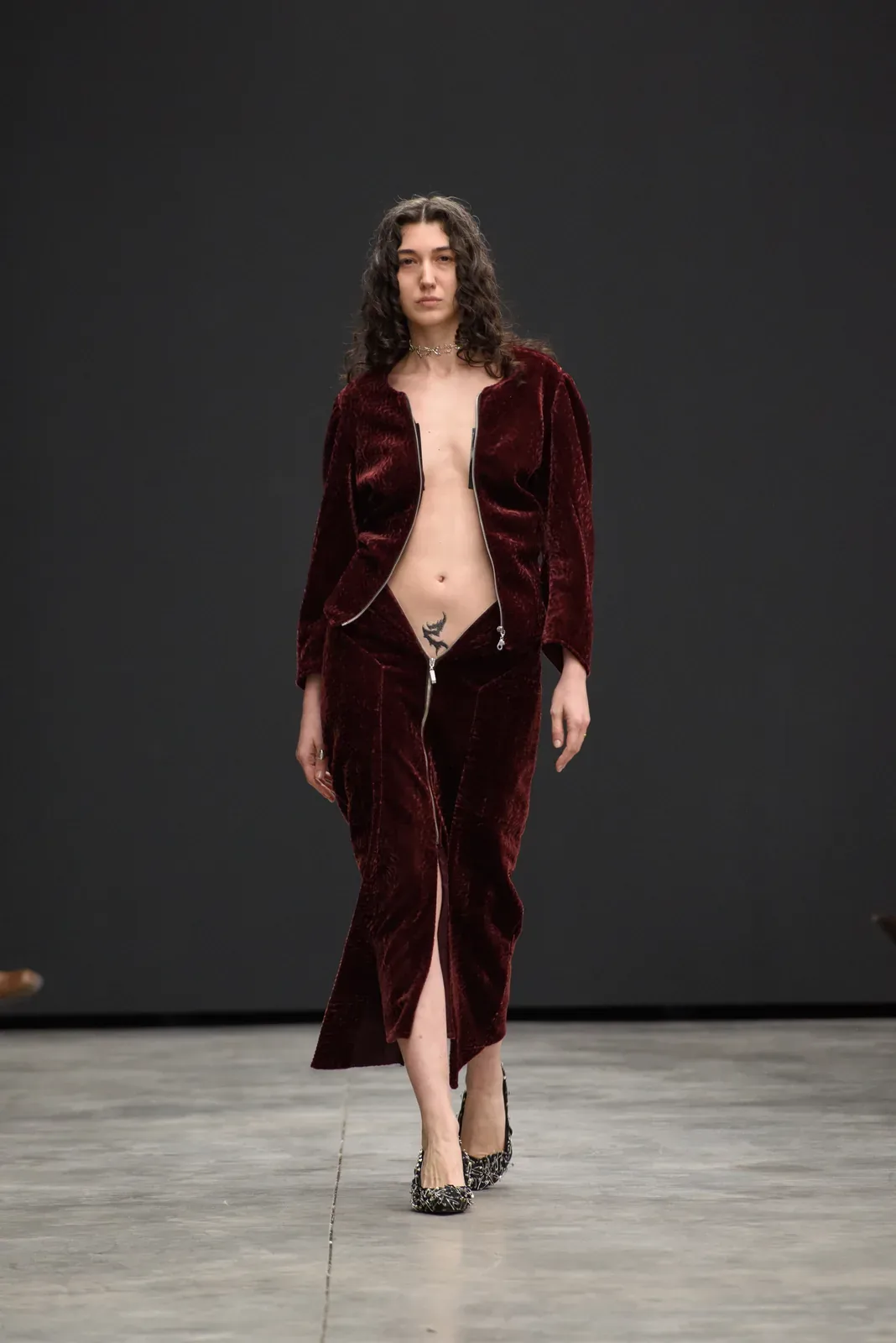
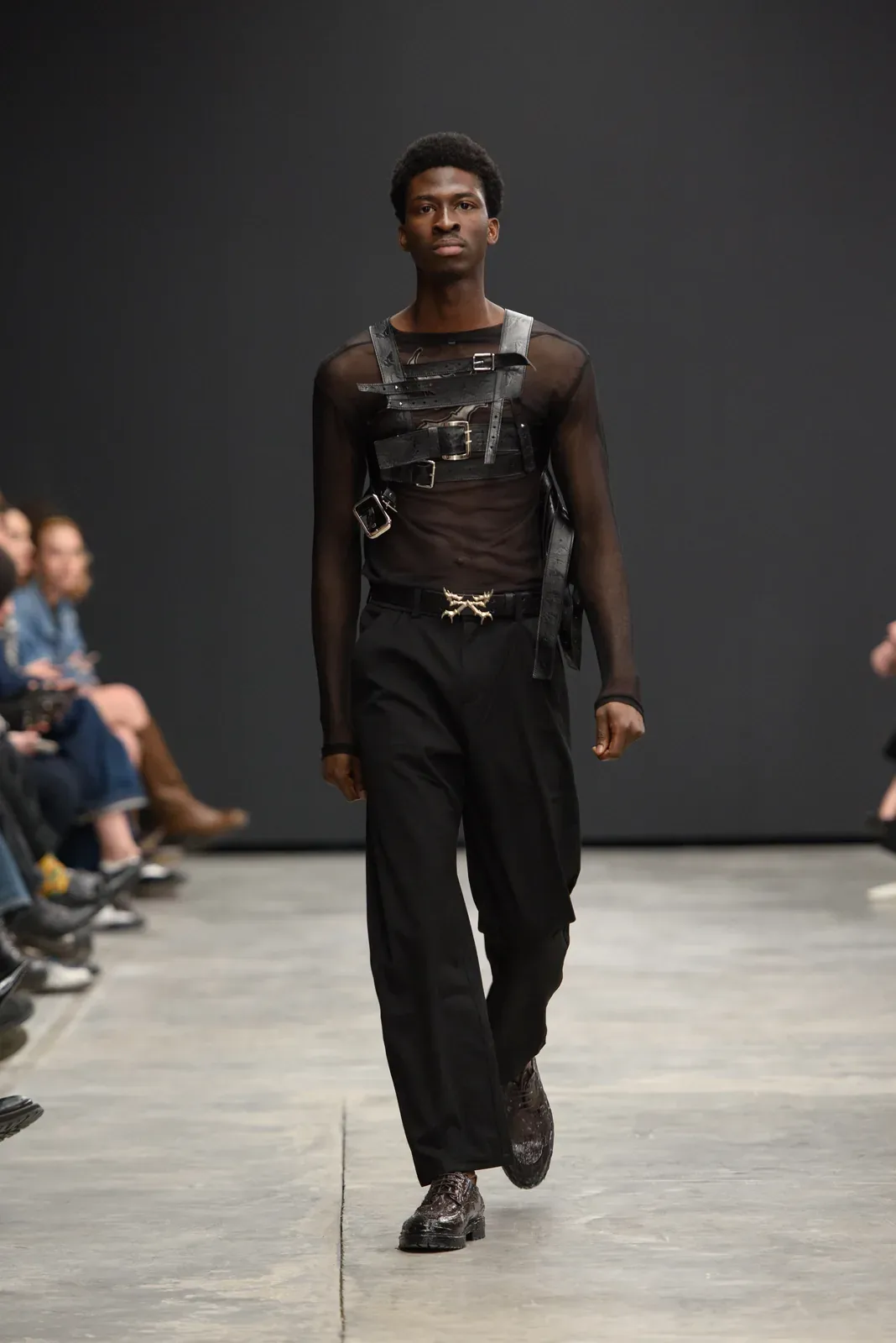
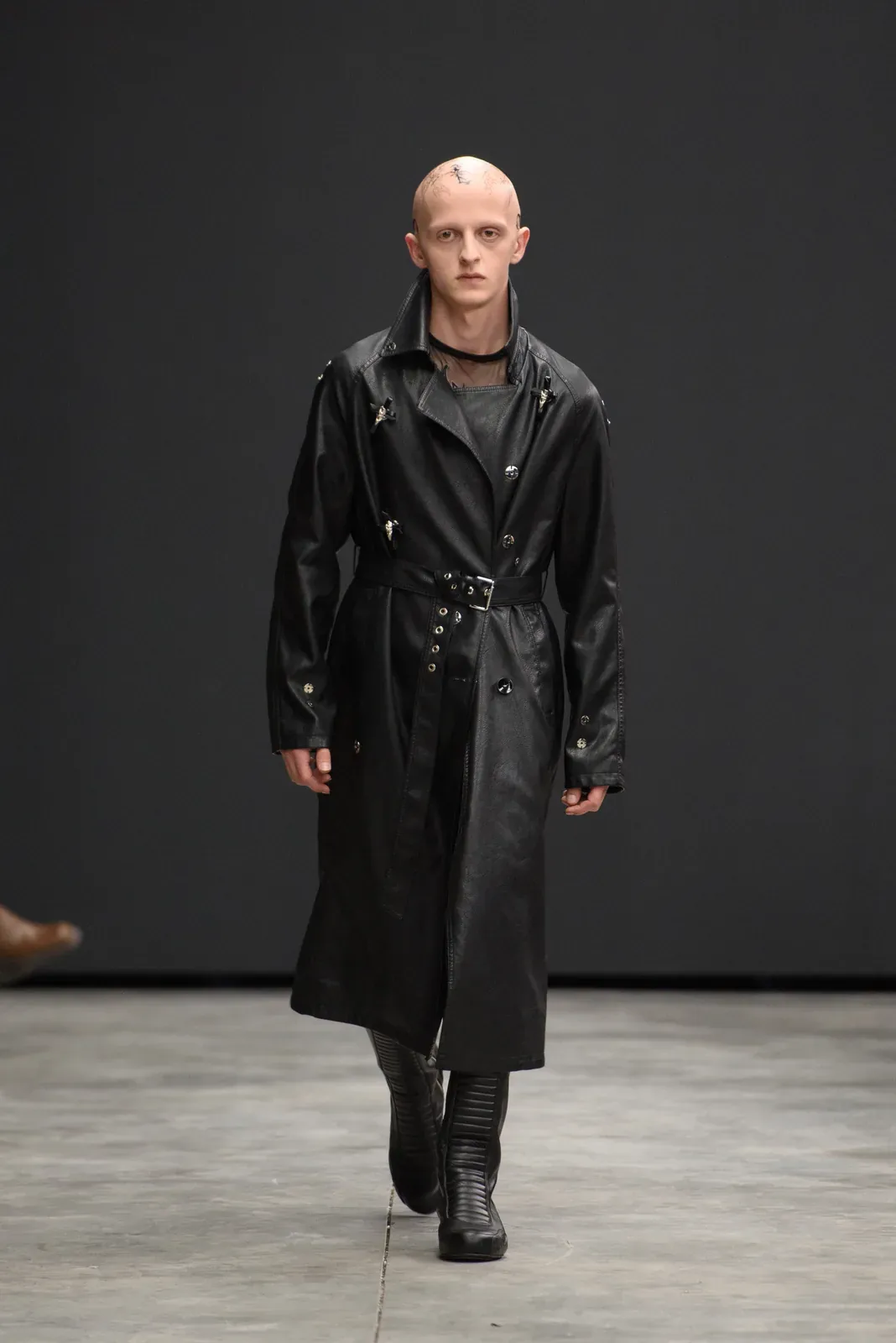
Ingorokva
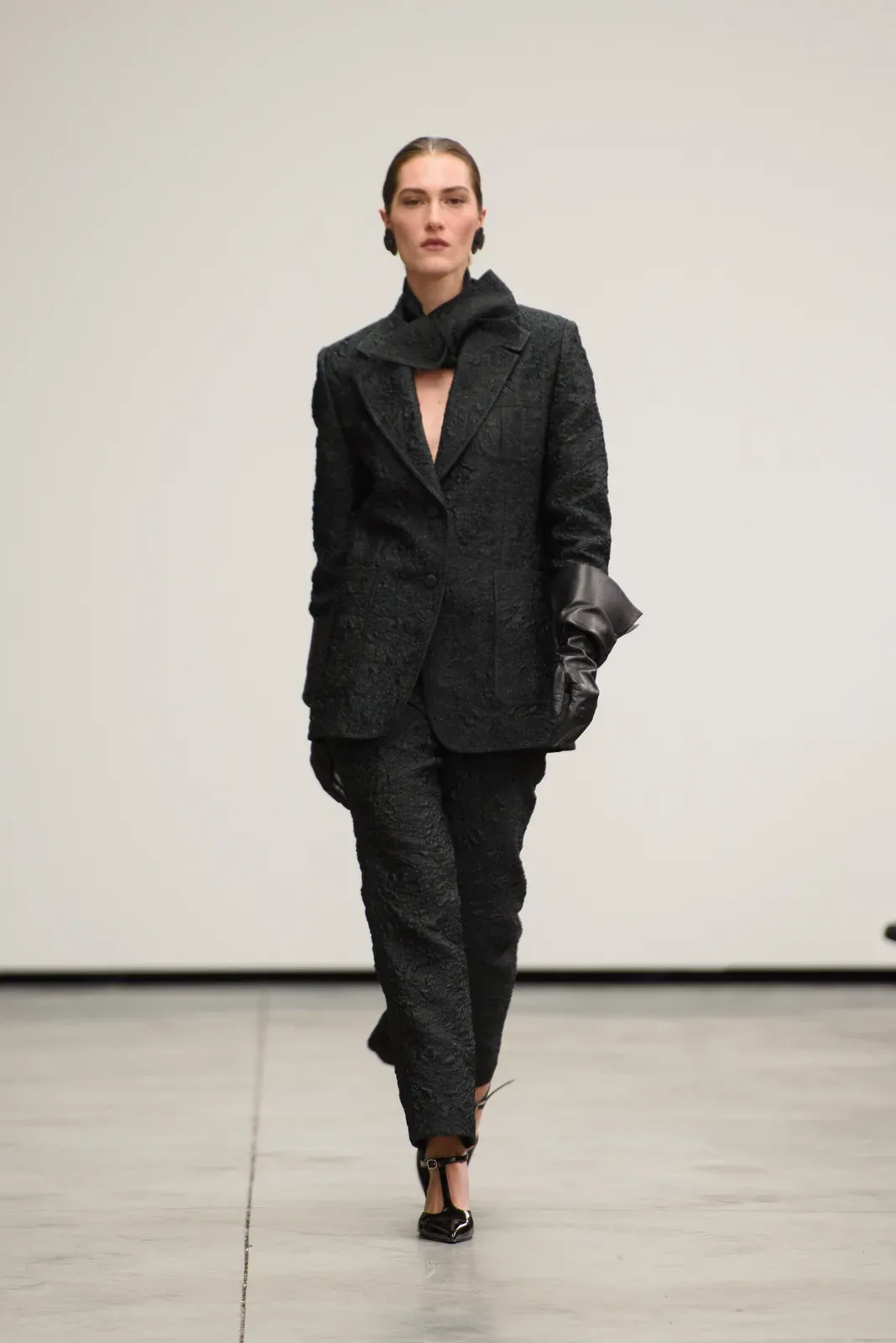
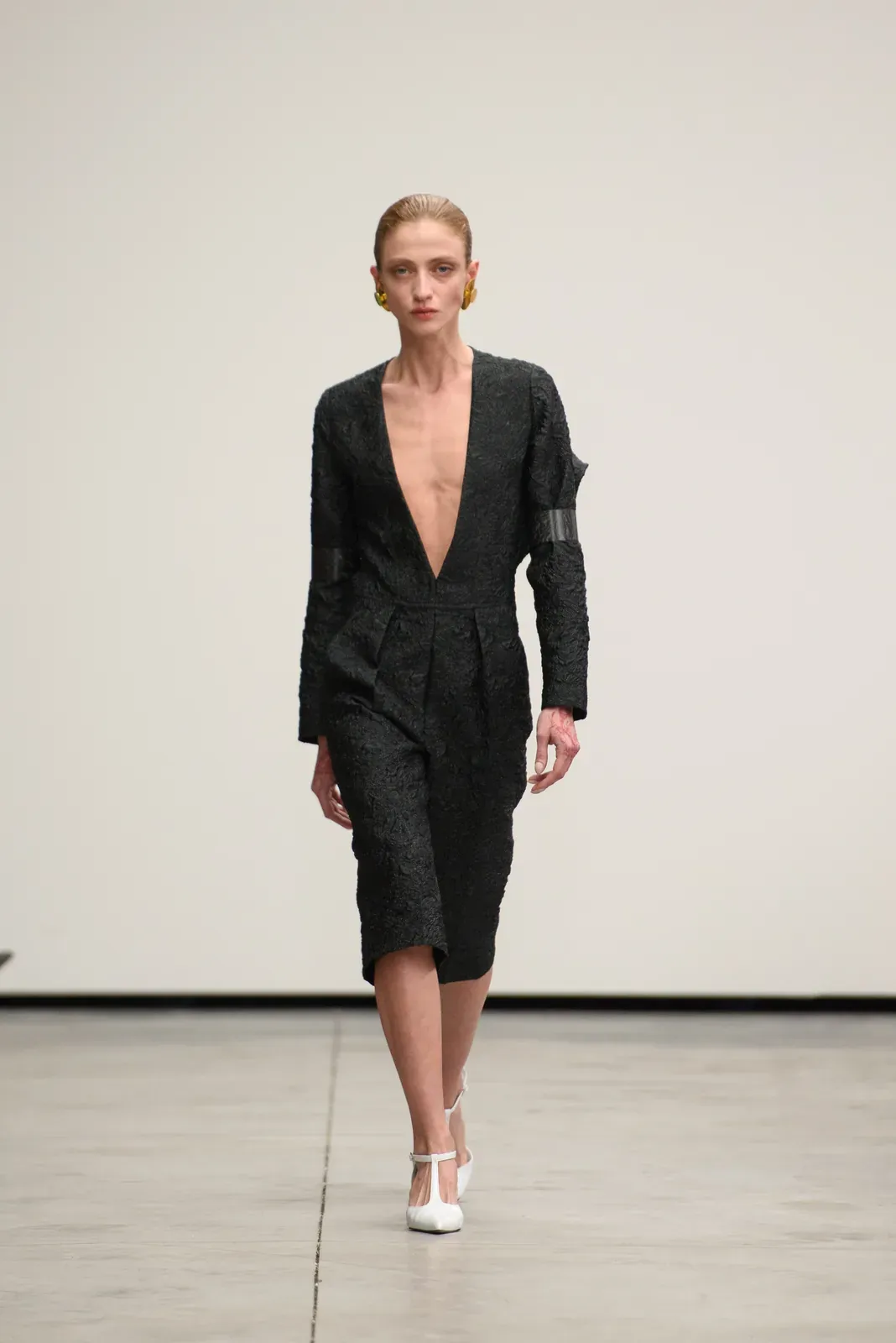
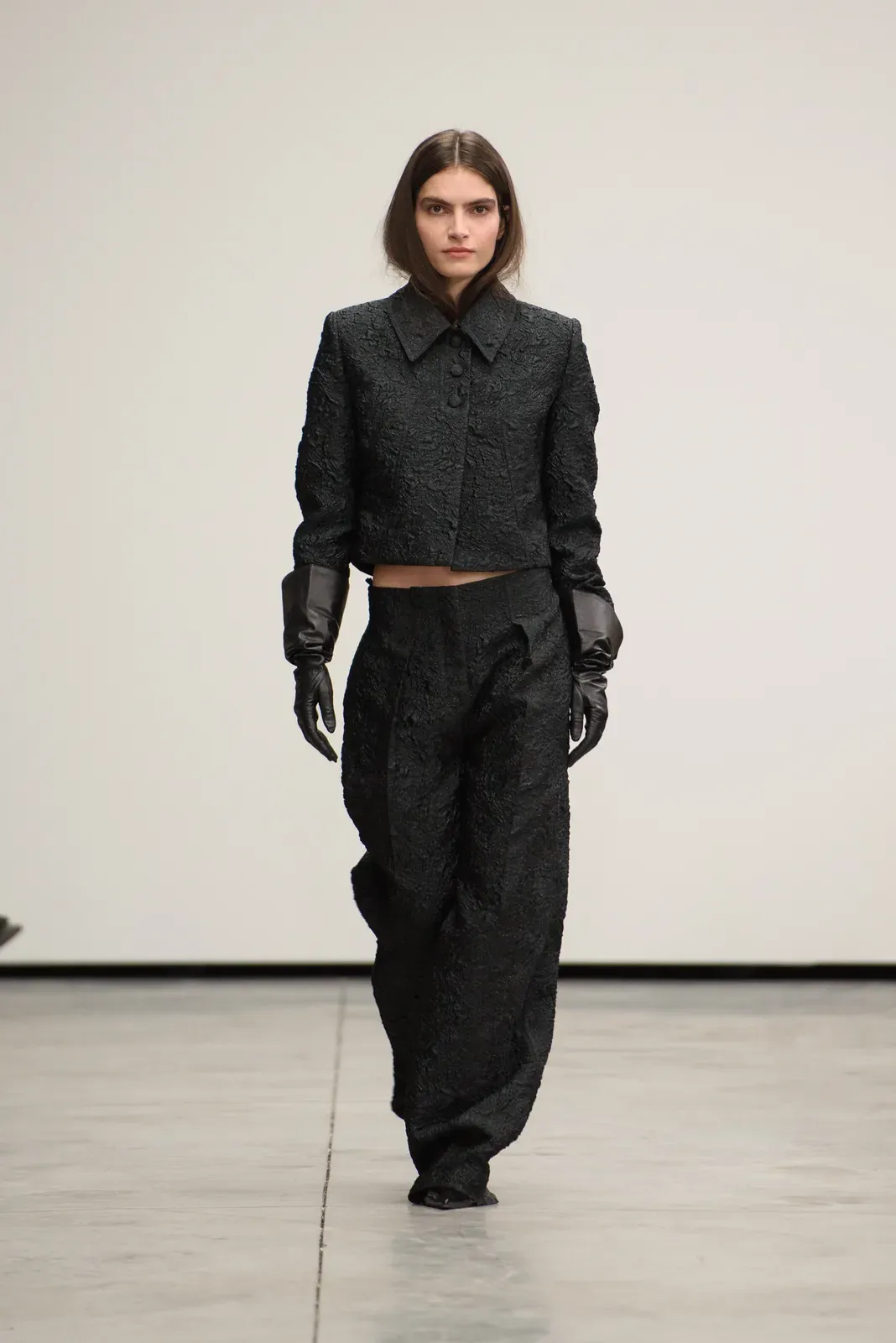
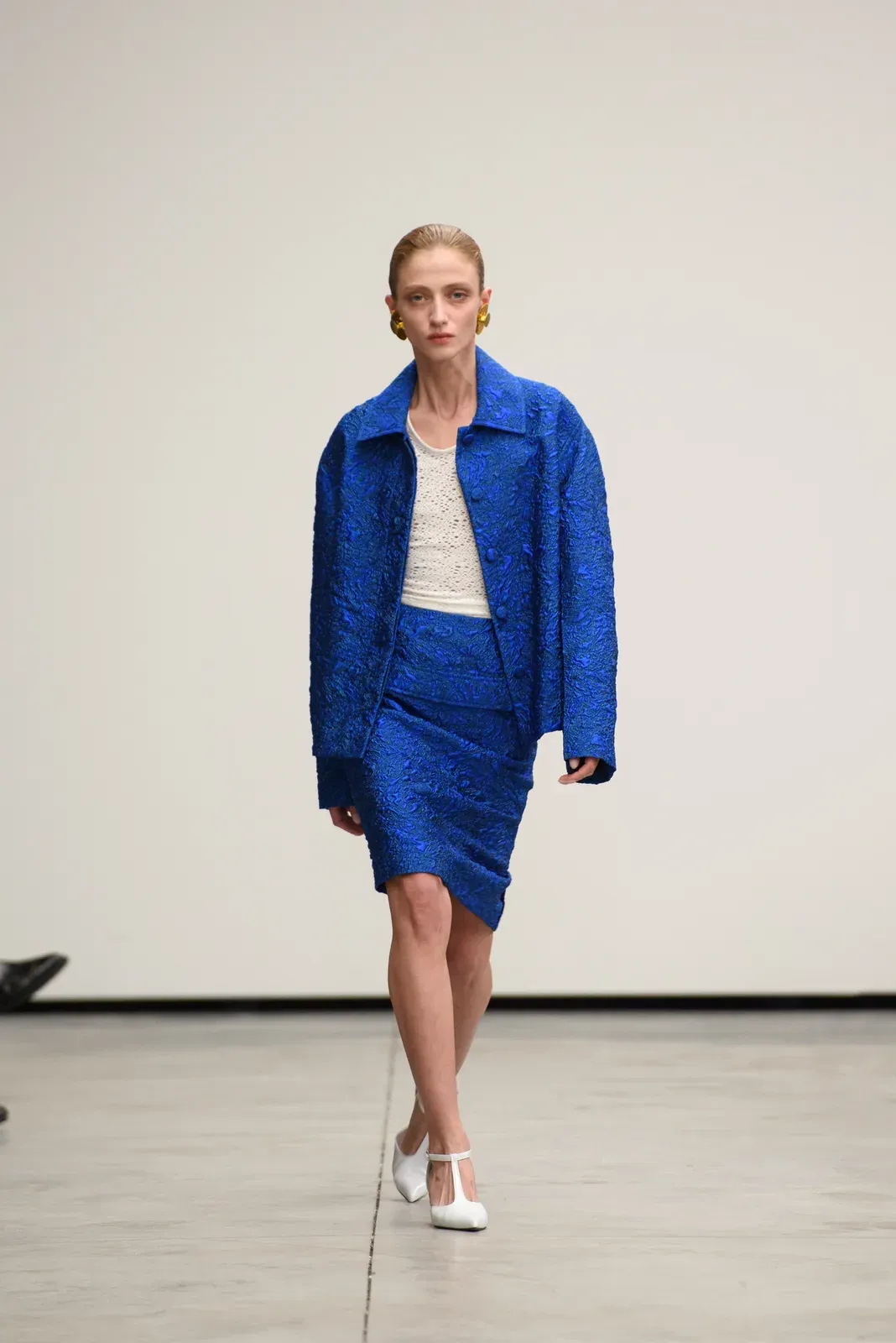
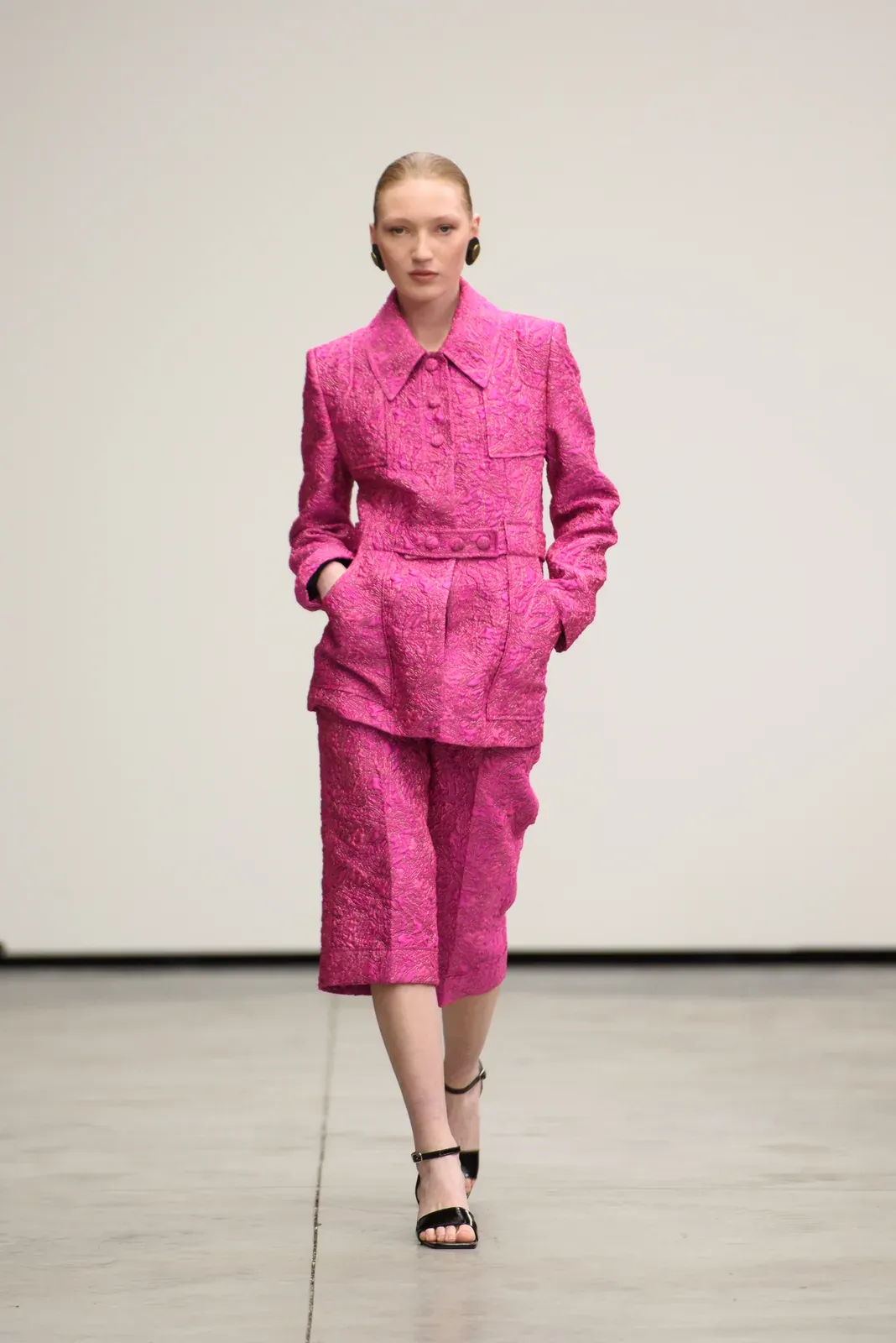
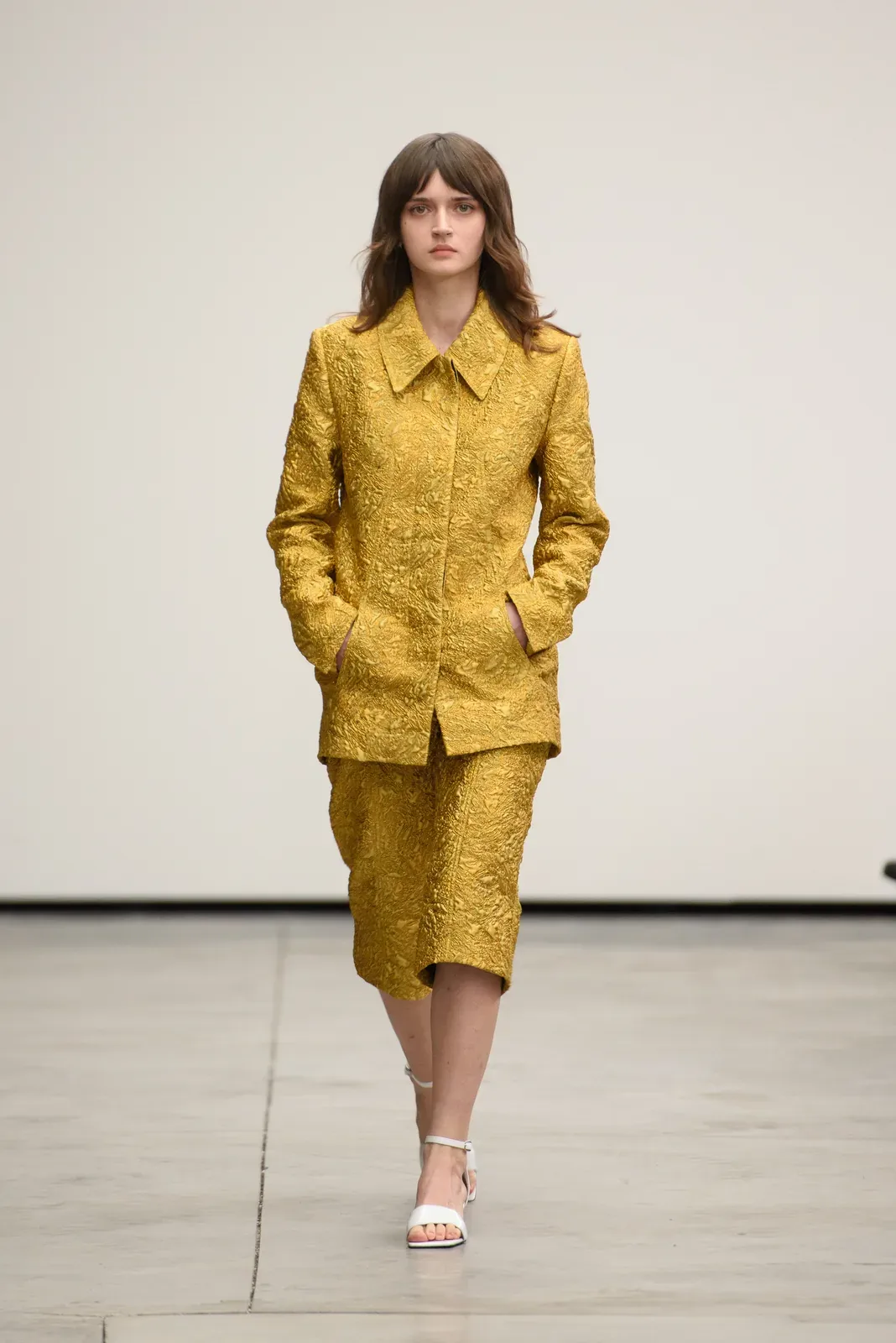
Materiel x GUDU
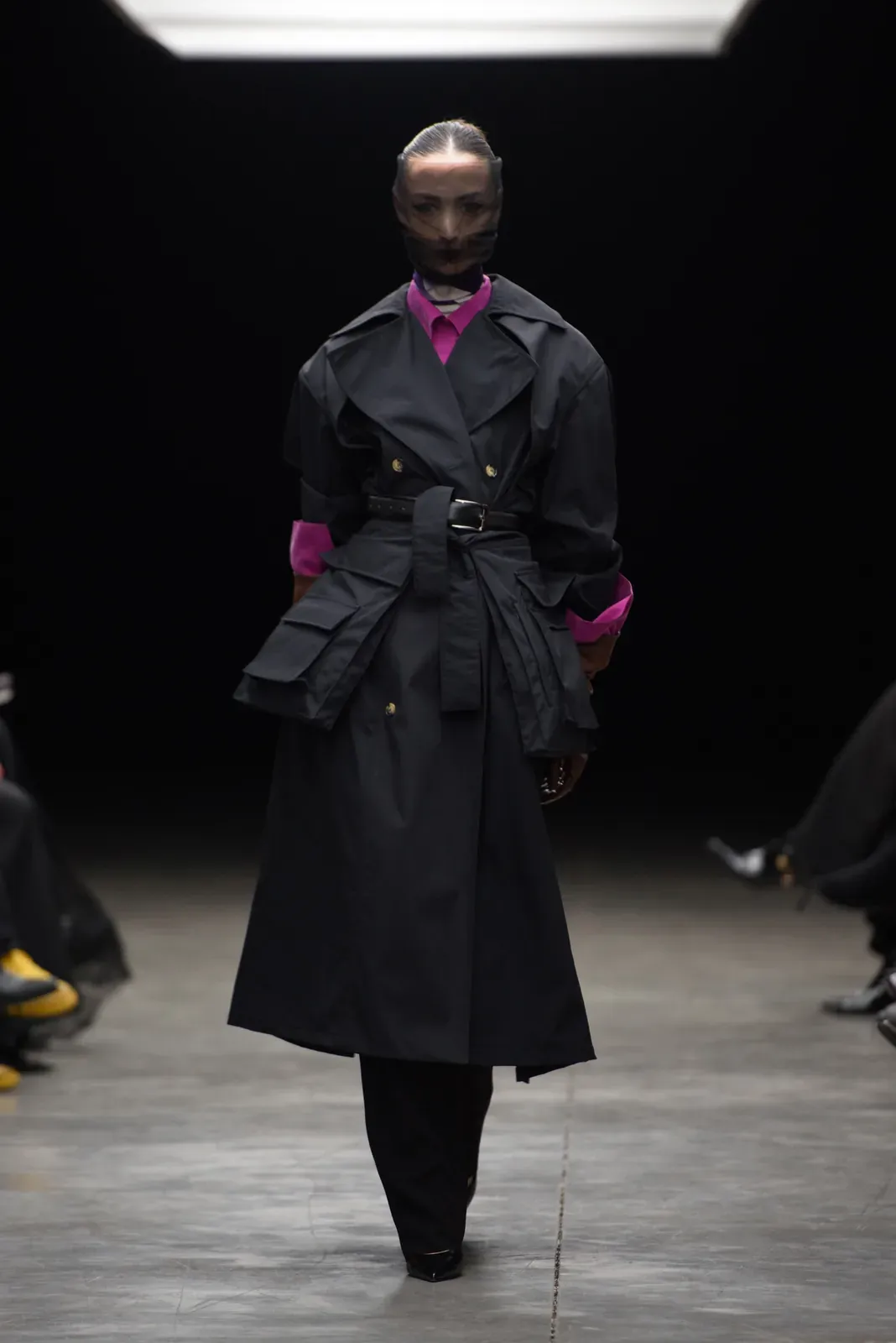
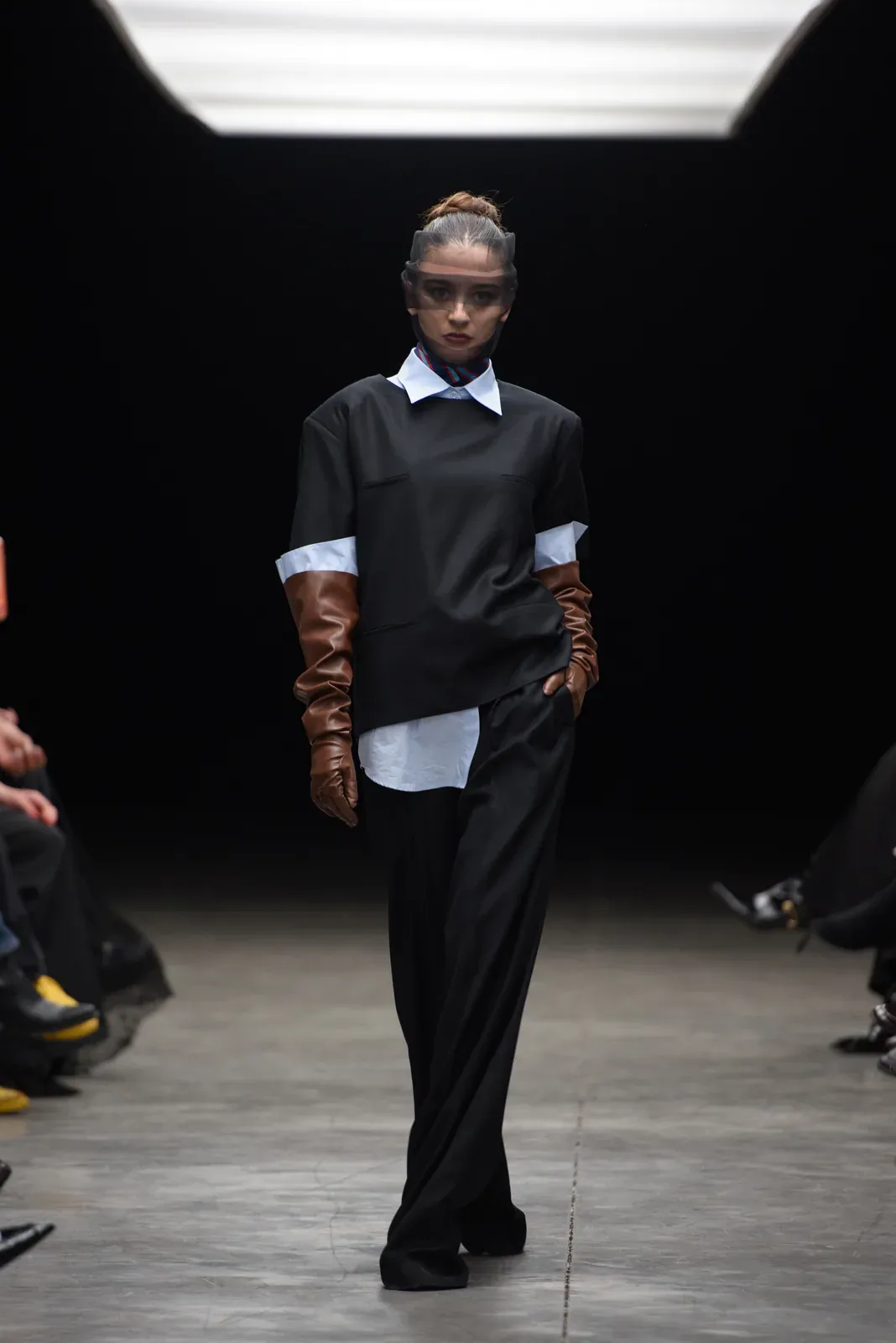
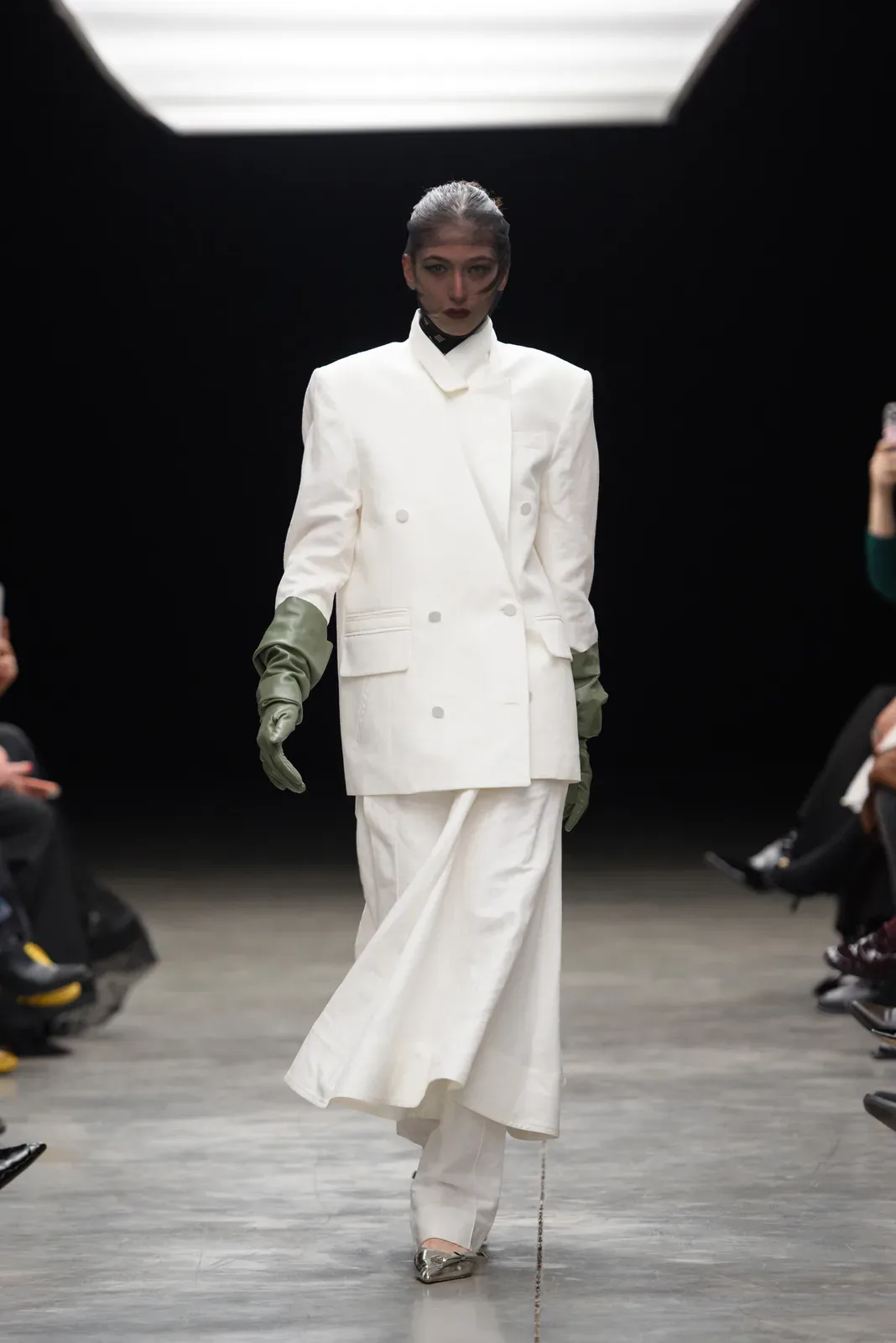
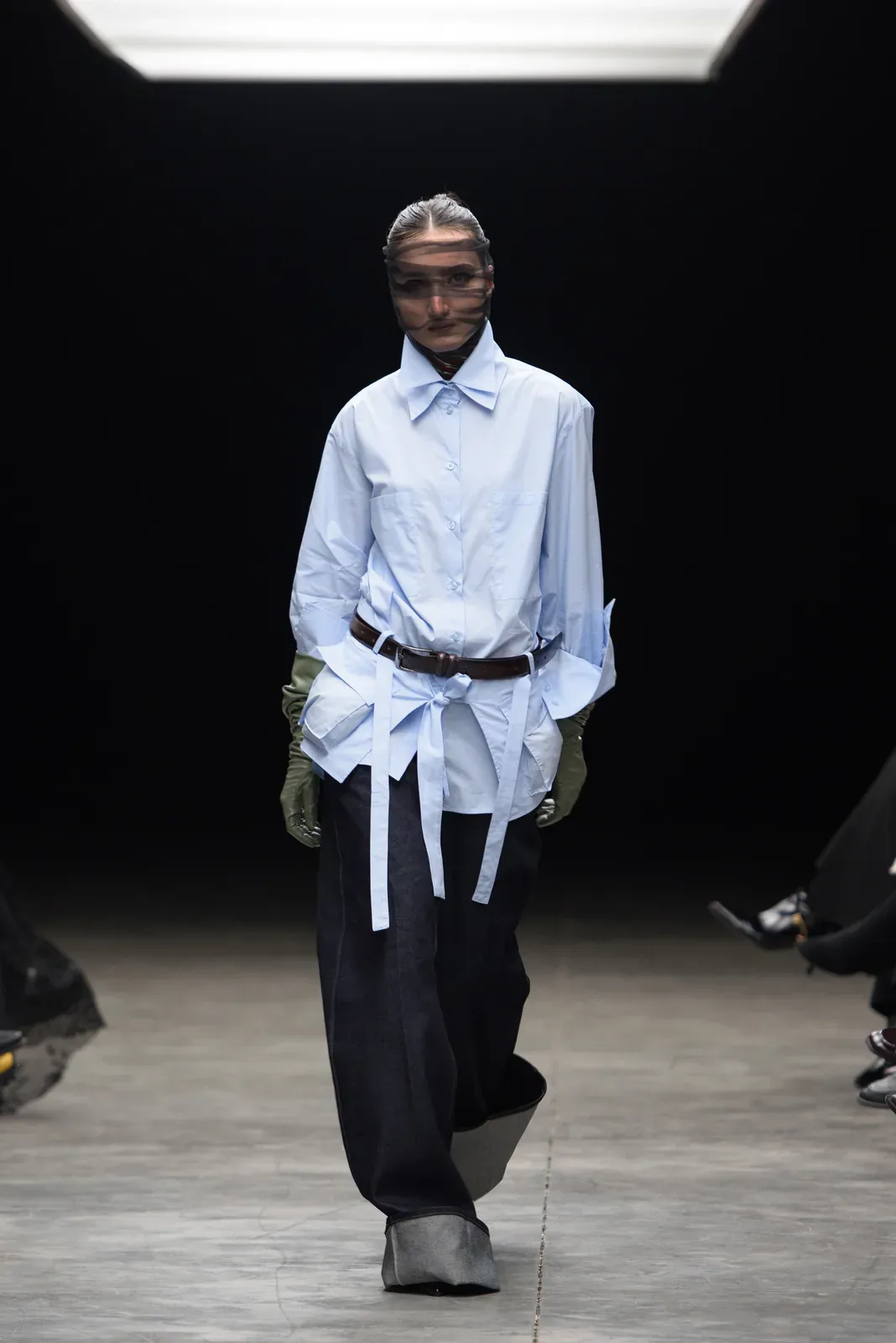
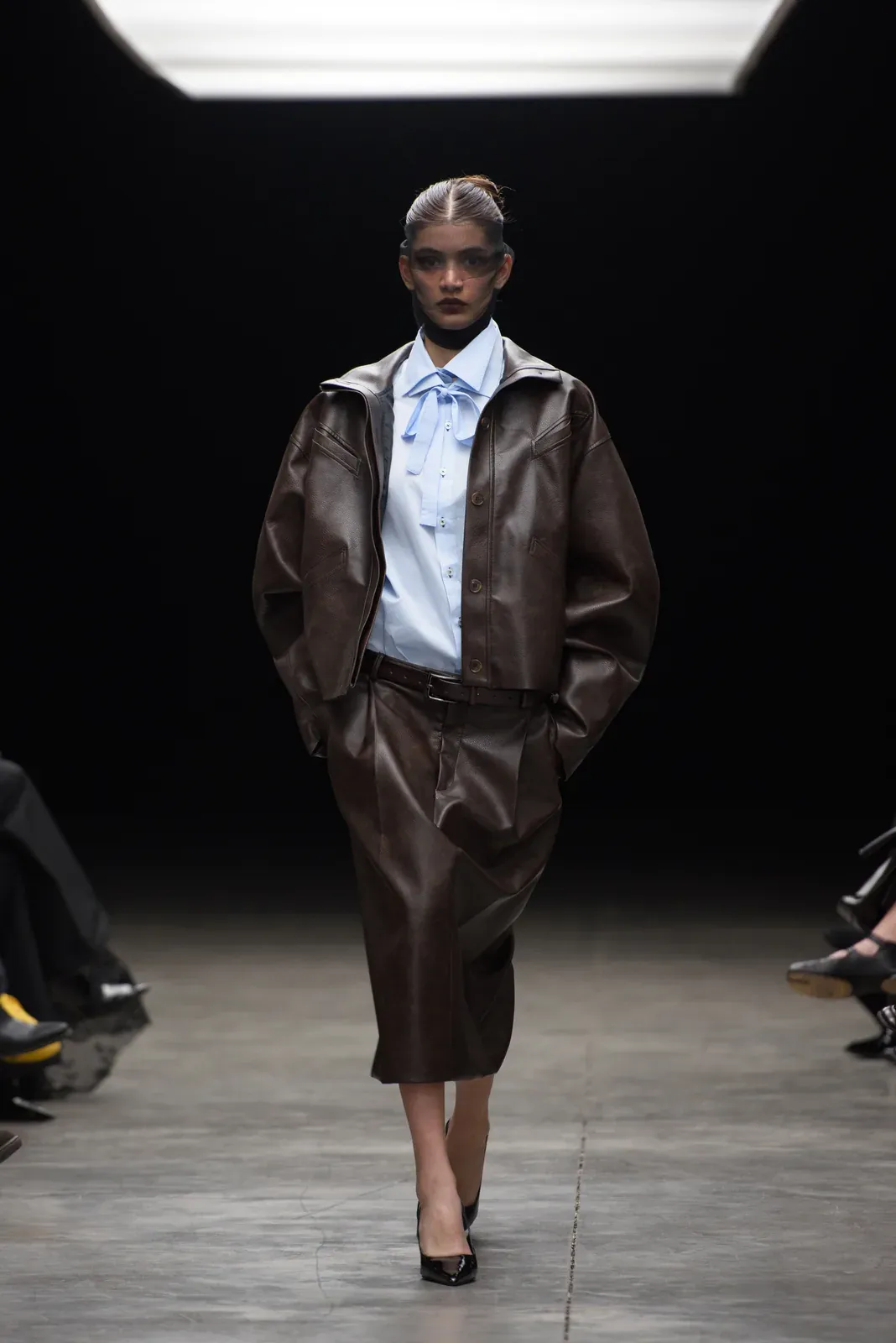
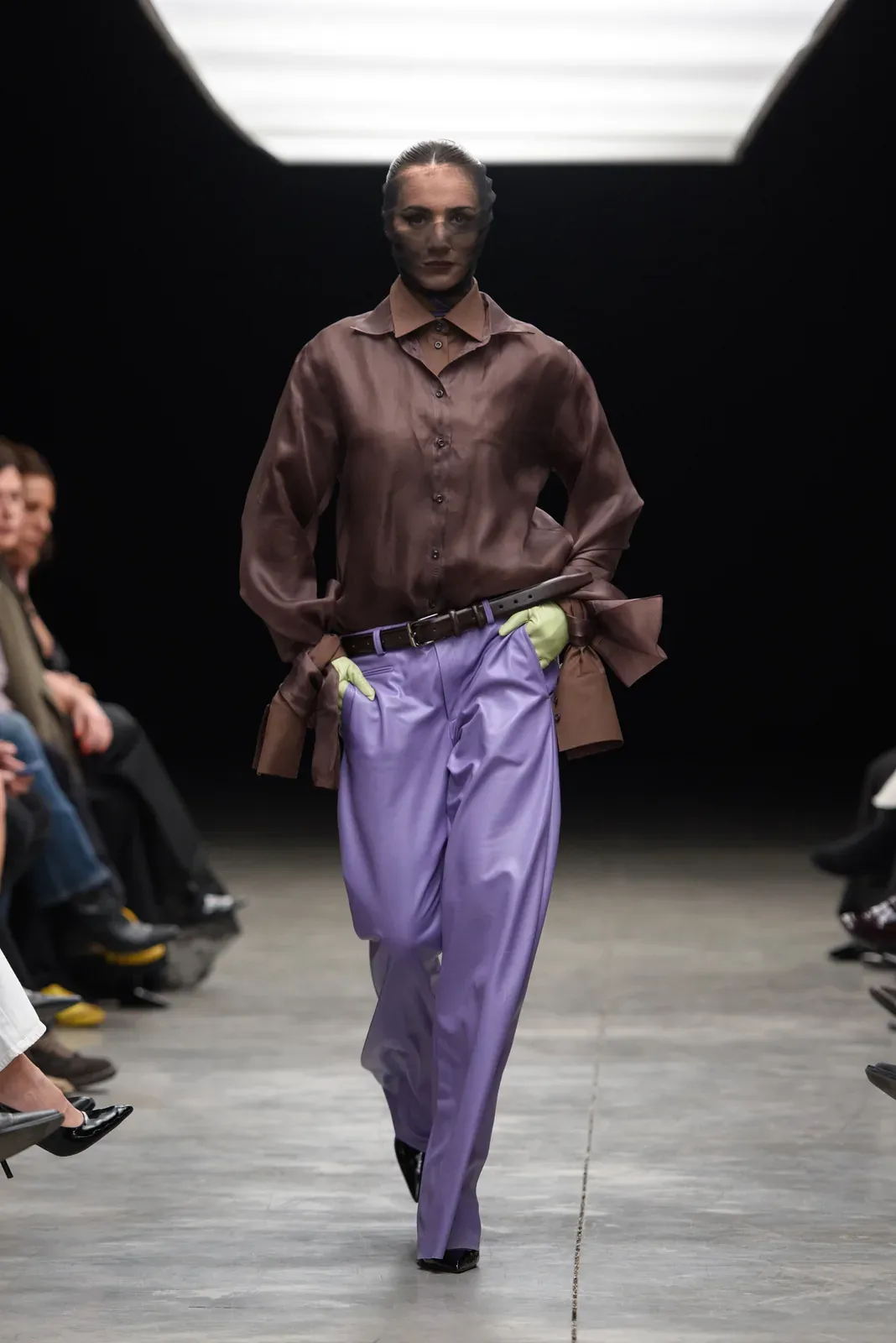
Galib Gassanoff
Tiko Paksa