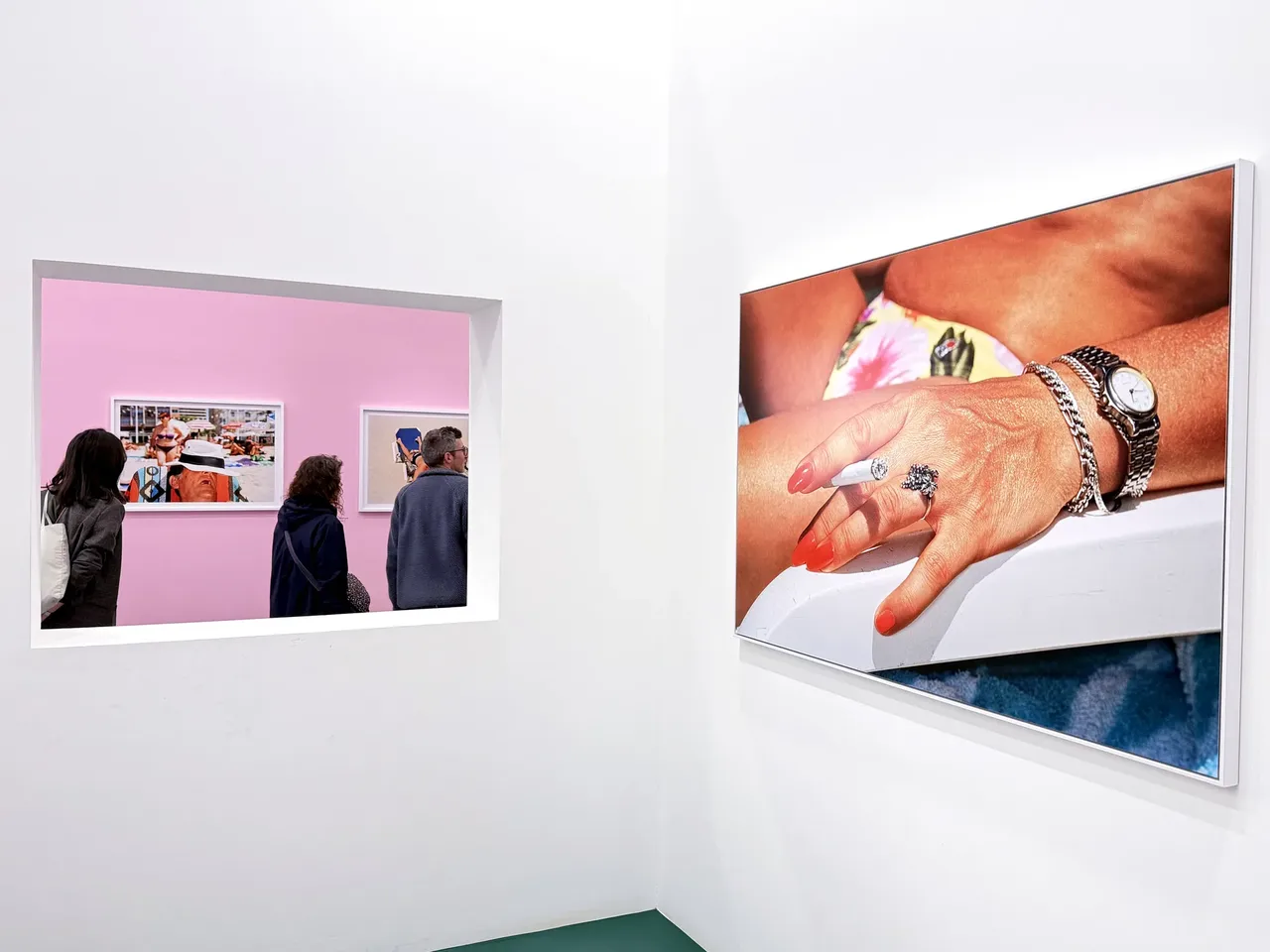
Martin Parr shoots with a flash and develops with venom. The exhibition Global Warning, presented by the Jeu de Paume in Paris until 24 May, gathers some one hundred and eighty photographs condensing five decades of work to prove that the British photographer’s acerbic humour was always a preemptive diagnosis of our era of consumerist hypertrophy.
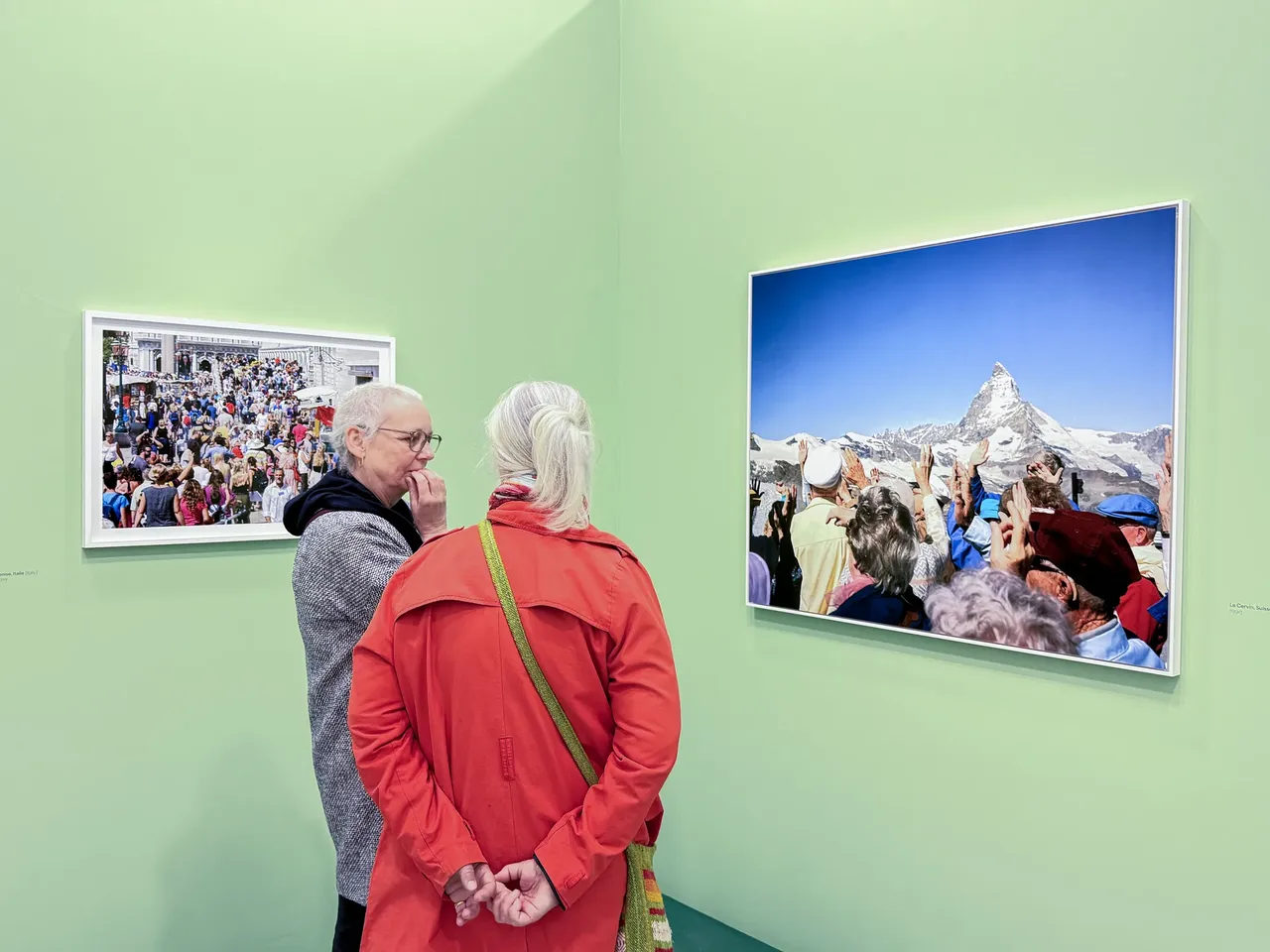
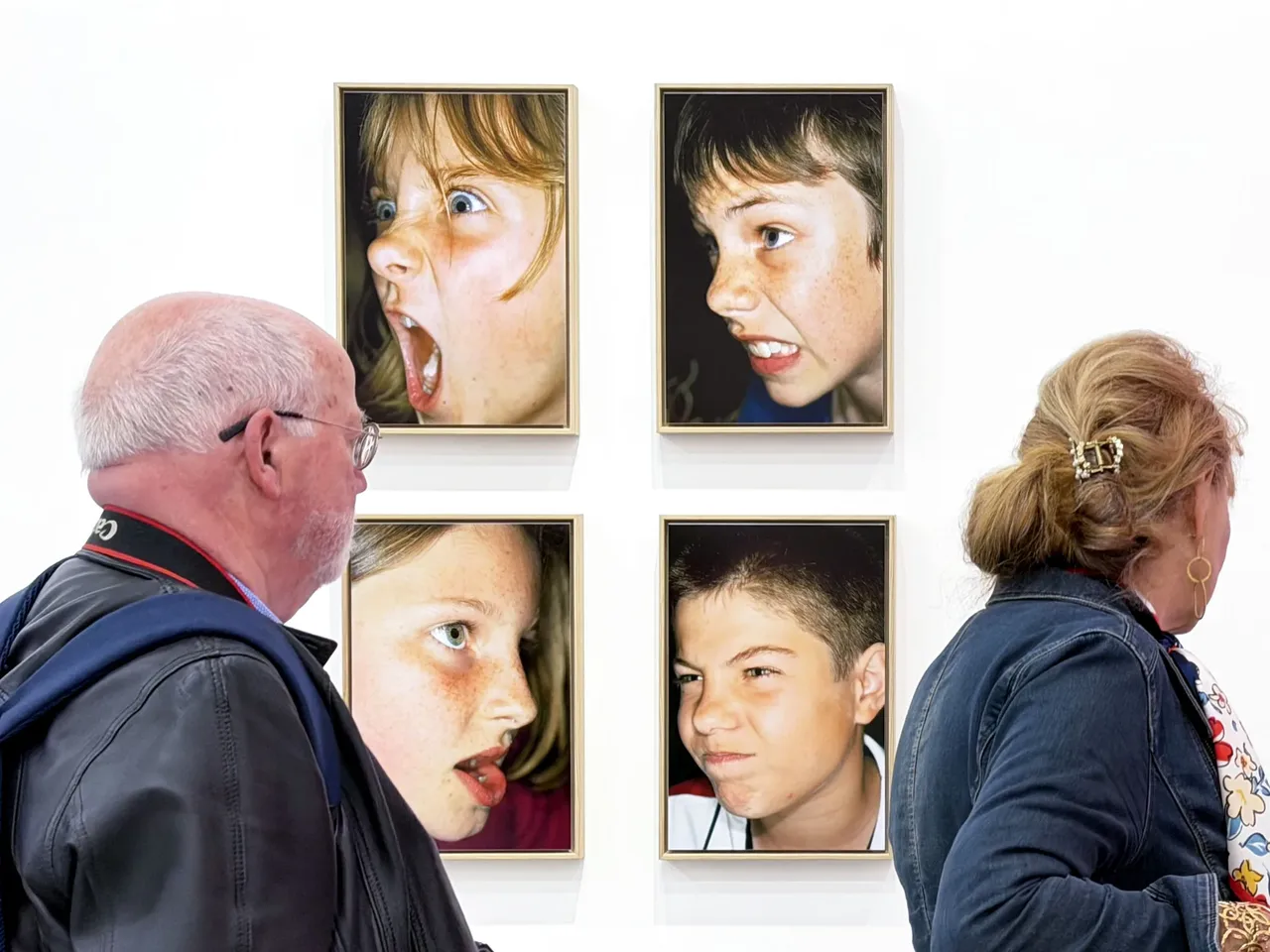
Within the galleries of the Tuileries Garden museum dedicated to photography and film, Martin Parr’s colour saturation pairs perfectly with the saturation of visitors, who at times are indistinguishable from the subjects of the works themselves. Curated by Quentin Bajac, the show unfolds an inventory of contemporary disorder where one of the chroniclers who best understood the aesthetics of excess moves away from the purely playful image to uncover, through visual guerrilla warfare, a piercing critical depth.
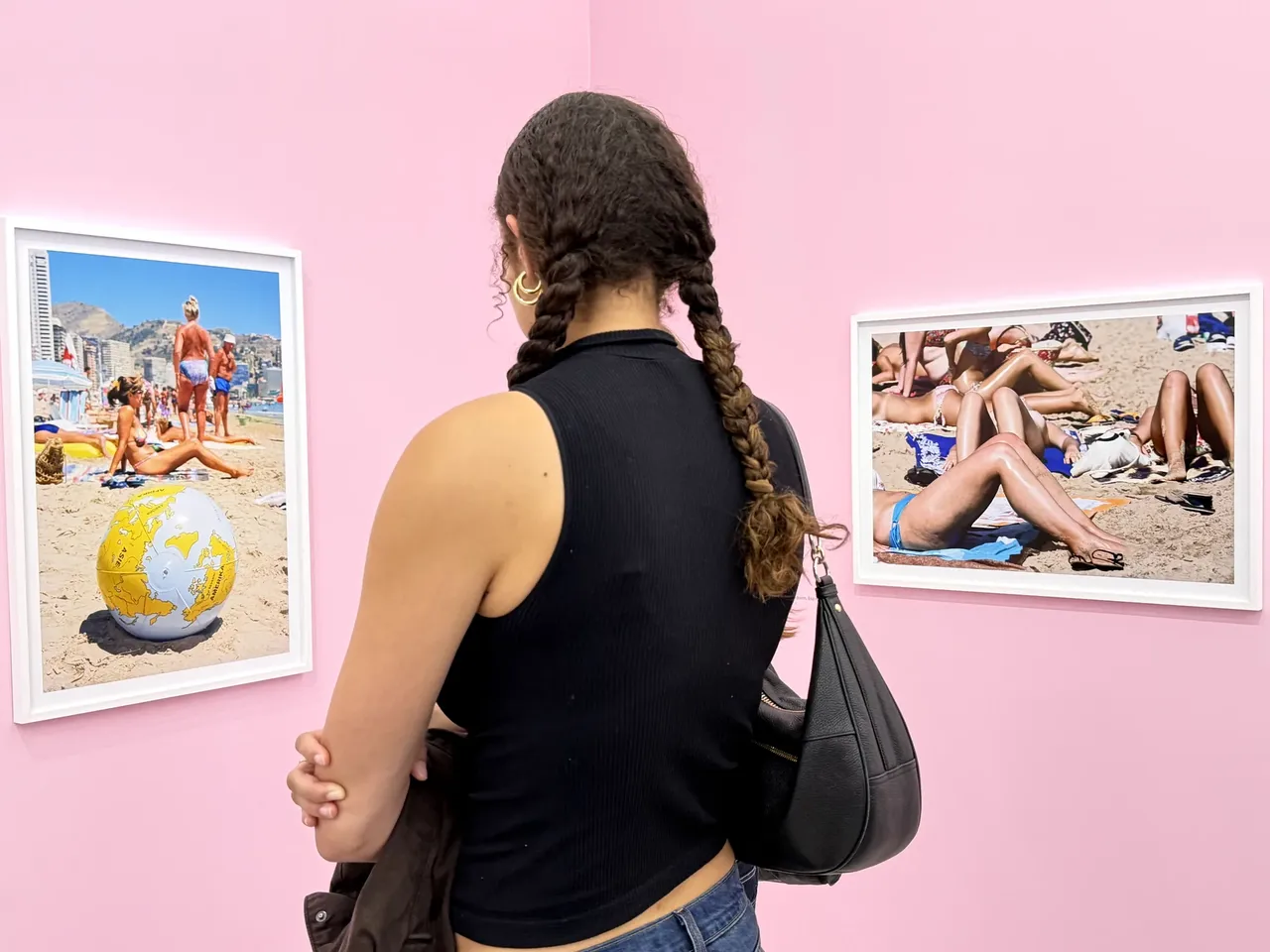
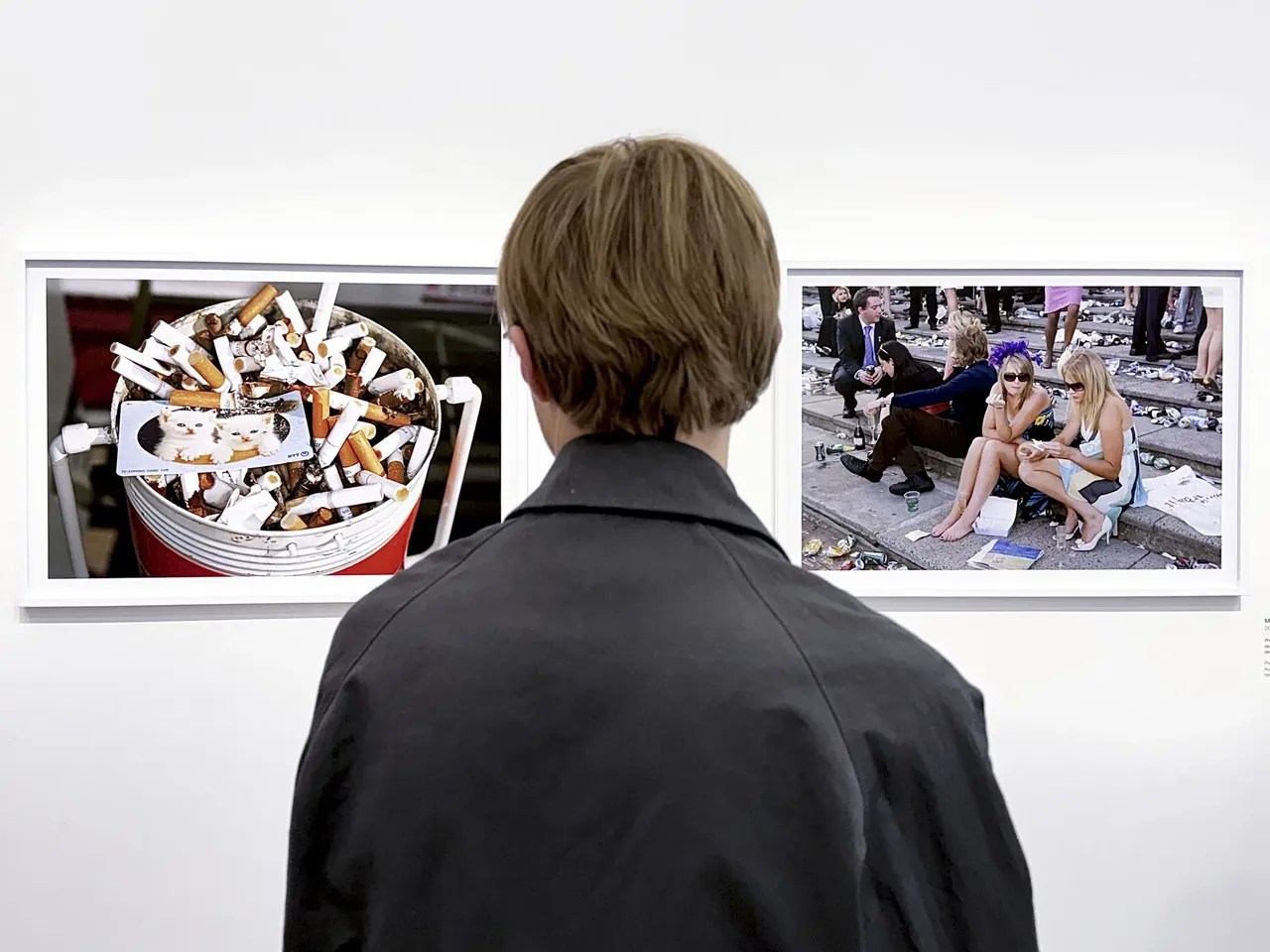
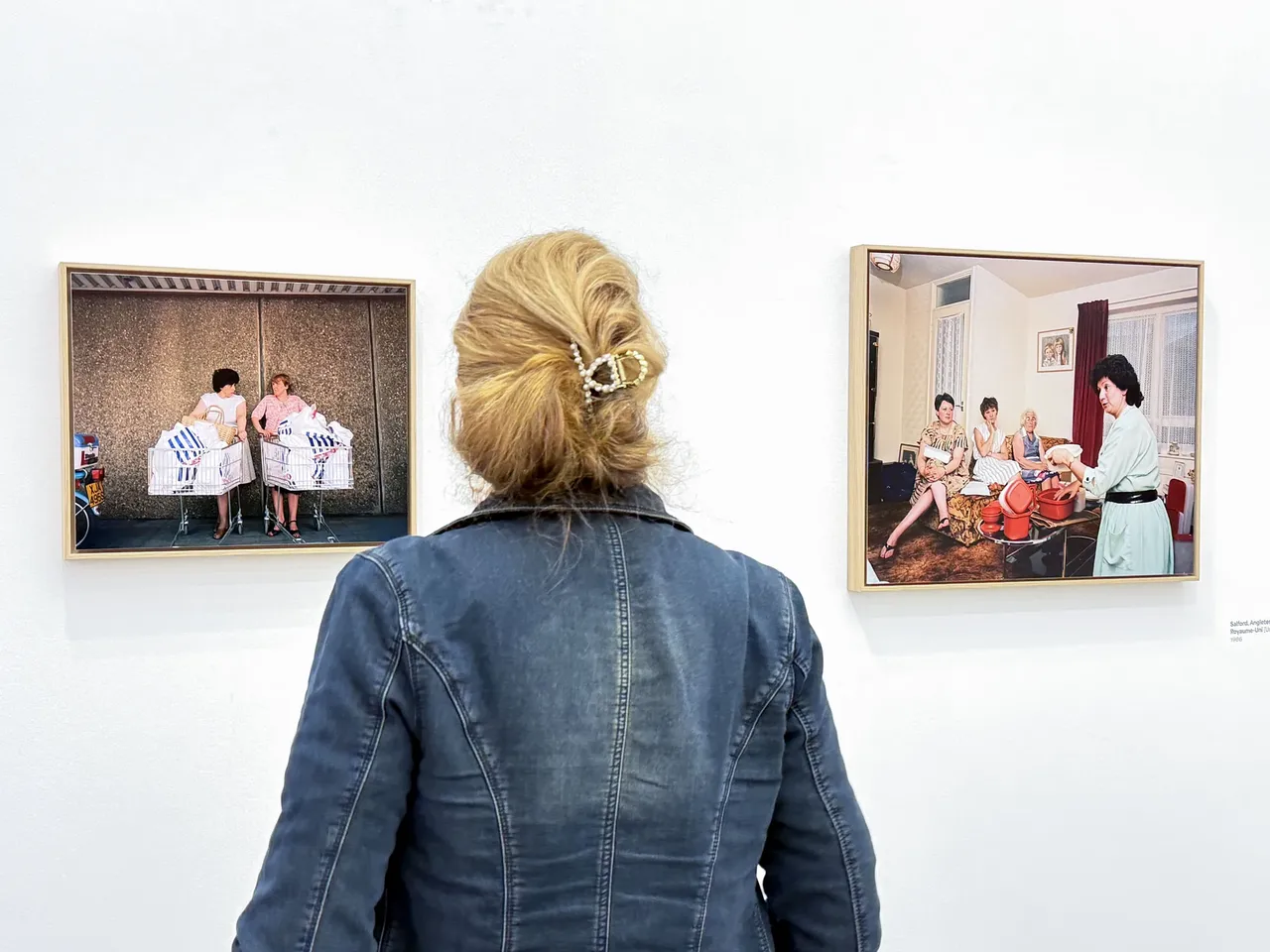
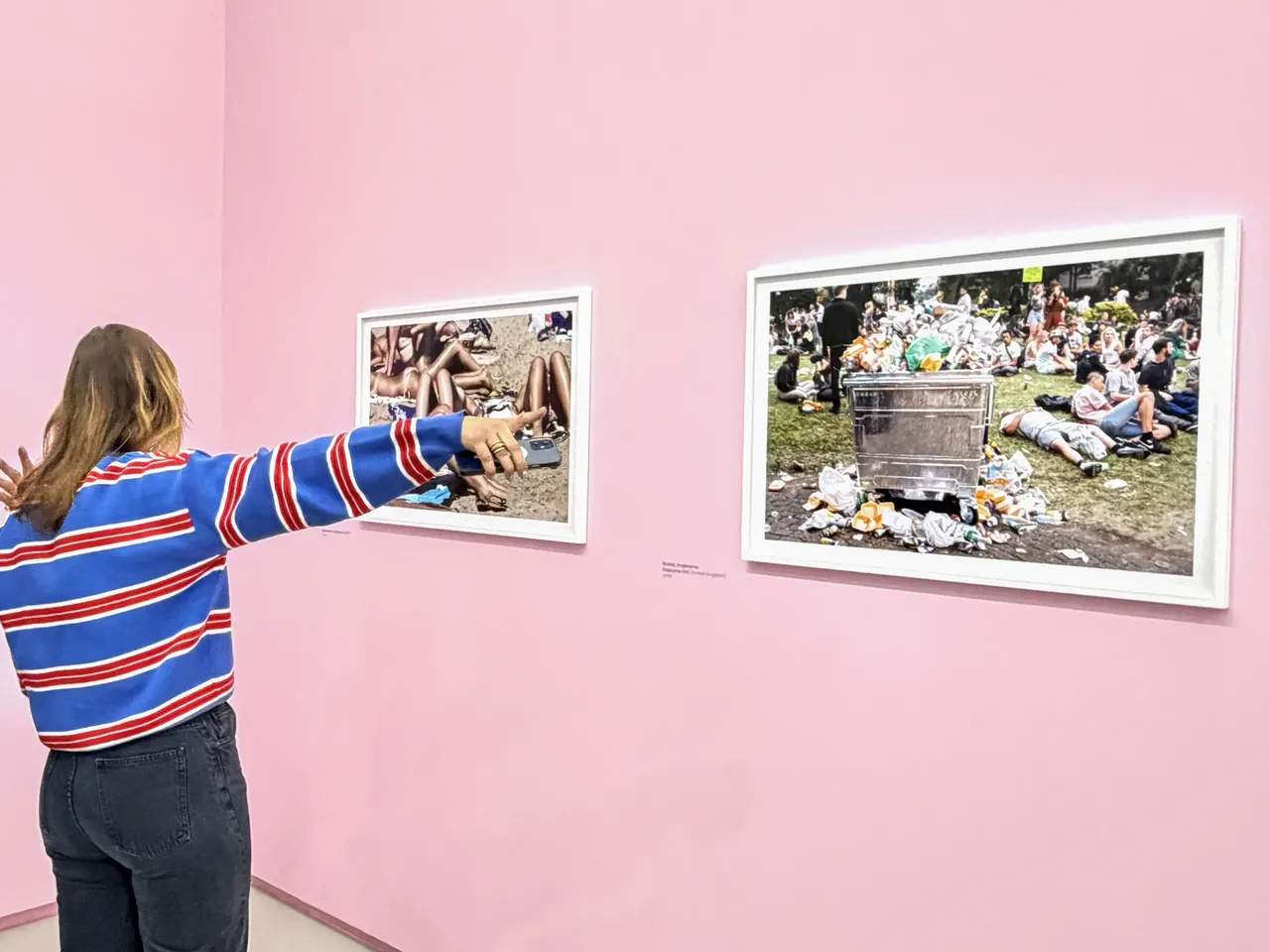
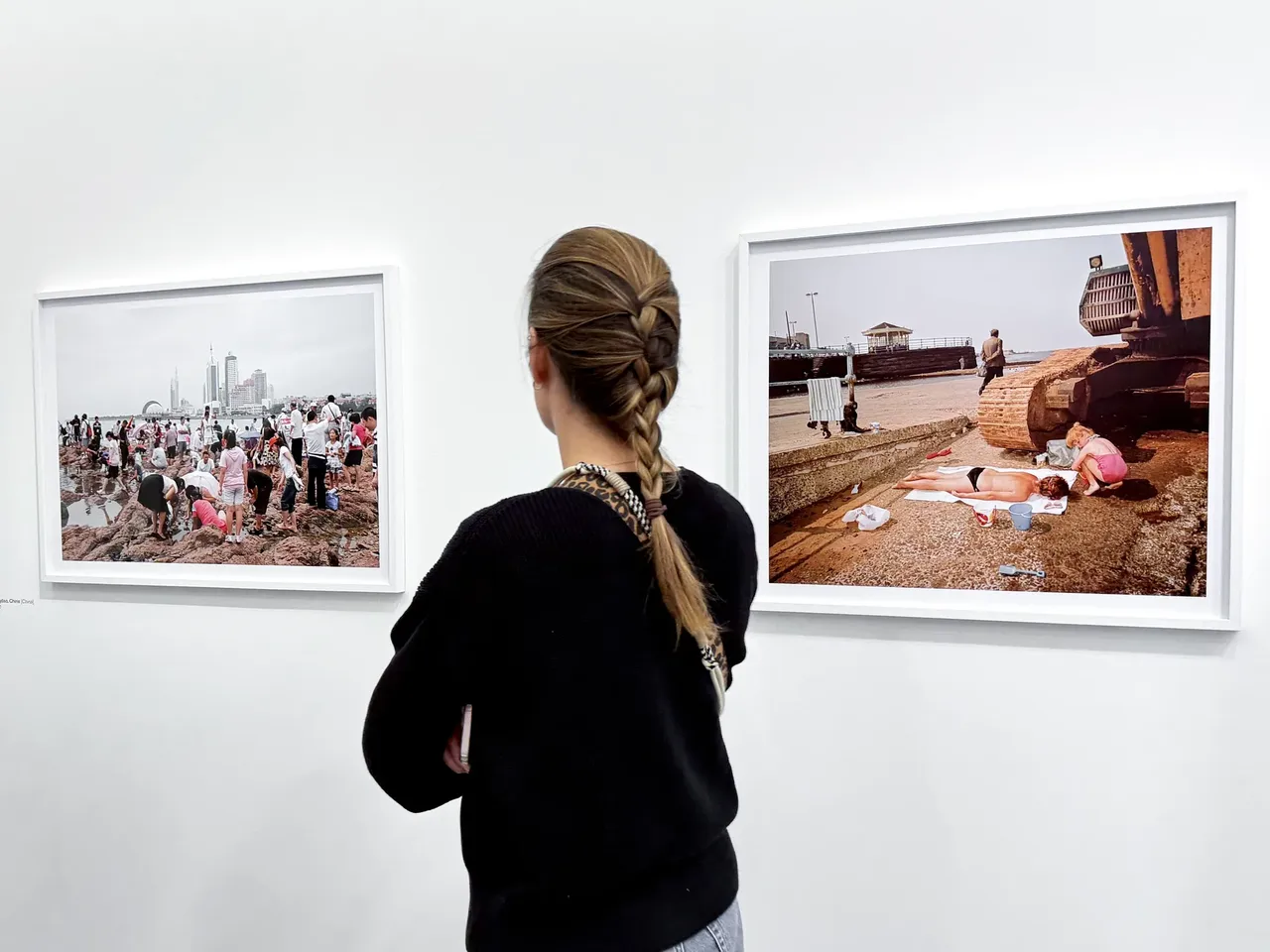
The exhibition is structured into five sections that organise the artist’s graphic universe as a diagnosis of the present day. The journey begins with Terres de loisirs, terres de déchets (Lands of Leisure, Lands of Waste), which addresses leisure spaces, specifically beaches, as stages where pleasure and decay coexist under a sun that parches all dignity. From the sand we jump to the tarmac in Tout doit disparaître (Everything Must Go): Parr delves into consumerist logic, portraying supermarkets as temples of ritual accumulation where the shopping trolley is the new staff of power and shopping centres the cathedrals of a new religion.
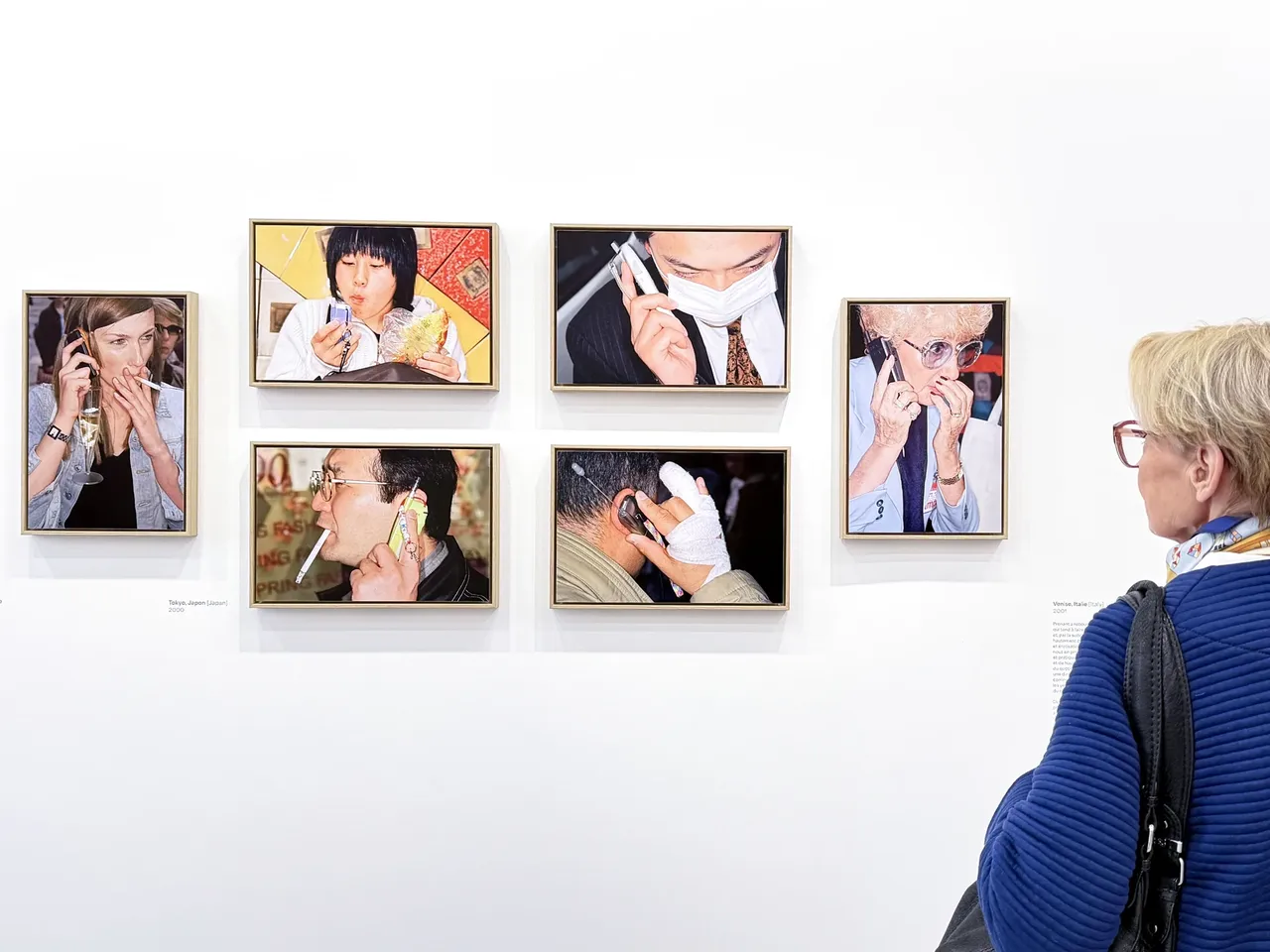
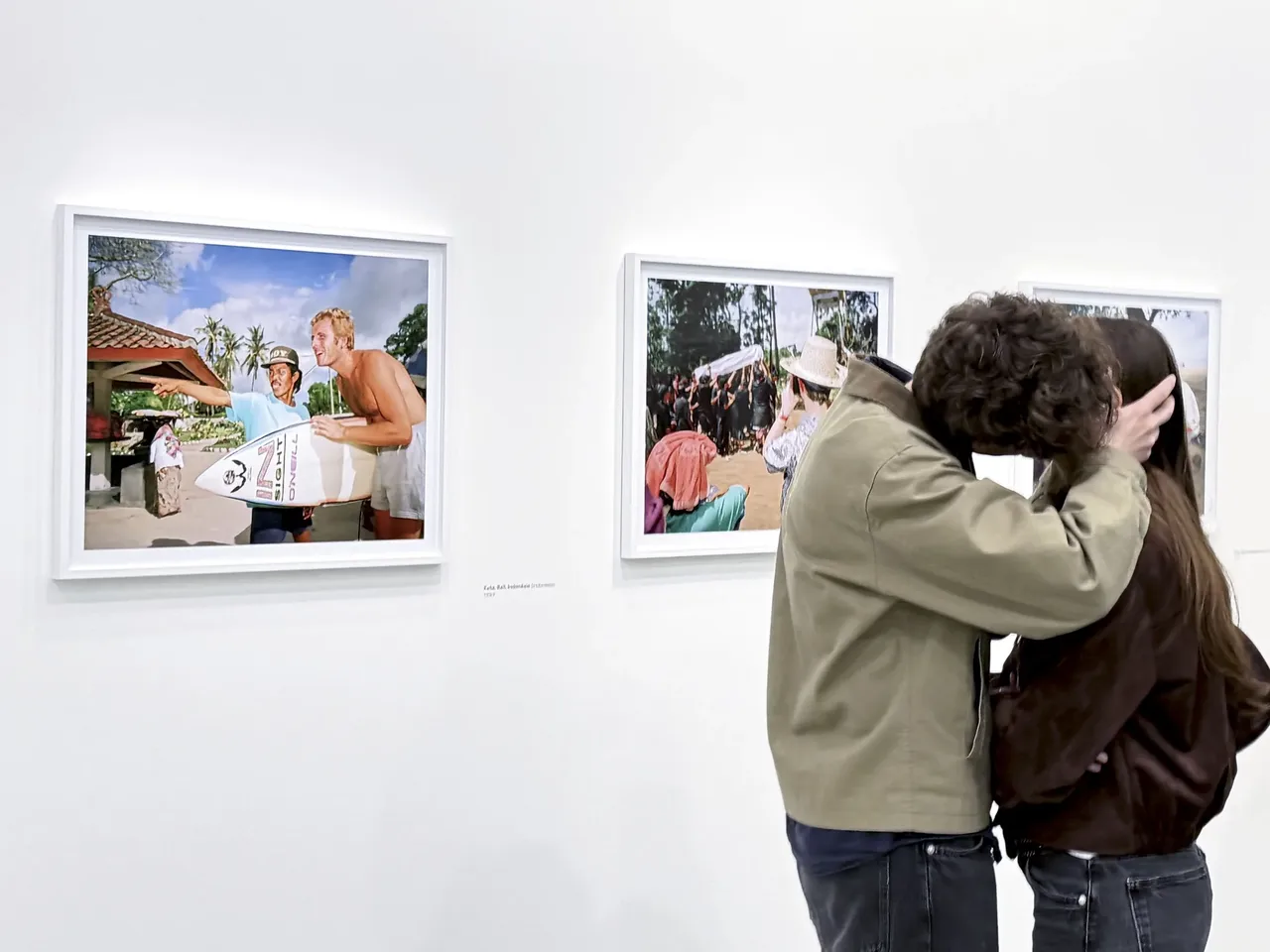
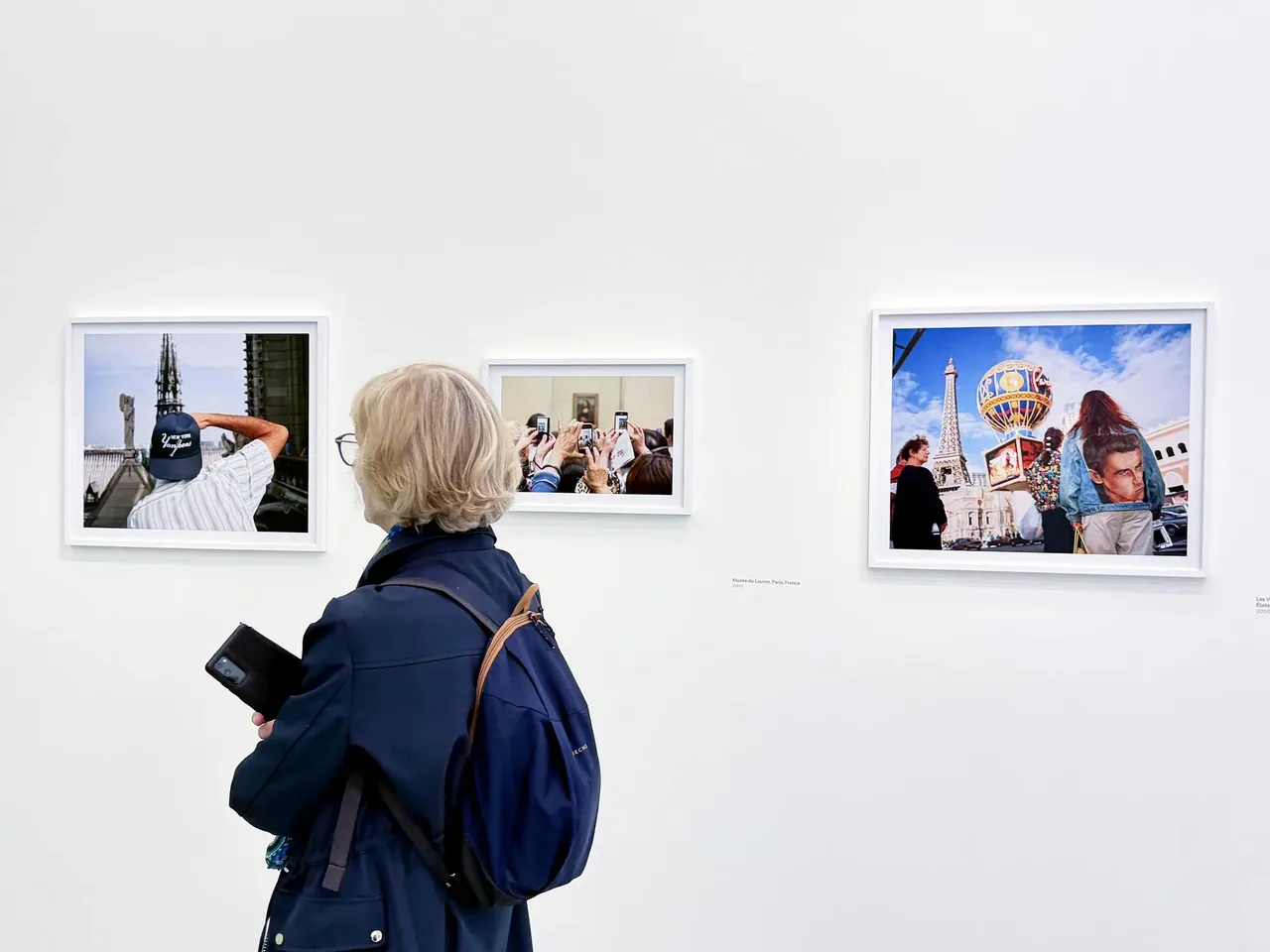
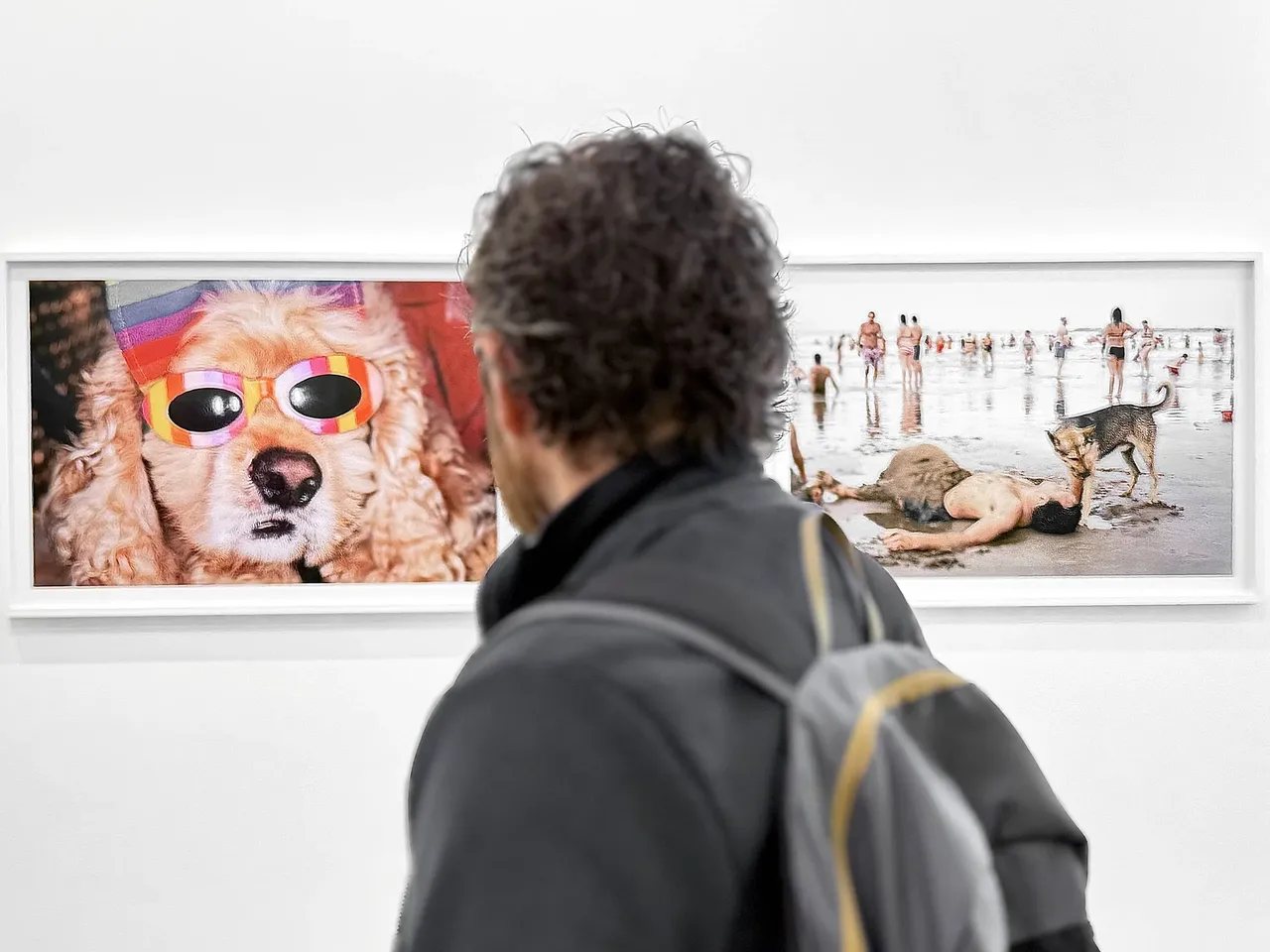
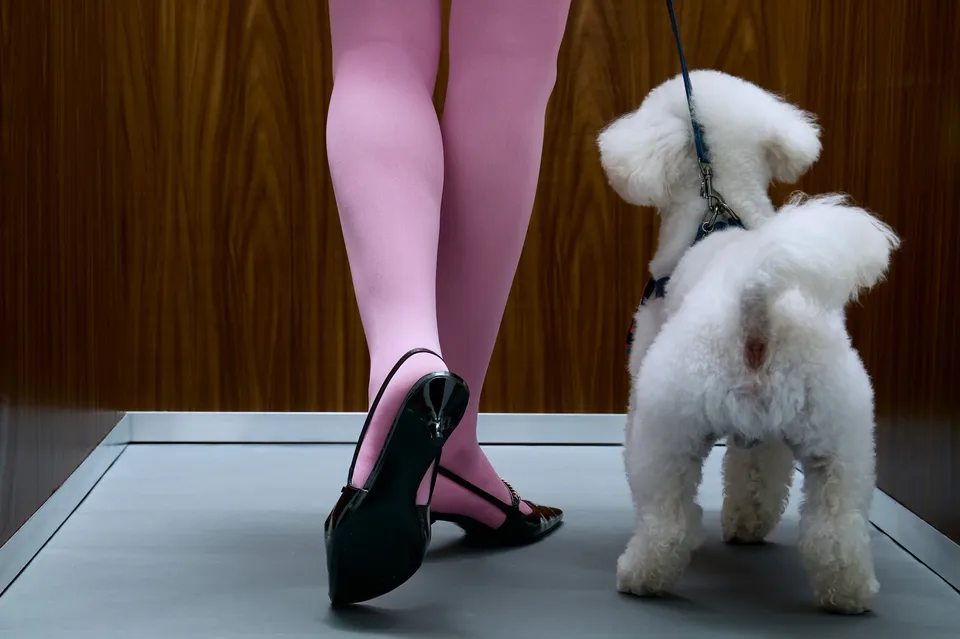
This voracity goes international in Petite planète (Small Planet), a section covering global tourism by capturing the repetition of gestures and the uniformisation of experience in iconic destinations, where authenticity dies of asphyxiation. This drive for dominance moves into Le règne animal (The Animal Kingdom), which examines the ambiguous relationship between humans and animals — that strange triangle of affection, control, and exploitation. Closing this repertoire of our foibles, Addictions technologiques (Technological Addictions) focuses on the growing dependency on cars and electronic devices. It is precisely in these recent works, where phones and other digital prostheses mediate every interaction, that direct experience seems to have been definitively replaced by its filtered version.
Whilst the Surrey-born photographer inhabits a calculated ambiguity between empathy and derision, his work transcends mere visual cynicism. Parr does not limit himself to observing at the same level as his subjects; there is, in much of his work, a clearly incriminating intent and a fierce critique of the vulgarity of abundance. If in one photo a baby almost slips from a crammed supermarket trolley, in others we see mobile phones eclipsing the Mona Lisa, a postcard rack standing in the elements amidst skiers, holidaymakers dozing under the scorching Benidorm sun, or a dog posing in sunglasses.
His camera selects, underlines, and often ridicules. Indeed, Parr does not disguise the pleasure of pointing an accusing finger. His photographs transform the everyday into a biting comedy where the spectator wavers between laughter and repulsion. It is from this discomfort that his lucidity springs. Such ambivalence constitutes the core of his work, and the exhibition insists precisely upon it.
It is evident that his visual language exerts an immediate attraction, though beneath that banal surface a more complex reading is suggested. Crowded beaches, food trays, queuing tourists, bins overflowing with rubbish... Parr observes from the inside, but his camera is rarely indulgent. His framing isolates, exaggerates and, on more than one occasion, nudges his characters towards an inevitable caricature. But has that very gaze—as fierce as it is addictive—not ended up becoming a product of the excess it denounces? His unmistakable aesthetic, after decades of success, runs the risk of becoming as predictable as the excursionists he disparages. It is difficult not to notice how this exaggeration seeps into the experience of the exhibition itself, where the mass influx of the public turns the gallery route into a literal extension of the images on display.
In light of this critical path, the legacy of this implacable observer exudes the aura of a testament. It is, tellingly, one of the final projects he participated in before his death in December 2025. His photos of absorbed tourists and humanised animals today take on a prophetic value regarding the ecological crisis. Parr, who always acknowledged himself as part of the problem—a frequent flyer documenting the carbon footprint whilst generating it with every pop of his flash—leaves behind a lucid trail of a world exhausted by selfies, low-cost holidays, and fast food. Because Global Warning is, ultimately, a war dispatch written in the colours of a soft-drink advertisement.
The exhibition Global Warning by Martin Parr is on view through May 24 at Jeu de Paume, 1 place de la Concorde, Jardin des Tuileries, Paris.