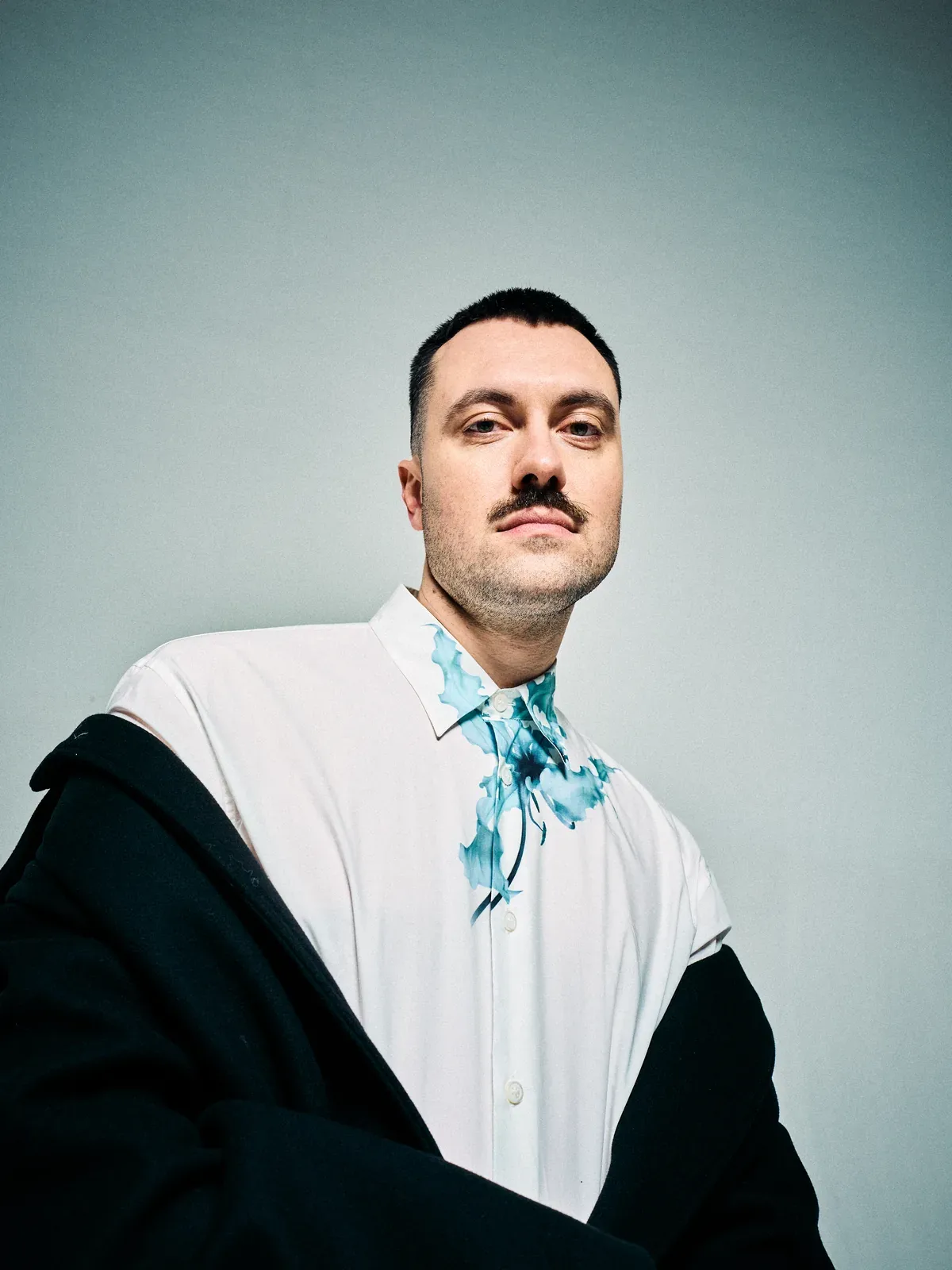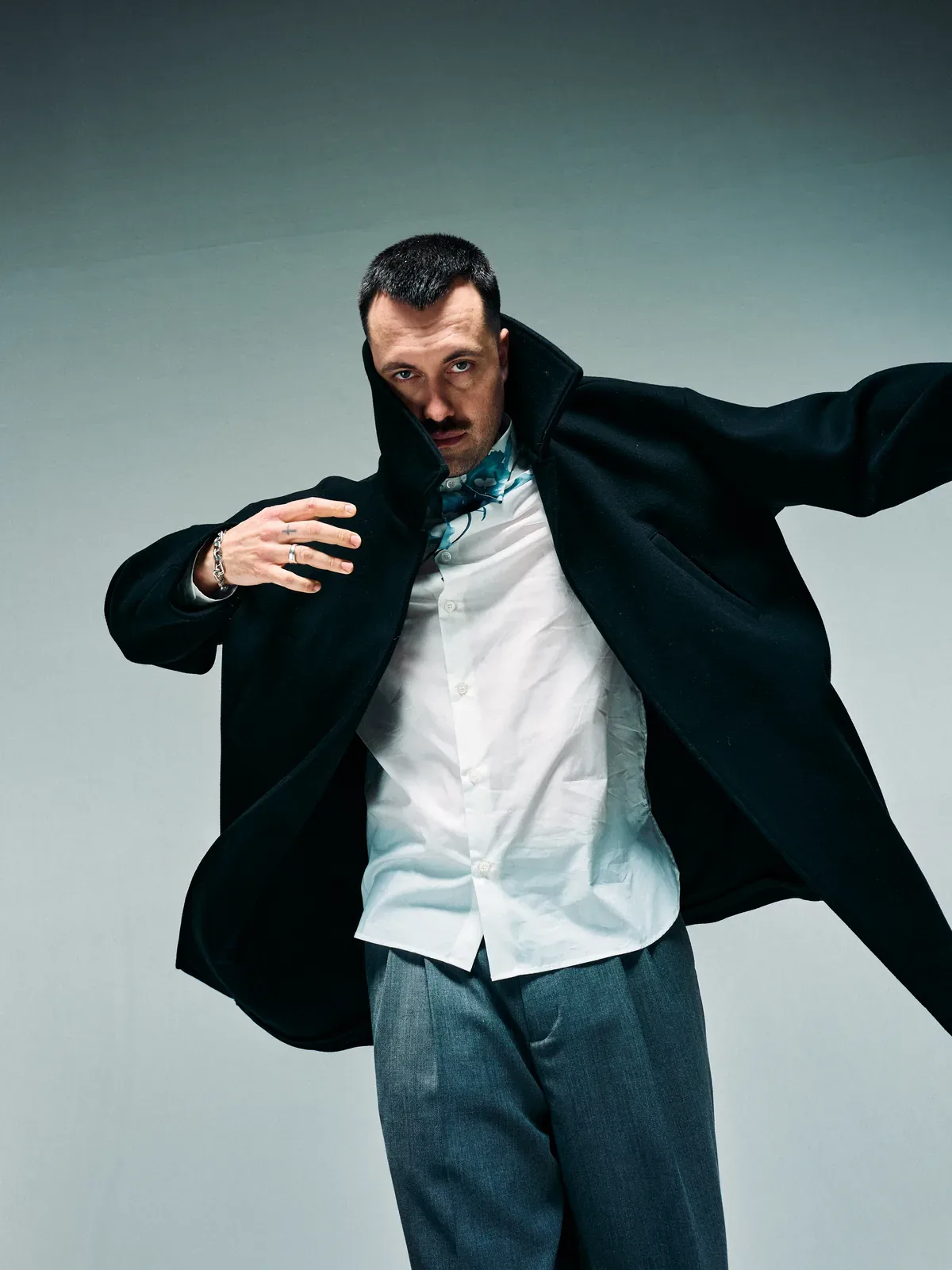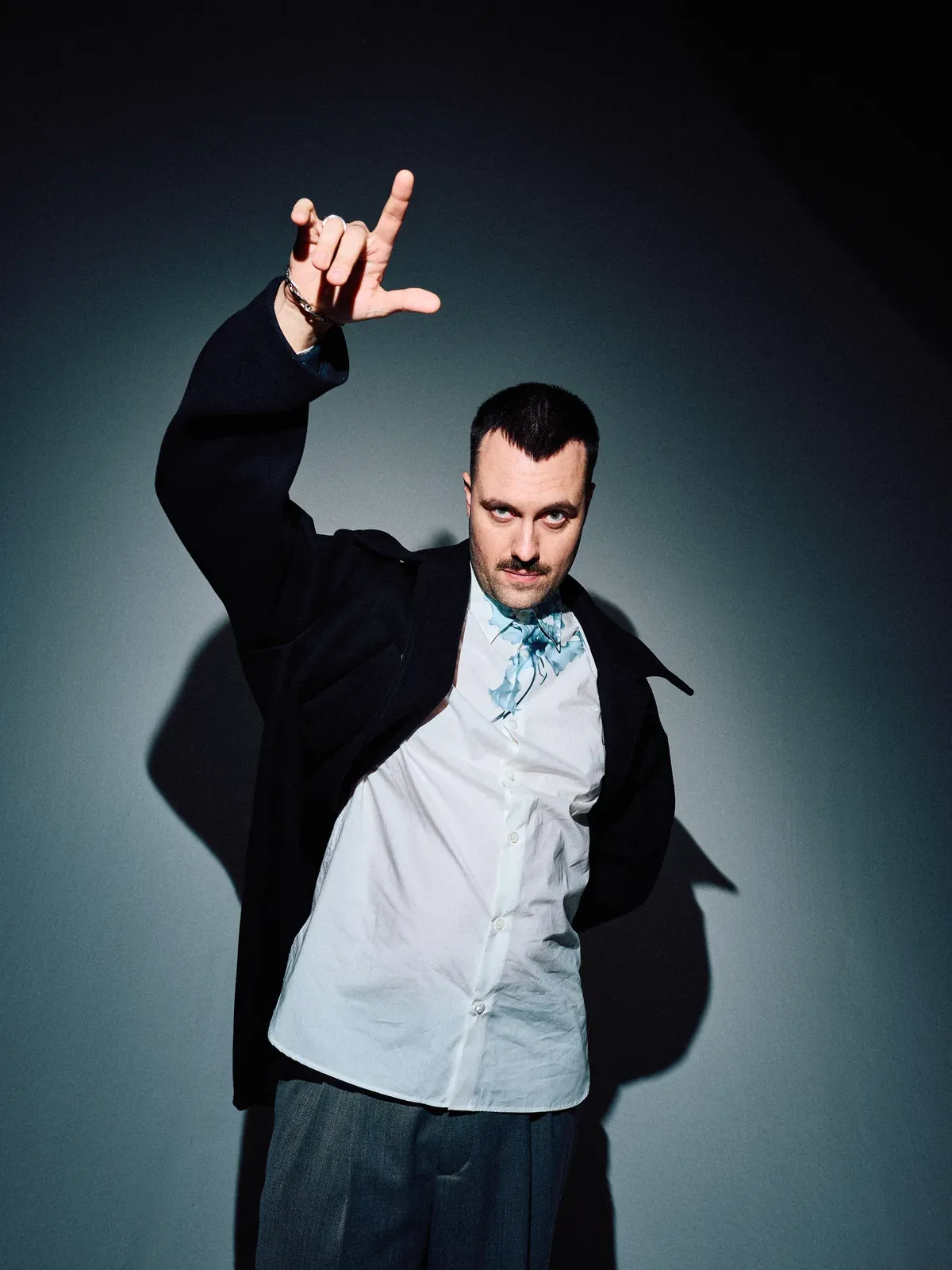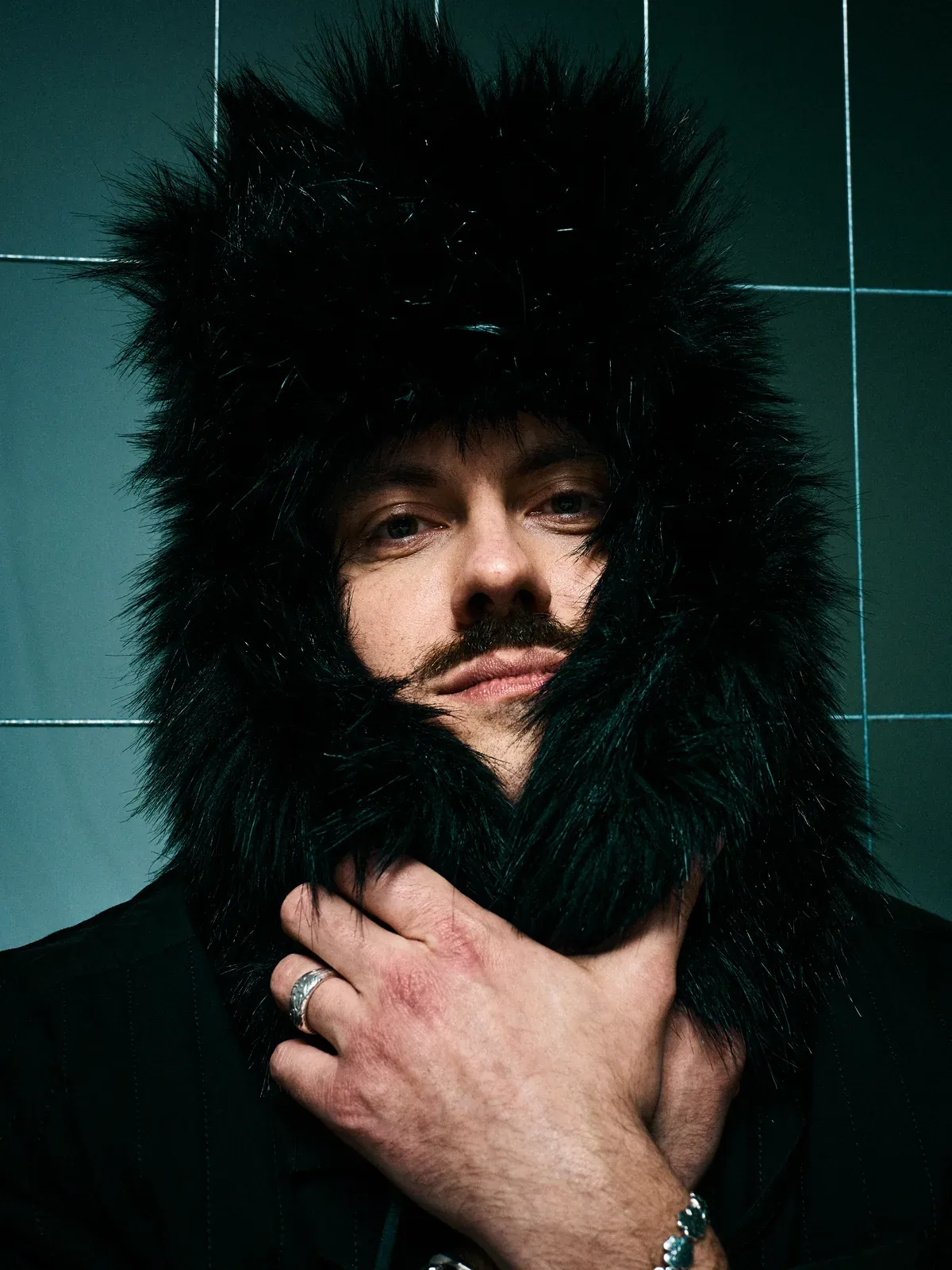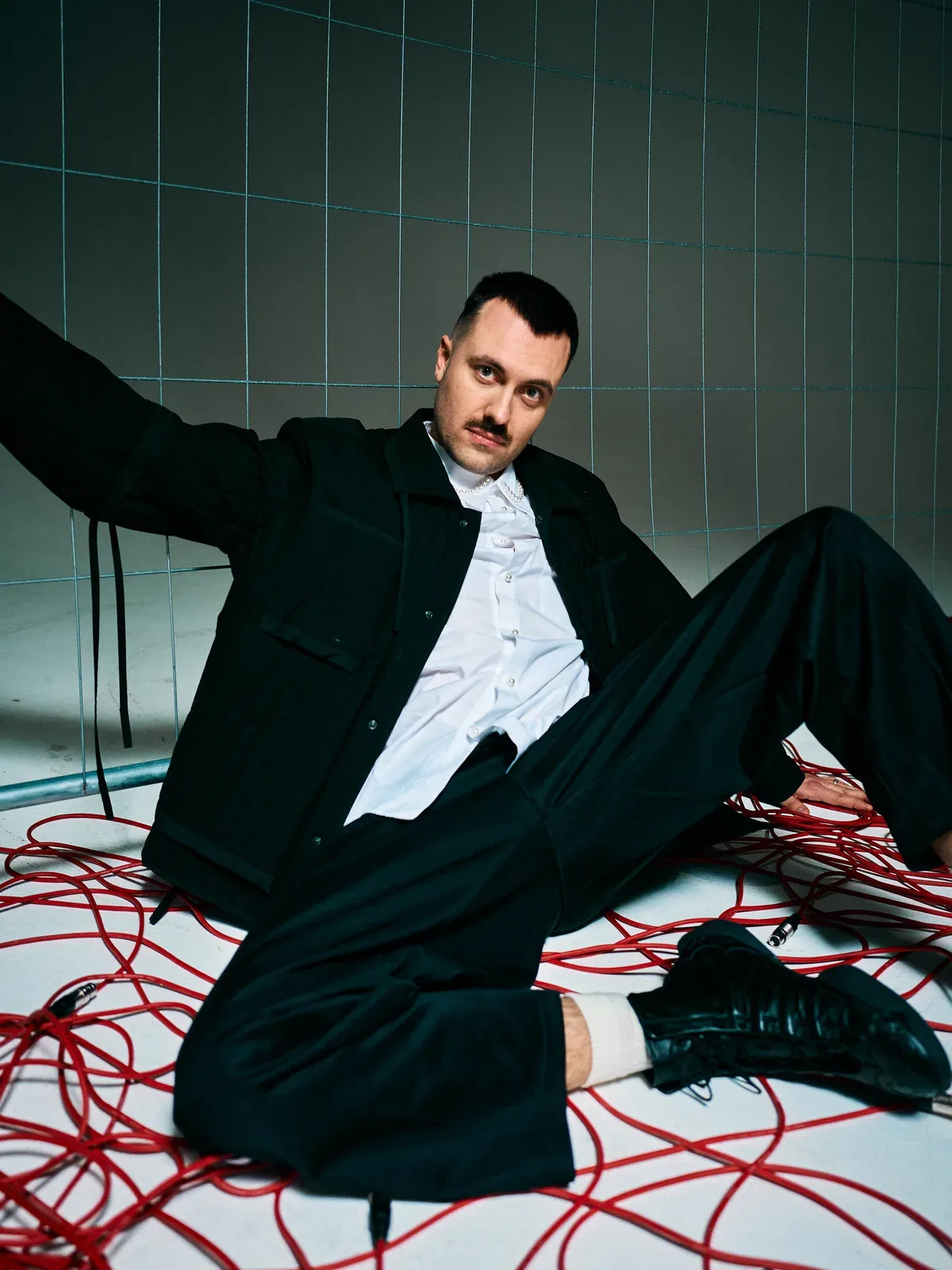
Music is a wonderful way to measure the passage of time, allowing us to observe how society evolves and how social behaviours and norms change. When discussing the constantly expanding category of electronic music, it is impossible not to view it today as an essential component of music production, rather than just a genre in its own right. When we associate electronic music with the dance floor, however, so many beautiful concepts come to mind: a sense of community, freedom, expression, euphoria, and hope. “In my sets, it’s that moment when everything suddenly opens up emotionally and we celebrate together,” explains Marlon Hoffstadt regarding his new single, Breathe.
If you grew up in the ’90s, listening to the track will undoubtedly bring a smile to your face, as it evokes a deeply familiar feeling for millennials. Yet, if you are part of Gen Z, you will likely love it too; this generation is currently rediscovering electronic dance music through a revivalist lens that spans multiple genres. Also known as DJ Daddy Trance, Hoffstadt has become one of the most visible and polarising figures in contemporary club culture. His music draws unapologetic inspiration from trance, Eurodance, and pop melodrama —genres that were once considered guilty pleasures in the very city where he grew up— bringing them to the forefront as something urgent and alive.
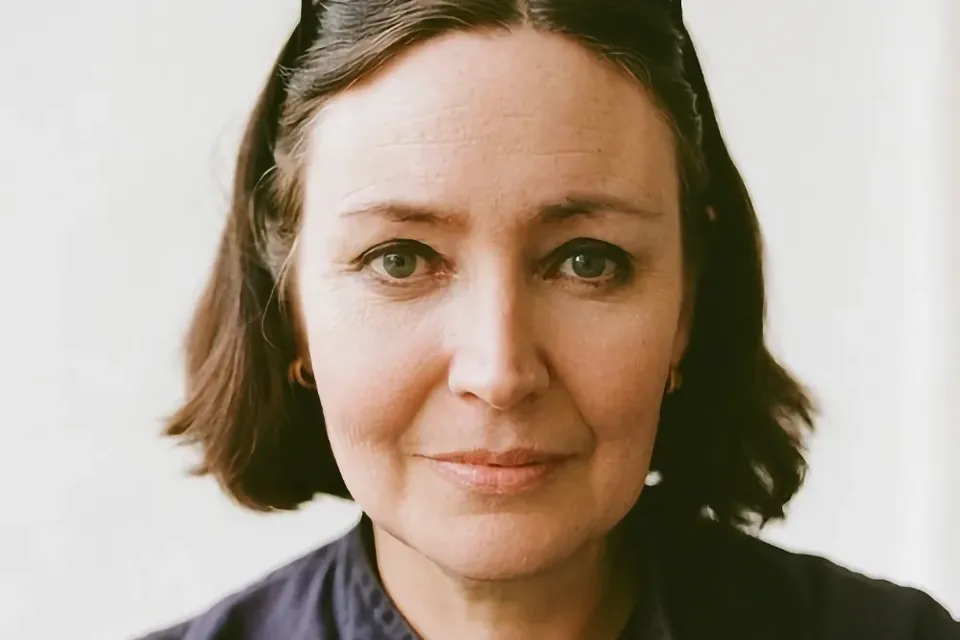
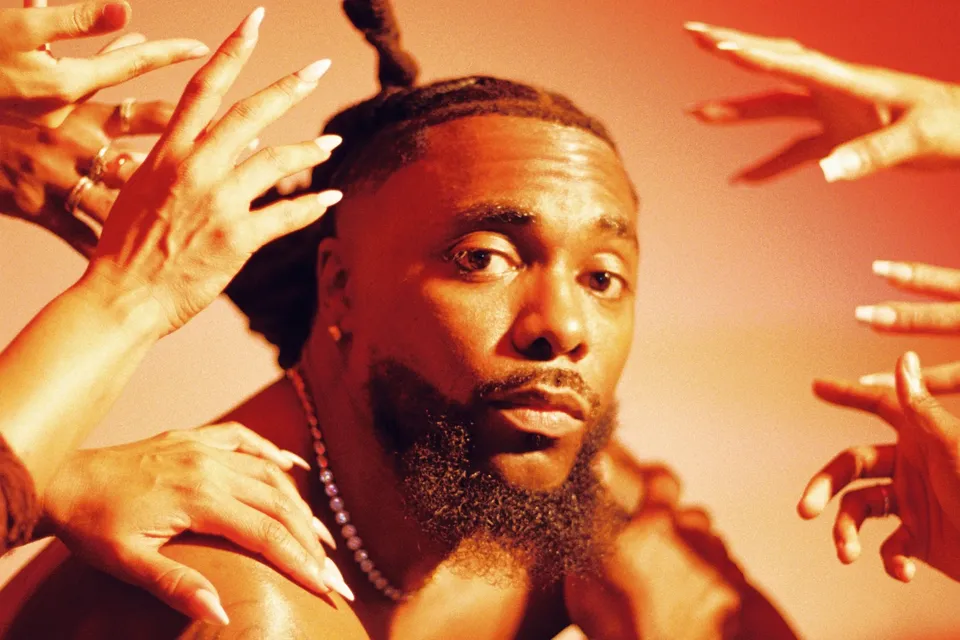
Famous for his brightly coloured, ever-changing hair, Marlon has been DJing in the clubs of his hometown, Berlin, since he was seventeen. He is an artist capable of filling everything from intimate basements with a capacity of two hundred and fifty to massive venues holding twenty thousand, attracting an audience that spans the entire spectrum of dance music. This versatility is the foundation of his skill as a producer — a talent that is clearly evident on his latest EP, All Yours.
Marlon Hoffstadt closed out 2025 with a flurry of releases, including remixes of Robyn’s Dopamine and BNYX and Kid Cudi’s Everywhere I Go (Remind Me), as well as Hold You Close with Peter Xan. He also collaborated with Mark Ronson on a flip of Rumore for the film Jay Kelly, starring George Clooney and Adam Sandler. Earlier this month, he and Hannah Laing unveiled their collaboration, Stomp Your Feet (featuring Caroline Roxy). He is currently embarking on a world tour that will see him debut at Coachella, Ultra Miami, and many other major venues across the globe.
There is a deliberate sincerity to his work; he avoids hiding behind irony to push a sonic idea. This is also central to Breathe, a euphoric yet quietly melancholic track that mirrors the atmosphere Hoffstadt creates in his sets; moments where the dance floor opens up, not just physically, but emotionally. “Breathe reminds me of those endless nights with friends; that coming-of-age feeling where you are completely in the moment and, somehow, it feels as though it could last forever,” says the artist. We speak with him about the meaning behind the single, the evolution of club culture, and why, ultimately, music does not need to justify its joy to be taken seriously.
I loved your new single, Breathe; it’s exactly what we need today to cope with world news. What’s the inspiration behind it?
Over the past year, I produced a lot of very different music, but there was this recurring coming-of-age theme that kept appearing in some of the tracks, especially in Breathe. For me, the song is about freedom and those last breaths of your teenage years, when time feels infinite. It might sound a bit cheesy, but that’s exactly the feeling I connect to: running through Berlin as a teenager, a bit lost but free. I think a lot of people can relate to that.
It can feel nostalgic, perhaps even a little melancholic, but I like that everyone can bring their own interpretation to it. In a way, we all went through similar struggles and emotions growing up, even if the details were different. That was the main inspiration behind the track. We also tried to capture that feeling in the music video that’s coming out with the release. It shows short, intimate glimpses into the lives of young adults living those moments; it almost feels like a trailer for a movie that doesn’t exist. We created it together with Shane Boyer, whose work I really admire, so I’m very excited for people to see it.
It can feel nostalgic, perhaps even a little melancholic, but I like that everyone can bring their own interpretation to it. In a way, we all went through similar struggles and emotions growing up, even if the details were different. That was the main inspiration behind the track. We also tried to capture that feeling in the music video that’s coming out with the release. It shows short, intimate glimpses into the lives of young adults living those moments; it almost feels like a trailer for a movie that doesn’t exist. We created it together with Shane Boyer, whose work I really admire, so I’m very excited for people to see it.
It has a very Eurodance feel to it, which I’ve always considered a compliment. Over the last ten to fifteen years, the perception of certain electronic and dance genres has changed significantly; there was a time when they were considered tacky. They have always represented hedonism in turbulent times, especially in 1990s Europe. What is your conception of this genre now, and how important is it to your current work?
Eurodance definitely had an impact on me, and trance, especially, is still part of the DNA of what I create. However, I wouldn’t say Eurodance itself is central to my current work. What inspires me right now is listening to all kinds of stuff: UK rap, K-pop, indie, pop music, and so on, and collaborating with young musicians who don’t care about genre boundaries. That keeps me curious. I get bored quite quickly when digging into one genre for too long.
I’m more interested in making music that refuses to belong entirely to one specific sonic world. That’s also something you’ll hear in my Coachella set. It’s all my own tracks, but the influences and features go in many different directions. It’s almost about to burst lol. At the same time, the emotional core of trance and the energy that Eurodance had in the ’90s —that feeling of intense emotion and release— is still something I connect to. It’s just that, today, I like to mix that DNA with unexpected references and contrasts. Throwing different styles together is what makes it feel fresh and exciting to me.
I’m more interested in making music that refuses to belong entirely to one specific sonic world. That’s also something you’ll hear in my Coachella set. It’s all my own tracks, but the influences and features go in many different directions. It’s almost about to burst lol. At the same time, the emotional core of trance and the energy that Eurodance had in the ’90s —that feeling of intense emotion and release— is still something I connect to. It’s just that, today, I like to mix that DNA with unexpected references and contrasts. Throwing different styles together is what makes it feel fresh and exciting to me.
Sometimes it feels as though DJs aren’t taken as seriously as other musicians in the cultural sphere. I believe being a DJ involves many things, but one of them is almost intuitive and deeply human: reading the atmosphere, picking up on the vibrations of a group of people, and being responsible for their energy and experience. I wanted to know how you measure this, whether you have specific ‘resources’ for difficult audiences, and if there are certain crowds that allow you to be more musically free.
I don’t think DJs should be taken seriously. As a matter of fact, I think DJs take themselves way too seriously. To me, the party and the people are what should be taken seriously. If they want to lose their sh*t, I’m happy to cater to that feeling. Of course, I want to play them music they haven’t heard before and surprise them. If that works, perfect; if not, there is always a track that will help them connect. I don’t think a DJ is in any position to lecture the crowd. The DJ should ensure the people have the best time ever — at least, that is what I try to do.
Naturally, there are spaces where experimentation is key and appreciated, but that isn’t usually where I play these days. I still do my own thing, though: last year I played EDC Las Vegas in front of twenty-five thousand people, scheduled between Armin van Buuren and Tiësto. About five minutes before my set, I decided to scrap my plan and play mostly unreleased music to see how the US crowd would react. I can’t say everyone ‘got’ it (there was a group of hundreds sitting down to recover from a whole day of raving, lol), but it still turned a lot of people who hadn’t heard me before into fans. In the end, I think it’s a mix of picking the crowd up, giving them what they want, and taking them somewhere new.
Naturally, there are spaces where experimentation is key and appreciated, but that isn’t usually where I play these days. I still do my own thing, though: last year I played EDC Las Vegas in front of twenty-five thousand people, scheduled between Armin van Buuren and Tiësto. About five minutes before my set, I decided to scrap my plan and play mostly unreleased music to see how the US crowd would react. I can’t say everyone ‘got’ it (there was a group of hundreds sitting down to recover from a whole day of raving, lol), but it still turned a lot of people who hadn’t heard me before into fans. In the end, I think it’s a mix of picking the crowd up, giving them what they want, and taking them somewhere new.
Do you feel that the dance floor is changing nowadays? I think you’re the right person to ask, not only because of the role you play in introducing more musical diversity to dance parties, but also because you’ve DJed (and will be DJing) in so many different places around the world.
The peers around me and I really blew up right after COVID, when everyone wanted to go absolutely crazy and release all the tension that had built up during the lockdowns. The first gigs I played during that period were magic. People wanted to completely lose it, and the atmosphere had this slightly manic energy. We could go really fast and play what people would call ‘guilty pleasures,’ and the roof would come off. I think that became part of the lore of Daddy Trance and one of the reasons everything grew so quickly.
It also changed the etiquette on dance floors. In a way, it was the antidote to the strict and serious club environments I grew up with in my hometown. Suddenly, things felt more open to fun and emotion. There was more jumping and screaming than zoning out. But I feel as though things are shifting again now. Everything is becoming a bit less eccentric. At my shows, people appreciate the emotional moments just as much as the harder ones. Of course, I can only speak from my own perspective and what I see around me, but it feels as if people want to dance more and jump a bit less again.
It also changed the etiquette on dance floors. In a way, it was the antidote to the strict and serious club environments I grew up with in my hometown. Suddenly, things felt more open to fun and emotion. There was more jumping and screaming than zoning out. But I feel as though things are shifting again now. Everything is becoming a bit less eccentric. At my shows, people appreciate the emotional moments just as much as the harder ones. Of course, I can only speak from my own perspective and what I see around me, but it feels as if people want to dance more and jump a bit less again.
Electronic music has always claimed to be inclusive, but many structural barriers still exist. From your perspective, where is the DJ scene genuinely improving, and where does it still fall short?
I don’t understand how a promoter can book a line-up that is over ninety per cent male in 2026. It’s beyond me. There is simply too much talent out there that isn’t white, cis, and male. I think there has definitely been progress in terms of awareness recently; there is more conversation happening around representation, which is incredibly important. At the same time, access to the industry, to resources, and to networks is still not equally distributed. Those barriers can be harder to see, but they are very real.
What I’ve always loved about electronic music culture is that, in theory, everyone is equal on the dance floor. People come together from very different backgrounds and share the same space through music. The challenge is ensuring that this openness doesn’t exist only on the dance floor, but also behind the scenes. That’s something I believe the entire scene still needs to work on.
What I’ve always loved about electronic music culture is that, in theory, everyone is equal on the dance floor. People come together from very different backgrounds and share the same space through music. The challenge is ensuring that this openness doesn’t exist only on the dance floor, but also behind the scenes. That’s something I believe the entire scene still needs to work on.
Your international tour is about to start, and it will take you to places as diverse as Bogotá, Glasgow, Orange, and Coachella. Are there any of these dates that you’re particularly excited about?
I took two months off for a touring break, so as you can imagine, I am extra hyped to be back behind the decks. Playing Coachella for the first time will definitely be a huge milestone for me this year. I’m a little nervous as well, but we’ve been working on a really sick show for months, so I honestly can’t wait for it to happen. Ultra Miami will also be a big moment, especially because I’ll be playing the main stage solo and alongside Armin van Buuren, who has been a huge inspiration for me. We’ve shared the booth a few times before, so it’s very cool to be on that stage together now.
I’ll also be making my South American debut in Chile and Colombia, and I’ve heard such amazing things about the crowds there. In general, it’s always great to return to places you already know, but also to discover new ones and experience different audiences. Besides these, there are definitely a lot of great shows coming up over the next few months! I’m even throwing a rave in the streets of London in May.
I’ll also be making my South American debut in Chile and Colombia, and I’ve heard such amazing things about the crowds there. In general, it’s always great to return to places you already know, but also to discover new ones and experience different audiences. Besides these, there are definitely a lot of great shows coming up over the next few months! I’m even throwing a rave in the streets of London in May.
“What inspires me right now is listening to all kinds of stuff: UK rap, K-pop, indie, pop music, and so on. I’m more interested in making music that refuses to belong entirely to one specific sonic world.”
In your opinion, what defines the ‘Berlin experience’ when it comes to clubbing? Is Berlin’s dance music scene becoming slightly less dark?
Having grown up here and experienced the club culture first-hand, I’d say Berlin has always been defined by a very unique sense of freedom. You can be yourself and express who you are without feeling judged. That’s something many people admire about the city and what it has become known for. That feeling naturally translates into the club culture and can make going out here a very different experience compared to other places.
At the same time, Berlin will probably always have a slightly darker edge when it comes to music and aesthetics; that’s part of its identity. However, I do feel as though the scene has become more diverse in recent years. It feels a bit less rigid than the ultra-serious techno era and more open to different sounds, which I think makes it more interesting.
It’s also funny to see how pop culture has picked up on Berlin again recently. You have songs called Berghain, pop stars showing up in clubs, and this idea of the ‘Berlin rave’ becoming something people outside of Europe dream about. I enjoy playing around with that heritage and, perhaps, also annoying a few people who think the city should only be defined in one very specific way.
At the same time, Berlin will probably always have a slightly darker edge when it comes to music and aesthetics; that’s part of its identity. However, I do feel as though the scene has become more diverse in recent years. It feels a bit less rigid than the ultra-serious techno era and more open to different sounds, which I think makes it more interesting.
It’s also funny to see how pop culture has picked up on Berlin again recently. You have songs called Berghain, pop stars showing up in clubs, and this idea of the ‘Berlin rave’ becoming something people outside of Europe dream about. I enjoy playing around with that heritage and, perhaps, also annoying a few people who think the city should only be defined in one very specific way.
Your DJ Daddy Trance project conveys a deliberate sincerity in a landscape that often pretends that irony or indifference is the key. I loved All Yours, your latest EP; it is emotional and honest fun. In a way, it reminded me of some of Hudson Mohawke’s recent work in terms of sound and the captivating emotions it conveys. It also brought to mind something 2hollis said recently on an episode of Popcast: “Everything is now a meme, ironic, or a joke... and it’s degrading to art.” Sometimes it seems as though there has to be an additional reason for music that leans towards pop or dance to be taken seriously from a cultural standpoint. I wanted to know your view on this.
I think it’s partly just a reflection of the times we live in. A lot of things are filtered through irony or quickly turned into memes now — that’s how people communicate today. But sometimes that also means that expressing genuine emotion is questioned or turned into a joke very quickly. For me, dance music has always been about a shared experience. Joy, release, connection — those are very real emotions, even if the music itself is playful or fun. I don’t think music always needs an extra layer of explanation to be culturally meaningful. Sometimes people treat pop or dance music as if it requires justification, but if something genuinely moves or connects people, that already has inherent value.
With DJ Daddy Trance, I mainly wanted to make music without overthinking it too much. If something feels good, emotional, or simply fun, that is reason enough for me. I think people often overcomplicate music, but in the end, it’s actually quite simple: if I’m moved and you’re moved, then perhaps I’m doing something right.
With DJ Daddy Trance, I mainly wanted to make music without overthinking it too much. If something feels good, emotional, or simply fun, that is reason enough for me. I think people often overcomplicate music, but in the end, it’s actually quite simple: if I’m moved and you’re moved, then perhaps I’m doing something right.
It makes a lot of sense if you think about the role and location of the DJ booth in a set, but I can’t resist asking you: where does the name Daddy Trance come from?
I’m actually a dad, which I realised not many people know, so that’s where the ‘Daddy’ part comes from. And since I obviously also like trance, my friends started calling me Daddy Trance as a bit of a joke. Somehow it stuck and became a thing, so I went along with it. People either hate it or love it, and I’m entirely here for that.
“I don’t think DJs should be taken seriously. As a matter of fact, I think DJs take themselves way too seriously. To me, the party and the people are what should be taken seriously.”
How do you take care of yourself physically and mentally when you’re on tour? Some sessions are long and go on until the early hours of the morning, and many musicians have spoken in recent years about the health and exhaustion problems associated with international touring.
You won’t see me at the after-parties; I head straight to the hotel. It’s ‘pretty Daddy’ of me, but I have to protect my energy. I’ve been completely sober for more than a year now and I plan on continuing down that road. I have to say that it helps me immensely to maintain a good state of mind during stressful touring periods, especially because the lifestyle can be so demanding, both emotionally and physically.
Besides that, I try to get enough sleep and generally take care of myself as much as possible. I try to listen to my body and rest when I feel the need. It can sometimes be difficult to set those boundaries for yourself, especially when the outside pressure can feel overwhelming. But taking the time to reset and gather energy again is vital to me; I think, in the long run, it’s crucial if you want to keep doing this in a healthy way.
Besides that, I try to get enough sleep and generally take care of myself as much as possible. I try to listen to my body and rest when I feel the need. It can sometimes be difficult to set those boundaries for yourself, especially when the outside pressure can feel overwhelming. But taking the time to reset and gather energy again is vital to me; I think, in the long run, it’s crucial if you want to keep doing this in a healthy way.
Also, last year, at a set at the Wildlands Festival in Perth, you invited the audience to ‘take care of each other’ after seeing some people faint. In your opinion, is the relationship between raves and drugs improving?
Backflips and ketamine aren’t really my kind of dance party. I think the most important thing is that people take care of themselves and those around them. When I stopped the music at Wildlands, it was simply because I could see people passing out from the stage, which is obviously worrying to witness during a show.
I’m not here to say ‘don’t do drugs’, but I do encourage people to look out for one another and be kind. I believe there is more awareness today regarding safety and responsibility within the scene, which is a positive development. However, it is still vital that people know their limits and look after those around them. The sense of community on the dance floor has always been a huge part of rave culture. That also means being mindful of your space, not taking up too much of it or putting others in uncomfortable situations. That’s something I always try to call out whenever I can.
I’m not here to say ‘don’t do drugs’, but I do encourage people to look out for one another and be kind. I believe there is more awareness today regarding safety and responsibility within the scene, which is a positive development. However, it is still vital that people know their limits and look after those around them. The sense of community on the dance floor has always been a huge part of rave culture. That also means being mindful of your space, not taking up too much of it or putting others in uncomfortable situations. That’s something I always try to call out whenever I can.
Losing Control with KI/KI, Stomp Your Feet with Hannah Laing and Caroline Roxy, Makina Time with Dimitri Vegas, Like Mike, and DJ Konik, and now Breathe are some of your most recent (and successful) releases. What can your fans expect from you in 2026?
I make so much music that, sometimes, I don’t even know how or when to release it all. I recently built a new studio at my place and I’ve been spending a lot of time there, so new material is constantly coming together. My management is already sweating just looking at everything that still needs to get out into the world!
Of course, you can’t always release music exactly when you want to, as there are so many different factors involved. However, I try to put out as much as possible. I’ve always felt that releasing music is a way of giving something back to the fans, so that’s something I definitely want to keep doing.
This week, my remix for BNYX and Kid Cudi is dropping (what is life?!?), and I also have a collaboration with Southstar on the way, plus plenty of other originals. There is so much coming; it’s just a matter of how, when, and where it all finds its moment.
Of course, you can’t always release music exactly when you want to, as there are so many different factors involved. However, I try to put out as much as possible. I’ve always felt that releasing music is a way of giving something back to the fans, so that’s something I definitely want to keep doing.
This week, my remix for BNYX and Kid Cudi is dropping (what is life?!?), and I also have a collaboration with Southstar on the way, plus plenty of other originals. There is so much coming; it’s just a matter of how, when, and where it all finds its moment.
Do you remember the moment you decided you wanted to pursue music? Was there an artist, song, or specific moment that was essential to this?
There is a classic German film called Berlin Calling. It actually stars Paul Kalkbrenner playing a version of himself. It had such a profound impact on me as a teenager and made me want to make music my life. It’s a great film, and it captured a specific era of Berlin club music incredibly well. It also shows the downsides and the darker places the scene can lead you to, but that honesty made it feel even more real and inspiring to me.