Consuming media created by women simply feels different. Seeing women on screen who are full-fledged people is something few male directors have been able to accomplish to the same extent as women. As part of an oppressed group, you learn to understand the oppressor far better than they could ever understand you. This is why stories told by women enable a rich understanding of the human experience that hasn’t truly been appreciated before now — and we still have a way to go.
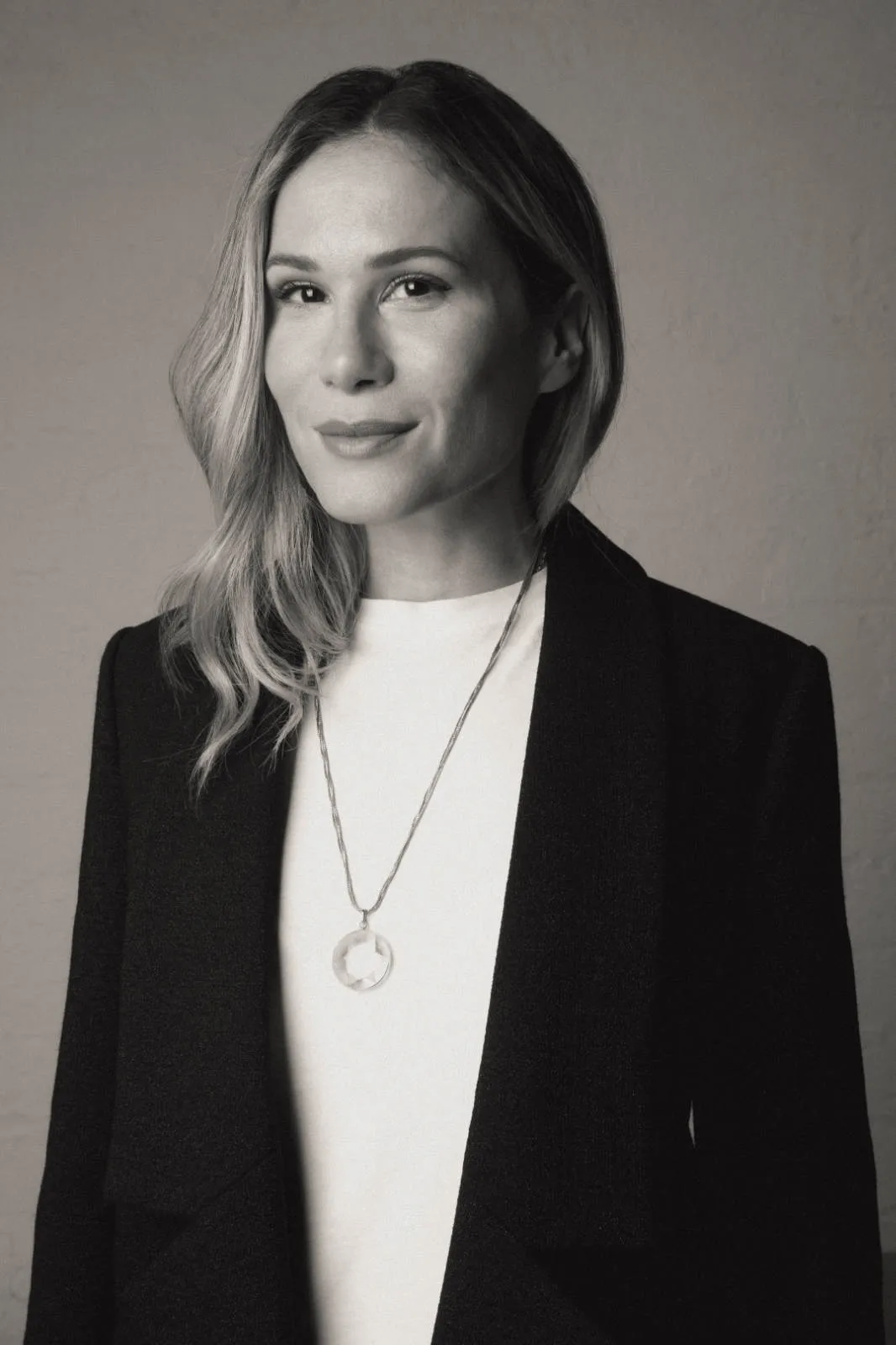
Brazilian director Marianna Brennand epitomises this shift through Manas, a poignant and emotional film that serves as a call to action for all who stand against patriarchal violence. Released in Spanish cinemas on the 27th of February, and nominated for the Goya for Best Ibero-American Film, Manas forces us to consider the power of, and urgent need for, sisterhood — both on the screen and behind the camera.
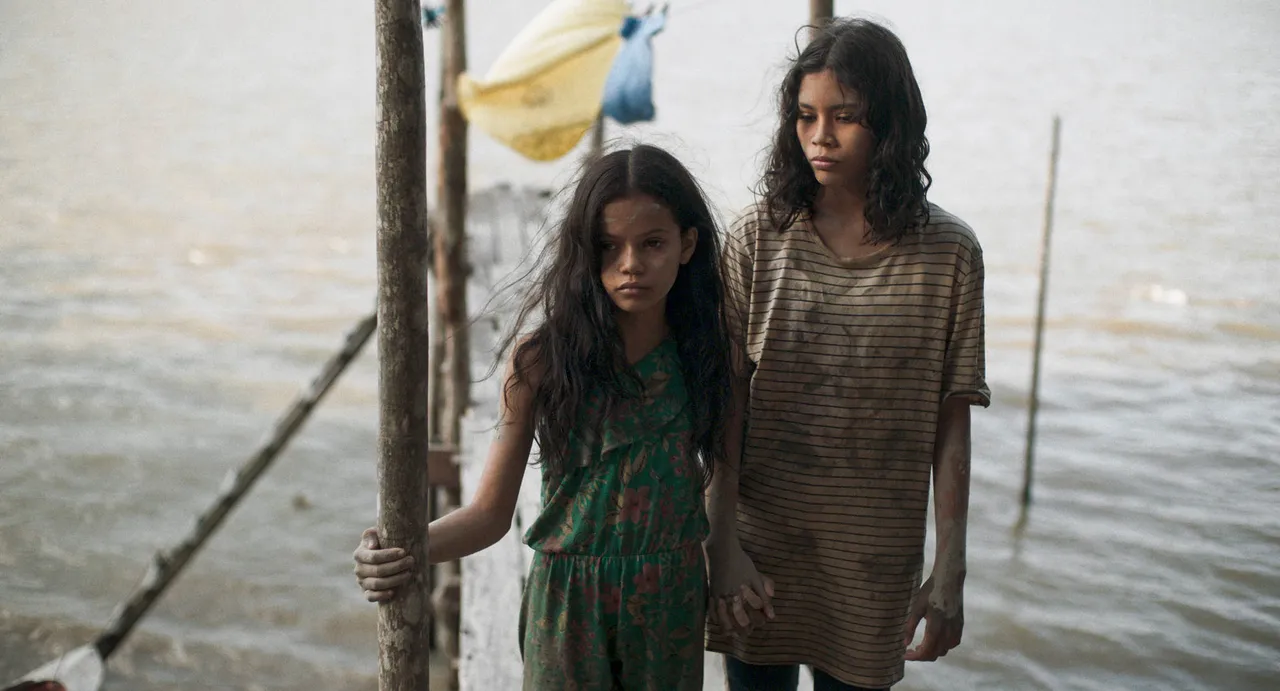
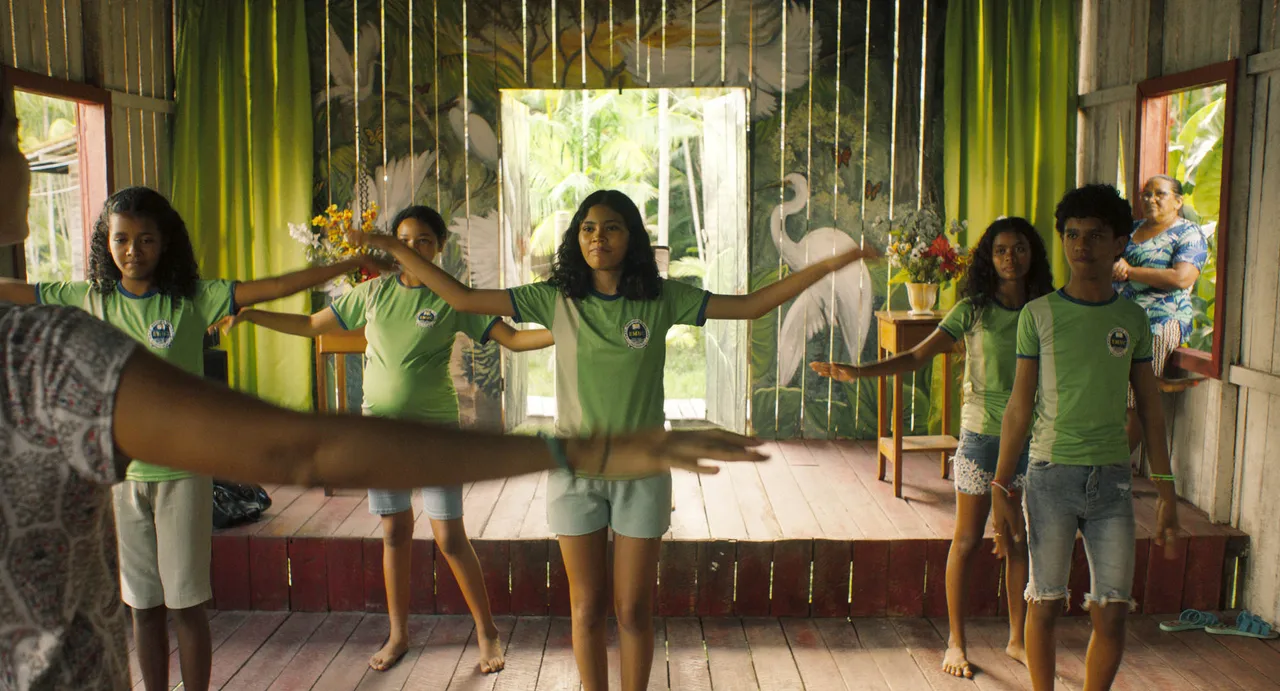
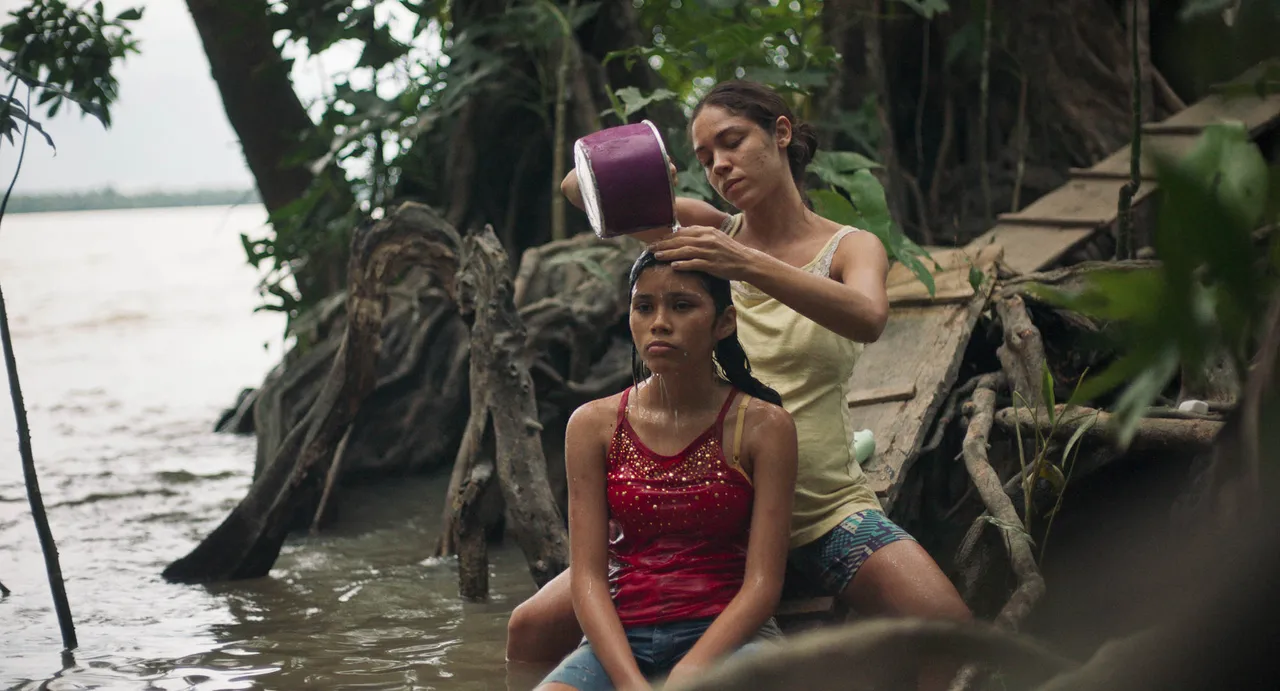
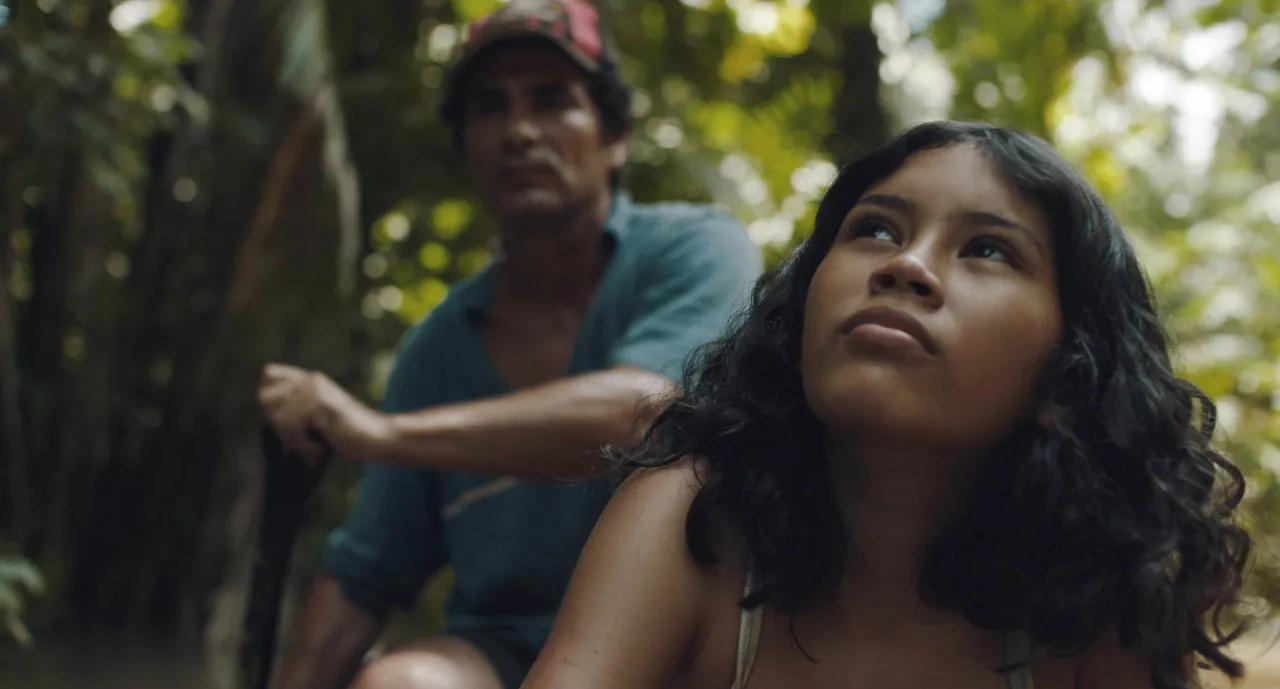
Watching Brennand’s new work, you experience a sense of pride, deception, hope, and crippling defeat that ignites the soul with a raging fire, only to be extinguished by a mixture of happy and sad tears. Manas follows thirteen-year-old Marcielle, played by Jamilli Correa, on the secluded Marajó island on the Northern Atlantic coast of Brazil. She grapples with a familial inheritance of abuse that has tormented generations of women and girls. Abuse perpetrated by those close to the victim is a worldwide phenomenon; this story tackles it without sacrificing the dignity of Marcielle or those she represents. Brennand achieves this through specific stylistic choices, such as omitting viscerally violent scenes.
Central to Brennand’s process is her identity as a woman. Developing this story was a labour of love and a dedication to protecting the women and girls whose stories inspired the film. The camera angles, the script, the moments she chooses to stop recording, and the development of the female characters’ voices are all integral to the message: a communal responsibility to protect its most vulnerable members.
Brennand’s commitment to safeguarding women and girls from re-traumatisation, holding men accountable for their own and their peers' actions, and her refusal to aestheticise violence make Manas the ultimate portrayal of sisterhood. She does not dull her voice or implement the tactics of male-centred filmmaking; instead, she forges her own path in collaboration with other women dedicated to championing women’s stature in cinema.
Hi Marianna, how are you today? I’d like to ask you first what sisterhood or sorority means to you and how you practise it in your life?
Hi Sofía, I’m very well, and very grateful for this conversation. Sisterhood, to me, is a conscious choice. It is the decision to stand beside other women, even when it is uncomfortable, and even when it challenges our own conditioning. It is about listening without judgment, amplifying each other’s voices, and creating spaces where vulnerability is not punished but protected. In my life, I practise it by building collaborative environments in my work, by prioritising women’s perspectives in storytelling, and by constantly questioning the internalised competition that society often imposes on us.
Manas was born out of my partnership with Carolina, my producer and co-writer. We have been creative partners for fifteen years, and we have such a strong bond. I am surrounded by amazing women in my life. I choose to be around women in my personal life and at work. In Manas, we had the opportunity to work with so many incredible and talented women both behind and in front of the camera. I think the making of the film, and how it appears on screen, embodies what sisterhood and sorority mean to me.
Manas was born out of my partnership with Carolina, my producer and co-writer. We have been creative partners for fifteen years, and we have such a strong bond. I am surrounded by amazing women in my life. I choose to be around women in my personal life and at work. In Manas, we had the opportunity to work with so many incredible and talented women both behind and in front of the camera. I think the making of the film, and how it appears on screen, embodies what sisterhood and sorority mean to me.
The title directly translates to ‘sisters’, but you’ve said that it holds a deeper meaning in Brazil. What is the impact of community-building among women in situations of abuse?
In Brazil, ‘manas’ is more than just ‘sisters’. It carries a feeling of belonging, of chosen family, and of solidarity among women who protect one another. In contexts of abuse, community can be the first rupture in the silence. Isolation sustains violence; connection disrupts it. When women begin to recognise themselves in each other’s stories, shame shifts from the victim to the structure that enables the abuse. These lessons extend far beyond the film — collective awareness and mutual support are powerful tools of transformation.
You have the pillars of the community and they’re all women: the pastor, the teacher, the bar attendant, the mother, the police officer. Each has their own manner of understanding abuse. What were you trying to represent with them?
Statistically, abuse happens inside familiar spaces. It is rarely the ‘monstrous stranger’; it is often someone trusted. Portraying the ‘outsider monster’ can comfort audiences because it distances us from the problem. Showing the violence within the community forces us to confront uncomfortable truths about patriarchy and power dynamics embedded in everyday life. Furthermore, all these women represent how gender violence is structural and sometimes normalised. They have all been subject to violence and have to find ways to cope with it in their lives.
“We are already saturated with violent imagery. I did not want to reproduce that spectacle. Not showing the violence respects the audience and refuses to aestheticise trauma.”
You said that to make this film as a documentary you would have had to re-traumatise the girls, and that was not an option. What role do documentarians have to step away from a project when it could hurt the subjects? Is fiction the solution?
My immediate impulse was to make a documentary exposing this reality, but I quickly realised that placing girls and women who are victims of such profound trauma in front of cameras to recount their stories would subject them to yet another form of violence. For this reason, I understood that fiction would allow me to tell this story in all its complexity, exploring the various dimensions of human behaviour and the layers of this violence without exposing the women who inspired the work.
This decision allowed me to reach a deeper, more symbolic dimension through narrative and cinematographic resources: the use of ellipses, the soundscape of the forest and the river, camera positioning, costumes, characterisation, and the direction of the actors. Through these, it was possible to address the harshness of the theme through the subjectivity of the protagonist as we accompany her journey of becoming aware of the oppression she is subjected to. It took eight years of extensive field research; we listened to activists, social workers, lawyers, religious leaders, and local figures. We visited the region several times to see the reality we wanted to portray with our own eyes. This process was fundamental to the making of Manas.
This decision allowed me to reach a deeper, more symbolic dimension through narrative and cinematographic resources: the use of ellipses, the soundscape of the forest and the river, camera positioning, costumes, characterisation, and the direction of the actors. Through these, it was possible to address the harshness of the theme through the subjectivity of the protagonist as we accompany her journey of becoming aware of the oppression she is subjected to. It took eight years of extensive field research; we listened to activists, social workers, lawyers, religious leaders, and local figures. We visited the region several times to see the reality we wanted to portray with our own eyes. This process was fundamental to the making of Manas.
I’ve noticed that, among male directors, immersing actors often involves intense emotional or physical turmoil. Women directors often have a different approach that yields the same emotional result. Have you noticed this contrast?
Without a doubt, the main influence on Manas comes from the fact that I am a female filmmaker. The film was born from the urgent need to tell a story about violence and silence from the voice, perspective, and experience of a woman, respecting our bodies and our experiences. The fundamental principle that guided all the ethical and aesthetic choices was: how do we tell such a violent story without reproducing more violence? How do we make a film that is harsh in its denunciation, but profoundly human in its perspective?
It is about making cinema without re-victimising, without exploiting, and without hurting again. One of the key aspects was understanding that the story needed to be told from the point of view of Marcielle, a thirteen-year-old girl enduring unspeakable pain. Everything was constructed so that the viewer could inhabit her soul and feel the effects of this terrible violence firsthand.
It is about making cinema without re-victimising, without exploiting, and without hurting again. One of the key aspects was understanding that the story needed to be told from the point of view of Marcielle, a thirteen-year-old girl enduring unspeakable pain. Everything was constructed so that the viewer could inhabit her soul and feel the effects of this terrible violence firsthand.
Witnessing violence has become part of our everyday lives. In Manas, we don’t see explicit scenes of violence, and in my opinion, that speaks volumes. Can you explain this decision?
It was an emotionally demanding process because the reality we saw was much harsher than what was portrayed on screen. But we felt it was our responsibility, as Brazilian women, to face this reality without looking away. Cinema has the power of social transformation through empathy, provoking reflection and breaking silences. In Brazil and around the world, the impact was very intense. The film has mobilised important discussions, and it has become a tool for raising awareness, especially regarding domestic violence and the patriarchal culture that sustains these abuses.
There is an argument that seeing violence can shock people into action. What do you think of this?
We are already saturated with violent imagery. I did not want to reproduce that spectacle. Not showing the violence respects the audience and refuses to aestheticise trauma. As you said, we can fill in the blanks. The absence becomes more powerful because it engages our empathy instead of just shocking our senses. Graphic imagery can sometimes desensitise.
I believe that graphically recreating sexual violence is to legitimise it, to naturalise it. I refused to do that. The violence is there, but it is felt from Marcielle’s subjective perspective. All the ethical and aesthetic choices in the film are also political choices. They are refusals. And they are refusals that stem from the fact that I am a woman. Manas is only the film it is because it was conceived from a female perspective.
I believe that graphically recreating sexual violence is to legitimise it, to naturalise it. I refused to do that. The violence is there, but it is felt from Marcielle’s subjective perspective. All the ethical and aesthetic choices in the film are also political choices. They are refusals. And they are refusals that stem from the fact that I am a woman. Manas is only the film it is because it was conceived from a female perspective.
“I want women to feel welcomed and encouraged, but I also want men to take responsibility and get involved in this change. This transformation cannot be the responsibility of women alone; it is collective.”
With the rise of ultra-right-wing, misogynistic rhetoric, how can Manas be used as a tool to fight femicide?
The film opens a space for dialogue. It invites audiences to recognise early signs of abuse and question normalised behaviours. Fighting femicide begins with education, listening, and breaking the silence. Cinema cannot solve systemic violence alone, but it can catalyse awareness — and empathy is political. I want women to feel welcomed and encouraged, but I also want men to take responsibility and get involved in this change. This transformation cannot be the responsibility of women alone; it is collective.
What connections do you draw between climate change and sexual exploitation?
Climate vulnerability and gender violence are interconnected because both stem from structural inequality. Environmental collapse disproportionately affects marginalised communities, and women and girls are often the most exposed to exploitation in unstable conditions. Both issues are about power, extraction, and whose lives are considered disposable.
Last year you won the Kering Women in Motion Emerging Talent Award at Cannes. What criteria do you look for when selecting the next winner?
I look for courage — not only aesthetic talent but a voice that challenges structures, expands narratives, and contributes to collective transformation. Cinema needs new imaginaries. Being the first Brazilian to receive this award carries collective strength. It brings visibility to all the incredible women who build cinema alongside me. Receiving this alongside Nicole Kidman, who has pledged to work with a female director every year, makes it all the more symbolic. This recognition strengthens my commitment to impactful cinema and fills me with the energy to continue creating with courage, affection, and purpose.