F*cking Future wants to be many things: a critique of the militarisation of bodies, a queer manifesto against toxic virility, a collective catharsis to the rhythm of techno. Presented from 27 to 30 May at Chaillot – Théâtre National de la Danse in Paris, the piece by Portuguese choreographer Marco da Silva Ferreira moves from martial discipline towards an underground celebration of freedom. And yet, what begins as a compact image of strength and control ultimately fails to reach the intensity its arc seemed to promise.
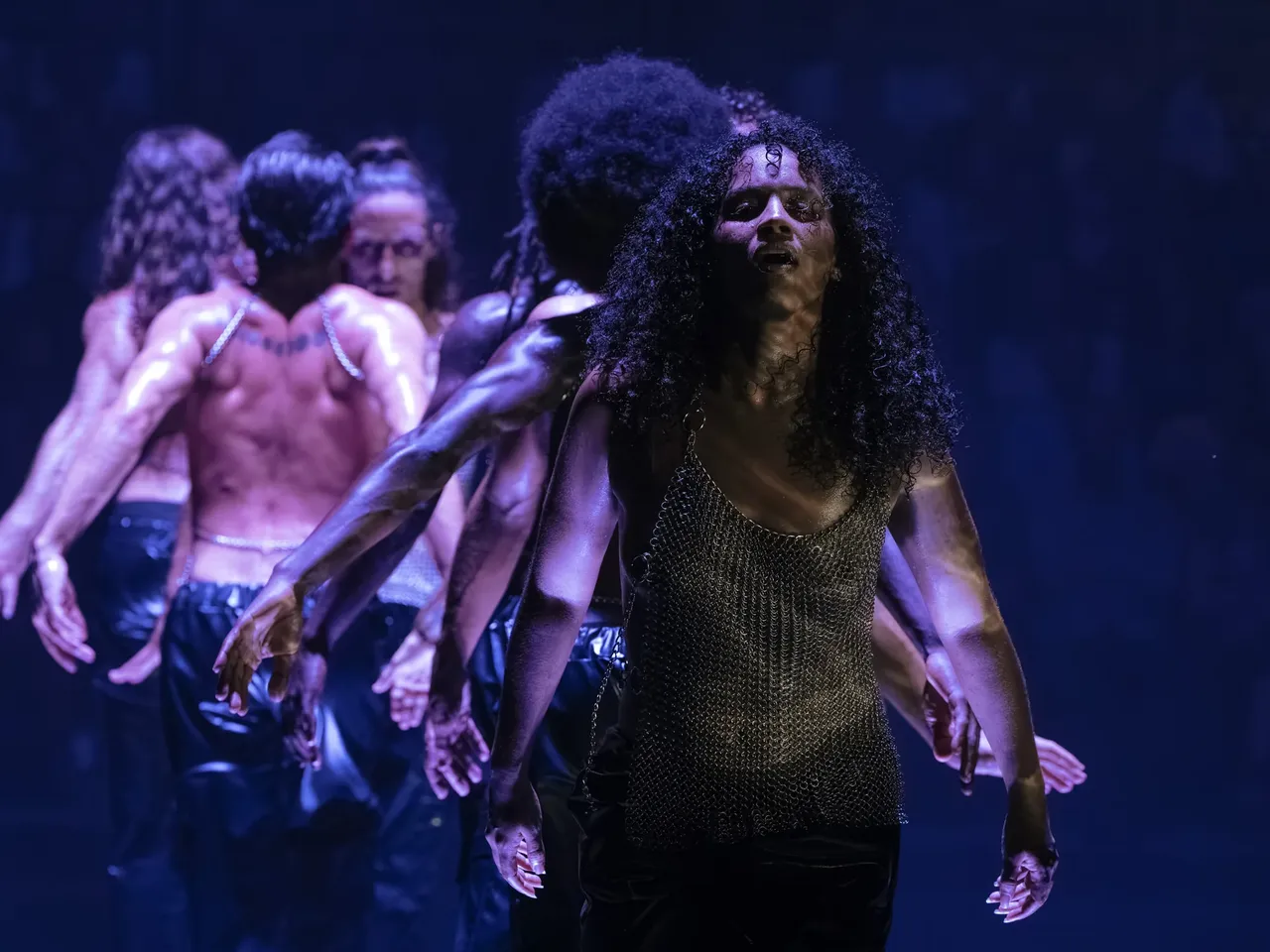
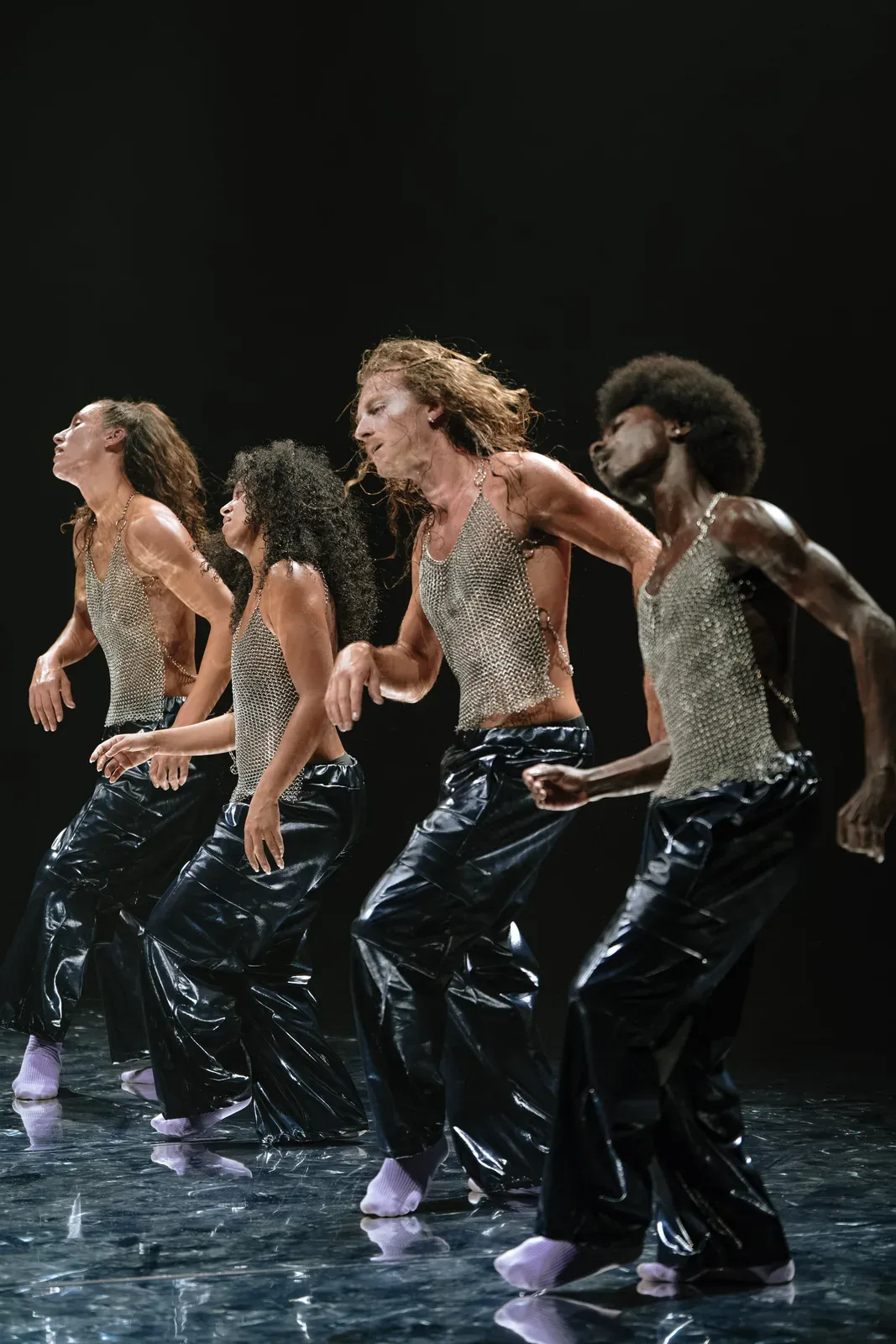
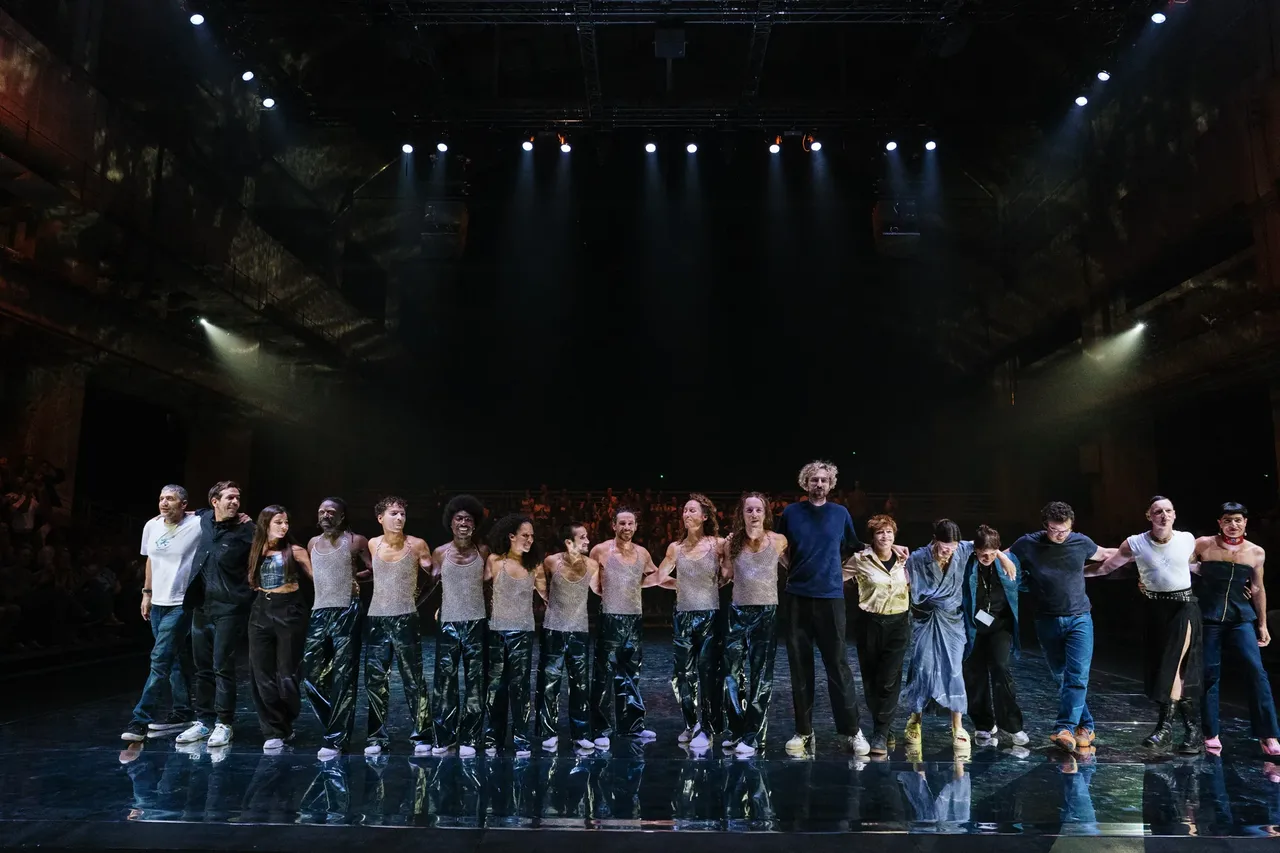
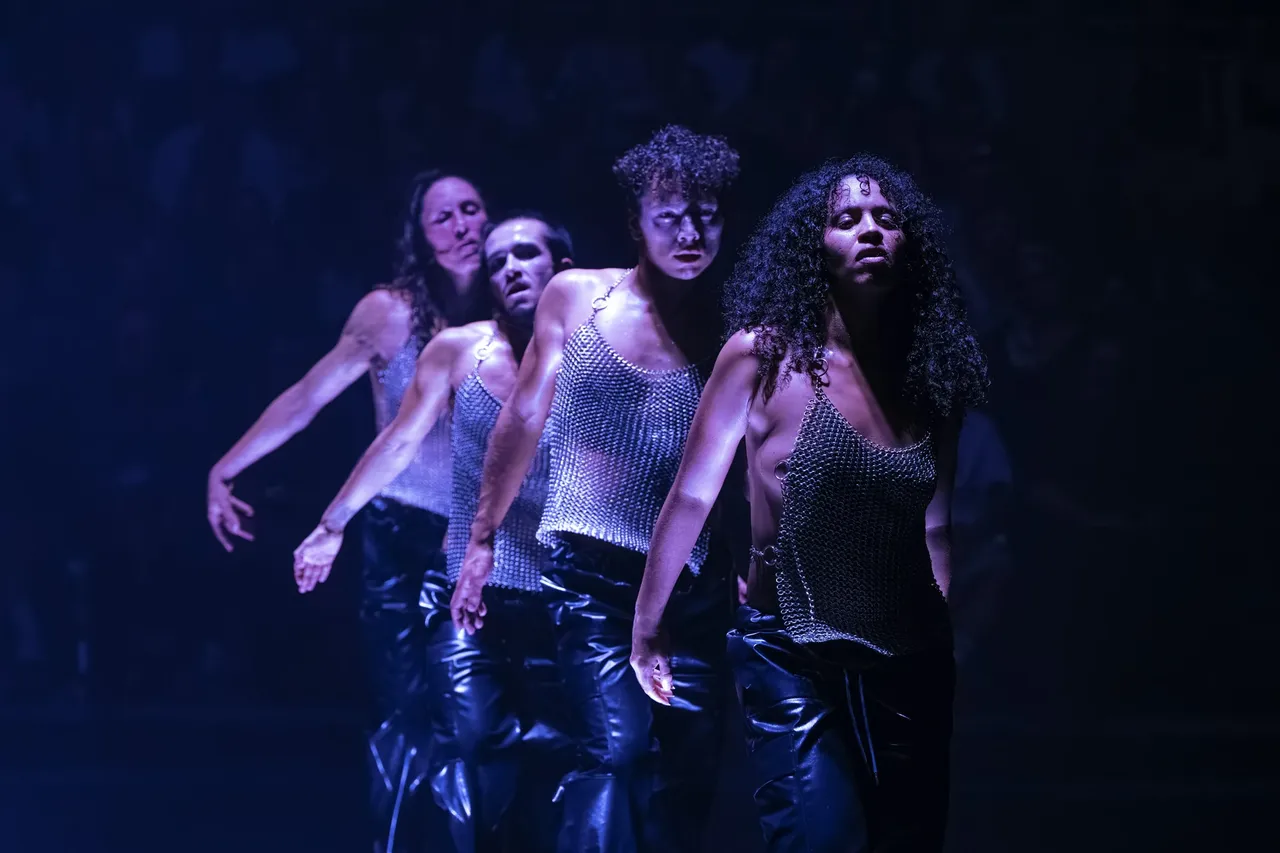
With 360-degree visibility, the four-sided stage becomes the space in which eight dancers of fluid aesthetics advance like a compact organism. They move like synchronised robots, trapped in an exhausting repetition, until cracks begin to open in that iron, uniform discipline. While the electronic music by Rui Lima and Sérgio Martins brilliantly accompanies this journey, which blends hip-hop movements and street dances, the synchrony, sustained for too long, ends up neutralising much of the tension.
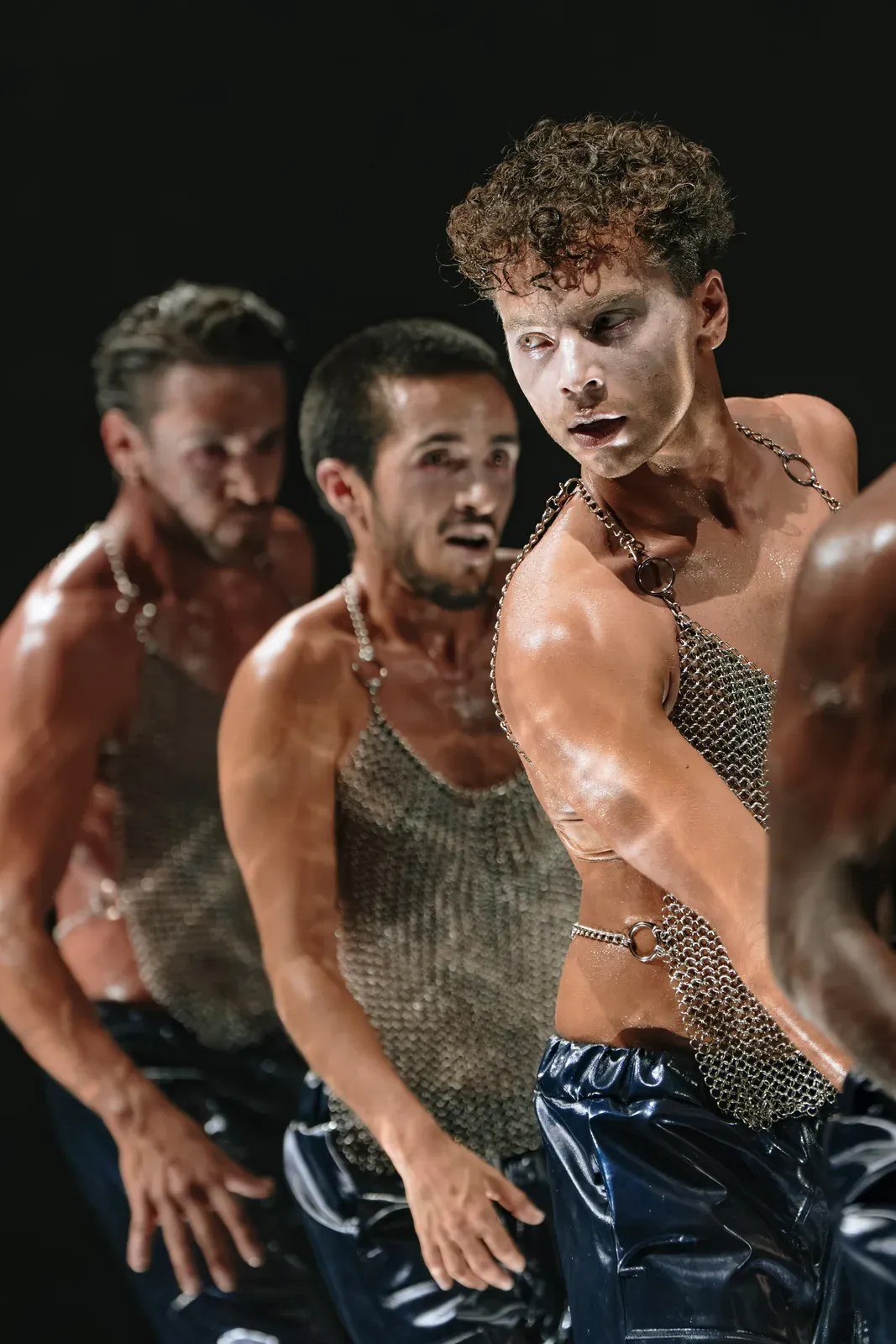
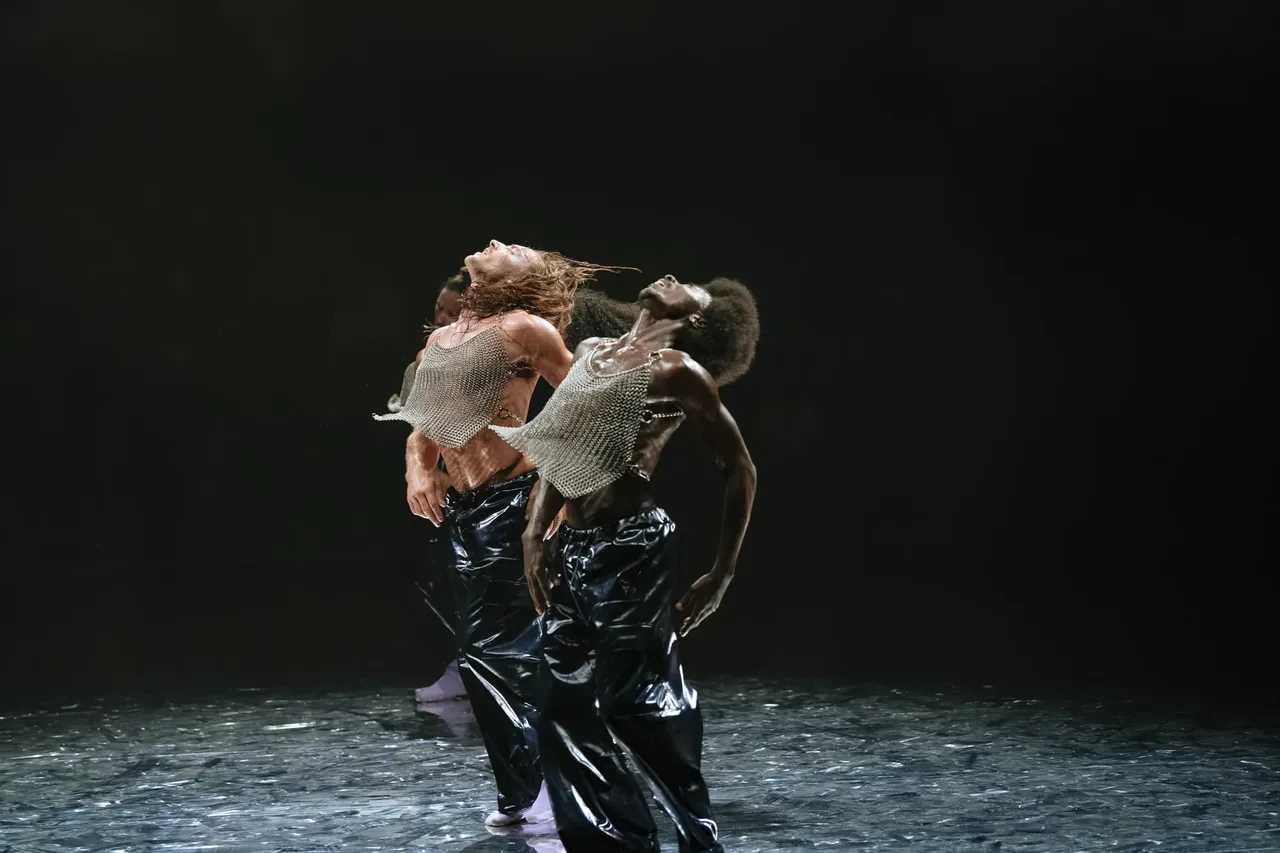
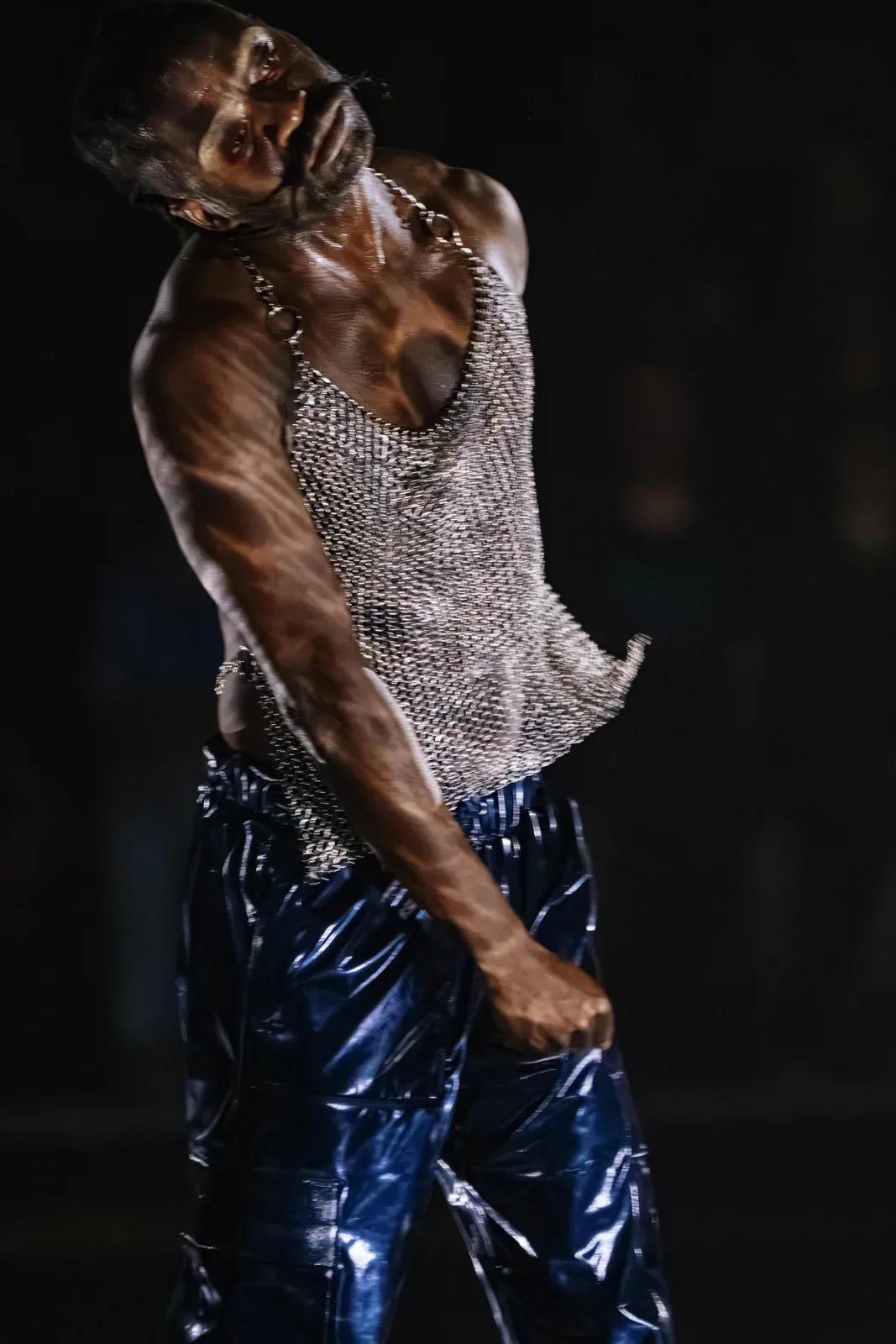
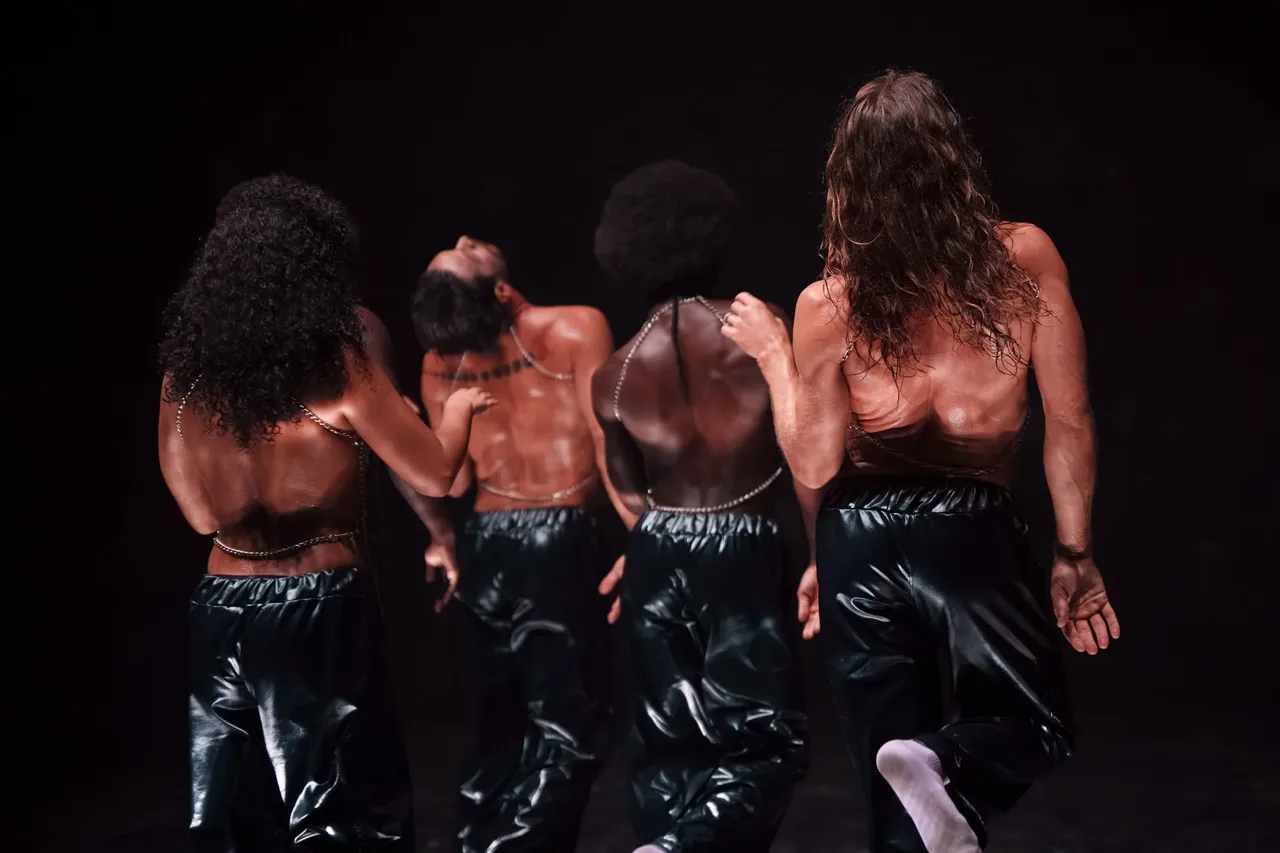
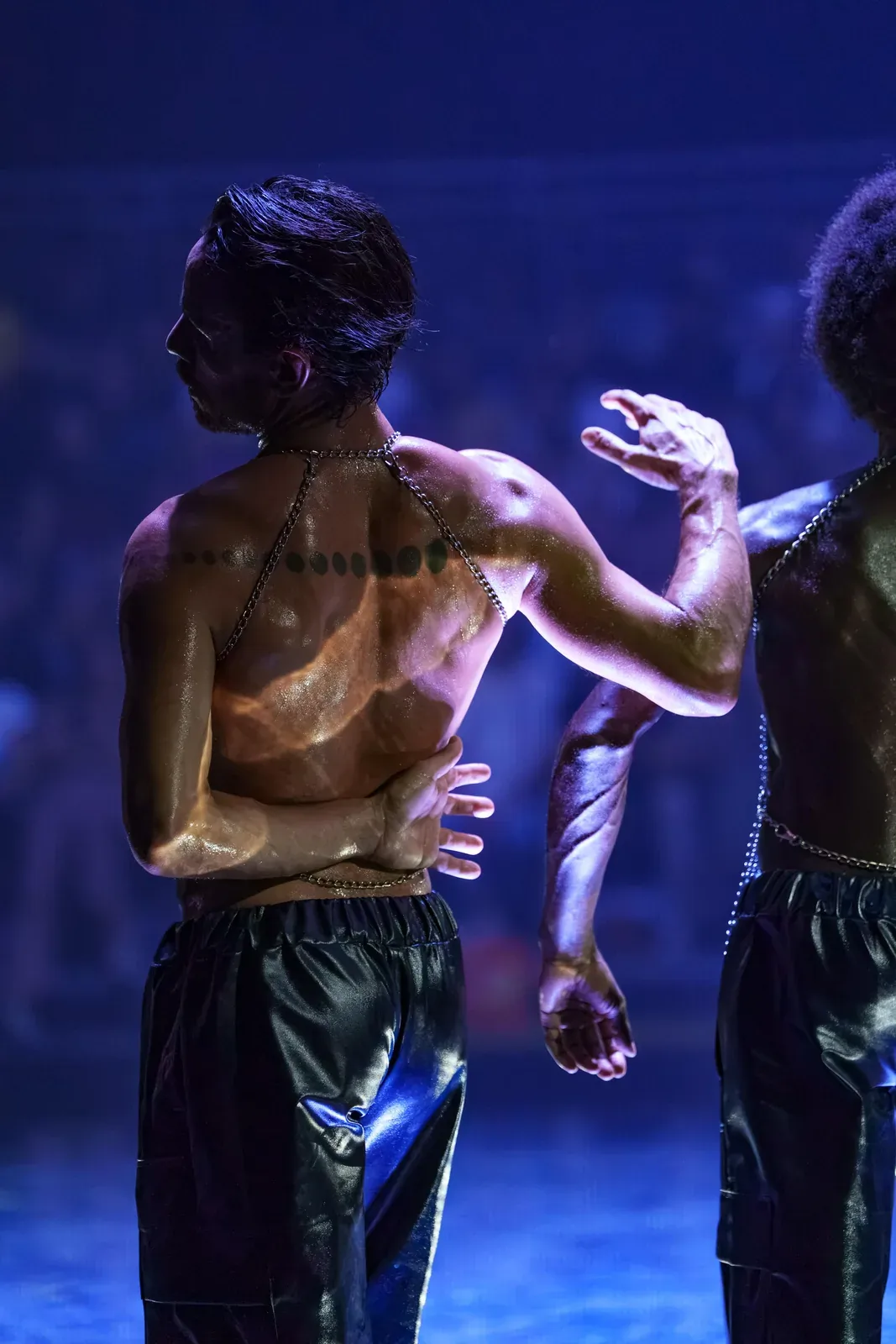
In chainmail T-shirts, black vinyl trousers and lilac socks, the performers seek to subvert the traditional codes of masculinity. A self-taught dancer, former swimmer and trained physiotherapist, Ferreira knows anatomy from different angles, and therefore understands what it means to be shaped by an imposed discipline, as well as what it costs to free oneself from it. That knowledge allows him to choreograph oppression. But where the discourse promises revolt, the stage reveals bodily resistance.
The irreverent imprint of the title also leaves room for ironic ambivalence: a fucked future? A future that fucks up established codes? A sexualised future? In this small semantic bomb, English allows for that deliberate ambiguity in which the injurious adjective and the sexual gerund touch. On the one hand, the future being announced is violent, barrack-like, toxic. On the other, the only possible response is a brazen act of insurrection, as rebellious as it is sensual: to fuck (with) that future, to make love and war to it at once.
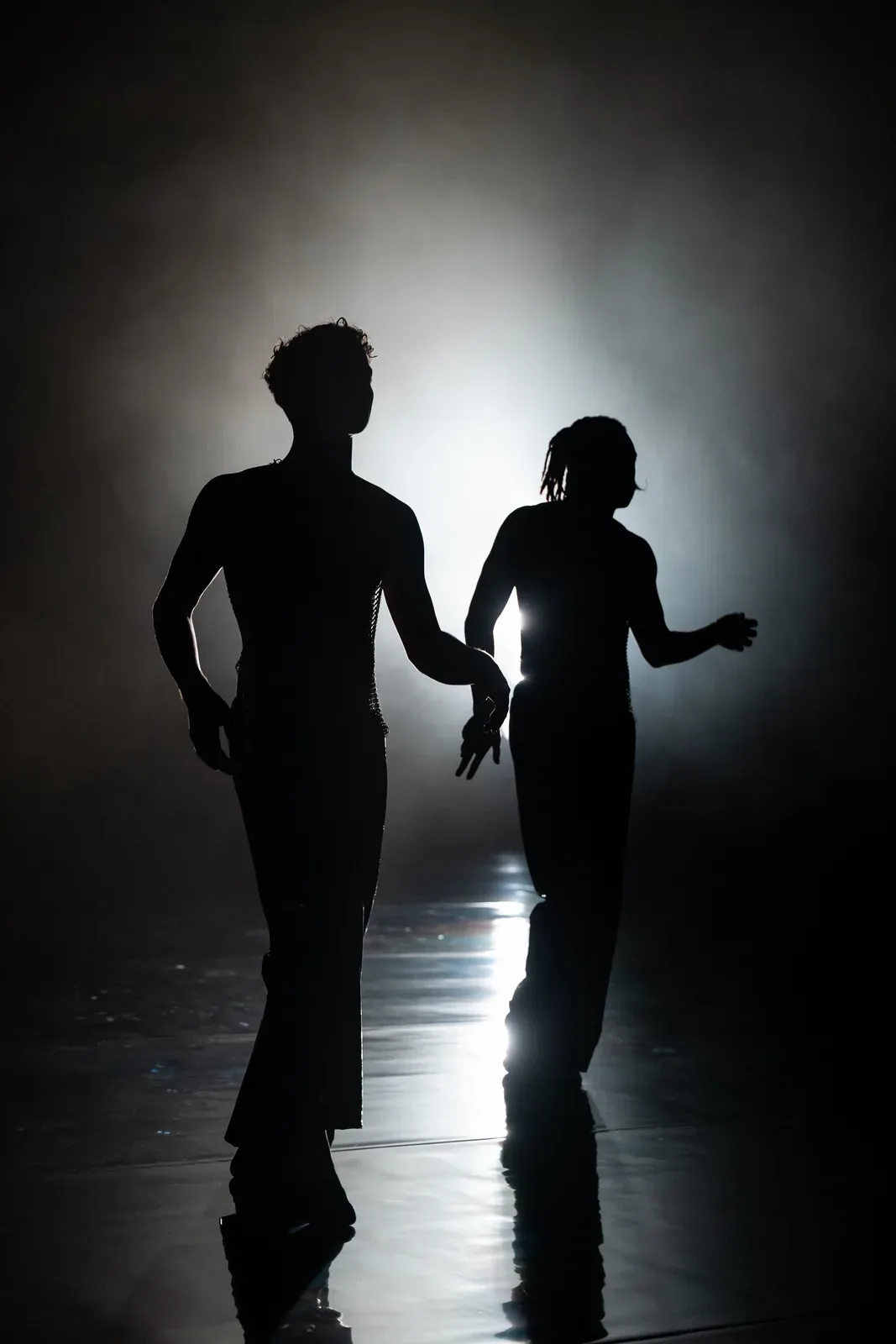
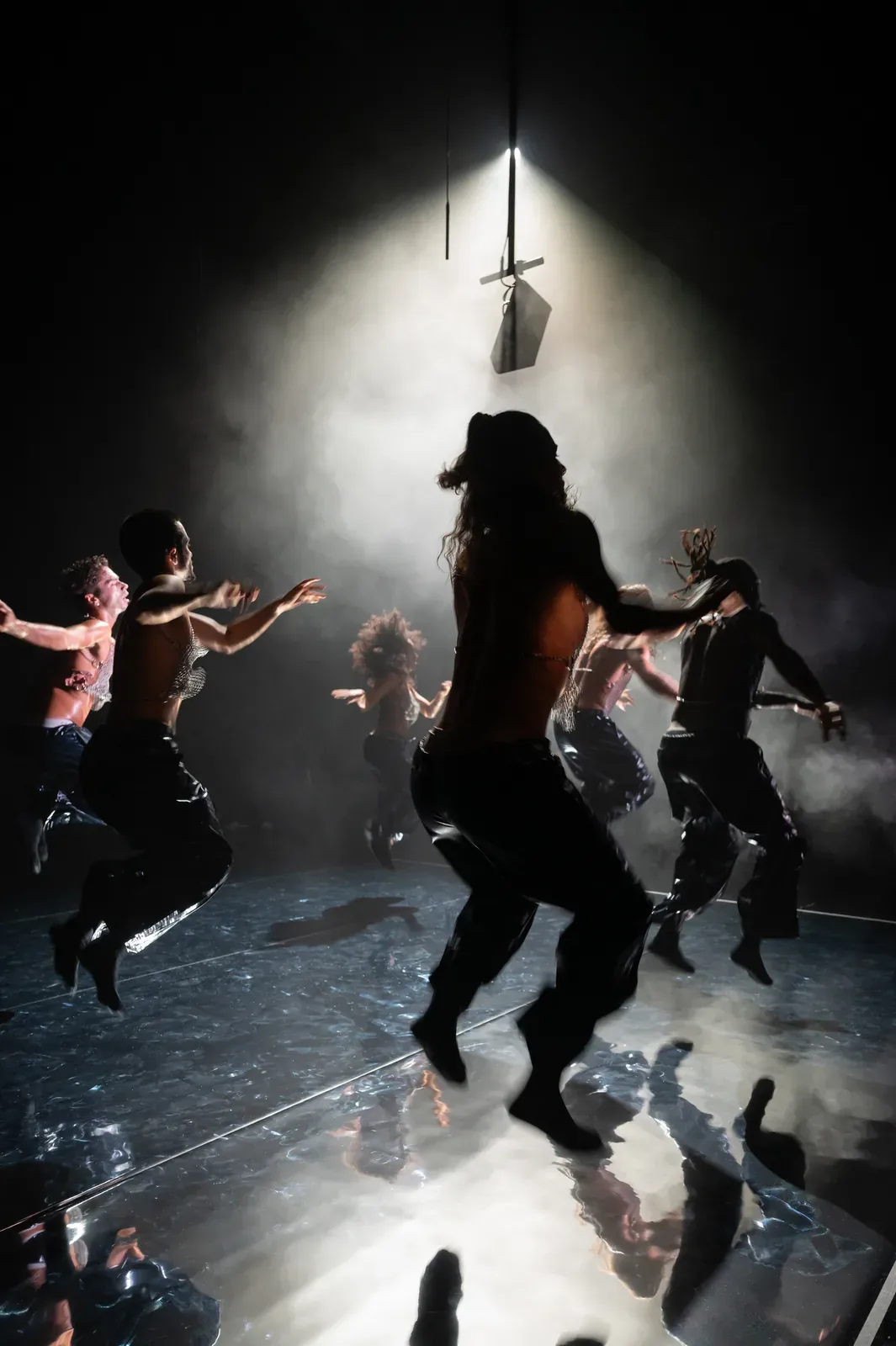
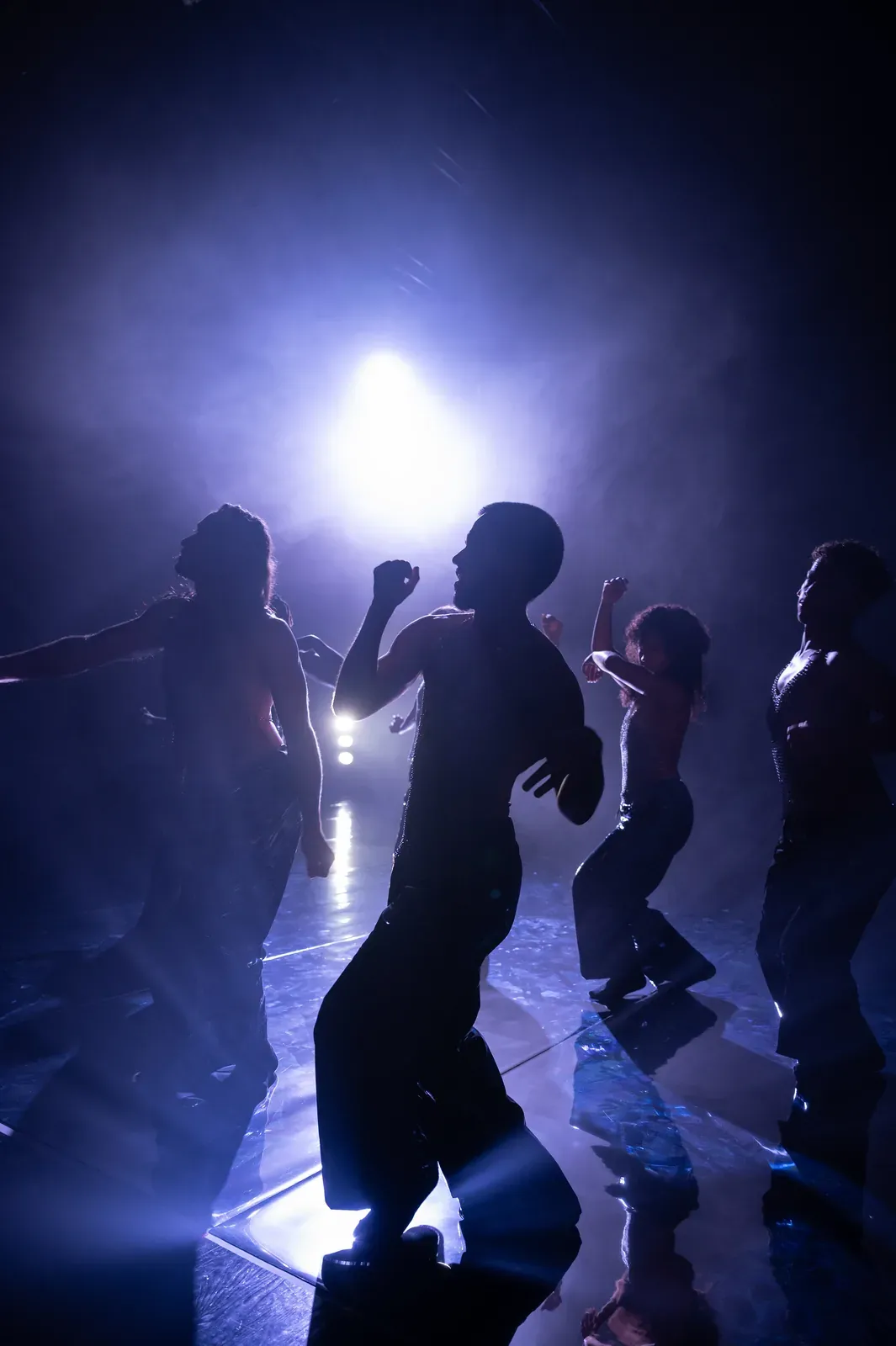
For an hour, the piece, premiered at the Biennale de la Danse de Lyon in 2025, seems constantly caught between obedience and emancipation. It does so through a physical vocabulary dominated by repetitive, mechanical movements, combined with undulations of the torso and hips that often lead into abrupt, energetic shoulder gestures. There is practically no scenography: smoke, an aquamarine laser, cold and dramatic lighting. Some two hundred people attended this performance in the black space of Chaillot, arranged with long wooden benches at different heights on each side of the stage device.
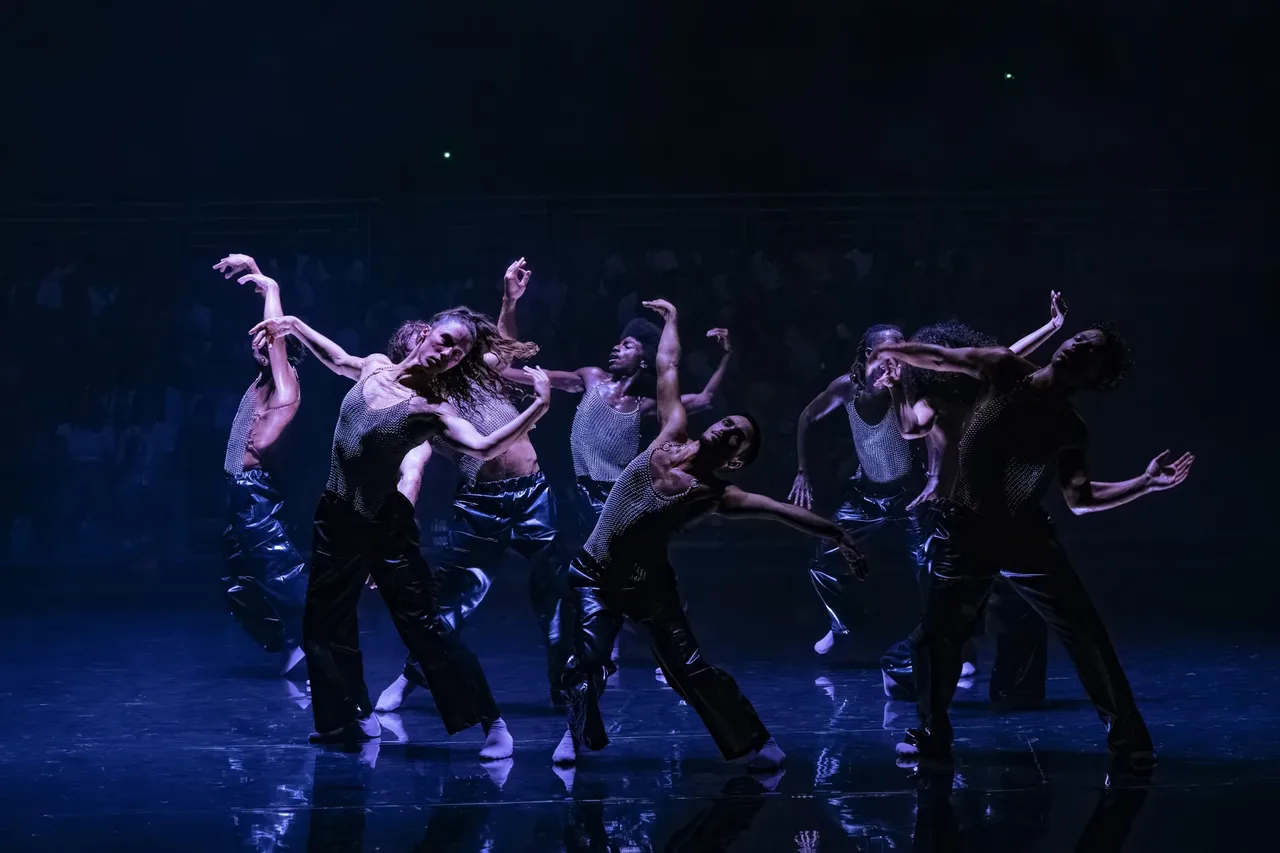
On a conceptual level, the work addresses questions such as contemporary violence, militarisation, toxic virility and oppressive patriarchal systems. Yet on the mirrored floor of Chaillot’s Salle Firmin Gémier, what appears above all is a group moving restlessly from one side to the other, in lines, diagonals or synchronised circles. At times, some members momentarily detach themselves from the whole, only to be absorbed by the corners of the space before rejoining the cast.
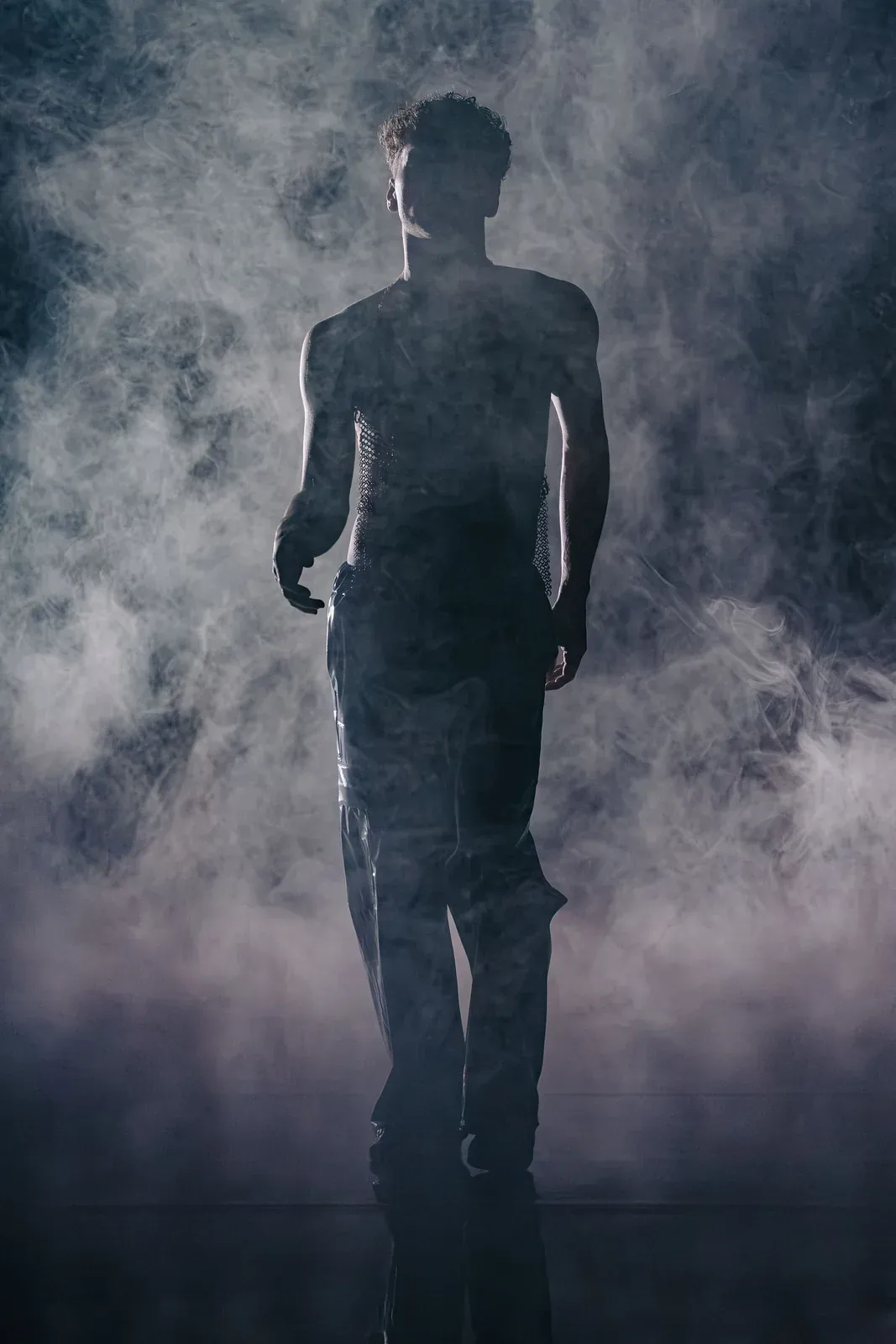
After a deliberately slow opening, the performers gradually emerge through the mist. The choreography then stretches out, leaning on a few reiterated patterns that ultimately generate a certain sensation of immobility. In the long central section, the loop moves at moments from hypnosis into tedium. Only in the final fifteen minutes does the piece acquire a wild intensity: bodies brush against one another, synchrony expands, and jumps and turns are propelled by the crescendo of the minimalist techno music. It is in this final stretch that the dancers stop illustrating oppression and begin to break it from within.
As they sing “open up your heart, keep on dreaming”, they move closer to the audience, climb the stands and disappear, only to re-emerge on the opposite side of the room. The work concludes with everyone lying on the floor, shaken by spasmodic jolts, as though those machinic organisms had suddenly run out of battery.
If the dramaturgical arc – from oppressive uniformity to collective explosion – is legible and politically pertinent, it also leaves little room for surprise. Although the piece fails to move, it does possess an undeniable formal solidity, albeit one lacking in risk. Even so, the bodily power of the performers and the sound work, probably the strongest element of the staging, manage to sustain a certain physical tension even when the dramaturgy stalls.