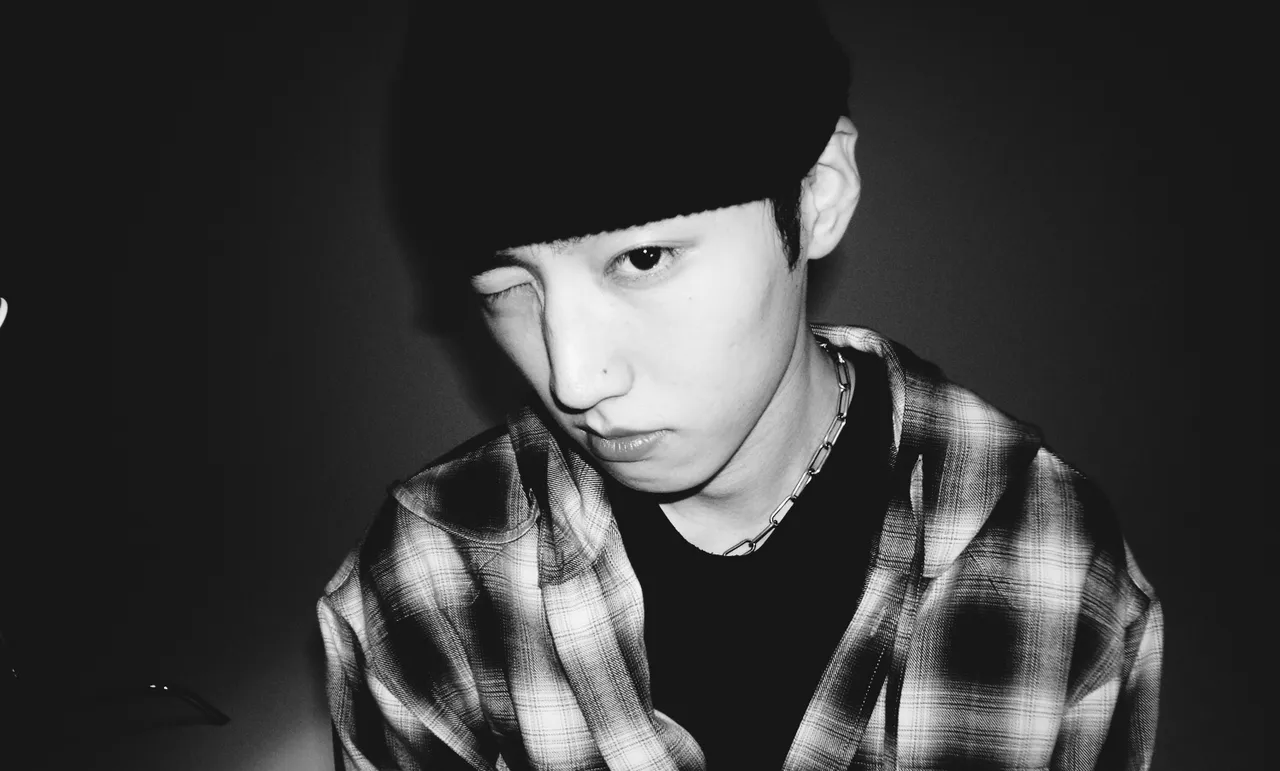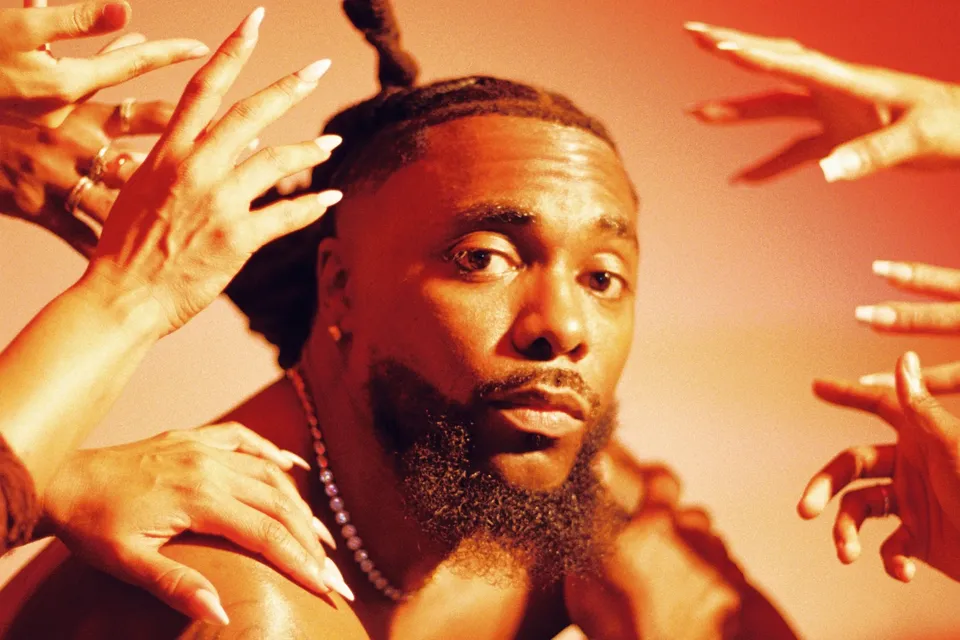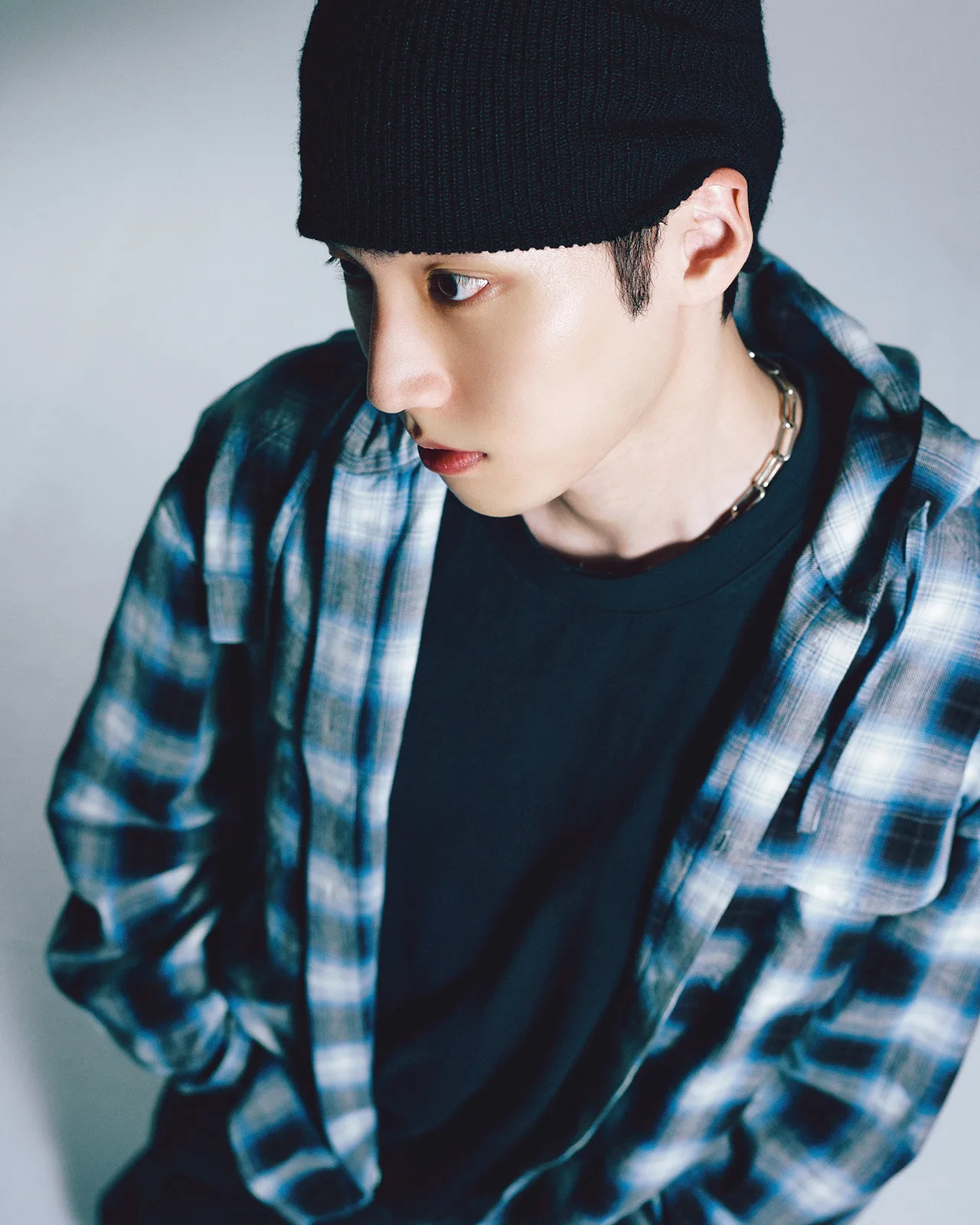
Outrun has been out for a few weeks, and its story captures the energy shaping Seoul’s underground. The track was born at the first lifestream party and finished in a single day after MAR VISTA and Club Angel finally met in Seoul, turning an online connection into a real creative exchange. The session moved quickly, shaped by the fast, bright intensity that has become central to the city’s evolving rave landscape.
What Outrun reveals is the scale of what he is building through Higher Ground and the growing lifestream ecosystem. The sound leans into Seoul’s joyful rave moment, where speed and warmth coexist and community comes first. As they shared on release day, “From internet friends to brothers… Outrun was one of those moments where everything just clicked and the track wrote itself within a day.” New releases in November and December and upcoming shows across Europe and Australia make this momentum feel only just beginning.
Where are you speaking to us from right now, and how are you feeling now that Outrun is out on Higher Ground?
I’m talking to you from my favourite café right in front of my place in Seoul. It’s a two-storey café—spacious, with lots of plugs, so I come here all the time. Now that Outrun is finally out in the world, I’m honestly thrilled. Releasing this track with Gabe, aka Club Angel, who’s not only a producer I deeply respect but also one of my favourite people, makes me incredibly happy.
Outrun started as a spontaneous moment at your lifestream party with Club Angel. When did you realise that night had turned into something worth releasing?
That’s true! A few months ago, when I launched lifestream—my first event brand and label—I really wanted to bring Club Angel to Korea. I think it was the second day of our session when we met in the studio, sharing ideas and playing each other’s favourite tracks. We both felt it right away; something special was going to happen that day. The track came together so fast. We finished it in a single day. After lunch, Gabe laid down the bassline first, and we both instantly loved it. I added my drums, we arranged them together, and before we knew it, Outrun was done. As soon as it was finished, I knew, this had to come out immediately.
You’ve said you’ve always been drawn to swing, groove, and punchy drums. How much of that early instinct still shapes Outrun?
Absolutely! I always pay so much attention to the punch, texture, and swing of the drums. In Outrun, you can really hear my influences, from old-school hard house to trance and UKG. Since I was a kid, I’ve always listened to drums first. I’d find myself thinking, This track’s melody is great, but I wish the kick hit harder, or The percussion could swing a bit more forward. Those thoughts eventually became second nature in how I produce today.
There’s a kind of “level design” logic in how the track unfolds. Do video games influence how you think about structure and pacing in music?
Definitely. When I’m not making music, I’m usually playing games or watching game-related content. For Outrun, I was listening nonstop to the opening song of Kingdom Hearts I—I was fully immersed in that vibe. Those mysterious, emotional atmospheres you find in JRPGs really influence my music. When I make a track, I don’t just jump into production; I visualise a world first. Games give me that synesthetic inspiration—the way sound, visuals, and emotion merge together. That’s a huge part of my creative process.
Seoul’s underground scene keeps evolving through small crews and off-grid parties. From your perspective, what’s the most vital thing young communities can do to keep that ecosystem alive and authentic?
I think the key is persistence, not giving up. The Seoul scene is much stronger and more forward-moving now than when I first started. There are so many talented artists and amazing parties popping up every week, but I know a lot of people still hit walls—financial, logistical, or emotional—and end up giving up. I always tell friends: try producing. A lot of parties here are run by DJs who don’t produce, and that’s fine, but producing helps you solidify your taste and identity. It’s a way to push what you love even further.
You’ve described parties as infrastructure rather than just events. How does that idea show up in the way you build something like lifestream?
To me, lifestream is literally part of the infrastructure. Making music, bringing artists, collaborating, releasing tracks, hosting parties and then watching people dance and connect to that energy—it all ties together. If even one person in the crowd thinks, “I want to make a track like this,” or “This vibe is incredible,” that’s already how the ecosystem grows. That’s what building infrastructure looks like to me: inspiring others to create.
Higher Ground has built a strong identity around forward-thinking club music. How did your connection with them start, and what made it feel right for Outrun?
I’ve loved Higher Ground since my house era. Gabe had a connection through Mad Decent and suggested we send the track over. There was no reason to say no; I’ve always admired the label, and Outrun just fit perfectly with their sound. It’s always a rush to release something with a label you’ve looked up to for so long.
You and Club Angel wrote, “From internet friends to brothers… the track wrote itself within a day.” What did that session actually feel like?
It was explosive, in the best way. Gabe and I had been chatting on Instagram, sending each other songs, but meeting in person for the first time was electric. We just clicked instantly. The structure and arrangement came together almost automatically. Gabe works super fast, and our visions lined up perfectly. By the time we finished, we were both dancing during the listening session; we literally couldn’t sit still.
You’ve moved through house, bass, and faster, harder sounds. What kind of sonic details help you keep 140 BPM emotional instead of mechanical?
What excites me about 140+ BPM is how limitless it feels. You can blend house, UKG, breaks, trance, even dubstep — there are no rules. The tempo itself carries so much energy that whatever you layer on top naturally feels alive and expressive.
You’ve also worked in more commercial, pop environments. What did that experience teach you that still shapes your club productions today?
I learnt a lot, especially about vocal editing. Even though pop music isn’t exactly my lane, I took so much from that world—how to sketch a song, how to add little “ear candy” moments that pull listeners in. Those details make a difference, even on a club track.
Collaboration seems central to how you work. Beyond credits and stems, what does that exchange actually look like day to day?
I’ve never liked being boxed in. Working with producers from different scenes or countries broadens my vision. I learn so much from them, and honestly, it’s just fun. Combining my sound with new techniques or textures to create something entirely fresh—that’s the most exciting part. Usually, when I’m in the studio with someone, we start by playing songs we love to match our vibe. Once that’s aligned, the ideas just start flowing naturally, and from there, we each play to our strengths. That’s collaboration to me.
There’s talk of a new “joyful rave” moment. Do you see Outrun as part of that?
Absolutely! That’s exactly where my heart is. Whenever I’m at a club or rave, there’s always a moment when I wish someone would play something bright and euphoric. That’s what I want Outrun and lifestream to bring: moments where people feel genuinely happy and free, where they can forget their worries for a while. That’s the true spirit of rave, in my eyes.
Is there a production detail in Outrun you’re secretly proud of, even if most listeners wouldn’t notice?
There’s an arpeggio that comes in during the post-drop into the break—I made it by tweaking one of my favourite synths. It has this strange, euphoric texture that I love. I also put a lot of care into the ambient layers throughout the track. The way they fade in and out, shaping the sense of space—that’s one of the details I’m most proud of.
What’s next for you after Outrun?
I’ve got new music coming out at the end of November and December. On November 15, I’m throwing the second lifestream party in Korea with the amazing Need2Freak crew—I’m so excited about it. And the track coming later this month is a collaboration with one of my favourite artists, so please look forward to it. Next year, I’ll be playing more shows in Europe and Australia too.
And if you had to name one dream you haven’t fulfilled yet, what would it be?
There are so many, but one of them is to create a track that I feel 100% satisfied with. I’m a perfectionist, so I’d love to make a song that I can truly call my masterpiece—maybe before I die, who knows (lol). Another dream is for everyone around me to be happy. This year was emotionally and mentally heavy at times, but when I think back to the moments that made me smile, I find my balance again. I just want to share that energy with the people I love.