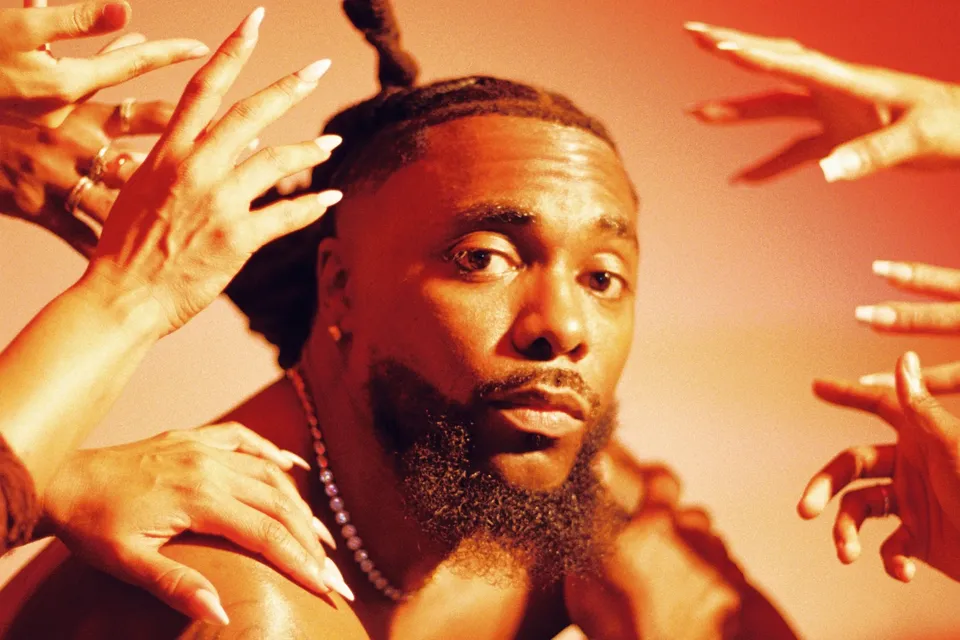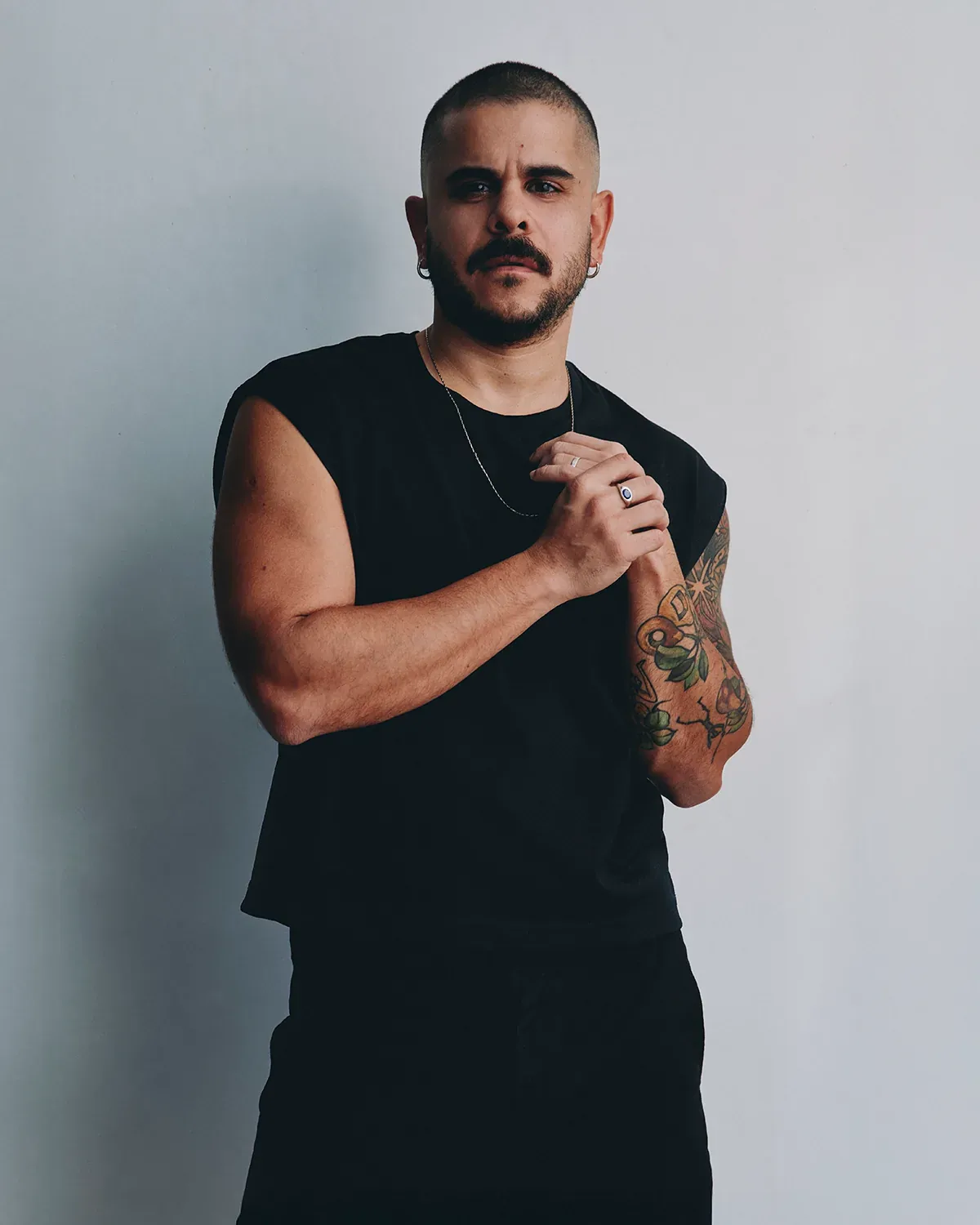
For years, Manu Miran has been helping shape the underground from the inside out. Now, with the release of Bang U via Muy Muy Limited, the Venezuelan-born, Brooklyn-based artist opens a new chapter of his own. Long before stepping into the spotlight as a producer, he built a reputation as a DJ, curator and advocate, creating spaces where queer communities, people of colour and people with disabilities could feel genuinely welcome. For Miran, the dancefloor has always been about more than music.
A few days before the EP’s release, we caught up with him. Bang U feels like a natural extension of everything he has spent years building, translating his vision of community, identity and connection into sound. “A truly meaningful dancefloor in 2026 has intention, no phones, respect for personal space to dance freely and fewer drugs,” he tells us. As a deaf, queer immigrant who has spent years pushing for greater accessibility in nightlife, Miran knows firsthand that belonging is never something to take for granted. That same perspective runs through his debut release, giving extra weight to a voice that helped shape the scene long before he stepped into the spotlight himself.
If you had to describe the chapter of life you’re currently living in just one sentence, what would it be?
The limit does not exist.
With just a few days left until Bang U is released, how are you feeling? What’s the dominant emotion right now?
I’m feeling a mix of emotions: vulnerable, nervous, excited and anxious. But overall, positive!
You’ve spent years helping shape underground communities before ever releasing your own music. Why does now feel like the right moment to open this new chapter as a producer?
It took me a very long time to hone my identity as a DJ, and after over a decade, I finally feel I have the skills and a point of view that people can recognise as my own. I wanted to fully express it with this EP.
You’ve been known as a DJ and community builder for a long time. Has becoming a producer changed the way you see yourself, or does it feel like a natural extension of what you’ve always been doing?
I think both. Becoming a producer forced me to get out of my comfort zone, prove myself beyond the limitations I had set for myself out of fear and come into my own as an artist. For years, I’d recorded voice notes on my phone with melodies, samples and beat ideas, hoping to make them come true with someone else. But learning production made it possible to just do it myself. Now the goal is to keep getting better.
What were you trying to express with Bang U that could only be said through your own productions?
With Bang U, I was trying to make an immediate statement about my vibe, my sound and my identity. I wanted it to be sexy, confrontational and joyful all at once.
“It took me a very long time to hone my identity as a DJ, and after over a decade, I finally feel I have the skills and a point of view that people can recognise as my own.”
You’ve spent countless hours behind the decks, reading rooms and understanding how people connect through music. What did producing teach you that DJing never could?
Producing taught me real patience with delayed gratification and collaboration, and a lot more about how the music industry operates beyond buying records.
The release arrives through Muy Muy Limited, a label that seems to share many of your values when it comes to community and representation. What made it feel like the right home for your debut?
Muy Muy Limited is a label that works with truly talented, visionary Latinx artists who move the needle in the underground in ways that are sometimes taken for granted. But those who know, know.
The EP comes with two very different remixes. Kodemul pushes the track towards a more driving and industrial direction, while Perfect Lovers brings out a warmer after-hours energy. What was it like hearing other artists reinterpret your music for the first time?
Honestly, it was a fever dream. I couldn’t believe that two visionary artists and friends I have so much admiration and respect for were able to take my music and add layers and dimensions with such unique, complementary perspectives. Suddenly, Bang U became a little sonic universe.
You were born in Venezuela and now call Brooklyn home. How has your relationship with identity evolved over the years, and how does that find its way into your work today?
My identity is always evolving. I have spent years pushing myself, not only as an artist but also as an advocate for radical inclusivity in nightlife. Everything I know, I learned the hard way. As I become more comfortable with my identity as a deaf, queer immigrant in the States, I try to find ways to use my platform to help others like me who are trying to find their way into a very tough, saturated industry and may run into the same issues I did when I started.
This release arrives during Pride Month, a time that can feel both meaningful and complicated. How do you personally navigate the tension between genuine visibility and the increasing commercialisation of queer culture?
That tension only exists when the commercialisation of queer culture is not authentic or doesn’t serve the community. We don’t only exist during Pride Month. Queer people should both celebrate and be able to make their coin at any time of the year, without prejudice or pushback.
“I have spent years pushing myself, not only as an artist but also as an advocate for radical inclusivity in nightlife. Everything I know, I learned the hard way.”
Queer nightlife has changed enormously over the past decade. When you look at where things stand today, what excites you and what still needs to change?
What excites me is how the globalisation of dance music has torn down the walls of purist genres within institutionalised techno platforms. It’s a thrill to see more queer Latin producers getting their due praise at festivals and parties all around the world. What still needs to change is the inclusion of accessibility features in underground venues and clubs in the United States, especially in the queer community. Just like race, sex and gender, disability should also be included in the identity spectrum conversation by default.
A lot of your work, both on and off the dancefloor, seems rooted in the idea of creating spaces where people can feel seen. What does a truly meaningful dancefloor look like to you in 2026?
A truly meaningful dancefloor in 2026 has intention, no phones, respect for personal space to dance freely and fewer drugs. Also, fewer stunts behind the DJ booth.
Who or what has been inspiring you lately?
Lately, I’ve been inspired to revisit films with music scores that I love and that made an impact on me, like Karelle’s Theo & Hugo and M83’s Knife + Heart. On the dance side, I have the latest Full Tilt Carry compilation by The Carry Nation on repeat. They keep getting better!
Do you still consider yourself a fan? Is there someone whose work continues to genuinely excite you, regardless of how long you’ve been part of this world?
Of course. Living in New York City is an endless source of inspiration, and I’m surrounded by extremely talented friends and peers. I’m a big fan of X3butterfly, Junior M, Kodemul, Creams, Alirio, Cardopusher, Tayhana, Trax Unit… the list goes on.
Now that Bang U is finally here, what do you hope people take away from it? And what can we expect from Manu Miran over the next chapter?
That I’m more than just another DJ. But honestly, I hope people enjoy the EP, dance and bang the hell out of it. Life with work and DJing is busy, so I move slowly, but you can expect more music from me down the line!