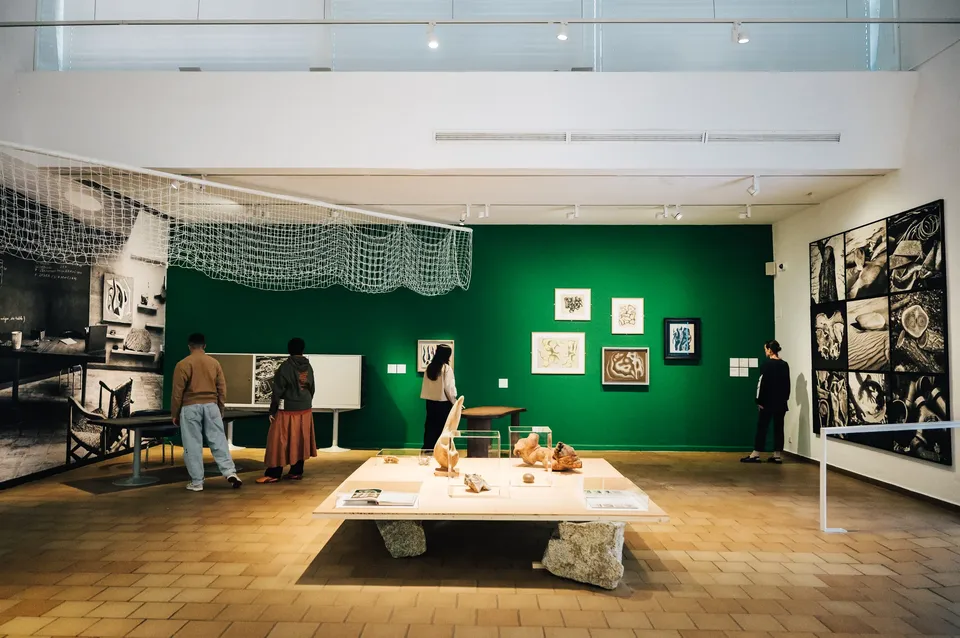
You may know him from the slashed and punctured canvases of the 1950s and 60s, opening a new dimension through the fabric. Or from his renowned art movement, Spatialism. But this Argentinian-Italian artist’s lesser-known sculptures are finally in the limelight in Manu-Facture: The Ceramics of Lucio Fontana organised by Sharon Hecker. The first ever museum exhibition of the late Lucio Fontana’s (1899 – 1968) ceramic work is taking place at the Peggy Guggenheim Collection in Venice until 2 March 2026.
Since early in his career, Fontana experimented with clay — how it moves and moulds with each touch and the way it escapes the confines of a canvas. His work with clay and sculptures expand on Spatialism, the art movement he pioneered. Rejecting conformity and attempting to unite science and art by involving the surrounding environment as part of the show, Spatialism makes the canvas itself connected to the surroundings rather than just a vessel.
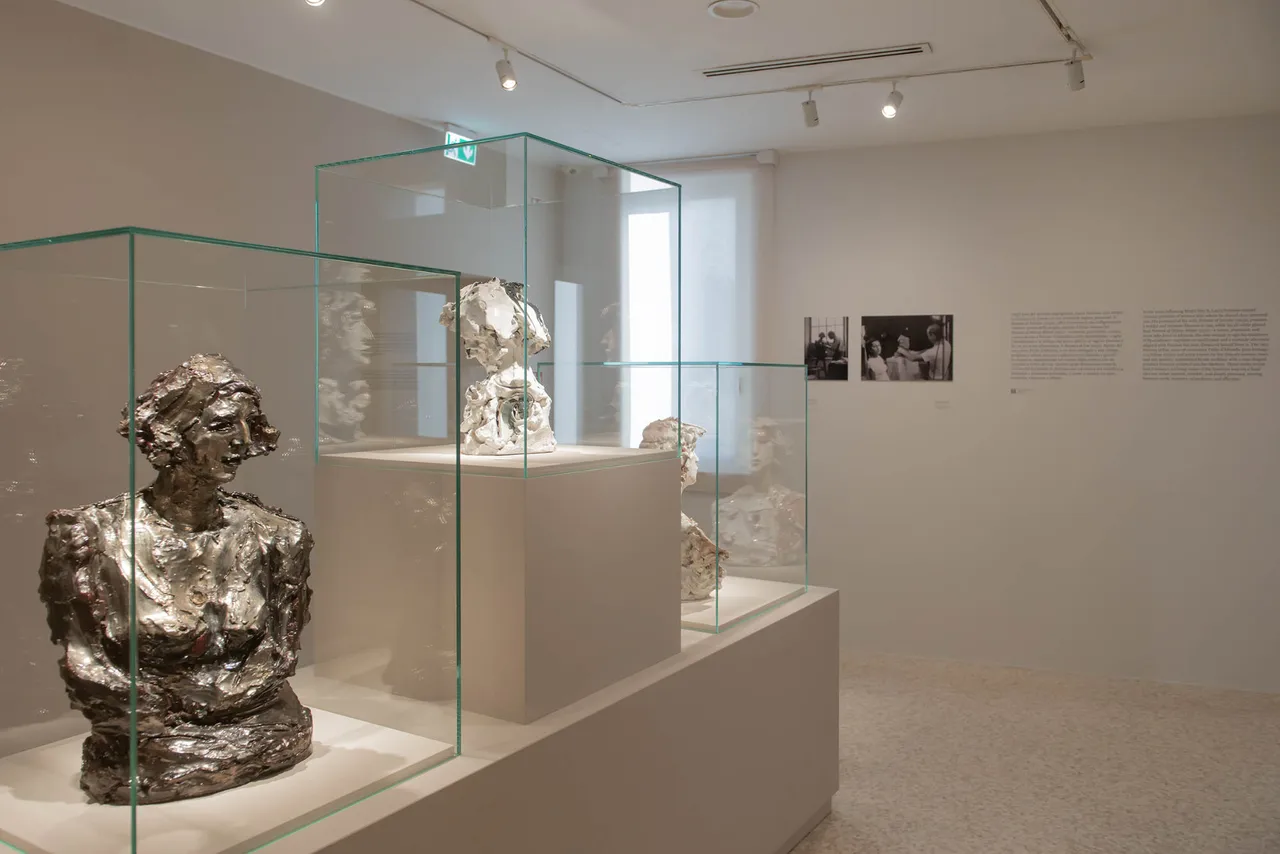
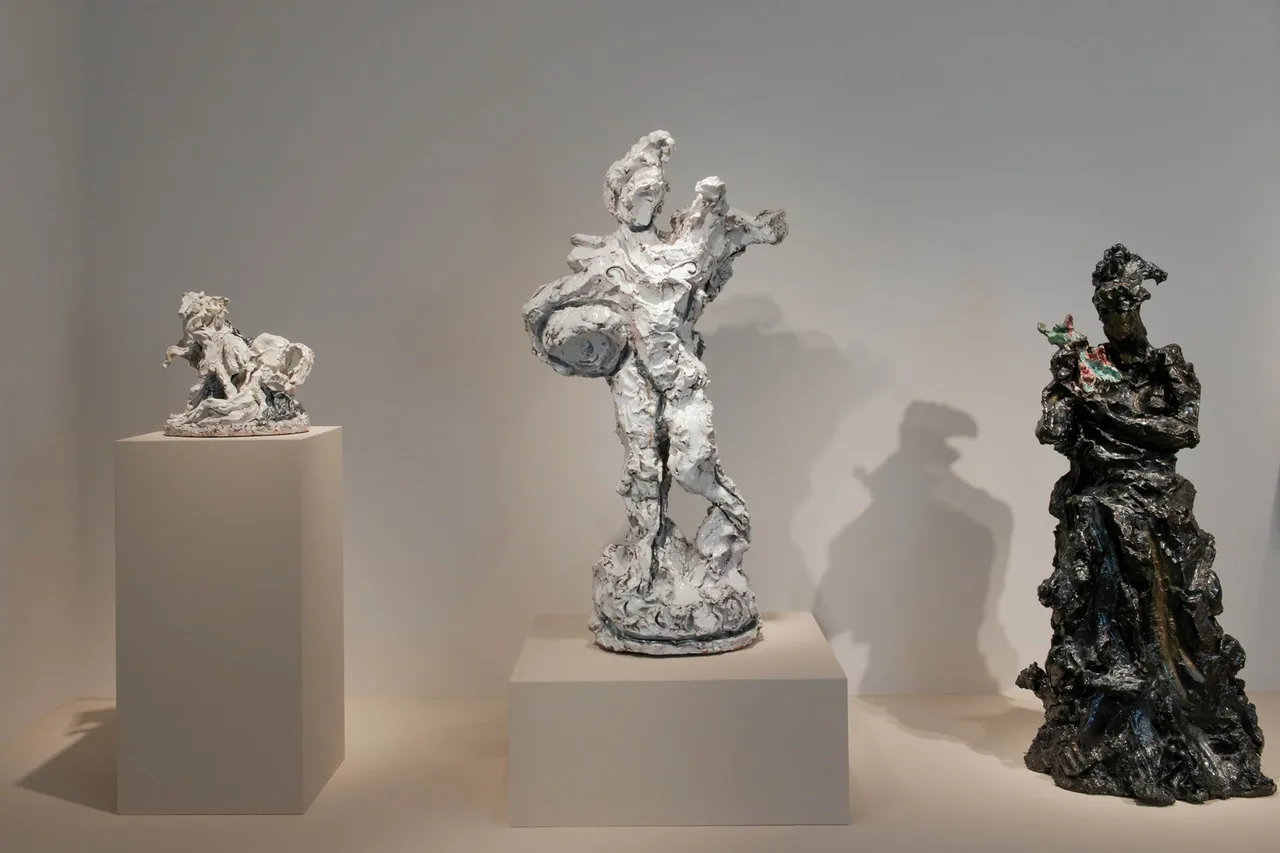
The sculptures transform from the realistic female form to a flowing figure of a dancing woman to slit spheres of clay. Fontana’s pieces’ transformation mimicked his own, as his life was tugged back and forth between Italy and Argentina, from one fascist regime to another, through war, peace, and rebellion. The sculptures take shape and externalise the connection of mind, body, and society to reflect the epoch.
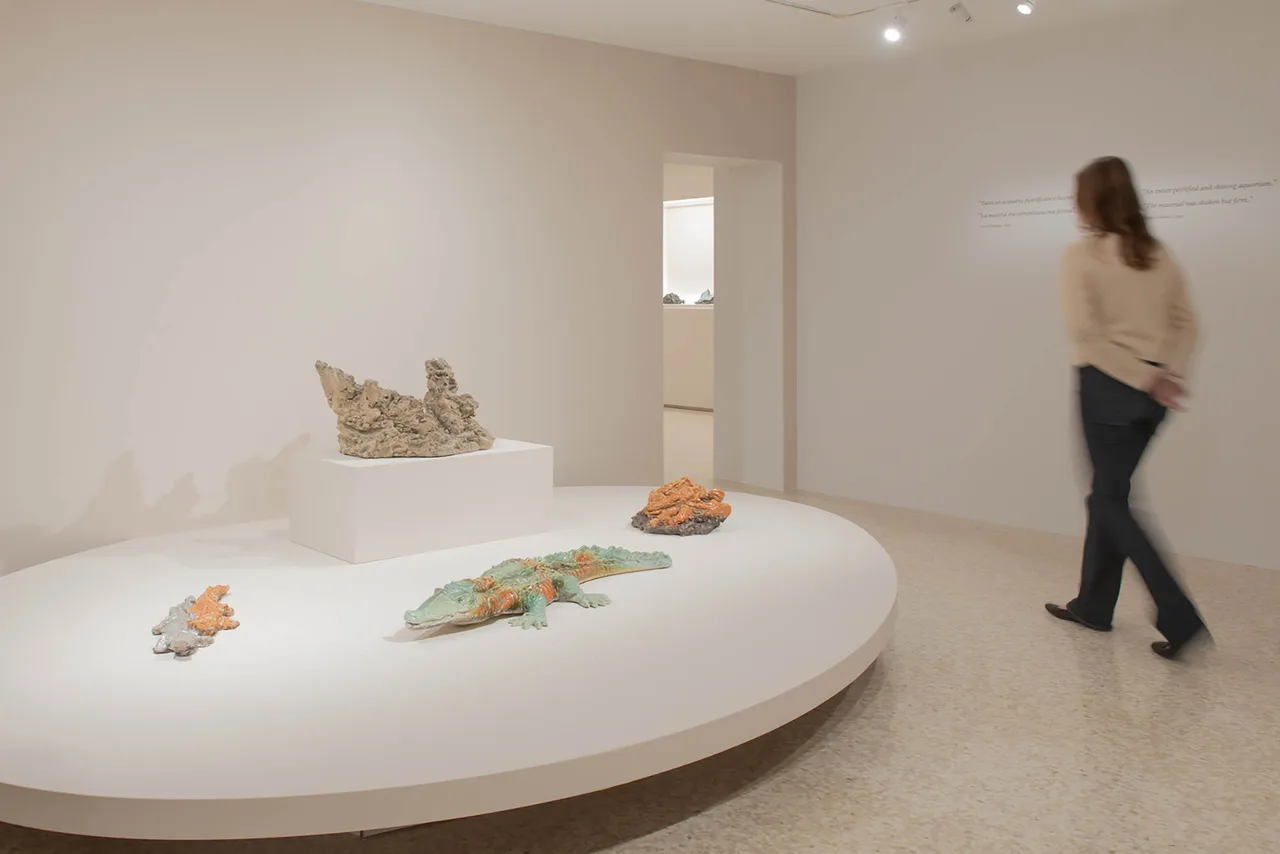
His earlier works like Figura alla finestra (1931) and Studio di testa (1931) use brighter colours and movement, something uncommon at the time. Movement and life forms became very important to his collection in the 1930s and 40s, as he experimented with animal forms, sea creatures, and depicting their liveliness. His depiction of Medusa (1938-40) was very illustrative of the time, representing a curse that she had no control over (like the plague of fascism). Later, his representations of war through the various Battaglia (1949, 1950) pieces elevated his work to a commentary on post-war Italy and the reconstruction period.
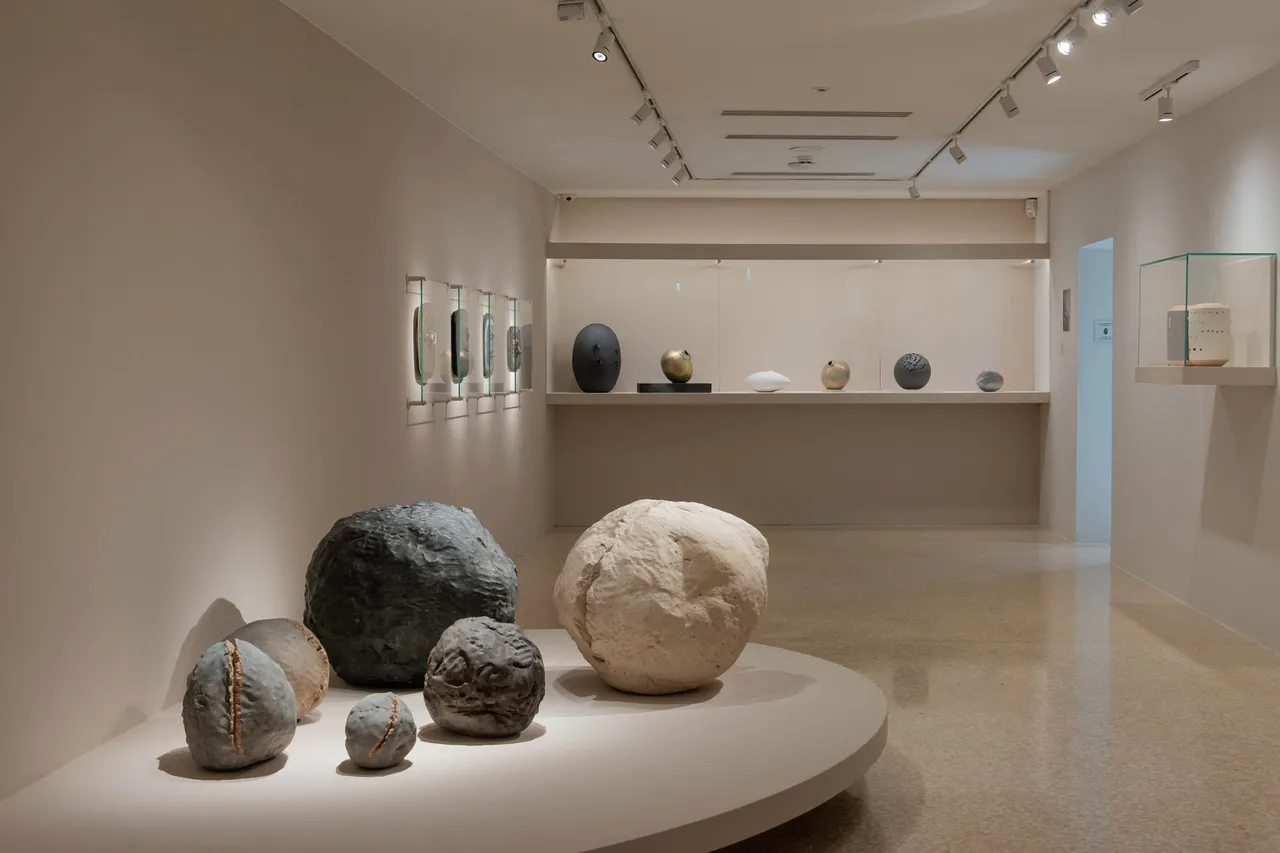
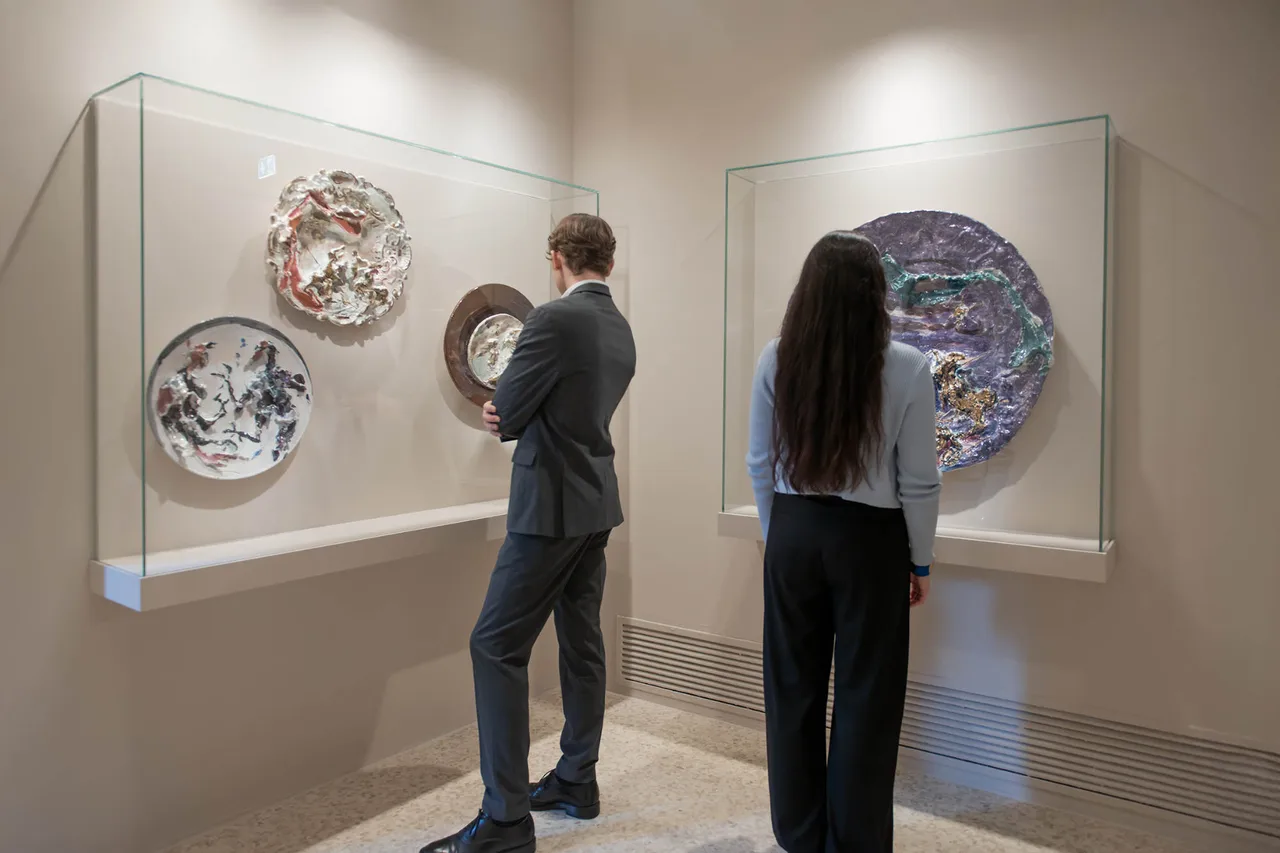
During these years, he developed Spatialism and incorporated it into his sculptures, such as through the collection Concetto spaziale, Natura (1959-60), punching holes and slashing through the ceramic or clay, opening a void, and inviting in limbo. The slashes look like cut skin, crusting around the edges as if it was healing. You can see the handprints and force that it took to mould the balls, Fontana’s artisanship detectable in each piece. In rectangular planes of clay, there looks to have been a minuscule bomb set off in the middle, imploding and creating empty craters.
The exhibition also includes a short film by Argentinian film director, Felipe Sanguinetti, which guides you through his frequently visited locations of Milan. We see what his inspirations were, how he saw the world, and where it led his art and mind. The multimodality of this exhibition doesn’t stop there, though. An illustrated book by Marsilio Arte, containing essays from other artists and researchers, explains thoroughly his process, what the pieces represent, and how to situate them within each social context.
While some of Fontana’s work feels more deliberate, all the pieces have a flow to them, they feel natural — like rocks you find by the ocean that have been perfectly moulded by the waves into the shape of a woman’s head or a pear.
The exhibition Manu-Facture: The Ceramics of Lucio Fontana is on view through March 2nd at the Peggy Guggenheim Collection Museum, Dorsoduro, 701, Venice.