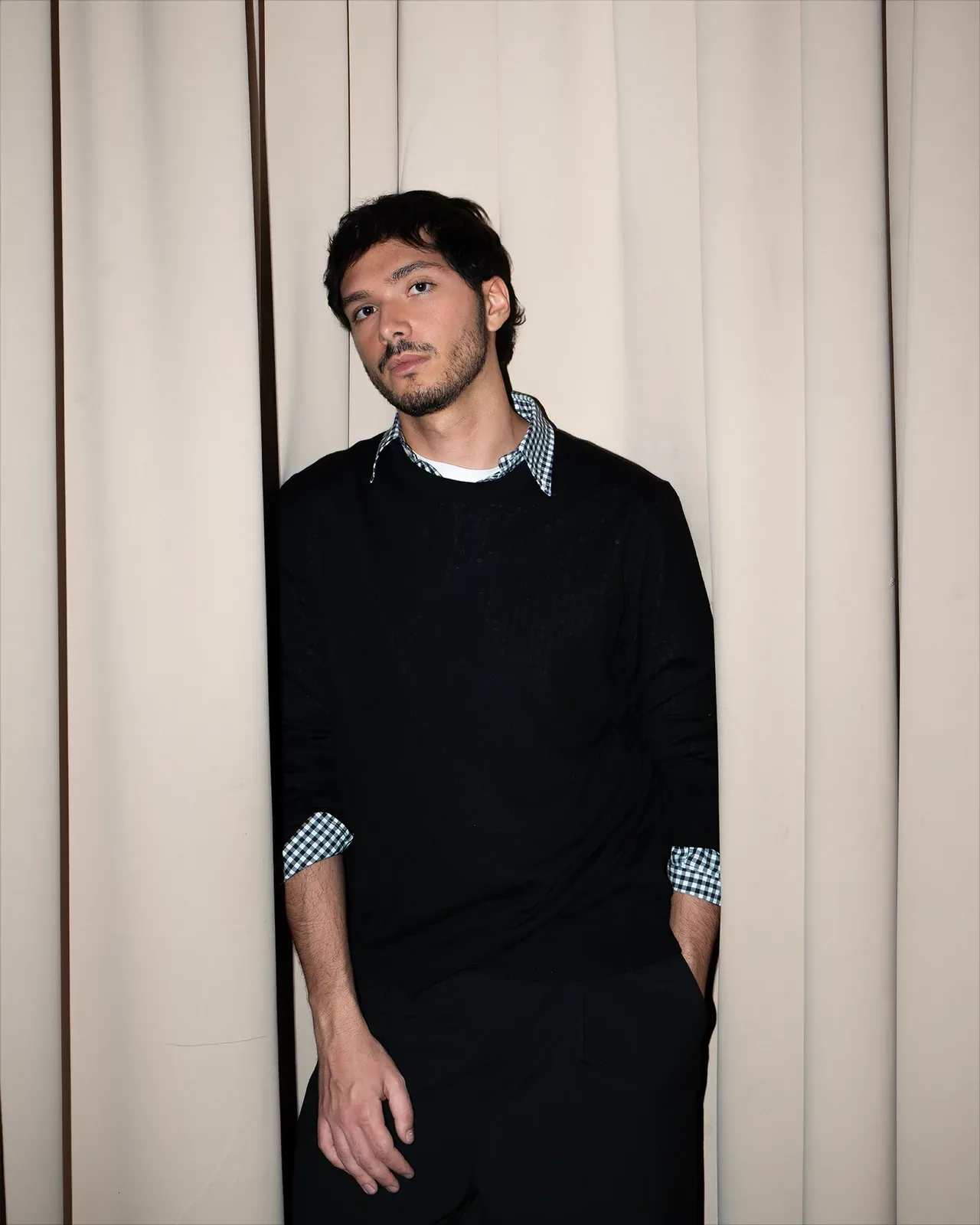
Like most designers, it was a sweeping love of clothes that first introduced Lyrone Journo to the fashion world. Growing up on the outskirts of Paris, Journo spent much of his formative years admiring the industry through a thin veil of separation. After a year of success that has taken him from graduating from one of fashion’s most prestigious establishments to dressing some of the world's largest musical artists, Journo brings together grit and imagination to create garments that exist at the intersection of intuition and experimentation. He spoke to METAL about his journey into the industry so far.
To begin, I've read that you don’t come from a traditional creative background. At eighteen you obtained a scientific baccalaureate, which predominantly focuses on mathematics, physics, chemistry, and biology. Can you tell me more about how you got into fashion?
I have always been passionate about clothing. It was my way of expressing myself as a child; I was rather lonely and imaginative. I watched my older sisters a lot and loved taking things around me and wrapping them around my body to create something. But I didn’t think it was possible for me to make a career out of it, as I was studying science and growing up in a closed-minded environment. It was at the age of seventeen that I became interested in it by watching a lot of fashion shows, which motivated me and showed me that it existed. I loved the idea of the show. Then I ended up joining the IFM [Institut Français de la Mode] in 2022, which allowed me to develop my creativity and discover how I wanted to express myself through clothing.
Did you always know that fashion was something you were interested in? If not, when did you decide it was a calling?
I’ve always loved clothes, but I never saw fashion as a career. To me, it was really just something fun ever since I was a kid. I loved thinking about how I would dress and always took it very seriously. As I grew older, I realised that it was something that inspired and motivated me more than anything else, and that it could actually be a job. I immediately felt reassured.
You were born and grew up in the suburbs of Paris. How has growing up just outside of the city impacted your work?
I didn’t grow up very far from Paris, but it’s true that I didn’t go there very often. Growing up in a different environment influenced the way I work more than it influenced my fashion inspirations. I didn’t have access to that world, and there was no one around me I could relate to or identify with. Not growing up in Paris helped me develop a certain sense of ambition and motivation.
And has that impact changed over the years? I can imagine that the places and memories you draw inspiration from have changed with time.
It hasn’t really changed. There’s still a part of me that draws inspiration from what I see around me, wherever I am. What has changed, though, is that I’ve developed a much sharper eye for clothing and fashion. I try to absorb as much as I can from books, old editorials, and fashion archives or things I either didn’t have access to before or simply hadn’t taken an interest in, and that I’m now discovering.
Do you still work out of Paris now?
No, I have a small studio workshop, a kind of underground space about twenty-five square meters in size, which I share in Paris. It’s where I sew and store my clothes for the time being.
You've likened your work before to things like origami packaging, something structured, with the fabric working as a system with itself. Considering your background in science and maths, how often does your knowledge of structure and formulas play into the garments you construct?
No, neither maths nor science, nor even that origami project I did at school, has any impact on my work now.
The way you play with fabric is really interesting — draping it from models as if it’s been pinned straight to a mannequin. Is playing with structure in this way an important part of your creative process?
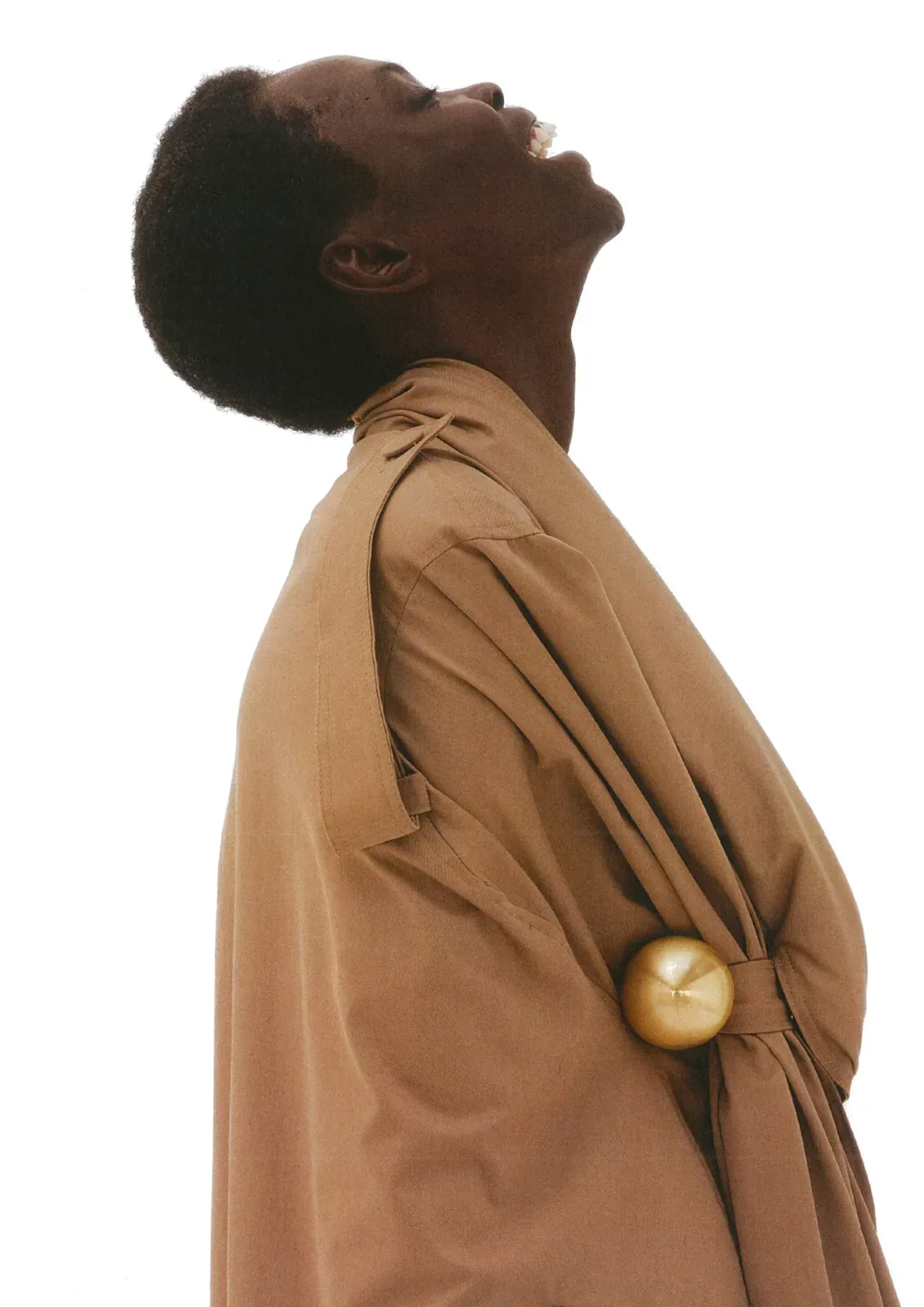
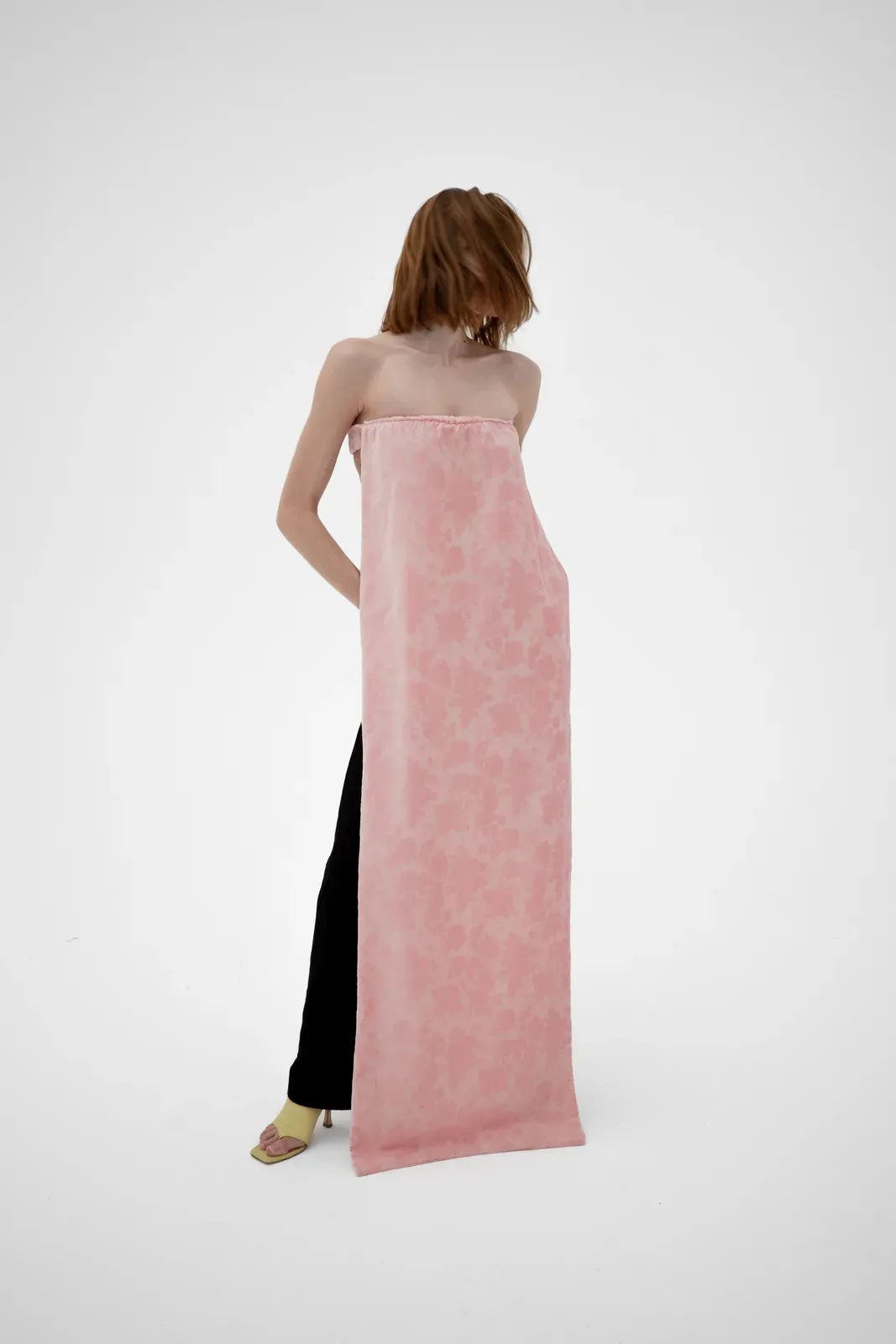
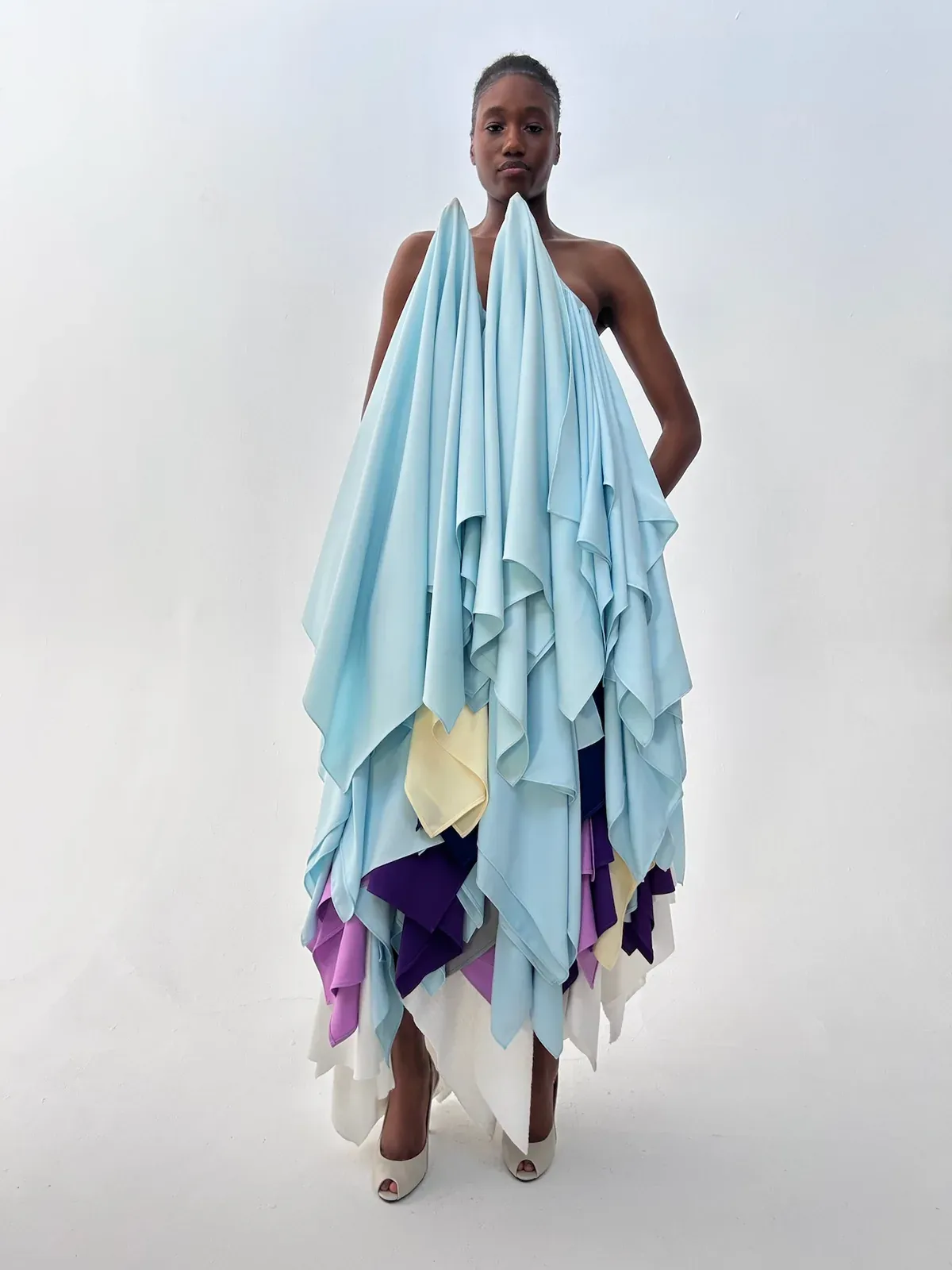
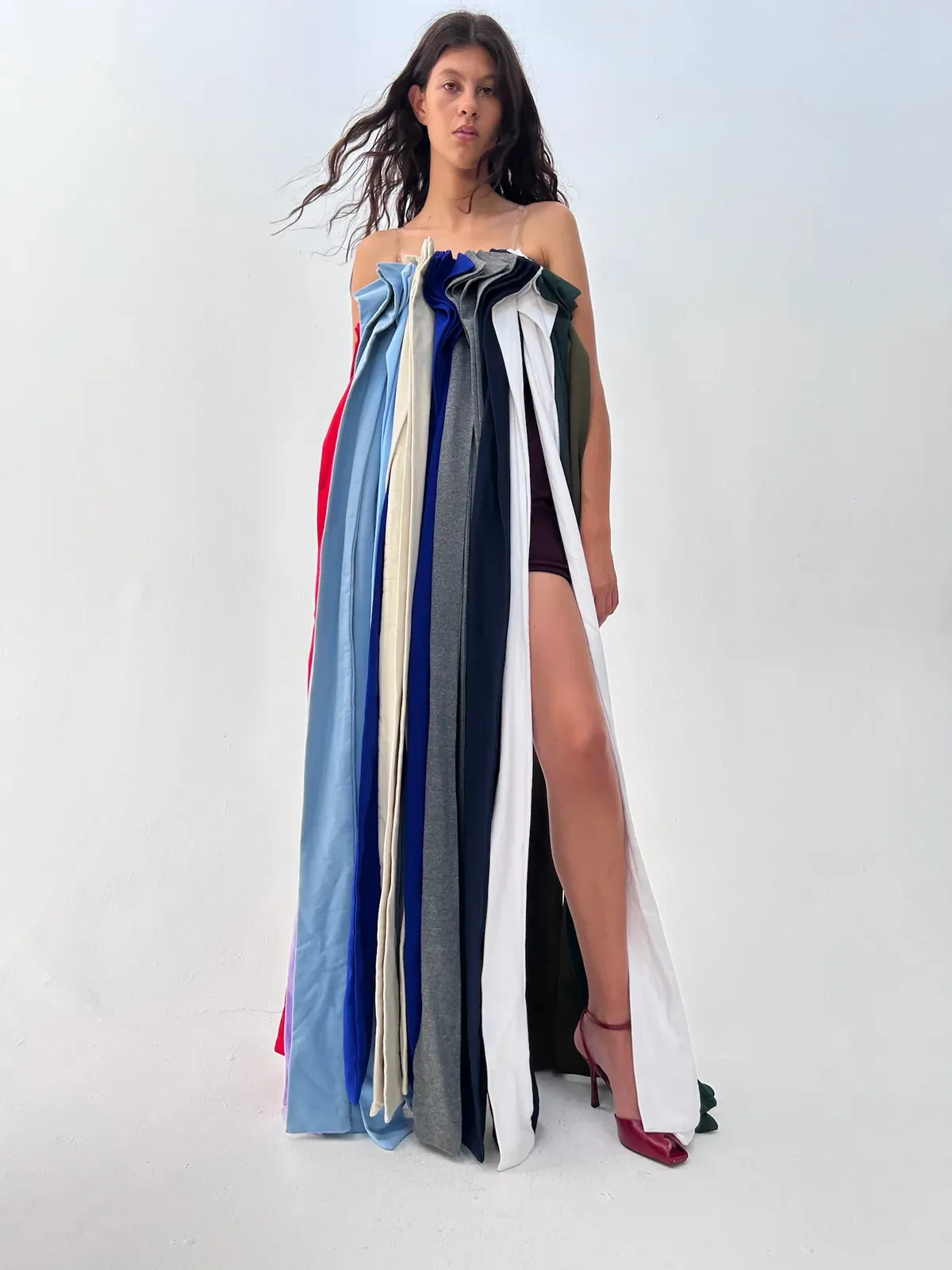
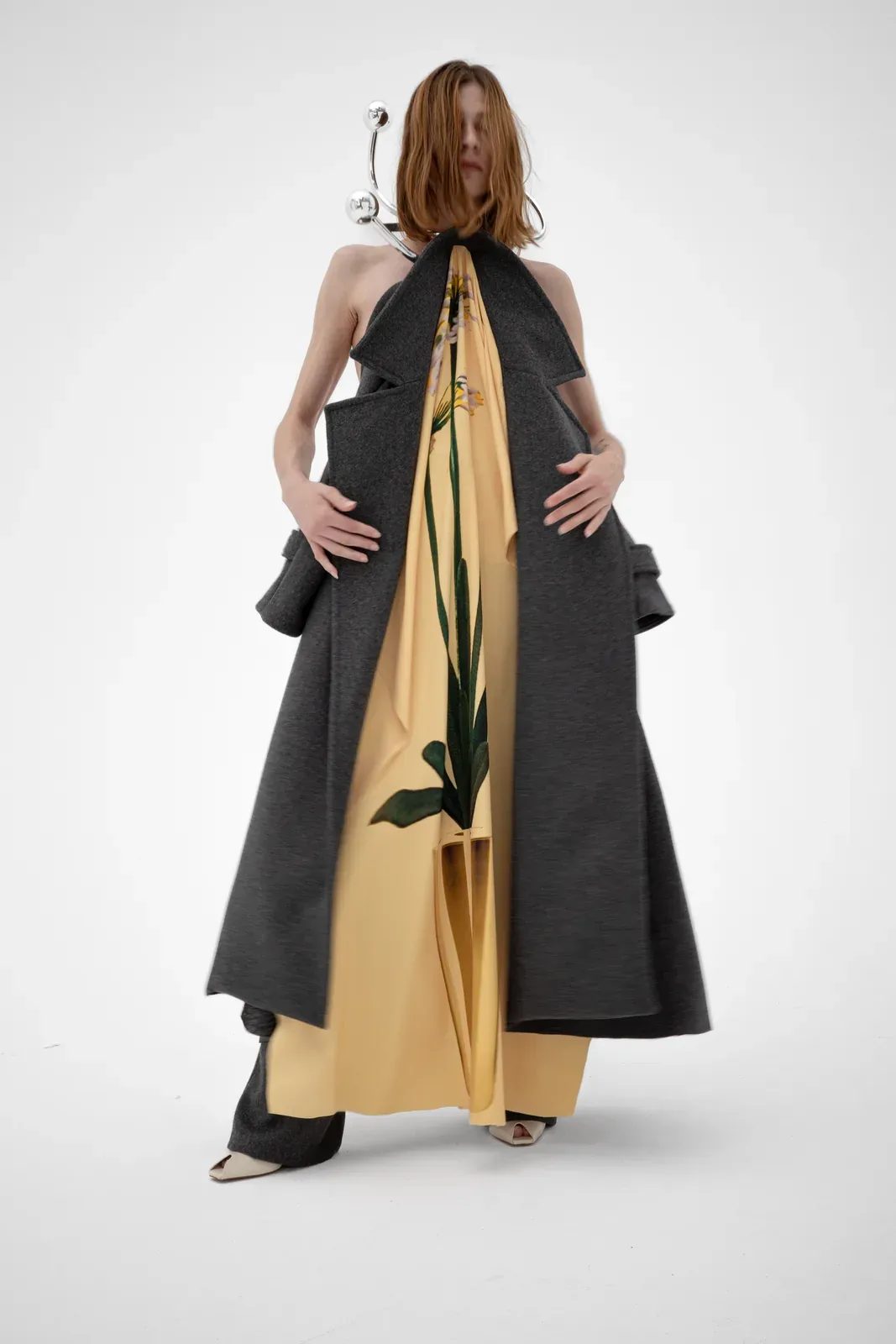
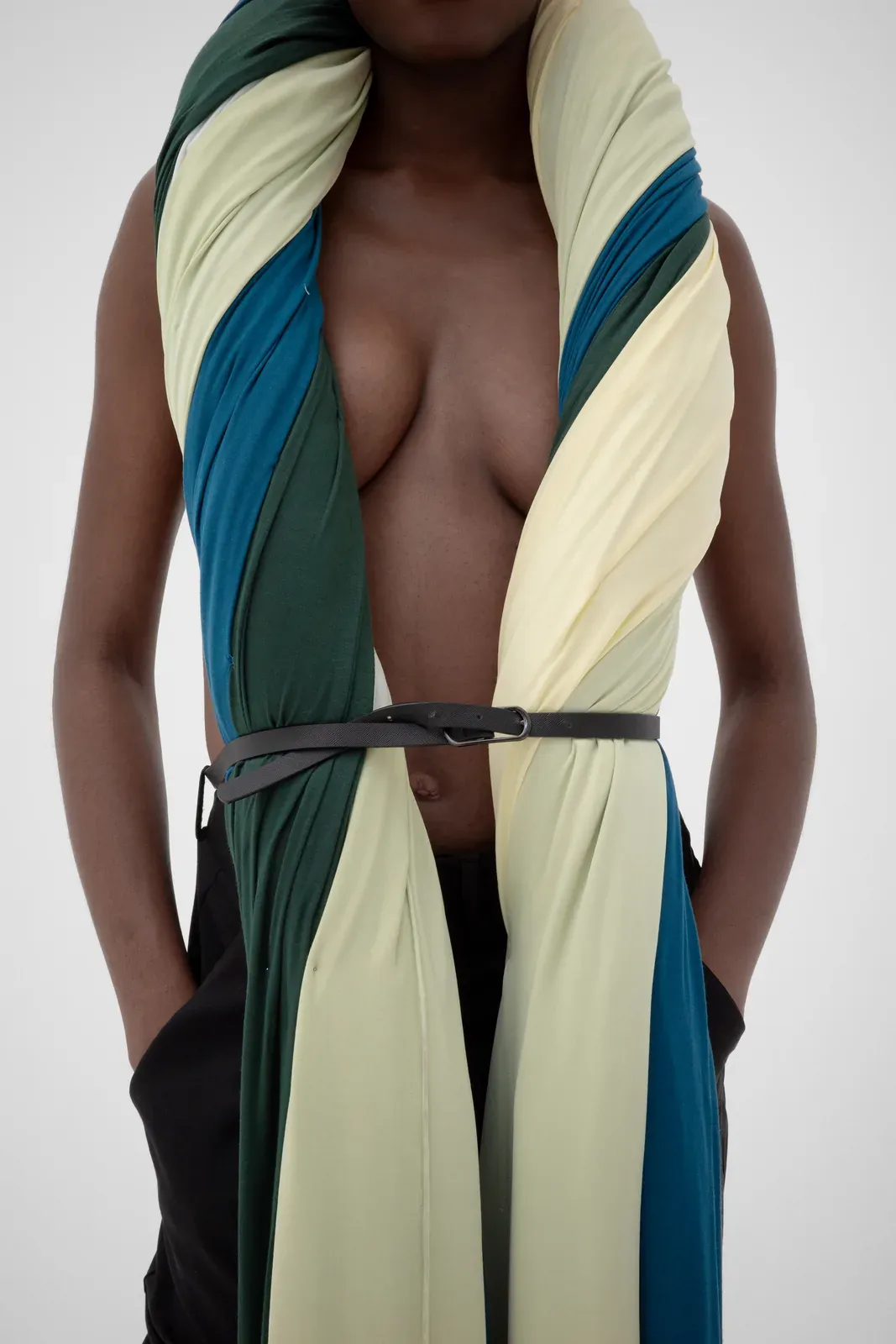
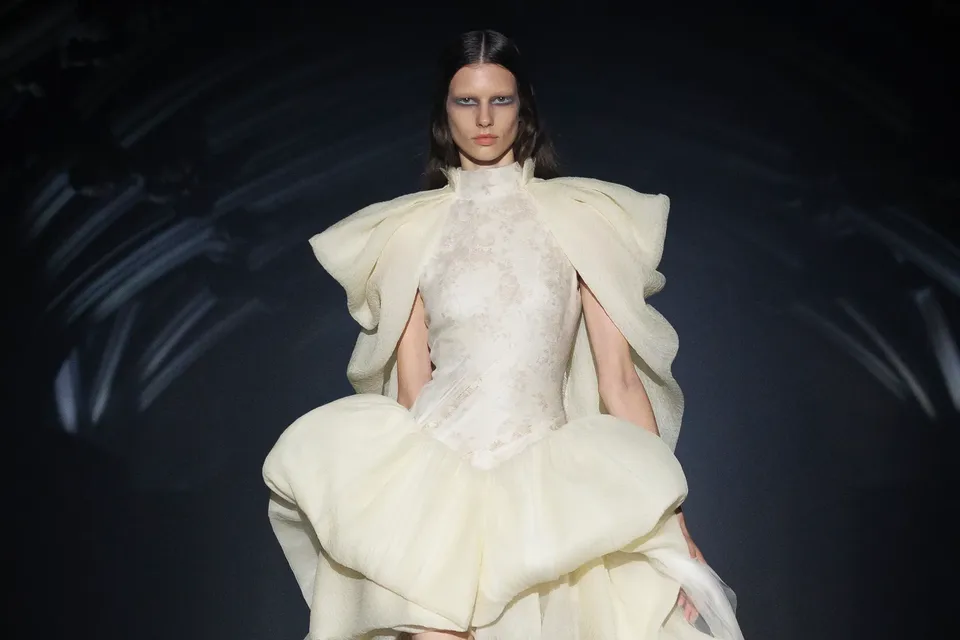
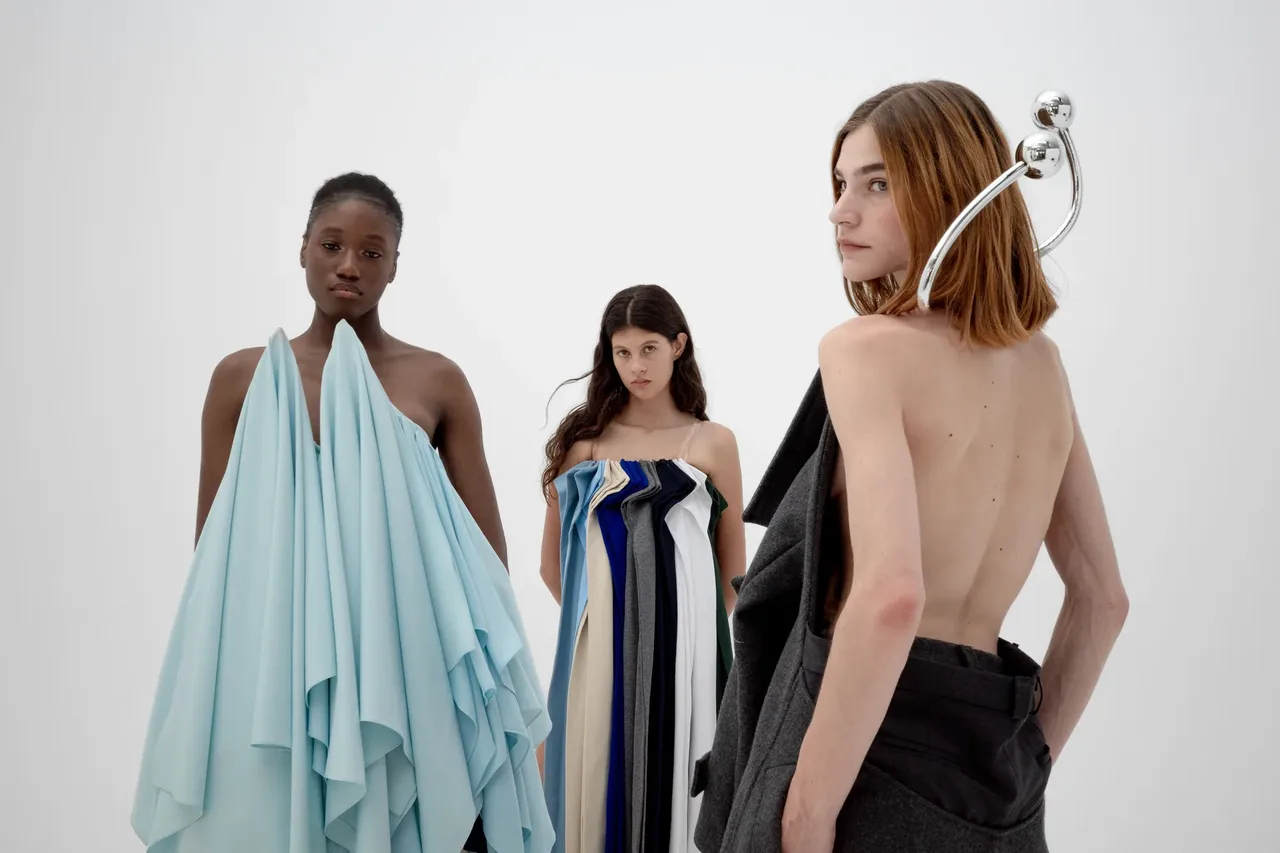
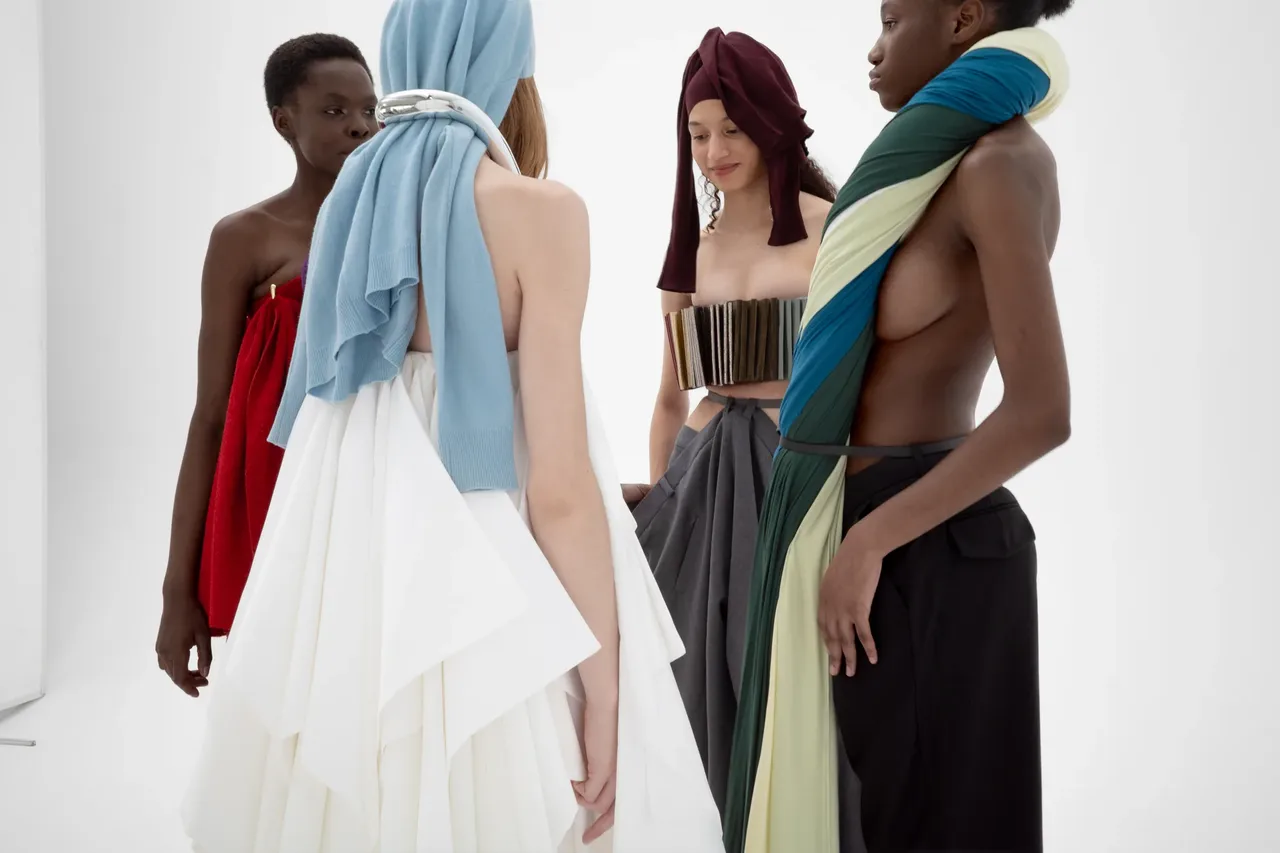
Yes, I love trying to reinvent new ways of creating dresses, or experimenting with instinctive gestures when draping on a mannequin. I find that the natural movements and drapes in fluid fabrics are the most beautiful, and they’re also the ones that often move the best. There is something about sculpture that I love.
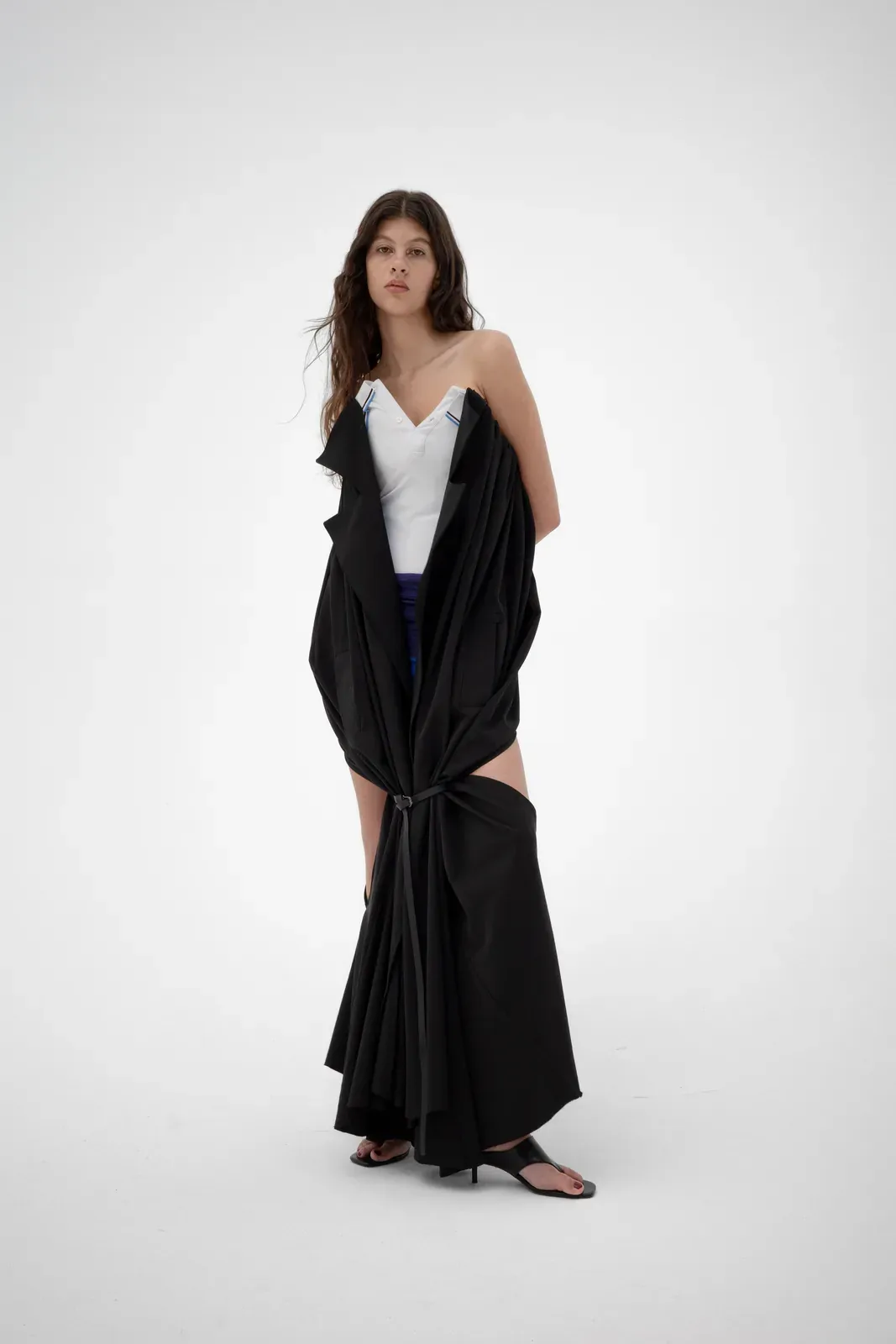
“I like when tailoring sometimes comes close to a dress, when a coat is constructed like a dress.”
Another word that comes to mind when looking at your work is fluidity, which seems to stand in direct opposition to structure. Which one best describes your work, in your opinion, or do they work in tandem?
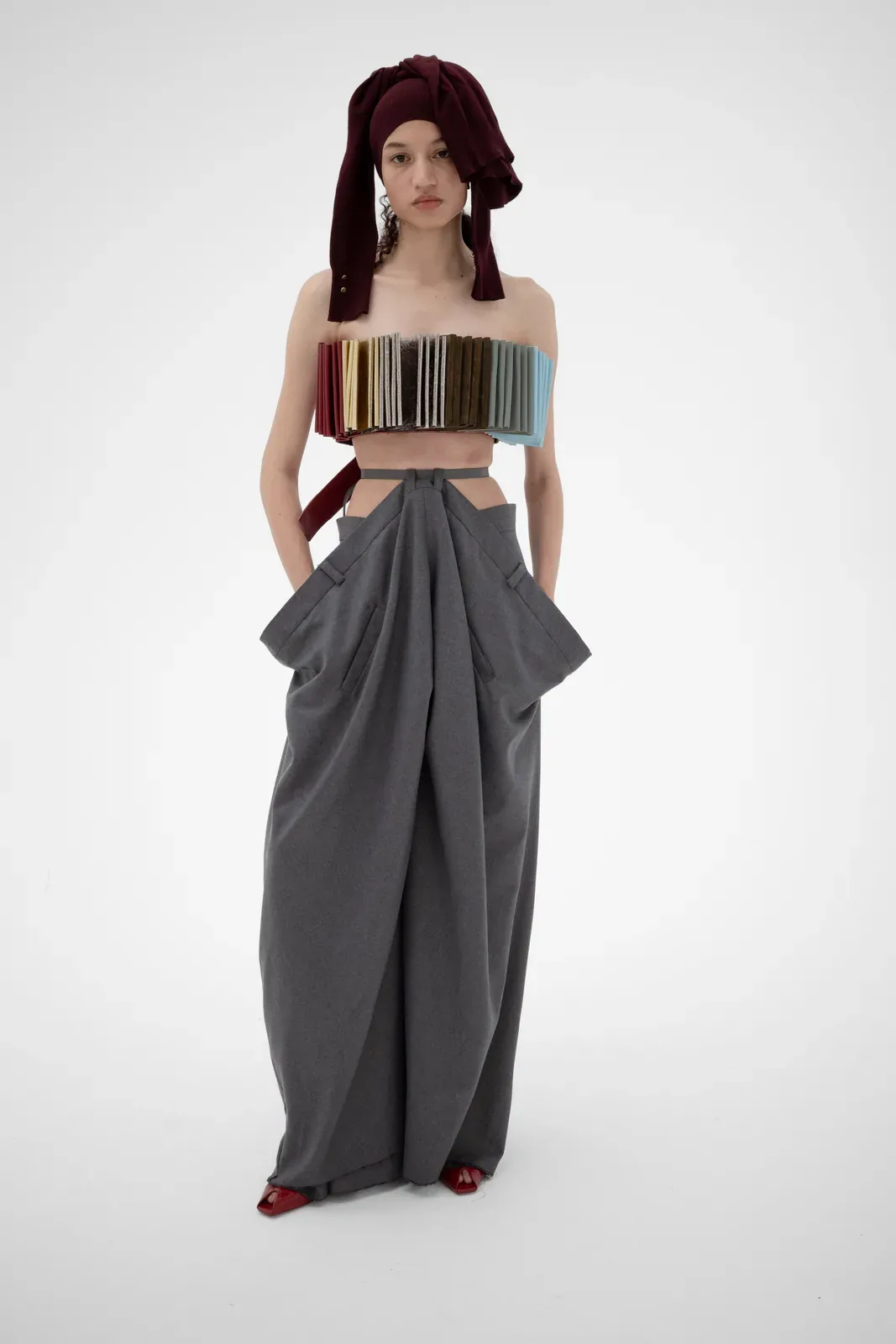
I think both describe my work. I like when fluidity remains controlled, and I like when tailoring sometimes comes close to a dress, when a coat is constructed like a dress. I try to be as instinctive and as free as possible in the way I create. Even in structured pieces, I like to bring that twist that makes the coat more special. Or to try to freeze draping using anchor stitches or techniques that make it more structured.
A lot of fashion tends to exist in the space between art and garment construction, and your work especially feels like it dances between the abstract and something wearable. Is this a balance that you look to create in your work?
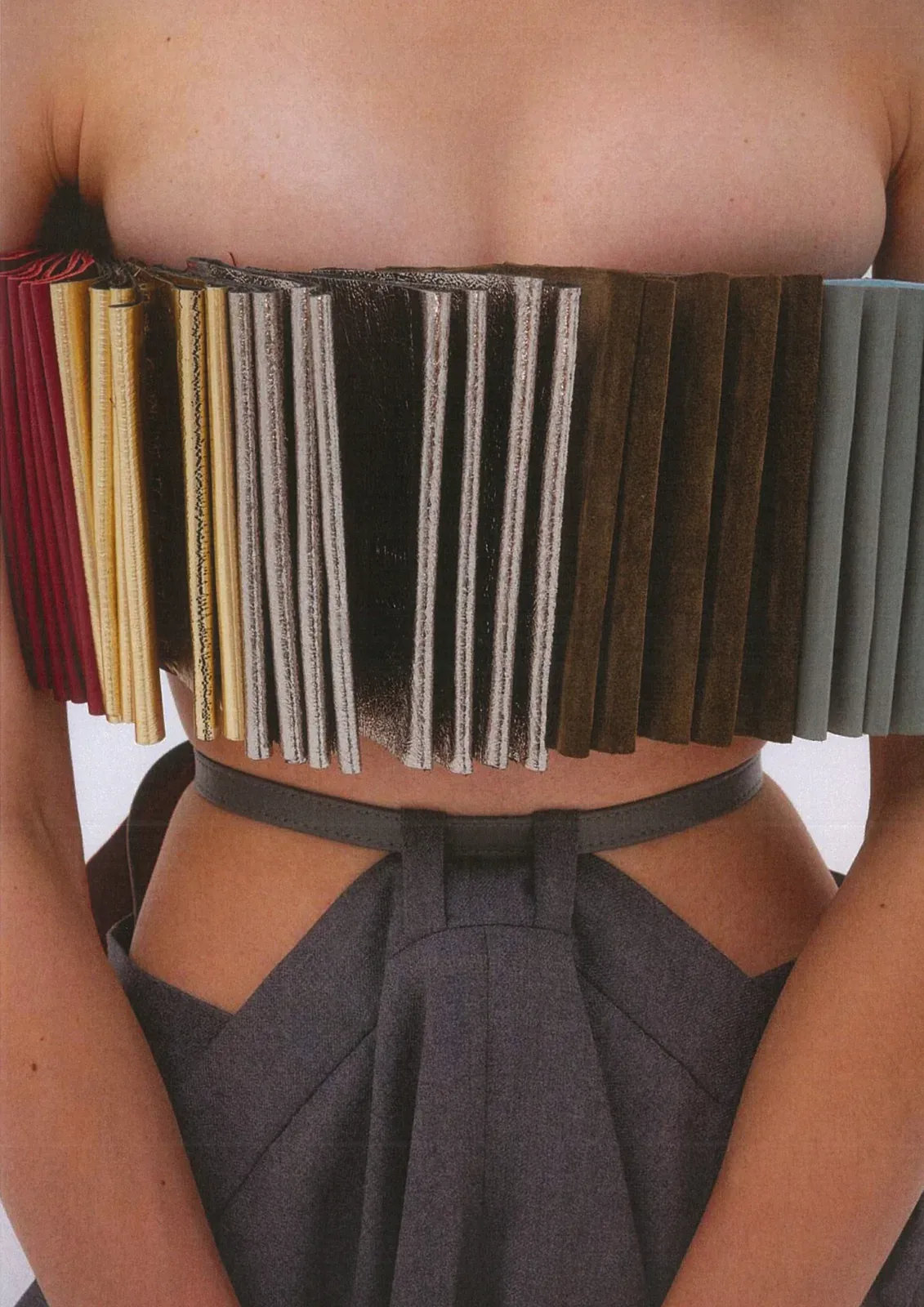
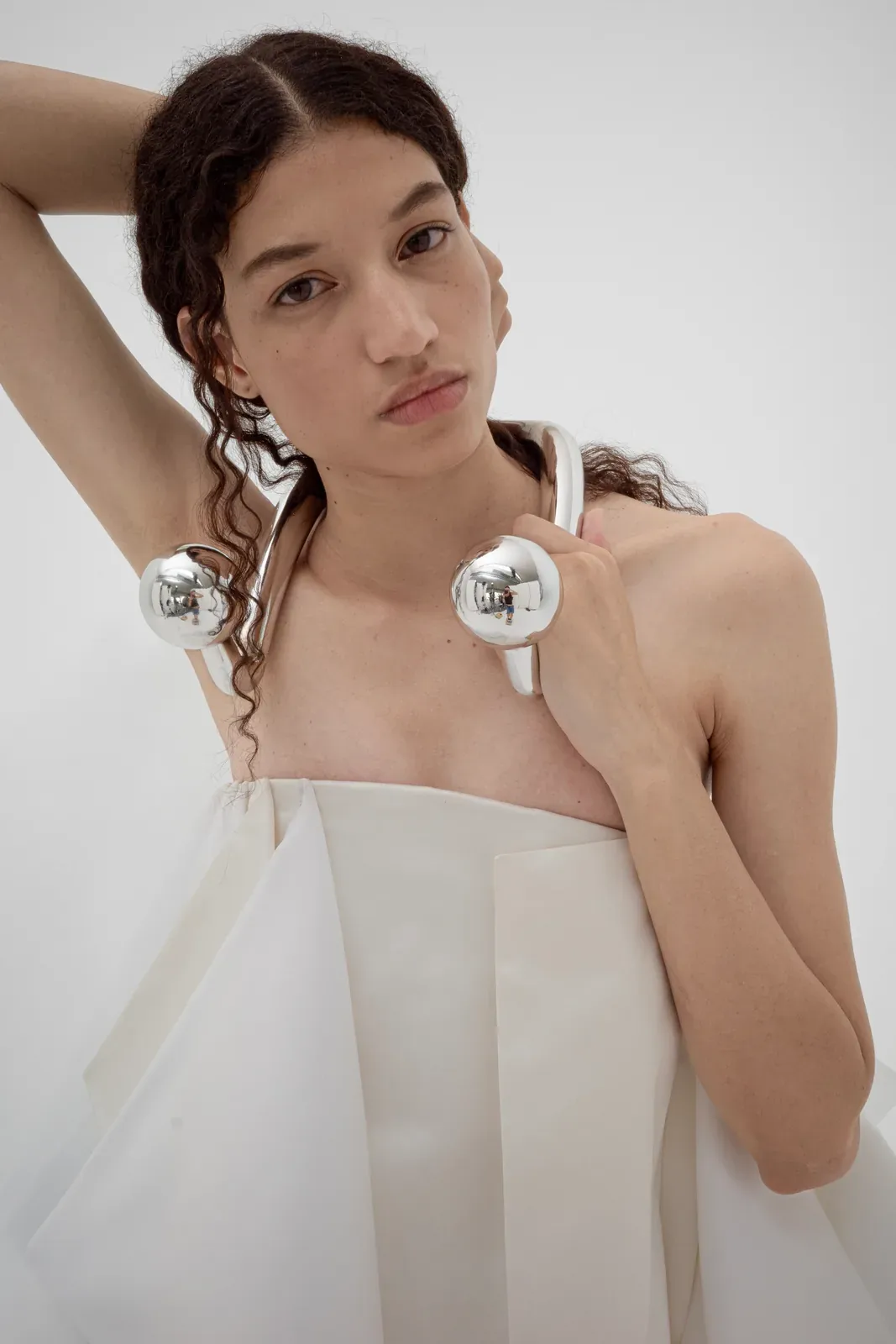
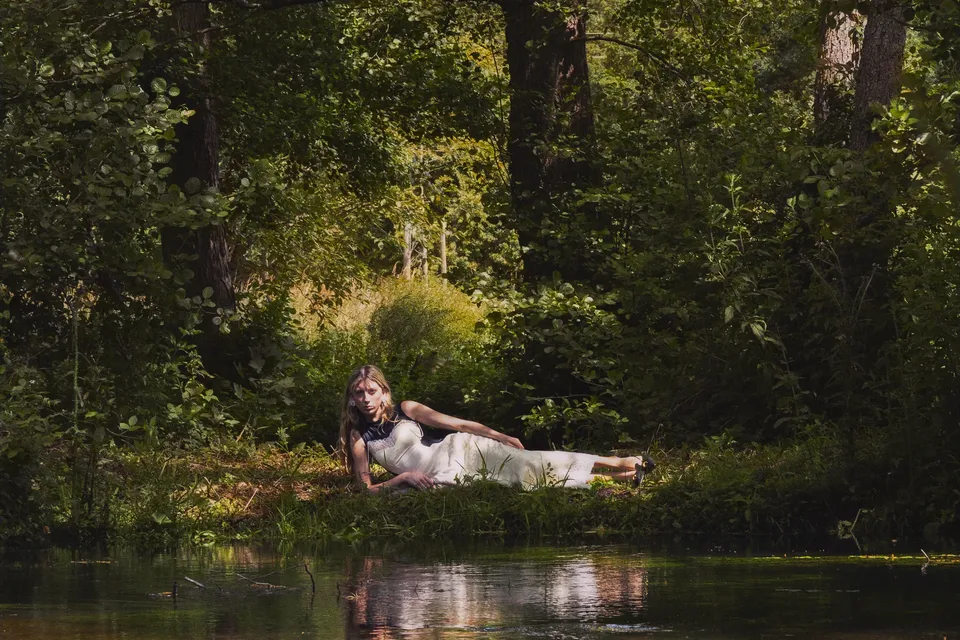
My work focuses on draping, movement, and observing everyday details. I often start from simple objects or gestures, which I adapt to the body to create intuitive garments with a more sensitive elegance. I develop a vision of femininity that is sensitive rather than sensual, where clothing follows the body in a natural way. I enjoy creating from what I observe and translating it into clothes, finding a balance between wearable garments and art. I love this balance.
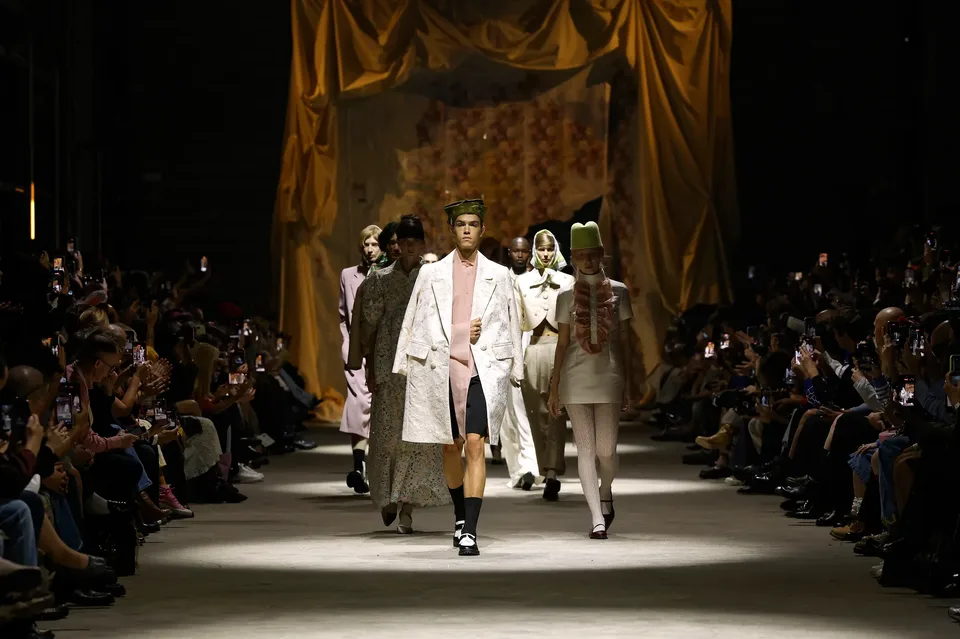
Last spring, you showcased your first Spring/Summer 2026 graduate collection with the Institut Français de la Mode. Can you walk me through the collection and the concept behind it?
I was initially inspired by my own pictures of what I observe around me, whether at home or outside, that may resemble a shape, a garment, suspended clothes or a textile in general. Sometimes even the texture of something. It is important for me to have my own image library to create my own point of view. I really like to link these very object-based inspirations to something much more clothing-related, with a lot of research into clothing archives. I am very inspired by clothing in movement, it is important to me that the silhouette moves, that there is an attitude. It was this balance between the two that I love to create, injecting both into a silhouette.
The collection was showcased at Paris Men’s Fashion Week. It was highly acclaimed and even covered by Vogue Runway, all of which is incredibly exciting. How was that experience?
Very exciting but also a bit stressful. It was a first experience, even though it was still within the school context and not under my own name.
Can we expect to see you showcase something at the upcoming Paris Fashion Week in September?
It’s not planned for the September one at the moment.
Off the runway, I’ve seen that you’ve recently dressed Olivia Dean for her The Art of Loving tour. How did that come about?
I got in touch with her stylist, Simone Beyene. We follow each other, and I really love the work she does with Olivia. I’m a big fan of Olivia and the energy she brings. Simone and I discussed a draped dress I had designed in the past and how we could adapt it for the Art of Loving Live Tour. We reinterpreted it in satin, using a mix of colours to enhance movement on stage.
Do you typically design for muses like this?
I don’t, actually. I never work with someone specific in mind; it’s always abstract. It’s an attitude that I think of, a vibe, something more subtle that defines the personality of the collection, a specific yet understandable energy.
Are there other celebrities or artists you would like to dress?
I don’t have anyone specific in mind. I usually go with my feeling and see what opportunities come my way. The most important thing is that the person genuinely fits the energy of the clothes.