Emotions and time: two linked concepts that have tortured some of the greatest minds in history. “I can only note that the past is beautiful because one never realises an emotion at the time. It expands later, and thus we don’t have complete emotions about the present, only about the past,” explained Virginia Woolf in The Diary of Virginia Woolf: 1925-1930 (Hogarth Press, 1977). More than fifty years later, human beings continue to explore sadness in order to find some understanding of this whole thing we call life. That is exactly the level of emotional intensity we find, and we wouldn’t have it any other way, in The Afterparty, the long-awaited new album from Lykke Li.
Across nearly two decades, the Swedish artist has established herself as one of pop music’s greatest songwriters, turning heartbreak into something cinematic, theatrical, and strangely communal. From Youth Novels to Wounded Rhymes, from the emotional devastation of I Never Learn to the nocturnal reinvention of so sad so sexy and the fragmented intimacy of Eyeye, Lykke Li has continuously reshaped her sound while preserving the emotional core that made her unique in the first place. But The Afterparty feels different. This is the closest she has ever come to conceptual art.
“I get the sense that we are at the afterparty of the world,” she recently explained in an interview with Vera Track while speaking about the record. Lately, the world feels less like reality and more like an exaggerated hallucination that somehow became normal; like a permanent Fear and Loathing in Las Vegas where exaggeration itself no longer functions as satire because absurdity has already merged with everyday life. In 2026, very few artists seem capable of translating that collective exhaustion into pop music with the artistry Lykke Li achieves on The Afterparty.
The album is remarkably short: only nine tracks and less than twenty-five minutes long, with Future Fear functioning almost like an interlude or statement piece. She recently joked on X, “Listen twice, babe,” while responding to a fan complaining about the length of the record. Yet the brevity feels intentional, almost like an allegory for the fleeting nature of life. The concise structure reinforces the sensation of being trapped inside a moment suspended between euphoria and despair, movement and paralysis.
Sonically, this is perhaps the most cinematic album Lykke Li has ever made. The production combines disco textures, gospel choirs, ambient electronics, orchestral grandeur, and Balearic influences into something simultaneously nostalgic and futuristic. She jokingly described the record as “ABBA if ABBA took a lot of LSD,” and surprisingly, that description makes complete sense. There are moments throughout the album that feel enormous yet emotionally claustrophobic.
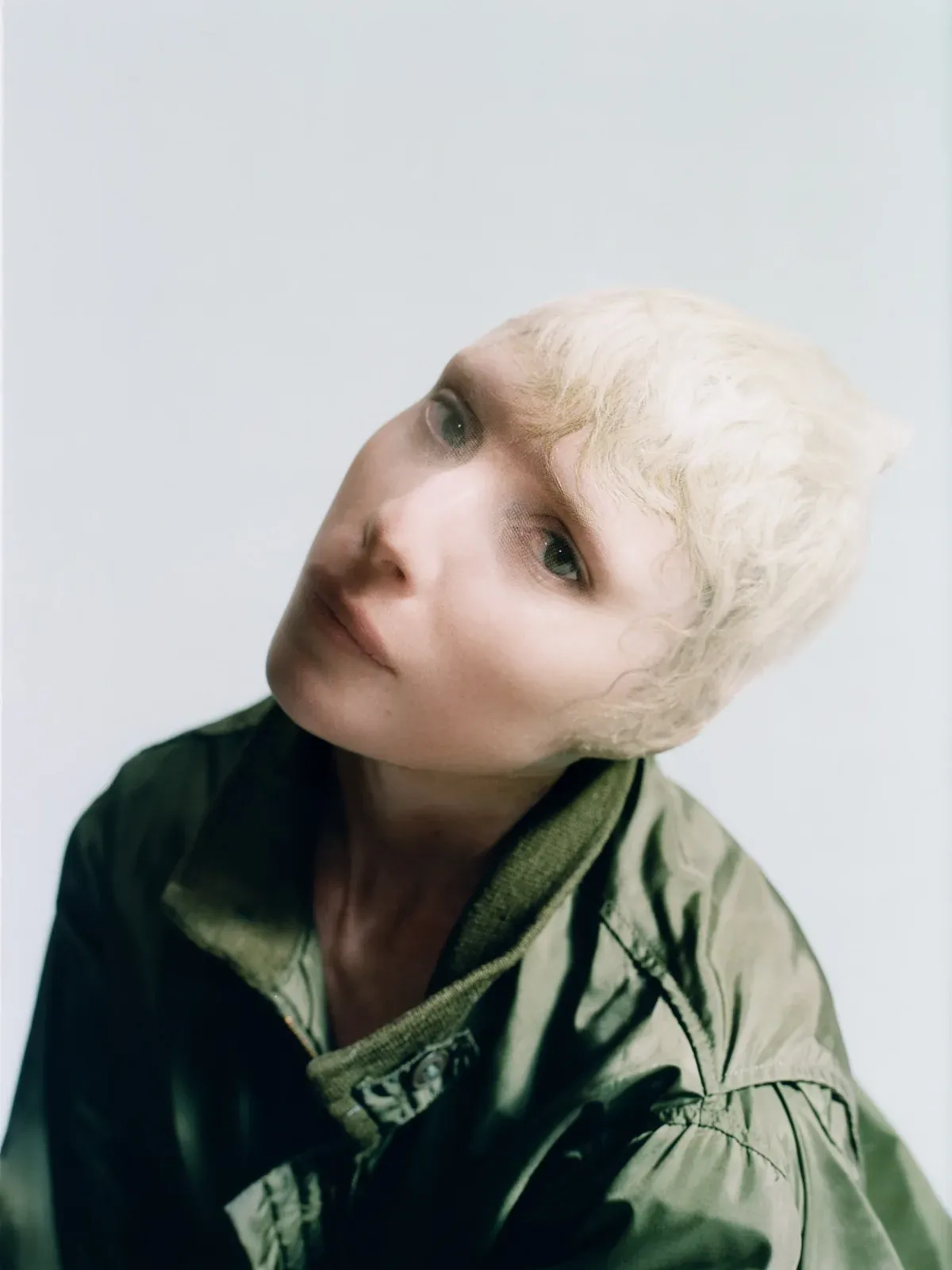
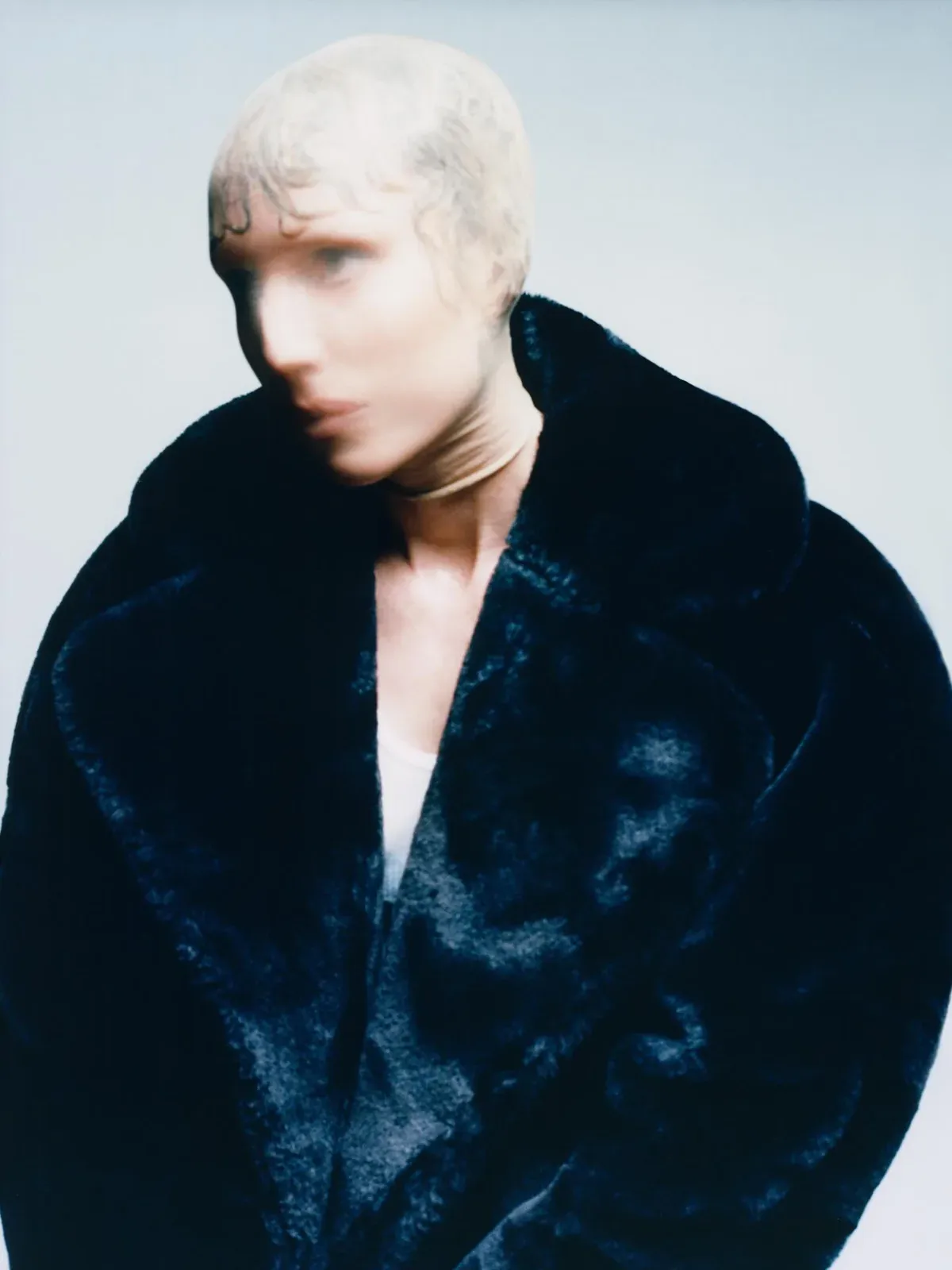
The use of the seventeen-piece orchestra is magnificent. The percussion, frequently built around tribal rhythms and what some critics have accurately called ‘apocalyptic bongos’, gives the album a ritualistic sensation, as though the songs are documenting a ceremony for the collapse of modern emotional life. Everything surrounding the project feels designed to reinforce its emotional thesis: the distorted Cindy Sherman-inspired cover art, the concise runtime, the sequencing, the imagery of spiritual collapse, and the language of shame and rebirth that appears throughout the interviews and promotional material. The Afterparty does not feel like a traditional collection of songs. It feels like a film unfolding across one continuous night, where every track functions as a scene documenting emotional survival after the illusion has already collapsed.
Lykke Li is not making explicitly political music, but The Afterparty constantly feels haunted by the emotional consequences of contemporary life. The record’s recurring fixation with the ‘lower self’ becomes especially interesting in this context. “Especially in pop, nobody really talks about this,” she explained while discussing the album’s themes. “It’s too disturbing, vulnerable, and embarrassing. The passing of time. Having had something and then losing it.” That idea becomes one of the album’s emotional centres. The Afterparty is obsessed with the confrontation between fantasy and reality: between youth and ageing, between romantic mythology and emotional emptiness, between performance and genuine identity.
Future Fear works as the album’s thesis statement: brief, confrontational, and deeply contemporary in its focus on anxiety about the future, with a robotic approach that feels oddly real (“I love you, I don’t trust anyone I’m going to a dark place, do you need anything?”). So Happy I Could Die stands among the record’s most beautiful moments, with filtered acoustic guitars creating a dreamlike atmosphere suspended between intimacy and hallucination. Lykke Li transforms devastation into something luminous — something she has done throughout her career and which has become her trademark.
With Knife in the Heart, the album expands into theatrical grandeur. Described by Li as a “brutalist nursery rhyme anthem,” the track balances destruction and innocence, especially through the inclusion of vocals from her son and his friend. Once again, there are sonic elements that merge references from Youth Novels and Wounded Rhymes with her newer musical sensibilities. The emotional peak arrives with Famous Last Words, whose expansive, nocturnal production feels more like the climax of a film than a traditional pop song. The first verse is heartbreaking, pure 21st-century poetry: “Do you have a cigarette to spare? Take me somewhere. I don’t care. Show you what it takes to fill the void to write a sad song. Be a bad boy.”
A message shared on the album’s release day captures its essence perfectly: “Make art, with humans, transmute darkness into light.” That idea of transformation lies at the heart of the record. Not Gon’ Cry is fundamentally about hope and functions as one of the emotional entry points into the album. When she sings “I’m not gon’ waste my last tears on you. I’m not gonna cry, no,” you can almost picture her watery eyes as she presents the emotional world of the record.
The opening track, Lucky Again, is one of her best songs ever. It immediately establishes the album’s theme of emotional ruin. The disco strings and euphoric arrangements create the illusion of liberation, while Li’s vocals remain wounded and uncertain. She described the song as “Samsara in a song,” and that circular feeling defines much of the album. Happiness never fully arrives here; every euphoric moment already contains the shadow of collapse within it. Yet that tension is exactly what makes the song extraordinary. Lykke Li understands that modern hope rarely feels pure anymore; it often arrives contaminated by exhaustion, fear, and memory.
The afterparty itself is such a specific and fascinating concept from the perspective of temporality: it is the moment where the end of the party and the hangover shake hands; where the intense feelings of the night begin transforming into darker, detached emotions. A comedown. A sudden wave of reality that hurts a little more after a few hours of utopia. Li invites us to witness her reflections on midlife, thinking of existence itself as an afterparty. Throughout this journey, she dwells on both failures and achievements, sharing a kind of manifesto of emotional knowledge. This is a record in which experience becomes the core of the storytelling; even in moments of uncertainty, whether the artist leans towards hope or despair, she sings from lived experience.
It has been rumoured that this might be Lykke Li’s final album. Although that is difficult to believe, there would be something profoundly fitting about such a decision if it proved true. It would perfectly merge the artist and her art. The Afterparty often feels closer to conceptual art than to traditional pop music because of its ability to confront us with raw feelings in the same way some of the most important artworks do in galleries and museums. But more importantly, it would mean closing her discography with one of the most beautiful and relevant records she has ever made. Hopefully, we will hear new music from her again in the future; otherwise, we will be missing out on one of the best artists, who always manages, somehow, to capture us so cleverly. If we’re lucky, we’ll get lucky again.