Documentary photographer and journalist, Luke Oppenheimer, brings the expansive mountain ranges and knee-deep snow of Kyrgyzstan into our viewfinder, capturing the gruelling work of Ottuk locals ever so delicately. He turns the icy pathways to soft and glistening, daunting animals become majestic creatures, and formidable landscapes thaw their intimidating exteriors. Oppenheimer confronts our own expectations of rural Kyrgyzstan through years of photographic work compiled in his book, Ottuk.
Following a tip from his friend, Oppenheimer set out for the mountainous Central Asian country to cover a story on the growing number of wolf attacks threatening the livestock of shepherds. He integrated into local life, shooting intimate moments between families and friends along with the frozen carcasses of wolves. Shepherding, the central feature of rural Kyrgyz life, functions as a framework through which relationships are explained, terrain is understood, and culture is shared. We speak with Oppenheimer about this cultural cornerstone, generational transitions and knowledge, as well as his connection to the people he photographs.
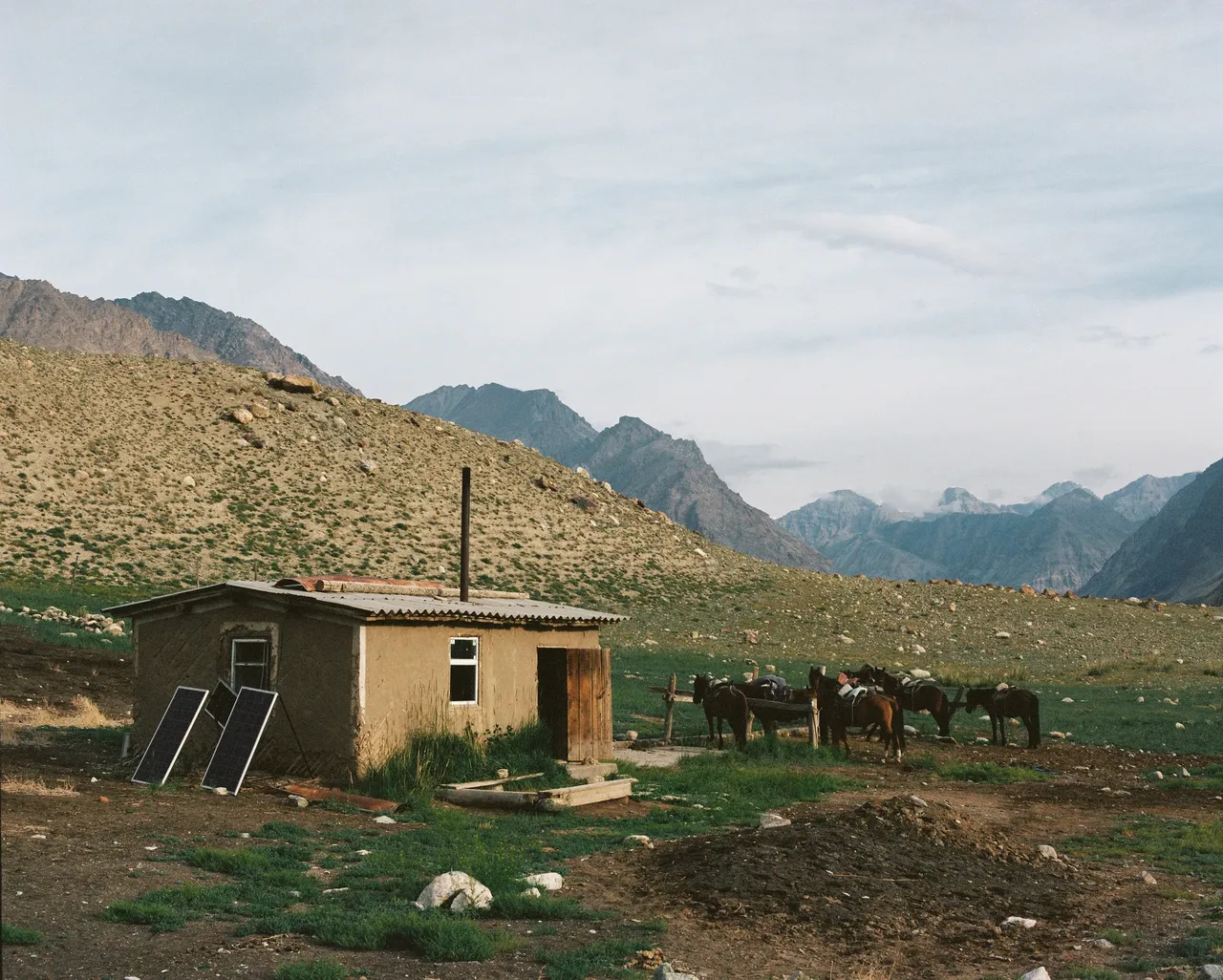
From "Ottuk" by Luke Oppenheimer published by AIR.
As a travelling documentary photographer, where are you based now?
I live in Brooklyn, NY but I currently spend up to six months out of the year in Nepal for a new project I’m working on. For long-term projects like Ottuk or the new one in Nepal, I’m typically living with families.
How did you find out about the situation in Ottuk?
I started working in Kyrgyzstan back in 2018. I travelled around the country documenting nomadic families. In 2020, I was back in NY. Covid had hit Kyrgyzstan hard economically; the usual mountain tourism was virtually non-existent. A Kyrgyz friend of mine named Ruslan, who works as a mountain guide, called me one night and explained to me that he was having a hard time finding work. I told him that if he could travel around a few villages and do some research on a handful of topics I was interested in, that I could pay him for his time and travel expenses. I initially did this just to help out my friend. About a month later he called me and told me about the village of Ottuk. I already knew that wolf attacks were common, but I had never heard of a case as severe as what was occurring in this tiny village. Together, we dug a bit deeper. I soon realised that this was the beginning of a very interesting story. A month later I was back in Kyrgyzstan and driving into Ottuk for the first time in an old Soviet jeep in the dead of winter.
Why did you choose analogue photography, with its delicate and time-consuming process, for your medium?
There are several reasons. Colour film captures subtleties in hues of colour that digital cameras simply cannot capture. This shows especially in large prints. Of course, there is also the grain which gives images a tactility that you can feel through your eyes. Another reason for shooting film is the time. It slows you down and forces you to pay attention to the light, to the composition and to your timing. I enjoy this because it is a form of meditation for me. When I’m shooting, I’m not thinking about anything else in the world. The final reason I shoot my projects on film is because by doing so, I’m literally creating a physical object. It’s not a digital file of ones and zeros; it’s a chemical reaction between the emulsion on the film and the light bouncing off of someone’s face in Kyrgyzstan. This is something real, it’s not duplicatable and it’s locked away in time, creating a primary source recording of a single moment in our shared human experience.
You’ve said that with long-term projects such as this one, you can’t just walk away; you become intertwined with the people you photograph and their realities. How do you balance your professional motivation to move on to the next project with maintaining the personal connections you’ve established?
I wake up every morning to WhatsApp messages from Kyrgyzstan, Nepal, Paraguay, etc. It’s like having an extended family. It is difficult at times to maintain contact with everyone, but I plan for certain important dates to come visit. For example, I will be returning to Ottuk later this year to deliver copies of the book to my friends there, after that I will fly to Nepal to continue shooting my current project. But really, video calls on WhatsApp are how I stay connected when I’m on the other side of the world.
“Parents want their children to be prosperous, to have a better life than they had, and they hope to have their memory live on in the lessons, stories and traditions they impart.”
Documentary photography requires time and deep involvement with communities. What is the danger of dropping in for a short period of time just for the photos?
The main danger is misrepresentation and shallow work. When I look back at my first week in Ottuk and how I initially perceived the people living there, I realise how much my perception of them changed. Not in terms of my perception of their culture, as I was already very well acquainted with Kyrgyz culture, but rather my perception of the individual personalities of the villagers whom I met. It typically takes a long time for people to truly open up and reveal their deeper, more vulnerable layers. If I had only shot for one week in Ottuk, I would have walked away with photos of people that were one-dimensional and entirely fictional. They would have been figments of who I imagined them to be based on very little personal acquaintance.
You speak about the younger generations both continuing in the path of their fathers and leaving their homes for a “better life.” When we think of ‘abandoning tradition’ it often implies a family rift, but here, that’s not the case with many fathers commending their sons for leaving. Can you tell us a bit about what you observed with that dynamic?
It’s very bittersweet. There is the sense of losing traditions, but typically, parents are quite proud of their children for finding good employment in a town or city. One interesting dynamic at play is that the money being sent back to the village from children working jobs in urban centres helps build up family herds and improve upon their parents’ houses. So, while the inflow of cash from outside can actually help the shepherds, the question many parents have is, “Will anyone be here to watch our herds when I’m gone?” The saddest part of the urban migration is the loss of traditional Kyrgyz culture, the songs, the sayings and the stories. Kyrgyz culture is inseparable from shepherding. It is the fundamental livelihood of the steppe. Steppe identity suffered a massive blow from forced settlement in the beginning of the 20th century, either by the Soviets in Kazakhstan, Kyrgyzstan, Uzbekistan and Tajikistan or by the Chinese in Inner-Mongolia. One could say that shepherding and managing herds on horseback is the last remaining vestige of this nomadic past. The further loss of tradition from urbanisation, the final stage in settlement, is a constant topic in villages throughout Central Asia, but it is seen as an inevitability.
What does that show about intergenerational exchange?
From my perspective, it shows that generations within a family often, not always, but often, want what is best for each other. Parents want their children to be prosperous, to have a better life than they had, and they hope to have their memory live on in the lessons, stories and traditions they impart. Children on the other hand typically want to carve out their own livelihoods, even if they stay in the village, they’ll eventually want to build their own herd, and just as their parents want them to be successful, the children want their parents to be proud of them.
One observation of this phenomenon that I’d like to add is that children often take from their parents what best suits them in life, the rest is eventually discarded if it isn’t pertinent to their lives. An example of this is the saying “It only takes one frost.” This is a very common Kyrgyz expression in rural parts of the country. It means, in one freezing night you can lose your entire herd. This is an expression you’ll hear in a city like Bishkek as well. It’s used in business contexts by people who have never ridden a horse in their lives and who’ve probably spent more time in Moscow than in a village. But, this warning has endured through multiple generations because business in the developing countries of Central Asia is in many ways as uncertain as shepherding life.
One observation of this phenomenon that I’d like to add is that children often take from their parents what best suits them in life, the rest is eventually discarded if it isn’t pertinent to their lives. An example of this is the saying “It only takes one frost.” This is a very common Kyrgyz expression in rural parts of the country. It means, in one freezing night you can lose your entire herd. This is an expression you’ll hear in a city like Bishkek as well. It’s used in business contexts by people who have never ridden a horse in their lives and who’ve probably spent more time in Moscow than in a village. But, this warning has endured through multiple generations because business in the developing countries of Central Asia is in many ways as uncertain as shepherding life.
“After spending so much time with people who were internally validated by their own principled lifestyles, I realised what a fool I had been.”
It’s a well-known fact that the countries most at risk for climate change-related disasters also have a population that contributes the least to the climate crisis. How does this book touch on the relationship between cultural erasure and climate change?
So, I can’t say that this book really touches directly on this topic. It’s a fact that climate change has severely impacted Central Asia particularly hard because it has an extreme continental climate prone to severe changes in weather. It’s also one of the driest parts of the world. In the Naryn region where Ottuk is located, there is the Naryn River. This is a substantial source of water that’s fed by the surrounding runoff from mountain snow. So, for the shepherds there is an ample supply of water for their herds. Keep in mind, they don’t farm on a large scale in this region, they mostly only raise livestock. In the south of the country in regions like Batken, it is an entirely different situation; there is heavy agriculture and it is entirely dependent on irrigation from rivers that suffer from higher rates of evaporation because the summer temperatures are much higher in the south. Water scarcity in this region is often cited as the underlying reason for the border disputes between Kyrgyzstan and Tajikistan. Having said all this, the climate in Central Asia has always been extreme. The winters drop to minus forty degrees Celsius, and the summer temperatures can reach as high as fifty degrees Celsius in certain areas. Climate change has exacerbated this, but the real issue is water scarcity in regions dependent on irrigation. The diet in places like Ottuk is almost entirely local meat and wheat noodles. Cucumbers, carrots and onions are grown somewhat locally but for the most part they are imported from the south or from Uzbekistan. I expect the price of these vegetables and tubers to go up in the near future as water scarcity continues to negatively impact agriculture in the region.
You started this project in 2021. Now, five years later, what has changed in Ottuk?
The most noticeable difference for me is that my friends in the village have got a lot older. Almost all of them are in their fifties and sixties. For a region like rural Kyrgyzstan, this is old. They’re outside all day, every day, working hard labour; it ages a person quickly. Just the difference in five years is shockingly obvious. The other big difference is that there are fewer young people. On one of my last trips, they asked me to stay. They offered me cattle and a house and told me they’d find me a wife. I was of course honoured, but it also broke my heart. My friends there see me as a brother but also as a son.
What was the greatest lesson you learned from your time in Kyrgyzstan?
True happiness exists in the moment. It’s a cliché but it’s true. When I first went to Ottuk I had a very unhealthy idea of success. I wanted to be a well-known photographer, I wanted to be published by major magazines, and this was driven by a desire for external validation, it made me miserable. After spending so much time with people who were internally validated by their own principled lifestyles, I realised what a fool I had been. I began to realise that just making photos was where the real joy was. I stopped caring so much about the end results, content with the doing of it and no longer obsessing over the outcome. I still of course would love for more people to see my work, and there are certain magazines that I would feel honoured to publish with, but it doesn’t tie into my idea of success and certainly doesn’t impact my happiness. This was for me the most valuable result of my time in Ottuk.
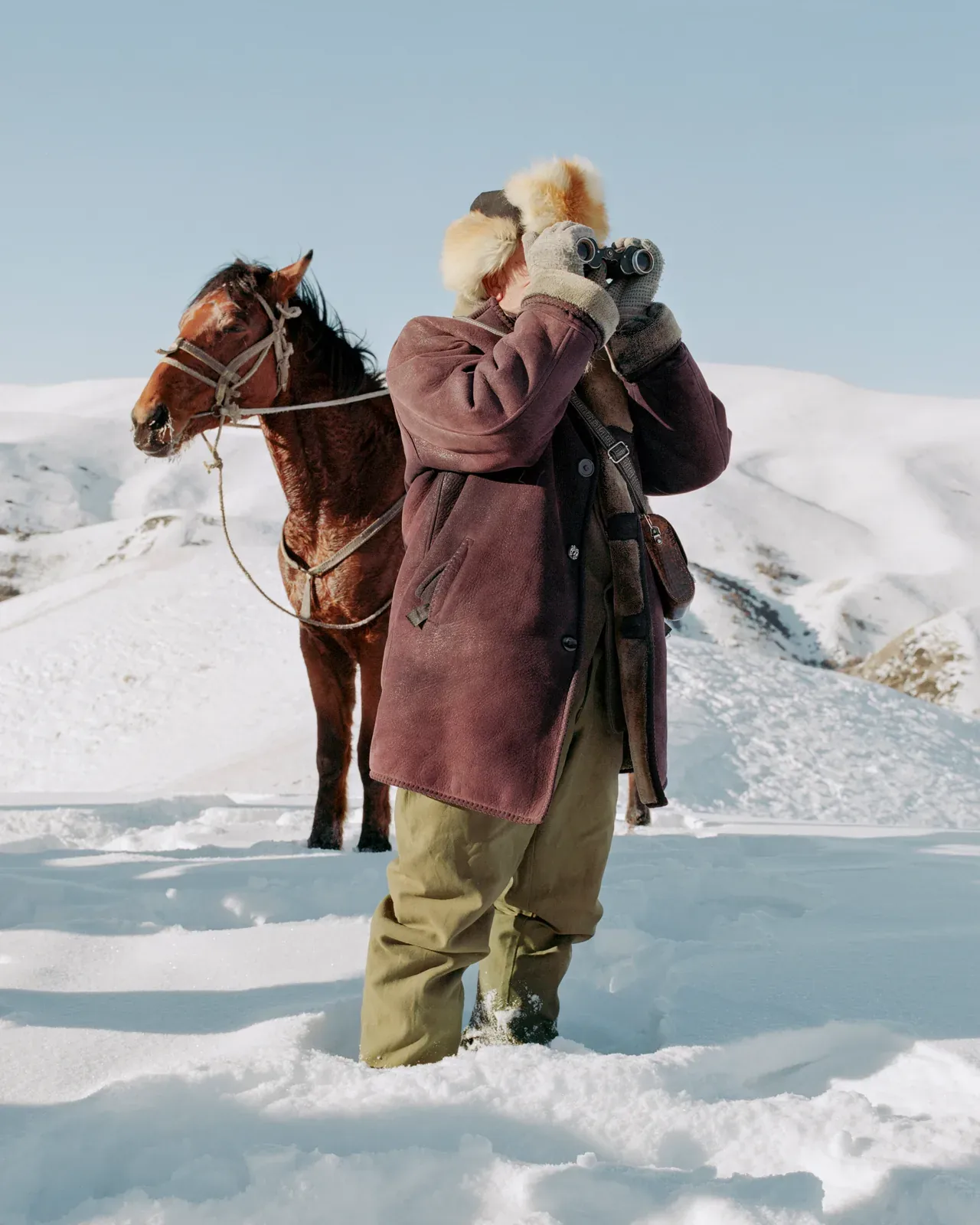
From "Ottuk" by Luke Oppenheimer published by AIR.
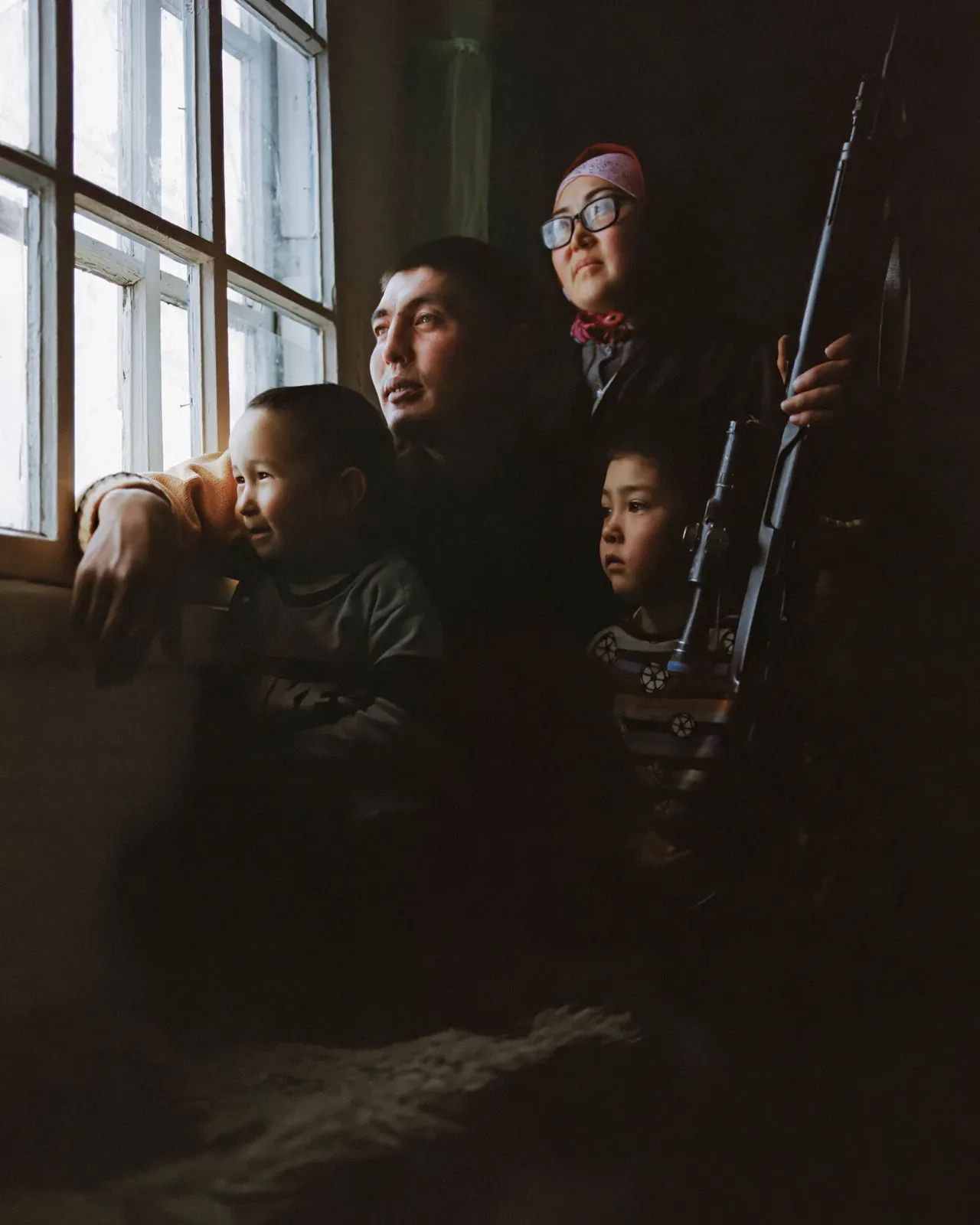
From "Ottuk" by Luke Oppenheimer published by AIR.
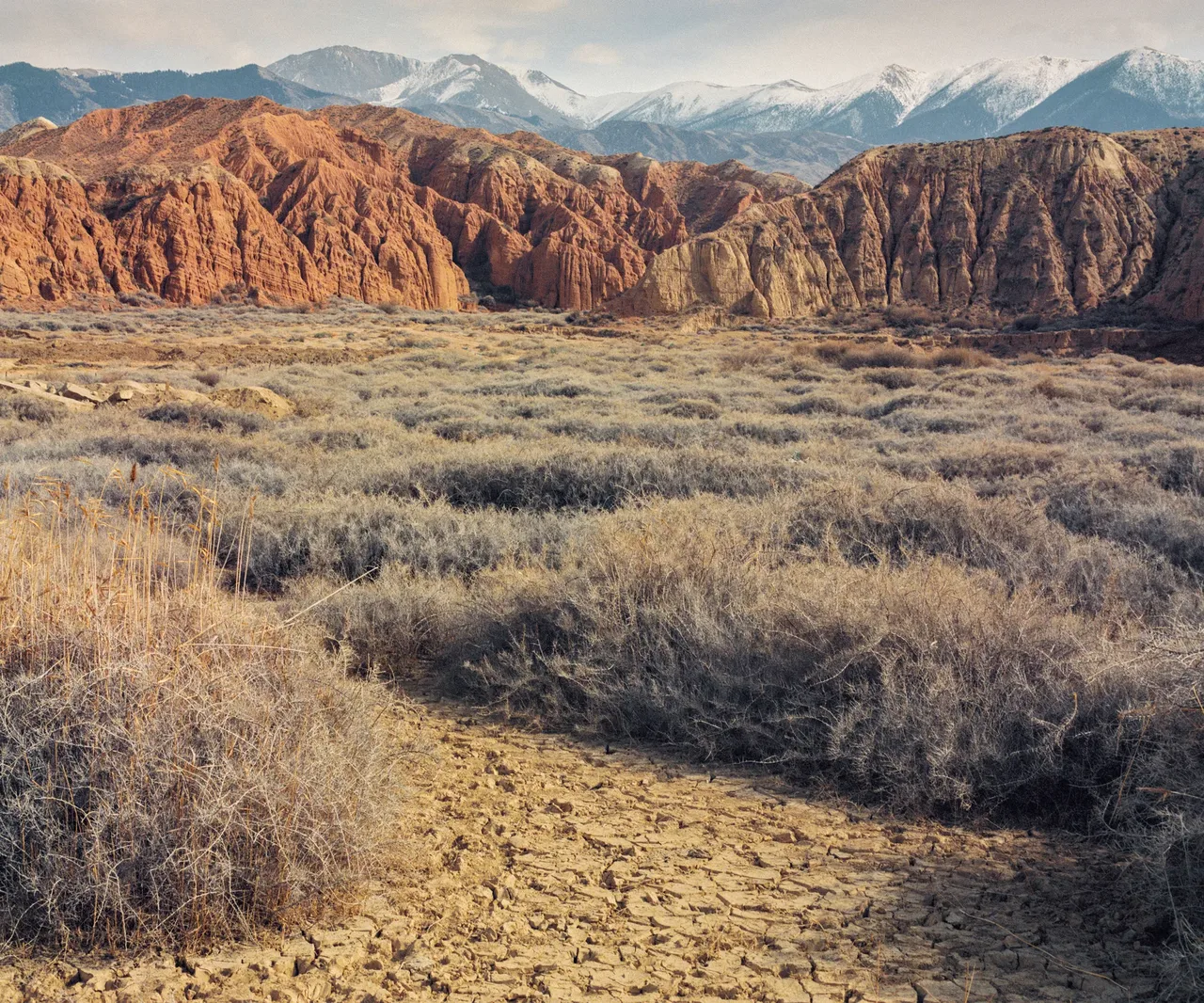
From "Ottuk" by Luke Oppenheimer published by AIR.
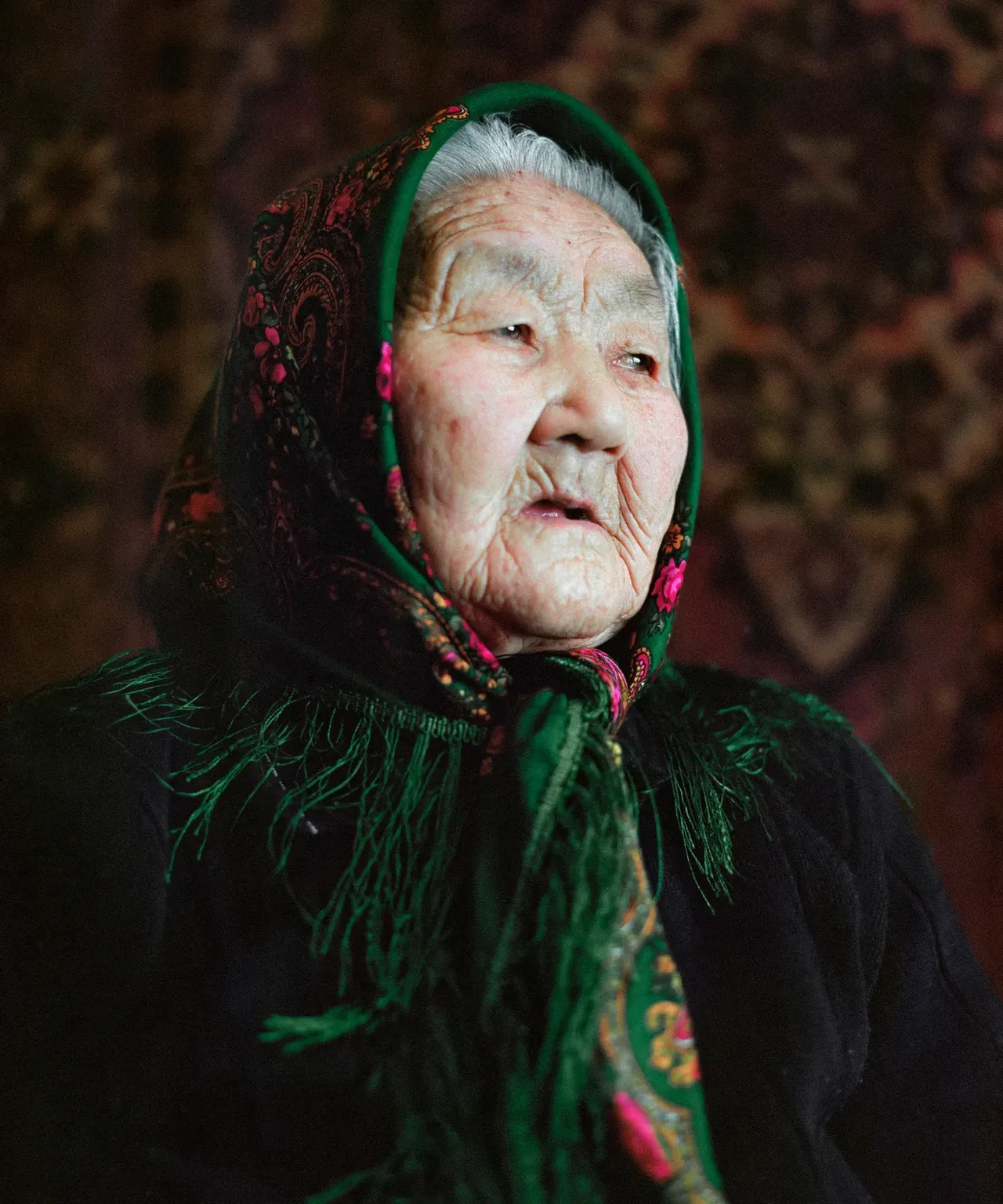
From "Ottuk" by Luke Oppenheimer published by AIR.
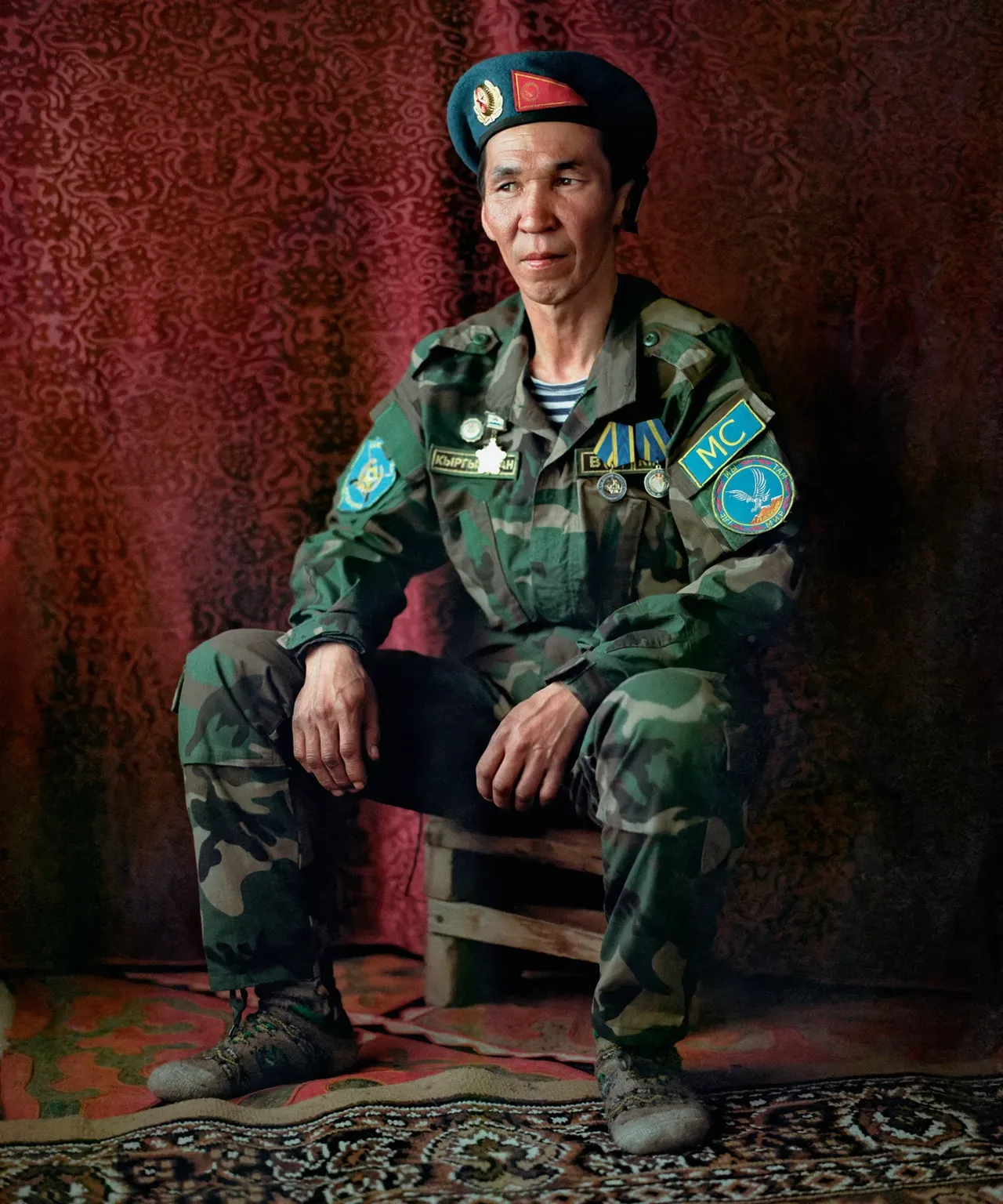
From "Ottuk" by Luke Oppenheimer published by AIR.
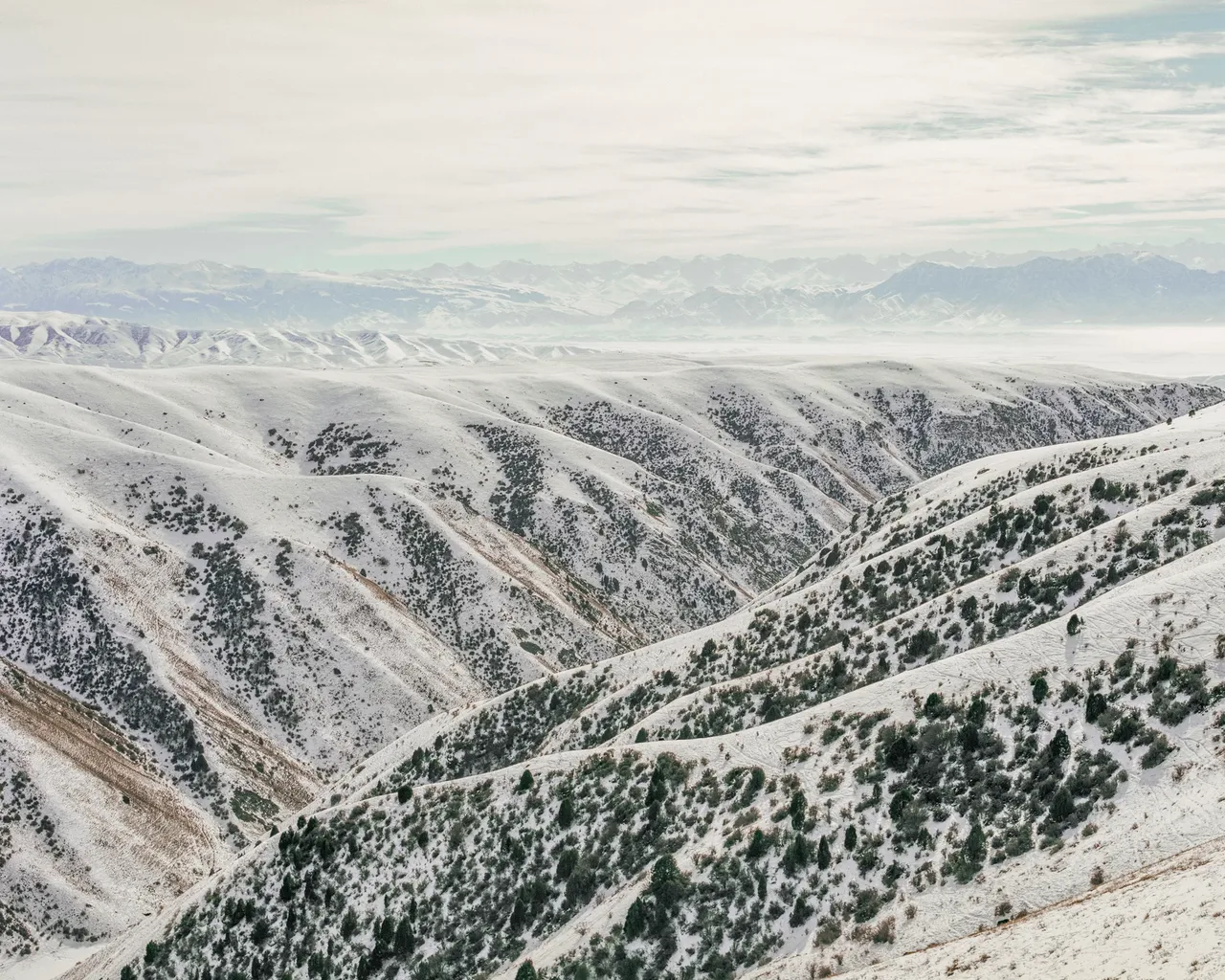
From "Ottuk" by Luke Oppenheimer published by AIR.
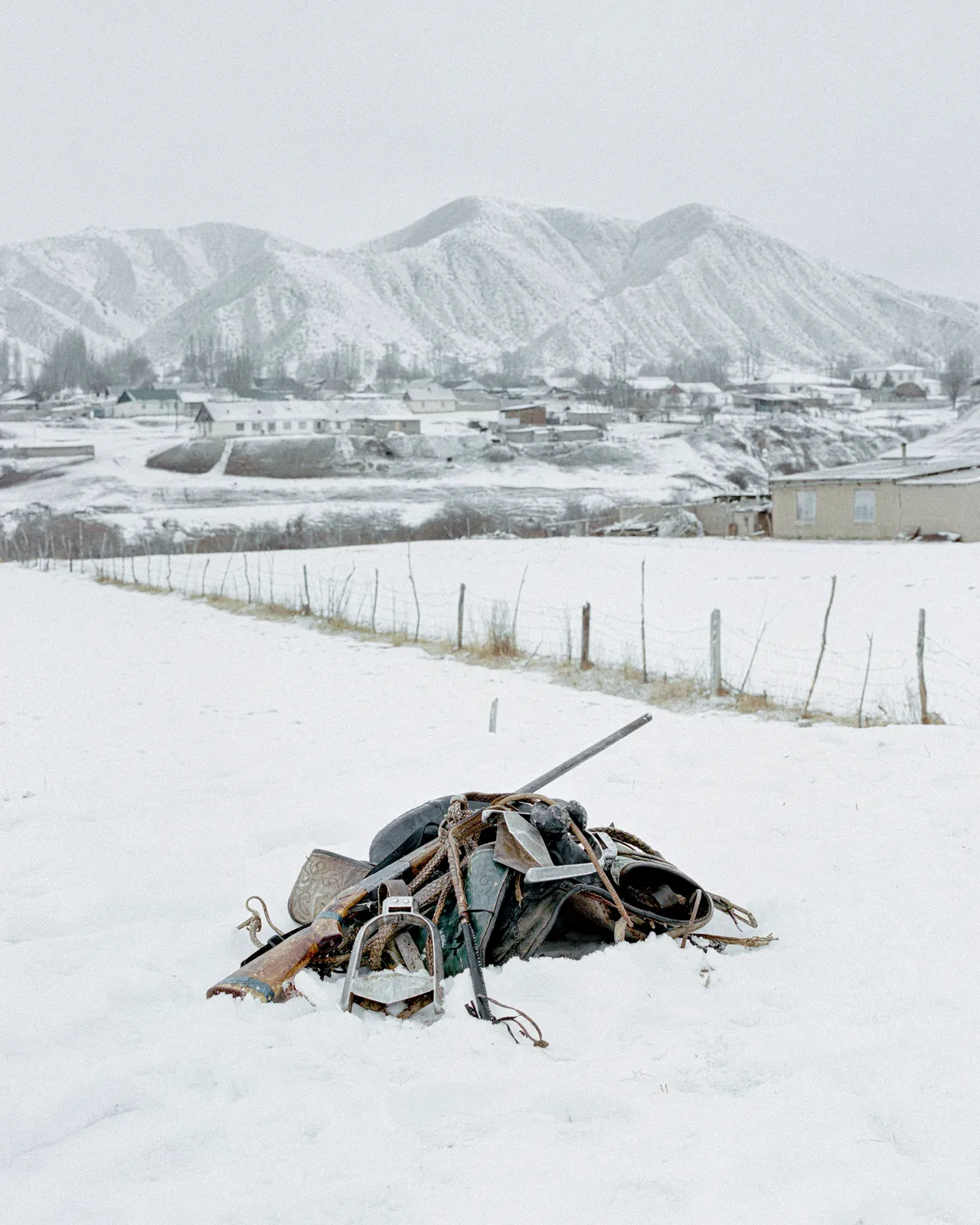
From "Ottuk" by Luke Oppenheimer published by AIR.
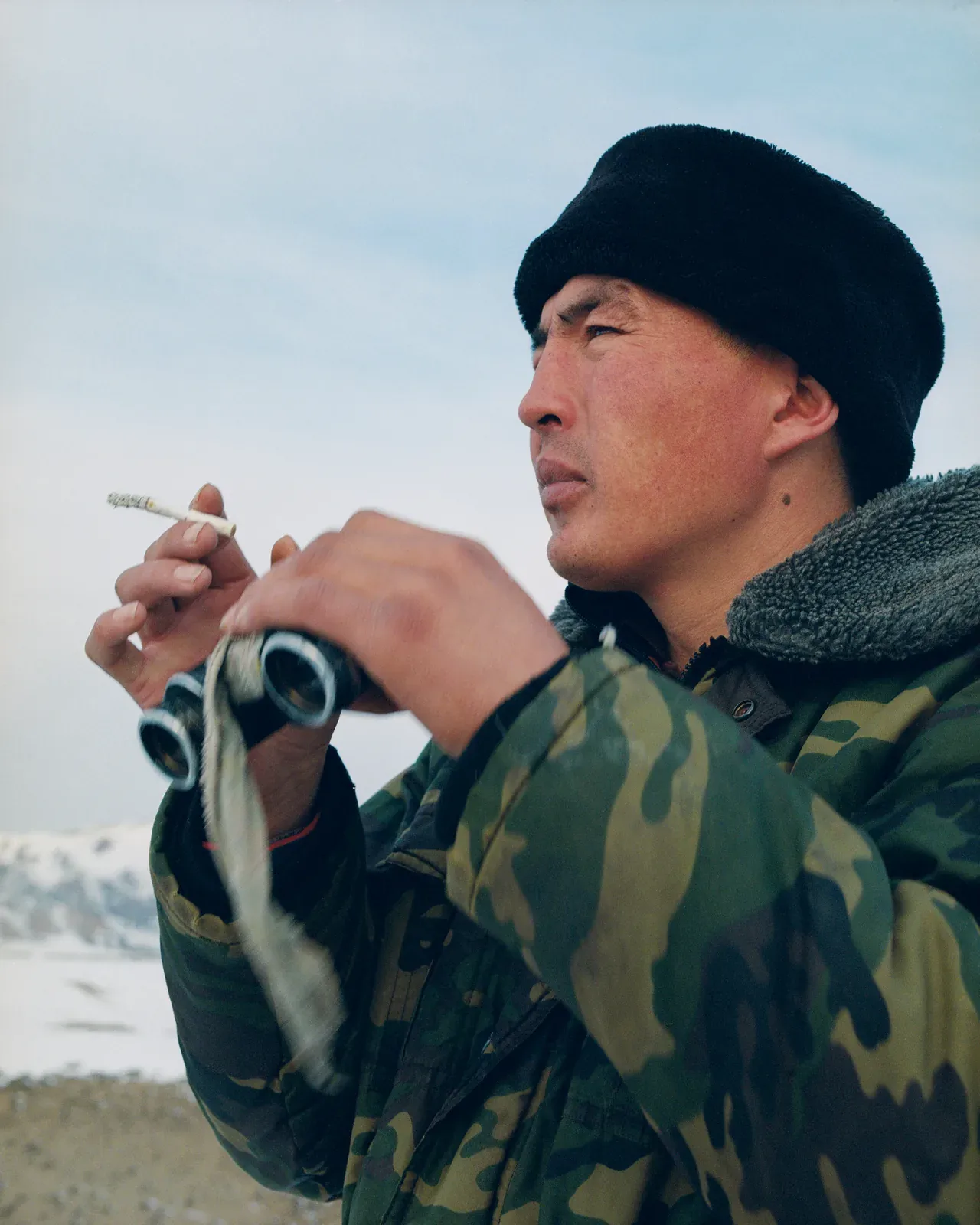
From "Ottuk" by Luke Oppenheimer published by AIR.
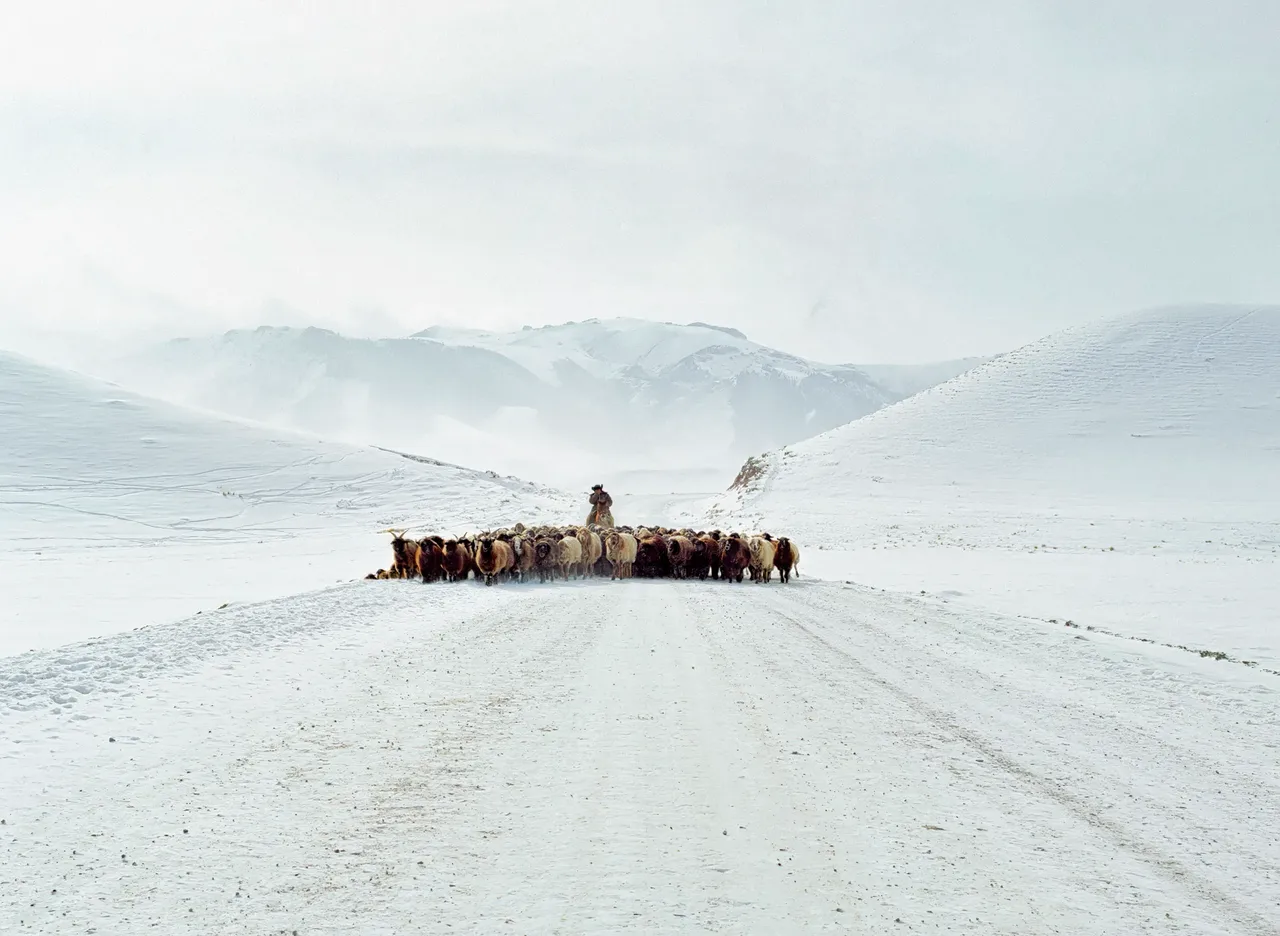
From "Ottuk" by Luke Oppenheimer published by AIR.