People don’t usually go to Florence for modernist photography, but maybe they should. In an exhibition at Centro Pecci in Prato, thirty minutes from the centre of the city, curators Chiara Agradi and Stefano Collicelli Cagol present rarely seen Polaroids made by Italy’s most celebrated post-war photographer, Luigi Ghirri.
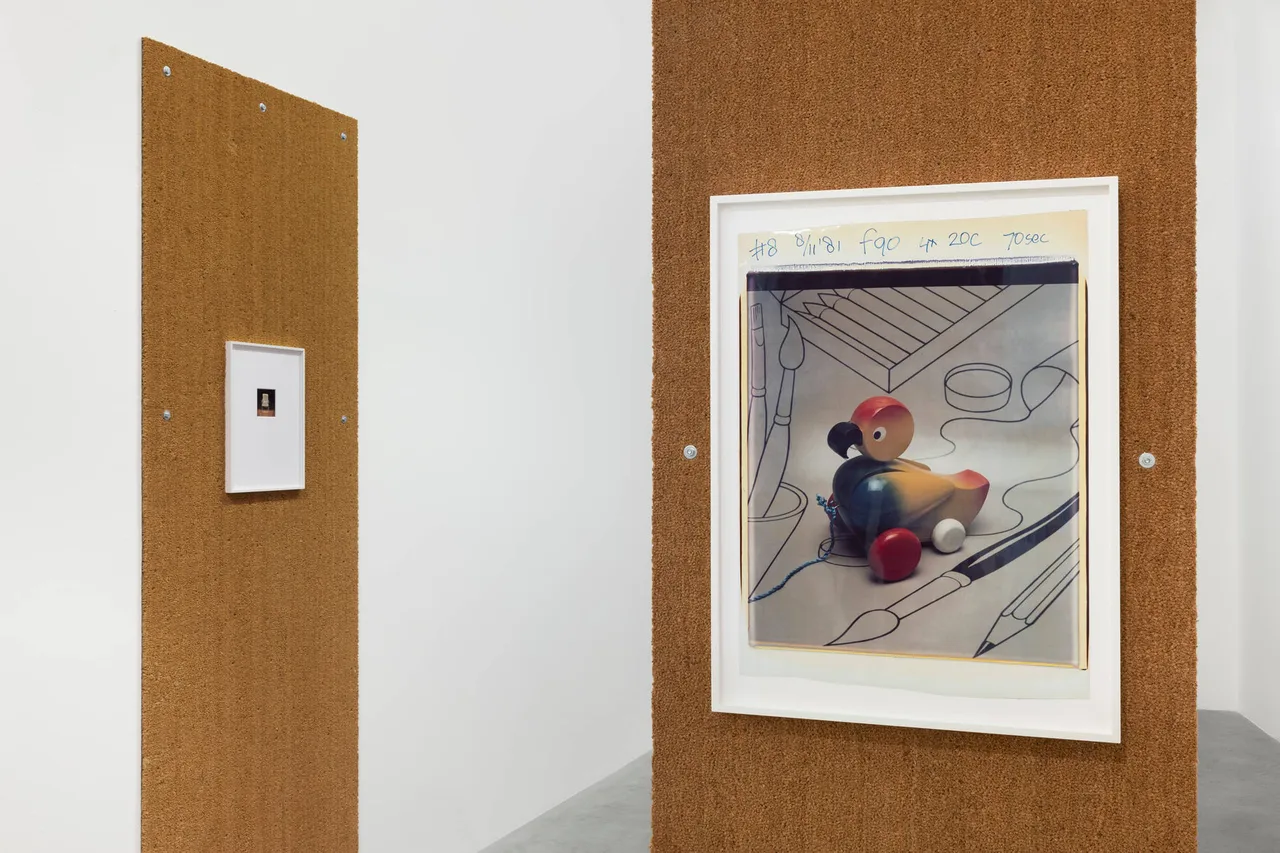
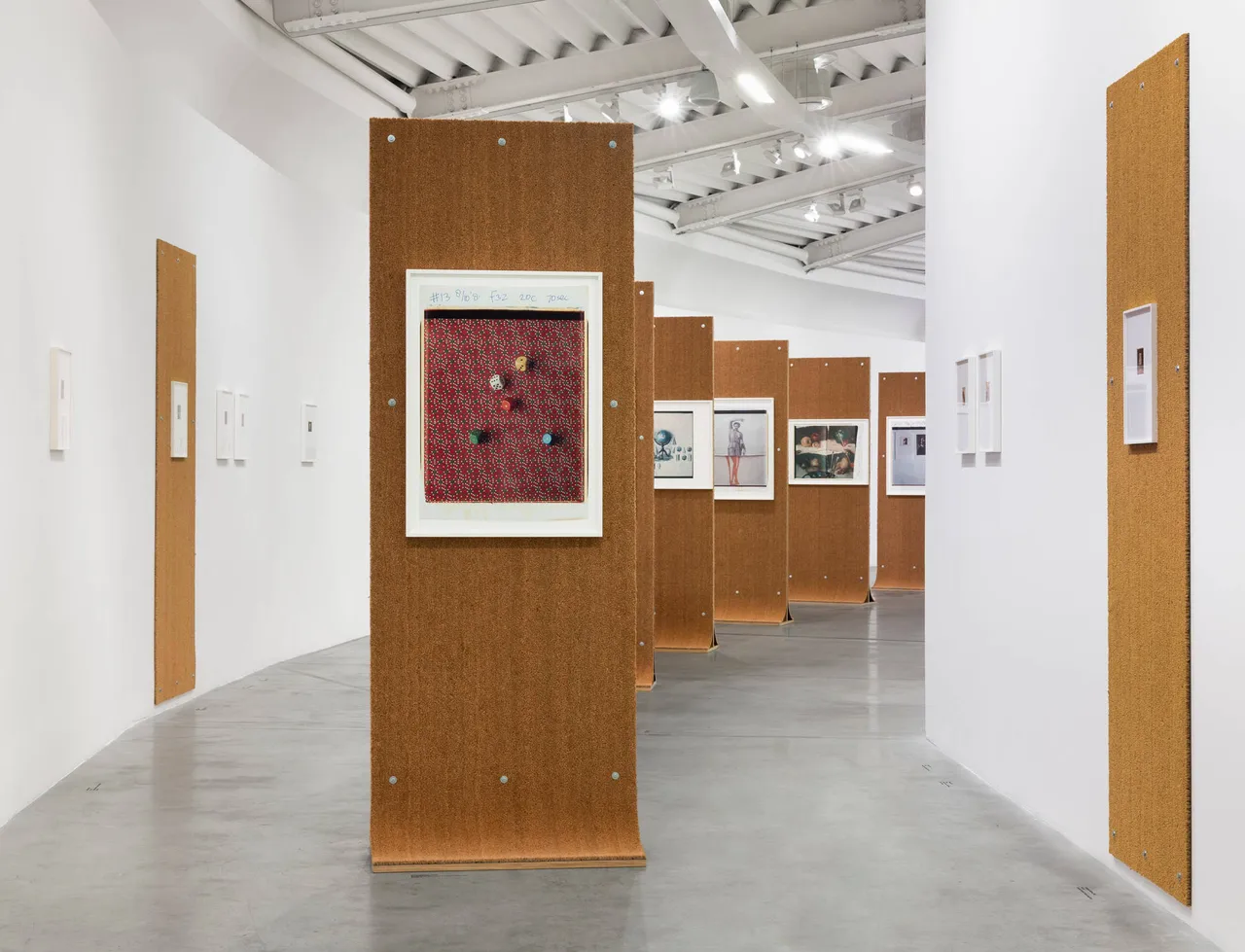
Ghirri’s photographs often seemed to anticipate the image-world that would follow his premature death in 1992: the thinning of reality and its infinite reproduction in photographs. His work revealed Italy through its margins: the discarded and the overlooked, all while working, for the most part, within a few miles of his home in Emilia-Romagna (a historically communist region of northern Italy in the country’s Red belt). It is unusual, then, that between 1980-81, the artist accepted an invitation from the Polaroid company to work at their European headquarters in Amsterdam and produce a series of unique instant photographs using a newly devised large format instant camera that produced 20x24” Polaroids. However, in what feels like typical Ghirri fashion, he brought along some souvenirs of Italy with him in a suitcase. He used these objects to construct still lifes informed by memories and motifs of his Italian home.
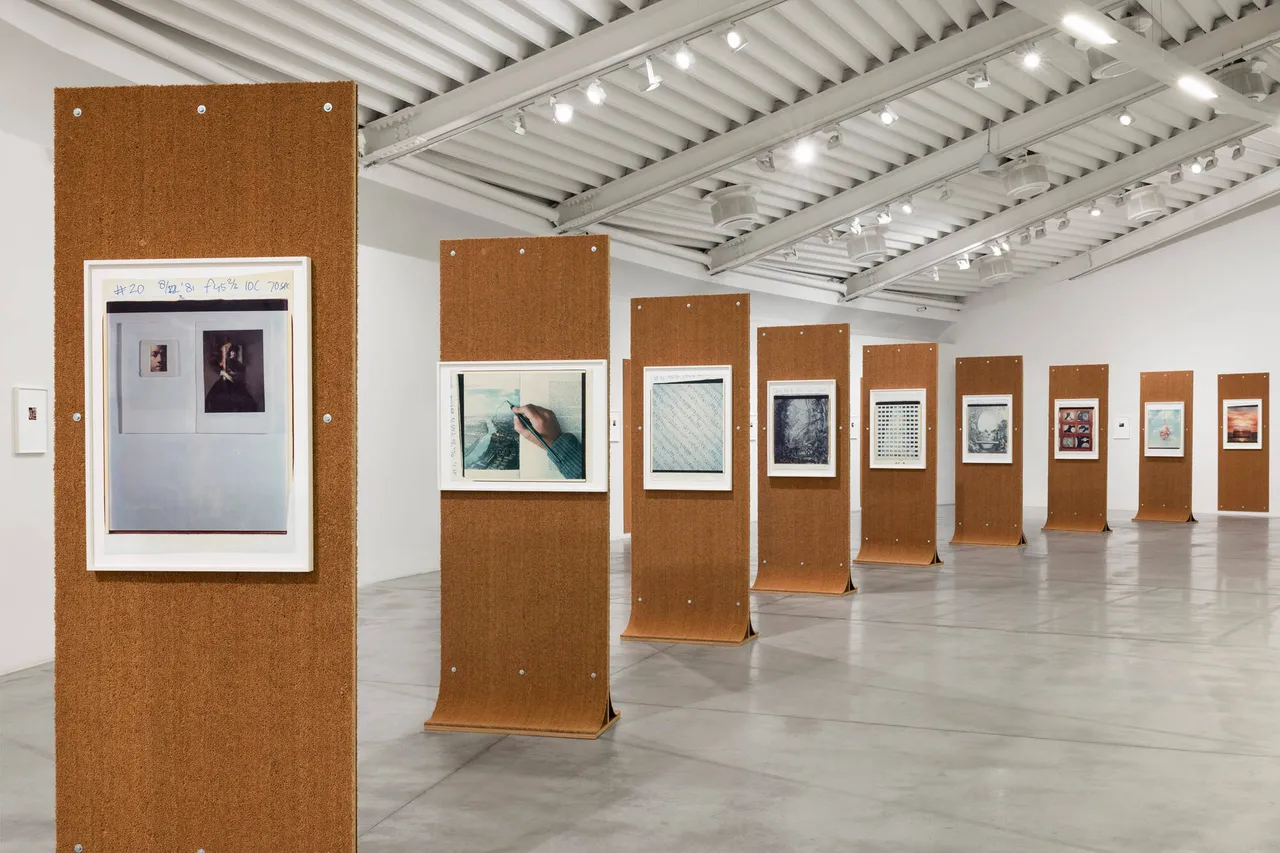
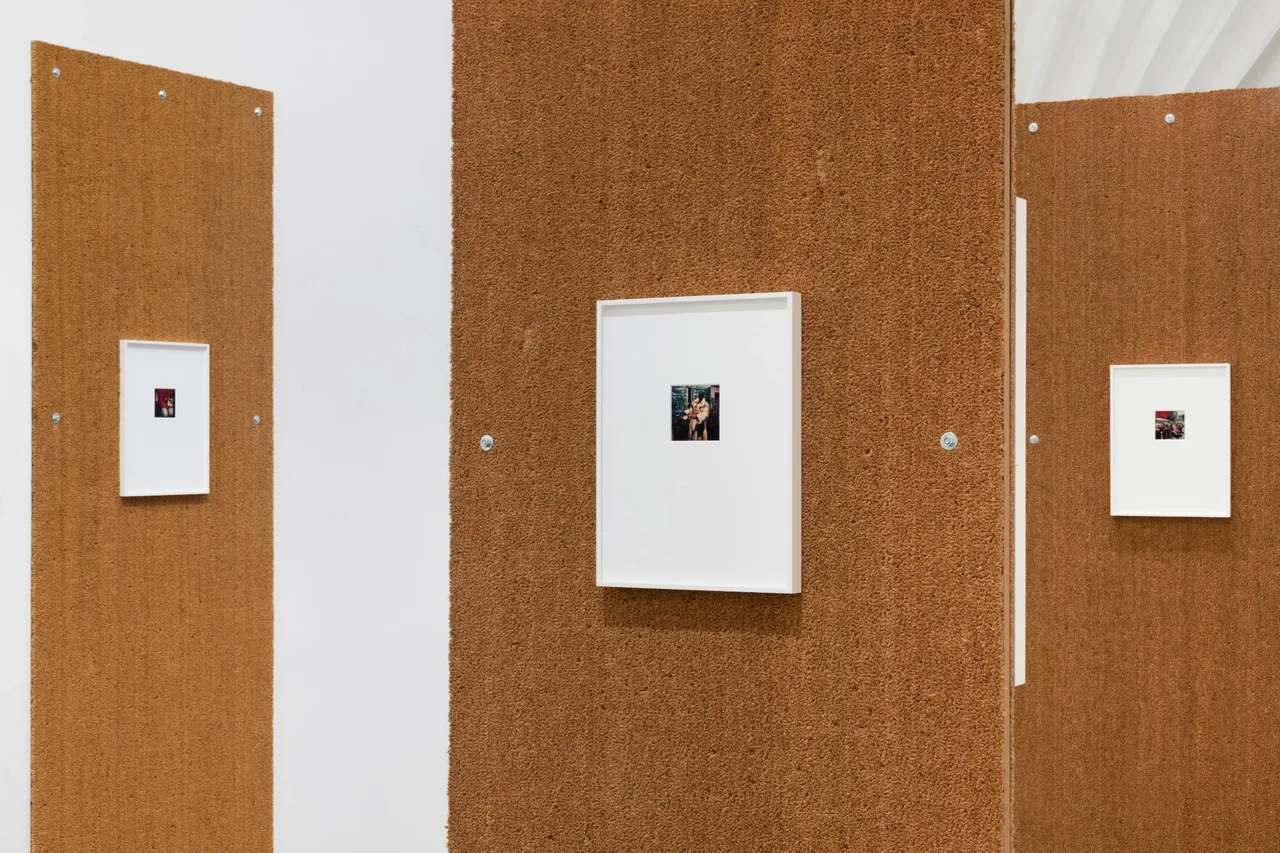
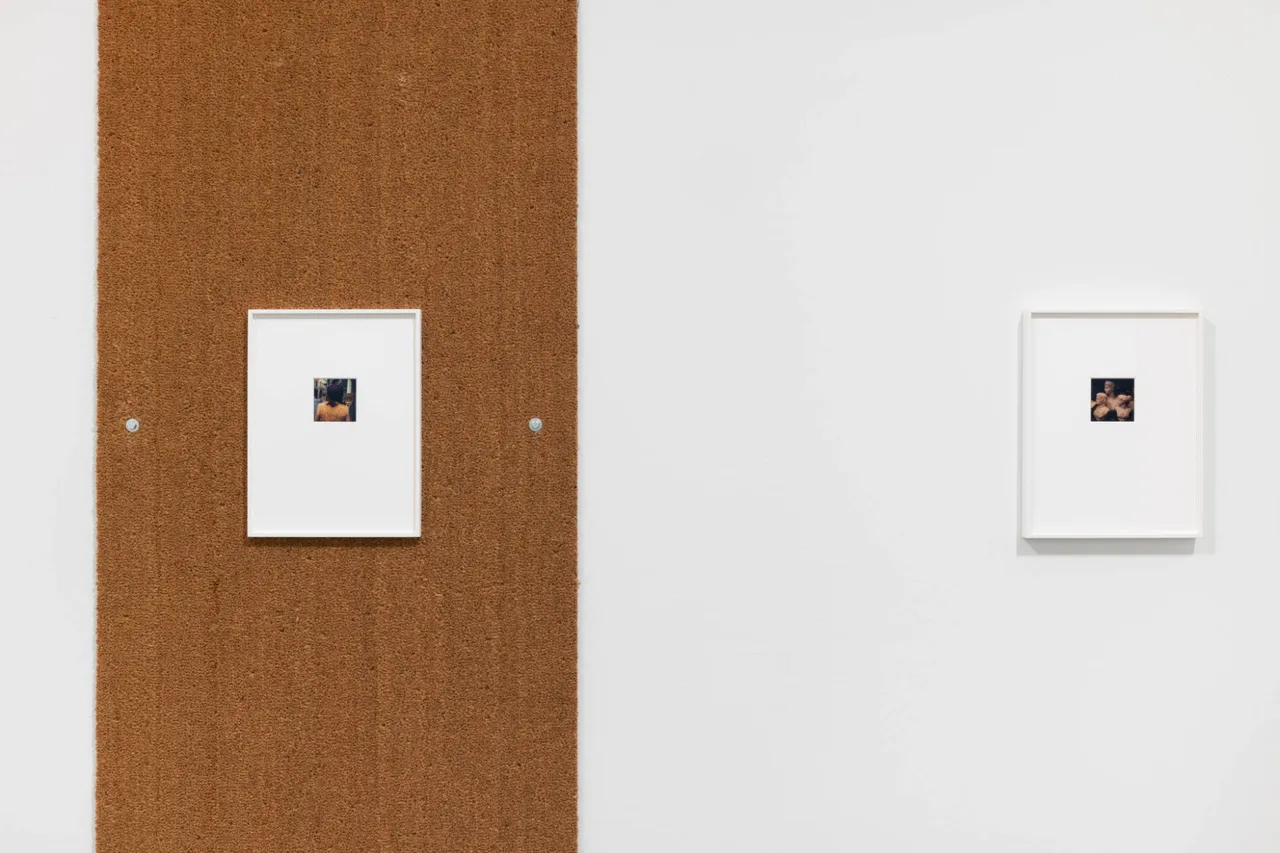
In the exhibition at Centro Pecci, on view until the 10th of May, 2026, these large-scale photographs are interspersed with smaller traditionally sized Polaroids showing Ghirri’s experiments with the medium between 1979 and 1983. These prints are framed and affixed to freestanding concave peaks covered with coir (the material used to make doormats, perhaps relevant for their role as a point of negotiation between the materials and muck of the outside world and the home).
These experiments toy with the medium of photography and its relationship with vision. Photographs of classical paintings are partitioned by 35mm slide holders overlaid on their surface. A portrait painting is sliced open – John Berger Ways of Seeing style – to reveal another smaller painting below. The picture plane is unsettled by the photographer’s insertion of his own hands holding brush and palette into a double page spread of an incomplete painting. The auto-criticality of these photographic experiments is furthered by the traces of the Polaroid’s chemical process, which smears the edges of the images, and notations in pen on the prints of the duration, colour filtration and aperture used to make each image.
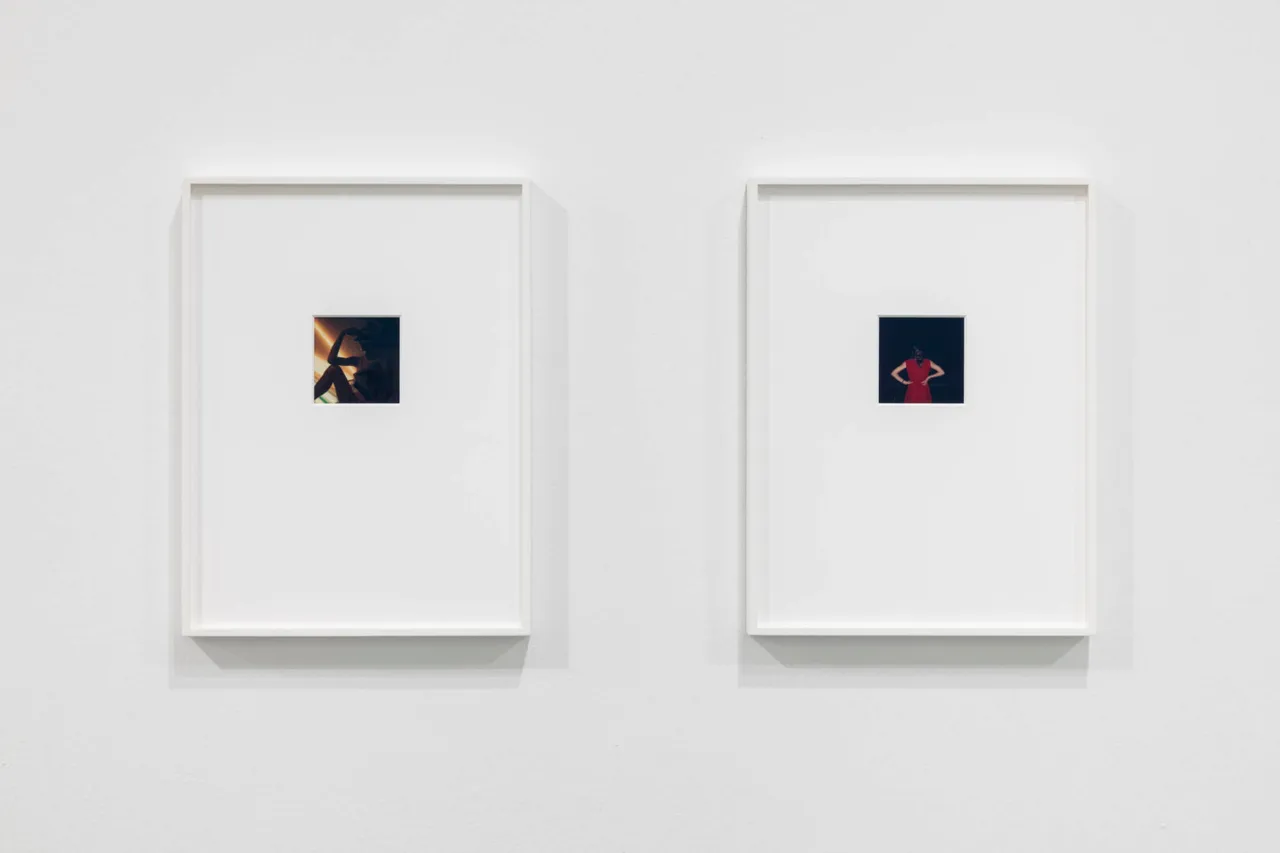
Other photographs overlap with Ghirri’s typical lines of enquiry. A sequence of small Polaroid prints made while walking through a caged overpass reveals a shifting vanishing point. Images of the backs of the heads of stone busts show them as if they were surveying the Italian landscape. Ubiquitous but overlooked icons of Italian design – children’s toys and garden furniture – are given the photographer’s attention. A woman’s lower torso and legs are photographed; on her lap is a small red ball and another Polaroid of her holding the same red ball up to her face. It’s all so Ghirri.
Yet, there is something about the Polaroid that seems antithetical to Ghirri’s practice — its immediacy, the unpredictability of the medium, its unreproducible output. It’s these contradictions which make the work make sense in the context of Ghirri’s wider practice. The photographer argued in his writing that the medium’s critical potential as a contemporary language of visual communication lay in its ability to slow down our reading of images: “Photography elicits a slowness of vision that I find extremely important, when we consider how technology has sped up perception in recent years”. How better to do this than to adopt its most immediate and unpredictable form, the Polaroid?
The exhibition Luigi Ghirri. Polaroid ’79-’83 is on view until the 10th of May, 2026, at Centro Pecci, V.le della Repubblica, 277, Prato.