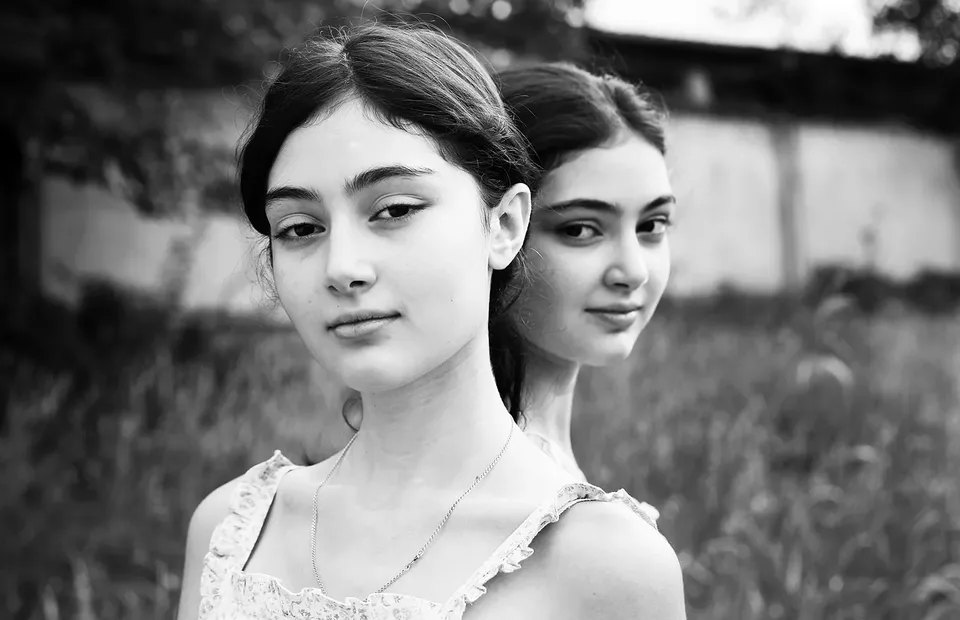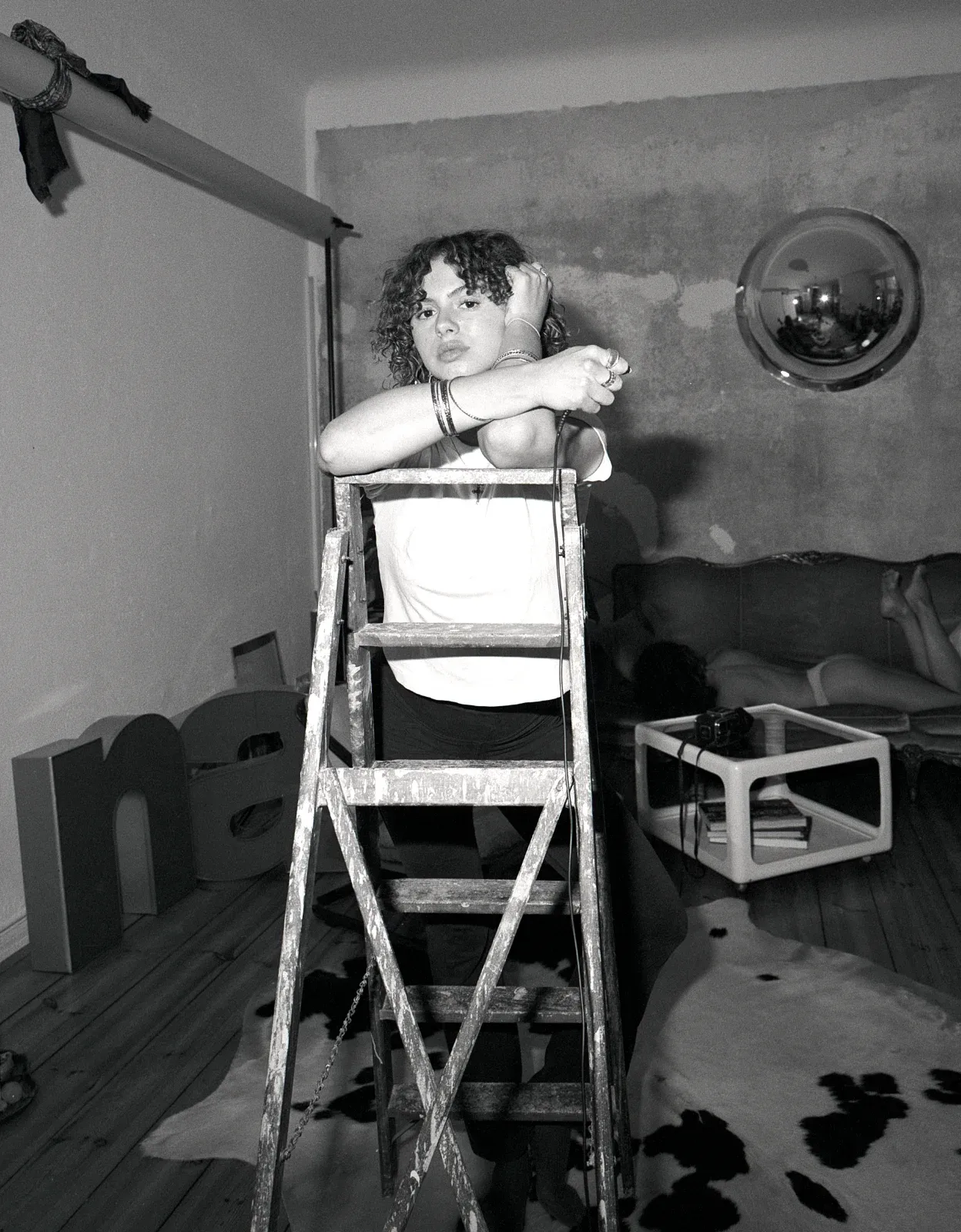
The rich, fragmented history of Lucia Jost’s hometown of Berlin and the way it shapes the generations of women who live there is the cornerstone of her work. What happens then when you transpose that very specific experience of girlhood to other places across the world? Does this experience become universal?
Her gorgeous light-drenched photography humbly captures her own world along with communities of women in Rio or India and immortalises them for generations to come, as a testament to their power. Sit down with us as we discuss being a woman in Berlin, her recent trip to India and the importance of photography as a time stamp.
Hi Lucia, it’s great to chat with you. How are you feeling and what have you been up to recently?
Hi Laetitia, so nice to talk to you. It’s finally spring in Berlin so I’m feeling great! I came back from a big trip to India a few weeks ago and am trying to carry that energy while getting back into the swing of things. I’ve been shooting a lot and am working on my book project.
You were born and raised in Berlin, which is central to your work. Can you tell me a bit more about yourself as well as the impact the city has had on you?
I love Berlin, so much so that I’ve never made it out of here properly; it feels like the right place for me and for my work. This city has a profound influence on my visual language because of its very unique history as a reunited city, there’s still so much room for creativity to unfold. Berlin has always been an island for creative people to escape to, defined by its raw and bold spirit. I thought about this history a lot as a young woman and I believe it still affects my work today.
There was so much freedom and culture being made here in the 90s after the wall came down, which is why so many artists felt at home. I grew up here thinking that I’d missed out on a unique era but at the same time, I was constantly surrounded by incredibly creative people. My mum worked in the circus doing trapeze and acrobatics and my dad was a huge music nerd. My generation is the product of theirs, born in the 90s in a fresh, united city. Most of my friends have parents who were in the arts world and contributed to Berlin’s subculture. Creativity and free spaces were a huge part of my upbringing and have always been a constant in my community.
There was so much freedom and culture being made here in the 90s after the wall came down, which is why so many artists felt at home. I grew up here thinking that I’d missed out on a unique era but at the same time, I was constantly surrounded by incredibly creative people. My mum worked in the circus doing trapeze and acrobatics and my dad was a huge music nerd. My generation is the product of theirs, born in the 90s in a fresh, united city. Most of my friends have parents who were in the arts world and contributed to Berlin’s subculture. Creativity and free spaces were a huge part of my upbringing and have always been a constant in my community.
Has this identity survived in 2026?
In places like Paris or London, gentrification is so far gone that it’s very hard to slow it down at this point. The world has only cared about Berlin as a metropolis for about thirty years and my generation grew up in that early 2000s landscape with all the freedom and impact from this still-emerging history. This meant I had no boundaries from my parents in exploring my creative potential. They always told me “Do whatever you want, be creative, that’s a good thing, you don’t have to earn a lot of money to be yourself!” because it was still possible here. That’s all changed now.
There’s a strong desire to fight gentrification in Berlin’s communities but it’s such a vast issue and in some ways, we’re still all contributing to it. That’s what I love about Berlin: we have a huge anti-fascist scene and pockets of freedom, still so many occupied houses and close-knit neighbourhood communities. My generation wants to keep this legacy of a free city alive, a place where it’s still possible to produce non-commercial art. A lot of the women I photograph are actively involved in these social causes, the art scene and politics.
There’s a strong desire to fight gentrification in Berlin’s communities but it’s such a vast issue and in some ways, we’re still all contributing to it. That’s what I love about Berlin: we have a huge anti-fascist scene and pockets of freedom, still so many occupied houses and close-knit neighbourhood communities. My generation wants to keep this legacy of a free city alive, a place where it’s still possible to produce non-commercial art. A lot of the women I photograph are actively involved in these social causes, the art scene and politics.
“In photography you have to stay true to yourself. I don’t have the urge to serve a feminist dogma, this is the way I grew up, with a lot of women around me who don’t give a single fuck.”
Tell me about where you think your signature visual language comes from.
From the age of twelve, I had a tight-knit circle of about eight girlfriends from school and we always used to hang out in a housing project where one of them lived. We wandered all over the city and her mums taught us from a very young age not to give a fuck: they were my first feminist mentors. I felt so safe and seen in this group of girls, it made me very confident and I’m convinced it is the very foundation of my entire body of photographic work.
I believe sisterhood exists everywhere, but in big cities we’re told to stick together from a very young age. As a kid, I was also a very visual person: I loved posters and pictures and collected lots of bits and bobs. My dad was a big vinyl collector and introduced me to so much old music from a young age. I was fascinated by female punk bands and was especially impressed with the covers, and I would spend hours flipping through them. Since then, I’ve been addicted to the aesthetic of the 70s and 80s, which added to my frustration that I was born in the wrong era.
My grandpa had a Hasselblad camera, which is the camera I still use today. His was a special edition with a wide angle and he gifted it to me when I was about sixteen. It’s a beautiful camera from the 70s which was used a lot for cover work and editorial portraits and I was obsessed with it. Basically, all of my work is still shot with this camera. I love working with a square format and a viewfinder, embracing that very slow process of working analogue, where I choose every picture very carefully. In a world where everything is consumed so quickly, it feels grounding to slow down. With only twelve pictures on one roll, sometimes a single image has to be enough.
I believe sisterhood exists everywhere, but in big cities we’re told to stick together from a very young age. As a kid, I was also a very visual person: I loved posters and pictures and collected lots of bits and bobs. My dad was a big vinyl collector and introduced me to so much old music from a young age. I was fascinated by female punk bands and was especially impressed with the covers, and I would spend hours flipping through them. Since then, I’ve been addicted to the aesthetic of the 70s and 80s, which added to my frustration that I was born in the wrong era.
My grandpa had a Hasselblad camera, which is the camera I still use today. His was a special edition with a wide angle and he gifted it to me when I was about sixteen. It’s a beautiful camera from the 70s which was used a lot for cover work and editorial portraits and I was obsessed with it. Basically, all of my work is still shot with this camera. I love working with a square format and a viewfinder, embracing that very slow process of working analogue, where I choose every picture very carefully. In a world where everything is consumed so quickly, it feels grounding to slow down. With only twelve pictures on one roll, sometimes a single image has to be enough.
When did you start taking photography seriously?
As a teenager, I was always the one with the camera. My friends and I started partying pretty early and during Berlin’s peak hipster era I would walk around with a Lomo camera, fully dressed in American Apparel and a Club Mate (laughs). This era also had an impact on my work because I was a real Tumblr girly and everything revolved around girlhood. We also watched a lot of Skins. My girlfriends were very photogenic, so I’d convince them to do all kinds of sad teenage shoots.
After finishing school, I worked in a bar and saved up to travel in the winter. I went to India and Brazil for the first time — those first solo trips really shaped my confidence as a young woman. I took a lot of pictures and because they didn’t turn out so bad, I then applied for photography school. Luckily for me, I had a great teacher there who used to shoot covers of female pop stars in the 90s. He shot some iconic ones and really encouraged me to work with a Hasselblad. I became deeply interested in portraying the women around me and have been doing it ever since. I have so much love for the women in my life and the history we share.
After finishing school, I worked in a bar and saved up to travel in the winter. I went to India and Brazil for the first time — those first solo trips really shaped my confidence as a young woman. I took a lot of pictures and because they didn’t turn out so bad, I then applied for photography school. Luckily for me, I had a great teacher there who used to shoot covers of female pop stars in the 90s. He shot some iconic ones and really encouraged me to work with a Hasselblad. I became deeply interested in portraying the women around me and have been doing it ever since. I have so much love for the women in my life and the history we share.
Speaking of, your main body of work is your series Capital Daughters, in which you attempt to capture what the “Berlin Woman” means. Who is she then?
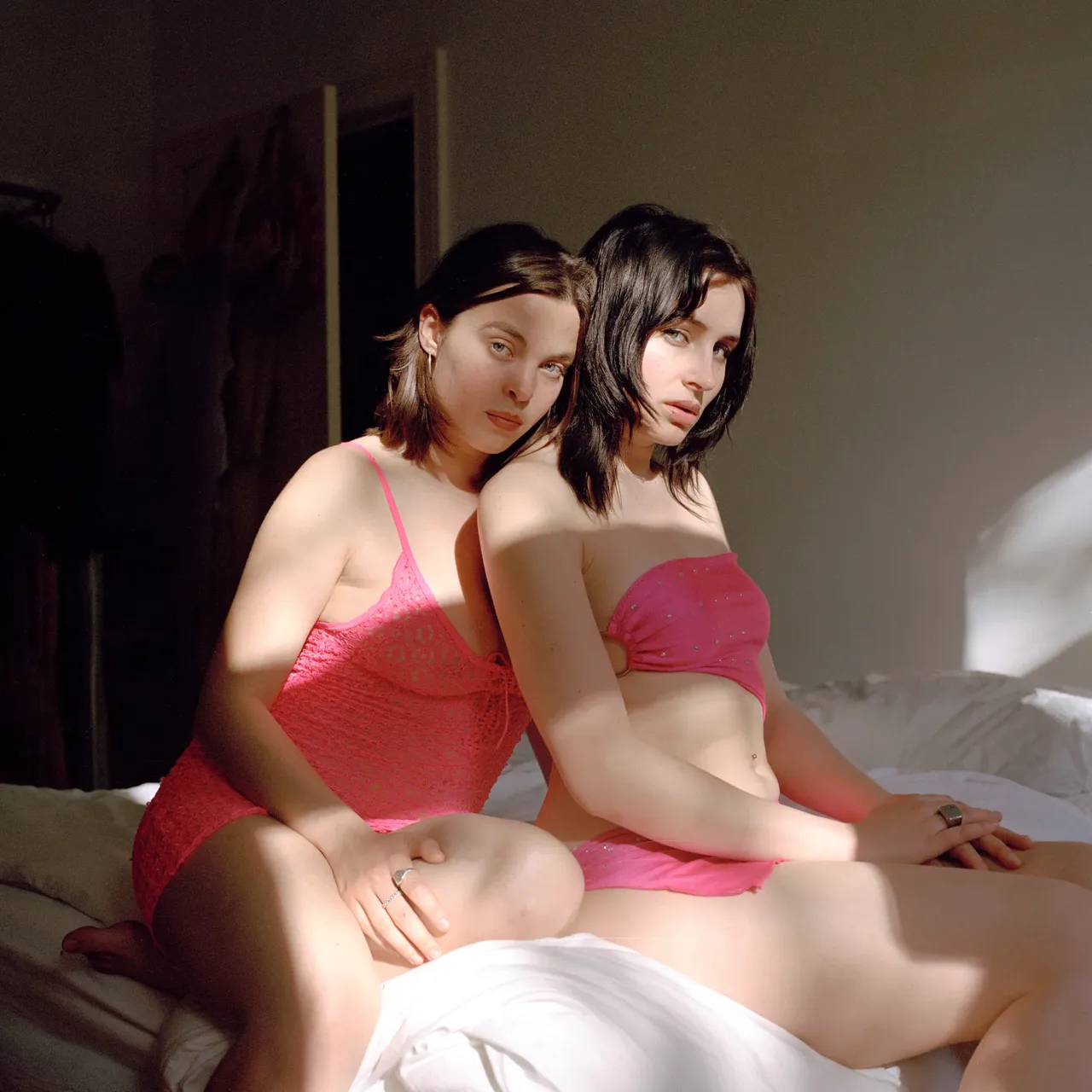
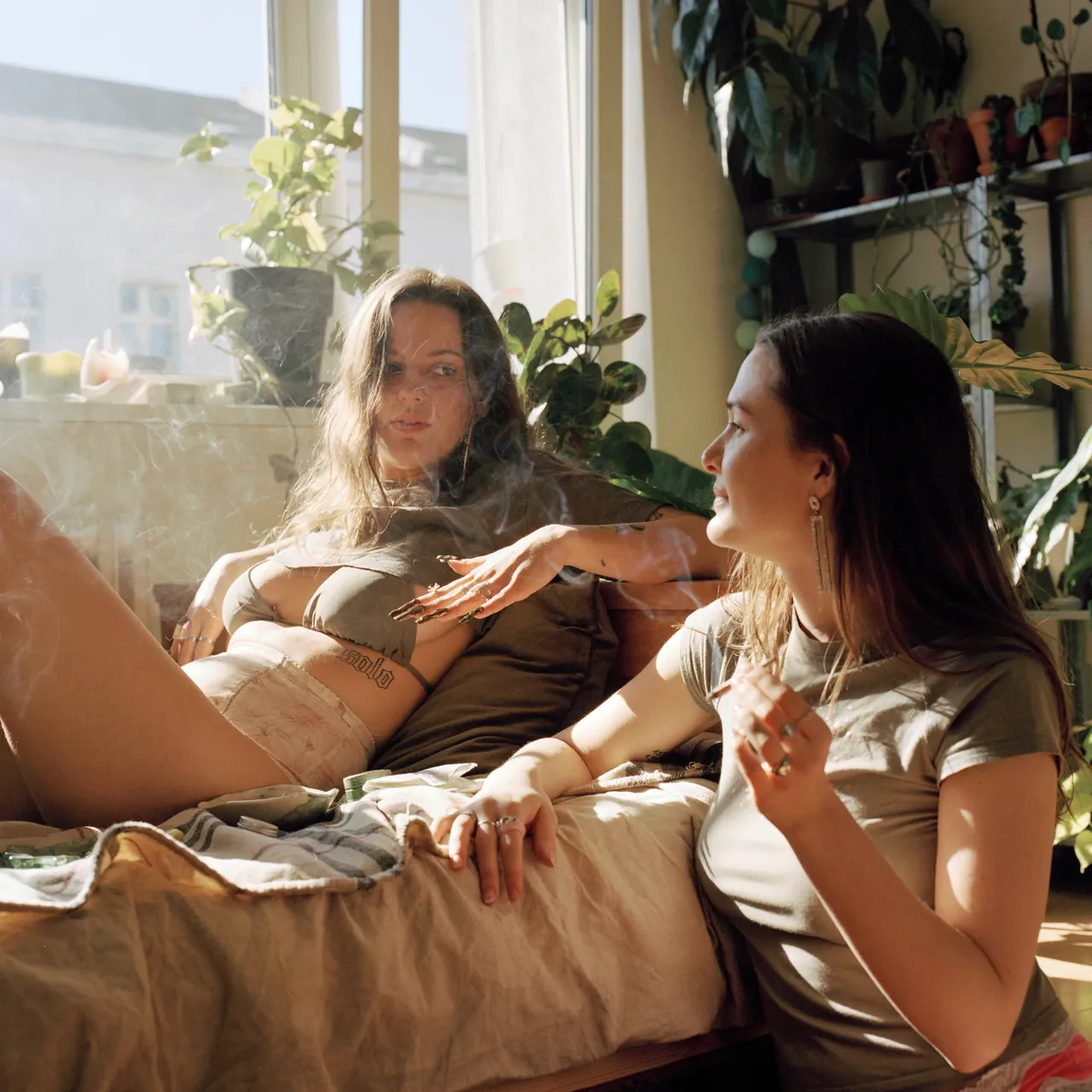
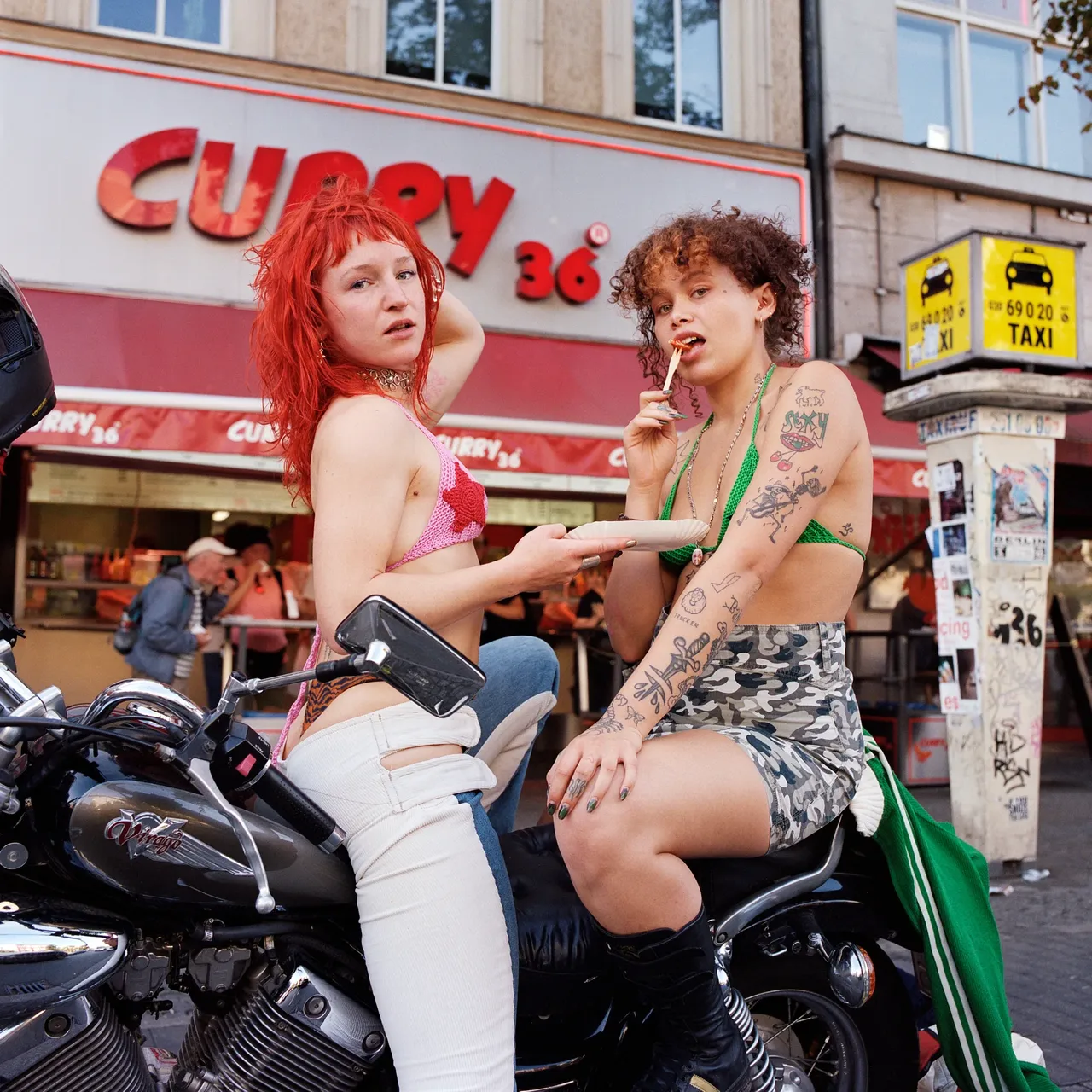
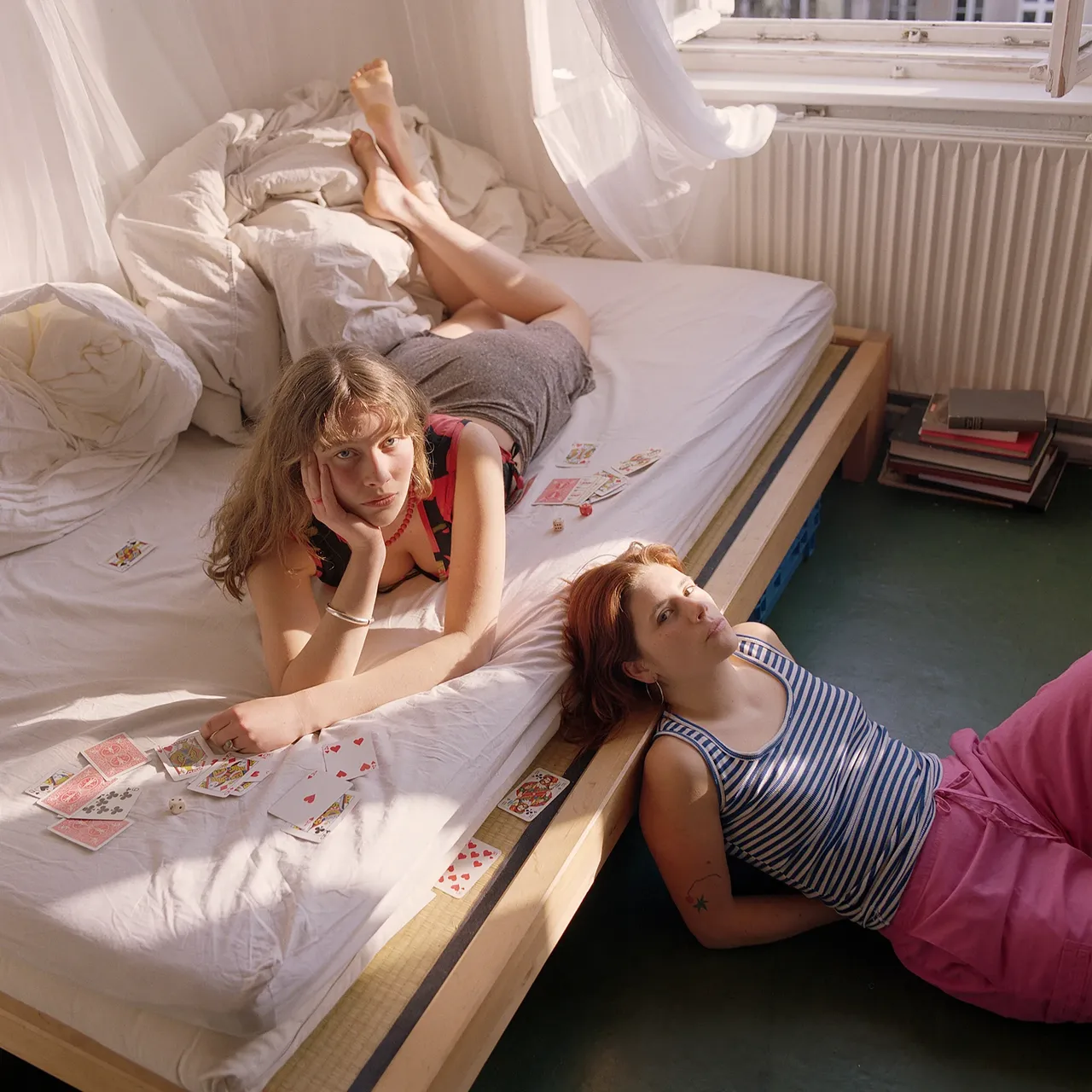
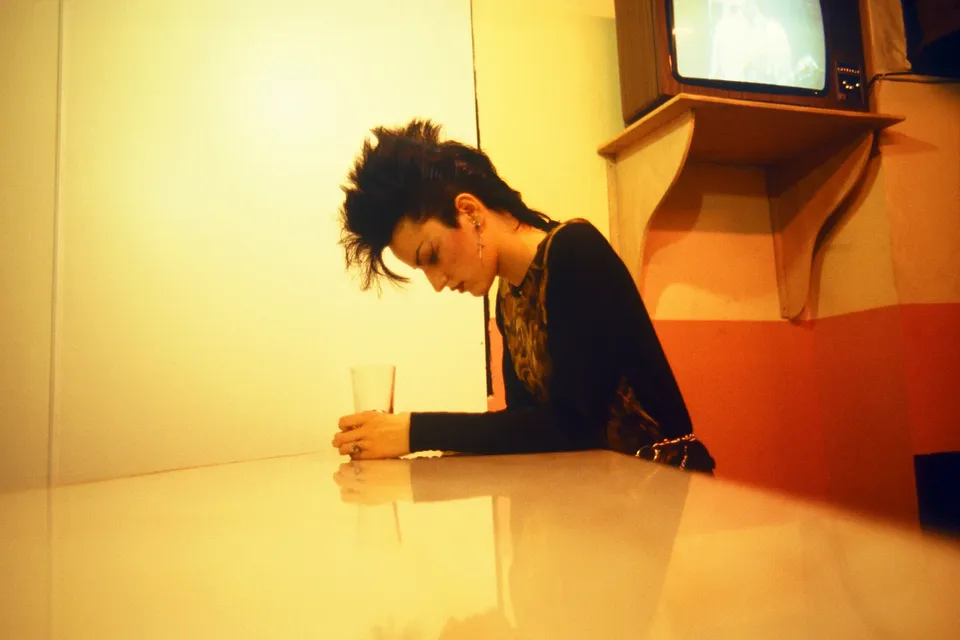
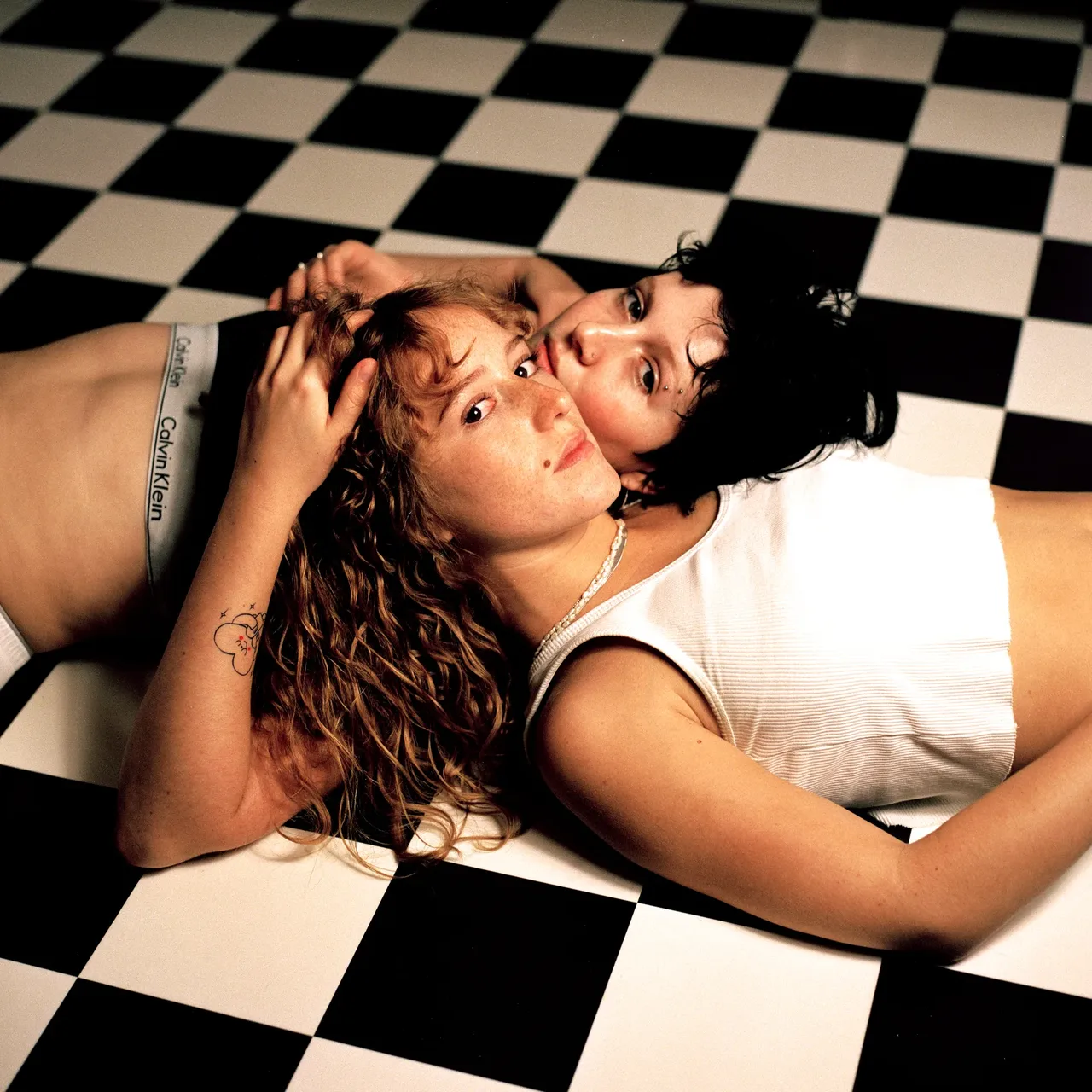
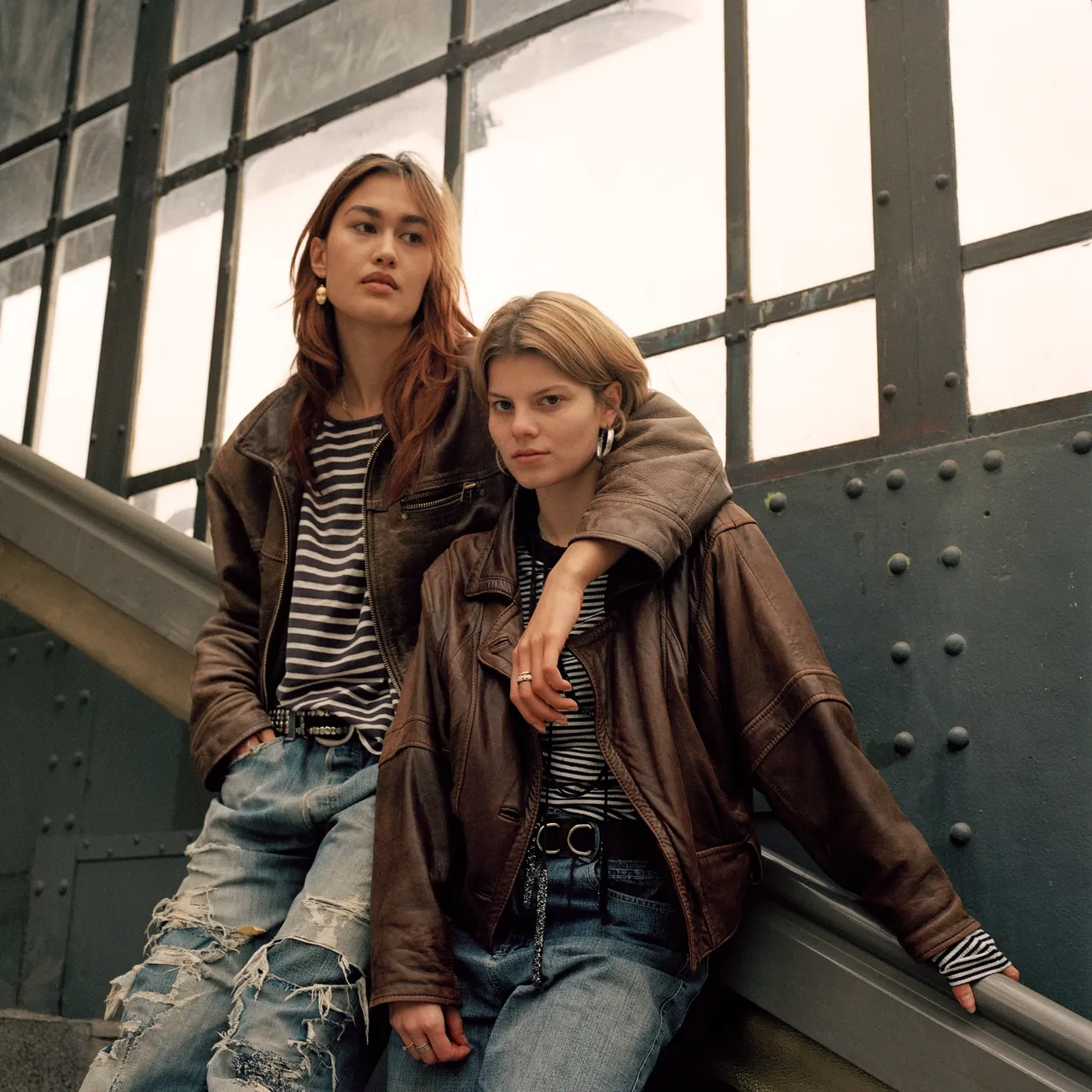
Women have played a huge part in contributing to the city of Berlin as we know it today. The idea behind my portrait series Capital Daughters was a desire to highlight the female impact of my generation on the Berlin subculture and how these communities of women can shape the place they grow up in. Berlin has long been defined by its women-led communities, with strong figures moving through its subcultures, like Marlene Dietrich or Hildegard Knef. I’m also thinking of Nina Hagen, who was a huge punk figure in the 80s. Throughout the ages, there were always these emancipated, big-mouthed, sassy women who weren’t afraid of claiming their place in the world.
Womanhood always comes in cycles, we are all daughters of a certain time, like our own mothers and every mother who was once a daughter; you either embrace it or break the cycle. Now it’s my generation’s turn to think: what are we going to do with the city? What part do we want to play in shaping its history? Many of my friends have found a strong creative voice in the community, and I’m really proud of them. I want to capture these stories of emancipation from my city. In photography you have to stay true to yourself, and this is my gaze on my own little world, this is why my portraits are authentic. I don’t have the urge to serve a feminist dogma, this is the way I grew up, with a lot of women around me who don’t give a single fuck. Sometimes I get emails from young Berlin girls who are inspired by what I do, and that means so much to me. I know where they come from. There’s a real feeling of sisterhood which carries my work. It’s always been the most special feeling for me being surrounded by girlfriends, sitting for hours gossiping and feeling a hundred per cent yourself. I never quite knew how to put that feeling of belonging into words but I can capture it in a photograph.
Womanhood always comes in cycles, we are all daughters of a certain time, like our own mothers and every mother who was once a daughter; you either embrace it or break the cycle. Now it’s my generation’s turn to think: what are we going to do with the city? What part do we want to play in shaping its history? Many of my friends have found a strong creative voice in the community, and I’m really proud of them. I want to capture these stories of emancipation from my city. In photography you have to stay true to yourself, and this is my gaze on my own little world, this is why my portraits are authentic. I don’t have the urge to serve a feminist dogma, this is the way I grew up, with a lot of women around me who don’t give a single fuck. Sometimes I get emails from young Berlin girls who are inspired by what I do, and that means so much to me. I know where they come from. There’s a real feeling of sisterhood which carries my work. It’s always been the most special feeling for me being surrounded by girlfriends, sitting for hours gossiping and feeling a hundred per cent yourself. I never quite knew how to put that feeling of belonging into words but I can capture it in a photograph.
How do you approach your work from a creative point of view?
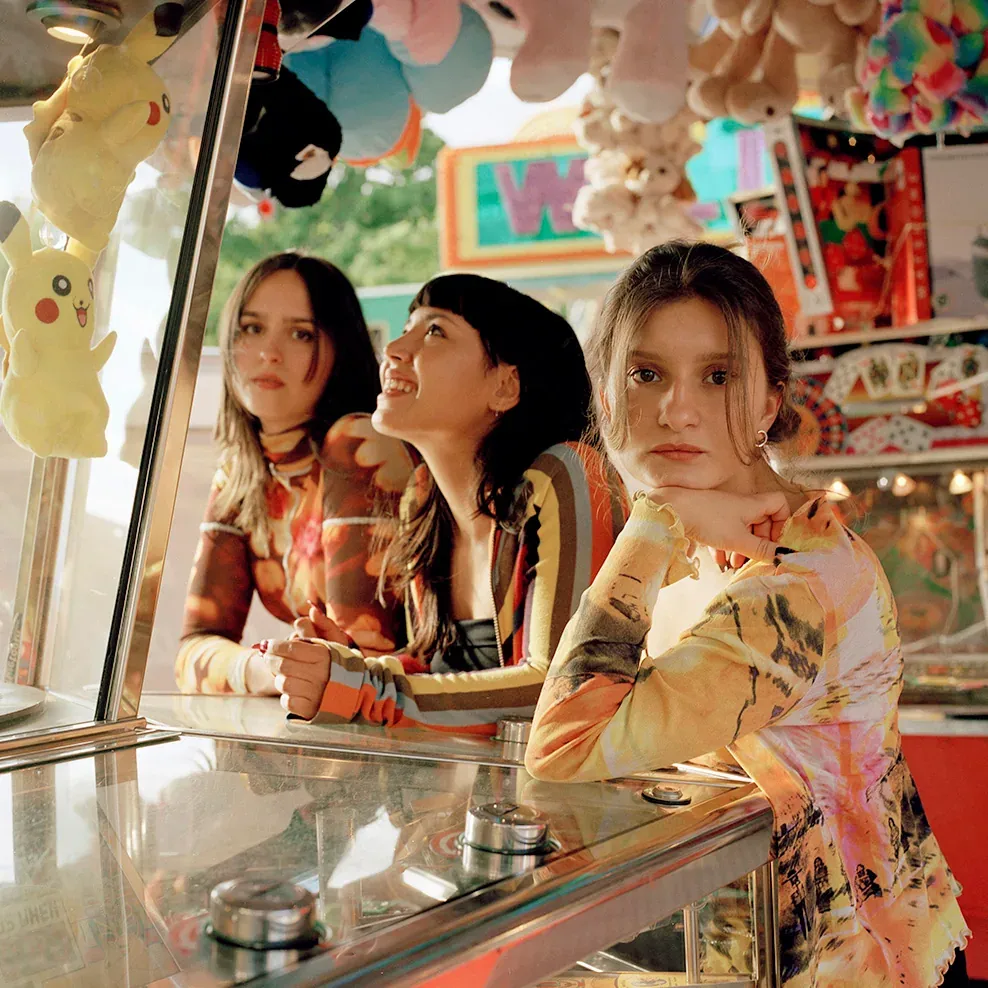
The idea was always to place women on a big stage without the need for performance. The connection and energy that emanate from sisterhood are often so pure and authentic that they don’t need to be staged or composed. I want to celebrate and highlight the matriarchal world I live in until it becomes reality in every aspect.
I’ve always wondered how my life as a woman would have been if I had been born somewhere else? Patriarchal structures are everywhere and the women I photograph are obviously not exempt from sexism, but photographing them is empowering to me, I see them as such strong individuals. None of my portraits are styled, it all comes from them and they are always shot in places where they belong, whether in their own homes or on the street they grew up on. I always let the personalities and the history of the women around me take over. It’s about the connection between me, the camera and another woman — about building trust, confidence and exploring the connection these women have to each other.
I’ve always wondered how my life as a woman would have been if I had been born somewhere else? Patriarchal structures are everywhere and the women I photograph are obviously not exempt from sexism, but photographing them is empowering to me, I see them as such strong individuals. None of my portraits are styled, it all comes from them and they are always shot in places where they belong, whether in their own homes or on the street they grew up on. I always let the personalities and the history of the women around me take over. It’s about the connection between me, the camera and another woman — about building trust, confidence and exploring the connection these women have to each other.
Tell me about your Motherhood series, which is stunning. Are they all mothers you know? What did you wish to capture with this project?
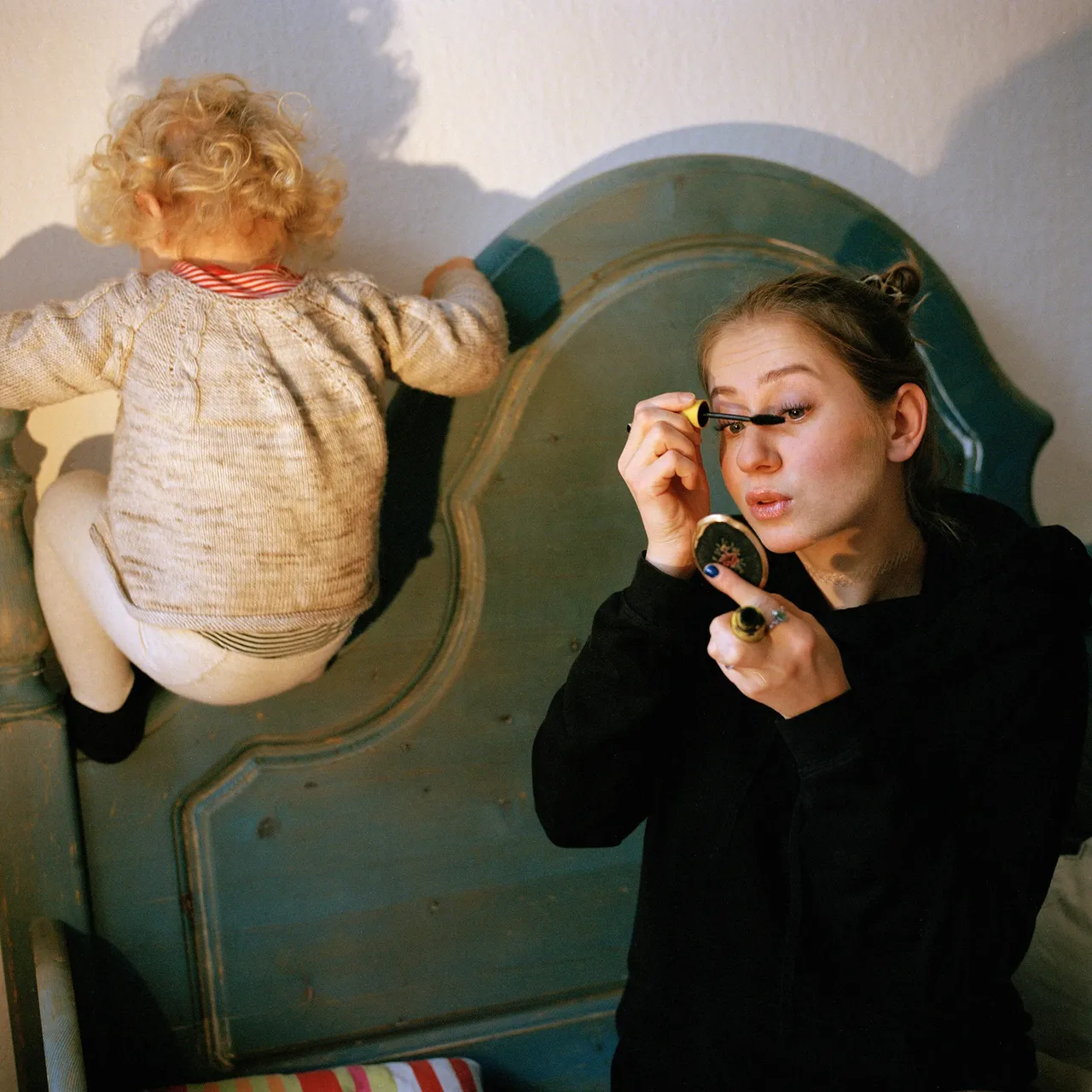
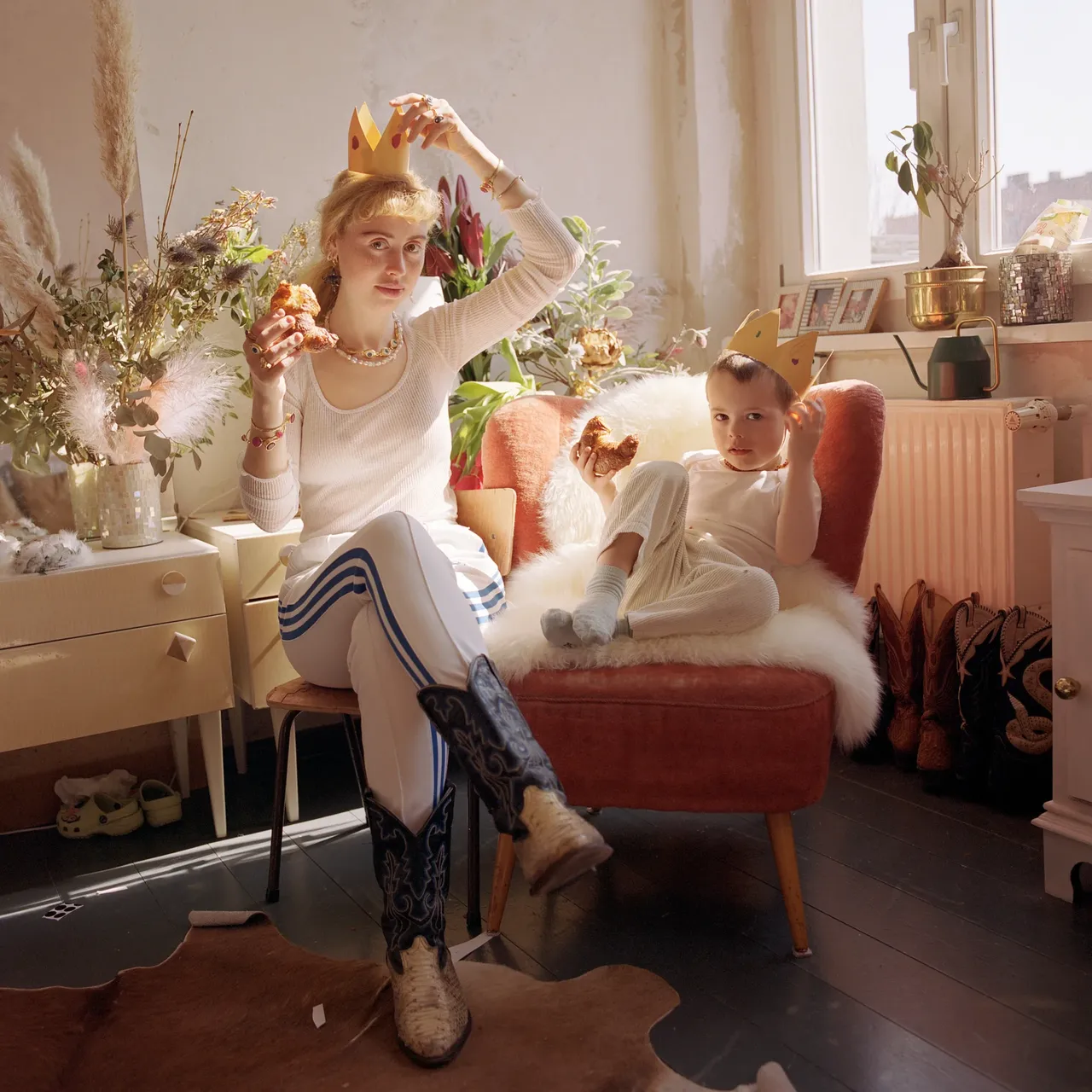
My Motherhood series was my first published work. It all started when two of my close friends got pregnant at a young age and became mothers at twenty-one. I learned a lot through their pregnancies and developed a fascination with motherhood. It frightened me but also struck me as an incredibly brave thing to do.
The narrative around young pregnancies is always the same: a lack of agency, the assumption that she must be throwing her life away, surely she’s too young to decide. But how can anyone but her know that? She might very well be in control. I noticed that there was either a teen mum or a perfect mum narrative, with little in between — only a few role models for very young mums.
Most women in my community are relatively privileged, so I wanted to create a realistic series that celebrates their strength and courage for making this decision amid so many prejudices and clichés. It is, unfortunately, still a significant privilege to be able to choose to have a child at twenty-one while also having access to a safe abortion if needed.
I now do a lot of pregnancy shoots and it’s turned into a really beautiful thing. It’s a decision to make and women have free will, which is often what I focus on in my photography; whether it’s pregnancy, sexuality, style or work I want to capture that sense of agency.
The narrative around young pregnancies is always the same: a lack of agency, the assumption that she must be throwing her life away, surely she’s too young to decide. But how can anyone but her know that? She might very well be in control. I noticed that there was either a teen mum or a perfect mum narrative, with little in between — only a few role models for very young mums.
Most women in my community are relatively privileged, so I wanted to create a realistic series that celebrates their strength and courage for making this decision amid so many prejudices and clichés. It is, unfortunately, still a significant privilege to be able to choose to have a child at twenty-one while also having access to a safe abortion if needed.
I now do a lot of pregnancy shoots and it’s turned into a really beautiful thing. It’s a decision to make and women have free will, which is often what I focus on in my photography; whether it’s pregnancy, sexuality, style or work I want to capture that sense of agency.
You’ve also done a number of travel series which feature portraits of women in Sri Lanka, Brazil, or India. Can you tell me about those experiences? Is it a similar experience everywhere you go?
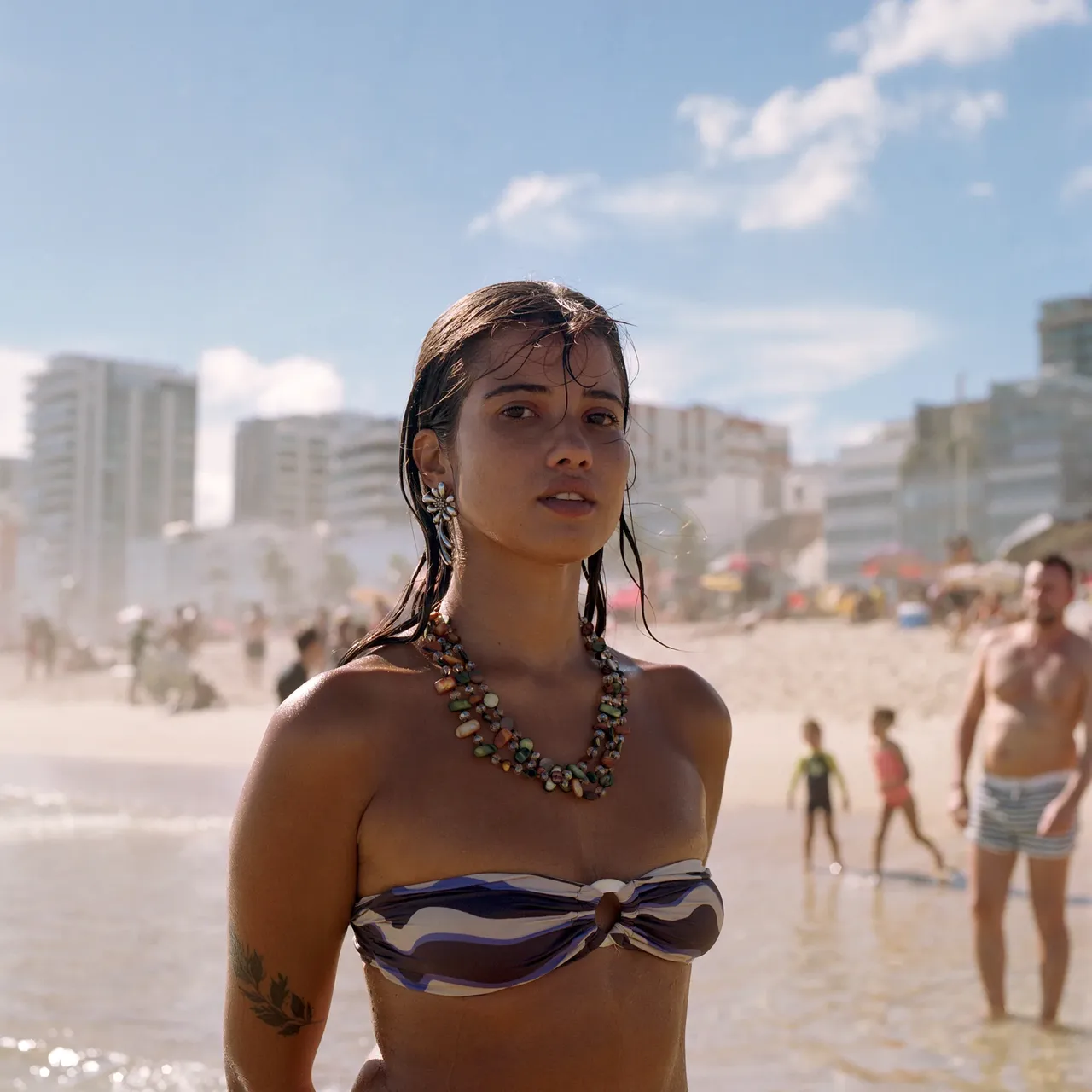
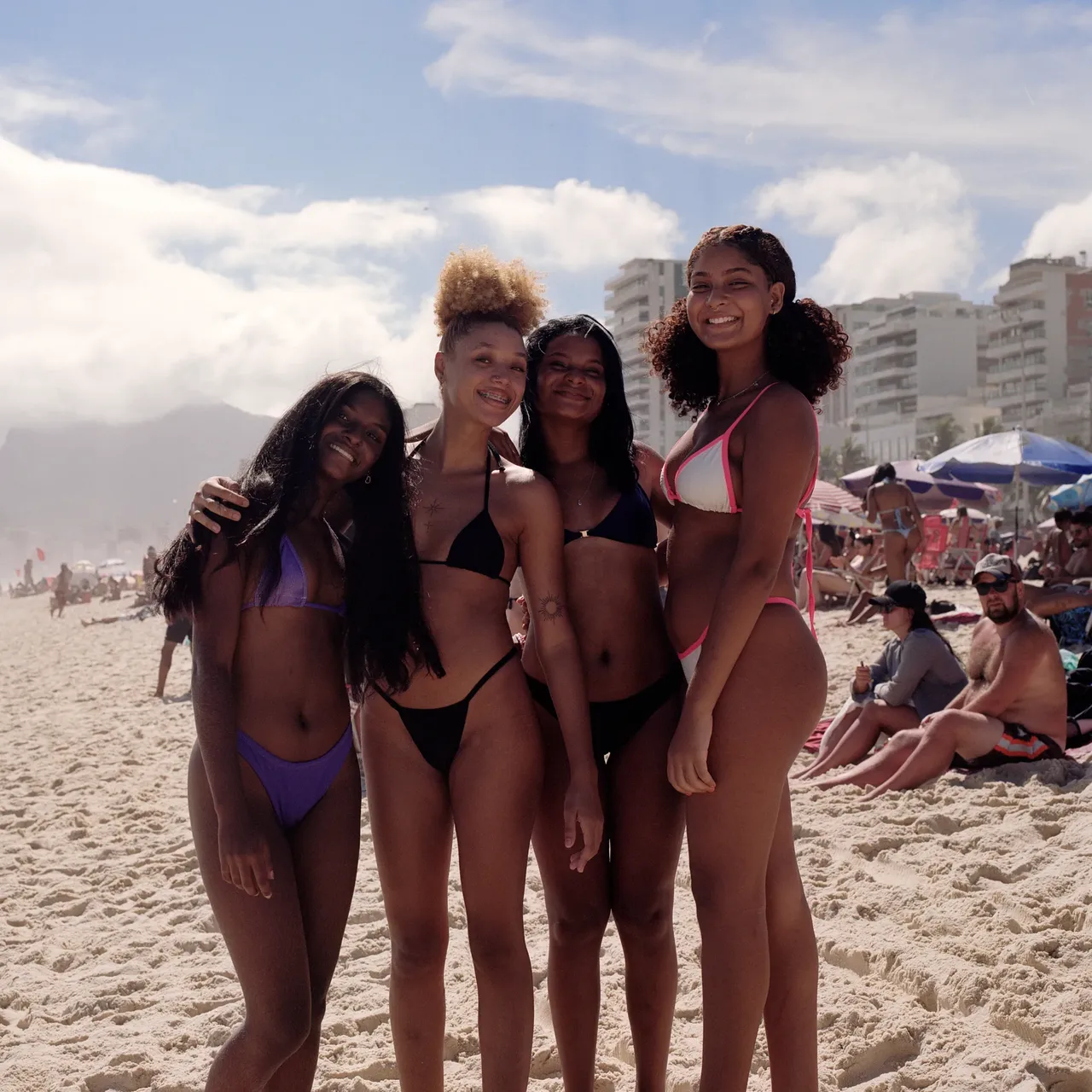
Two years ago, I was in Brazil and tried to translate the concept behind Capital Daughters to Rio de Janeiro, exploring what impact women have on the city they live in. It’s a question that can be applied to many different places. Berlin thrives off its energy, we are a highly liberated community and I felt that very strongly in Rio as well, though I am perfectly aware this might be a partial, outsider’s perspective. It is also a complex and often violent place where women need to be strongly self-assured.
I’m drawn to the idea that no matter where you go, there will always be a strong woman shaping her surroundings: a mother, a friend, or a sister simply living her life. This is what I wanted to capture in Rio: a celebration of the beauty of the Cariocas, of their strength, pride and sensuality.
I’m drawn to the idea that no matter where you go, there will always be a strong woman shaping her surroundings: a mother, a friend, or a sister simply living her life. This is what I wanted to capture in Rio: a celebration of the beauty of the Cariocas, of their strength, pride and sensuality.
You’ve just come back from another trip to India. Where did you go and are you happy with the images you took?
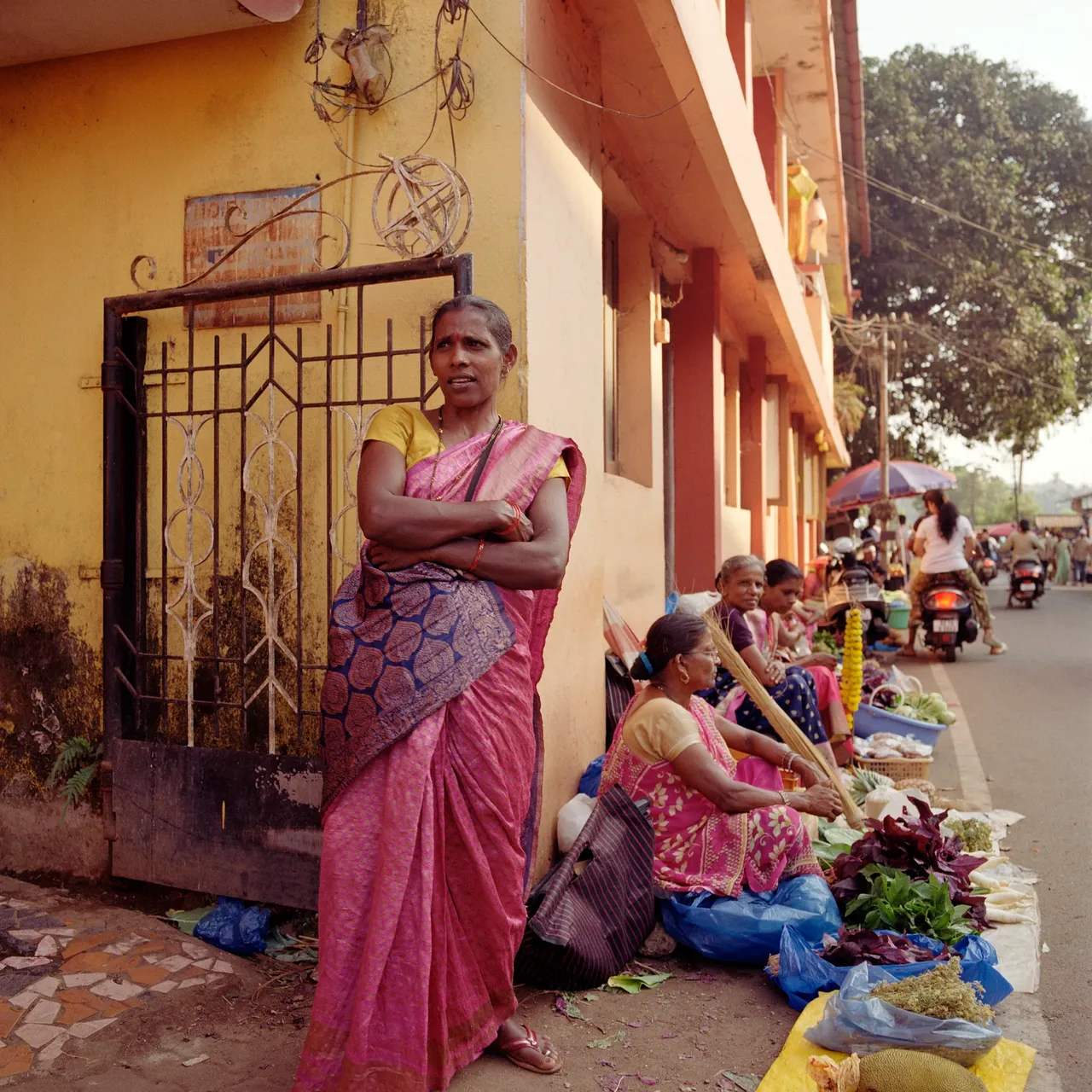
As I mentioned earlier, the ideas of girlhood and sisterhood exist everywhere you go. Even in the most rural villages in India, you’ll often see women laughing, building a community together, creating a kind of safe space among themselves and this might be the only freedom they can embrace.
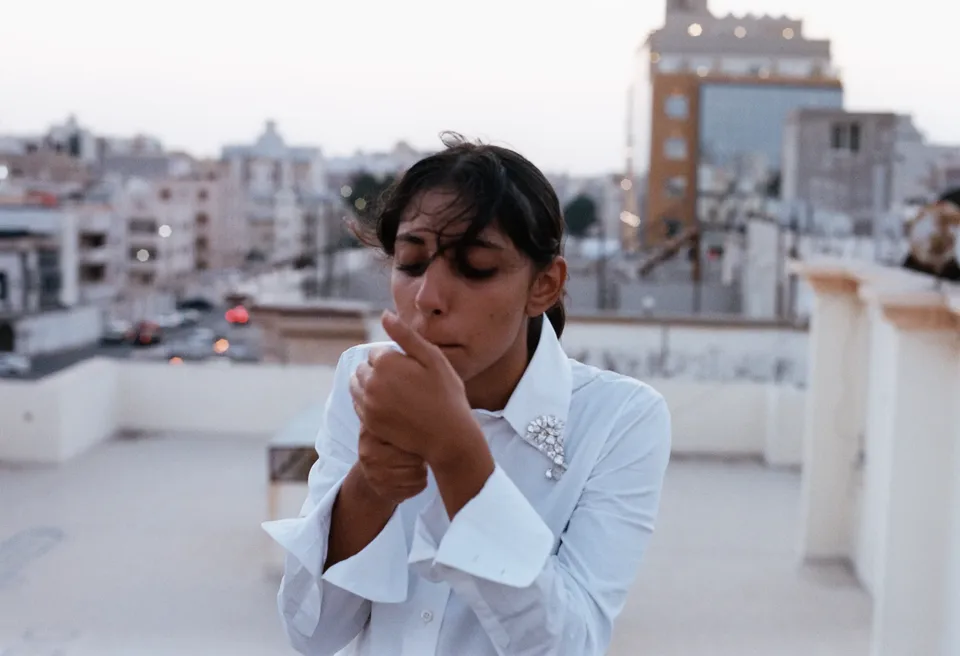
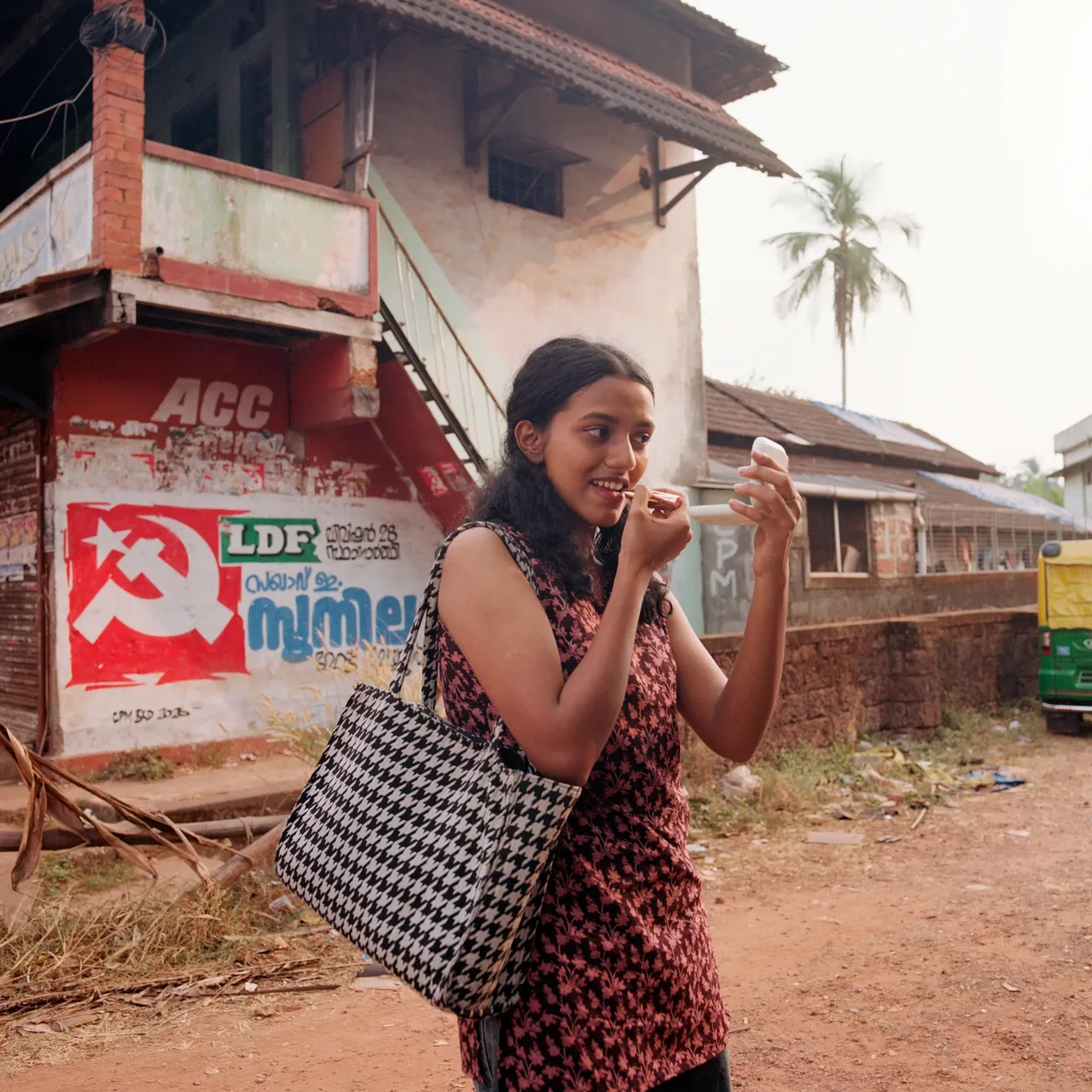
My partner and I travelled to the south, across different states, and I came back full of new experiences, rich in cultural insights and wonderful encounters. The images I took turned out to be a very colourful series about family life in Southern India. I was impressed by the sense of togetherness in the society, which embraces both tradition and modernity.
Kerala is a democratically voted communist state. I absolutely loved the aesthetic there: a mix of palm trees and communist flags with old Marxist men playing chess in front of red-painted houses. I also went to Mumbai this time and loved it. Once again, I was struck by this pattern of young women in major cities all over the world standing up to patriarchal norms, making life easier for others to step beyond them. In Mumbai, young women are setting new norms of modernity. It’s always fascinating to witness how women navigate life within traditional and religious frameworks. I came back with fifteen rolls of film, constantly wanting to take portraits.
My partner and I travelled to the south, across different states, and I came back full of new experiences, rich in cultural insights and wonderful encounters. The images I took turned out to be a very colourful series about family life in Southern India. I was impressed by the sense of togetherness in the society, which embraces both tradition and modernity.
Kerala is a democratically voted communist state. I absolutely loved the aesthetic there: a mix of palm trees and communist flags with old Marxist men playing chess in front of red-painted houses. I also went to Mumbai this time and loved it. Once again, I was struck by this pattern of young women in major cities all over the world standing up to patriarchal norms, making life easier for others to step beyond them. In Mumbai, young women are setting new norms of modernity. It’s always fascinating to witness how women navigate life within traditional and religious frameworks. I came back with fifteen rolls of film, constantly wanting to take portraits.
My final question for you is what do you have in store for 2026?
I’ve got some exhibitions lined up and will definitely be in Arles, France for Les Rencontres de la Photographie. Also, I am always open to new collaborations so feel free to reach out to me! My main project this year is to turn my Capital Daughters into a book very soon. I’m currently in the middle of the shooting and editing process. As soon as we exit the dark winter months, the city wakes up and all this beautiful, radiant feminine energy comes out to play. I want to spend another summer here capturing more of it.
I want the book to carry a sense of nostalgia for a time that might one day be gone, while the spirit of it remains. It’s also meant as a love letter to the enduring soul of the city. Ultimately, I see my images as filled with hope. They serve as a reminder of the relationships that hold us together. They are a time stamp for my generation, something people might one day open and say, “look, those were the days!”
I want the book to carry a sense of nostalgia for a time that might one day be gone, while the spirit of it remains. It’s also meant as a love letter to the enduring soul of the city. Ultimately, I see my images as filled with hope. They serve as a reminder of the relationships that hold us together. They are a time stamp for my generation, something people might one day open and say, “look, those were the days!”