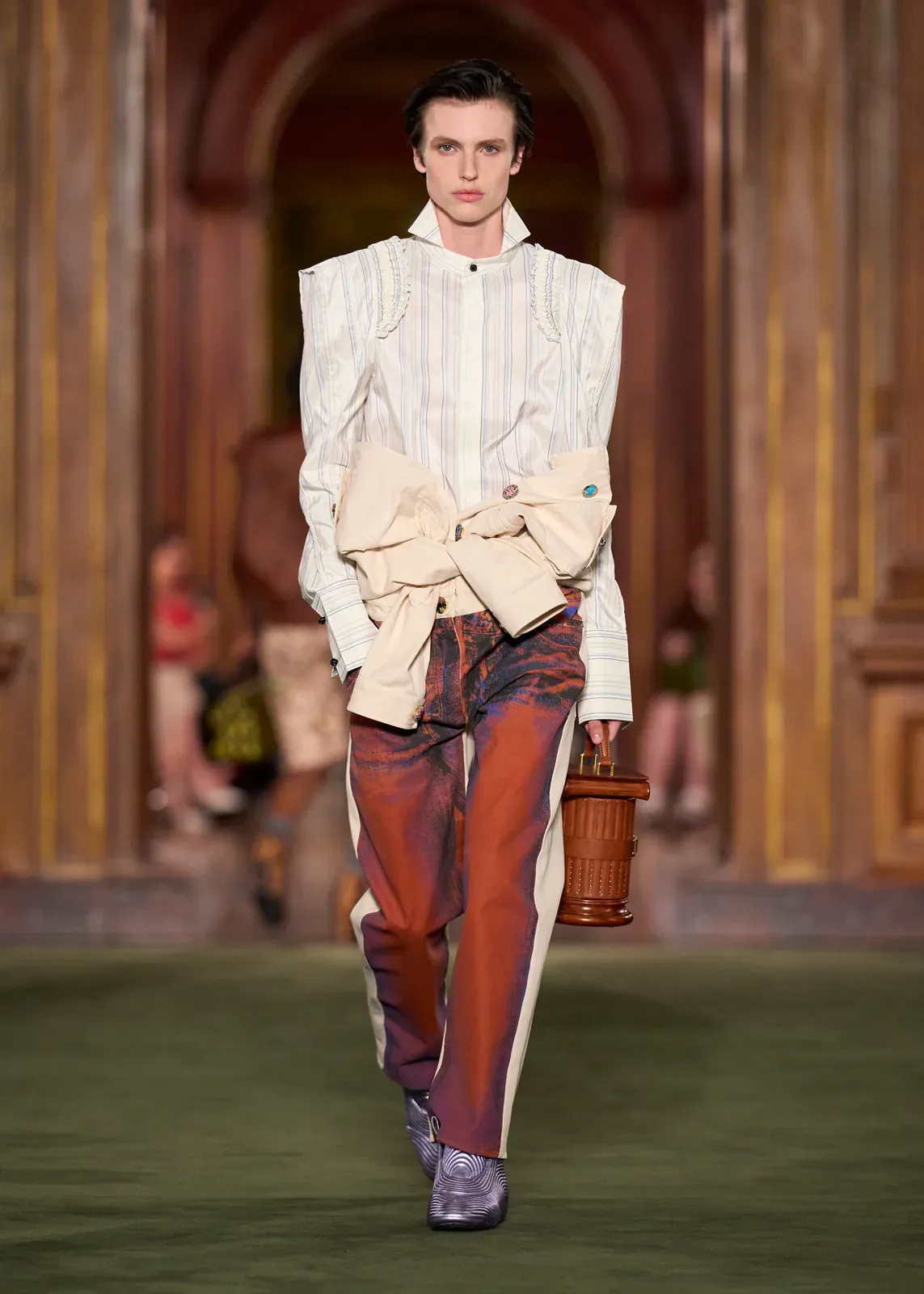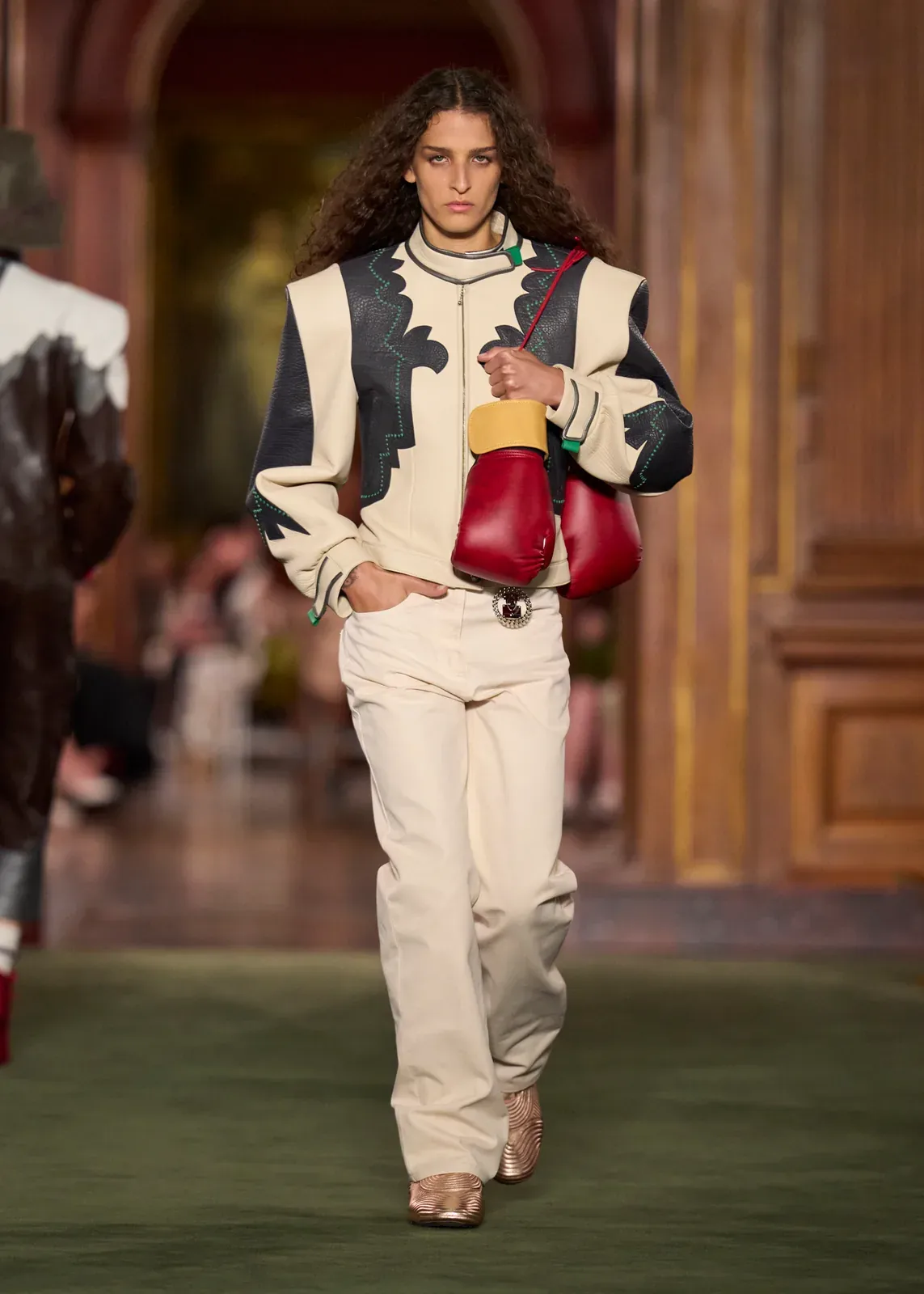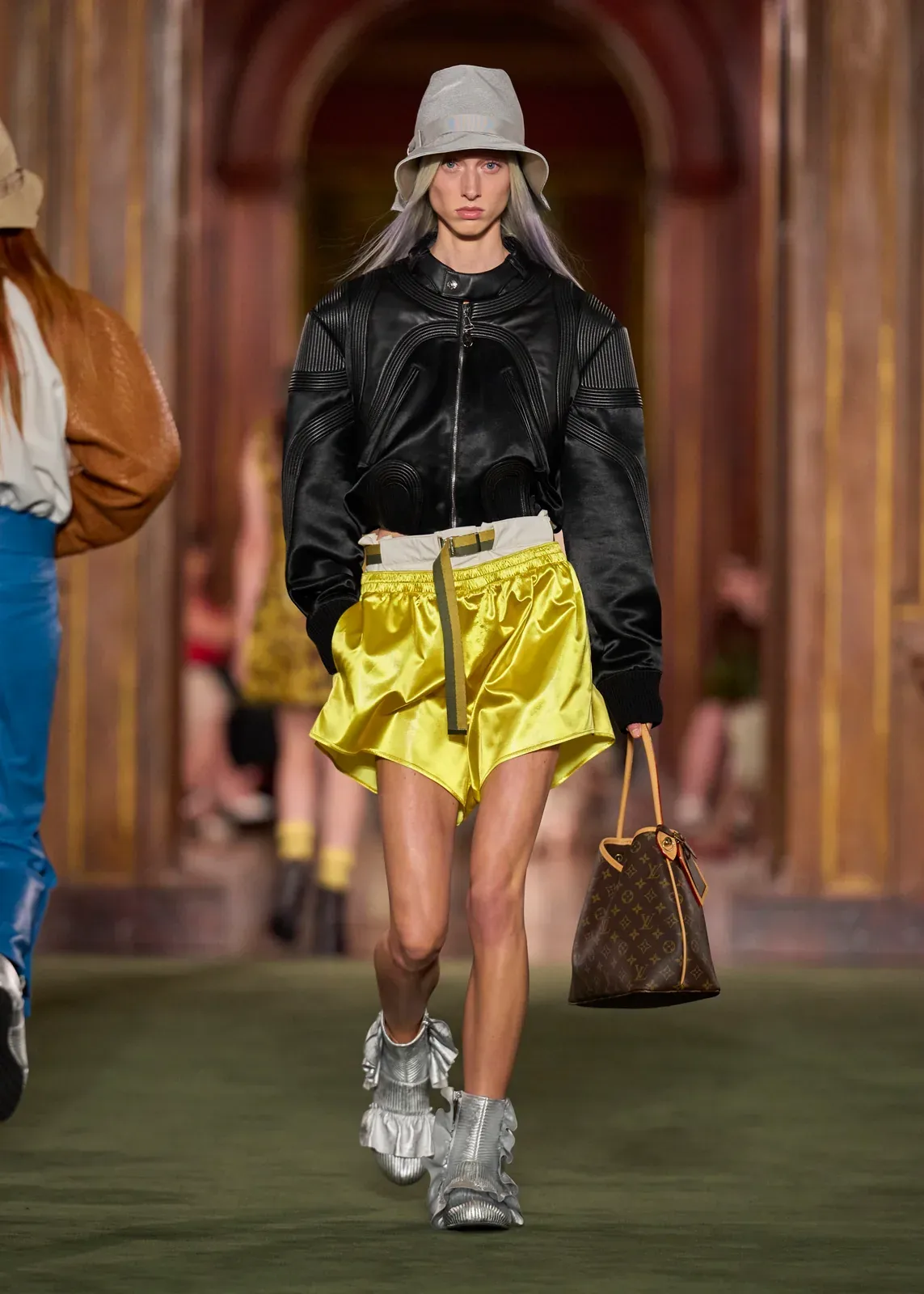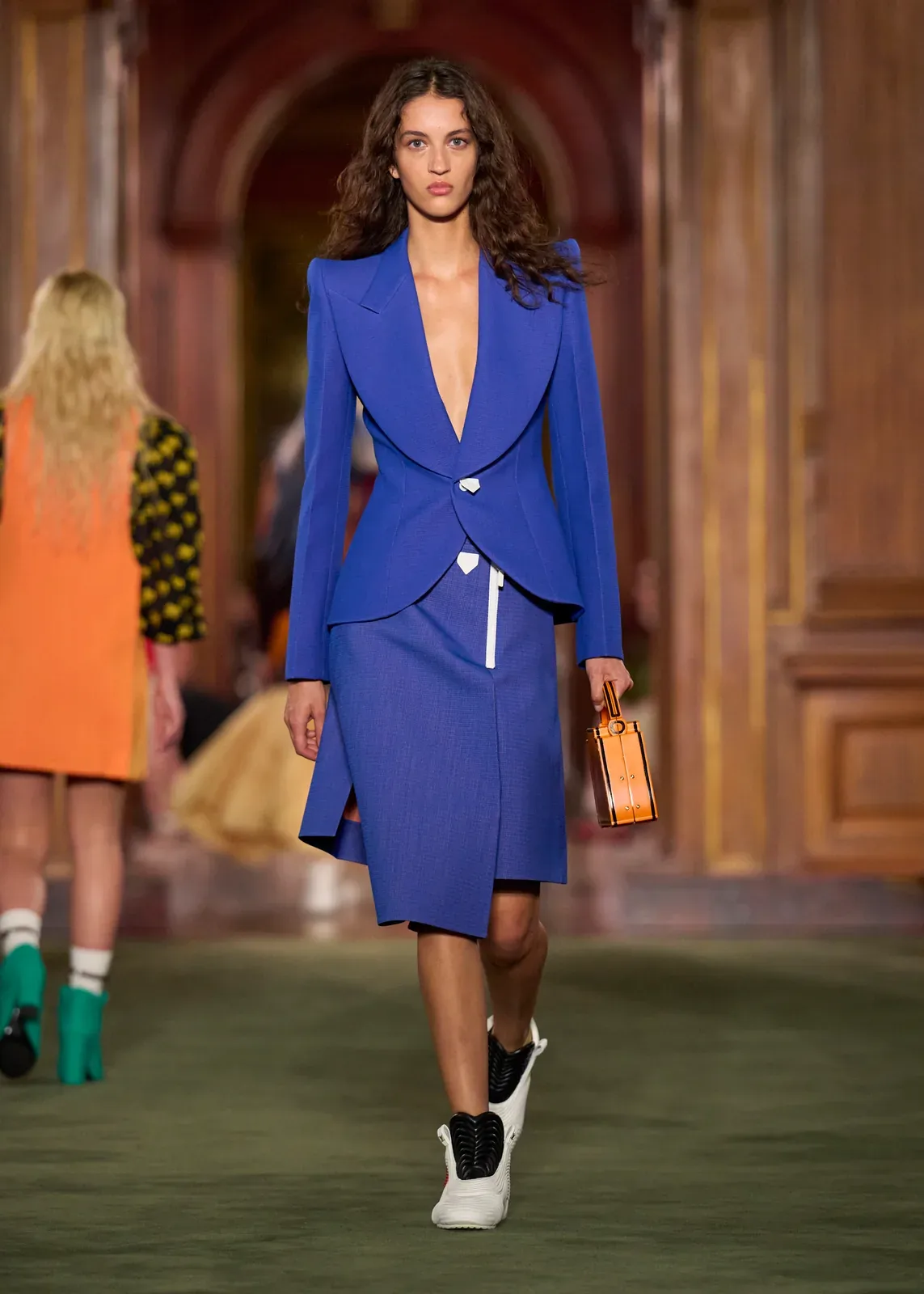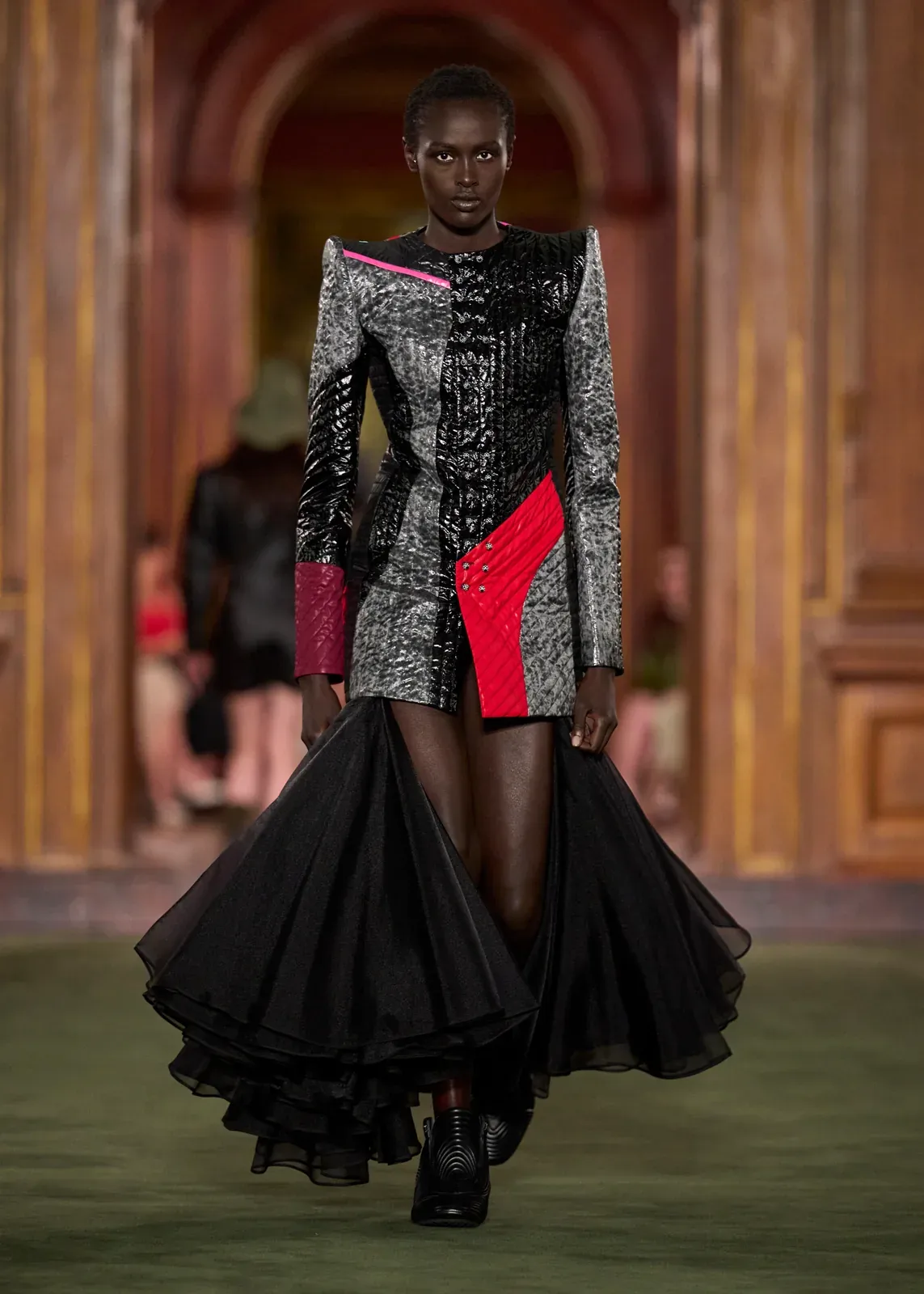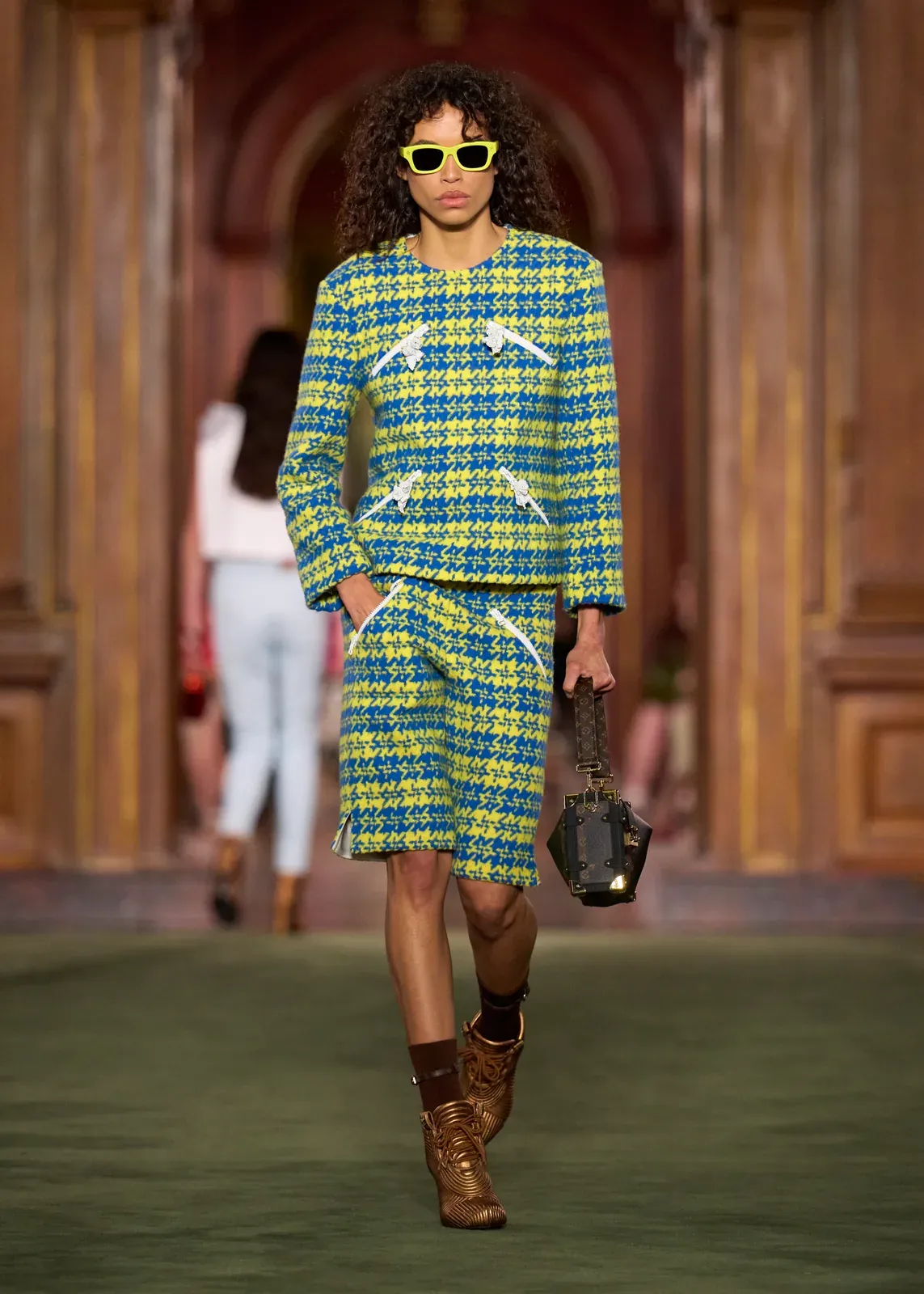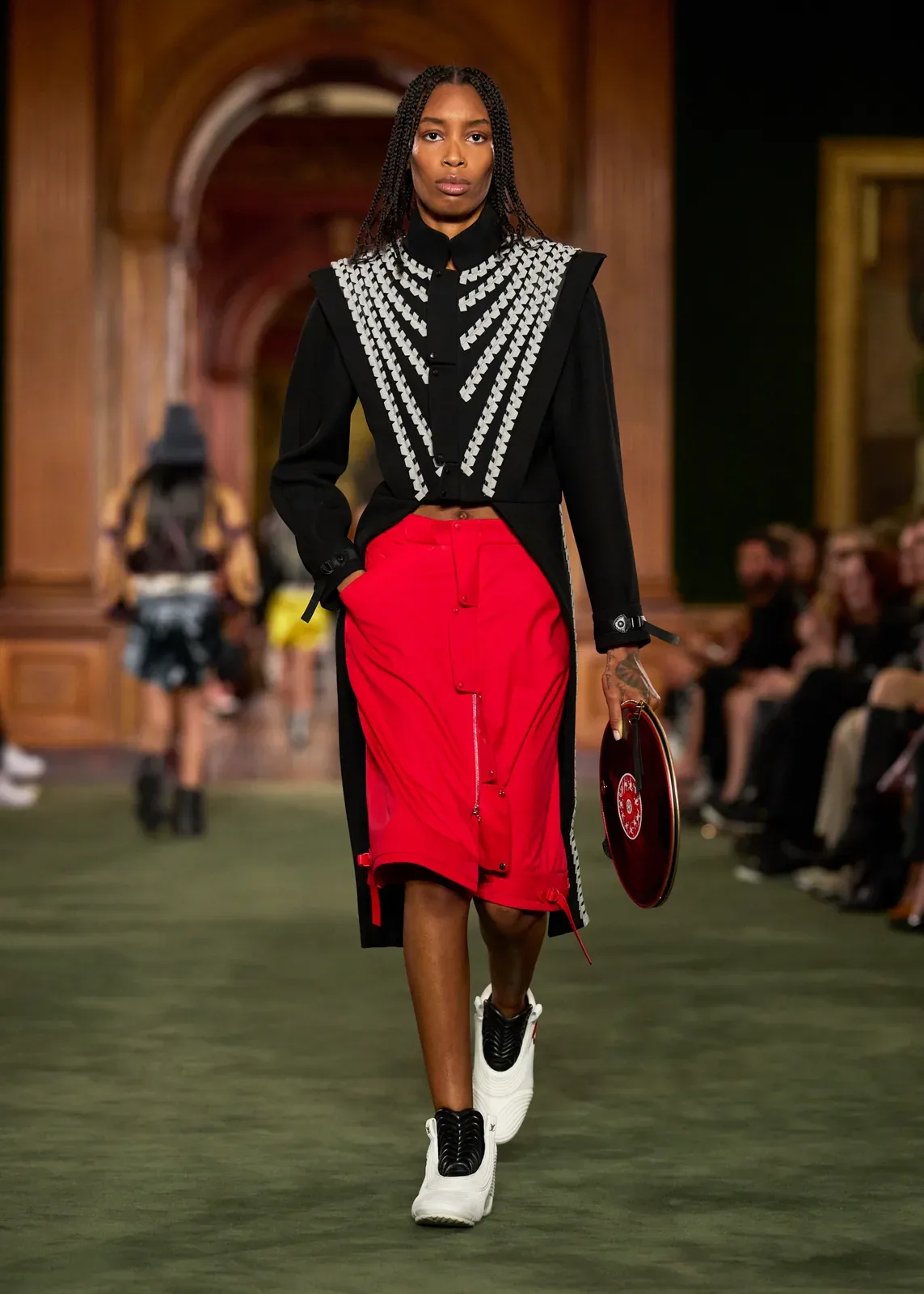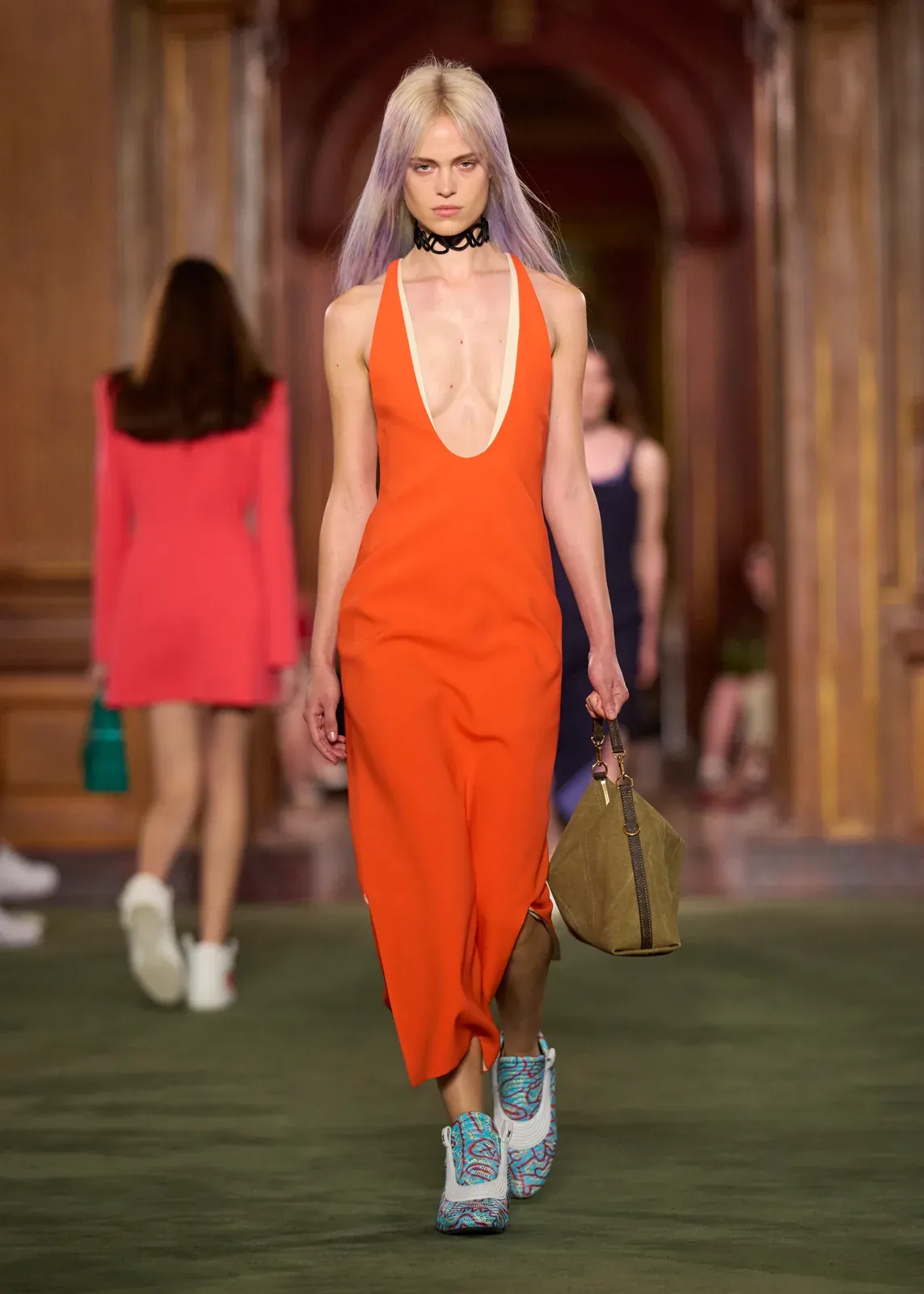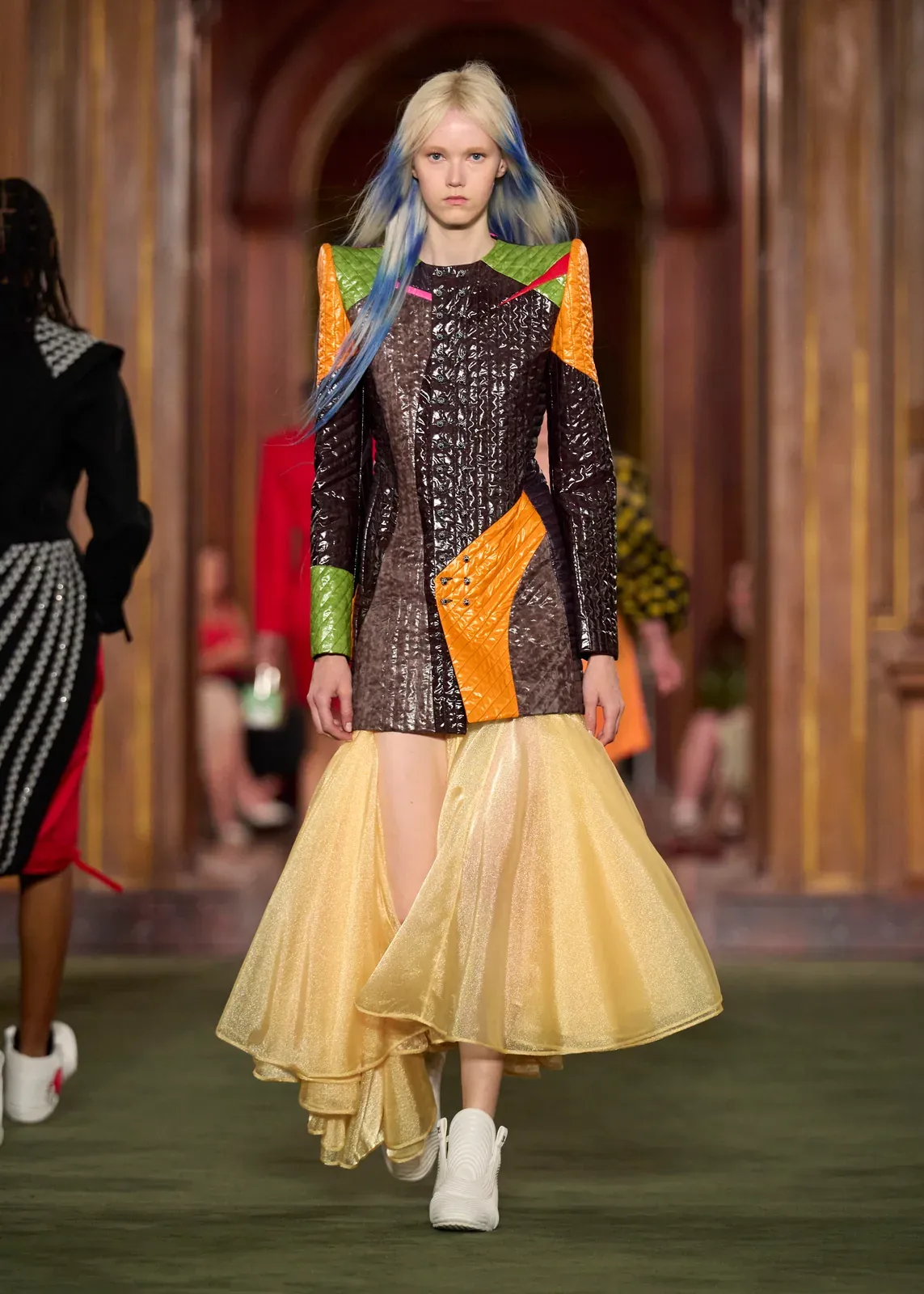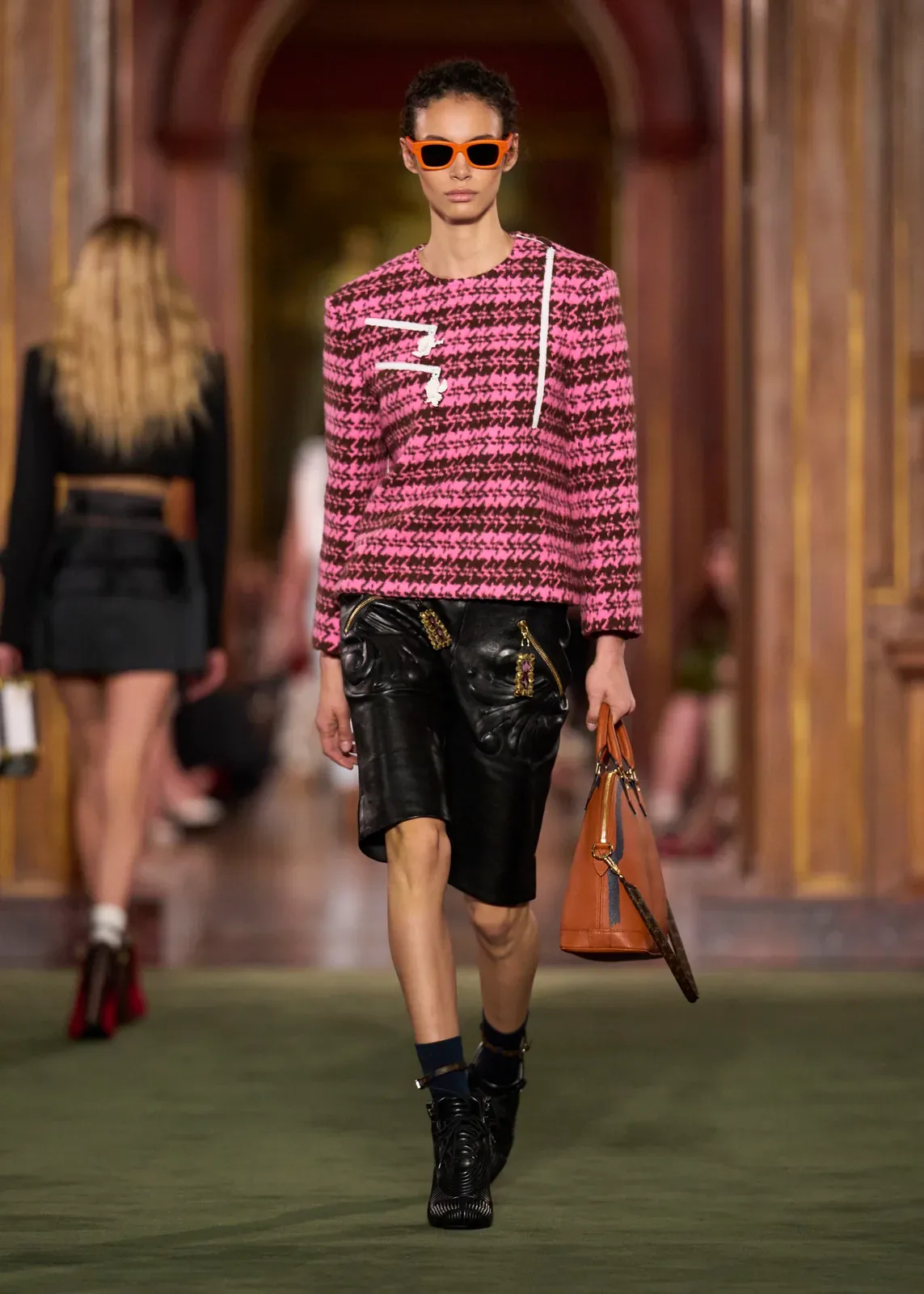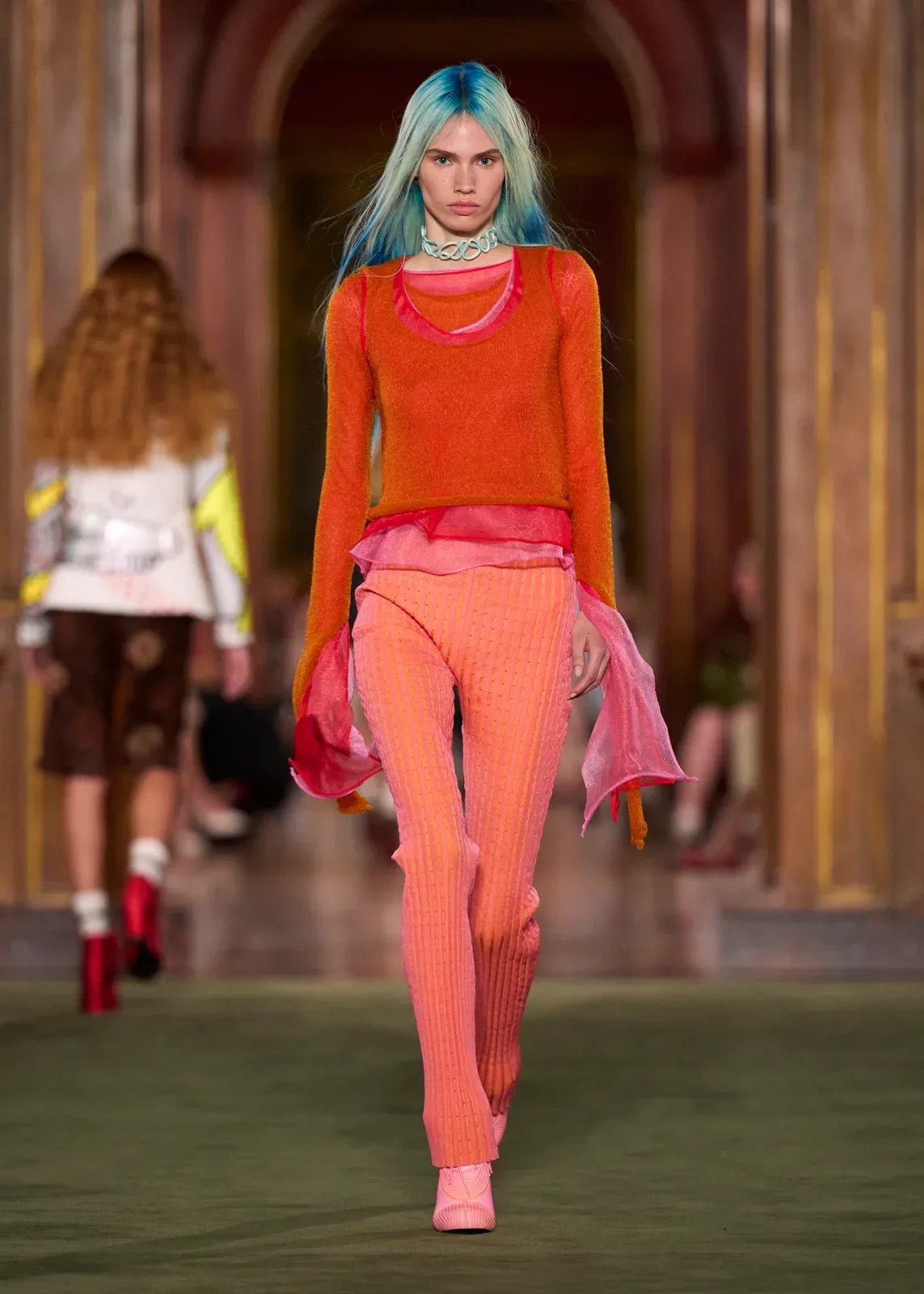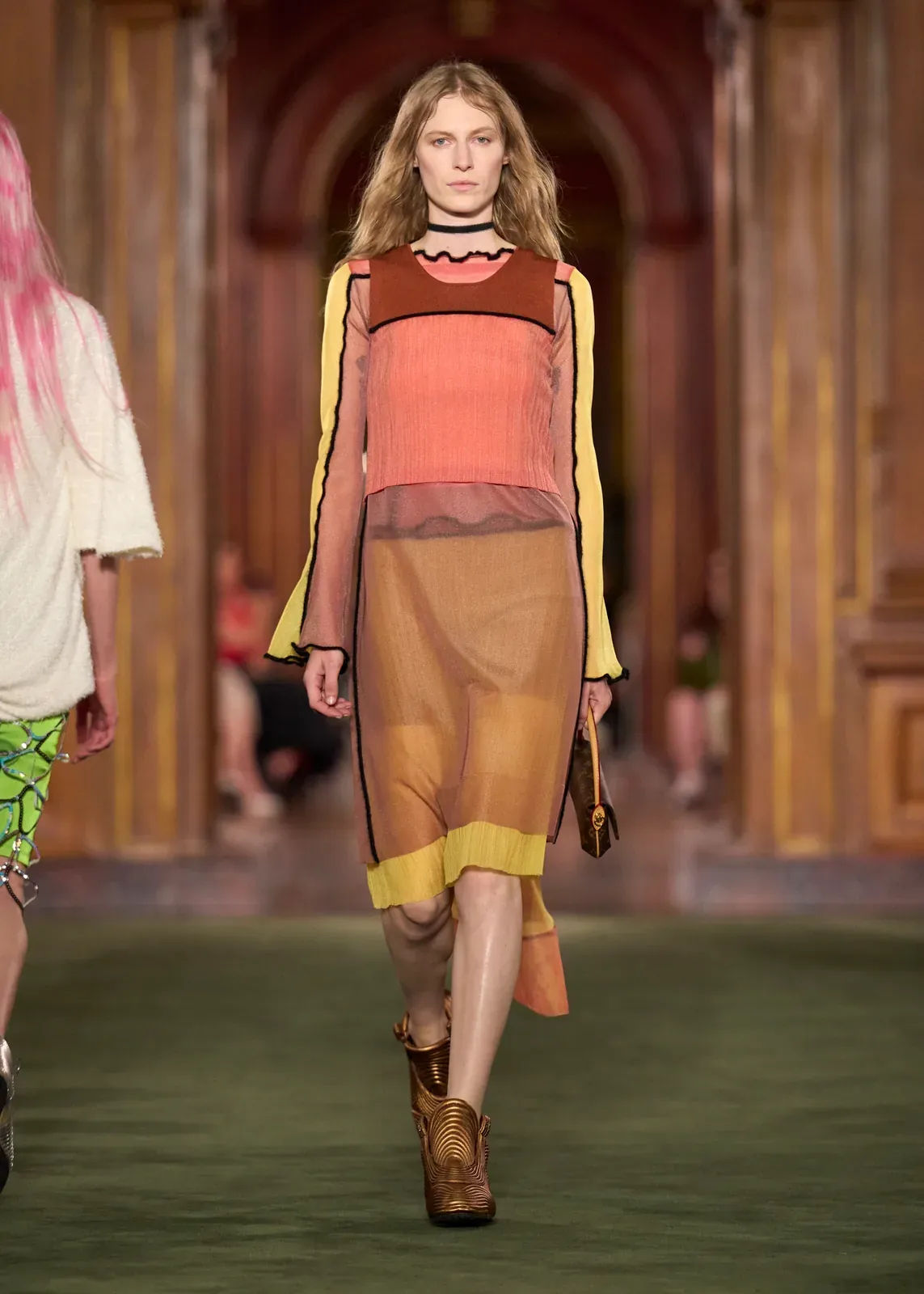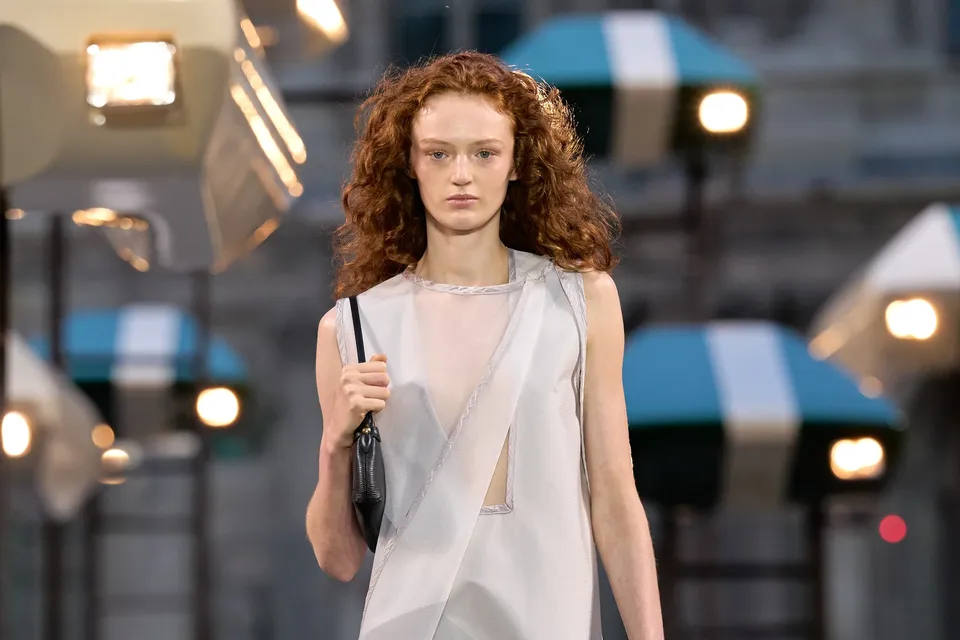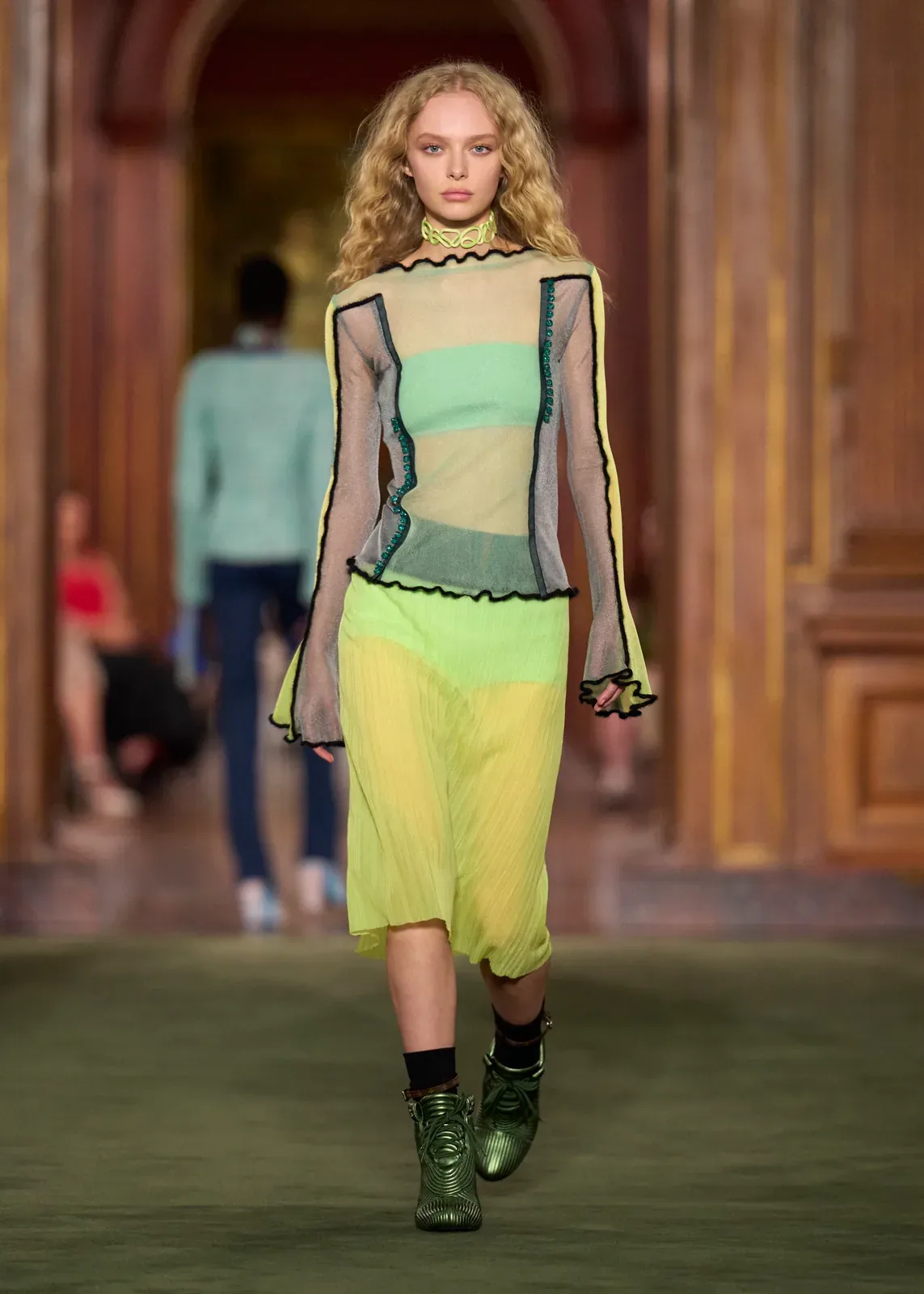
For over a decade at Louis Vuitton, Nicolas Ghesquière has approached fashion with the mentality of someone incapable of exhausting his own imagination, constantly pulling references from different decades, disciplines, and visual languages until the collections almost begin to resemble archives of cultural memory rather than plain exercises in dressing. Cruise 2027, presented inside The Frick Collection, felt like another chapter in that endless accumulation of ideas, one where his brilliance as a storyteller appeared as vividly as ever while simultaneously leaving a subtle but present sensation that perhaps this constant need to keep adding layers, concepts, and information is beginning, in certain moments, to work against him rather than for him.
Cruise collections have always belonged naturally to Louis Vuitton because travel existed within the house long before fashion itself entered the equation. From the trunks that built its identity to the idea of movement across places, cultures, and histories that still defines so much of its image today, the spirit of travelling remains inseparable from the brand itself. Ghesquière understands this particularly well, approaching the collection not simply as clothes inspired by New York and Paris but as a constant crossing between worlds, between uptown and downtown, between the decorative richness of Europe and the immediacy of American pop culture, between old interiors heavy with history and garments trying to imagine what dressing might look like somewhere between the past and the future.
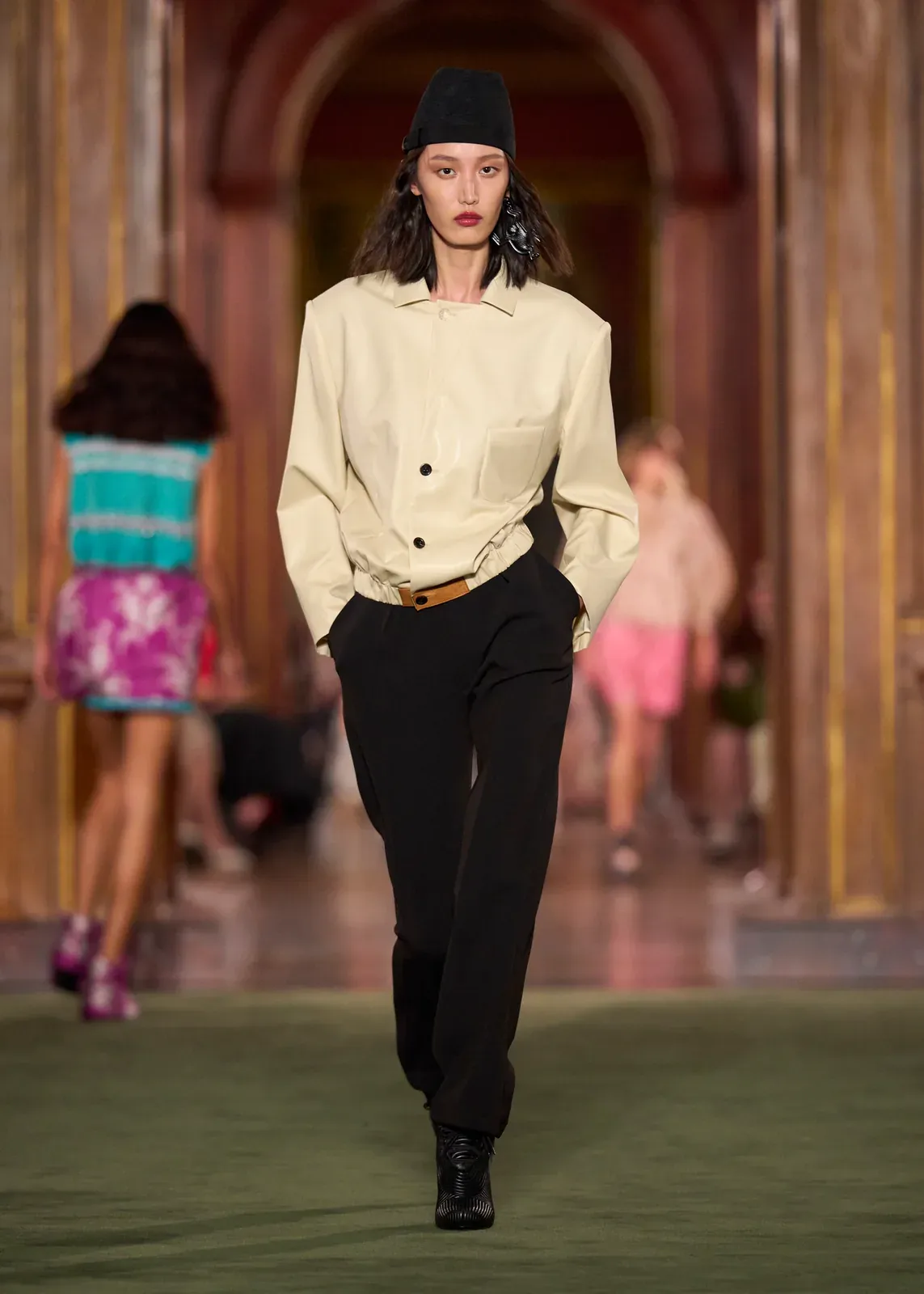
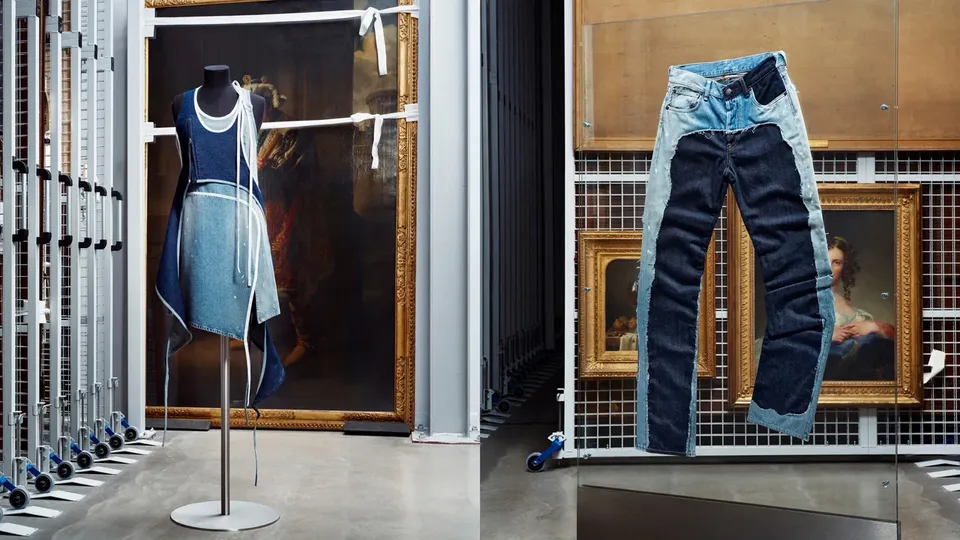
The choice of The Frick Collection as the setting amplified that sensation even further, not only because of the visual contrast created between the Gilded Age interiors and Ghesquière’s futuristic instincts but also because the collection itself seemed constructed around this idea of different timelines trying to occupy the same physical and emotional space at once. This also extended beyond the runway through Louis Vuitton’s newly announced cultural partnership with the institution, which will support exhibitions, public programming, and art historical research over the next three years. In many ways, it was one of the clearest reminders that fashion houses today increasingly seek legitimacy not only through clothes or spectacle but also through their positioning within wider cultural conversations.
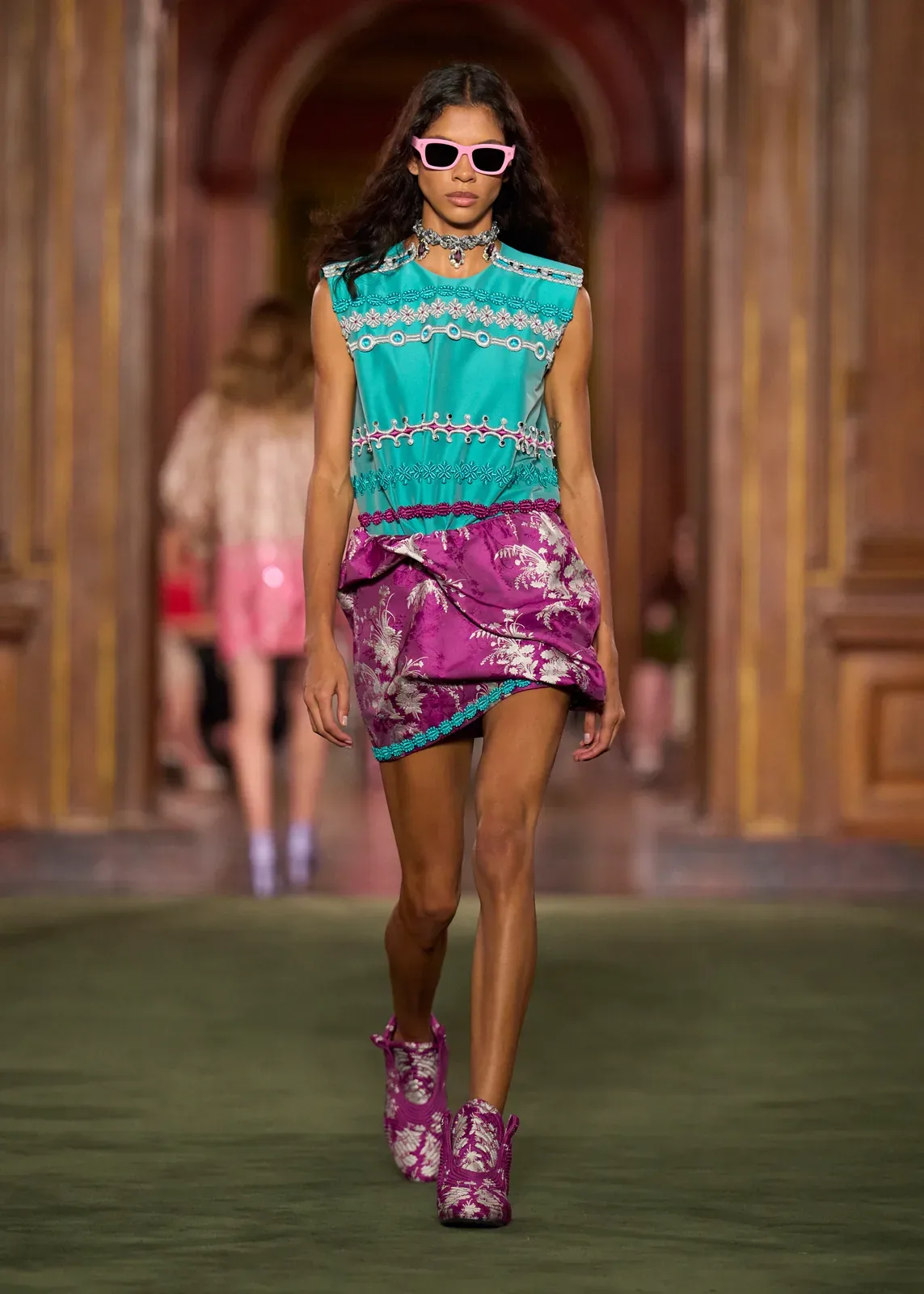
But when it comes to the collection, what truly held it together was colour, used here with the freedom Ghesquière is known for, that made the strongest looks feel genuinely alive. Not in the superficial sense of “art-inspired fashion” that often relies on literal references — which were also present — but in the way shades that theoretically should not coexist somehow managed to create harmony, with acidic tones colliding against faded metallics, sharp reds interrupting dusty palettes, and embroideries functioning like spontaneous brushstrokes crossing the garments. There was a confidence in the styling of these combinations that recalled the instinctive chaos of painting, and it was in these moments that the collection felt most convincing.
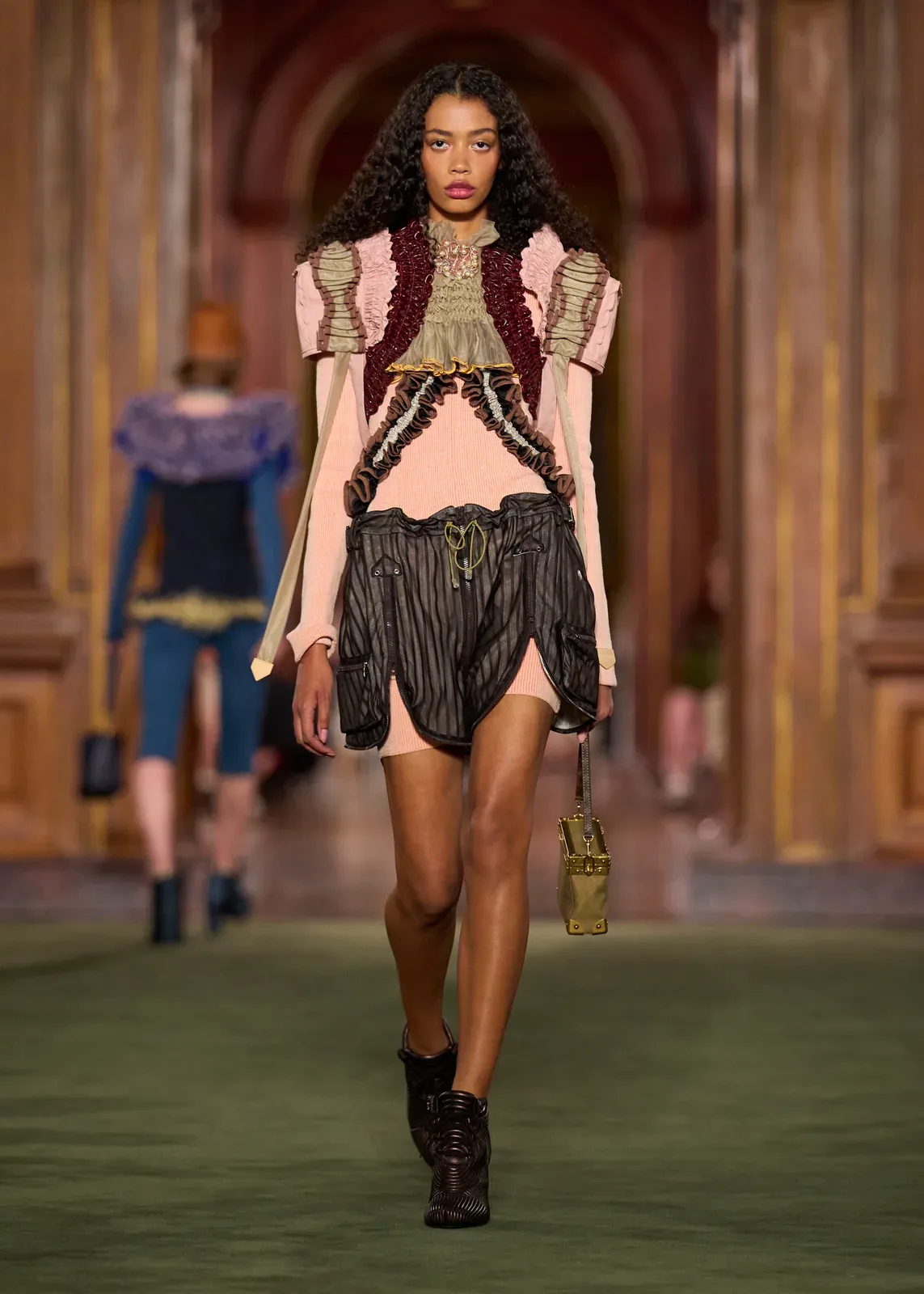
The final looks especially carried this feeling with remarkable force. The layered trousers, the exaggerated ruffled shirts, the density of fabrics and surfaces stacked on top of one another created silhouettes that felt excessive in the most compelling and most Ghesquière way possible. Equally memorable was the revival of the monogram boxing gloves originally designed by Karl Lagerfeld for Louis Vuitton’s 160th anniversary in 2014, a detail that worked as another layer in the collection’s ongoing dialogue between archive, performance, and cultural memory.
Still, beneath all these successful moments, there remained a feeling that has increasingly surrounded some of Ghesquière’s recent collections, where the sheer amount of inventiveness begins to create a sort of conceptual overload, as if every silhouette is trying to carry too many narratives simultaneously. While this restless imagination is exactly what has made him one of the most important designers of his generation, there are occasions where the accumulation becomes so dense that the clarity of the collection starts to disappear underneath it. It is not that the talent is gone, because Cruise 2027 proves he still has it, but there are moments where the collection leaves behind questions that perhaps someone with his level of ability should not be provoking.
At its best, the collection reminded us why Ghesquière changed the visual language of contemporary fashion in the first place, yet at its weakest there was also the sense of a designer so committed to constant reinvention that the process itself occasionally risks becoming disconnected from the sharpness that once made every idea land with precision. Even so, there is something fascinating about watching a designer continue searching this intensely after so many years, still refusing simplicity, still refusing repetition, still chasing new visual territories even when the path becomes uneven.