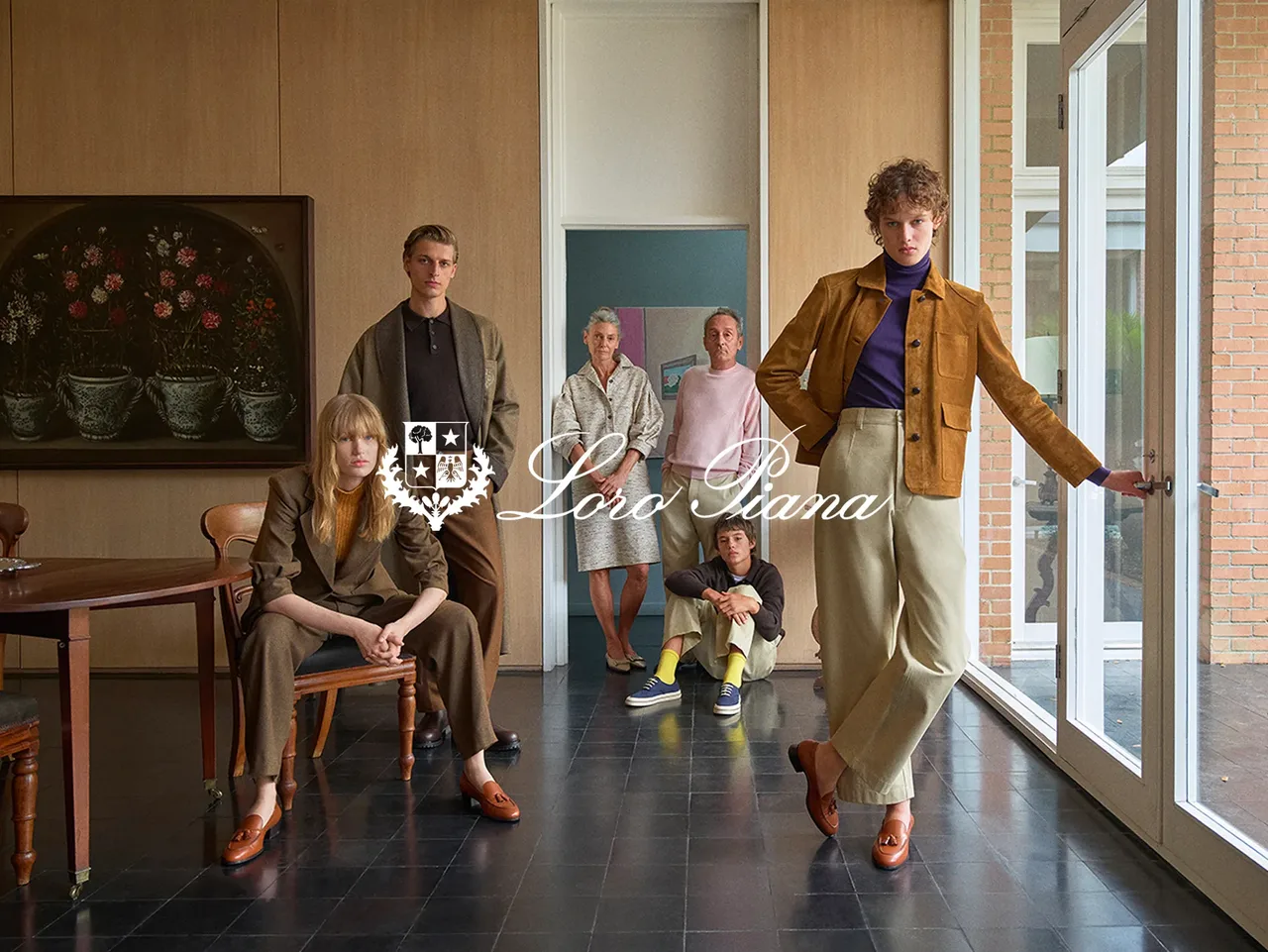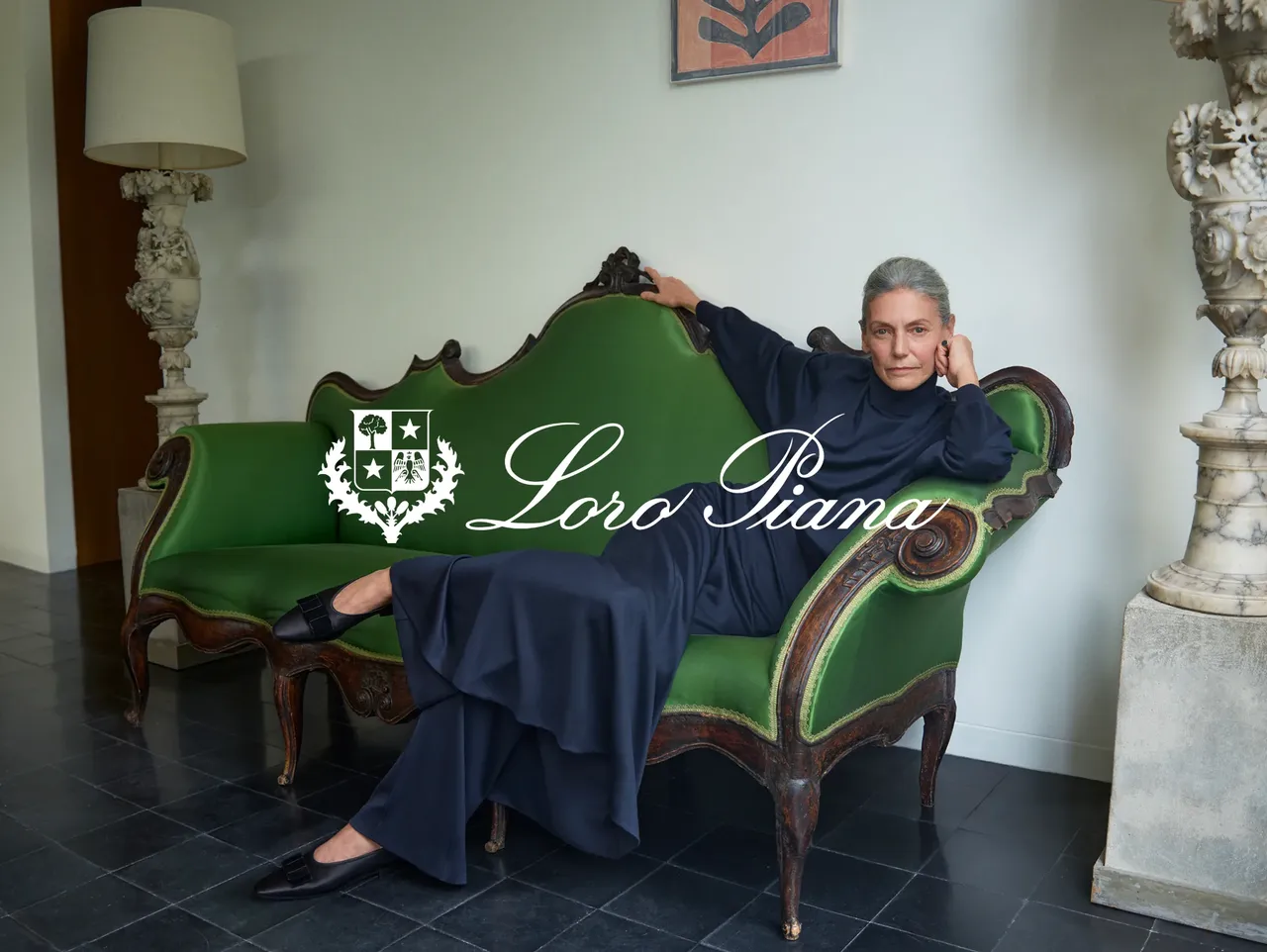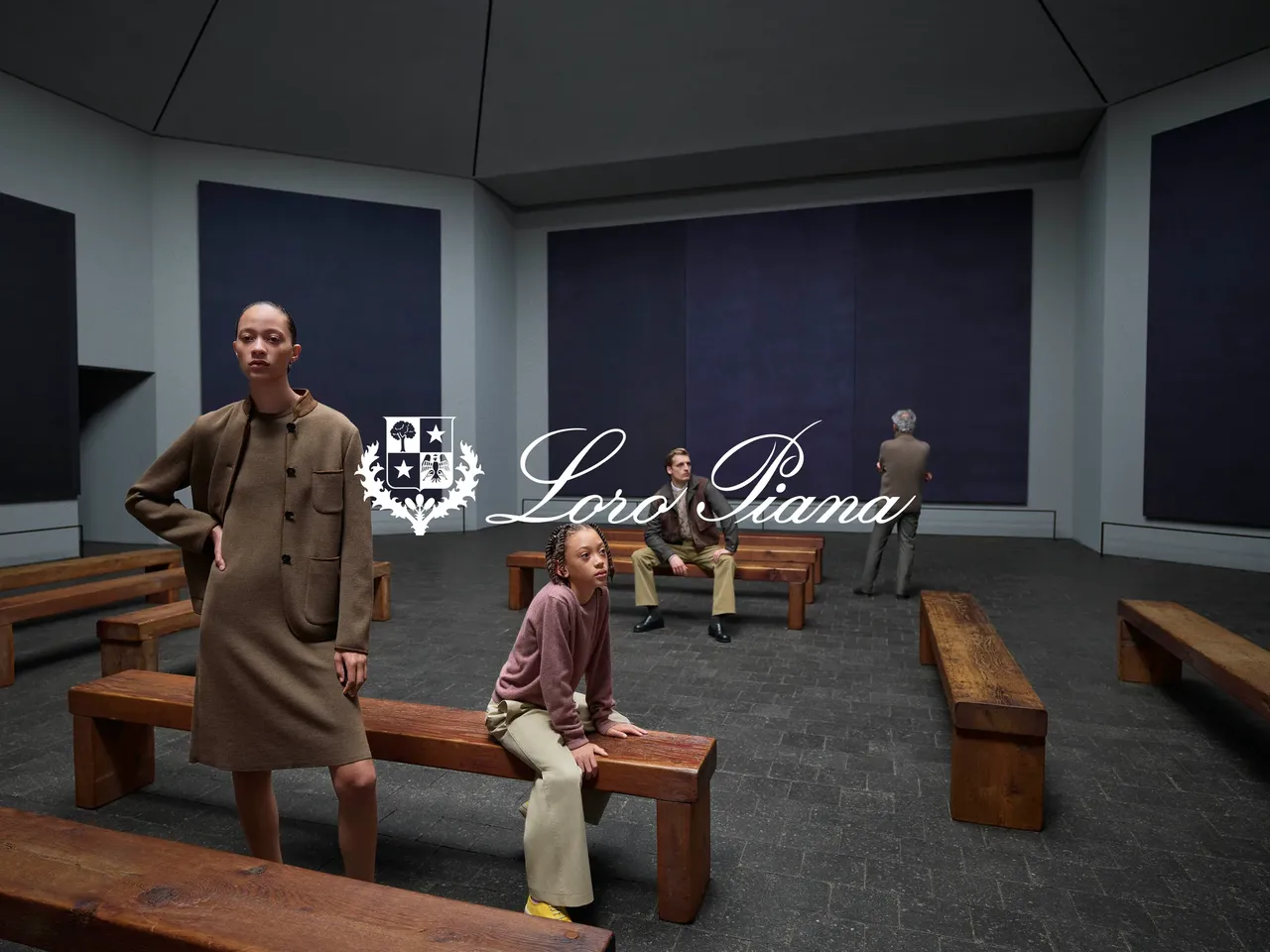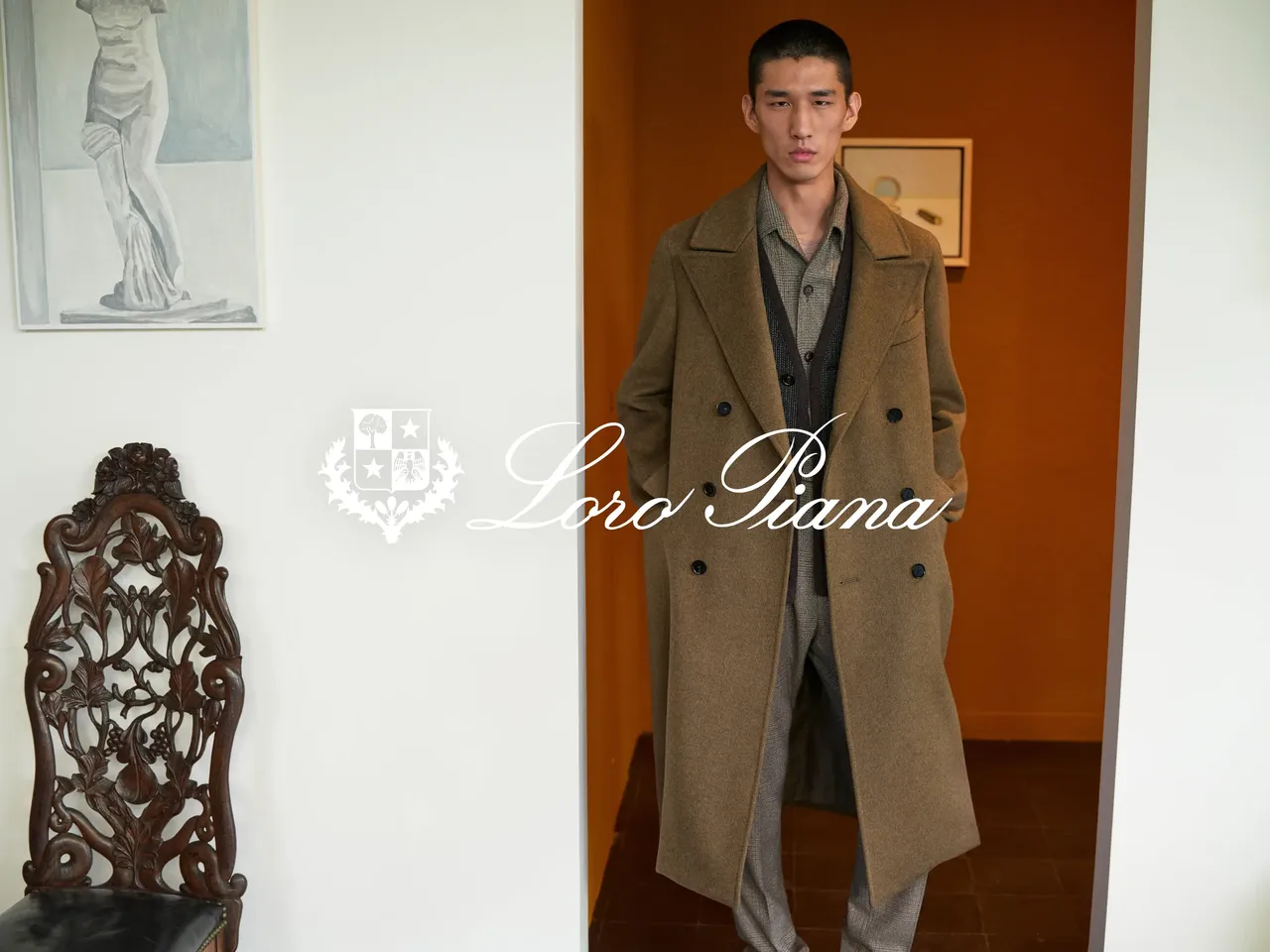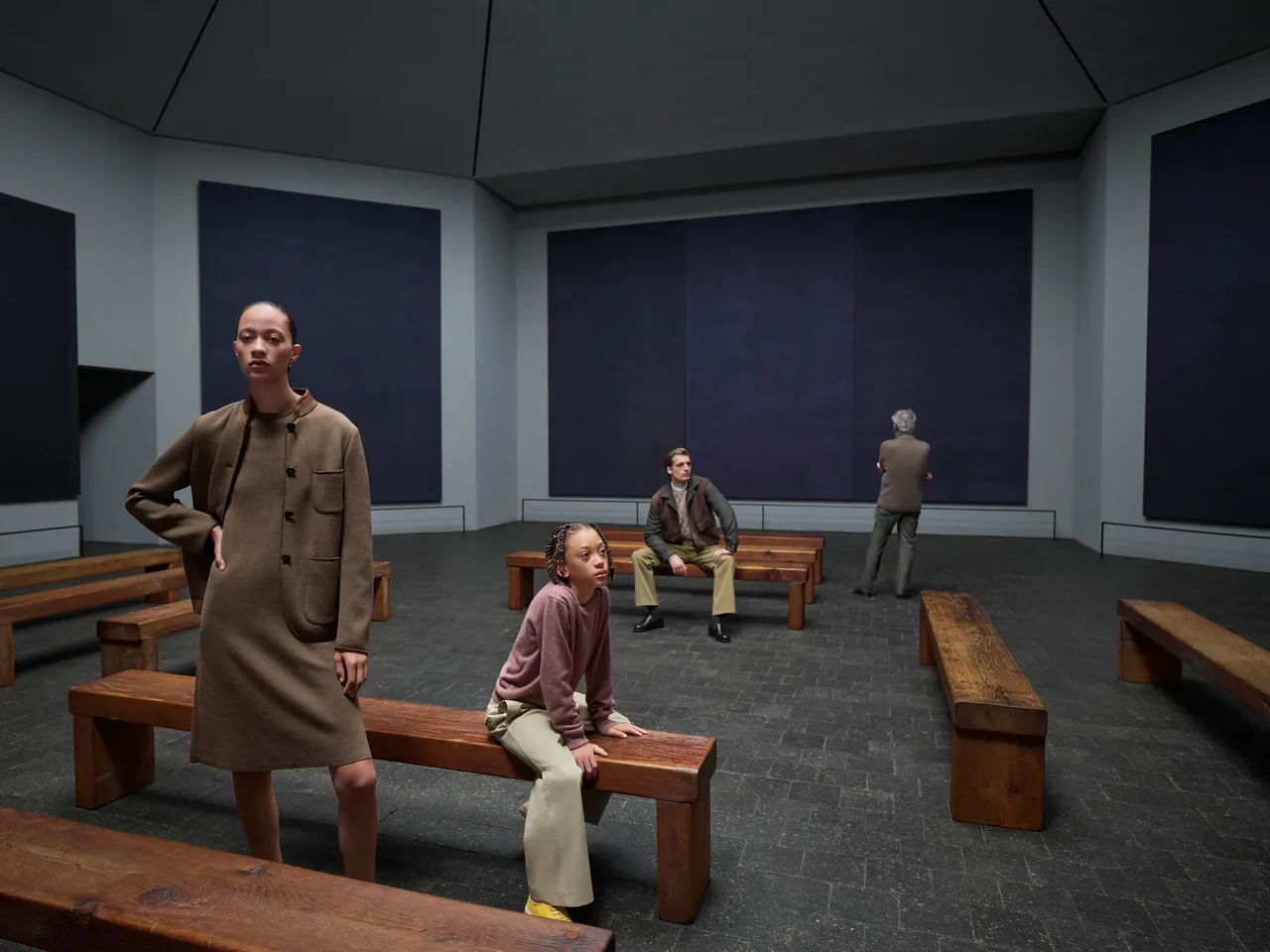
Houston’s cultural landmarks set the stage for Loro Piana’s Fall/Winter 2026 campaign, shot by Mario Sorrenti. John and Dominique de Menil’s mark on the city is defined by the institutions they founded, built on the idea of art, architecture and daily life living as one, moving together. The House celebrates The Menil Collection ahead of its fortieth anniversary in 2027, contributing to its preservation and inviting a larger audience into its mission of offering a welcoming environment in which observers can experience world-class art.
Couturier Charles James designed the interiors of the former de Menil residence, where the campaign opens. The house also served as the birthplace of the Menil Foundation and, later, a public museum designed by Renzo Piano and opened in 1987. Nearby is the Rothko Chapel, opened in 1971, displaying fourteen Mark Rothko canvases that line the walls in an array of colour. The collection exists in harmony with the historic setting, as the contemporary sinks into history. Loro Piana contributes to the project Opening Spaces, aimed at preserving and expanding the building. For years, the chapel has provided visitors with a welcoming space intended for reflection and connection. “This collaboration with Loro Piana beautifully carries that experience beyond our walls and invites a wider audience to engage with the Chapel’s mission and legacy,” states Abdullah Antepli, president of the Rothko Chapel.
Starring in the campaign is a mix of generations: Sigrid de L’Epine, her husband Jean-Charles Blais, Colin Otto, Jacqui Hooper, Jackson Giles, Long Li, Noor Khan, Robert Forrest and his daughter Selena Forrest. The pieces transcend time and craft community. Saxophonist Richard “Dickie” Landry collaborated with the de Menils and performed at the Rothko Chapel for The Menil Collection opening. Functionality, craftsmanship and authenticity comprise the core values of the House; garments are designed for movement and liveability, demonstrated by a couple walking through the neighbourhood, gatherings, and figures contemplating the art they reside in.
Mario Sorrenti encapsulates the essence of the de Menils’ passionate spirit and the elegance of Loro Piana’s style, stating: “It allowed us to capture a natural, unforced beauty, a quiet dialogue between the clothing and these spaces, that felt both intimate and expansive.” Shades of brown, stone, brick red, blue and green naturally sync with the tones of the space and the artworks adorning the rooms.