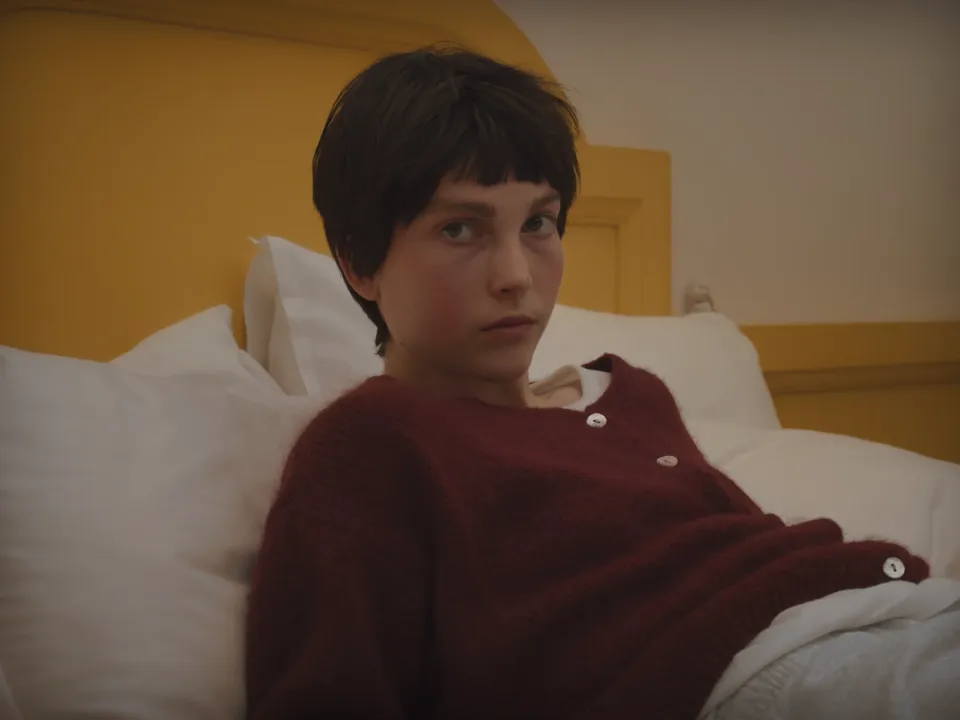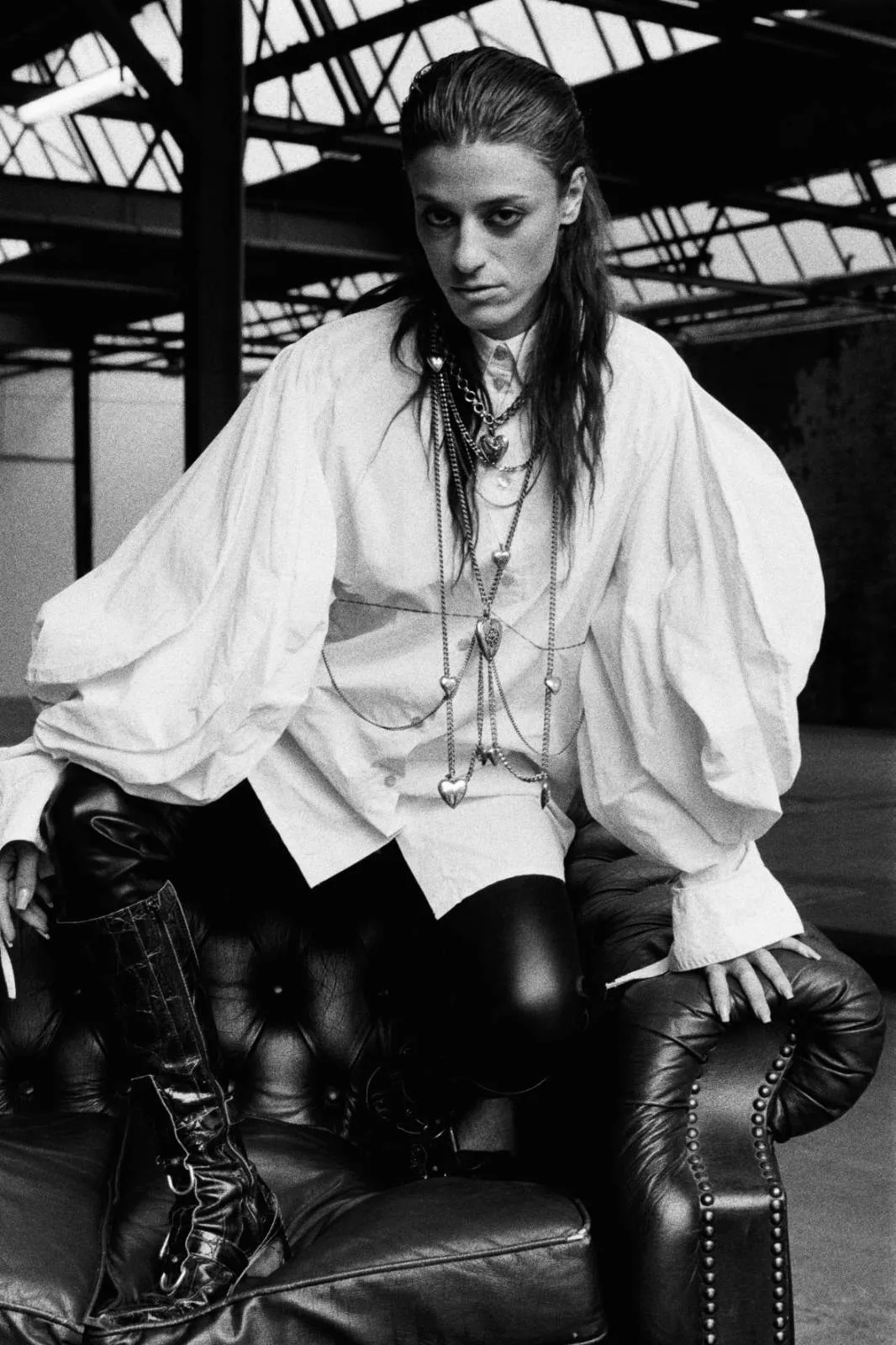
This Berlin-based DJ exposes all our inner freaks through her transcendent sets. Lolsnake plays on our love for mystery, storytelling, and atmospheric melodies to turn the room into a confessional where you let everything out and absorb the feelings of relief and euphoria. More than a DJ, she is a curator, a tastemaker, and a trendsetter through her collective, Weeeirdos, which aims to bring queer people to the forefront of the music scene through their residency at the famed Berghain’s Säule dance floor.
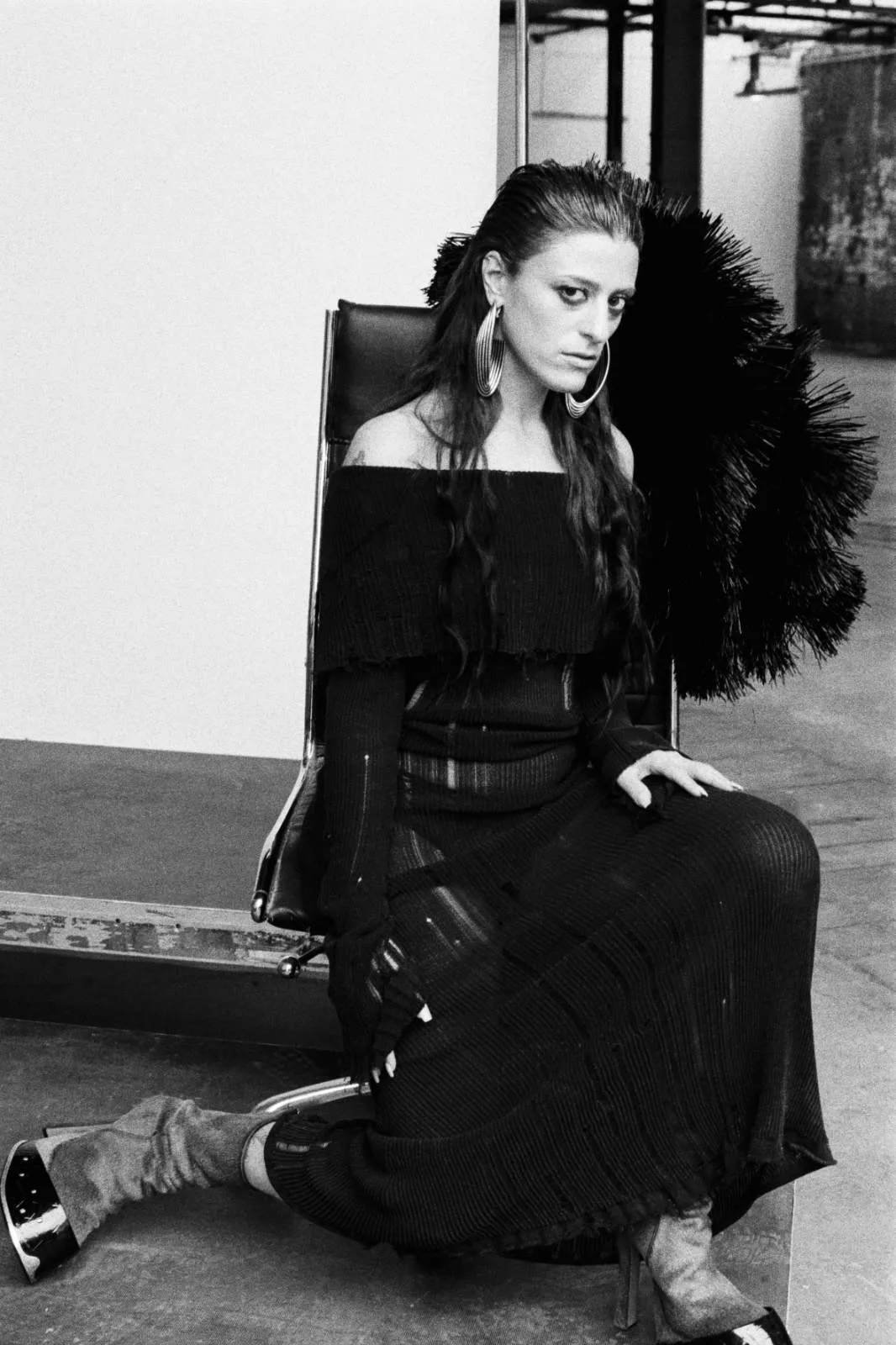
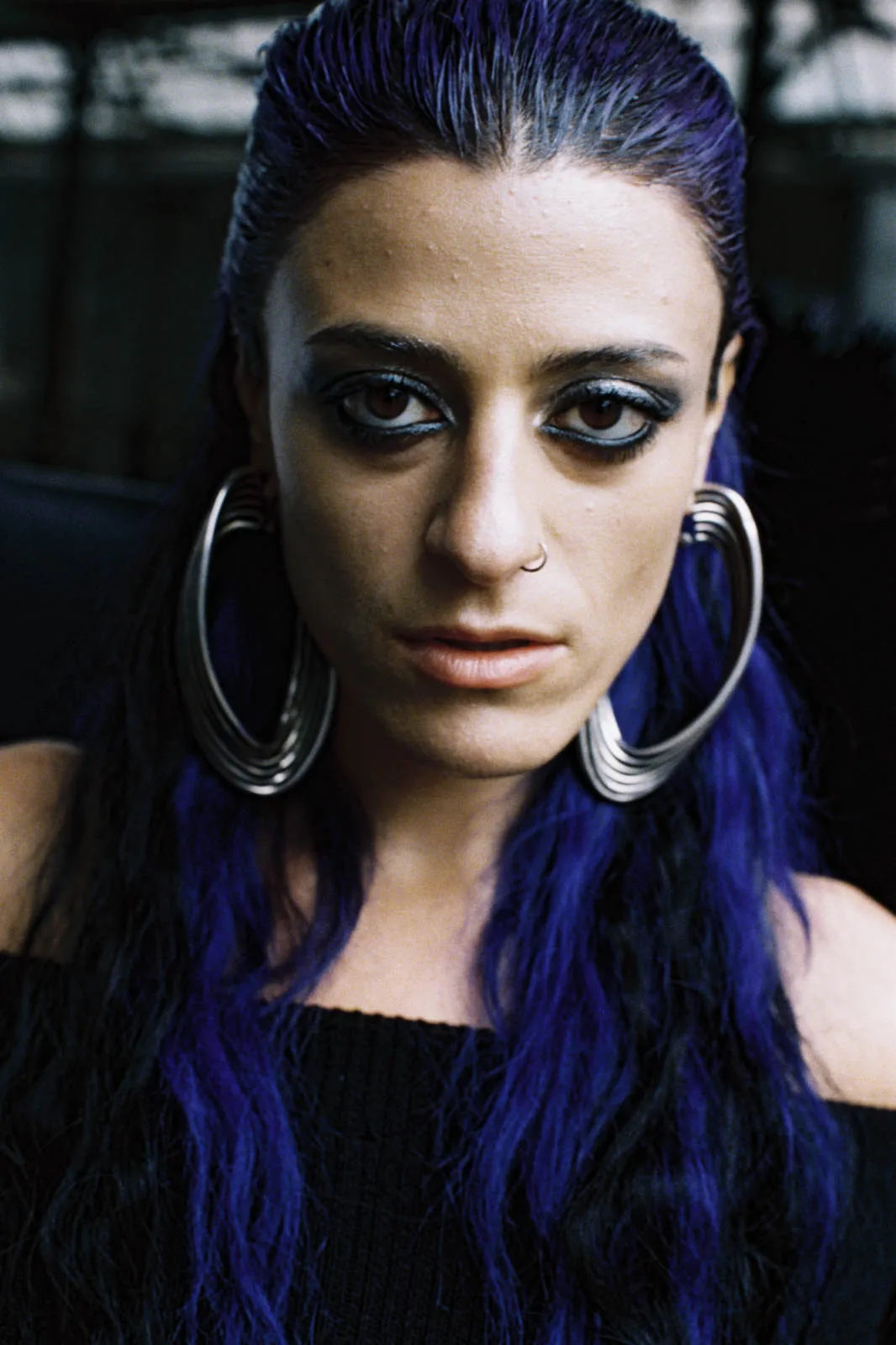
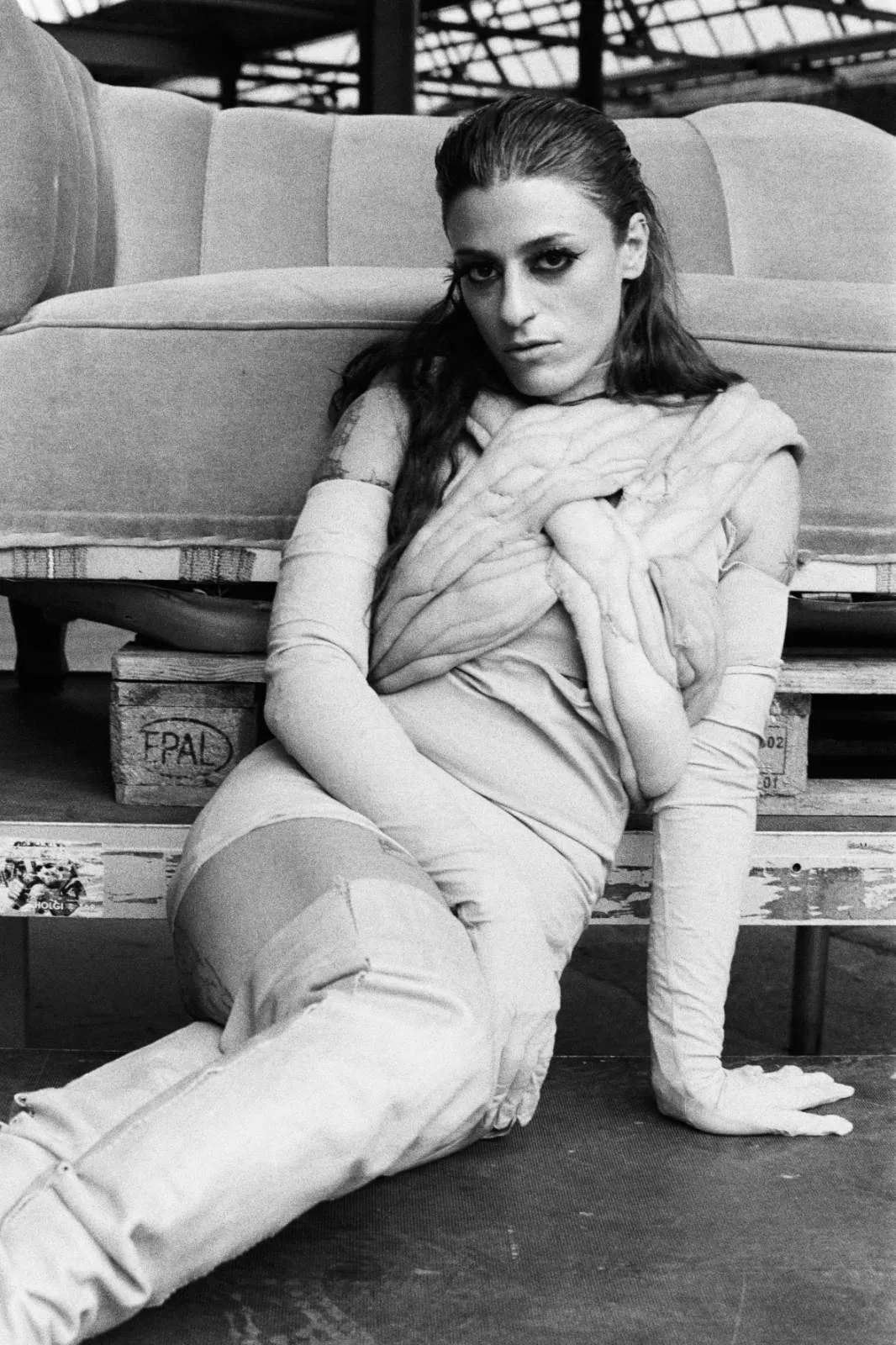
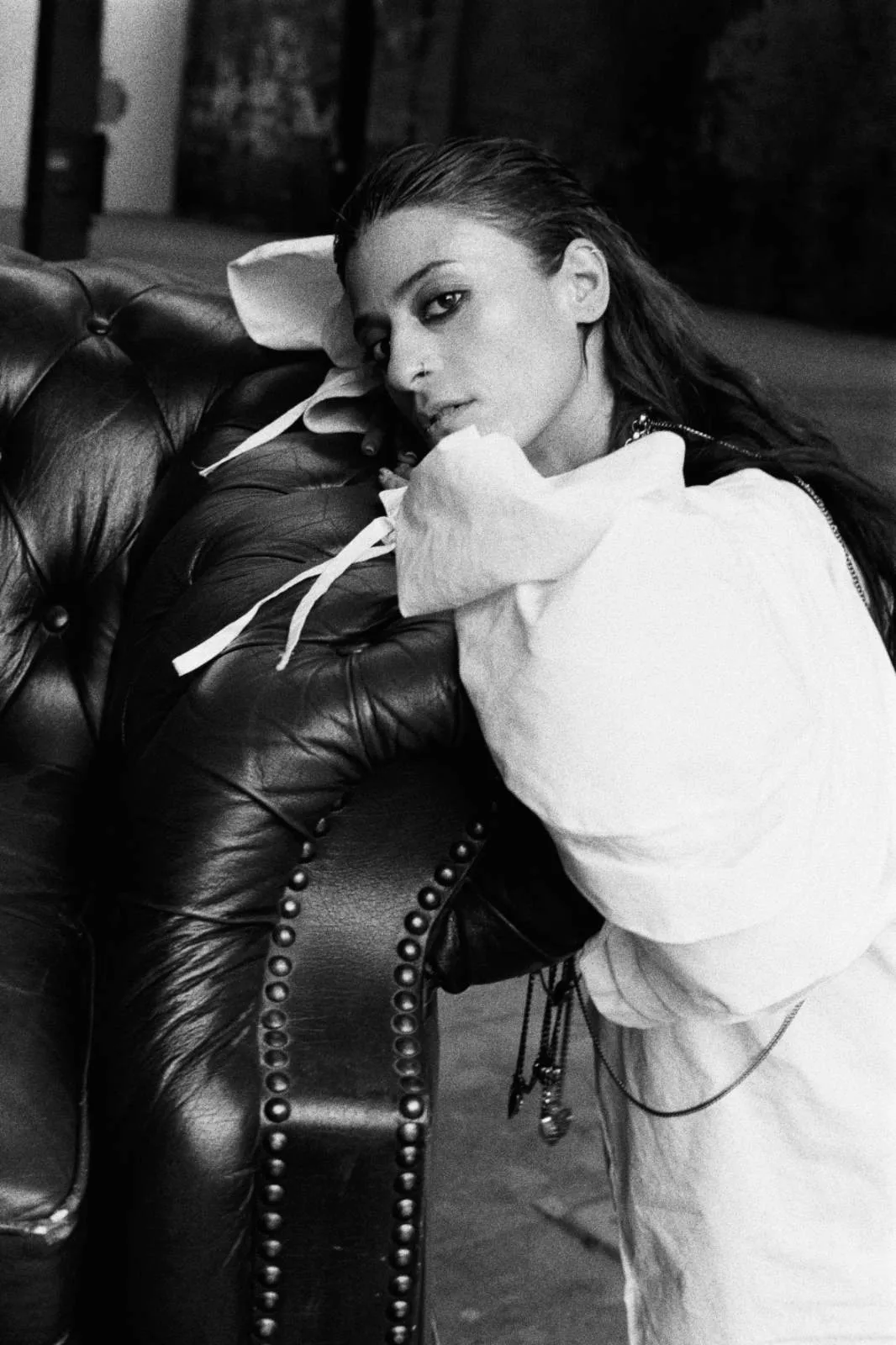
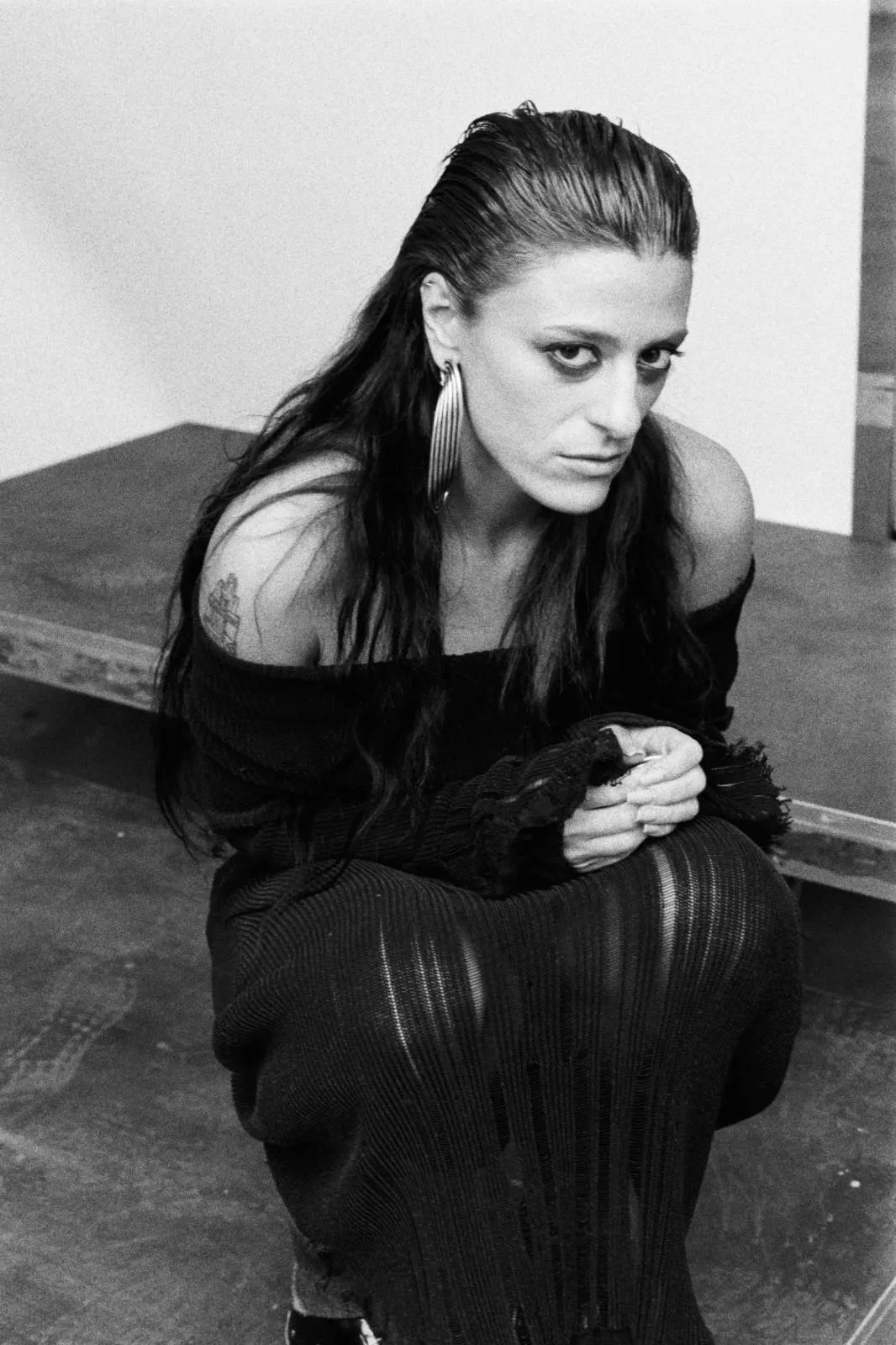
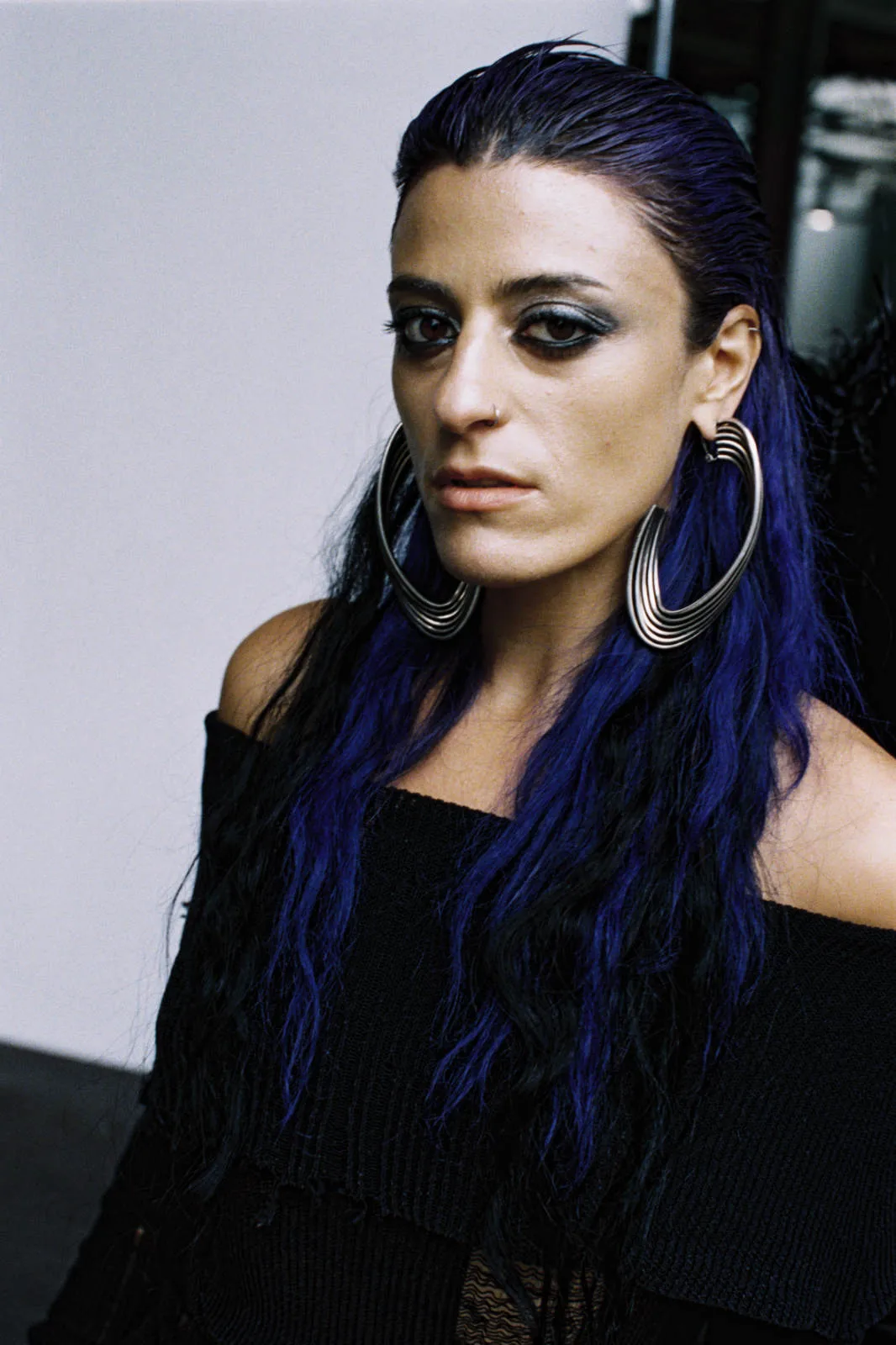
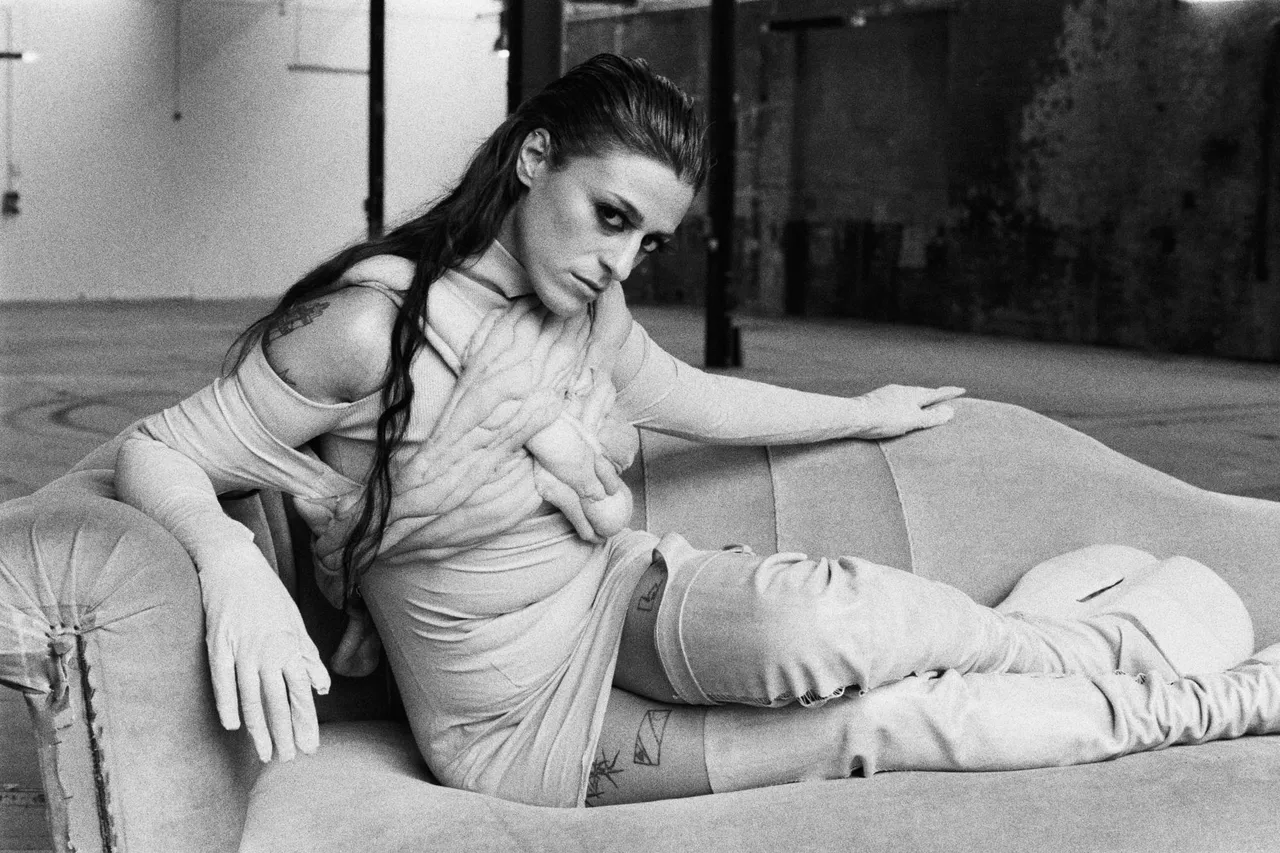
Anyone who knows Berghain might recognise the name Sven Marquardt, the notorious bodyguard who determines who’s getting in and who doesn’t match the spirit of the club. What people may not know is his passion for photography, which we show today through his photoshoot with Lolsnake. Based on a shared love for the raw and honest, much like the policies of Berghain’s entry requirements, their shoot is full of texture, contrasts, and colour, a perfect image of the DJ’s music.
Embracing multidimensionality in her sets, in her gender identity, and in her cultural background, she embodies contradictions and welcomes all the confusion and discomfort that comes with them. We speak with Lolsnake about queer representation, her creative process, and what it takes to feel at home, or rather, giving up our preconceptions about what home should feel like.
If you had to describe an image that would represent your sound, what would it be?
Sometimes it feels like I’m soundtracking the pandemonium and mischief of a sub-aquatic Dante’s Inferno.
Moving from the US to the UK and then to Berlin, how do you build and rebuild home bases?
I was quite young when I moved from the US, nineteen when I moved to Manchester, and twenty-three when I moved to Berlin. It was scary but I was very motivated to dive into each of those cities. I have always been led by curiosity and a slight leaning toward mischief. I was always passionate about music and the arts, so I naturally found myself going out regularly on my own, which I still do. Through that, I would meet people and slowly integrate into the scenes in each place, and that is what helped me build a sense of home.
What I did not realise the first time around was how long it takes to truly adjust. The first six months are actually quite easy because you are in this honeymoon phase with the new city. The harder part is the year that follows, when the novelty fades but you have not yet built a life. So the second time, moving to Berlin, I expected it to take at least one-and-a-half to two years to feel grounded. Knowing that helped me ride the highs and lows of being alone in a new place. There is that moment of looking at your phone and realising you have no one to call for a coffee or a drink, but there is also the thrill of meeting entirely new people and discovering a city through fresh eyes. I have lived in Berlin now for twelve years and do not expect to move anytime soon.
Something else I found quite liberating about living abroad is operating within a culture you did not grow up in. When you grow up somewhere, you are subconsciously limited by the local social codes. But when you are a foreigner, you do not fully know those codes, which strangely frees you to express yourself more uninhibitedly. In a way, I felt I could express myself more freely in Europe than I could in the US.
What I did not realise the first time around was how long it takes to truly adjust. The first six months are actually quite easy because you are in this honeymoon phase with the new city. The harder part is the year that follows, when the novelty fades but you have not yet built a life. So the second time, moving to Berlin, I expected it to take at least one-and-a-half to two years to feel grounded. Knowing that helped me ride the highs and lows of being alone in a new place. There is that moment of looking at your phone and realising you have no one to call for a coffee or a drink, but there is also the thrill of meeting entirely new people and discovering a city through fresh eyes. I have lived in Berlin now for twelve years and do not expect to move anytime soon.
Something else I found quite liberating about living abroad is operating within a culture you did not grow up in. When you grow up somewhere, you are subconsciously limited by the local social codes. But when you are a foreigner, you do not fully know those codes, which strangely frees you to express yourself more uninhibitedly. In a way, I felt I could express myself more freely in Europe than I could in the US.
After establishing Weeeirdos, how has your perspective on queer people’s role in Berlin’s club culture evolved?
Policies around safety and harm reduction immediately come to mind. The club environment has improved significantly in that regard. A lot of that shift came from issues raised by queer promoters and artists like myself. There is much more dialogue now between clubs, organisers, and artists, and from what I have seen it is increasingly rooted in empathy and care.
“When you are a foreigner, you do not fully know those codes, which strangely frees you to express yourself more uninhibitedly.”
What do you think younger generations can learn from the older pioneers of the scene?
It is important to adopt a mindset of building and collaborating rather than constantly deconstructing. We should be asking how we can grow and strengthen the scene rather than focusing only on its imperfections or our differences. That mentality is essential right now, especially in a time of global instability and the rise of right-wing politics across the West.
How do you see your role in championing underrepresented groups?
I am a curator and I have always approached my work with the mindset of platforming underrepresented groups. What we do today directly shapes the future of electronic music, and I love putting forward artists I truly believe in. I also think things changed dramatically after the pandemic. Berlin’s clubs became much more supportive of local artists and collectives, and the music programming became more diverse. For a while there were far fewer international tourists filling the clubs, so the old formula of booking a big international headliner and expecting a packed room stopped working. The parties that survived that period were local community parties with loyal core crowds. Clubs realised that if they wanted to rebuild, they needed to embrace these new local scenes and all the weird new kids coming up. My role in that is simple. I will always platform emerging local artists from underrepresented groups at my events in Säule. Visibility is incredibly important, and Säule is a great stepping-off point.
What is the power in giving up binary thinking and embracing complexity?
Being able to hold multiple truths about yourself, even contradictory ones, is incredibly powerful. Limiting yourself through rigid identity constructions feels unnecessary to me. The older I get, the more I let go of those hang-ups. I feel freer to express myself fully, and I enjoy having my perspective challenged. When something makes me uncomfortable, I usually see it as a sign that I am growing.
What was the biggest lesson you derived from neuroscience?
Neuroscience taught me how powerful environment, repetition, and intention are, and how the things you surround yourself with and the actions you repeat every day literally shape who you become. I apply that idea to everything I do, whether it is DJing, producing, or curating events.
“Being able to hold multiple truths about yourself, even contradictory ones, is incredibly powerful. When something makes me uncomfortable, I usually see it as a sign that I am growing.”
How did you and Sven Marquardt meet, and what was the creative process behind the shoot?
I have been going to the club for over a decade, but we actually met through social media. The creative process was very free-flowing. We exchanged ideas, but ultimately we leaned into each other’s strengths, which meant channelling something raw and honest rather than over-structuring it.
What was it like to work on a collaborative visual project?
I usually have a clear image of the final result in my mind, but when a project is collaborative, I like to throw ideas around which orbit that vision and see what the other person brings to it. That is often where the most interesting results happen.
How do you prepare your sets when travelling to new cities?
When I return to cities or clubs I have played before, I usually have a good sense of the room and the crowd. Over time, I get better at selecting music that resonates with that particular environment. I keep playlists for specific cities and keep adding to them over the years. It is less about individual tracks and more about building the right mood.
How would you describe your sets to someone who hasn’t experienced them yet?
I love playing with texture and building pressure and tension, then releasing it. My sets are always about escalation. I try to create a dynamic arc that gradually intensifies in energy and emotion throughout the course of the night.