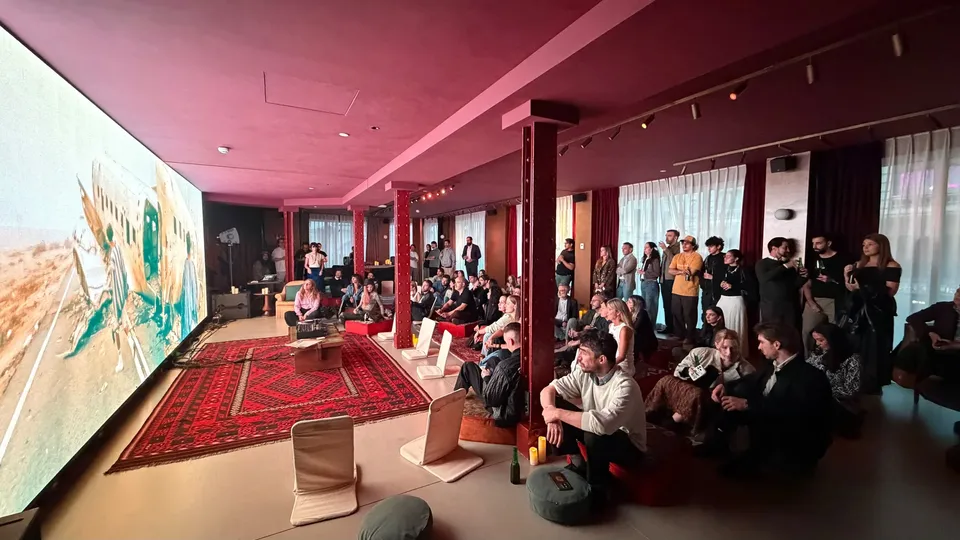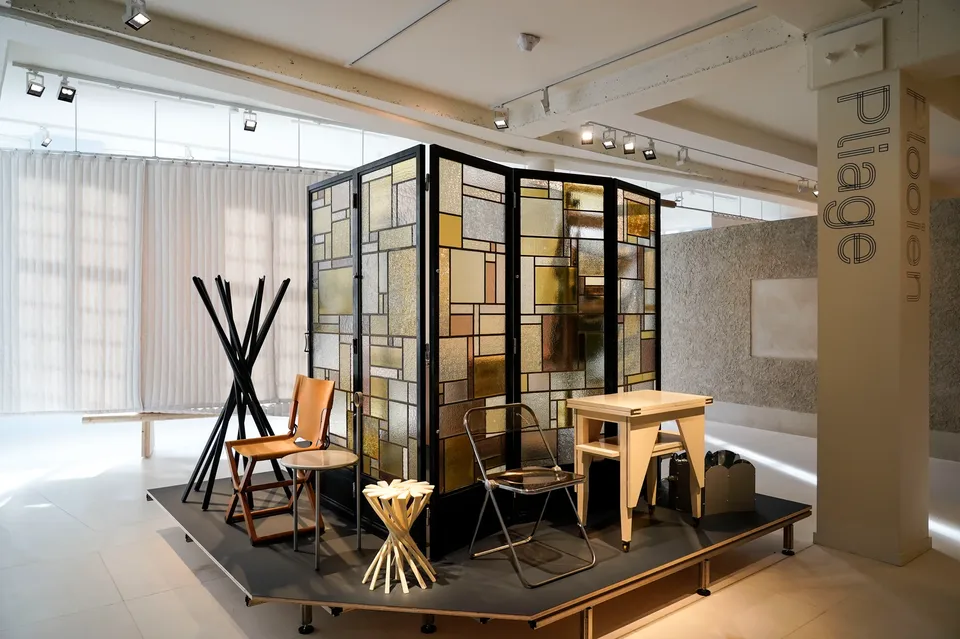
The Loewe Foundation has announced the shortlist for the Loewe Foundation Craft Prize 2026, one of the most important international awards dedicated to contemporary craftsmanship. The finalists’ works will be exhibited from 13 May to 14 June at the National Gallery Singapore, and the winner, along with two special mentions, will be announced on May 12. This edition brings together thirty artists with works that explore craftsmanship as a delicate dance between balance and tension: surfaces that crumble, geometries that deform, and materials that dialogue with nature, the passage of time, and transformation. Traditions such as textiles, basketry, and architectural making are reinterpreted from a contemporary perspective, demonstrating that craft is a living language in constant evolution.
Created in 2016 as a tribute to Loewe’s artisan origins in 1846, the Craft Prize seeks to highlight the importance of craftsmanship in today’s culture and support creators with an innovative vision. This year’s nominees include artists such as Jobe Burn, Somyeong Lee, Jieun Park or Maria Koshenkova. With a top prize of 50,000€, the Loewe Foundation Craft Prize has established itself as a true radar for global talent and a key platform for understanding where the craft of the future is headed. Here are our five favourites from this edition.
Álvaro Catalán de Ocón
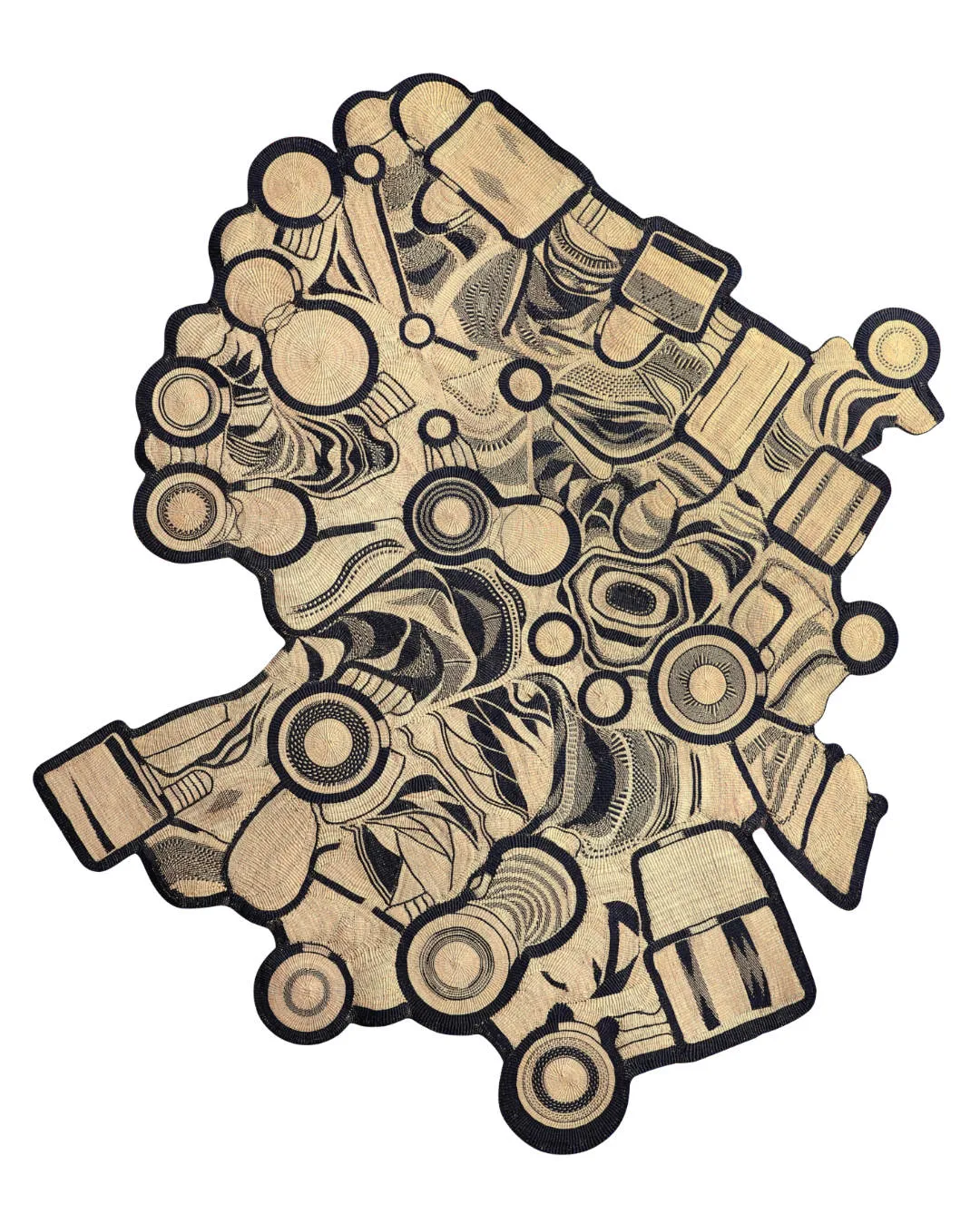
The Spanish artist presents Fra Fra Tapestry #2, a large-format tapestry created in collaboration with Baba Tree Master Weavers. The piece translates the structure of traditional Ghanaian architecture into the language of textiles, combining digital tools with ancestral techniques for weaving natural fibres. The result is a collective work that speaks of community, memory, and ways of living. In his practice, Catalán de Ocón works between design, craftsmanship, and social commitment, developing collaborative projects that highlight local knowledge and rethink how objects are produced in the contemporary world.
Coco Sung
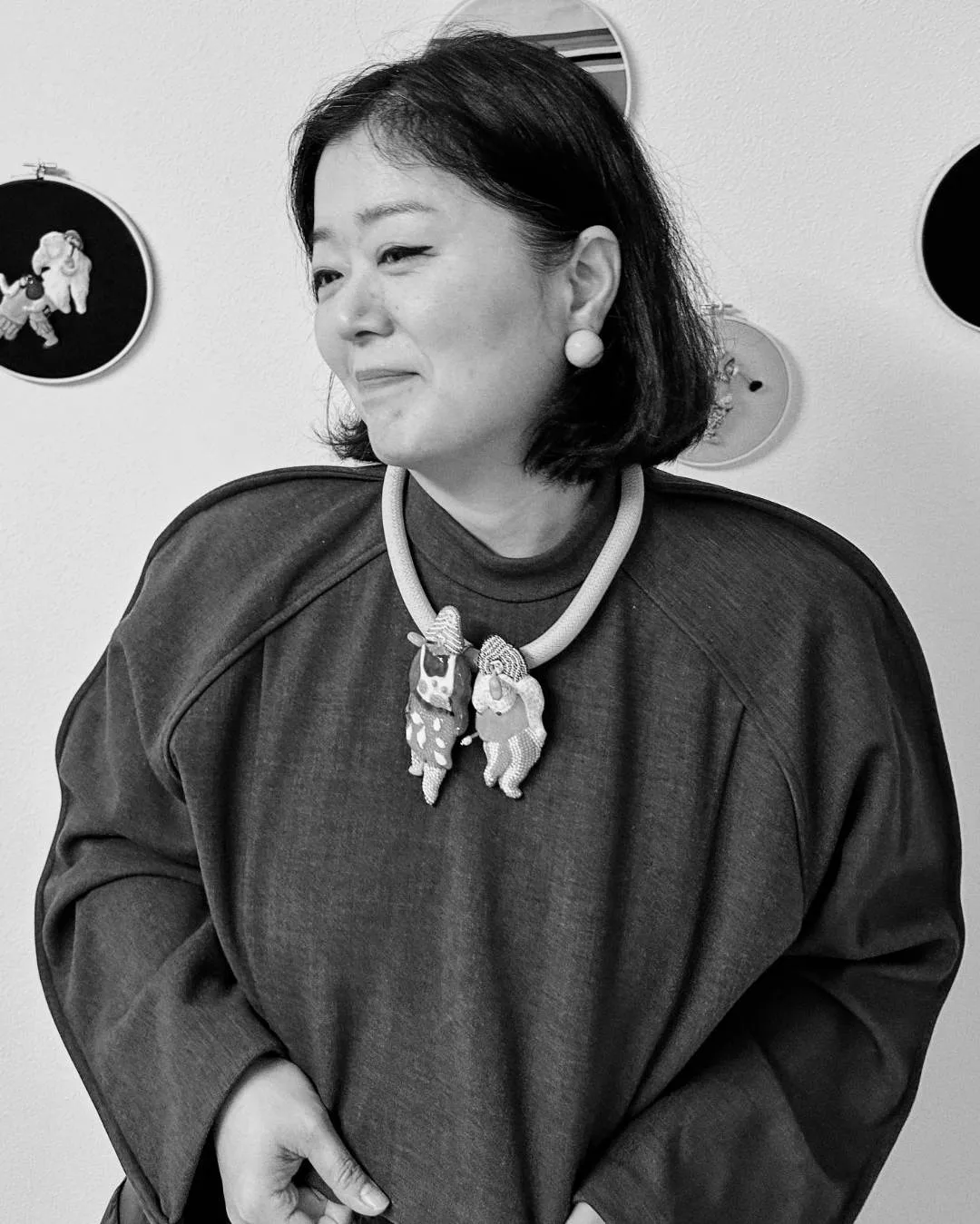
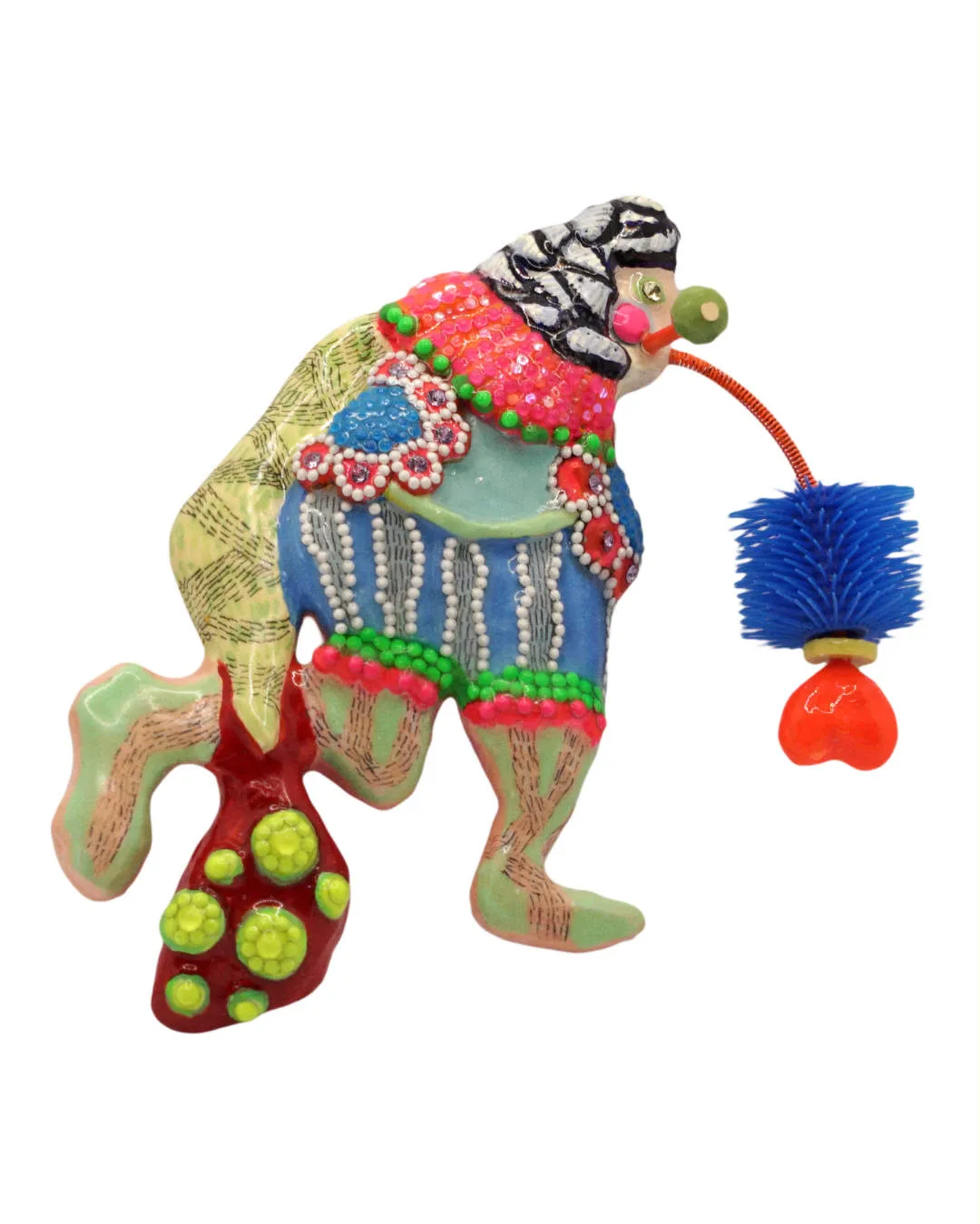
Hailing from South Korea, Coco Sung presents the series Shadow Kkokdu, a set of small three-dimensional figures made entirely by hand with clay, wire, thread, beads, and Swarovski crystals. Each figure combines modelling and ornamentation techniques to reinterpret Kkokdu, traditional Korean funeral talismans that protect the spirit in the limbo between life and death, transforming them into objects that celebrate individuality and difference and turn mourning into a sensitive and tangible gesture. In her artistic practice, Sung explores how delicate and traditional materials can become a contemporary language of emotion and tangibility, blending humour, sensitivity and cultural meaning in her works.
Fadekemi Ogunsanya

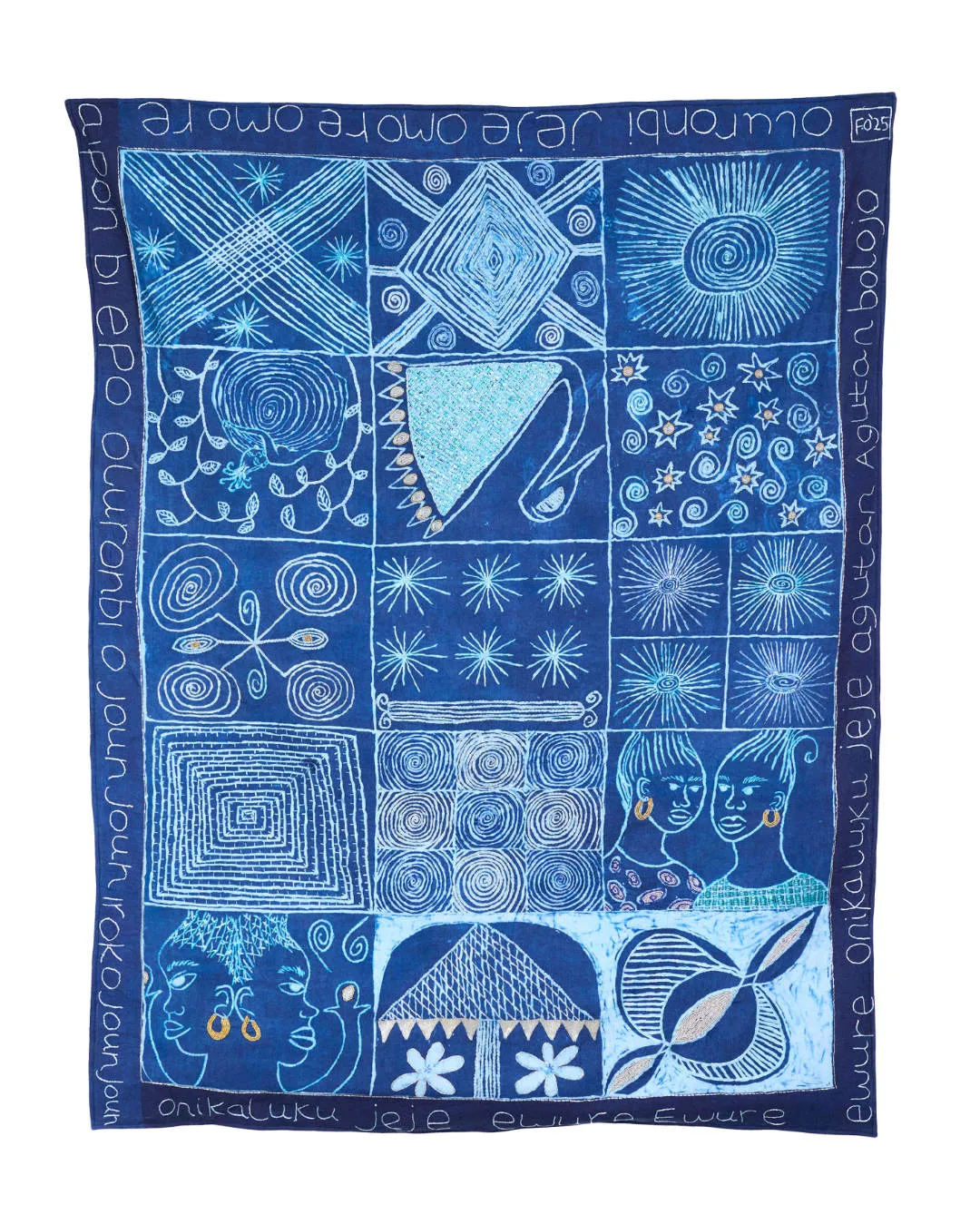
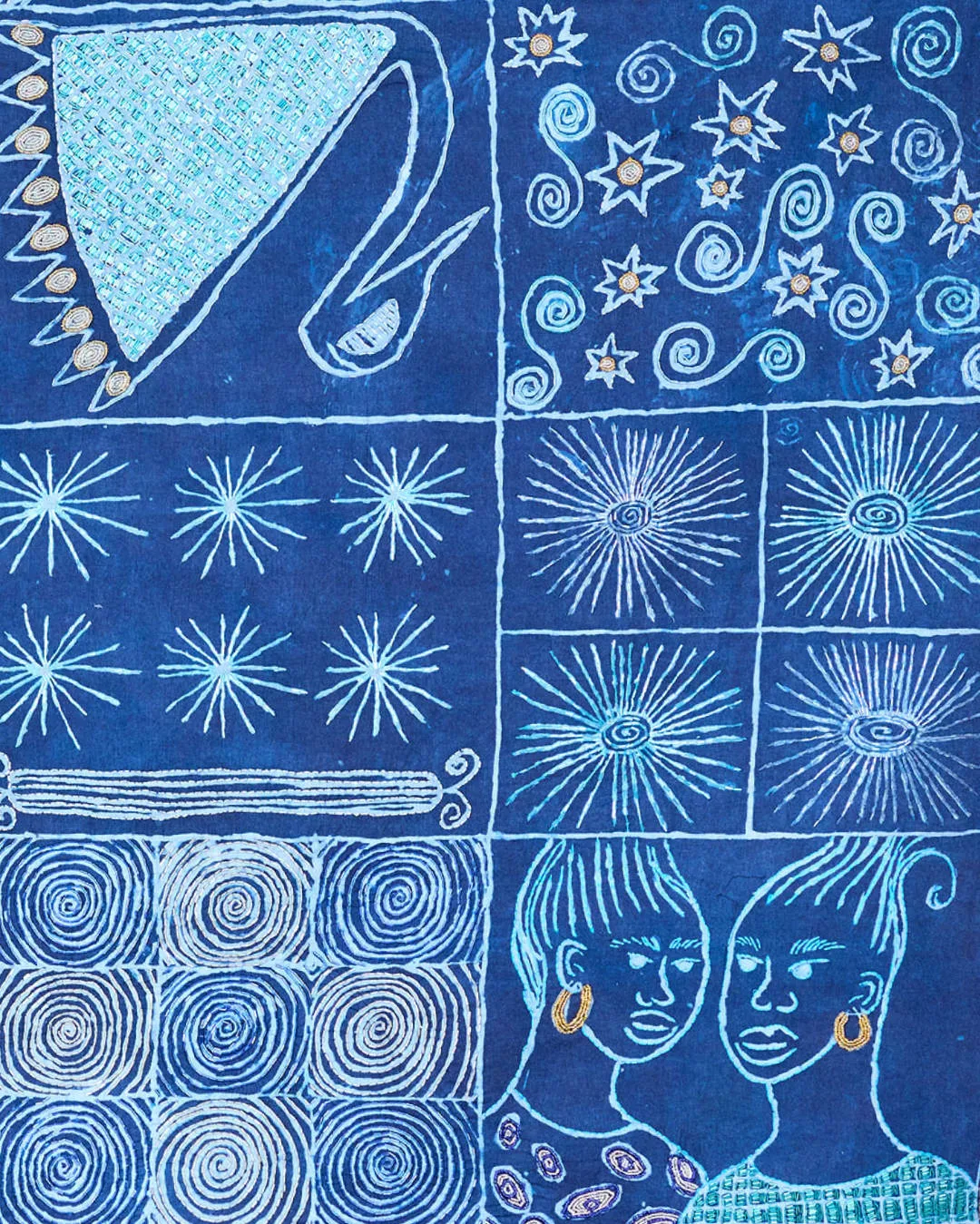
The artist’s contribution is the quilt We Are Not Lying, Your Language is Not Enough, a large hand-embroidered and beaded piece that blends tradition and cultural narrative. The quilt uses the traditional Nigerian Adire Eleko reserve dyeing technique, with patterns drawn with lafun, a cassava starch paste traditionally prepared by Yoruba women, while the border incorporates Yoruba script with proverbs and folkloric references. The quilt is dyed in the historic indigo pits of Kofar Mata and hand-embroidered with beads that highlight the details. It is also quilted with cotton to add volume and structure. Overall, Ogunsanya’s work explores how textiles can become a visual and tactile language that connects stories, symbols and collective memories with contemporary art.
Jong In Lee
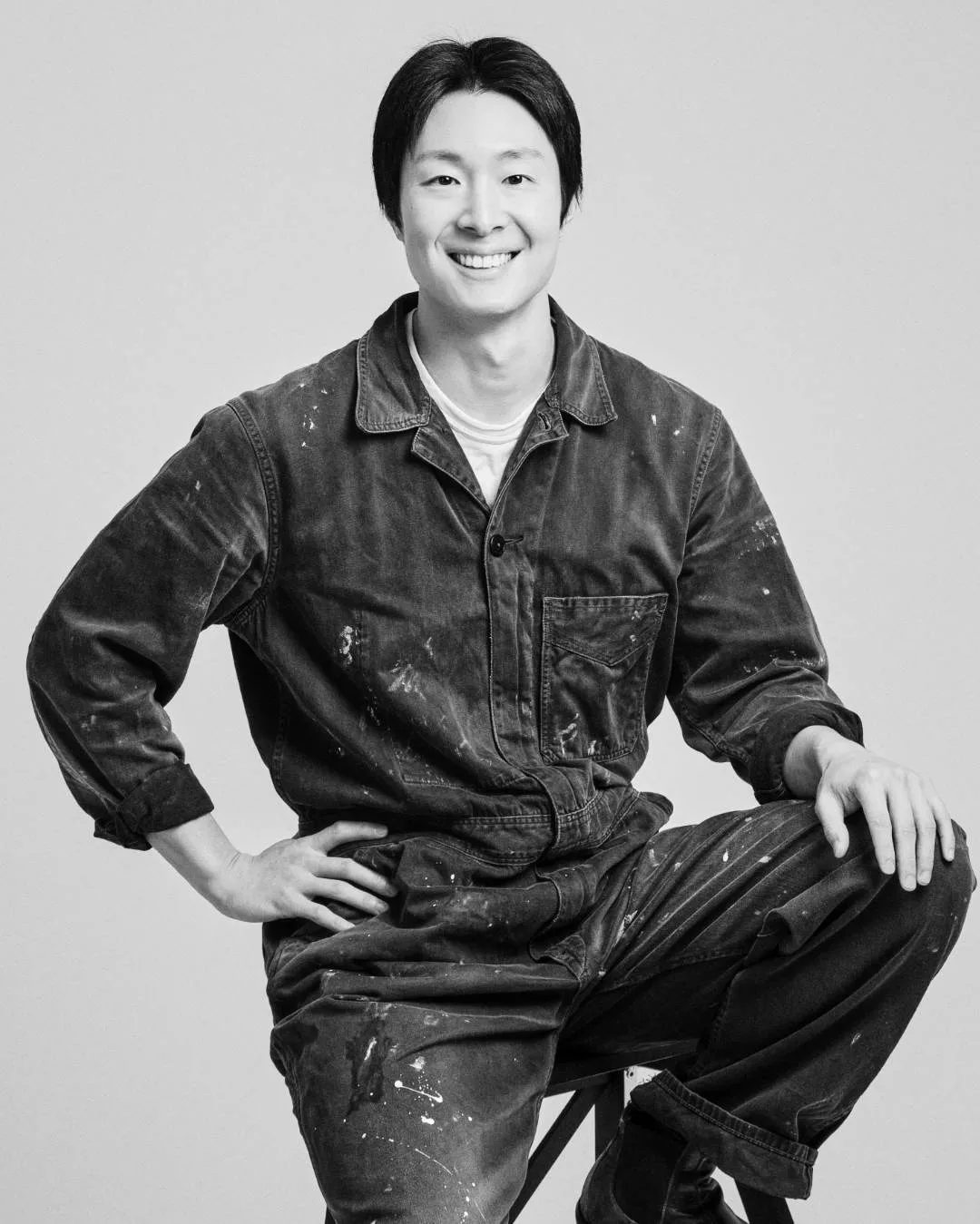
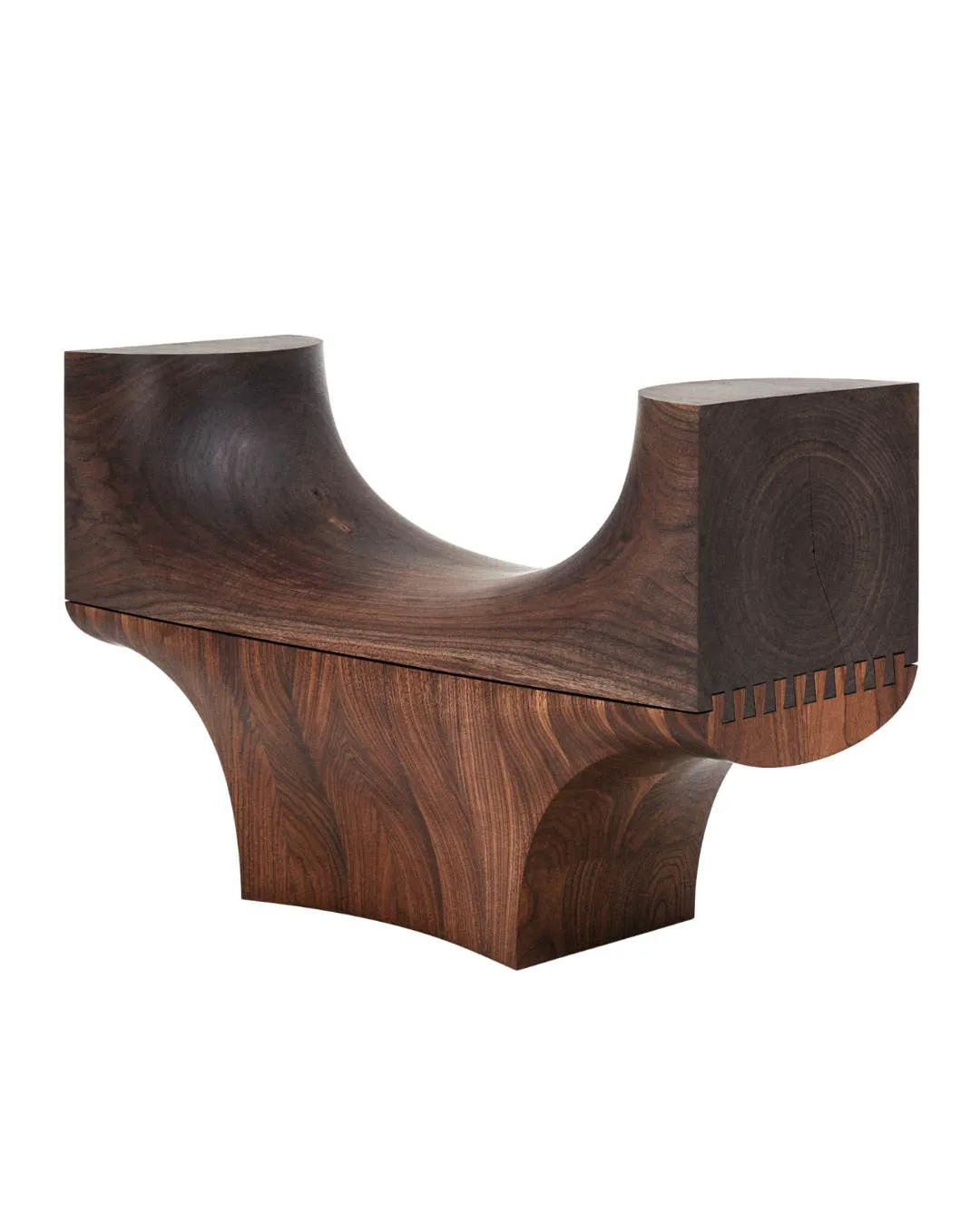
The work Baeheullim, presented by the artist, is a sculptural walnut bench that combines Korean architectural tradition and wood craftsmanship. The piece consists of two blocks of wood: the upper part is carved from a single block to highlight the accumulated grain, and the lower part has vertical grains that emphasise the structural direction. Cut with a chainsaw, assembled with dovetail joints and refined by hand, the wood expands and contracts over time until it becomes integrated into a single body, creating visual balance in a seemingly unstable form. His artistic practice explores the relationship between materials, form and space, reinterpreting traditional architectural elements in functional and sculptural objects.
Xanthe Somers
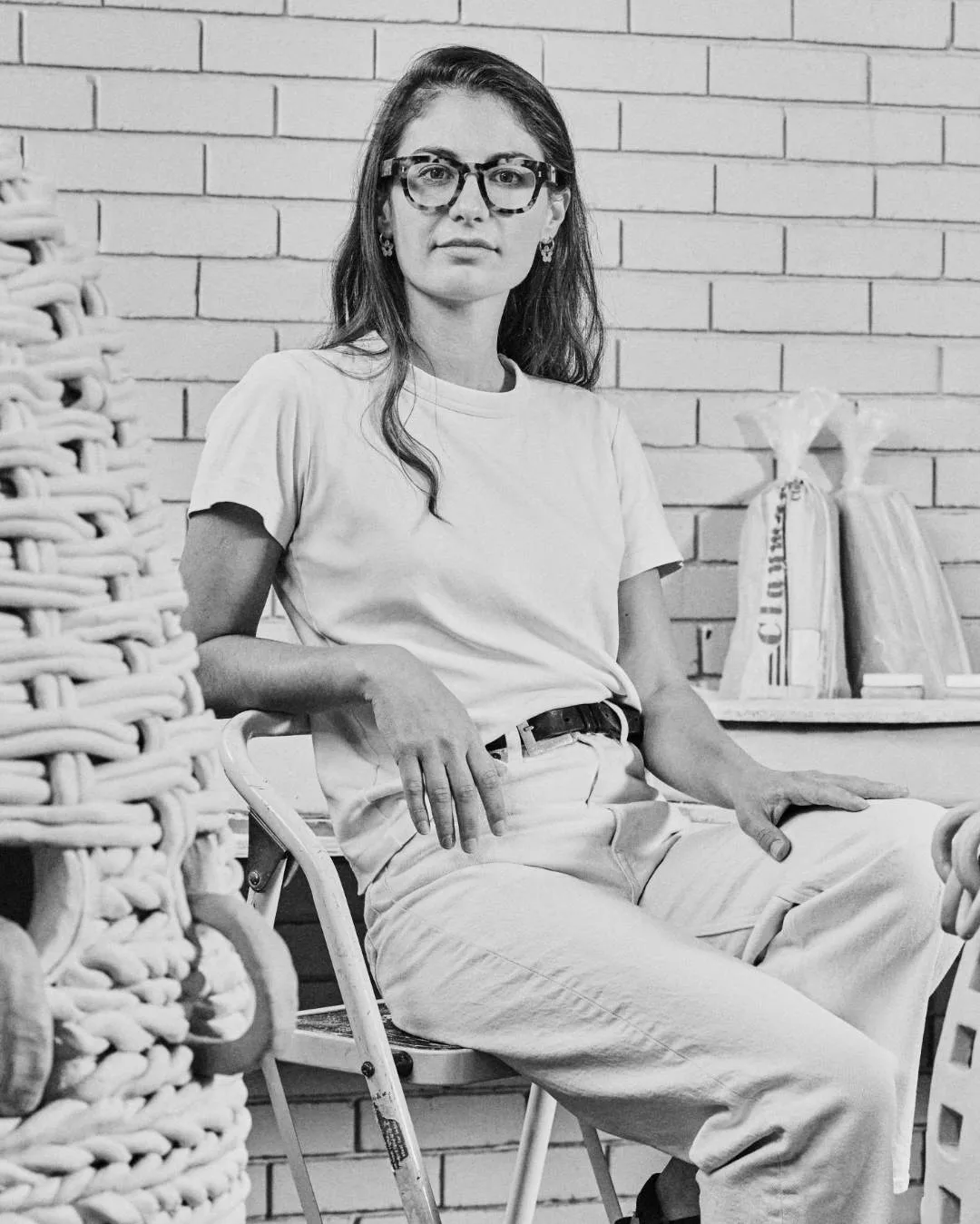
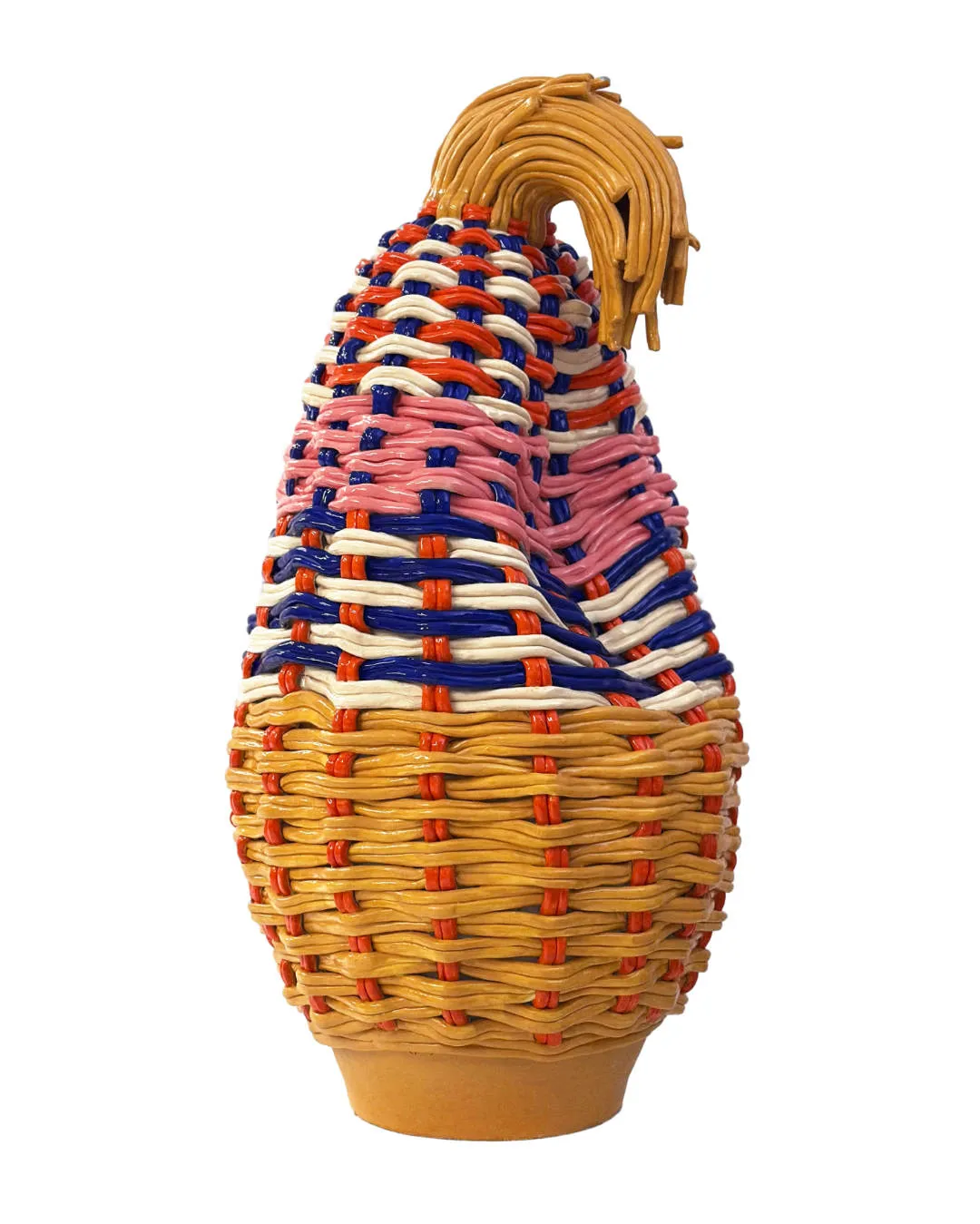
The work The Caretaker’s Clotheshorse, presented by Somers, is a sculptural glazed stoneware vase that explores the tension between care and burden. Formed around an internal frame and constructed using hand-coiling techniques, its silhouette appears to collapse under its own weight. Inspired by traditional Binga baskets from Zimbabwe, the surface incorporates a clay weave that folds, holds and frays subtly. After bisque firing, the piece is meticulously painted to evoke grass baskets, blankets and household cloths. The work materialises invisible domestic labour, showing the resilience and tension contained in a single object. Overall, Somers’ practice focuses on exploring how glass and ceramics can challenge perceptions of balance, stability and form, combining technical precision with an experimental and sculptural approach.