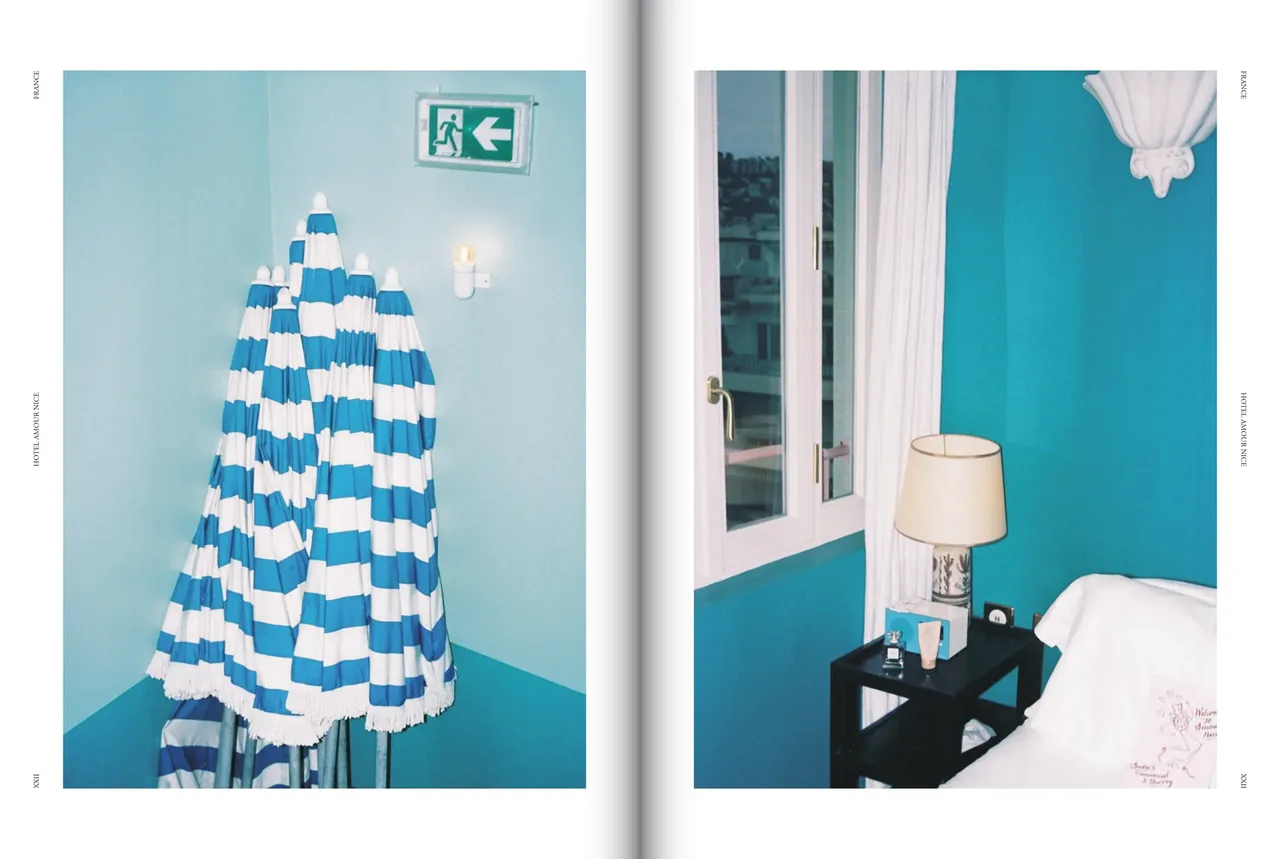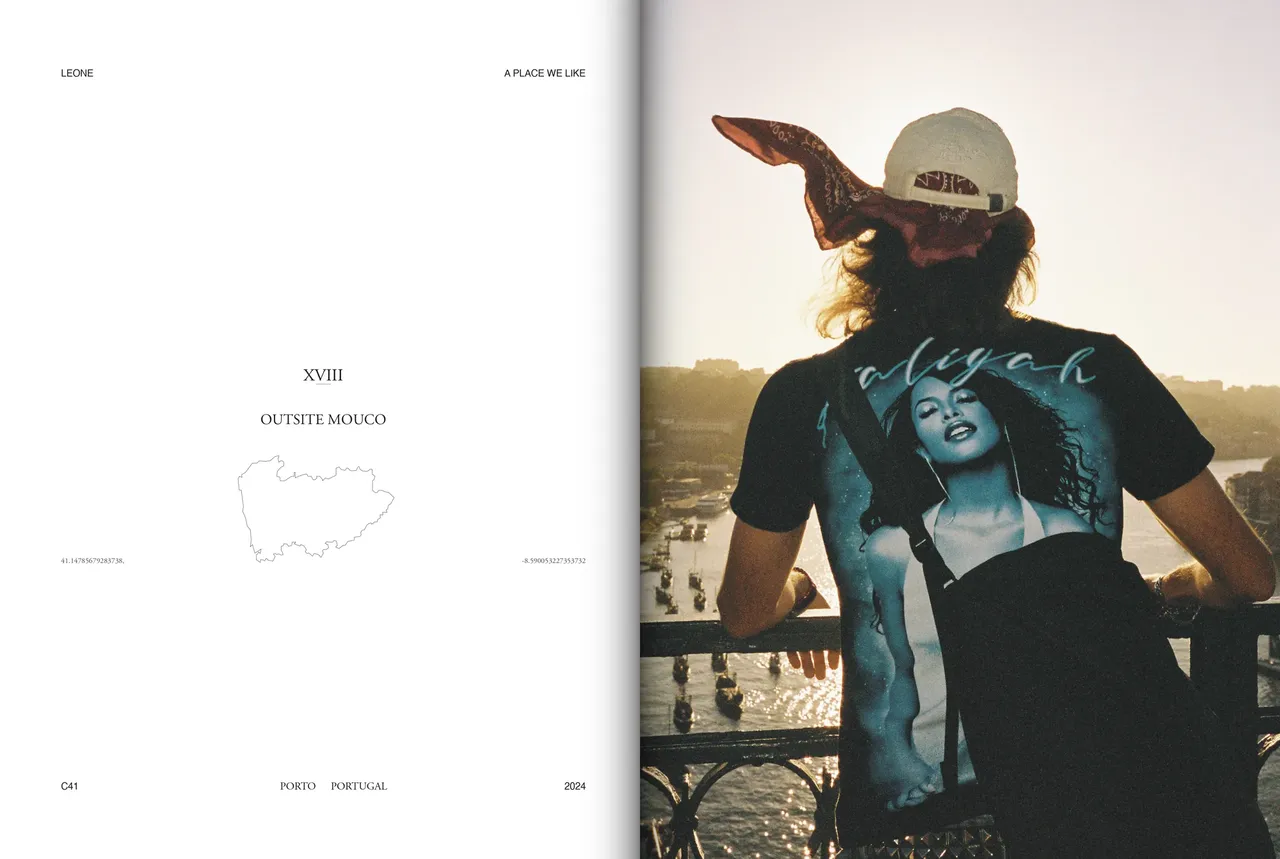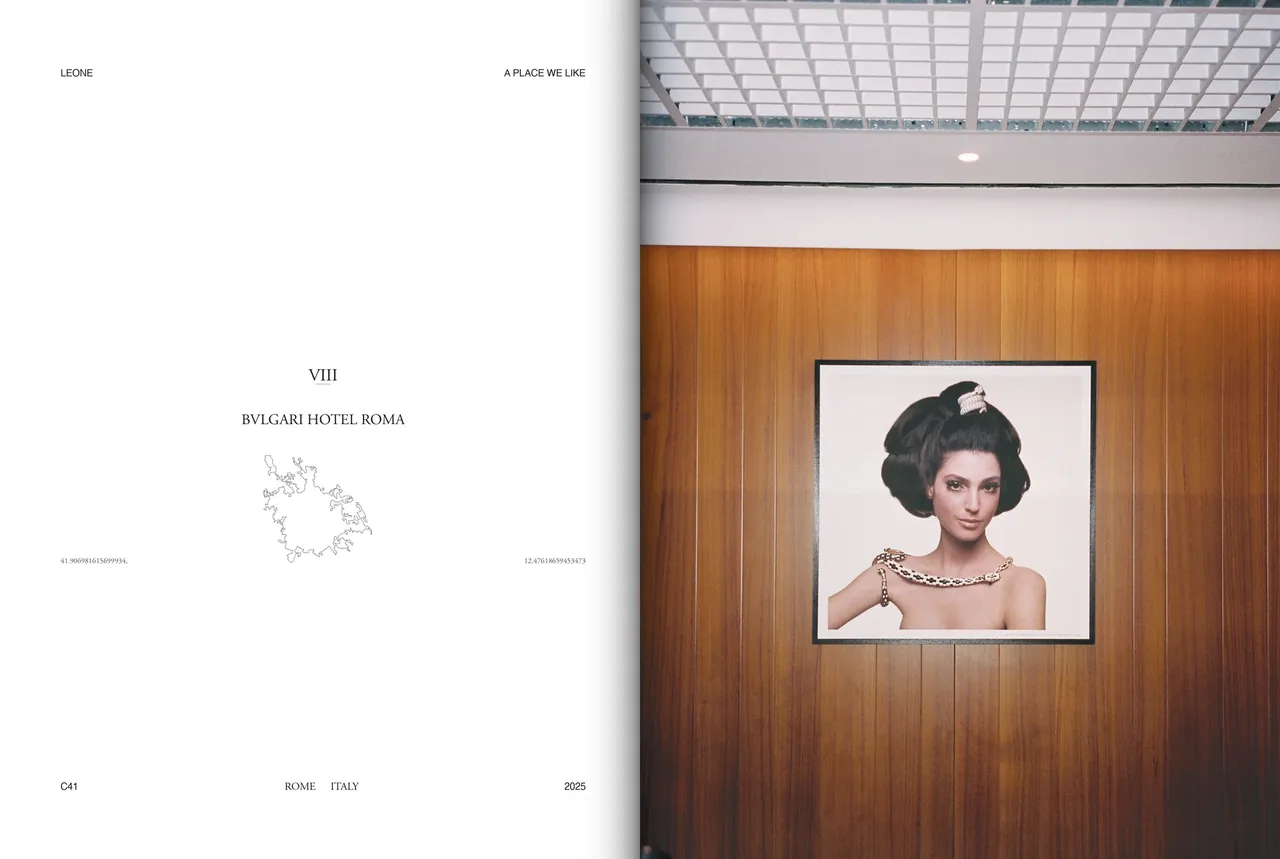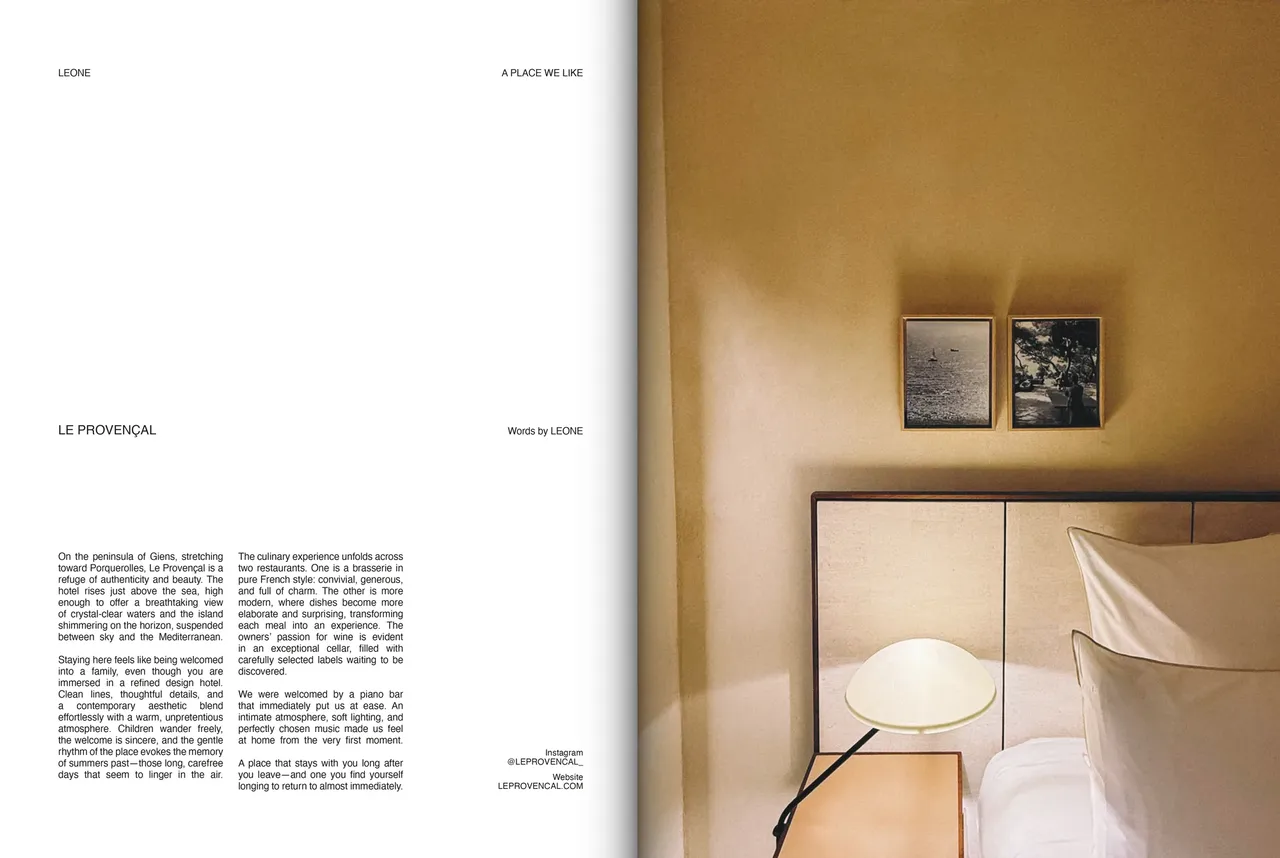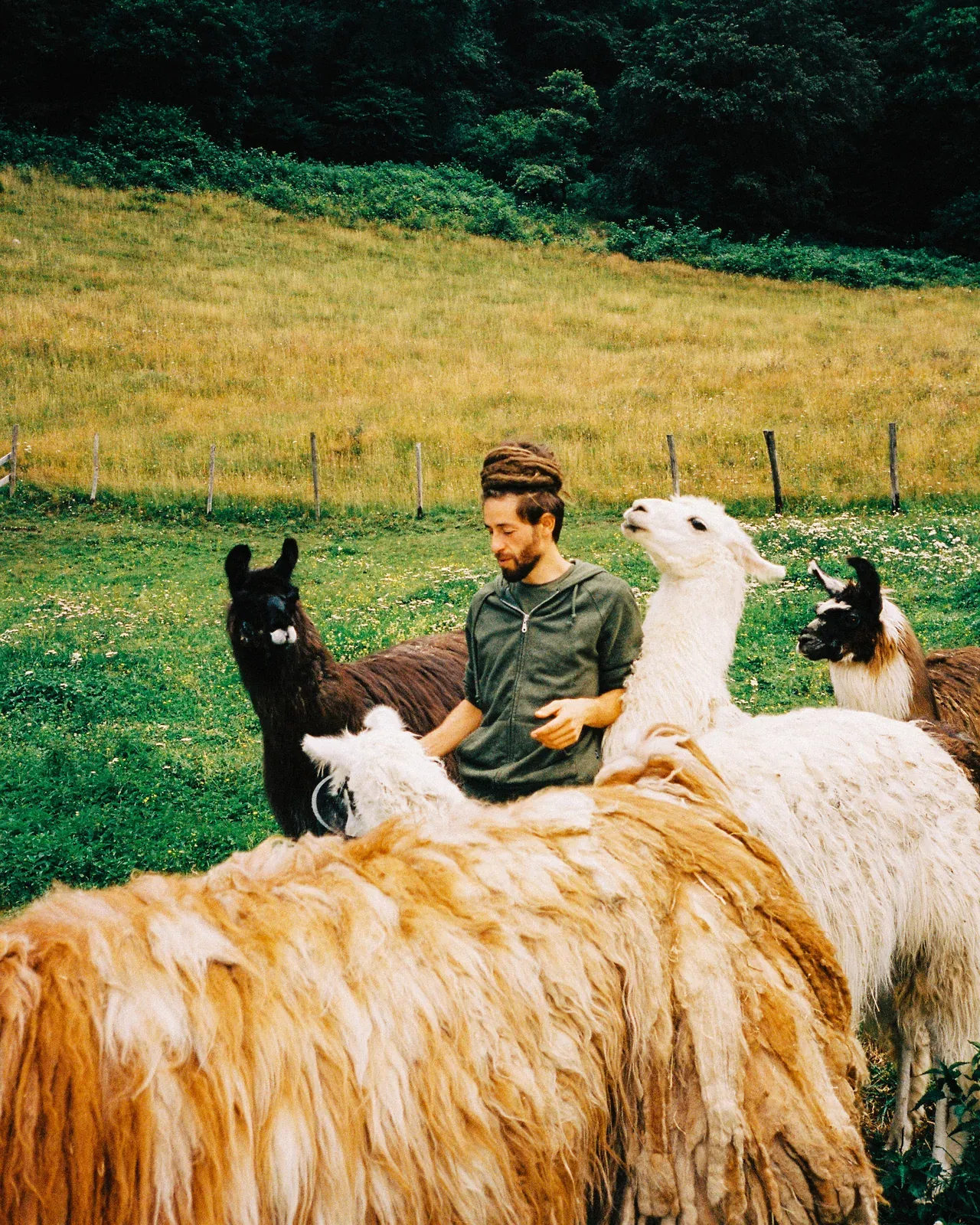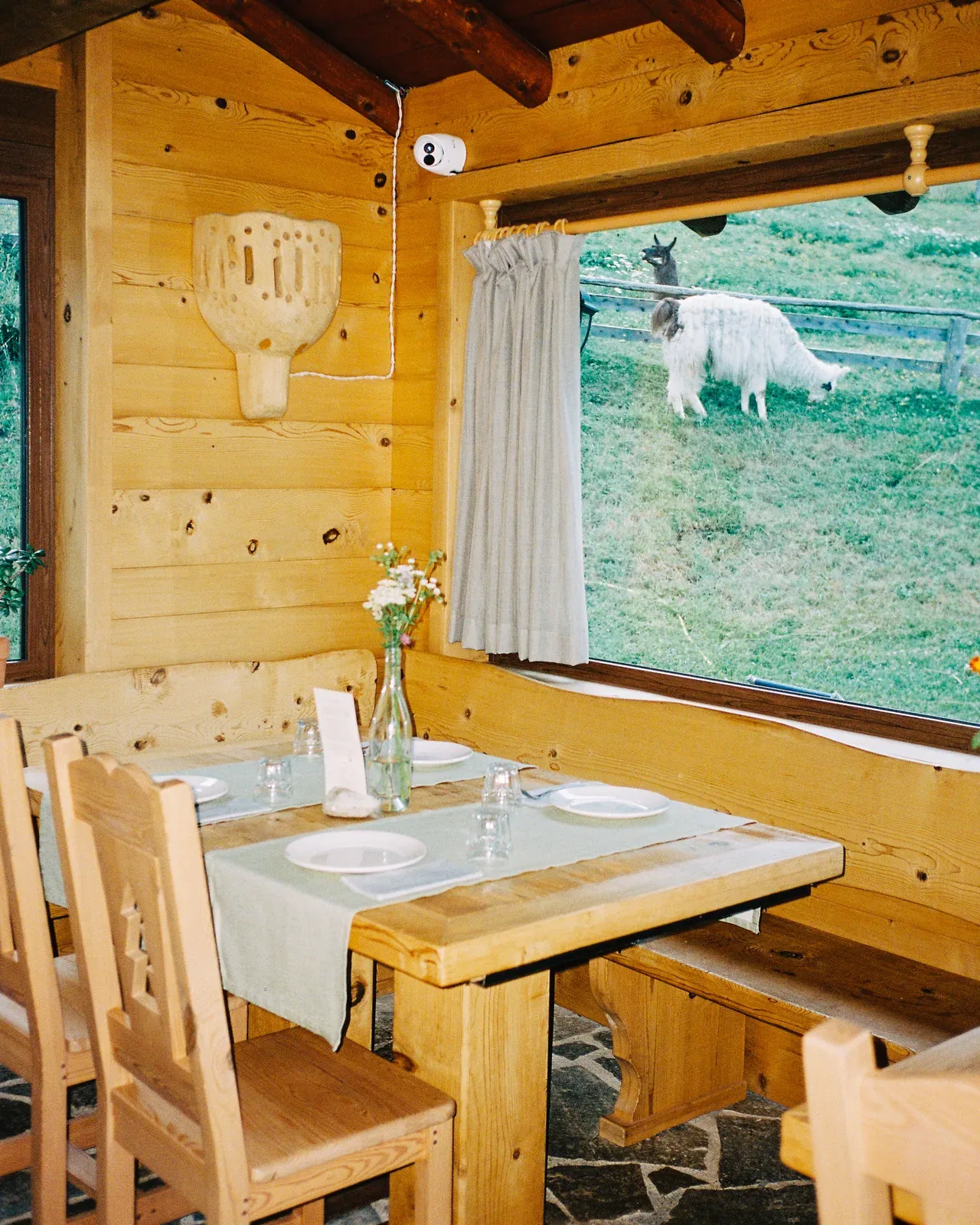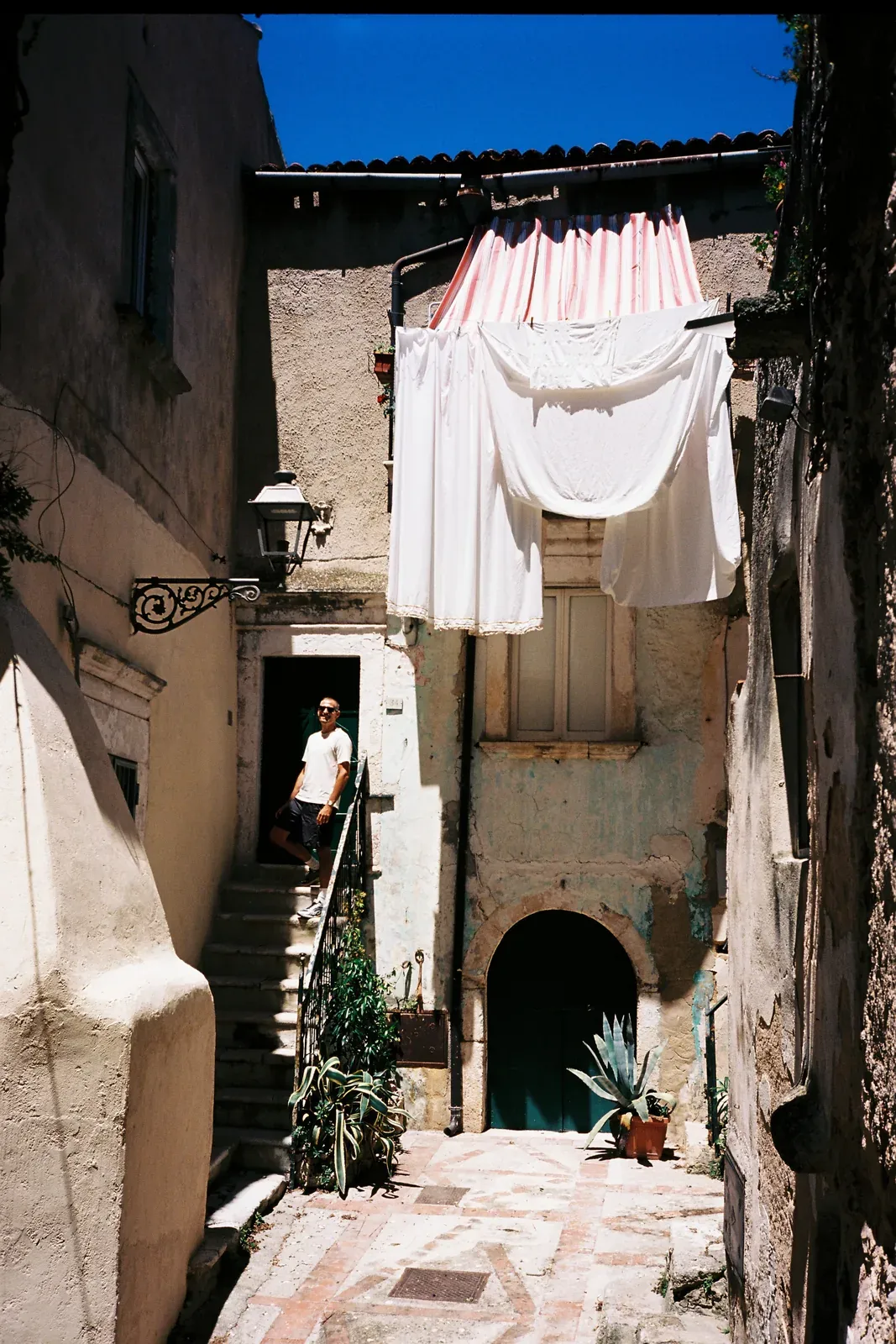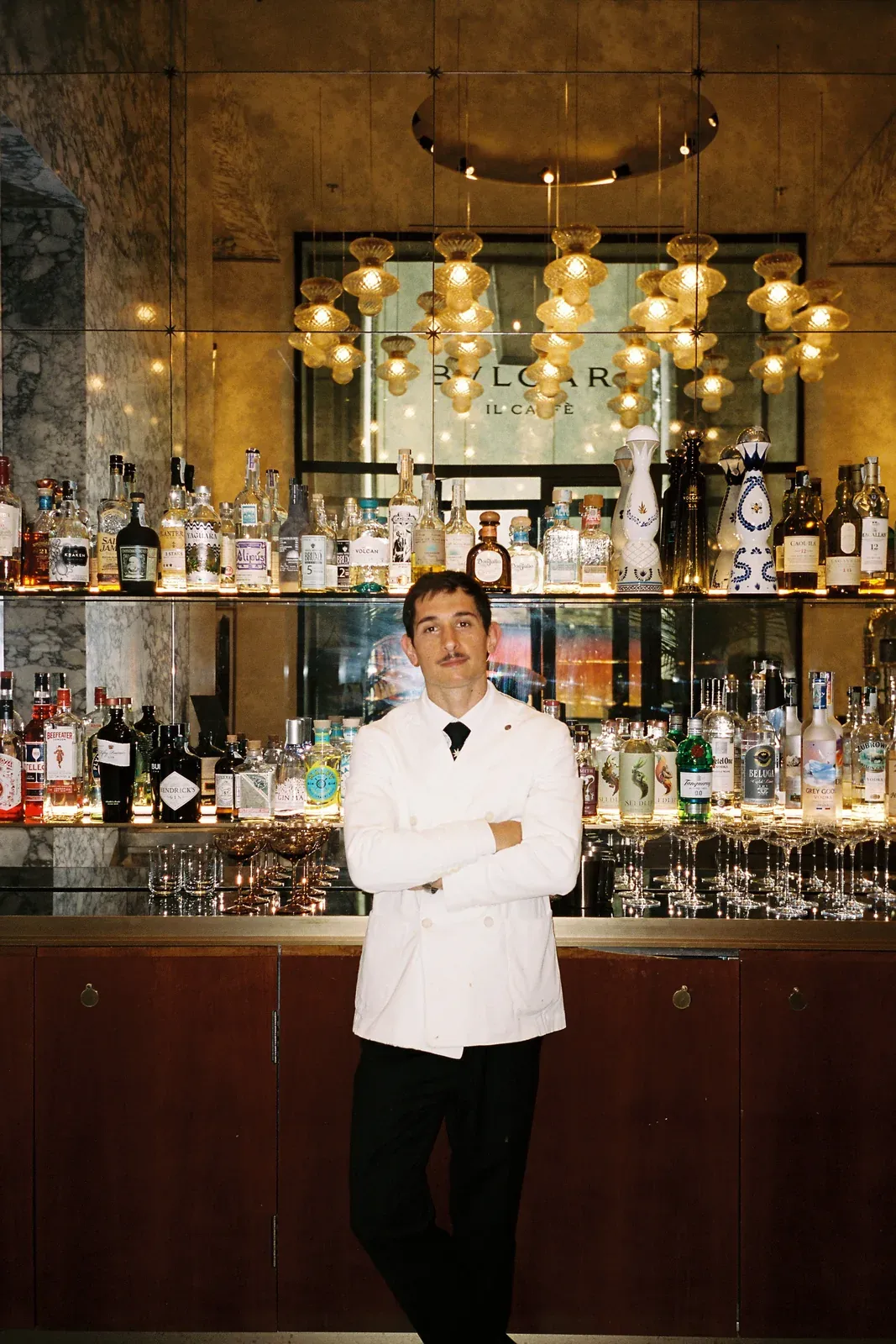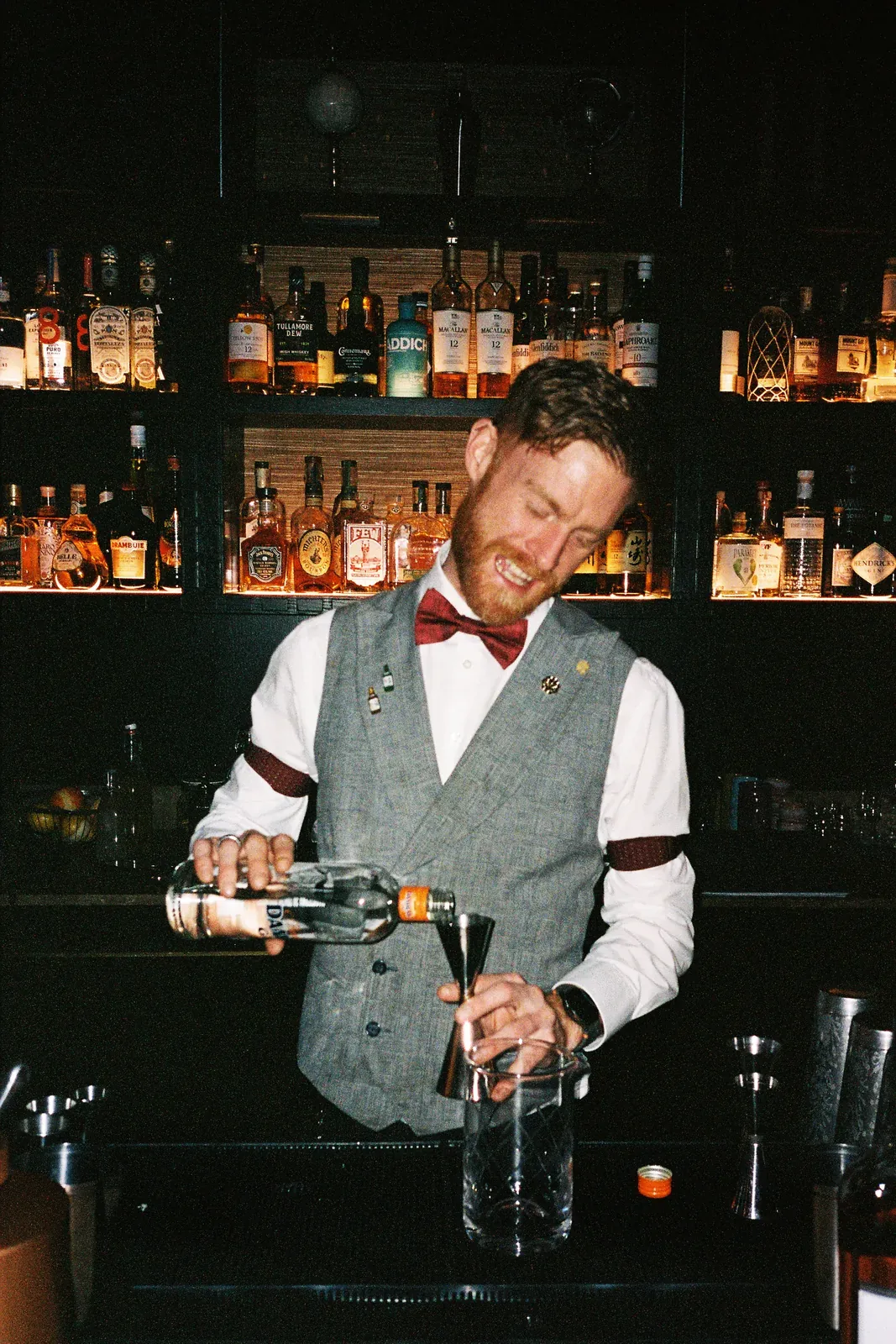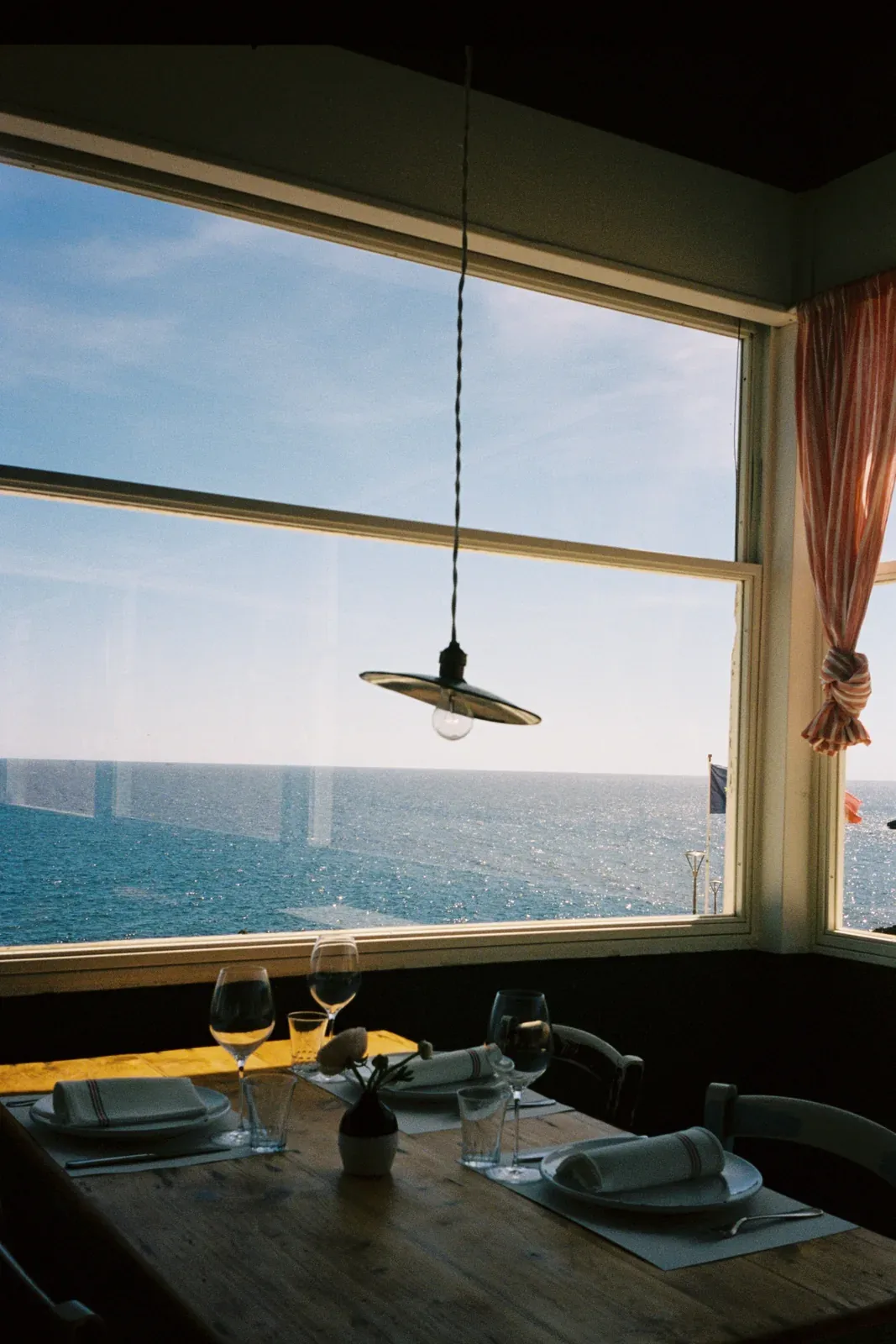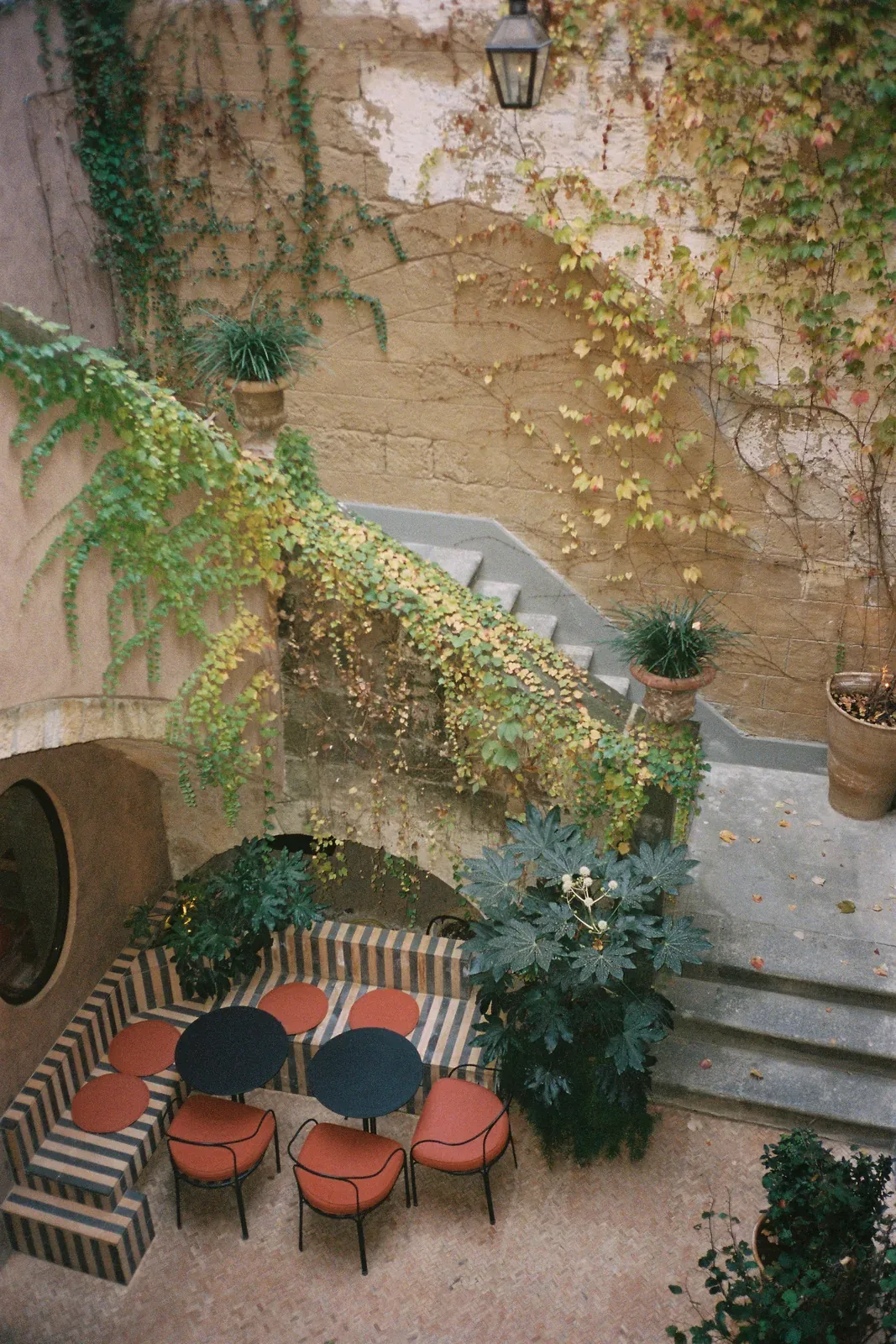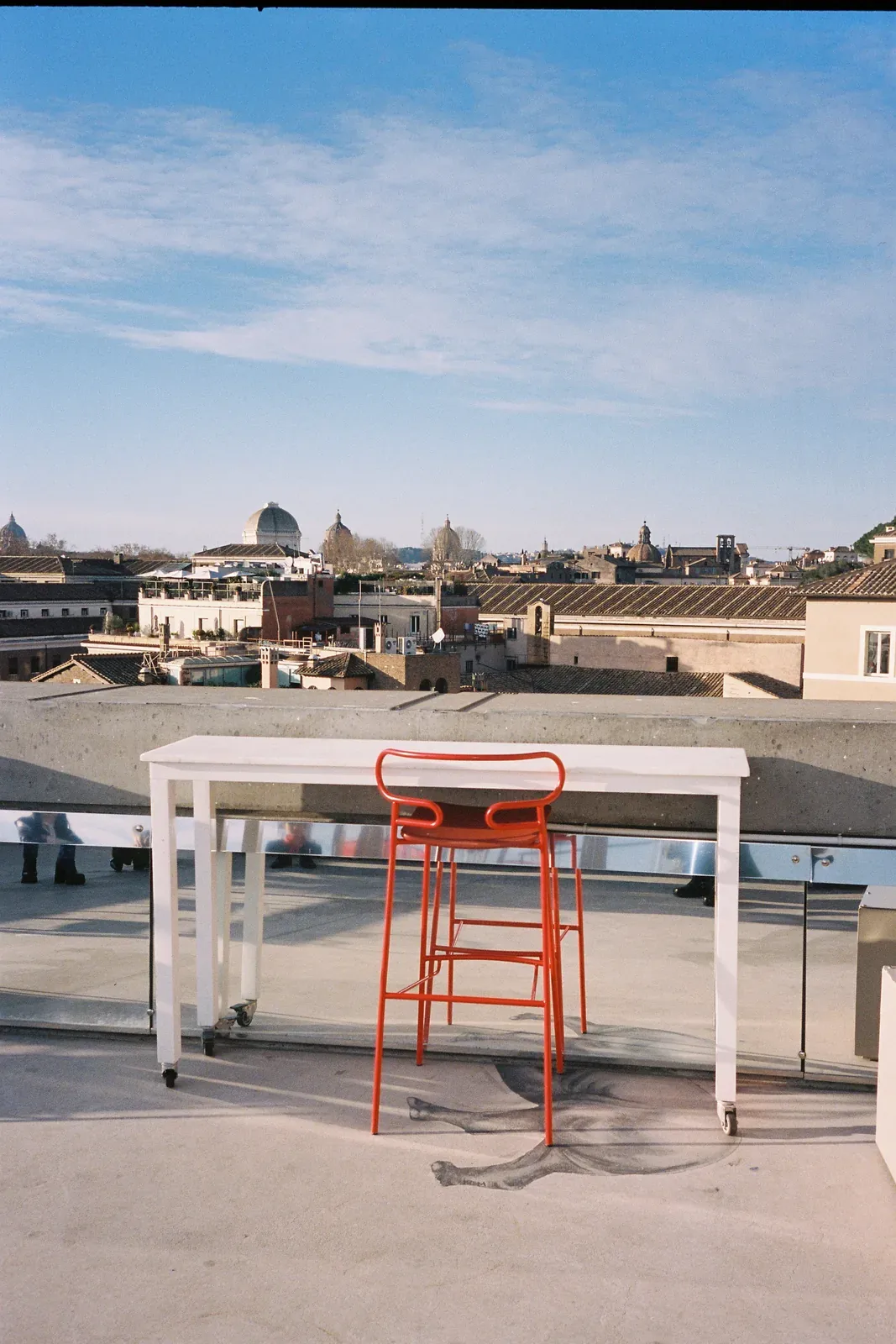
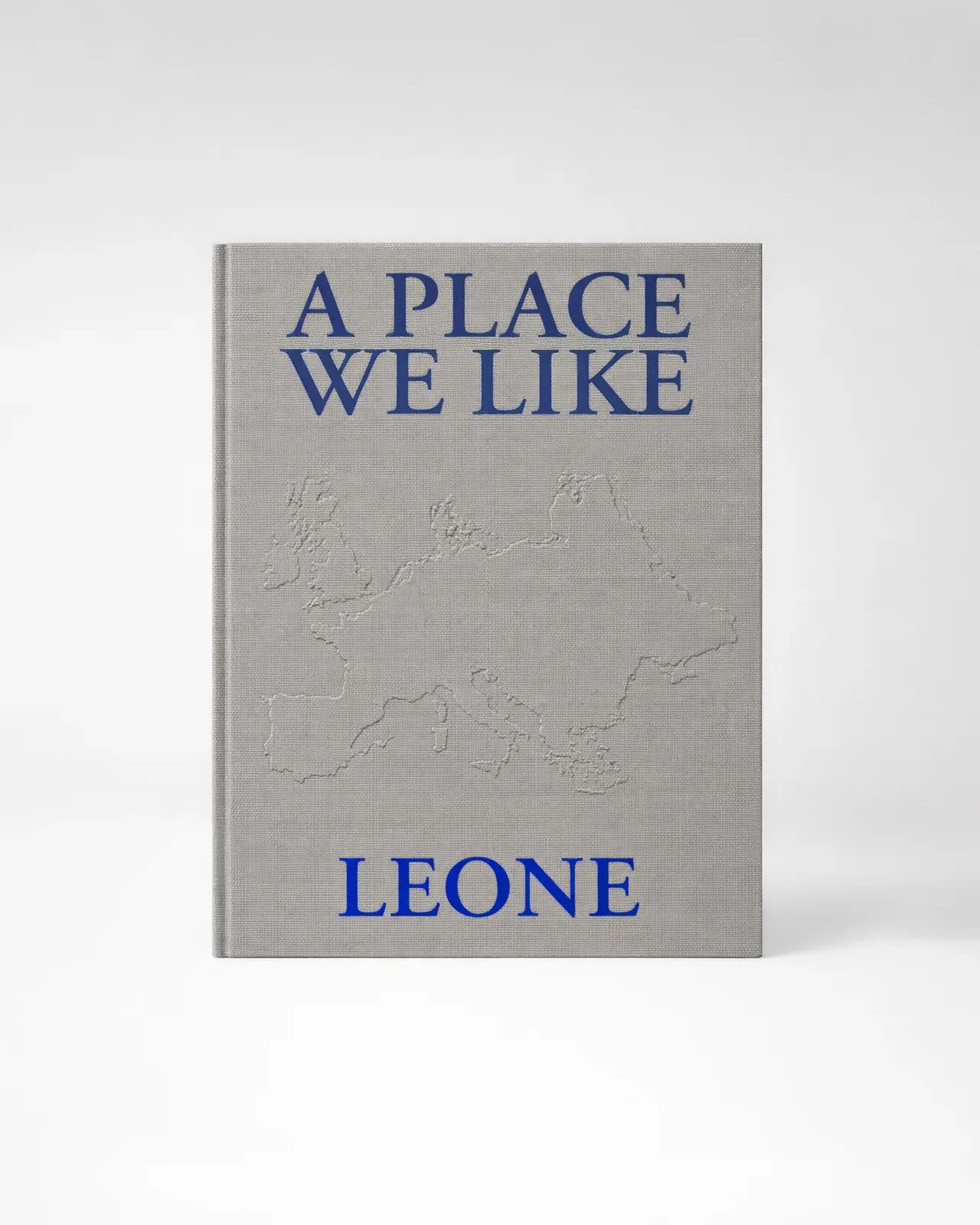
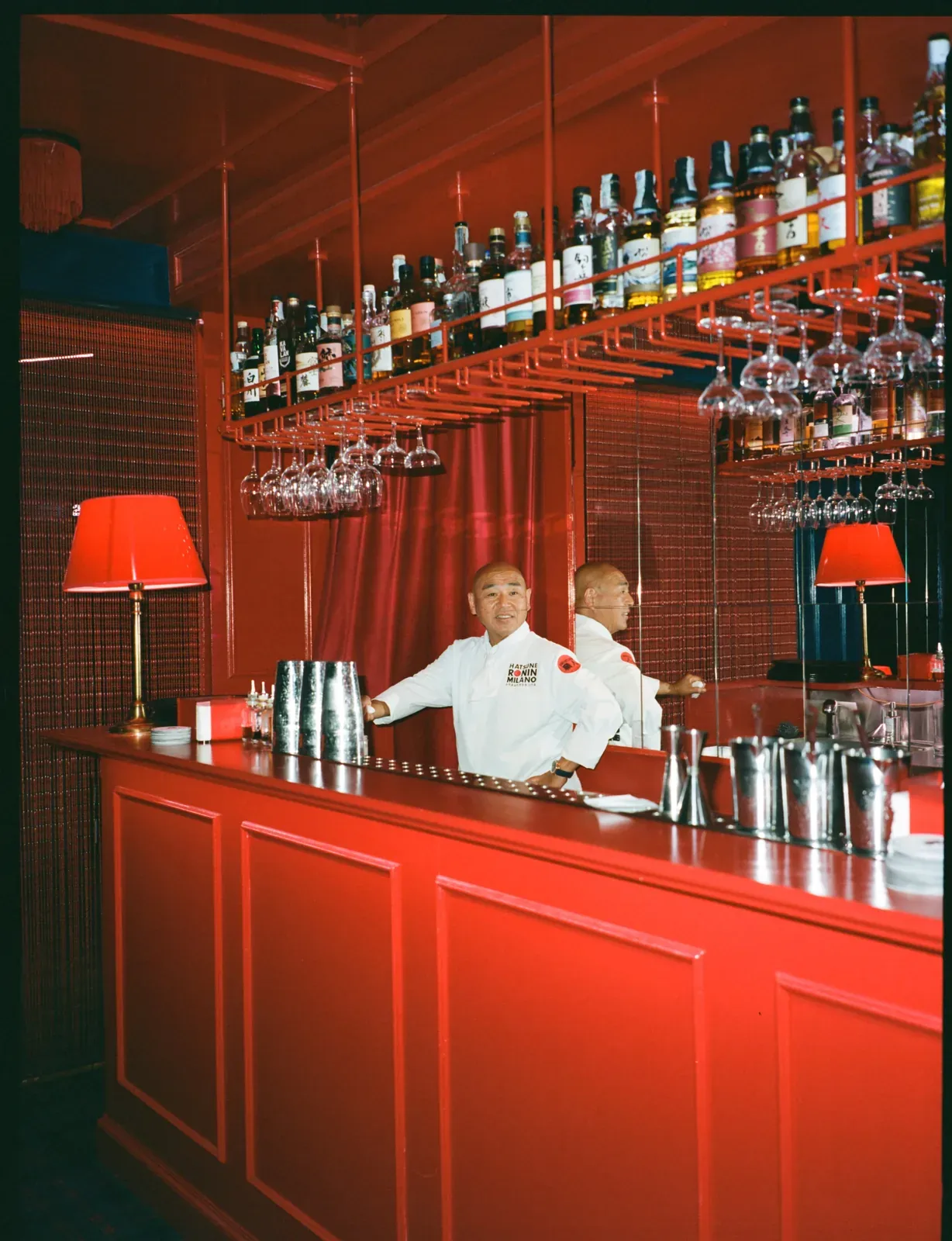
Gearing up for summer, travel books are a must to see what the most recommended trips and hotels are. Where can I get the best tzatziki in Greece? Who has the best view of the Amsterdam canals? Where am I guaranteed the most comfortable mattress? Photographer and director, Leone Balduzzi, pushes his photo-travel book, A Place We Like, one step further into a more human place that is sorely lacking in the tourism industry. Interviewing the heart and soul of hotel operations, Leone features the cleaners, bartenders, owners, and staff of the establishments in an intimate look at what hospitality means to them.
Touring Europe for the past few years, Leone has accumulated the premier recommendations for boutique hotels across the continent. His suggestions are based, yes, on the quality of food, the feel of the towels, and the aesthetics of the design, but also the people who have become invisible to the traveller: the staff. He doesn’t just peer behind the curtain, he whips it wide open, exposing those who have dedicated their time, effort, and lives to true hospitality.
As impersonal Airbnbs and stiff hotel chains dominate the tourist accommodation sector, smaller lodgings suffer. Granted, they are more expensive, but you’re getting what you pay for: attention to detail, human connection, quality ingredients and materials, and a connection to local life that luxury resorts often disengage with. We speak with Leone about what he looks for in hospitality, his connections to the staff, and what he’s learned from them.
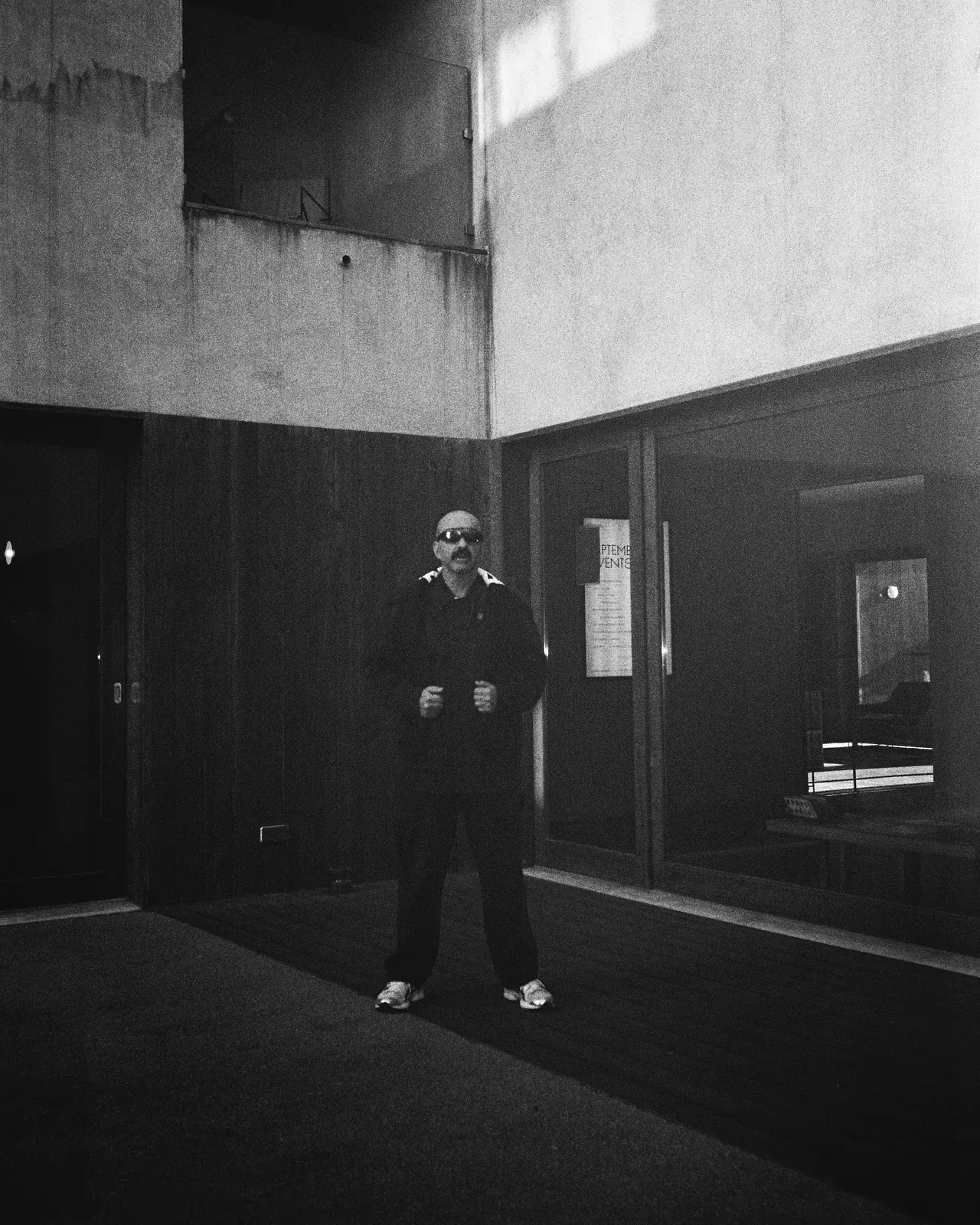
Hey Leone, it’s a pleasure to speak with you. Given your new book, I think it’s mandatory: to introduce yourself, what’s your go-to order in a bar?
Strictly a Martini cocktail, with an olive.
You are also a director of short films and a feature film. How does the medium of photography, and more specifically photobooks, change your creative expression?
Photography has always been my first passion, and I always travel with my Minox GL 35mm. The passion for contemporary visuals has always been the basis of my creative process. I often feel the need to return to my first love and I do so through photography books. In fact, this is my third.
What was your initial point of inspiration for A Place We Like?
It’s a research book on the hotel industry that began during Covid-19. I will launch it on April 16th in Milan during the Design Week. Just when we thought it was all over, many of us discovered that there is a modern and pleasant way of doing hospitality, where design meets cuisine, which meets art, which meets regionality, tradition, and beauty.
You kept the focus of the hotels in Europe for this book. Could this be a series travelling each continent?
The idea was born precisely on the basis of exploring other continents, but the work is very long. We’ll see.
How did you choose where to go? Was there a place you wanted to go to, but couldn’t?
Sometimes it’s the facilities that contact me, while other times, I choose the region. Sometimes I choose the hotel, and most of the time, it’s always the territory that fascinates me and calls to me to discover new cultures and new landscapes.
Also, what makes a perfect stay for you? What do you value the most in a hotel?
I want to feel at home but with the service and comfort of being elsewhere. I like the informal service that takes into account respect for the guest.
What was a specific location that stuck out to you or had the greatest impact on your personal self or your photobook?
I have to be honest, it’s very difficult to choose among all the wonderful places I’ve visited. Among the top three, Tuba’ Club, on the Calanques just outside Marseille, is definitely worth mentioning. It’s a true gem with a magnificent location, an incredible restaurant, and incredible attention to brand image and detail. A small hotel with just ten rooms.
“Just when we thought it was all over, many of us discovered that there is a modern and pleasant way of doing hospitality.”
A Place We Like shows us the unsung heroes of hospitality, highlighting the workers who create the environments. Why was it important for you to bring visibility to them?
I decided to start this book in Capri, during Covid-19, because, while staying at the La Scalinatella Hotel, I met the chef and, upon speaking with him, discovered that he had been working at the same hotel for thirty-five years. Starting as a busboy, he then became a waiter and finally a chef. I realised the incredible value that professionals can bring to the world of hospitality and catering.
After learning about the behind-the-scenes, what do you think makes a hotel welcoming? And how do the workers implement that?
For a hotel to be welcoming, it must be clean, the kitchen and bar must always be available to feed and quench your thirst, and there must be good music.
Hospitality looks different across cultures, not just in hotels but also interpersonal interactions. Was there a thread that tied all these places together?
Not exactly, and that’s why I’m very happy, because through my book and my pictures I think I’ve created a common thread through my narration.
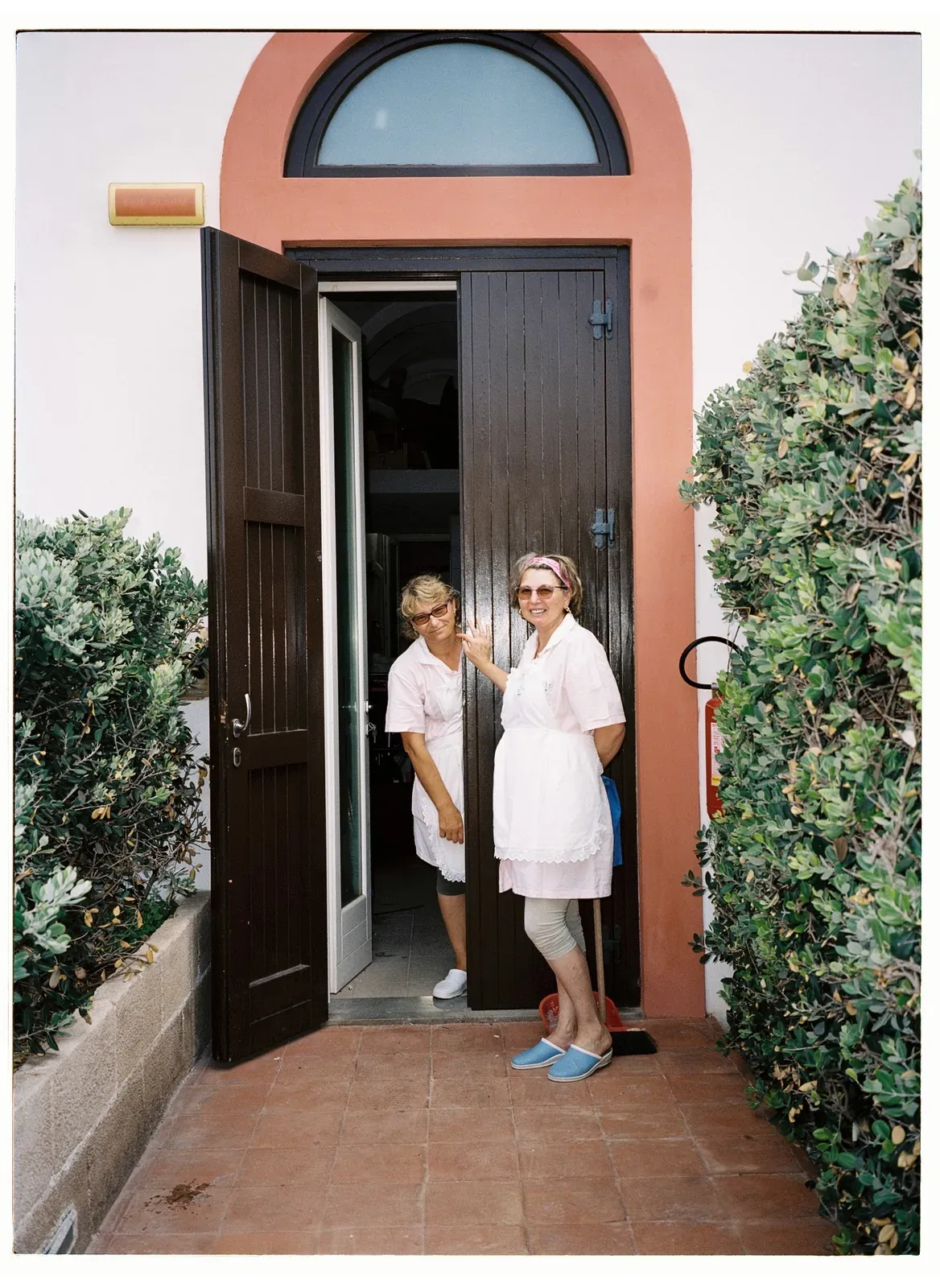
If it’s the people and workers that mould the hotel’s environment, what does that say about the mass tourism industry’s exploitative characteristics towards locals? How do smaller hotels combat this?
I now believe that mass tourism uses Airbnb or Booking a lot. The large hotel chains are suffering instead of luxury hotels or, as I was saying, apartments are gaining ground.
Was there a piece of advice you learned from the workers that stuck with you?
There are so many things, but first and foremost, to make your guests feel at ease you have to put yourself in their shoes and empathise with them. Loving your job and ensuring excellent hospitality is key. As always, it’s the small details that make the difference and allow you to feel well, even while away from home.
How do you bring what you learned from the hospitality industry into your own life?
Those who leave know what they’re fleeing from but don’t know what they’re seeking. So my answer is, I don’t know.