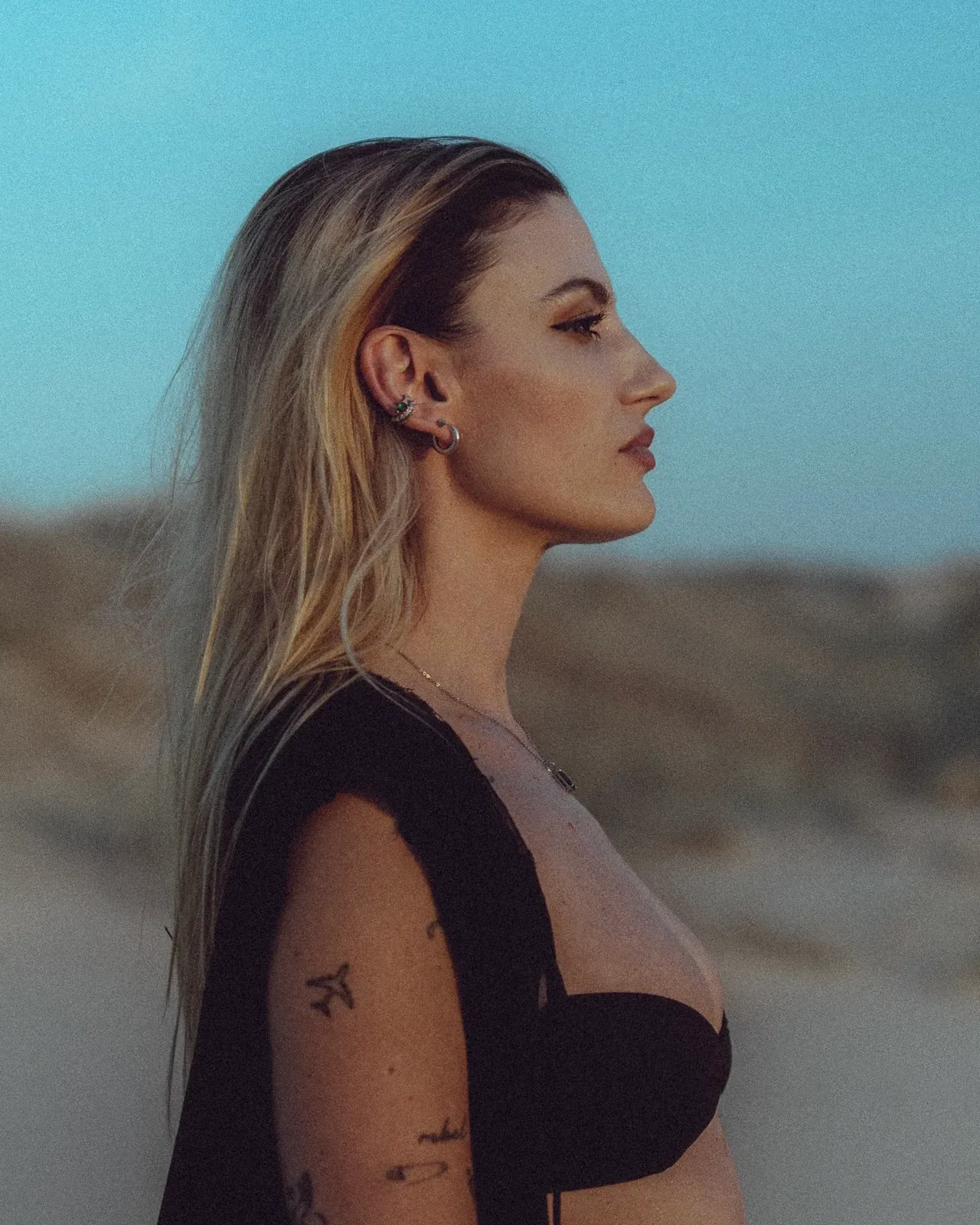
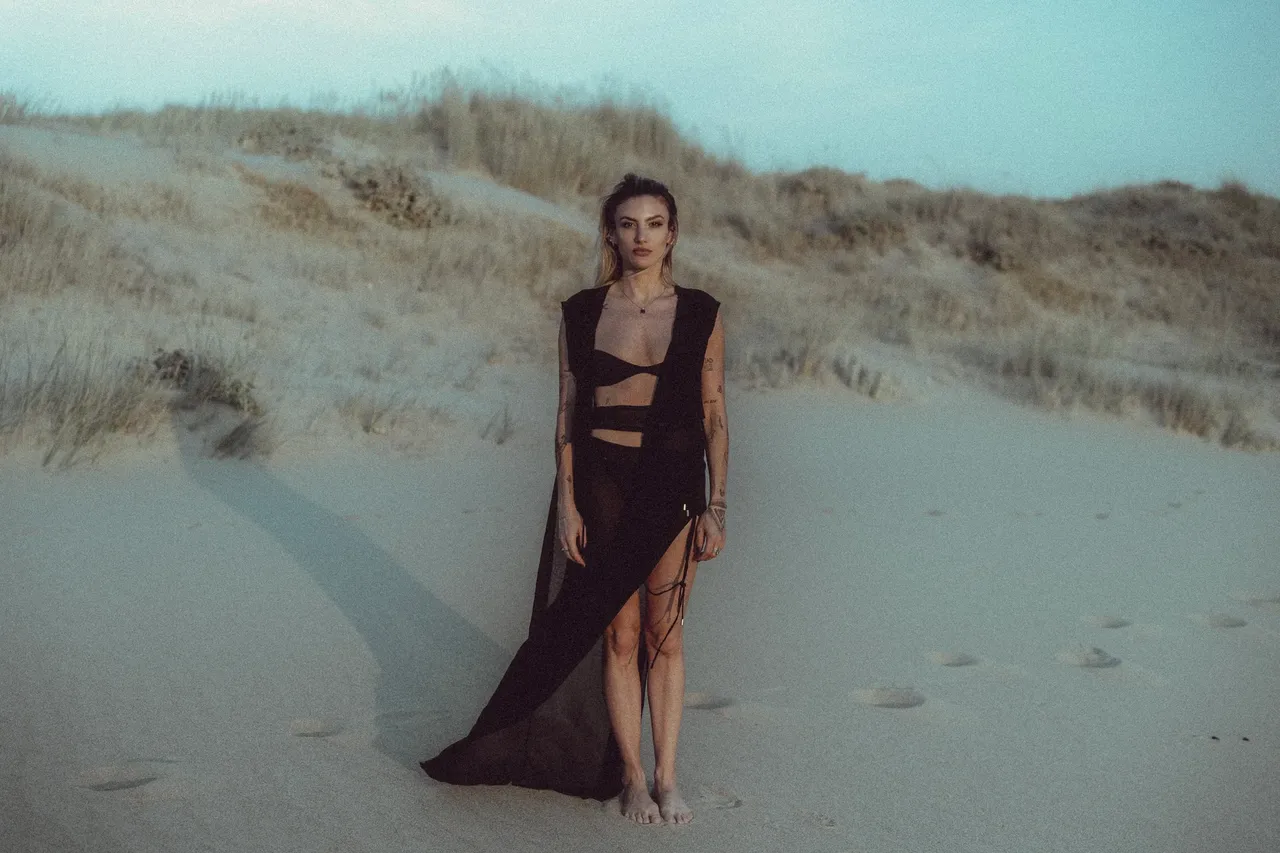
There are just seven days to go until TAKE CONTROL finally arrives. July 24 has been circled on the calendars of Lee Ann Roberts’ fans for months, and after steadily unveiling this new chapter through IN THE SHADOWS, TAKE CONTROL and, most recently, THE NIGHT GOES ON, the countdown has entered its final stretch. We’ve recently caught up with the South African artist to talk about the project that’s set to redefine not only her sound but the way she sees herself as an artist.
The timing couldn’t be better. Just days after the first stop of her summer tour at Airbeat One Festival in Germany, and with the US leg about to get underway before continuing across Asia, Europe and Australia, it’s clear the second half of the year is shaping up to be one of the biggest of Roberts’s career. “For me, it’s felt like coming home to myself,” she tells us, reflecting on a record born from stepping away from the noise, reconnecting with her instincts and embracing the influences that had always been there.
After spending so much time building this new chapter behind the scenes, how are you experiencing the countdown?
It’s exciting but also a little surreal. So much of this project has been built behind the scenes over a long period, and now people are finally starting to see it unfold. I think more than anything, I’m excited for people to hear the full story rather than just individual tracks. The EP was designed to be experienced as a journey.
IN THE SHADOWS and TAKE CONTROL have already given people a glimpse into this new era. What has surprised you most about the reaction so far?
I think what surprised me most is how many people connected with the message behind the music. Of course, it's always great when people enjoy the tracks, but seeing people resonate with the themes of growth, self-belief and taking ownership of your life has been really special. What I've loved most is the messages I've been receiving from people. I've had so many supporters reach out saying that this feels like the most authentic version of me they've heard in a long time and that they can really hear me in the music. Some of the messages have been incredibly thoughtful and detailed, and that's been amazing to see. As an artist, there’s nothing more rewarding than knowing people are connecting not just with the sound but with the story behind it as well.
You've described this project as a new era rather than simply a new release. Beyond the visible changes, how has this transformation felt from your side?
For me, it's felt like coming home to myself. A lot of the changes people see externally are just reflections of what has been happening internally. I've spent a lot of time reconnecting with who I am, what I stand for and what I want to represent as an artist. That process has been incredibly freeing.
You took a step back from social media and allowed yourself time to reset. Was it difficult to slow down in an industry that seems permanently obsessed with momentum?
At first, yes. There's always that fear that if you're not constantly visible, you'll be forgotten. But I realised that constantly moving doesn't necessarily mean you're moving in the right direction. Taking a step back gave me clarity, and honestly, it was one of the best things I've done for both my creativity and my mental health.
“As an artist, there’s nothing more rewarding than knowing people are connecting not just with the sound but with the story behind it as well.”
Artists are constantly asked what's next. Sometimes people are already talking about the next project before the current one has even been released. Does that ever frustrate you?
A little bit. We live in such a fast-paced world that people rarely stop to enjoy the moment they are in. Sometimes I think we are so focused on what's next that we forget to appreciate what's happening right now. I want people to sit with this project and experience it before we start talking about the next one.
Do you think we've forgotten how to simply enjoy things?
Absolutely. Everything moves so quickly now. Music gets released, people consume it, and then they're immediately looking for the next thing. Some of my favourite memories and experiences happened because I allowed myself to be fully present. There's a lot of value in slowing down and appreciating where you are.
A couple of years ago, when you were asked about Always In Flux, you described music as a space for healing, introspection and moving forward. What role does music play in your life today?
Music is still all of those things. It's how I process emotions, experiences and sometimes things I don't even fully understand yet. It's also become a way of telling my story. A lot of the conversations I struggle to have in words find their way into my music instead.
The title TAKE CONTROL feels like a statement. What exactly were you taking control back from?
From external expectations, noise, opinions and the pressure to be something other than myself. At some point I realised I was spending too much time looking outward and not enough time trusting my own instincts. But it also goes much deeper than music. TAKE CONTROL is about taking ownership of your life in general. I've been through a lot of different experiences and challenges over the years, and for me it was about no longer allowing those things to define me. Instead, it was about taking everything I've learned, everything I've been through and using it as fuel to move forward. TAKE CONTROL is about getting back in the driver's seat and deciding for myself who I wanted to be, where I wanted to go and how I wanted to live my life.
For years, people placed you inside the hard techno box. Did that label ever begin to feel restrictive?
I think labels can be useful to a point because they help people understand where you fit within a scene, but they can definitely become restrictive. Especially when you're someone with a wide range of influences and a genuine love for different styles of music. I've never wanted to be defined by a single genre because my influences have always been much broader than that. As an artist, I think it's important to give yourself the freedom to evolve, experiment and bring different elements into your music. At the end of the day, music is far more fluid than any label we try to put on it.
Psytrance has been part of your life since your teenage years. Why does now feel like the right moment to fully embrace those influences?
Because it feels authentic. Psytrance was my introduction to electronic music and has always been part of my life and my story. For a long time, those influences were there in the background, but now it feels like the right time to fully embrace them and bring them into the spotlight.
Does this new sound feel like a reinvention, or does it actually feel closer to who you've always been?
Closer to who I've always been. From the outside, it might look like a big change, but from my perspective it feels more like a return. It's bringing together the influences, experiences and sounds that have shaped me from the beginning.
You’ve spoken openly about growing up in an environment where survival often came before creativity. Looking back, do you think the artist you became is partly a reaction to that experience?
In some ways, yes. Difficult experiences shape you whether you realise it or not. They taught me resilience, determination and the importance of creating my own path. Those qualities have played a huge role in the artist and person I've become.
At what point did music stop being an escape and start becoming your purpose?
When I started creating it rather than just listening to it. Listening to music was an escape. Creating music gave me direction. Once I started producing and realised I could build a life around it, everything changed.
“I've spent a lot of time reconnecting with who I am, what I stand for and what I want to represent as an artist. That process has been incredibly freeing.”
You’ve achieved things that once probably felt impossible: global tours, major festivals, support from some of the biggest names in electronic music. Has your definition of success changed over the years?
Definitely. Earlier in my career, success was often tied to achievements and milestones. These days, while I'm still incredibly motivated, ambitious and persistent, success means something much deeper to me. Of course I still have goals and things I want to achieve, but I've realised that none of it really means much if you're not happy along the way. For me, success is about being content, having meaningful relationships, continuing to grow as a person and being able to enjoy the life you've worked so hard to build.
Who do you admire these days?
I admire people who stay true to themselves. People who are authentic, genuine and don't feel the need to put up a front or pretend to be something they're not. To be honest, I have a lot of respect for people who are comfortable being themselves in a world that constantly encourages us to perform for others. Not just in music, but in life.
Your career has taken you across the world, but what does a perfect day look like when nobody needs anything from you, and there’s nowhere you have to be?
A slow morning with my affirmations and meditation, a coffee, some time in nature, spending time with my cats, training and/or going for a surf and seeing my friends. Nothing extravagant, just simple things that make me feel present.
When life starts moving too fast, and you feel disconnected from yourself, what helps you find your way back?
Nature, affirmations, meditation and taking a step back from the noise. Whenever I feel overwhelmed, I try to reconnect with the things that ground me. Usually the answers become a lot clearer when you create a bit of space.
When people listen to TAKE CONTROL from beginning to end on July 24, what do you hope they understand about Lee Ann Roberts that they didn't know before?
I hope they get to know a little bit more about the person behind the artist. Someone who has gone through challenges, made mistakes, grown, evolved and continues to learn. More than anything, I hope people see that your past doesn't have to define your future. I hope the project shows that no matter where you've come from or what you've been through, you have the ability to create a different path for yourself. Anything is possible if you're willing to believe in yourself, stay persistent and keep moving forward. Some of the hardest experiences in our lives can also become our greatest sources of strength if we choose to learn from them rather than be defined by them.
If this project inspires even one person to trust themselves, believe that anything is possible and realise they are capable of more than they think — that they really can achieve anything they put their mind to — then it will have done exactly what it was meant to do.
If this project inspires even one person to trust themselves, believe that anything is possible and realise they are capable of more than they think — that they really can achieve anything they put their mind to — then it will have done exactly what it was meant to do.