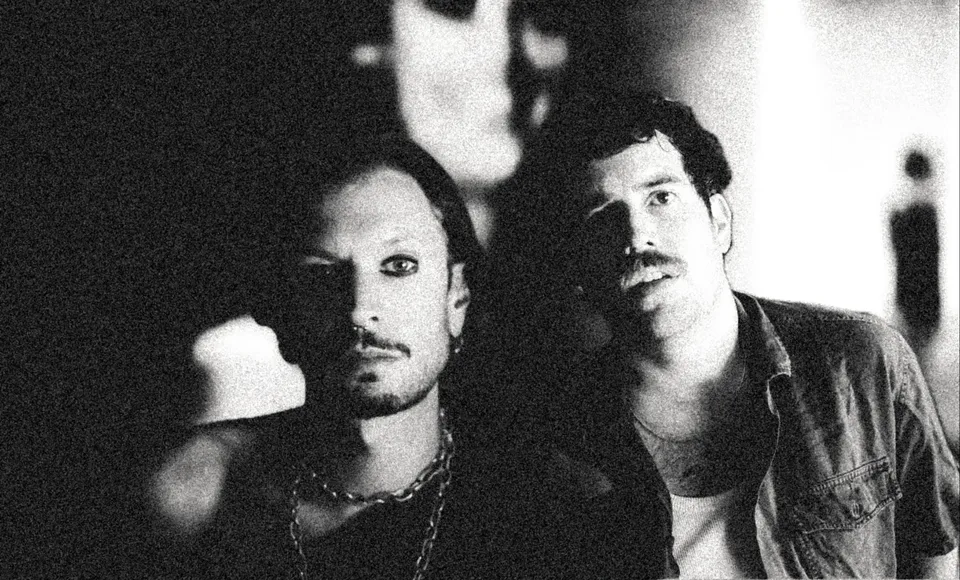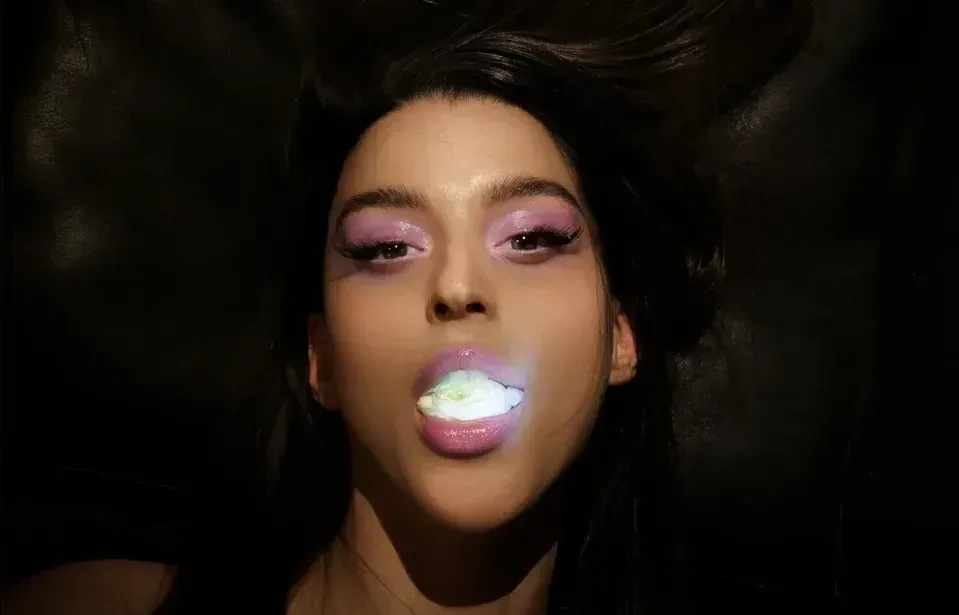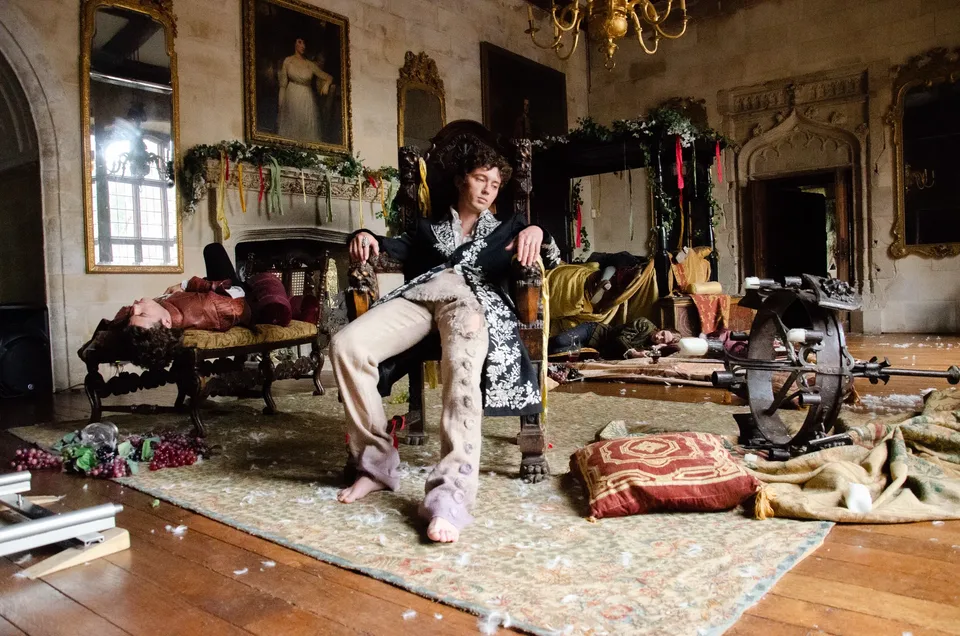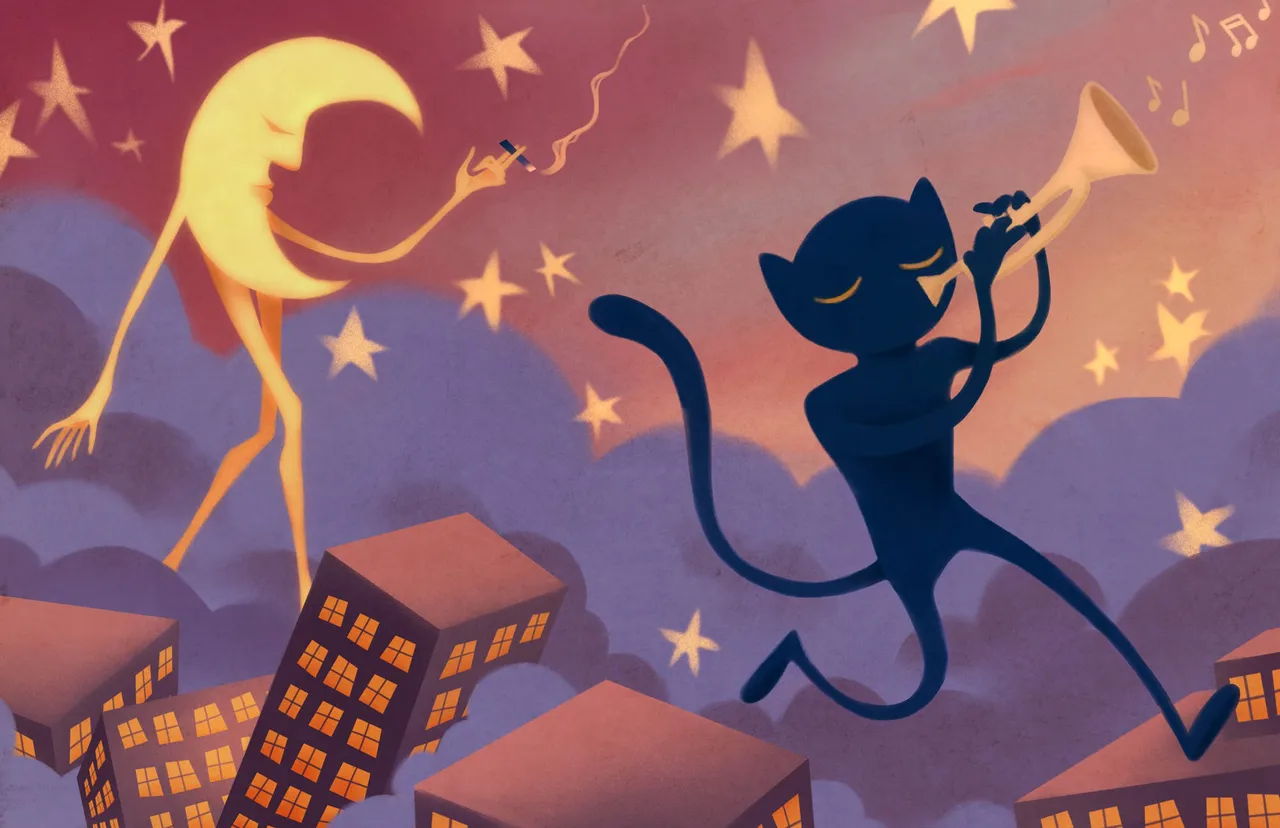
Through his poetic tongue and midnight visual illustrations, Lausse the Cat continues his feline fairytale from his seven year break. As the world shifts and distorts around us, the escapism of the album is as purposeful as ever. Cloaked behind an online identity that preserves both mystery and creative freedom, the ‘The Lord of the Bins and the Prince of Cats’, returns to find new ways of knowing himself and the complications of the world he navigates.
As you listen and re-listen, the album expands, immerses you in Lausse’s world-building and distinct style — which is elevated in the album’s cover by @cals.castle that perfectly harmonises with its sonic soul and aesthetic.
The Mocking Stars opens with Blue Bossa, and we are reintroduced to the character of the Tree Wizard “Welcome back my dear children to the Lausse the cat show...”, showing this album to be a continuation from his previous work, The Girl, The Cat and The Tree. We enter once again through the mental compass of a figure “still cold, withered and heartless, whispering to himself for yet another sleepless night…” — marking the entrance point for a long journey between the star-dazzled states, moods and places that the album dreams between.
Deeply poetic, his words rhyme, pop and sizzle with meaning, honesty and intelligent word play. At times comedic and self-reflective on play and performance, Lausse limbos between life and death, joy and despair, to collapse themselves between sleep and wakefulness. The title track, The Mocking Stars, thinks deeply with the battles of inner madness and the darkness of modernity. Lausse describes a world that hosts a dinner for moral corruption and characters that blister their feet on street corners. The track imagines hedonistic escapism “to extinguish their souls and be one with the moon,” painting an apocalyptic image of devastation in a corrupted world. At the heart of the battle is his confrontation with purpose, temptation and the limits of time: a tension within our own agency between capability and distraction.
His own earthly life sits beside a theatrical sense of disillusionment. Alongside his other tracks like Tea Party and Cackles of the Mad, the voice of a nostalgic pantomime echoes through the background of the album, bringing air and levity to the album’s deep interior. It’s sharp, playful, and deeply heartfelt in its lyrical poetics yet still tackles the intangible aspects of insomnia, agency, and existential dread. There are moments of crucial tenderness. The Cat visions himself wandering, rapping about what he sees, believes, entwined with his own creative imagination such that the album charts an impressive emotional range and complexity.
The album’s vast visual world, its dreamlike entanglement is met and amplified in its textured production. From cat meows to the echoes of a spaceship in Space Cadet Cat, the melodic sax weaves around his verses to the soft, wandering violin as the production creates a smooth, atmospheric space that reaches the depth of feeling in its emotive lyricism. The Cat pushes the momentum of his own storytelling; revealing direction and illuminating through glimpses of starlight. He navigates,
“To guide our mouse through her abyss
Thus, my last fear left me lonely in this purgatory bliss
Singing this”
Thus, my last fear left me lonely in this purgatory bliss
Singing this”
More than an album, The Mocking Stars becomes nocturnal cinema bound within imagination and struggles of realism. Overthinking through the night, Lausse the Cat offers a warped and lurid bedtime story that reflects on identity, sleeplessness, and the repeating nights that shape us.
Listen again, against the twilight of a midnight sky, to explore the complex magnetism of tracks that chart our place within the stars themselves.