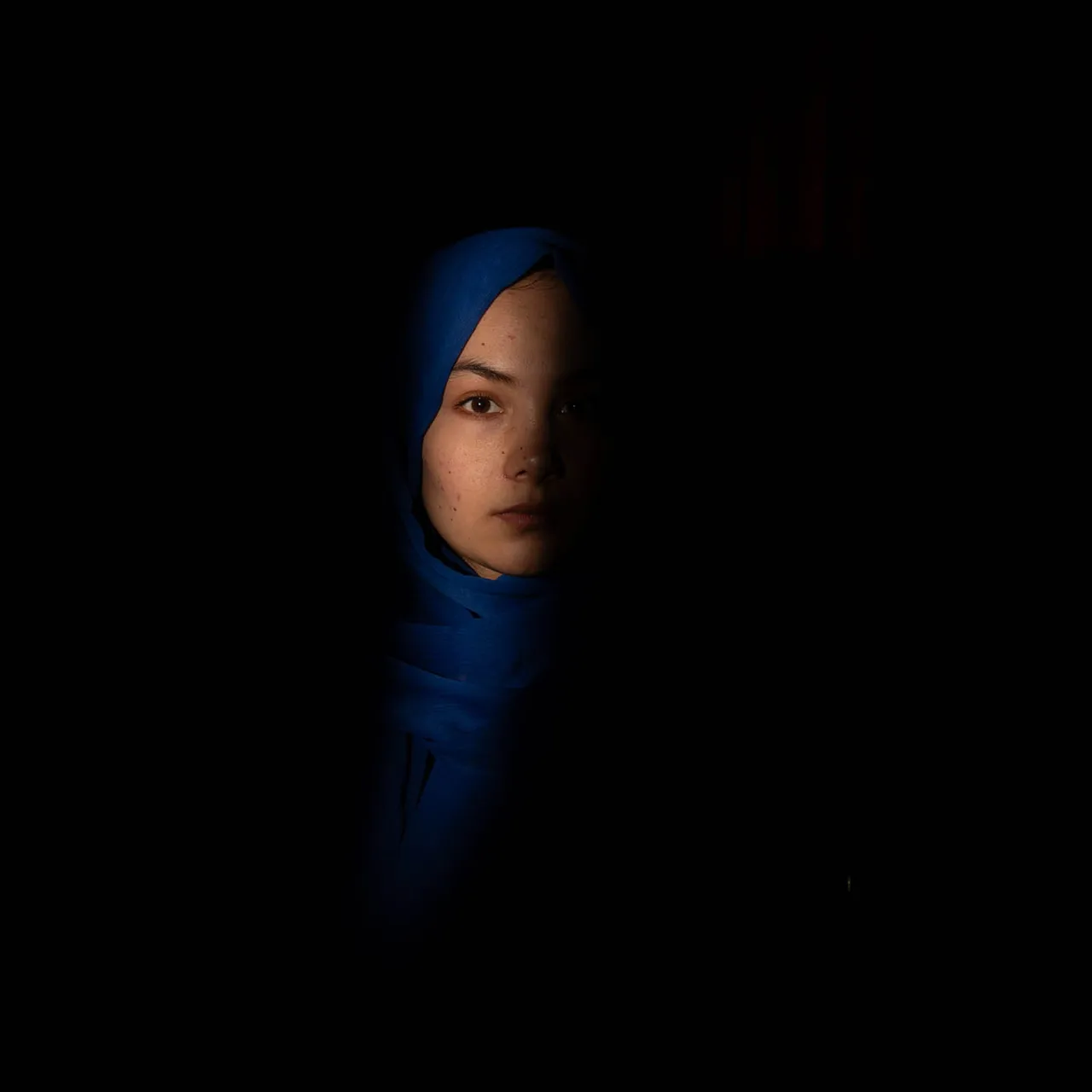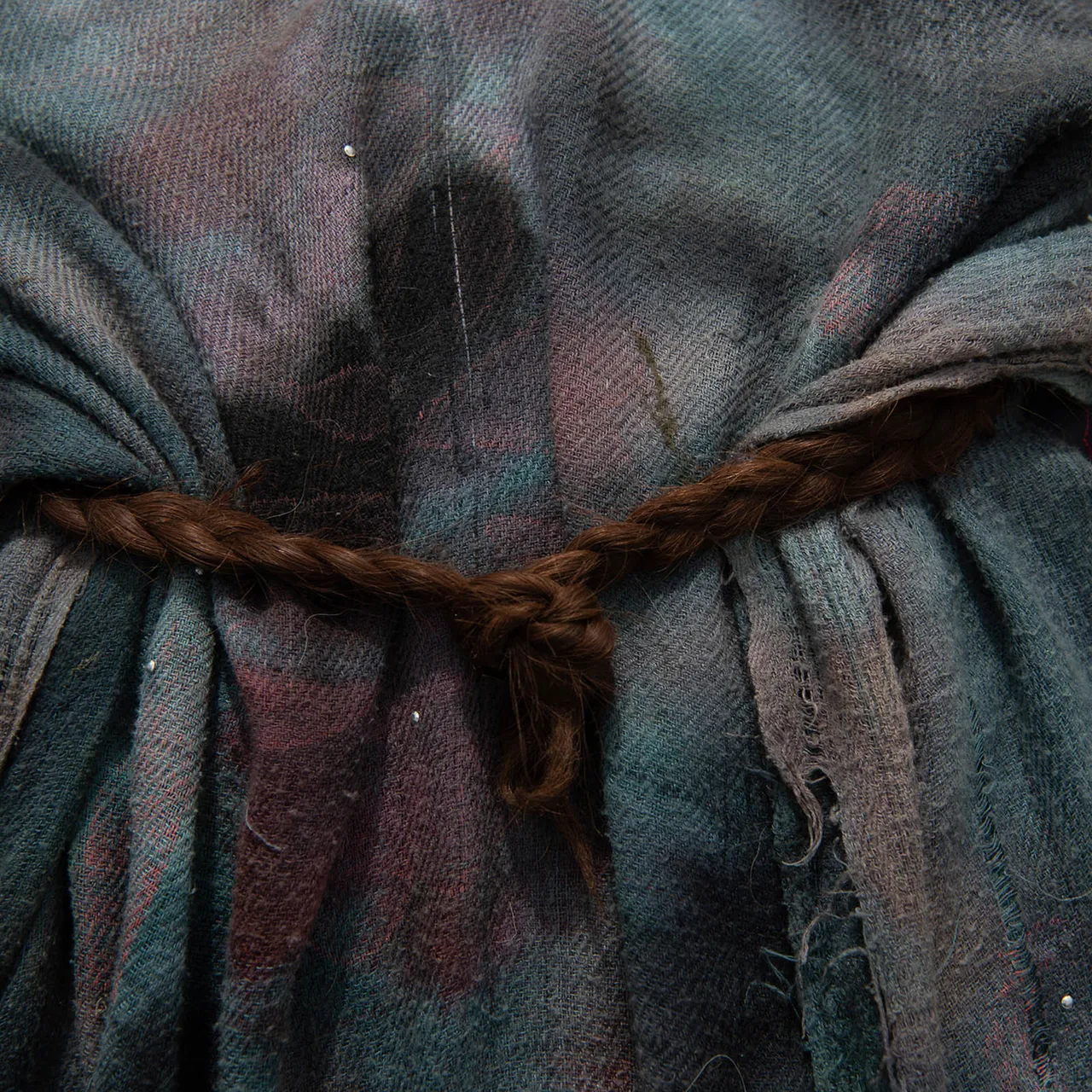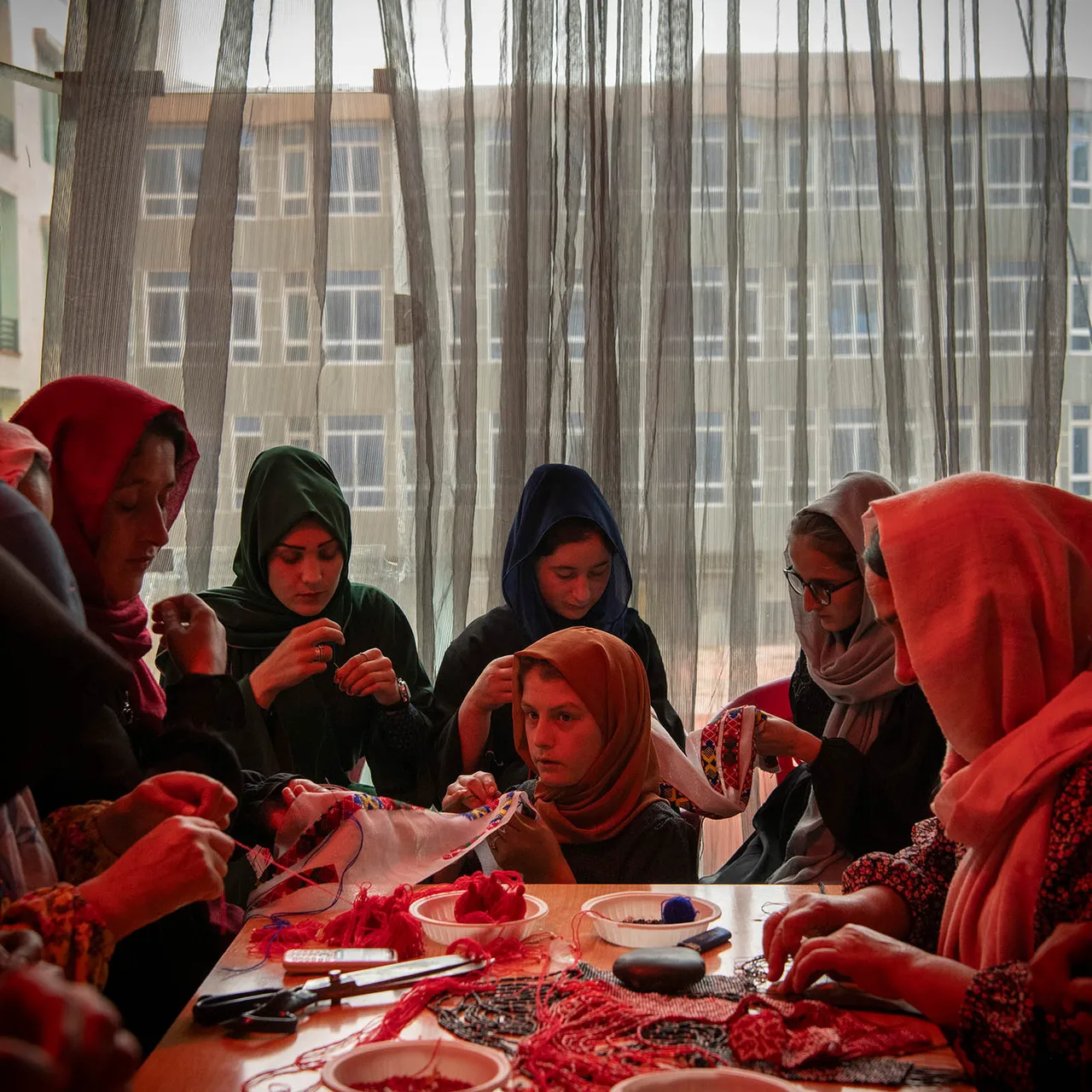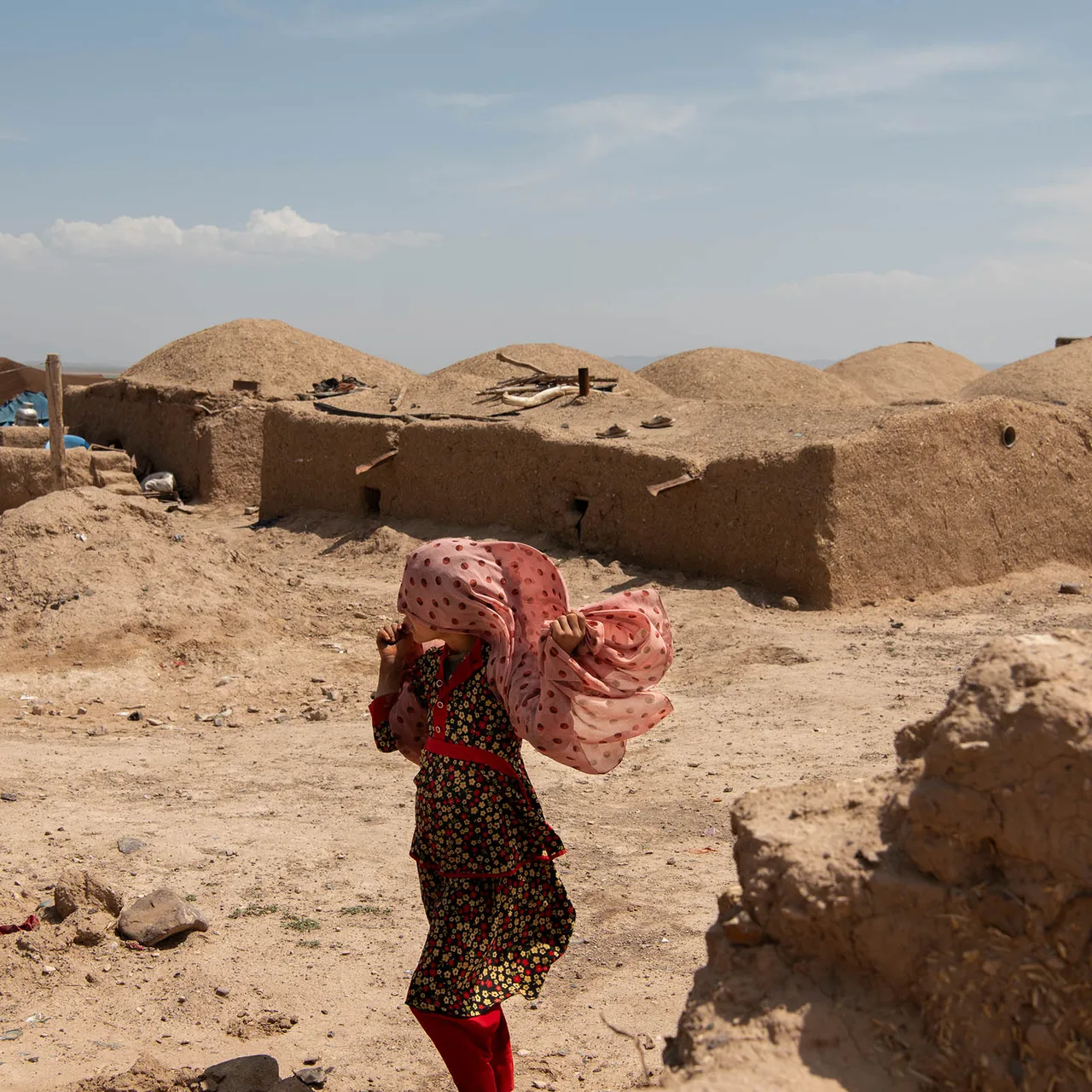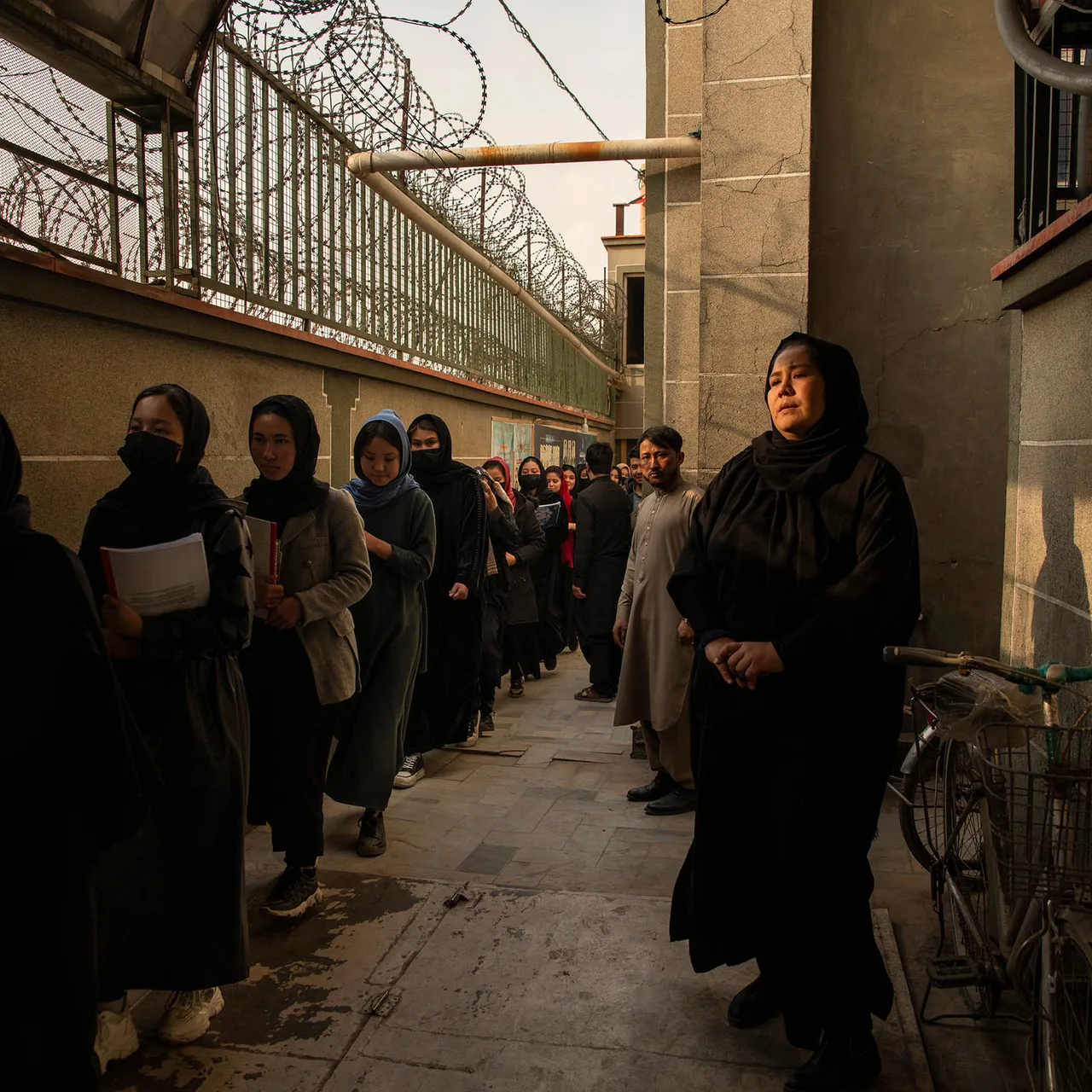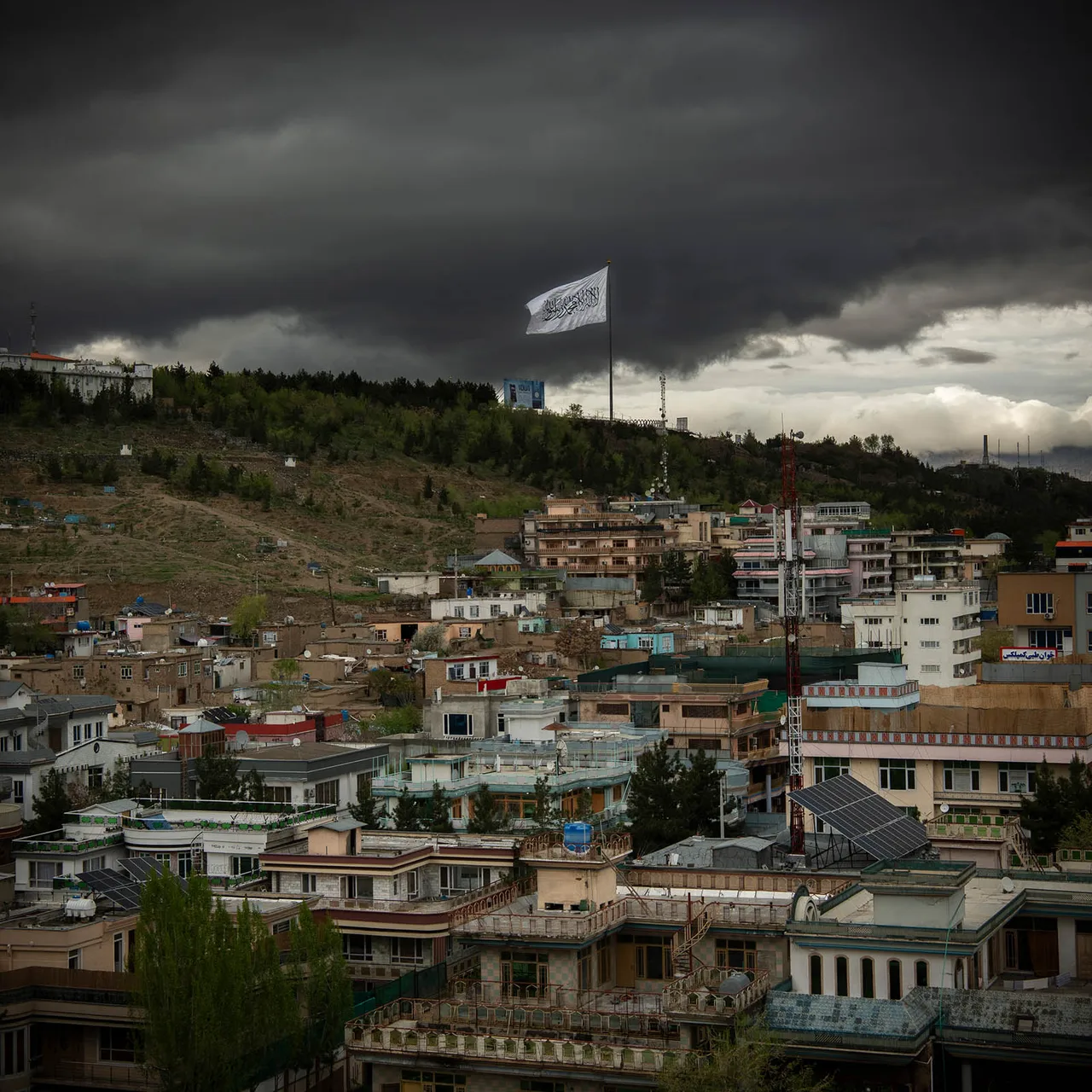
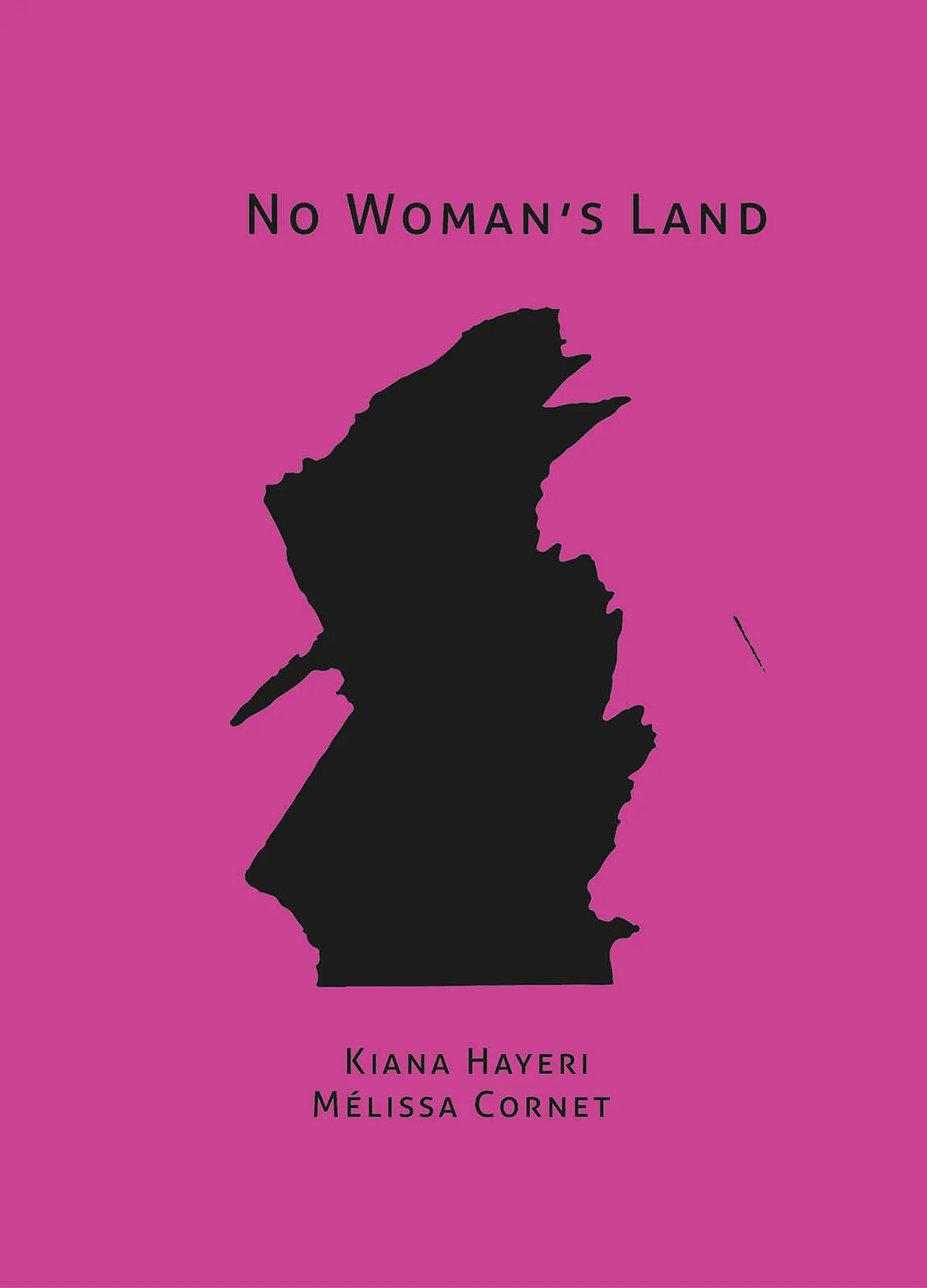
Stories of war, destruction, and repression flooded the news feeds in the year after the Taliban returned to power and the Americans withdrew from Afghanistan in 2021. We read the headlines about restricted movement, forced veiling, halting women’s education, persecution of ethnic and religious minorities, among so many others. But we never really learned the names or read the stories of the women who bore the burden of each policy the Taliban passed. Nor did we second guess the twenty years of American intervention. Kiana Hayeri and Mélissa Cornet confront these hard truths in their new photobook and research project No Woman’s Land, produced with the support of Fondation Carmignac, out December 3rd.
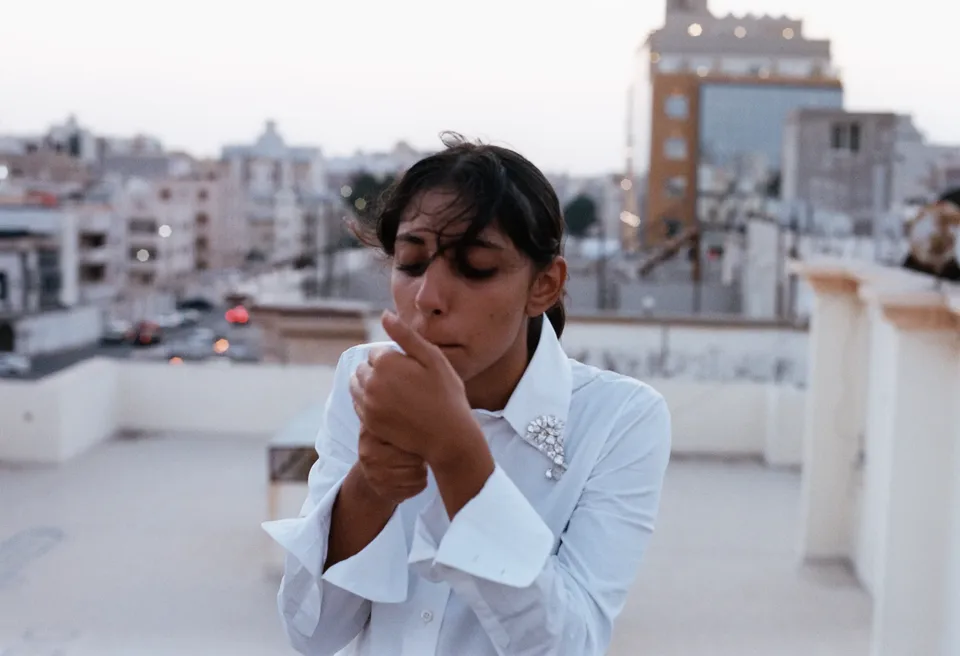
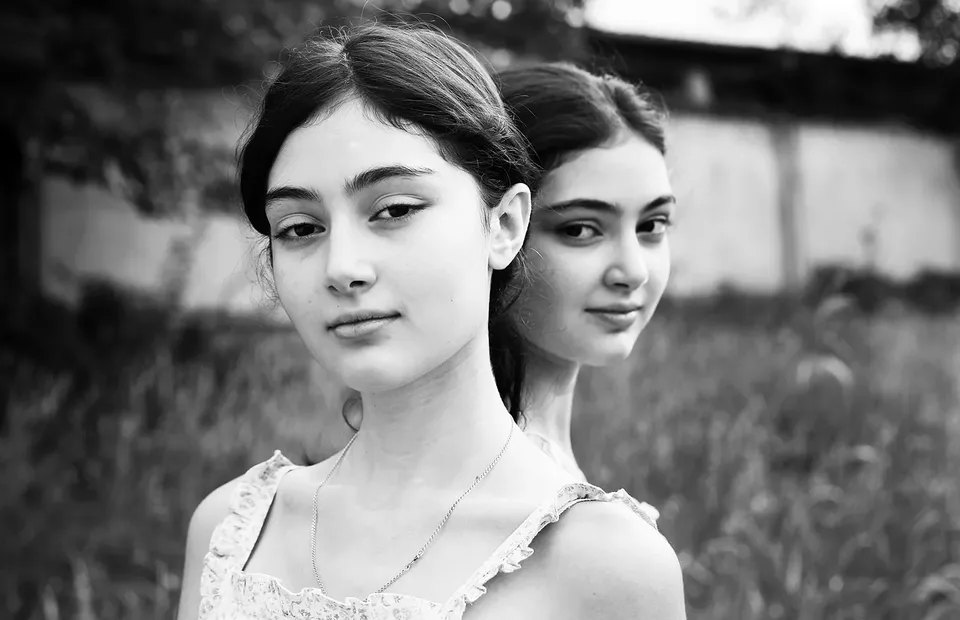
They lay bare each stereotype the West has of Afghan women to show that, at their core, they are girls with dreams, whose birthplace’s unstable regimes defined their lives for them. At the same time, they talk back to popular media’s representation of the women as mere pawns in their own oppression, moved from one status to another to satiate the image of politicians. Hayeri and Cornet show the intimate lives of women and girls, their relationships to each other, and the ways they find joy in the mundane in order to resist a regime that wills their erasure and silence.
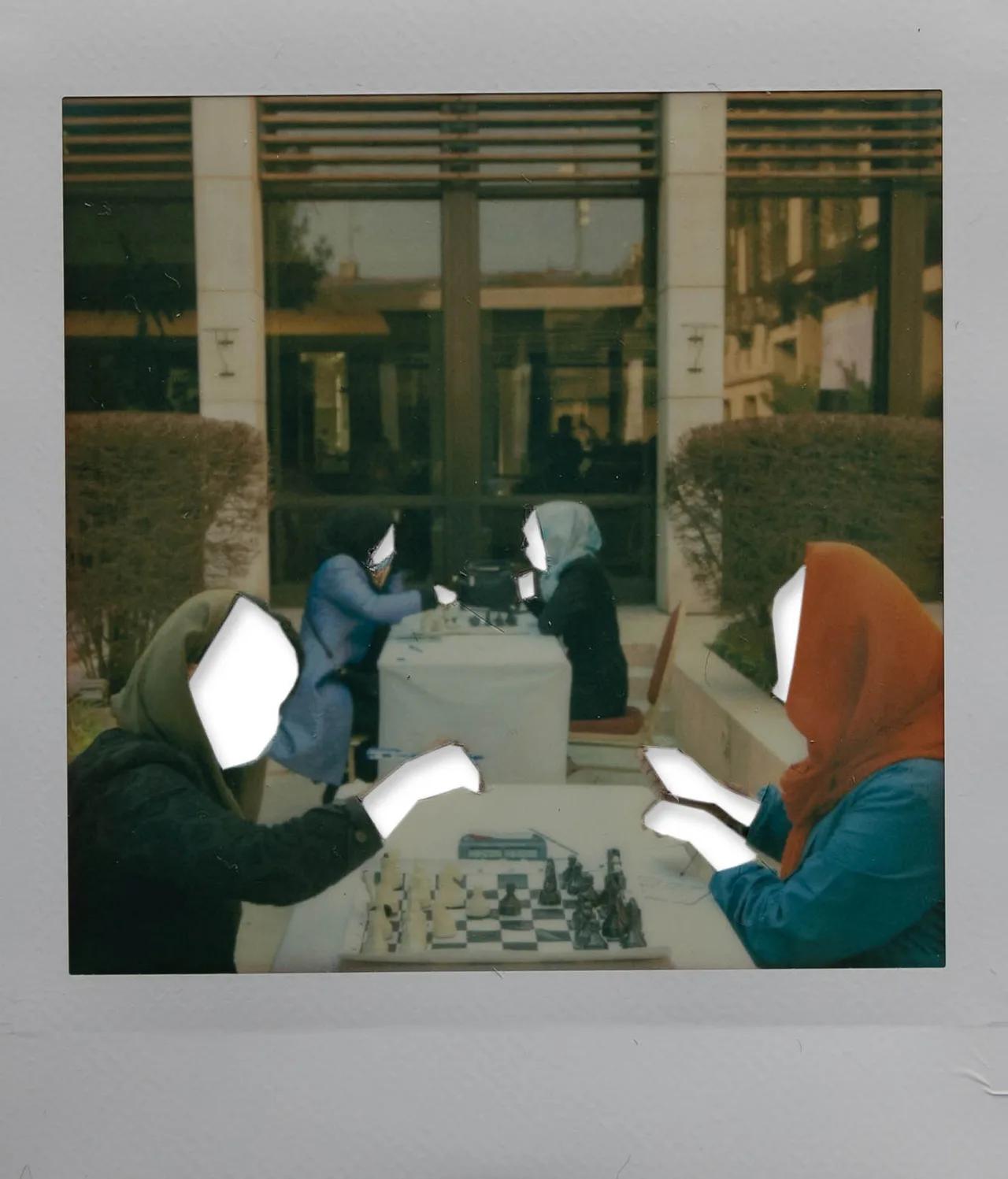
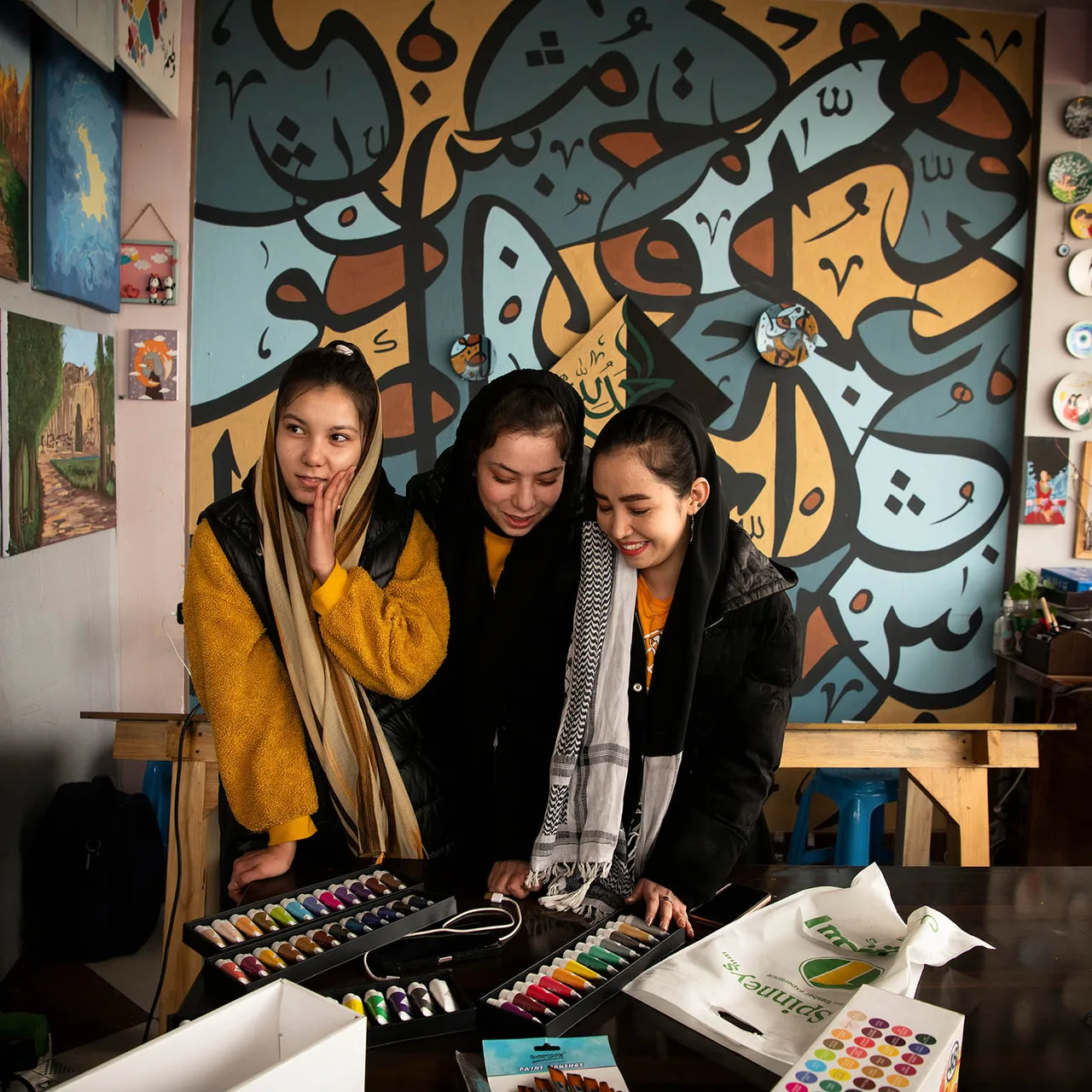
In the book we see them at birthday parties, dancing, and taking selfies. With the exception of a few, these photos are all set against the backdrop of their own homes, exposing the reality that these women are all indoors, unable to leave. They bring the outside in through the emblematic neon lights that flood Afghan streets, now half empty. But the book doesn’t shy away from the harsh reality of forced marriage, malnutrition, or censorship; it dives into it, unflinching in the mission to tell the whole story, not one that serves an agenda.
We see the women, we learn their names, we read their stories. Hayeri and Cornet are not afraid of the grey zone in which most people exist, between and outside the black and white narratives that mould our minds. At the centre of their work are the women. Even if you may not see all their faces, you feel their personalities and in some cases, see their dreams. We speak with Hayeri and Cornet about the complex emotional state of women who have been denied expression, journalistic integrity, the remnants of American intervention, and what defining gender apartheid in Afghanistan (and the rest of the world) could mean.
Hello, it’s a pleasure to be speaking with you today. First things first, could you both introduce yourselves, your respective lines of work, and how you met.
Mélissa: My name is Mélissa Cornet, I’m French. My background is in political sciences and law. I studied a few masters in human rights law and after graduating a year later, I moved to Kabul in 2018. I moved there to do research, mostly on gender and children’s rights. I stayed until last year. It was in Kabul that we met, and this project was our first project together.
Kiana: I’m Kiana Hayeri, I’m Iranian-Canadian, partially grew up in Iran, partially in Canada. I’m a photographer and I moved to Afghanistan in 2014 and stayed on until thirteen months after the Taliban [returned], but then also went back with Mélissa to do our project. I’ve done all sorts of work in Afghanistan, but I think organically after the Taliban took over, my work shifted quite a lot towards women and their stories because of the advantage that I had as a woman being able to do it. So when this opportunity came up, it was very natural that we applied together.
Kiana: I’m Kiana Hayeri, I’m Iranian-Canadian, partially grew up in Iran, partially in Canada. I’m a photographer and I moved to Afghanistan in 2014 and stayed on until thirteen months after the Taliban [returned], but then also went back with Mélissa to do our project. I’ve done all sorts of work in Afghanistan, but I think organically after the Taliban took over, my work shifted quite a lot towards women and their stories because of the advantage that I had as a woman being able to do it. So when this opportunity came up, it was very natural that we applied together.
The title of the photobook, No Woman’s Land, seems to reference the war term ‘no man’s land’, the space between two opposing armies. Can you explain the decision for the title?
Mélissa: It’s a very visual term. ‘No man’s land’ is something we studied a lot in history class, so the image of deserted land worked really well. For Afghanistan, I think it worked because it reflects on a place that doesn’t belong to women anymore. They have been pushed out, they have been completely erased. There’s this sense that they don’t belong there anymore.
You travelled ten weeks over the course of six months. In that time, what changes did you see as the Taliban consolidated their power, what was the starkest difference that affected you and your processes most?
Kiana: This is something we talk about quite often: had we started the project two months later, we would have not been able to do it the way we did it. We first started shooting on the ground February 1st, 2024, and then our trips ended at the end of May of the same year. By the end of it, even though we moved strategically — we went from the south, which was much more conservative, to the north, which is more open-minded — we realised access was shutting down and Taliban policies started changing. At the beginning of this we could play our ‘foreign card’ (as foreign women, we could get into certain spaces), but by the end of the trip, even those spaces were closed to us.
How you met the women, their security, privacy, and agency were very important. How did you meet these women while ensuring their safety at a time when public space and women’s movement is drastically restricted? How did you explain the consequences of showing faces for those who were eager to participate?
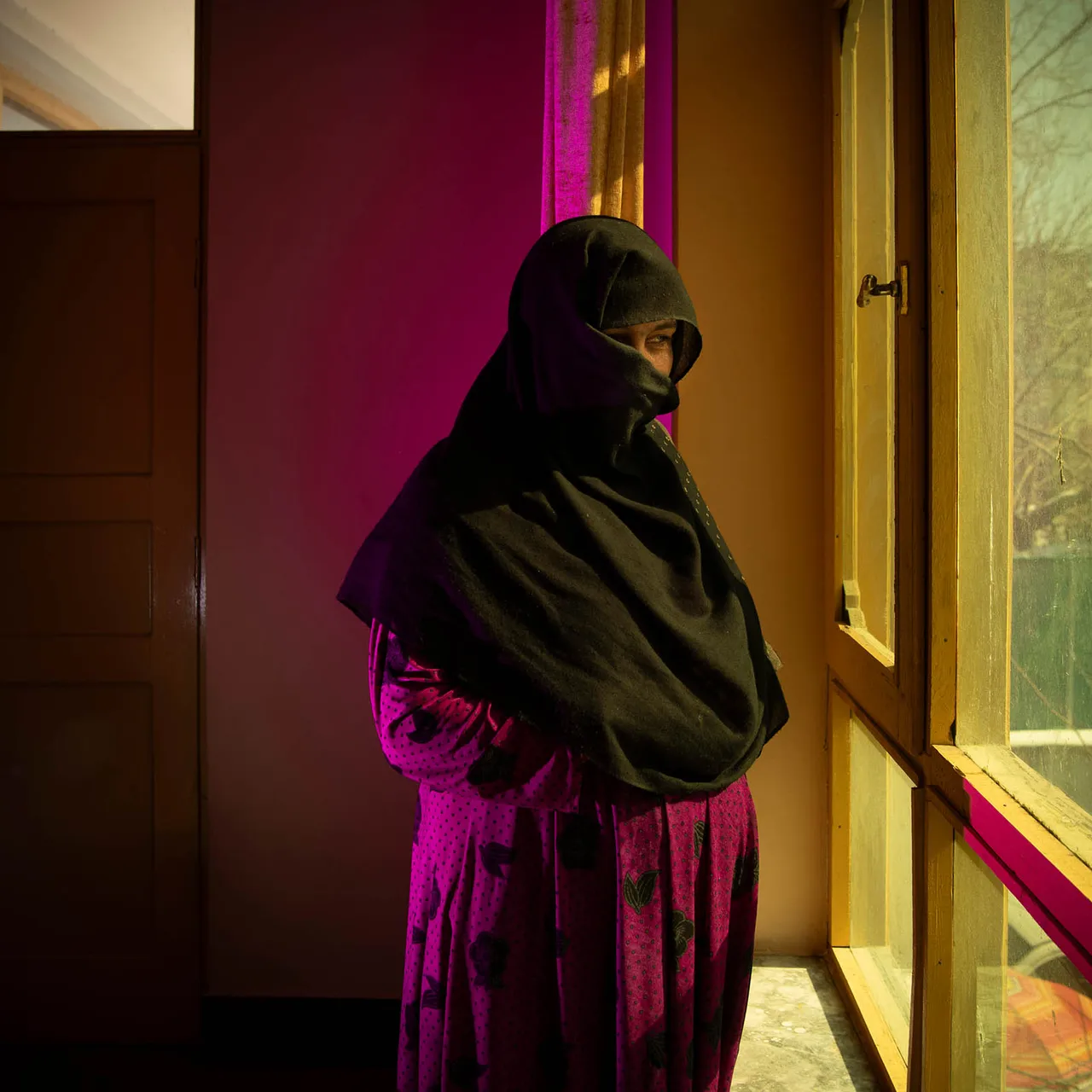
Mélissa: There are two things. The first is that of the photos you saw, except one scene which was a snowball fight, all are taken indoors, which is the last safe space for women, where they can still meet with us and tell us their stories. And then the question of agency was very tricky. It was on us to make sure they understood the risks they were taking. For example, were they literate in terms of the internet? Did they understand that once it’s online, we will never be able to erase it? Another factor is that while maybe at the time we took the photo and published it, it was fine, things could change very quickly, and six months later, suddenly, that same photo would be much more dangerous. It was a very delicate calculation each time, and it was very much a case-by-case discussion between the women, Kiana, and I.
Kiana: This is where our experience of working in Afghanistan for such a long time comes into play — you know the culture, the differences between regions, how much education one has to make those decisions on their behalf. A lot of times, in societies like Afghanistan, people don’t have the skill to think ahead two years from now, they live in the moment, they plan for the next week or two. We had to take on that responsibility of thinking ahead.
Kiana: This is where our experience of working in Afghanistan for such a long time comes into play — you know the culture, the differences between regions, how much education one has to make those decisions on their behalf. A lot of times, in societies like Afghanistan, people don’t have the skill to think ahead two years from now, they live in the moment, they plan for the next week or two. We had to take on that responsibility of thinking ahead.
Ethical journalism and research is a very large part of this project, and your work in general. You’ve talked about making a conscious effort not to “parachute in” to Afghanistan and leave with photos or stories that serve a certain agenda. How do you navigate authentic representation when much of the media surrounding Afghanistan is either a romanticised success story or trauma porn?
Mélissa: It was a very conscious decision. Both of us had been there for a long time, so we were aware of all of the nuances that did not make it to most of the media. We wanted to get out of the binary representation of Afghan women. For example, you barely see any woman in burqa in the project, we tried to stay away from images of women begging for bread in front of a bakery, which is unfortunately a reality of the country, but there’s something quite degrading about that. If you read the captions, a lot of them are pretty terrible stories of women who are in debt and the neighbour is promising that, if they marry the thirteen-year-old girl, he’s going to erase their debt. It was important for us that all of these representations were very respectful and dignified, while of course not minimising how terrible the situation is.
Women’s rights, along with 9/11, were the centrepiece in 2001 for why the Americans said they were invading Afghanistan. And while there was progress made, in 2021 when they pulled out, women’s rights were largely ignored in the peace negotiations — a kind of unsecured claim. How do you think the culture changed (or didn’t) with the new political regime backed by the Americans?
Mélissa: There is obvious progress that was made during these twenty years, and I think the biggest one is education. You have a generation of women and girls who got educated. I saw some of my friends who came from illiterate, poor families and whose lives were completely changed. But what we also saw is that a lot of these programmes funded by the United States and other countries were very tokenistic. They wanted to be able to show the results of the intervention. To show this ‘liberated’ Afghan woman, which was basically a westernised version, one that wasn’t covered as much, that was on TV, playing music, wearing makeup, and things like that. They completely misunderstood Afghan culture. When you look at the programmes they were funding, they were limited to places that were already quite open-minded and liberal, especially Kabul, Herat, or Mazar-e-Sharif. But when you go to rural and conservative areas, what you see is that these programmes never trickled down there.
It was much harder to work there, but they didn’t have the same interest. You couldn’t have these very shiny women empowerment programmes because even the women didn’t want that. There was a growing divide and a lot of tension with more conservative parts of the country that saw everything happening in Kabul. We have to remember that Afghanistan is a very conservative country, regardless of the Taliban.
Kiana: Adding to what Mélissa said, I think one of the other great things that happened during the twenty years of intervention was the freedom of press that was built, people knowing that they have the right to express through press and media. In certain conservative areas, no change was brought. But I think what happened is there were spaces created, which I call ‘breathing spaces’, in bigger cities, where if somebody could not thrive or exist or even survive in their own environment, they could run away and go to these spaces.
It was much harder to work there, but they didn’t have the same interest. You couldn’t have these very shiny women empowerment programmes because even the women didn’t want that. There was a growing divide and a lot of tension with more conservative parts of the country that saw everything happening in Kabul. We have to remember that Afghanistan is a very conservative country, regardless of the Taliban.
Kiana: Adding to what Mélissa said, I think one of the other great things that happened during the twenty years of intervention was the freedom of press that was built, people knowing that they have the right to express through press and media. In certain conservative areas, no change was brought. But I think what happened is there were spaces created, which I call ‘breathing spaces’, in bigger cities, where if somebody could not thrive or exist or even survive in their own environment, they could run away and go to these spaces.
Do you think the project could be done now?
Kiana: No, the Taliban has got eyes and ears everywhere. If in the past we were able to put on a scarf and quietly leave the house and do our thing, it’s now becoming more and more difficult. As soon as you step out of Kabul airport, they know who you are, where you’re going. They have eyes everywhere on the ground, inside people’s homes, reporting back to them.
Mélissa: They mobilise the community and the neighbours, even the men of the family, to externalise this form of control. For a lot of the women’s interviews, the biggest issue were the husband or the father, either because they’re conservative or because they’re worried for their daughter or wife. They are the main barrier.
Kiana: Changing culture takes generations. Twenty years is not enough. During that time, many men in Afghan society held their thoughts to themselves. They may have imposed them on women within their own family but didn’t dare to externalise them. It’s what happened in the United States: white supremacy has always existed, but when Trump was elected in 2016, people allowed themselves to say those thoughts out loud. With the Taliban, it was the same thing: men who kept those conservative thoughts to themselves now feel the freedom to voice them to women on the street that they don’t even know.
Mélissa: They mobilise the community and the neighbours, even the men of the family, to externalise this form of control. For a lot of the women’s interviews, the biggest issue were the husband or the father, either because they’re conservative or because they’re worried for their daughter or wife. They are the main barrier.
Kiana: Changing culture takes generations. Twenty years is not enough. During that time, many men in Afghan society held their thoughts to themselves. They may have imposed them on women within their own family but didn’t dare to externalise them. It’s what happened in the United States: white supremacy has always existed, but when Trump was elected in 2016, people allowed themselves to say those thoughts out loud. With the Taliban, it was the same thing: men who kept those conservative thoughts to themselves now feel the freedom to voice them to women on the street that they don’t even know.
You use not just photographs, but also polaroids and sketches. How do you think those communicate differently with the audience?
Mélissa: We wanted to explore. The polaroid idea came from an Iranian photographer that Kiana liked, so it’s based on this reference. We also went back to Kiana’s archive and took some of the photos from places like the parliament, universities or schools to do this sort of cut-outs.
Meanwhile, the sketches are of places where Kiana could not take photos, like weddings, which are segregated. We went to a few, to the women’s space, of course. It's a very free space where women wear beautiful dresses and makeup and dance, but it would be completely out of the question to take photos.
Meanwhile, the sketches are of places where Kiana could not take photos, like weddings, which are segregated. We went to a few, to the women’s space, of course. It's a very free space where women wear beautiful dresses and makeup and dance, but it would be completely out of the question to take photos.
Kiana, you said once that women are not allowed to express their emotions and instead they describe headaches, anger, racing hearts — classic PTSD symptoms. How does this project expand on women’s emotions and give them a space to unapologetically express themselves?
Kiana: We try to get creative in terms of getting women to talk about their emotions and asking them about their dreams — if they have a reoccurring dream, something that they see often, or ask them to describe it. For another project I would ask them, if you had to describe yourself as an animal, what would it be? A lot of them answered “a bird whose wings have been cut” or “a bird inside a cage.” The bird was a recurrent image.
Mélissa: But you also asked about dreams a lot, which linked very much to fear. In a few interviews we also asked, how would you celebrate the day Afghanistan becomes free again? Because you want to end on a more positive note. They said: I would dance without a hijab, I would sacrifice a sheep, I would open a school. It was all of these beautiful scenes. On the emotional side, the one question we asked systematically was a question of hope. Do you have hope your situation could improve? And every time the answer was ‘no’. Everyone wants to leave the country.
Mélissa: But you also asked about dreams a lot, which linked very much to fear. In a few interviews we also asked, how would you celebrate the day Afghanistan becomes free again? Because you want to end on a more positive note. They said: I would dance without a hijab, I would sacrifice a sheep, I would open a school. It was all of these beautiful scenes. On the emotional side, the one question we asked systematically was a question of hope. Do you have hope your situation could improve? And every time the answer was ‘no’. Everyone wants to leave the country.
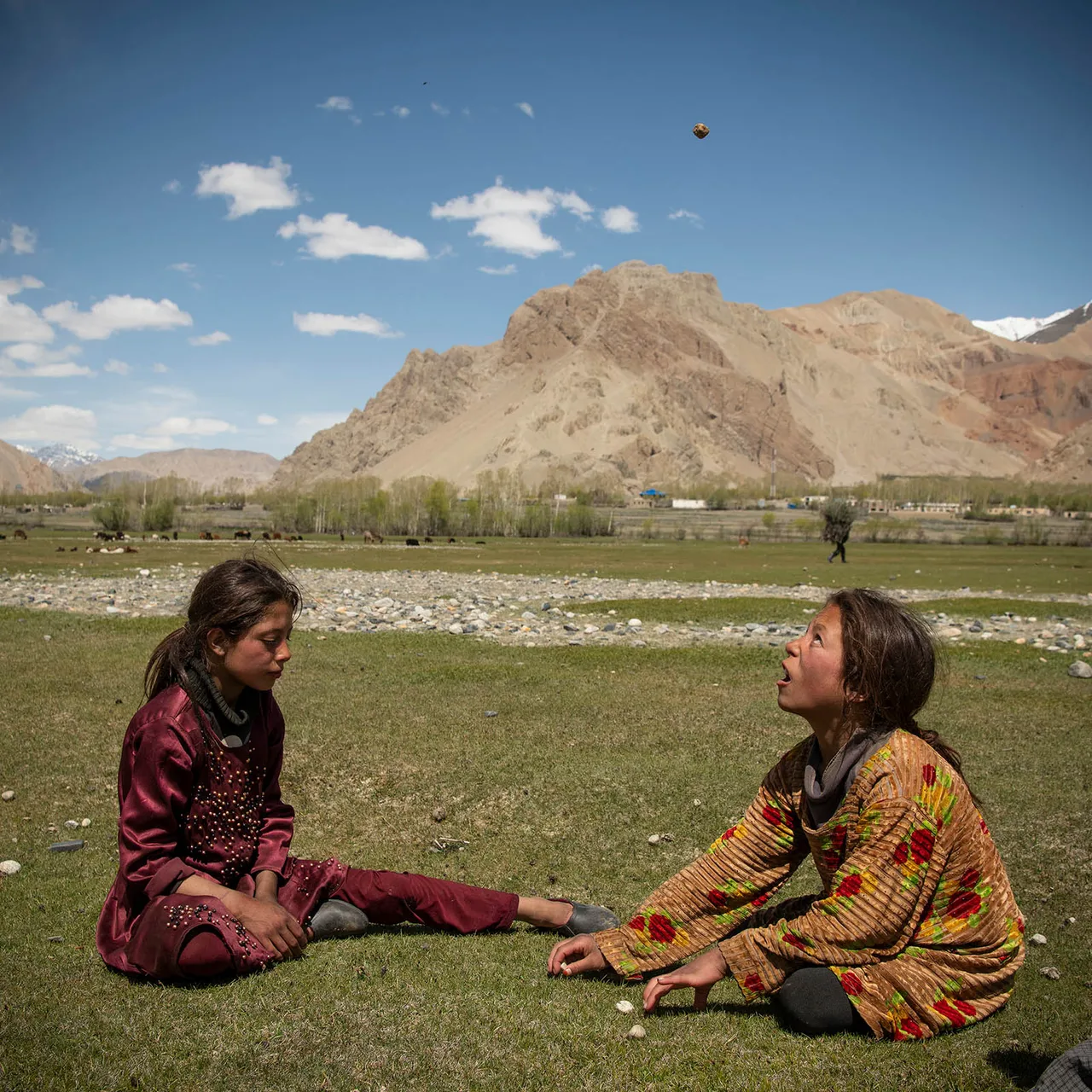
Much of the focus of the book is on women, however, you chose to also include LGBTQ+ individuals such as a trans-parent and child. Can you tell me about how their situations are united in the same struggle?
Kiana: They [the trans-parent] dress up as a woman and work as a sex worker, but in public, they have to present themselves as a man. They’re married, have a family and kids. Then their child is born biologically as a girl but wants to be a boy. This is the sad part: the child was in sixth grade when we met them, which is when girls stop going to school. So, because they’re born in the ‘wrong body’, their education, all of their rights, everything is being taken away from them. We interviewed them together, the parent and child. It was shocking to discuss the parent’s story because it involved graphic details of torture and confinement. When she couldn’t talk about it, the child stepped in and recounted the horrible things that were done to her.
Mélissa: We wanted it to be a full chapter of the project. We interviewed three trans people and after that, we realised that it was way too dangerous for them. They were already somehow on the radar of the Taliban. Because of that, them being associated with us would have put them in way too much danger. So we had to make a decision to stop.
Kiana: I would argue their struggle is a bit different because LGBTQ+ people have always struggled in Afghan society — it’s always been taboo. They were always discriminated against. Before the Taliban took over, there were spaces, a couple of NGOs that would help them out. But the treatment of members of LGBTQ+ people has always been the same.
Mélissa: We wanted it to be a full chapter of the project. We interviewed three trans people and after that, we realised that it was way too dangerous for them. They were already somehow on the radar of the Taliban. Because of that, them being associated with us would have put them in way too much danger. So we had to make a decision to stop.
Kiana: I would argue their struggle is a bit different because LGBTQ+ people have always struggled in Afghan society — it’s always been taboo. They were always discriminated against. Before the Taliban took over, there were spaces, a couple of NGOs that would help them out. But the treatment of members of LGBTQ+ people has always been the same.
You have also presented the work as an exhibition, what is the difference for you to have it published and made into a book?
Mélissa: The book is quite different from the exhibition because the latter was built around this interior/exterior idea. On the other hand, the book is organised in chapters linked to action, verbs, and spaces. It’s also about having something that lasts, and even more, that can be a sort of educational tool. We’ll also have a website because it’s a different format.
What is it like to be able to show your work to people who maybe don’t know much about Afghanistan?
Mélissa: To be honest with you, I think it’s been very successful because, for most people, Afghanistan is a very black and white narrative. Taliban are bad people and Afghan women are victims trying to cope with the most repressive regime in the world. I wonder if we had done the same project with a woman in Gaza, for example, how the reception would have been. It’s also a very ‘sexy’ topic, for lack of a better word, that everyone agrees on. It’s probably part of the reason that people are so willing to embrace it. I was very disappointed to see how many people didn’t know anything about it because you had quite dramatic headlines, especially in education, and to see that even some of my friends didn’t know that girls couldn’t go to school… I thought, you have to make a bit of an effort to be informed. I’m happy that they learned something, sure, but there’s such a lack of interest.
We did this whole chapter on joy as a form of resistance. How these teenagers, like any teenager in the world, would play in the snow, put makeup on, do henna and then do their hair and all of that. It was a way for us to show how in a country that denies their humanity, they continue to resist by doing that. But at a conference in London, when I was talking about that, one of the ladies made a very good point: you shouldn’t need to see these girls putting on nail polish or makeup like women in the West to feel like you should empathise with them. I very much agree with her. The most important thing is how do we make sure that people get curious, and then read the caption, and then get interested, and then read more. We have to think of these entry points that draw them in.
Kiana: We’re at a time that there’s fatigue, there’s exhaustion from bad news. So yes, the situation for Afghan women is terrible, horrifying. It has been shown. But it’s also important to show the other side — happier, more digestible, more appealing.
We did this whole chapter on joy as a form of resistance. How these teenagers, like any teenager in the world, would play in the snow, put makeup on, do henna and then do their hair and all of that. It was a way for us to show how in a country that denies their humanity, they continue to resist by doing that. But at a conference in London, when I was talking about that, one of the ladies made a very good point: you shouldn’t need to see these girls putting on nail polish or makeup like women in the West to feel like you should empathise with them. I very much agree with her. The most important thing is how do we make sure that people get curious, and then read the caption, and then get interested, and then read more. We have to think of these entry points that draw them in.
Kiana: We’re at a time that there’s fatigue, there’s exhaustion from bad news. So yes, the situation for Afghan women is terrible, horrifying. It has been shown. But it’s also important to show the other side — happier, more digestible, more appealing.
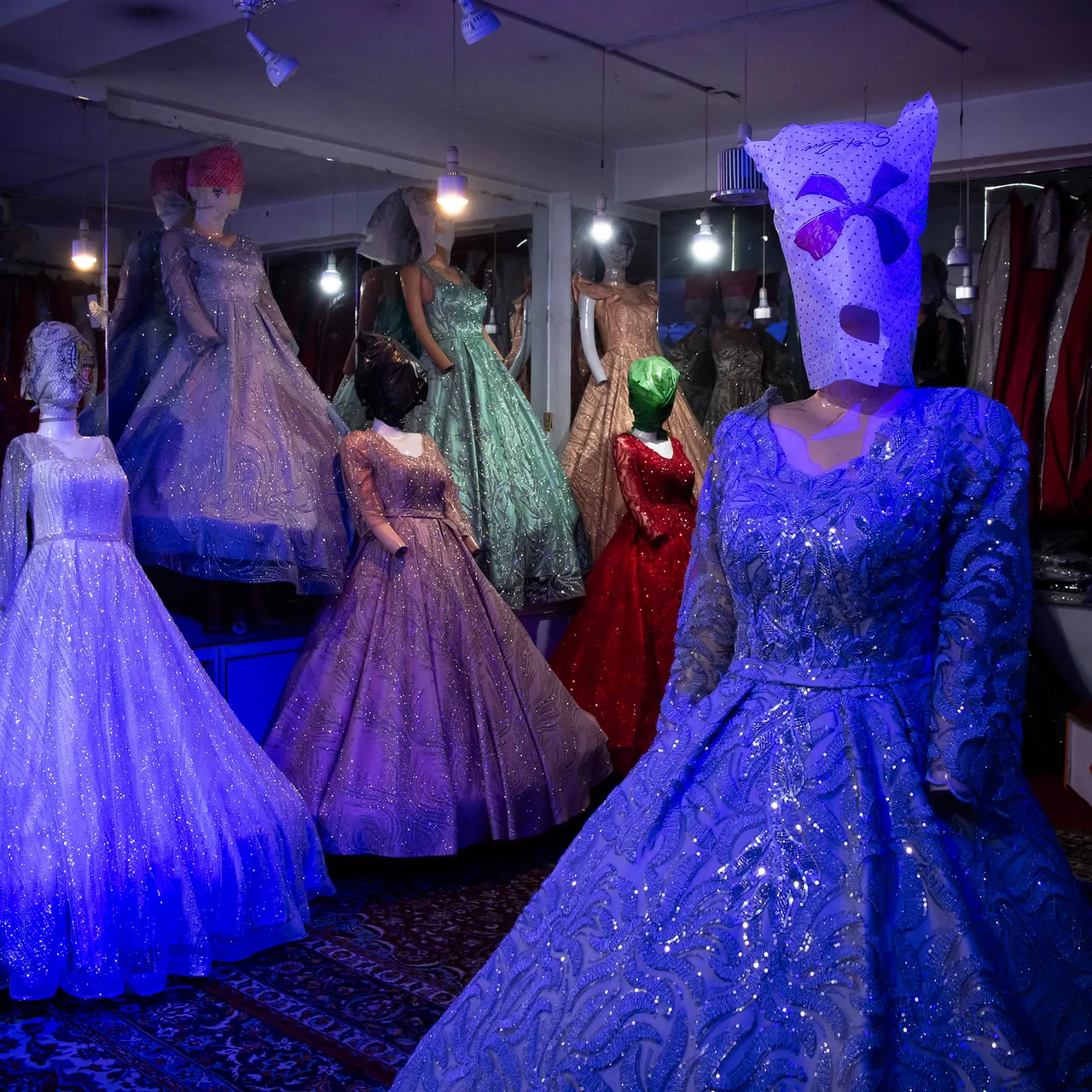
Mélissa, you are in the fight for recognition of gender apartheid. What are the biggest challenges facing an official codification in Afghanistan (or elsewhere)? Why do you think the international community is hesitant to partake in this fight?
Mélissa: We’re both doing that. The exhibition went to The Hague, we’ve been working very closely with Amnesty International on that. On gender apartheid, the crime doesn’t exist yet, so what we’re working on right now is mostly pushing states to support the codification of this crime in the new convention that’s being negotiated at the UN, the convention against crimes against humanity. What we see politically is that a lot of countries are unwilling to call Afghanistan a gender apartheid state because of the refugees. They’re afraid that it means they’ll have to welcome any Afghan woman, which is something that no country wants to do right now. They’re also afraid about further isolating the Taliban, which means eventually hurting Afghans, including women and girls. The more isolated they are, the less economic development there is, and right now, the economic crisis is the biggest issue for Afghan women and girls before the Taliban or anything else. They have no job. Their husbands have no job. They can’t feed their children. And that economic crisis has been created by the West.
When we talk about gender apartheid, you have to look at the long term. Even if the crime is codified and even if the ICC or whatever tribunal says that there’s gender apartheid in Afghanistan, it’s not going to change anything. You can’t go to Kandahar and arrest the supreme leader. They don’t live in Afghanistan. But I still think it’s important to do these things. Firstly, because Afghan women inside the country need to see that people are thinking about them and doing things to make sure that there’s accountability for the crimes committed against them. And secondly, for the long term. There will be a time, hopefully, where there will be accountability for all of these crimes.
When we talk about gender apartheid, you have to look at the long term. Even if the crime is codified and even if the ICC or whatever tribunal says that there’s gender apartheid in Afghanistan, it’s not going to change anything. You can’t go to Kandahar and arrest the supreme leader. They don’t live in Afghanistan. But I still think it’s important to do these things. Firstly, because Afghan women inside the country need to see that people are thinking about them and doing things to make sure that there’s accountability for the crimes committed against them. And secondly, for the long term. There will be a time, hopefully, where there will be accountability for all of these crimes.
You mentioned the economic crisis, malnutrition, and how children are also at the forefront of that, specifically young girls. Households might be choosing to feed the boys instead of the girls. What do you think this is telling the next generation?
Mélissa: To be fair, this is not because of the Taliban. It’s always been a society in which boys and men have been prioritised. When there isn’t enough food, the men and the boys are the ones leaving the home to work and bring back money and food, so they are the ones who should be prioritised. I wouldn’t necessarily blame the Taliban for that. It’s the cultural norms that are at fault here, but that's been amplified because of the Taliban.
What’s next for both of you? You seem to be working together again now.
Mélissa: Yes, we’re in Ukraine. This is the first trip, we’re considering starting a new project. We’re thinking about these different chapters, which will also lead us back to Afghanistan, but to work on a different angle, still linked to women and girls. I’ve been doing Afghanistan for seven years, so I’m trying to work somewhere else.
Kiana: And also get the book out. We’re both very excited. It’s almost like giving birth and being done with it. And the website too. The essence of what created No Woman’s Land, what we managed to pull off, has taught me so much that I’m taking into my future projects. From having a team to support you to expanding a short story.
Kiana: And also get the book out. We’re both very excited. It’s almost like giving birth and being done with it. And the website too. The essence of what created No Woman’s Land, what we managed to pull off, has taught me so much that I’m taking into my future projects. From having a team to support you to expanding a short story.