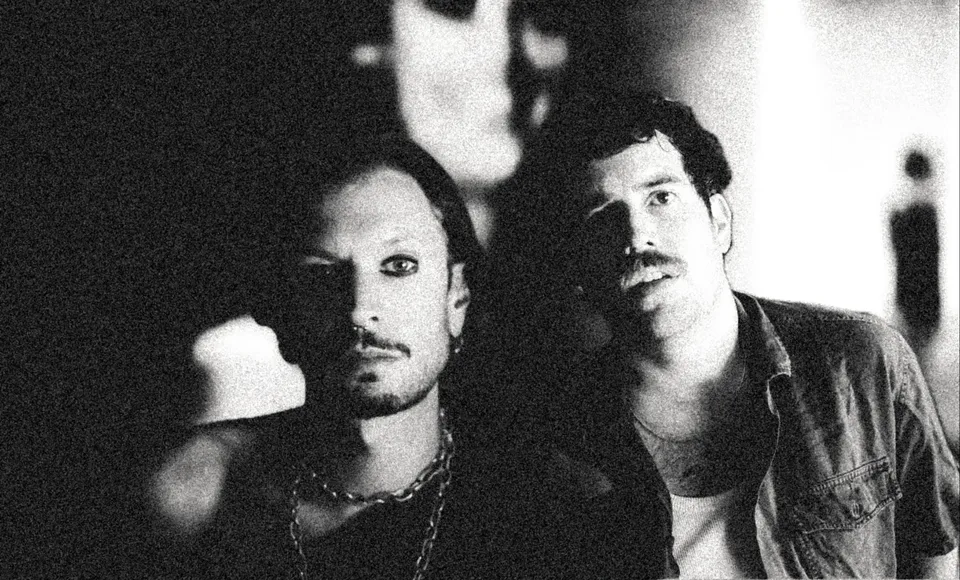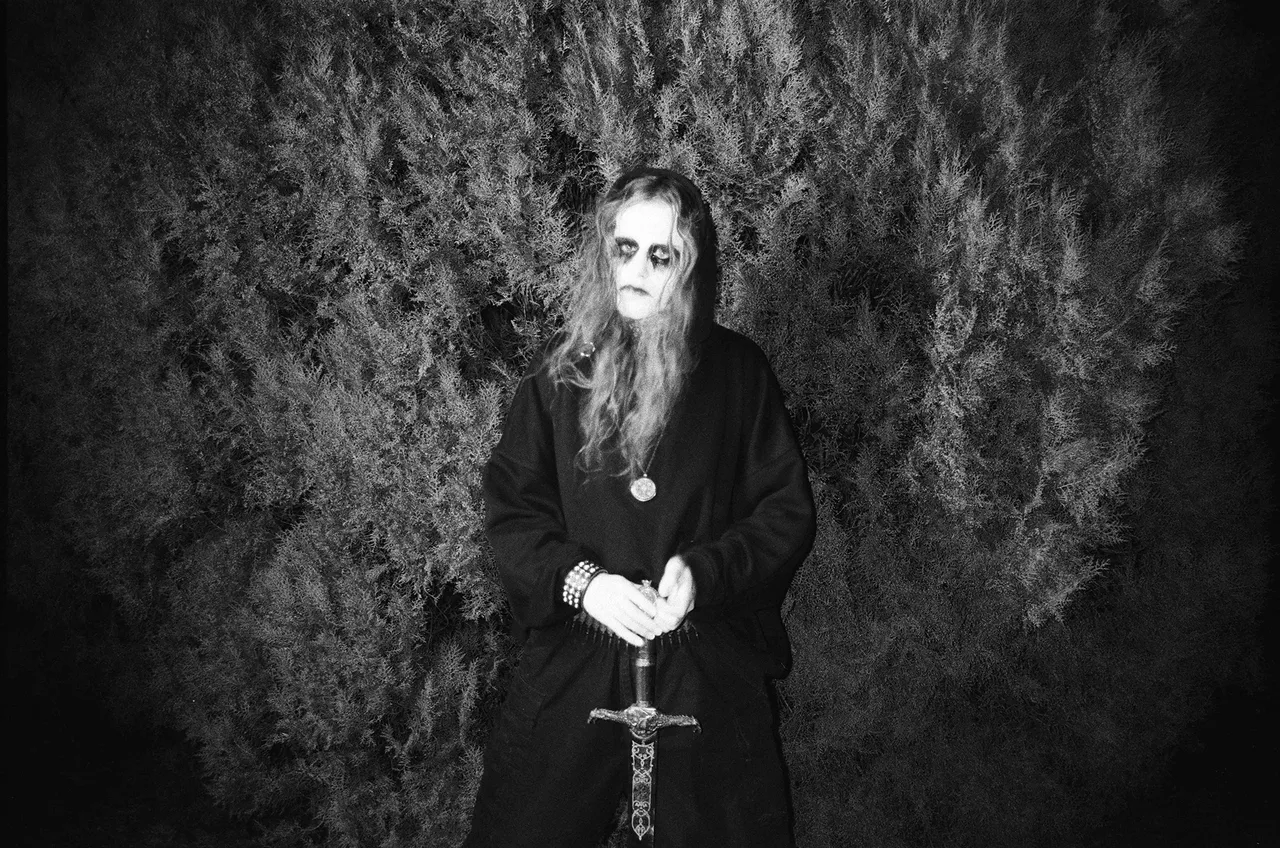
Seventeen tracks can feel like a risk in an age of short attention spans, but on Morning Star that scale becomes part of the experience. Released today via Sacred Bones, the new album from Këkht Aräkh unfolds less like a conventional record and more like a slow journey through memory and personal transformation. Across seventeen songs, the Ukrainian-born, Berlin-based artist gradually builds a world that feels immersive, melancholic and deeply reflective. The release arrives just days after Castle, the final single shared earlier this week.
Behind the project is Dmitry Marchenko, the sole mind behind Këkht Aräkh. His relationship with black metal began long before his personal project, when he started writing songs in 2014 under a different moniker. Even then he felt that the version of the genre he wanted to hear did not quite exist yet. Rather than replicate its familiar structures, he began reshaping them, removing certain elements while introducing others. When Këkht Aräkh emerged in 2018, that instinct quickly became its signature, pairing visceral black metal intensity with quieter, almost romantic moments.
Recorded between Berlin and Stockholm, Morning Star arrives after a period of artistic and personal evolution. The album brings together many of the ideas he has been exploring since his early releases, but with a clearer sense of identity. “This album was created at a point where I’m more skilful as an artist, with a much clearer sense of my own sound than in my earlier work,” he explains. “It explores a different emotional palette — rawer, more honest, and more personal.”
Across the record, themes of wandering, memory and existential reflection surface repeatedly. Tracks like Wänderer evoke the image of a solitary figure moving through the night, while Three Winters Away reflects on the distance between past and present. Drömsång leans into dreamlike introspection, and pieces such as Angest confront darker emotional territory. These fragments of narrative and feeling weave through the album, giving the project a sense of continuity that extends beyond individual songs.
The album also introduces a handful of collaborators into that world. Bladee appears on Eternal Martyr, bringing his introspective lyrical approach into conversation with Këkht Aräkh’s universe. Additional contributions from VS–55, Spöke, and Varg2™ expand the album’s broader atmosphere through subtle textural work, while much of the instrumentation remains in Marchenko’s hands.
What ultimately makes Morning Star compelling is not simply its scale, but the feeling that it belongs entirely to its creator. The record gathers years of exploration into something more defined, suggesting that Këkht Aräkh has arrived at a clearer artistic voice while still leaving space for the wandering spirit that shaped it in the first place.