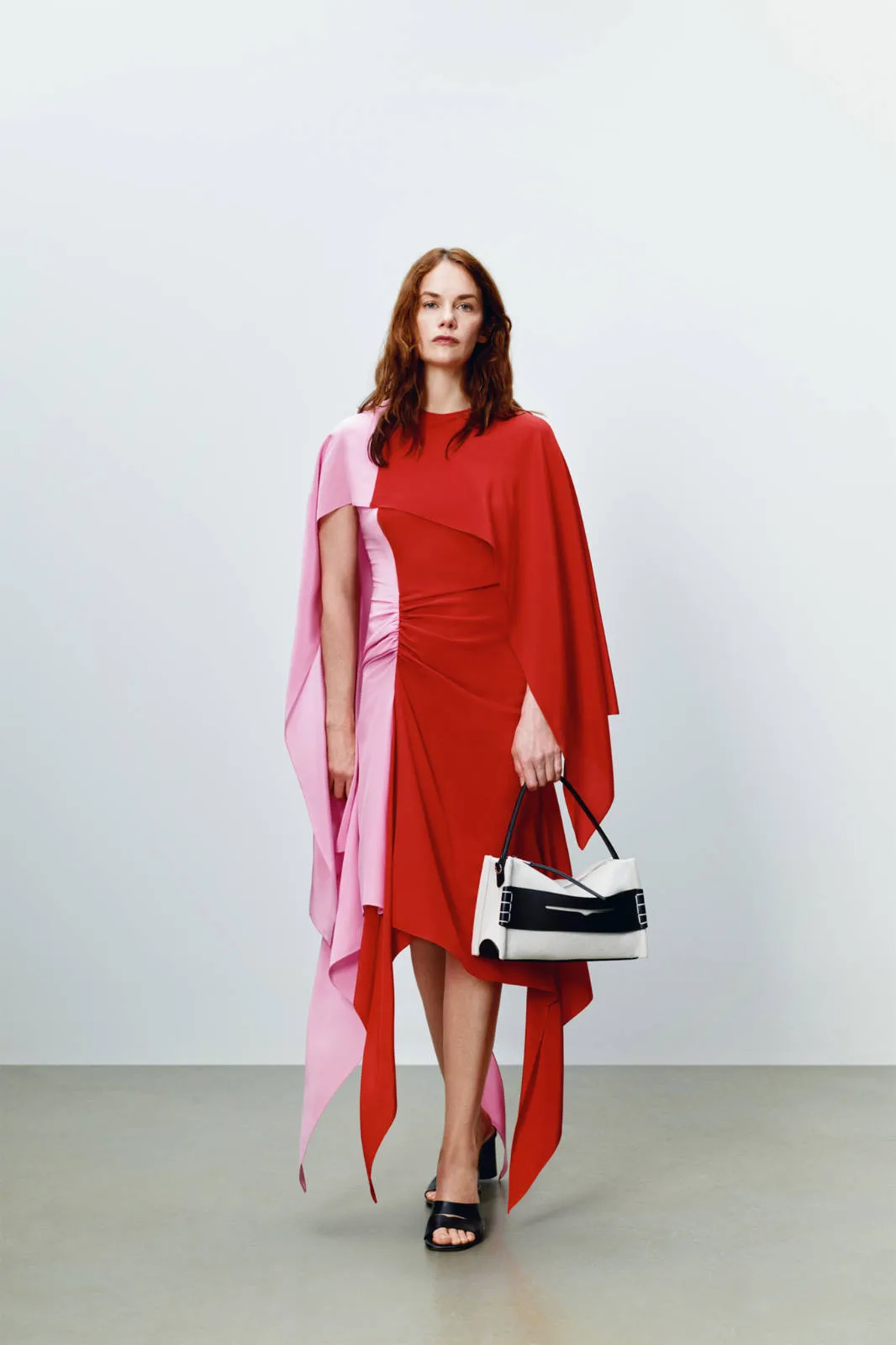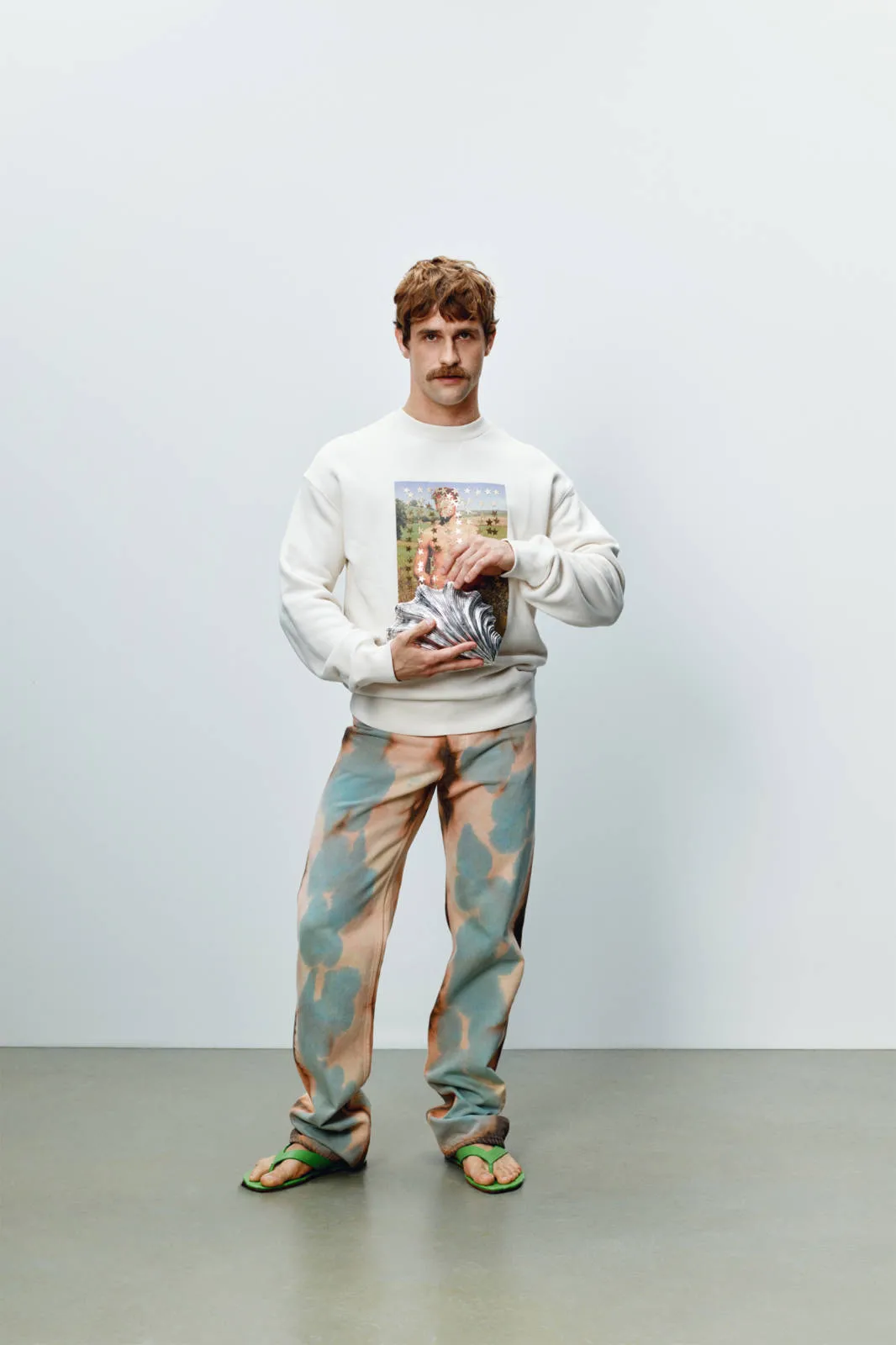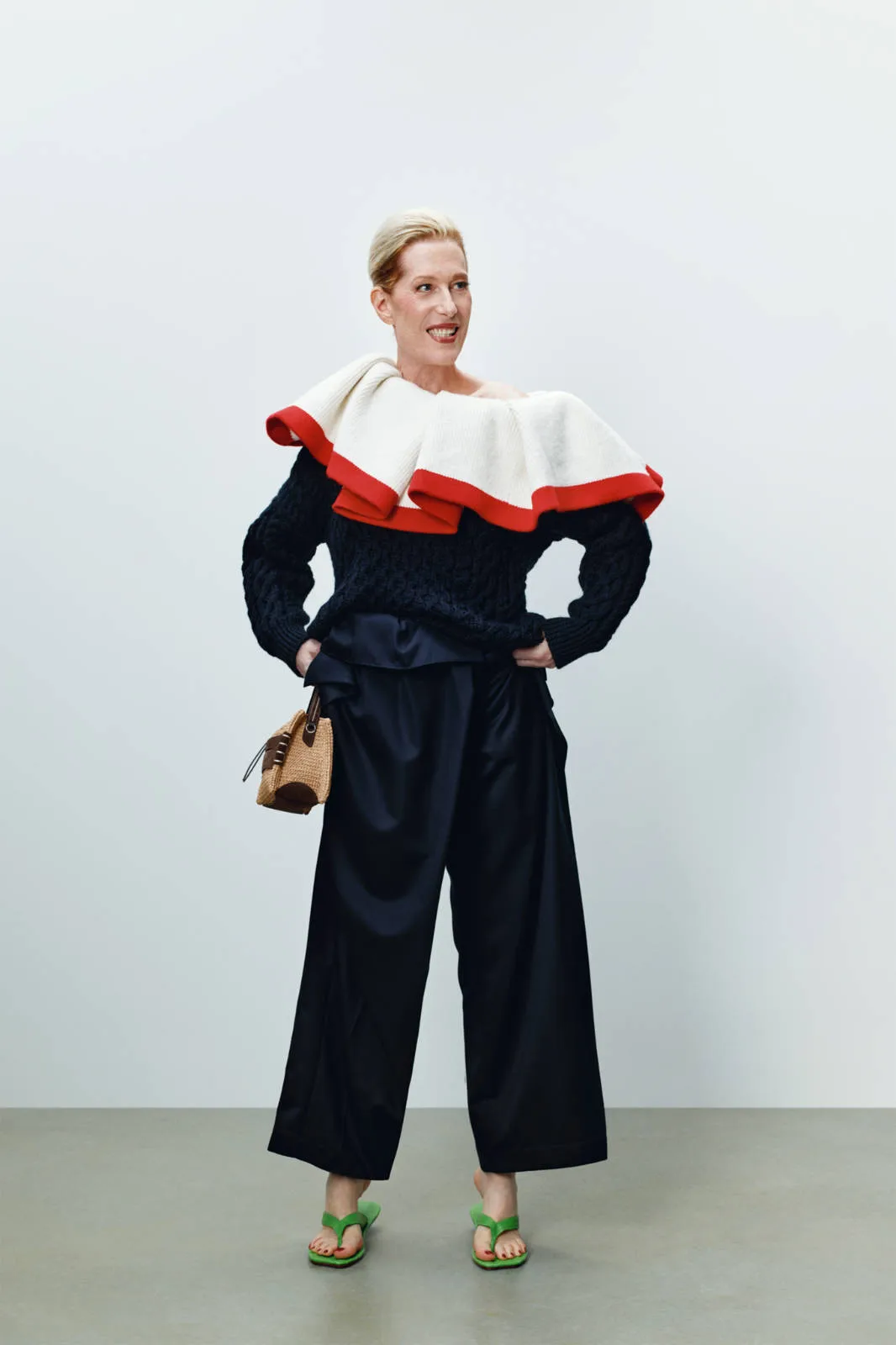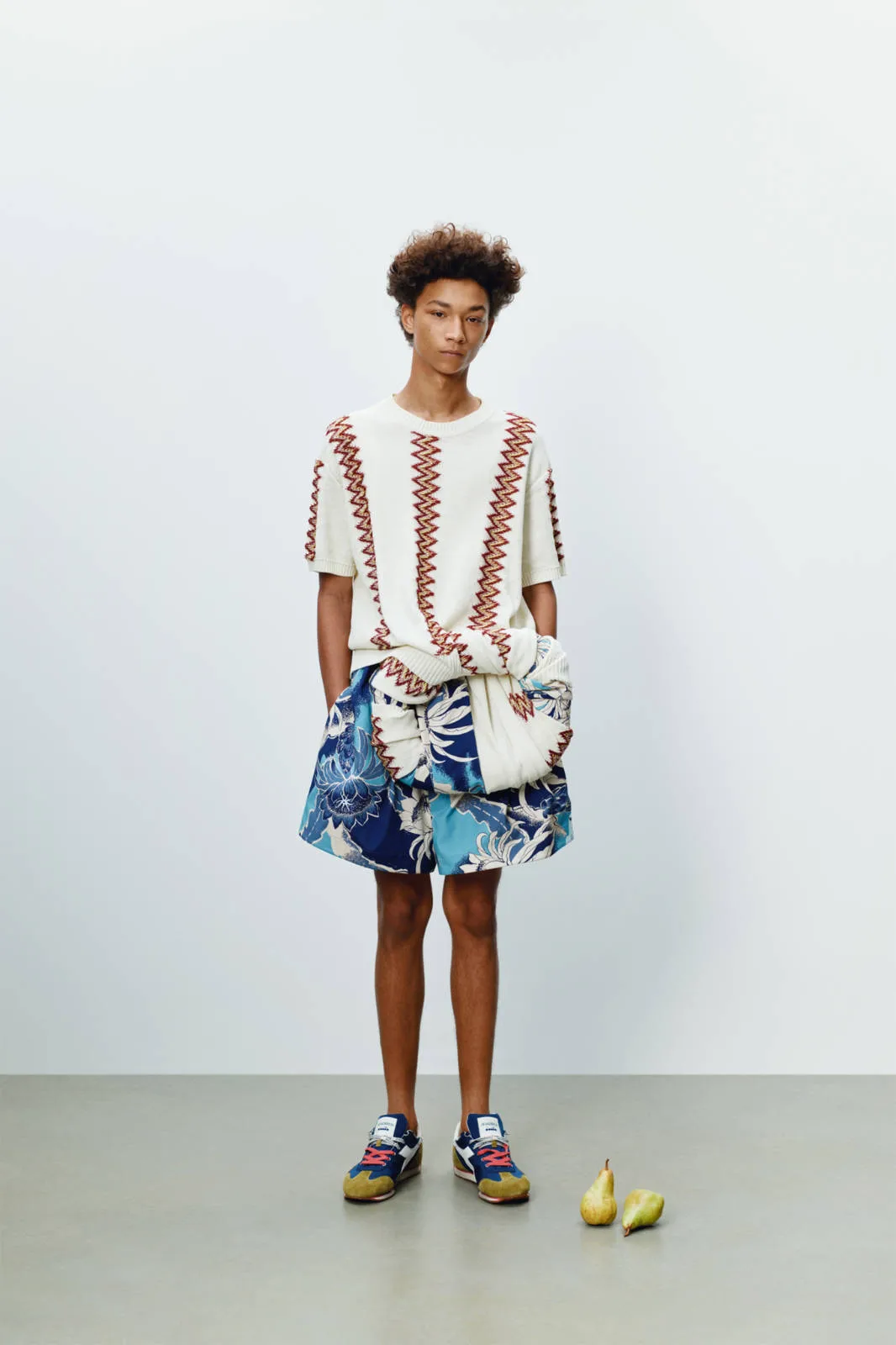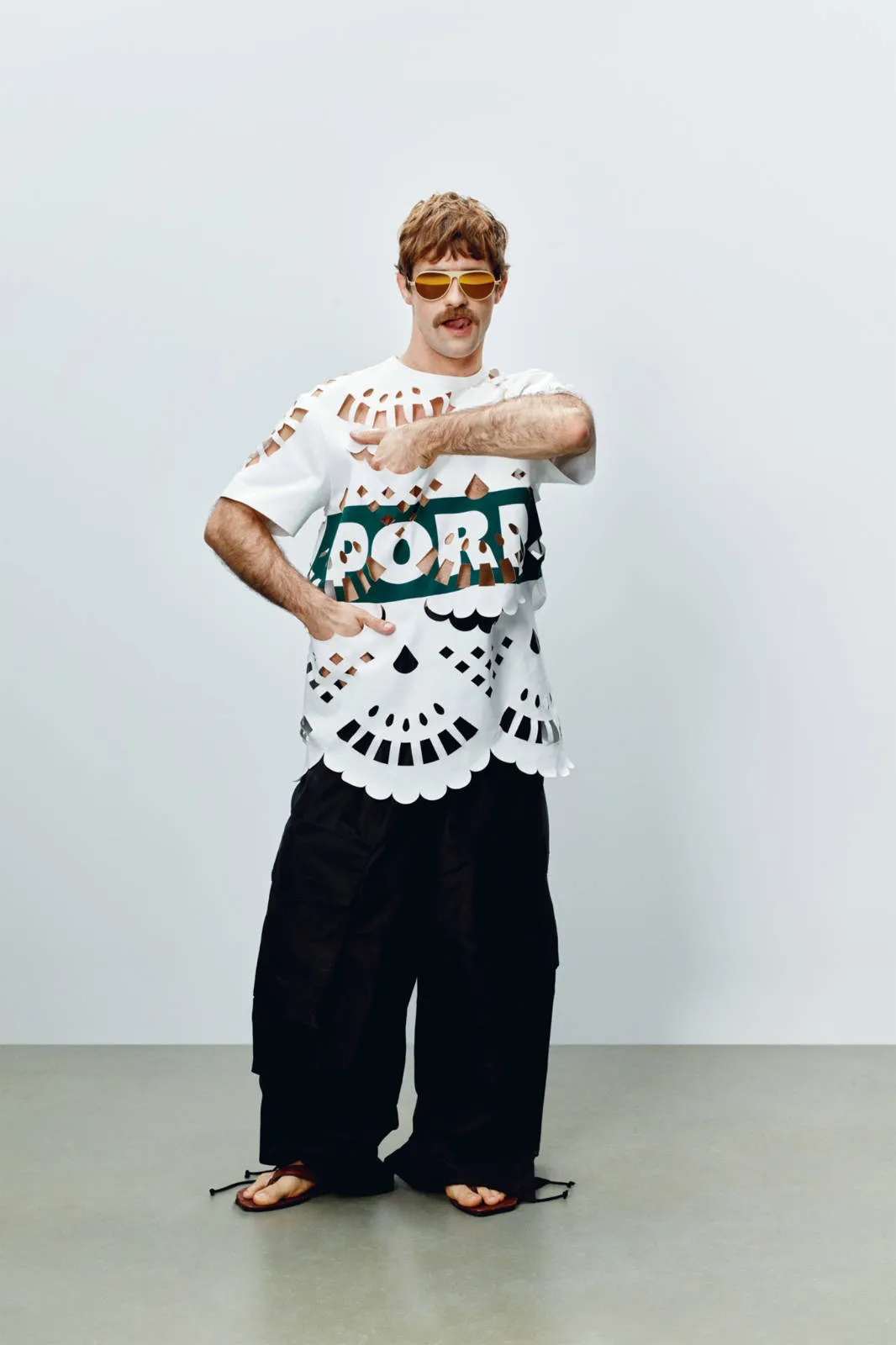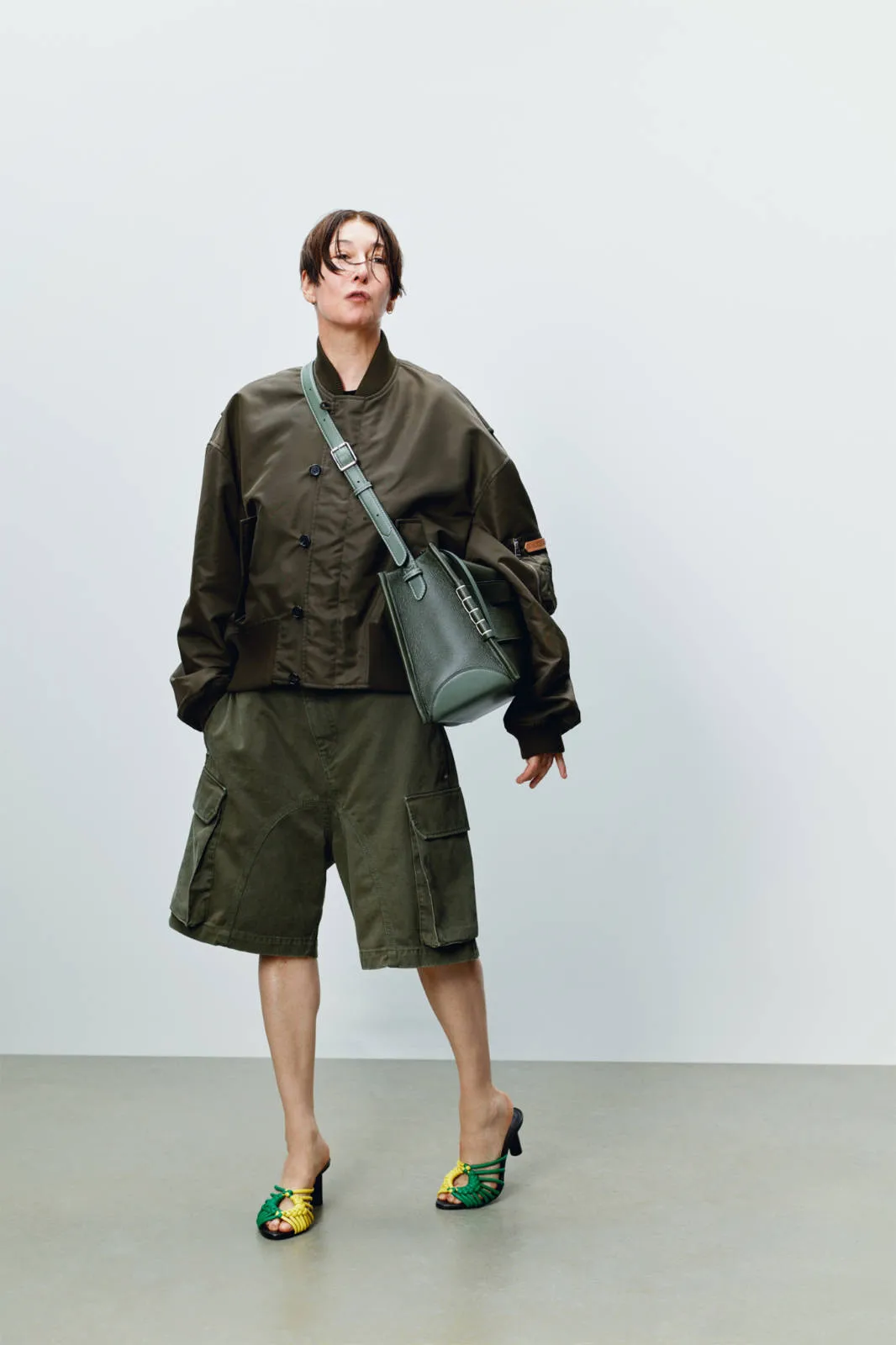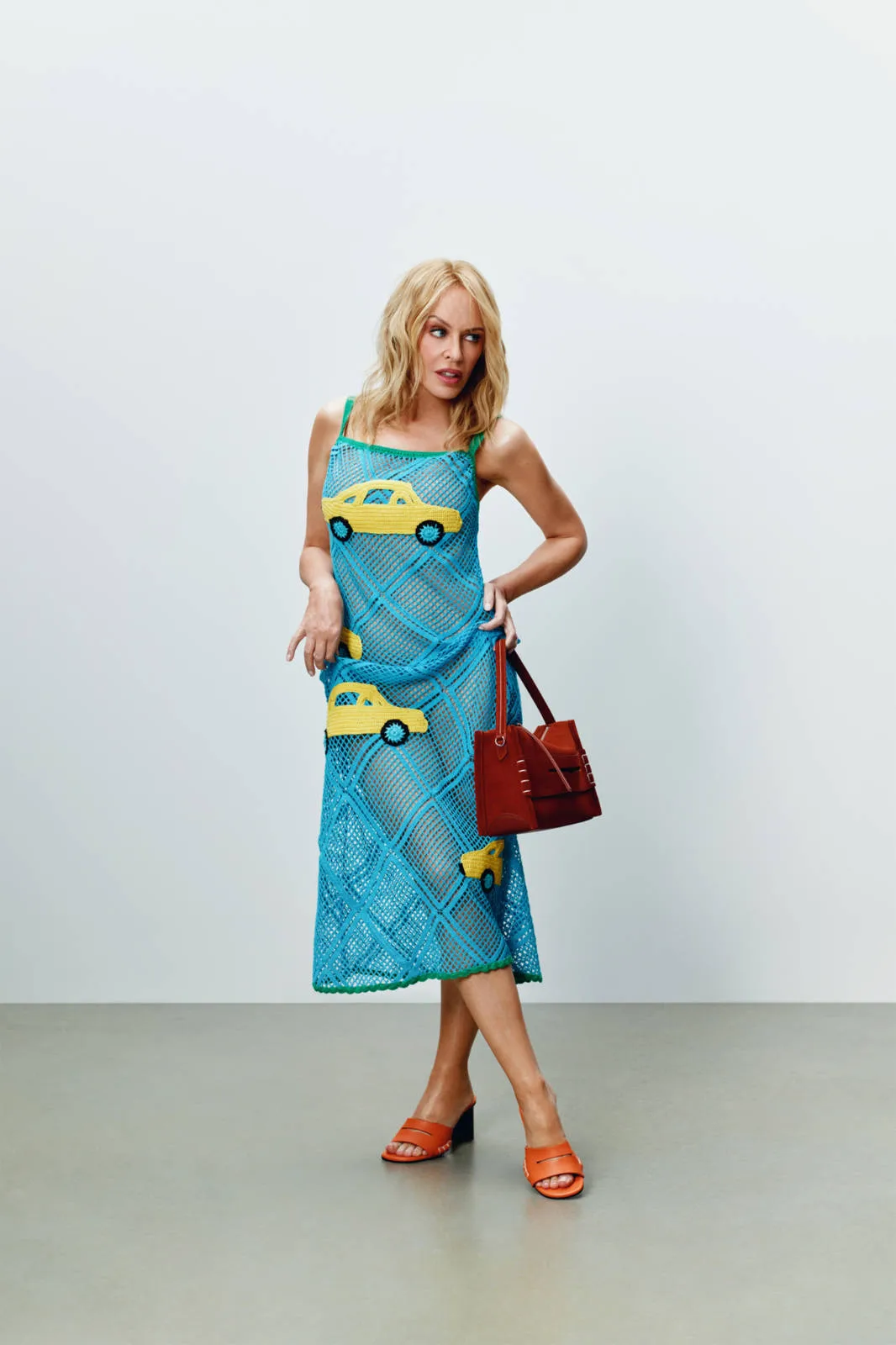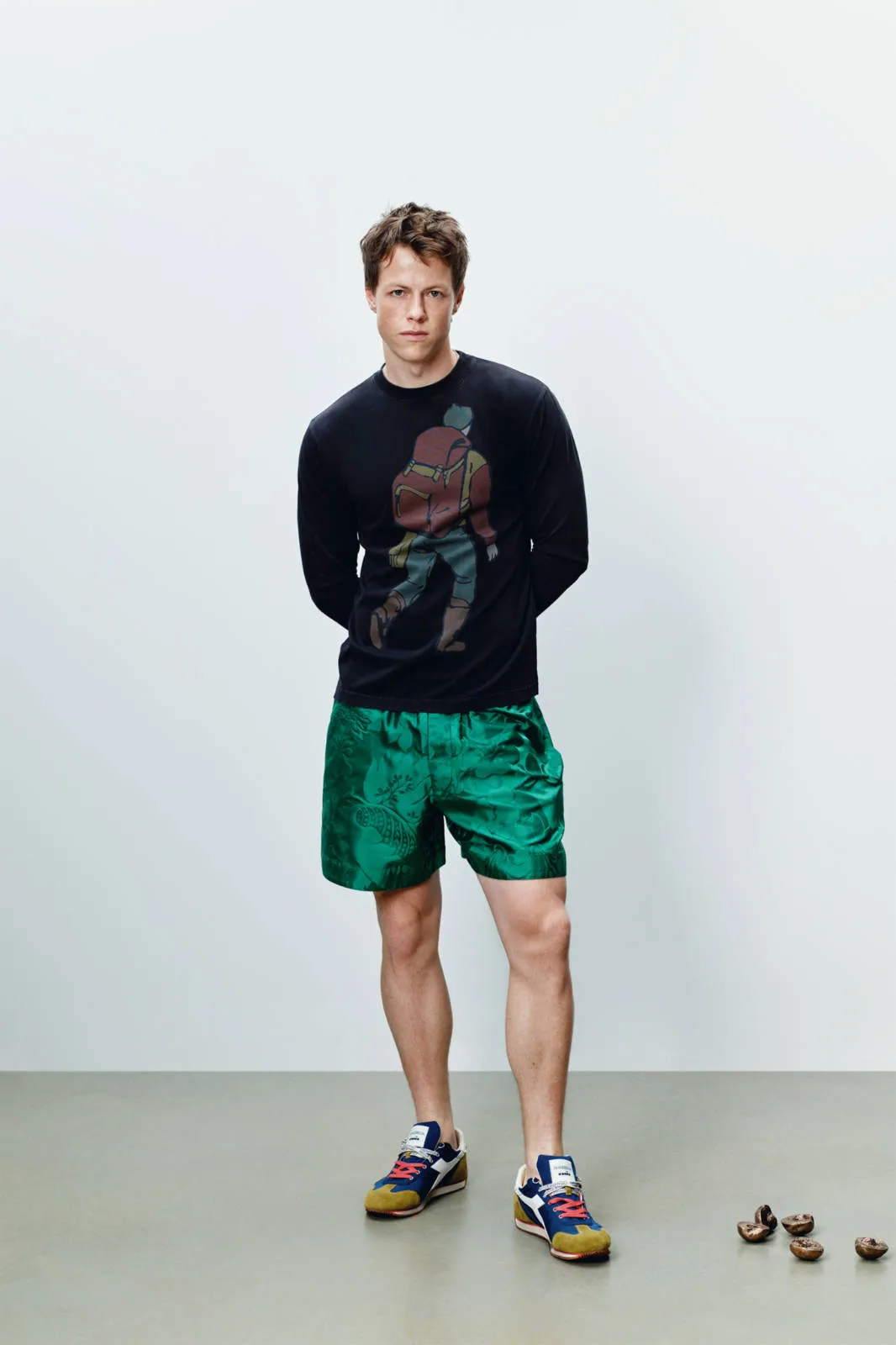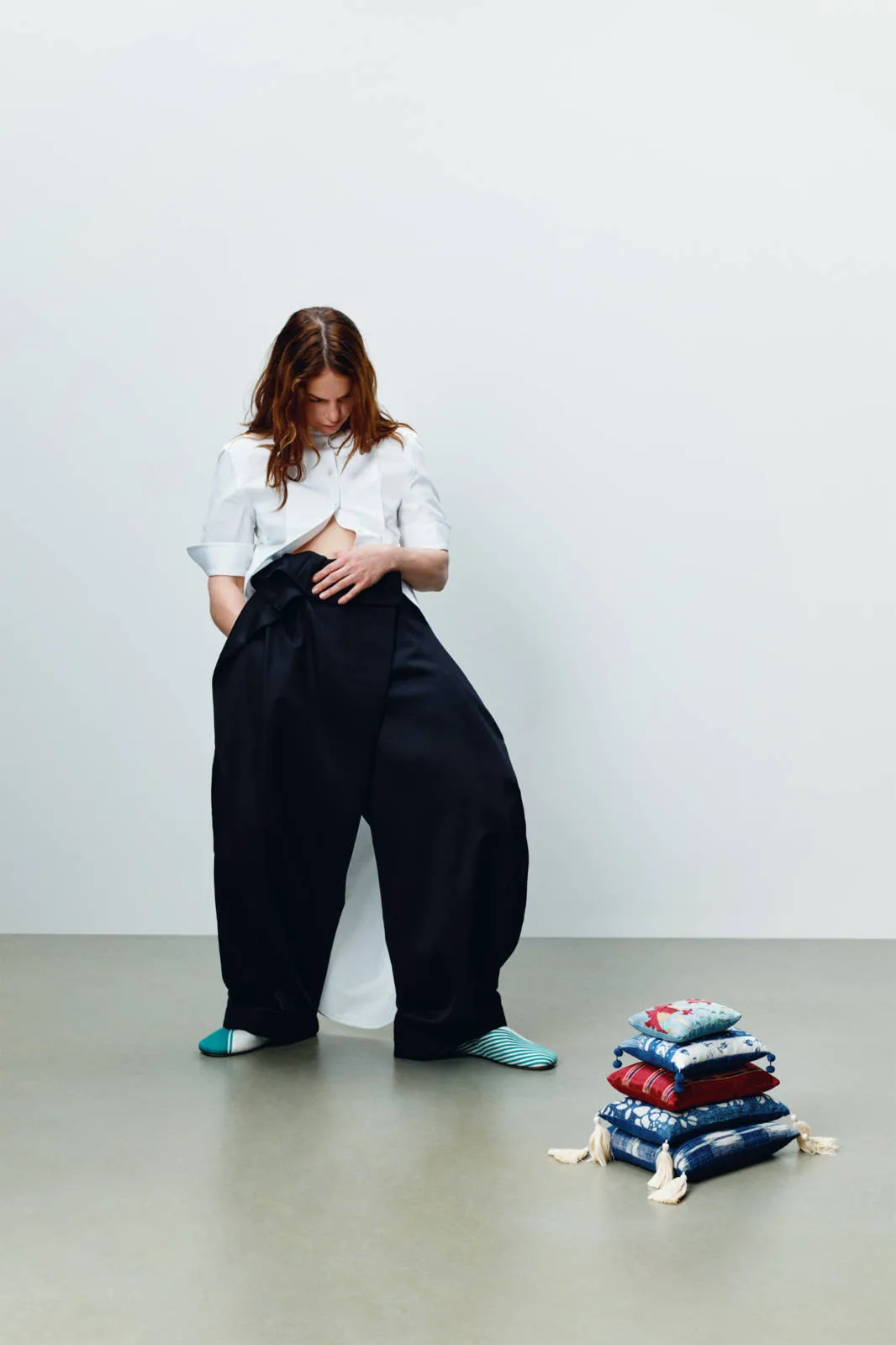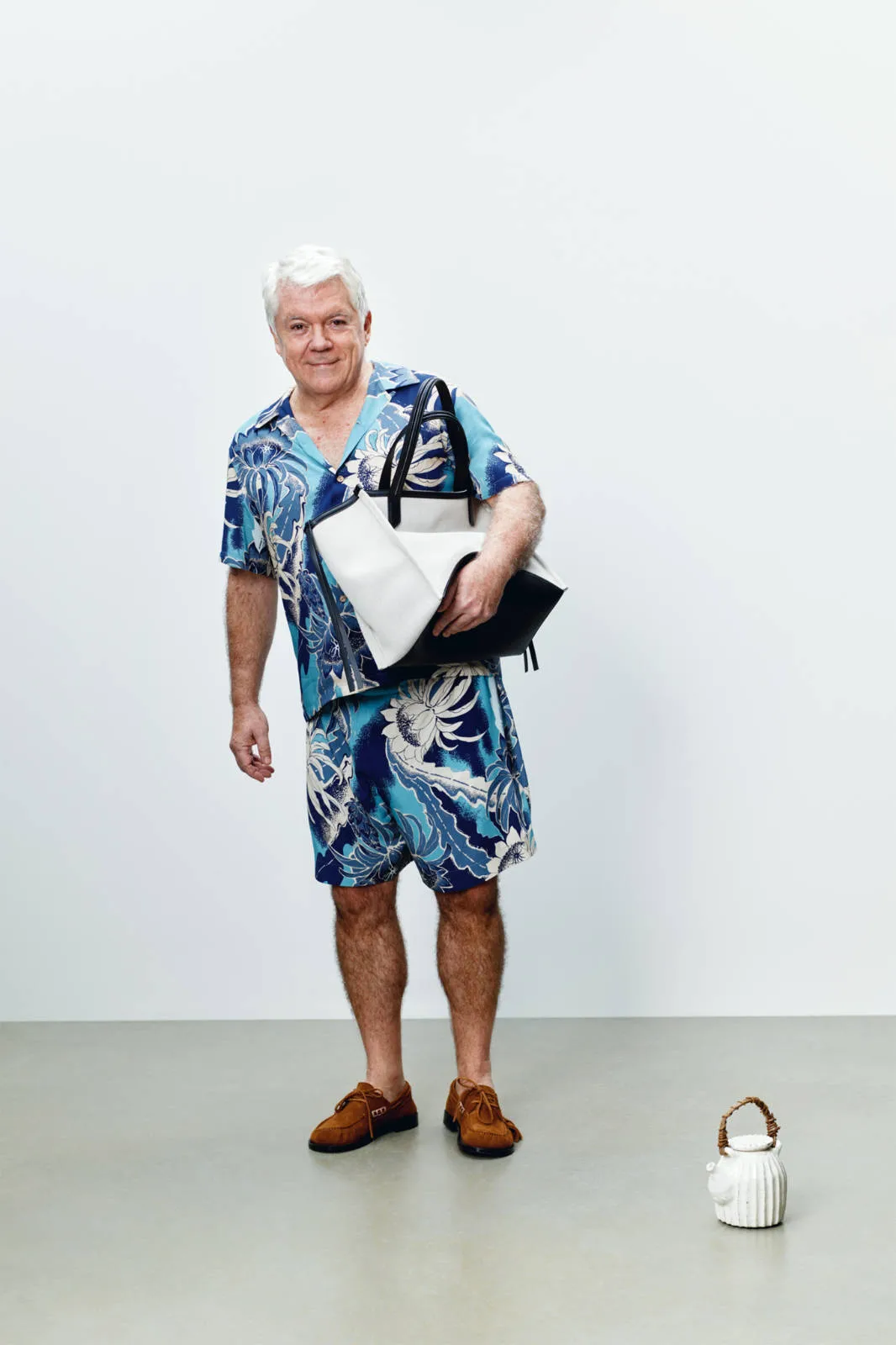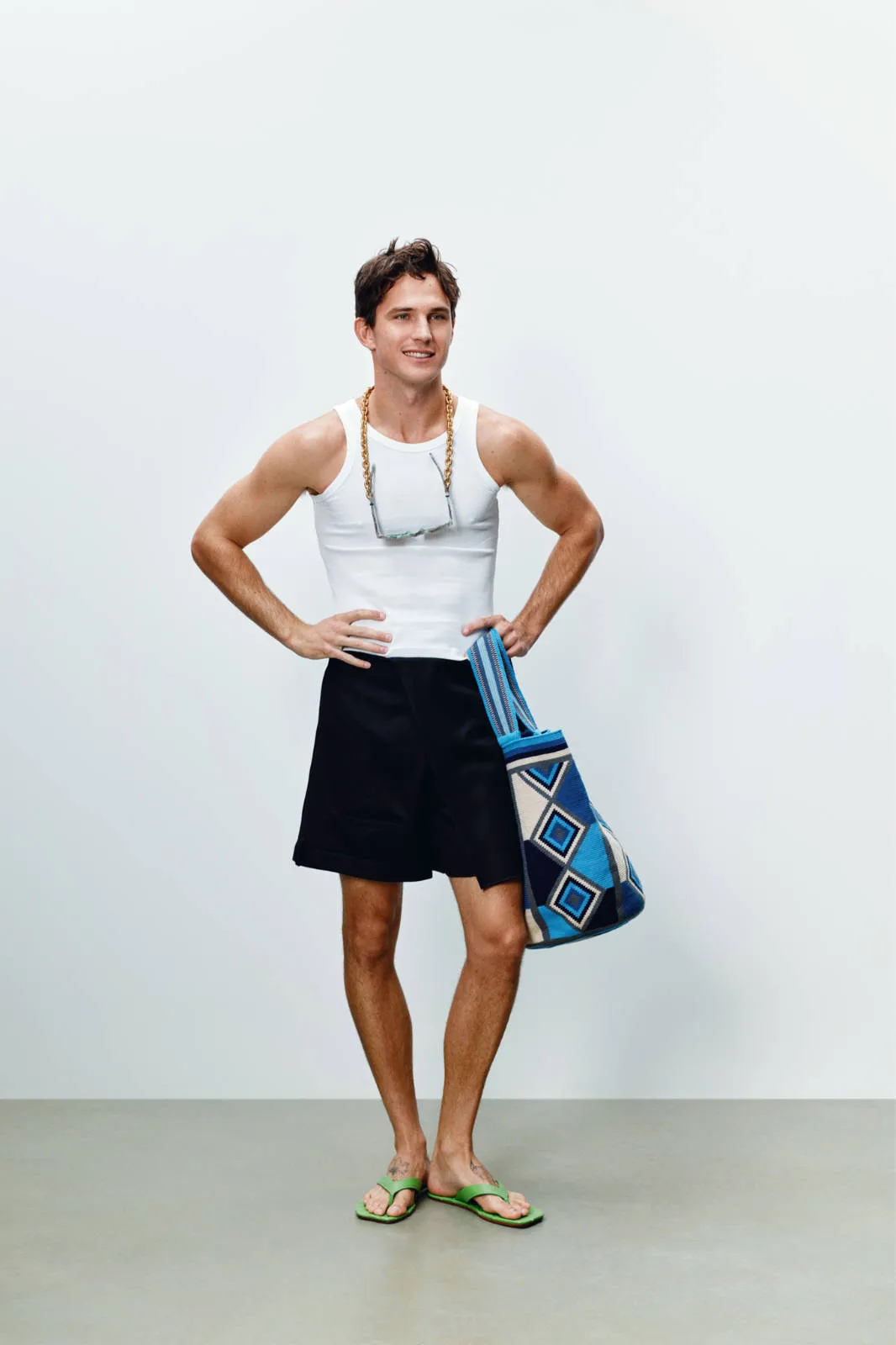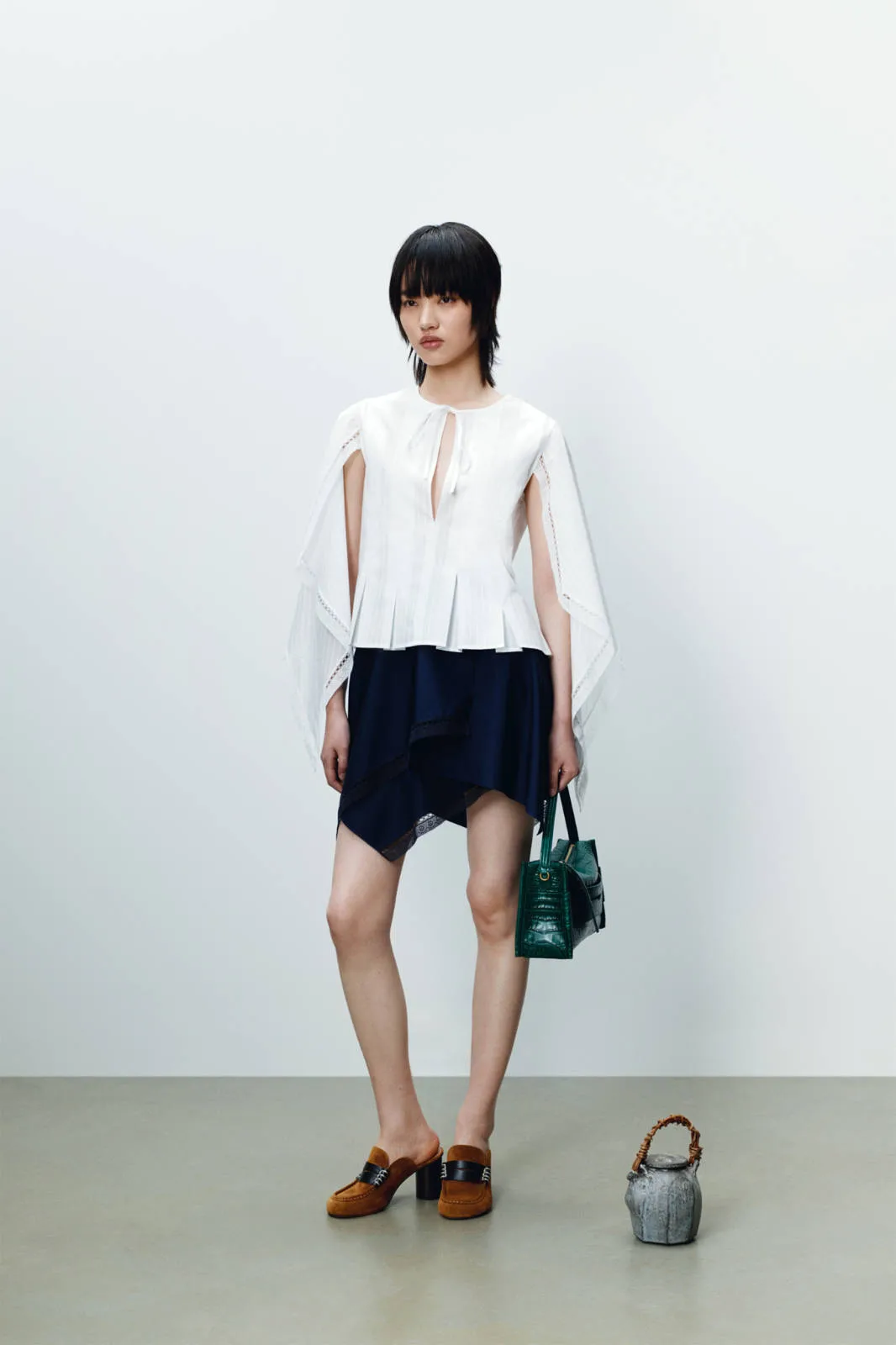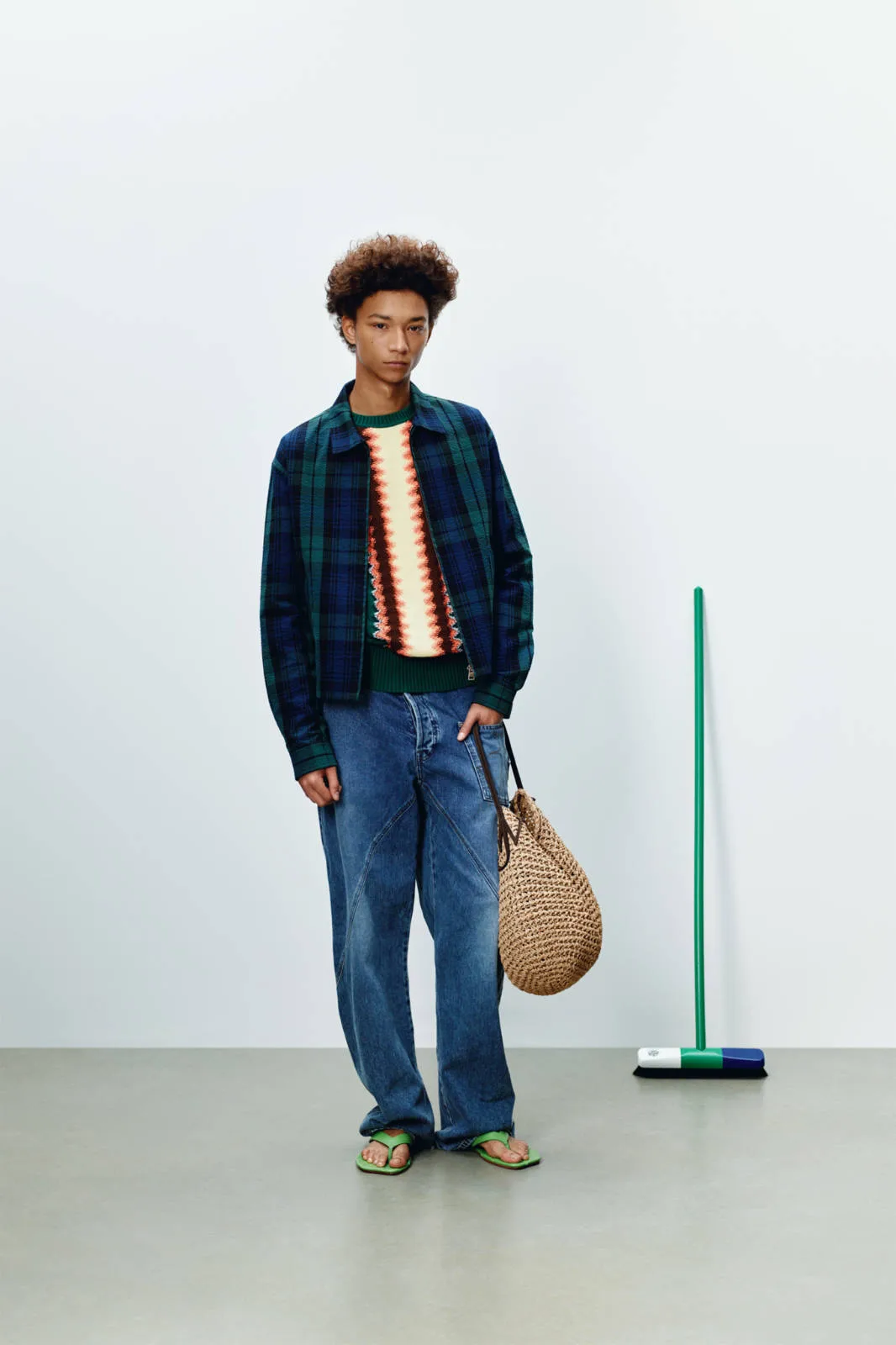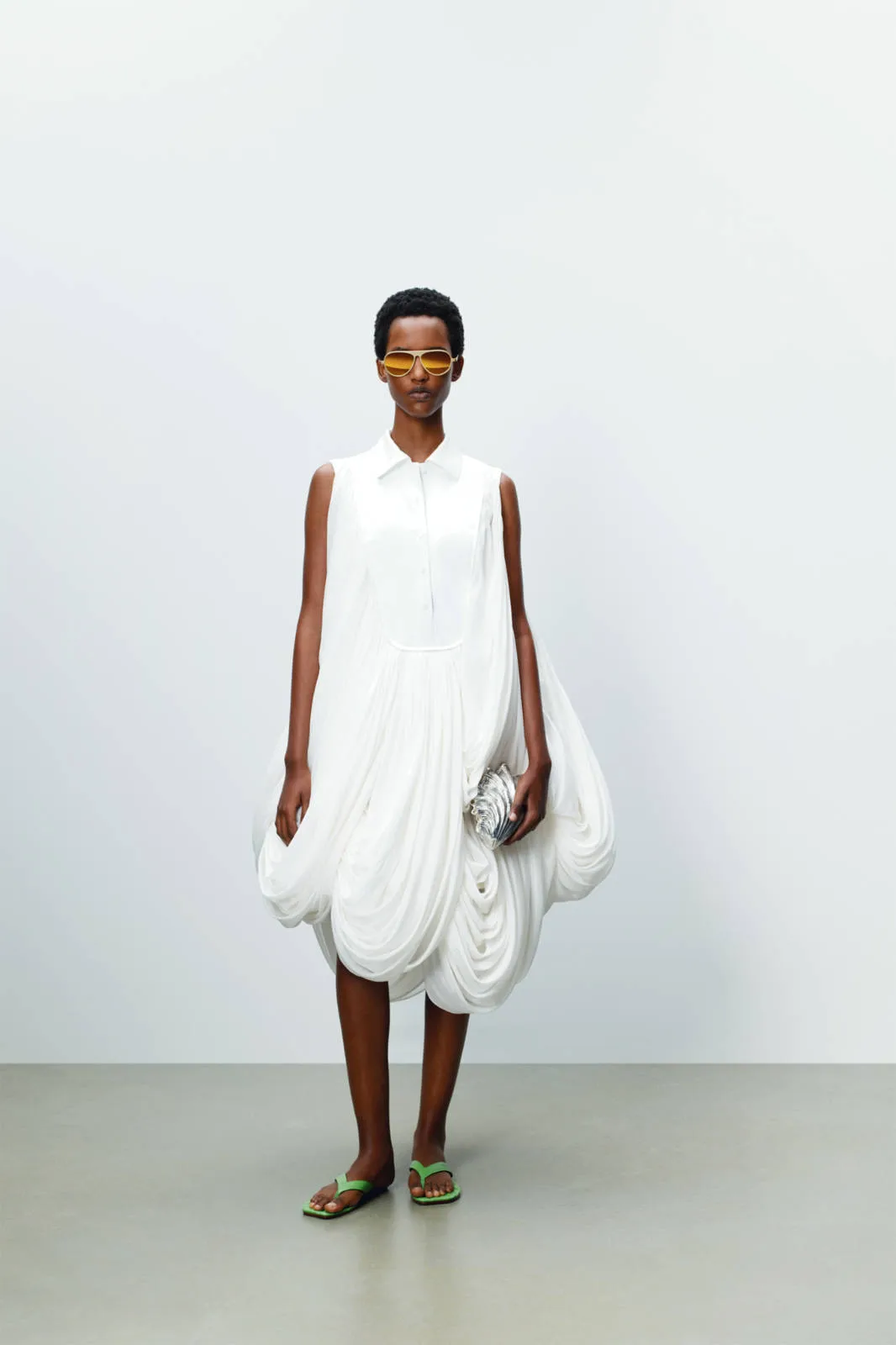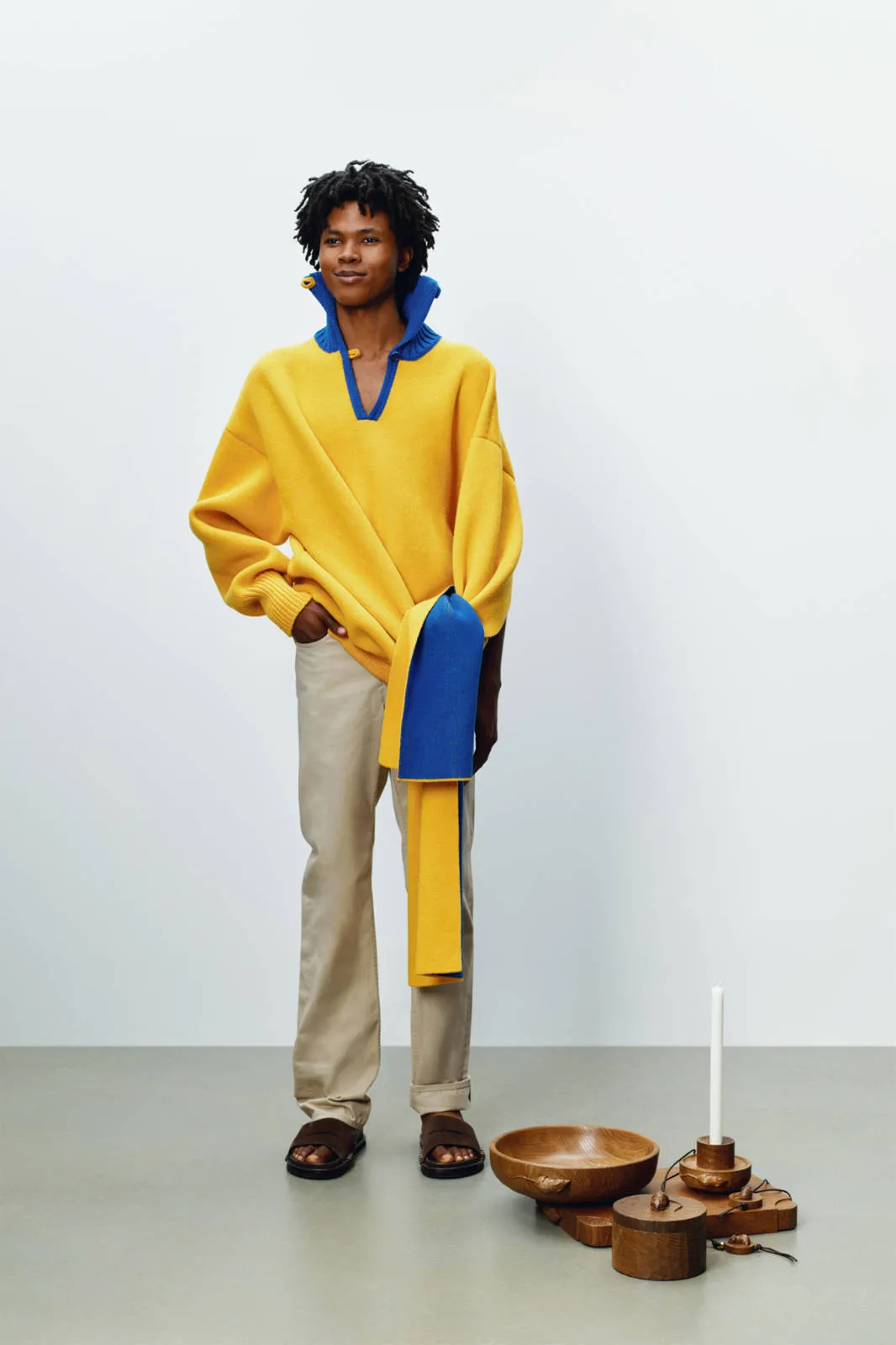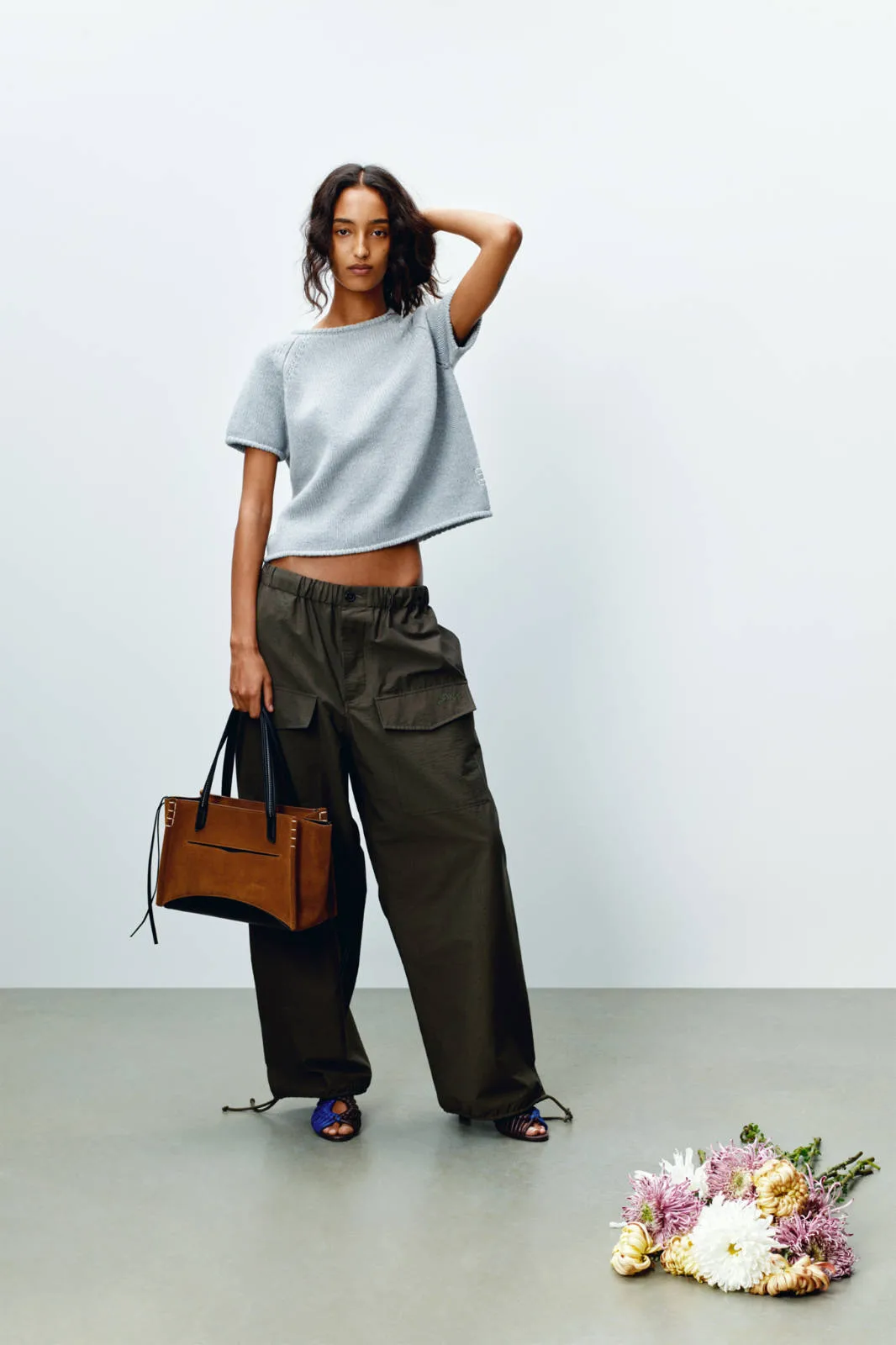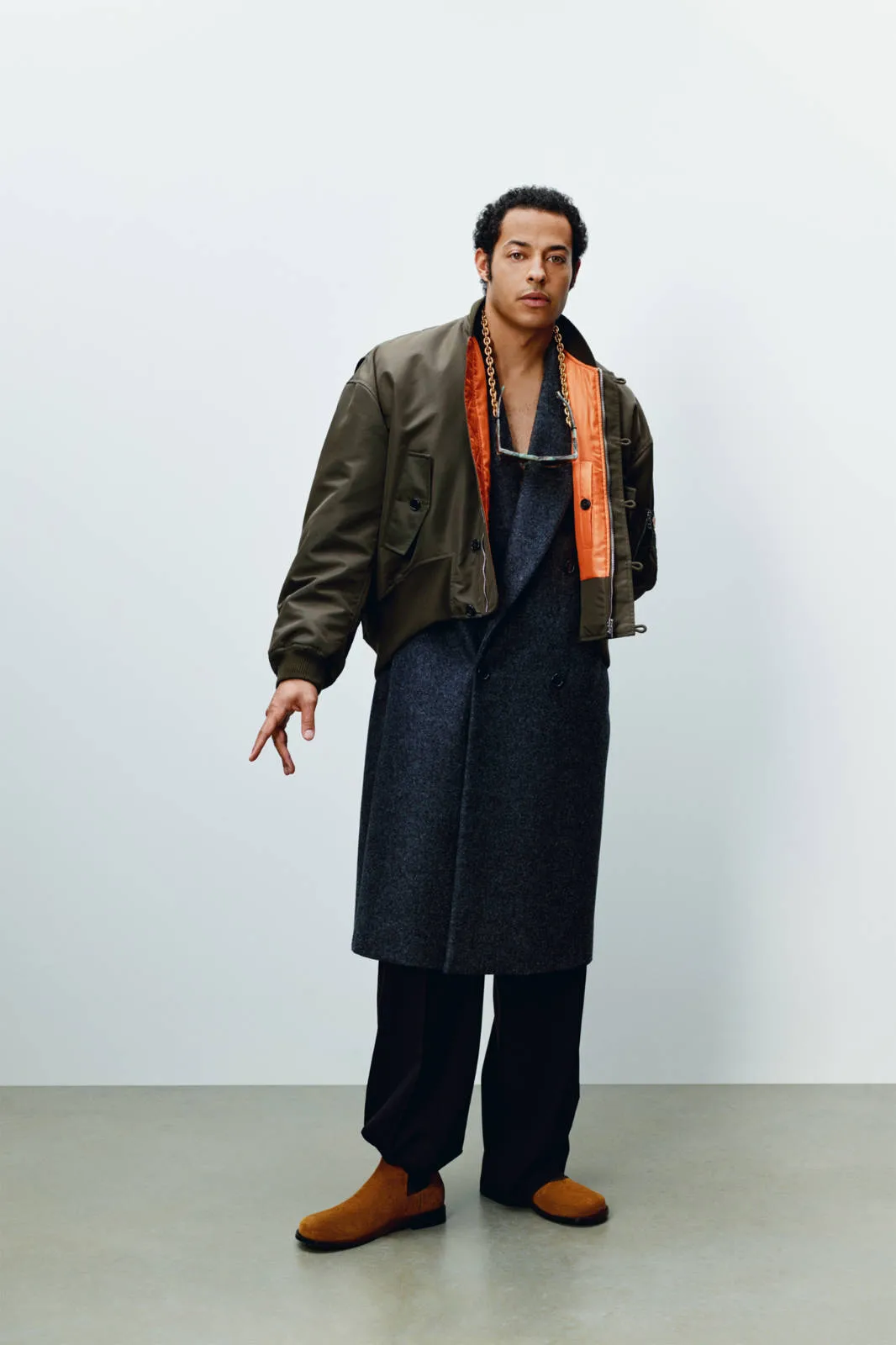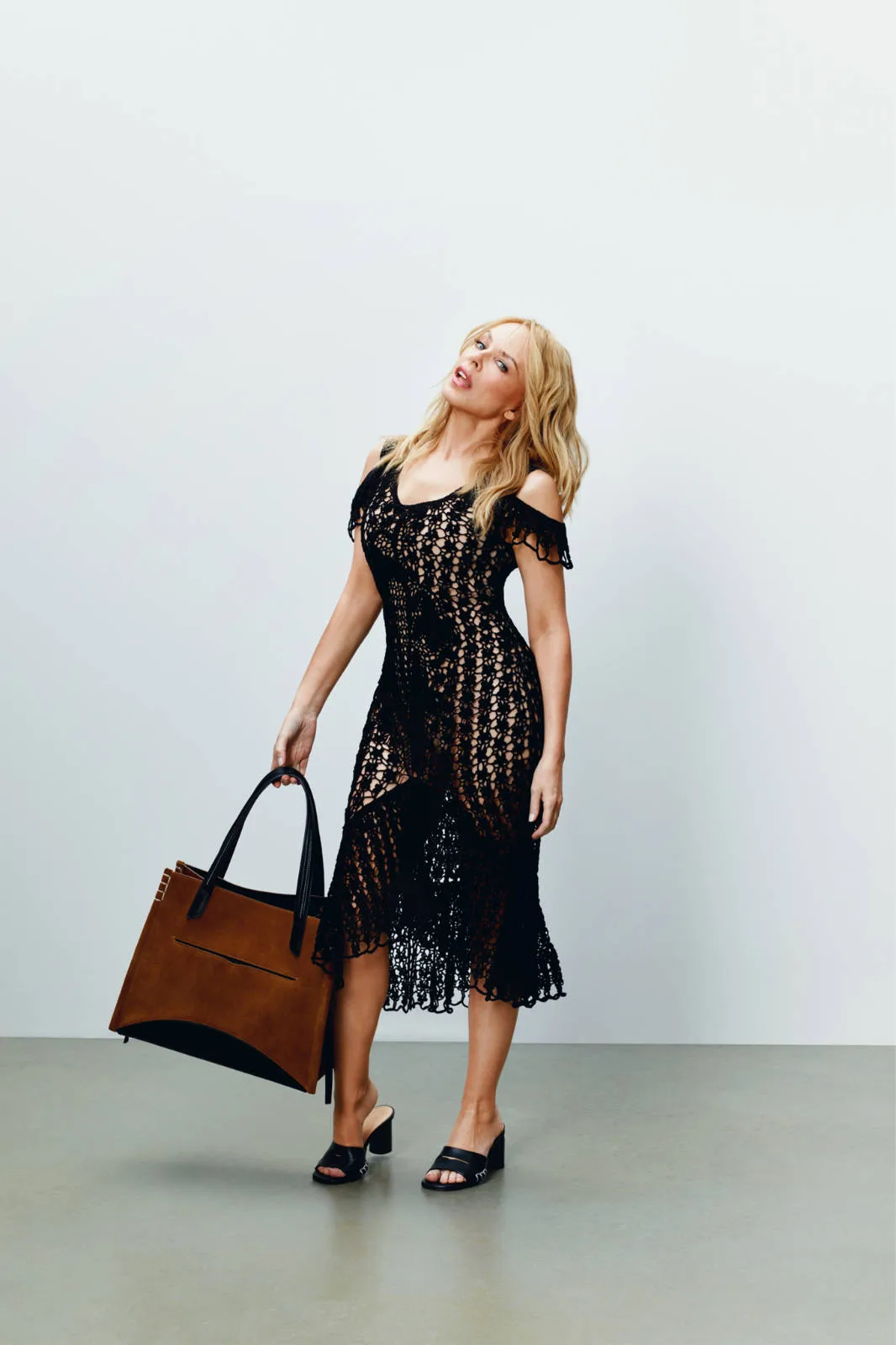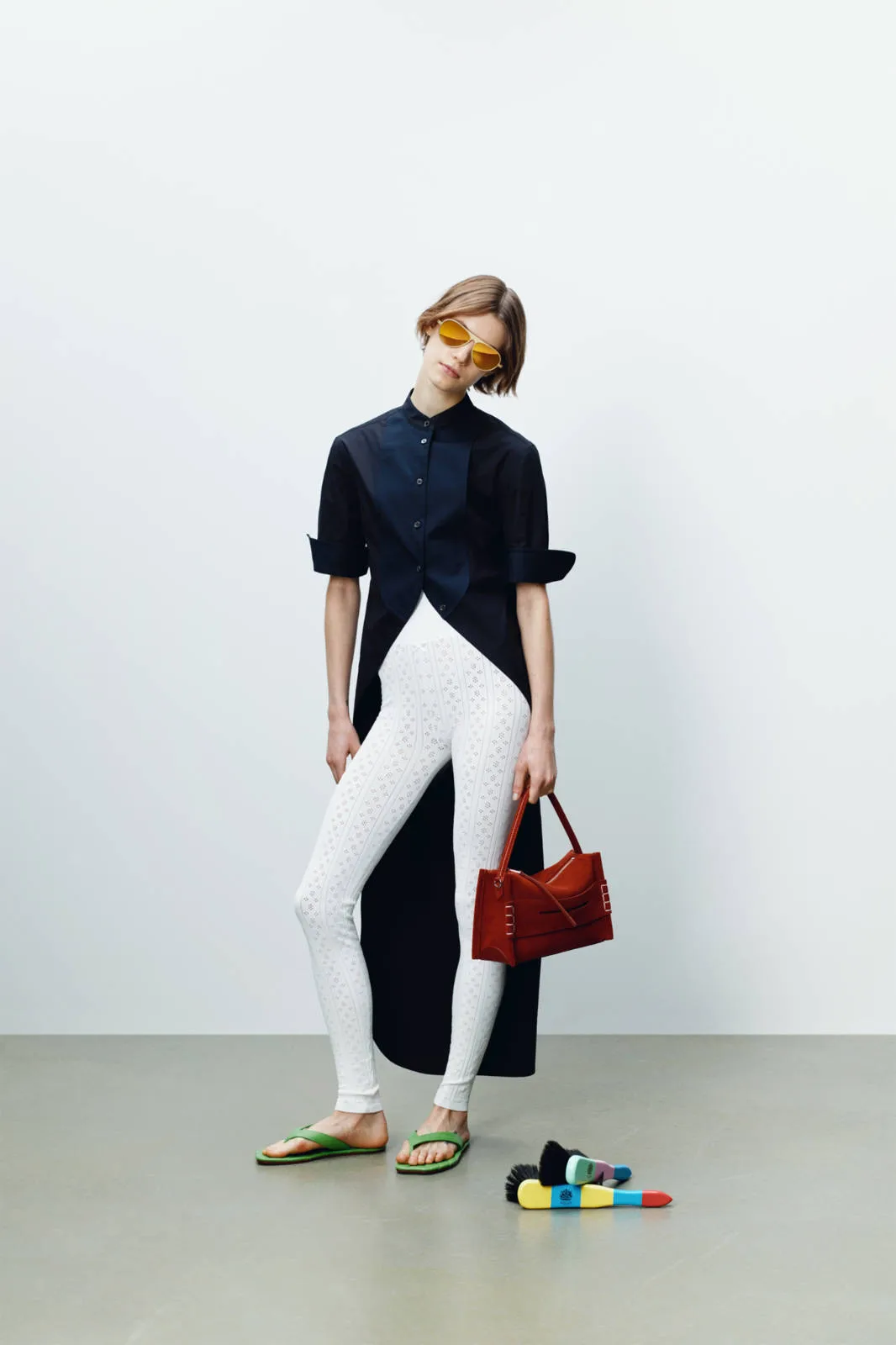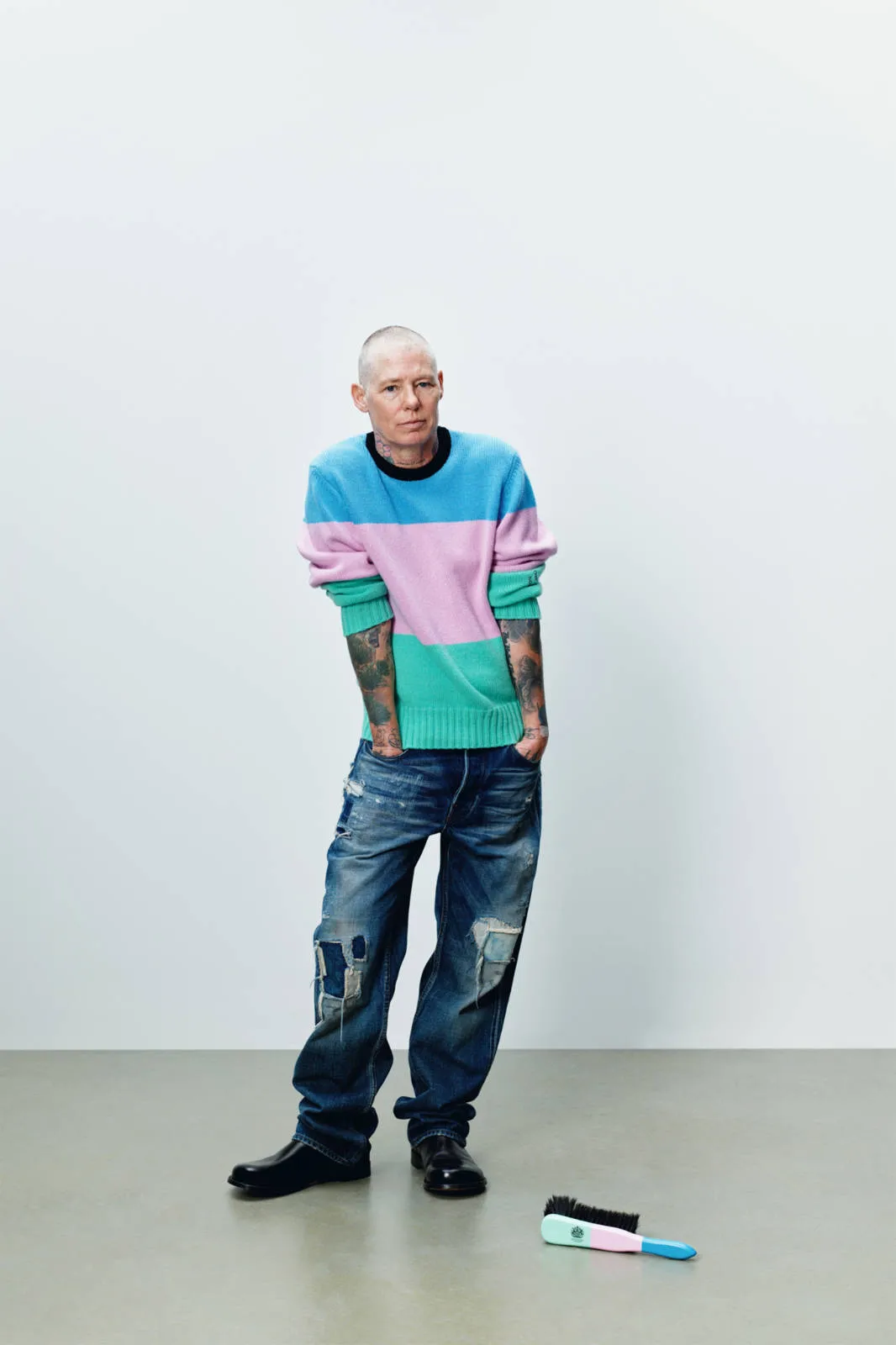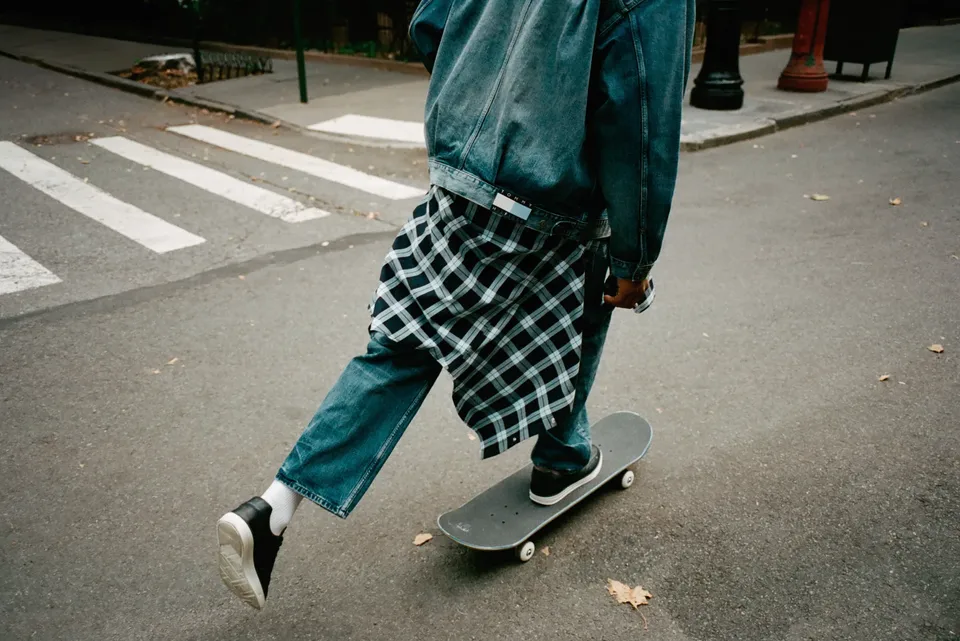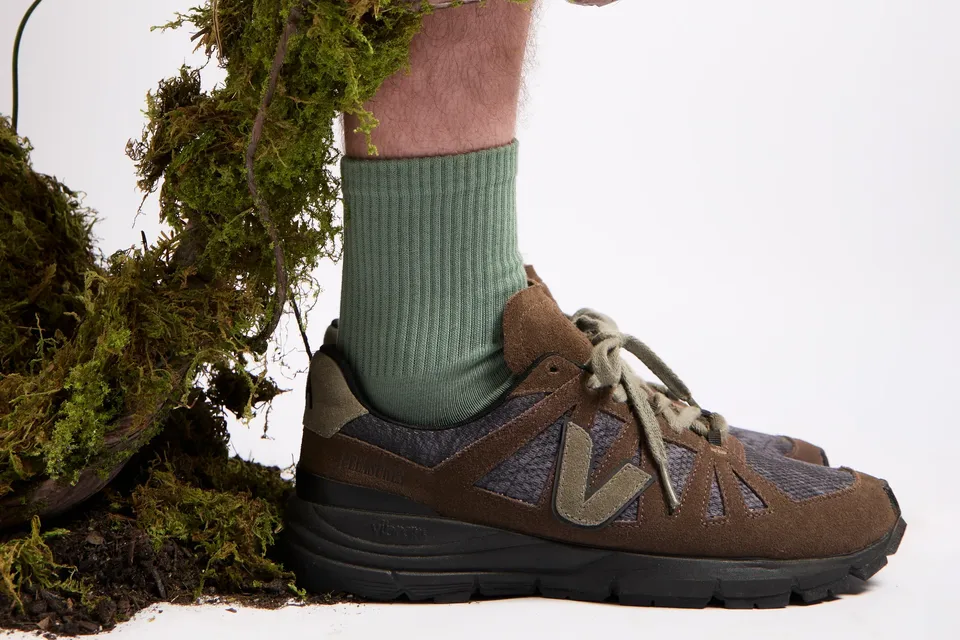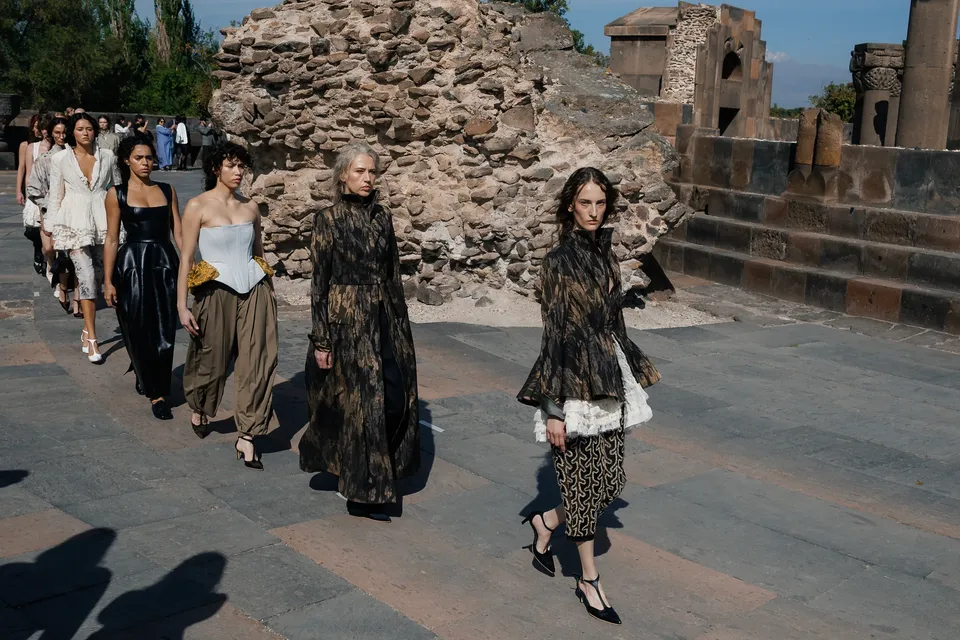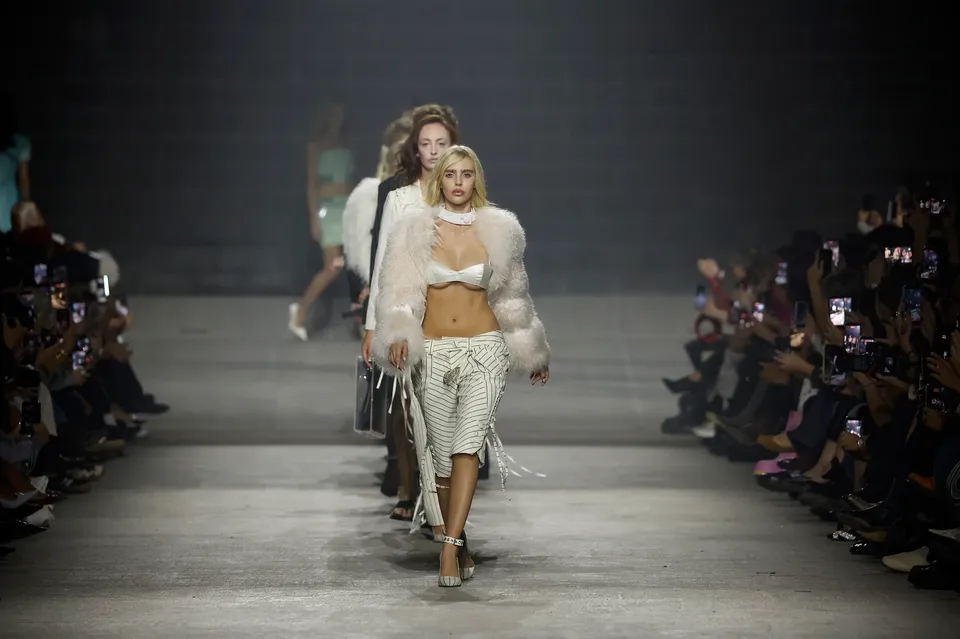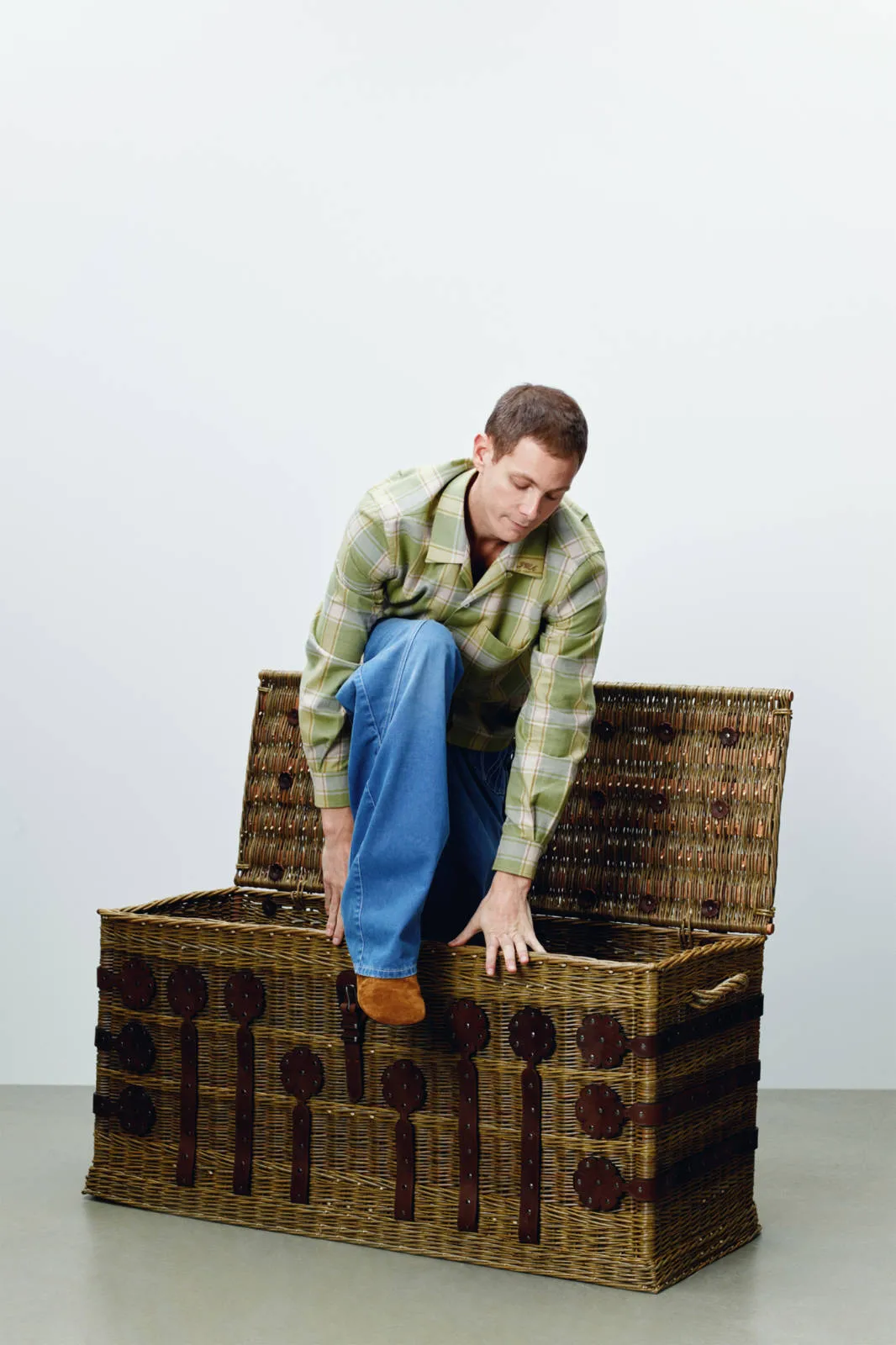
JW Anderson’s new collection is presented through the second edition of the brand’s seasonal lookbook, confirming Jonathan Anderson’s decision to step away from the runway format. The collection is shown through a controlled series of images that prioritise people, garments and objects in direct relation to one another.
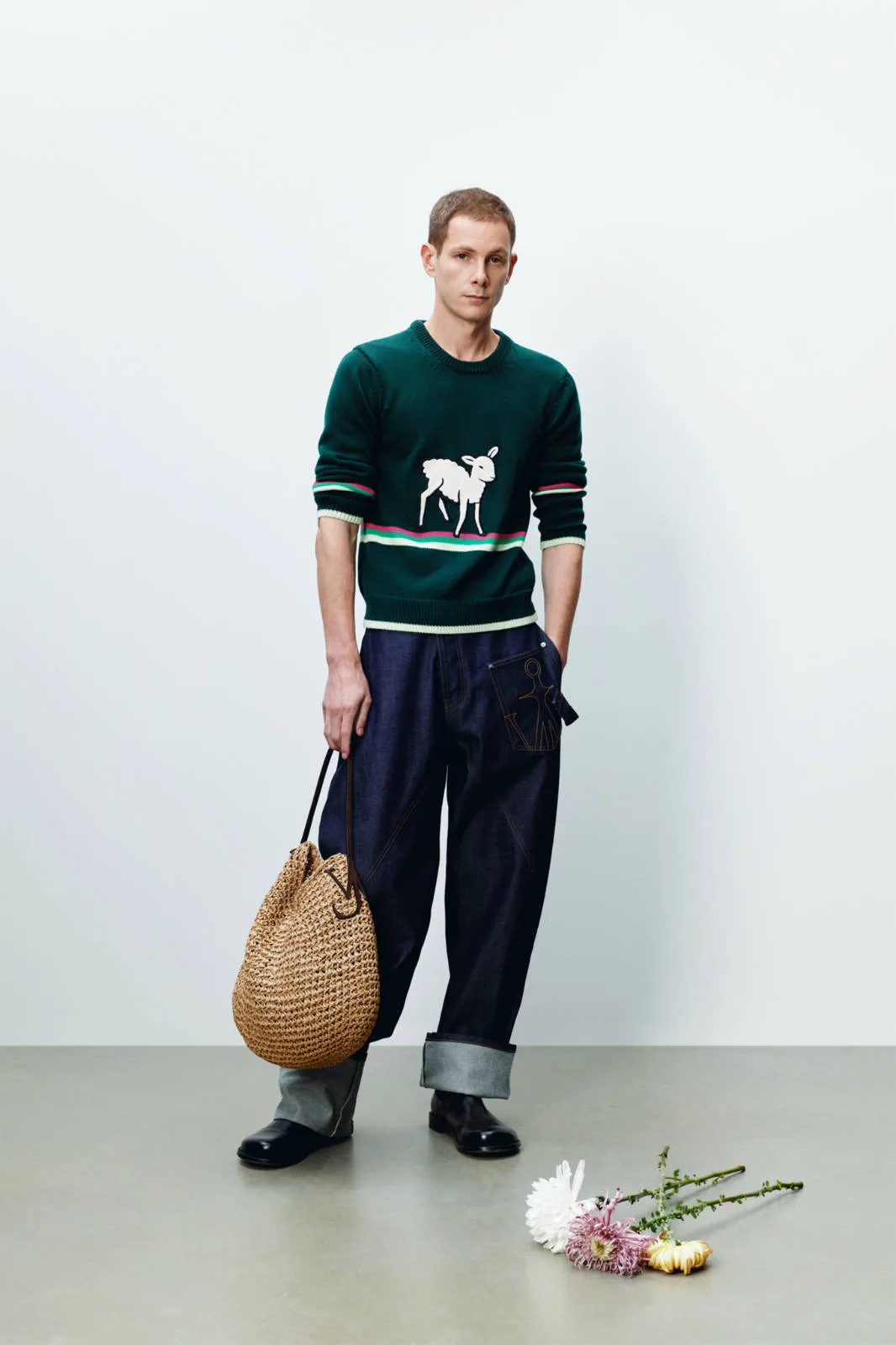
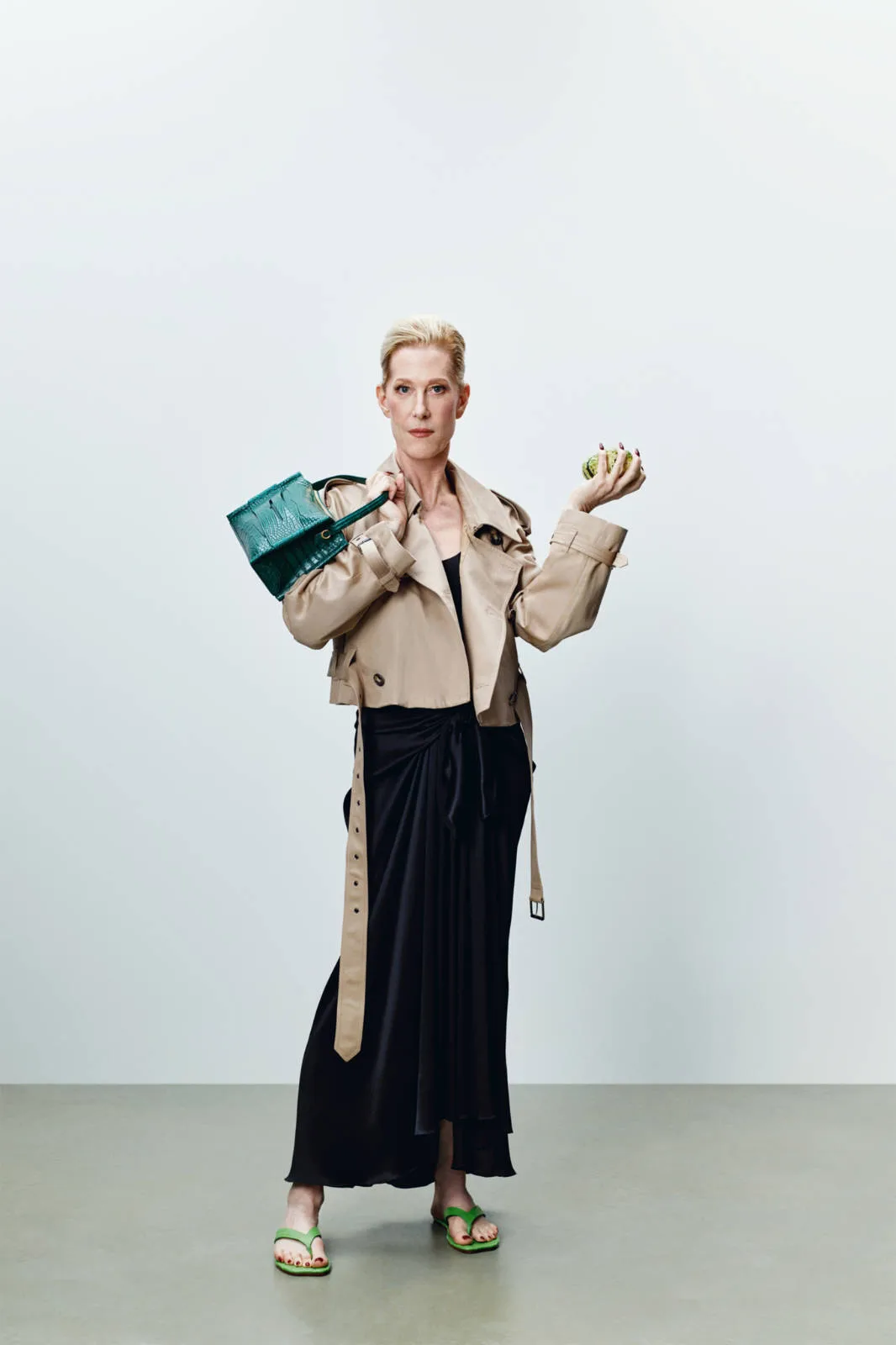
The lookbook reflects how Anderson chooses to present his work at this stage. The cast is made up of friends, long-term collaborators and acquaintances from different fields, from pop superstar Kylie Minogue to Challengers screenwriter Justin Kuritzkes, fashion critic Tim Blanks or model Mona Tougaard, who appear wearing the clothes alongside furniture and objects developed for the season. The format allows the collection to be seen in proximity, without staging or performance.
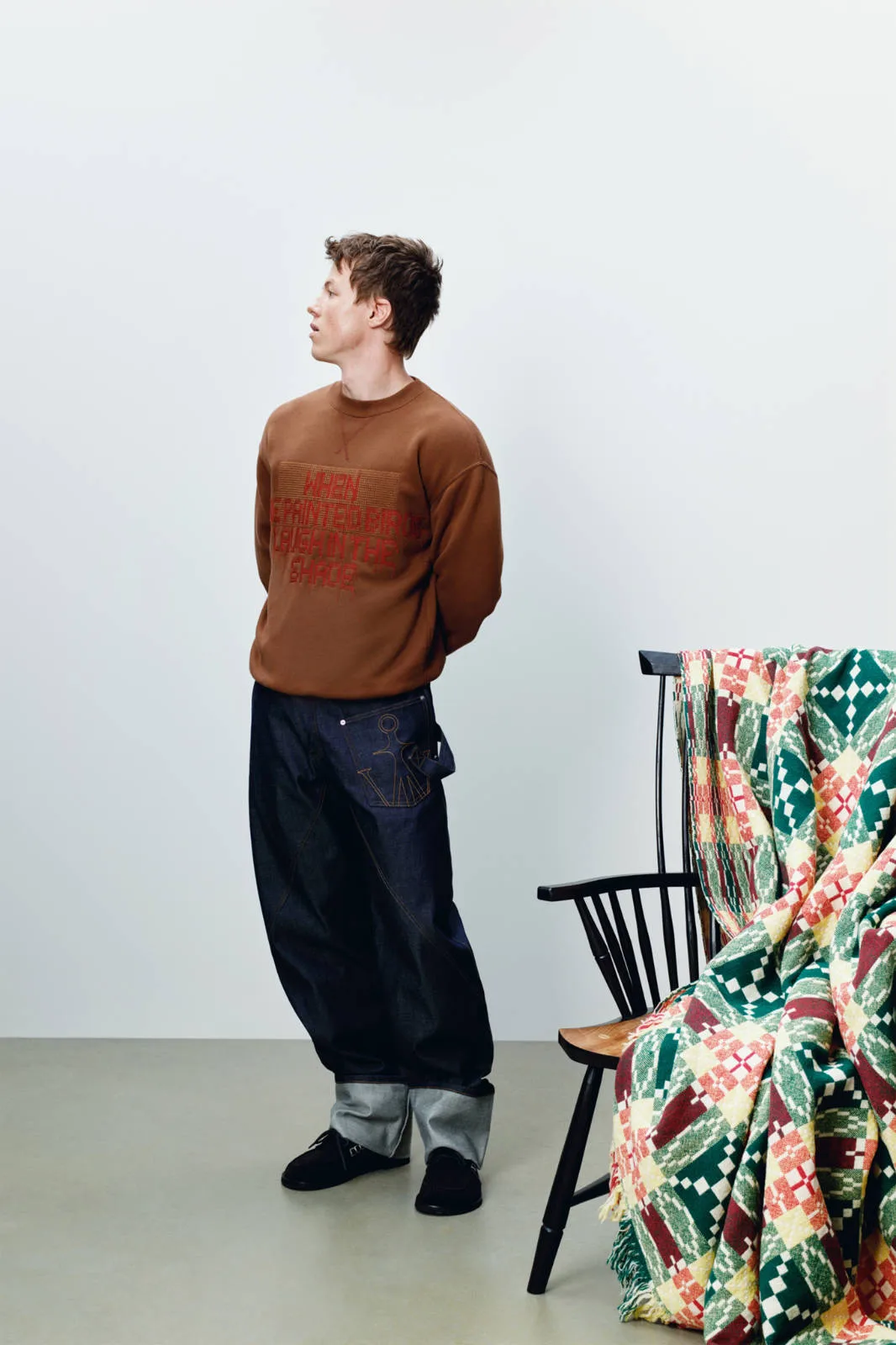
The campaign is assembled through selection. Clothes, objects and people included in the lookbook come from Anderson’s immediate creative environment, as the ready-to-wear is shown next to furniture, tools and homeware as part of the same working context.
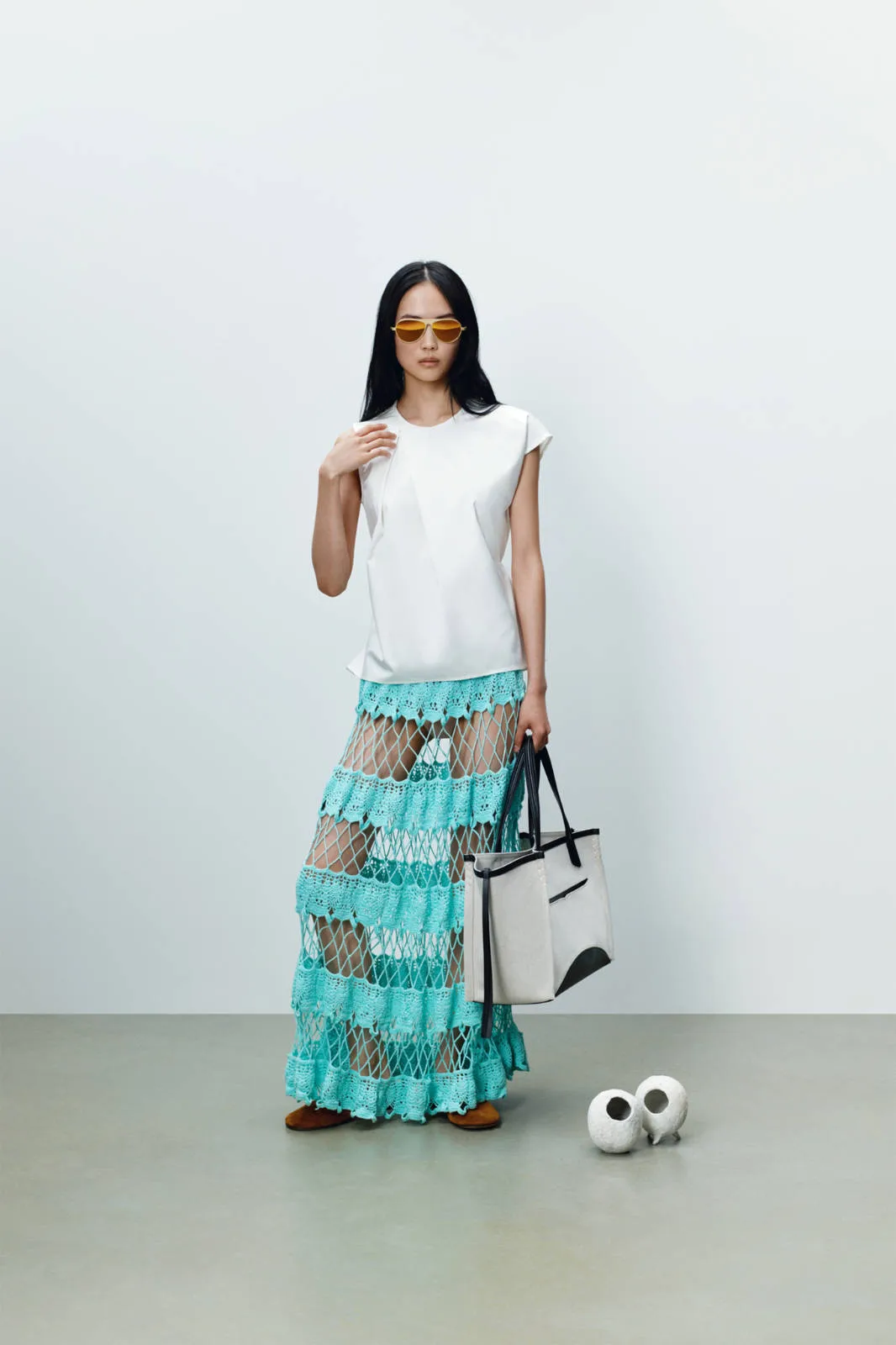
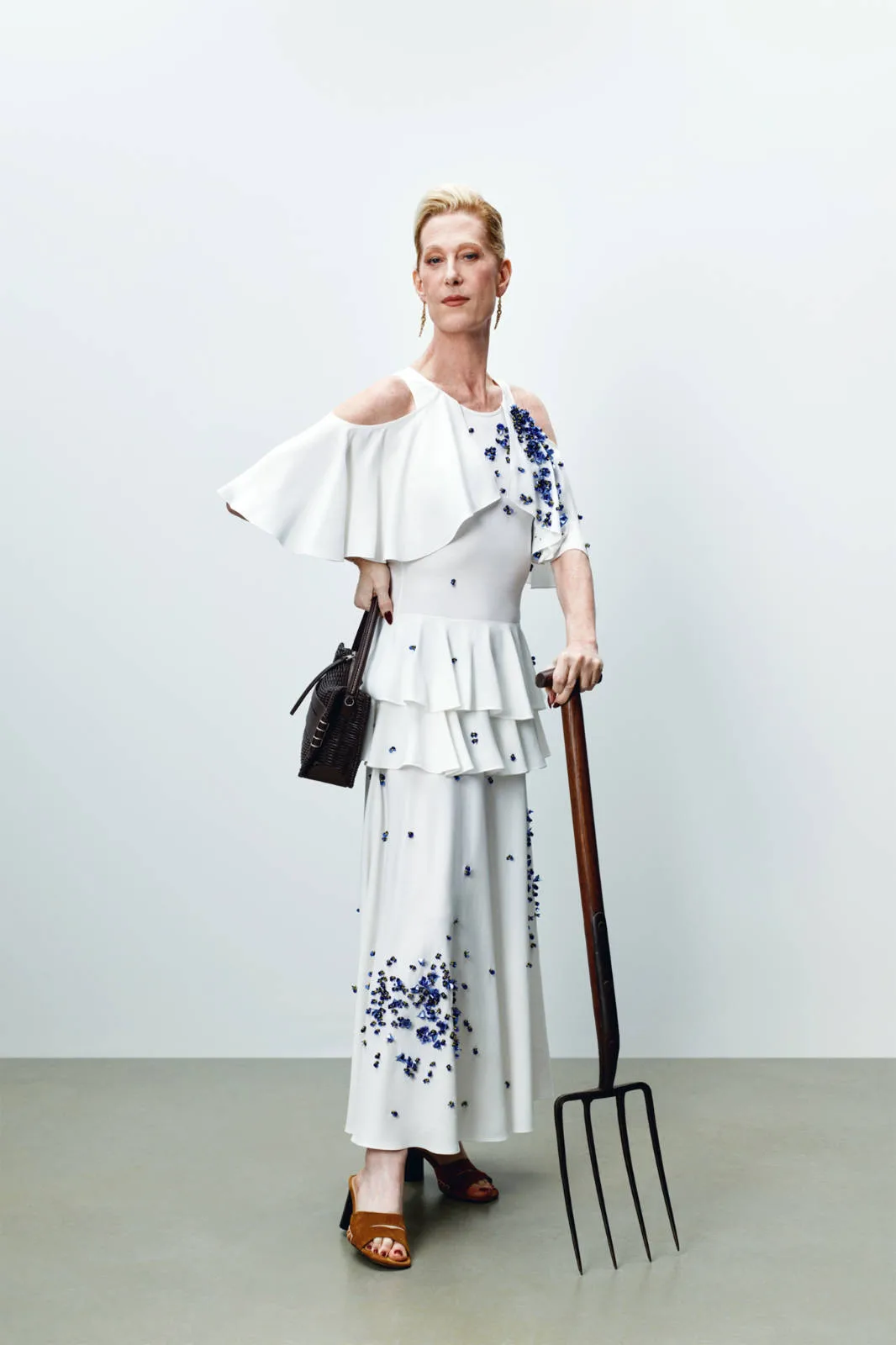
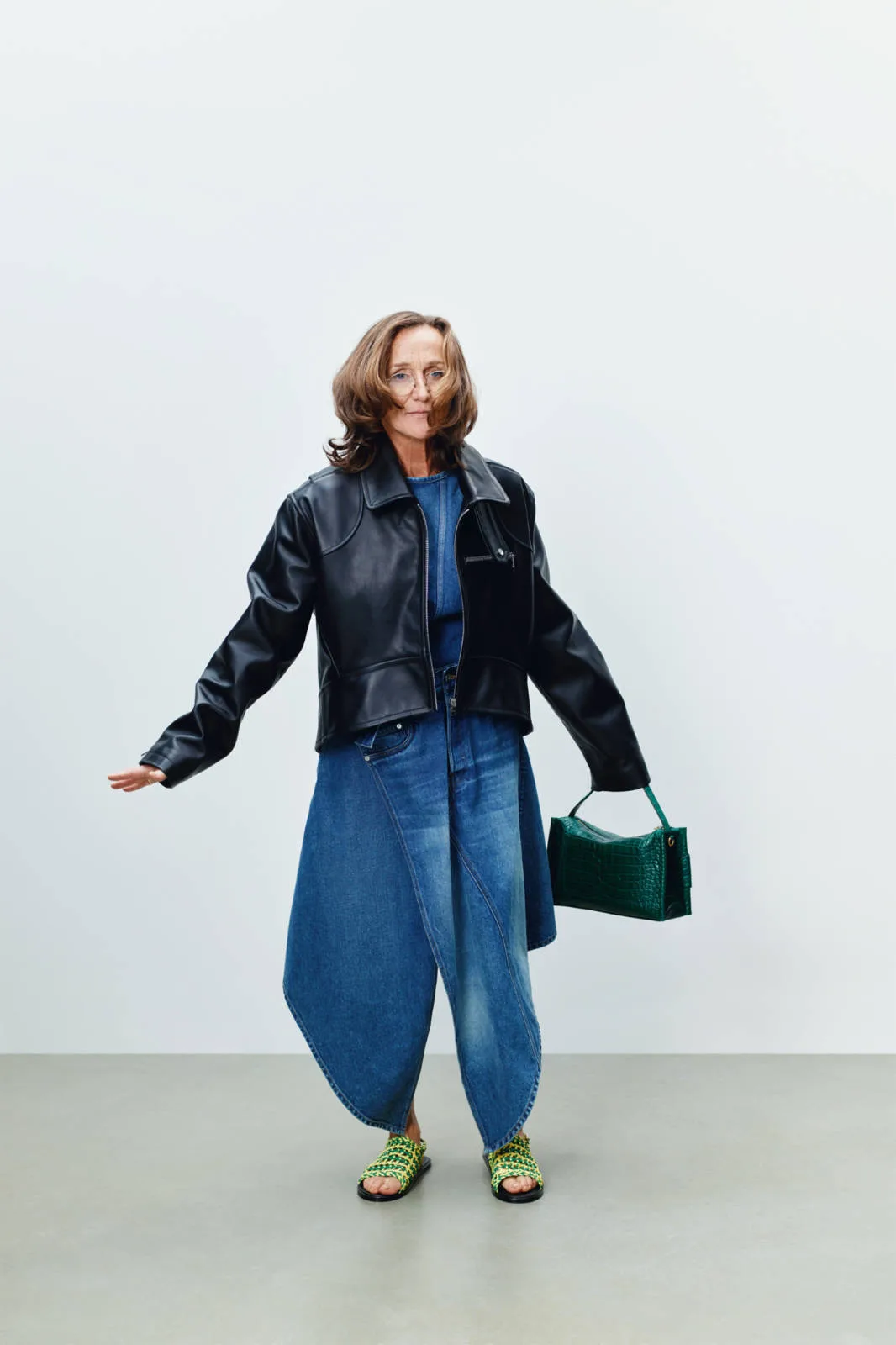
Craft functions as a structural driver of the collection, with crochet being applied across skirts and dresses using both lace and wool, and constructions moving from open argyle patterns to denser floral structures, changing weight, texture and opacity. Draping is used to build volume and modify proportion, resulting in enlarged silhouettes controlled through pattern cutting and construction.
Established JW Anderson silhouettes return with measured adjustments, like the bombers, knotted dresses, playful knitwear and everyday garments that are refined without altering their core function. Gender is not addressed as a theme, and it is absent from the way the clothes are cut, styled and presented, while accessories develop through iteration. The Anchor Tote appears with graphic treatments, and The Loafer Bag is presented in pine green alligator leather, with subtle changes that are incremental and consistent with the rest of the collection.
The lookbook extends into furniture and homeware developed in collaboration with artists, craftspeople and historic manufacturers. The chairs by Jason Mosseri and Mac Collins are shown alongside oak objects, gardening tools and brushes produced in the UK, and the ceramics by Akiko Hirai and textiles developed with Polly Lyster expand the range without shifting focus away from construction and use.
Here’s the thing: this lookbook isn’t trying to reinvent JW Anderson; it’s doing something more precise. By putting clothes next to objects and objects next to the people who actually made them, the collection settles into its own logic. It feels considered, familiar, and confident in its pace. More than a seasonal release, Fall/Winter 2026 reads as a clear expression of the brand’s ongoing practice — one that values making, collaboration and continuity over novelty.