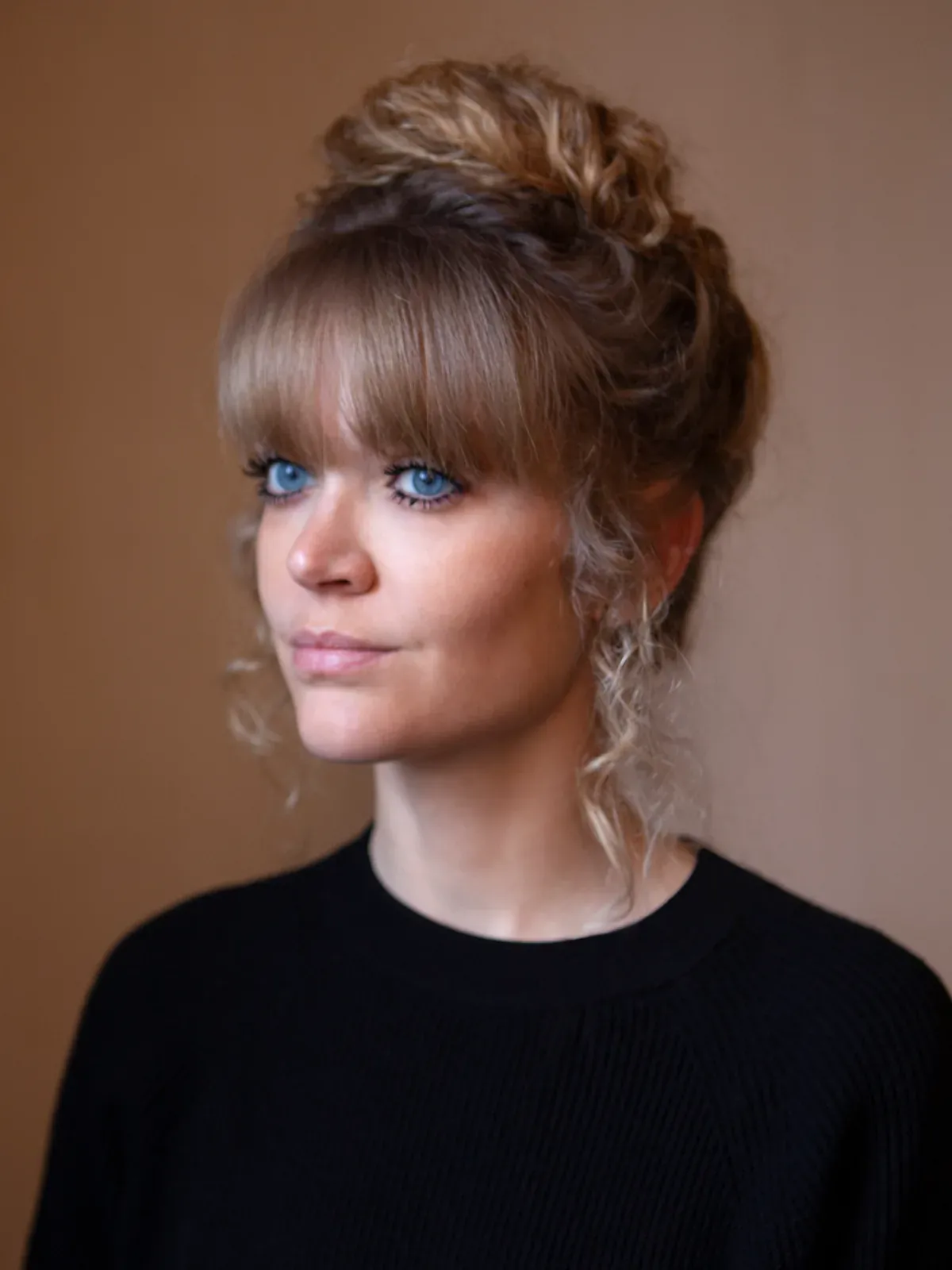
At a time when masculinity is both questioned, debated, but also reinforced (especially within the digital manosphere), the work of artists like Julie Joubert is more important than ever. It sheds light on how some young men feel and the challenges they face, while also helping build an alternative imaginary to what’s already been done so far. In her new project, Patria Nostra, which she exhibited at the prestigious Rencontres d’Arles last year, she sneaked into the everyday life of French Foreign Legion recruits and got to know them more personally, delving into their dreams, hopes, and goals, and later translating those into images. Today, we speak with Julie about toxic masculinity, earning one’s trust, and the idealised image of the ‘hero.’
Throughout your career, you’ve specialised in portraiture. That means you usually have to build a trusting relationship with your subjects to capture their essence as truthfully as possible. How do you do that?
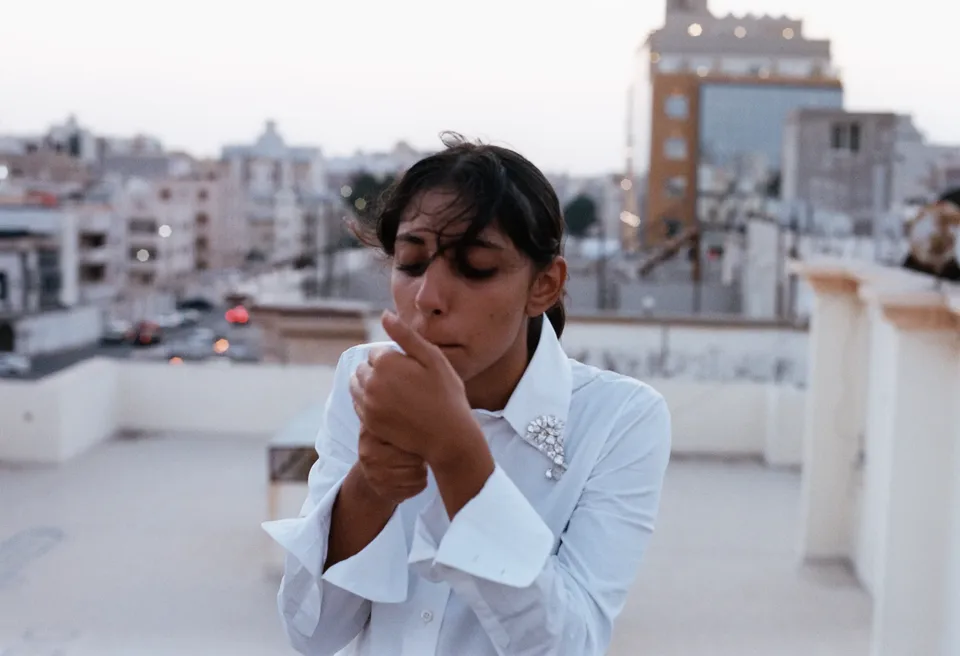
For me, portraiture is a way of meeting someone, getting to know them, and discovering their world. In my previous project, Mido, I spent three years following Ahmed, a young Moroccan man torn between his dreams of becoming a model and his time in prison. For Patria Nostra, I spent two years constantly travelling back and forth to six different Foreign Legion sites across mainland France, totally immersing myself in the lives of the young recruits. I think taking your time and committing to long-term projects is what really allows you to be accepted — it helps you build a genuine connection and establish a sense of trust.
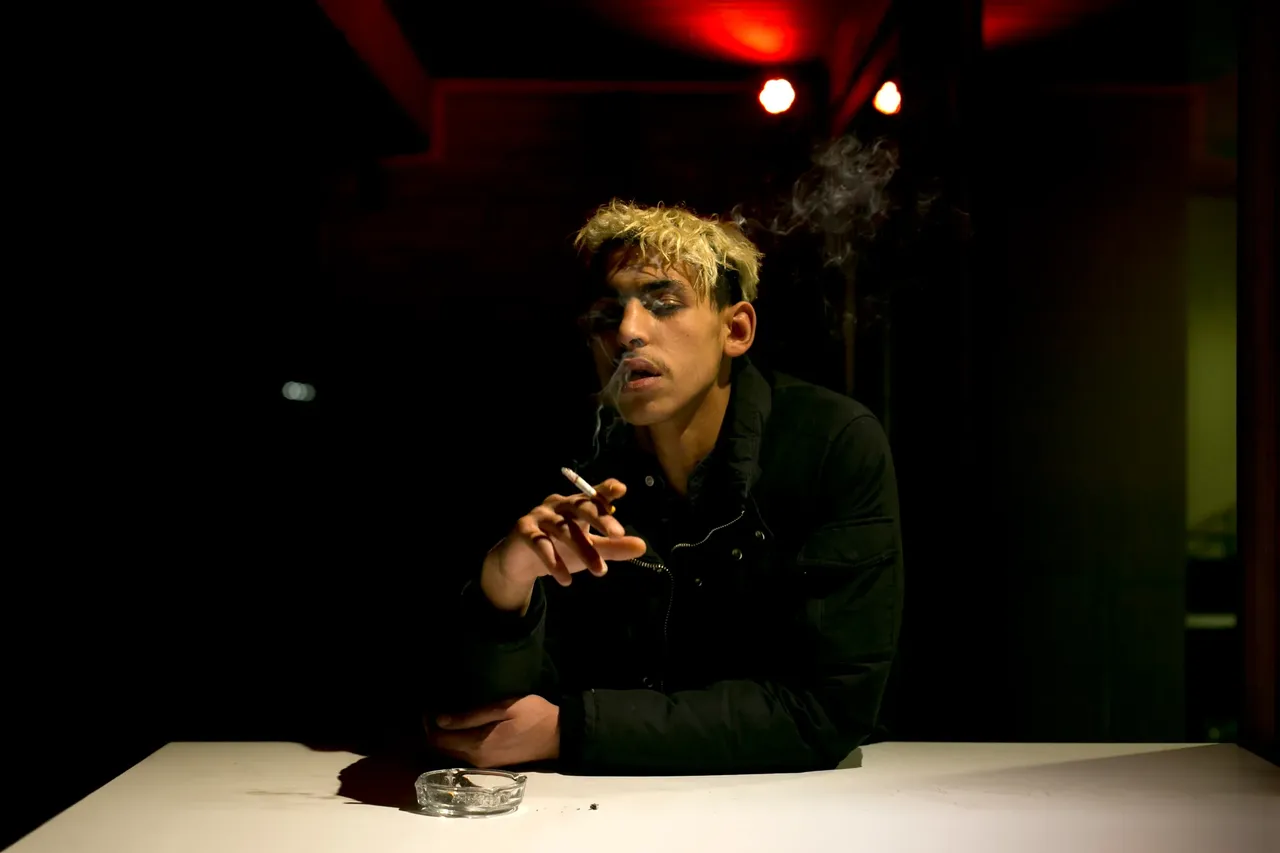
Untitled, Mido series 2019-2021 © Julie Joubert
Your work focuses a lot on masculinity. As a woman, what draws you to explore that theme?
Representations of masculinity are indeed at the heart of what I do. Through my projects, I’m looking to offer a more nuanced, sensitive vision that goes beyond the ‘official’ imagery. For Patria Nostra, I was particularly interested in the very young Legion recruits. Most of them have only just left their teens, and they are being moulded into these new, muscular bodies fit for the military. It’s during this transition that certain vulnerabilities start to surface. In the face of this omnipresent hyper-masculinity, my aim was to show images imbued with a kind of grace or softness as an act of resistance against institutional structures.
Patria Nostra is a project that “ explores the notion of masculinity through a visual record of the French Foreign Legion.” When did you first know about that Legion, and what interested you about it?
In my previous projects, I’d worked in rehabilitation centres for troubled youth and around the prison system — closed-off, restricted, and essentially male environments. It felt like a natural progression to start looking at the army, as it’s a world that really crystallises certain ideas about masculinity. It was actually a bit of a coincidence; I was chatting with my father-in-law and found out his own father had been a high-ranking legionnaire. He offered to put me in touch with the Legion. It wasn’t easy, as it’s a very insular world built entirely on trust, but I eventually managed to win them over.
It’s funny you use Italian for the title when the series focuses on the French army. Yet I see a play on words with ‘la cosa nostra,’ slang used to refer to the Italian mafia. Am I right, or not at all?
The title actually comes from the Foreign Legion’s motto: Legio Patria Nostra. I chose to keep only the Patria Nostra part to soften the military association and open up a more universal reflection on belonging and autonomy — on our origins, our roots, and the place we try to carve out for ourselves in society.
The French Foreign Legion is made up of people who leave their countries and cultures in hope of a new life. But I wouldn’t call the army a particularly hopeful place… Speaking to your subjects, what are their dreams and goals?
The young men who join the Legion might be fleeing war, poverty, or sometimes even the legal systems of their own countries. Others are simply looking to join a world-renowned military elite. There are as many reasons for joining as there are legionnaires, but for most of them, it took an immense amount of courage and grit to leave everything behind and enlist. Starting from scratch and getting a second chance is a very tangible hope for some. And, of course, the aura surrounding the Legion and the idealised ‘hero’ figure definitely feed into that dream-like quality.
I love that in Patria Nostra, your portraits rarely show the subjects’ faces as they are: they’re usually covered, turned away from the camera, or obscured by shadows. Why did you decide to go for this approach this time? What does anonymity symbolise?
When they join the Legion, young recruits are assigned a brand-new identity. It’s a French quirk that you don’t find in any other military force in the world, and it’s something that deeply intrigued me. Since most of them are foreigners, they are completely uprooted following the selection process — totally cut off from the world and their loved ones — and this name change only heightens that feeling.
In this project, I wanted to create a tension between images that evoke this anonymity and the uniformity imposed by military codes, and portraits that are incredibly ‘front-on,’ where the individuals’ uniqueness can really shine through. The texts I asked them to write about their pasts or their reasons for joining round this out: the fragility of the handwriting and the diversity of languages help restore a human, personal dimension to the story.
In this project, I wanted to create a tension between images that evoke this anonymity and the uniformity imposed by military codes, and portraits that are incredibly ‘front-on,’ where the individuals’ uniqueness can really shine through. The texts I asked them to write about their pasts or their reasons for joining round this out: the fragility of the handwriting and the diversity of languages help restore a human, personal dimension to the story.
There is a lot of debate right now around toxic masculinity and new masculinities; teenagers are becoming more conservative due to the rise of far-right movements convincing them that they’re now the oppressed (the so-called ‘manosphere’, incels, etc.). As a woman who’s in touch with young guys, what’s your view on that?
It’s actually something I’m looking into right now; I’m thinking about exploring it for a future photo series.
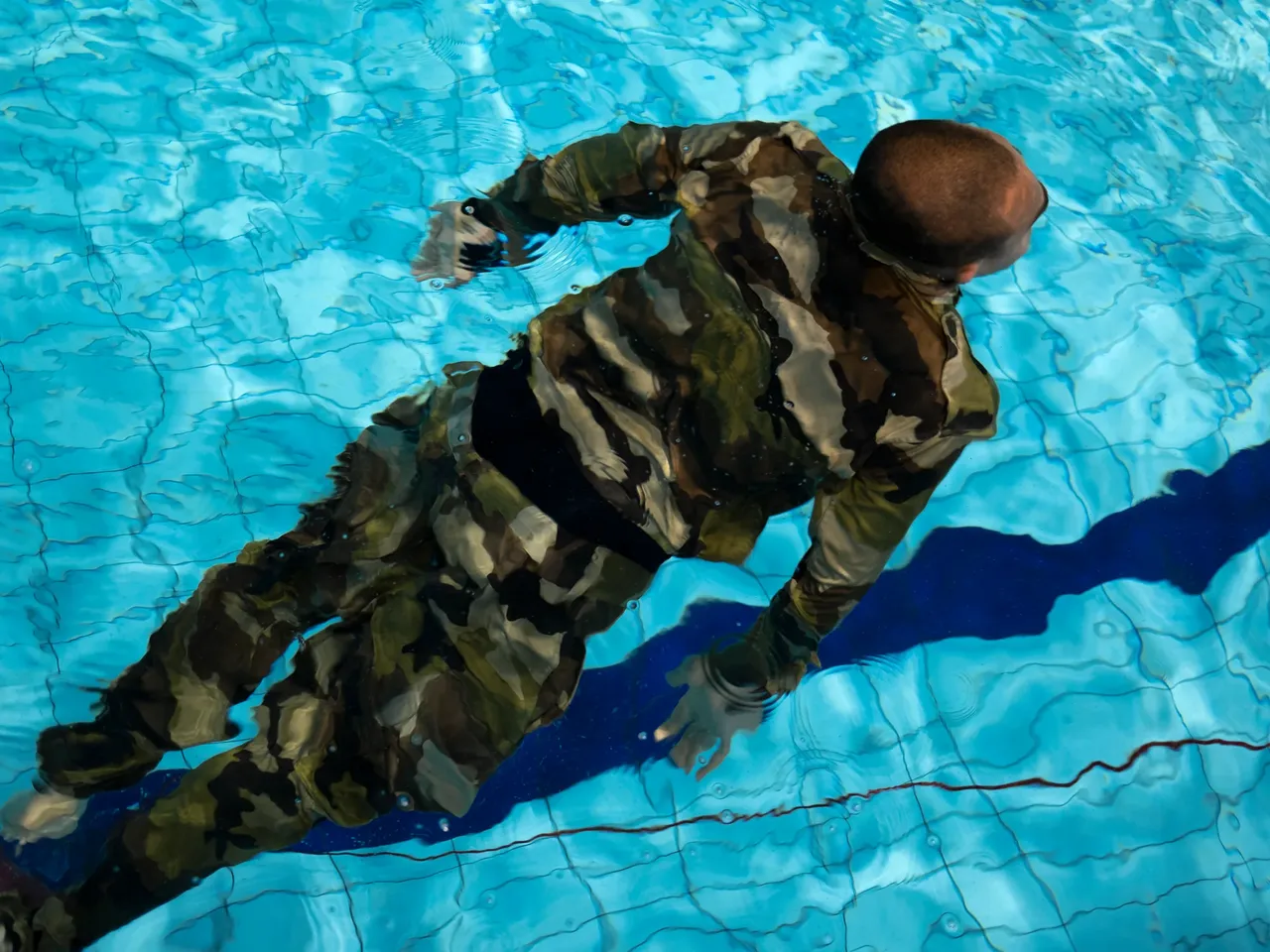
Untitled, Patria Nostra series 2023-2024 © Julie Joubert
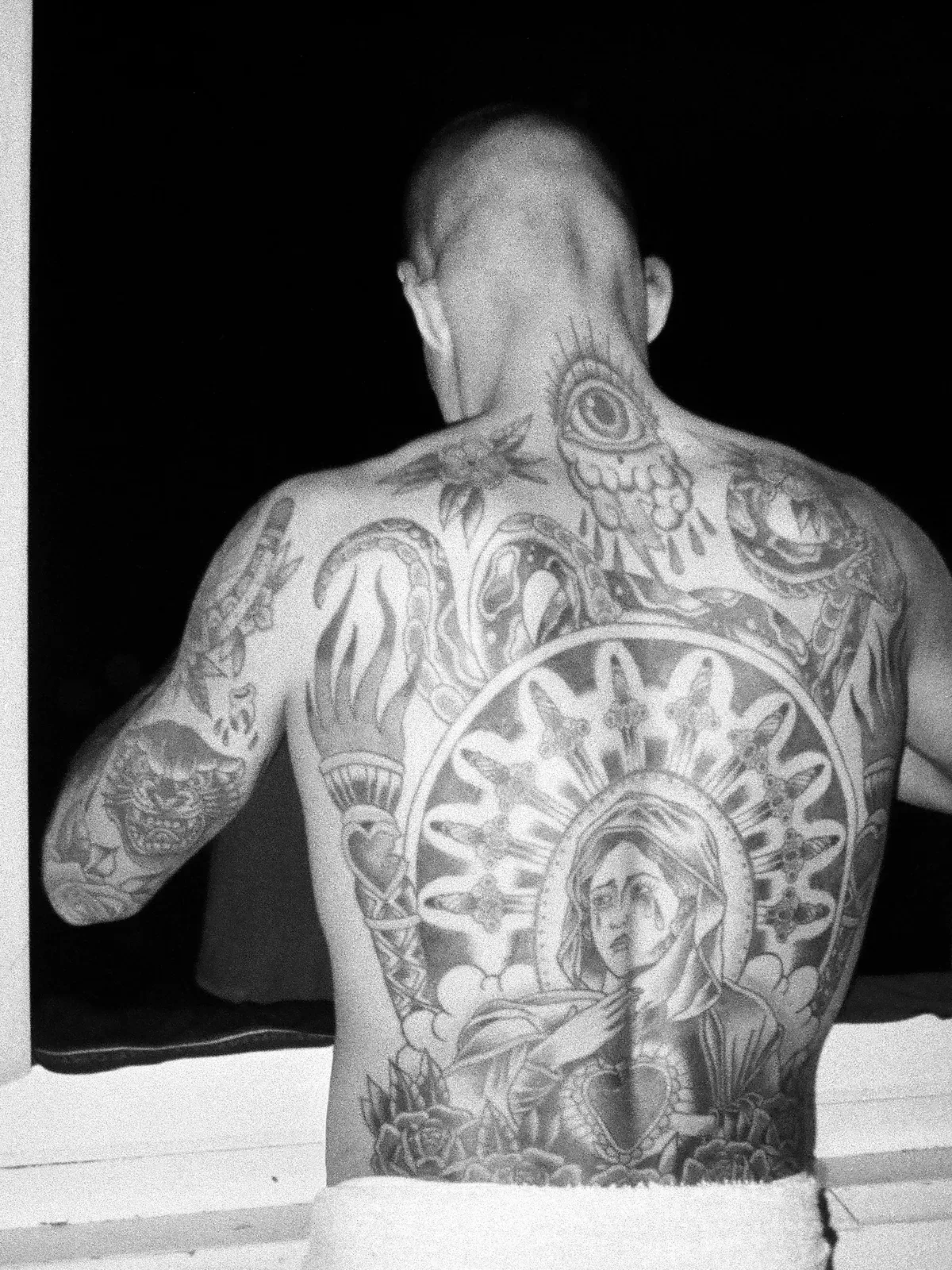
Untitled, Patria Nostra series 2023-2024 © Julie Joubert
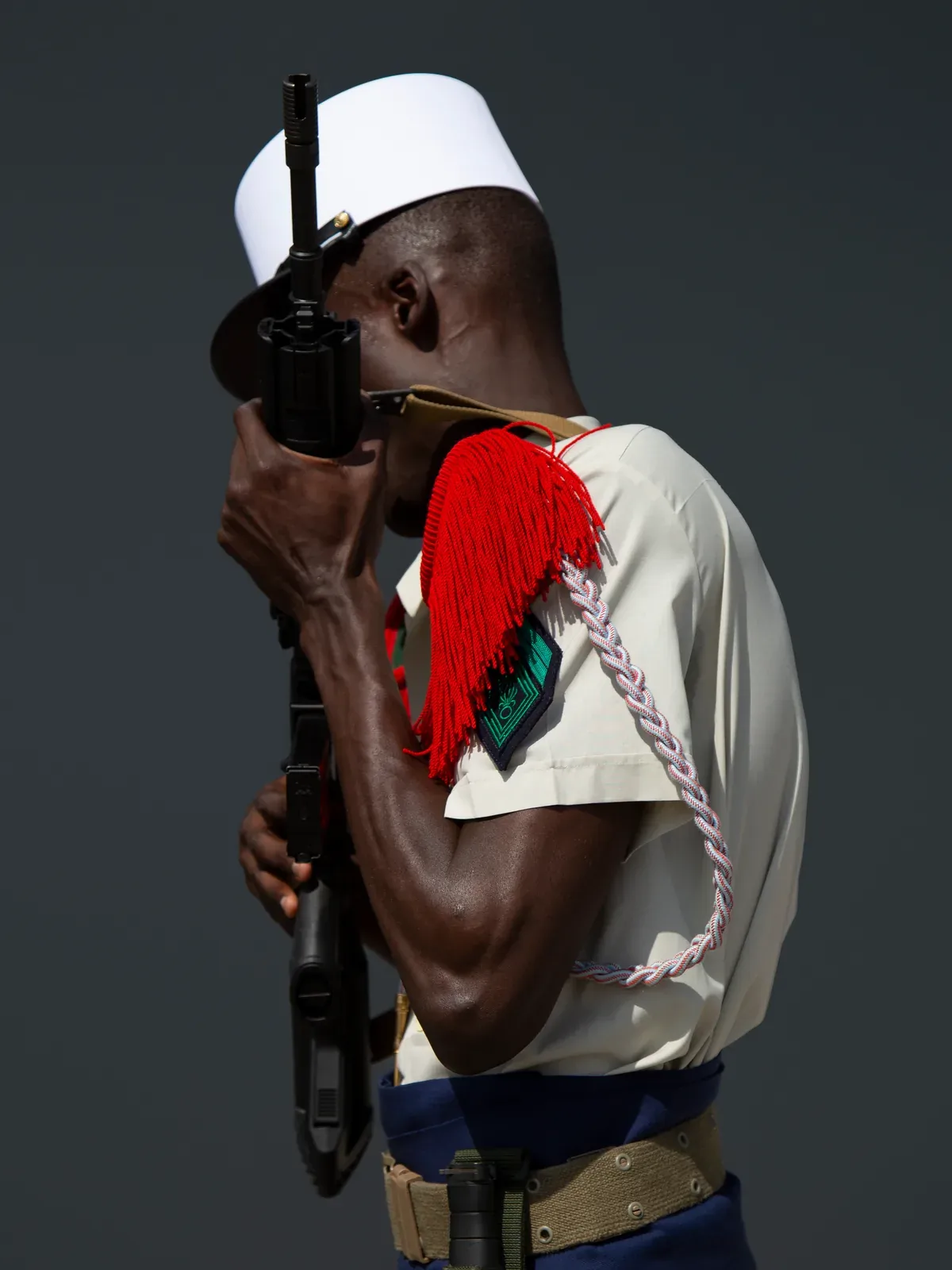
Untitled, Patria Nostra series 2023-2024 © Julie Joubert
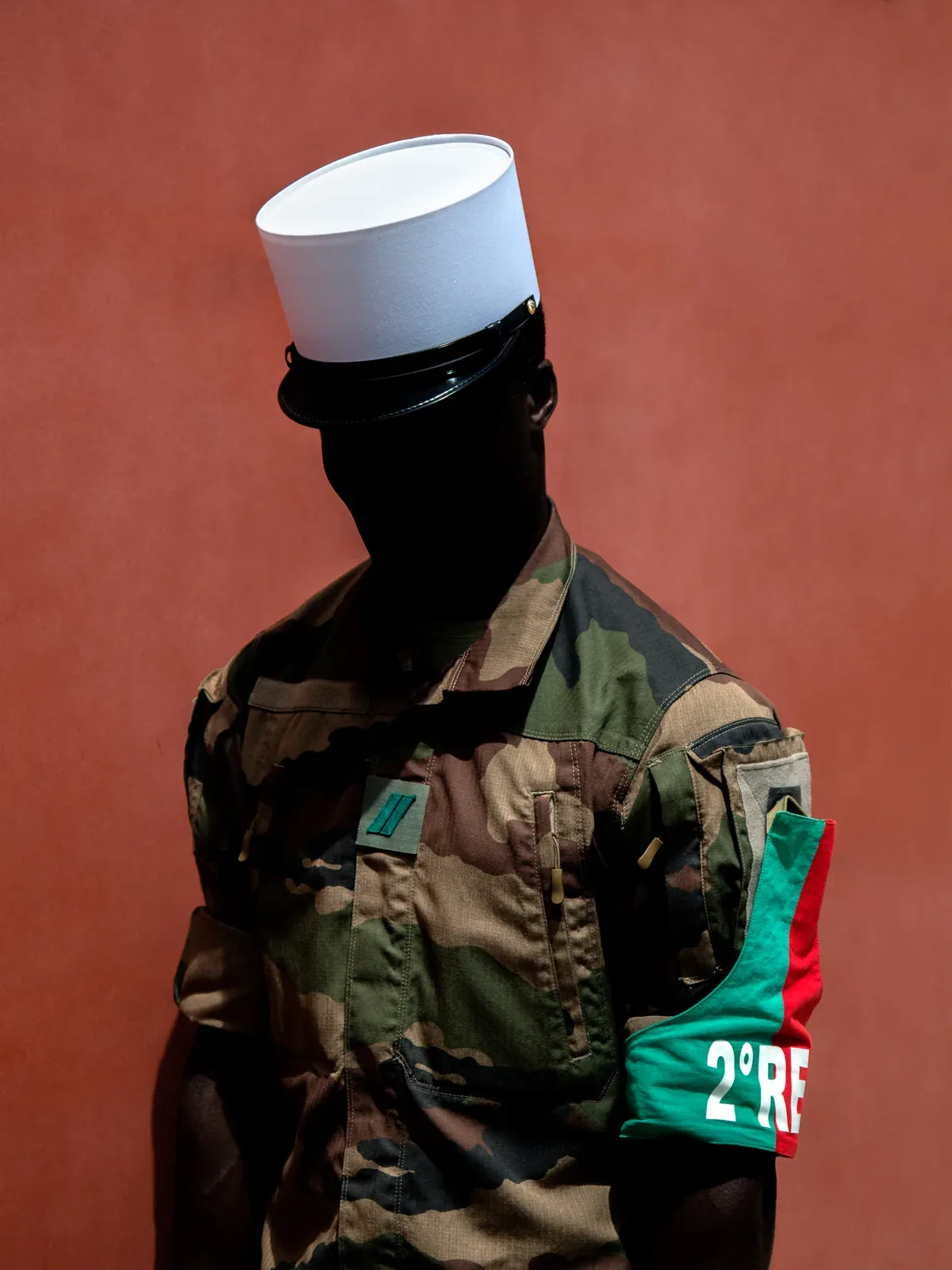
Untitled, Patria Nostra series 2023-2024 © Julie Joubert
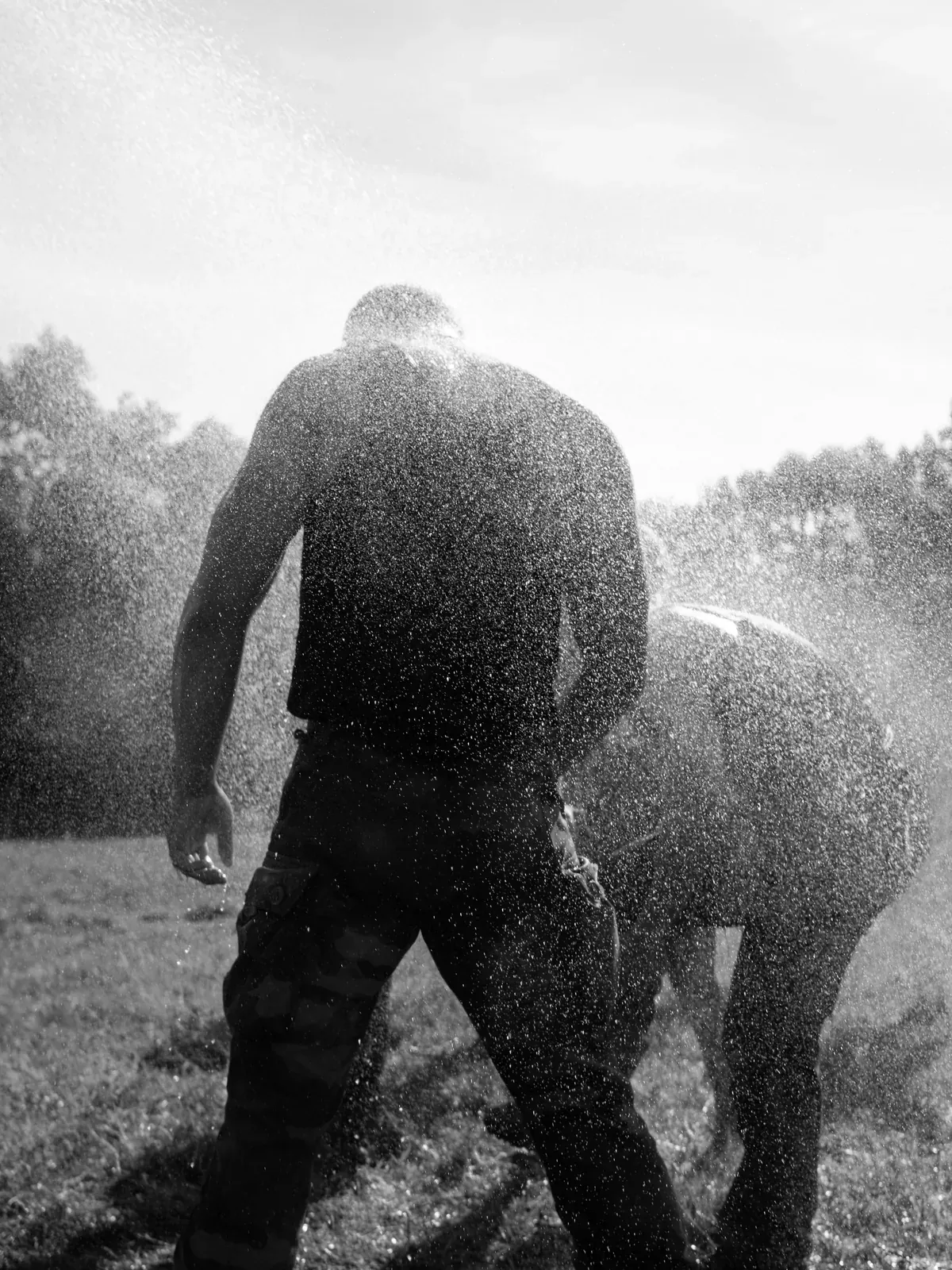
Untitled, Patria Nostra series 2023-2024 © Julie Joubert
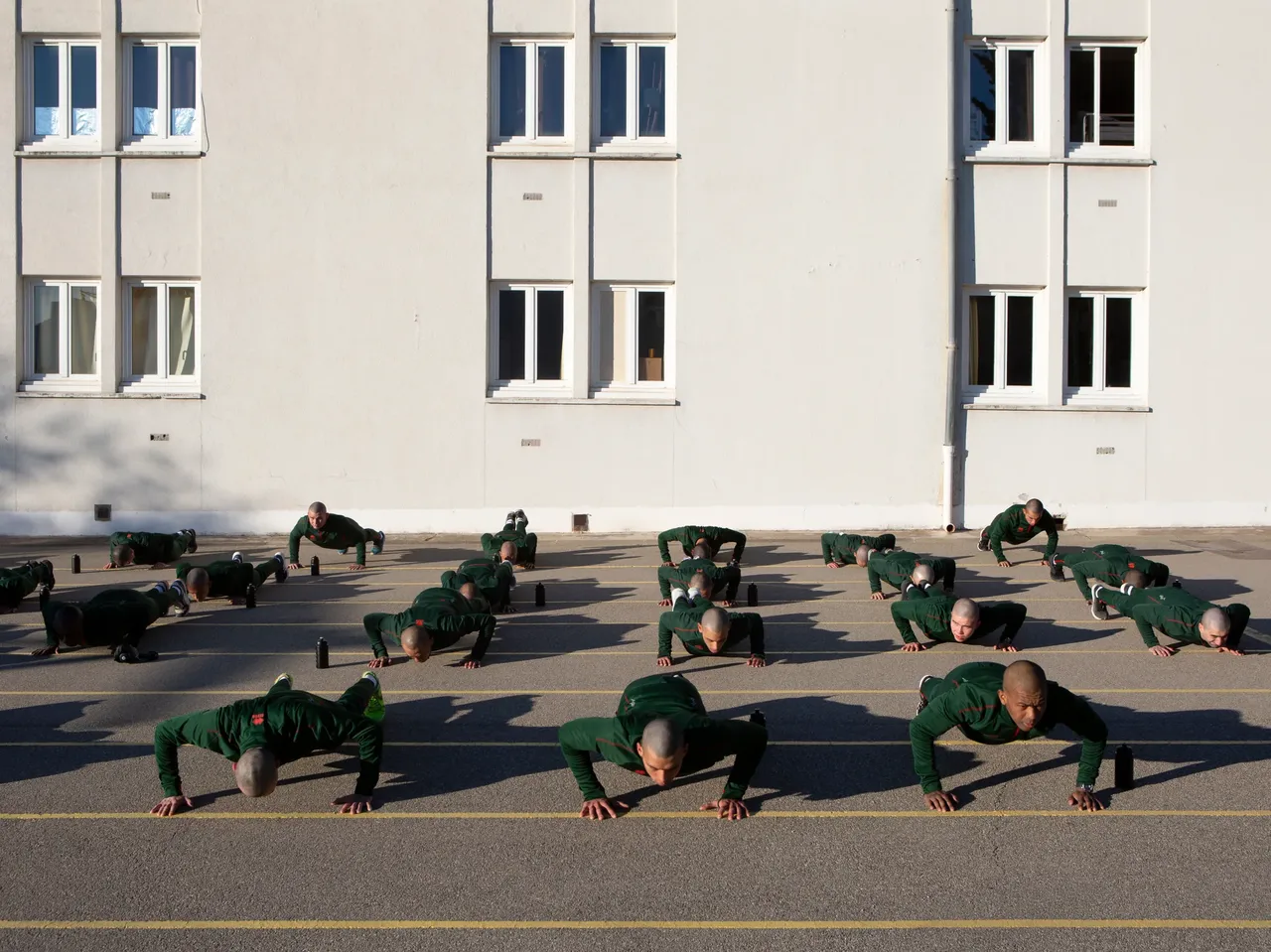
Untitled, Patria Nostra series 2023-2024 © Julie Joubert
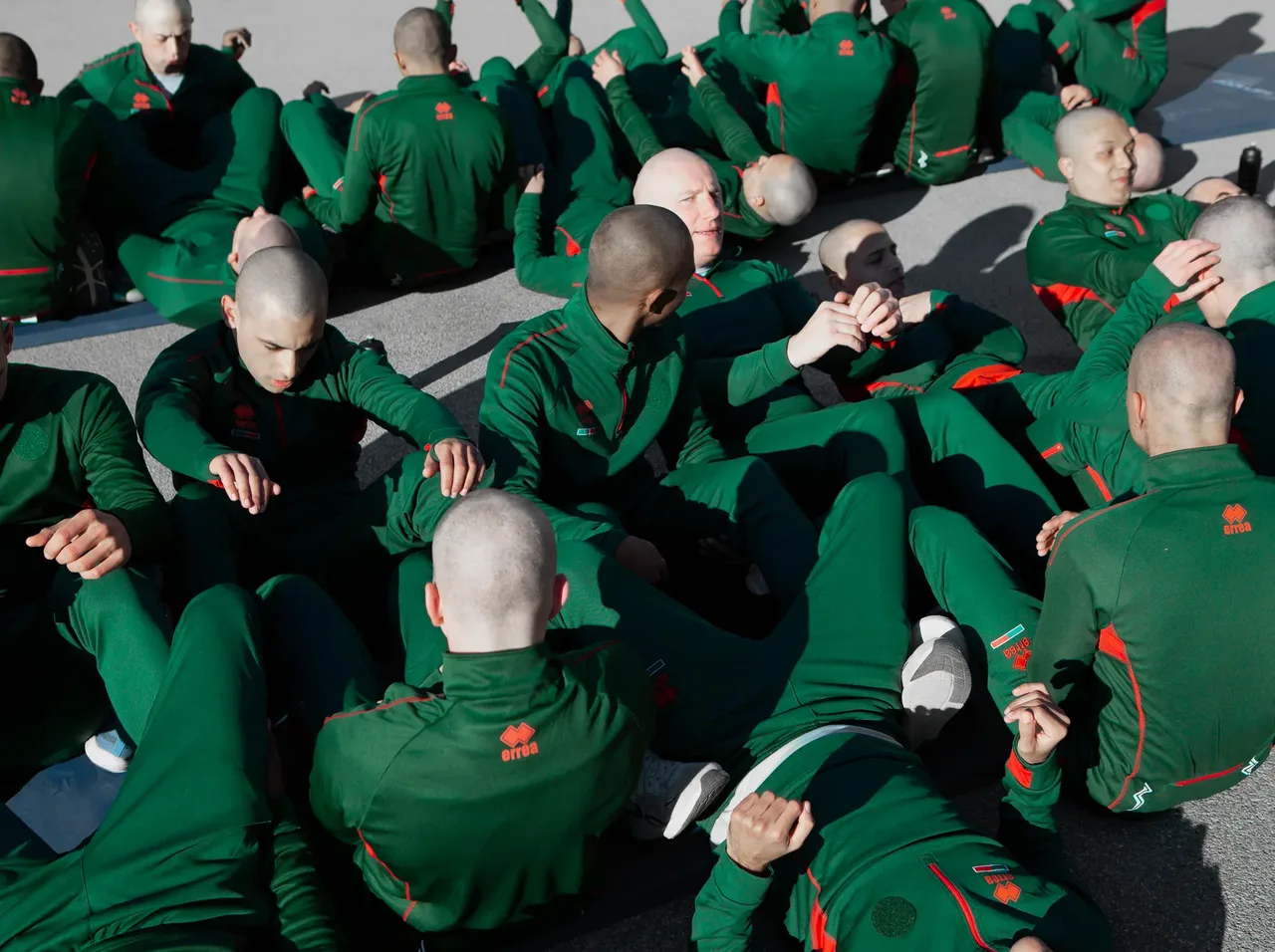
Untitled, Patria Nostra series 2023-2024 © Julie Joubert
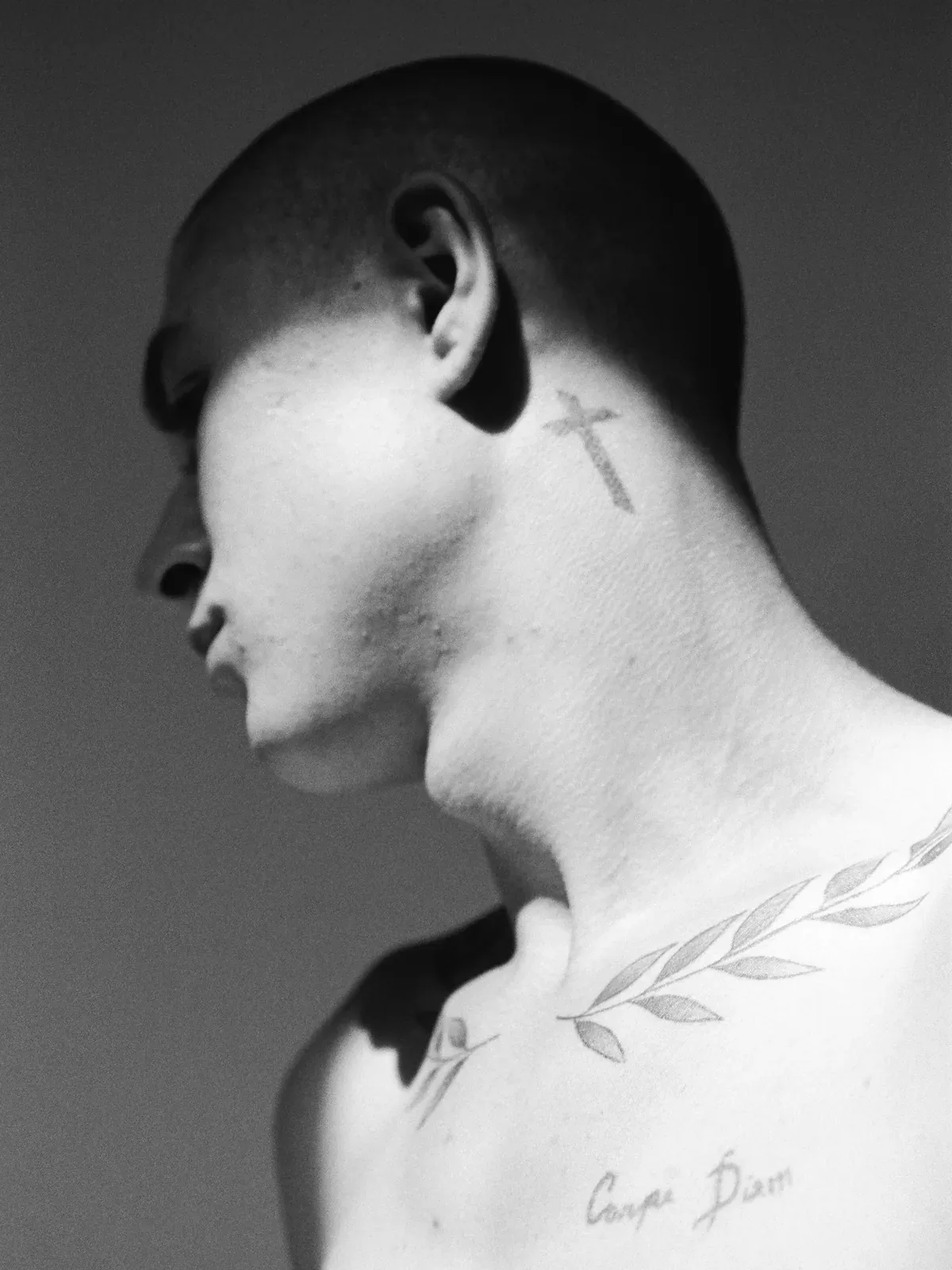
Untitled, Patria Nostra series 2023-2024 © Julie Joubert
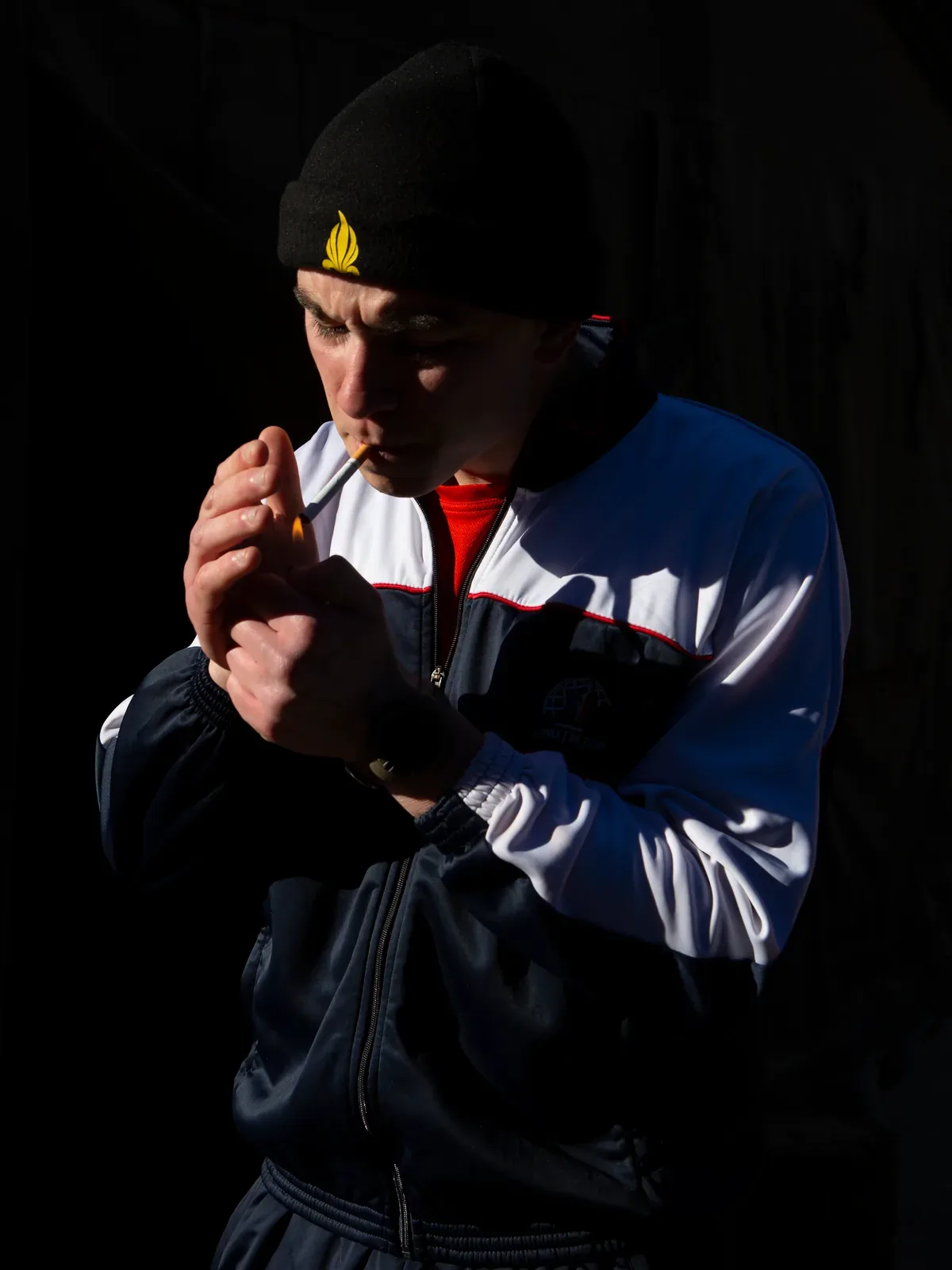
Untitled, Patria Nostra series 2023-2024 © Julie Joubert
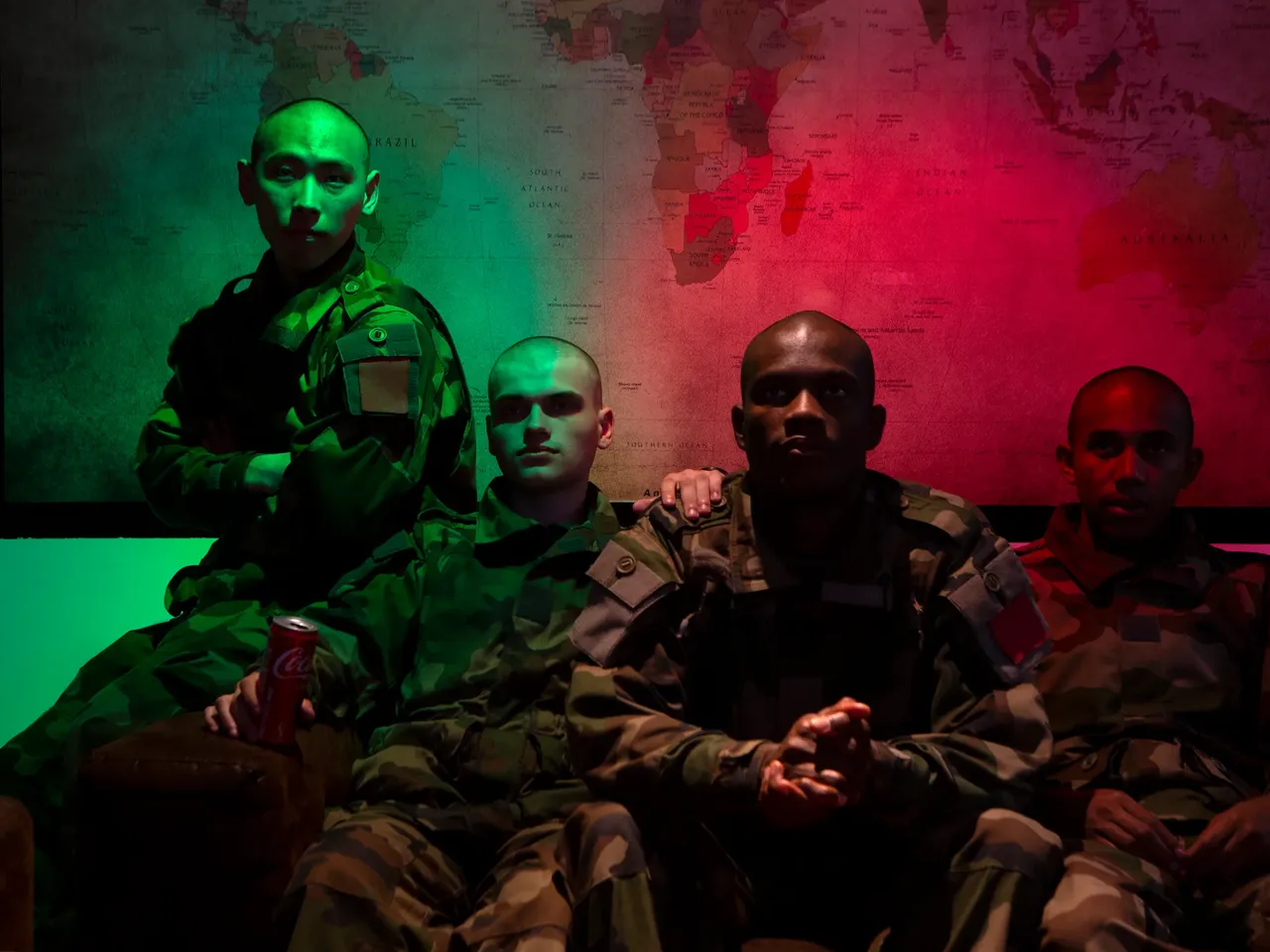
Untitled, Patria Nostra series 2023-2024 © Julie Joubert
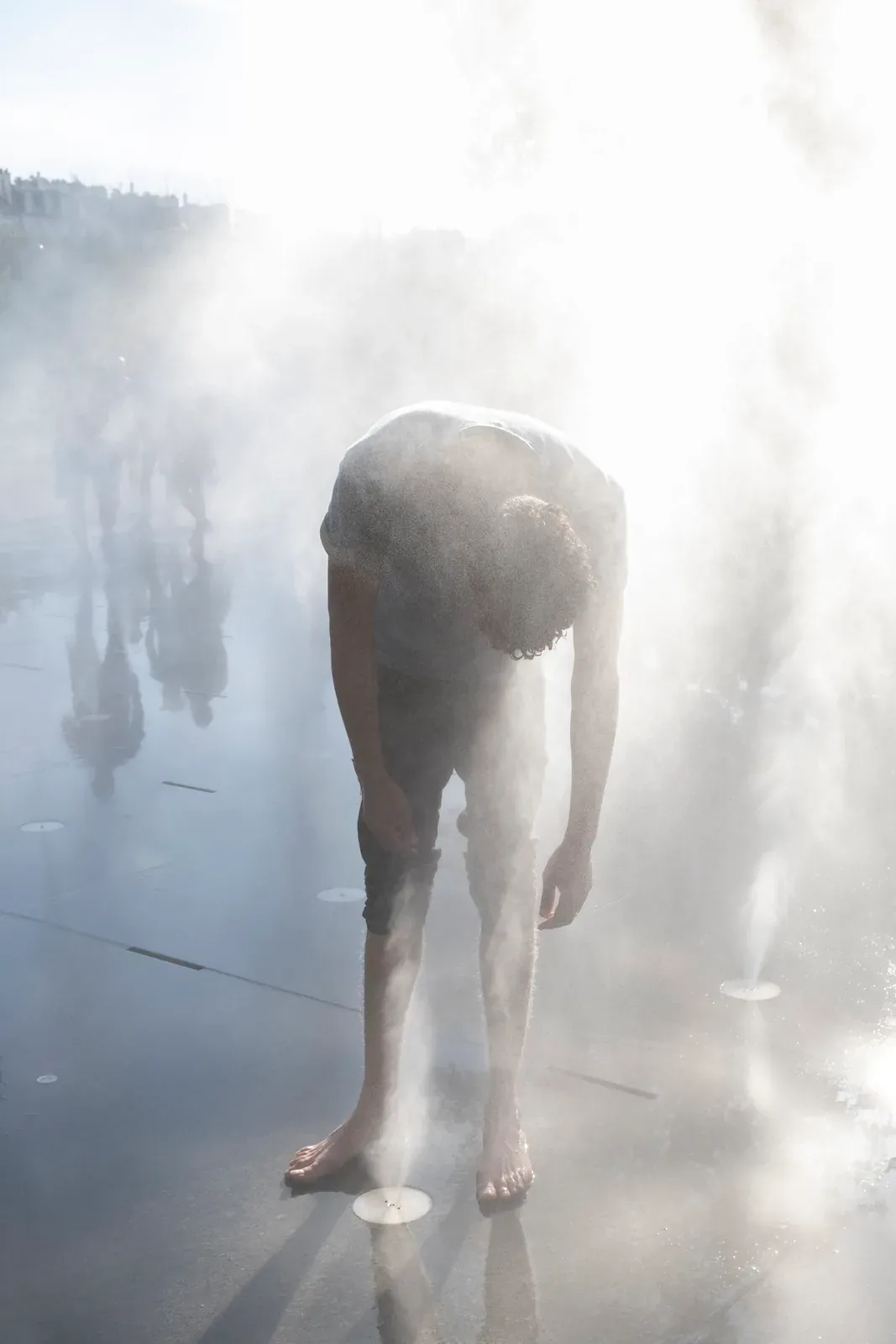
Untitled, Mido series 2019-2021 © Julie Joubert
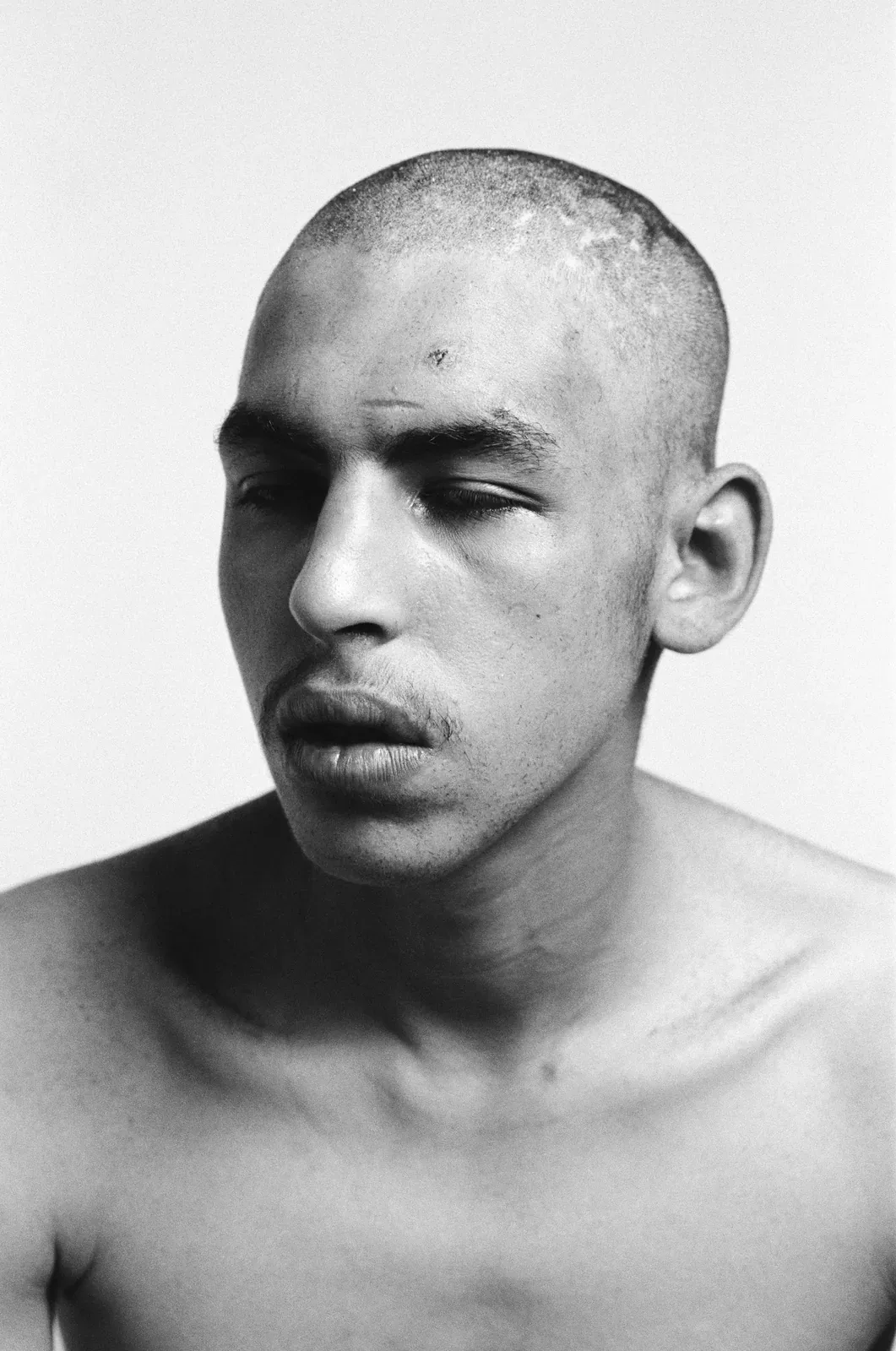
Untitled, Mido series 2019-2021 © Julie Joubert
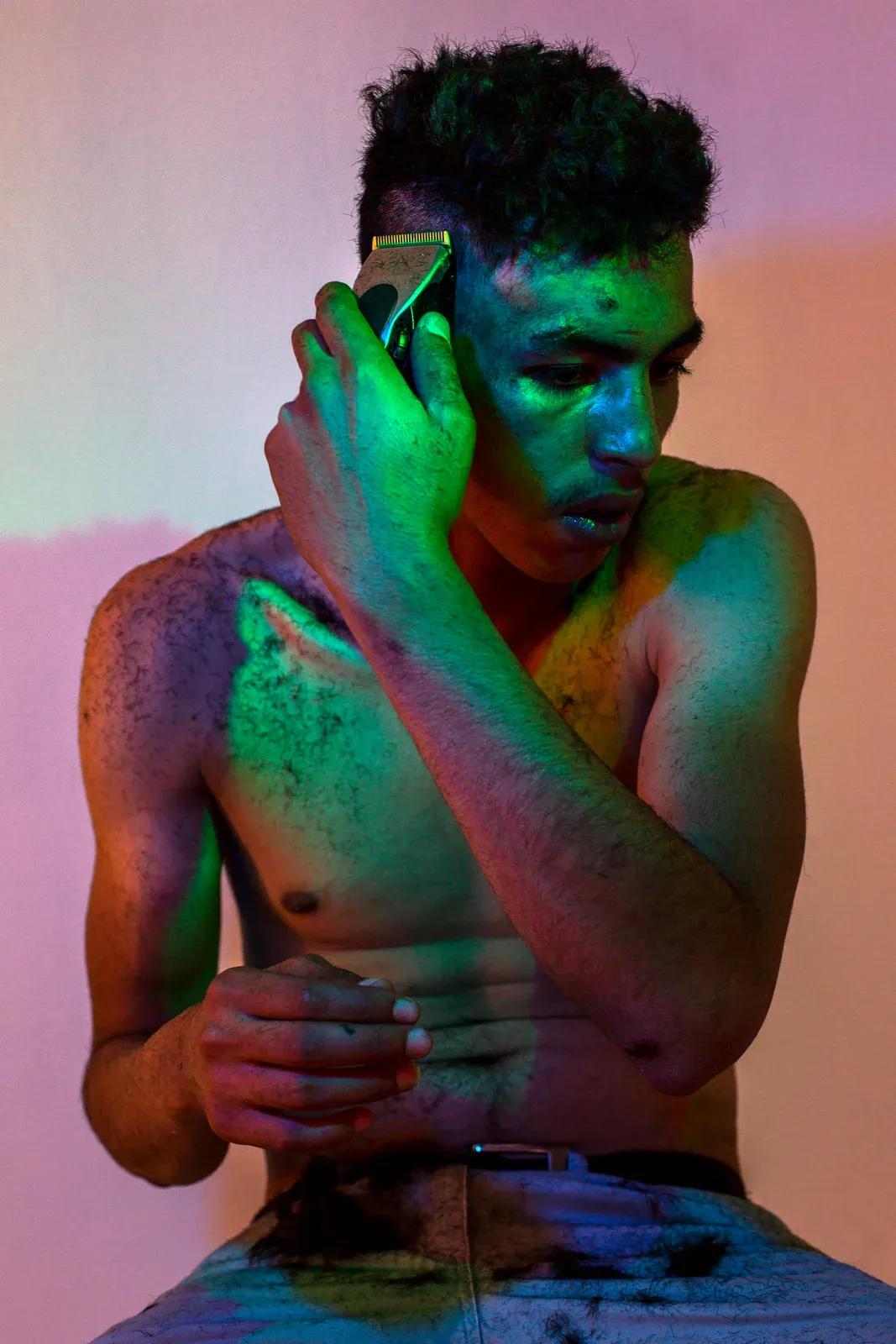
Untitled, Mido series 2019-2021 © Julie Joubert
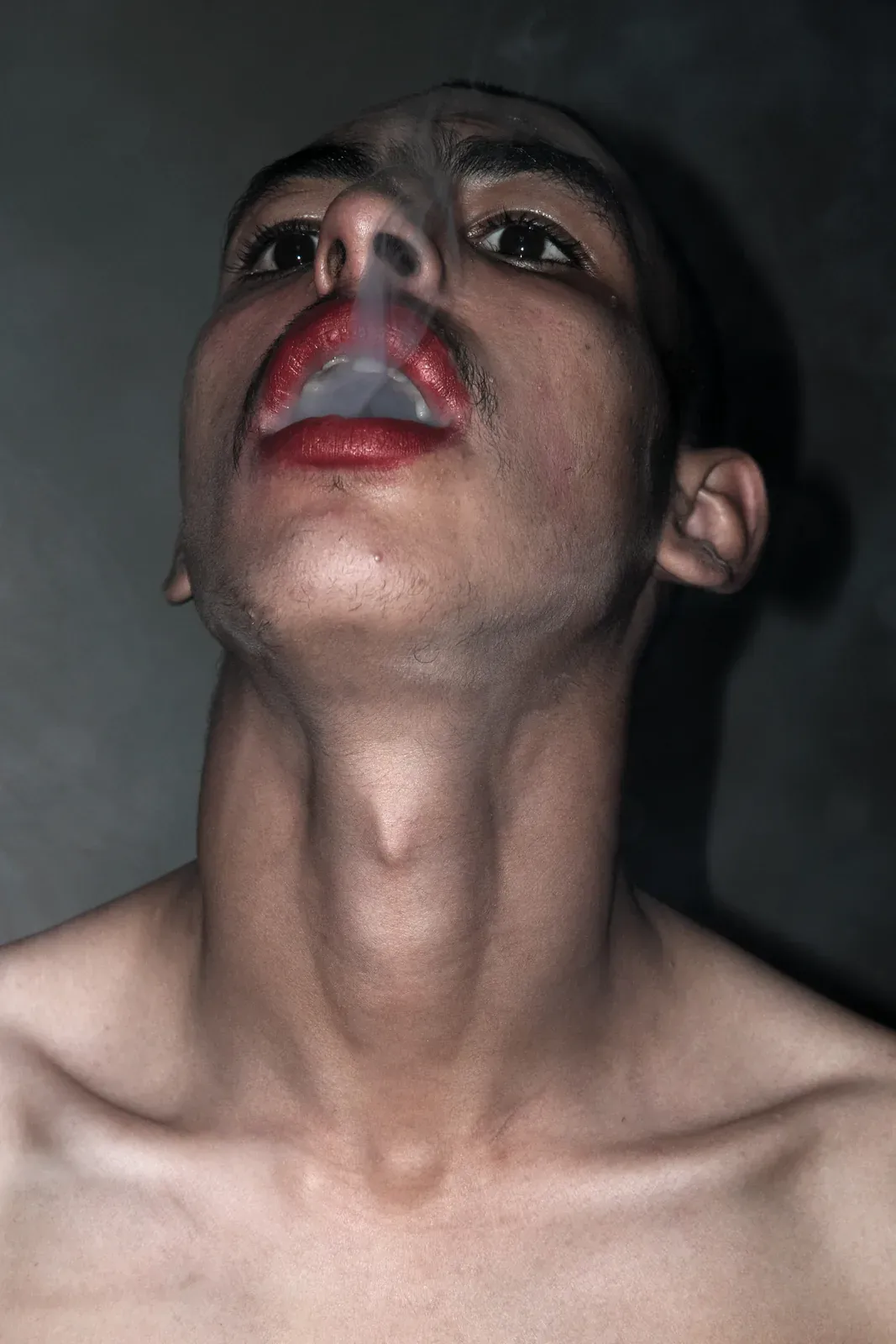
Untitled, Mido series 2019-2021 © Julie Joubert