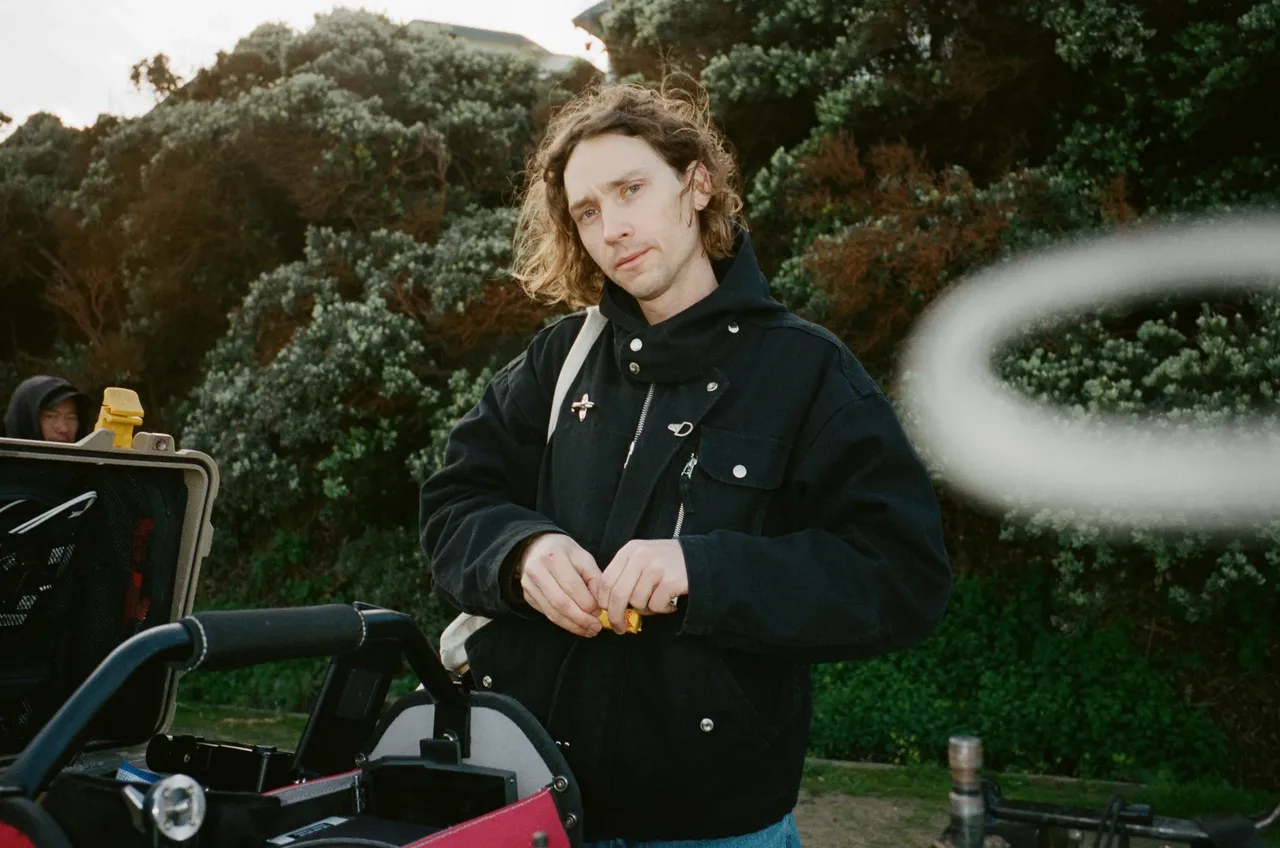
Chicago-born and San Diego-raised, Julian Klincewicz is a multidisciplinary artist based in Los Angeles whose work moves fluidly across photography, film direction, music, and visual art. Shaped by the skate culture and beach communities of his youth, he has built a practice defined by an instinct for raw, human moments and a guiding philosophy he describes simply as “look, in love”, finding genuine connection in everything he turns his lens towards. Over the years, his collaborators have ranged from Beyoncé and Jay-Z to Tame Impala and Virgil Abloh, yet his unique creative approach has remained unmistakably his own.
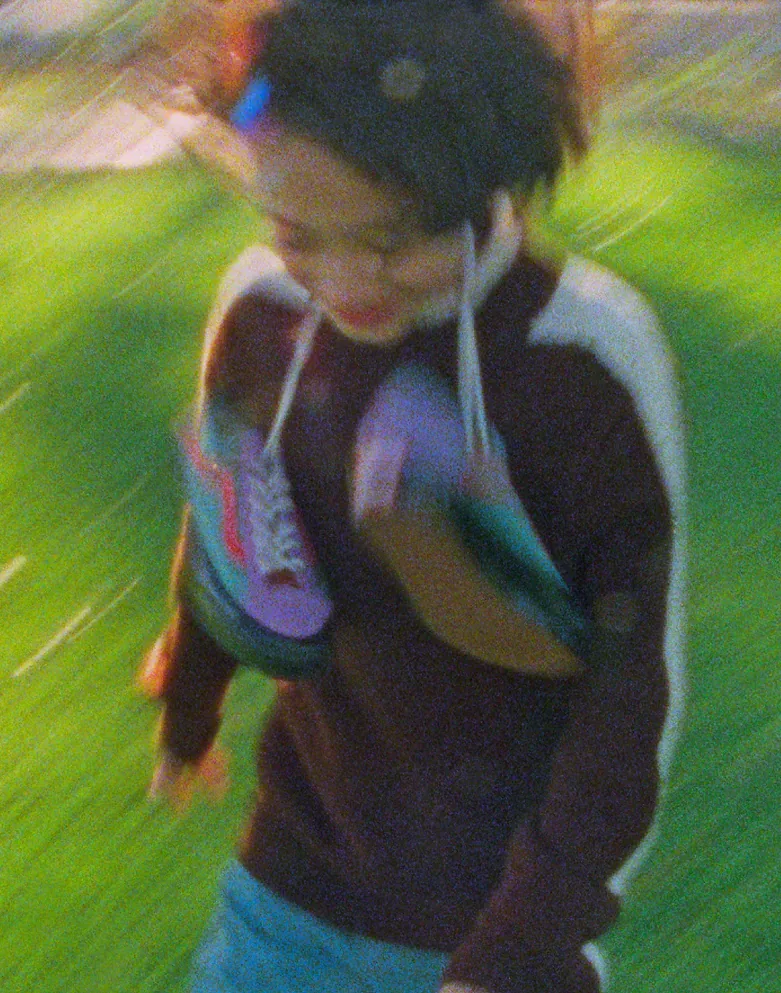
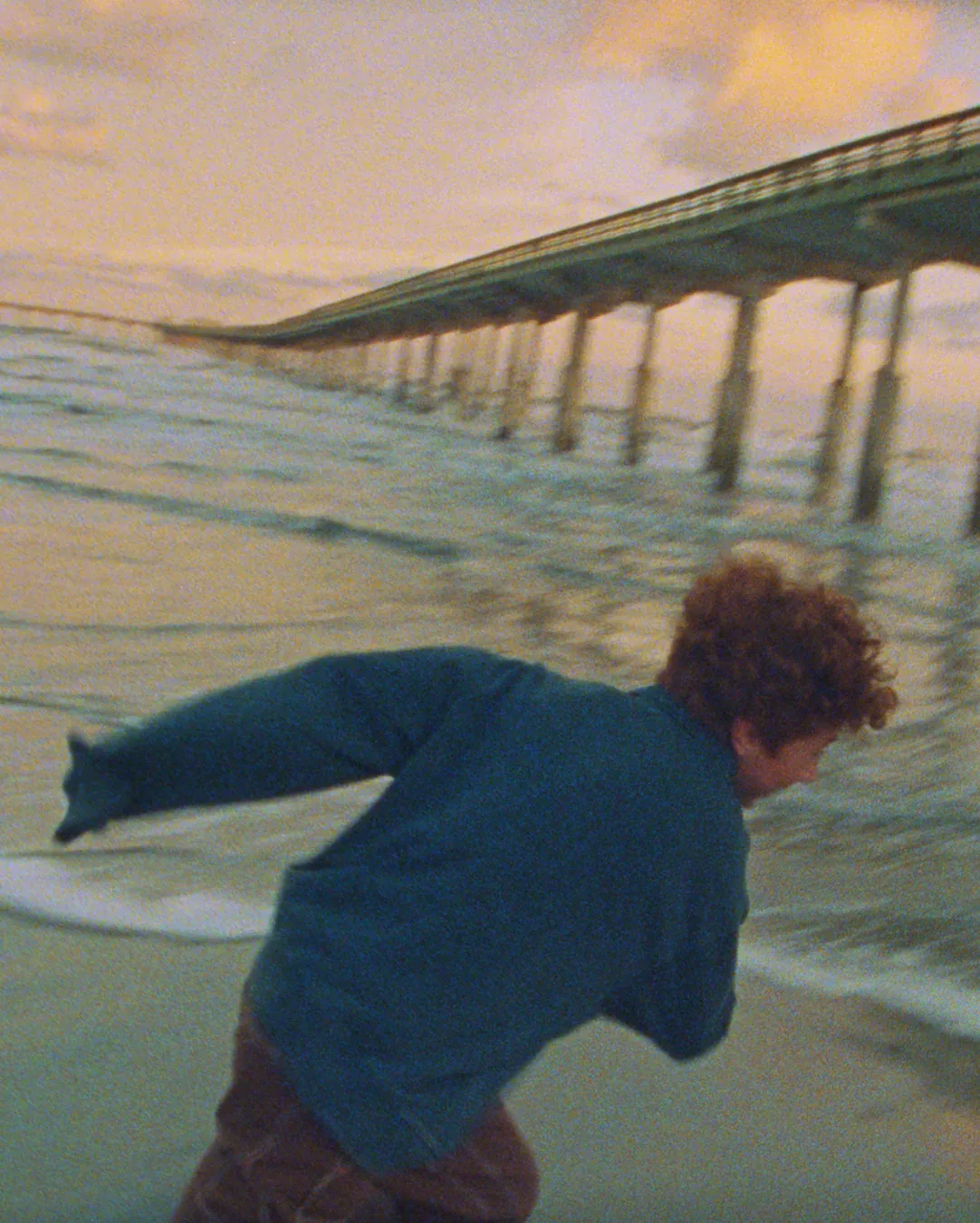
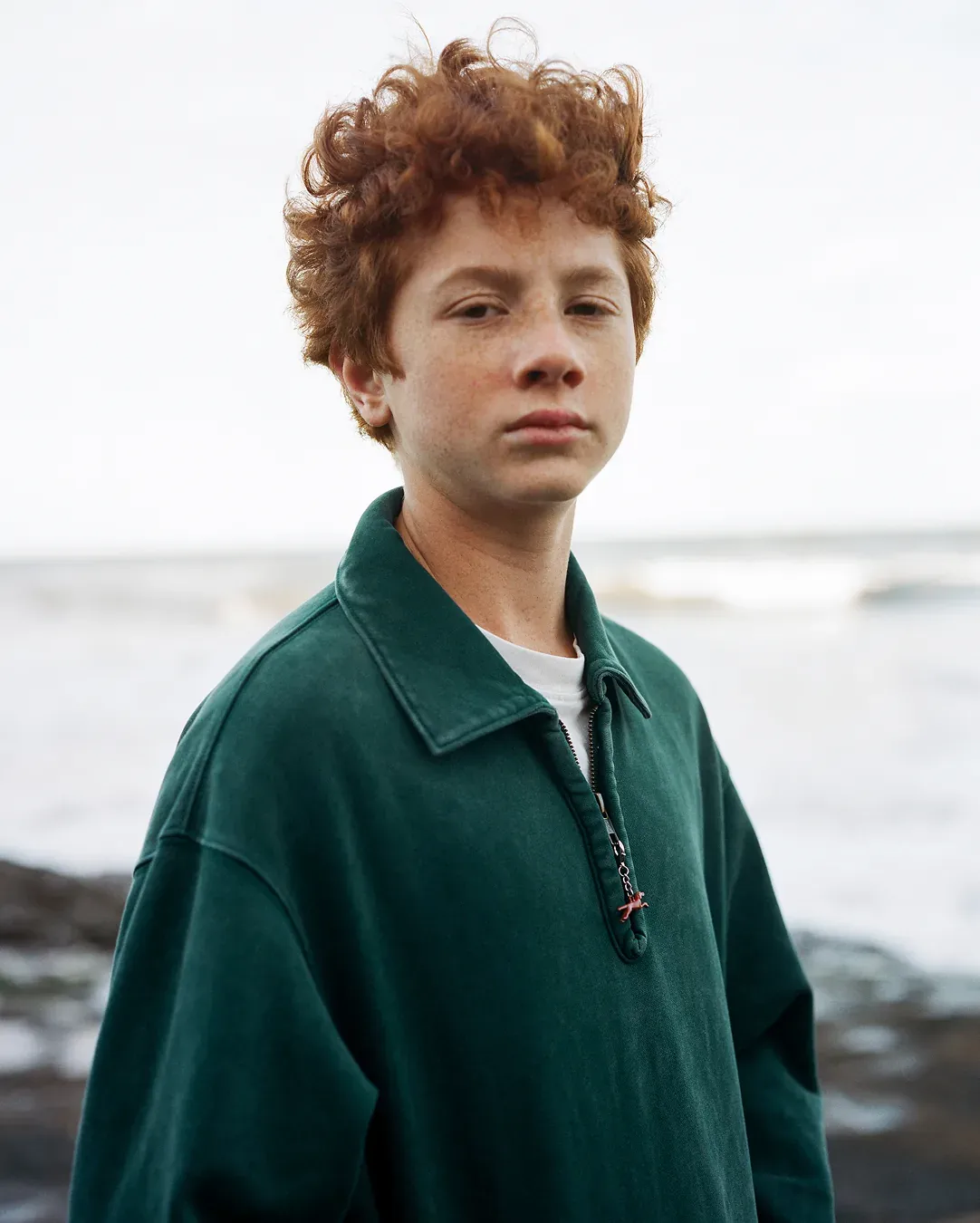
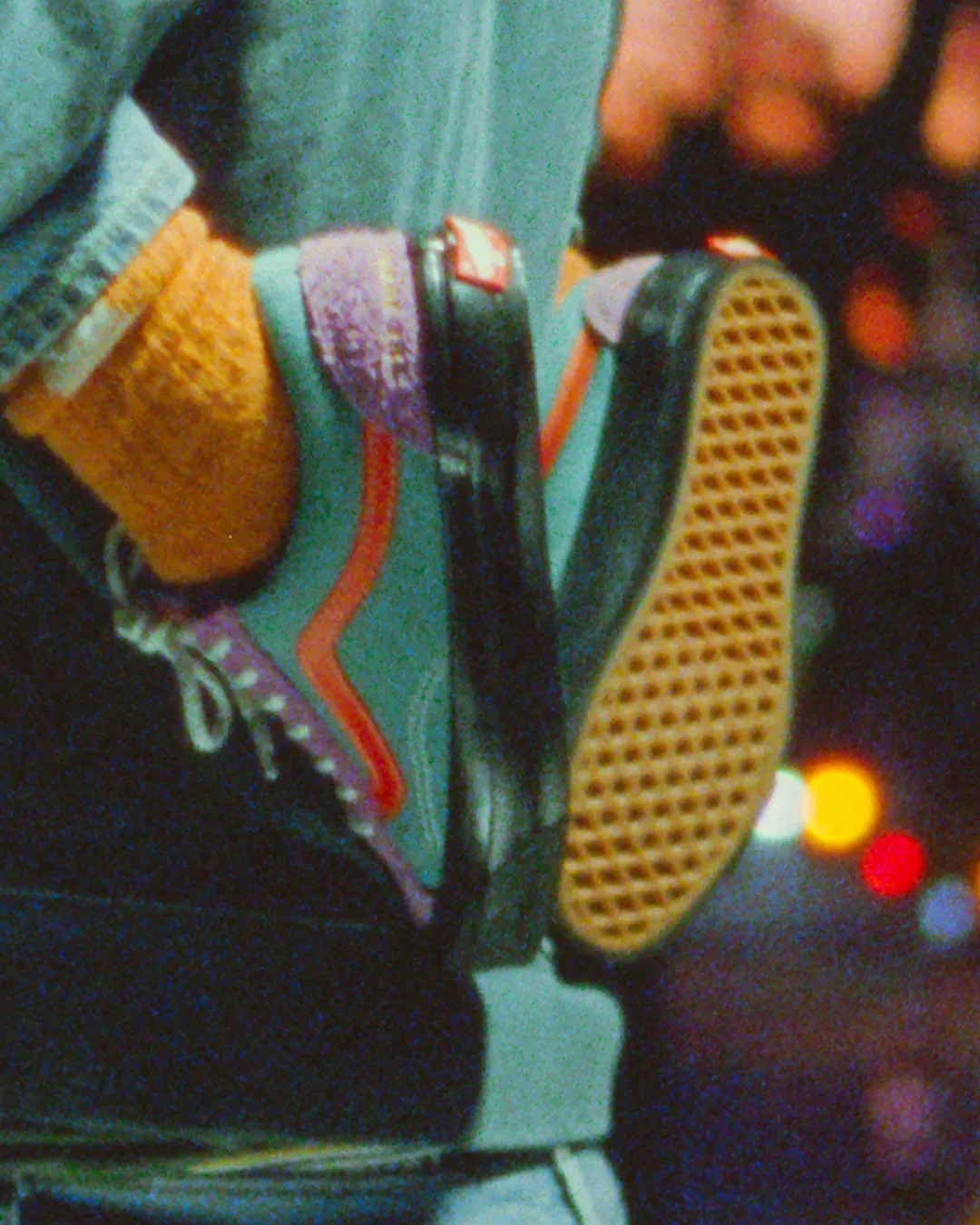
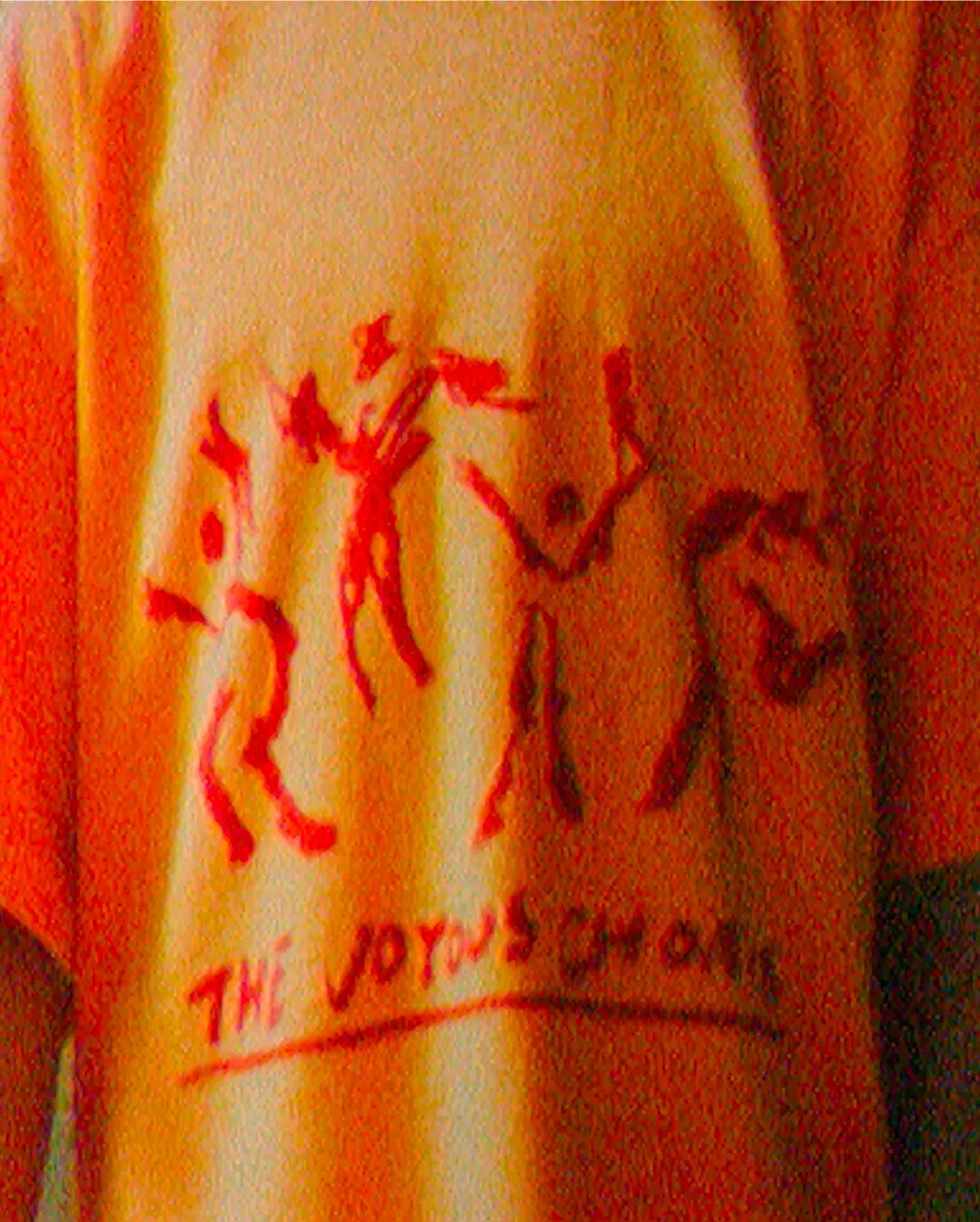
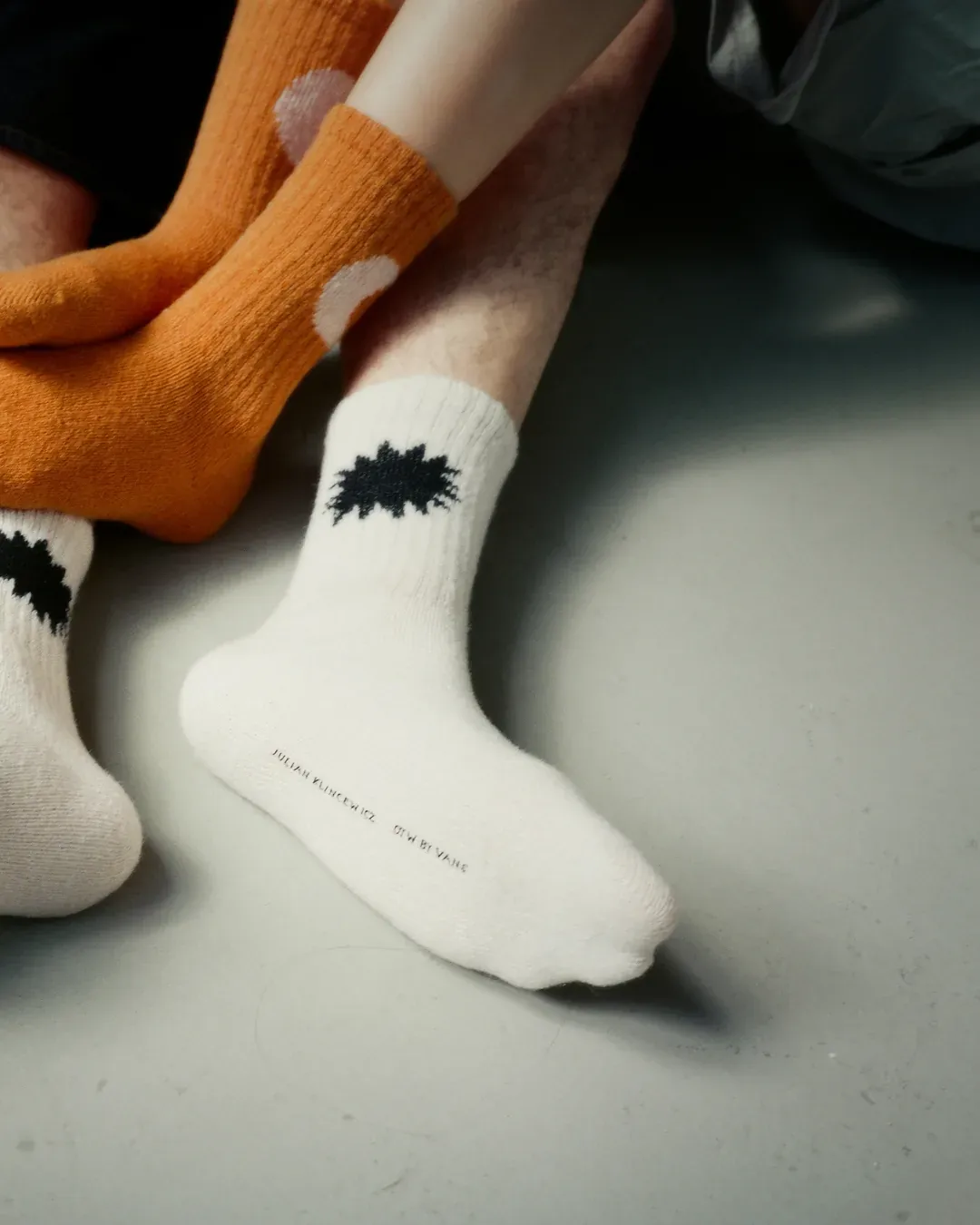
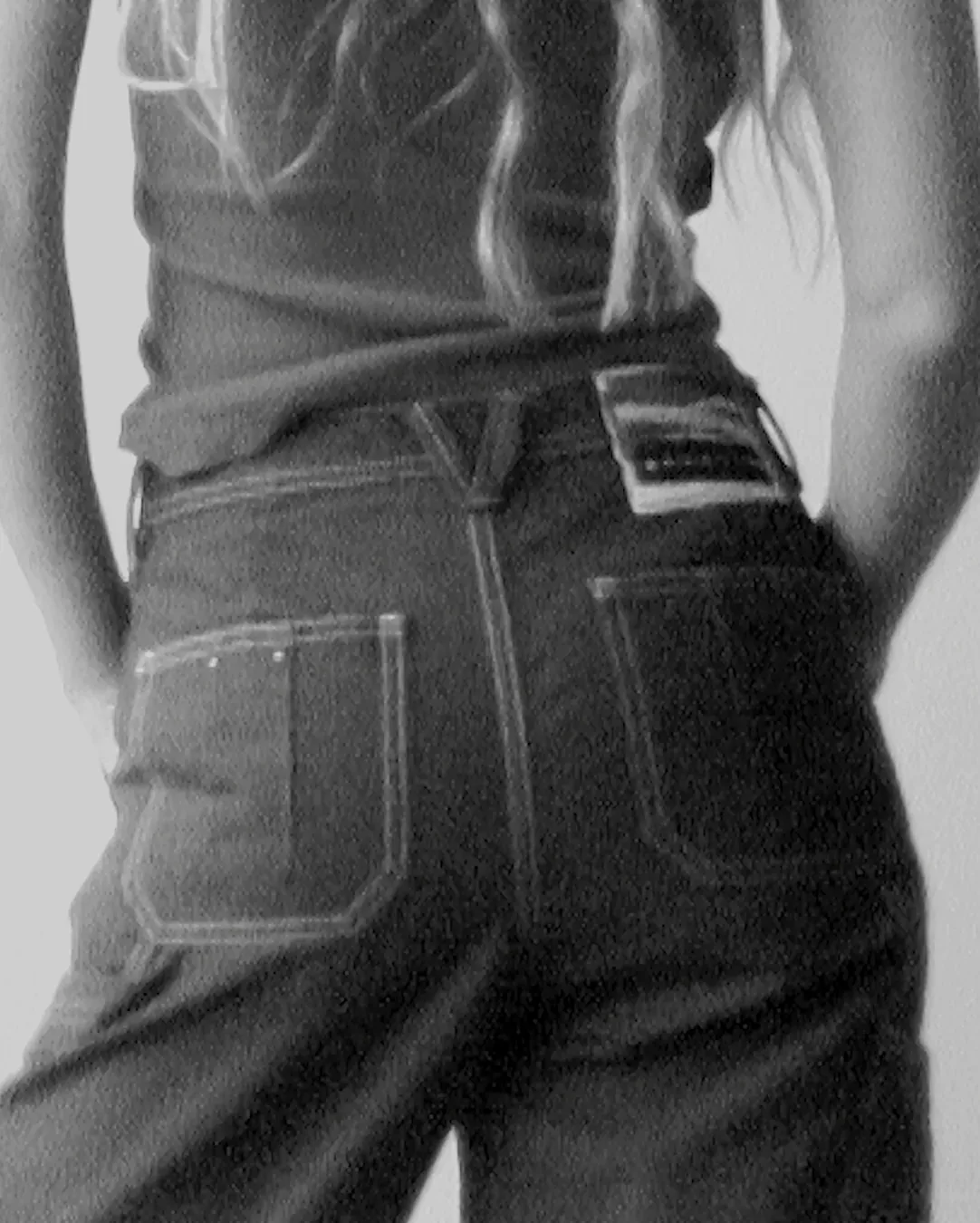
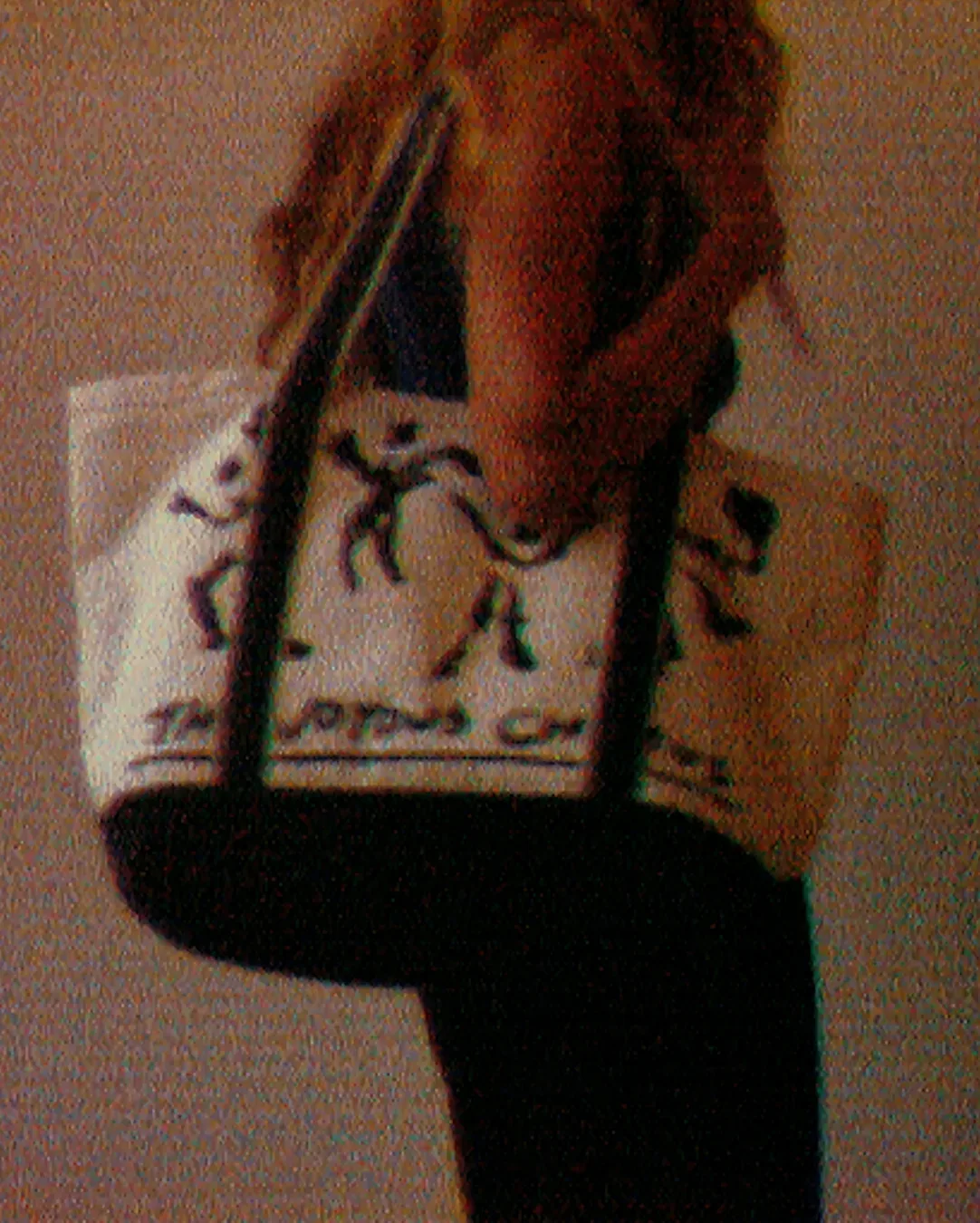
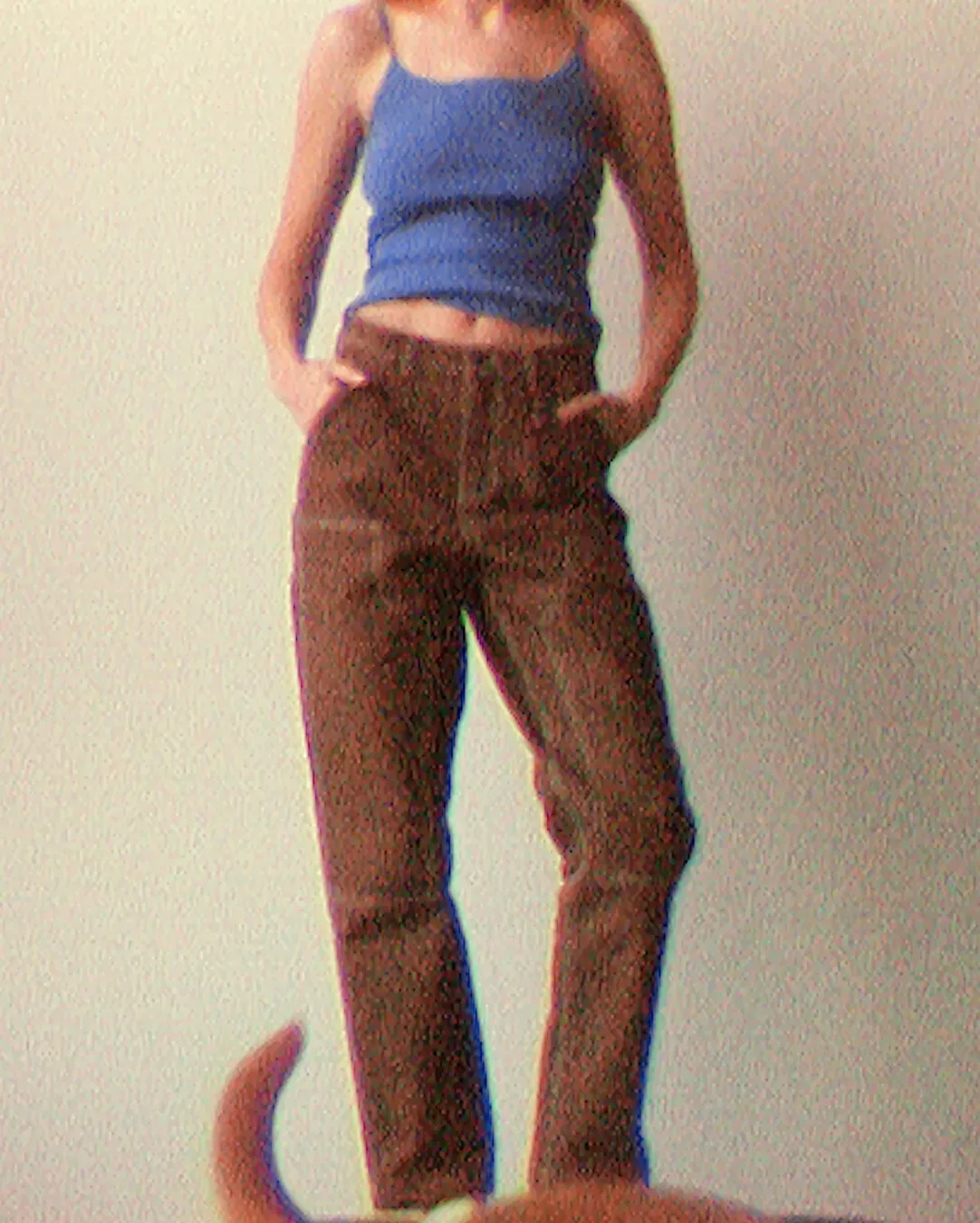
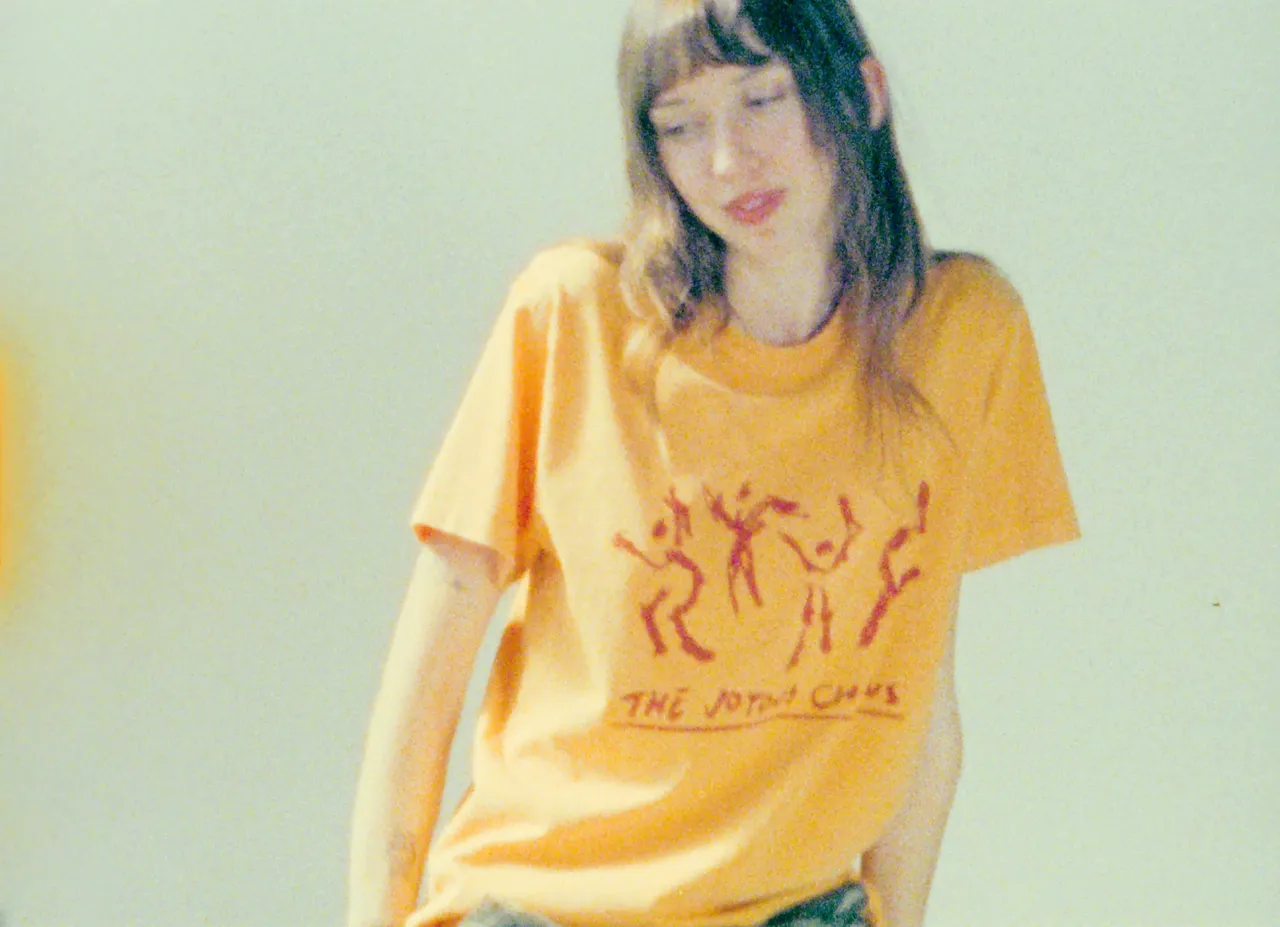
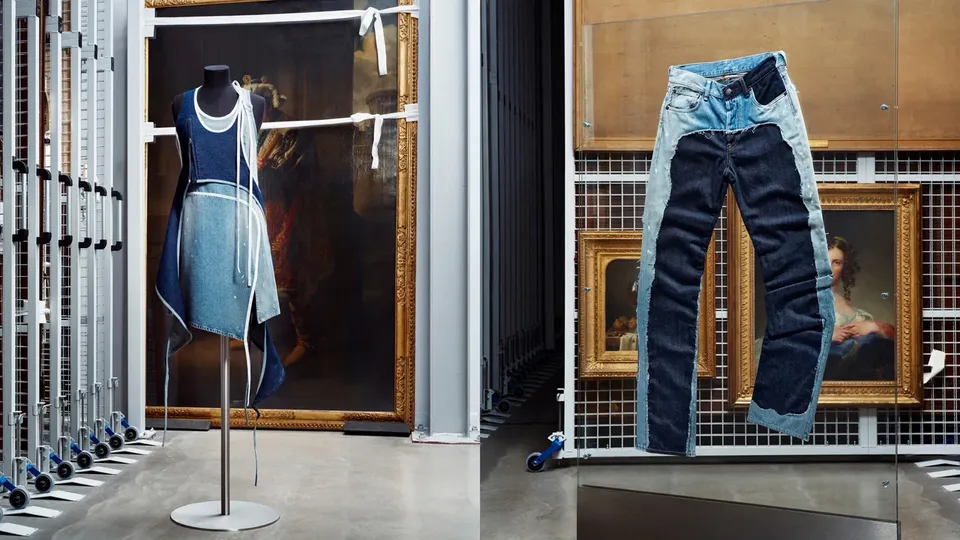
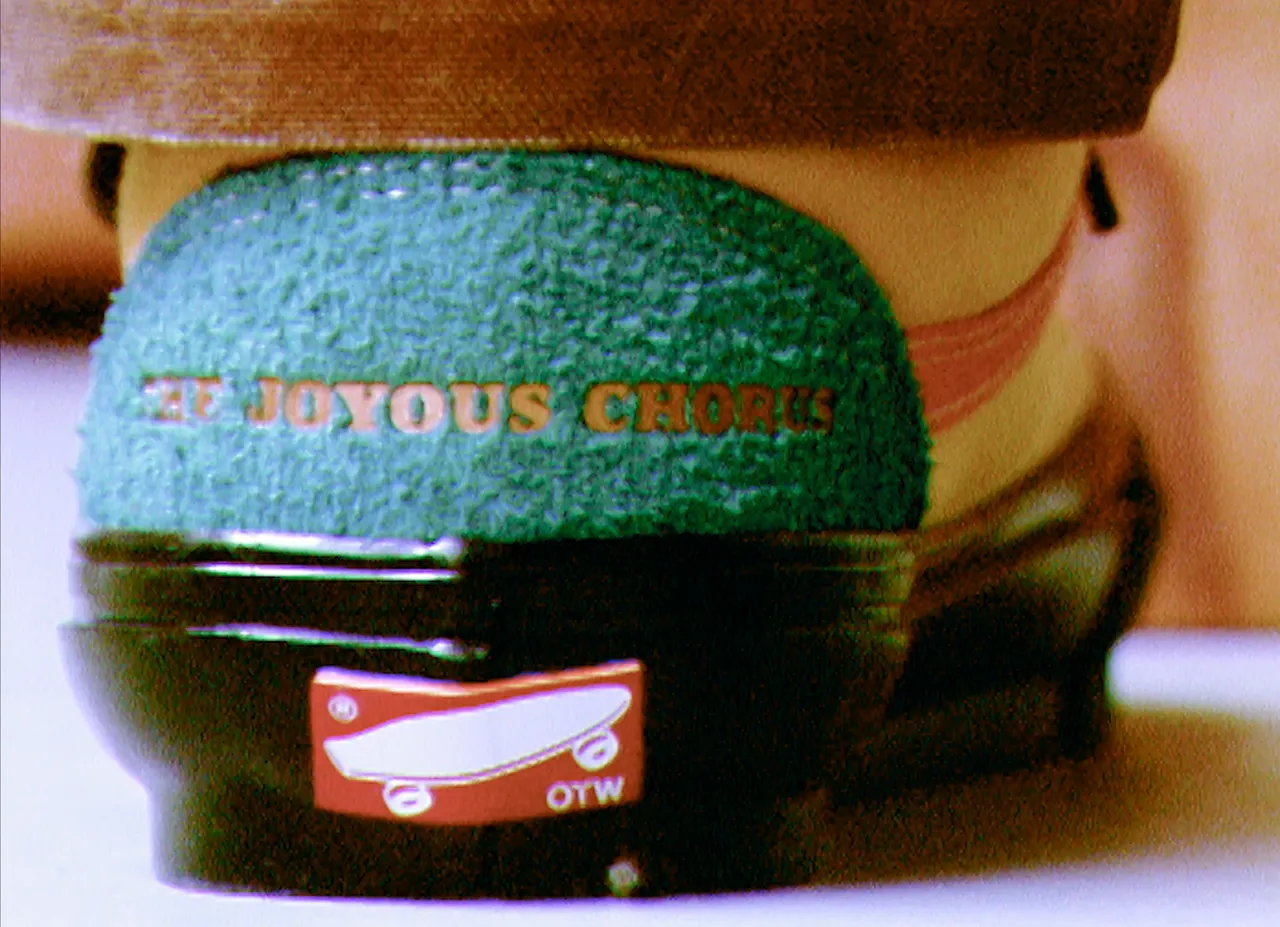
That sensibility now anchors The Joyous Chorus, his fourth collaboration with Vans and his first with the brand’s OTW line, a deeply personal excavation of his San Diego adolescence: skating until shoes gave out, long summers near Ocean Beach, and the tight-knit communities that quietly shaped him. In this conversation, Klincewicz walks us through the deeply personal vision behind his latest collaboration with Vans OTW, the creative rituals that define his practice, and what’s coming next.
You were born in Chicago, grew up in San Diego’s skate scene, and are now based in LA. How much does geography still shape the way you see and work? Do you carry those places with you?
I think geography factors hugely actually. It’s a thread I’ve become more and more aware of the longer I make work. I think I’m quite sensitive to places, and it always seeps into my work in one way or another. But with these past two Vans projects I’ve been exploring them in very obvious terms. The last one was all about Michigan. This one is very much about San Diego. I’m thinking the next one will have a lot more to do with Los Angeles.
You operate across photography, film direction, music, and visual art without a clear hierarchy between them. Is that fluidity intentional, or did it just happen naturally over time?
It’s always been quite a natural flow for me. I’m really just interested in creating things, exploring what’s possible, and seeing what might communicate an idea most appropriately. Sometimes a photo does the work, sometimes a song does, sometimes a video does it, and sometimes a shoe (laughs). I have recently been trying to bring everything together more harmoniously, though, to really let each expression be seen as part of a whole and not as compartmentalised worlds.
You’ve described your guiding mantra as “look, in love”. What does that actually mean to you in practice, and how does it translate into the way you approach a shoot or a project?
Yeah, I think that’s been a guiding principle for me in how I approach photo & video. It really does mean just that, though, that when you are looking at something, photographing someone, or filming something, you look from a place of love. I think a lot about the photographer’s gaze or the director’s vision – these perspectives through which we understand an artist’s work – and one of the ways I’ve come to understand my own gaze is that I’m looking for the love in everything, for a connection that is real, if only for that shared moment.
Your early work had a very distinctive lo-fi, VHS-influenced aesthetic that Dazed described as “defining the zeitgeist” back in 2017. Looking back, where did that sensibility come from, and how has it evolved since?
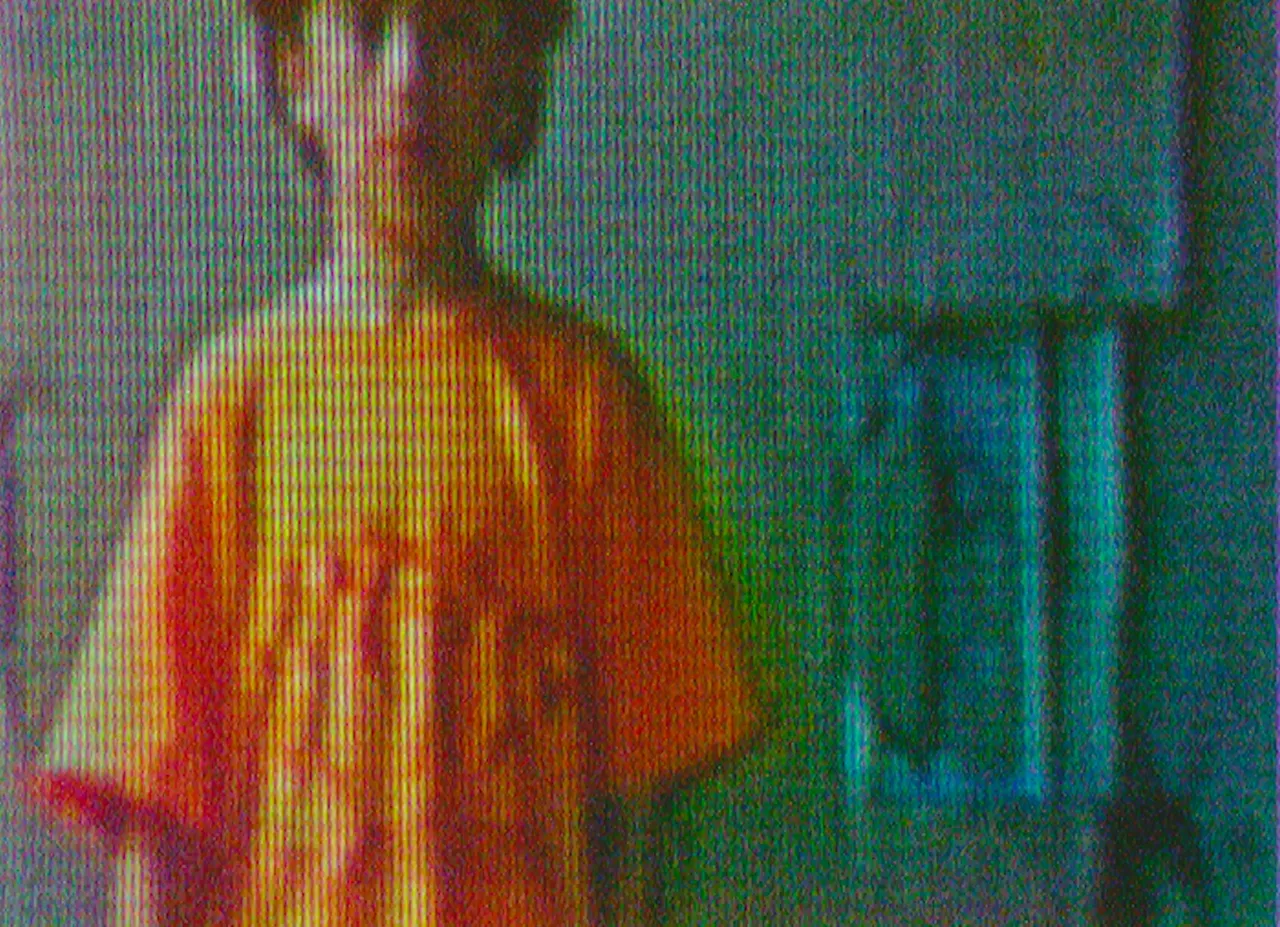
Yes! Still love the VHS! I think for me it was partial serendipity and partial nostalgia. On a truly practical level, a VHS camera is what I had access to, so it was the best tool for me at that time. Because of how simple they are, too, it really allows you to focus on what’s happening, rather than the technicalities, and the long-duration format allows you to film and film without stopping. It’s almost like an anti-precision medium, you know? It’s about capturing real moments, flaws and all. But it shows reality in a very dreamy way: the distortion, the warble… It transforms it, and in that transformation I think there is also something undeniably romantic and cool about VHS – again, it has all these implications to it: home video, DIY music recordings, bootleg movies, etc. It's a people’s technology, and so the points of reference & the associations with it are in many ways realer than other kinds of video technologies like cinema cameras.
Skating was clearly formative for you not just as a sport but as a cultural framework. What did the skate scene specifically teach you about creativity, community, or making things?
Aw man, I am so grateful to have grown up skating in San Diego. It’s given me such a beautiful understanding of the whole world as a creative space. It gives us a framework to interact with architecture in a personal way; it gave me a huge sense of community & a commonality with people, and it opened so many doors. I think the short answer is skating is just the perfect intersection of art, culture, and sport. It’s about personal style & self-expression; it’s about being in conversation with a community of other skaters; it’s about expanding the realm of what’s possible; and it’s about harmony between mind & body. Of course it can also just be about having fun and fucking around with your friends – and that’s just as important – but all of those elements are just baked into what it is, and those elements are reflected back in almost every other area of life.
Given your passion for skateboarding culture, it makes sense that you’ve collaborated with Vans several times. This is your fourth one so far, and your first with OTW. The collection is deeply rooted in your childhood in San Diego: skating, beach culture, the circus, and long summer days. Why did you want to go back to that specific moment in time?
You know, I’d just sort of never directly dealt with or understood how much San Diego shaped me. I'd always sort of been clinging on to this idea of being born in Chicago, but it wasn’t until a few years ago that I really just accepted, like, “I am actually FROM San Diego,” and in doing that, understood myself a lot better. So this project was almost a way to get up to speed with myself – to make sense of some of the best, most formative experiences for me, like skating, like the circus, like hanging out in Ocean Beach. Obviously there is so much overlap here with the story of Vans as well – as a skate/music/arts brand (they also made clown shoes for a while!), so it felt like it actually made sense to tell this story with a Vans project. I try to really consider what ideas genuinely fit where and to build around that.
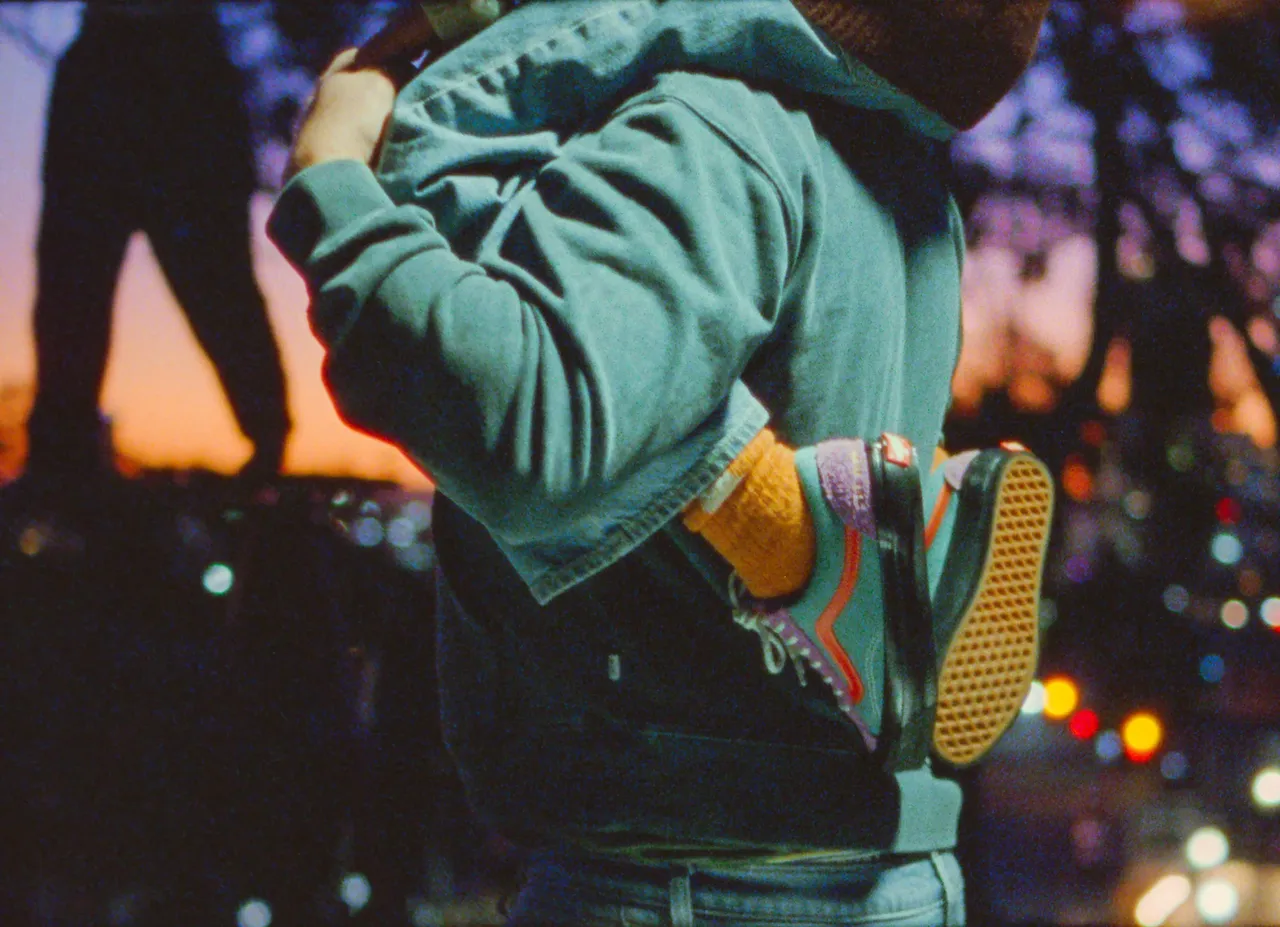
You said you designed everything imagining it completely worn in: holes from skating, discoloured from puddles, and drawn on with a pen. That’s quite an unusual starting point. How did that idea come to life in the actual design process?
I mean, I think that’s just how I’ve always worn clothing; I’ll wear something until it’s completely worn out. I like those genuine signs of life on a garment and on a shoe, and that was 1000% my experience as a teenager in San Diego. So when thinking about those two things, and especially thinking about what I want from a brand like Vans, it’s something that wears well. Like Vans are made to be worn out! They look better and better as they get dirty & ripped. That’s just a real fact of how they exist within culture, so I was considering that as an important element.
Vans has one of the most authentic relationships with skate culture. As someone who grew up inside that culture, does working with them feel different from other collabs and, if so, how?
Yeah, it just feels very genuine! Each project or collaboration is different, obviously, but with Vans, there is just such a personal connection; it always feels like it just fits. And it also keeps me close to skating – even in moments where I’m skating less – so for that, I’m always grateful.
A lot of artist collaborations with big brands feel like a logo swap, but you went in the opposite direction: deeply personal iconography, eleven years of ritual, your own dog. Was that a deliberate statement about what a collaboration should actually be?
I mean, I think different people have different strengths, ya know? Sometimes just throwing a logo or a photo on something works amazingly, but I’ve always found I just like to approach collaborations as if I were an artist in residence or something, rather than just making a product. I like the world-building, the storytelling… I think that for me it’s a more genuine collaboration to make something unique & new with a brand. That’s exciting to me.
The phrase "The Joyous Chorus" is central to the collection. Can you talk about what the idea of community and support you found when you moved to San Diego represents?
I think it was just something I’d been reflecting on the past few years. I had a handful of really important people to me pass away over the past few years, and the grieving process becomes pretty formative and reopens all these wonderful memories. These imprints of how someone lives on through you in one way or another, what they showed you in the world, and what they taught you – it carries them on somehow, if only for a moment. So in some way this idea of the joyous chorus, as much as it is about the collective or about a community, is also about remembrance & celebration of the joy of those times.
You also directed and photographed the campaign yourself. What does it mean to have full creative control over both the object and the image that introduces it to the world?
Yeah, I mean, this whole project was just so personal; I couldn’t have imagined it any other way, and I’m so grateful for the trust the team at OTW & Vans put in me. I think what it means just shows in the world; to have creative freedom to express something just allows you to express more. I think the project as a whole is very alive, and I think you get that sense of life & personality from it in a very visceral way.
There’s a thread running through your work of finding beauty in everyday, unglamorous moments: stolen human gestures, worn objects, or ordinary places. Is that a conscious resistance to the more polished visual language that dominates commercial work?
I’ve given this some thought, and I think at different times it’s meant different things or had different levels of intentionality to it. I used to feel a bit more strongly that the sort of lo-fi textural visuals were a radical counter to commercial-ness, but I don’t think that that is the case anymore, and I don’t know that it’s even important. I think the important thing is just that one loves what they make – whatever that may be. In terms of perspective or subject matter, I think part of it is just my nature or how I was raised, which is to find beauty and wonder in the world. I’m interested in seeing that; it makes my life richer, and if you can find it in uncommon or extremely common places, all the more wonder abounds. There is also a circumstantial element in that I like to make work about life, and life is naturally all of those things, and I just allow them to be part of the work. For this collection the worn element just made sense for the storytelling & world-building, more than a particular statement or anything.
You’ve kept a daily to-do list drawing ritual for eleven years. What does that daily practice do for you? Is it discipline, meditation, or something else entirely?
I think at different times it’s all of the above. It’s definitely a discipline and a practice I view as a lifelong body of work / a daily ritual. If nothing else, it’s a nice place to maybe see what I’m aiming for in a day, and a space to give myself a little freedom to just draw or write. It’s also really functional, though. Practically speaking, I like a list to help me keep track of what I need to do / what I want to do in a day or week. I like having a piece of paper handy to write down ideas, thoughts, etc. But at times it also becomes something more. I’ll go through stretches where every day I’ll shoot a Polaroid for my to-do list as a daily photography practice. Other times I’ll do a drawing, or write a poem, or make a collage. It is oftentimes a sort of incubator of ideas where some seeds get sprouted and then crop up later in other areas of work.
When you direct a music video or a campaign, how much is planned in advance versus discovered on set? Where does the real work happen for you?
Both places, but it really depends on the scale of the shoot or the project. For my own stuff I love discovering as much of it as possible along the way, or while shooting. I like the spontaneity and documentary nature of finding a moment. But for projects with clients or large sets with a lot of people / crew involved, you need to have more of a plan just to get things done. So often for those I’ll do pretty in-depth creative decks and outlines to get a sense of what I want to capture & how I want to capture it. In both cases, though, I do a lot of editing to shape everything, and I’d say it can all change there based on what actually feels good to watch.
You’ve worked with artists like Beyoncé, Jay-Z, Steve Lacy, Tame Impala, and Virgil Abloh, collaborators with very different creative languages. How do you adapt your vision to serve someone else’s world without losing your own voice?
I’ve been really lucky to get to work alongside & learn from so many amazing artists. I try to just consider & understand what their worlds are and find an entry point into them that feels genuine to me. Again, it’s this approach of being an artist in residence. What would I make under these conditions? What would be interesting to do with this artist? What resonates personally from their world with me? What do I have to offer that’s new for them? Sometimes it’s more organic than that, and sometimes it’s more constructed, but I think those are the considerations. Ultimately I just try to be thoughtful in preparing to work together & present while actually making things together, with the aim of doing good work.
You've also exhibited work in gallery contexts. Do you approach work differently when you know it’s going to live on a gallery wall rather than a screen or a campaign?
I’m starting to. Not so much conceptually, but I guess practically speaking there are a lot of things I’m working on that just don’t make as much sense to do with a brand, ya know? Like a lot of my natural interests or aesthetics cross over really well with fashion, or music, or skating… there is a genuine commonality & interest there, and I love getting to work on campaigns. But there are some things I’ve been wanting to make / starting to work on that fit less well within that context, and it’s mostly to do with duration. I find more and more I want to make things longer. I love sitting with a piece of artwork for a while to get a personal understanding of it, and I’d like to make work that does that for other people too, and I think in a gallery or museum setting (or a movie theatre!) the context is better suited to duration.
What's next for you, anything you can share?
Yes, many things! I’m trying to finish up my album for this fall! I’m trying to release a handful of songs before then too. I have a couple of zines coming out from my Boys Grown Tall series, which focuses on the American semi-truck as a motif. I’m really interested in making a short film too, so I'm going to throw that out into the world! And I still want to go to space… So fingers crossed that happens someday!