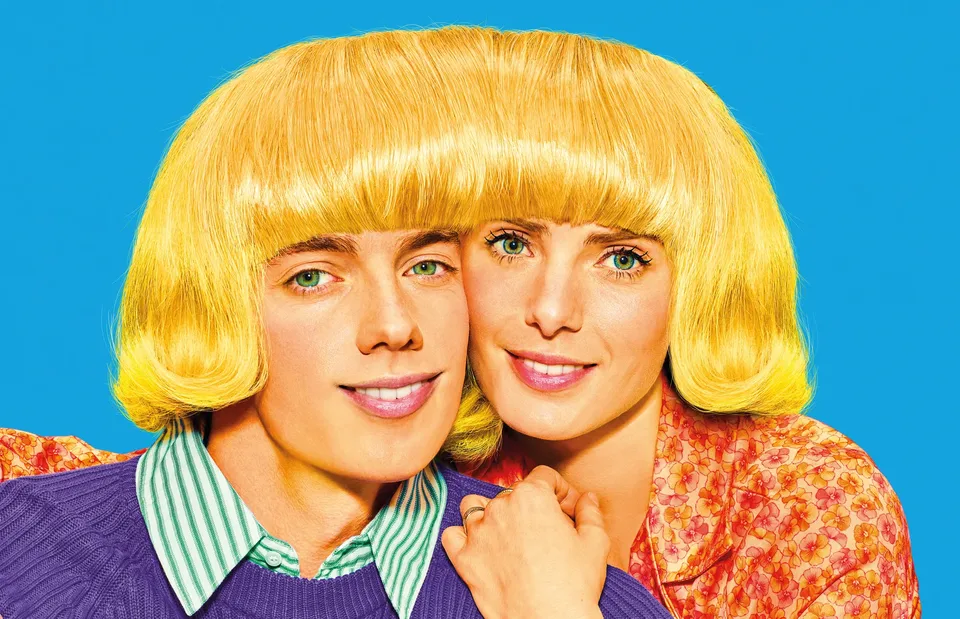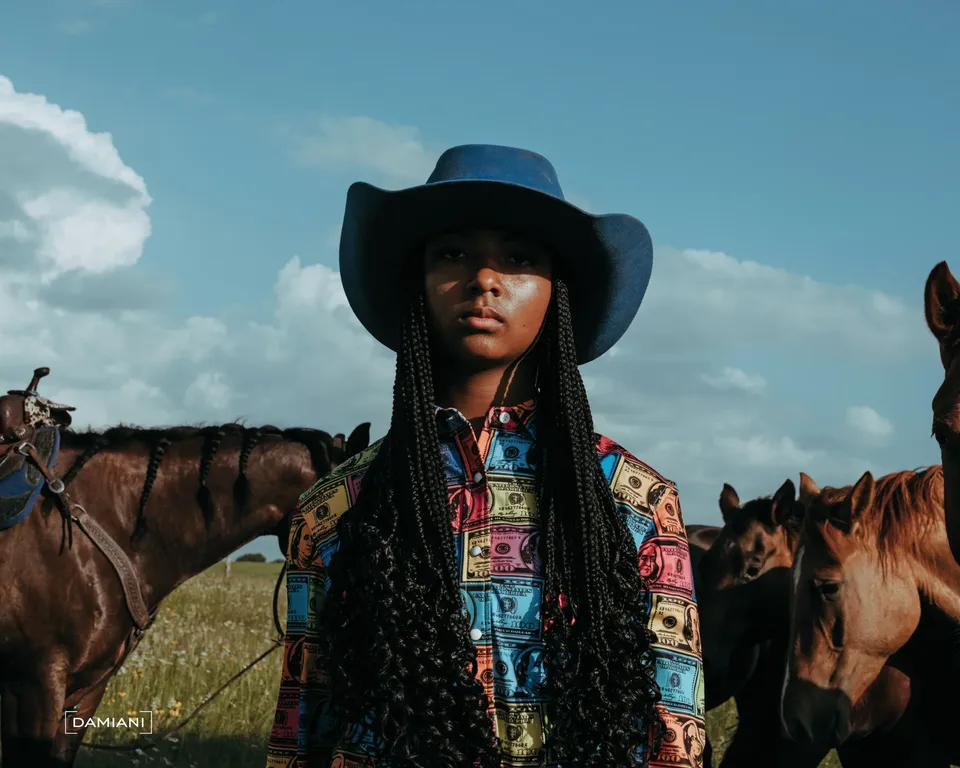
Occasional conversations with Josh Aronson are, ironically, a constant for METAL. And a small glimpse of how society’s inhibitions progress through warm tones. The evolution of his work in recent years has followed a course parallel to the development of the ‘new world’ that emerged after Covid-19, a turning point and the axis around which the work and methodologies of most young artists reshaped by circumstance revolve. But Aronson took it a step further. If you can’t take a plane, you can take a car; if indoor spaces are limited, you can shoot outdoors. Yet within his personal dynamism, there are glimpses of essence that remain still. One always returns to what one knows; to what can be examined in meticulous detail. And among his muses, there is only room for Florida.
Aronson grew up in The Sunshine State. Nurtured within one of the most prolific and diverse artistic communities in the United States, he developed an artistic vision that has guided his photographic work, which has defined his career since 2018. Florida has evolved and, in some ways, begun to lean in a very specific direction since then, yet it has always remained at the centre of his work. And just as central is his need to capture sensitivity and the anti-stereotypical struggles that reflect the reality experienced by countless young people growing up in southern US, increasingly shaped by discourses of oppression.
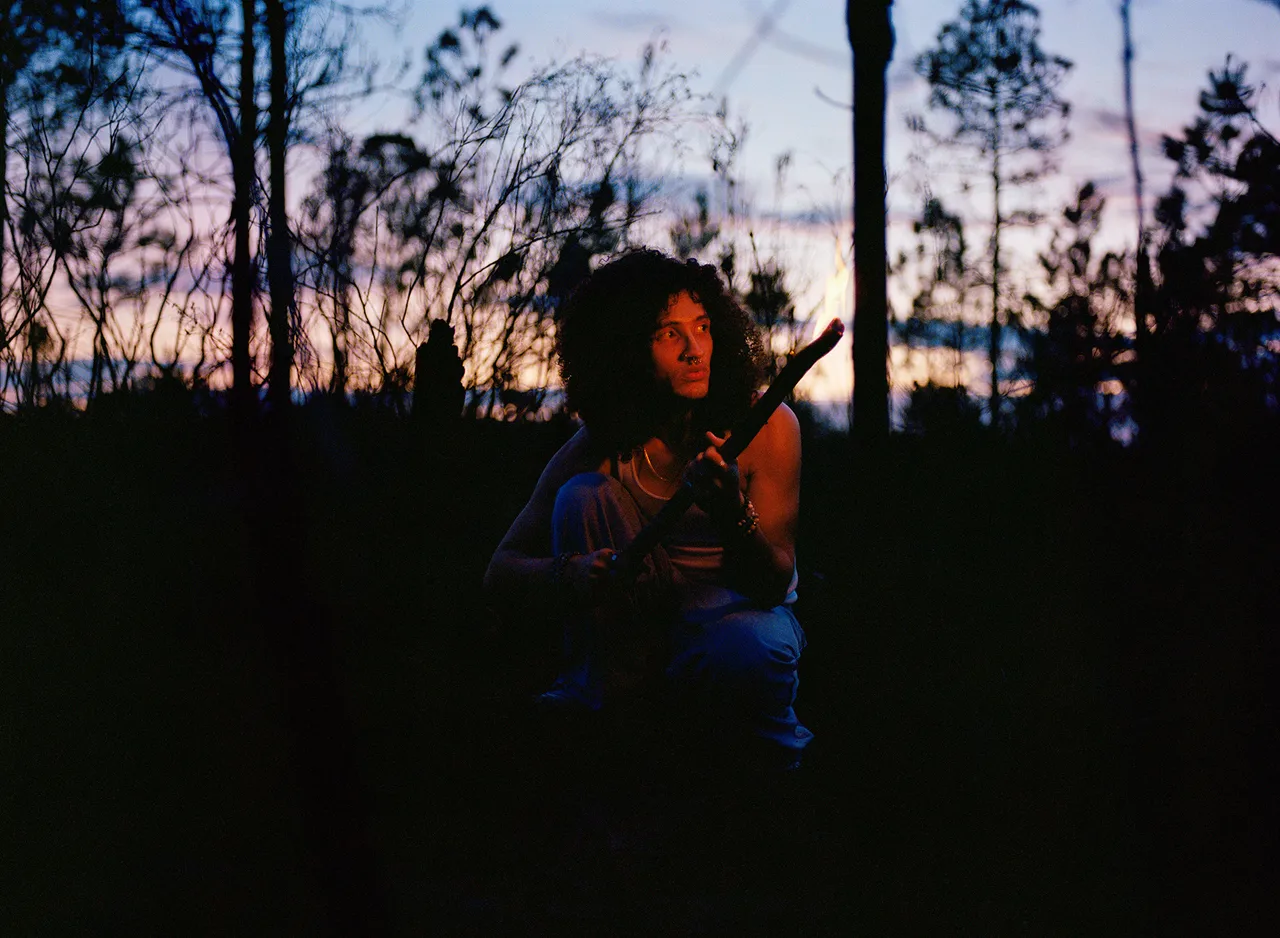
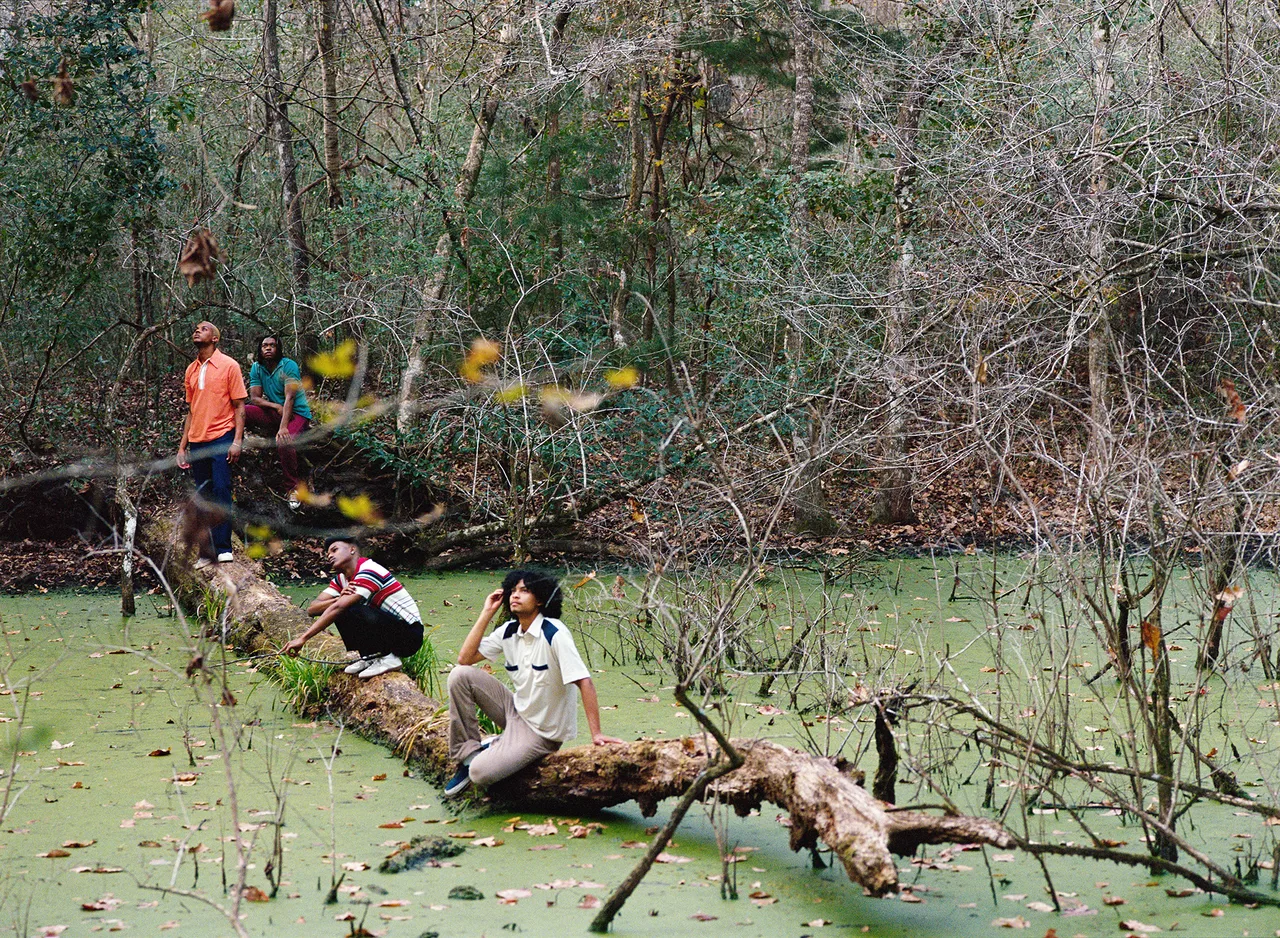
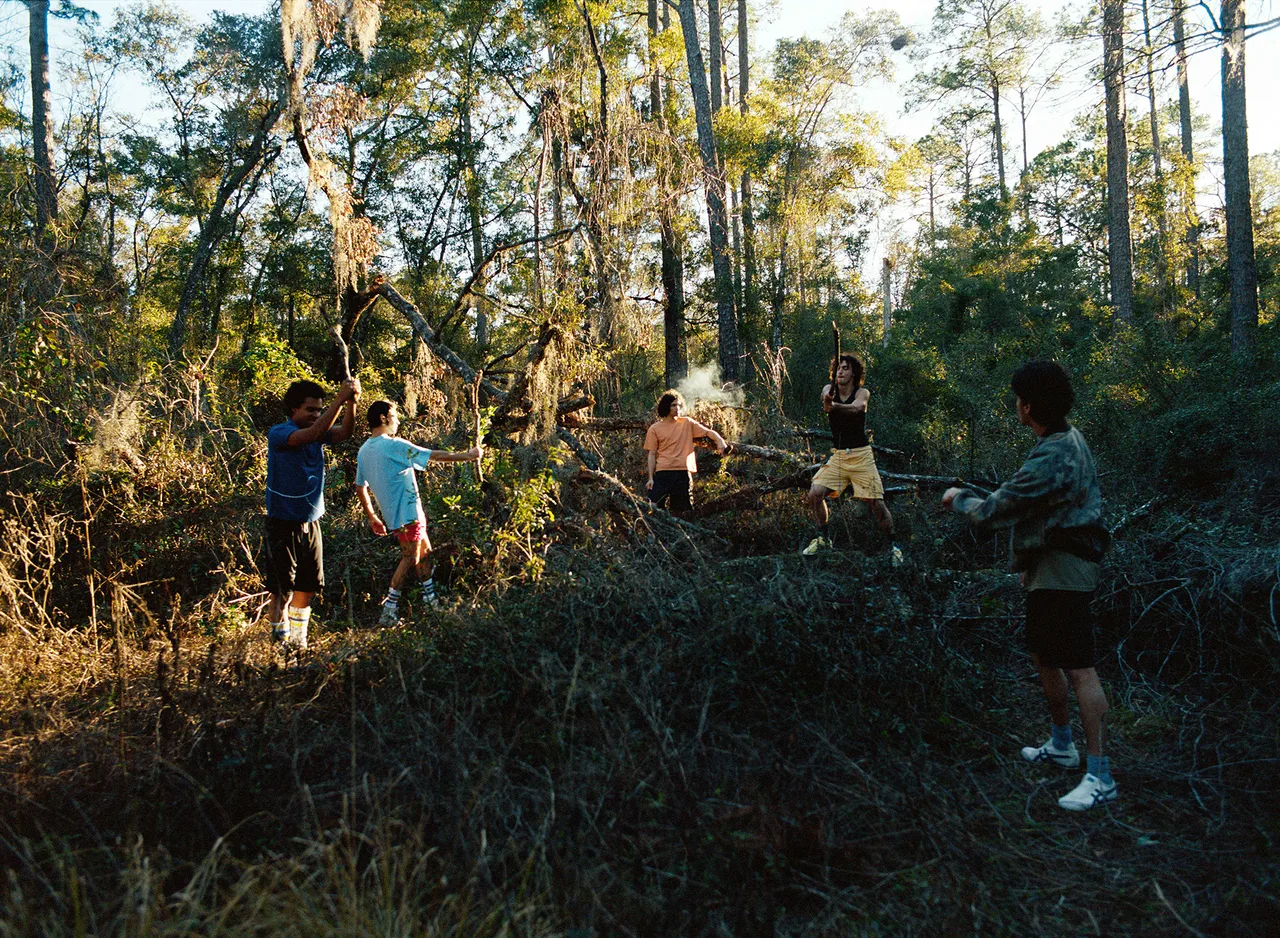
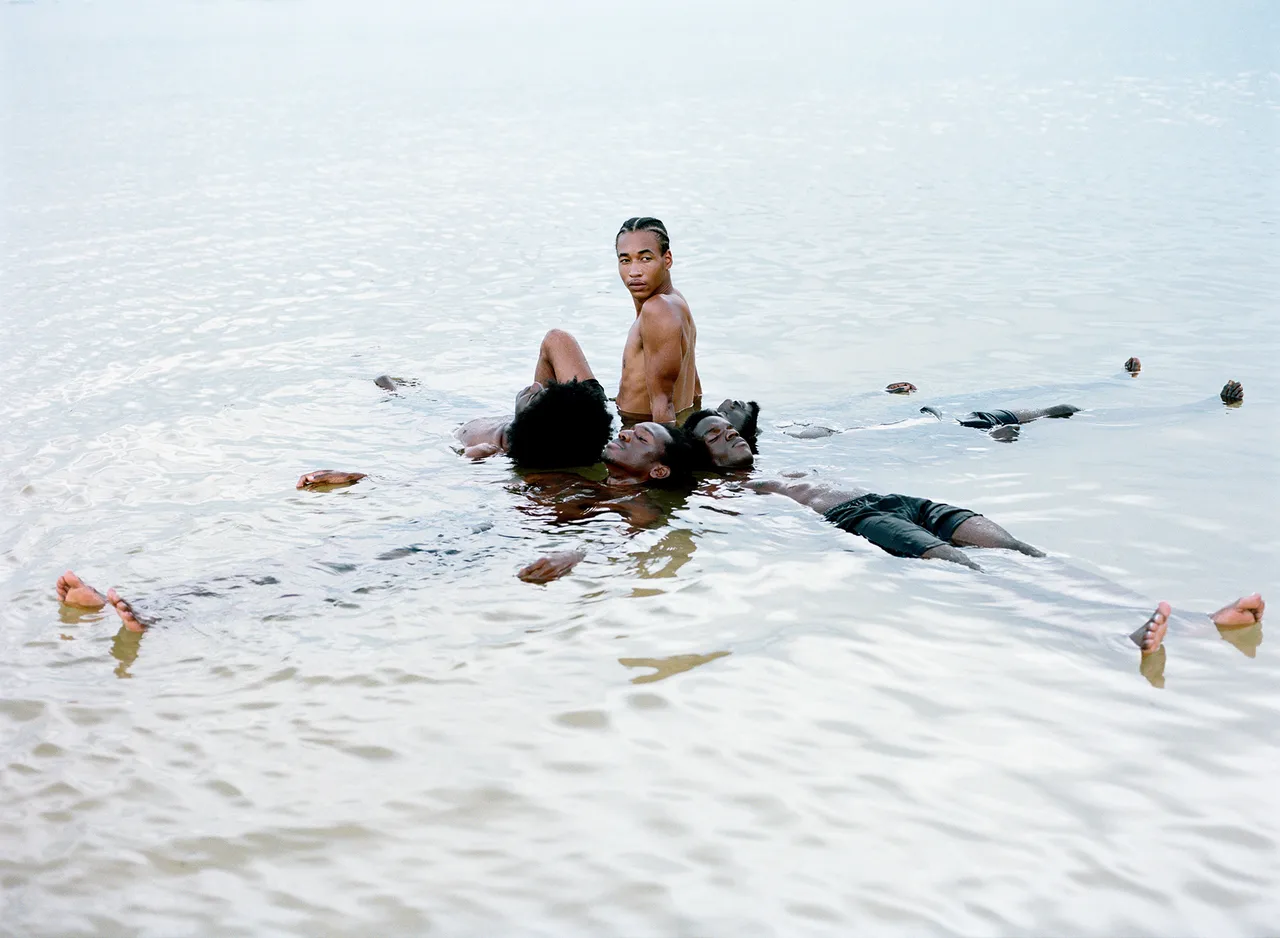
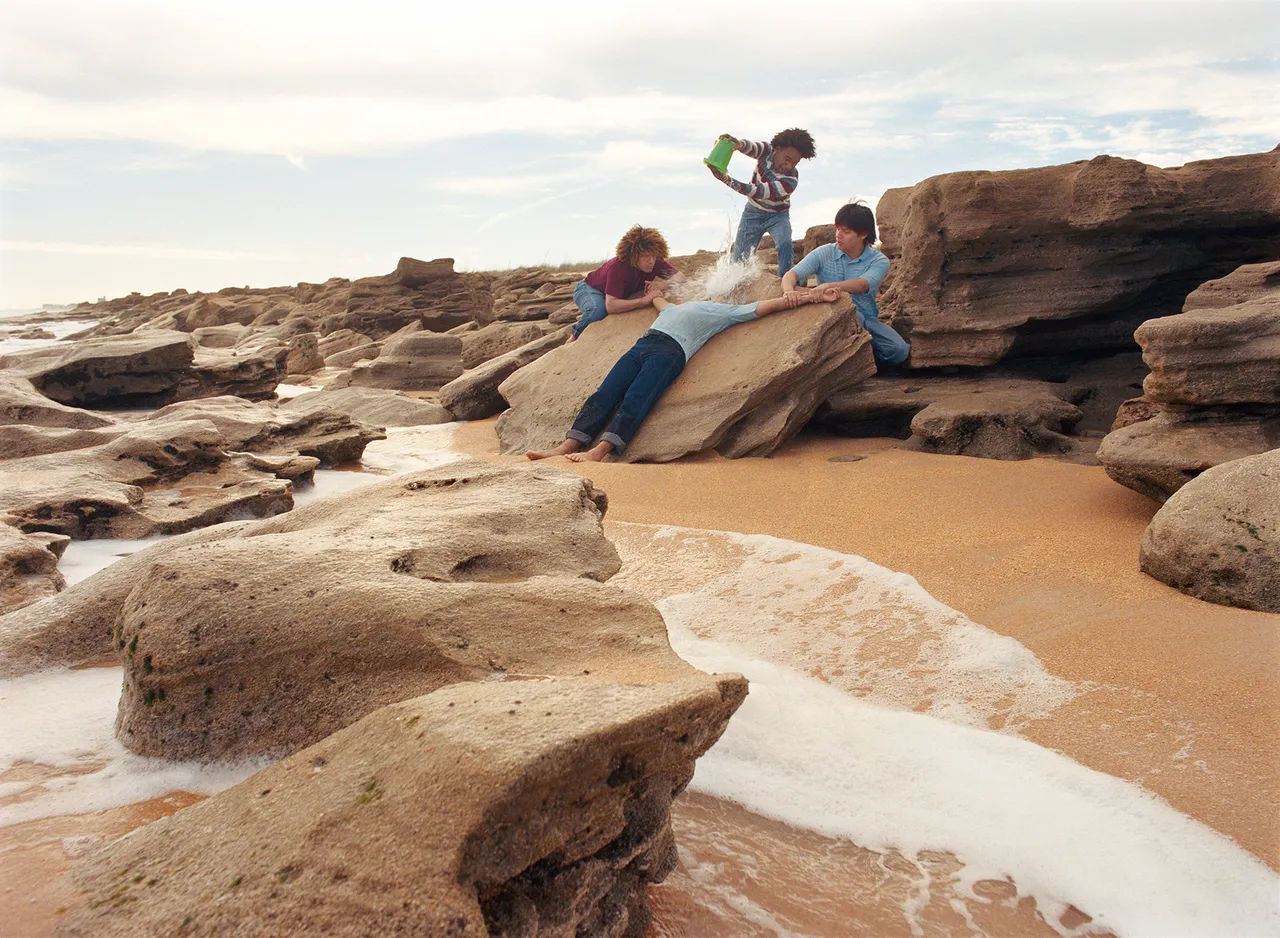
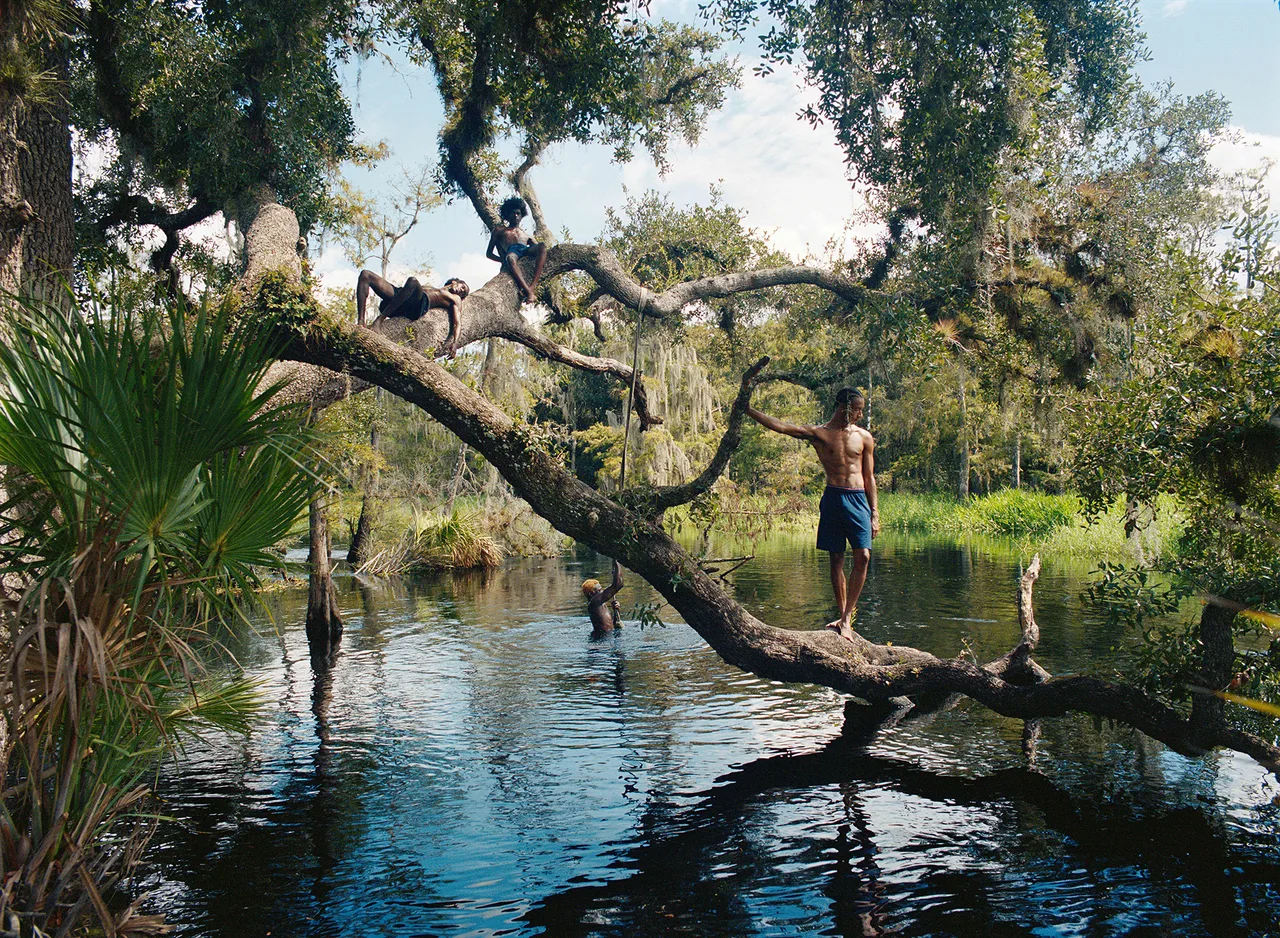
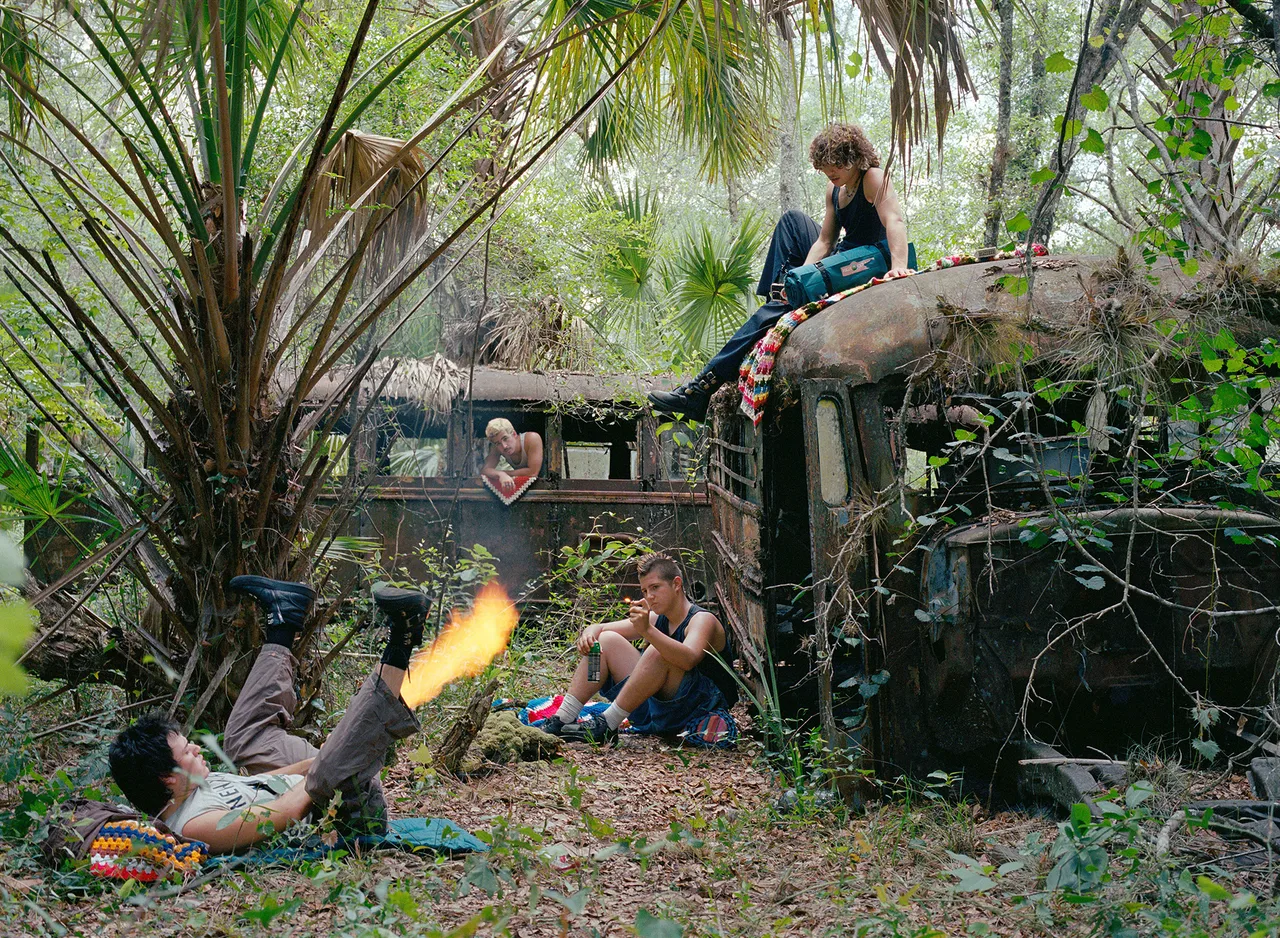
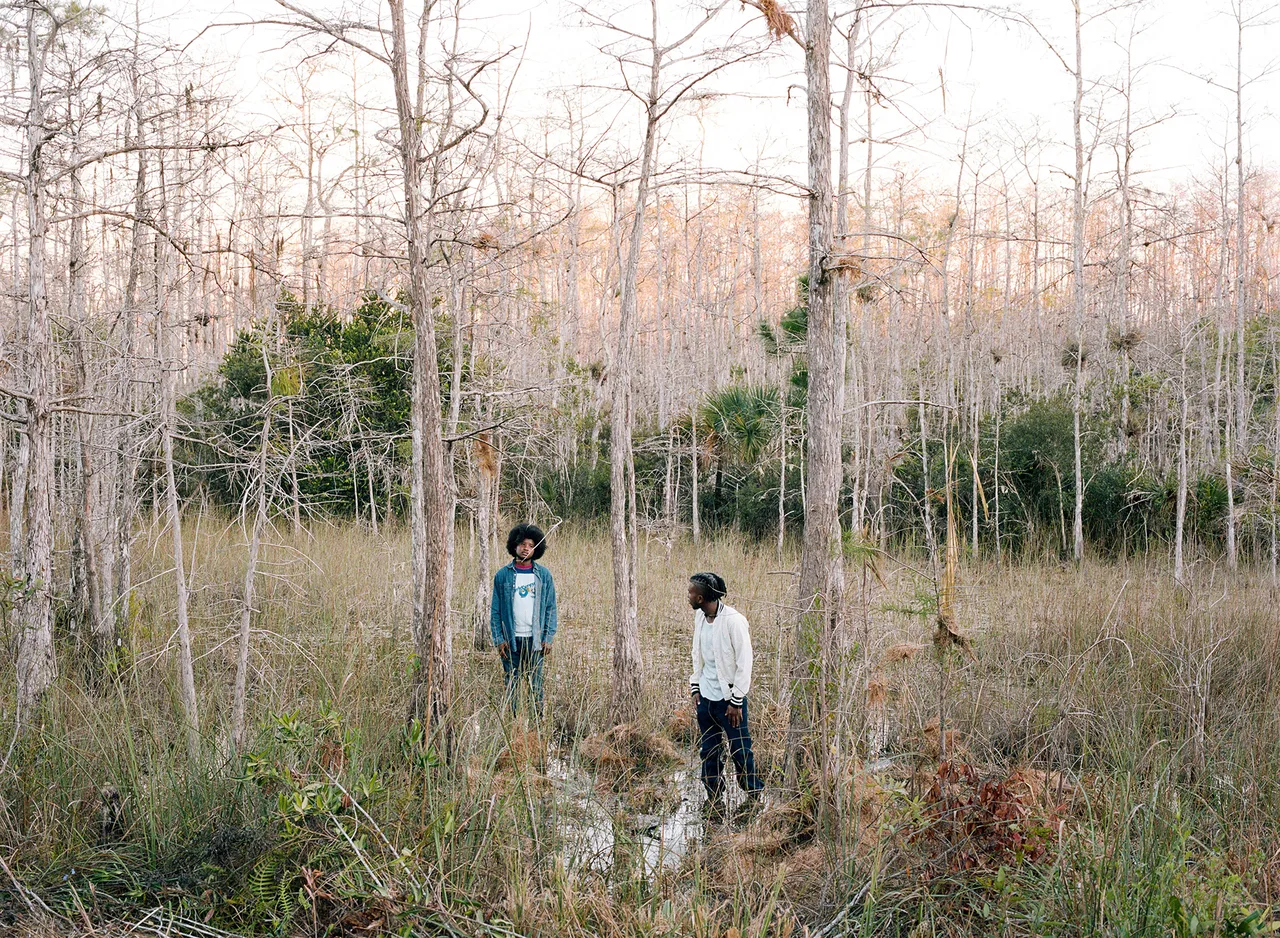
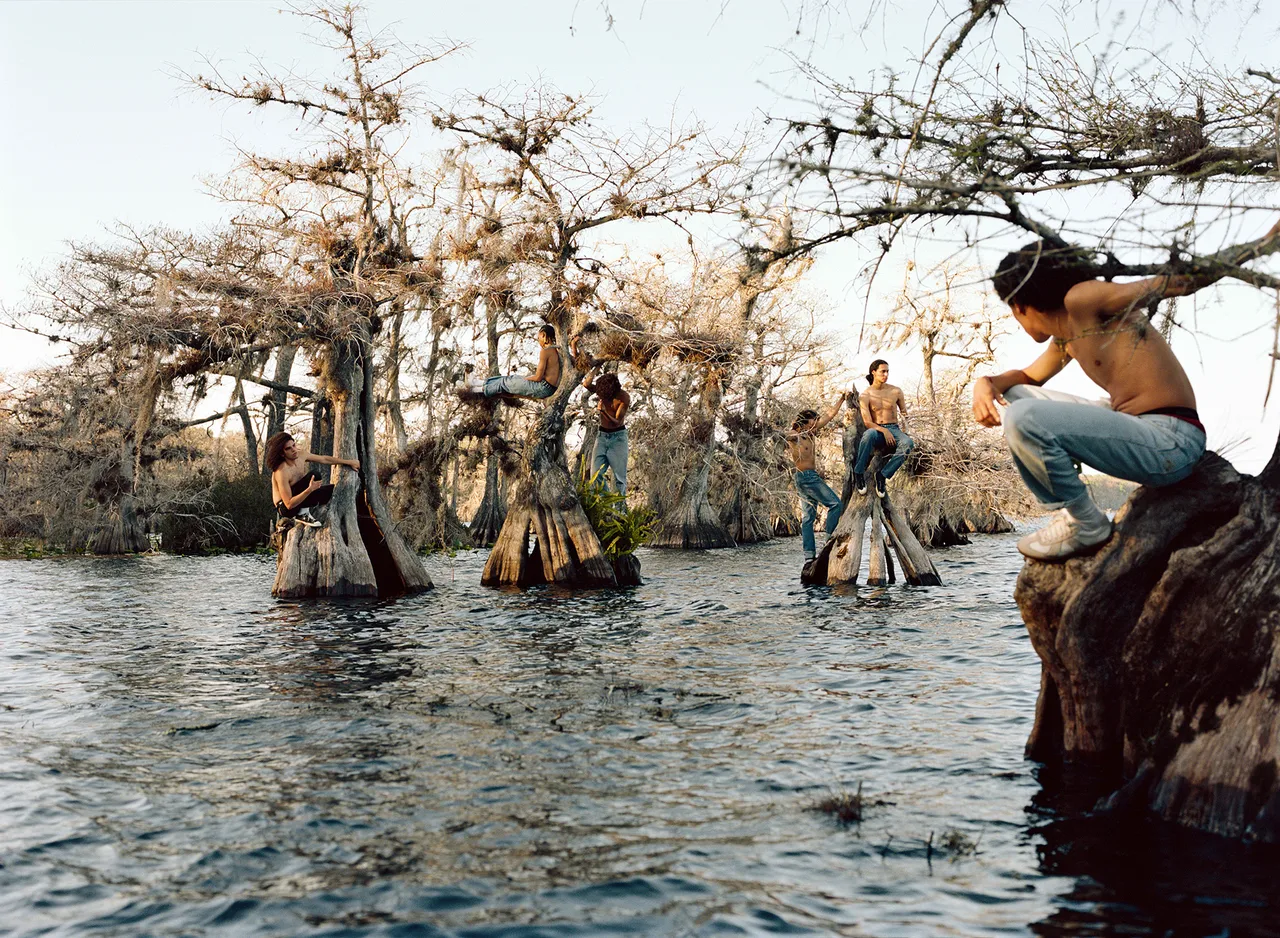
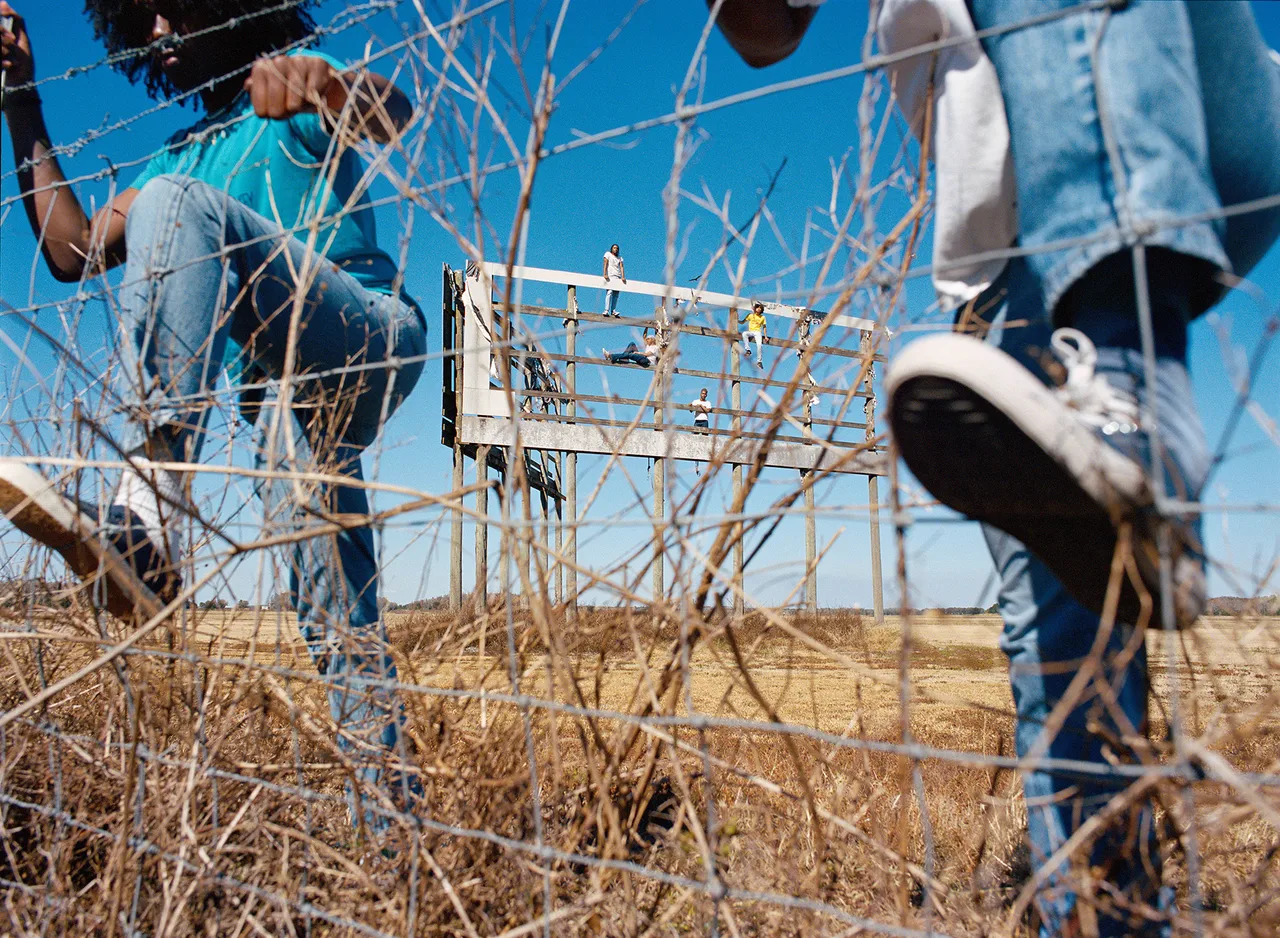
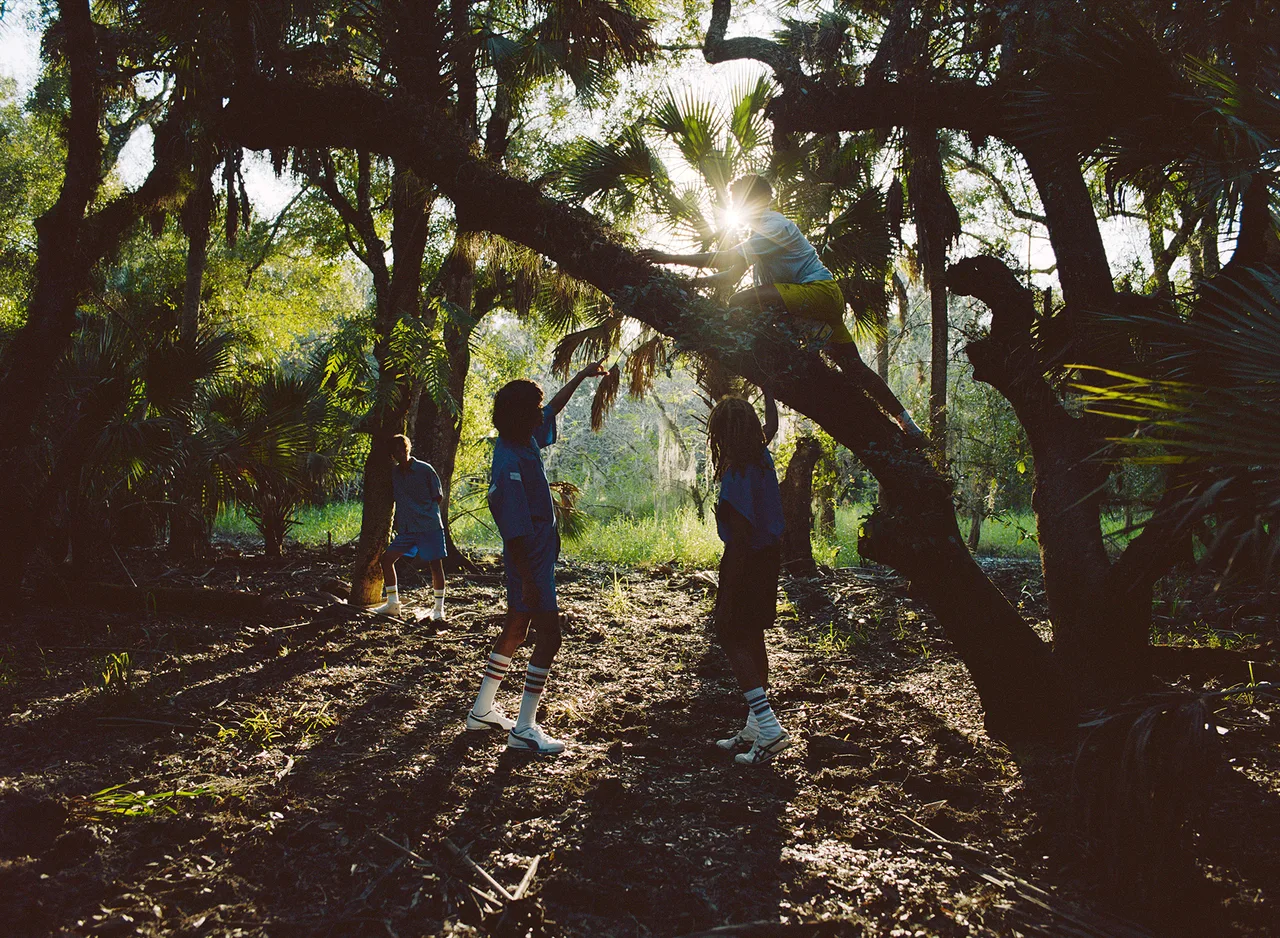
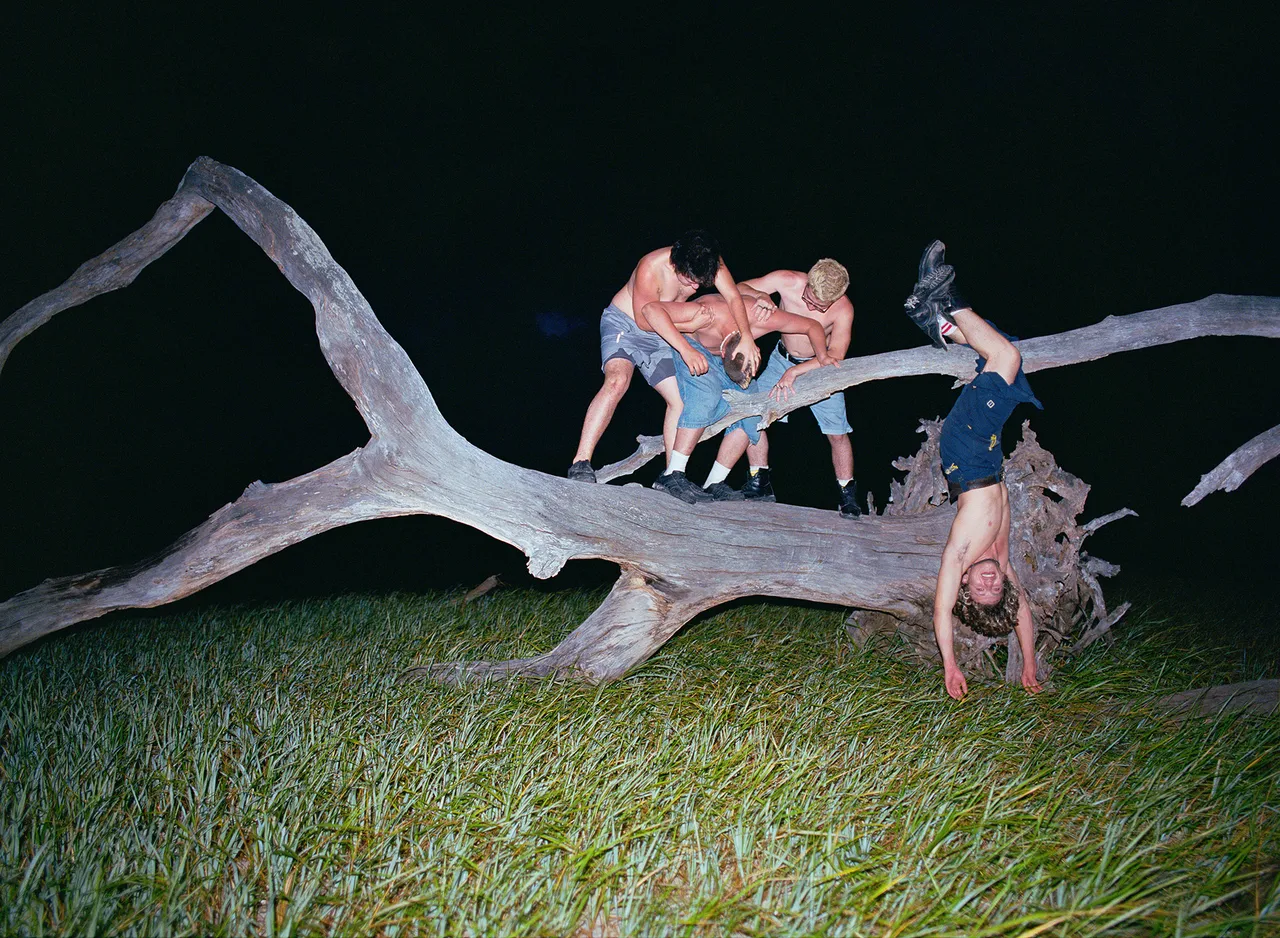
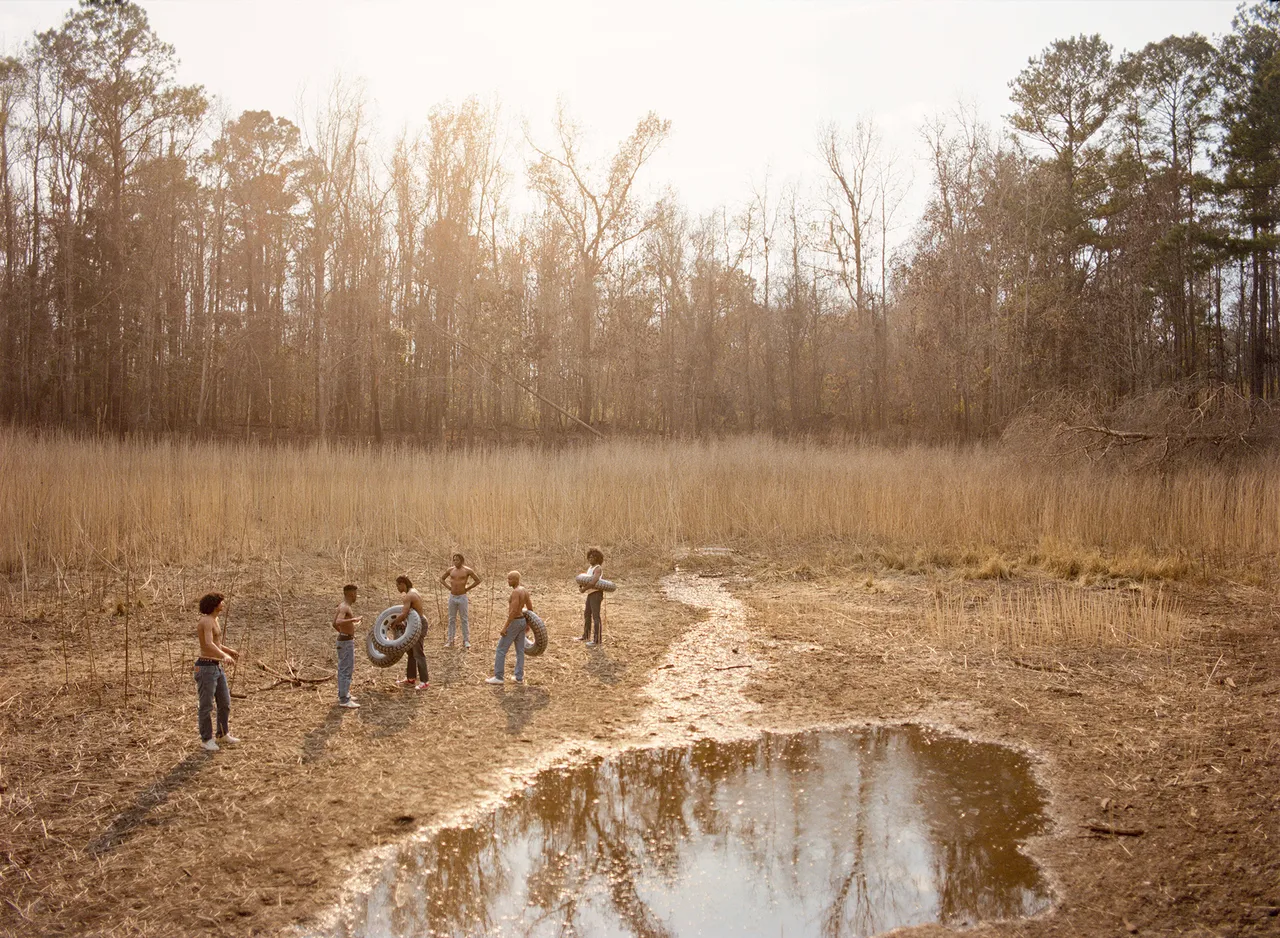
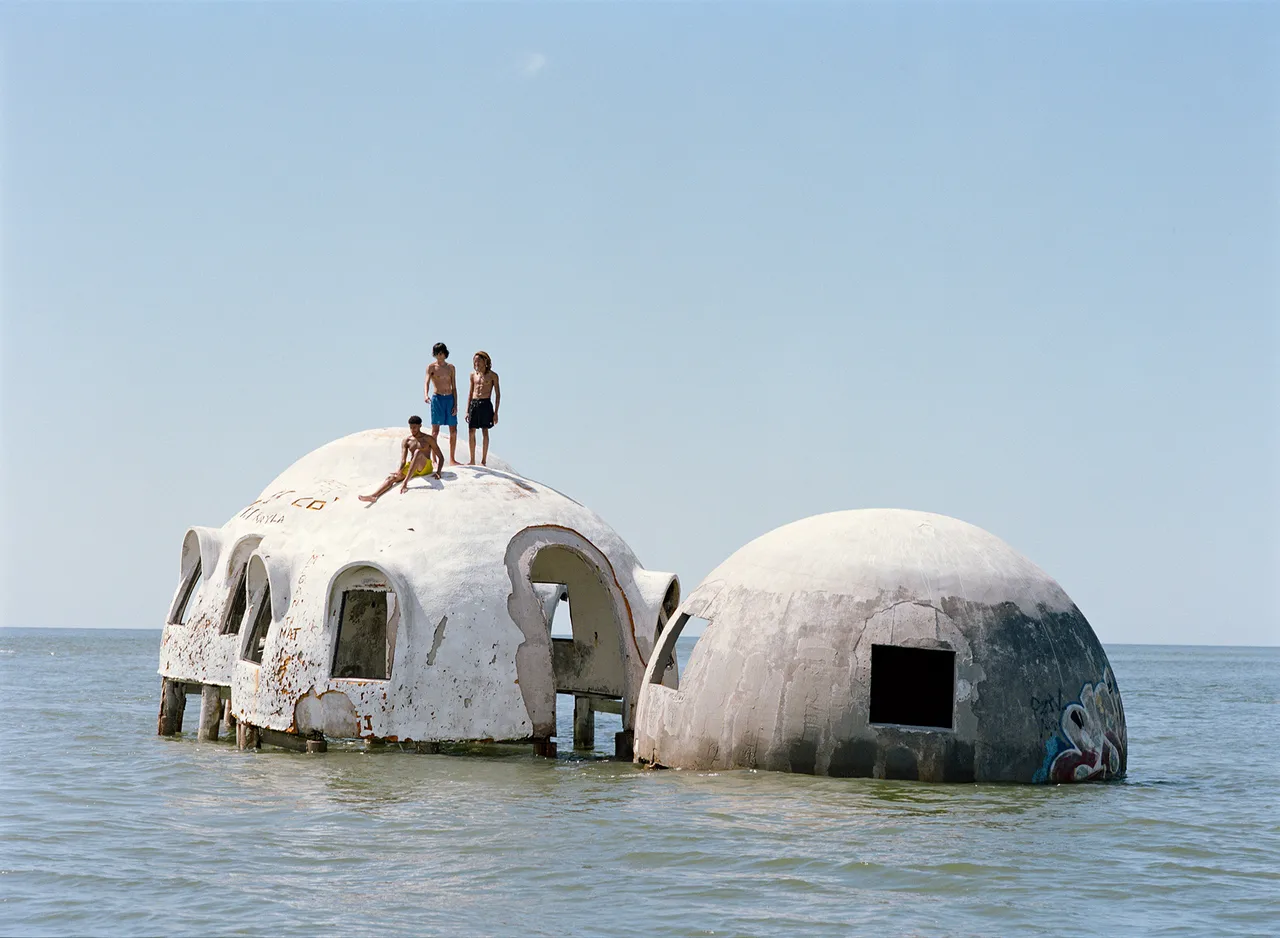
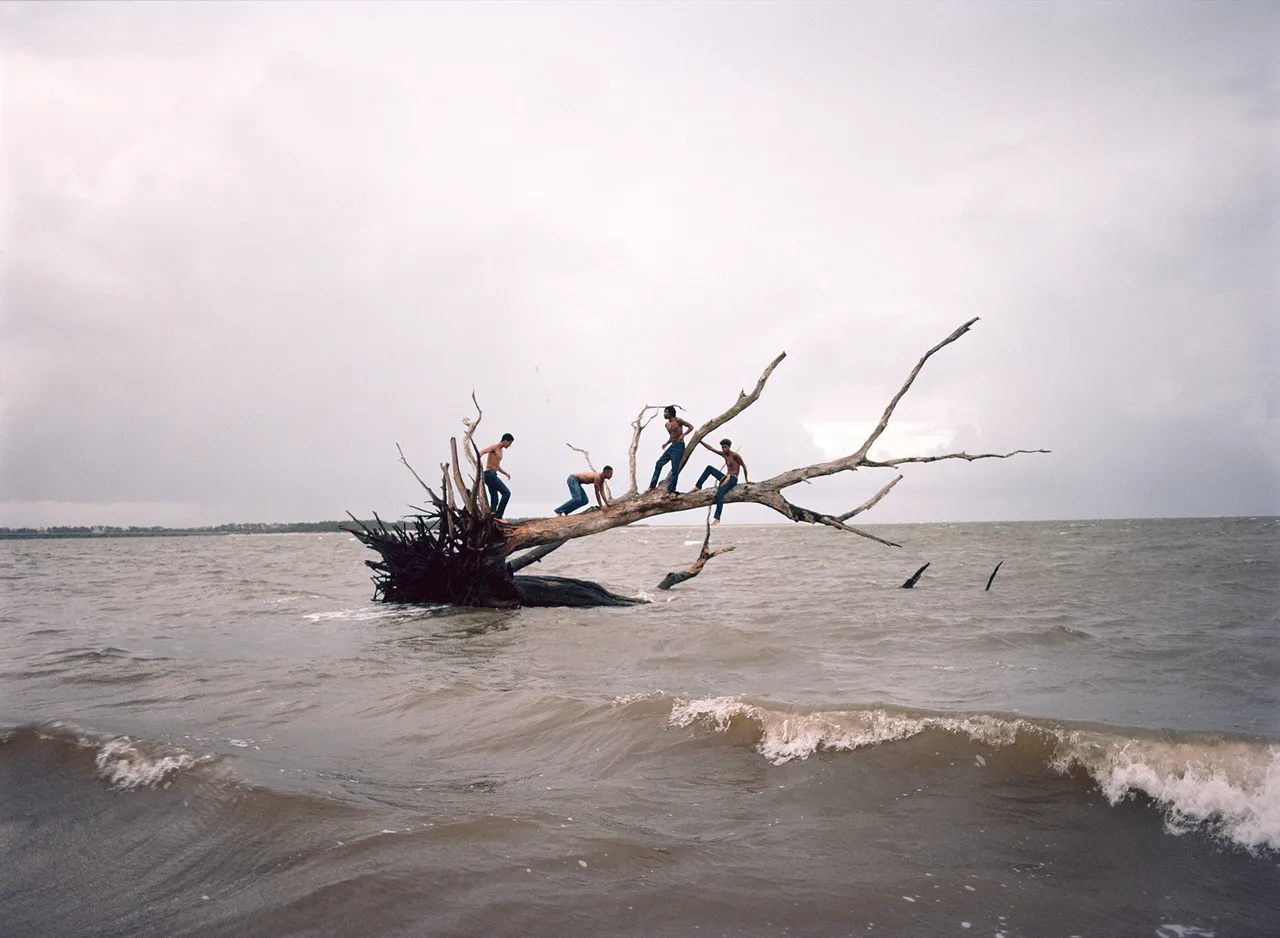
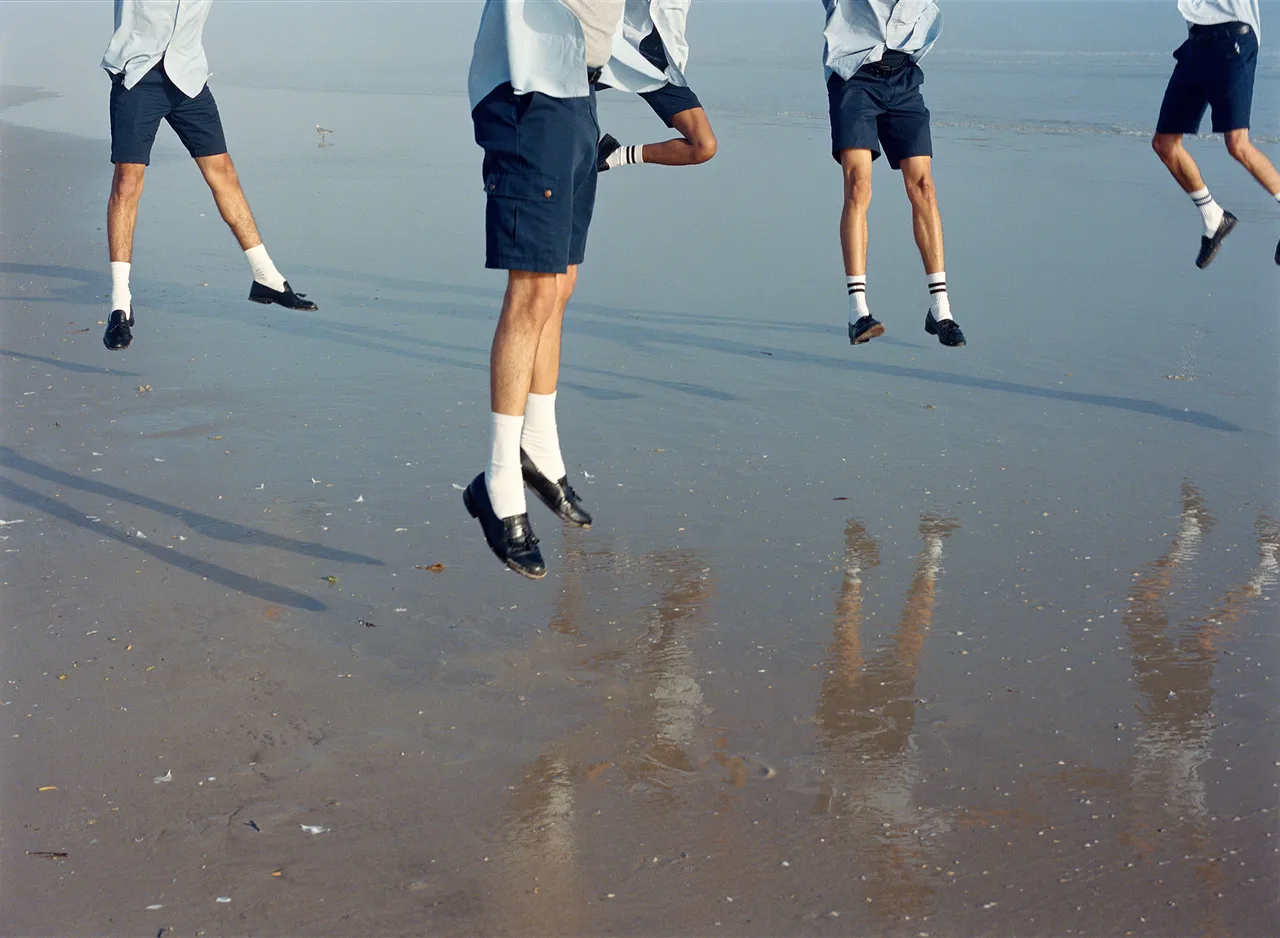
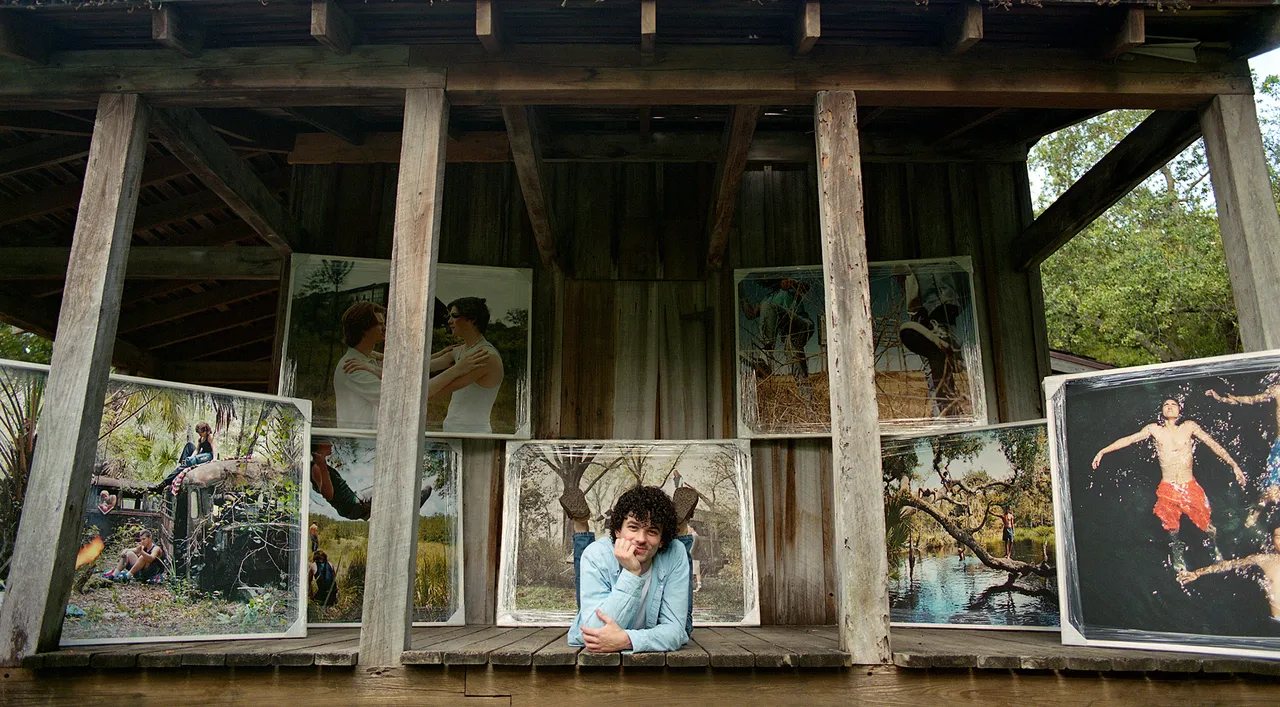
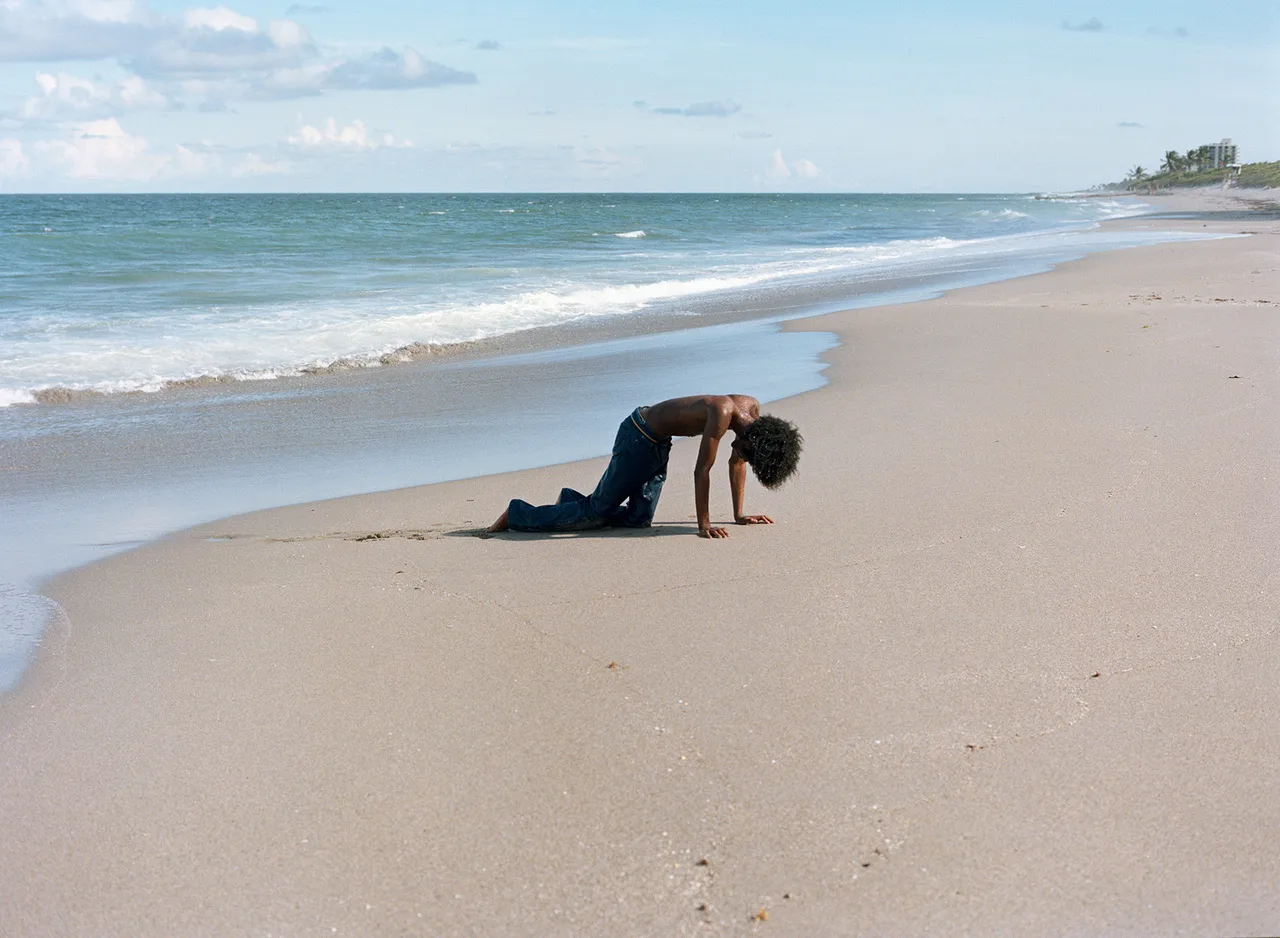
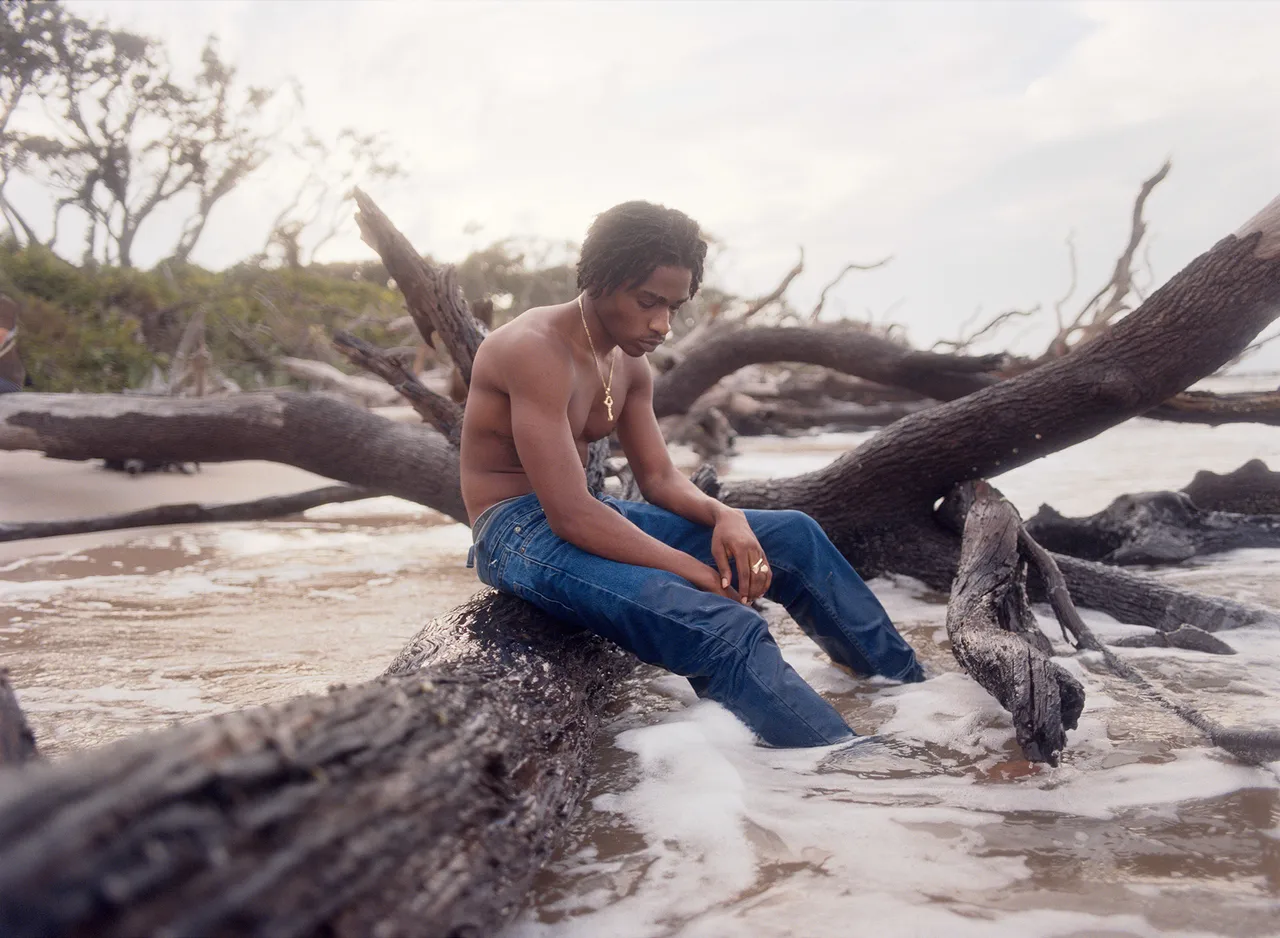
In Florida Boys, his new series, Aronson presents a conversation around masculinity and the fragility that constrains it, through eyes that approach it with hope. A hope that can be felt, connected to, and expressed through both documentary and poetic forms. And through the five-year journey that took him along backroads, forests, springs, and swamps, to remember it, and to share it. Now, he’s exhibiting this as part of an exhibit at Miami’s Baker-Hall, on view through November 22.
The last time we spoke, you had just released Tropicana, Two, your second photography book. How have these past few years shaped you personally and artistically?
Since Tropicana, I moved back to Florida and deepened my relationship with the state in a way I couldn’t have predicted. I began making road trips through Central and North Florida, to forests, springs, swamps, and backroads; and invited young men from Miami to join me. I committed myself to a long-term body of work, one that asked me to show up again and again. In the process, I sharpened my approach to staged group portraiture, learned to block and direct larger scenes, and experimented with new forms like fabric printing and outdoor installation. Personally, I learned what it feels like to dedicate half a decade to a single idea. Artistically, I learned how quickly that time passes and how much it shapes me.
Looking back now, how do you see that moment in relation to where you are today? How do you think your work has evolved since then?
Tropicana was the foundation: portraits of young Floridians in natural landscapes. It helped me understand Florida as both muse and metaphor. With Florida Boys, the scale widened: more landscapes, more collaborators, more layers of meaning. The through line is still Florida, but the evolution is in the depth of collaboration and in a clearer sense of what belonging can look like
When creating Florida Boys, your most recent piece of work, you travelled across the state for five years in a van with groups of young men. How did the idea come about, and how did you execute it?
In 2020, when travel by plane became difficult, the car became my studio. I had a formal question on my mind: how do you make a successful group picture? I paired that with a personal urge to finally explore the rest of the state where I was raised but never truly knew. I scouted locations alone first, took phone snapshots, made storyboards, and then cast young creatives from Miami (many of whom I didn’t know) to join me. I arrived with visions, and then the boys, the weather, and the landscape rewrote them. That balance of structure and unpredictability is what gives the work its life.
“Today, many young men build their identities through screens instead of through real encounters with nature or one another. These photographs offer a counterpoint: tenderness, play, curiosity.”
What is it like to explore these topics in today’s context, especially coming from the emotional bond of growing up there, perhaps with a different perspective on life than the one currently dominant in the media?
Florida is so often flattened into a caricature: beaches, chaos, ‘Florida man.’ But growing up here, I found refuge outdoors, and that shaped how I see this place. Today, many young men build their identities through screens instead of through real encounters with nature or one another. These photographs offer a counterpoint: tenderness, play, curiosity, and the possibility of feeling at home in a landscape that is as complicated as it is beautiful, and worth caring for.
You visited nearly a hundred and fifty locations and ended up with around eight thousand negatives. What artistic decisions guided your eye when choosing which places and contexts to portray?
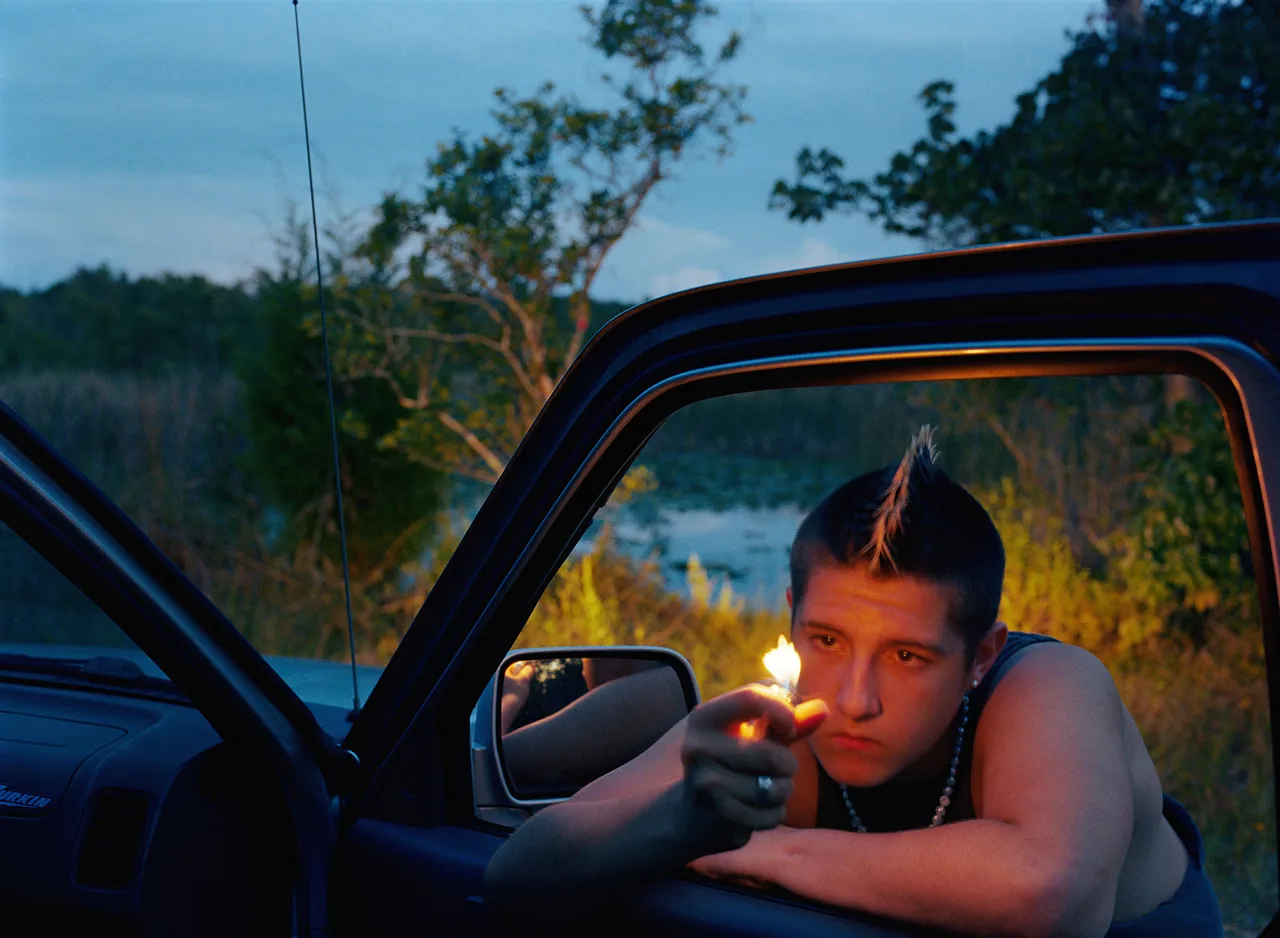
I looked for landscapes that feel distinctly Floridian. Places where beauty and threat coexist: sea-level rise, disappearing coasts, water swallowing land. I thought about the Florida I grew up in and the one I never saw. Most scenes are drawn from our childhood memories, combined with visual references ranging from tableau painting and Southern photo archives to coming-of-age cinema and local lore. And I’m aware of the lineage I’m in conversation with, i.e. Gregory Crewdson, Jeff Wall, Ryan McGinley, Justine Kurland, Baldwin Lee, while recasting the genre with new characters, and with my own questions about masculinity and belonging.
Take us through the creative process. How would a regular shooting day unfold?
It begins weeks in advance. Scouting through hashtags and old travel guides. Visiting locations alone to look for frames. Making storyboards. Once we’re on the road, the rhythm sets in. Three or four locations a day. Music blasting. Long drives. Spontaneous stops. Dinners at local diners. Cabins at night. The staging of camaraderie becomes actual camaraderie, and that energy shows up in the photographs.
Florida is currently one of the strongholds of Republican voting and the culture surrounding MAGA. In a context where defending traditional masculinity seems to be becoming the norm among young people, what was it like to find groups of boys willing to be portrayed in this way?
I cast in Miami and its suburbs for mostly young creatives, musicians, filmmakers: people who are already comfortable with a softer expression of masculinity. The tension emerges once we leave the city. Driving past Trump flags or into towns where we clearly don’t belong creates a kind of alertness. That friction sits inside the work: we’re staging images of belonging in landscapes that historically haven’t offered belonging to people like us. Photography becomes the tool that allows us to inhabit those spaces anyway.
The resulting imagery recalls recent works such as The Nickel Boys, the film adaptation of Colson Whitehead’s novel, and the archive of the Florida School for Boys. You’ve mentioned that its photographic archive and Florida’s rich artistic scene inspired you to seek a balance between the brutality and beauty that shape the state’s history and landscape. What other influences were present during the development of the project?
Beyond those, I referenced Southern photo archives, old roadside guidebooks, and writing like Sunshine State by Sarah Gerard, Ecology of a Cracker Childhood by Janisse Ray, and All The Water I’ve Seen Is Running by Elias Rodriques. American tableau painters like Eakins, Homer, and Wyeth; and Cézanne’s Bathers. Coming-of-age films: Killer of Sheep (1977), The Learning Tree (1969), Pixote (1980); and Florida movies from Kelly Reichardt’s River of Grass to Martin Ritt’s Cross Creek. Justine Kurland’s Girl Pictures was a huge reference, and Ryan McGinley’s approach shaped how I work on the road. I’m building on the work of those two mentors of mine, adjusting the cast and personalising the narrative.
How has your perspective on Florida Boys evolved over these five years?
This started as a formal challenge and a desire to understand the land. Over time, it revealed itself as a portrait of masculinity and the search for belonging in a place that has always felt like home and not-home to me. I make first, then gain perspective later. Film goes in a drawer for a year or two or three, then I edit with distance. The project keeps teaching me what it wants to be.
“If Florida’s politics are tightening, my response is to imagine the Florida I want to see and give that vision form through photography.”
You’ve previously mentioned that you aim to create “happy work,” and that confrontational art doesn’t quite fit into that. Yet, we’re living in a time when everything feels political, and art is often used as a tool for political expression. Despite the joy that Florida Boys radiates, the themes around fragile masculinity and the decision to set it in Florida inevitably invite ideological readings. The same could be said about Tropicana, Two and its context within Black Lives Matter. How do you feel about that?
During the pandemic, joy felt like the right response. Now, I’m more interested in work that hits in the gut — that might encourage someone to visit and care for these threatened places. If Florida’s politics are tightening, my response is to imagine the Florida I want to see and give that vision form through photography.
What does vulnerability look like through your lens? And how does that challenge the idea of fragile masculinity?
Vulnerability, to me, is simply not performing: allowing softness, boredom, affection. Photography lets me communicate feelings about masculinity I wasn’t always comfortable expressing. The myth of the unemotional ‘strong man’ is fragile by design. These pictures uplift the wanderers, the dreamers, the kids who don’t fit that mould. And they deserve to be part of the Southern landscape, too.
How can photography (and art in general) help open people’s eyes and spark a change in their perspective? And how can it contribute to understanding masculinity from a more nuanced point of view?
Photography operates like a fairy tale. It helps us imagine a world parallel to our own. If we never see young men being tender and free in rural Florida, we might not believe that’s possible. These images help make that possibility visible.
As in other projects centered on teenage life in Florida, your images are still in motion, starring young people, and filled with colour. Is this visual language something you see yourself sticking with, or are you open to exploring new perspectives?
I’ll always follow what feels honest. Recently, that’s meant working in black-and-white at José Martí Park, approaching strangers, asking to make their portrait, and accepting whatever the world offers back. It’s a shift from the control of staged narrative photography, where every character and setting is pre-imagined. In the park, I don’t have that same authorship. I want to keep collaborating with the world as it is, letting chance, personality, and atmosphere shape the image. The goal is the same: to picture people with care. The method just keeps evolving.
Over time, your projects have created a kind of visual diary of Florida’s youth. Cinematic and filled with nostalgia. You have also mentioned how people you grew up around have influenced your perspective. Do you see yourself as an archivist of a generation, or more as a storyteller of personal experience?
Both, honestly. The work is grounded in my own history but made with others. I hope it can serve as a record of Miami’s creative youth and as a mirror for anyone who’s felt like an outsider searching for home.
Back in 2018, the first time you ever sat down with METAL, you mentioned that your attraction to photography and to what you portray came from “a feeling that felt honest and real.” Seven years later, do you still stand by those words about what draws your eye to start a project, or has experience made you more methodical?
I’m still guided by instinct; by a feeling that says, this is true to me. The process has changed, but not the desire. Now I plan the tableaux, assemble the cast, and then allow the unexpected to lead. In that gap between intention and reality, tenderness often shows up. A gesture or glance I couldn’t script. That’s the honesty I’m after.
Seven years ago, when asked about your short-term expectations, you said you wanted to publish a book so people could hold your work in a tangible way, and that you wanted to experiment with self-portraiture. Two books are now out, so what would you say your expectations are today?
To keep making work. That’s always the dream. I want to present Florida Boys in an institutional solo setting, where the scale and vision of the project can really breathe. I want to continue making photographs in Florida and across the South, deepening my understanding of what it means to live here, call this place home, and make images of it. I’d love to bring a selection of the work around the South, and be part of a broader conversation about contemporary representations of the South: who gets to belong here and how tenderness might reshape that story. And I’m committed to expanding my public program, Photo Book Speed Date, keeping the community at the center of all of this.