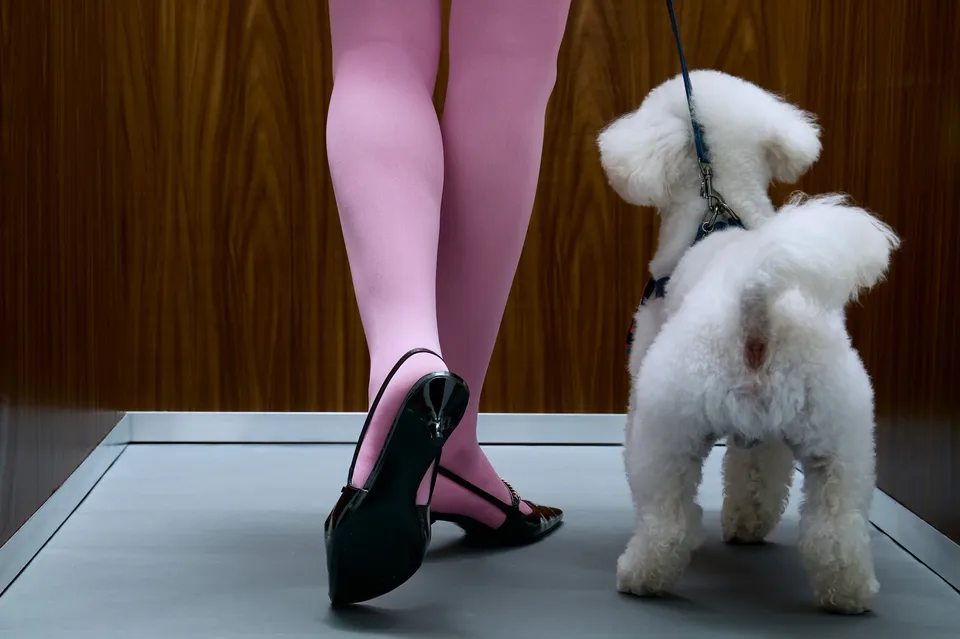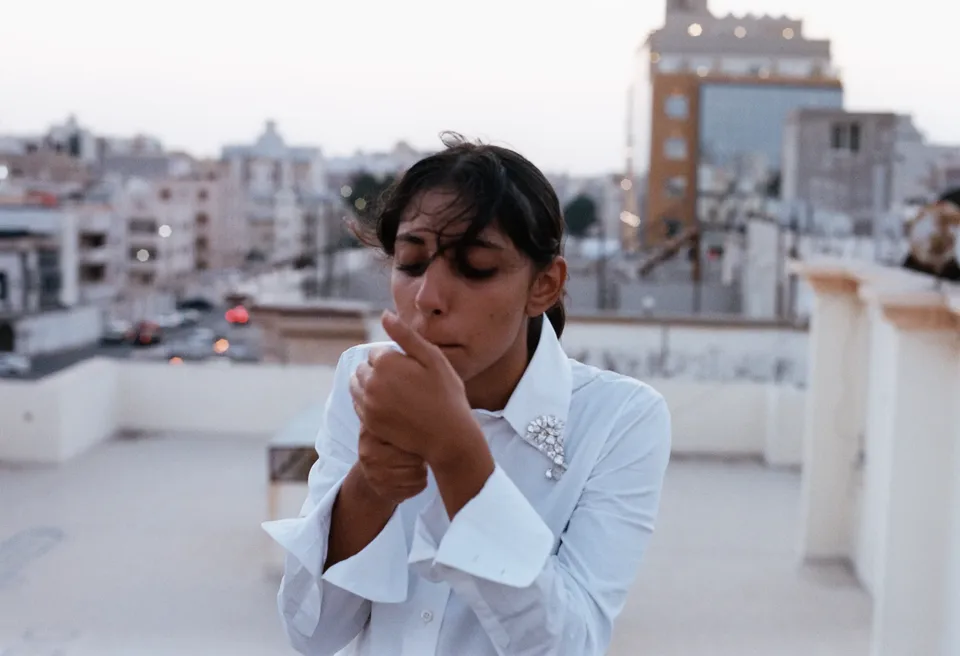
Behind Johny Pitts’ lens lies a sense of uncertainty that speaks for thousands of Europeans whose stories are too often ignored or overlooked. It is that feeling of being ‘in-between’ that allows the viewer to connect not only with the photographs, but with the photographer himself. Until 24 May, the British photographer is being celebrated with a solo show, Black Bricolage, at the prestigious Maison Européenne de la Photographie (MEP) in Paris.
Photographer, writer, and television presenter, Johny Pitts is also the founder and editor of the digital magazine Afropean. His book Afropean: Notes from Black Europe, his first major publication, received multiple awards and—most importantly—helped Europe understand a new vision and imaginary of Black culture on the continent. Yet, his success has not been limited to the literary world; he has presented slots on MTV and the BBC. And if you are into music, you have likely seen his photography on the cover of Essex Honey, Blood Orange’s marvellous 2025 album.
His exhibition at MEP brings together photographs, notebooks, and documentary materials produced over twenty years, between 2004 and 2024. It traces a journey through countless European cities such as Paris, Lisbon, and Marseille, while lingering most tenderly on their suburbs and the people who live there.
Miles away from clichés, Johny Pitts shows a special sensibility in the way he captures his subjects. He does not rely on the grandeur many others might seek in order to command attention. Instead, it is the quiet normality of his vision—the poetry of the ordinary—that really resonates, allowing all those fortunate enough to come across his work to connect with it. In a Europe still evolving and trying to recognise all of its faces, Pitts’ work arrives not only to document but to remind us of what we keep overlooking.
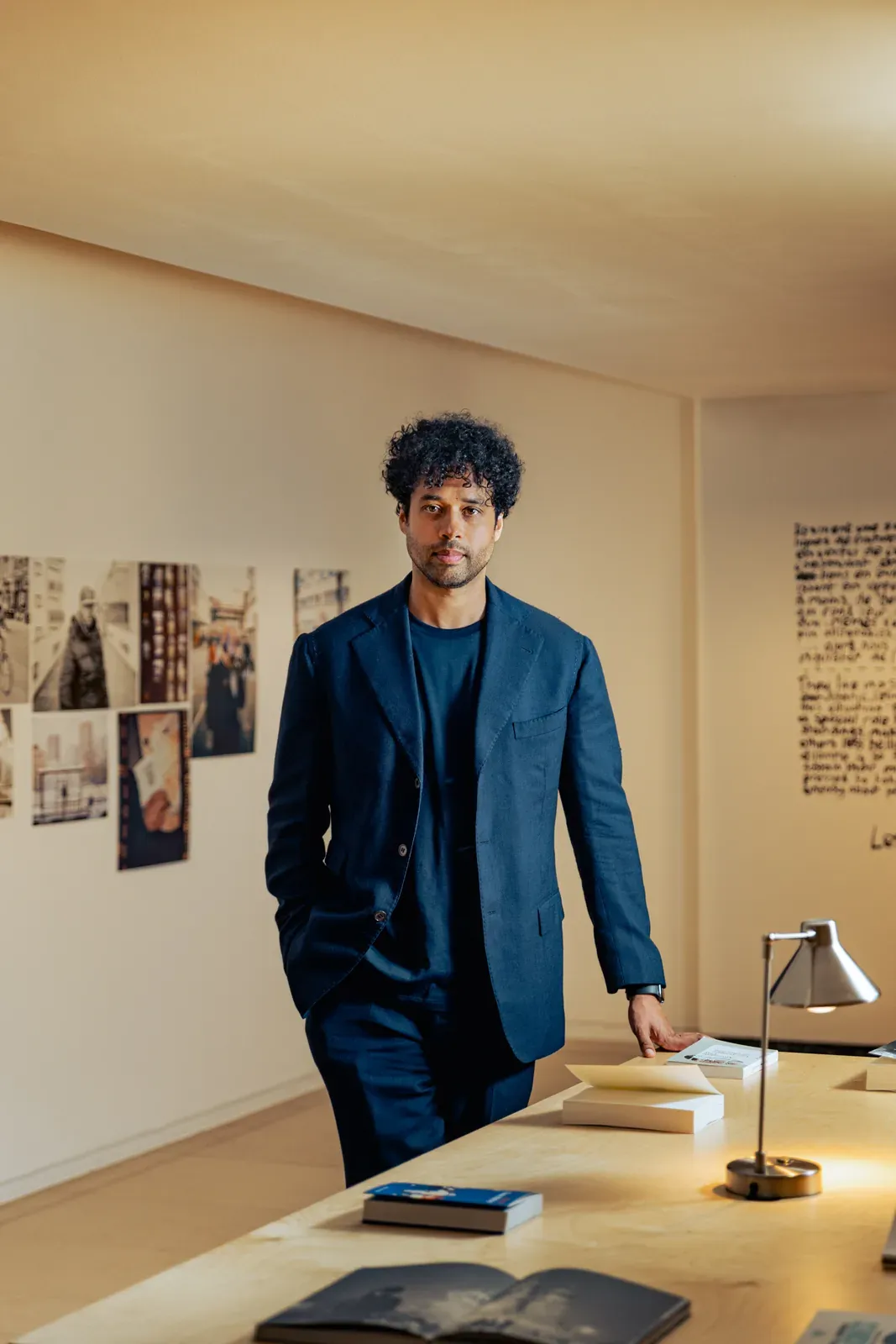
I was particularly struck by a quote in which you used the mirror as a metaphor for your work. You said that photography is more than just a reflection of the external world; it is also a reflection of the photographer’s mind. Building on that idea, what aspects of yourself are present in your work?
I think there is a sense of precarity and tentativeness in my work. I often feel like it is the opposite of the work of someone like Martin Parr, who seemed to be so sure about who he was, where he was from, and what he photographed. However, I believe that a certain poetry can emerge from feeling uncertain, from not knowing, and I would like to think that this is quite present in my work.
Your gaze reflects the reality of many Europeans who are not often talked about. Even so, what captivated me was the way you portray them not in a monumental or heroic light, but in a more mundane and ordinary way. What is the intention behind that choice?
I guess it goes back to what I mentioned above. There is a lyric by the hip-hop artist Yasiin Bey (formerly Mos Def) that I always return to: “There’s never no in-betweens / we’re either niggas or kings / we’re either bitches or queens.” He was talking about the superlative way the Black image is so often presented in the media — images of Black people shown only when they have done something newsworthy; scored a goal, sung a hit, or walked a runway on the one hand, or committed a crime on the other. But even though my work is ostensibly about Black Europeans, if you spend long enough with it, I almost want that to disappear and only the everyday humanity to remain: kids walking home from school, couples kissing, men and women on their work commutes, and so on.
At the beginning of your book Afropean, you talk about a journey you took around Europe in the 2010s, which helped you better understand the term and further shape your own identity, as well as see yourself as “unhyphenated.” What aspects of that journey stood out in your process of self-acceptance? Do you recall a particular moment that marked a turning point?
I don’t think it was one particular moment, and this is mimicked in the photographs. It is sort of against the single narrative; it is more about these small fragments of experience, culture, and identity that never fit neatly together, but somehow suggest the possibility of international solidarity. I met award-winning artists, writers, and models on my trip, but they were no more important to me than interesting conversations I might have had with a security guard or someone I’d just met in a café. So, by the end, a series of experiences had left a loose impression on me. I came away with a less confident but somehow more beautiful idea of what it meant to be Afropean, in all its complexity.
“I believe that a certain poetry can emerge from feeling uncertain, from not knowing, and I would like to think that this is quite present in my work.”
Even considering that journey as a defining moment in your process of embracing the term Afropean, did you have any role models growing up who helped you understand your roots and, as you say, see yourself as ‘unhyphenated’?
Yes, I had many. The writings of Caryl Phillips, Paul Gilroy, James Baldwin, Frantz Fanon, and Toni Morrison had a profound effect on me as a young man. But perhaps even more important to me were the cultural artefacts that somehow found their way to me in my small corner of Sheffield: the music of the Swedish-Jamaican singer-songwriter Stephen Simmonds, the French soul sisters Les Nubians, a great Dutch hip-hop crew called Opgezwolle, and so on.
I was also inspired by the energy British artists such as Seal, Omar, and Sade seemed to represent — they didn’t seem tied down by their Britishness, but felt more international. Additionally, I was very inspired by Claude Grunitzky’s Trace magazine. I always (somewhat clumsily) describe that magazine as ‘The Face for the Black Diaspora’.
I was also inspired by the energy British artists such as Seal, Omar, and Sade seemed to represent — they didn’t seem tied down by their Britishness, but felt more international. Additionally, I was very inspired by Claude Grunitzky’s Trace magazine. I always (somewhat clumsily) describe that magazine as ‘The Face for the Black Diaspora’.
Going back to that time, when you were travelling and shaping what it meant to be Afropean by photographing different communities and individuals, did you take those photographs with the idea that they would eventually become part of an exhibition or a book?
I had only a vague idea. I had tried to pitch it in various incarnations — as music for an album I was working on with my band, and then as a documentary. The lack of interest or traction turned out to be of benefit to the work in the end, because I ended up travelling without any agenda, deadlines, publisher, or even a solid itinerary. The whole body of work, both the words and the images, was made without the commercial world in mind, and in that way, there is something pure and improvised about it.
Although you have travelled extensively across Europe, a significant part of your work seems to be rooted in France. Moreover, your relationship with the country goes beyond that, as it is currently home to your exhibition, Black Bricolage. What is it about France that particularly speaks to you? Is it something cultural, historical, or perhaps linked to your personal experiences there?
France was one of the largest colonial empires, so of course there was a great deal to unpack. But I think the intellectual traditions that have emerged from the Black Francophone world have been particularly significant: Frantz Fanon, Achille Mbembe, Édouard Glissant, the whole Négritude movement, as well as the music. I am a huge fan of French hip-hop, and I think such music implicitly carries within it the sense of fusion I was looking for. There is also the relationship between France and African Americans. One of the starting points for my book was François Maspero and Ana Frantz’s masterpiece about the French suburbs during Mitterrand’s time, Les Passagers du Roissy-Express, which offered a sort of template with which to frame my own.
The term ‘bricolage’ in the title evokes, for me, a sense of chaos and messiness. Does that resonate with your intention? What were you aiming to convey through that term?
I wouldn’t say chaos, exactly. I think I agree with Claude Lévi-Strauss’s idea of the bricoleur: the notion that those of us who work without a restrictive ‘grand plan’, but instead operate within the organic messiness of the world, trying to make sense of it through the interplay of different elements, can also offer interesting points of view. I am also very inspired by the tradition of Black DIY culture: pirate radio stations, dub music, hip-hop built out of samples without instruments, and graffiti culture. It is all art and creativity that emerged when no one was asking it to, without support from the mainstream or places of officialdom. I am in awe of such creativity and try to take part in that tradition.
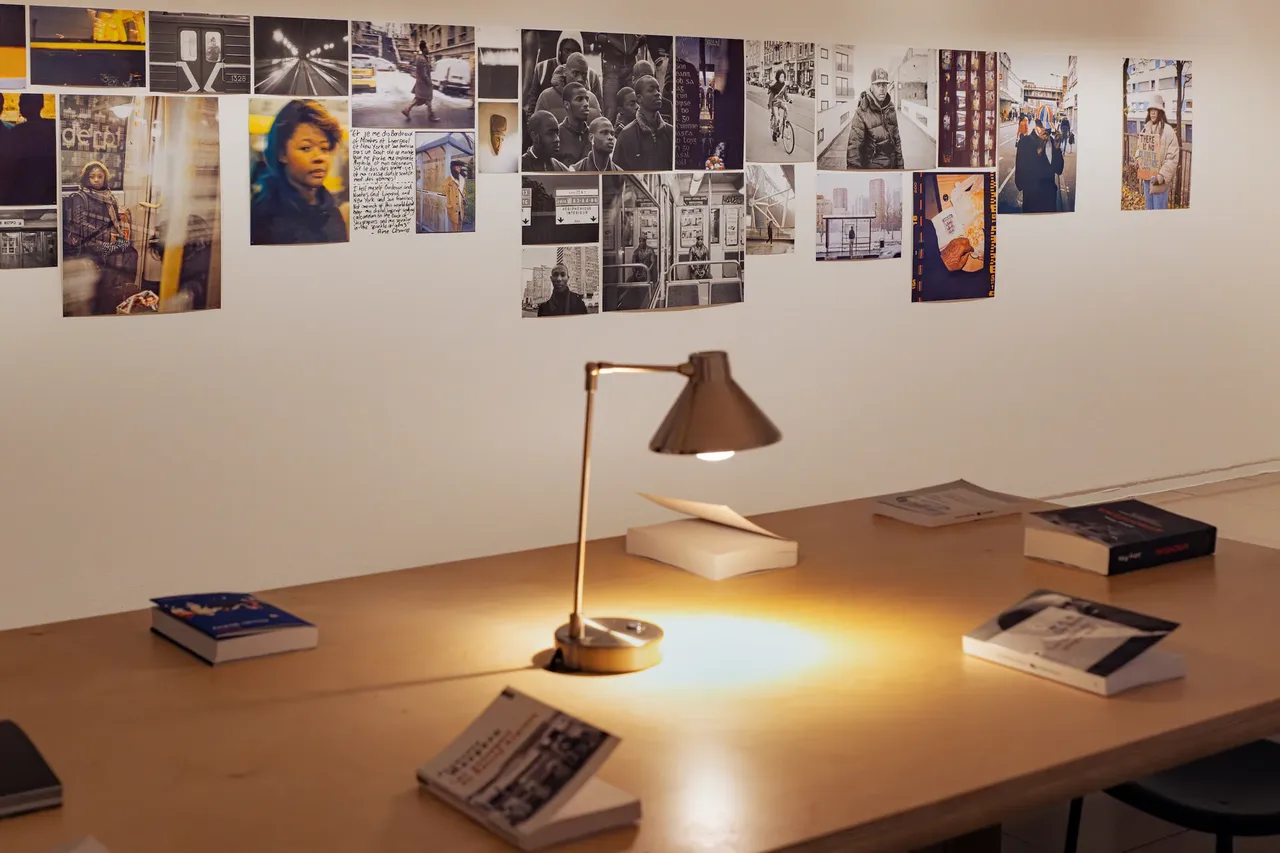
“For me, photography is about making the invisible visible” is something you’ve said about your working method. How did you make this approach tangible in the works presented in your exhibition?
Sometimes it is expired film, or the imperfections of the Riso process, that allow ordinary photographs to look haunted somehow, which I like if I am, say, trying to document the space where an area of council housing once stood but has now been demolished and gentrified. I may take a photograph of the space where the building once stood and use my equipment to imply that there are ghosts still lurking there.
But in more practical ways, I think it is about filling in gaps and showing things that are not literally invisible, but rather too often ignored. One of my favourite photographs was taken in Clichy-sous-Bois on the fifth anniversary of the 2005 Paris riots. The mayor was speaking to some white journalists who had come in for the day to cover the story, and he completely ignored the young Black men looking on. So, I took a photograph of them.
But in more practical ways, I think it is about filling in gaps and showing things that are not literally invisible, but rather too often ignored. One of my favourite photographs was taken in Clichy-sous-Bois on the fifth anniversary of the 2005 Paris riots. The mayor was speaking to some white journalists who had come in for the day to cover the story, and he completely ignored the young Black men looking on. So, I took a photograph of them.
Your work tends to challenge the stereotypes associated with certain European minorities, such as Afropeans. How do you seek to counter these through your lens?
Sometimes it is about working with, and trying to subvert, national clichés: photographs of people on bicycles in Amsterdam, or walking by the Eiffel Tower in Paris, or eating fish and chips in Britain, where those people happen to be Black. At other times, as I mentioned earlier, it is simply about trying to capture the everyday.
Your work shows a strong tendency to focus on suburban areas. What is it about these neighbourhoods that truly draws you in?
Part of it is practical. Very often, you find Black communities pushed out of the city centre because of gentrification. But I also think you can find the future at the periphery. It is where things bubble up, where new cultural trends emerge when nobody is looking. If you think of people like Prince, who was from Minneapolis, or the Beatles from Liverpool (figures who defined the 20th century but brought such new sounds at the time) you find that they emerged not from the centre, but from the edge. I also think of something Toni Morrison once said: “I stood at the edge and claimed it as central.”
I can’t leave this interview without asking about Blood Orange, who chose one of your works as the cover of the album Essex Honey. Could you tell us more about how that came about?
Dev contacted me out of the blue, asking if he could use the image (which had appeared in my 2022 book collaboration with Roger Robinson and the exhibition Home Is Not a Place). The problem was that I didn’t have the young man’s contact details. However, I managed to track him down after identifying his school uniform. We were able not only to get his permission but also to pay him roughly the equivalent of his first year of university fees. I feel the image really suits the mood of the album, and I am totally in awe of Dev’s talent.
“I am very inspired by the tradition of Black DIY culture: pirate radio stations, dub music, hip-hop built out of samples without instruments, and graffiti culture.”
Also, what’s your favourite song on that album? Or your favourite Blood Orange song.
I can’t get over The Field. I love how it draws upon British dance music and somehow manages to be both mellow and melancholy. I feel that Essex Honey, as an album, is mournful and wistful but never depressing. And that is very much the mood I think my images try to convey during these difficult times.
After all the work you’ve done for Afropean, photographing a wide range of people across different countries for both the book and, later, the exhibition, what is your overall understanding of what it means to be part of that collective?
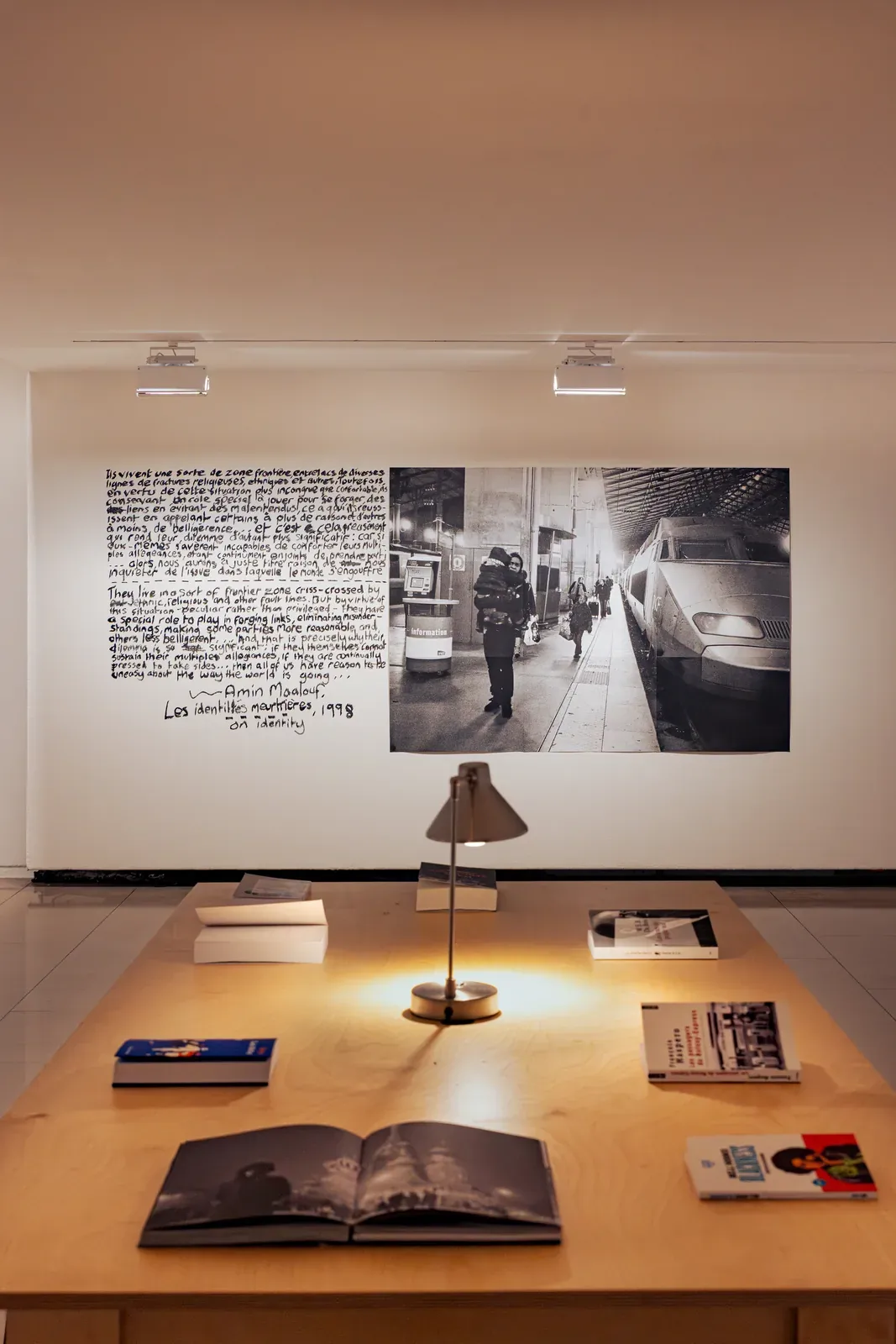
I open the Afropean book and the Black Bricolage exhibition with a quote from Amin Maalouf’s 1998 book, Les Identités meurtrières: “They live in a sort of frontier zone criss-crossed by ethnic, religious and other fault lines. But by virtue of this situation – peculiar rather than privileged – they have a special role to play in forging links, eliminating misunderstandings, making some parties more reasonable and others less belligerent... And that is precisely why their dilemma is so significant: if they themselves cannot sustain their multiple allegiances, if they are continually pressed to take sides... then all of us have reason to be uneasy about the way the world is going...” This is exactly what the Afropean community offers, whether or not you are Black or European: an incubation space to make sense of multiple allegiances.
And finally, what are your next steps following the closing of your exhibition on 24 May?
In September, I am moving to Tokyo for nineteen months as part of a Daiwa Scholarship. There, I will begin my next major body of work about 1980s Japan, but that is a story for another day!
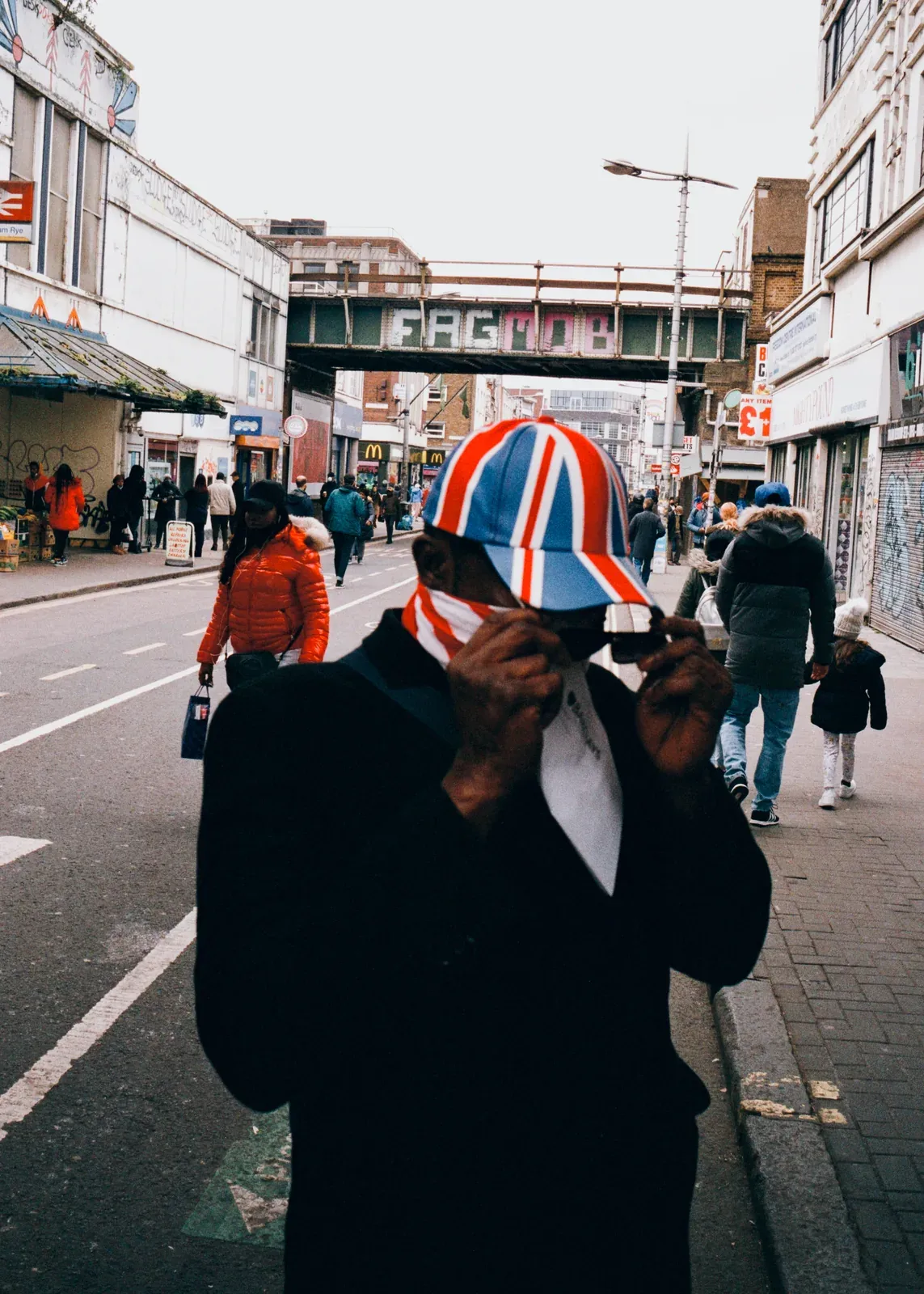
Rye Lane, 2021 © Johny Pitts
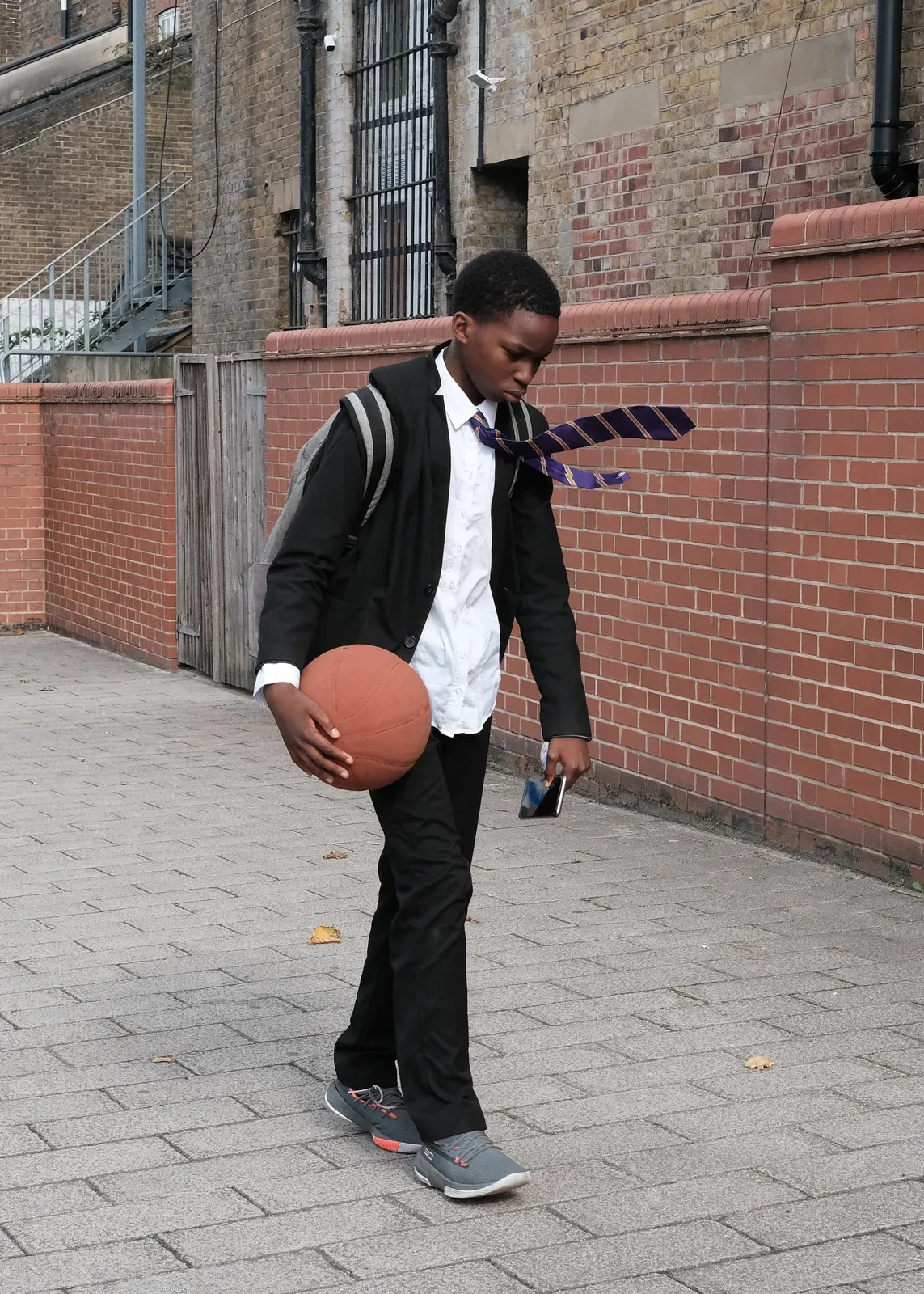
Tunmise, 2021 © Johny Pitts
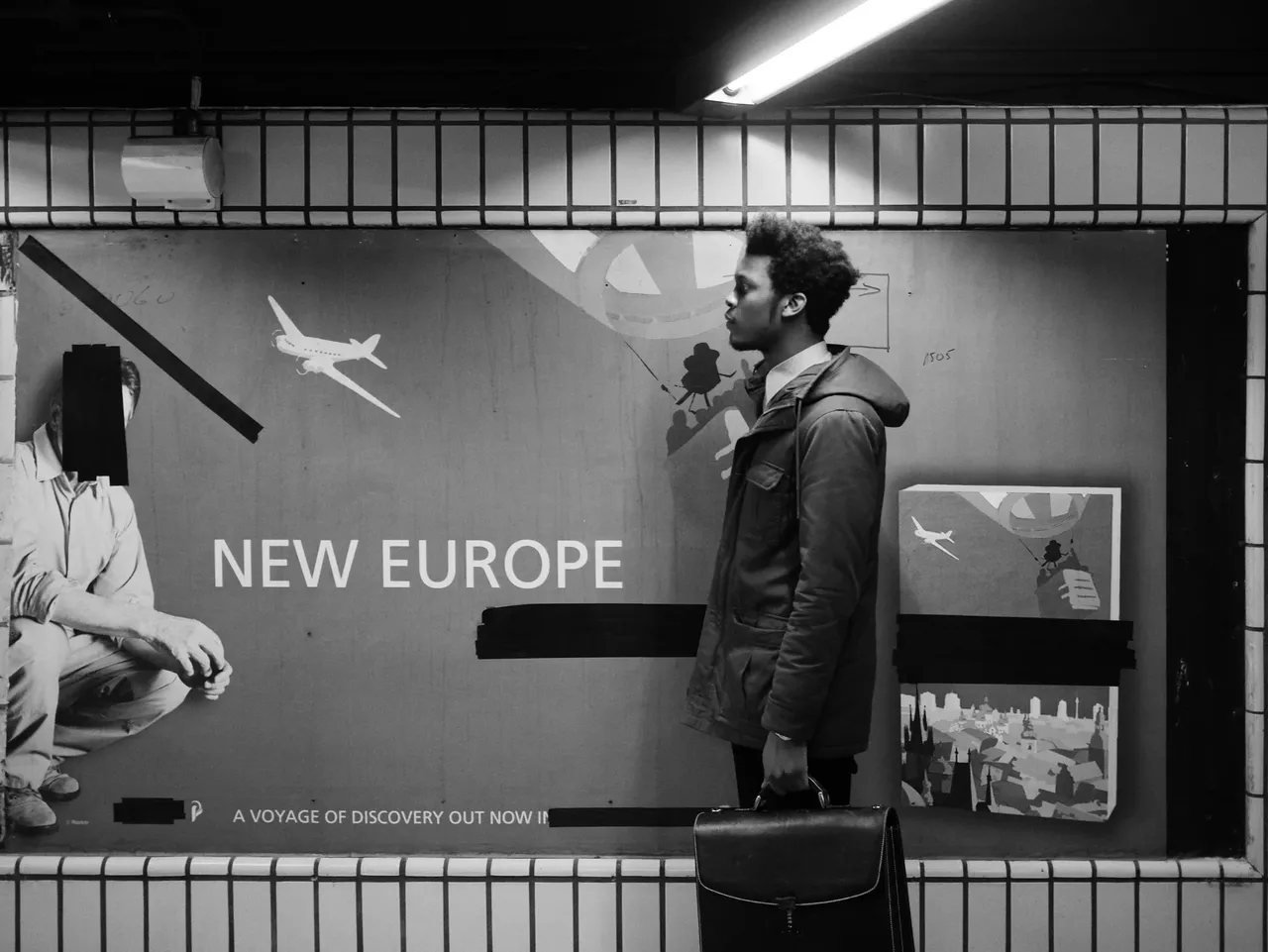
Baker Street, London, 2010 © Johny Pitts
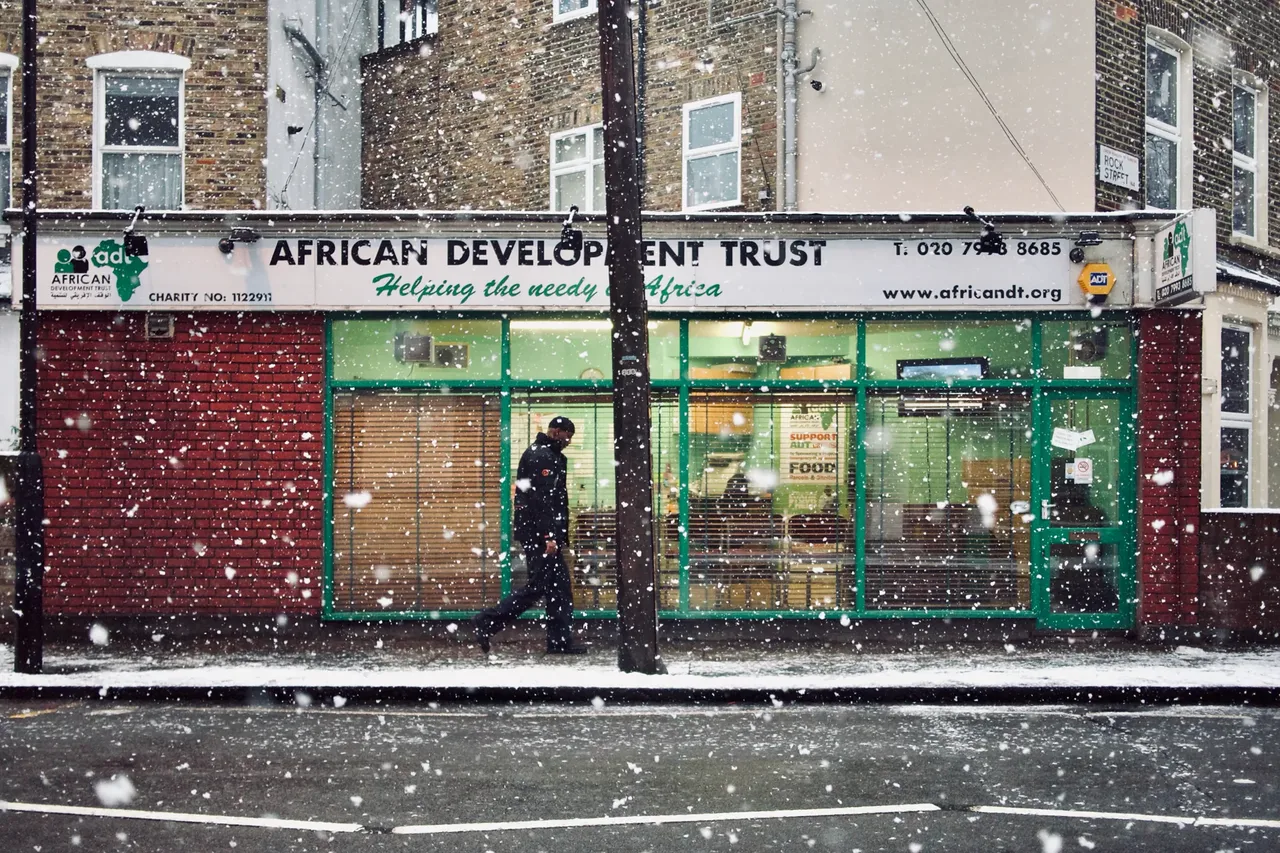
African Development, Finsbury Park, 2010 © Johny Pitts
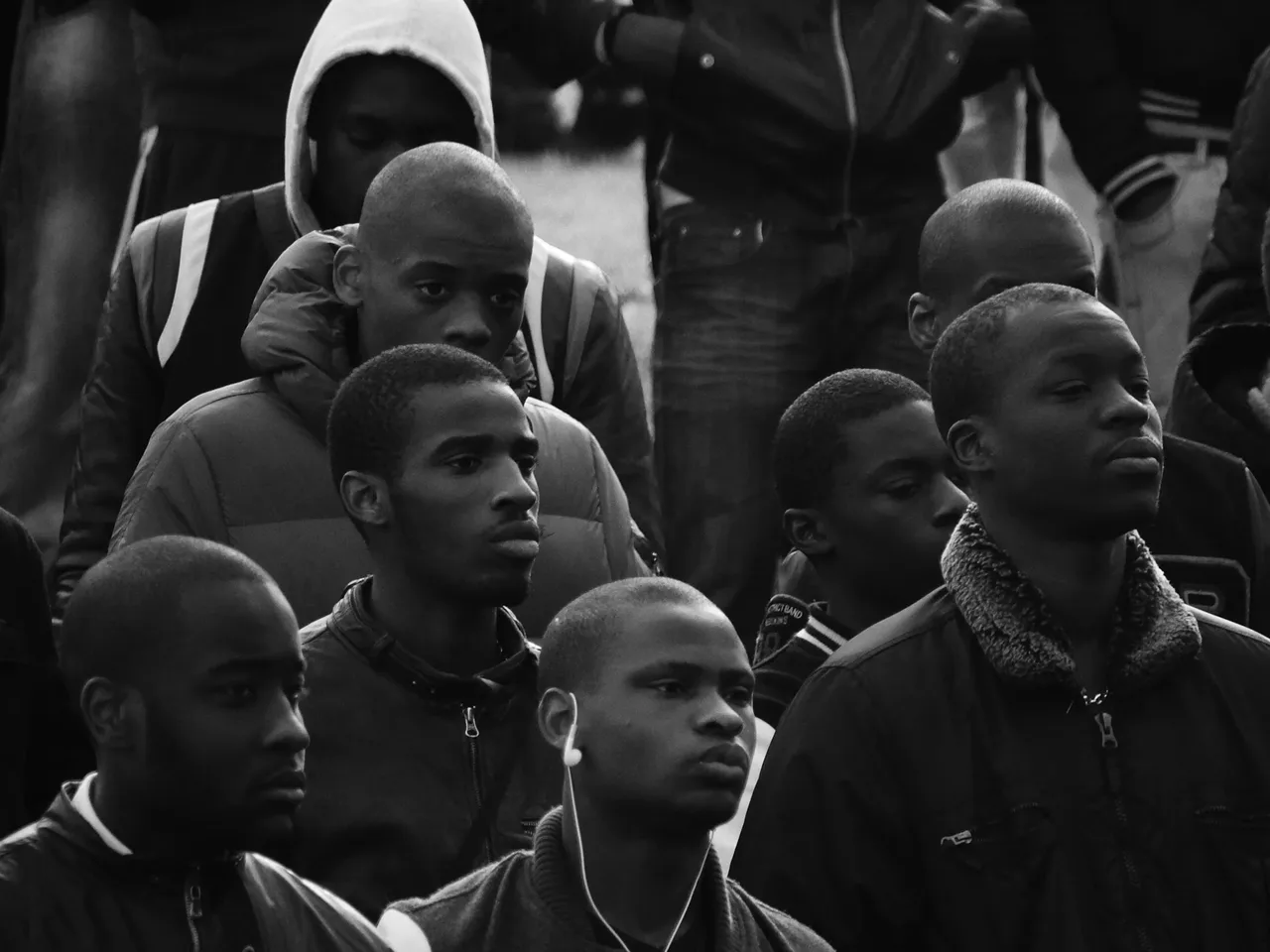
A Portable Paradise, Clichy-sous-Bois, 2010 © Johny Pitts