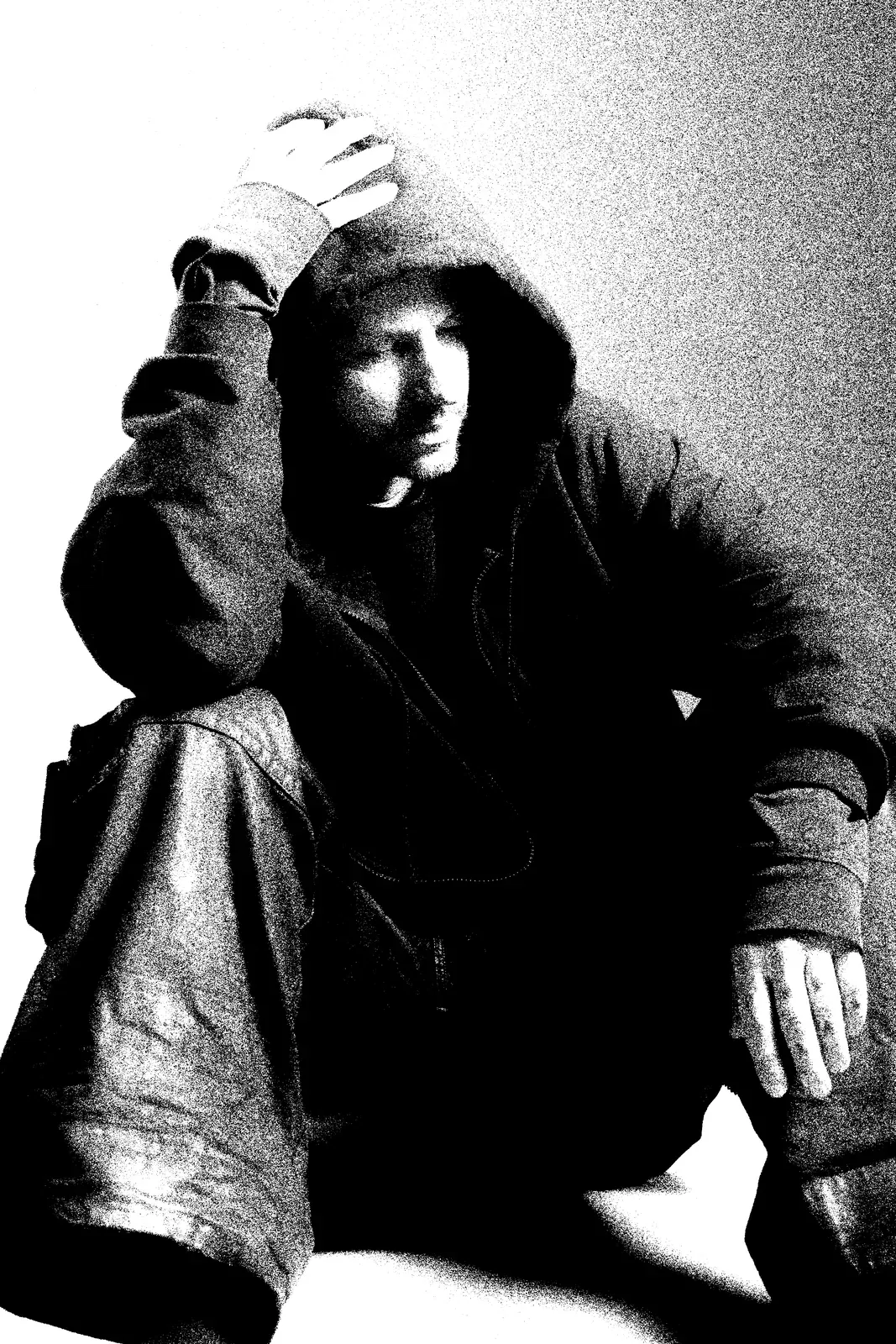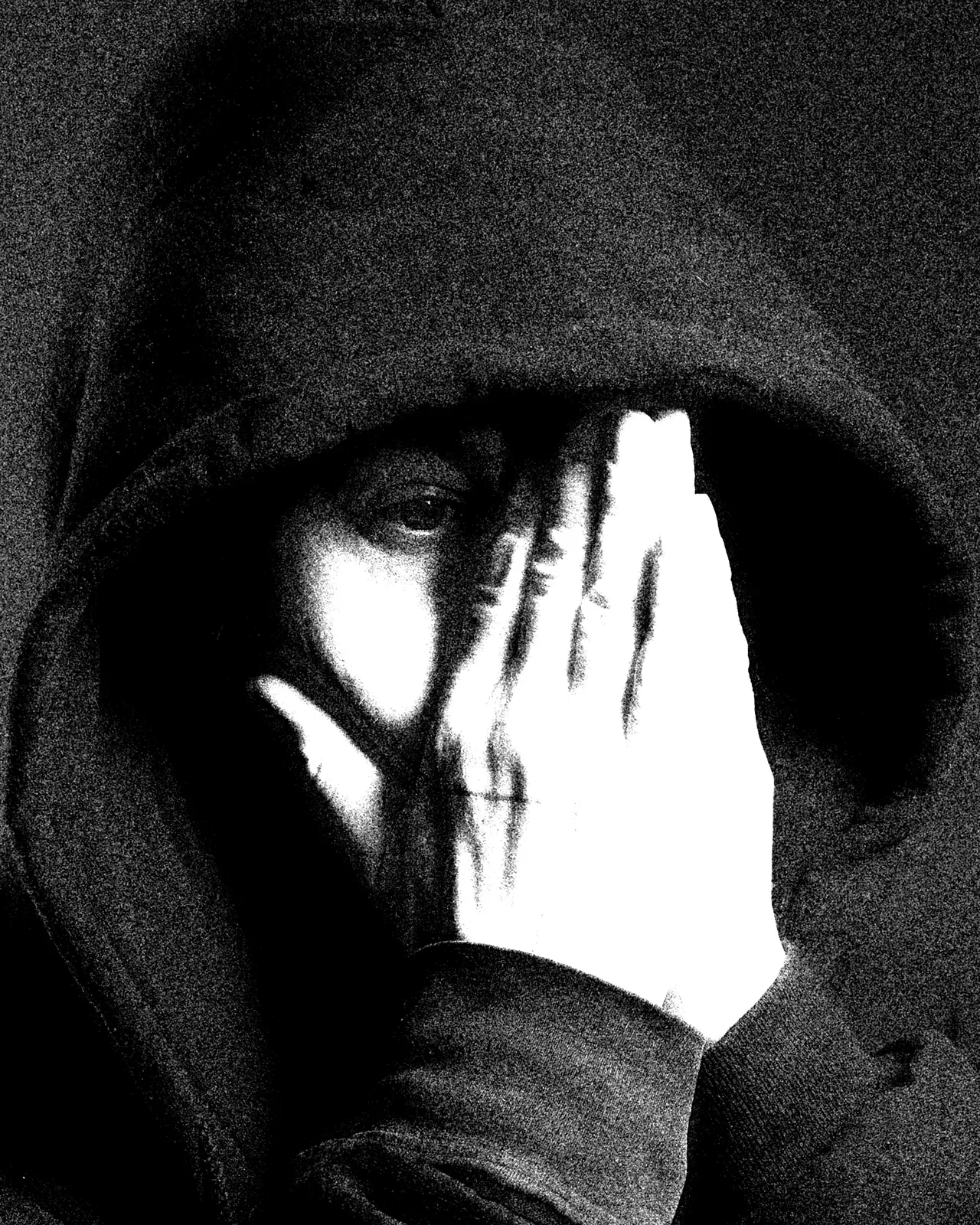
Obsessed with the macabre, Jesse Draxler’s CTRL ALT DEL chants “death”. It’s a gothic contribution to techno that opens his Tongue of Angels album teeming with shadowy forms and cavernous sonics. Best known as an artist engaged in provocation, Draxler was interviewed by METAL in 2024 and has worked with MCQ Alexander McQueen in image collage having cultivated a focused blackened creative identity.
POV frantic painting, which seems primed for social media, is the visual counterpart to Draxler’s latest personal release in music. The artistic element is where he’s at home; as a creative, he’s made posters for Nine Inch Nails and visuals for Rico Nasty. It’s this intimate space we appear to be invited into, the studio, the lab where viewers can watch Draxler’s album artwork come together. Broad, impulsive and at times experimental, the music reflects his ongoing artistic practice.
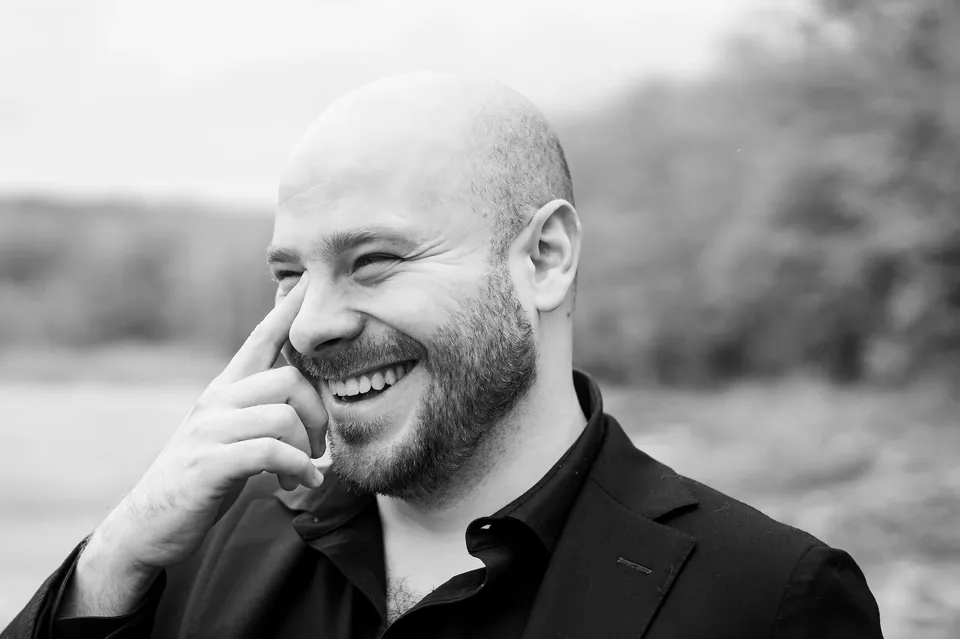
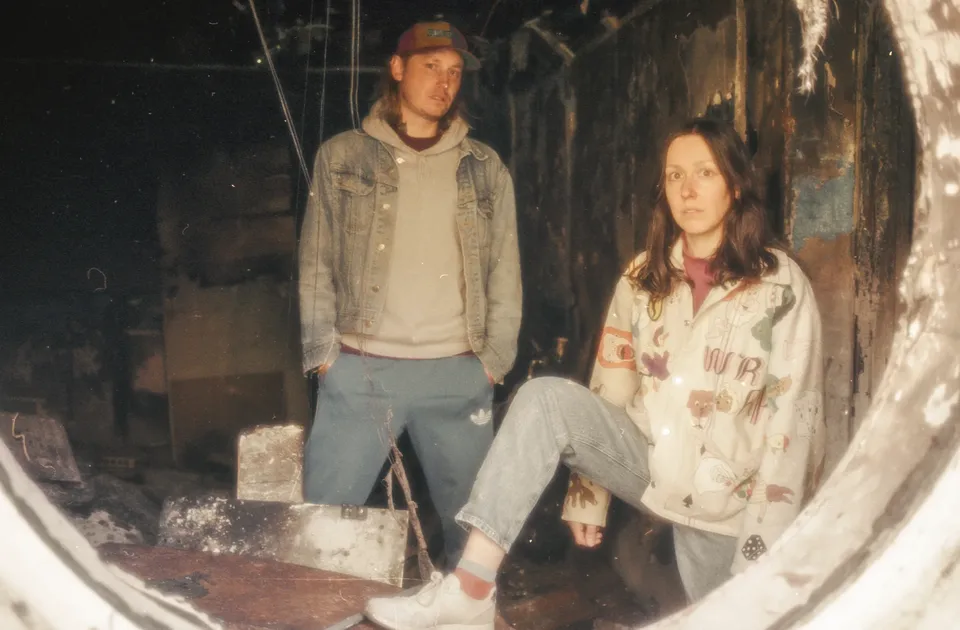
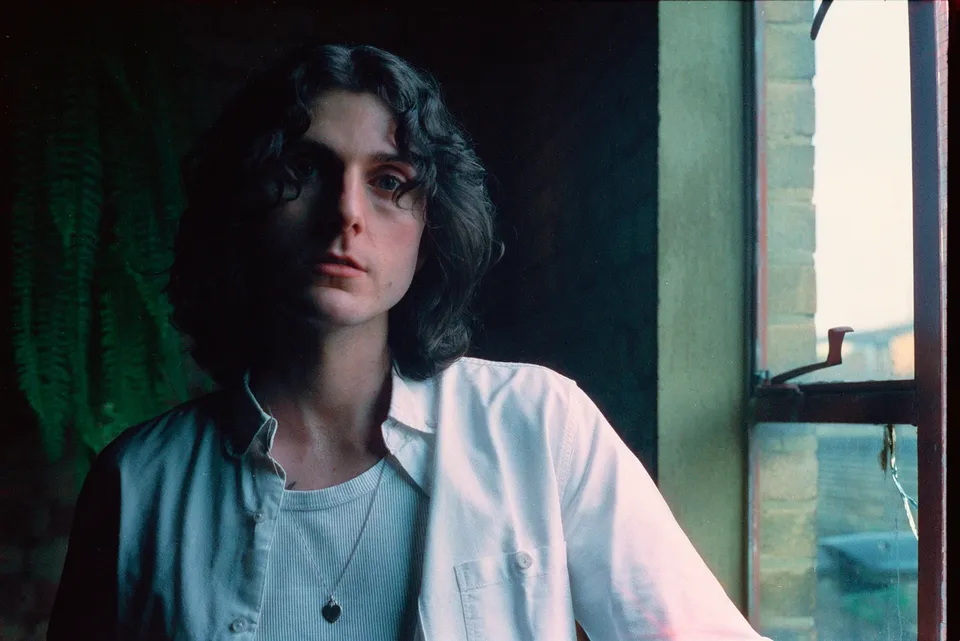
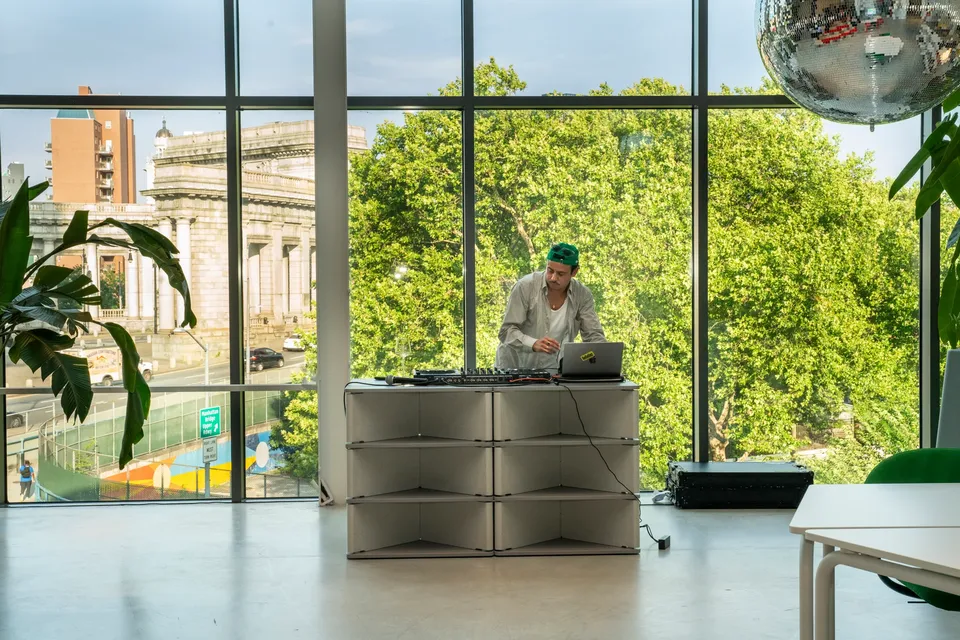
Yet, authorship of the music is far more populated than the singular man we watch at the canvas. Speaking decisively on the project, Draxler shared on collaboration, “We’re living in an age where agency is constantly being abstracted or removed, I wanted to respond by building a system where authorship is distributed but never dissolved.” This is achieved by working with over twenty collaborators, musicians allowed to interpret Draxler’s modded field recordings, shape the music, and then perhaps have that music adapted some more. The eclectic album and initial single foreground an openness to let the other do the interpretive lifting. Jesse Draxler’s name remains the lead artist, but with all this talk of passing over, it’s impossible not to think of Barthes’ Death of the Author. Listeners, you are empowered. Without an audience, there is no performer.
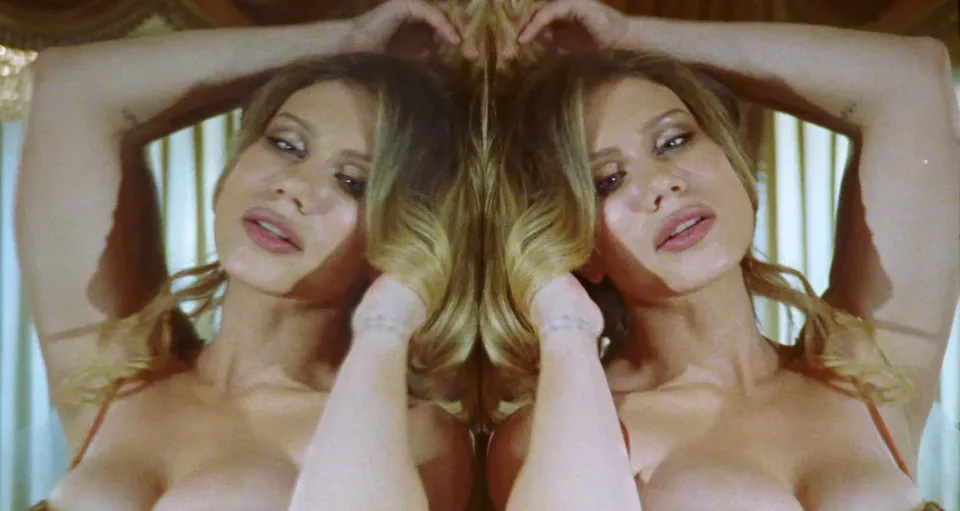
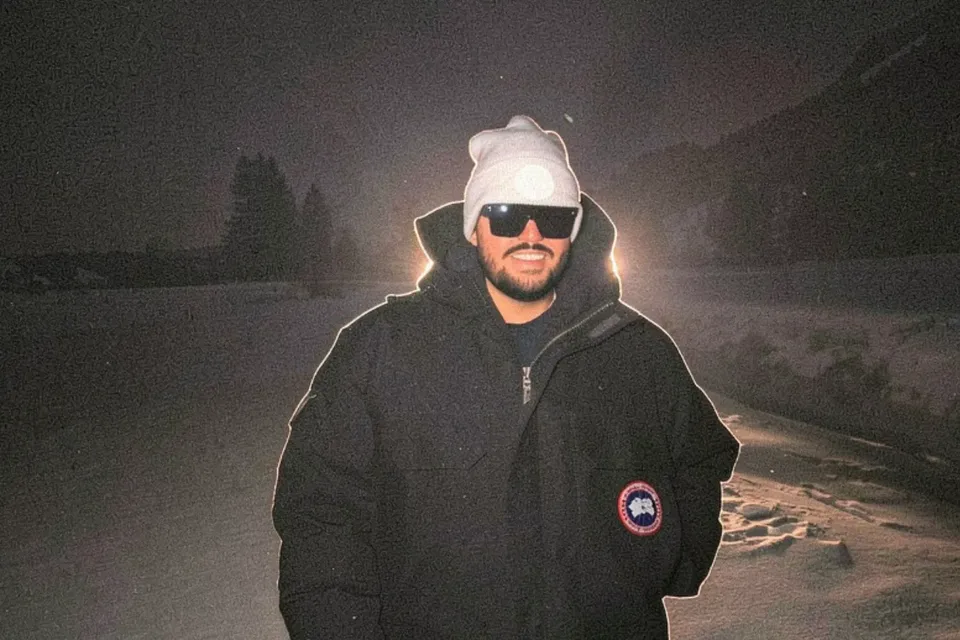
A cannibalistic approach to making is applied across tracks including CTRL ALT DEL, as material from HOLLY, who interpreted Draxler’s “data set”, was sent to Ho99o9 then back to Draxler. Like an open wound, the artist leaves exposed the true complexity of many artistic endeavours. In fact, there’s even an app called RIP where the Tongue of Angels universe lives, accessible for interaction. Draxler is interested in obscurity, but plainly shares the conductor position he holds musically on the project. “Every track is a different path through the same landscape, shaped by many hands but rooted in a common source.” That source, we imagine, is the dank and industrial underbelly of Draxler’s recordings, and his refreshed concept on the system of authorship.