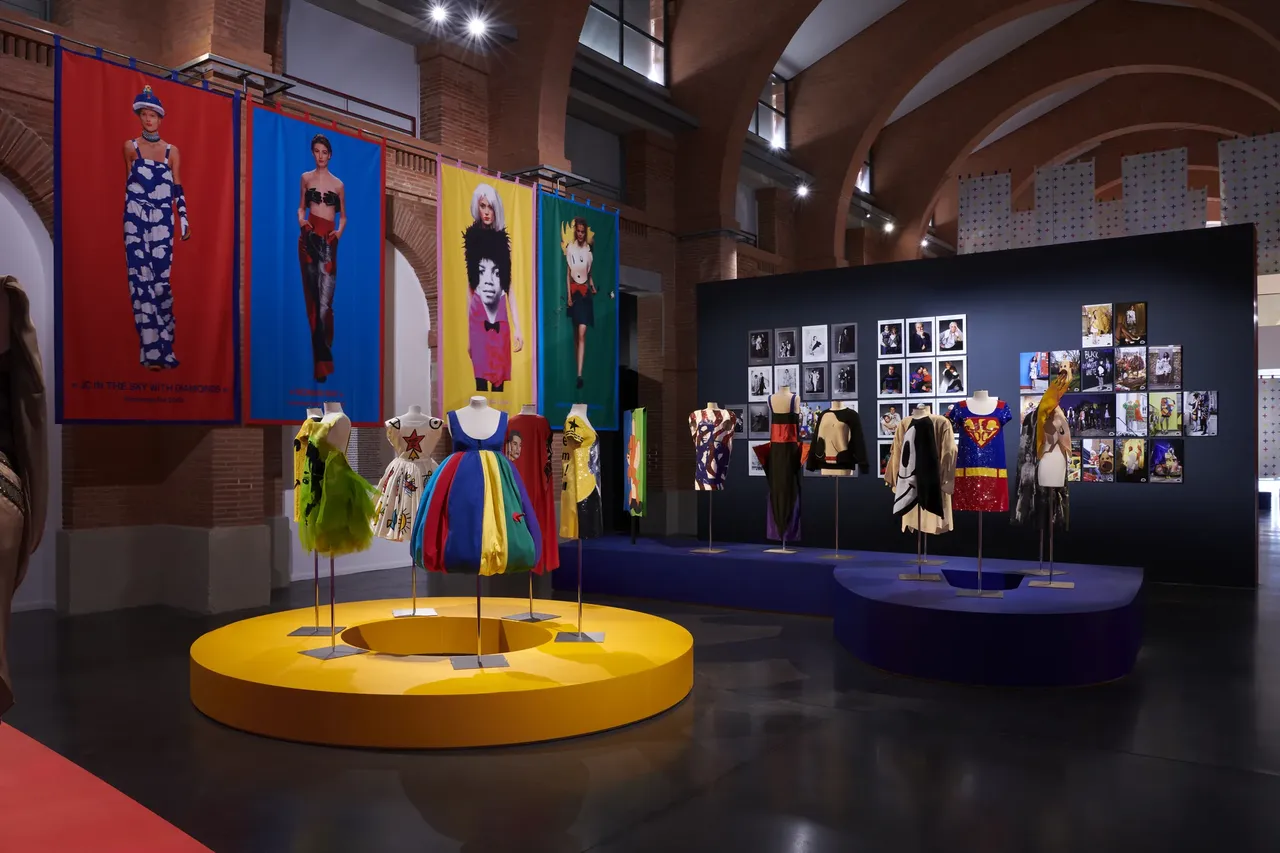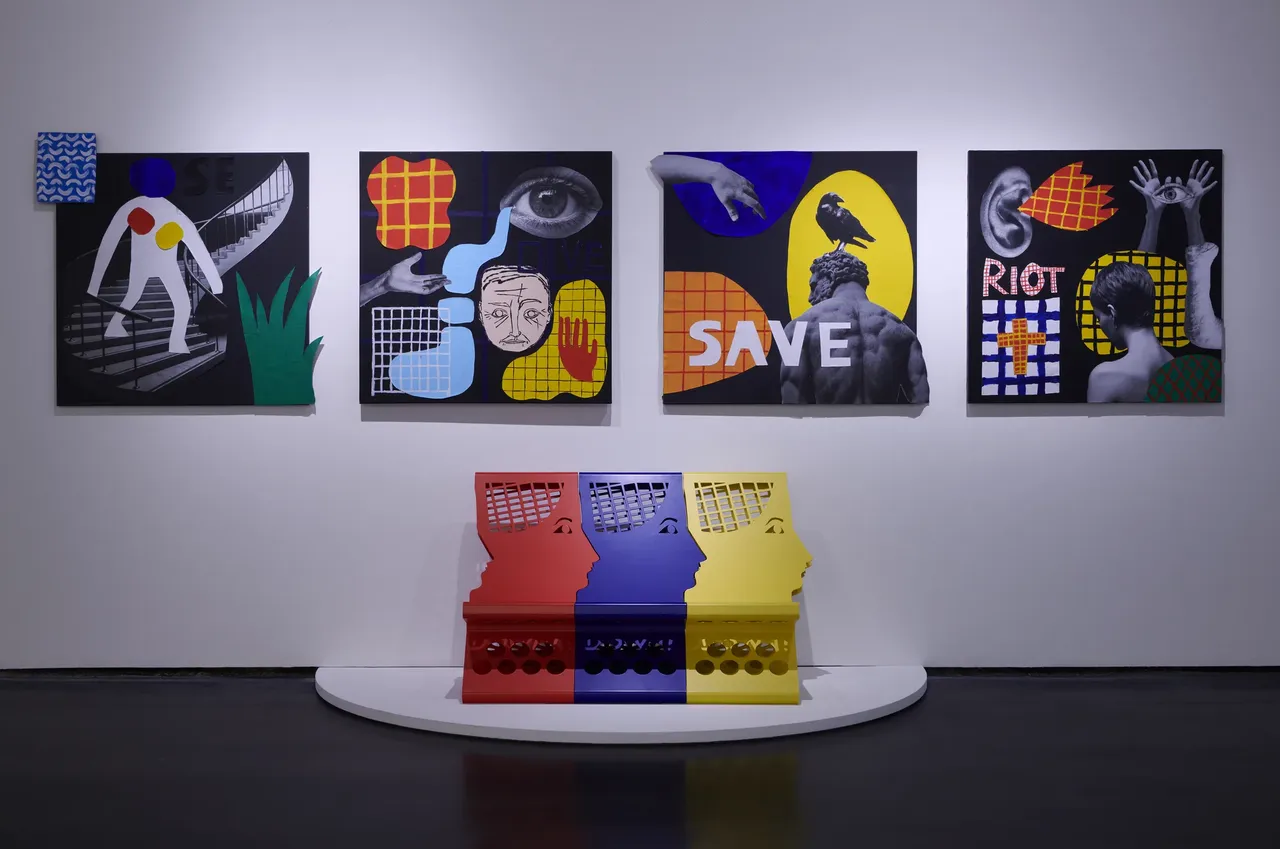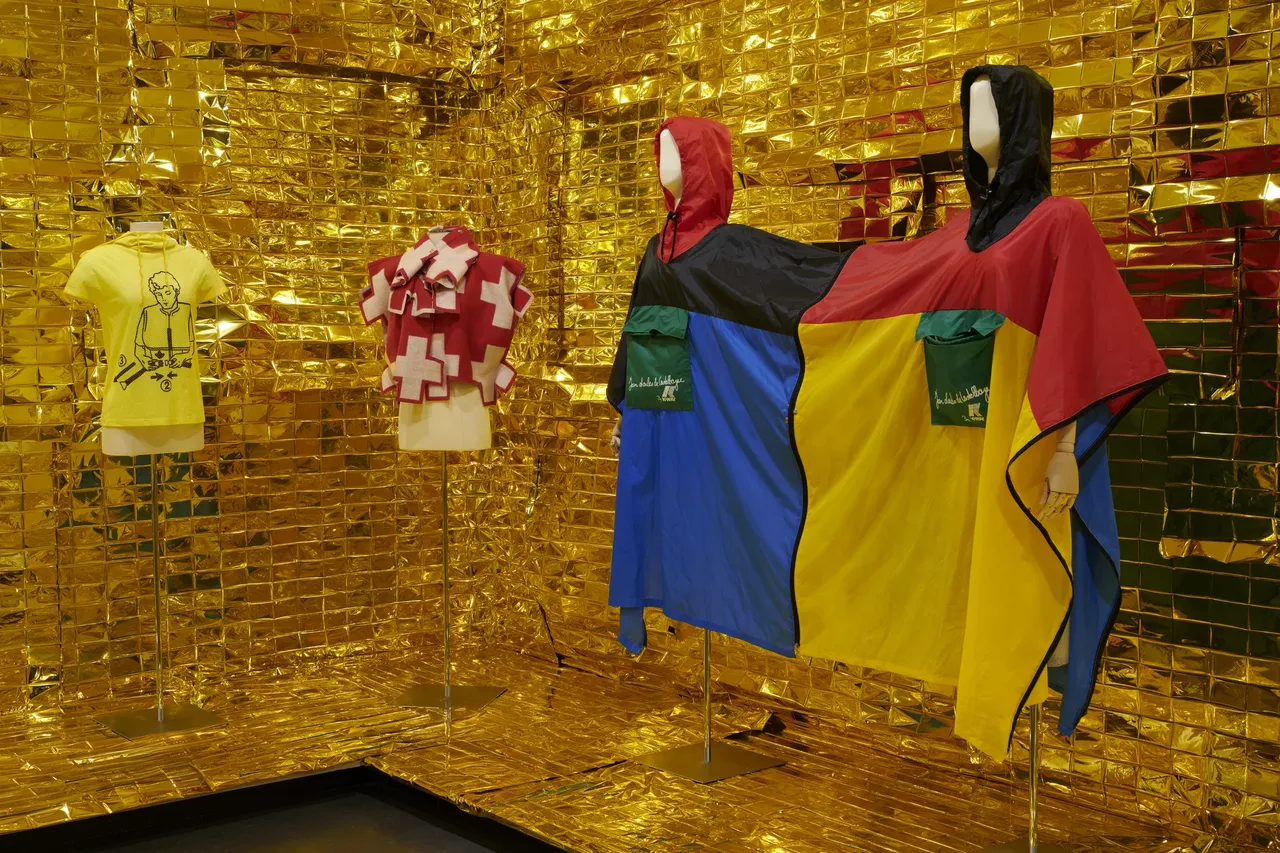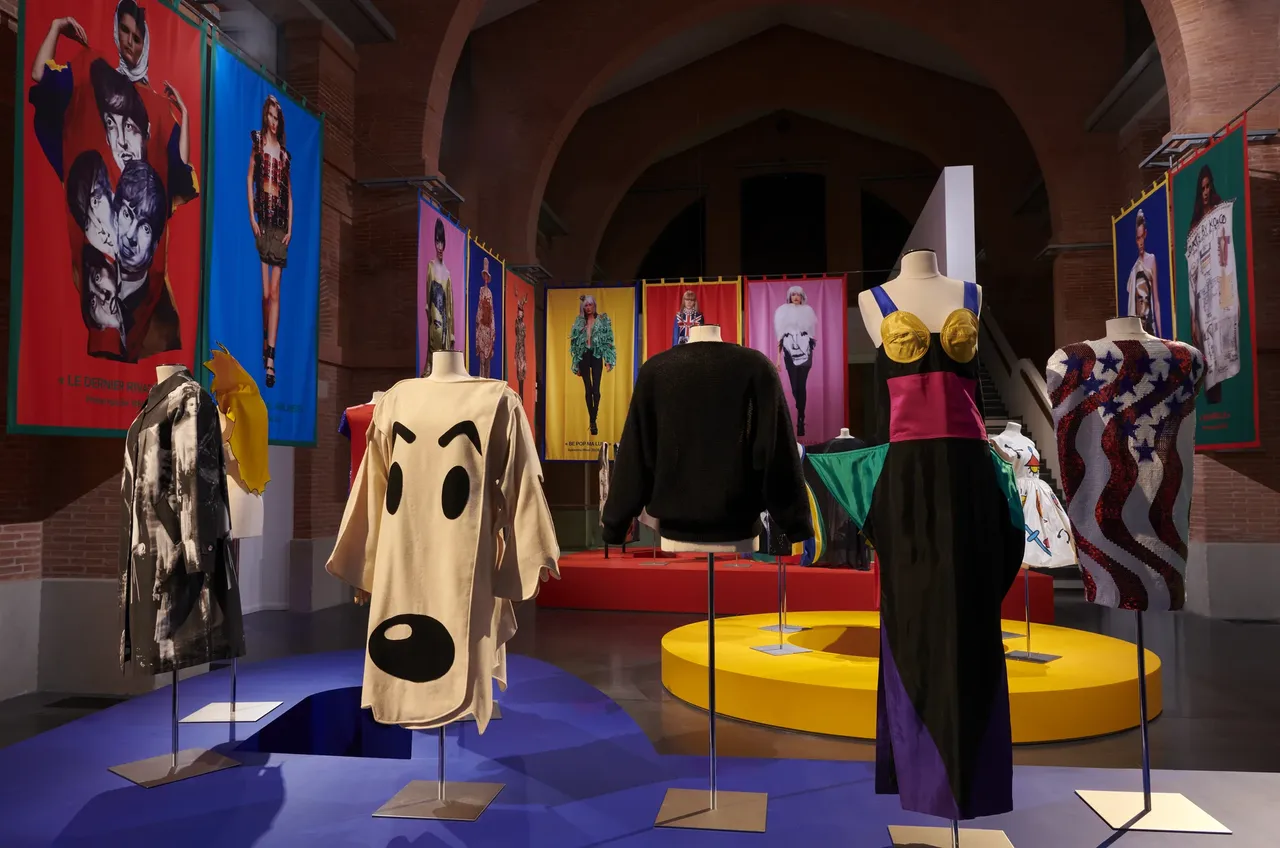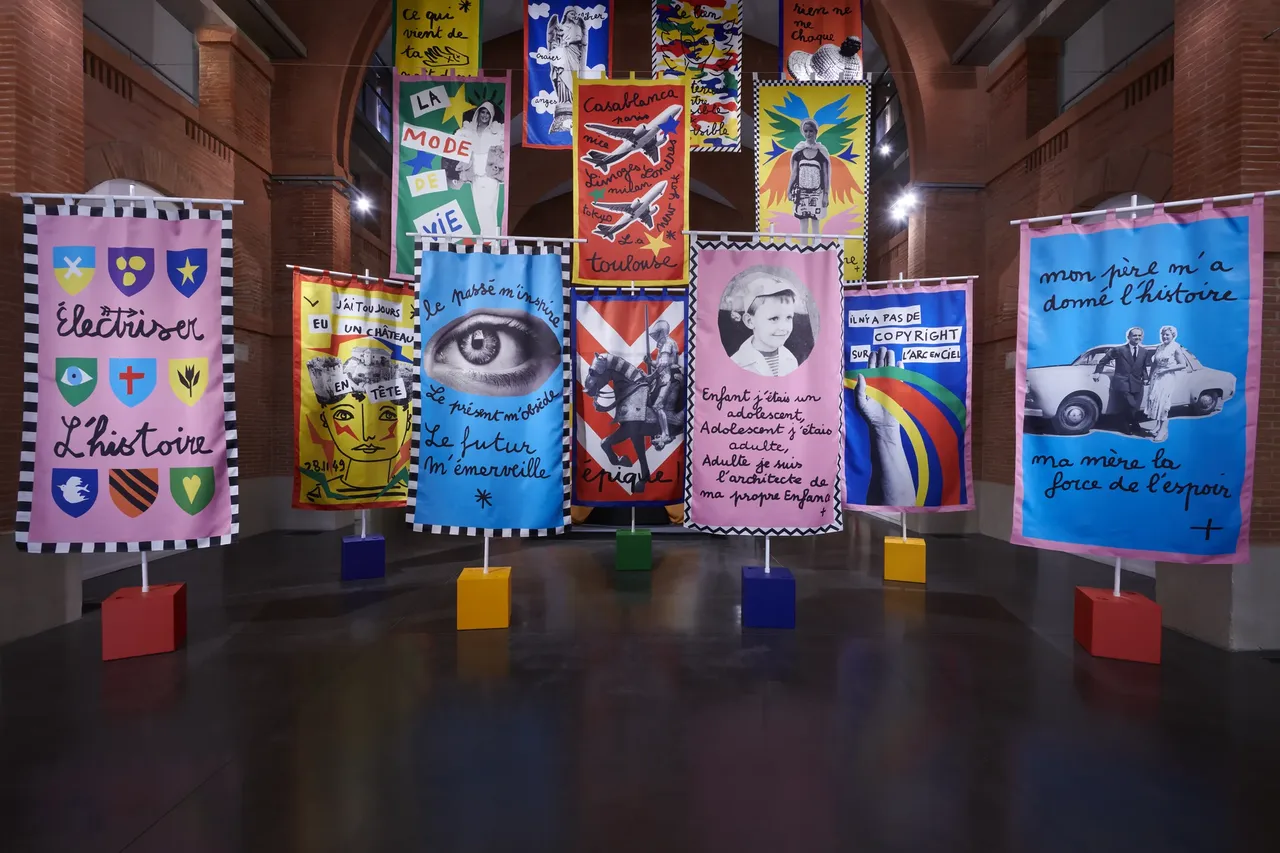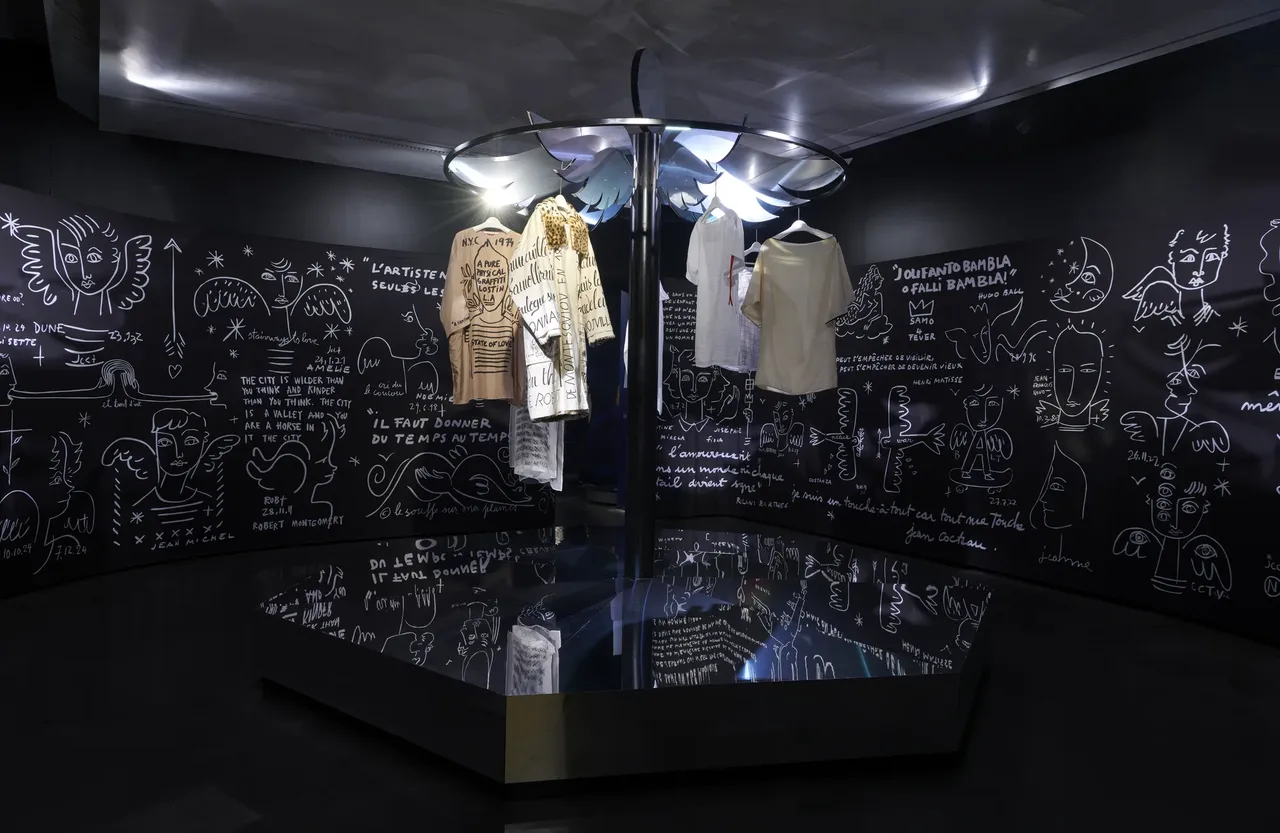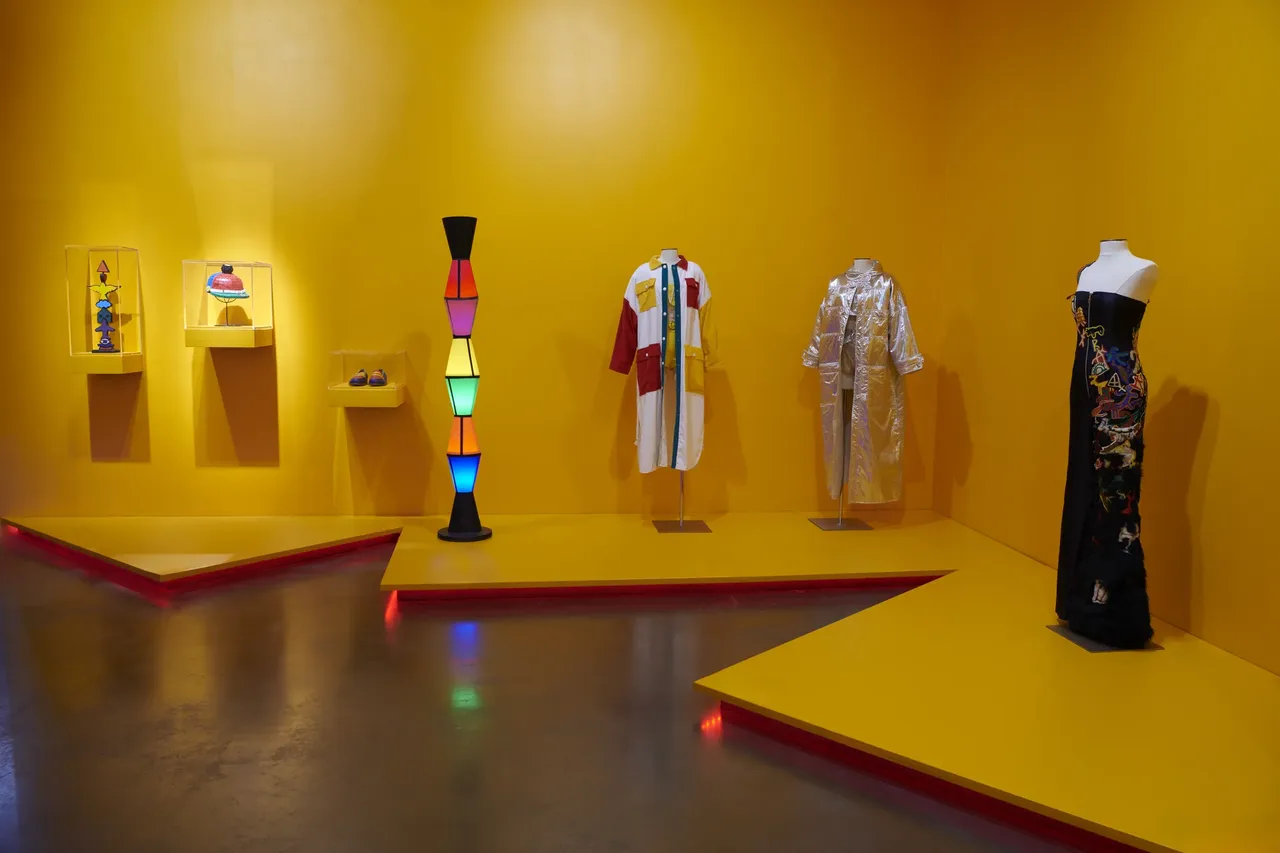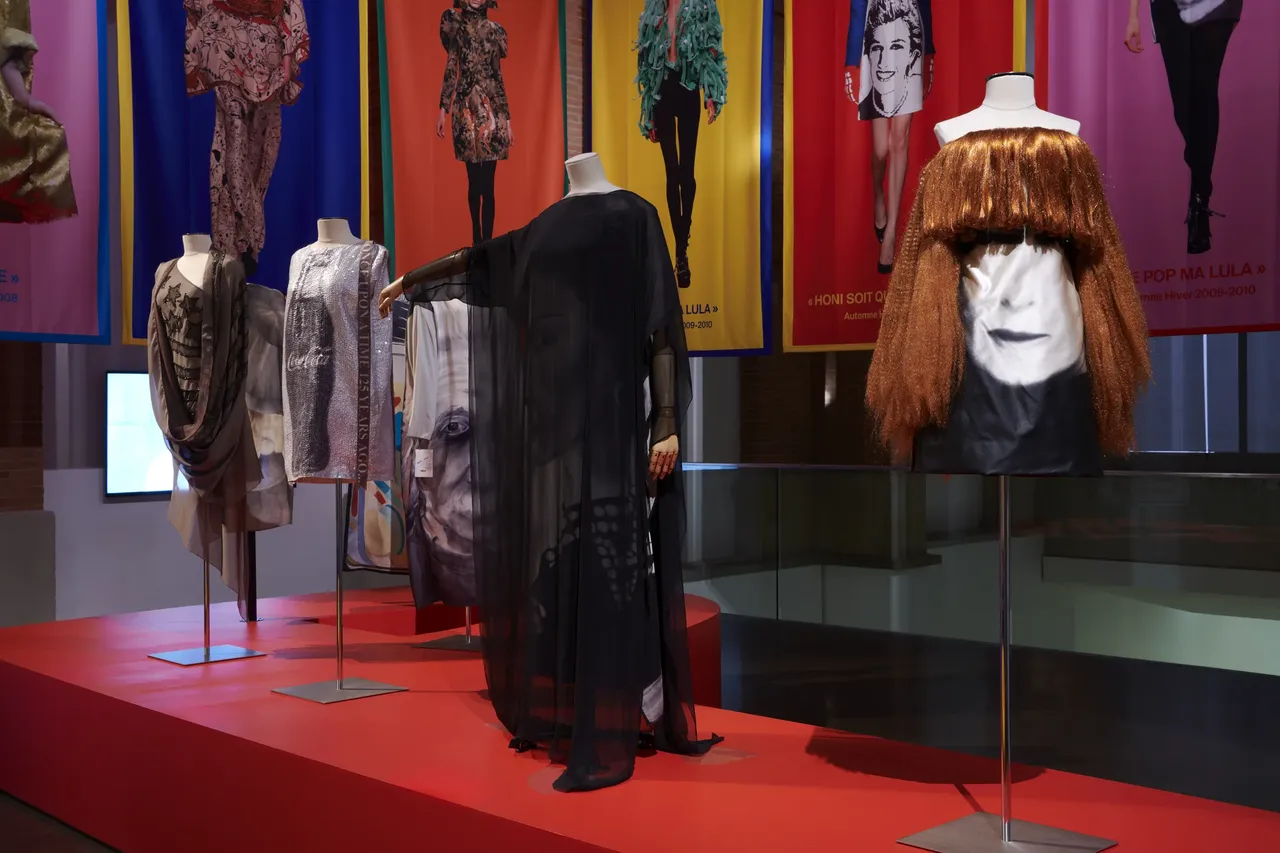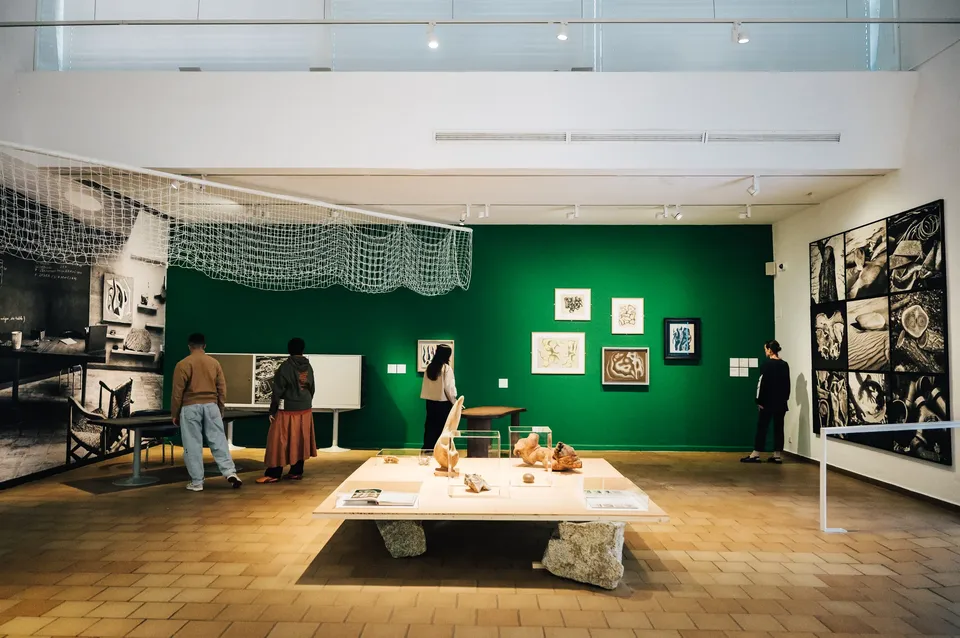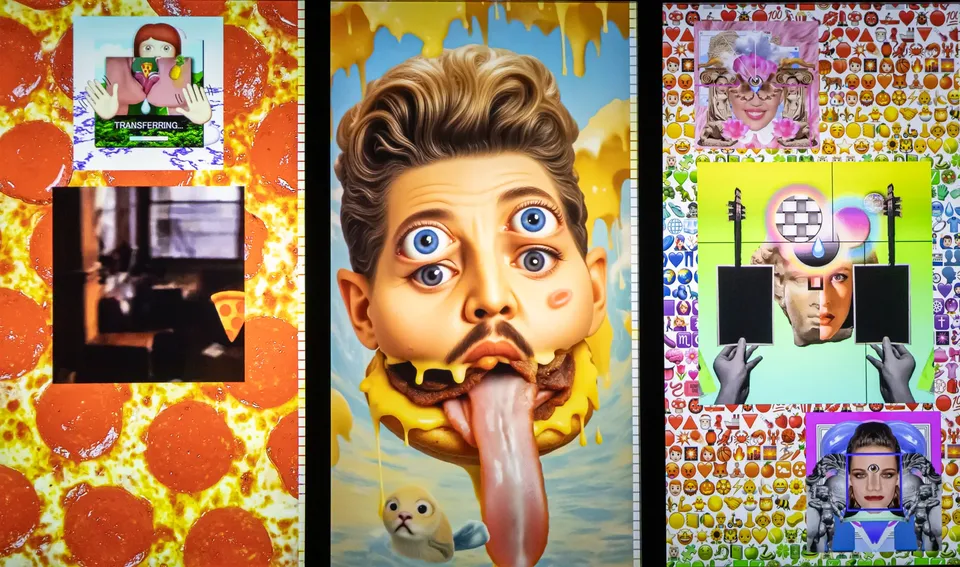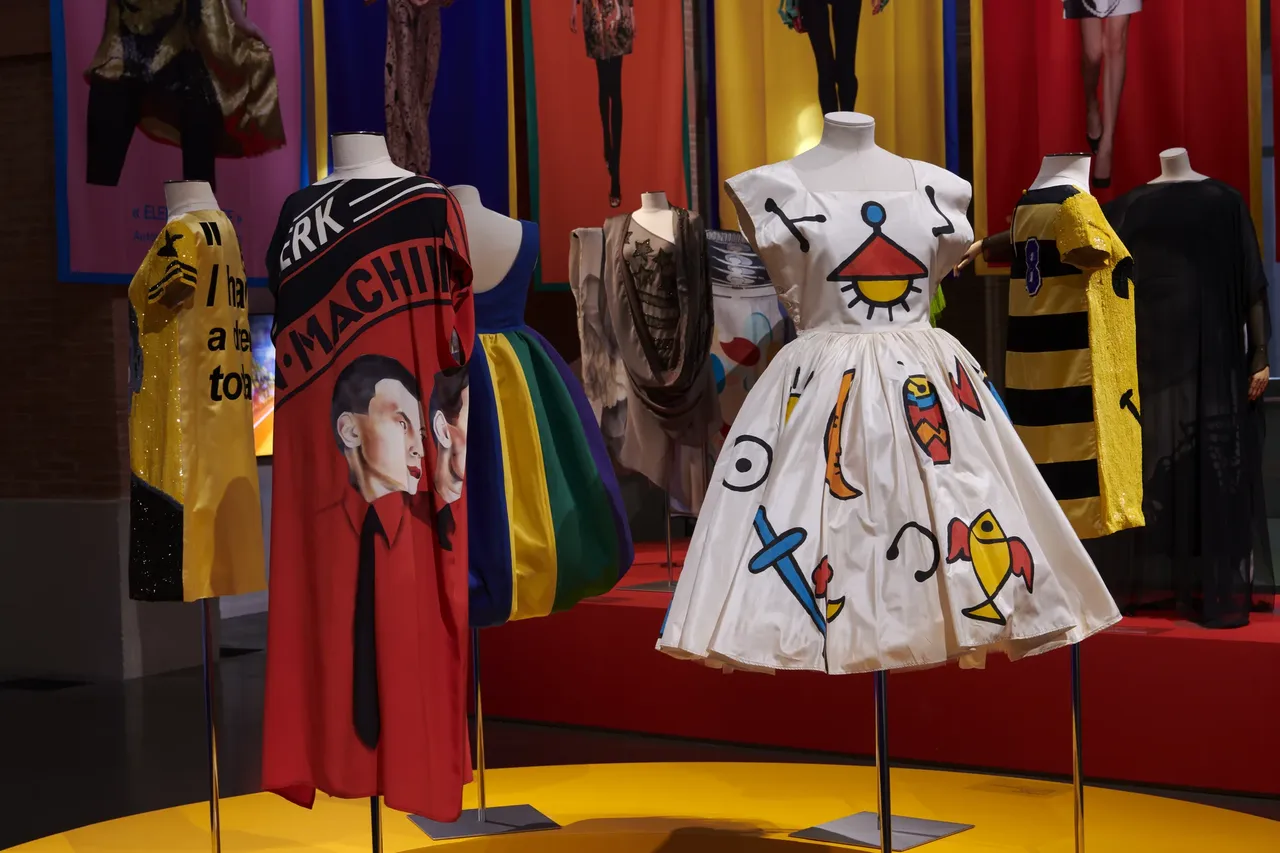
Until the 23rd of August, Les Abattoirs museum in Toulouse, France, presents L'imagination au pouvoir, an exhibition dedicated to the genius mind of Jean-Charles de Castelbajac. It includes more than three hundred pieces, including clothing, drawings, photographs, and design objects. The show offers an insight into the designer who never saw fashion as an enclosed field, but rather as a space without limits for imagination to thrive. For him, a fashion show could be a performance, a garment a sculpture, and a shop window an installation. L’imagination au pouvoir is based on this idea: of entering his imagination rather than simply cataloguing his works.
It all started with a blanket. In 1968, at the age of eighteen, de Castelbajac transformed a blanket into a coat. A simple yet radical gesture, it marked the starting point for his creations. Since then, his work has maintained a very direct relationship with modest materials. Before the word 'upcycling' even existed, the French multi-hyphenate artist was already exploring the idea of reuse and transformation.
As you walk through the exhibition rooms, one of the most fundamental elements is colour. From the 1980s onwards, red, blue, and yellow became part of de Castelbajac’s language. Primary colours, graphics, large typefaces, references to comics, and slogans began to define his style. The artist mixed medieval heraldry, pop culture, and rock spirit at a time when Parisian fashion still moved within fairly rigid codes.
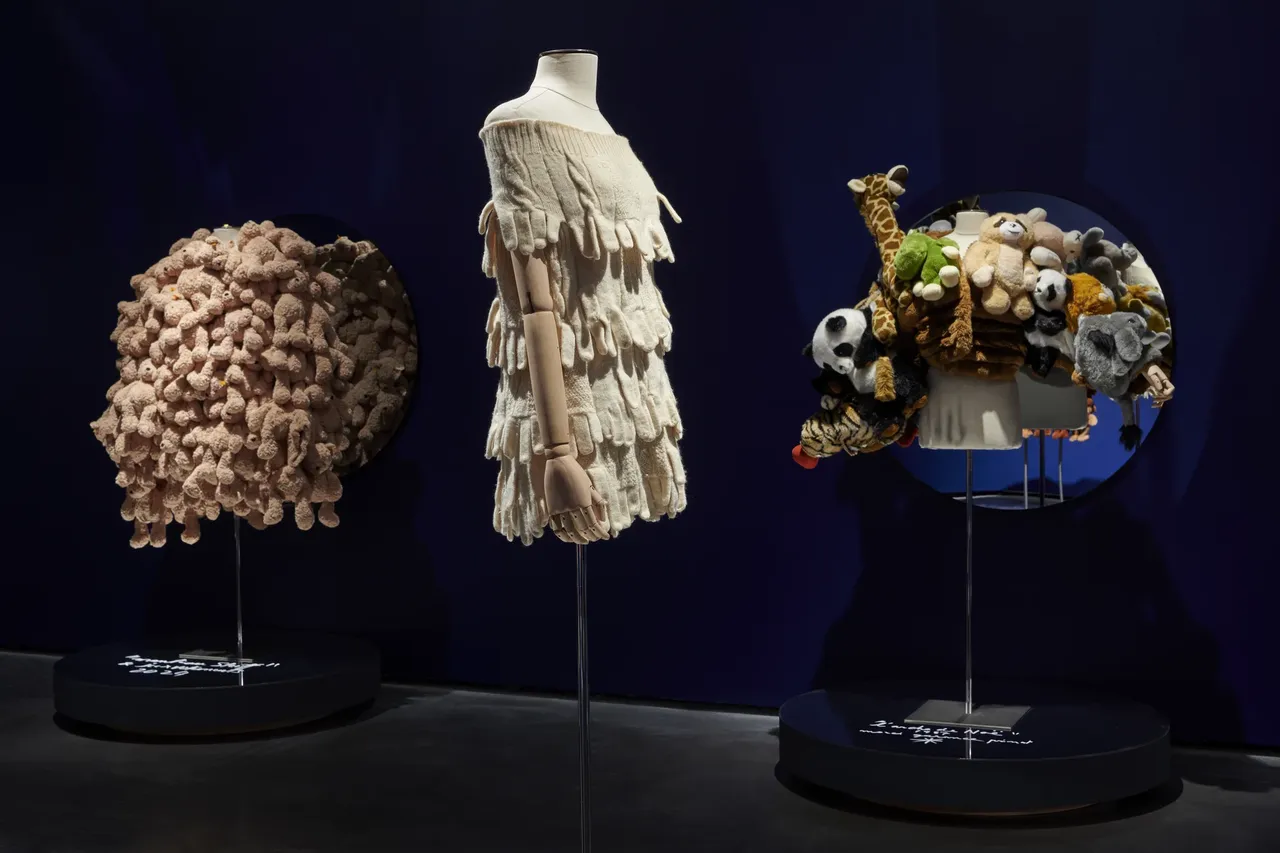
Among his most iconic pieces are those that play with everyday objects to transform clothing. Gloves, glasses, balls of wool, and soft toys are multiplied to form jackets and coats. This gave rise to the famous teddy bear coat in 1988, which Madonna would end up wearing. These pieces reflect a very clear way of looking at the world: taking everyday objects and moving them to another place, thus transforming them and giving them a new understanding and conceptual dimension.
His work speaks directly to today’s fashion. Jean-Charles de Castelbajac began mixing codes associated with luxury with popular culture, a combination that seemed strange at the time. Decades later, this crossover has become central to a whole generation of designers, such as Virgil Abloh, who brought this sensibility to the heart of major fashion houses such as Louis Vuitton. Many of the freedoms that are taken for granted today, such as collaboration between disciplines or the use of pop iconography, were already present in de Castelbajac’s work decades ago.
The French creative has always worked in connection with his surroundings, rather than following trends. His style is based on colour, humour, cultural references, and curiosity. The exhibition at Les Abattoirs reminds us that part of the visual language of contemporary fashion began to take shape much earlier, with designers who understood imagination as a form of unlimited freedom.
The exhibition Imagination at work by Jean-Charles de Castelbajac is on view through August 23rd at Les Abattoirs, 76 allées Charles de Fitte, Toulouse.