Between the body and the flower, The Wandering Womb invites the viewer to wander through natural forms at lumber room, Oregon, by Isabelle Albuquerque and Louise Bourgeois. It calls towards what is sensitive: skin, connection and the natural world we share.
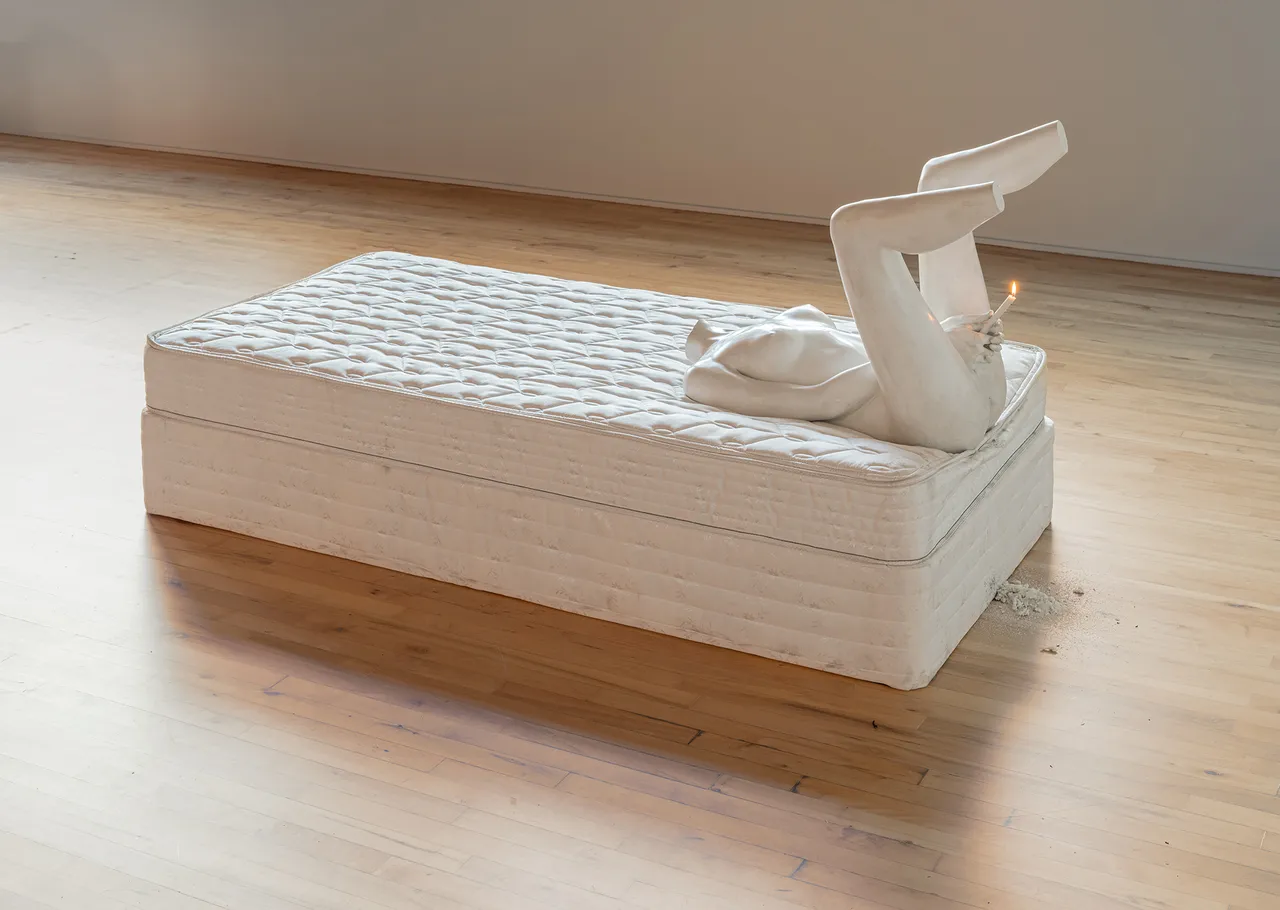
Upon entering the exhibition, Isabelle Albuquerque's The Left Hand of Darkness welcomes the viewer: thoughtful, strong yet vulnerable, unguarded. It lets you know that there is more ahead, here, there is something to explore, be curious about, openly. Louise Bourgeois’ Torso, Self-Portrait waits for you too. I like the neutrality of colour here, the form untouched for what it is. Albuquerque's female forms are positioned throughout the space; they are firm in the solidity of bronze and walnut, creating movement through their attention to shape and curve. The figures articulate female desire as self-fulfilling: Orgy for 10 people in one body’s force is confident, with the same self assurance depicted more softly in Venus Rising. Their sensuality is explicit but architectural; drawn and constructed from the organic, asking us to consider what we are made of?
This exhibition calls towards a kind of female erotica based on agency, presence and pleasure over constraint and conformity. At first, I feel almost uncertain sitting with the quiet discomfort this raw sexuality evokes — flush, not sure if I should be witnessing this privacy — but I soften, aware that this initial aversion is essential. Isabelle Albuquerque and Louise Bourgeois tell us not to be shy, to allow embrace.
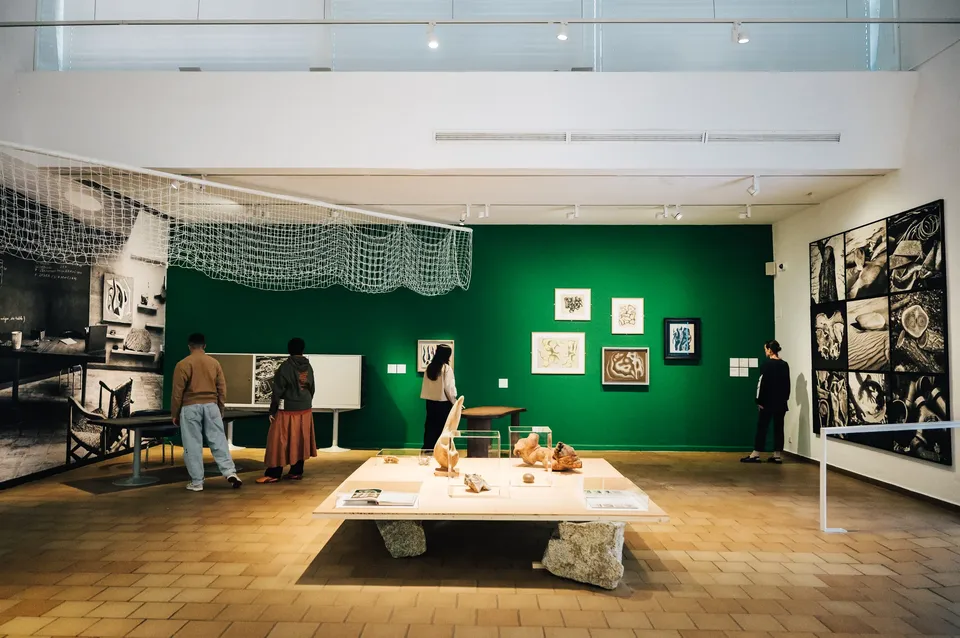
The exhibition space’s atmosphere creates an ease and intimacy that the individual works embody. The artworks breathe within the space itself: minimalistic and well dispersed, the air feels light and still like the life forms within it, allowing for the consideration the exhibition calls towards. You are aware of yourself and the gravity that is around you, the people that you are sharing this moment with. To be in The Wandering Womb, is to witness something frozen in time.
Pencil drawings on paper stand against the cool walls with simplicity. There is an interest in geometry and repetition that run coherently between Bourgeois’s paper and paint work. Untitled, 1995 appears to think about cycles and return, the female body in symmetry with something higher; it illustrates menstruation in correspondence with sacred configurations found in patterns of geometry. The works overlap: Tous Les Cinque II and Untitled, 2004 know smooth relationships between shape, with the former exploring variation within the self and across to other, Tous Les Cinque II, works with Orgy for 10 people to create a scene that considers touching points.
Alien Spring Drawings 1-5, and Lovers I by Albuquerque develop this idea of almost touching, in fact, in most works there is a sensual play between love in time alone and the multiplicity of connection. Fallen Limb, also invites us to consider human impact and imprint. What we can give life to and connect with; it highlights the nature around us as an extension of ourselves.
This exhibition encourages us to remember tenderness; it makes me want to visit the sea or open air, lie down somewhere and feel my skin into the sand; remember the sweet affection inside of me. It makes me feel at home, here, there is a sense of comfort and relief.
Mother and Child holds my attention. Albuquerque sculpts the flowers’ roots above ground, exposed, bare and unprotected. I was almost confused by its grand stature and the density of the material in comparison to its fragile appearance, on close inspection I realise not all of the roots even touch the floor. This reach for close contact nods to intimacy itself, and further invites us to consider what connects the two flowers, blooming. It evokes all that is so close to coming into fruition, opposed to ephemerality: there is an idea of what is to come.
The exhibition itself mirrors walking the bridge of connection, bringing together the physical works of Isabelle Albuquerque and Louise Bourgeois, Louise Bourgeois: The Spider, The Mistress And The Tangerine Directed by Marion Caiori, Amei Wallach, 2008, and a poem by Ariana Reines. All works harmonise, although they transcend uniformity, working across mediums. From casting, oil paint to basics of pencil and word, the visual engagement of The Wandering Womb works on our senses to ask what we are in essence: it questions what knows us, where we have come from and how we can further reveal ourselves.
Isabelle Albuquerque & Louise Bourgeois
The Wandering Womb
October 11th, 2025 - January 31st, 2026
lumber room
419 Northwest 9th Ave. Portland, Oregon 97209
The Wandering Womb
October 11th, 2025 - January 31st, 2026
lumber room
419 Northwest 9th Ave. Portland, Oregon 97209
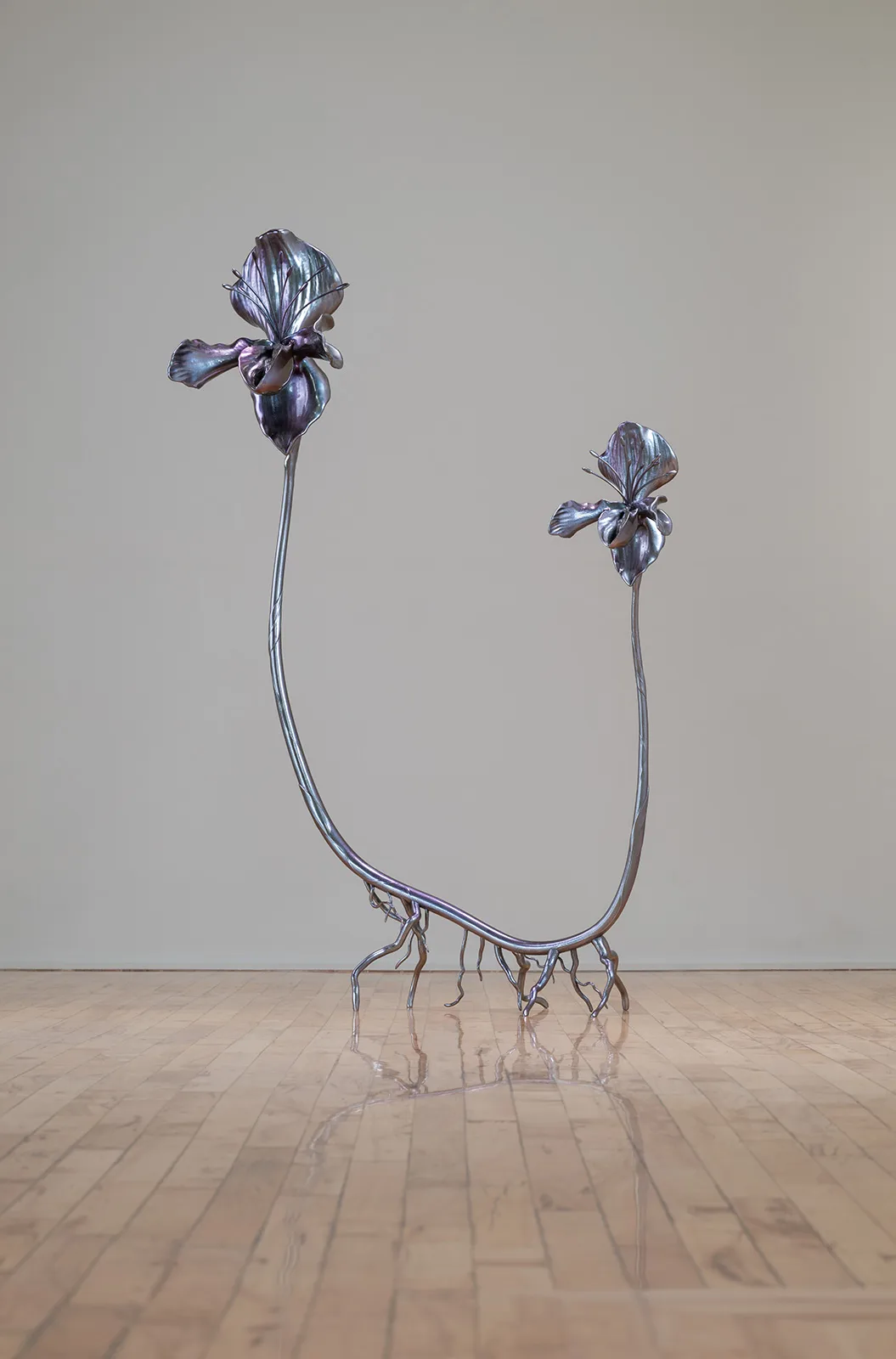
Isabelle Albuquerque, Mother and Child, 2025 stainless steel. Photo by Mario Gallucci. Courtesy of Nicodim and Jeffrey Deitch Gallery.
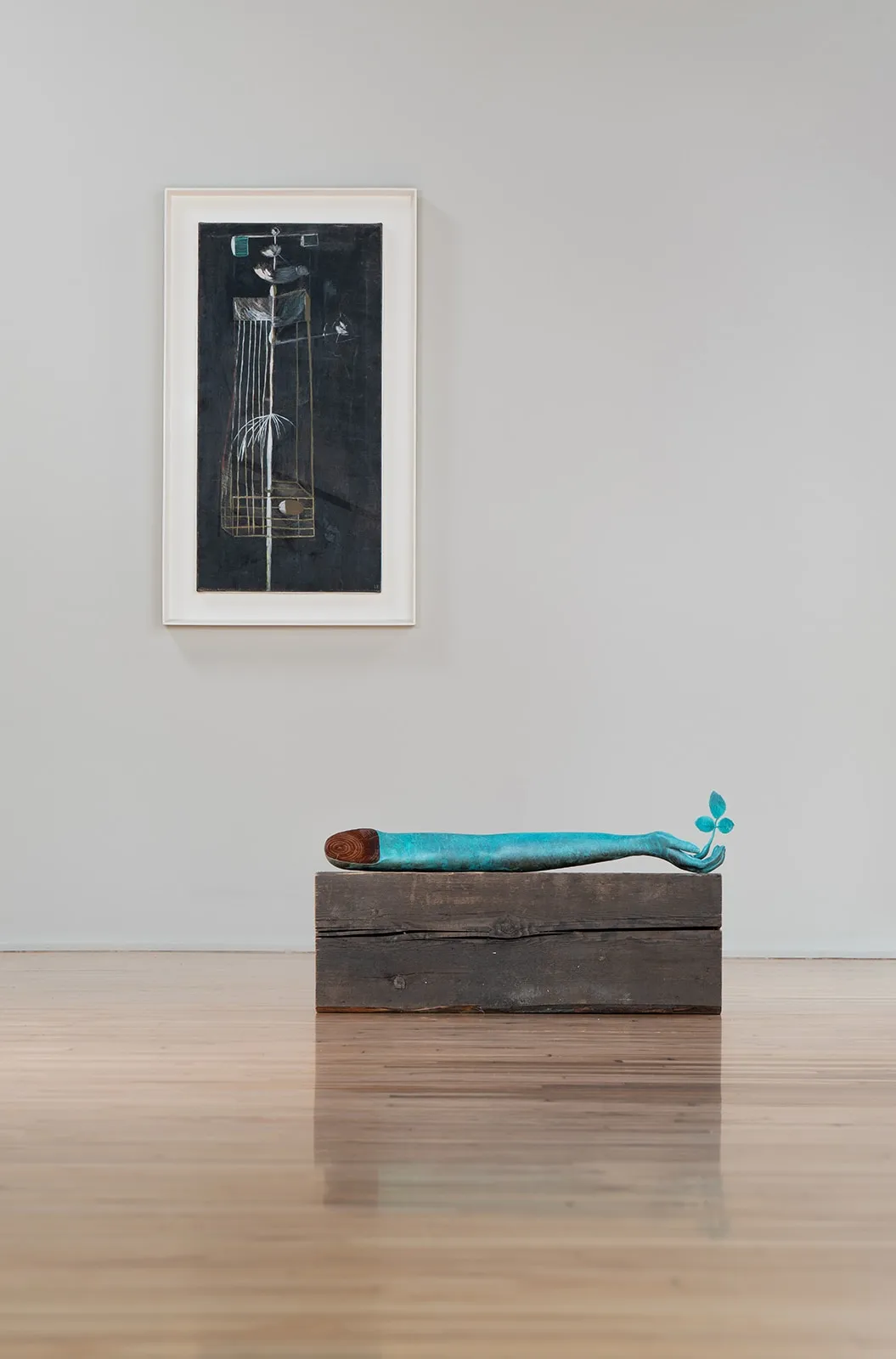
Installation view, The Wandering Womb, 2025. Photo by Mario Gallucci. Courtesy of the lumber room.
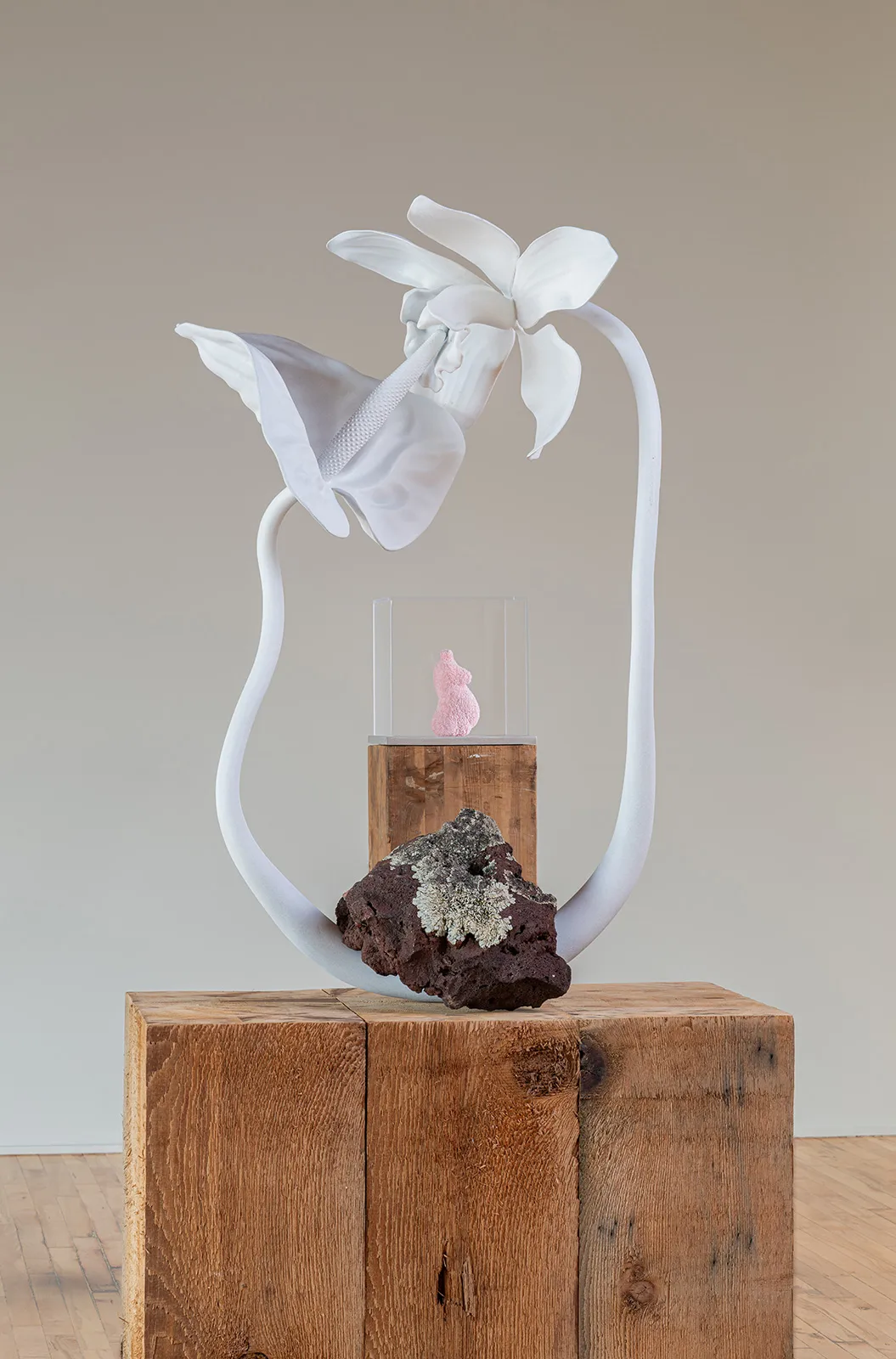
Isabelle Albuquerque, Lovers I, 2025, patinated bronze. Photo by Mario Gallucci. Courtesy of Nicodim and Jeffrey Deitch Gallery.
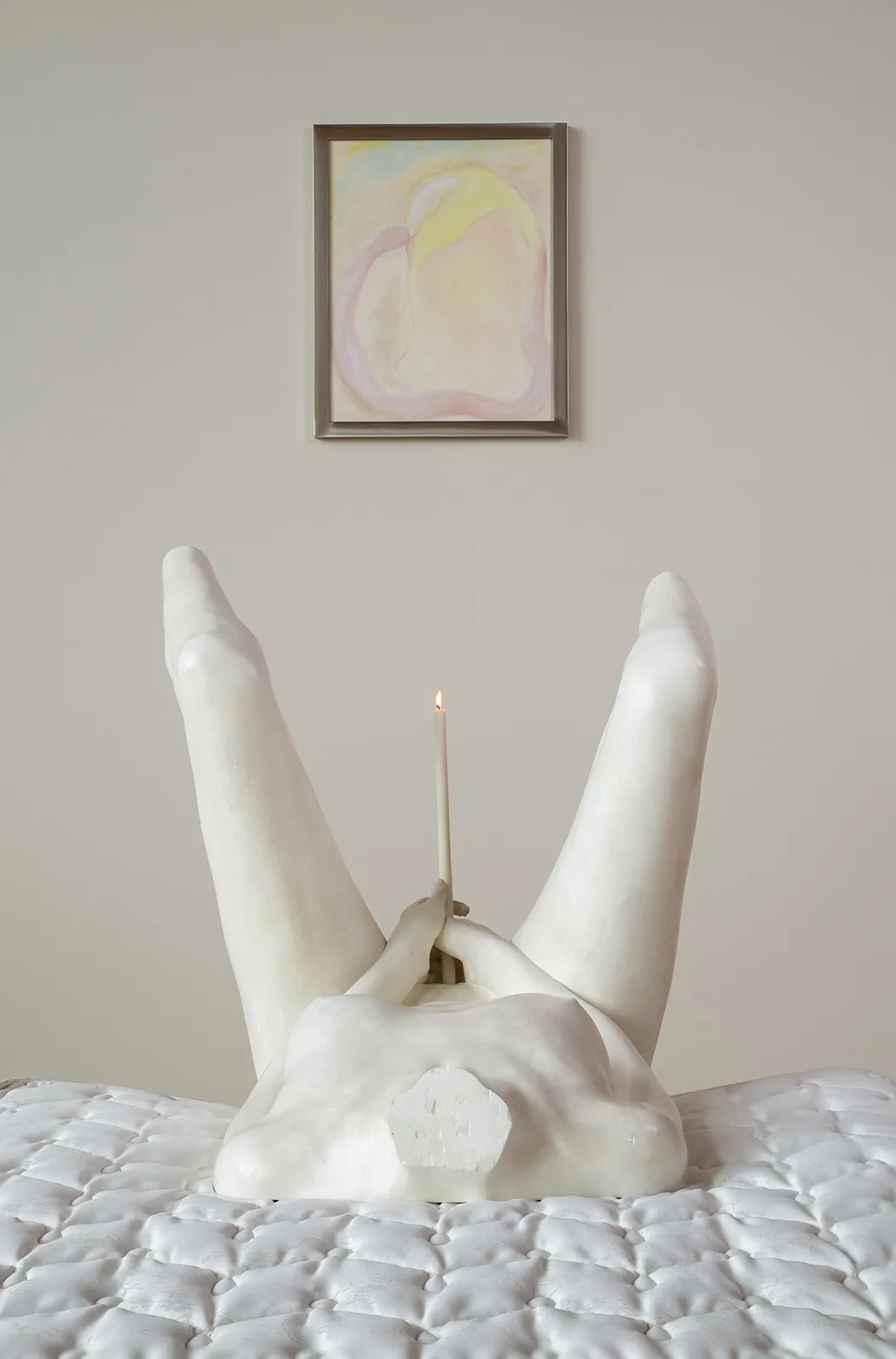
Isabelle Albuquerque, The Seeding, 2025, oil paint on aluminum. Photo by Mario Gallucci. Courtesy of Nicodim and Jeffrey Deitch Gallery.
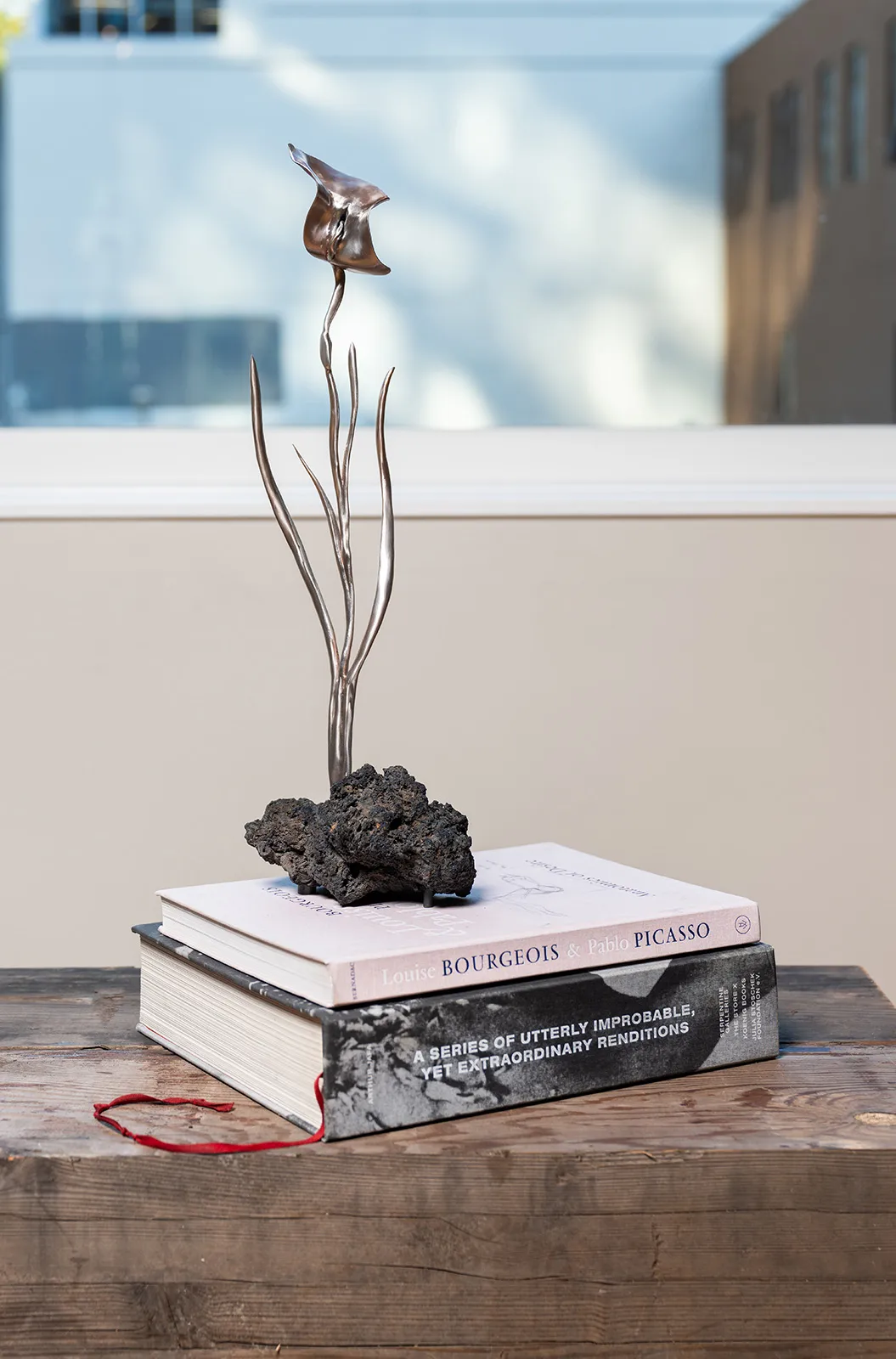
Isabelle Albuquerque, Wildflowers, 2025 (detail), stainless steel, burnt wood, beach wood, lava. Photo by Mario Gallucci. Courtesy of Nicodim and Jeffrey Deitch Gallery.
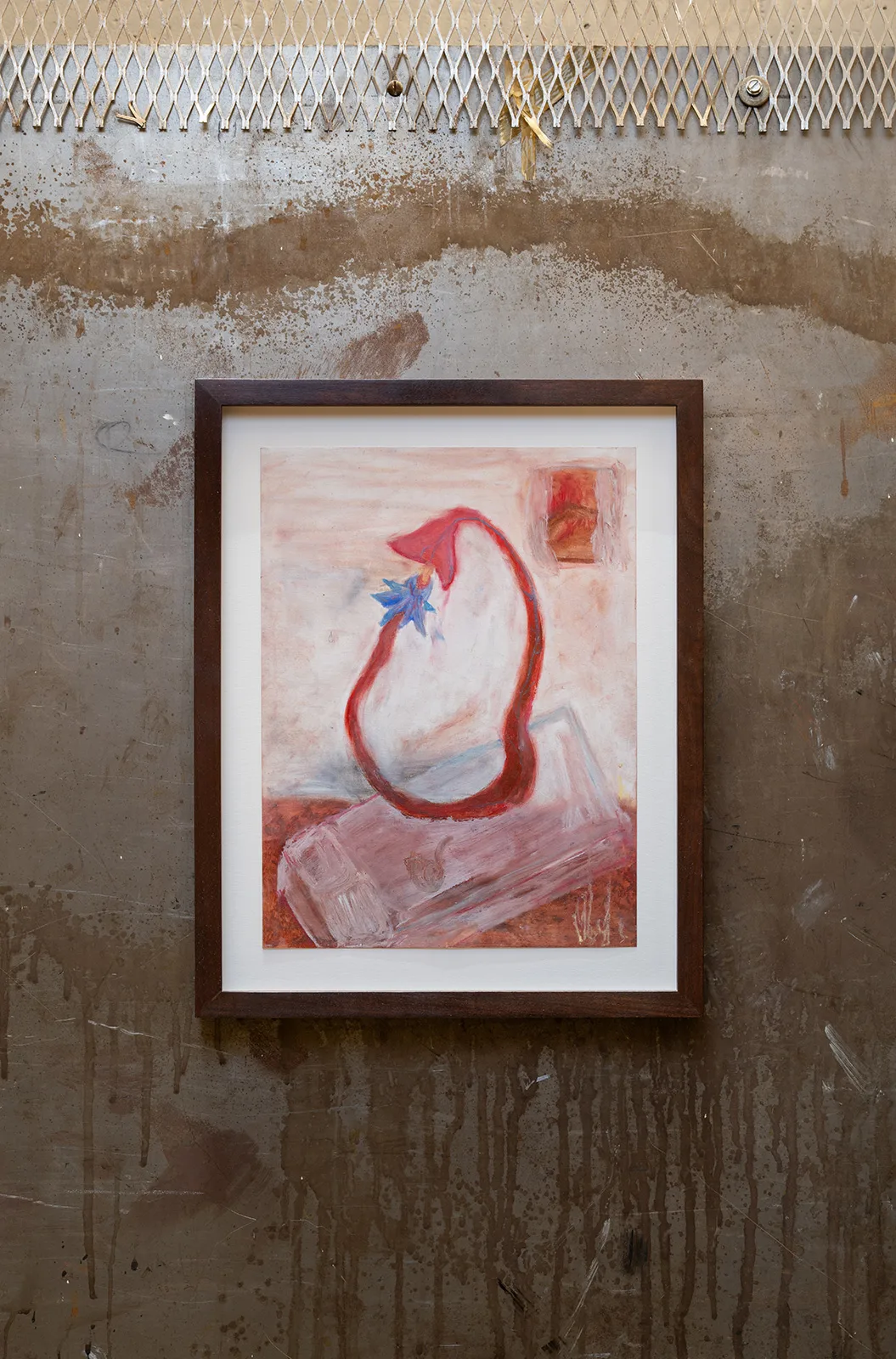
Isabelle Albuquerque, Alien Spring Drawing, 2025, oil, blood and pastel on paper. Photo by Mario Gallucci. Courtesy of Nicodim and Jeffrey Deitch Gallery.
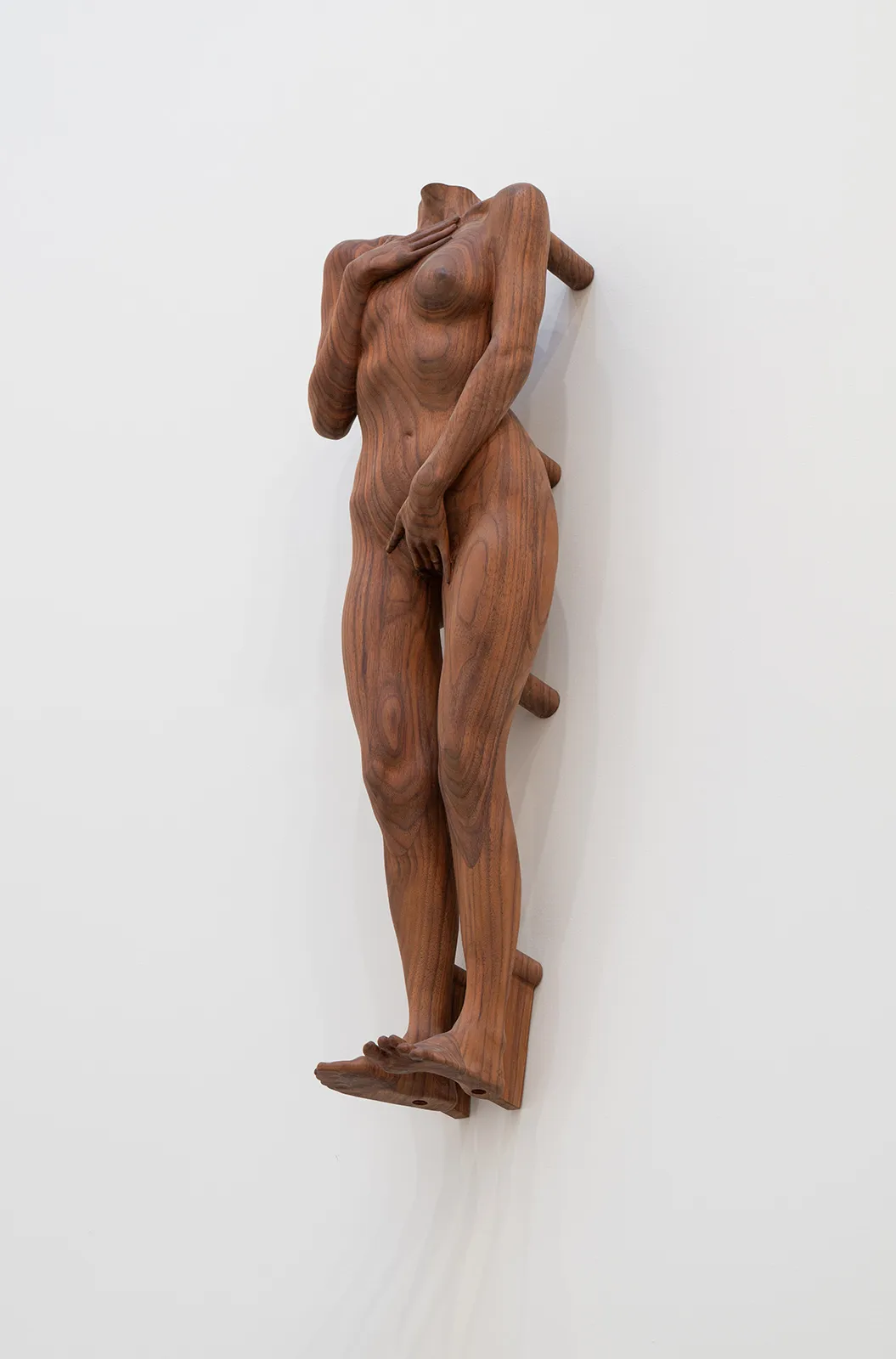
Isabelle Albuquerque ,Venus Rising, 2024, walnut. Photo by Mario Gallucci. Courtesy of Nicodim and Jeffrey Deitch Gallery.
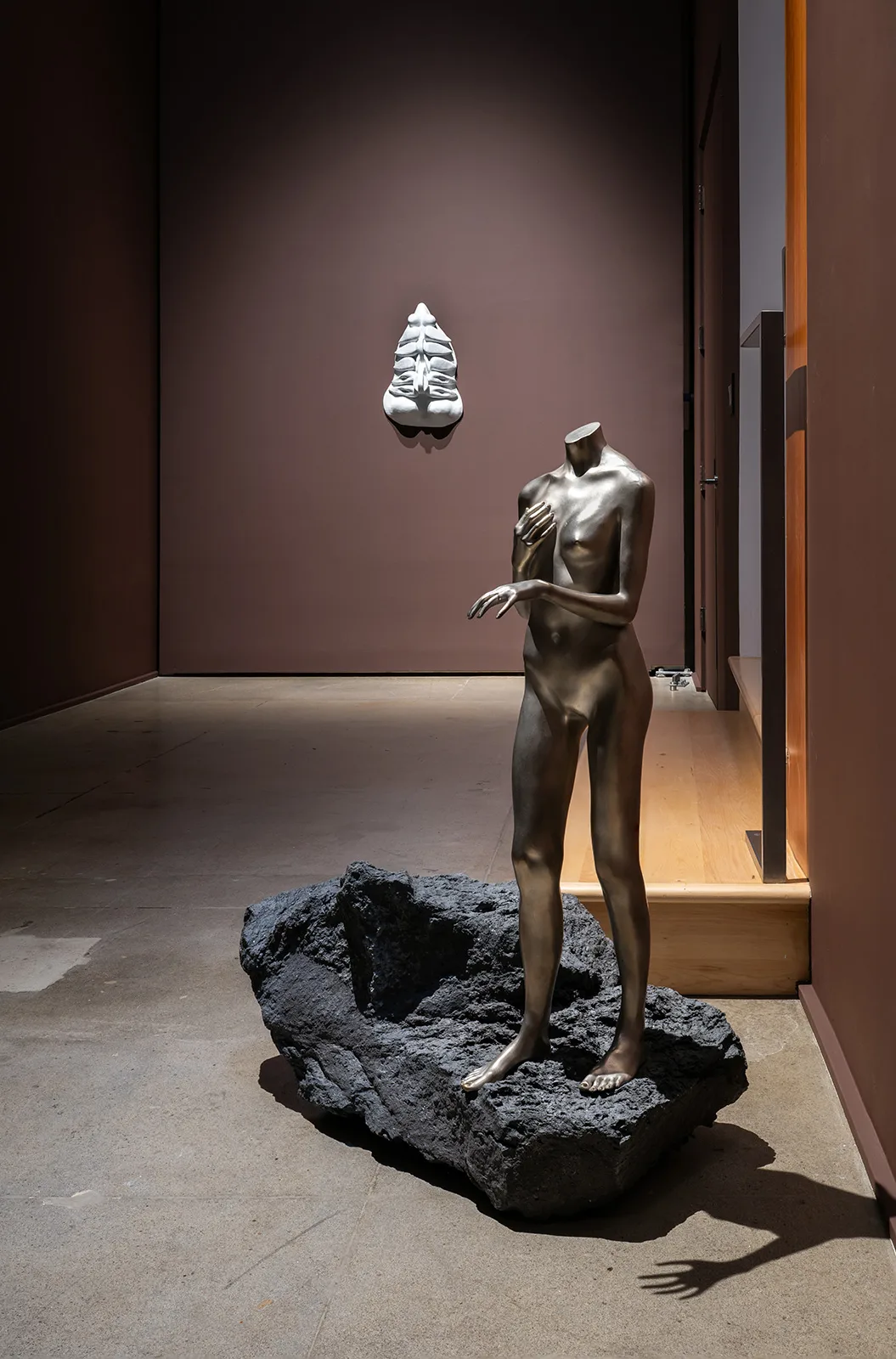
Installation view, The Wandering Womb, 2025. Photo by Mario Gallucci. Courtesy of the lumber room.
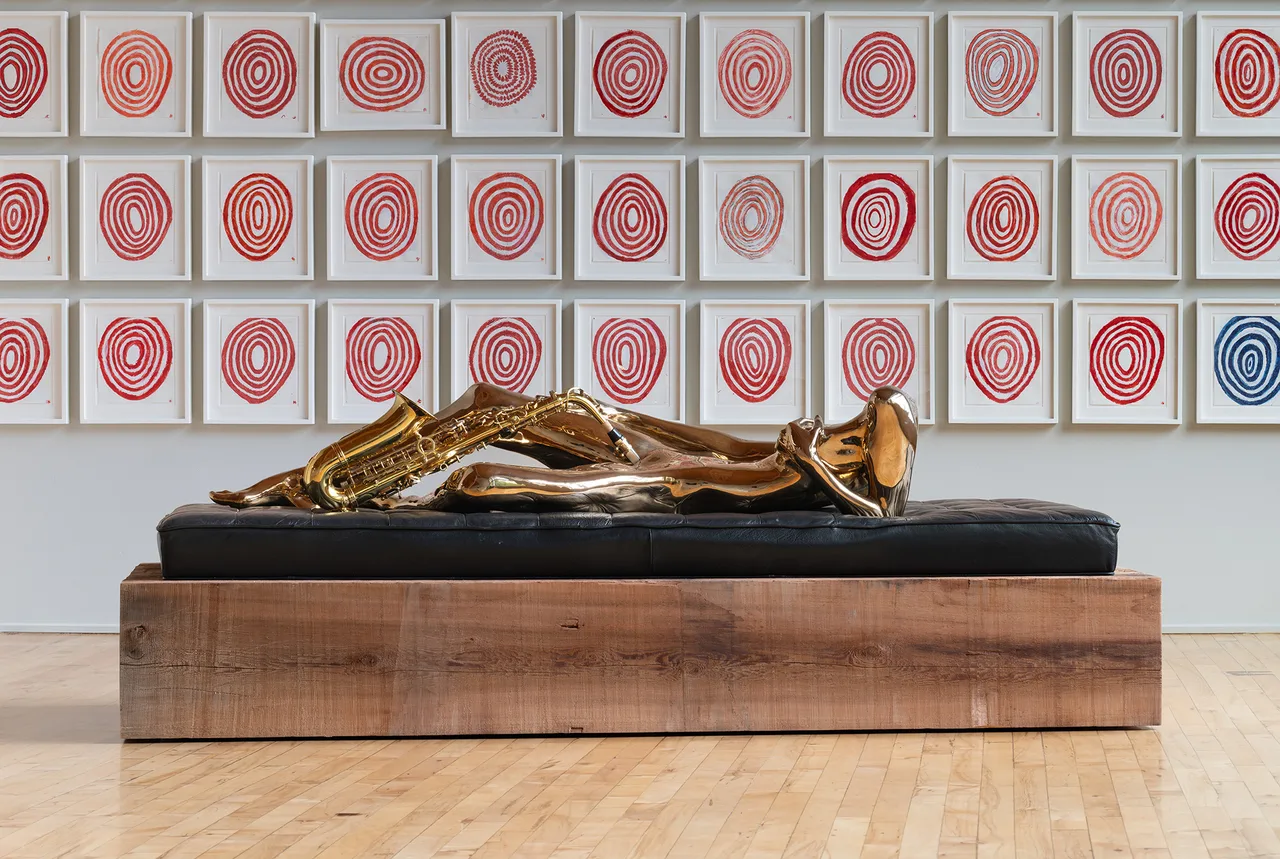
Isabelle Albuquerque, Orgy For Ten People In One Body: One, 2019 bronze, saxophone. Photo by Mario Gallucci. Courtesy of Nicodim and Jeffrey Deitch Gallery.