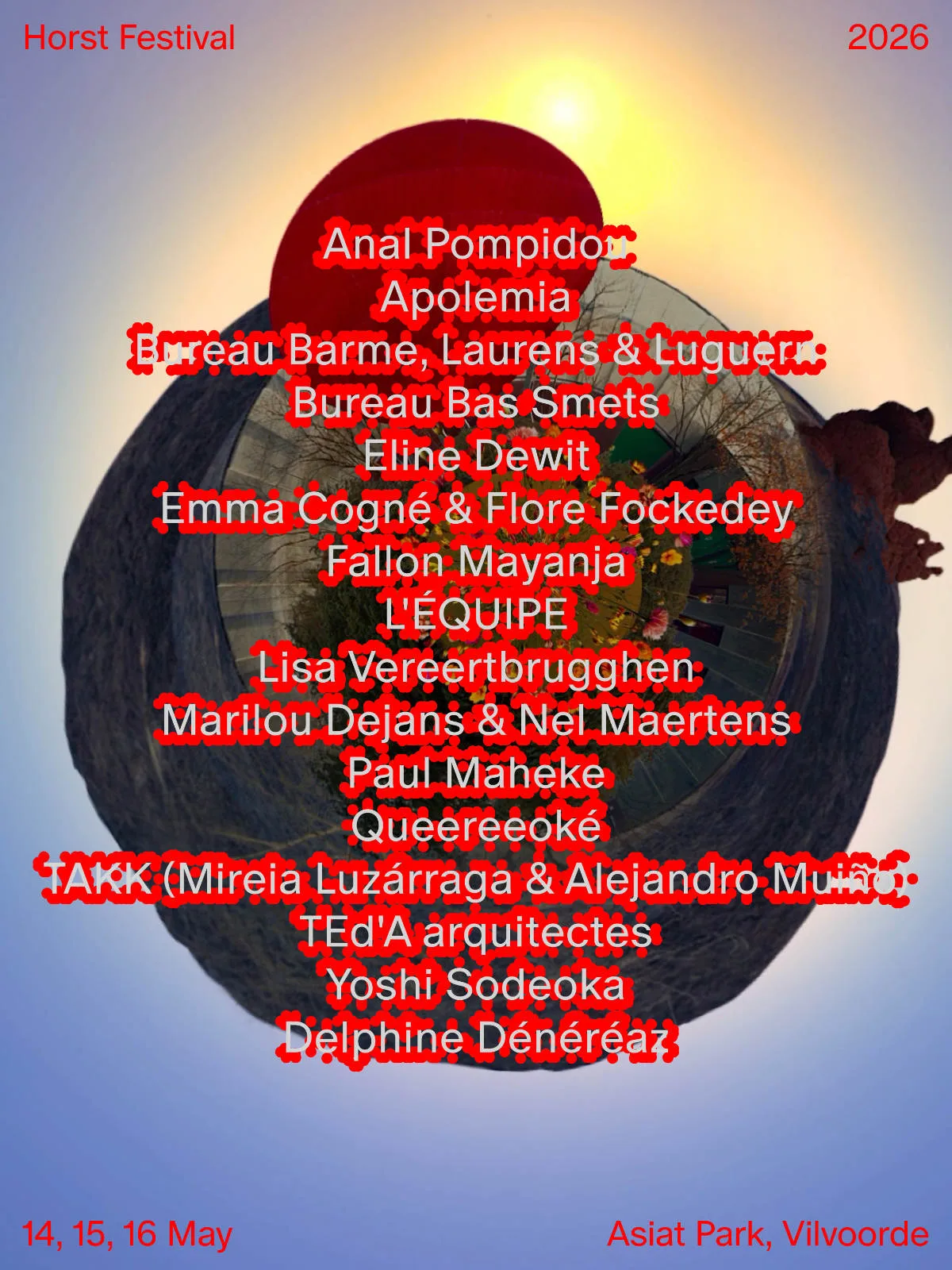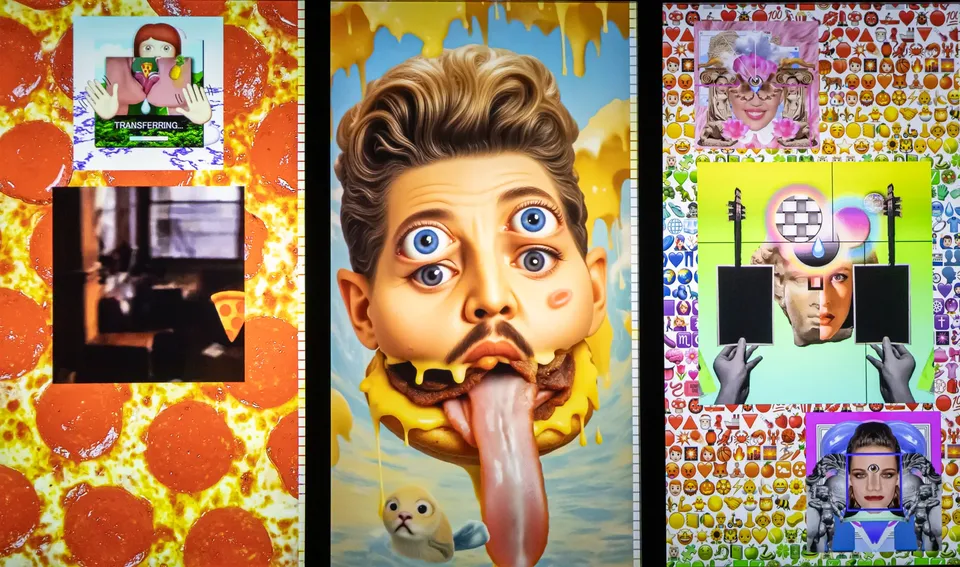
Just a few days ago, Horst revealed the complete music lineup of its upcoming edition (see here), taking place in Vilvoorde (next to Brussels) from May 14 to 16. But as its name indicates, Horst isn’t only about music but also about art, and today, the Belgian three-day event completes its programme with names tied to the arts and architecture, including Anal Pompidou, Delphine Dénéréaz, Paul Maheke, Takk, Bureau Bas Smets, and Yoshi Sodeoka, to name a few.
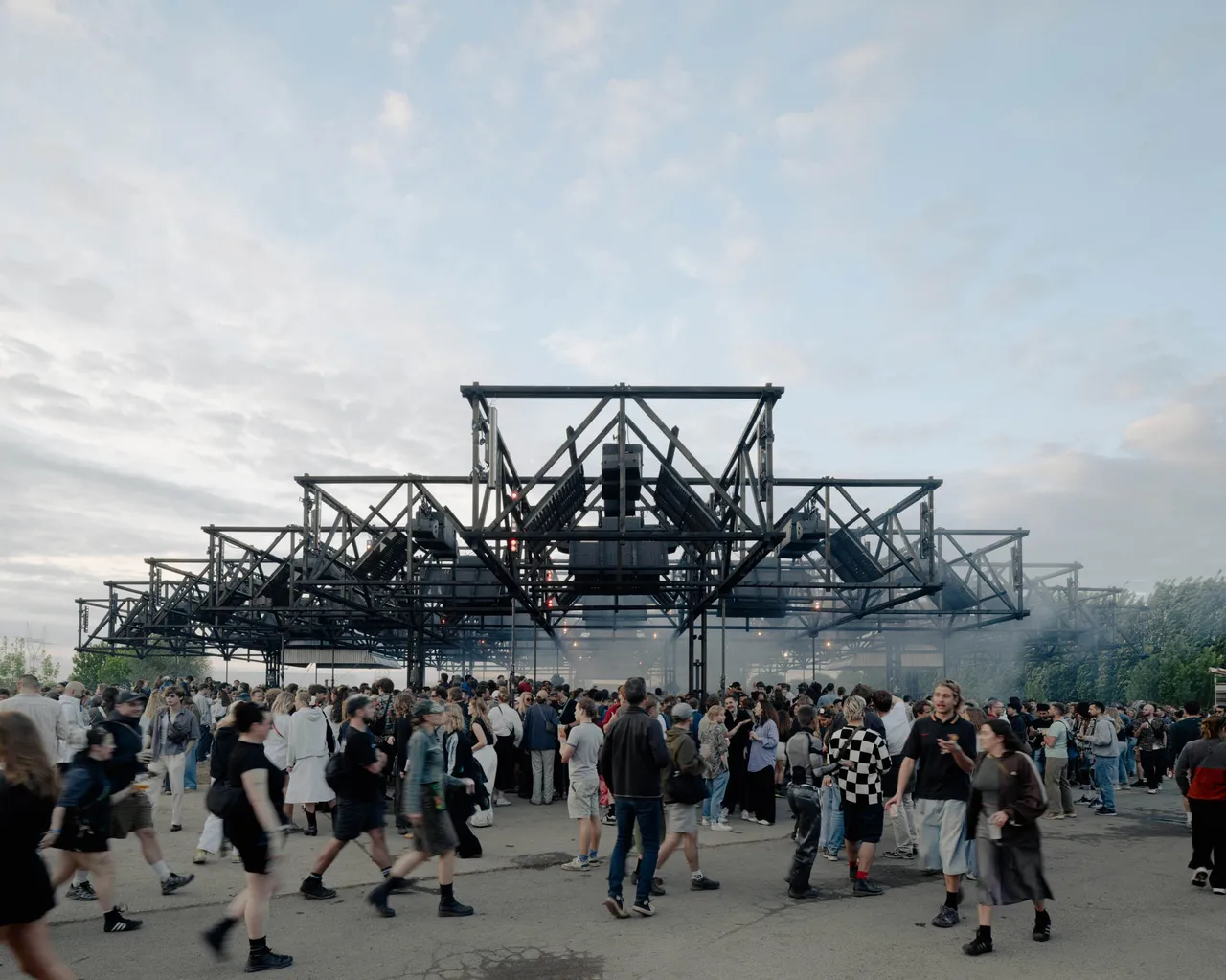
As festival-goers arrive on site, they’ll be greeted by an installation at the entrance inspired by “the spatial logic of car crashes,” designed by female-led practice L’Équipe architectes, that will help people change their mindset from street to festival. When checking out the Moon Ra stage, one of Horst’s staples, they’ll come across the work of Mallorca-based duo TEd’A arquitectes, which will transform that space according to their vision.
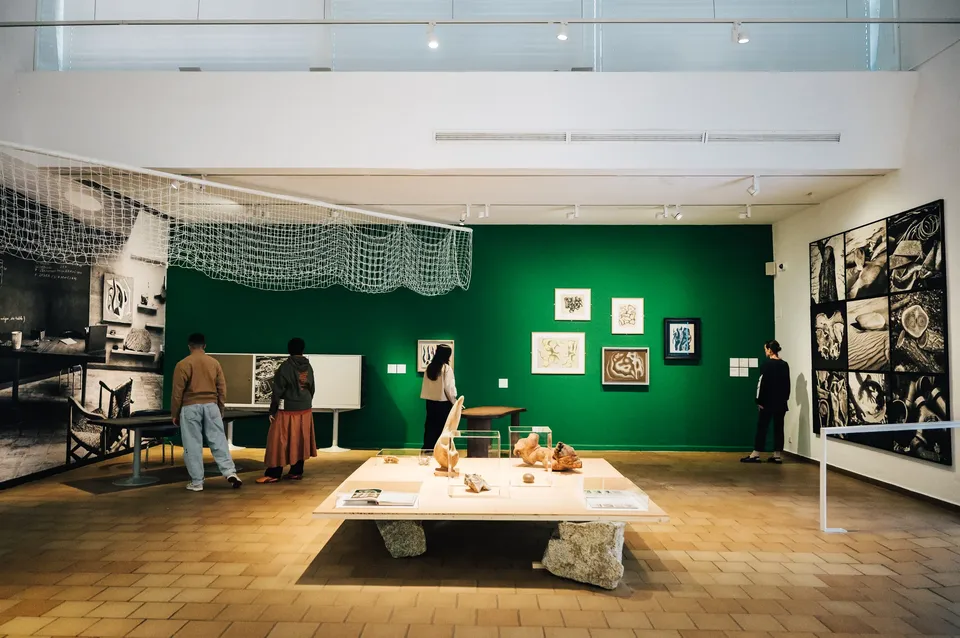
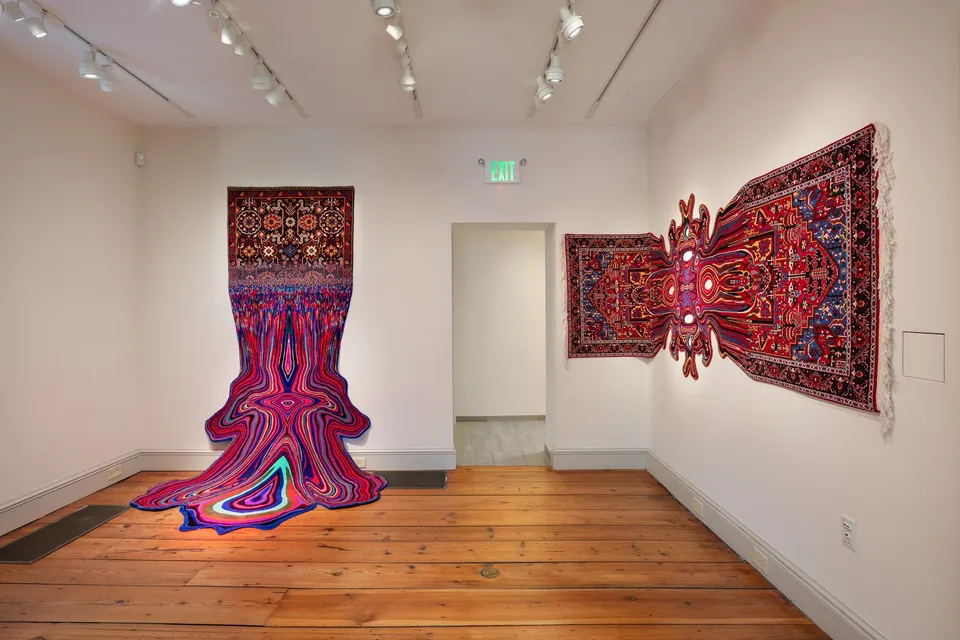
On a larger scale, the Asiat Park, which hosts the event, will be transformed by Bureau Bas Smets in collaboration with VAi (Flanders Architecture Institute), who’ll bring the piece Building Biospheres, previously showcased at the Belgian pavilion at the Venice Architecture Biennale. Elsewhere, other artists will contribute to making Horst’s spaces unique on their own right: Delphine Dénéréaz, whose work uses medieval tapestry techniques, while Takk, a Spanish duo who understand design and architecture as a living practice, will create a temporary indoor structure.
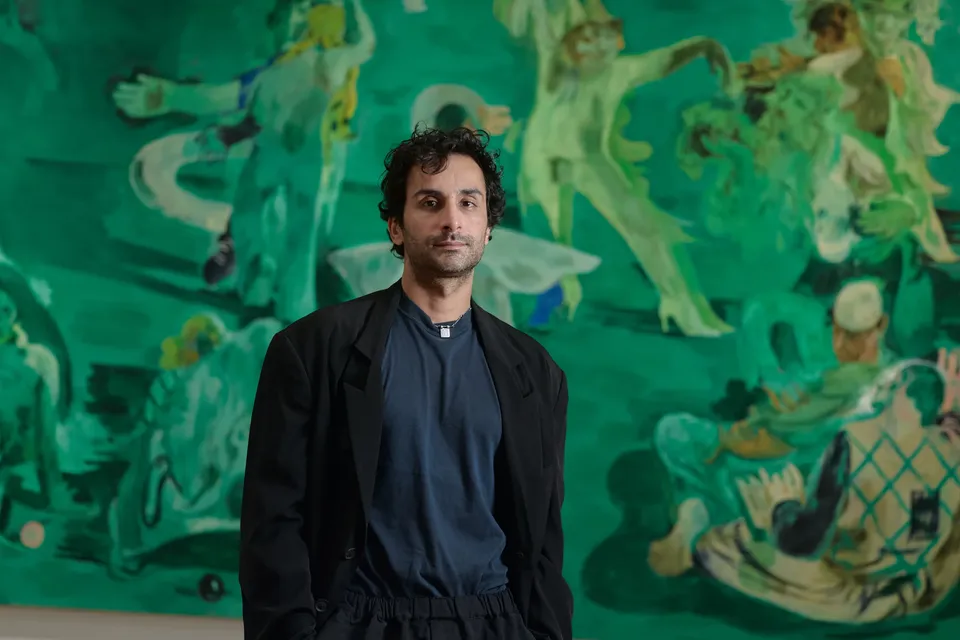
In the arts realm, this edition of the festival “deepens its commitment to allyship, collaboration and collective authorship by broadening perspectives and supporting artists from start to finish,” they explain. This translates into new partnerships, like the one with The Constant Now, a non-profit that empowers POC artists, and with whom they’ll present a new performance by Fallon Mayanja. The community collective Queereeoké will bring a radically inclusive karaoke format into the festival on Saturday night, while Paul Maheke will present a work that moves through “themes of death, transition and embodiment.”
As Louise Goegbeur, Horst Head of Arts, explains: “Horst Arts 2026 starts from a simple belief: multiplicity isn’t noise, it’s the essential condition of public space. In a time of homogenisation and polarisation, we choose to build places where multitudes are not tolerated, but actively cared for. From permanent spatial interventions to live moments of gathering, our arts programming treats Asiat Park as a shared infrastructure for encounter, experimentation, and collective imagination.”
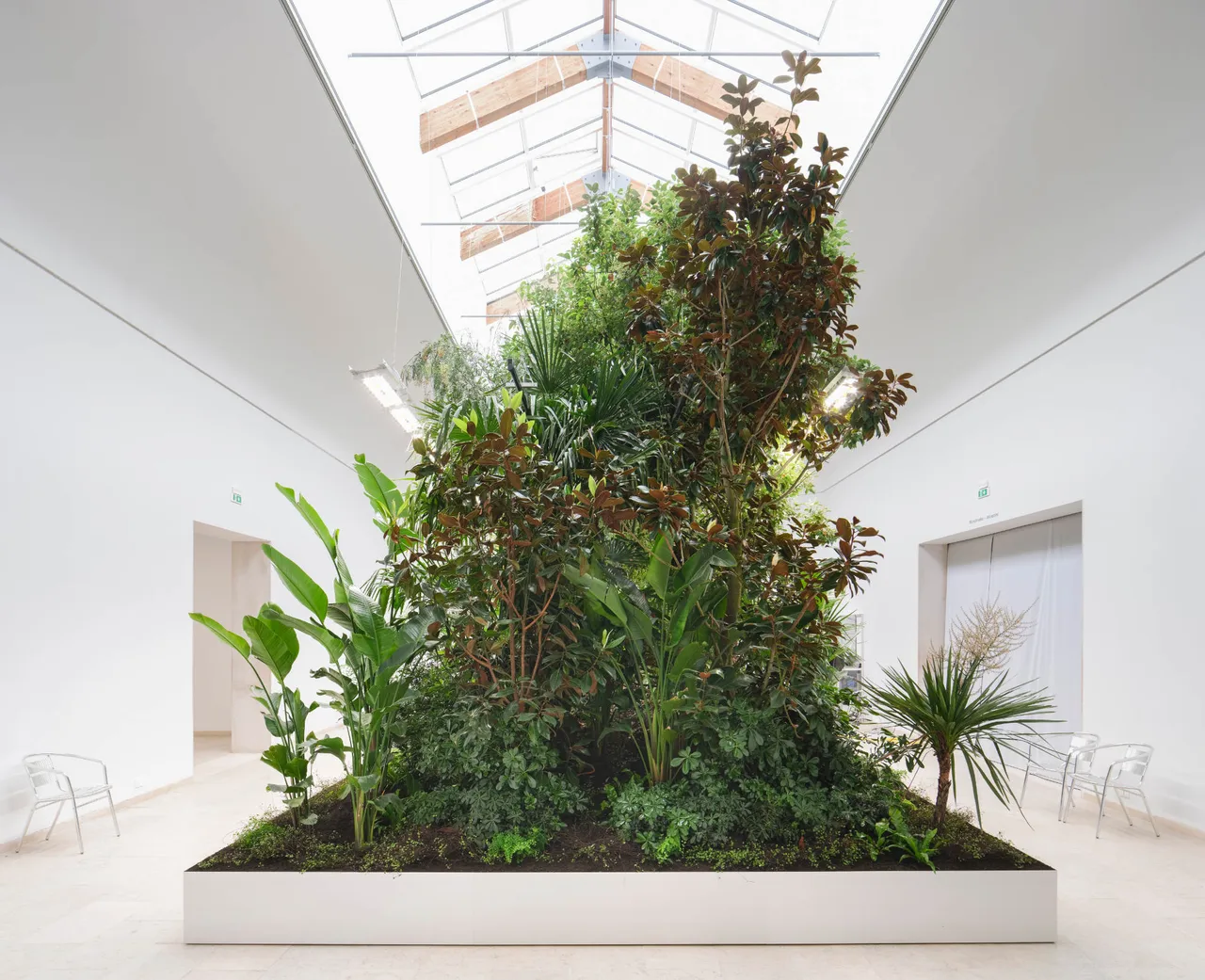
Bureau Bas Smets
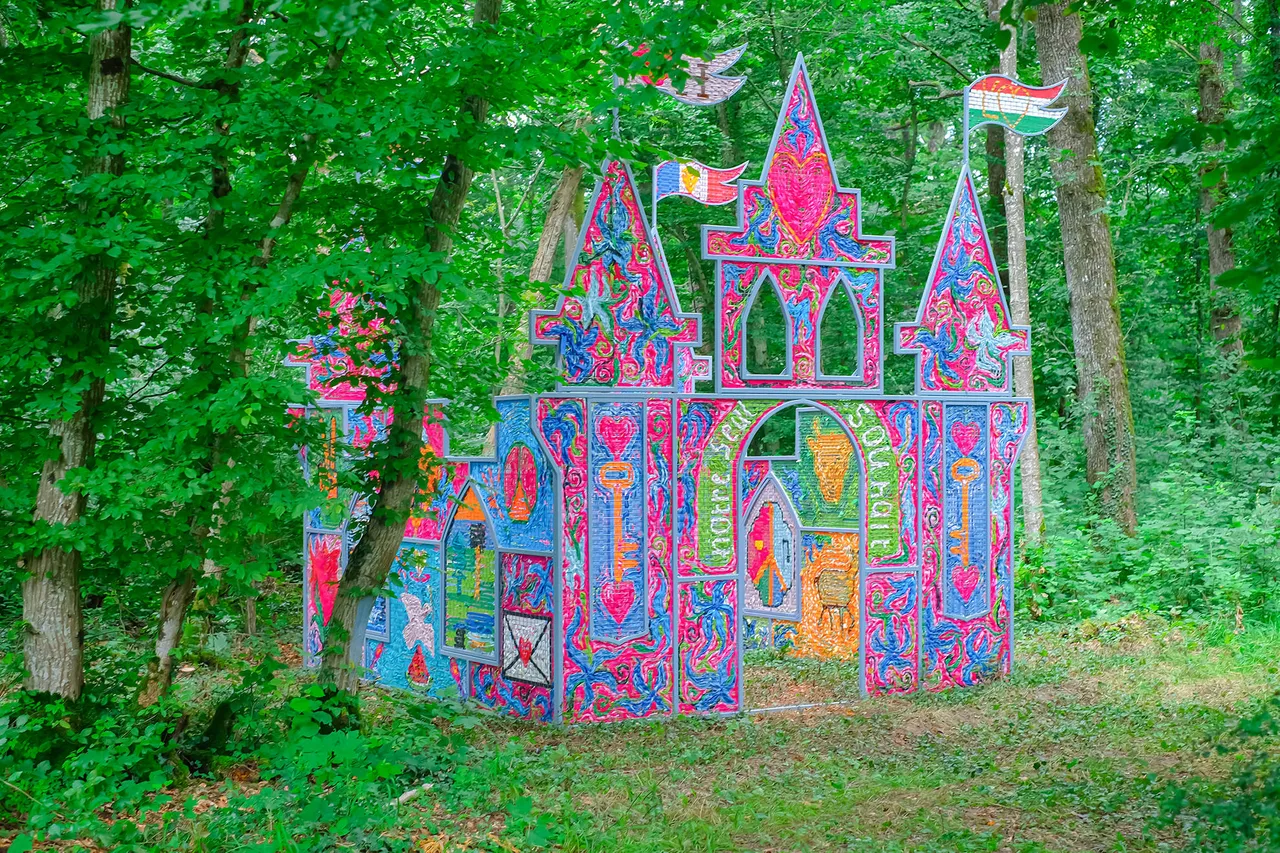
Delphine Dénéréaz
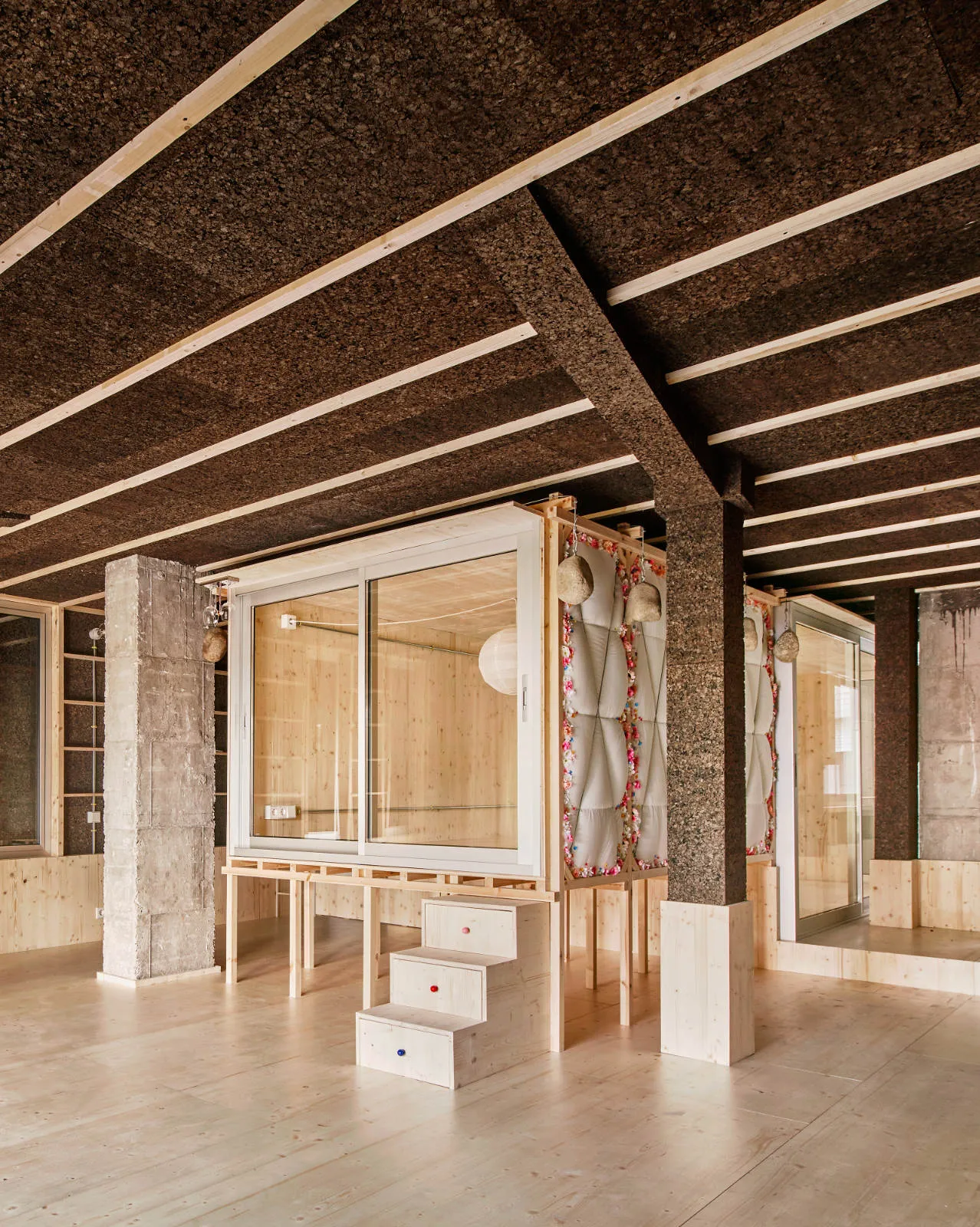
Takk