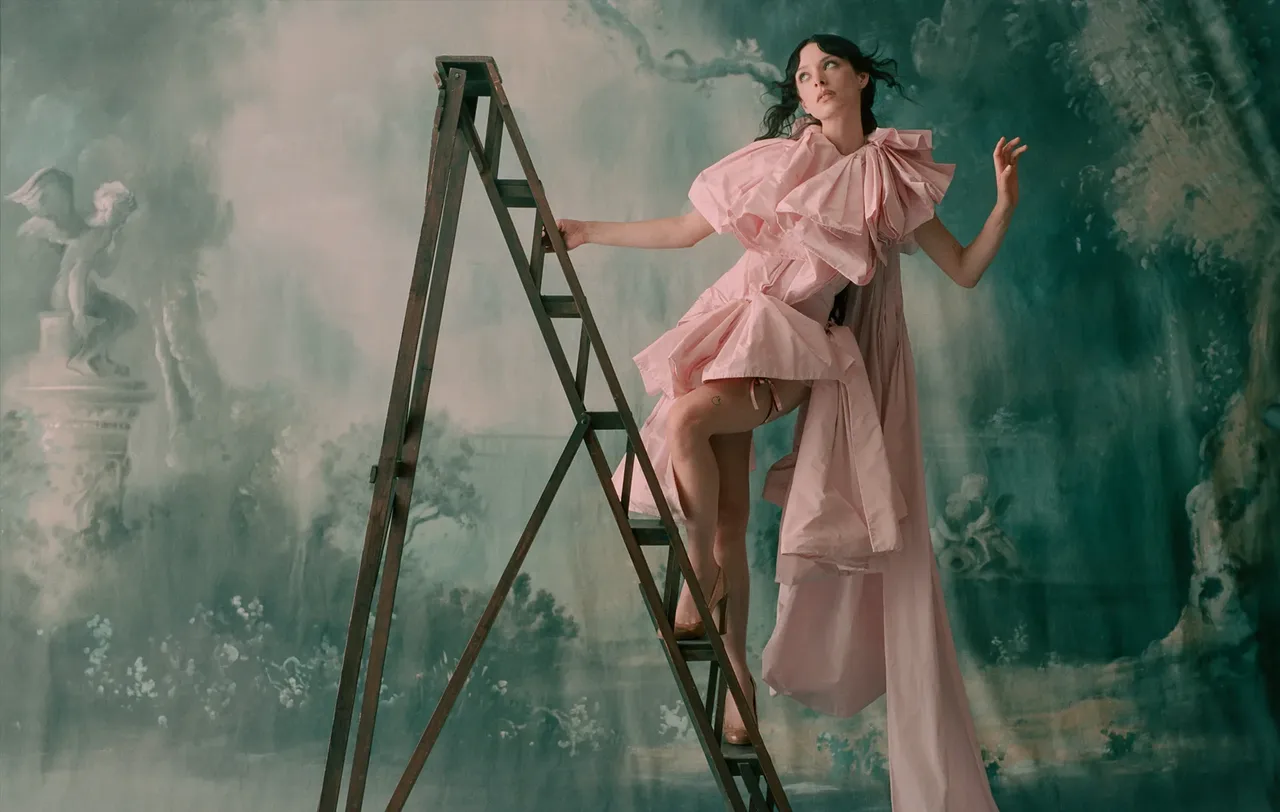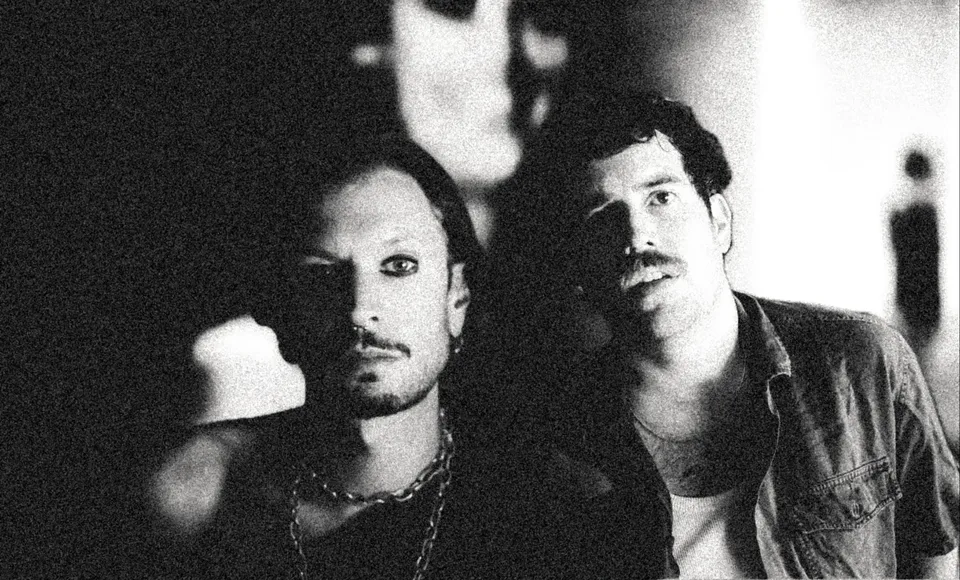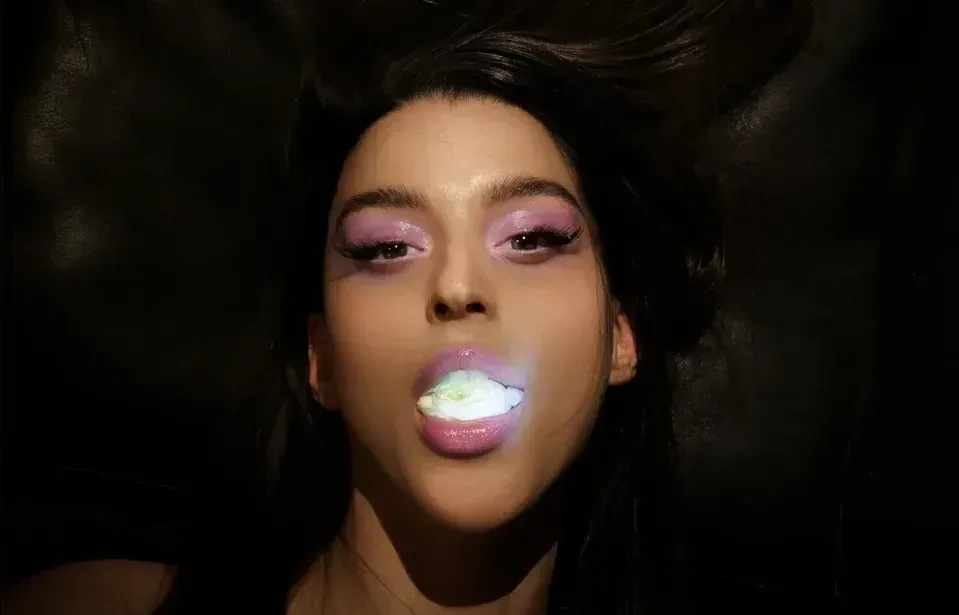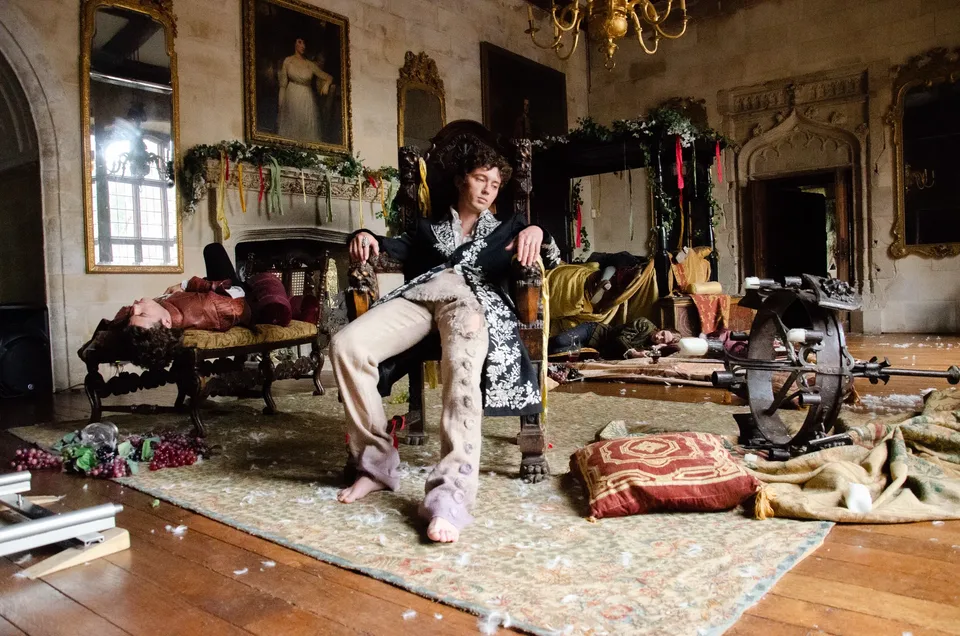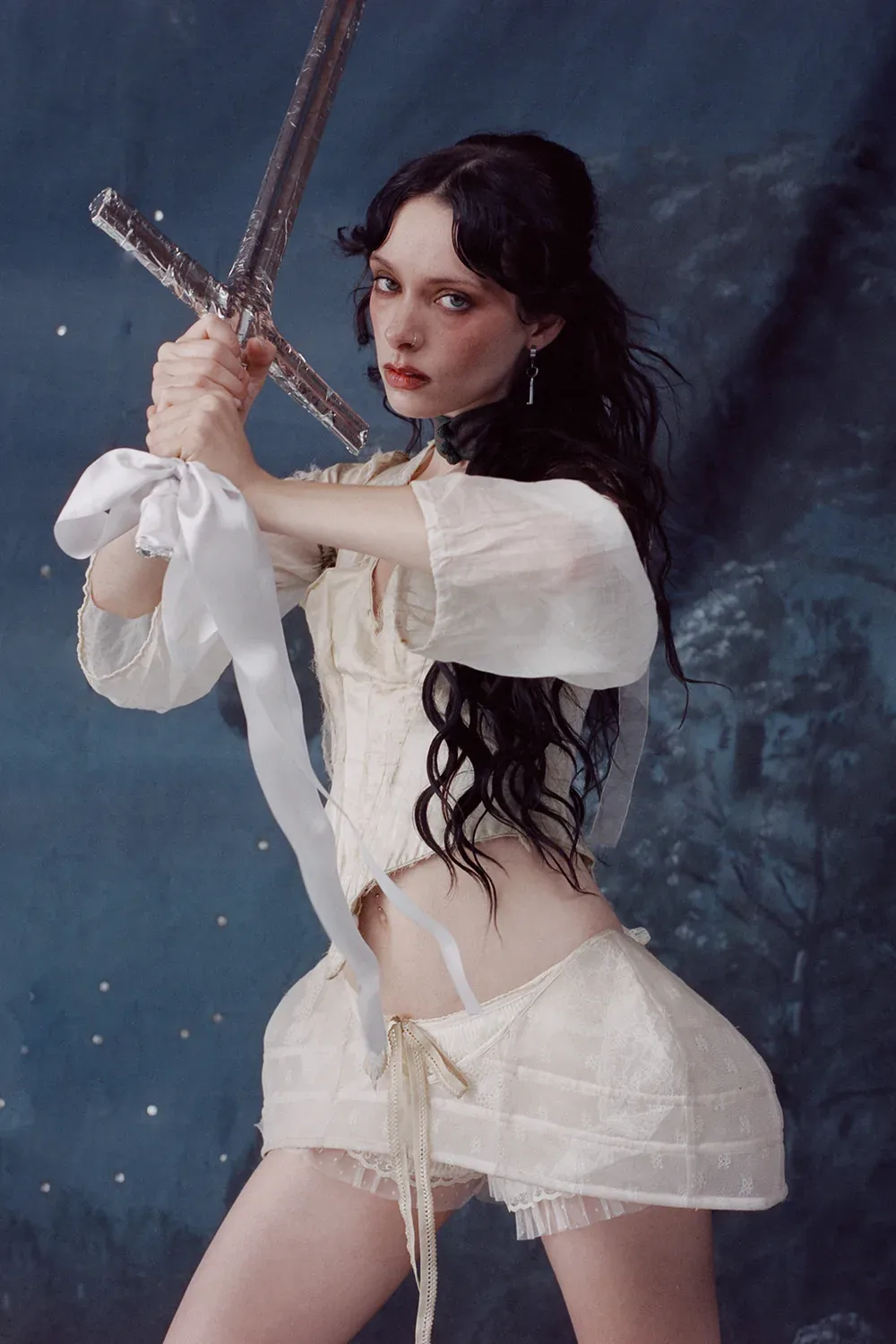
Holly Humberstone returns with Cruel World, a record that leans fully into the chaos of growing up, falling in love, and inevitably getting your heart a little bit wrecked along the way. There’s something very main-character-crying-on-the-bus-at-night about the whole thing, but with a glossy, slightly gothic pop twist that makes it feel cinematic rather than just sad. Compared to her previous album, Paint My Bedroom Black, this feels more reflective and less in-the-moment chaos. It’s still deeply personal but there’s a clearer sense of control, like she’s shaping the narrative instead of just living inside it.
The album opens with So It Starts, a short orchestral moment that feels like the calm before the emotional storm; strings swell like spring finally showing up after a long winter. It’s cinematic in a blink-and-you-miss-it way, sliding perfectly into Make It All Better, which is basically the soundtrack to romantic delusion in its cutest form. The production here, largely shaped by Rob Milton, leans into glossy synth-pop with a slightly glitchy edge; Milton has worked closely with Humberstone before, helping define that signature mix of bedroom pop intimacy and bigger, radio-friendly textures. The track captures that urge to fix someone you love, even when you probably shouldn’t; it sounds gorgeous, but it does feel like it’s missing that one explosive moment to fully send it.
To Love Somebody keeps the energy up but adds emotional weight; it’s all about how love is kind of a scam you willingly sign up for. The chorus is the kind that sneaks into your brain for days, and lines like “loving you is a losing game I’d play again” hit because they feel uncomfortably real. Then Cruel World comes in as the title track, shimmering and dancey, masking long-distance heartbreak under a glossy beat; you can hear echoes of Billie Eilish and Gracie Abrams in the emotional tone, but it still feels distinctly hers. It’s fun, slightly chaotic, and very easy to get lost in.
Die Happy leans more into alt-pop drama; big drums, soaring vocals, and that classic Humberstone thing where emotional instability somehow sounds beautiful. Then White Noise flips the vibe into sad girl at the club mode; think dancing through heartbreak while trying to convince yourself you’re fine. The lyric “play a sad song DJ, I just wanna sway tonight” basically sums it up. It’s one of the album’s most immediately catchy tracks, with disco influences that make the pain feel weirdly fun.
Things slow down with Lucy, and this is where Humberstone really reminds you she can write. It’s soft, acoustic, and deeply nostalgic — a quiet reflection on growing up and holding onto friendships as everything else changes. Lines like “Anywhere you go, there is a chorus of angels following close” and “Behind every rain cloud there is a promise of flowers that will grow” are simple but hit hard, especially paired with her delicate delivery. It’s easily one of the emotional high points.
Then The Red Chevy crashes in with chaotic road-trip energy: messy, loud, a little reckless. It’s the kind of song you can already picture going off live, especially with that “so kiss me like you fucking mean it” moment. Drunk Dialling keeps that slightly unhinged vibe but adds humour; it’s the internal debate of whether texting your crush is a genius idea or your worst decision yet. Not a standout, but it’s charming and keeps the album moving.
Peachy is the vulnerable piano ballad slot, and it delivers; “god knows I’m twenty-four; I’m still a baby. Don’t put your faith in me” feels like a painfully honest admission of not having it together. It’s soft, quite fragile, and one of the more lyrically interesting tracks. Blue Dream follows, acting as a bit of a bridge, but this is where the album slightly loses momentum; it’s pretty but the chorus doesn’t quite land the way you want it to, and it ends up feeling a bit forgettable compared to what came before.
The closing track, Beauty Pageant, brings everything back together; it starts gently and builds into something much bigger, tackling the pressure of being seen, especially as a woman, as something performative. It’s theatrical without being over-the-top, and her vocals really shine here. By the time it crescendos, it feels like a proper ending — emotional, epic and big, not a mere fade-out.
Production-wise, Rob Milton deserves a lot of credit: his work with the singer continues to refine her sound into something more expansive without losing that bedroom-pop identity. You can hear touches of different styles throughout, from disco to acoustic balladry, and while that variety mostly works, it occasionally makes the second half feel slightly less focused.
In the end, Cruel World stands as a beautifully imperfect coming-of-age, a record that captures the chaos of growing up with a clarity that feels almost cinematic. It doesn’t glide flawlessly; there are moments where the energy softens, where a hook could have hit harder or a lyric lingered longer, but somehow those cracks only make it feel more real. Because this is an album that breathes: messy, emotional, a little dramatic, and completely human. It may not always reach the dizzying highs of her debut, but it doesn’t need to. What it offers instead is something quieter, more assured: growth, polish, and a stronger sense of self woven into every synth line and whispered confession. And when it clicks, it doesn’t just shine; it lingers, like a late-night thought you can’t quite shake or a love you know might break you but you chase anyway.