As big enthusiasts of what young talent has to offer and as aware as we are that in fashion schools the future of the industry is brewing constantly, we are always happy to discover and bring to you the perspectives and universes the students are living in. This time the destination was Genève, a key enclave for matters such as politics and economy that hides beneath its cold and minimalistic surface some of the most creative minds we've seen recently. HEAD Genève showcased a perfectly executed graduation show featuring the collections from the bachelor's and the master's, the product of years of learning and working in highly optimal conditions to freely develop their creative hemisphere. We now know we must not take our eyes away from Switzerland.
At the classrooms of Bunka, Royal Academy, Central Saint Martins, IFM, or Parsons, some of our favourite brands and designers started their paths; therefore, we always pay attention to what comes out of their promotions. Their end-of-year runways are talked-about showcases of the newer generations of creative minds and end up being a sort of bal de débutantes where some of the future A-list names are presented to society. We are happy to announce we have a new addition to the list of must-watch graduation shows: the HEAD Genève 2025 class has everything to be at the same level as the graduates from the most prestigious institutions around the world.
The school—a multidisciplinary one founded in 2006 with various massive buildings around the city and a good array of well-curated design and art programmes focused on enhancing each student's own and personal creative path rather than routing them to a predetermined one—sees the fruits of their labour every year on one of the most important days, as seen on the calendars found in the students' ateliers, marked in big letters, surrounded by hearts and stars: their graduate show.
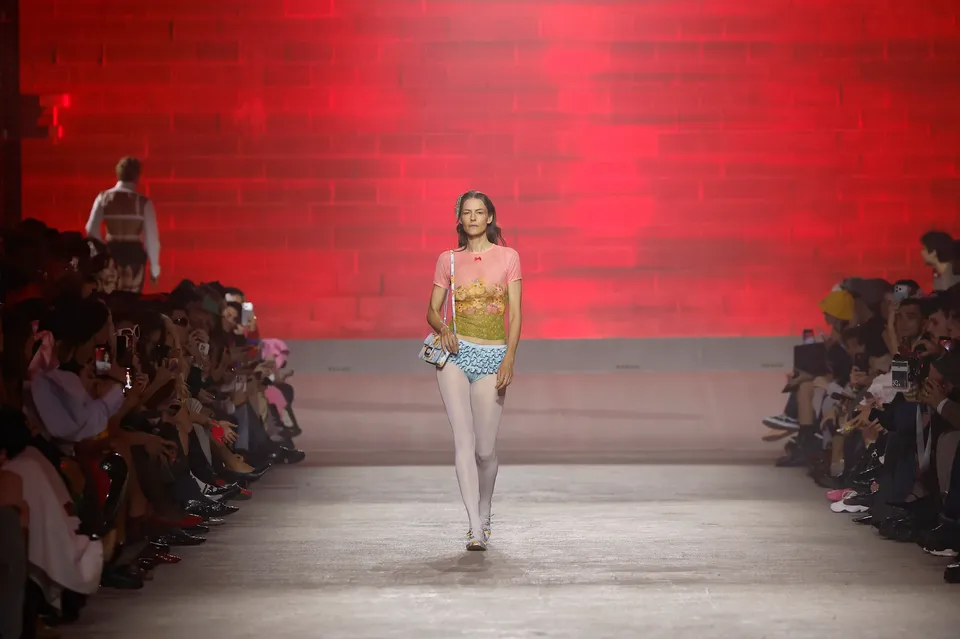
What can be seen at first as mostly a celebration of the Fashion department is in reality an object of joy for the whole school, whose different majors and disciplines end up being involved in a production that has nothing to envy from a fashion week show. The involvement of the Interior Architecture department is always key for the development of the carefully designed runway. This year, the main focus was the light, with an elaborate U-shaped structure that played as a halo that represented the different tonalities found in the sky during a day and during the different seasons. From the bright bluish clarity of winters or the early mornings to the warm orangeness of the golden hour or the summer sky, the design created by the bachelor student Alexis Lang gave us the chance to see how the garments would look in the actual everyday light of the real world, rather than the often flattering but unrealistic spotlights at fashion shows. A brilliant idea.
The night before the show we got the chance to tour around the classrooms and ateliers of the Fashion and Accessories Design department: wide, complete and well-equipped shared spaces that end up becoming students' second home. With the singularity of one of the classrooms having a designated cubicle for each student, where they get to unravel their whole artistry and creativity, however messy and chaotic it can be, leaving during the year their mood boards, fabrics, toiles, memorabilia, food… they can have an extension of their bedroom in their school.
As a former fashion student, having a space where to leave all the materials and projects instead of carrying 10 kg of fashion stuff distributed in two IKEA bags back and forth every day, I felt real envy upon this. Aside from this (positive) envy, we could also feel the pulse of what was going to take living form in the students' future projects, getting a hint of each universe, reference, inspiration and motivation just by looking at the mood boards and pictures hanging from the walls. We could see a lot of surrealism, a lot of dark themes, and a lot of political references; this one's infused with irony and criticism in heavy Gen Z fashion.
On the morning of the show day, we visited the students backstage, preparing from the early hours for the showcase that will happen two times in the same night due to the large volume of audience, the last one of the shows being crowned by the award ceremony. In these chaotic pre-show moments, we could witness the reality of everything we heard about the night before during the tour. The ones in charge of helping, dressing, coordinating and assisting with anything the graduates needed were the students of the other years. The feelings of joy and emotion were enhanced by the collaborative system built from colleagues who support each other, the necessary emotional network needed to survive in the industry being nurtured from the earlier stages.
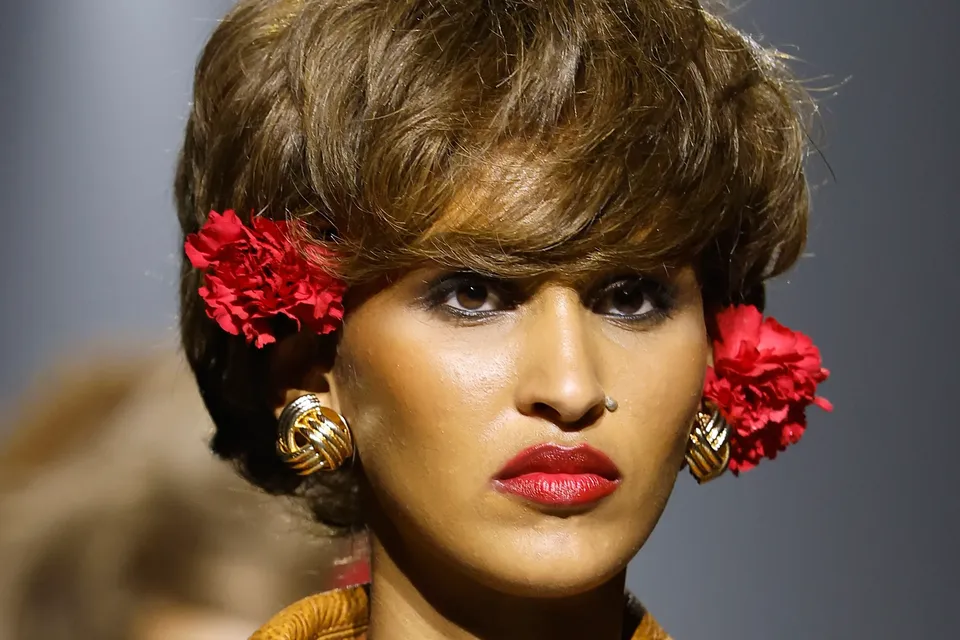
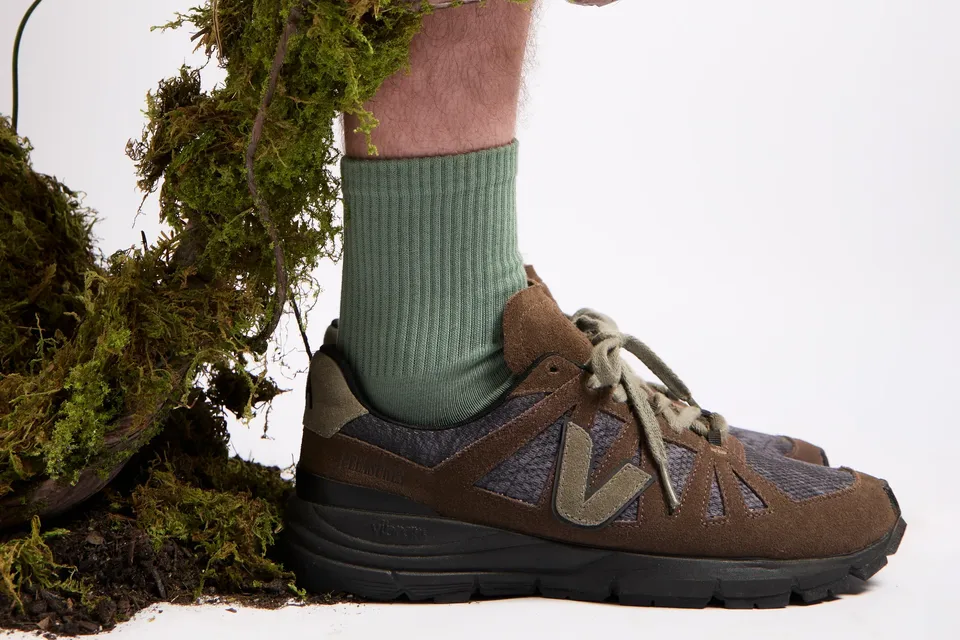
This also was translated to the actual garments we got to see hints of, where pieces made in metal and unique accessories and details that resembled sculptures showcased the greatness of interdisciplinary collaboration between majors, proving the high value of fashion having the opportunity to start a conversation with other forms of creation with the hopes of reaching new heights. All this attention to detail and desire to create something new was what made this runway so special. The twenty-three bachelor works took the first half of the show, with proposals that ranged from dark collections that explore one's own mind or profound implications of traditions, bright and colourful pieces evoking the beauty of the countryside or the range of identity, and other more utilitarian ones, whether conceptually, or literally, with raw materials being presented in innovative ways.
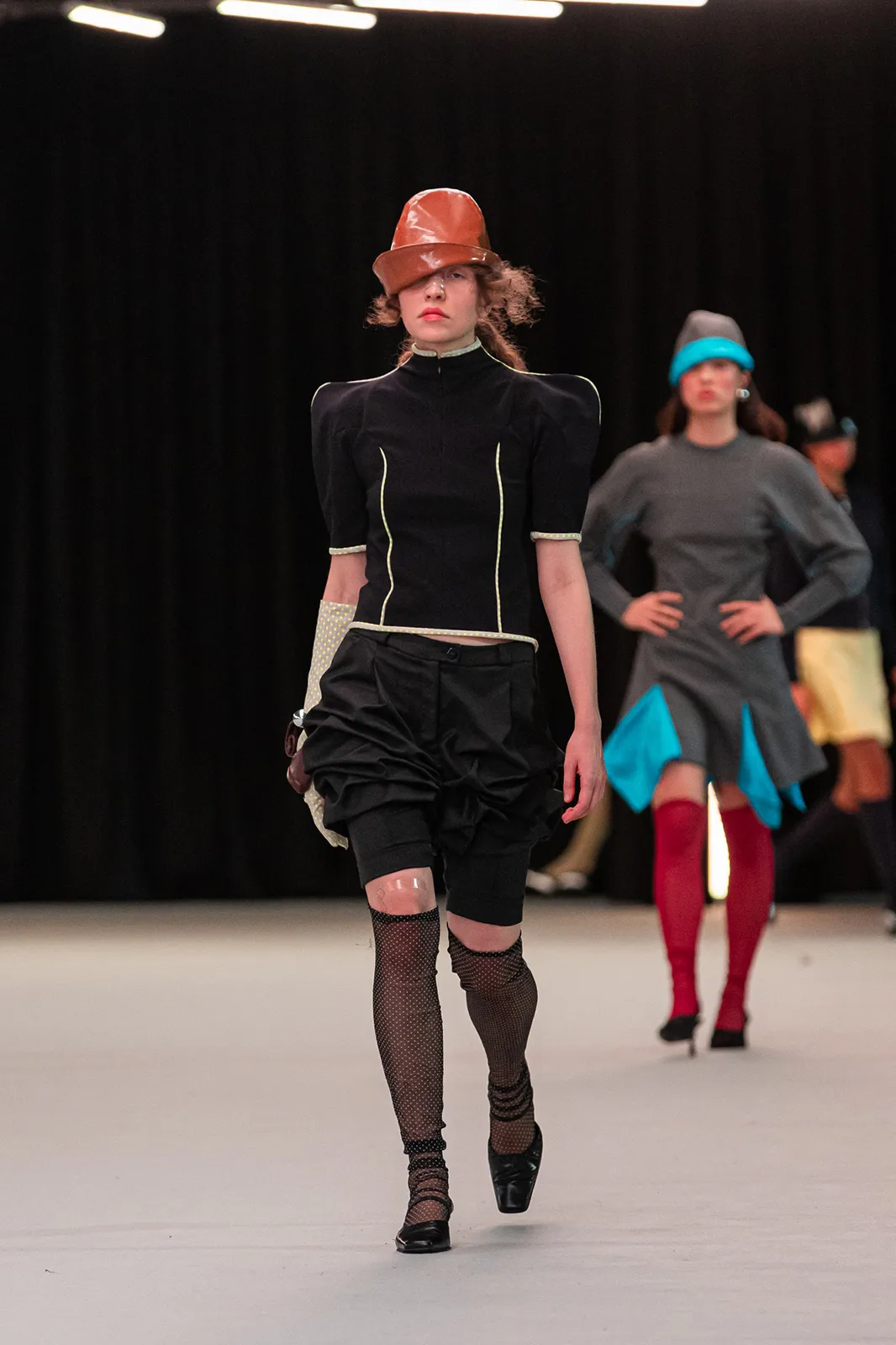
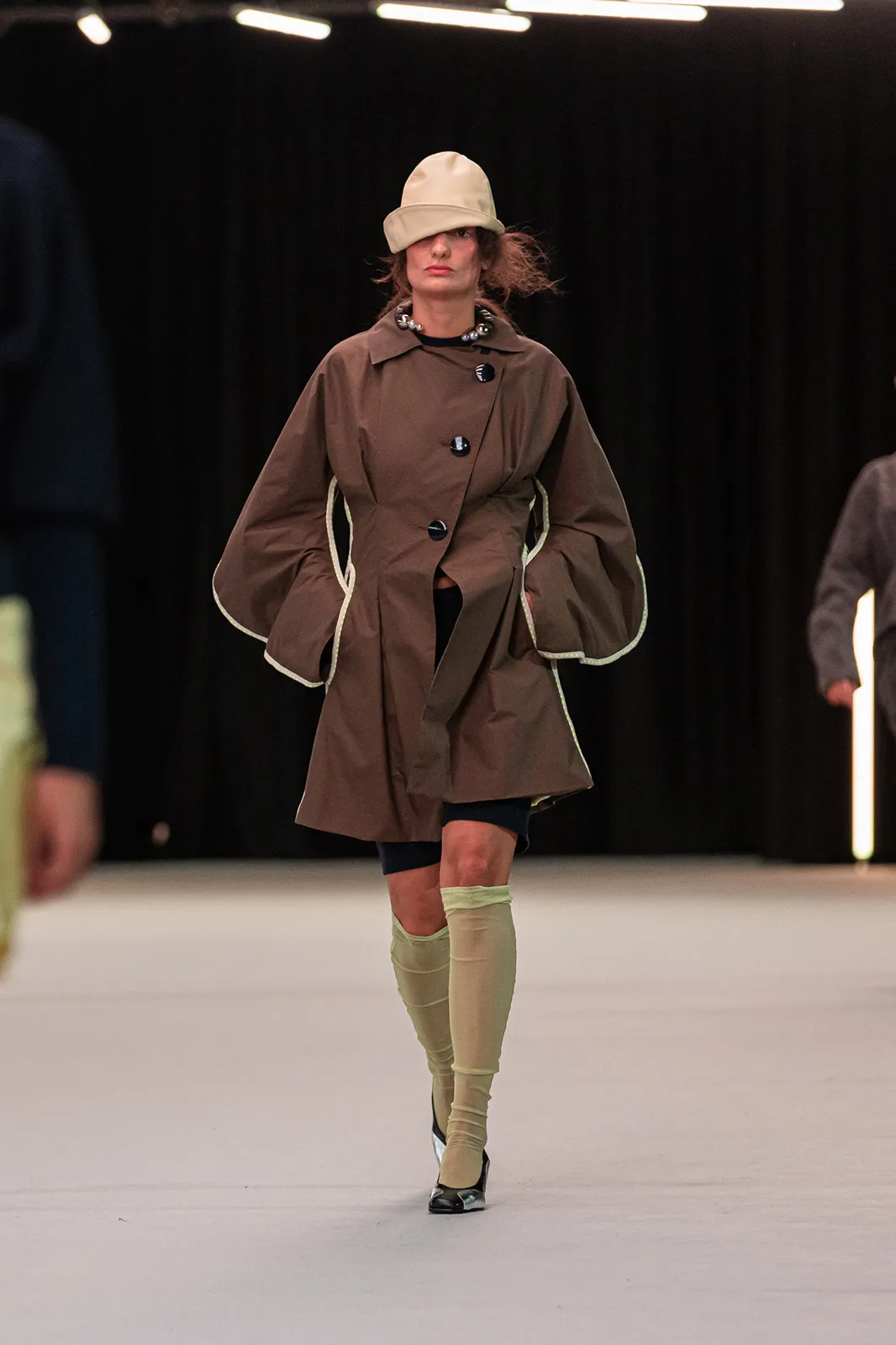
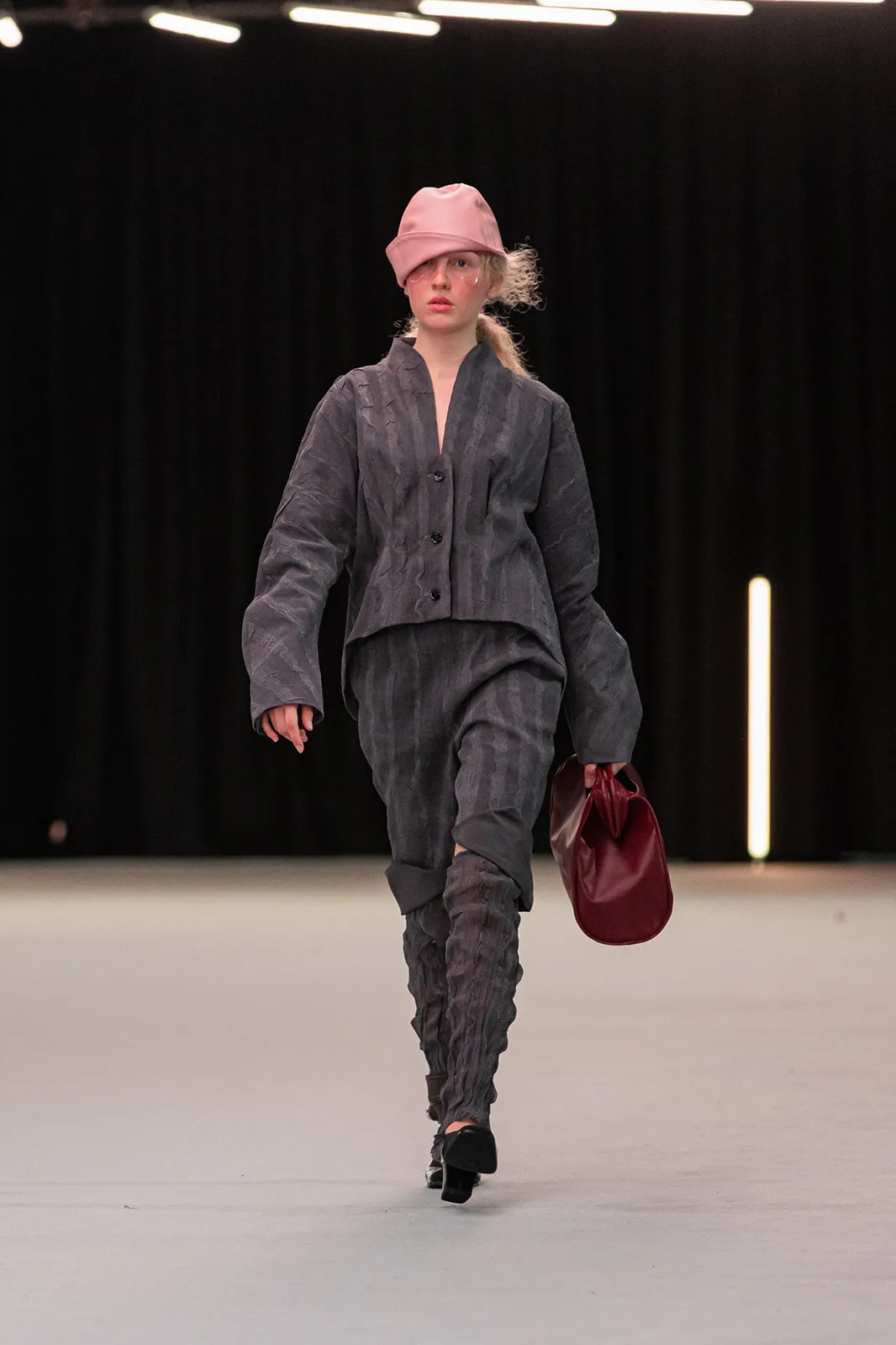
One of the highlights was Julie Jacherts’s Långstrump, who managed to create wearable and desirable looks by blending the essence of two referents that, despite their differences, are good representatives of different sides of the female experience: the poise and elegance of Lady Diana and the colourful and free spirit of Pippi Longstocking. In this, the colour was one of the major successes of the collection, reaching harmonies between the shades of the main fabric and the ones in the linings, trims and details that made them almost impossible to stop looking at. This, alongside the chicness of the 20s- to 50s-inspired silhouettes, sharp and delicate at the same time, made this collection one worthy of praise. When debriefing with our colleagues, the verdict was that it was one of the unanimous favourites.
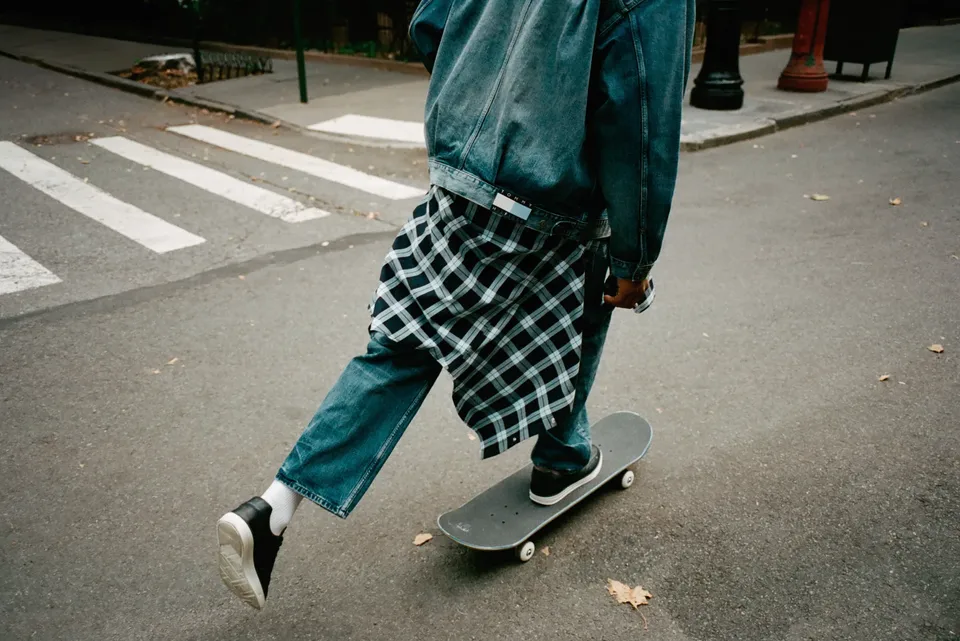
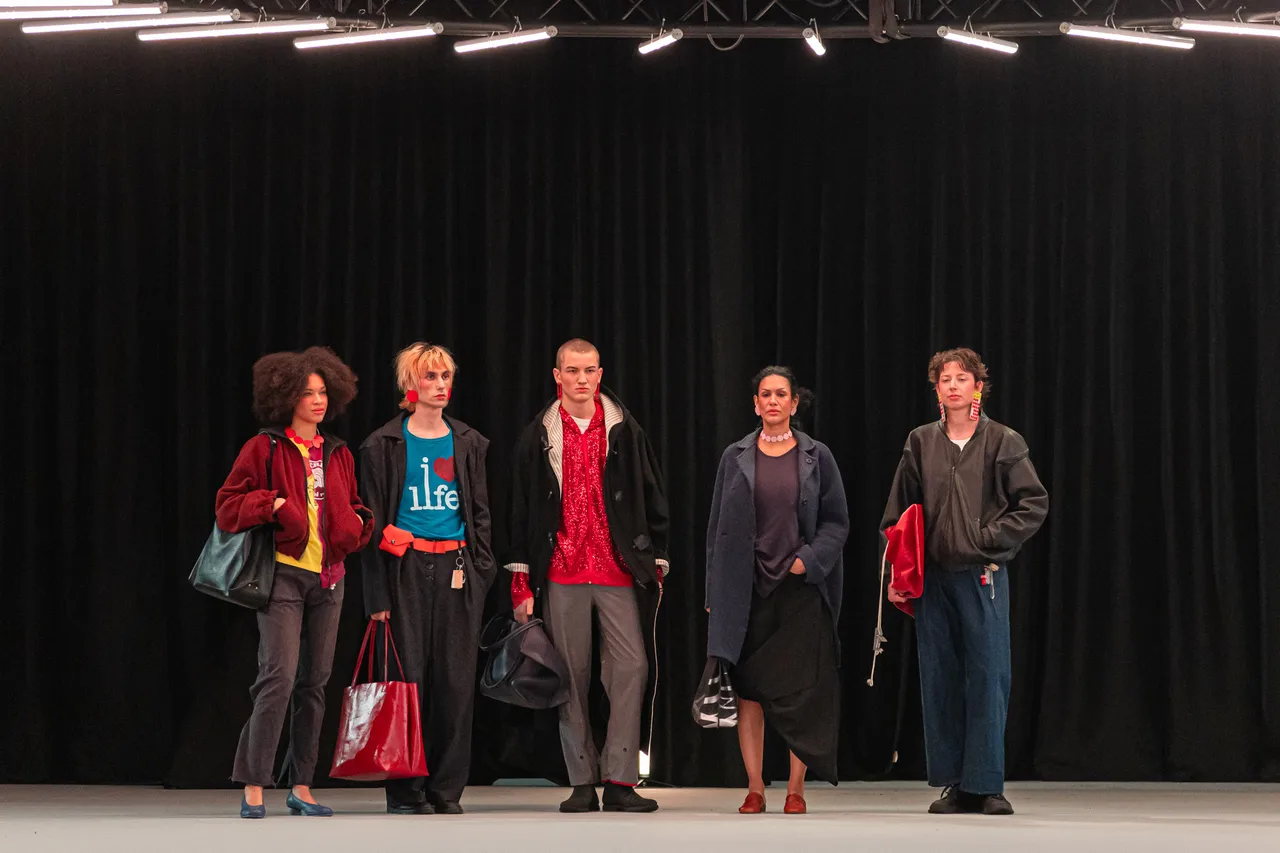
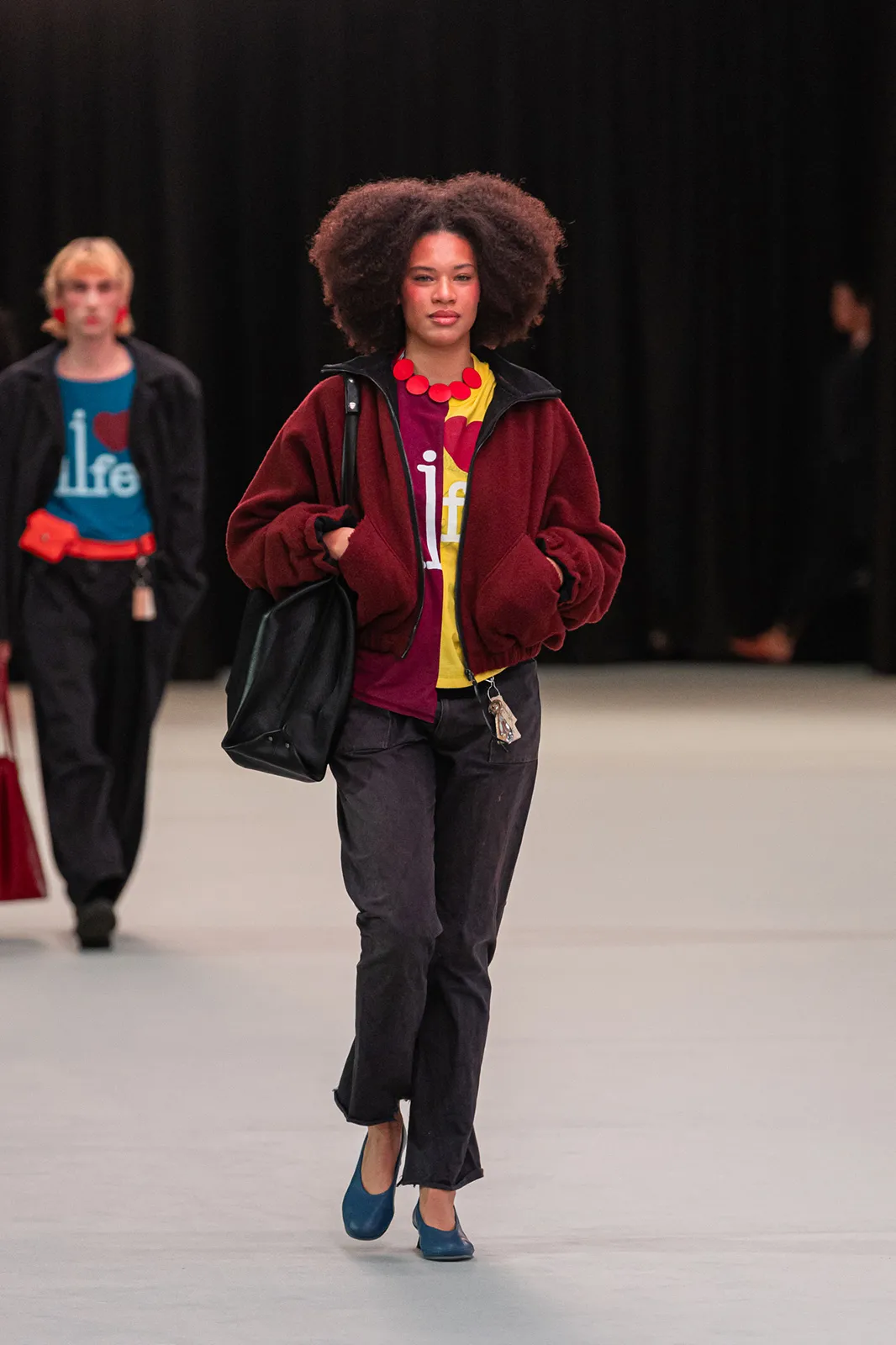
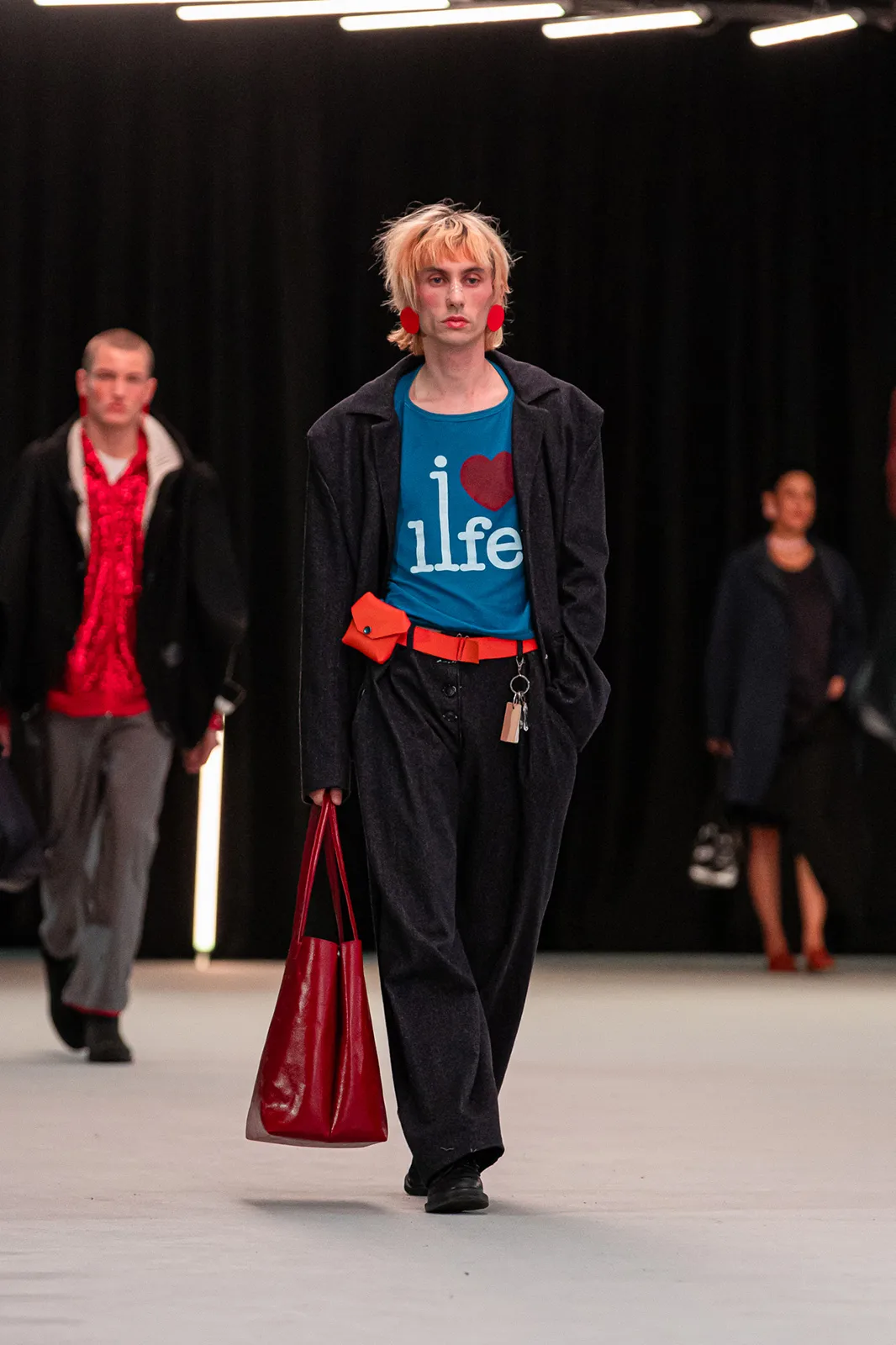
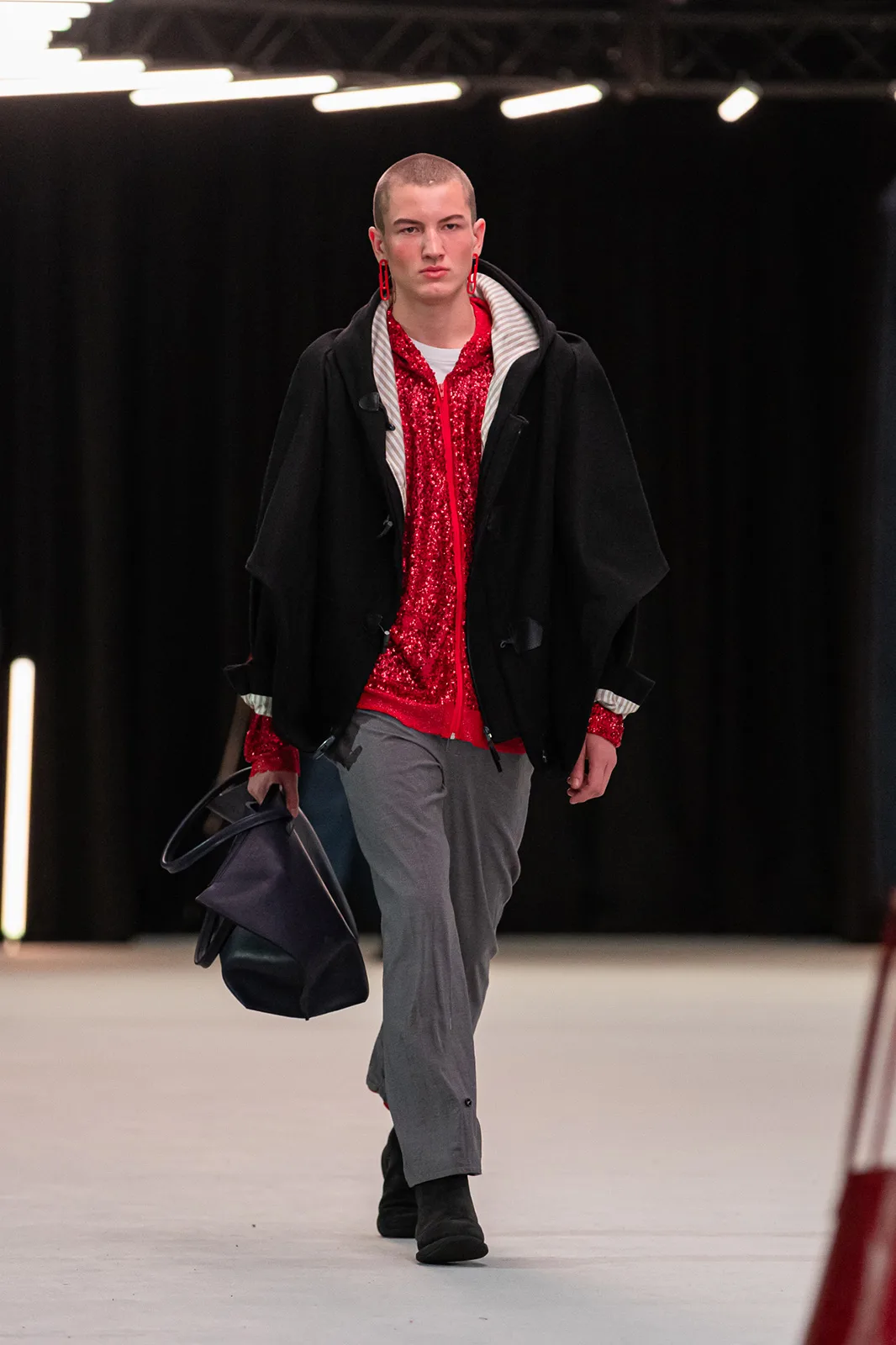
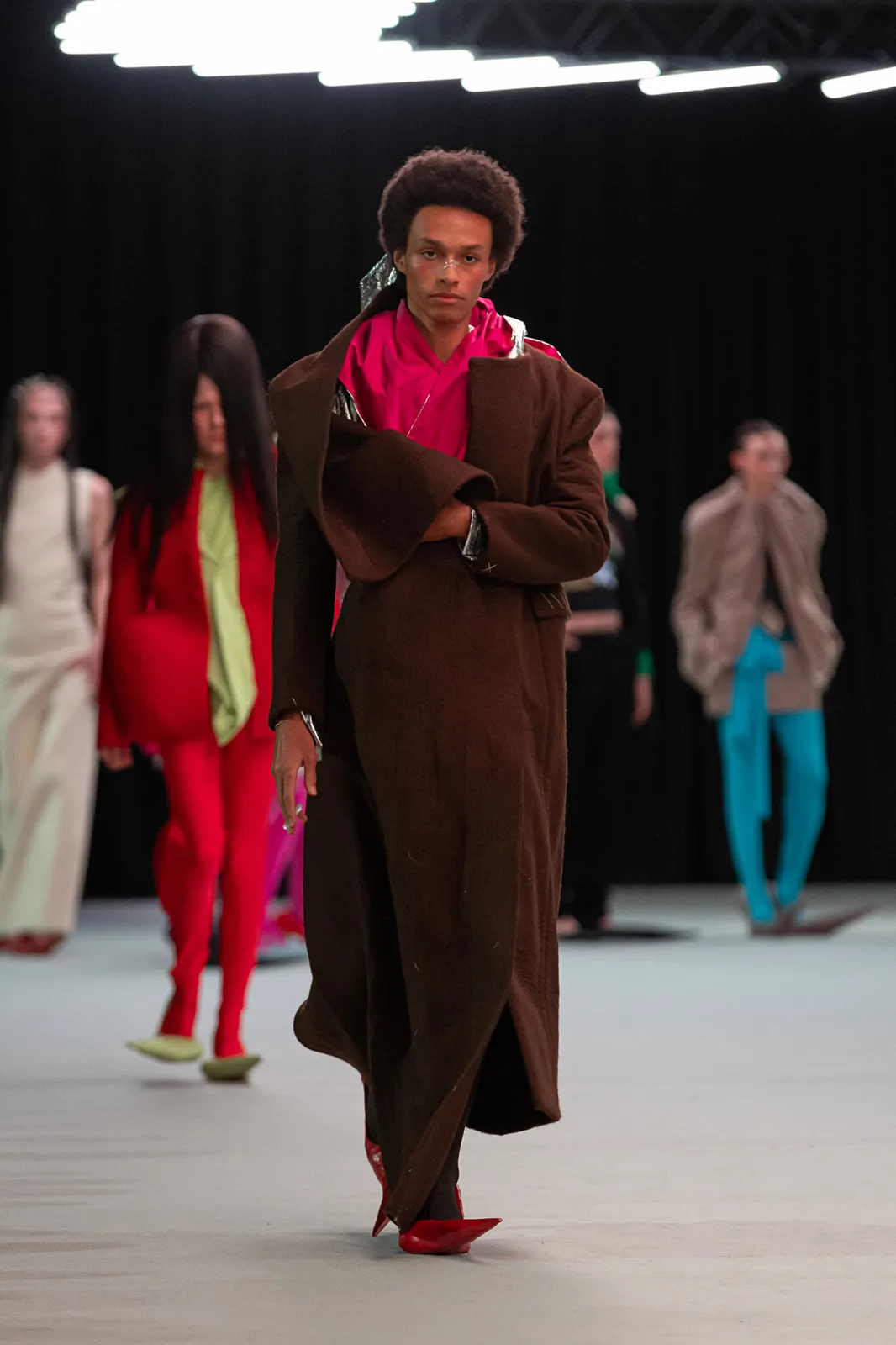
Léon Narbel’s collection Noms, prénoms was also one that stood out, as it was recognised by the jury as the winner of the Bachelor Bongénie Prize. A bright blue t-shirt with an ‘I <3 life’ print under an oversized suit jacket that I instantly imagined being worn by Trainspotting’s Mark Renton and a shiny shocking pink hoodie layered under a dark duffle coat represent the spontaneous result of giving a new life to second-hand materials. A spontaneous blend of influences that guarantees a timelessness attached to wearing good-quality garments we actually like for a long time rather than subjecting ourselves to rapidly changing trends often void of meaning.
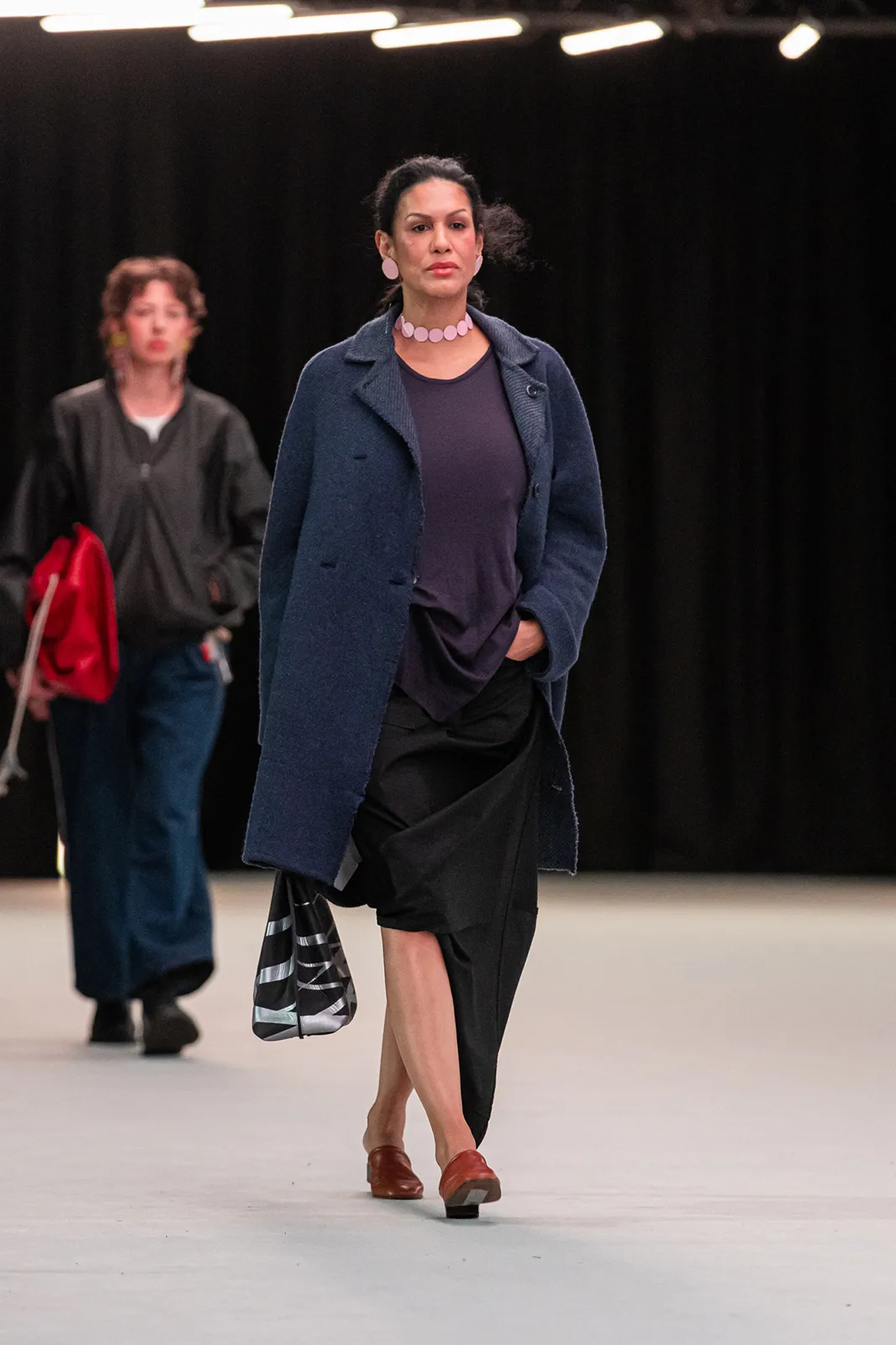
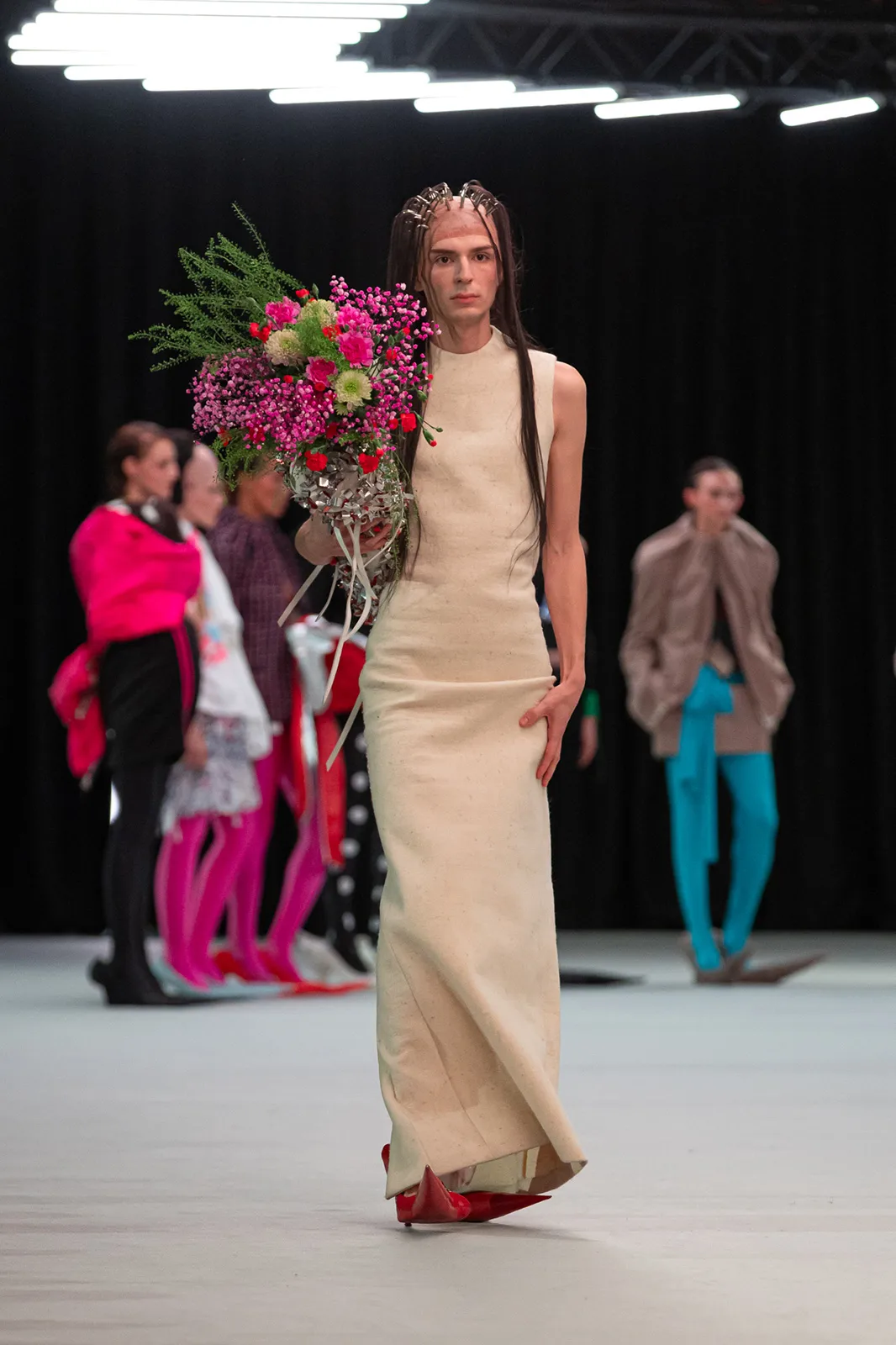
The second half was all for the masters. The eight collections, made up of more than ten looks each, were all ready to face the market and set themselves apart on it; each one of them was a peek into a different world, all equally interesting. Noa Toledano reflected about what it means to grow differently from the culture you’re born in, Norma Morel established a conversation between her present self and the nostalgic and antique garments found in her grandmother’s atelier, Clémentine Lejeune gave emotions to materials and made the intangible tangible through fabrics, Thongchai Lerspiphopporn brought to garments the complex techniques from the jewellery world, and Majd Eddin Zarzour created a collage of textures and meaning representing queers, anarchists, and the pro-Palestinian causes.
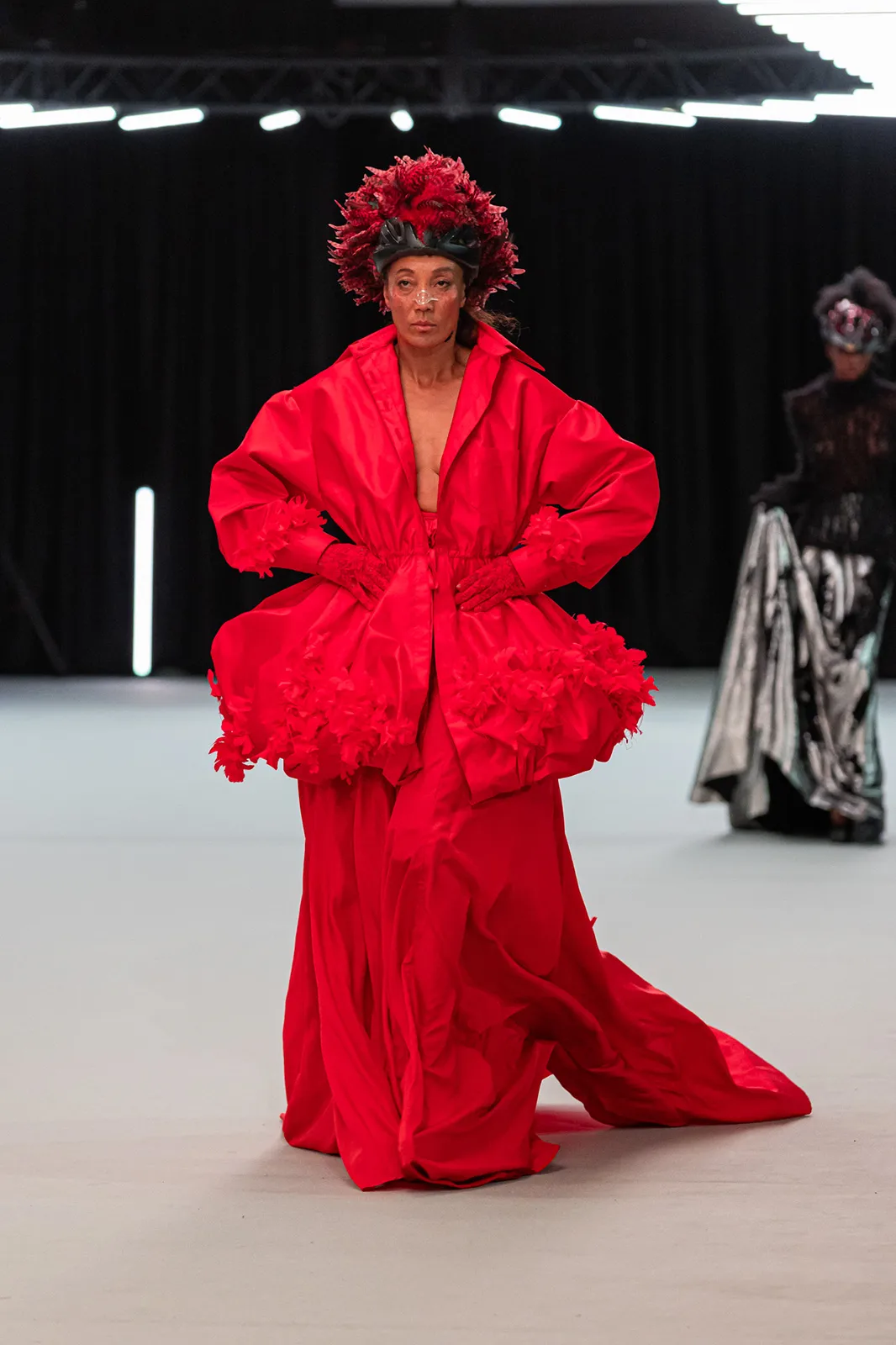
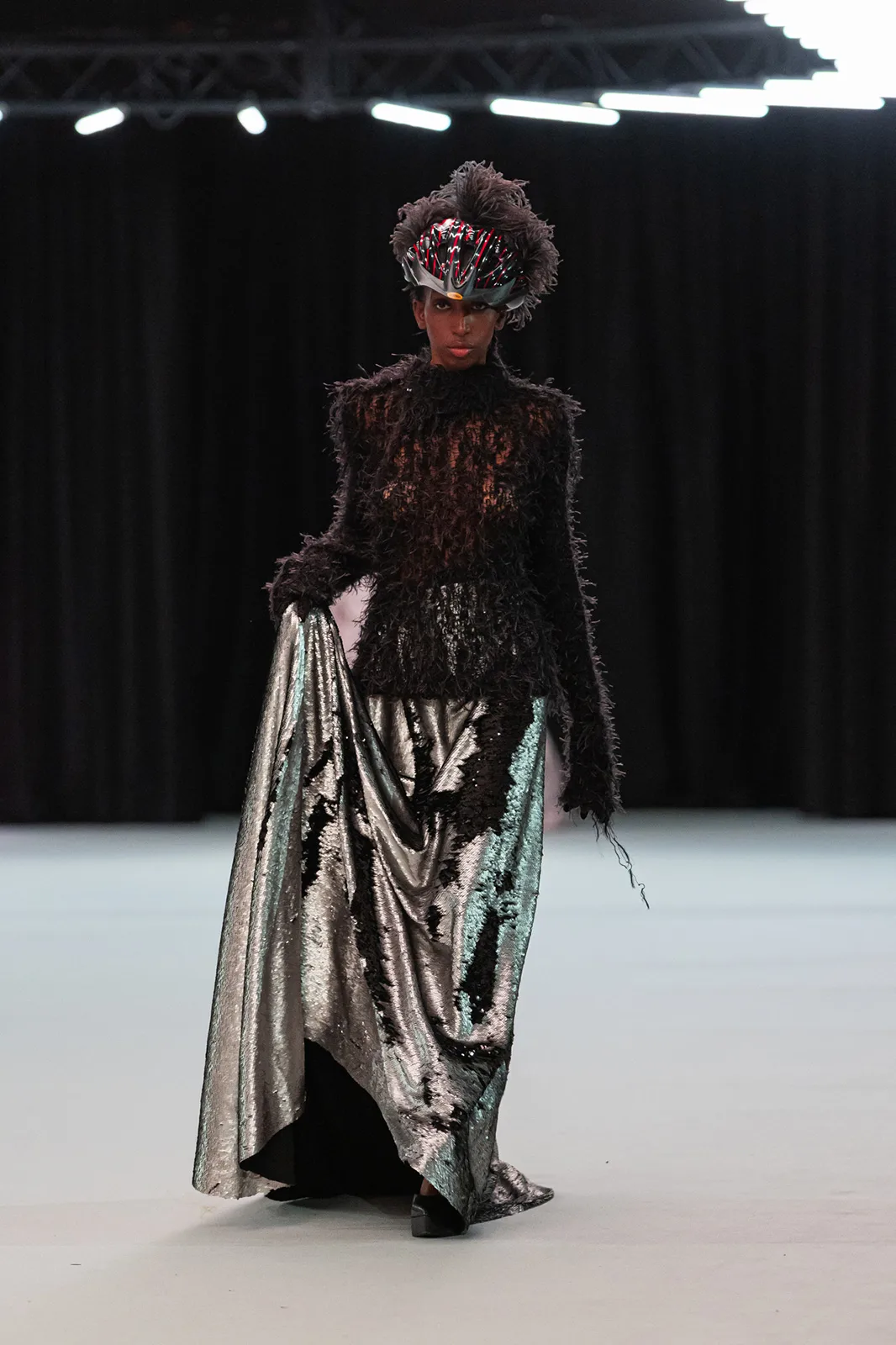
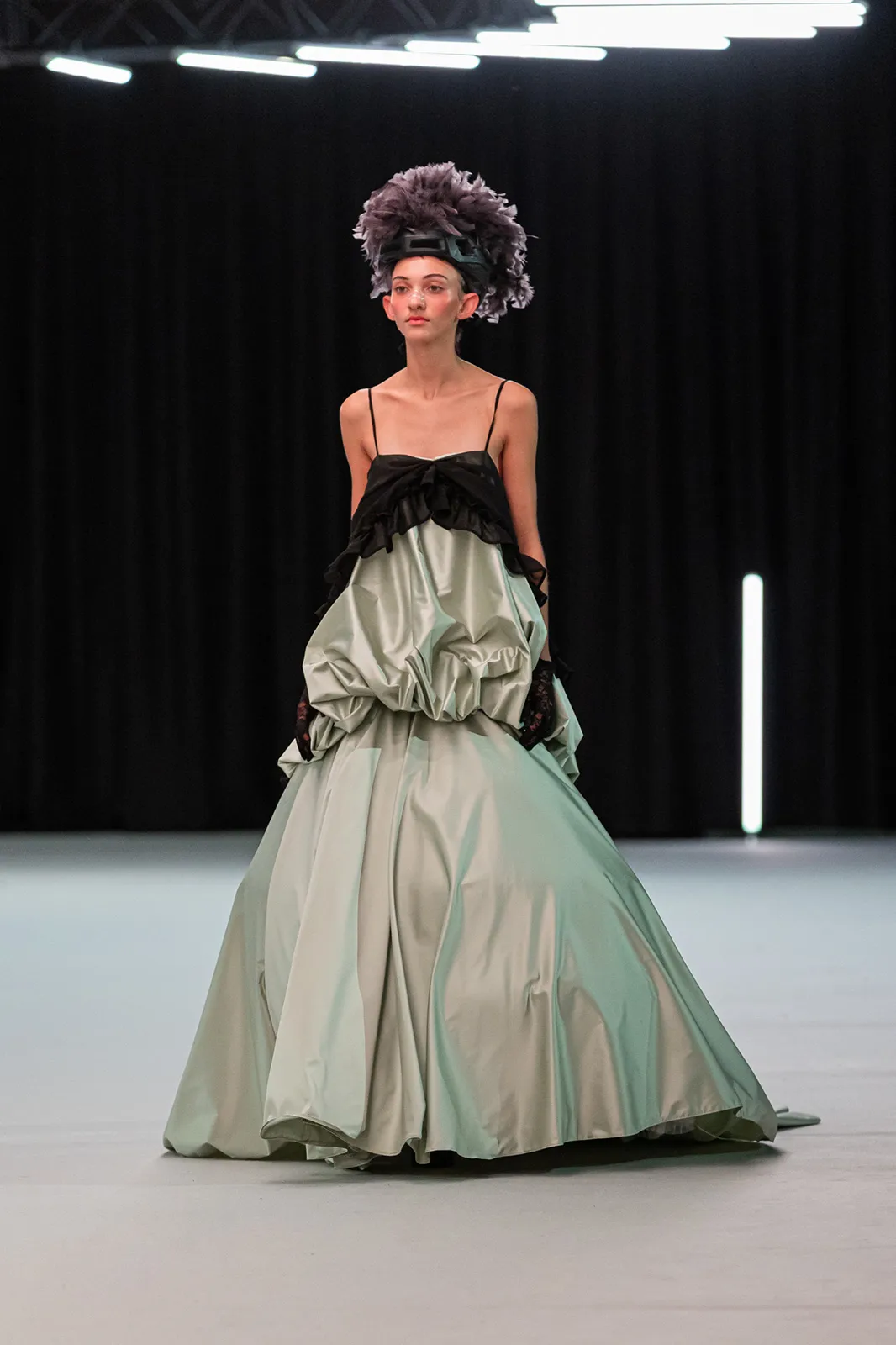
Longing or Belonging by Vincent Delobelle was one of the best graduate collections we've seen. A sleek social commentary on the performative nature of our reality where 'fake it till you make it' can result in permanent damage to our own sense of identity that doesn't know quite well whether to place us in the social class we belong to or the one we long for. The perfect summary of this, alongside the dramatic silhouettes full of intricate techniques and hidden meanings in its fabrics, is the bicycle helmets covered by opulent feathers. An intelligent showcase of talent with pieces deserving of couture treatment.
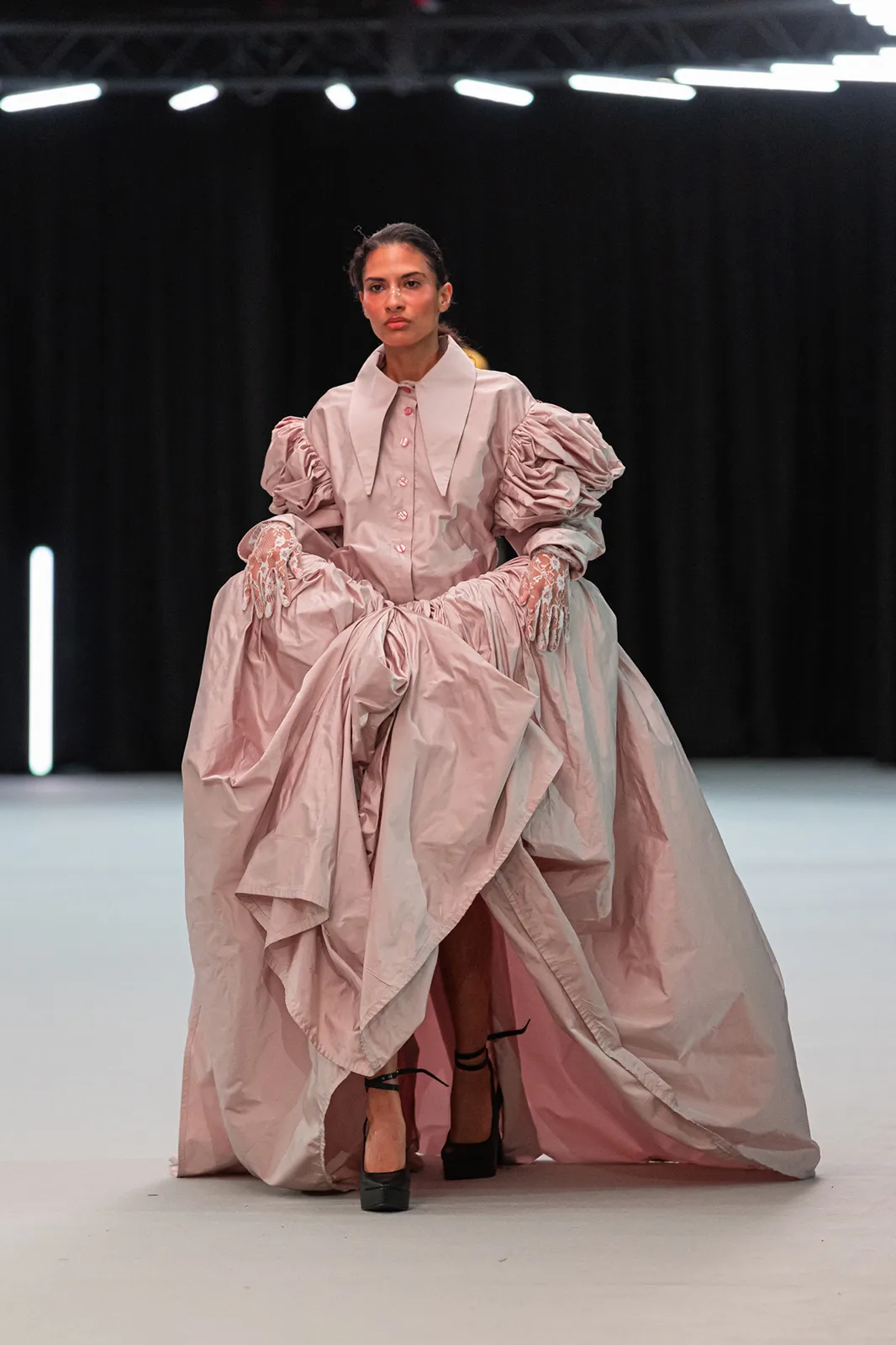
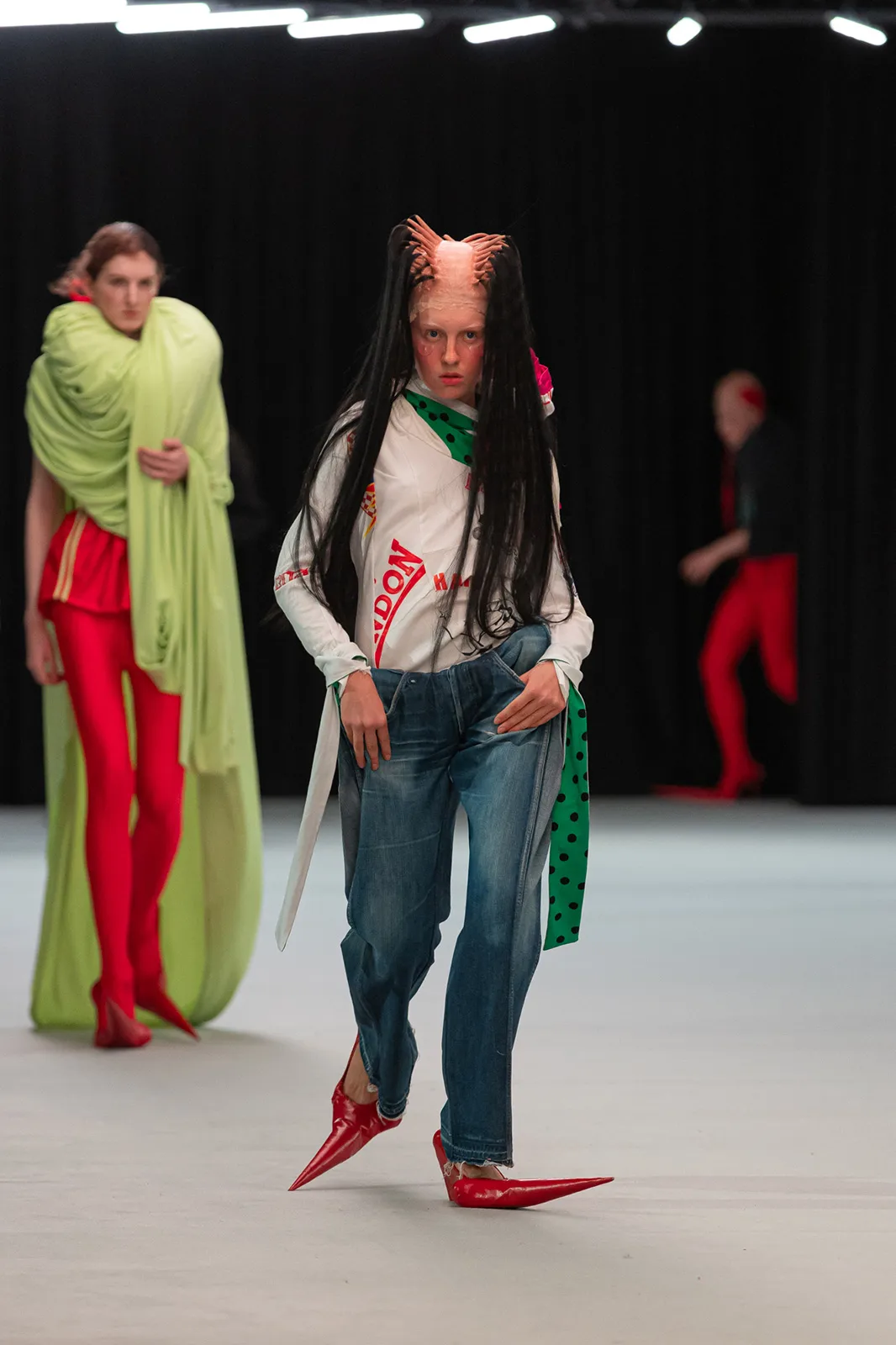
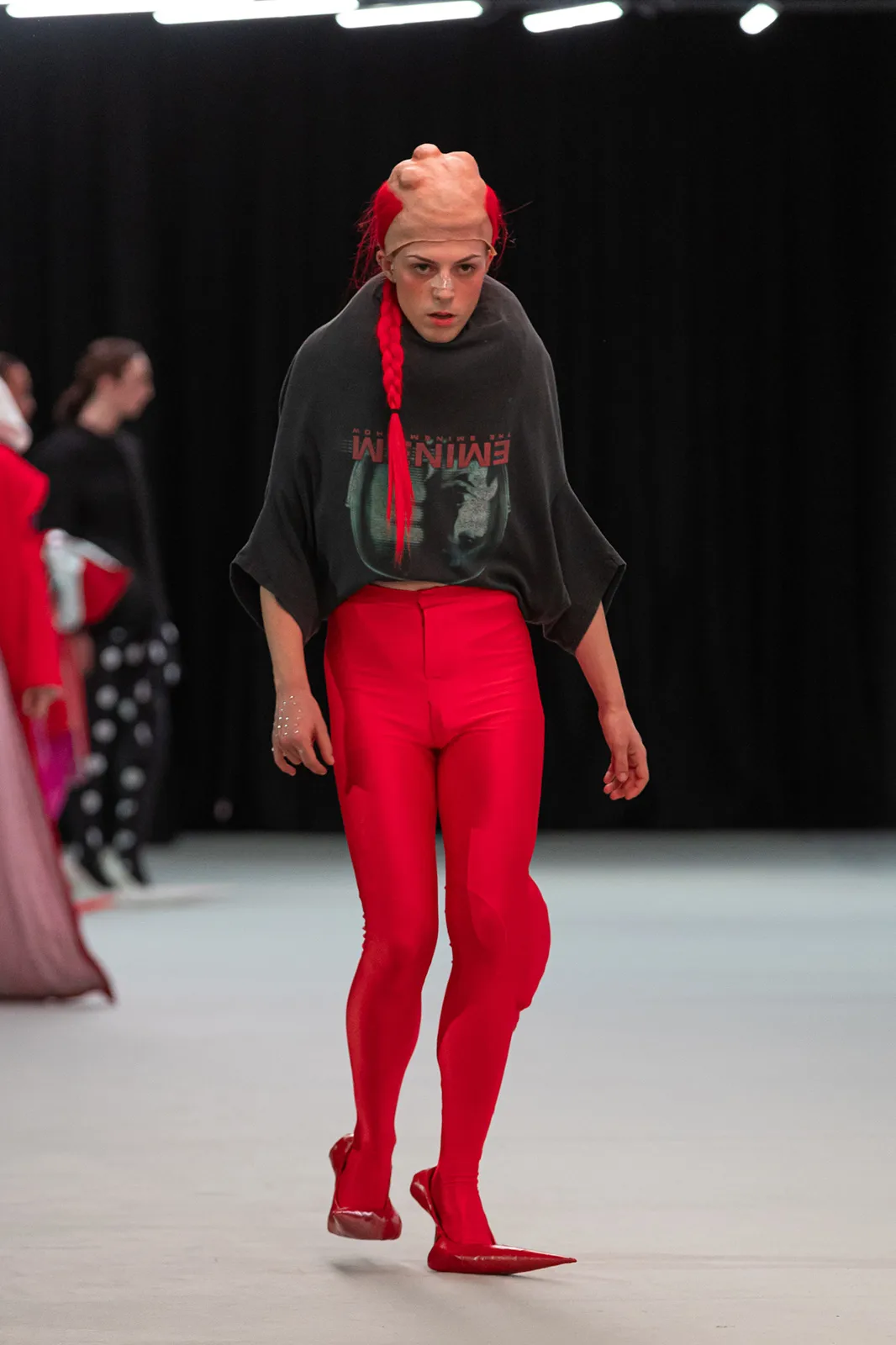
Matil Vanlint was the main winner of the night after the professional jury made up of names like Kevin Germanier, Niccolò Pasqualetti and Sarah Mower granted her two of the six awards for a collection that was as striking visually as it was in its meaning. By presenting a series of distorted characters with lumps and bumps all over their bodies, with big heads and long toes, and with the garments enhancing and creating more of these deformities with the technical complexities that imply creating structures that don't necessarily follow the traditional shape of a body, Vanlint gives a graphic representation of what would happen if our traumas or issues manifested in a physical way. Would we be any less human if we mutated to become a true representation of what happens inside of us? Would we be more human perhaps? Victim, Violence, and Victory result in a personal manifesto that can easily become universal.
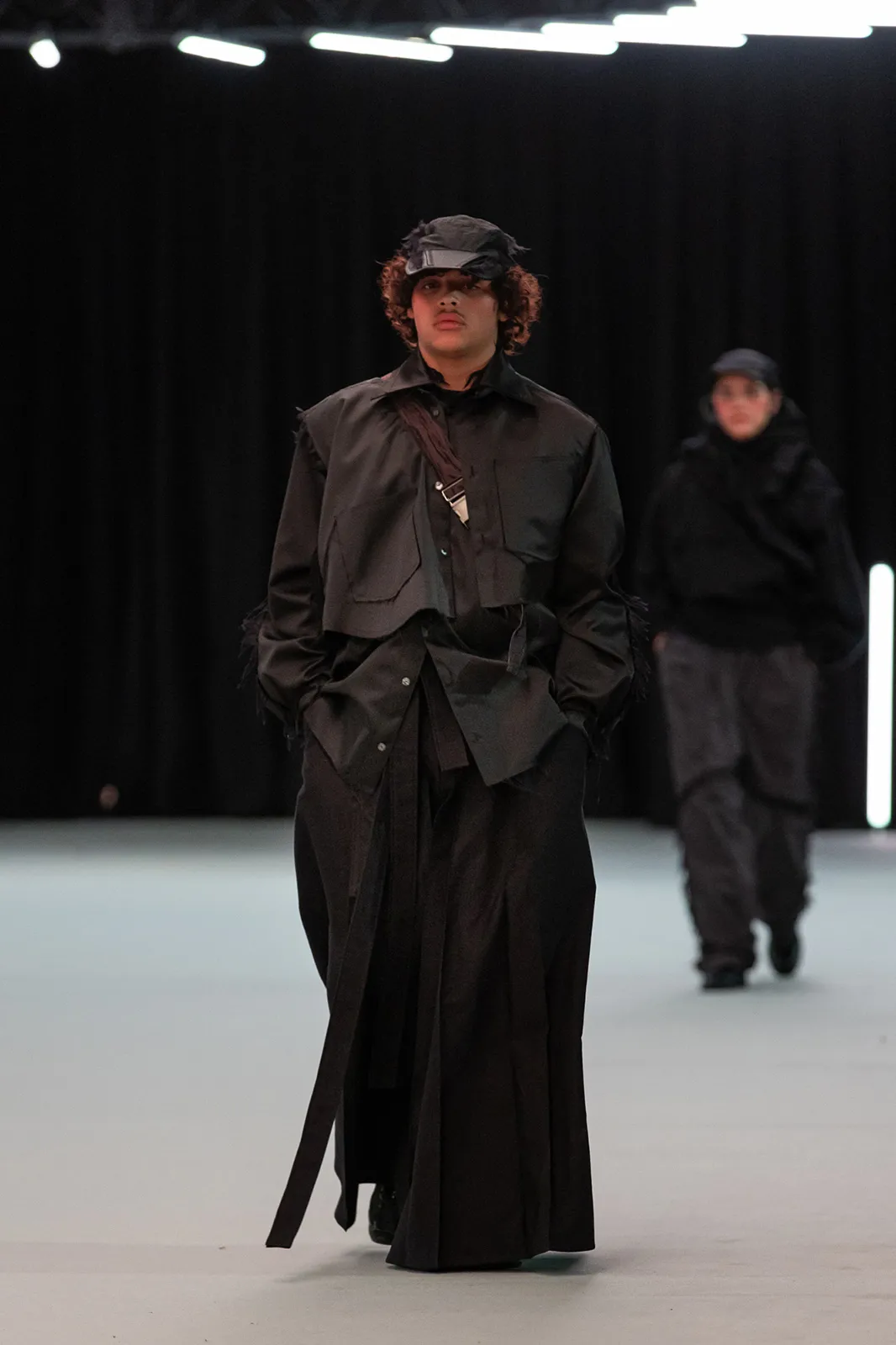
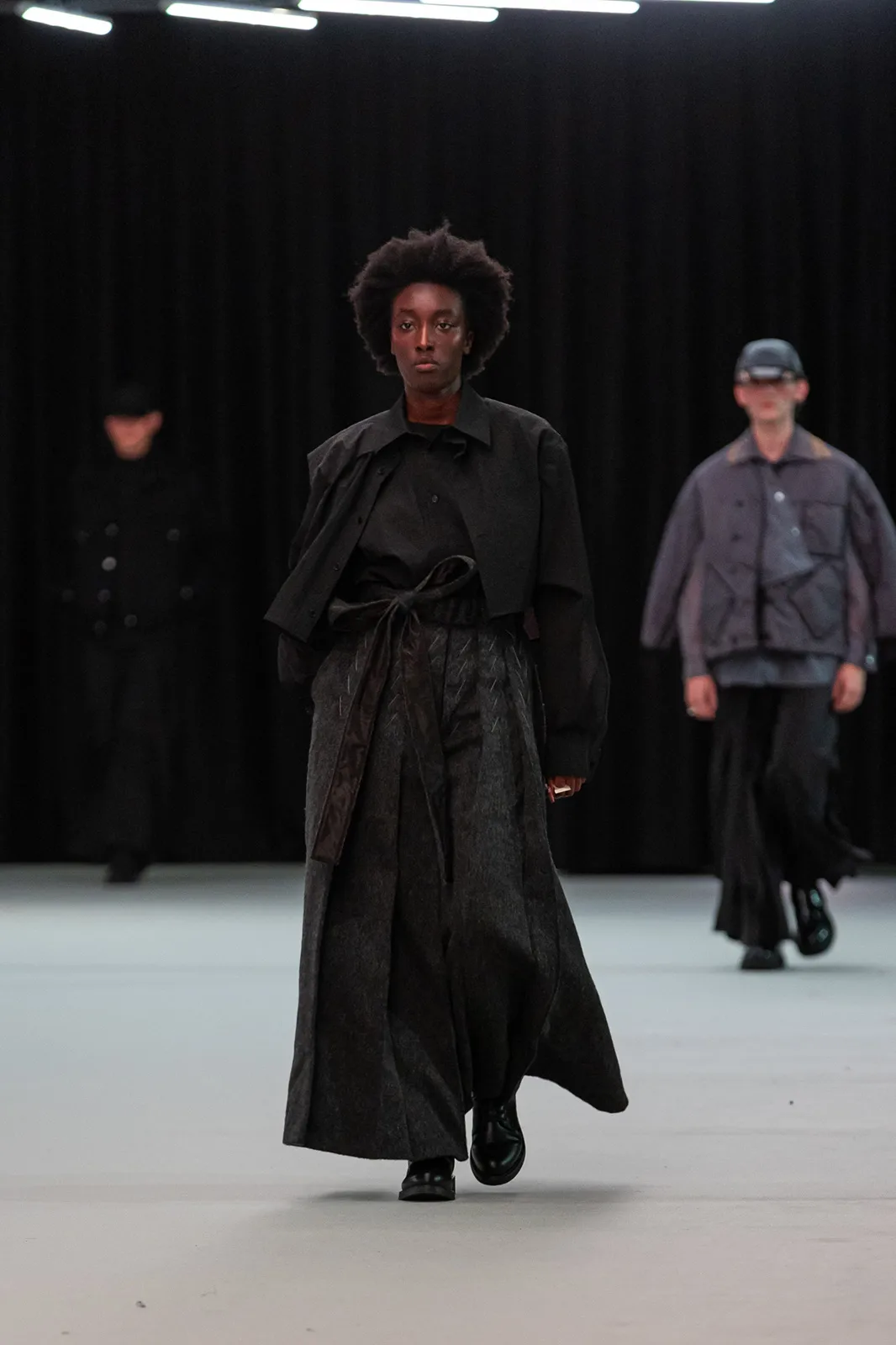
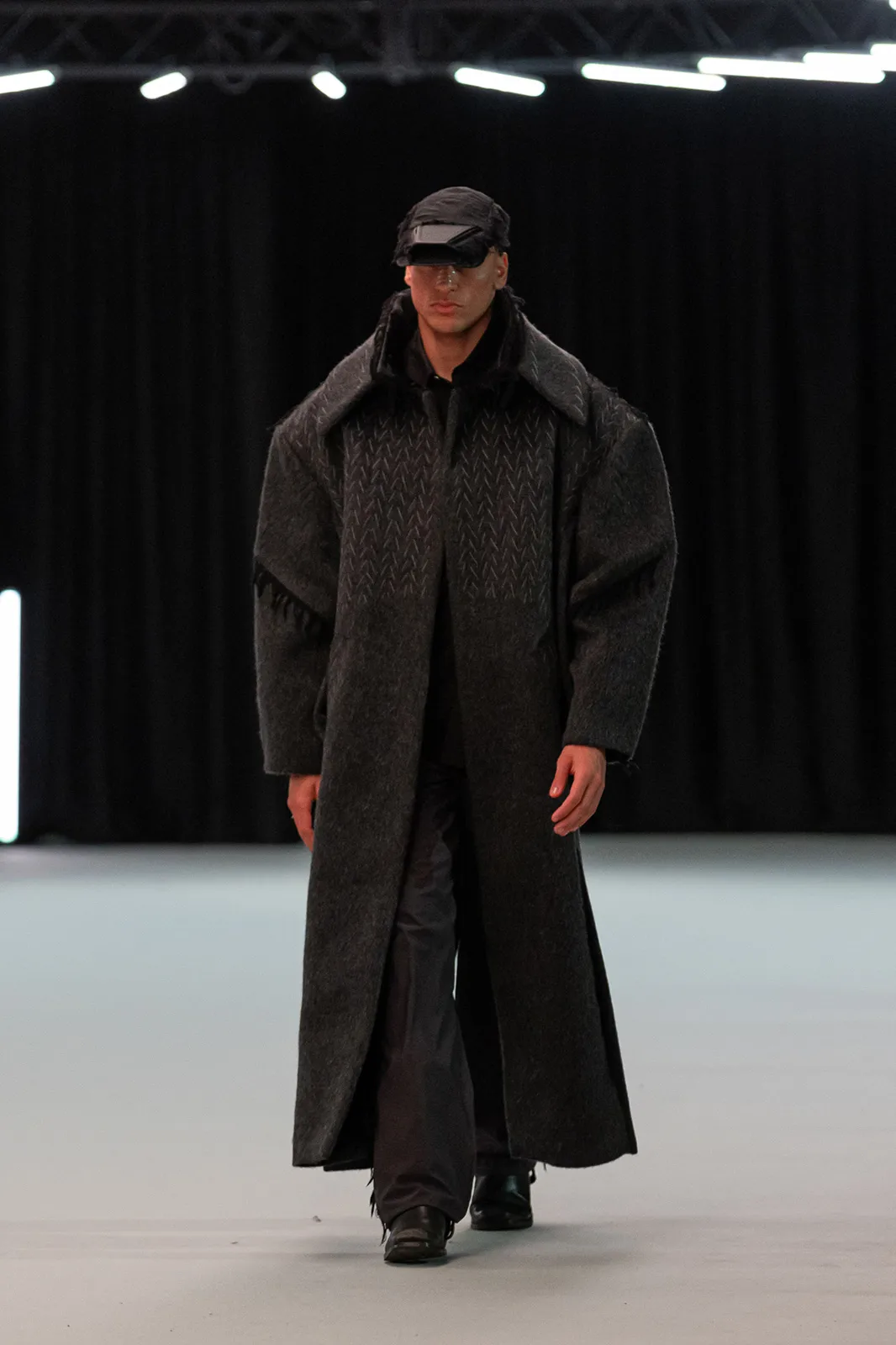
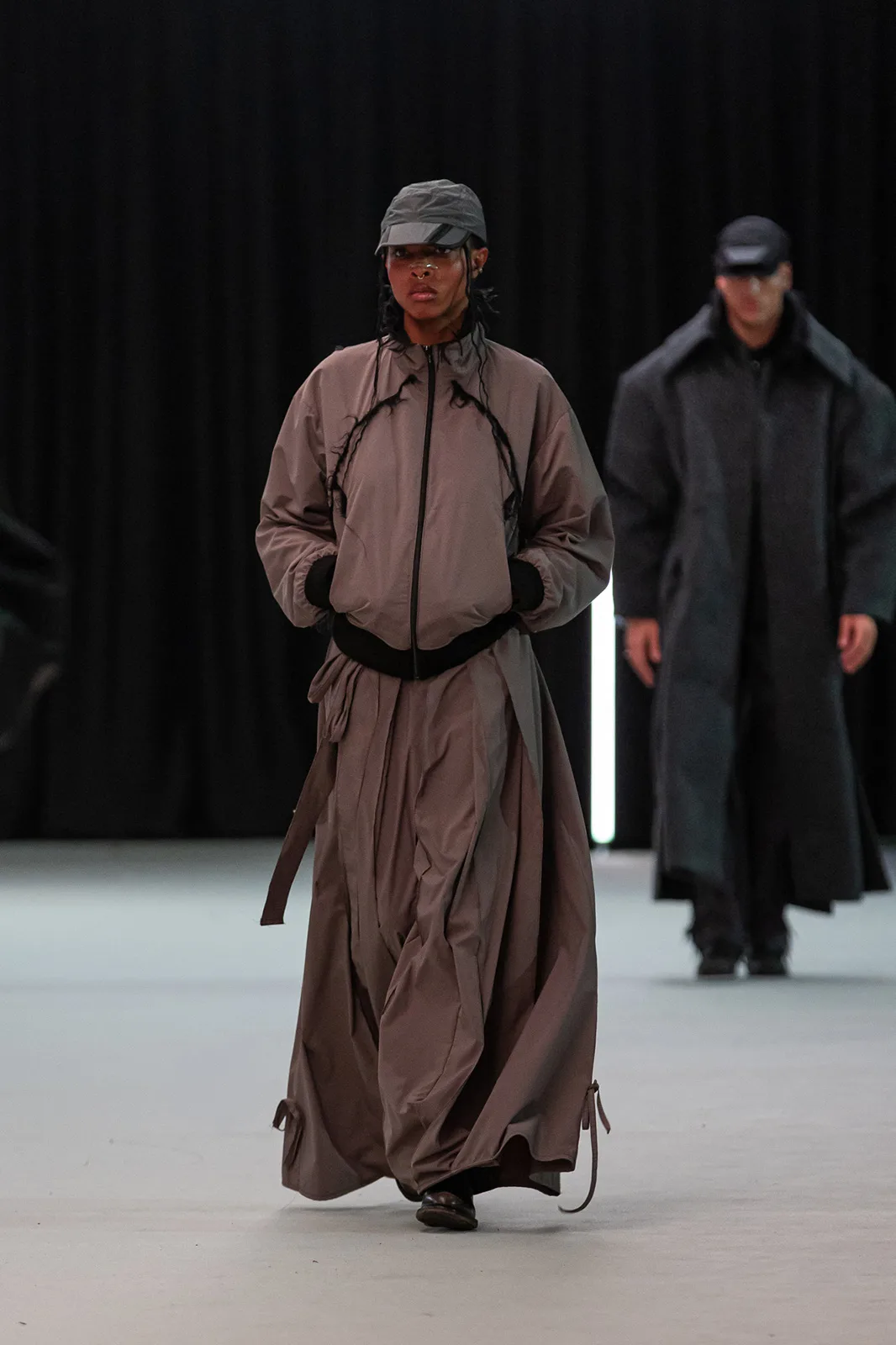
Finally, our favourite collection of the night was one where not a single shade of colour was found, but where the darkness was brighter than anything else. Ewen Danzeisen introduces us to his crows, to his universe where a rainbow of blacks clash and fit each other in a way that makes the most quiet pieces be the ones with the loudest presence. “Nothing to see, a lot to look at,” he says, and it’s true. The more time spent in front of the pieces, the more there is to discover. Large and wrapping silhouettes, all sorts of garment typologies, from basic t-shirts to oversize bombers with shoulders that resemble wings or carefully crafted wool coats. Danzeisen himself developed some fabrics specially for the collections, and it shows; the attention to detail is evident through and through. Write their names up and keep an eye on them; their journey is just starting.