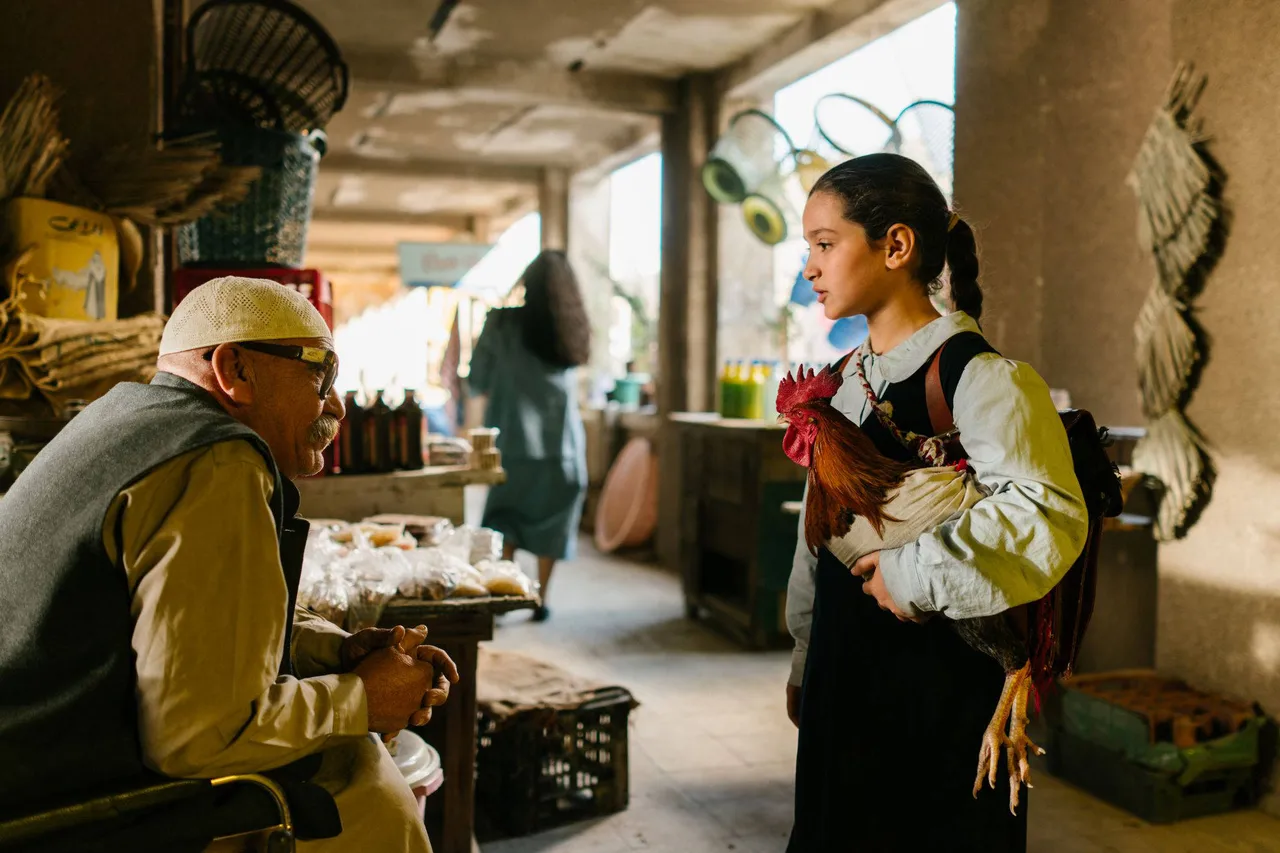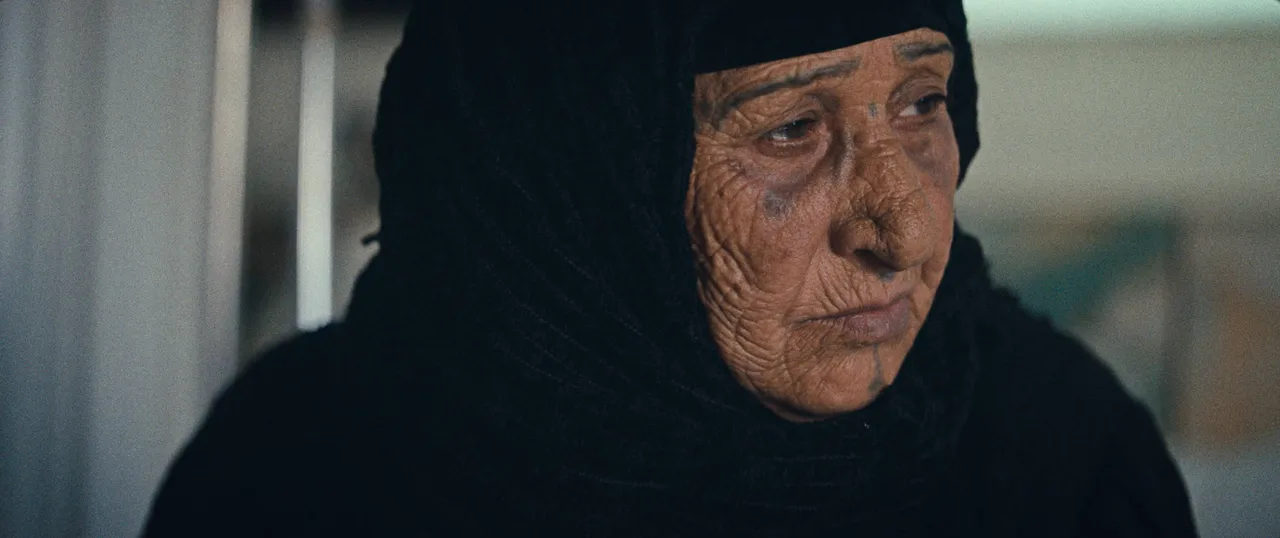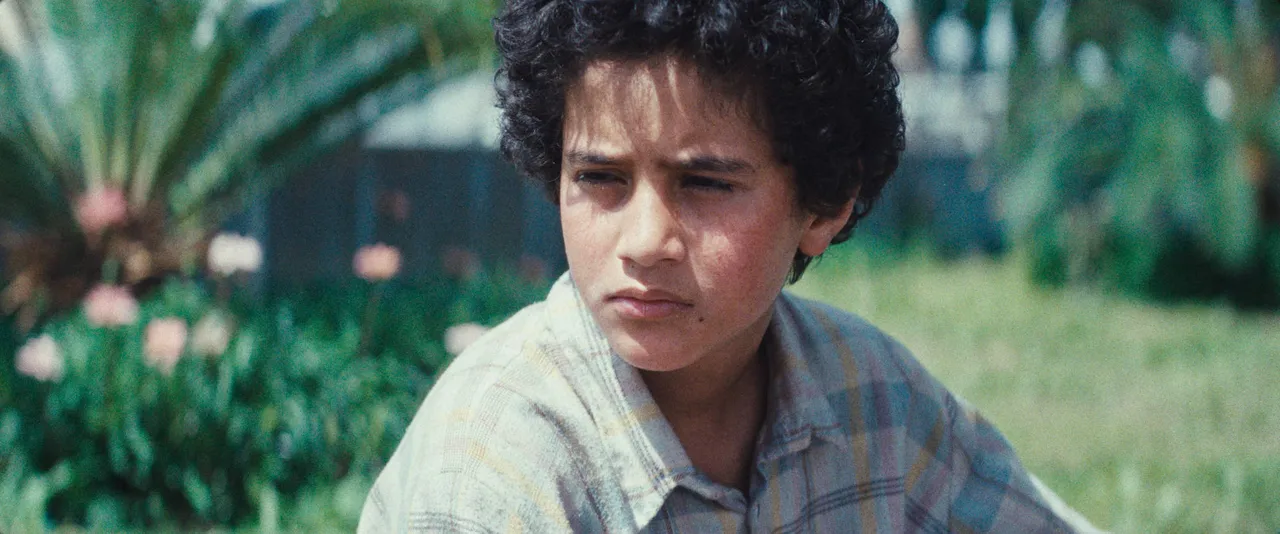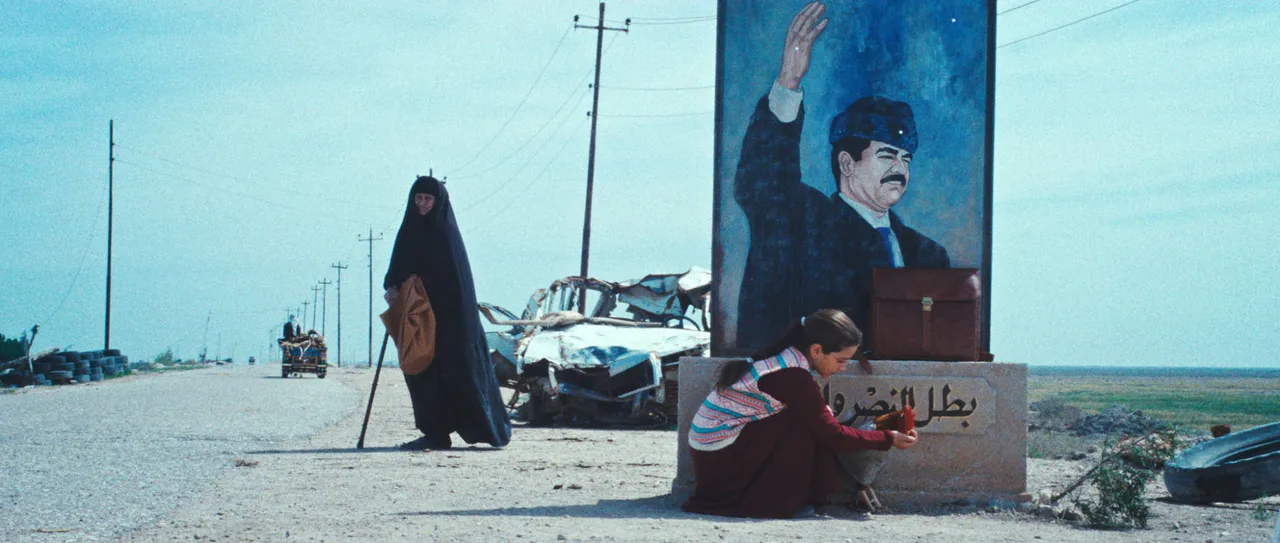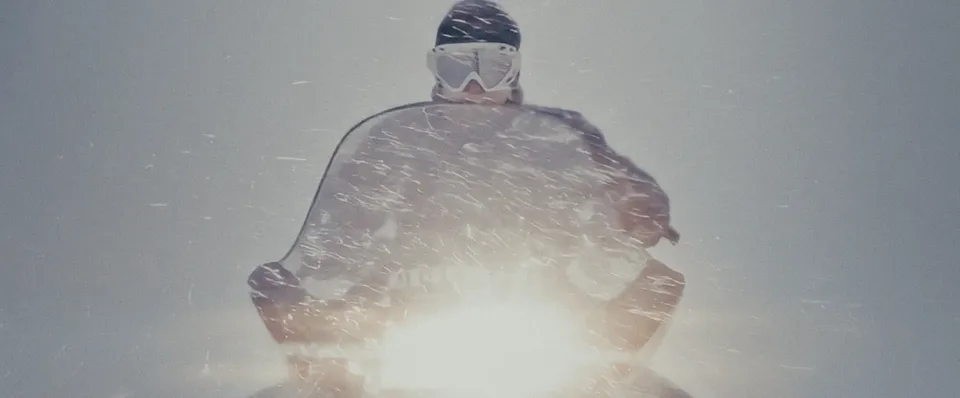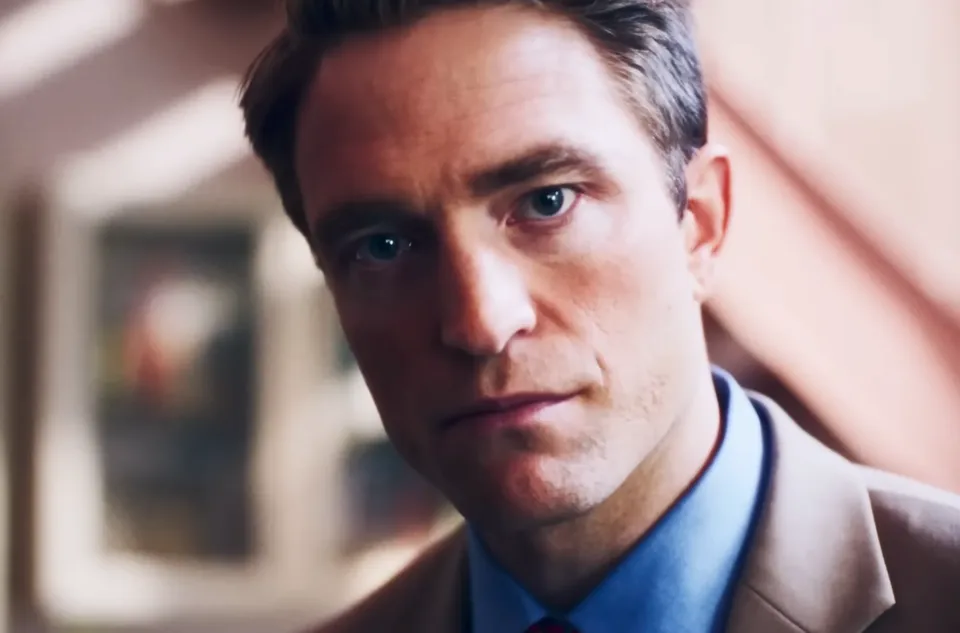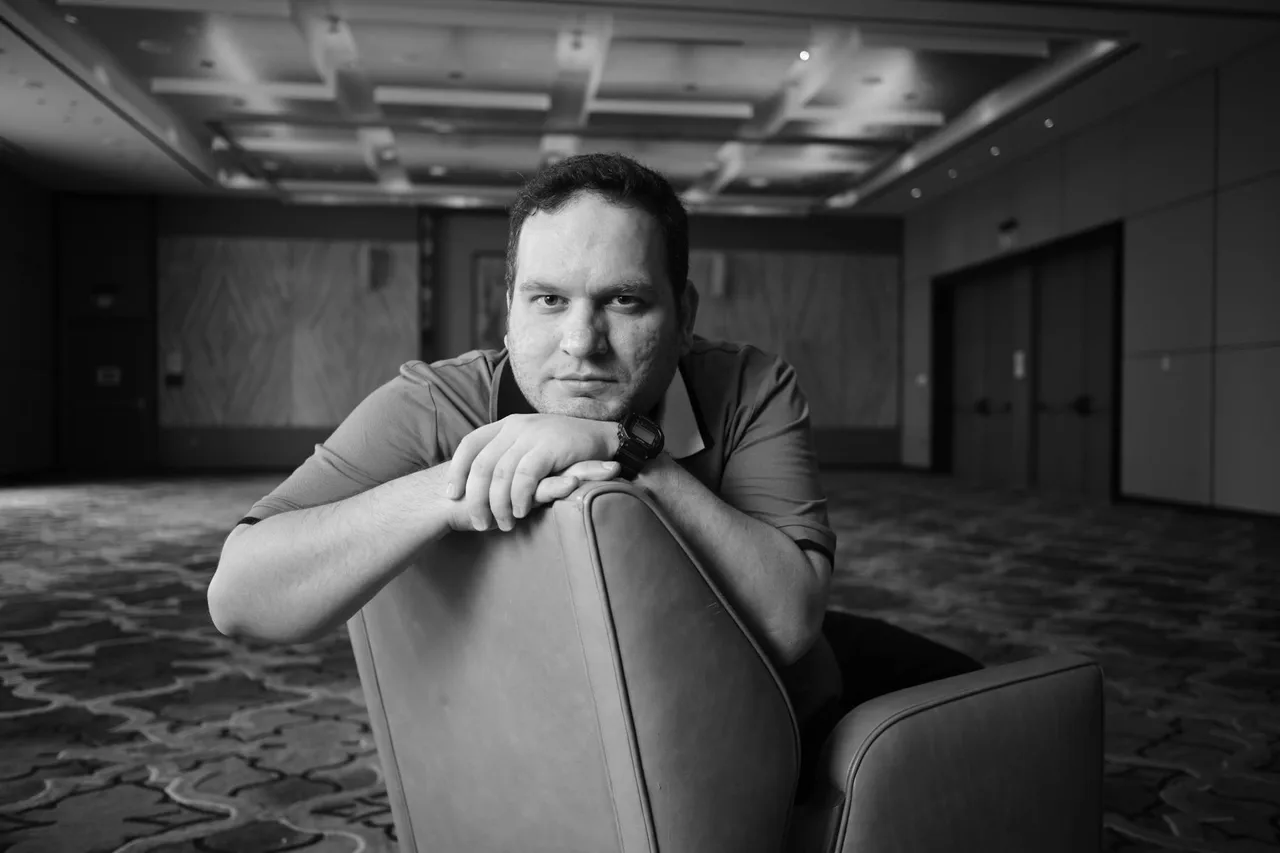
Set in Iraq in the 1990s, Lamia, a nine-year-old girl, is tasked by her schoolteacher with baking a cake for Saddam Hussein’s birthday. As essentials are scarce and prices for basic necessities rise under international sanctions, she must scavenge, scheme, and search for the ingredients or a cruel fate awaits her. The President’s Cake, coming to Spanish cinemas February 6th, is Hasan Hadi’s full-length feature directorial debut. Winning the Caméra d’Or at the 2025 Cannes Film Festival, and the first Iraqi film to ever be shortlisted for the Oscar’s International Feature, Hadi has made history — and it’s no surprise why.
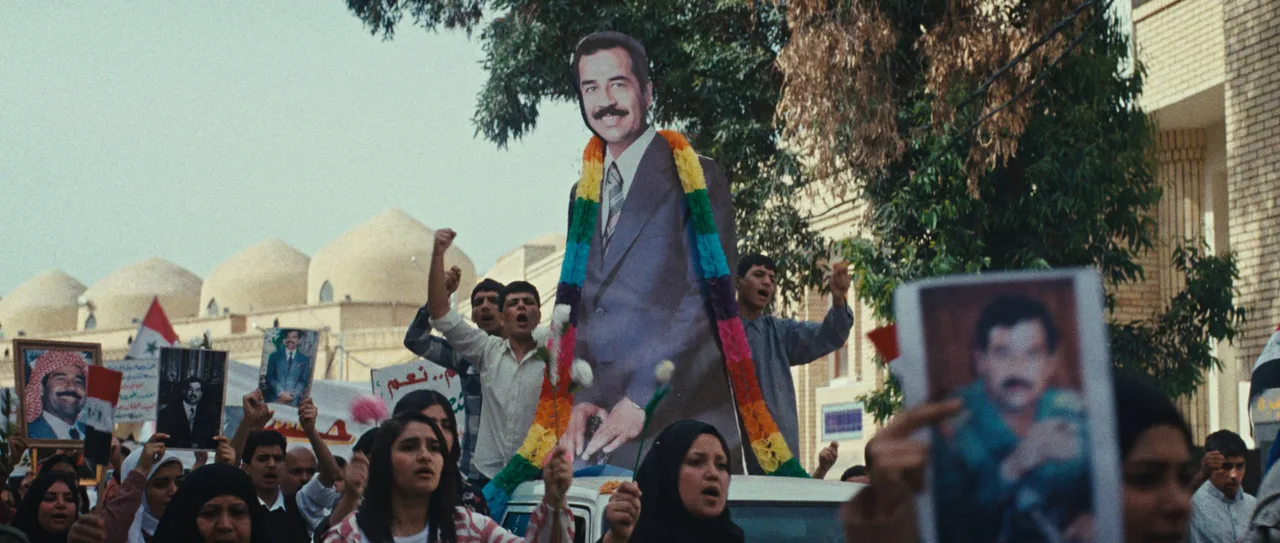
Based on his own memories of growing up in Iraq, the film puts forward a youthful and unfiltered perspective on a country whose representation has been saturated by imagery of war and desperation. This doesn’t mean he shies away from showing the effects of American military intervention, or the anguish of living under a dictatorship. The point of view of Lamia, played by Baneen Ahmad Nayyef, explores these contexts in an uncensored way. Although politics and Hussein are not the main topics of conversation, his portraits fill the background, and the precarity of authoritarian regimes is felt in each interaction. The hum of American drones passing overhead, over-crowded hospitals, corrupt police officers are all facets of daily life. But so are the vibrant markets, thoughtful strangers, and energetic scenery.
Taking memories from his own childhood, Hadi reconstructs this time period through the raw and honest eyes of children. In our conversation, Hadi recognises the particular importance of women and children when it comes to heroism, the skewed narrative the U.S. has built for Iraq, and the global conversations his film speaks to.
Narrative is a very powerful tool and for decades we have seen the American story about Iraq, but recently more local angles are breaking into our consciousness. What does it mean to you to be able to contribute to this restructuring of the narrative of Iraq?
Even just belonging to the world of cinema is an amazing feeling, but to be able to give an image of a country that has been so underrepresented – and misrepresented – it’s thrilling. For so long people have seen Iraq only from one perspective and being able to tell a new story, to show images that have never been seen from Iraq, is a reward in itself. Despite all the awards and accomplishments the film has gained, the real reward is for people to finally see the country.
Bringing this local story to a global audience, I wonder what has the reaction from Iraqis been when they watch the film?
The reaction so far has been overwhelmingly warm and positive. We have been very lucky with how people have responded to the film, not only the audience in Iraq, but also Iraqis in the diaspora. It’s not really a period or population that has been explored, even though it impacted so many people who left, who fled, who returned. So, to see this for the first time now, on the screen, shot in Iraq with locations that are familiar to the diaspora, with people speaking in the same language and accent, it was amazing and sometimes emotionally triggering.
Having grown up in Iraq, was there a moment that was difficult or triggering to replay in the film because of your own memories?
Yes, and unbelievable to other people. There were scenes that I had written from my own memories and shown to friends, and they didn’t know that it had happened, they didn’t even know if it was true. Unless I could show the real footage, or recreate it in some way, it would be hard to convey this reality and the message. That was a big challenge we had to overcome in the film. How to create this delicate balance of showing really difficult scenes, but also beautiful things, while keeping the audience grounded in reality.
“I didn’t want to make propaganda. I just want to show you this country, take you on a journey, and introduce you to a society.”
I appreciate that you don’t shy away from dark topics. Sometimes it makes art more palatable but may not represent the whole truth. In the West there is a strong sentiment of either or, binary thinking, something or someplace is either good or bad. Was this something you wanted to talk back to?
Yes, but that’s the whole point of everything I do, of existing. There is no one truth and there is no black and white. For me, everything exists in a grey area in this world. And I wanted to show all these sides to the society – the good, the bad, and everything in between. People may ask, why would you show this side of the society? Tell me I should only show the good side. But we exist always in this middle space so at the end of the day, you just have to show what you believe and see if it resonates with people.
You honour the perspective of how a child sees the world very well in this film, the simple, unembellished, almost objective point of view. Yet, each scene is still full of symbolism, from the reflections in water, to the rooster, to the food. How did you balance the bluntness of a child’s view with the details in each shot?
I used a child’s perspective because one; I was a child at this time. And two; there is so much political context in the film that I wanted to try to be as objective as possible. When I started writing and making this film, I made a promise to myself that I would not make a judgemental film like ‘regime: good, west: bad’ — I didn’t want to make propaganda. I just want to show you this country, take you on a journey, and introduce you to a society. And a child’s perspective is perfect for that because they’re not political, they don’t have an agenda, they don’t have any filters. So, to experience this journey through their view, with a fabulist style of tone, was the best way to make this film.
You said that you focused on the young girl because women and children are the first affected population when it comes to conflict. As wars, state violence, and hostility are taking place all over the world, but within the region of West Asia / North Africa, namely Palestine and Iran, we notice this pattern being repeated.
I grew up as a first-hand witness to this. I was in a household with a very strong female presence – my mum, my grandmother, my sisters. My dad, and male figures in general, were there but not present because of war, work, prison, fleeing the country. So, who carries the weight when the men are not present? Who is taking care of the house? Raising the children? It’s the female figures. But the problem is, they are not the main characters in art and film, they are secondary or supporting characters. This is the problem for women and children; they are the first victims, the first people to pay the price. And especially in a society that is masculine and patriarchal, women are put in a position of constant turmoil. As you said, what’s happening in Palestine and all these countries, it shows how fragile a society is when you target the strongest and most vulnerable components, its women and children.
What role does film and art have in exposing these realities?
When I was making the film, I wanted to show that the everyday people are the real heroes. I’m sick of having soldiers, pilots, politicians, tank drivers, generals, all of them, be the protagonists. Our heroes in this world are the children, the grandmothers, our families, our communities. Any other day, we would have read about the protagonists in this film as numbers, on a newspaper headline with your morning cup of coffee. I wanted to individualise them, give them a voice, show that these are people with dreams, names, passions, with everything that makes them well-rounded multidimensional people. The everyday hero is a person who wakes up, does their work, contributes to their society, comes home and contributes to their family. Who sacrifice their wealth, their time, their safety for their peers. I’m not trying to take away from real freedom fighters or soldiers who did amazing things, but we need to recognise that it’s not just soldiers.
That’s part of the role art can play; to expose and break the stereotypes that you have about a certain country or gender identity. I don’t think art is responsible for bringing you answers, though. It’s responsible for raising questions. If the art gives you answers, it devalues itself in a way. The best kind of work is providing you with a question and letting you reflect on it.
That’s part of the role art can play; to expose and break the stereotypes that you have about a certain country or gender identity. I don’t think art is responsible for bringing you answers, though. It’s responsible for raising questions. If the art gives you answers, it devalues itself in a way. The best kind of work is providing you with a question and letting you reflect on it.
The best kind of films are the ones where you have more questions coming out of it than going into it, in my opinion. There is always something more to say about it.
When I look at the films I am impacted by, they are not just films of memories or experiences. They are dealing with existential questions which can be shown through memories and experiences, but there’s always a deeper question at play. This is the most important tool of art, is to raise questions that are not comfortable, that people don’t want to face. For example, in The President’s Cake, I’m trying to speak about silence. Why was there silence about Iraq? Does silence incriminate us? We were boycotted by the international community, sanctions, drones, wars. The regime separated us from the whole world, and we were on our own. 500,000 children died during the sanctions. No one was speaking up. This tragedy would not have been taking place, not to this extent, had there been no silence. That’s why I think people need to face the uncomfortable questions. Don’t be silent. Don’t lower your voice.
A hundred percent and I think people are so afraid to make a mistake when talking about important issues. But it’s always better to engage, make a mistake, and learn rather than to be silent.
That's like filmmaking. When I was trying to make this film, in the beginning, I was so afraid to make any decisions because I was afraid it would be a mistake. I was scared to commit to this colour or that scene. But it’s a learning process, it’s okay to make mistakes. If I made one, I’d immediately correct it and grow from there. Not making mistakes means you’re not making any decisions, you’re not taking any sides, and that’s even worse. It applies to filmmaking and it applies to politics.
“Our heroes in this world are the children, the grandmothers, our families, our communities.”
A lot of people in Europe or the West have a preconceived idea of what Iraq looks like: desert, dry, stone houses, barren. Your scenery offers this very different visual with the marshland, the materials of the buildings, the life you breathe into the sets.
Yeah. And we still have the desert, but as you said, our imagery is largely based on news reports, or footage from the Gulf War and Desert Storm. I wanted to break the stigma around Iraq and offer an authentic, nuanced, local perspective. For example, when I introduce myself and tell them I’m from Iraq, I can see them immediately project a certain image of Iraq. They don’t say it, but you can see it. And it’s heartbreaking because Iraq is so much more than the images of wartime. It’s a country with six to seven thousand years of civilisation, history, and culture. It breaks my heart when I'm talking to someone and all they know about Iraq is limited to war.
I tried to offer an image, not through a PR campaign but just a more real perspective. This is where I grew up, this is what I was seeing. These are not imaginary places you’re seeing either in the film. They are real, we shot in real locations. I just hope that people start forming a different image, and cinema is one element to help change it.
I tried to offer an image, not through a PR campaign but just a more real perspective. This is where I grew up, this is what I was seeing. These are not imaginary places you’re seeing either in the film. They are real, we shot in real locations. I just hope that people start forming a different image, and cinema is one element to help change it.
As Iraq experiences relative stability and peace, what lessons do you hope the younger generation takes away from the nation’s history that you represent in this film?
Don't take anything more for granted. Really. Nothing in this life is guaranteed. One day Iraq was one of the wealthiest countries, and the next, a regular salary couldn’t buy more than a pack of eggs. I would say we should all learn from our pasts. And we have learned, actually. To a large degree, we are a stable country that has learned from the violent past. Surrounded by conflicts in the region, Iraq is for the first time the one pushing for peace. It’s a huge step forward. We still struggle with the cycle of corruption since the 90s. Political corruption, yes, but also between people because wages went down and their needs were not being met. The first time you take money as bribery, you feel guilty. The second time, you’re thinking, what are you going to buy for your kids? That’s the biggest thing we can learn; the cycle of corruption and destruction of democracy takes generations to rebuild, but the actual destruction itself can happen instantly. Democracy is a fragile thing.