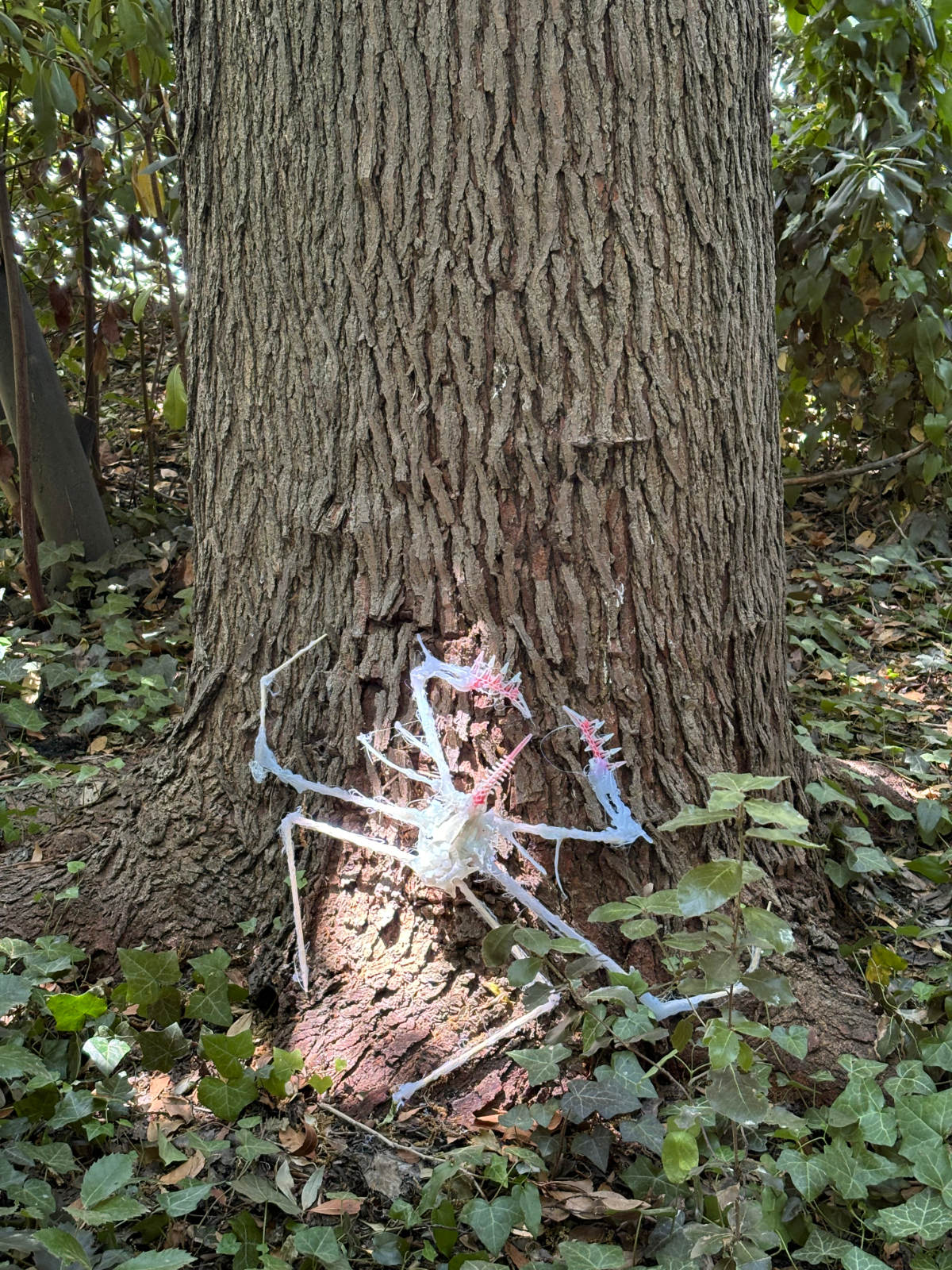
When David started repurposing trainers into balaklavas or handbags, he didn’t foresee what was about to come: a bigger project encompassing jewellery, fashion, and even painting. But now that he's fully locked in, the journey ahead feels thrilling. “The goal is for Gwam1999 to be perceived not just as a simple accessory brand, but as a global artistic universe capable of unfolding across very different forms and mediums,” he says about his project. Today, we sit down with the Marseille-based graphic designer-turned-maker about the inherent political nature of upcycling, avoiding logos, and Japanese influences in his work.
Hey David, nice to speak with you! There’s a bit of secrecy around you. The little information I could gather online said you’re a French artist and fashion designer based in Marseille, and that you started the project in 2023. Am I very far off?
I’ve actually been developing Gwam1999 for several years. The project started to take shape around 2021 with the first structured collections, the first drops, and the pieces I began showcasing more seriously online. I intentionally kept an element of mystery at the start, letting the objects speak for themselves. It was important that the work existed on its own, without too much explanation surrounding it. Today, I also want to fully embrace my position as a creator and make the approach behind the pieces more legible.
To get to know you better, did you first get into fashion or art? Meaning, did you study fashion design or fine arts? Perhaps you got into this world via DIY practices instead of ‘formal’ studies?
Originally, I come from a graphic design background. I studied graphics with the idea of making a living from drawing — working on images, visual identities, and logos. Very quickly, I became interested in brands and the way they build a visual world. The bridge to fashion happened naturally. Rather than staying stuck behind a screen or on paper, I made bags, balaclavas, and accessories by taking apart existing clothes and shoes. My path was built bit by bit through experimentation and learning by doing, supported by a foundation in graphic design which gave me a solid visual language.
Upcycling is at the core of your practice, from sunglasses to sneakers. Where do you source the material you later transform?
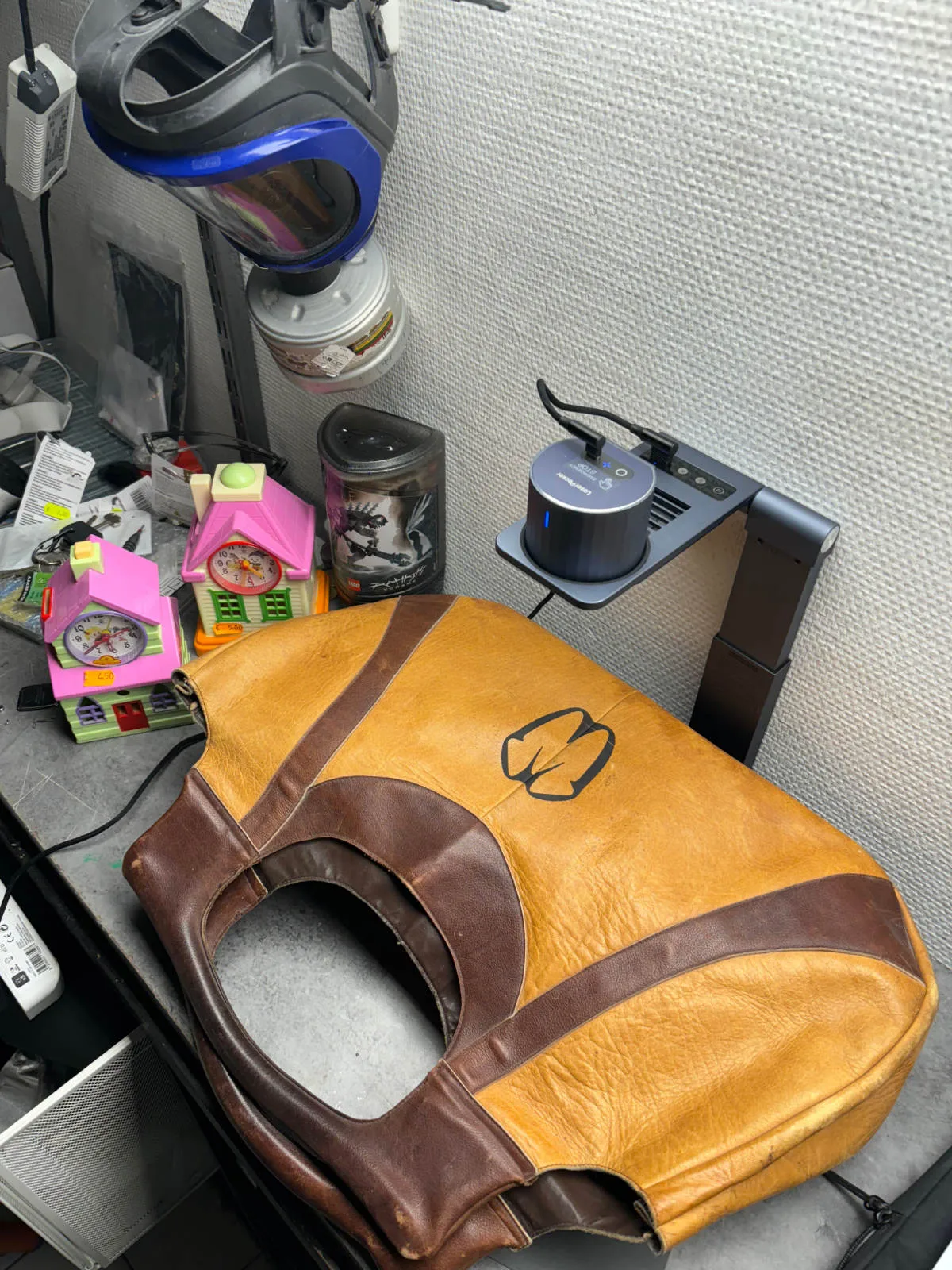
At the start, I mostly salvaged trainers and clothes from areas impacted by textile pollution, particularly in Marseille (places where waste from fast fashion accumulates), abandoned pairs, or sometimes items from unsold stock. Today, my sourcing is broader, it ranges from pieces found on platforms like Vinted to ‘dormant’ or unsold stock entrusted to me by individuals or companies, brand deadstock within the framework of collaborations, or even personal objects discovered in lofts or cellars. The common thread remains the same: I try as much as possible not to start from scratch and to work with what already exists — with objects that are charged with history.
“My work is opposed to a model based on fast fashion, overproduction, and the exploitation of resources. But on a day-to-day basis, upcycling is also a source of creative freedom.”
There is an underlying political discourse in upcycling since it rebels against consumerism and defies capitalist logic. Do you see your work as inherently political?
I’d say my work is ‘engaged’ before being explicitly political. It is, by nature, opposed to a model based on fast fashion, overproduction, and the exploitation of resources. I advocate instead for circular consumption, where material continues to live rather than being thrown away. But on a day-to-day basis, upcycling is also a source of creative freedom. Working with salvaged, unexpected materials that are already heavy with history feeds my imagination enormously. So yes, there is an underlying political discourse, but it mostly comes through the practice: creating differently, refusing certain excesses, and offering another interpretation of the objects we consume.
I’m curious, how’s your personal style?
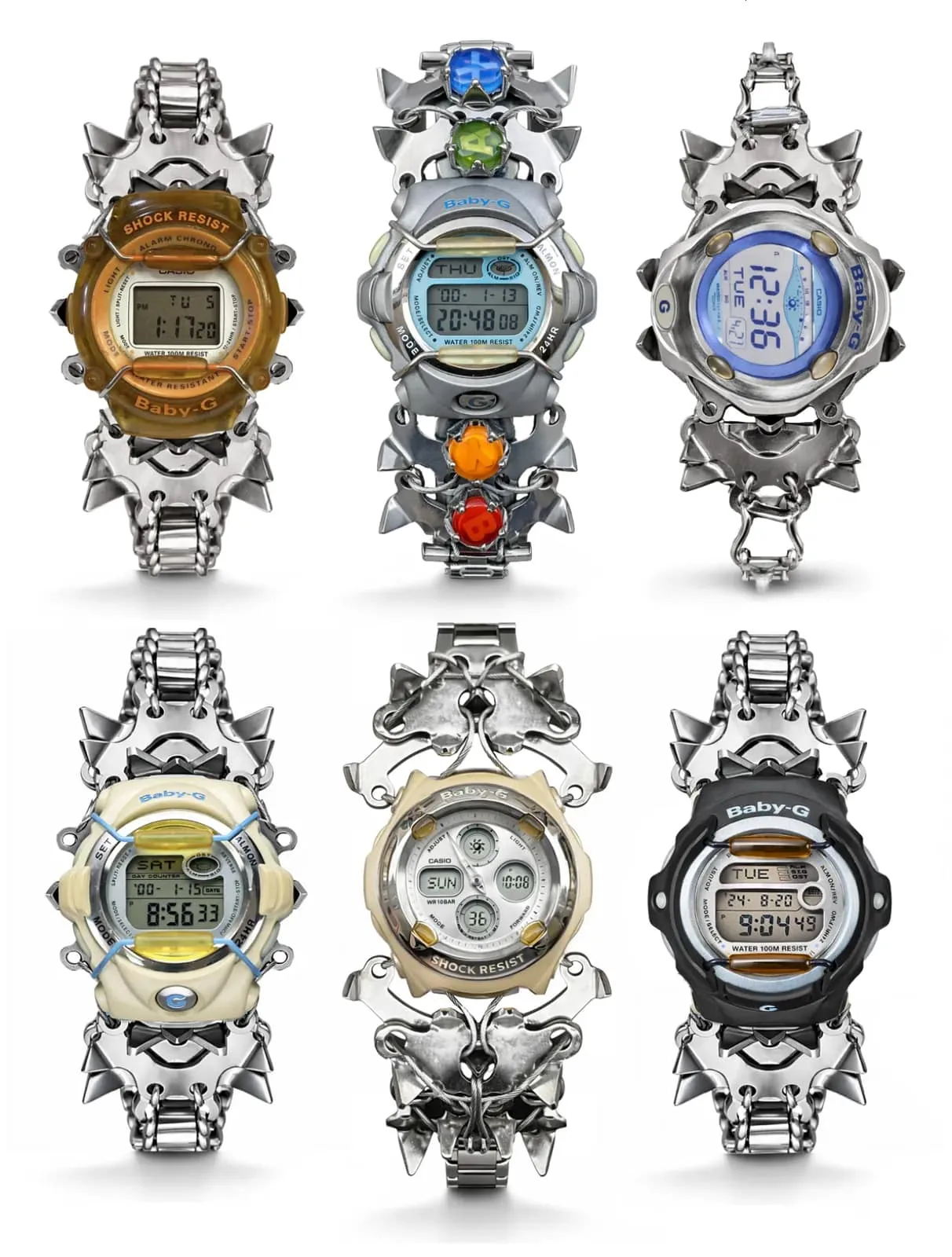
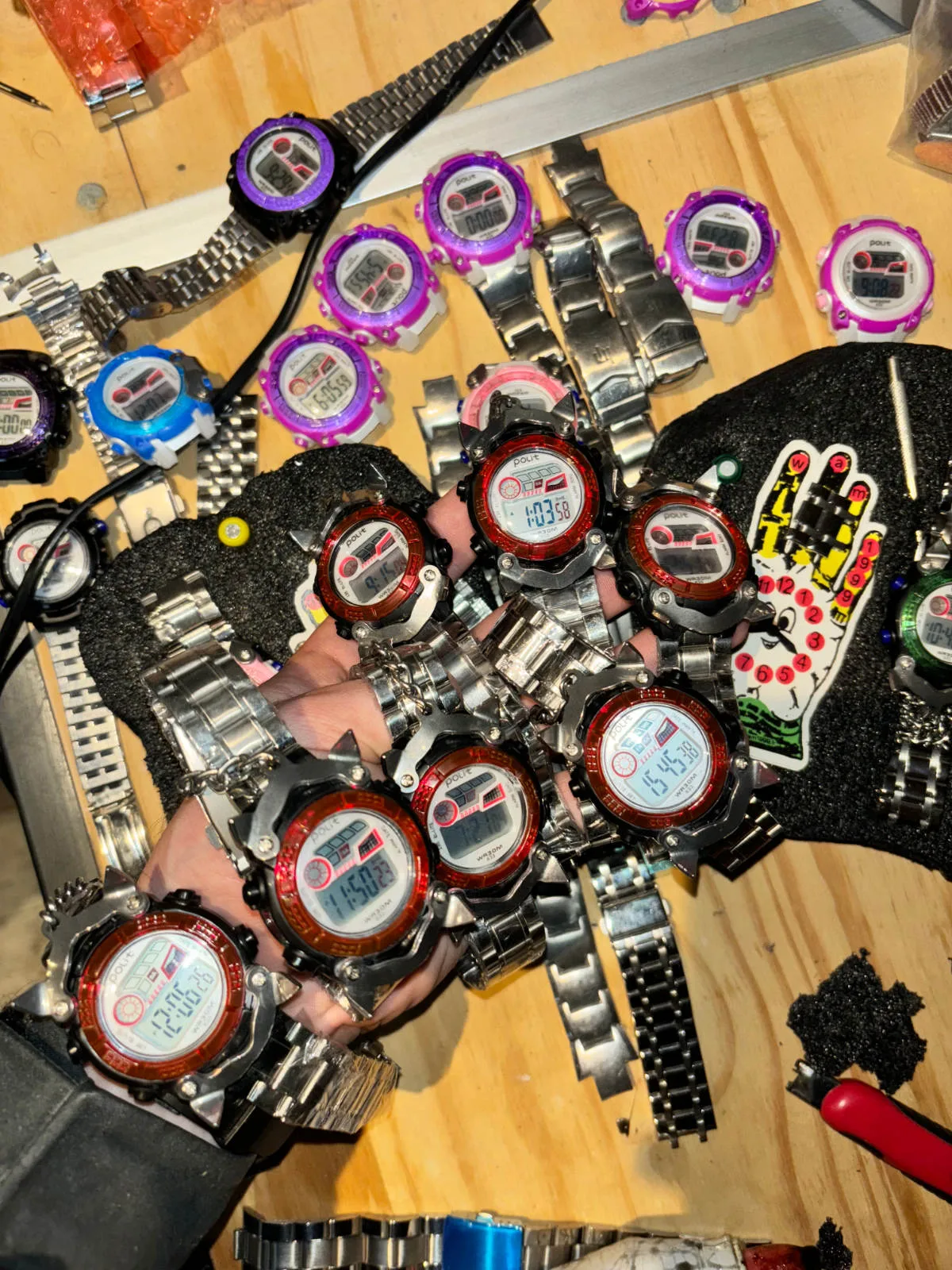
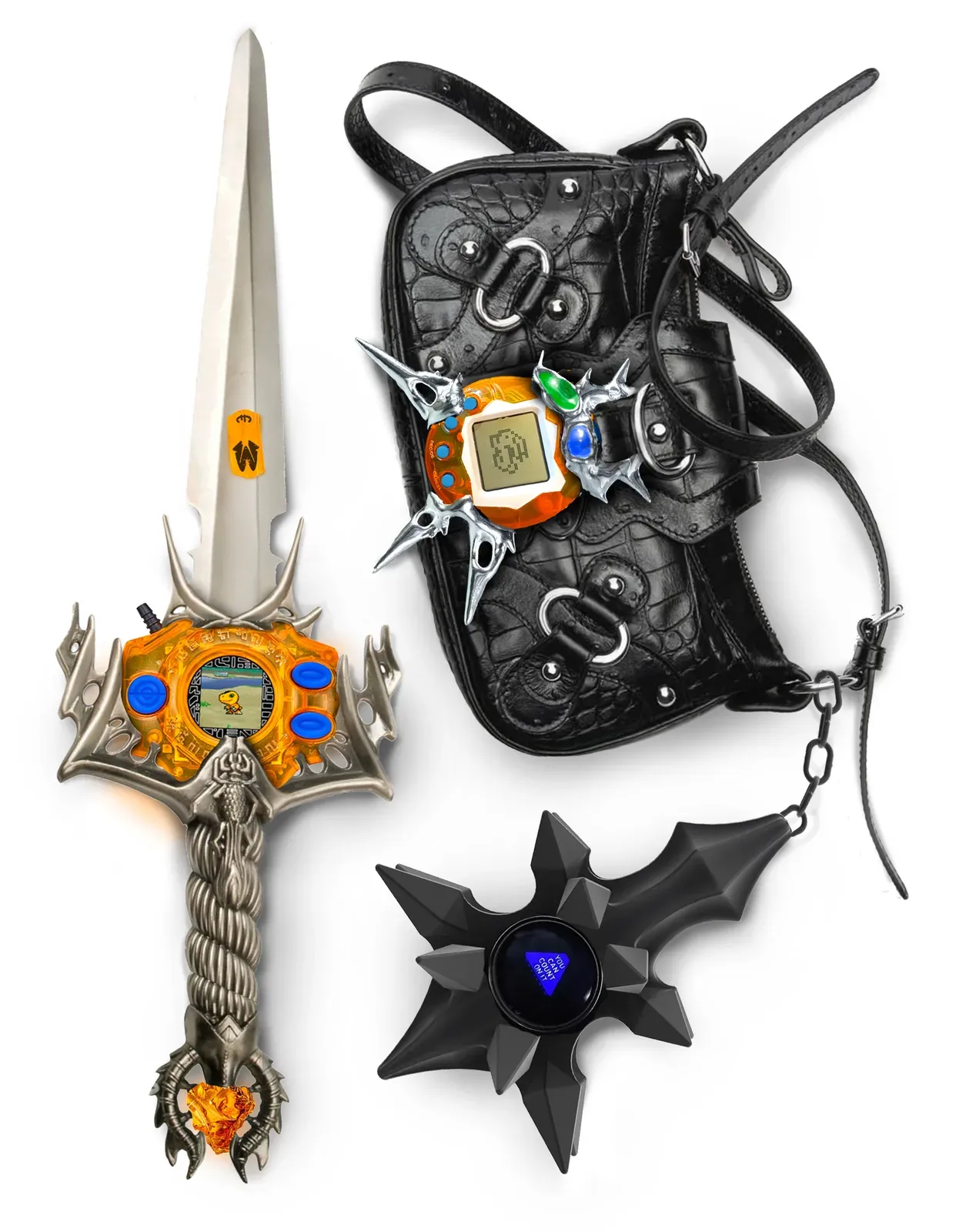
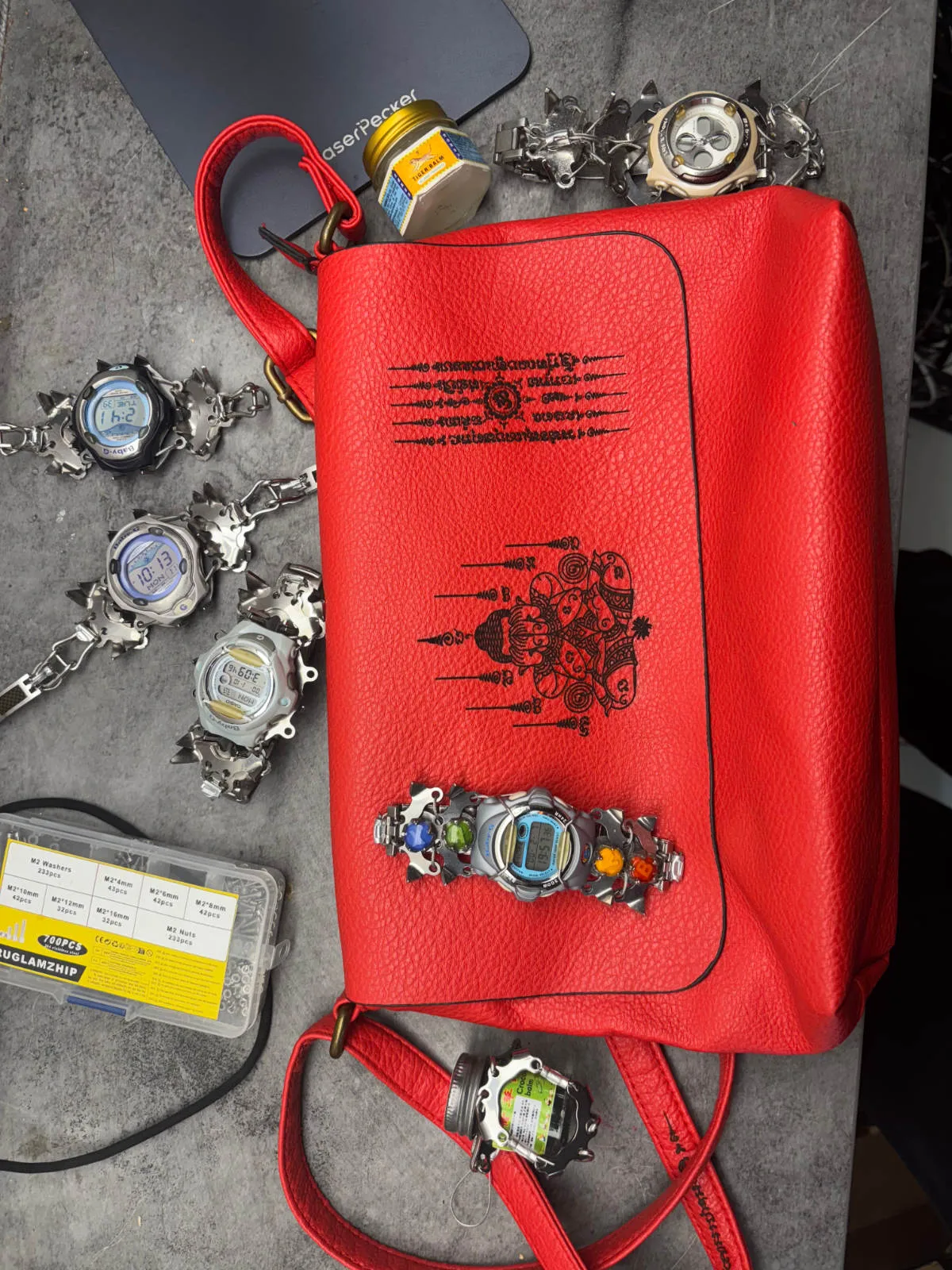
I create hybrid artefacts from everyday elements, and Gwam1999 was built around this idea of mutation: transforming salvaged trainers, watches, glasses, or technological objects into unique pieces on the borderline between accessory, jewellery, and wearable sculpture. My work blends very manual, artisanal craftsmanship with the integration of technological elements, like digital modules or electronic components, and strong storytelling, as if each creation belonged to a parallel universe. Visually, I am developing a language marked by organic shapes and powerful contrasts: preciousness and rubbish, raw and delicate, weapon and jewel. Each piece thus becomes a transformation, almost a metamorphosis, where the initial object changes its status and intensity.
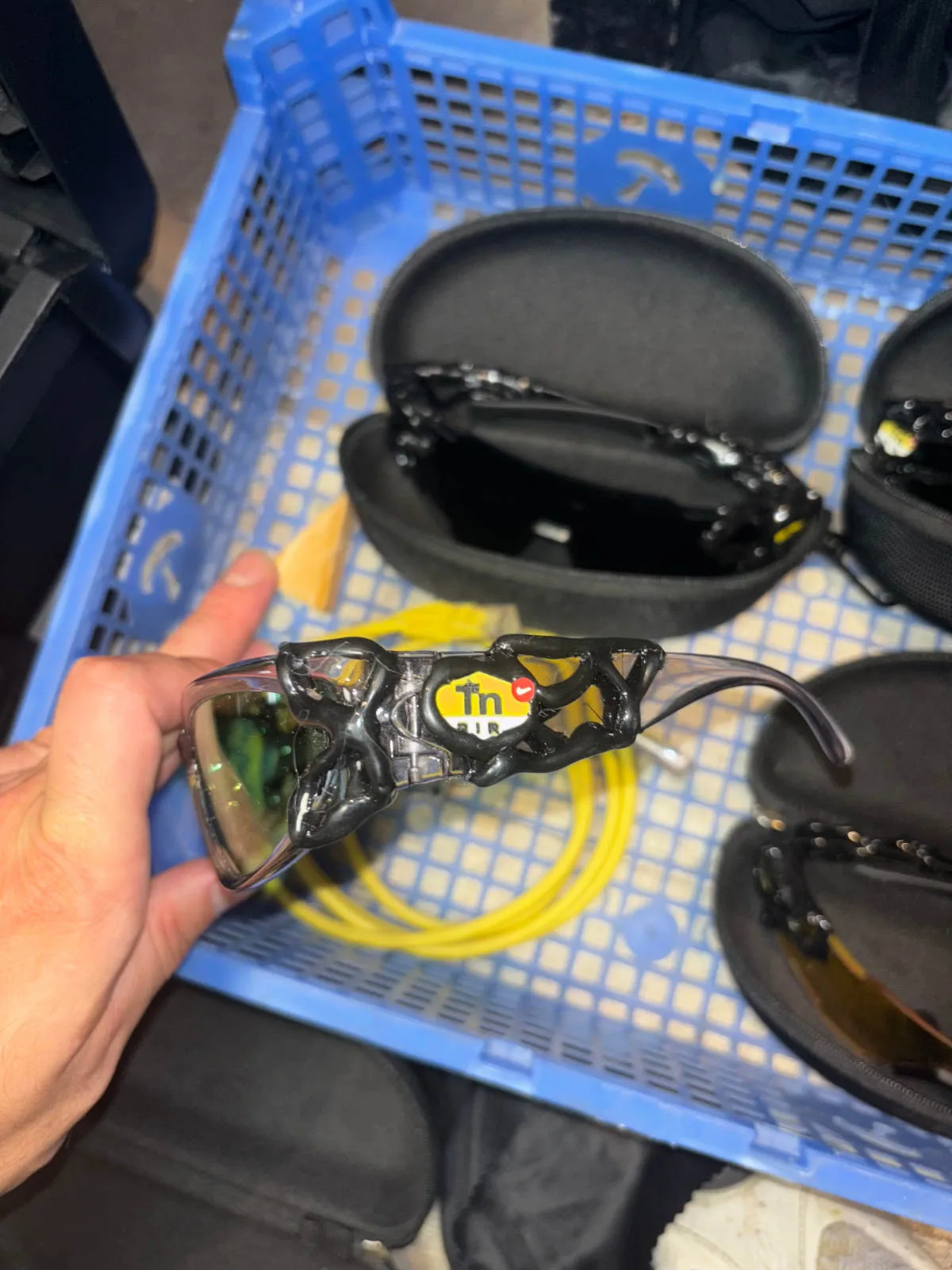
One of your most renowned projects is the one where you repurposed sunglasses with emblematic Nike TN trainers. What do you recall from that project?
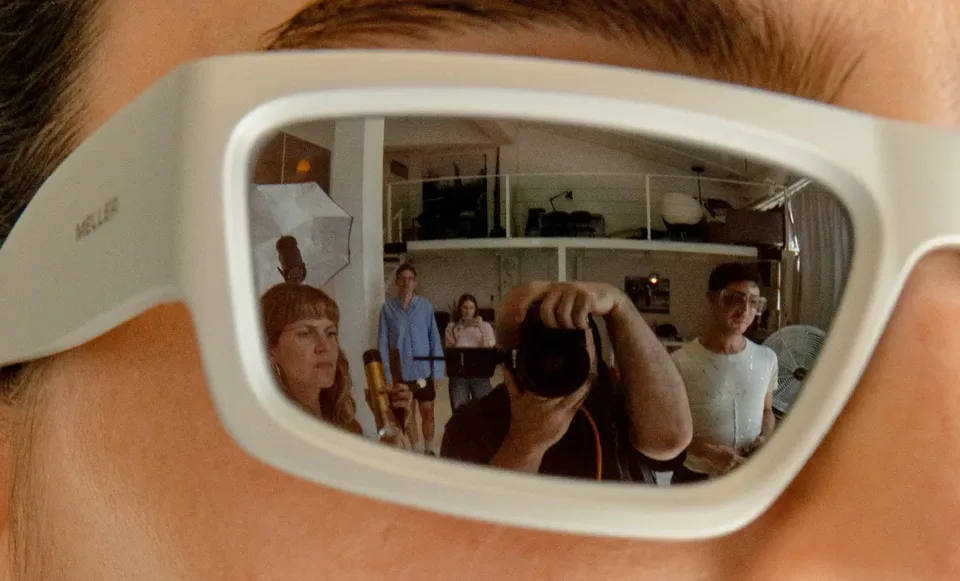
The TN glasses were like a distillation of my work. I was looking for a simpler, more direct form that would allow me to simplify my process while maintaining a strong identity. What struck me most was the reception of the project. These glasses were worn both by ‘lads from the estate,’ for whom the TN is a powerful symbol, and by people from very different backgrounds, like art students or those from elite universities. Beyond the logo, the organic language of the glasses (their dark, brutal, almost aggressive side) was also very well received. What I remember most is that this object served as a meeting point between worlds that, usually, do not cross paths.
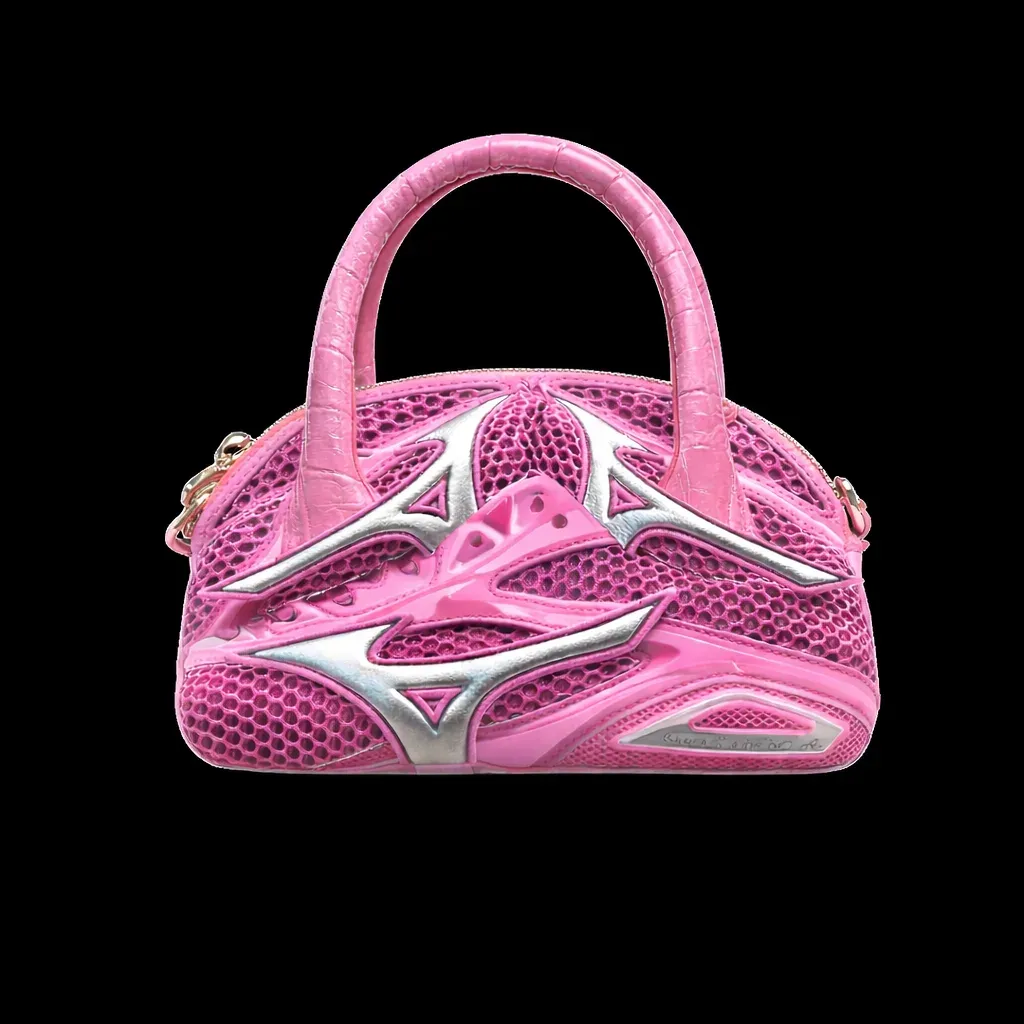
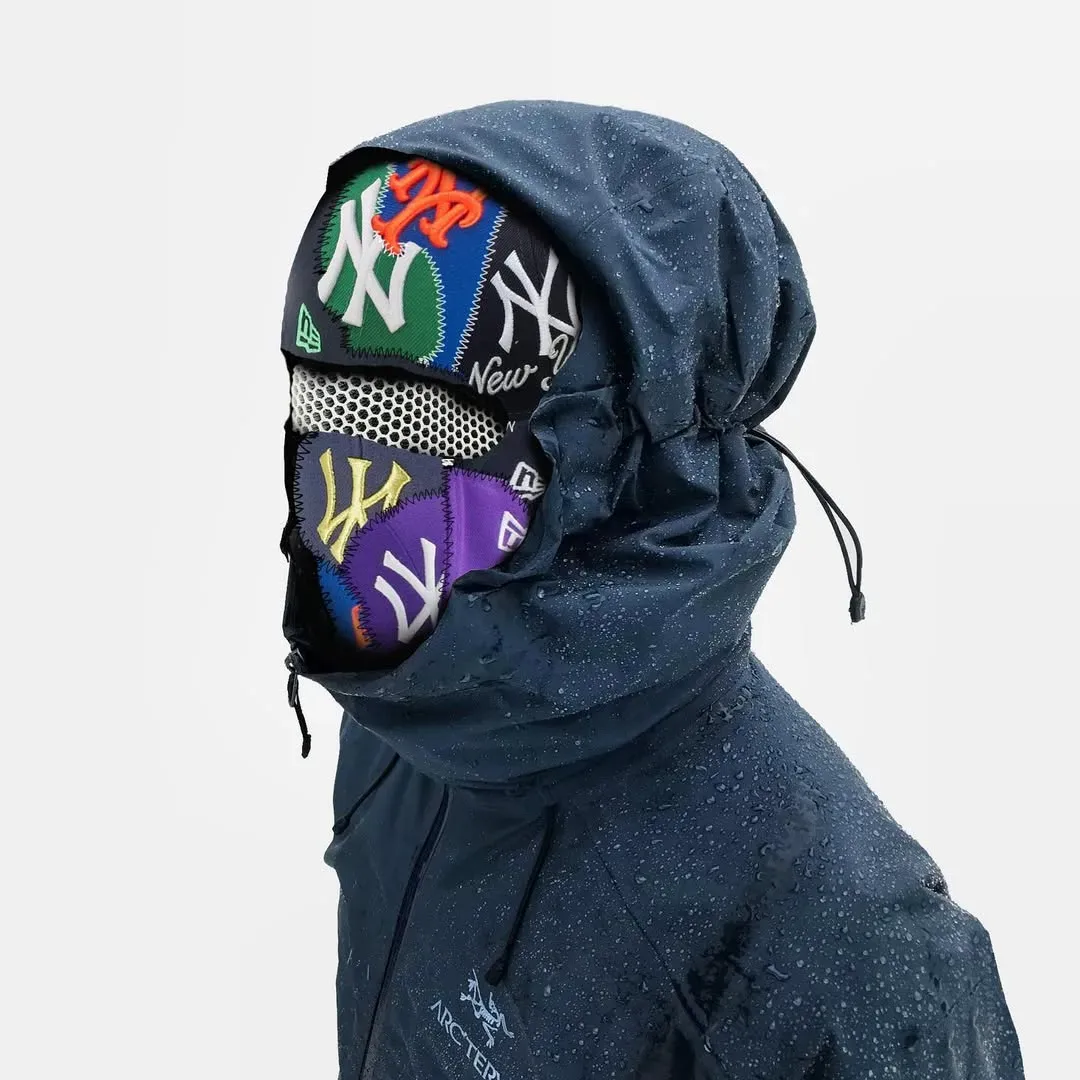
Before that, you crafted handbags and balaklavas made out of materials from pieces by Arc’teryx, Mizuno, Asics, Prada, or Nike. Tell us more about your beginnings as Gwam1999 and how has the project evolved in these past years.
In the beginning, I worked a lot with identifiable brands. The logos and technical materials were almost central elements; indirectly, I was extending their aura. Over time, my position has changed. The more I understood what was behind these structures, the less I wanted to glorify them. Today, I am looking to detach myself from visible logos to leave more room for my own formal language. This transition meant I lost an ‘easy label,’ but it allowed me to strengthen something else: an identity based on surprise, contrasts, and narrative, rather than on brand image.
“Gwam1999 was built around the idea of mutation: transforming salvaged trainers, watches, glasses, or technological objects into unique pieces on the borderline between accessory, jewellery, and wearable sculpture.”
Nippon culture is present in your work, especially in those very kawaii tamagotchis you armoured. How has Japanese culture influenced you both personally and artistically?
Japanese culture touches me through its ability to blend very ancient traditional craftsmanship with an extremely futuristic outlook. I recognise myself in this duality: a respect for the living, for the gesture, and for the ‘long game,’ combined with a desire to push forms further towards something almost speculative. This is reflected in my objects — somewhere between references to pop culture, video games, and a high standard of manufacturing.
Looking for Gwam online, I came up with very diverse results: the abbreviation of “Gross Words per Minute”, of Girls With a Mind (an agency), or the Pacific island of Guam. But I don’t think any of these relates to the brand name, does it? How did you come up with it?
Originally, the name was generated somewhat at random on a username creation site. It was Geroniwam. Over time, I pared it back to just Gwam, then added 1999, which is my birth year, as a more personal signature. Looking back, I realise that the way the name was built is very similar to my way of working: starting from something that already exists (sometimes without a precise intention), dismantling it, extracting the essence, and recomposing it.
You work on a drop-based basis, meaning that you don’t have an e-shop where people can just add things to their cart, but rather, they have to wait for new drops. What does this system allow you in terms of timing, creativity, and productivity?
Initially, drops were a matter of scale and logistics: I was producing unique pieces or very small runs with no possibility of permanent stock. The drop allowed me to close a project and create a specific moment. Today, I see the limits of it. This system is linked to an era of desire based on scarcity and FOMO. I want to evolve towards a hybrid model: a core of strong pieces available continuously complemented by more experimental collections via drops. The production remains the same: artisanal, in small volumes, with attention paid to every single piece.
What are you currently working on? Any new drop coming soon?
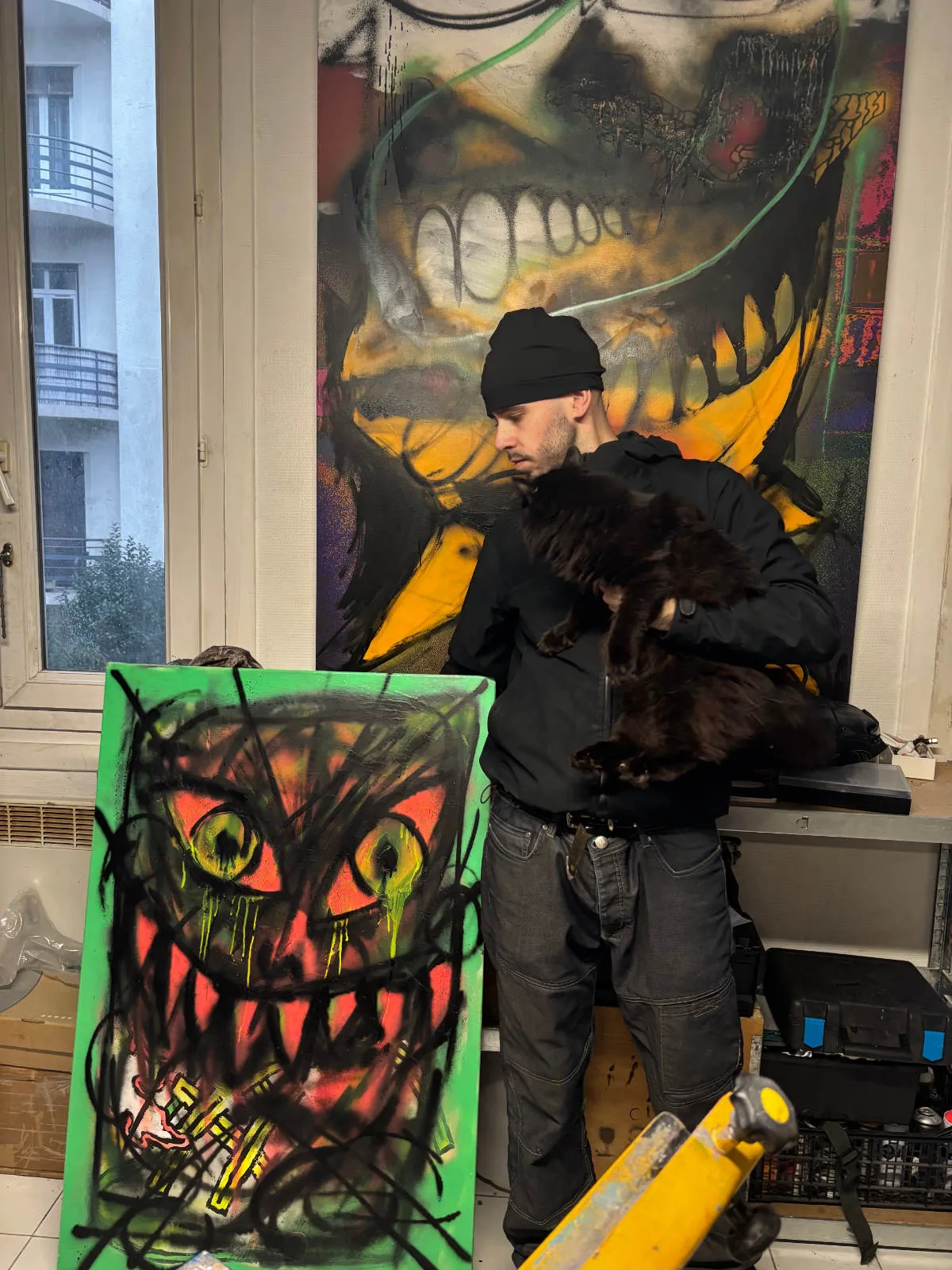
Today, I am looking to explore new worlds and extend the possibilities around Gwam1999 by opening the project to other types of pieces and mediums. Jewellery, painting, furniture, clothing: at the moment, we are working on a website designed as an experimental space capable of hosting different fields of creation. I am also developing paintings and interior furniture pieces to continue questioning the value, use, and status of objects. The goal is for Gwam1999 to be perceived not just as a simple accessory brand, but as a global artistic universe capable of unfolding across very different forms and mediums.
In line with this, I want to create new Instagram accounts and develop distinct entities to distribute my artistic work through different channels. This approach allows me to segment the narratives, explore each universe more autonomously, and broaden my horizons, all while giving each project the necessary space to fully exist.
In line with this, I want to create new Instagram accounts and develop distinct entities to distribute my artistic work through different channels. This approach allows me to segment the narratives, explore each universe more autonomously, and broaden my horizons, all while giving each project the necessary space to fully exist.