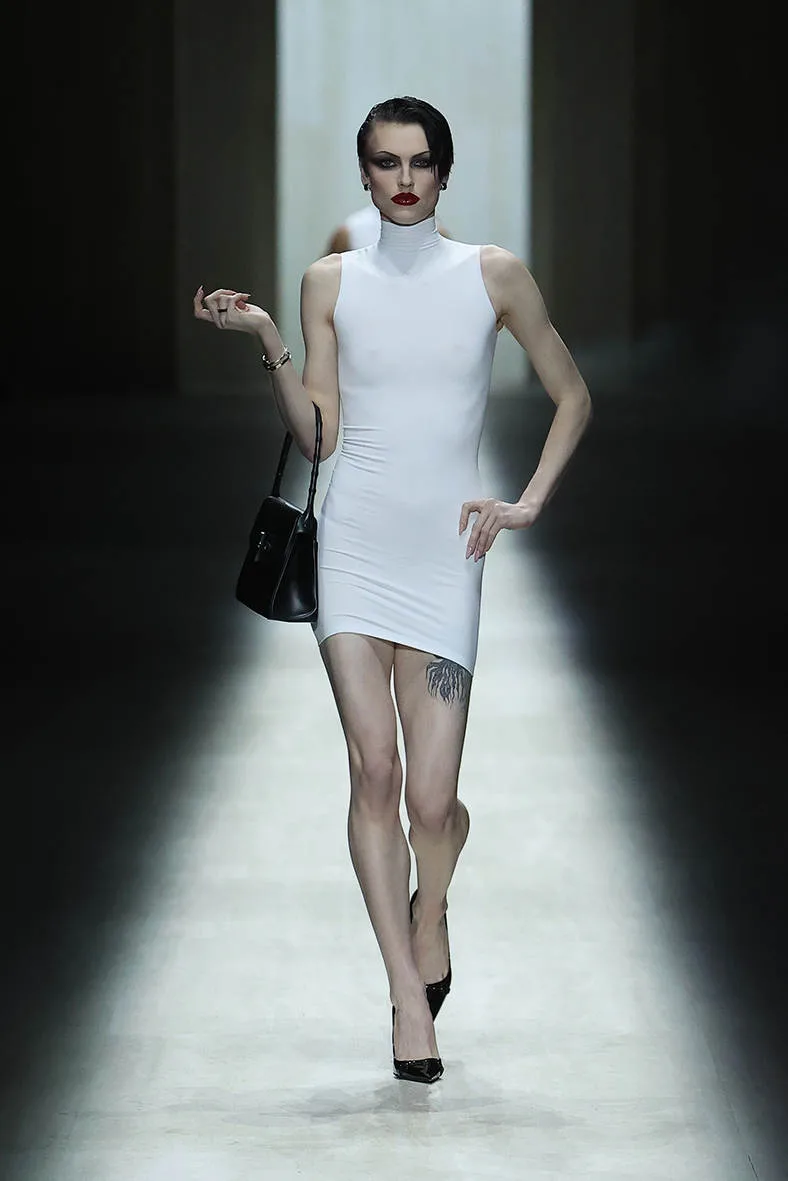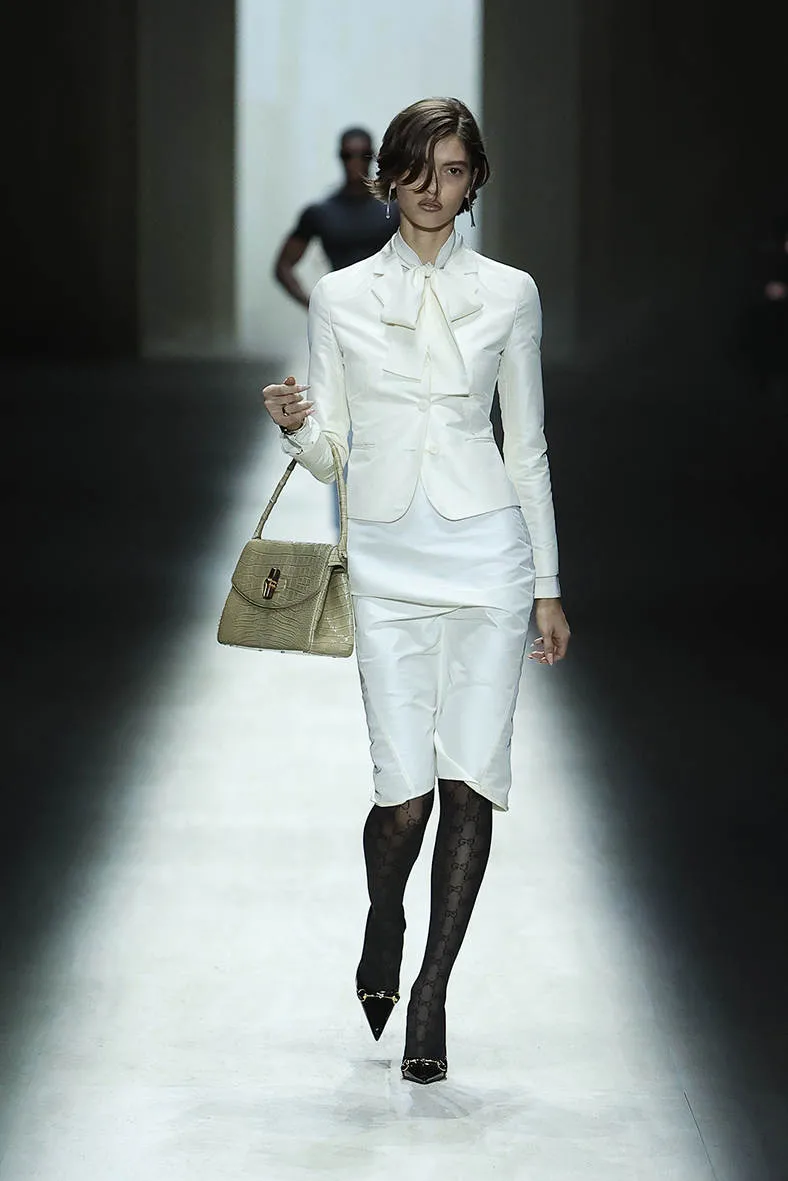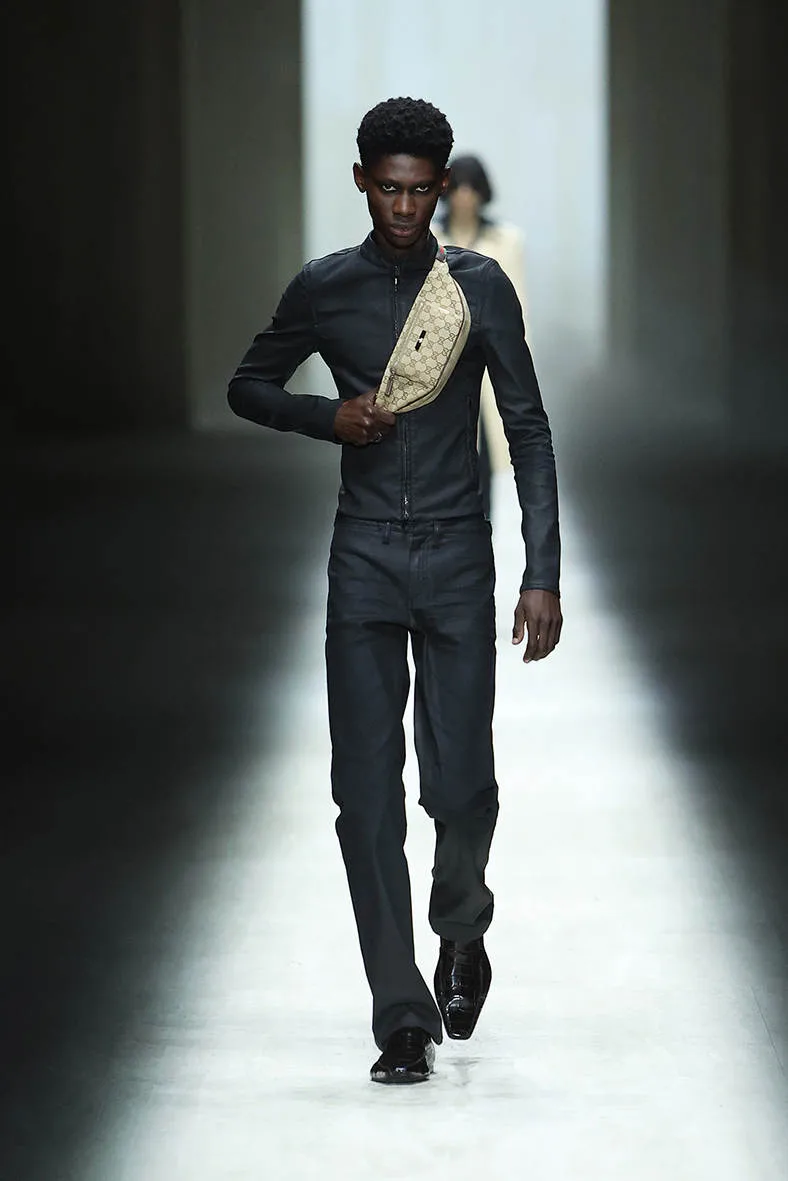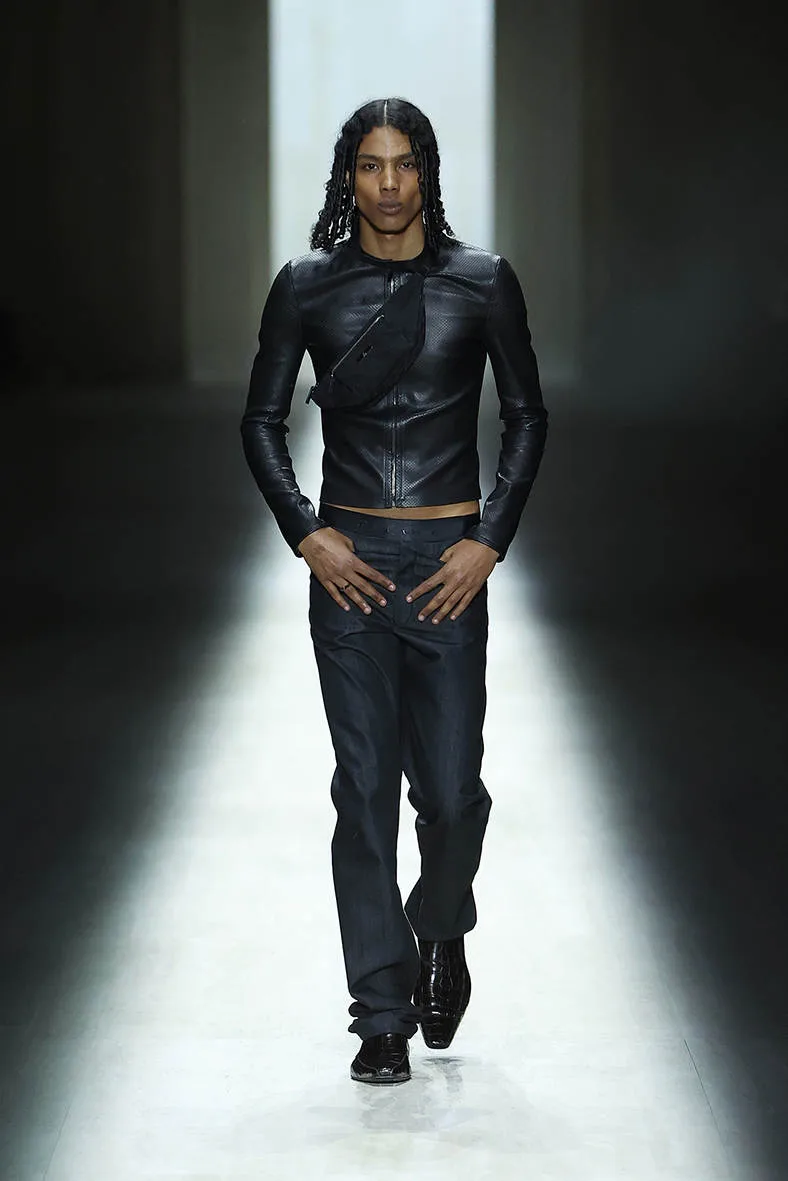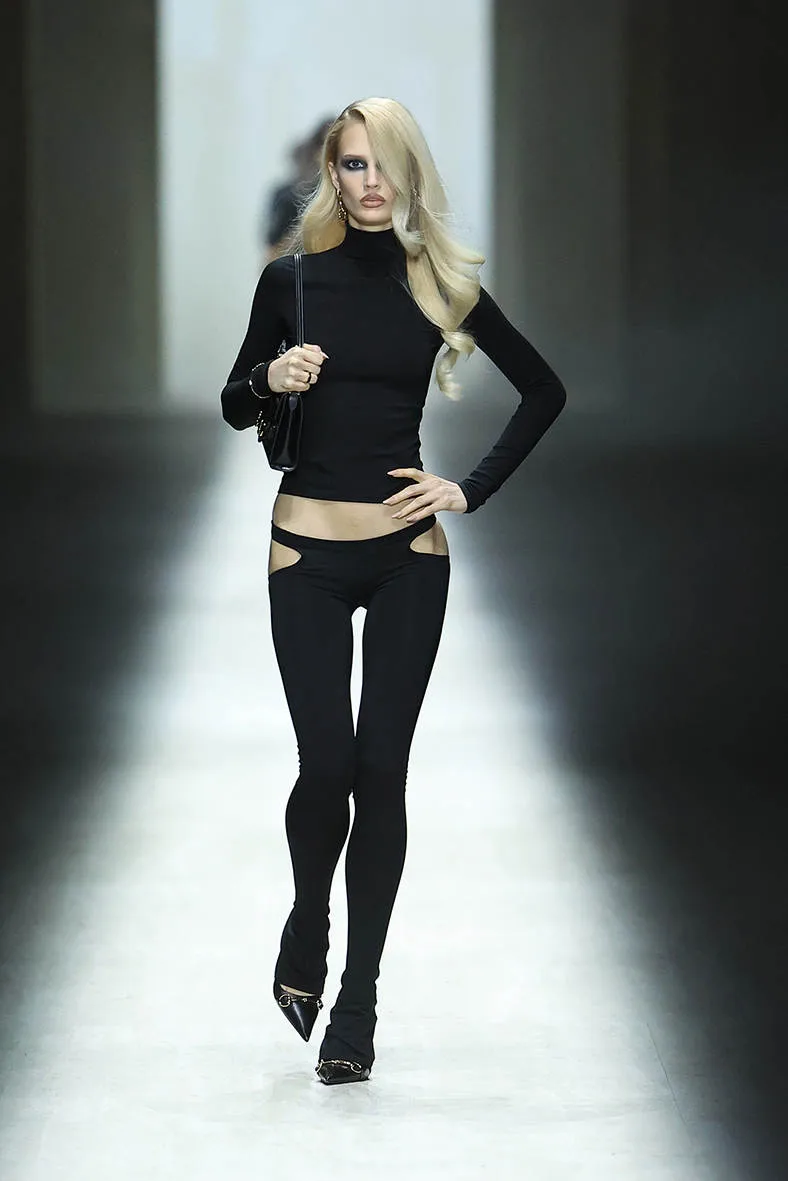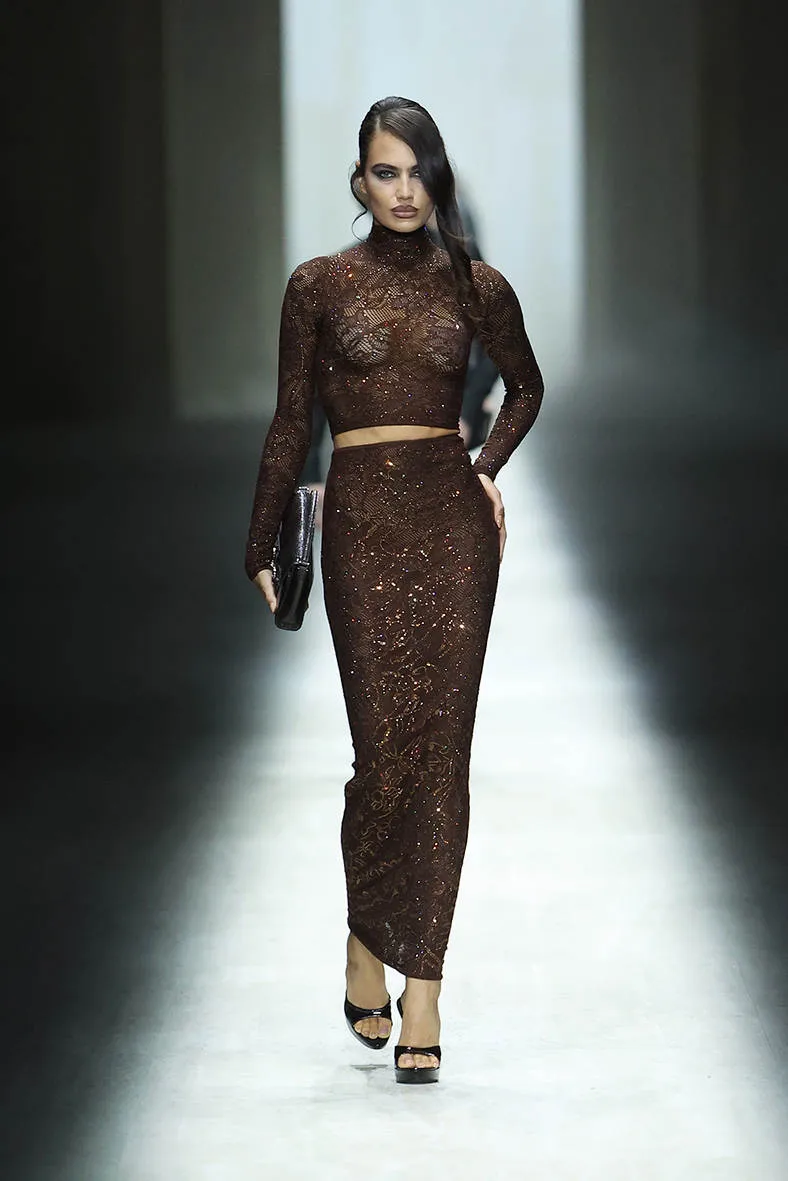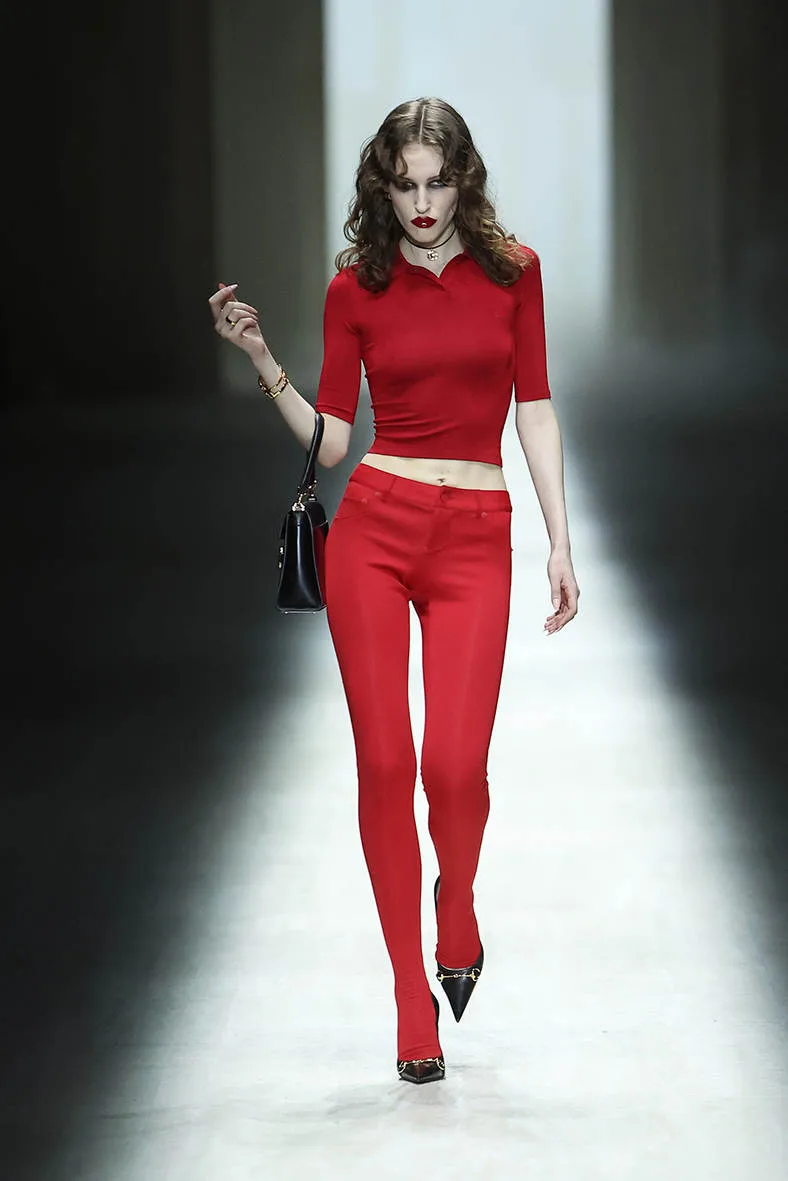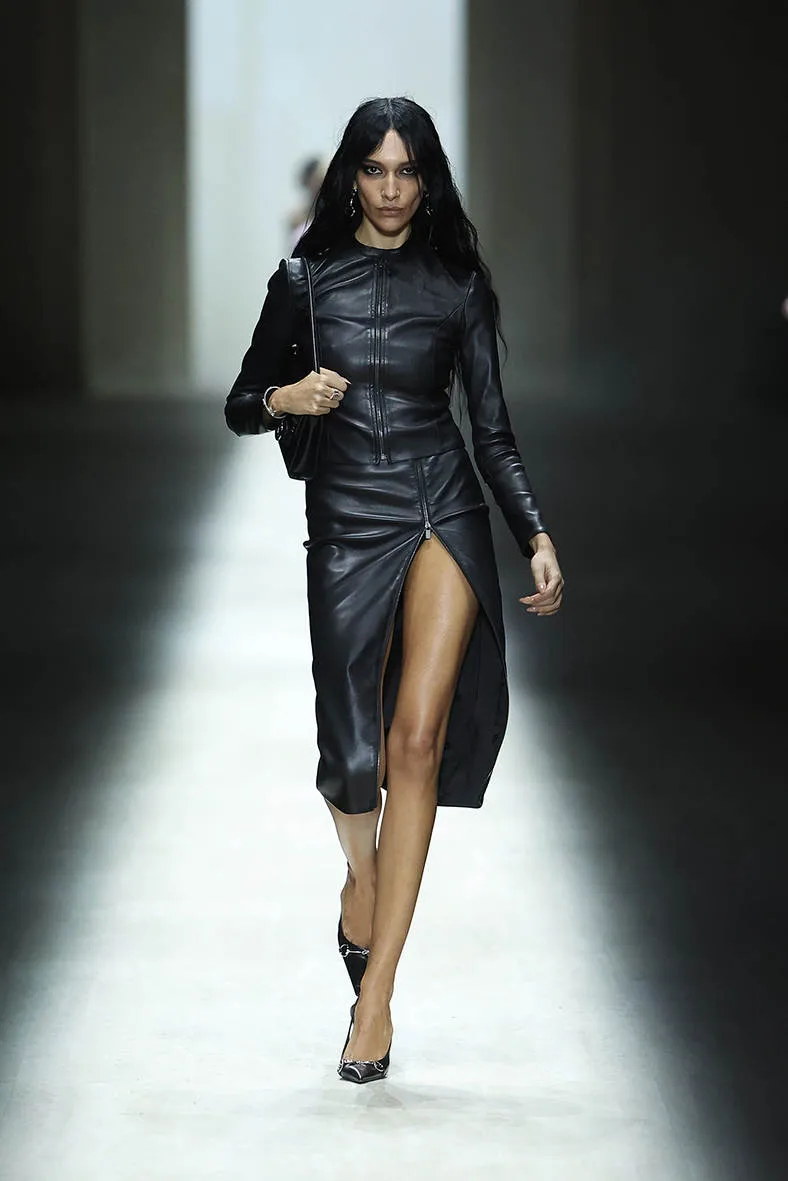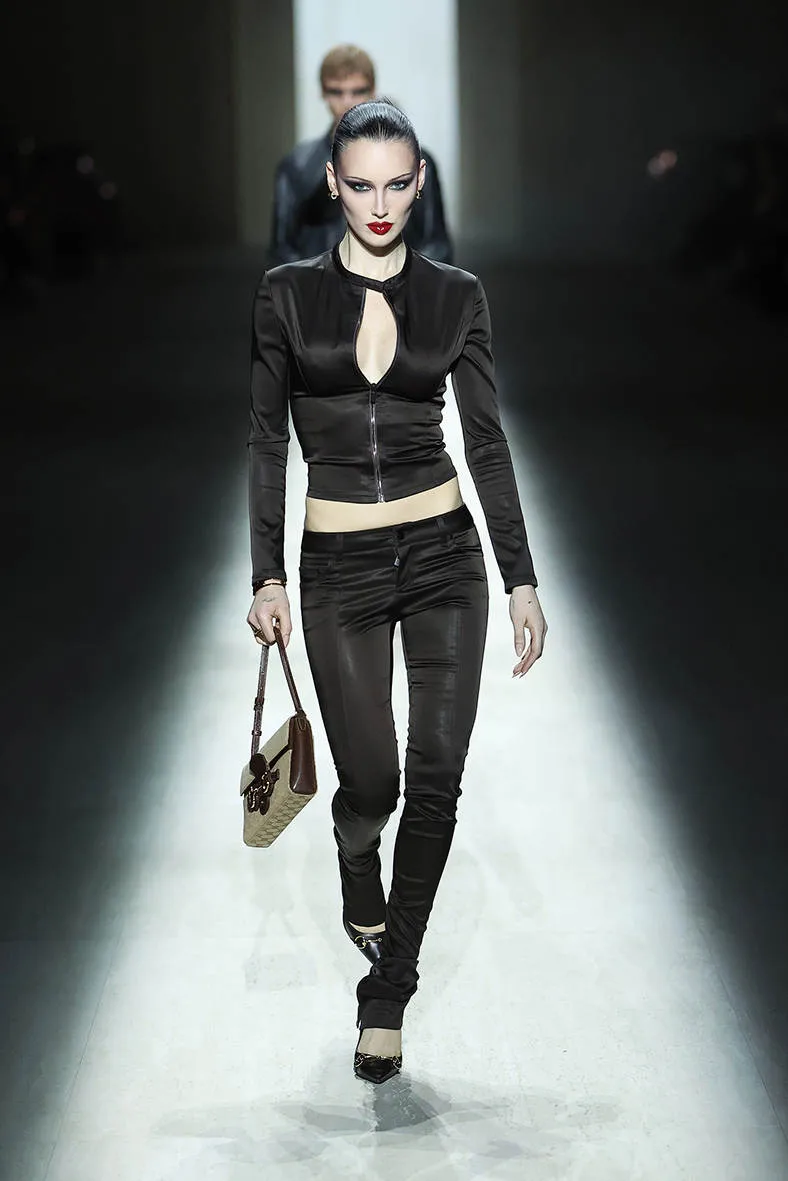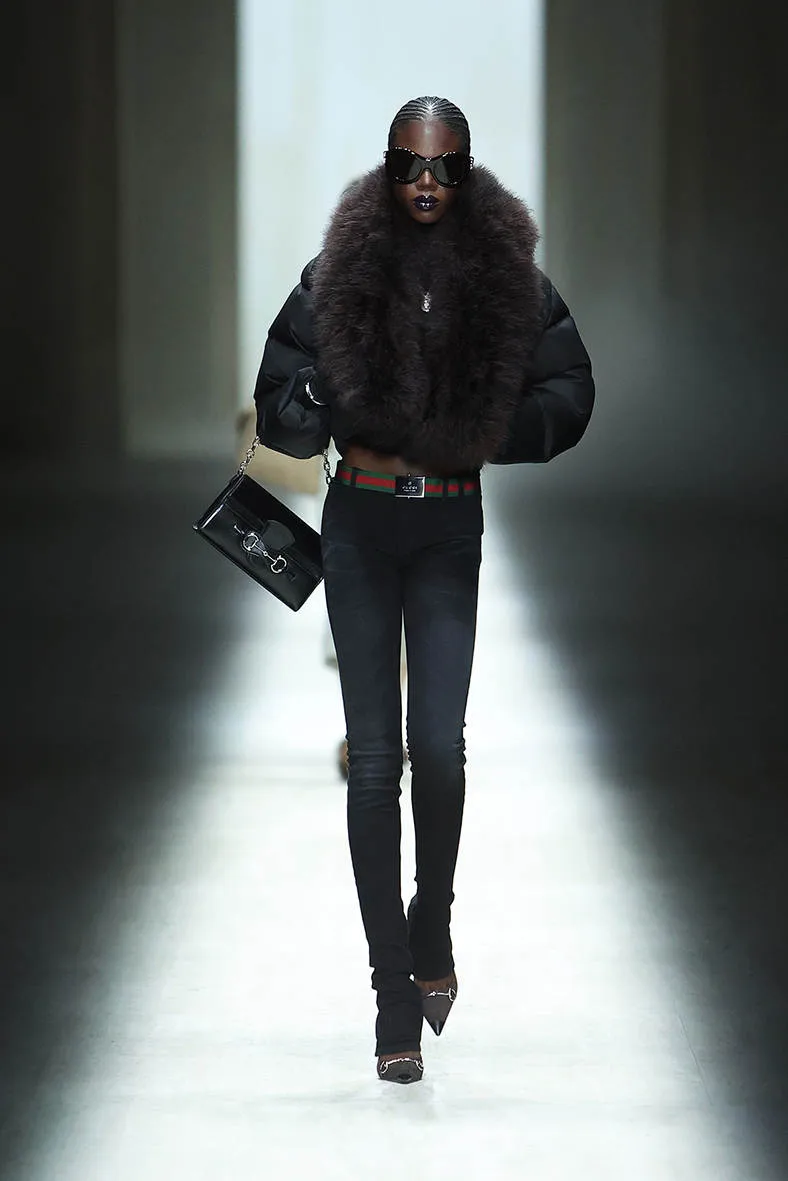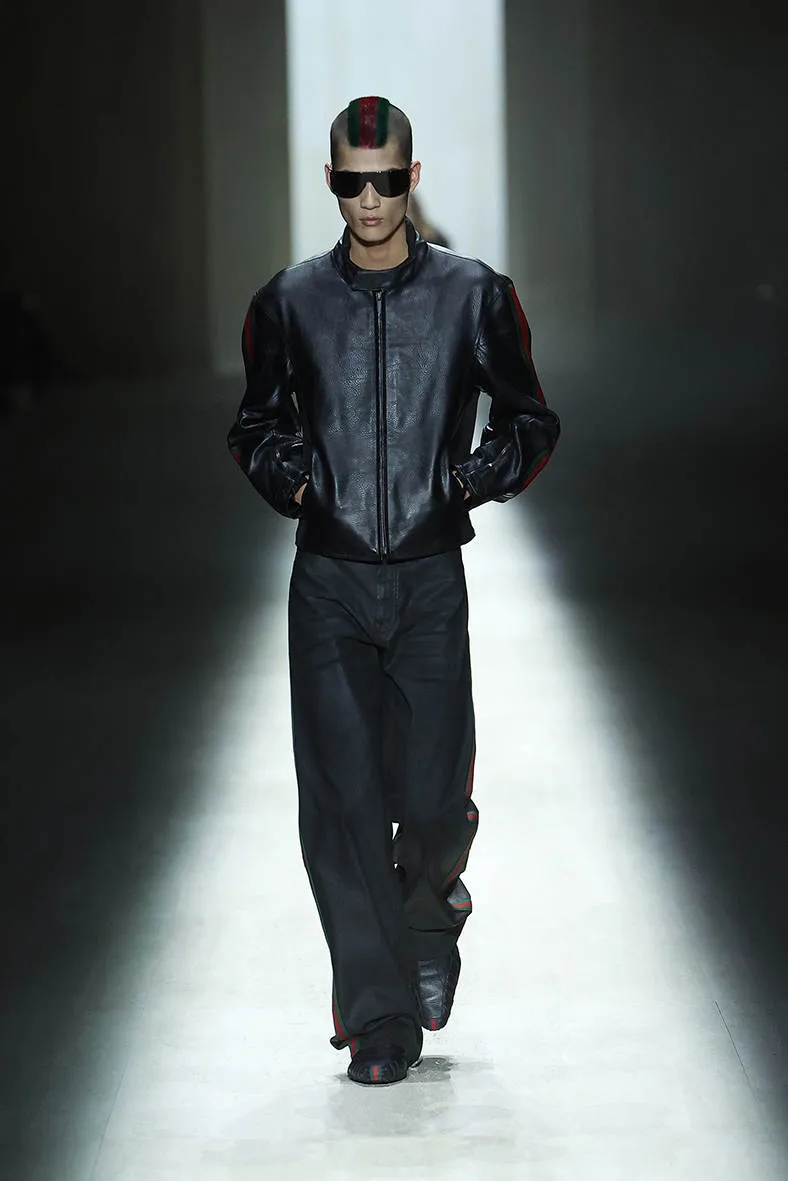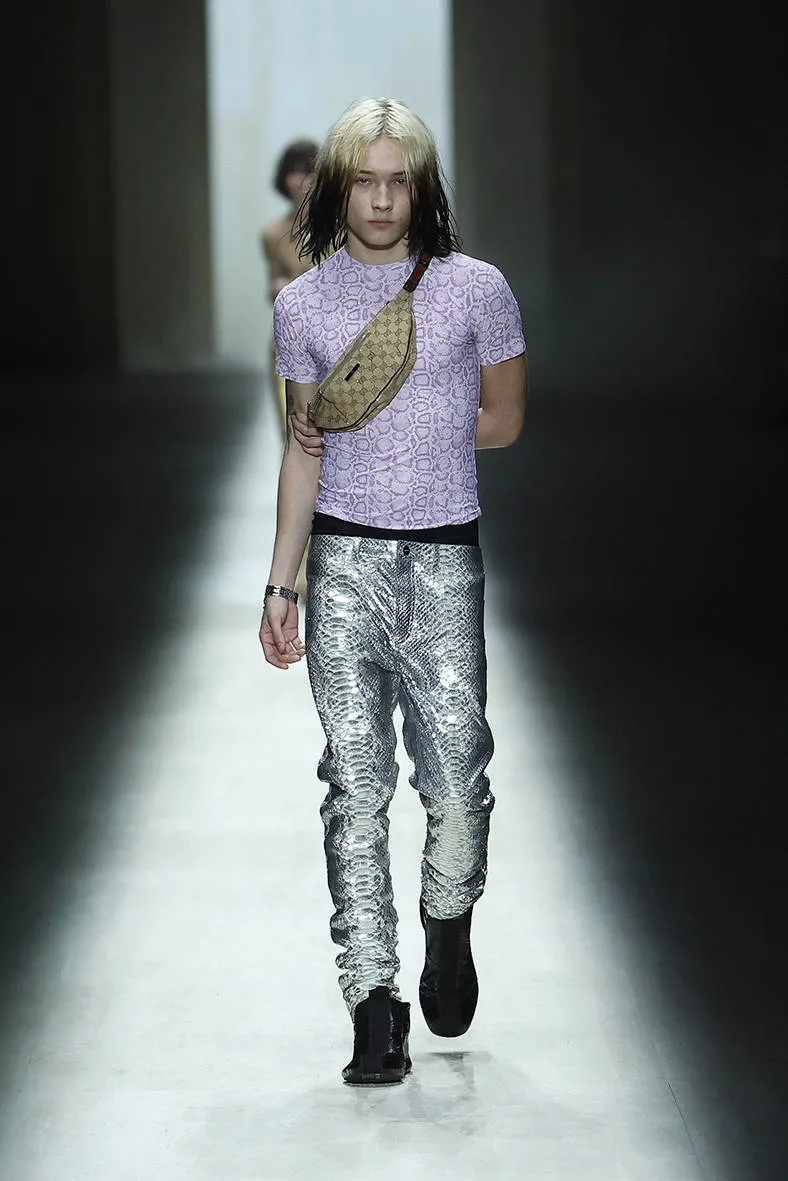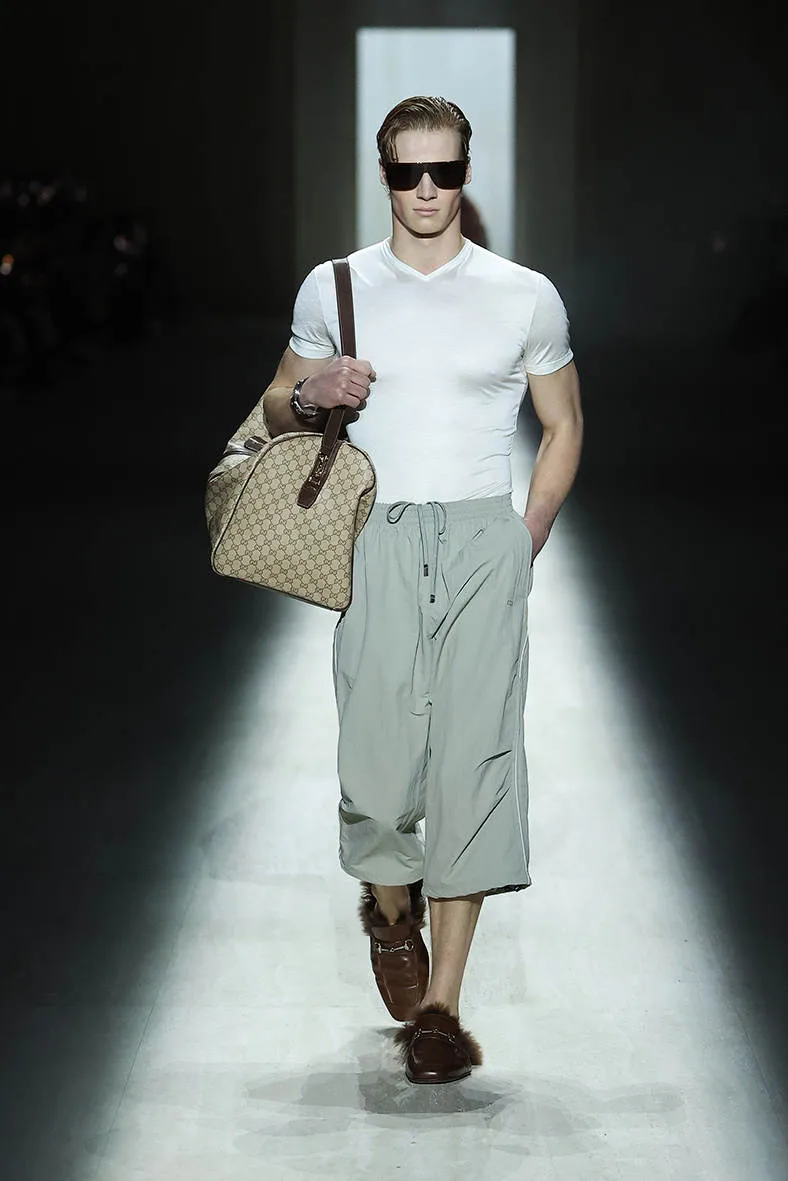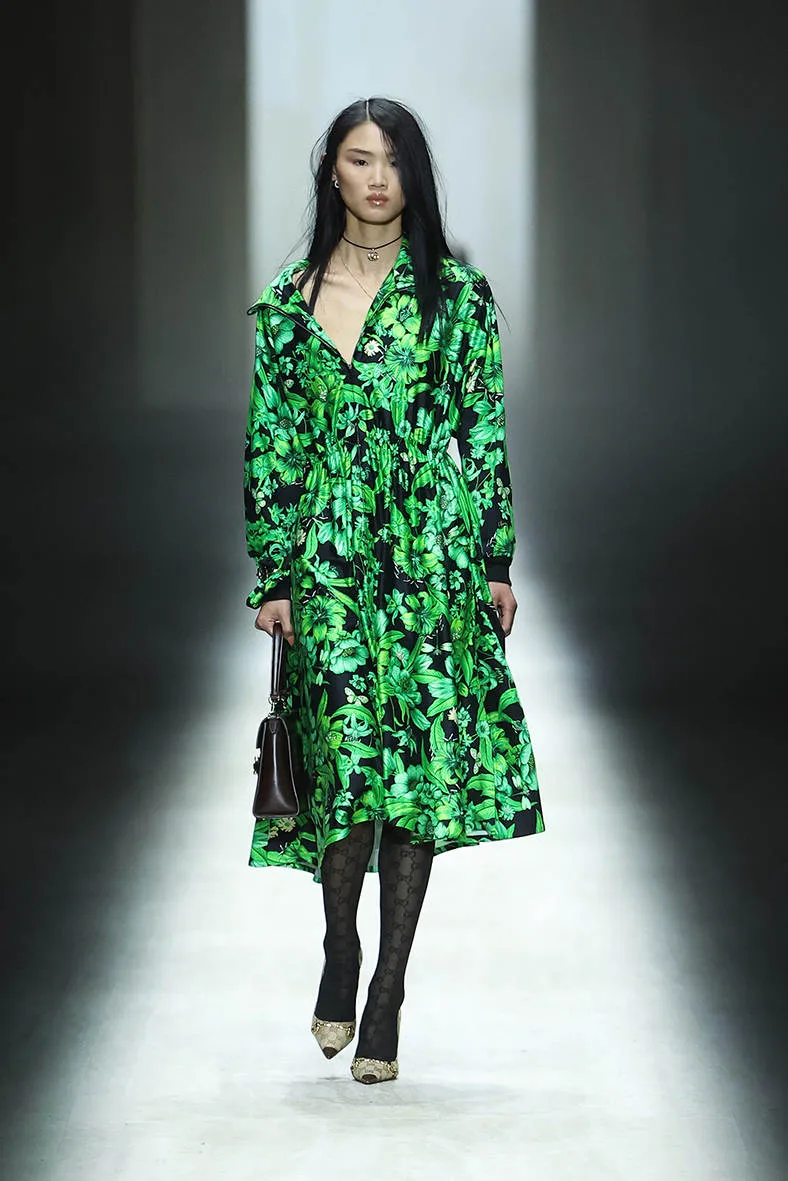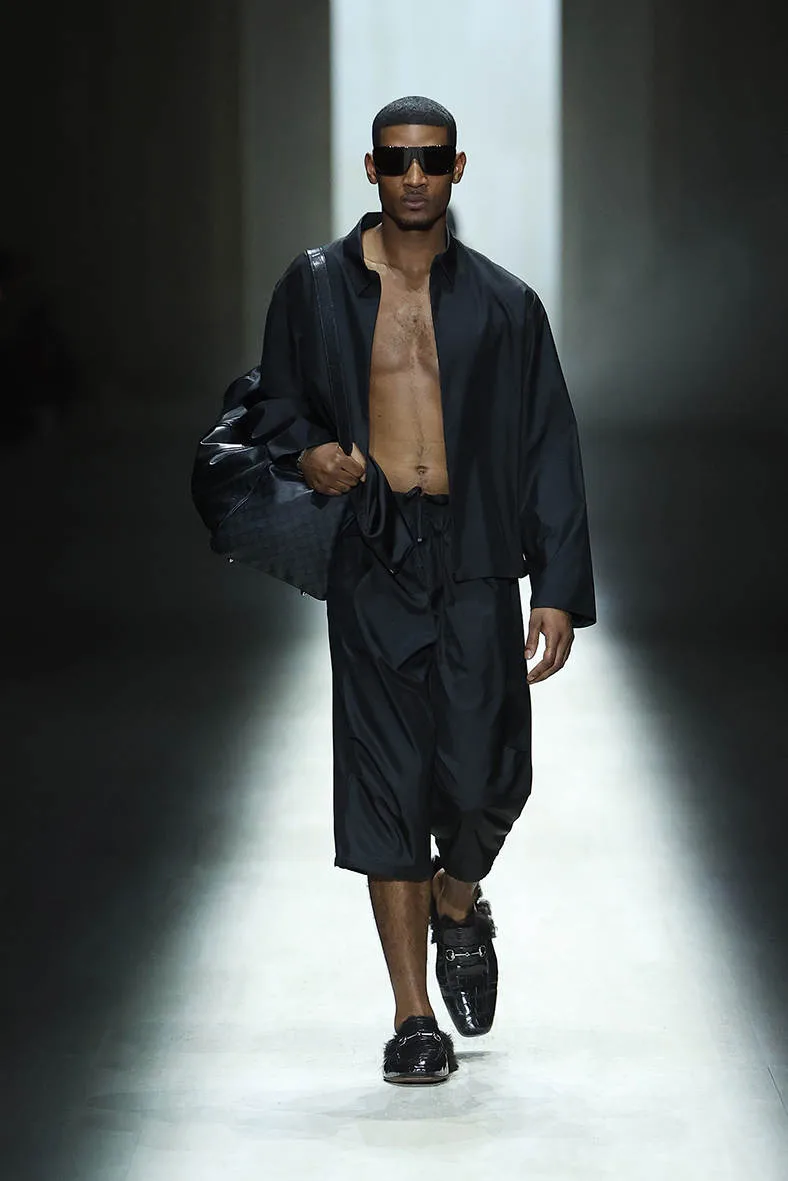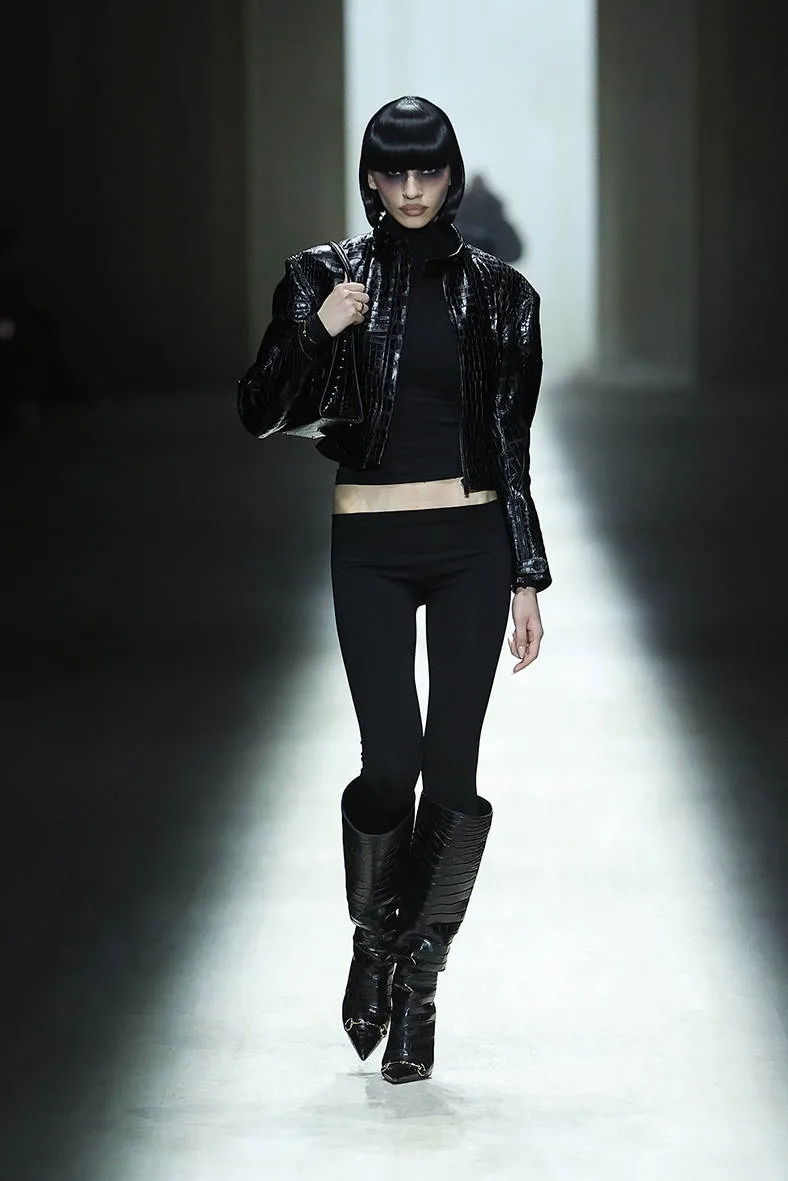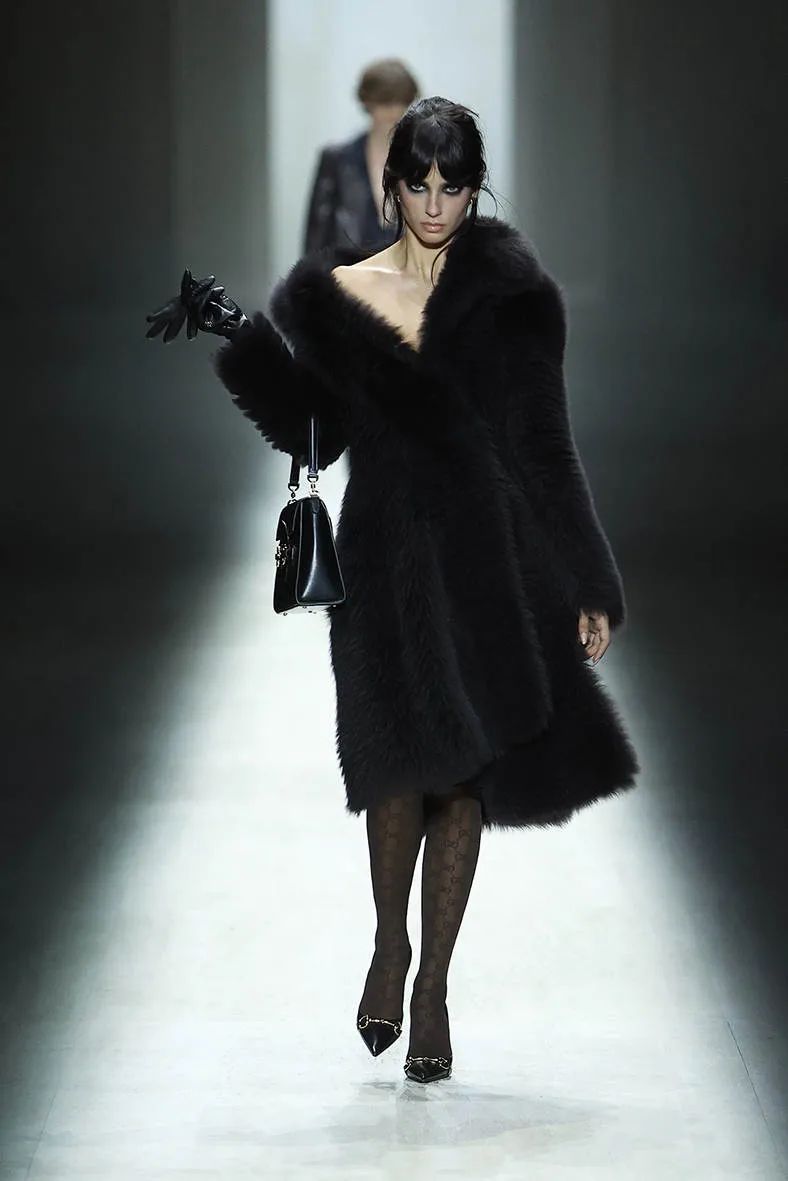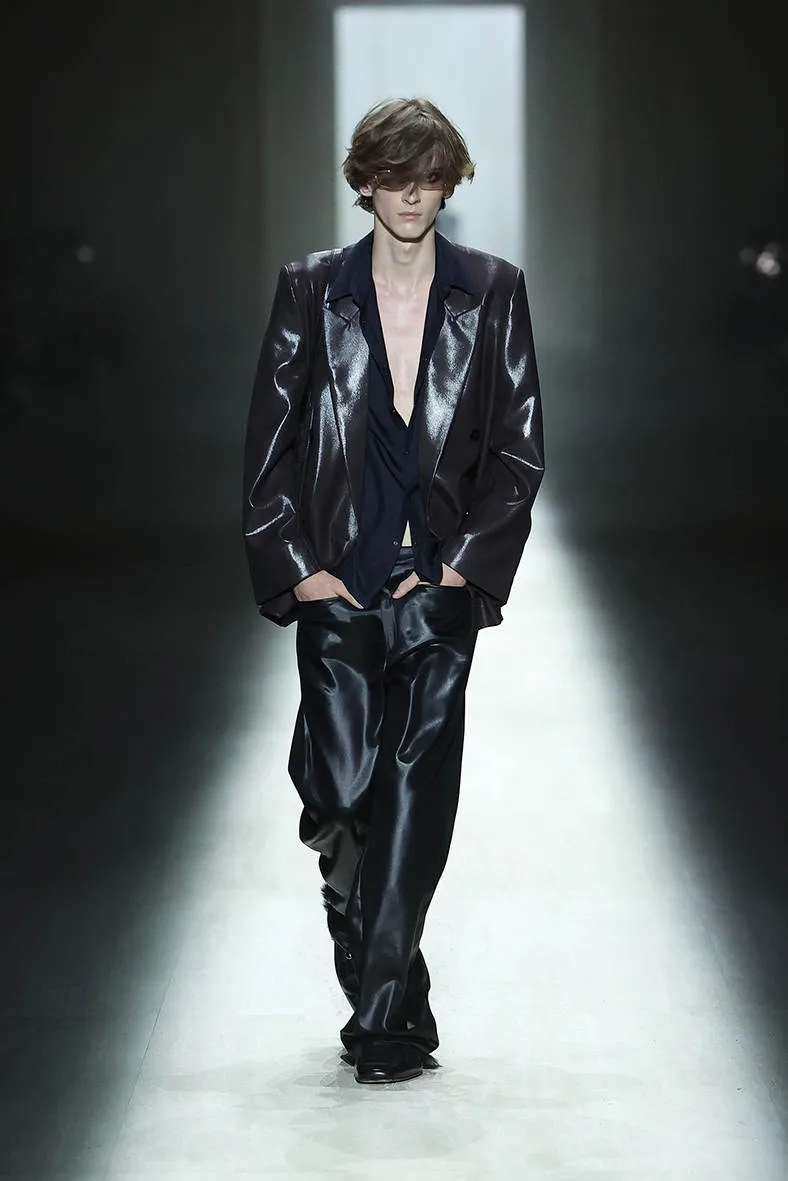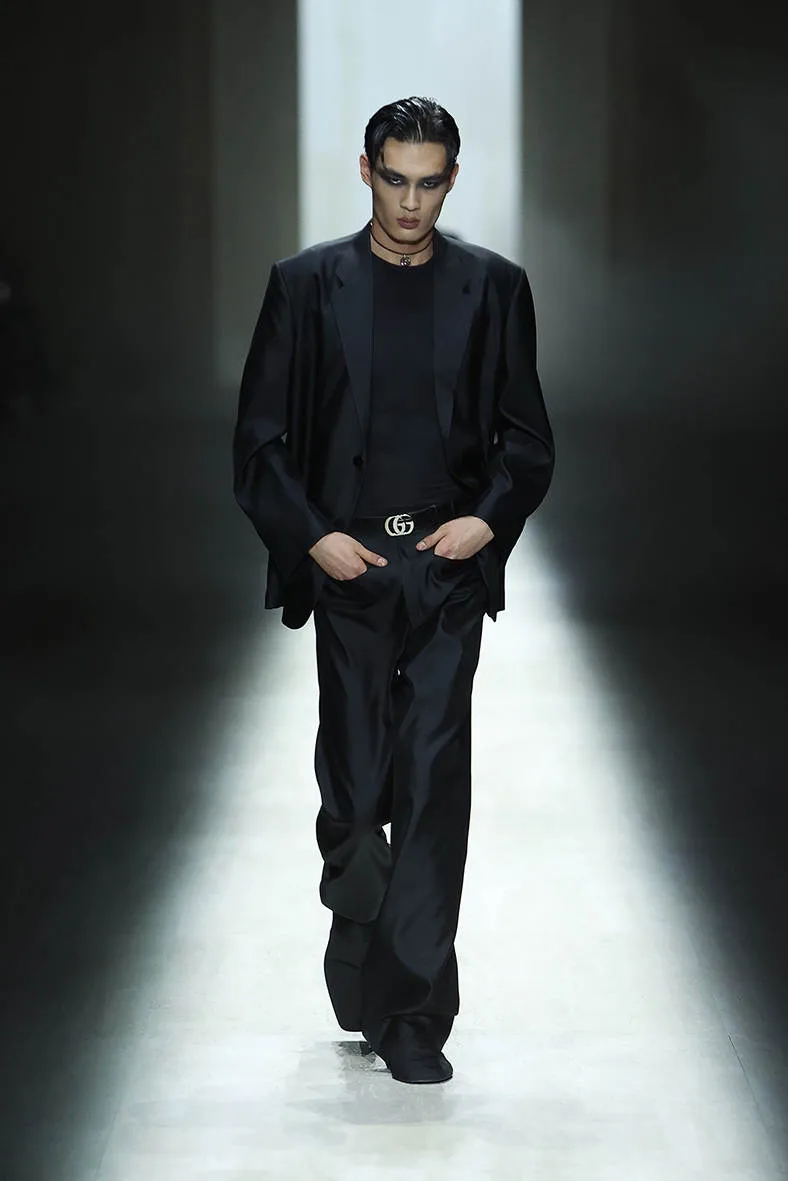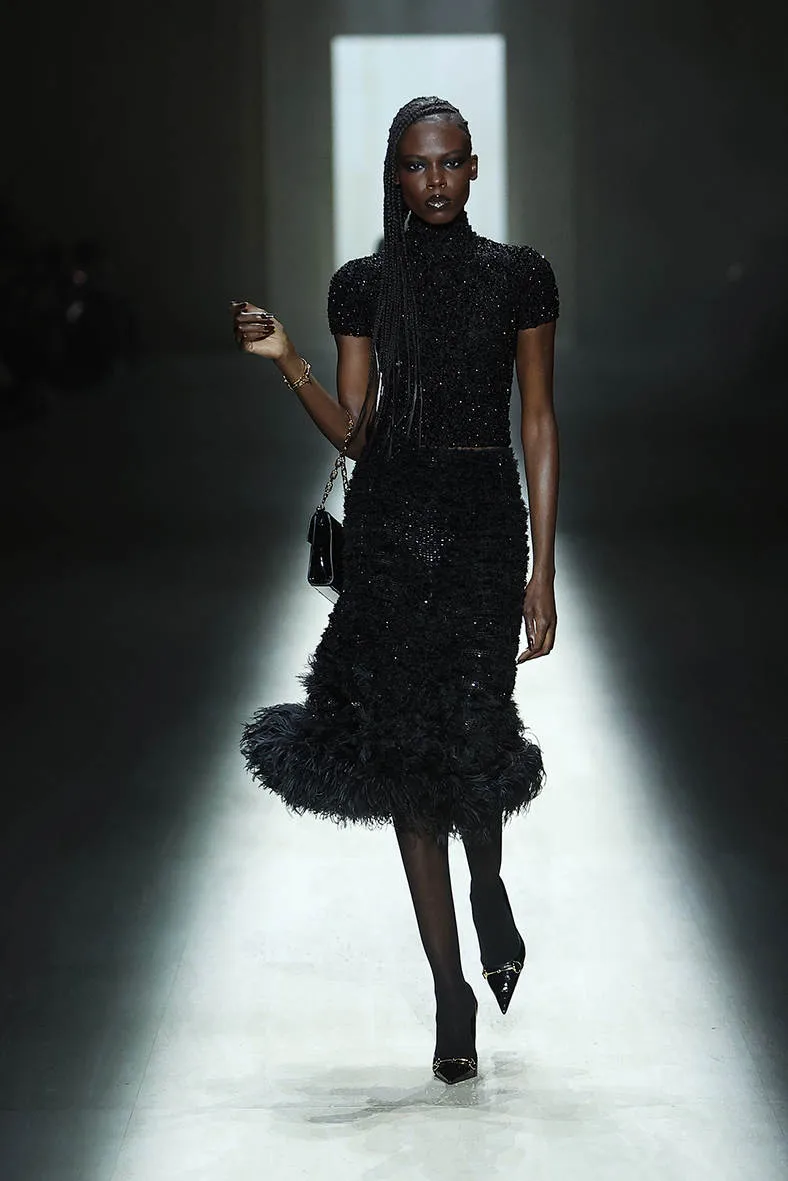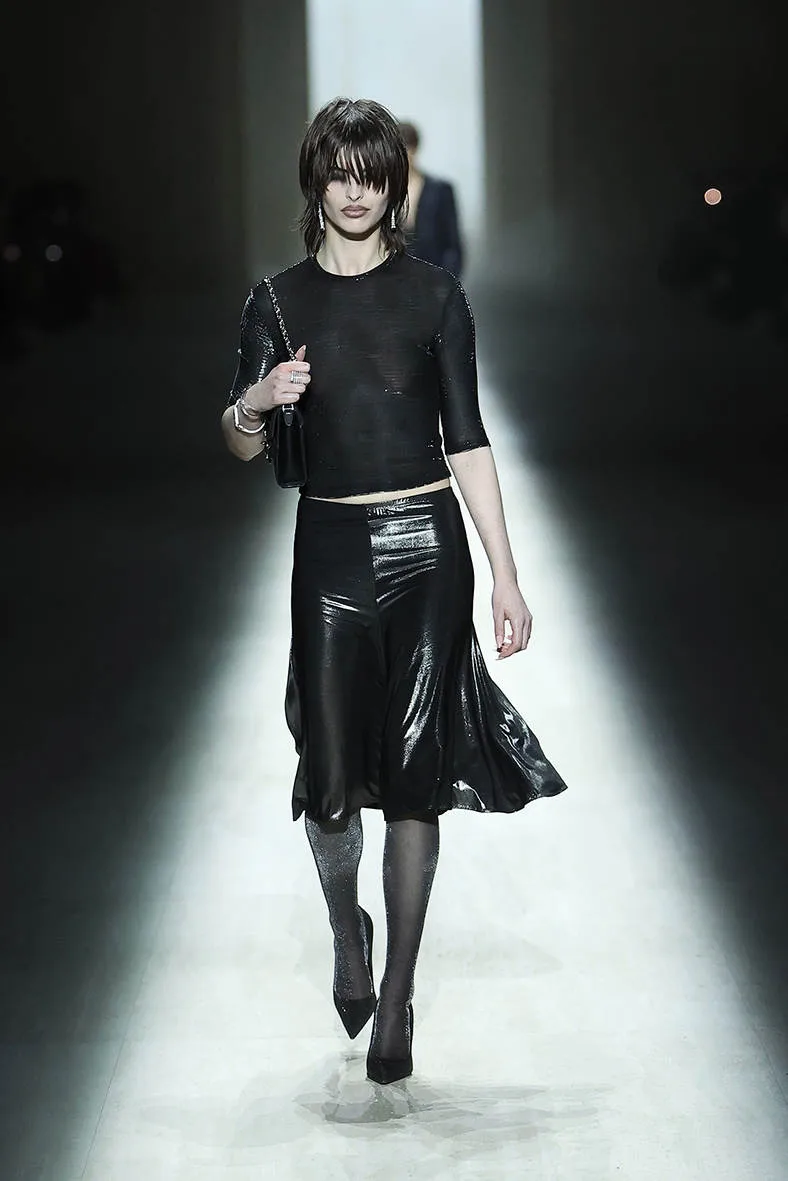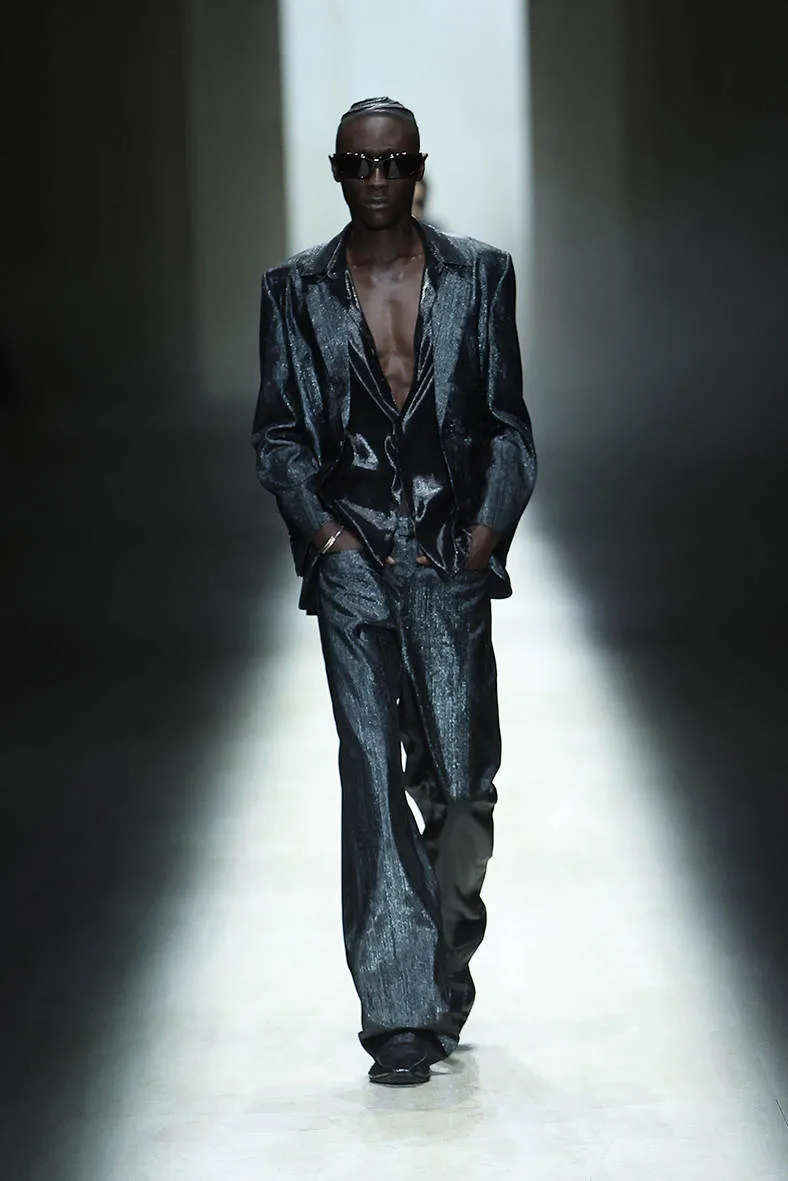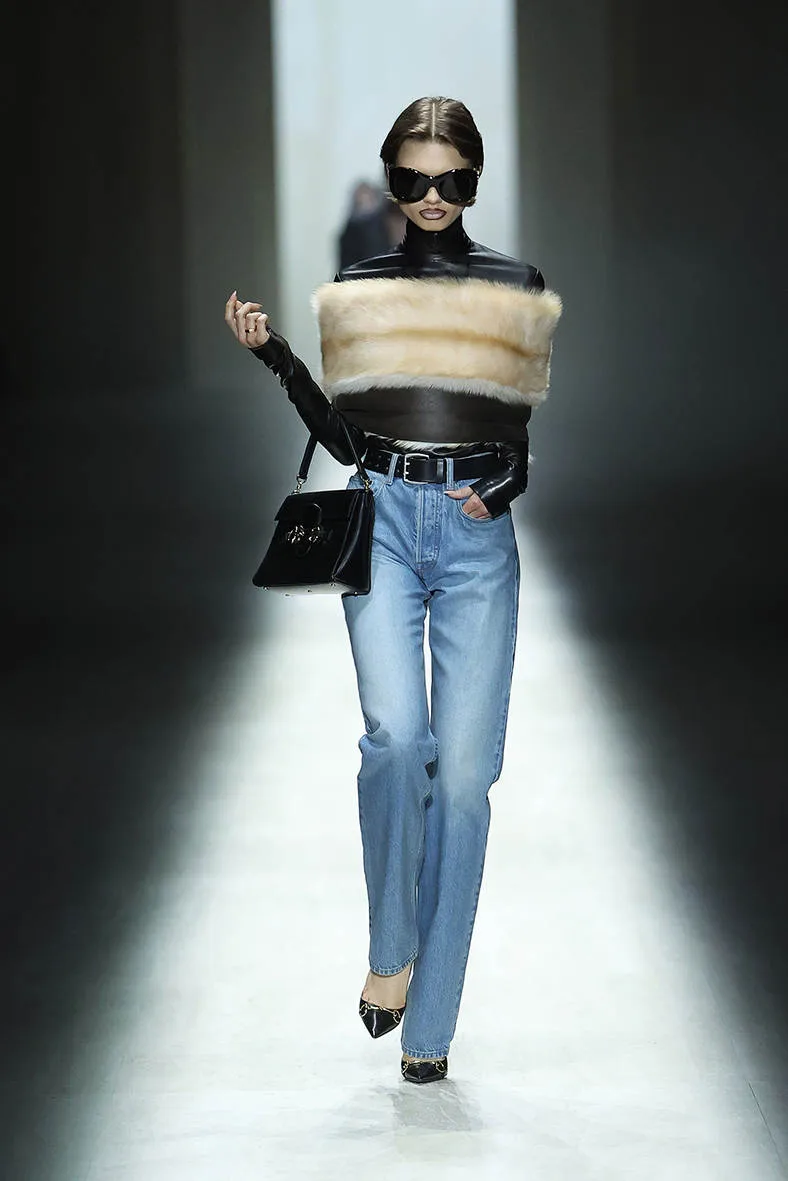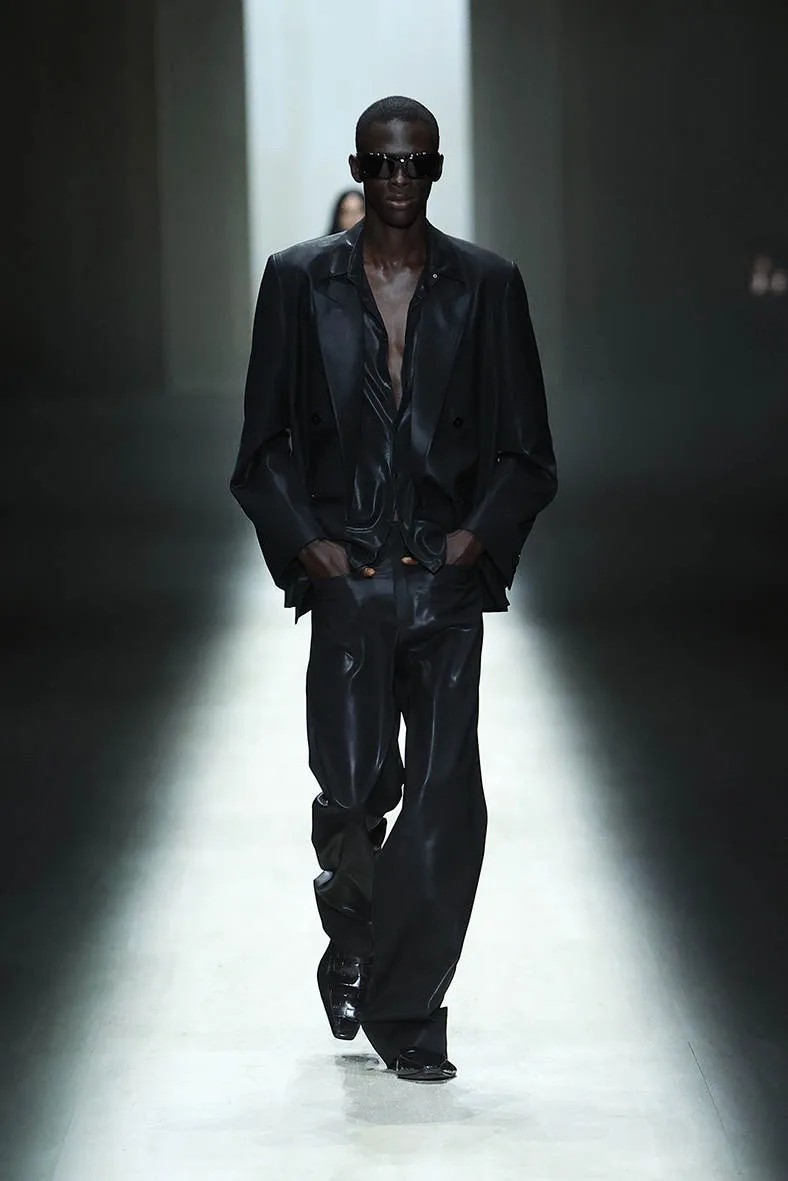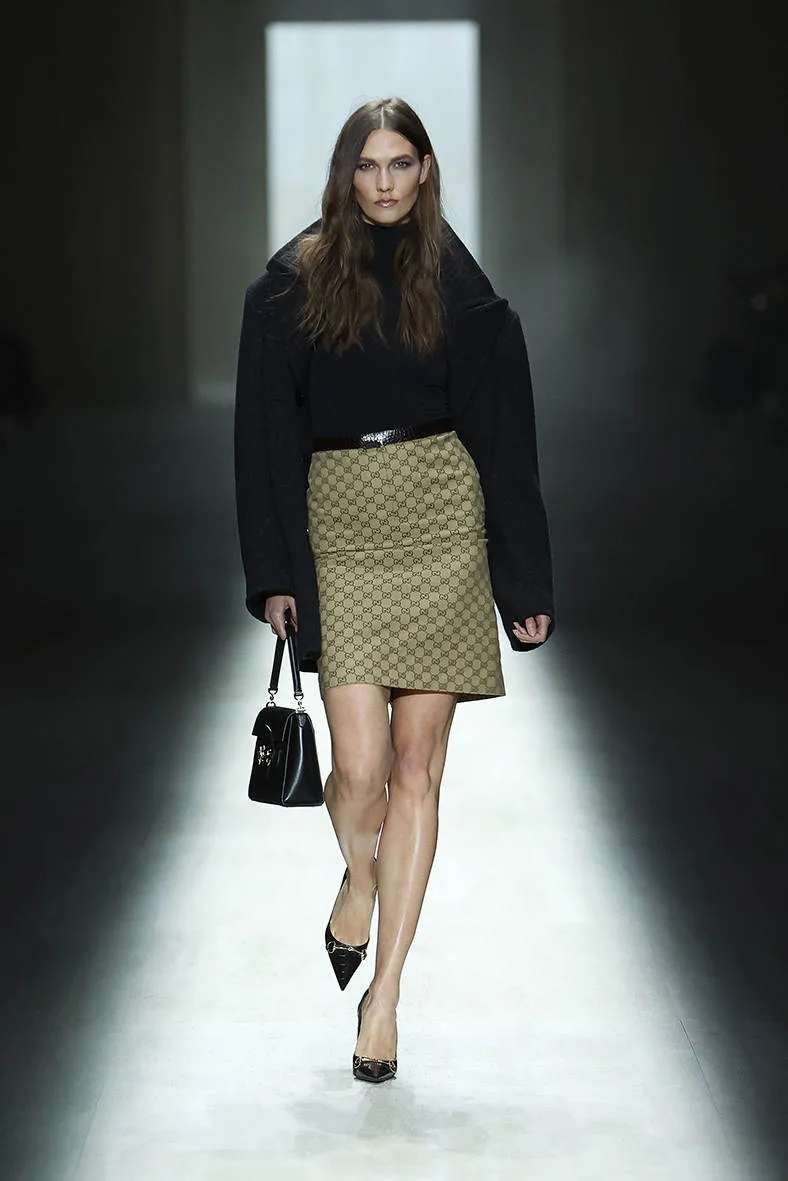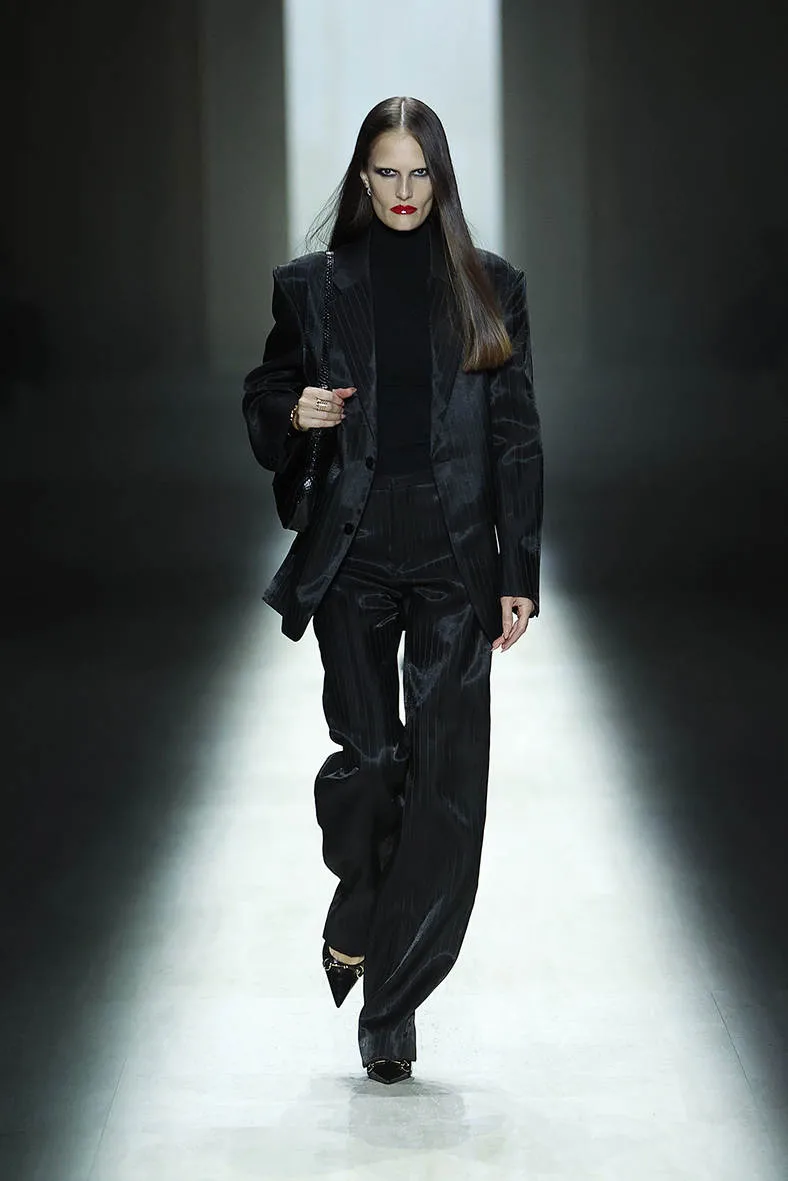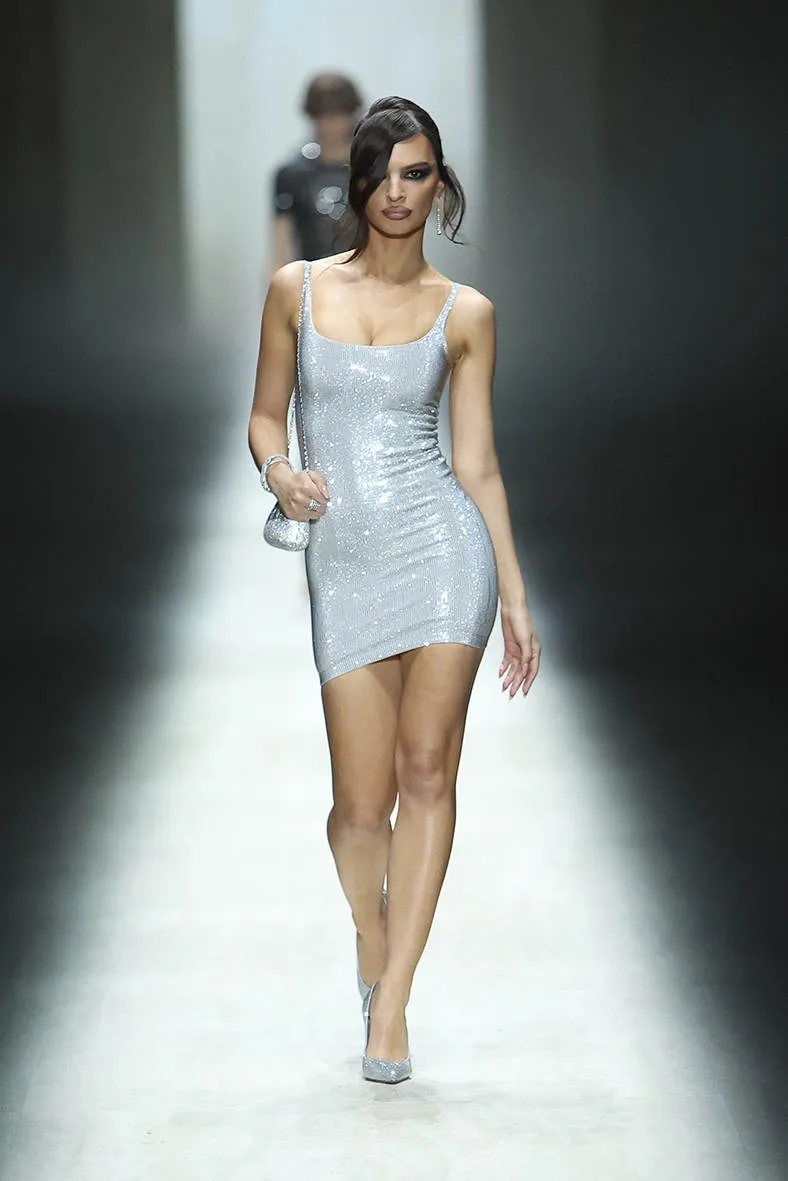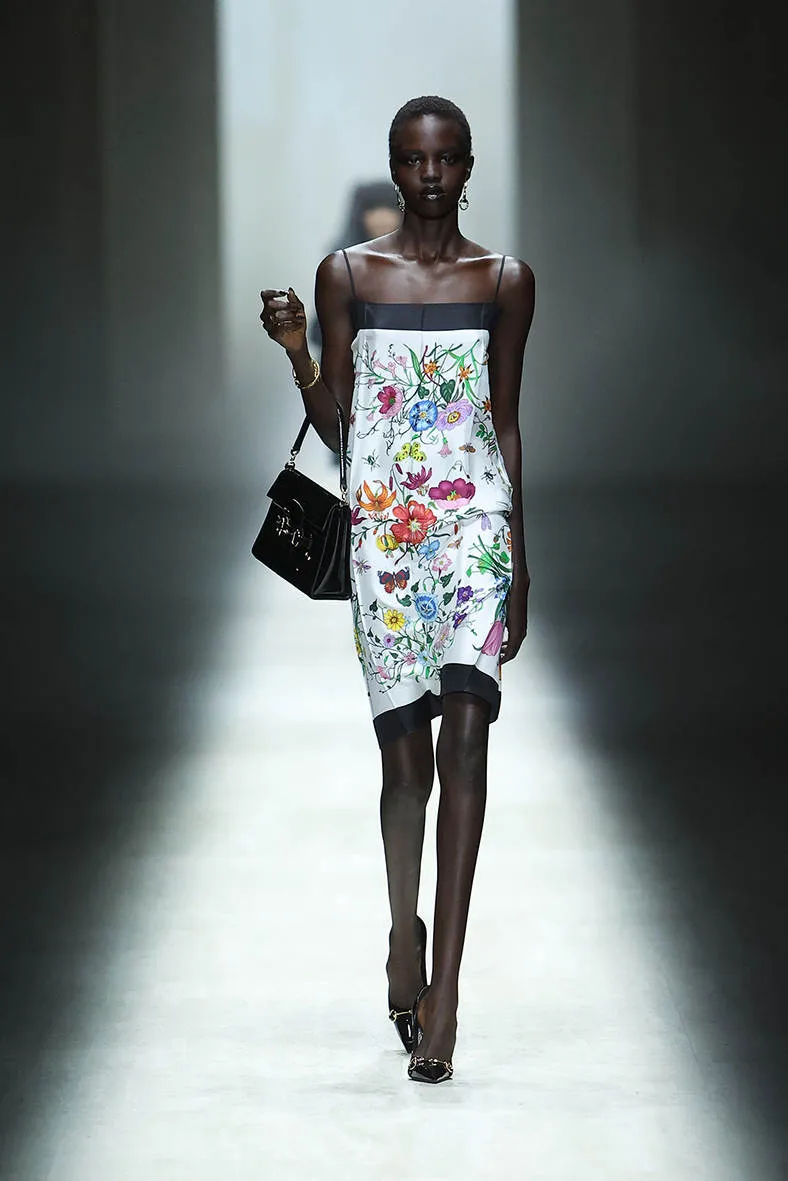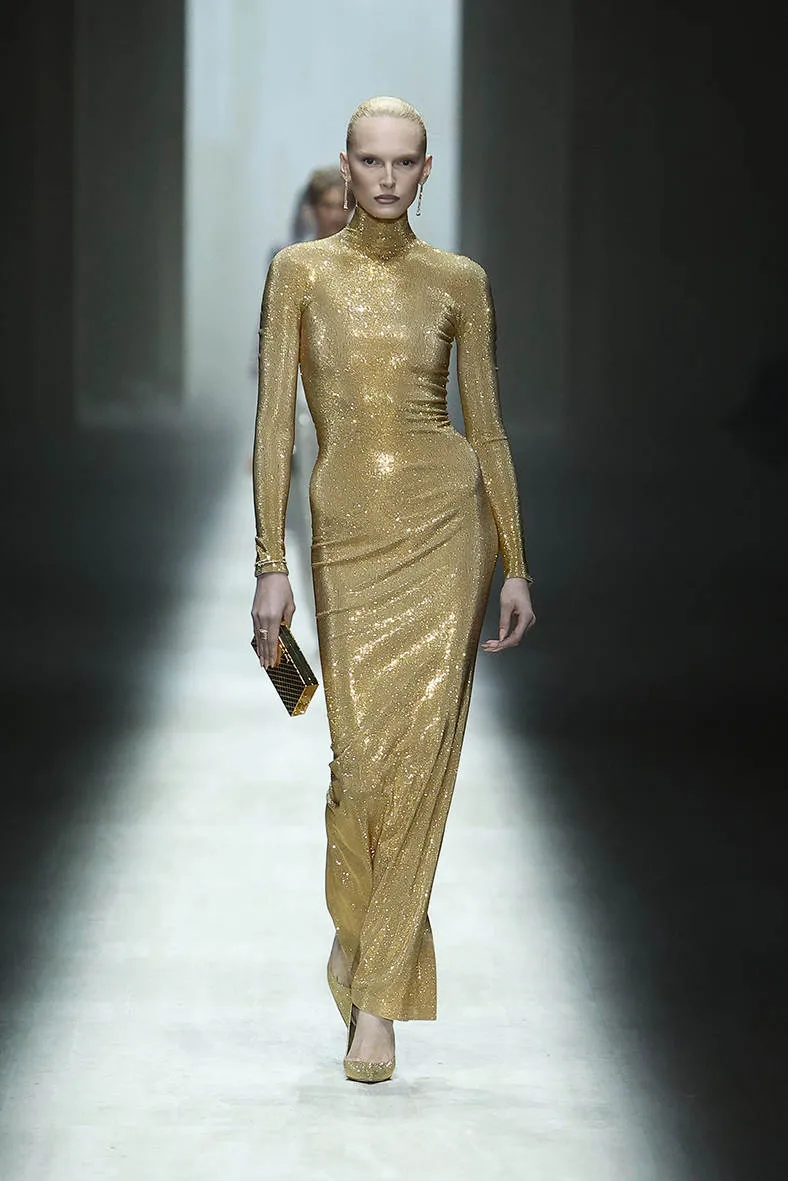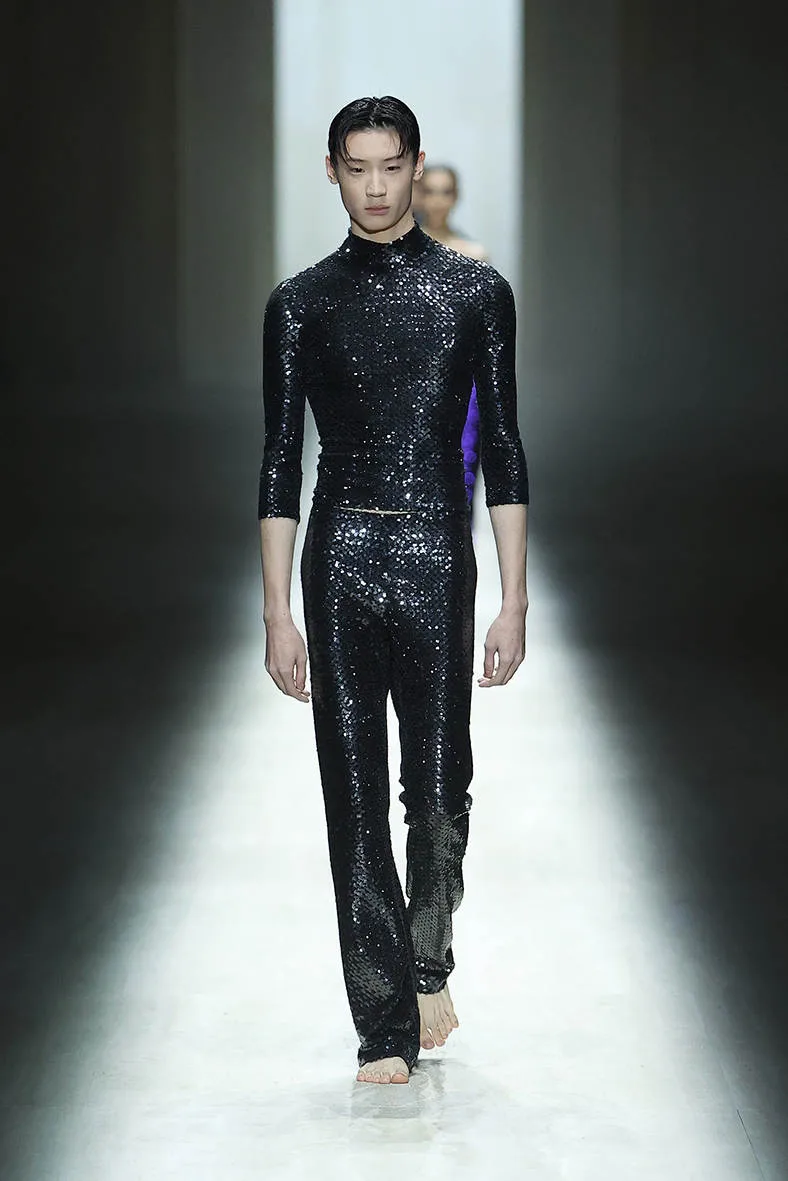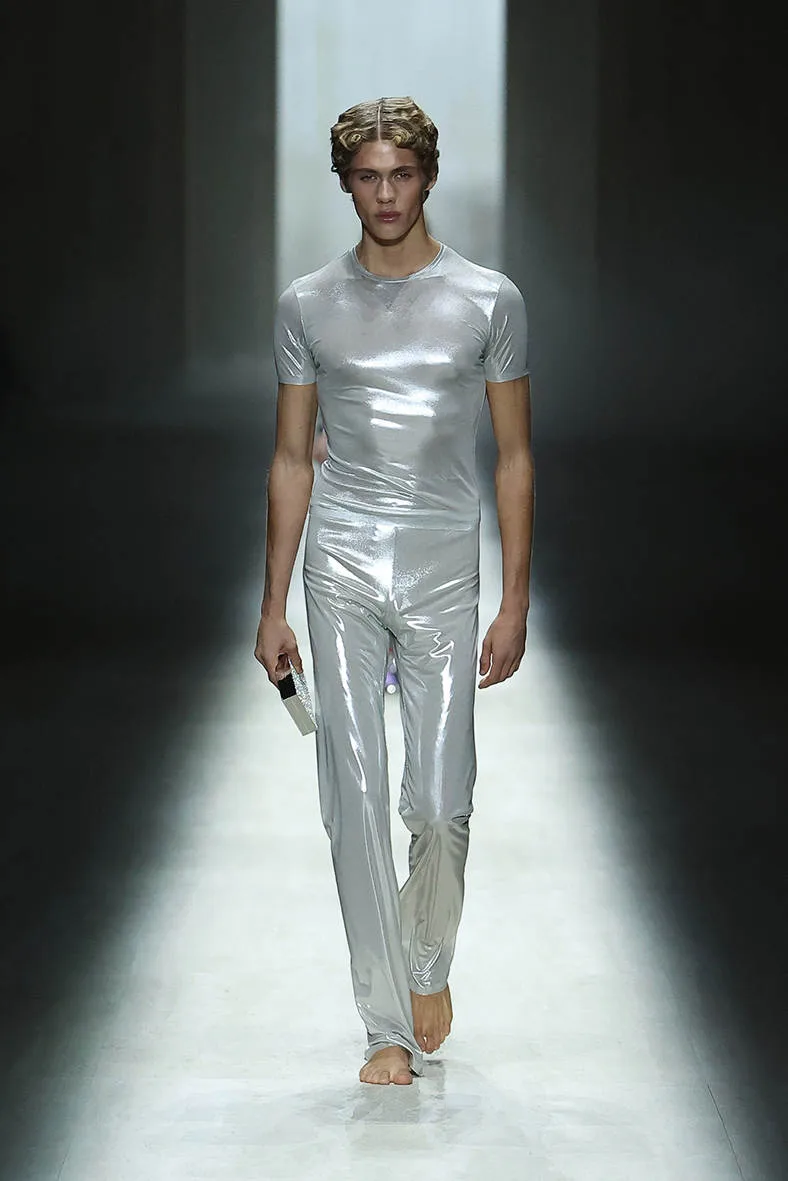
Love it or hate it, you’ve thought about it. Fashion has proved once more its cultural relevancy by provoking all sorts of discourse, and for the conversation to extend more than just the few hours that follow a show, it seems it has managed to target a more sensible fibre in the collective minds, for good or for bad. Two days after Demna Gvasalia's debut at Gucci, it is safe to say this has been one of the most discussed debuts in years, and if this was the intention (knowing Demna, it probably was), then we can count it as a total success.
At this point, giving this a qualifying value or placing it under positive or negative categories is needless; however, it does seem necessary to state out loud some truths that may give our pre-established opinions some nuance. The first one is that Demna knows how to do what he does; there is no better proof of this than the immensely loyal hoard of followers and enthusiasts that are ready to celebrate his every move. No one manages to convey these sentiments without doing a good job, at least in the eyes of those who see his vision, and that is commendable.
The second is that there shouldn't exist the need to use comparisons in order to decorate or embellish someone's job when the facts and realities can't seem to sustain themselves strongly enough. "Tom Ford is back! This is the new Tom Ford!" Tom Ford is neither back nor is this the new Tom Ford. This is Demna Gvasalia for Gucci, and it should suffice to take it at face value. If it's not enough for you as it is, if there's a need to add someone else's name next to it to make it make sense or to give it more intellectualism than what it actually has, then maybe you haven't found the right reason why it is as good as you find it to be.
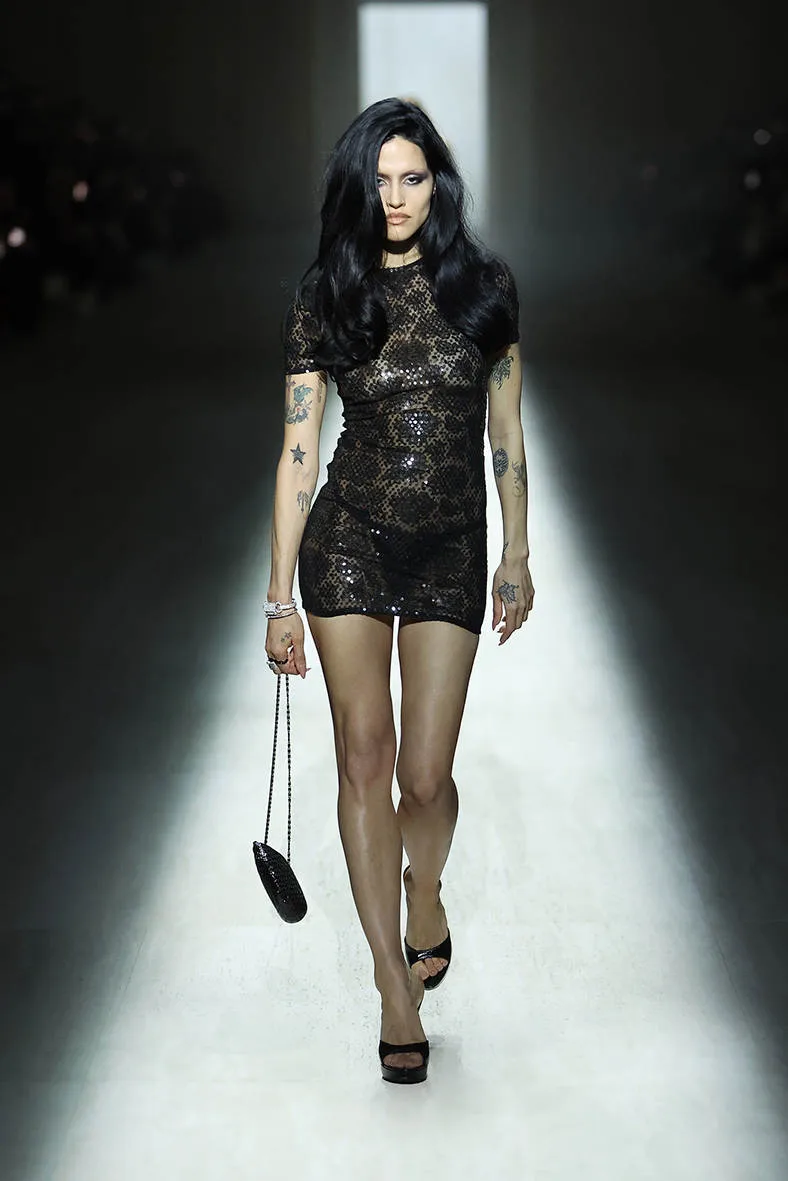
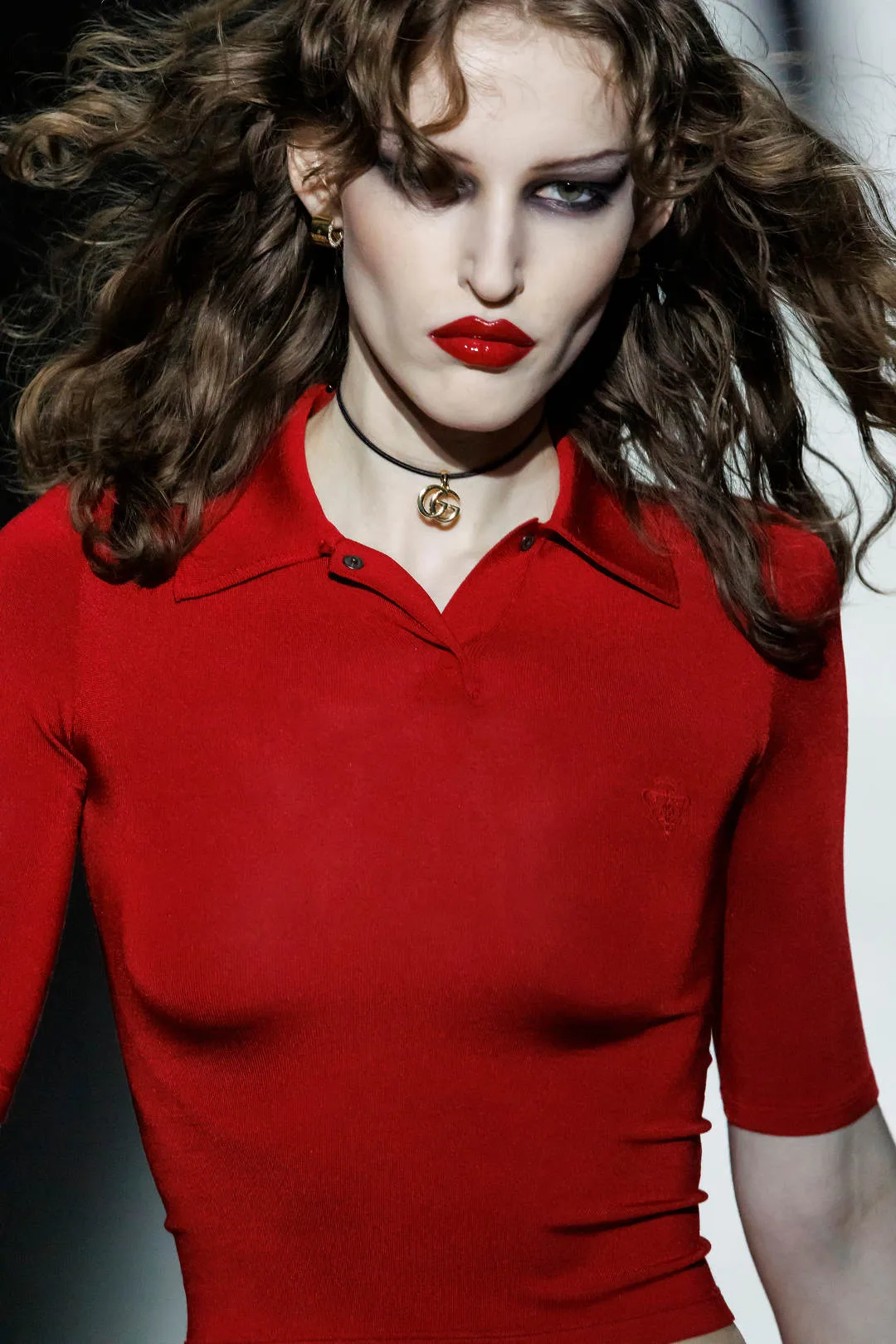
Another one. Demna has recognised, appropriated and portrayed the personas that have been identified as Gucci for years and that have been placed lower in what the luxury system thinks are standards, thriving in the darkness of underground clubs or the niche circles where logomania still represents high status, and has brought them to the front and centre. Wearers of tiny sparkly dresses and fanny packs are as much a part of the Gucci clientele as the equestrian socialites and the A-list celebrities, but seeing it represented on the runway, reflecting the evolution of the luxury market, has seemed to bring discomfort to those who are more purists when it comes to the definition of class or status. Is this merely a matter of taste in fashion or rather a shift in societal paradigms that may not look as good or neat as we are used to but that nonetheless is an unavoidable truth that now has made its official runway debut?
Now when it comes to trying and doing my usual job to get into the minds of the designers and see the world from the POV, with the mere resources they allow us aside from my own critical thinking — and I'm referring to the texts provided before the show — it's where I find a dissonance between what I think I understood from the visual and what Demna is communicating to us in a written way. I really struggle to link his apparent fascination when seeing Botticelli's The Birth of Venus for the first time with what we saw in the collection. Since it was mentioned and highlighted in the notes, you would think you could maybe feel such deep artistic inspiration in what he did as his first official work for the brand, but finding the translation between thought and action is sometimes hard, even more so when it comes to him. "If you get it, you get it; if you don't, you don't" doesn't work here. You pretend you get it, but did you actually? I try to link the idea to the materiality; I try to get it and to unite the loose threads, but it's frankly hard.
I found the "Gucci is not a maison; it does not have couture roots" statement rather important and telling, because clearly what we saw on the runways is not the definition we have in our minds of something under these terms. Demna seems to strive to create a definition where a new type of archetype is chosen after, much more pragmatic than the whole luxury house paraphernalia that seems to bother him.
“I will spare you a technical manifesto about the construction and technicality of this collection, but I will mention that in general I intend for Gucci to become lighter and softer. More refined, more elaborate, more emotional, even senseless sometimes.” Why spare us from the “technical manifesto”? The less we know the better it seems. The adjectives mentioned, 'refined' and 'elaborate', are two that can't be justified by just vibes. Perhaps if we had such a technical manifesto, we could understand and find much better where this refinement and elaboration actually is.
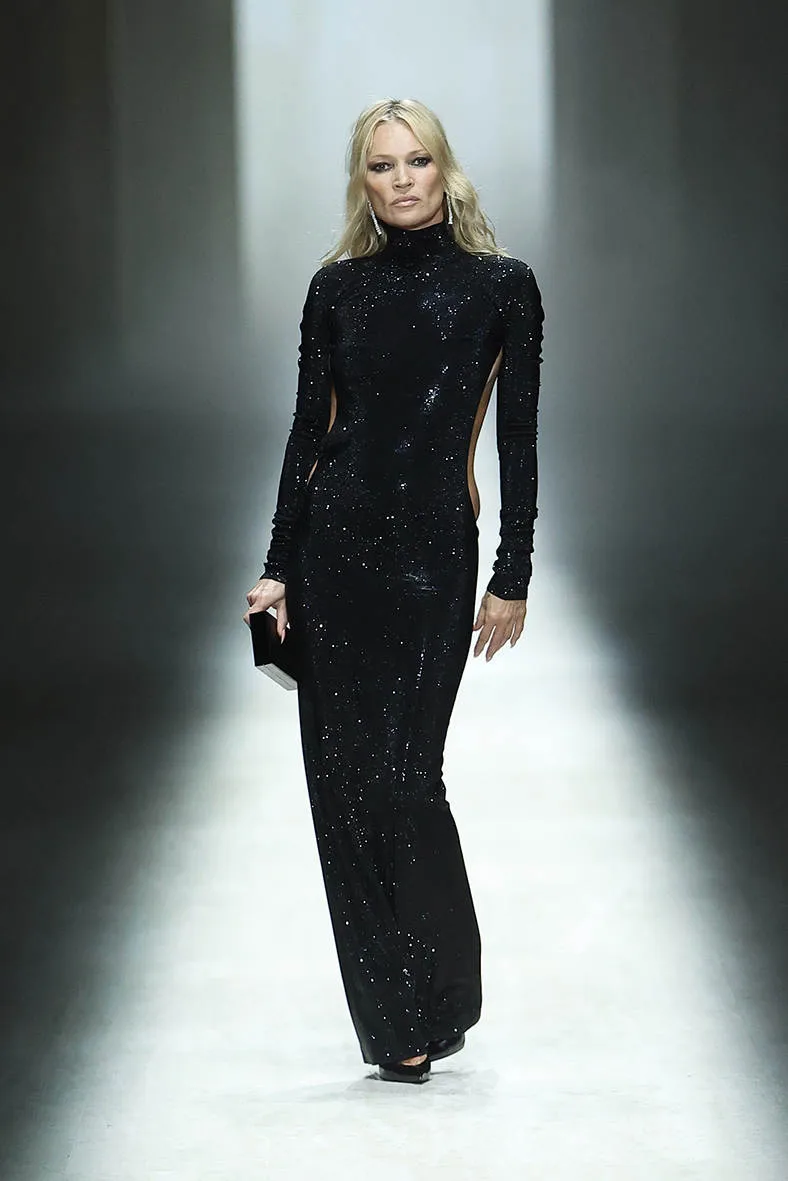
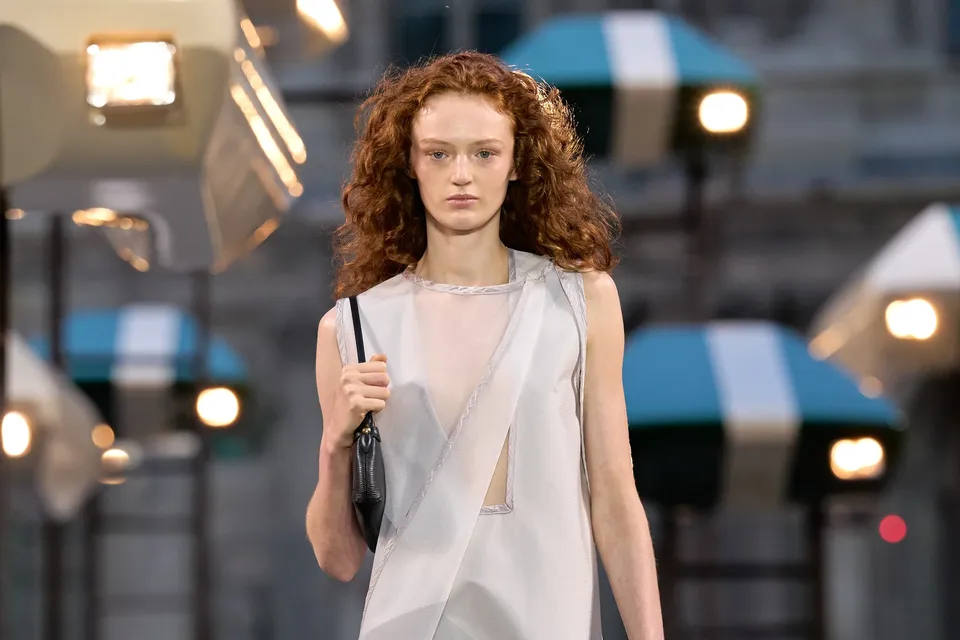
The sculptures under the strobing lights are guarding the runways, centuries-old art pieces looking down to what have become the symbols of the present times. Are they disappointed? Are they wondering what on earth is going on? Or maybe they think their sculpted and skinny bodies look nice, beauty canons they want to follow, represented by an extended cast of some of the biggest model names of the recent decades, Mariacarla, Elsa, Karlie, Kate and some other cultural players of the recent years, rappers and influencers that could become and probably already are the Gucci symbols of the younger minds.
La Primavera arrives with some frankly good looks, like the sturdy floral dress in an intricate and rich fabric, but it's a short season, apparently. The G-string makes a comeback, as seen on Kate Moss's back, but does it hit the same as when it first appeared thirty years ago? In times when we’ve seen it all, when seeing a G-string peeking out of jeans or pants doesn't turn as many heads as before, and when the urgent need for nostalgia seems to be killing the identity of the present time, are we in the same era where a symbolic piece of tiny underwear is enough to hold the weight and open the path for a prolific tenure as the head of the not-a-maison, not-a-luxury-house?