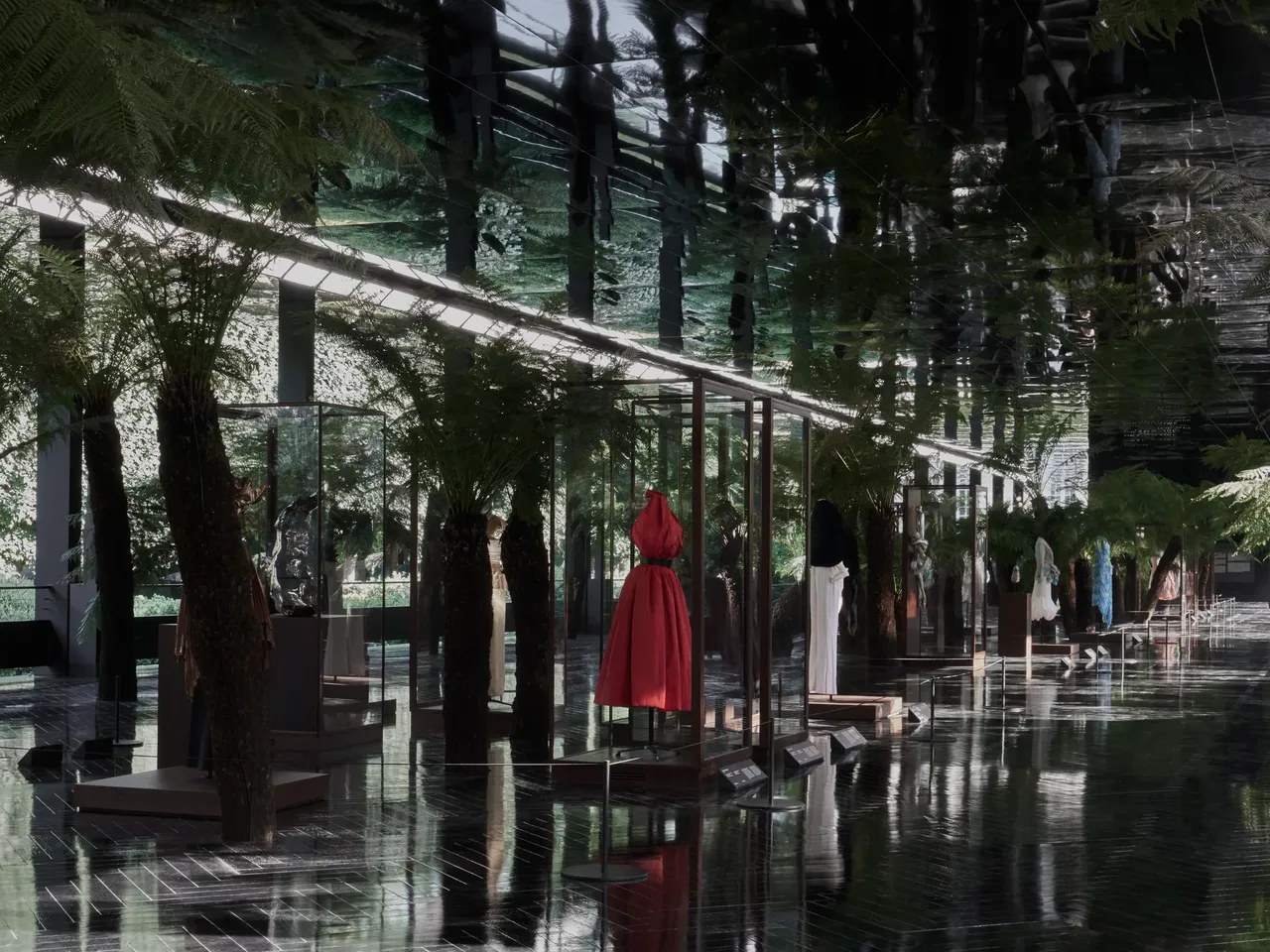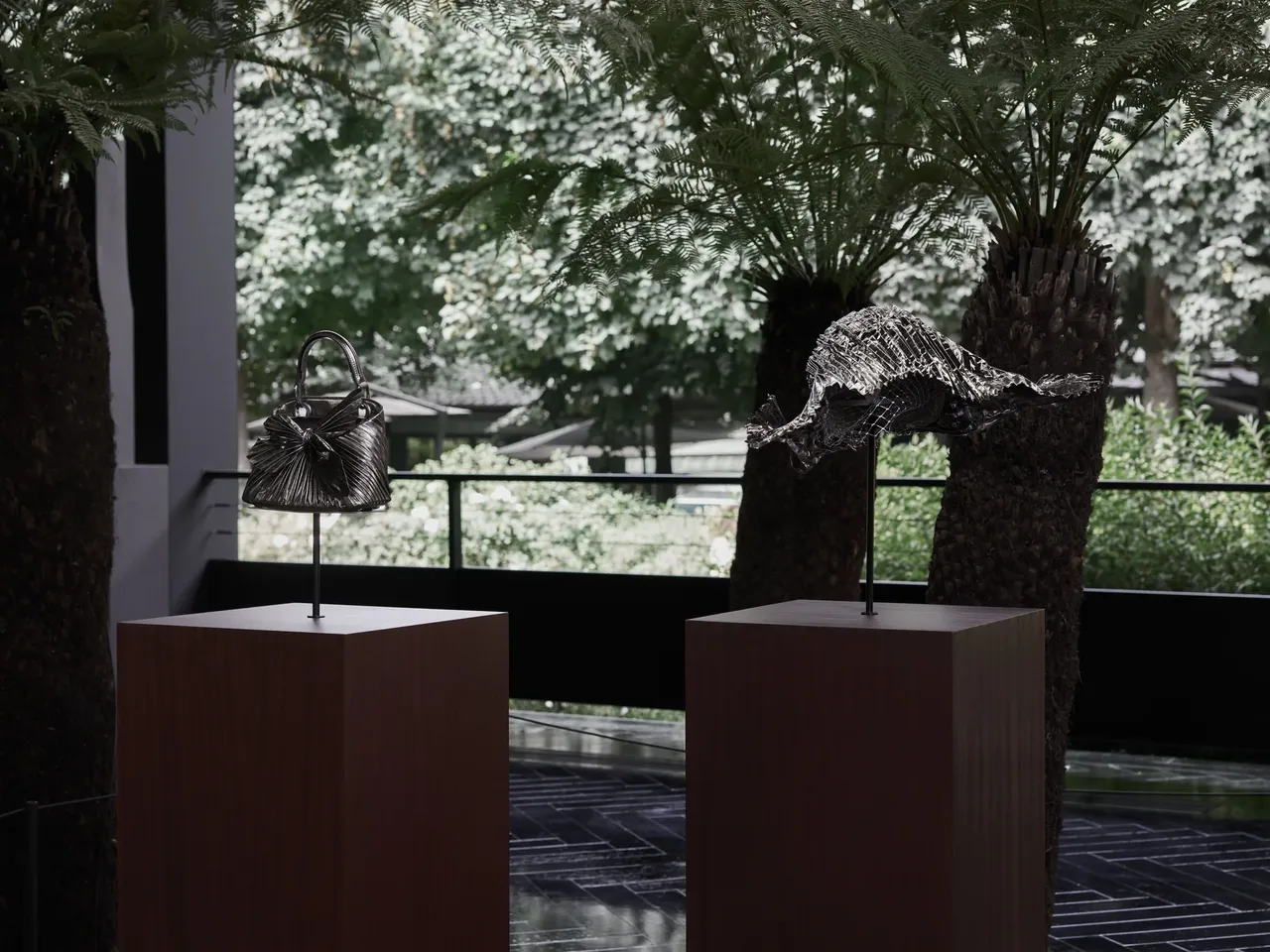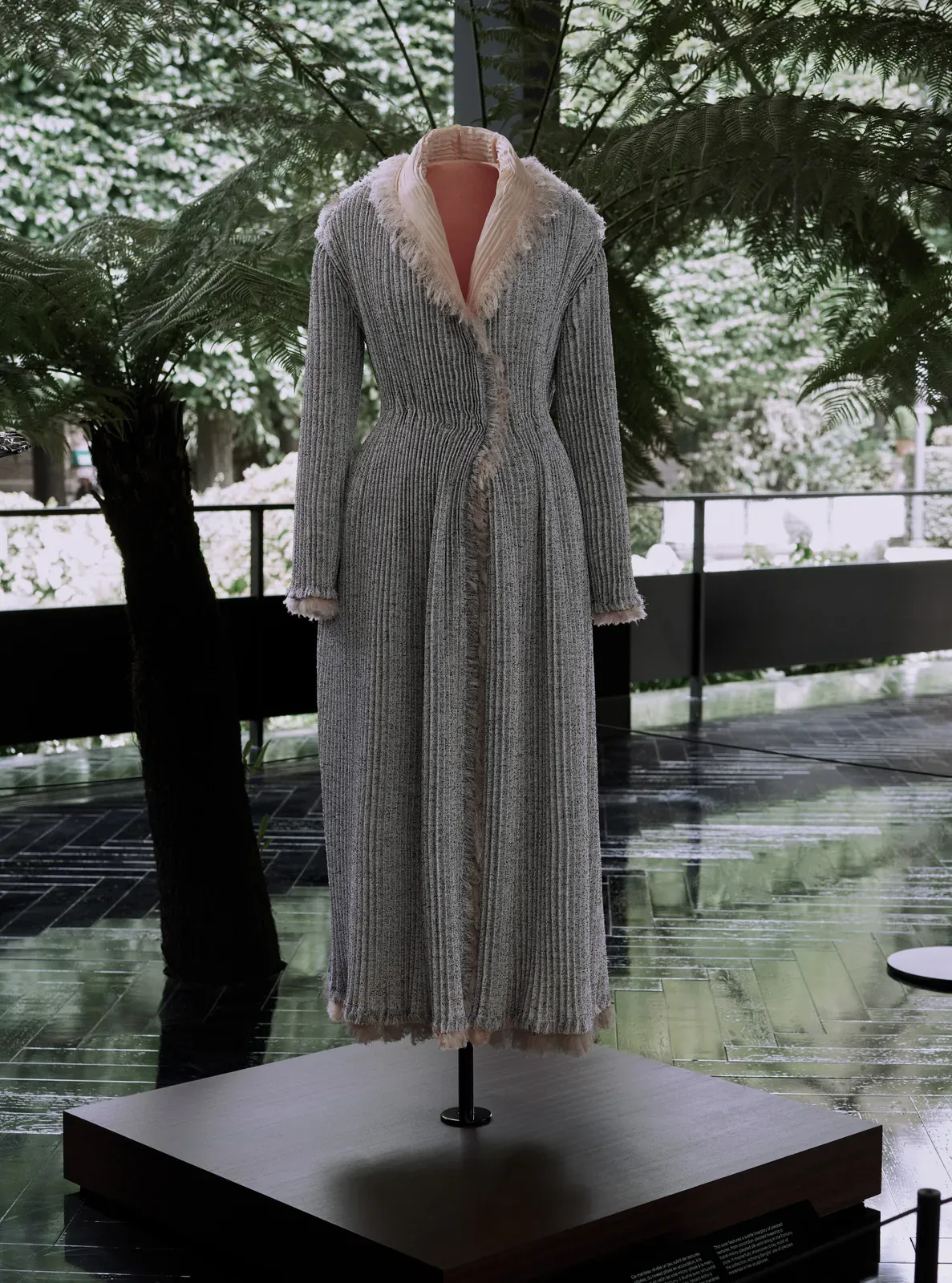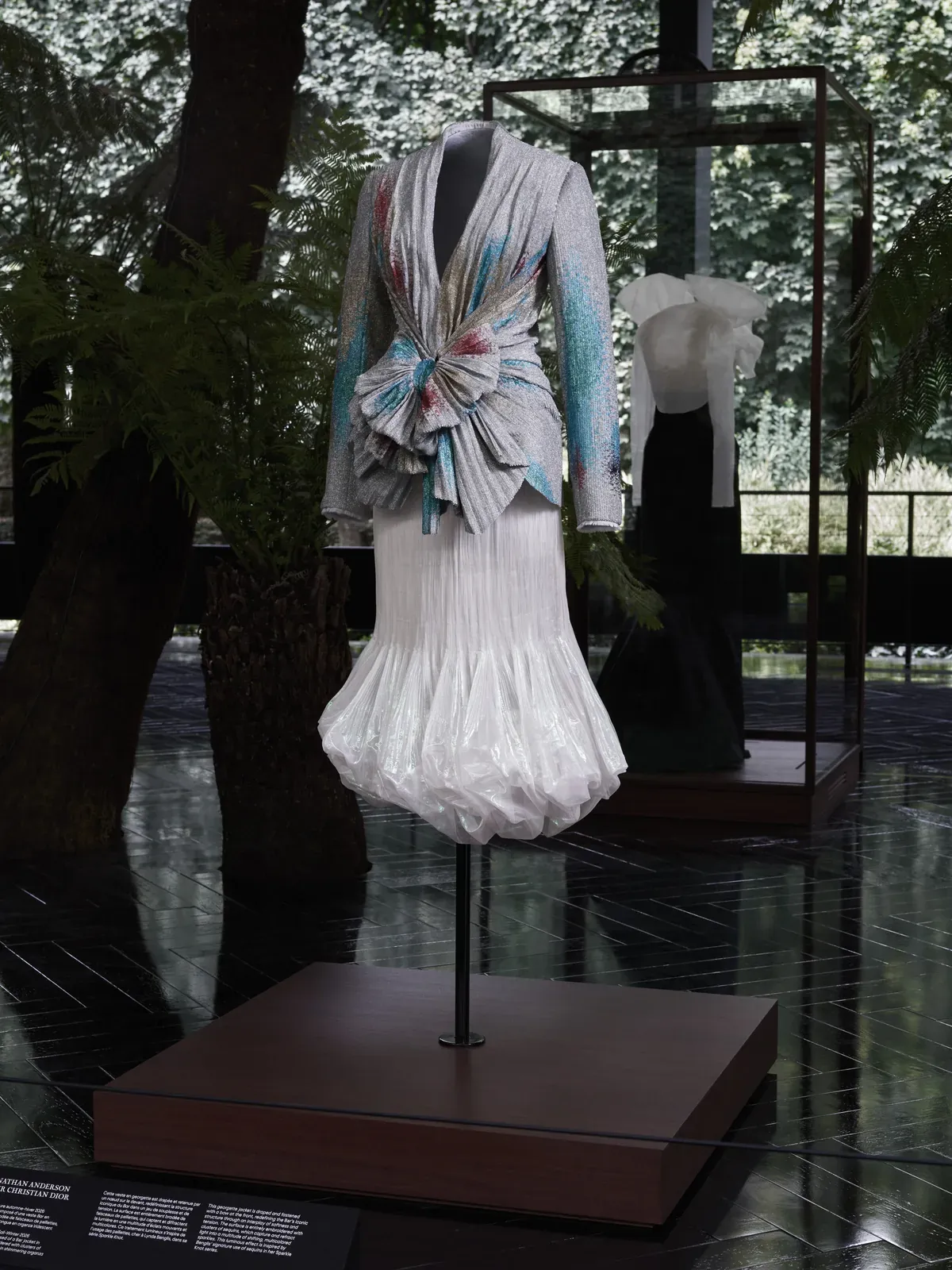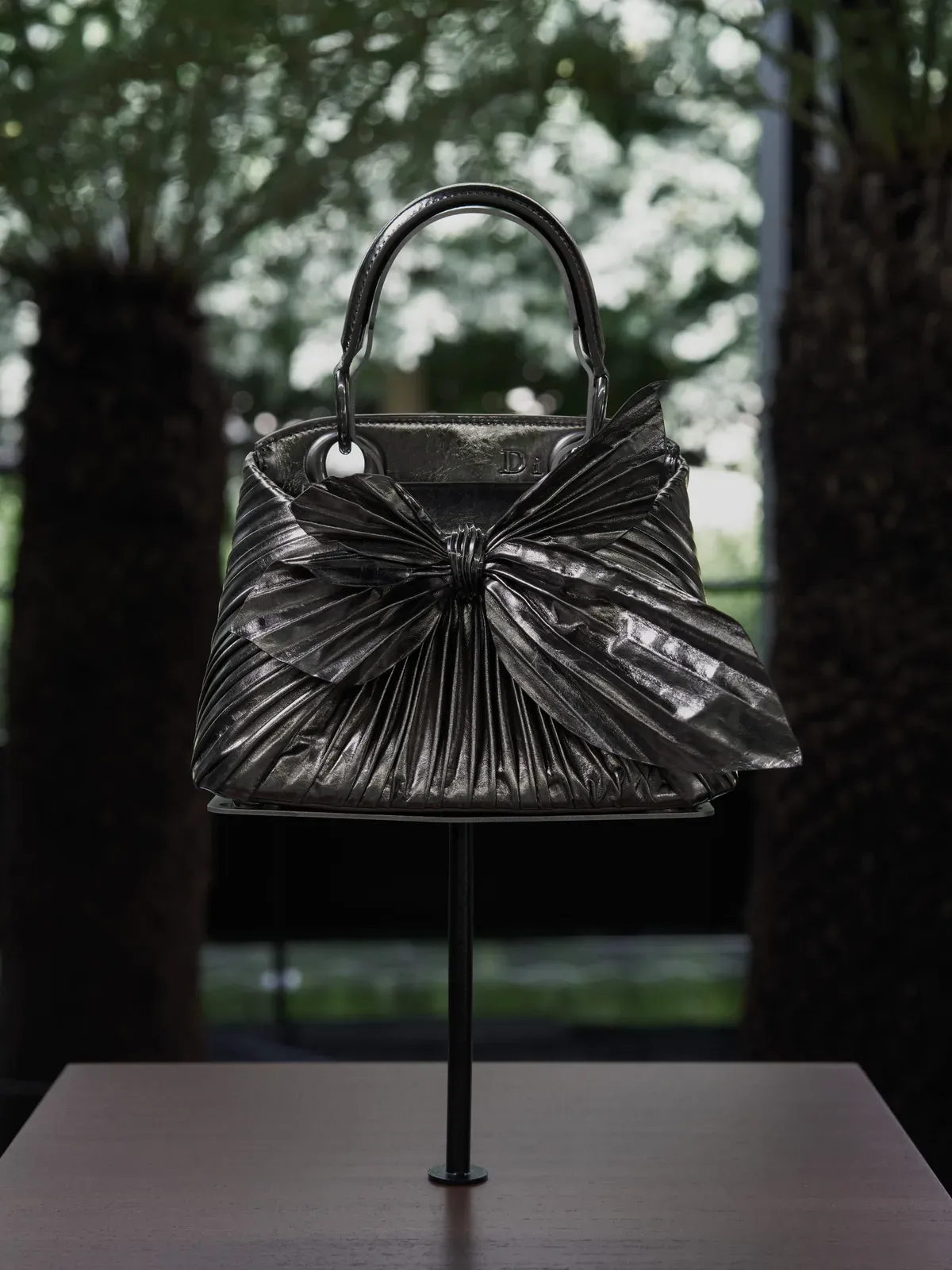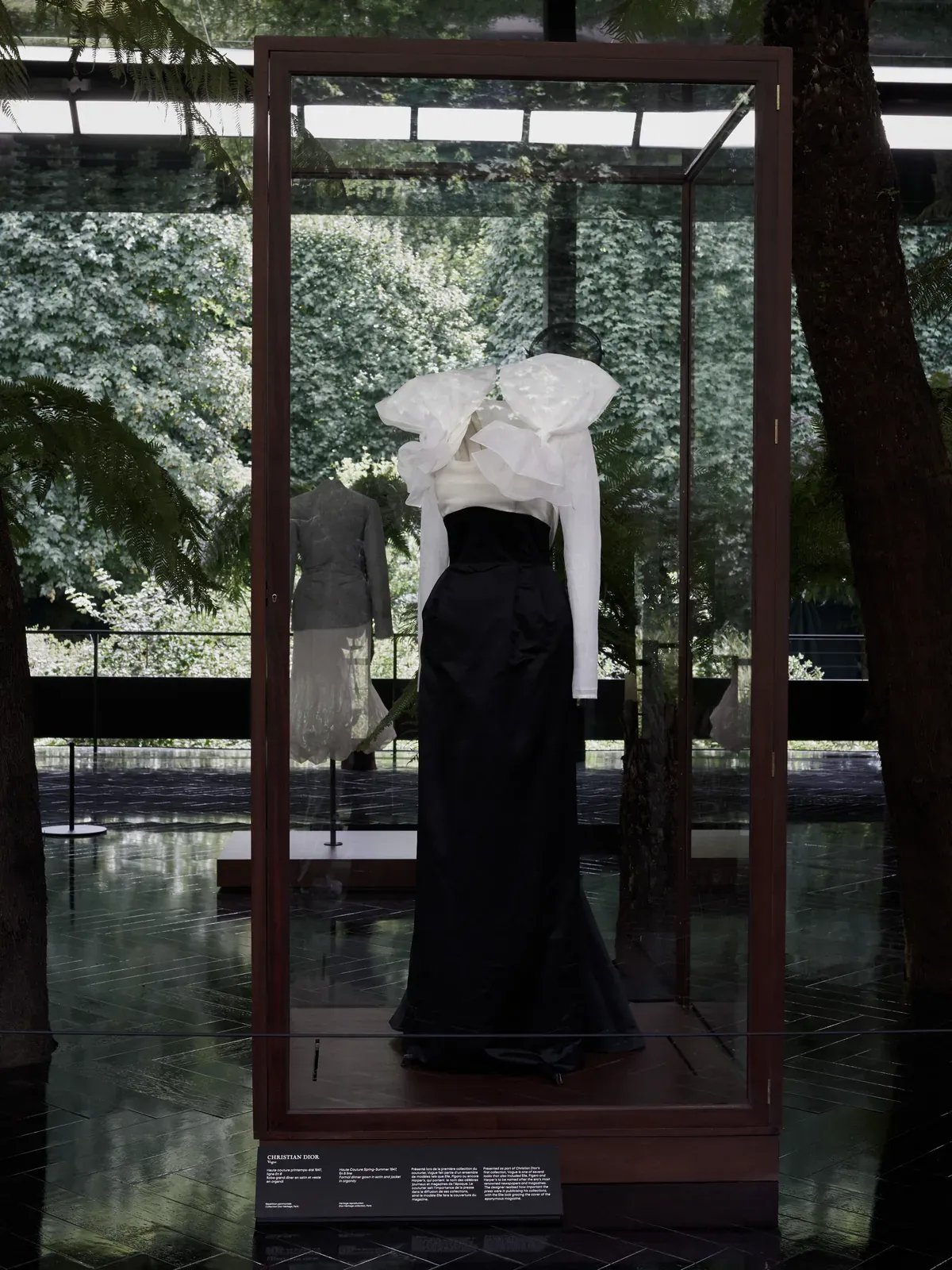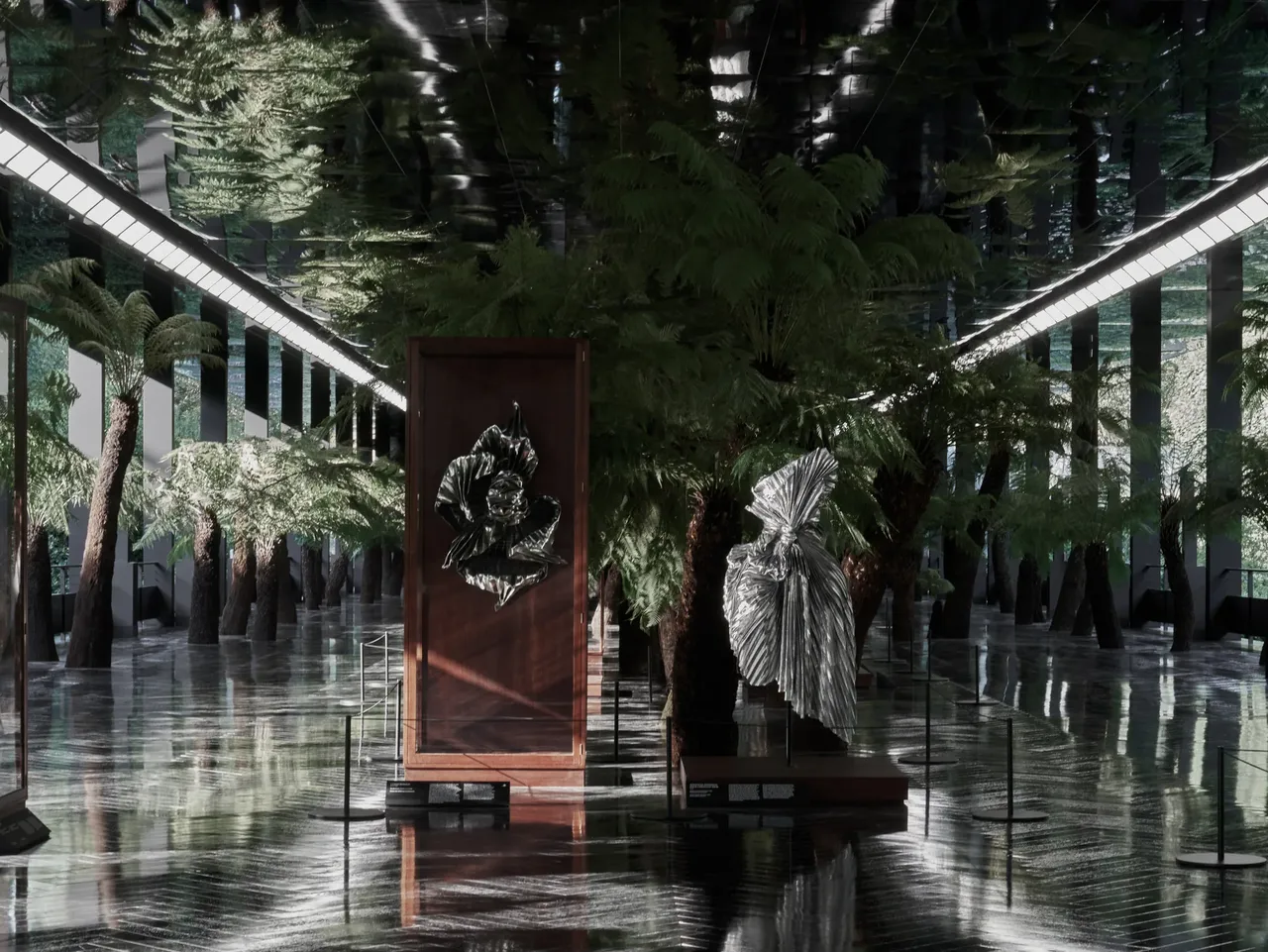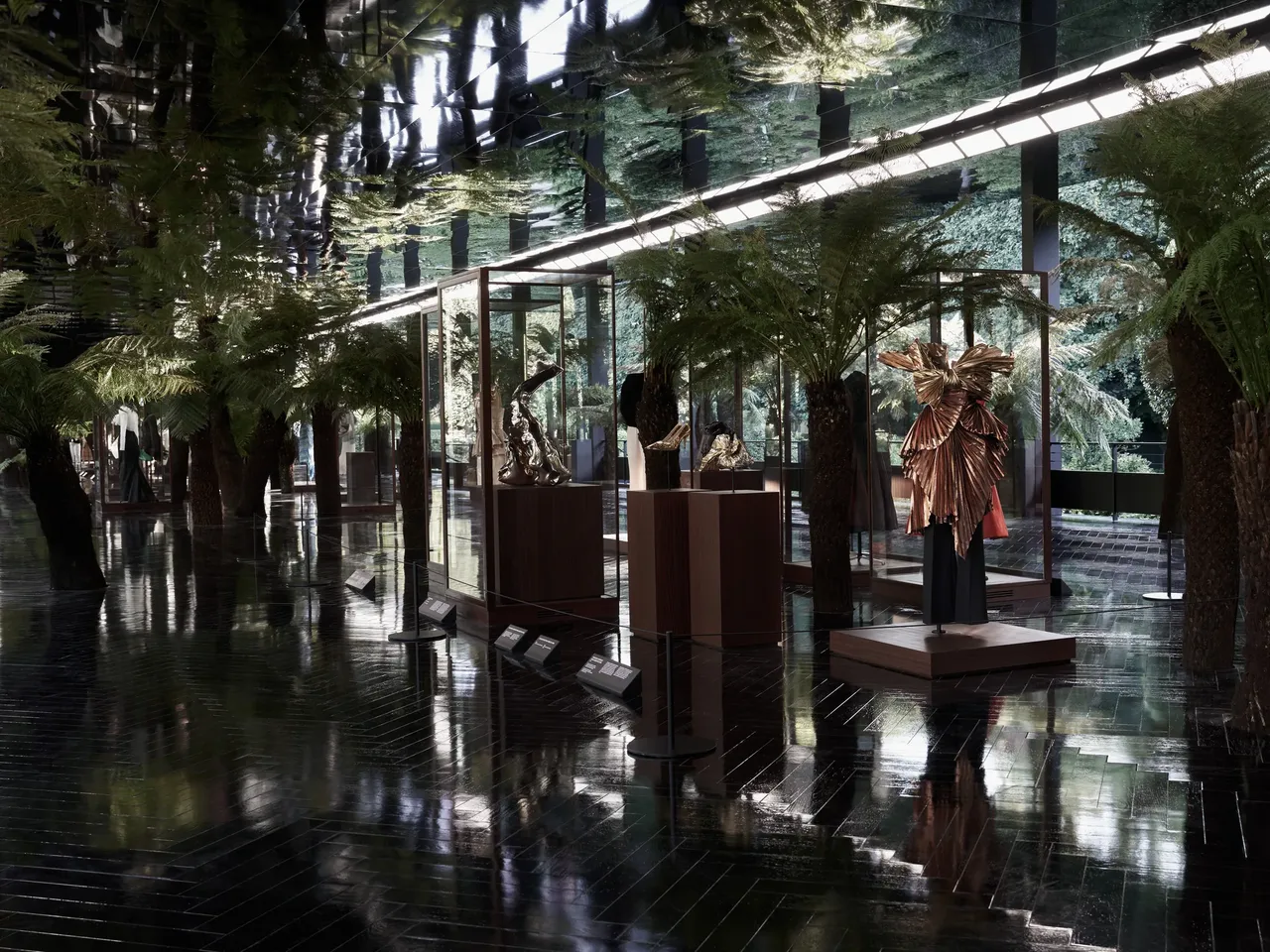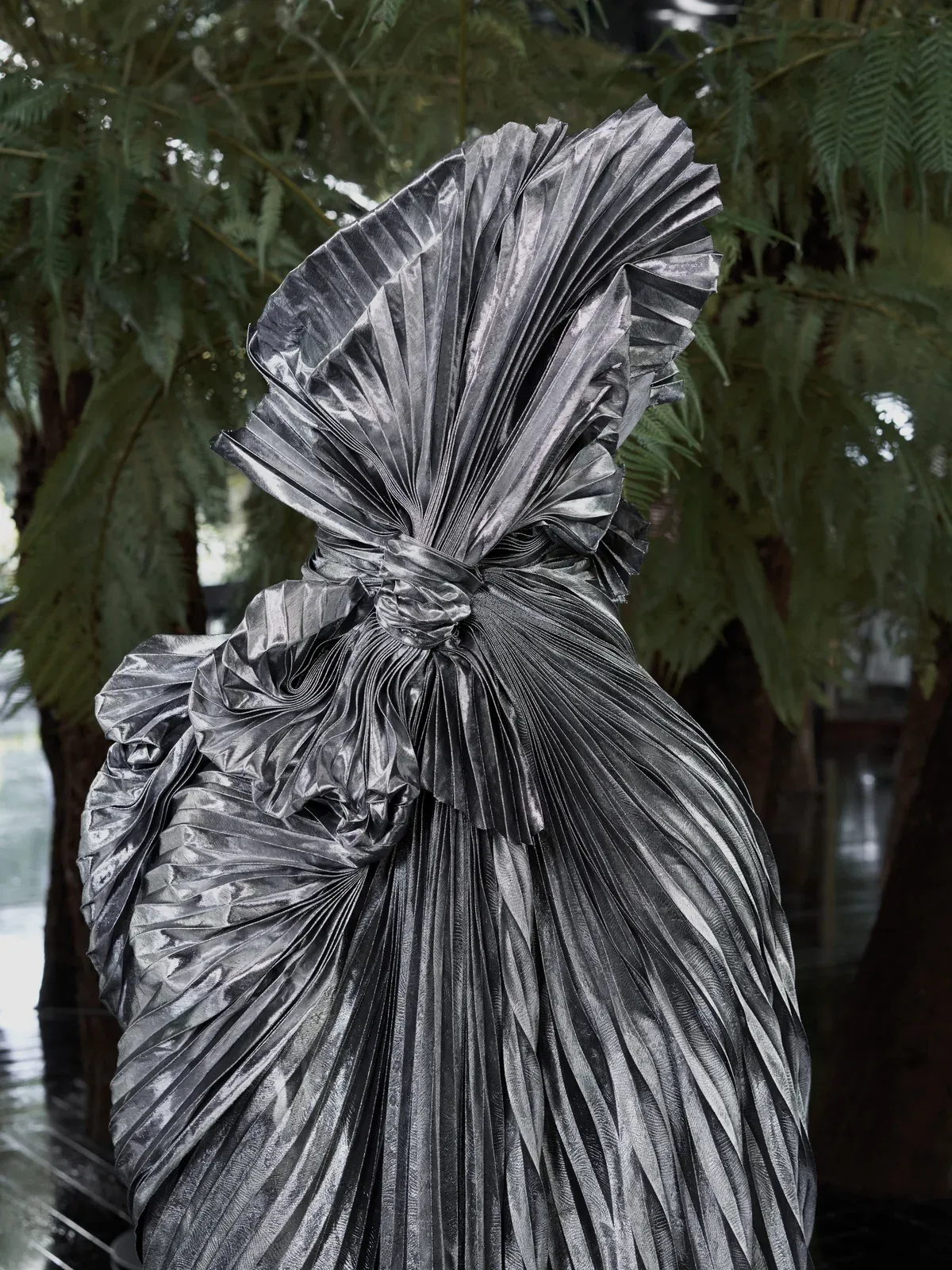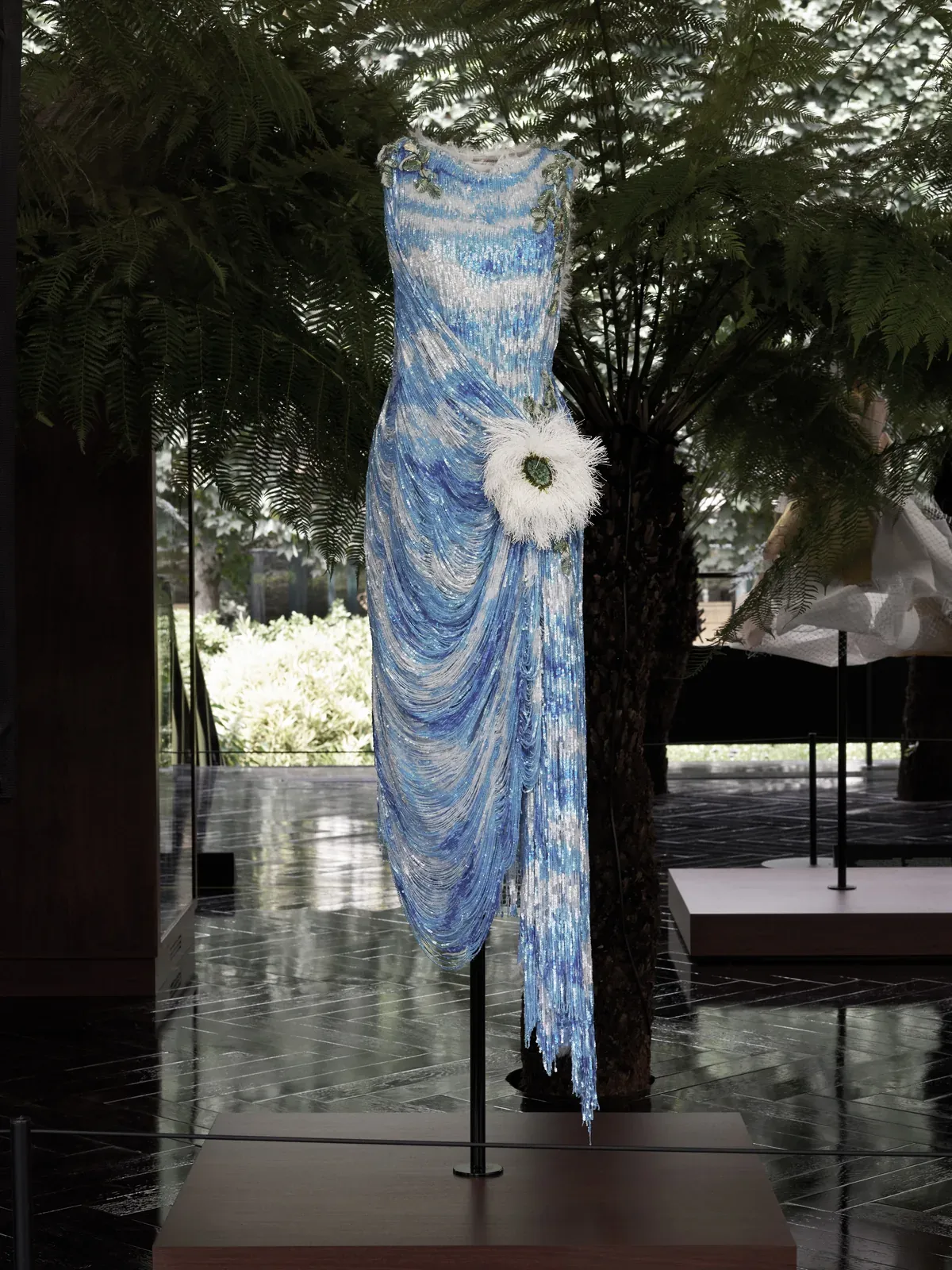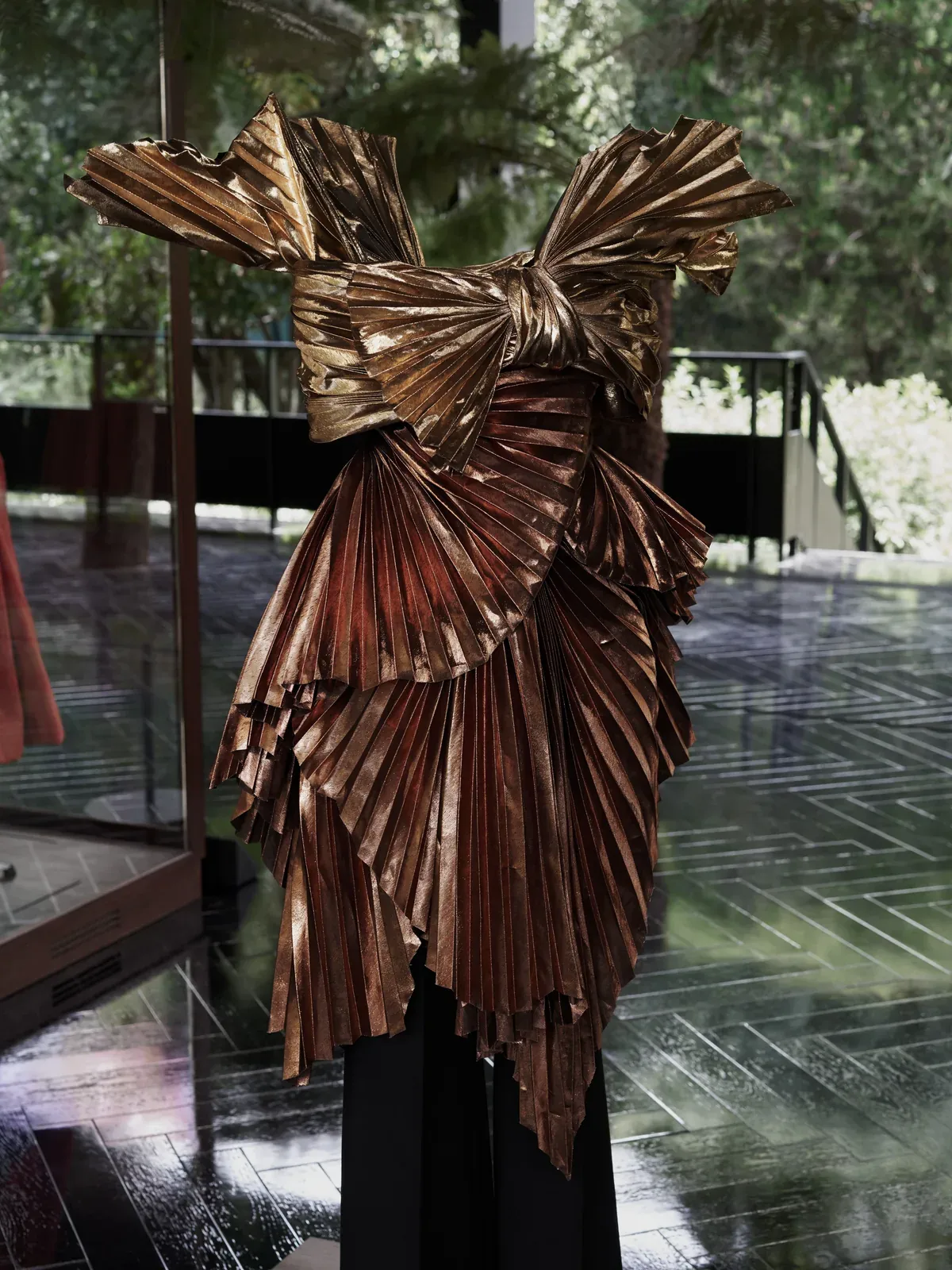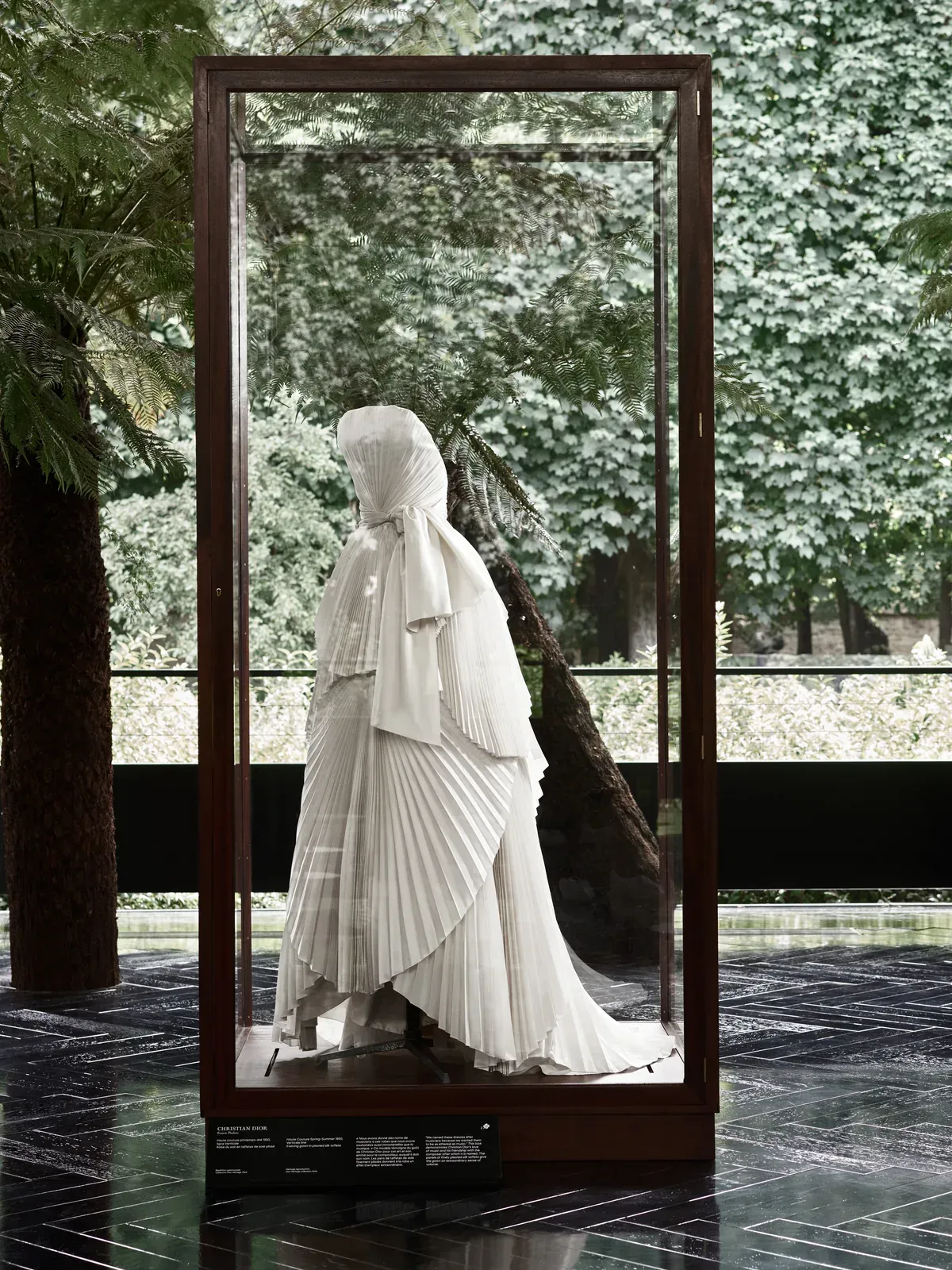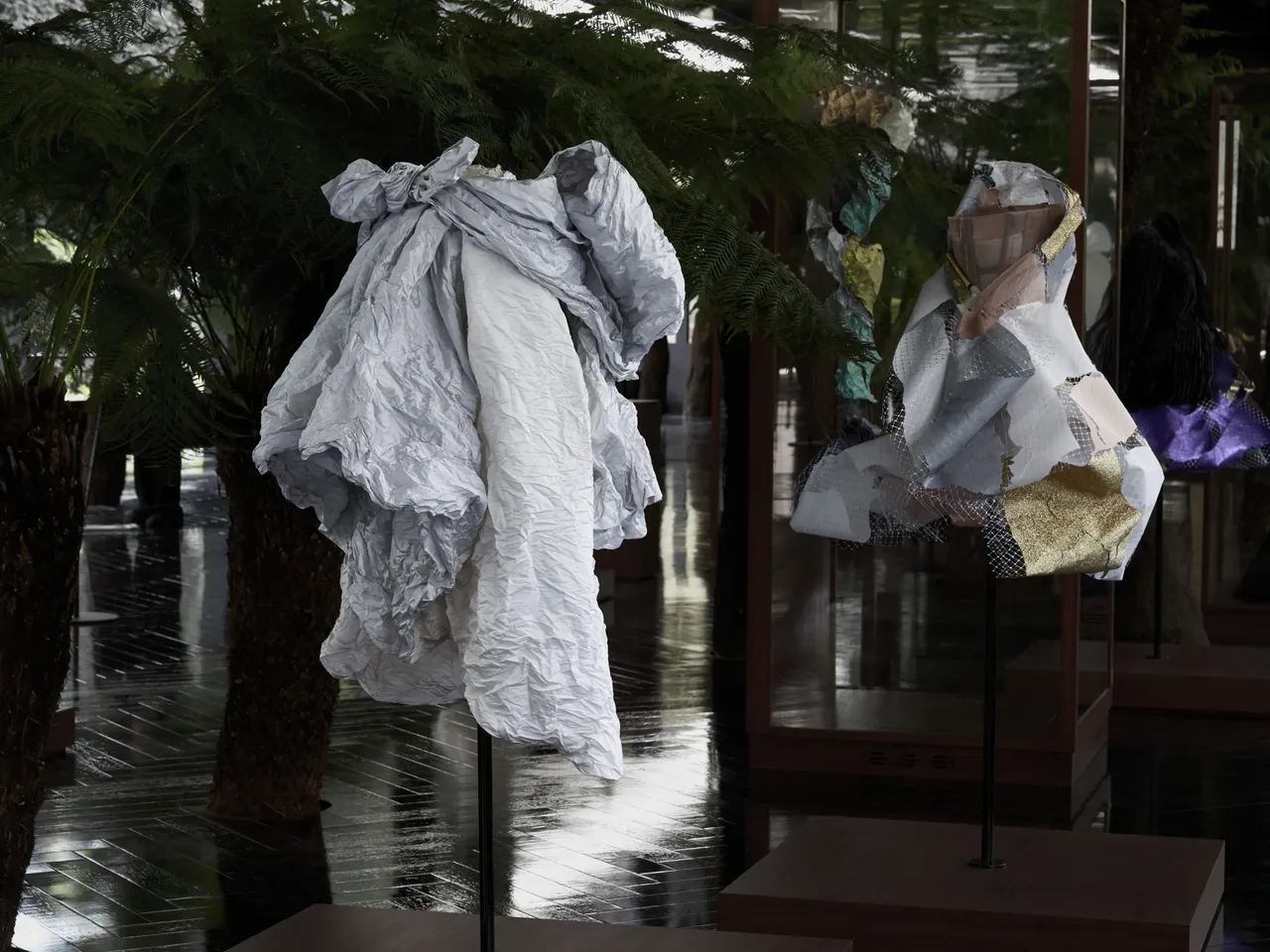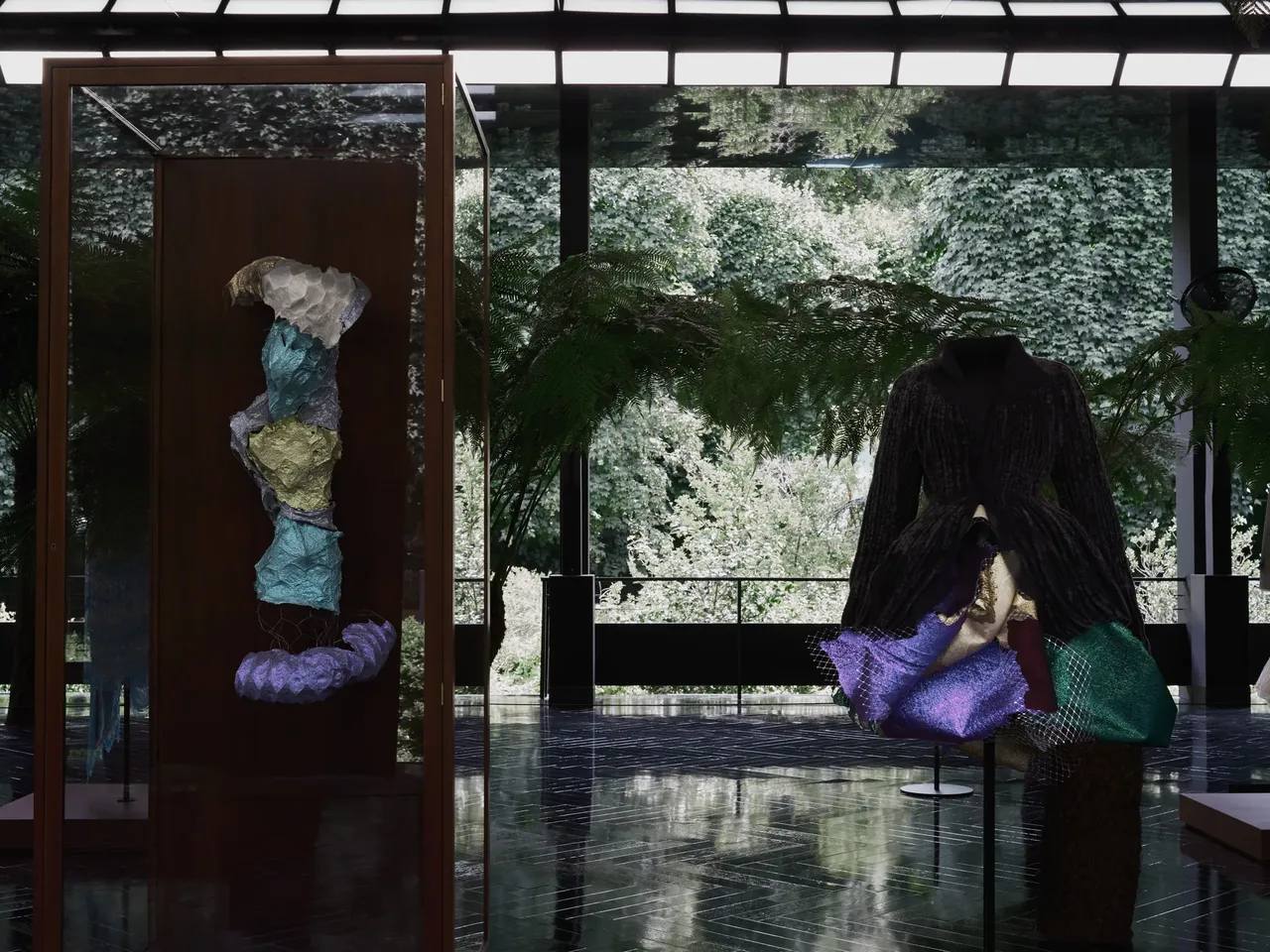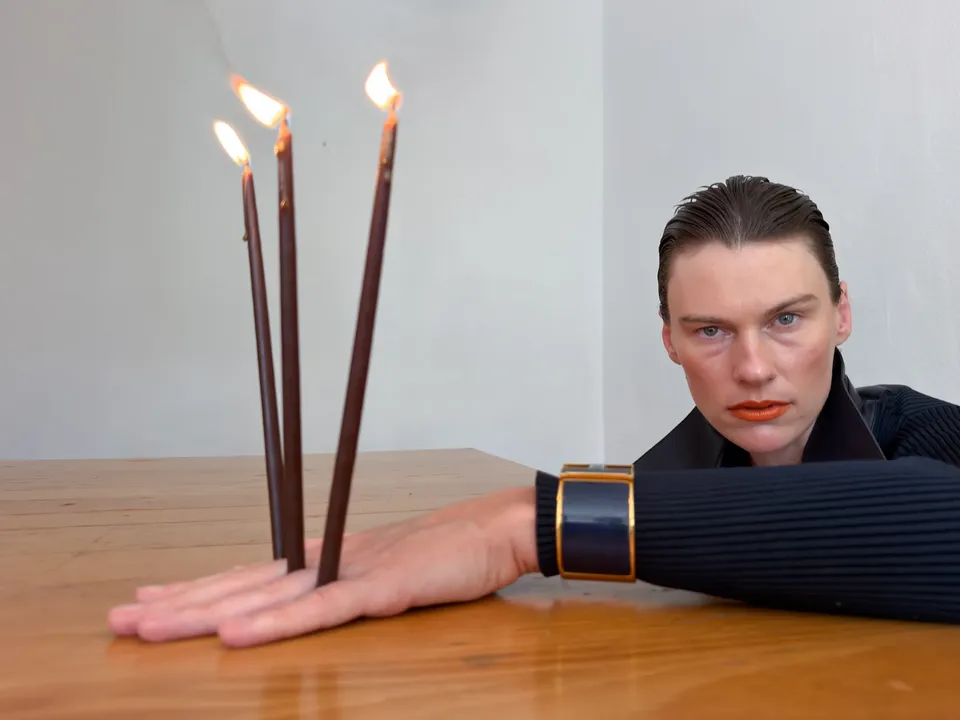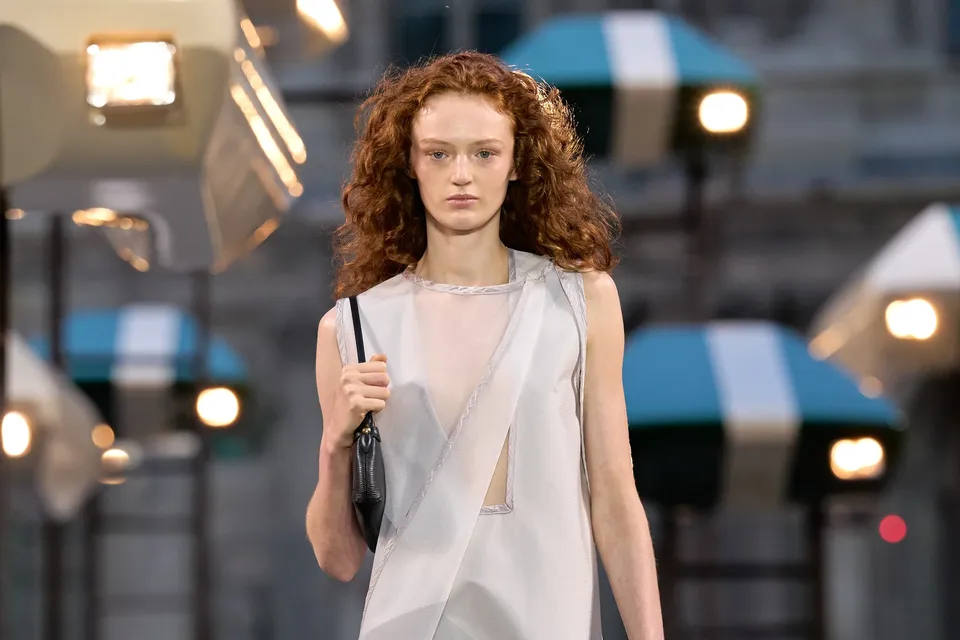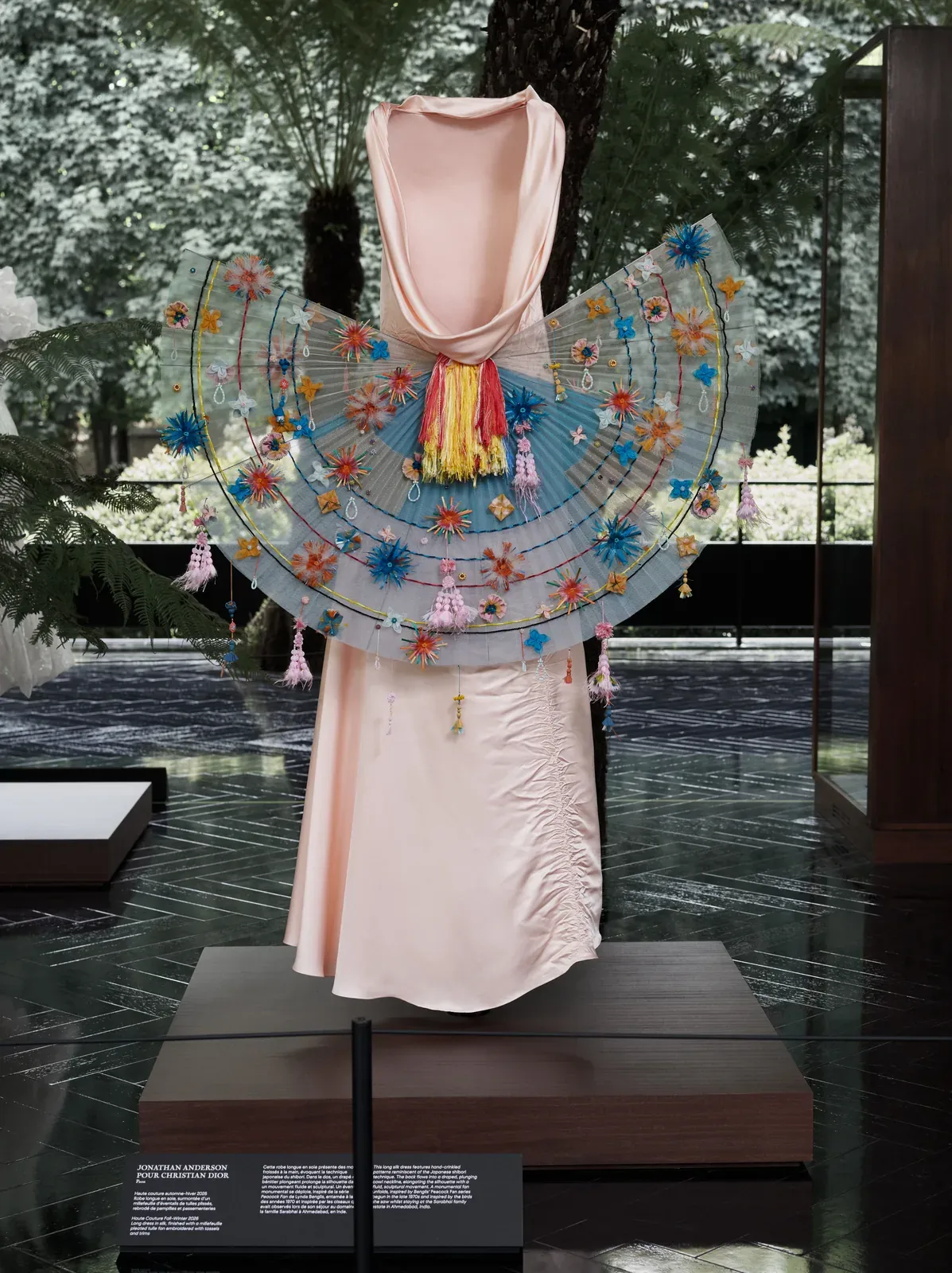
No one can compete with someone who’s having fun. And Jonathan Anderson certainly is, or at least, his collections for Dior are. Stone, marble, and bronze have long occupied the pathways of the Musée Rodin, and this week, they make room for silk, metallic knots, and gravity-defying silhouettes. Grammar of Forms transforms the museum grounds into an extension of Anderson’s second Haute Couture collection for the Maison, inviting visitors to glimpse the designer’s mind and craft through July 12.
For Anderson, couture is a living language, one that must be learned, explored, and, ultimately, bent. Dior’s heritage is a masterpiece in itself, yet rather than preserving it behind glass, he approaches it as a vocabulary of forms and techniques to be rewritten. The Maison’s archives enter into conversation with the sculptural work of artist Lynda Benglis, whose practice draws from Minimalism, Pop Art, and Abstract Expressionism, somehow combining the sensibilities of all three. Much like Benglis transformed two-dimensional materials into sculptural objects, Anderson manipulates fabric until it seems to defy its own physical properties. Textile becomes sculpture, and couture becomes architecture.
With Anderson, nothing is ever quite what it seems. Silk seems heavy and dense, while monumental metallic bows feel unexpectedly kinetic, and the designer himself seems to be constantly challenging us to create our own meanings through his forms. References to Dior’s iconic 1947 nipped-waist silhouette coexist effortlessly with Anderson’s now-signature knots, creating his own visual grammar, one that unfolds alongside Benglis’s sculptures throughout the exhibition.
Echoes of Siata, Raptor, and even the Peacock Series surface throughout the collection, sometimes openly, sometimes almost imperceptibly. Metallic, iridescent, encrusted, and paper-like fabrics, along with soft silver netting, become the vehicles through which Anderson responds to the inspiration, articulated in the language he speaks best.
Benglis once suggested that an artist is always an artist. Looking at this exhibition, it becomes clear that the masters will always remain masters.