“Obviously, Doctor, you've never been a thirteen-year-old girl.” This quote found in Sofia Coppola’s The Virgin Suicides encapsulates perfectly the deep nuances of not only being a woman but also being a girl. Where does this transition happen, if it ever does? I still feel the same way I did when I was fifteen, despite this being more than a decade ago. On MoMu's new exhibition, GIRLS. On boredom, rebellion and being in-between, we found a space of reflection and an accurate portrayal of the notions that surround this idea of girlhood that goes way beyond bows, pink and being cute. From the pain and suffering that is intrinsic to the female existence to the magical and joyful bond that ties all of us together in a silent but profound way, this exhibition speaks to us, the ones who have been thirteen-year-old girls, and educates the ones who haven't.
There's a very interesting, somehow funny but extremely accurate saying that goes around the internet that, when I first saw it some years ago, I couldn't help but be amazed at how true it was. It goes something along the lines of "Whatever deep philosophical theory a thirty-year-old man is trying to mansplain to you, it's most likely that you already pondered and wondered about it at age thirteen while trying to do your hair before going to school." The brains and the hearts of teenage girls contain galaxies that maybe are hard to explain at such a young age when our lexicon is not that advanced yet to be fully able to communicate what happens inside of us, but that doesn't forbid it from happening nonetheless.
Being a young girl may not be the definition of free when it comes to our physical existence in the sense that we are not allowed to roam around the world as we please or do whatever we want to do—this being mostly a defence mechanism from the ones who love us to protect us from the dangers of existing as a woman—but it may be one of the most fertile and unchained periods of our minds, where nothing and no one is able to stop the overflow of thoughts, ideas, questions and feelings storming our heads. For this exhibition, which contains within its walls a world of elements that represent girls and girlhood from different angles, curator Elisa De Wyngaert decided to include and highlight an element that I think can be the quintessential representation of what goes on in the mind of a girl: their bedrooms.
As a girl who up until this day has always been obsessed with something, my bedroom has been a personal mood board that has changed just as much as I have, from the posters that occupy my walls to the books that fill my shelf or the CDs and magazines that stack up in every corner. The bedroom of a girl is a reflection of their soul, and distributed in the exhibition we find different examples of this. Probably one of the most remembered bedrooms in cinema is the one that confined the five Lisbon sisters in The Virgin Suicides. A room that contained not only all the angst in the world but also all the boredom in the world, a double-edged sword for the young brain, becoming a catalyst for either the most creative ideas or a sense of dread that makes you want to die.
With a single bed and some of the most remembered pieces from the costumes designed by Nancy Steiner, like the bikini and shorts set worn by Kirsten Dunst in her role as Lux or the symbolic dresses worn by the sisters that range from nightgowns to prom, summer or even Cecilia’s “wedding” dress, the piercing and relatable feelings of the first time watching the movie are materialised and placed within a context that not only explains but also validates the emotions portrayed in the film. The other two rooms are brought to life by the minds of Jenny Fax and Chopova Lowena. The first one recreates her European-style bedroom in Taipei, a room that hid not only her OCD habits but was also more of her mother's taste than hers, and the second one is a rendition of what could be the shared space of two girls that only met in college and that, by seeing what they have been able to do together, must have shared similar worlds in their childhood.
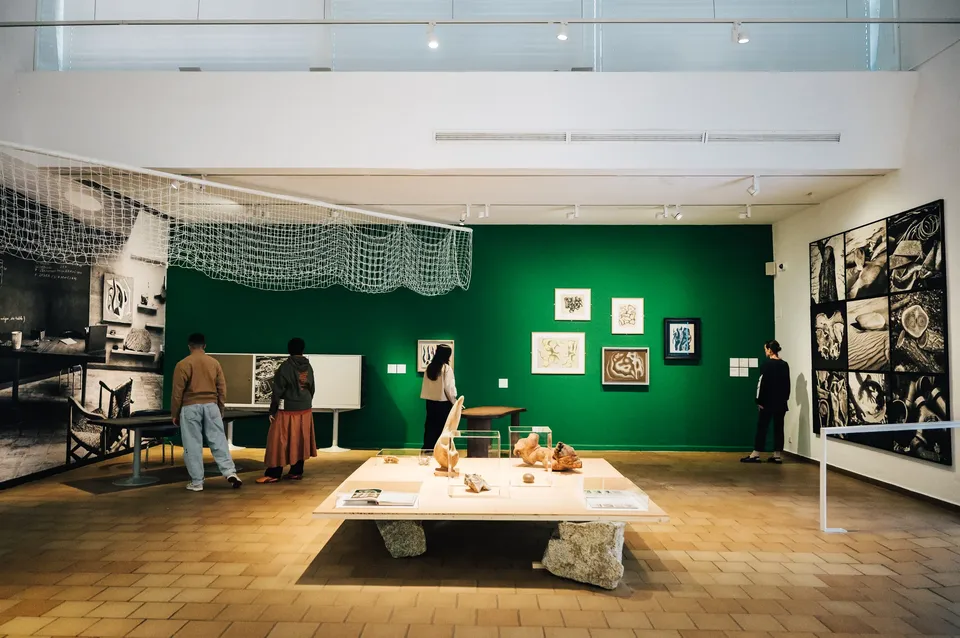
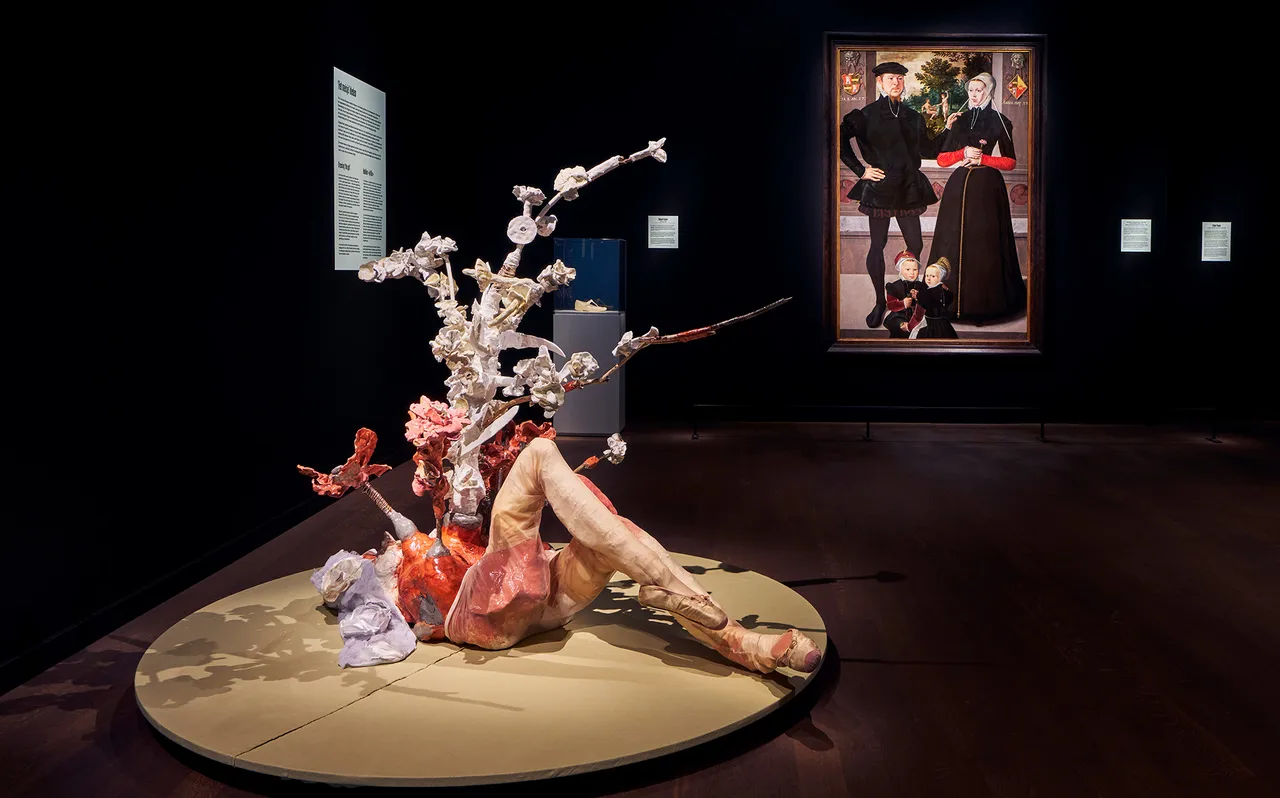
Divided into three major conceptual parts—boredom, sleep and coming of age—the exhibition explores how these notions relate and reflect on girls and how different mediums and disciplines have portrayed them. From sculptures like The Little Fourteen-Year-Old Dancer by Edgar Degas or the different pieces artist Sofia Lai created just for this exhibit to paintings like Memories by Alice Neel or a couple of works by Arisa Yoshioka and photographic works like the ones by Fumiko Imano or Roni Horn. Fashion is present as well, with pieces from Simone Rocha, Maison Margiela, Ashley Williams, Raf Simons, D’heygere, and the different historical iterations of white dresses—used for baptisms, communions, and weddings. It seems like the life of a woman is defined by white pieces of fabric, by choice or by imposition; the discussion is open.
Sometimes there's a contrasting dichotomy in what being a girl truly is and how it's presented or interpreted by others. This exhibition—by curating and selecting work by artists and creators that understand girlhood from deeply reflective angles and also by consulting real girls and women about the matters discussed during the whole process—reaches a somehow universal yet personal understanding of the matter. Some of the most poignant pieces are the ones extracted from Louise Bourgeois’s performance attires, especially an apron from She Lost It that reads “I had to make myself be forgiven for being a girl.” We must never ask for forgiveness, we must never feel like we should be forgiven, and we should never stop feeling the complex joy of being a girl.
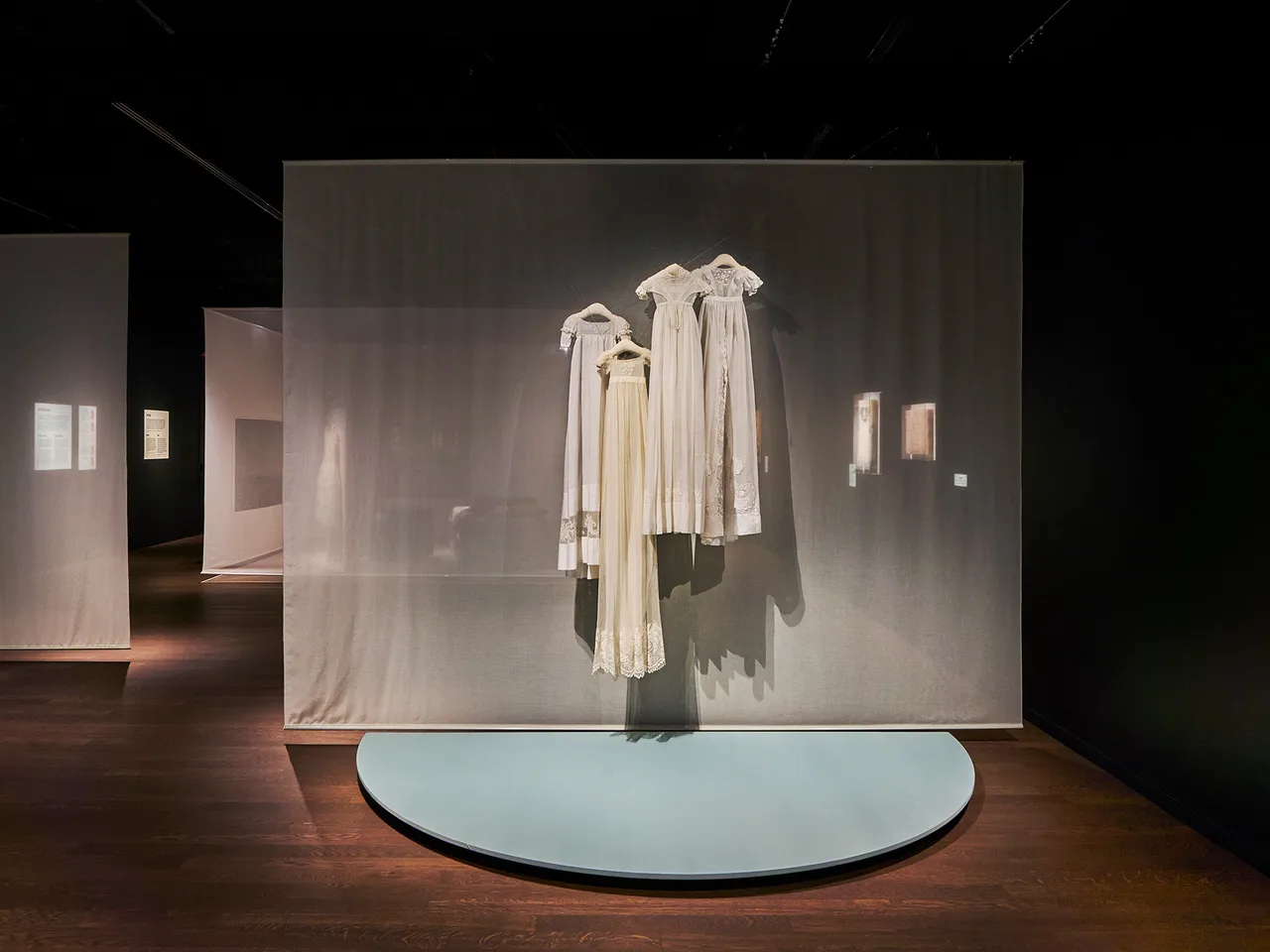
Baby dresses in GIRLS. On Boredom, Rebellion and Being In-Between at MoMu – Fashion Museum Antwerp, 2025, © MoMu Antwerp, Photo: Stany Dederen
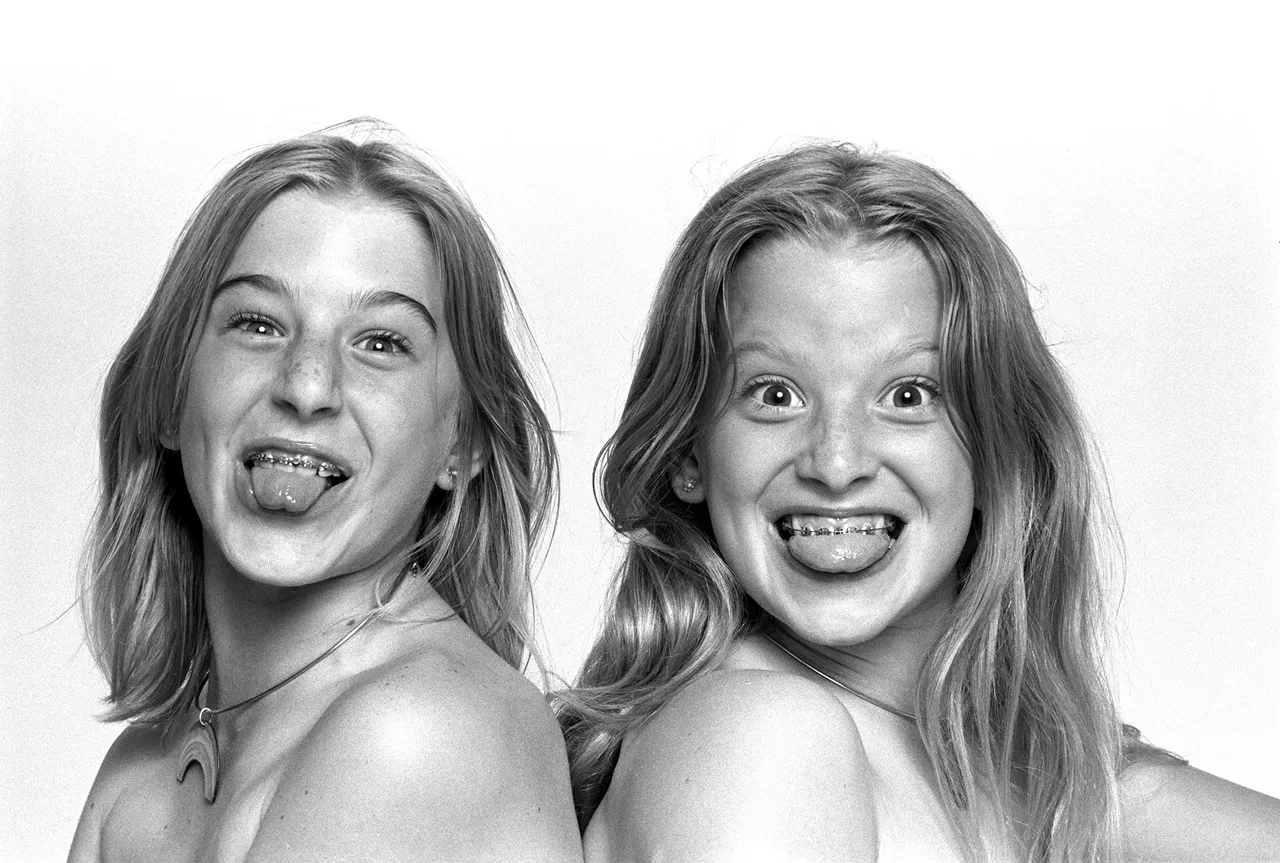
Jim Britt, Sisters, 1976, © Photo: Jim Britt
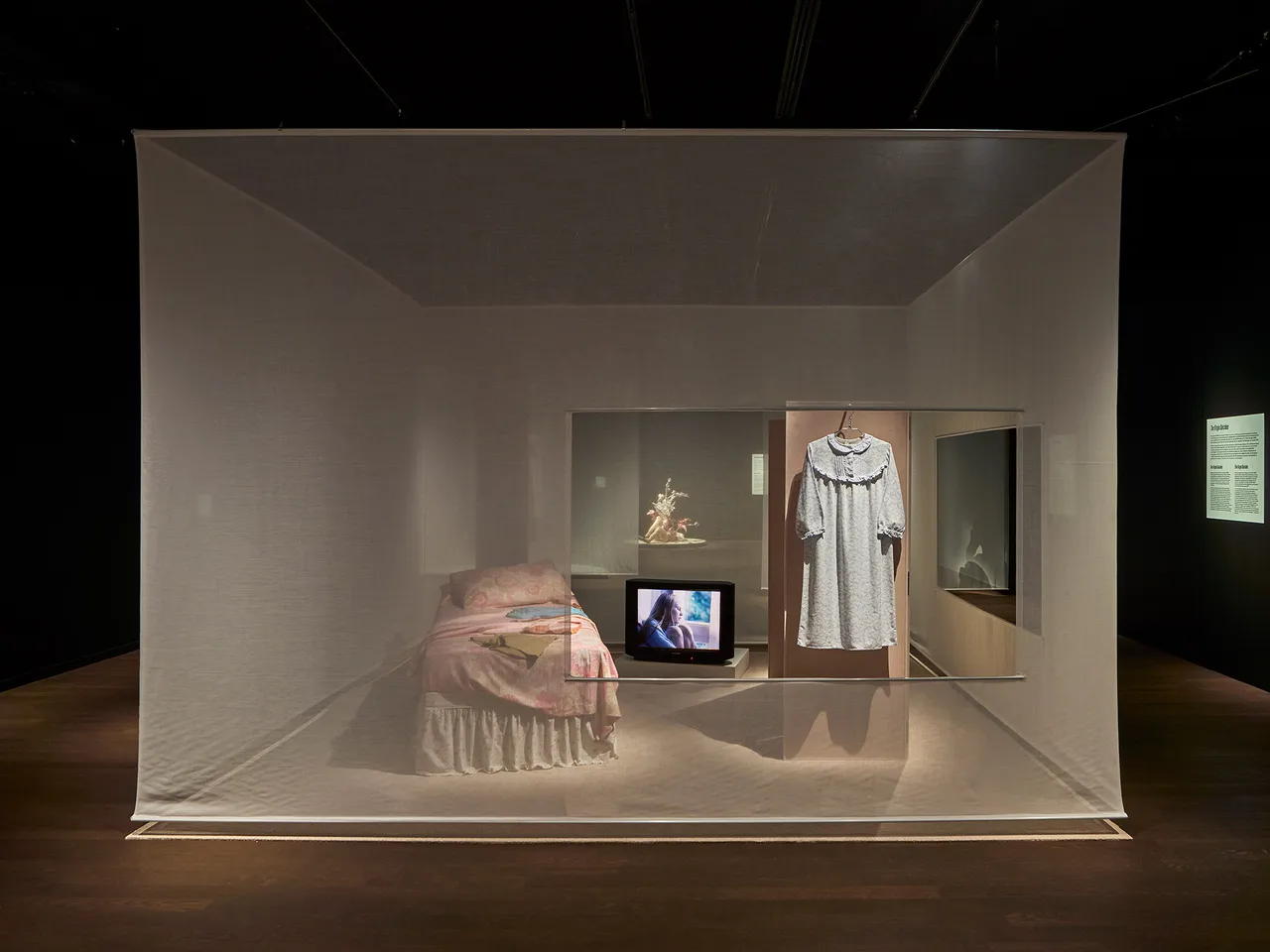
The Virgin Suicides in GIRLS. On Boredom, Rebellion and Being In-Between at MoMu – Fashion Museum Antwerp, 2025, © MoMu Antwerp, Photo: Stany Dederen
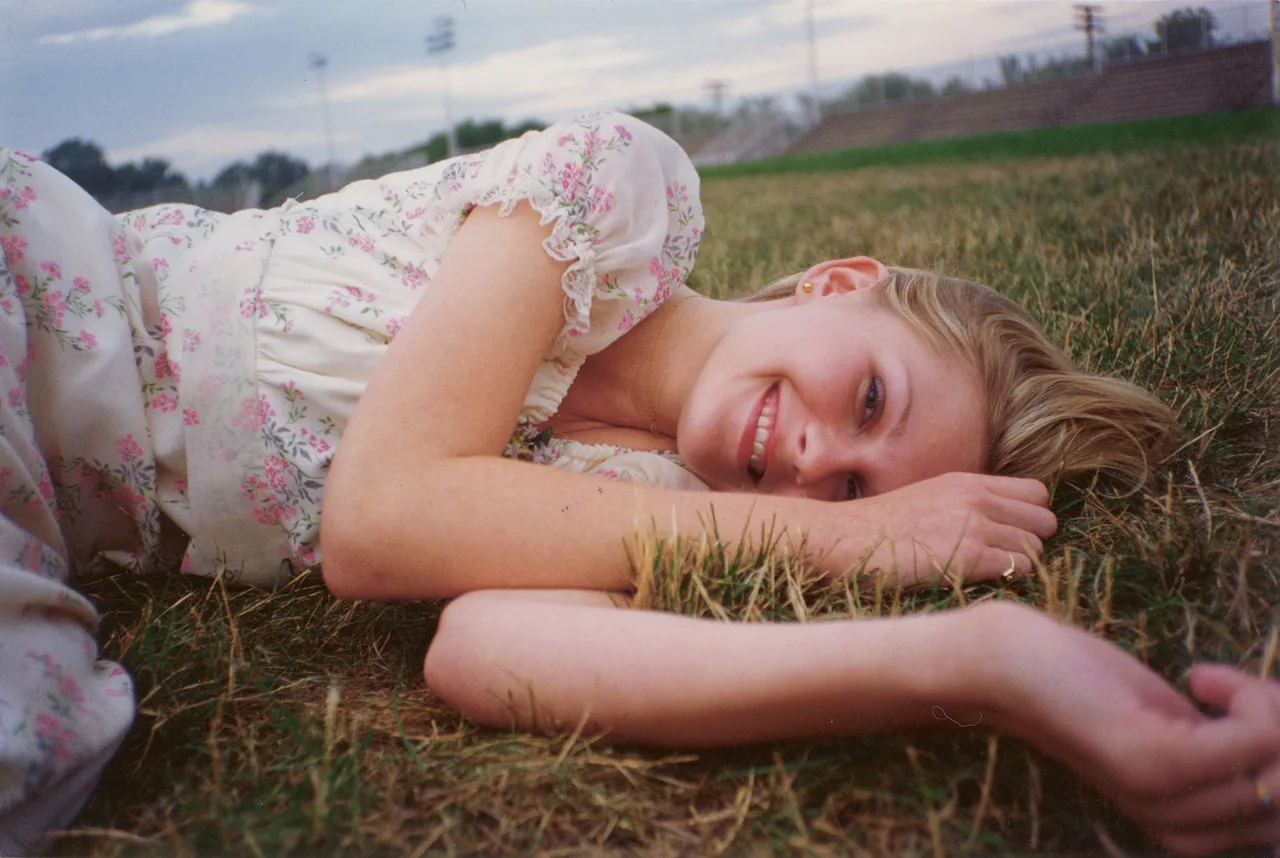
Still from The Virgin Suicides, 1999, directed by Sofia Coppola, © Sofia Coppola
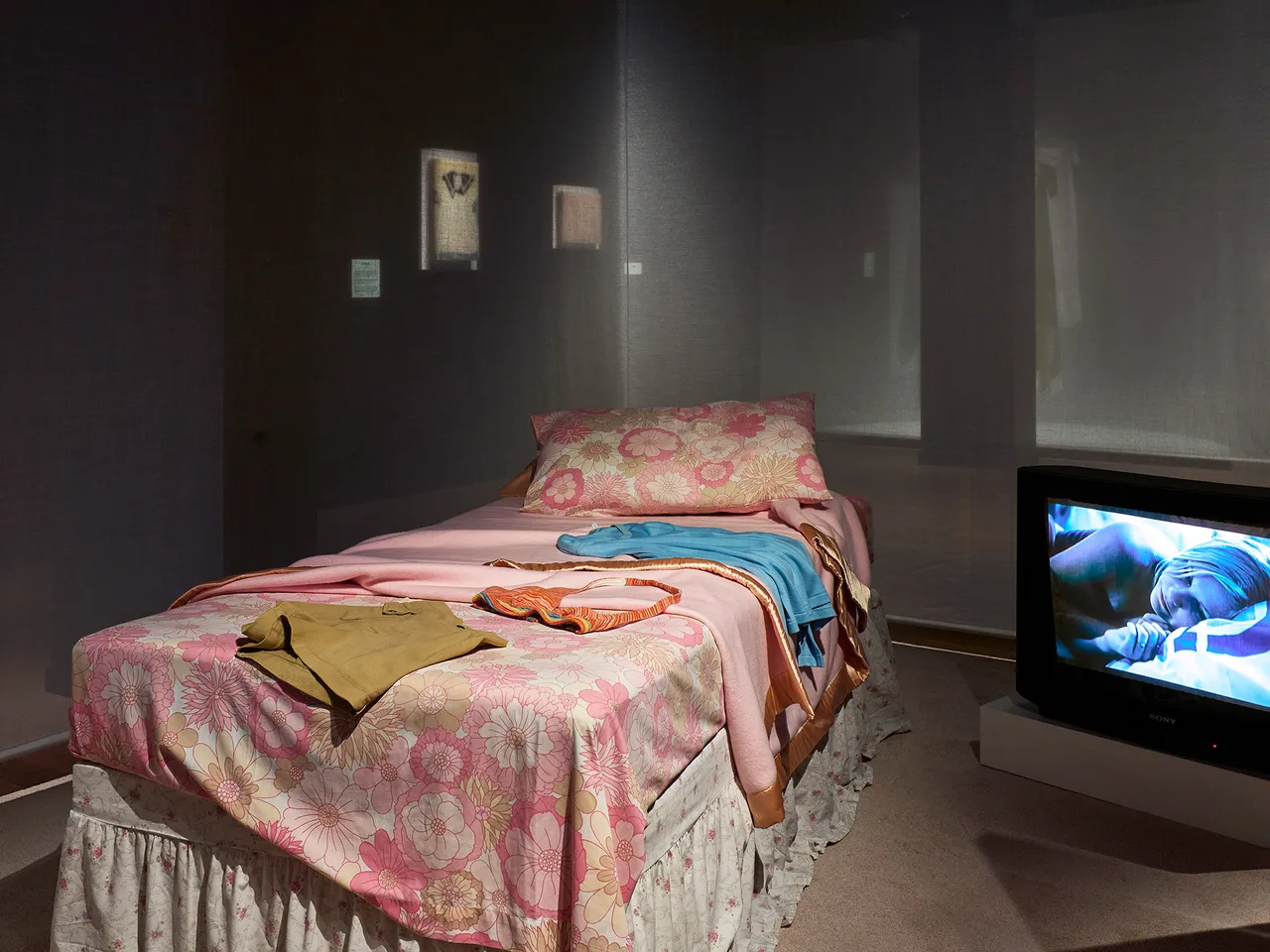
The Virgin Suicides in GIRLS. On Boredom, Rebellion and Being In-Between at MoMu – Fashion Museum Antwerp, 2025, © MoMu Antwerp, Photo: Stany Dederen
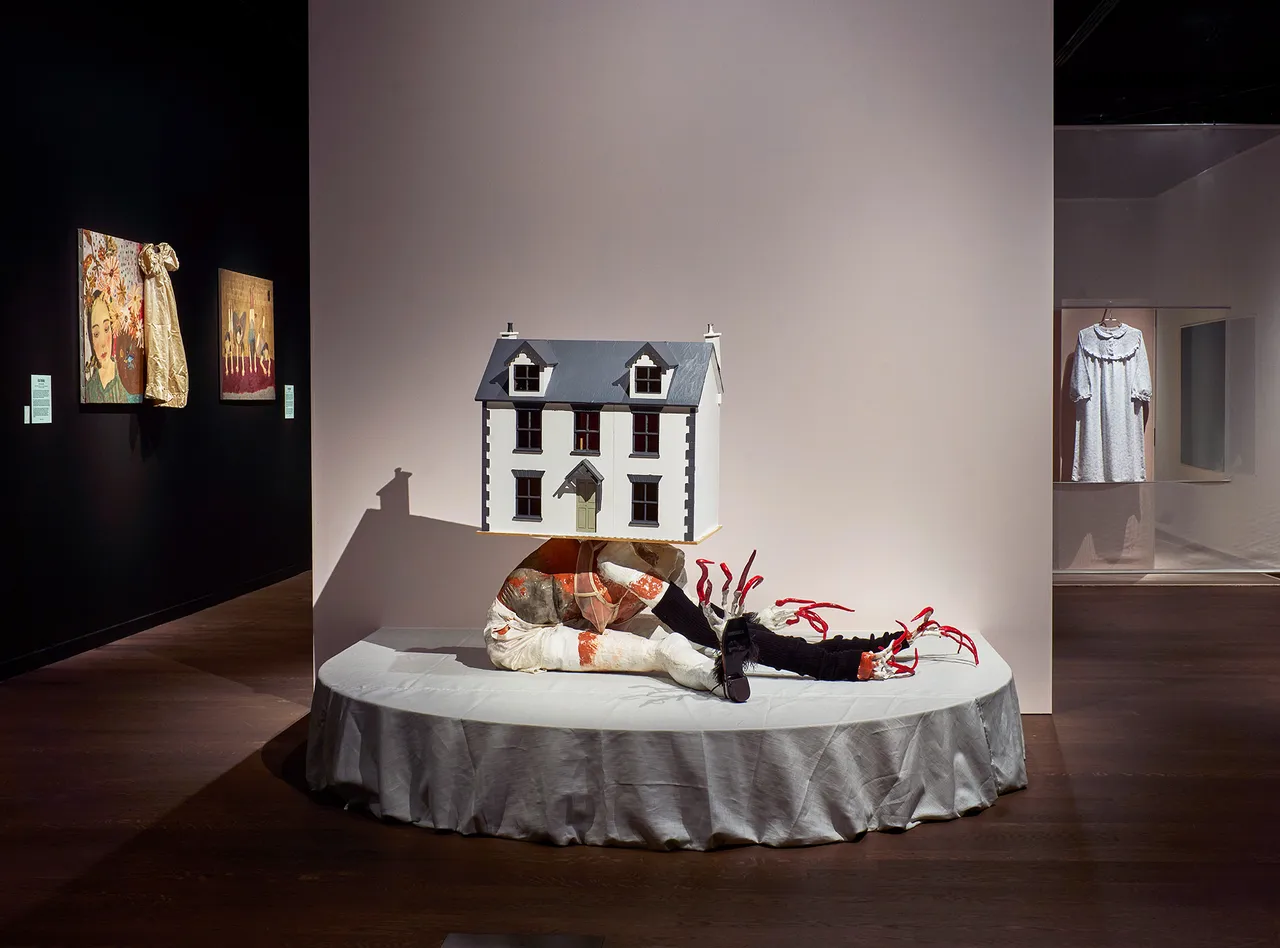
Sofia Lai in GIRLS. On Boredom, Rebellion and Being In-Between at MoMu – Fashion Museum Antwerp, 2025, © MoMu Antwerp, Photo: Stany Dederen
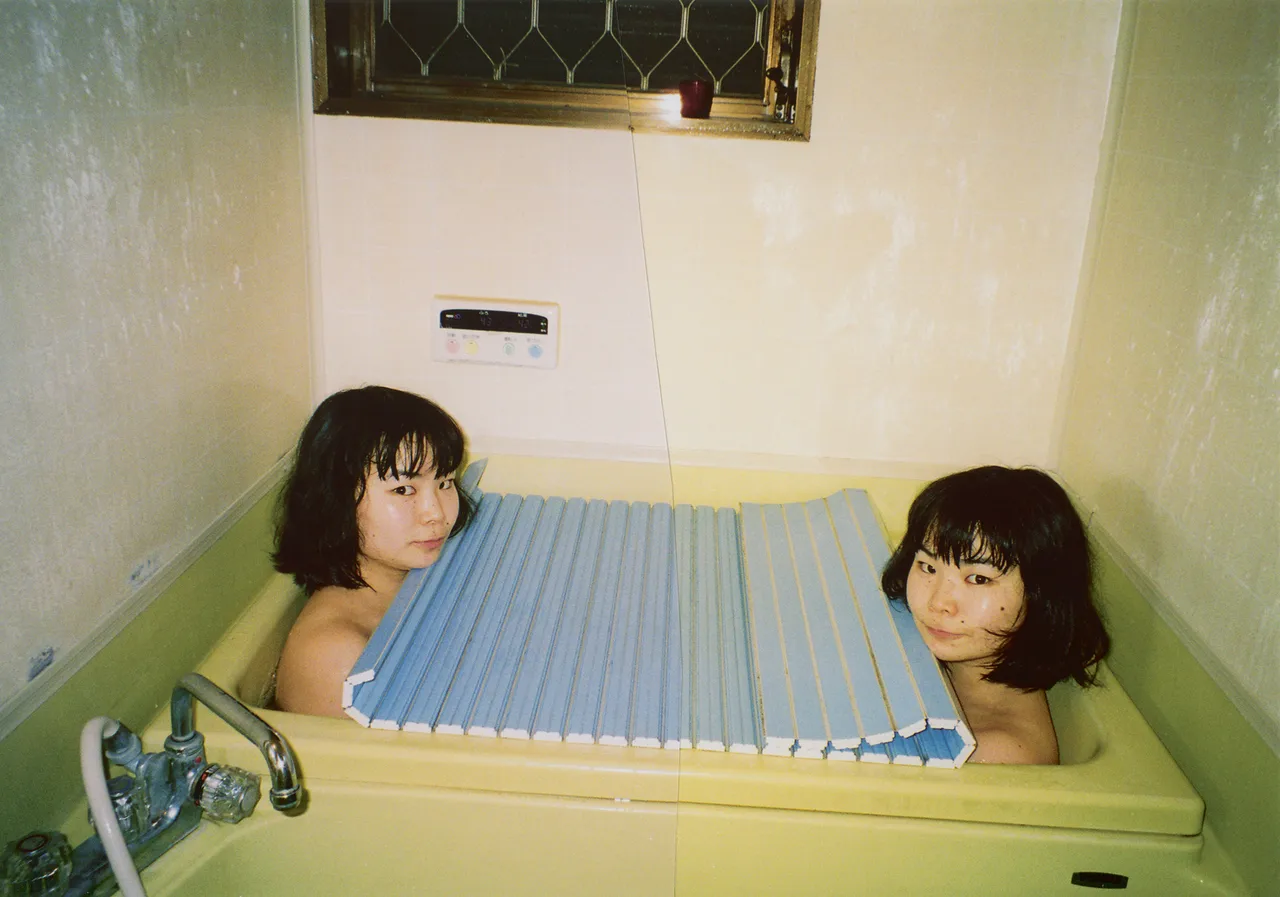
umiko Imano, Yellow bath/Hitachi/Japan, 2007, © Fumiko Imano
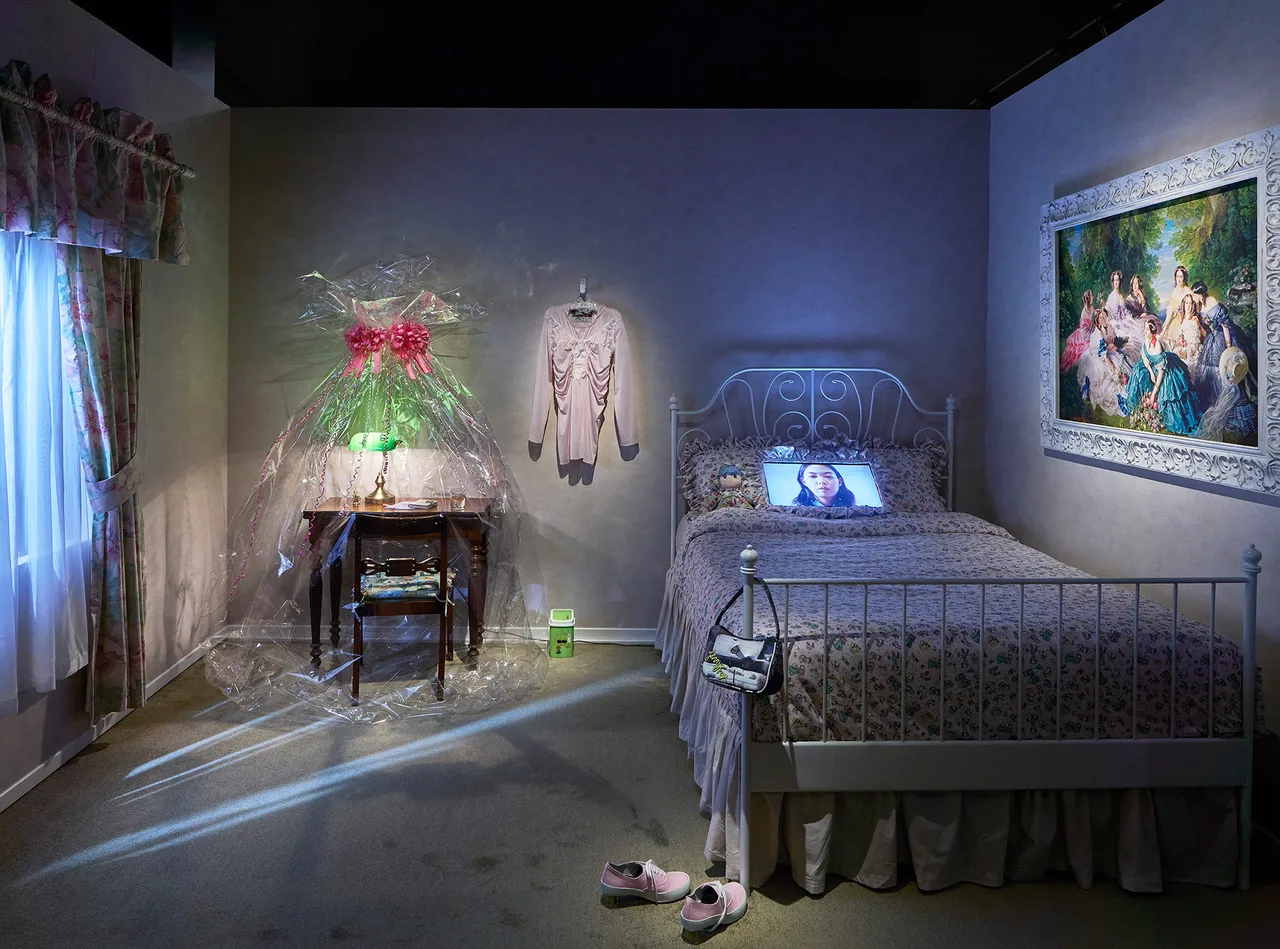
JennyFax in GIRLS. On Boredom, Rebellion and Being In-Between at MoMu – Fashion Museum Antwerp, 2025, © MoMu Antwerp, Photo: Stany Dederen
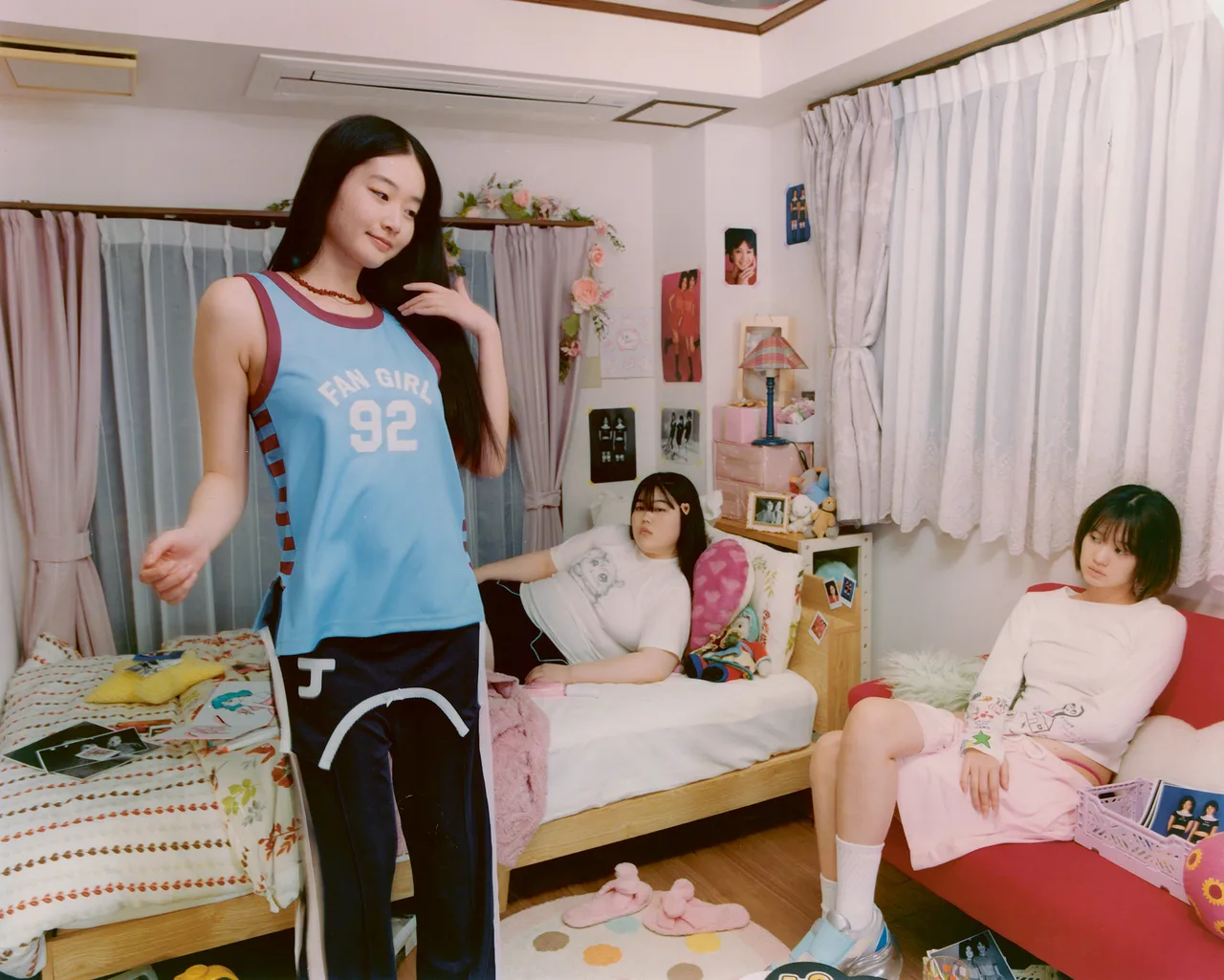
Petra Collins in collaboration with JennyFax_I’m Sorry, © Photo: Fish Zhang
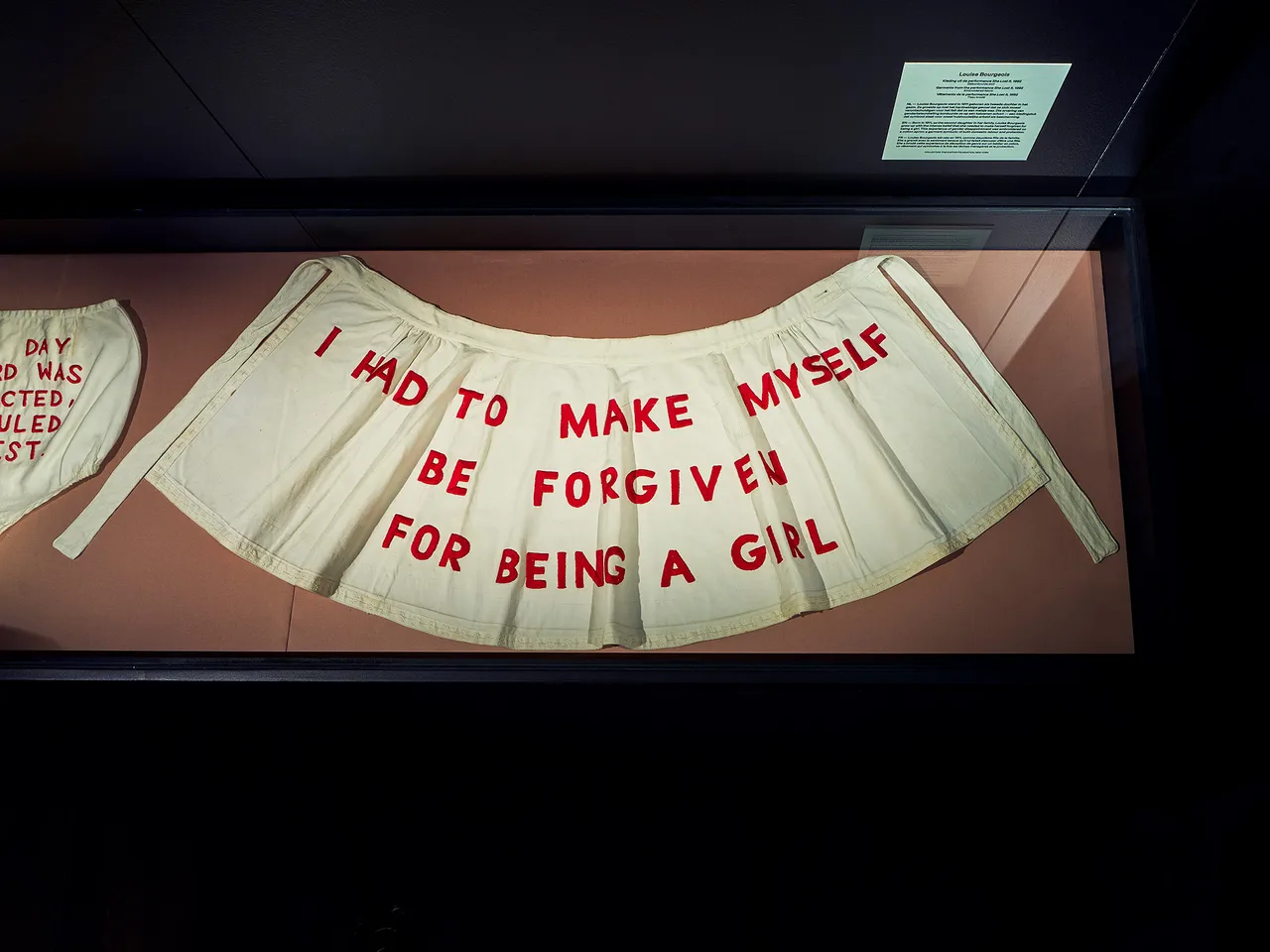
Louise Bourgeois in GIRLS. On Boredom, Rebellion and Being In-Between at MoMu – Fashion Museum Antwerp, 2025, © MoMu Antwerp, Photo: Stany Dederen
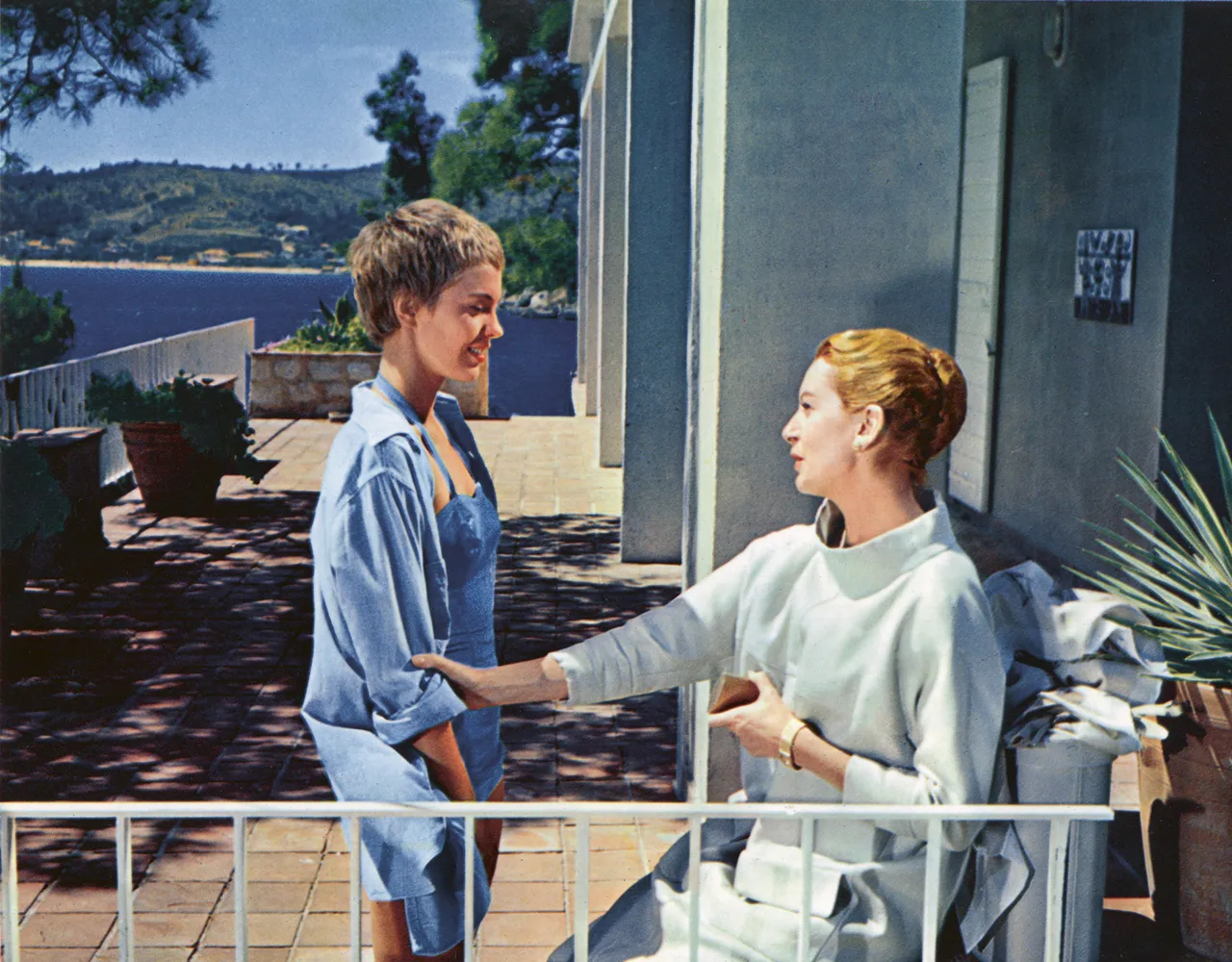
Jean Seberg and Deborah Kerr in Bonjour Tristesse, directed by Otto Preminger based on the novel by Françoise Sagan, 1958, © Pictorial Press Ltd / Alamy Stock Photo
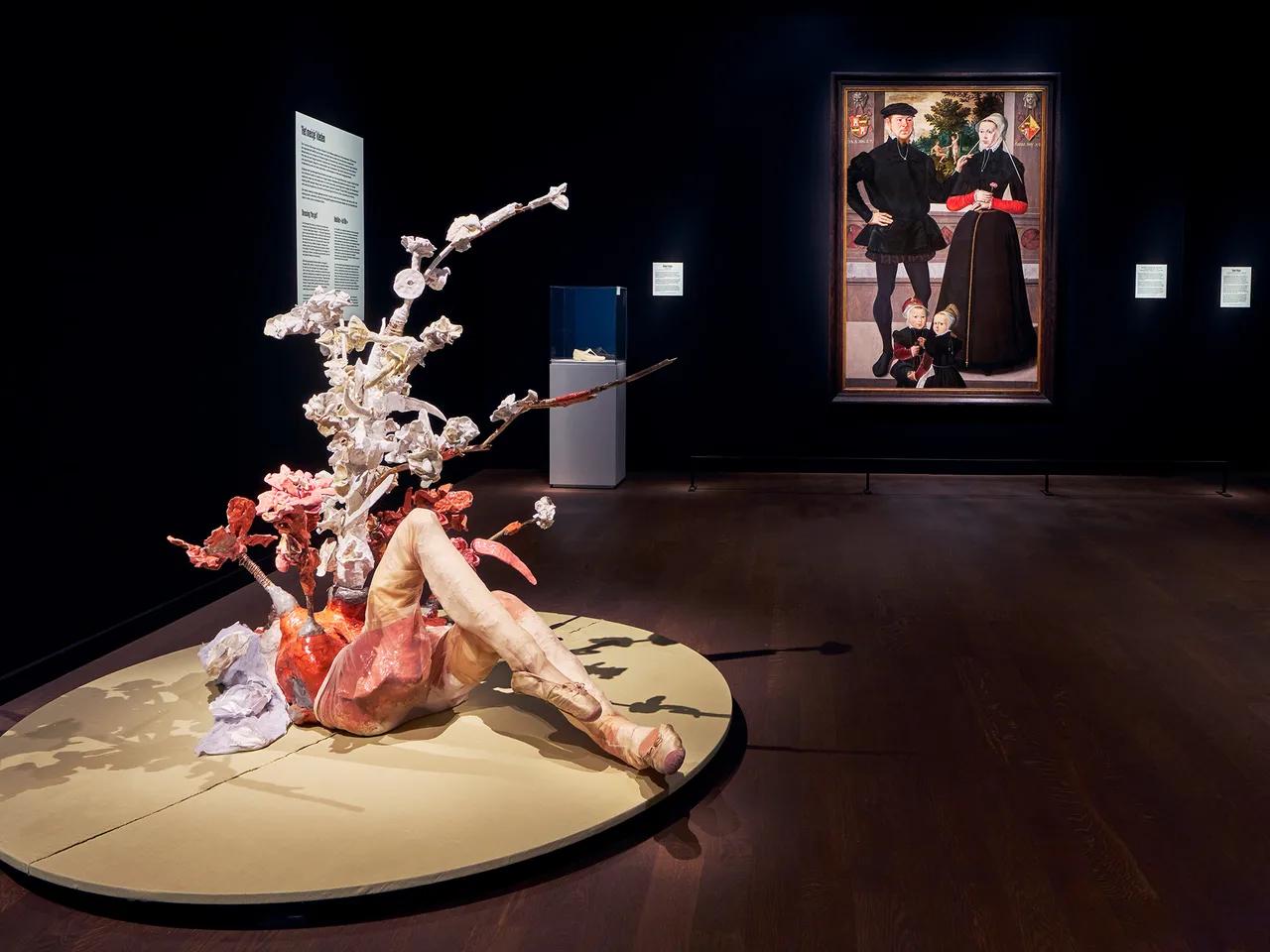
Sofia Lai in GIRLS. On Boredom, Rebellion and Being In-Between at MoMu – Fashion Museum Antwerp, 2025, © MoMu Antwerp, Photo: Stany Dederen
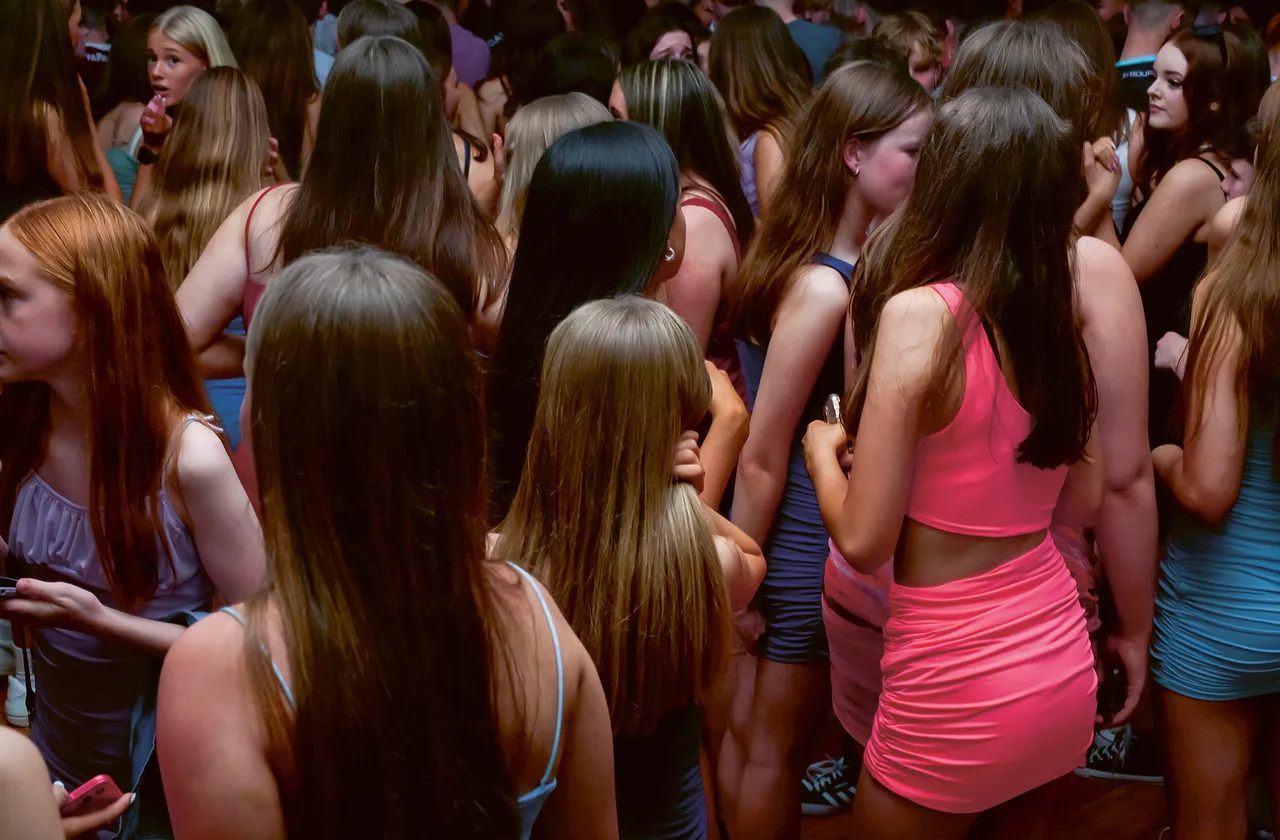
Eimear Lynch, Girls’ Night, 2023 © Eimear Lynch/Institute