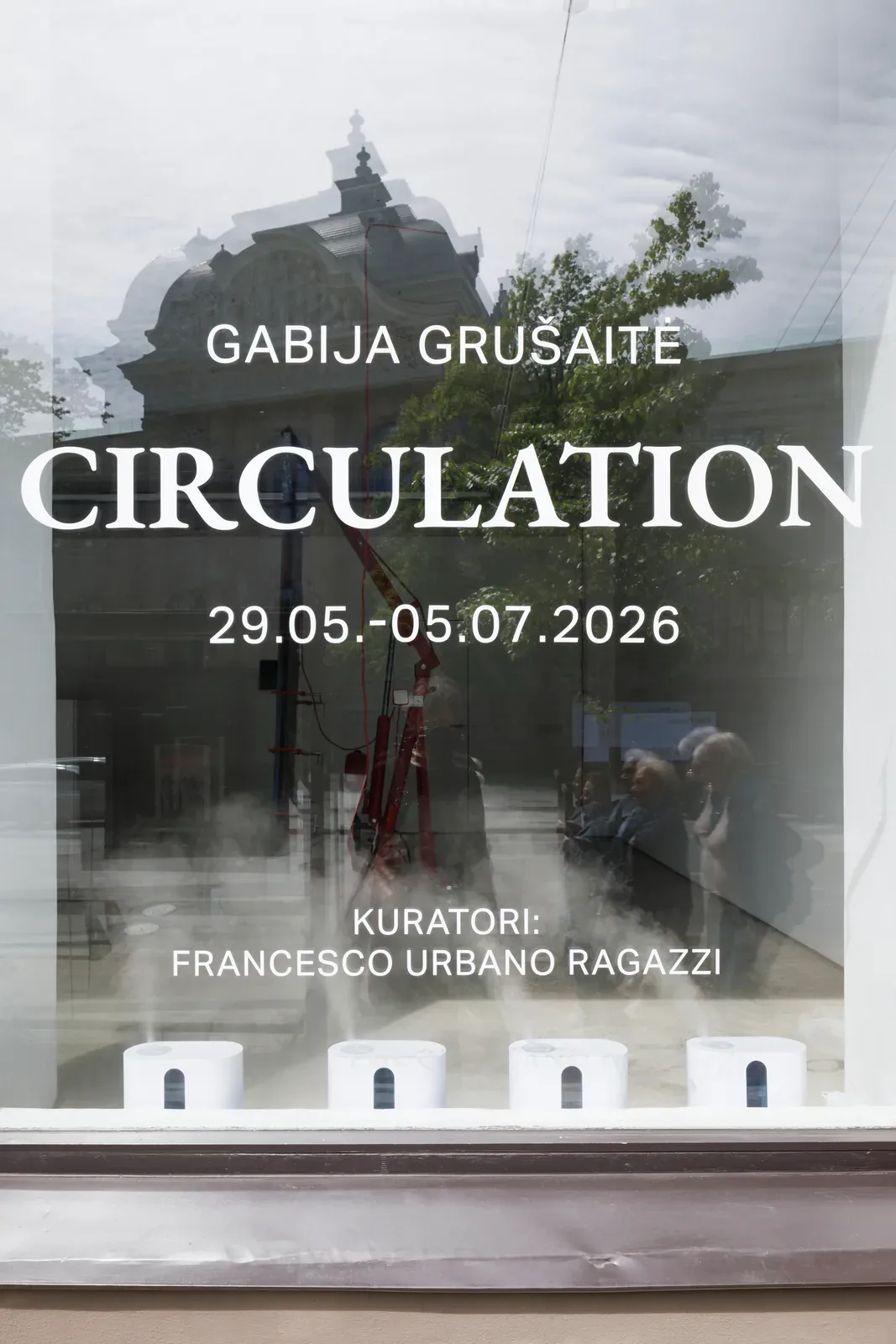
Gabija Grušaitė digs up the floor and flips it on its head. Not so much “sous les pavés, la plage”, but more subtle, speculative and narrative-driven, it’s an intelligent show through which to view some of Riga’s art scene where the exhibit takes place. METAL met with the artist during RAW (Riga Art Week) in Latvia at her ASNI show opening, Circulation, and subsequent dinners. As a Lithuanian Baltic writer and artist situated at a crossroads of cultural, academic and financial capital Grušaitė is in a powerful position.
What of Latvia I saw appears to be in a constant state of construction, of becoming. Many street corners in the centre contain building sites, even the Museum of Decorative Arts and Design had ongoing hammering despite the art week event taking place (and drilling in the Central Library). Sonically, the industrial punctuates space. It feels like everything is always on, even the sun stays up from about 4am until past 10pm. Use of building materials in the Circulation show is well connected with the material reality of the capital. Meanwhile the soundtrack makes use of the machine, AI programme ElevenLabs. There’s hope for progress here in resurfacing roads, fixing public spaces, opening the doors to all, but also very much a presence of the undone.
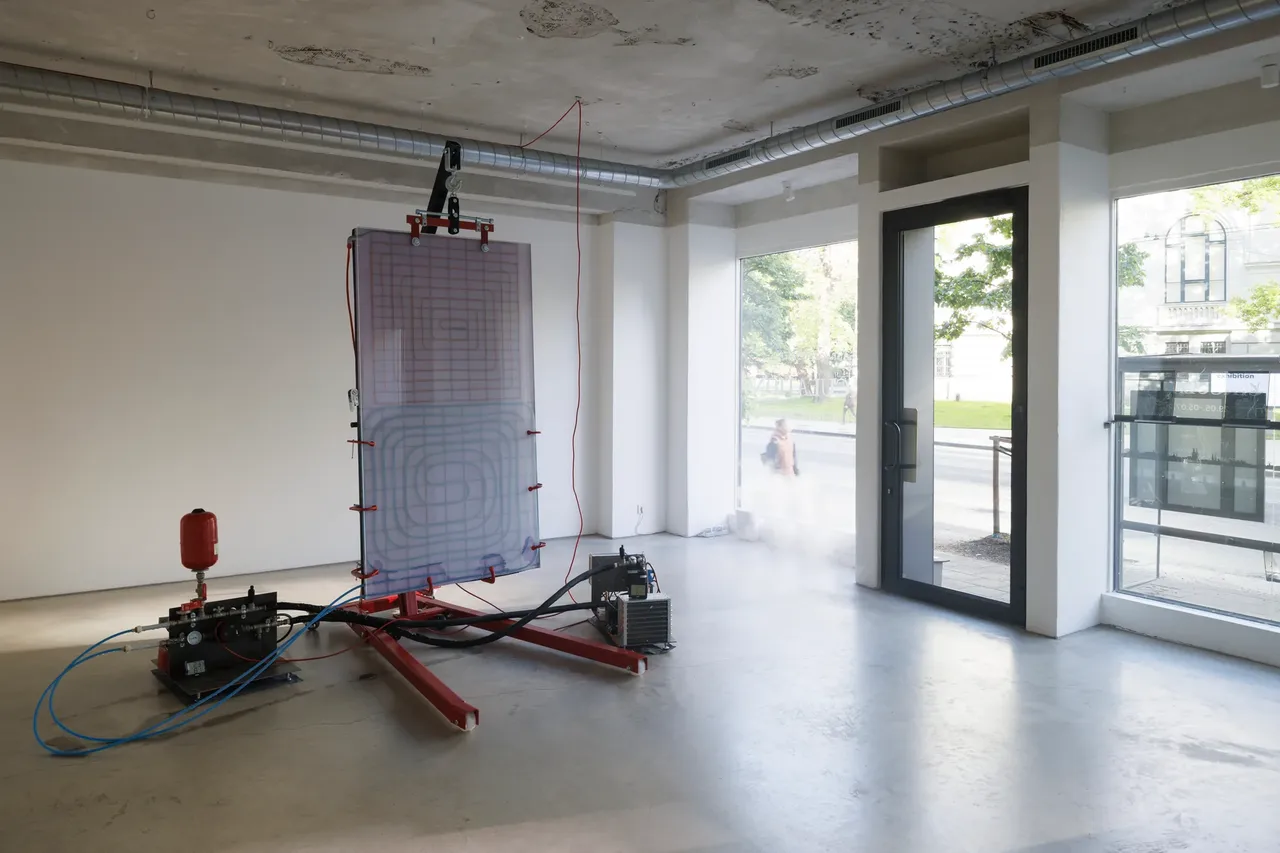
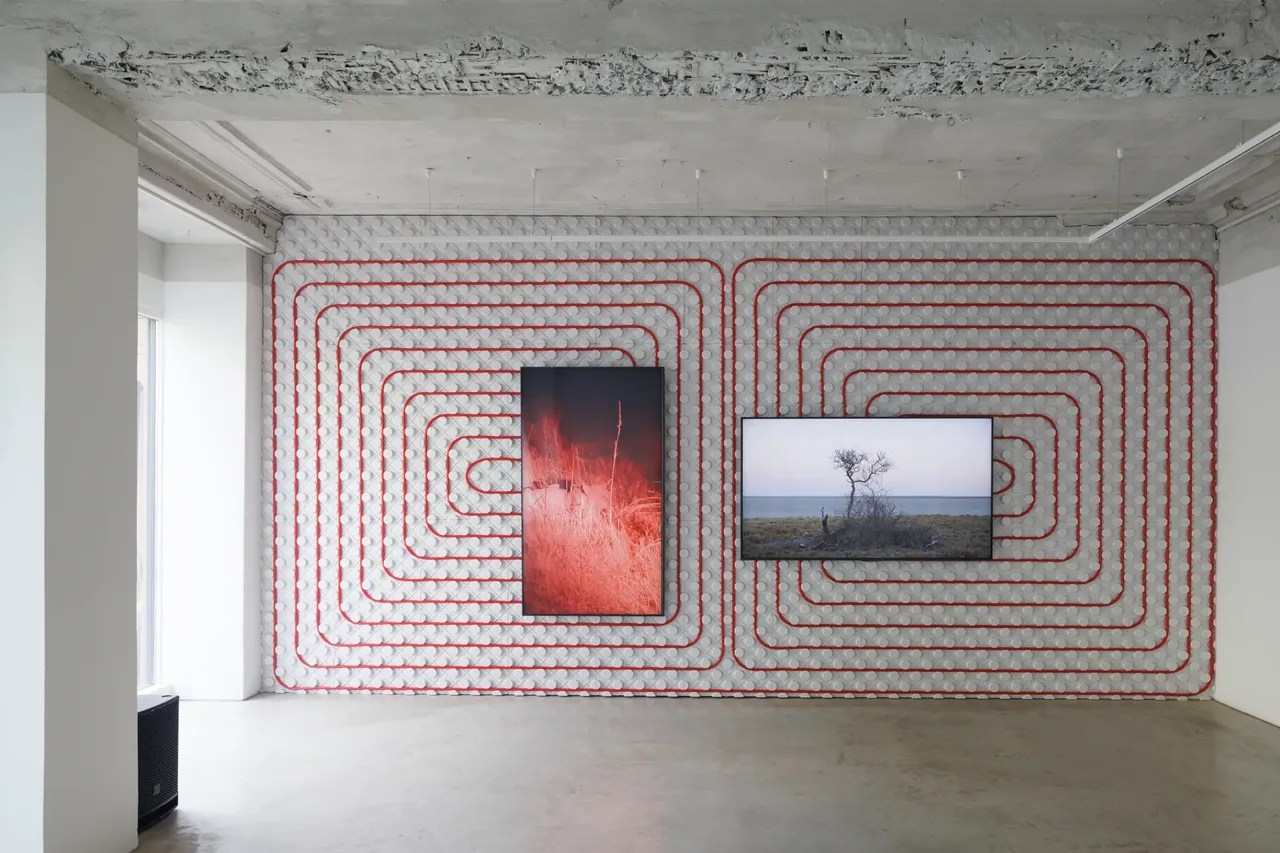
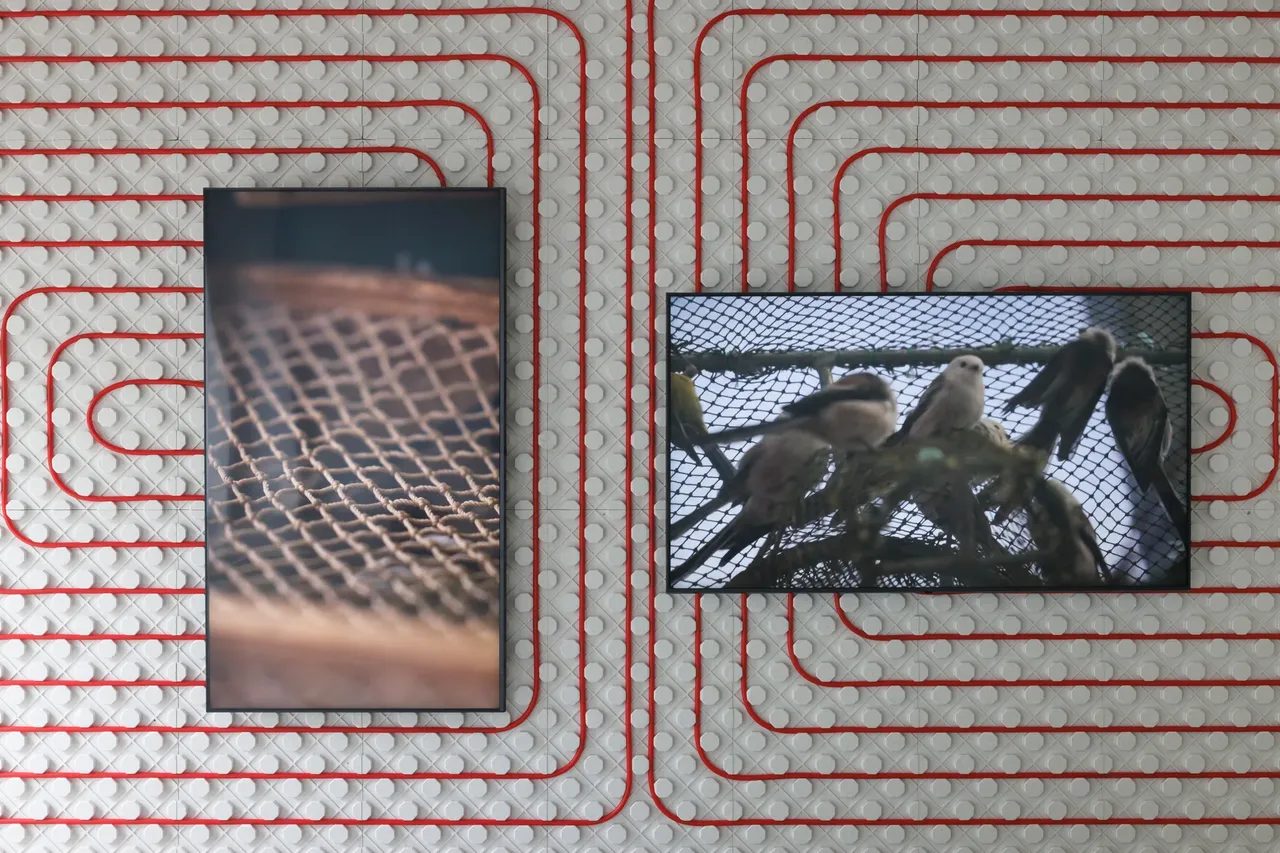
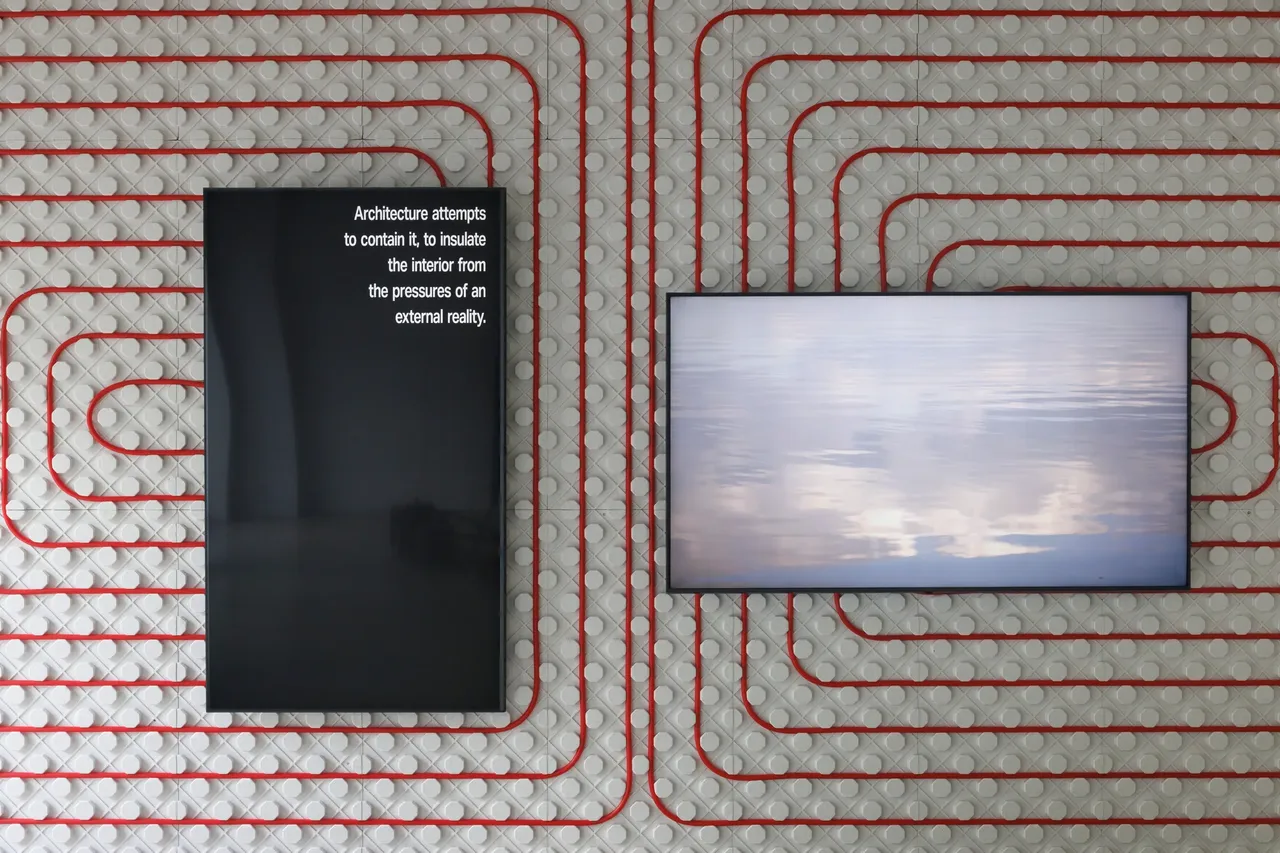
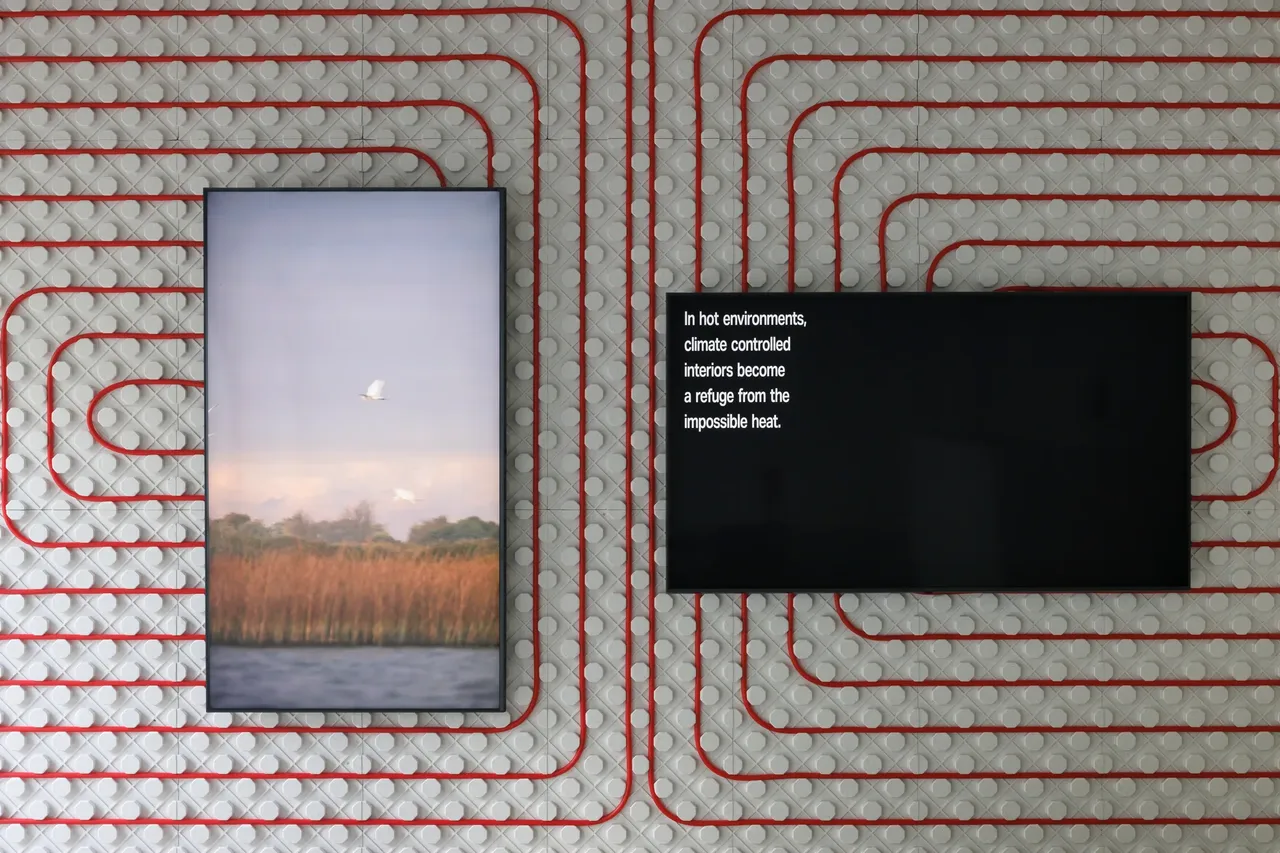
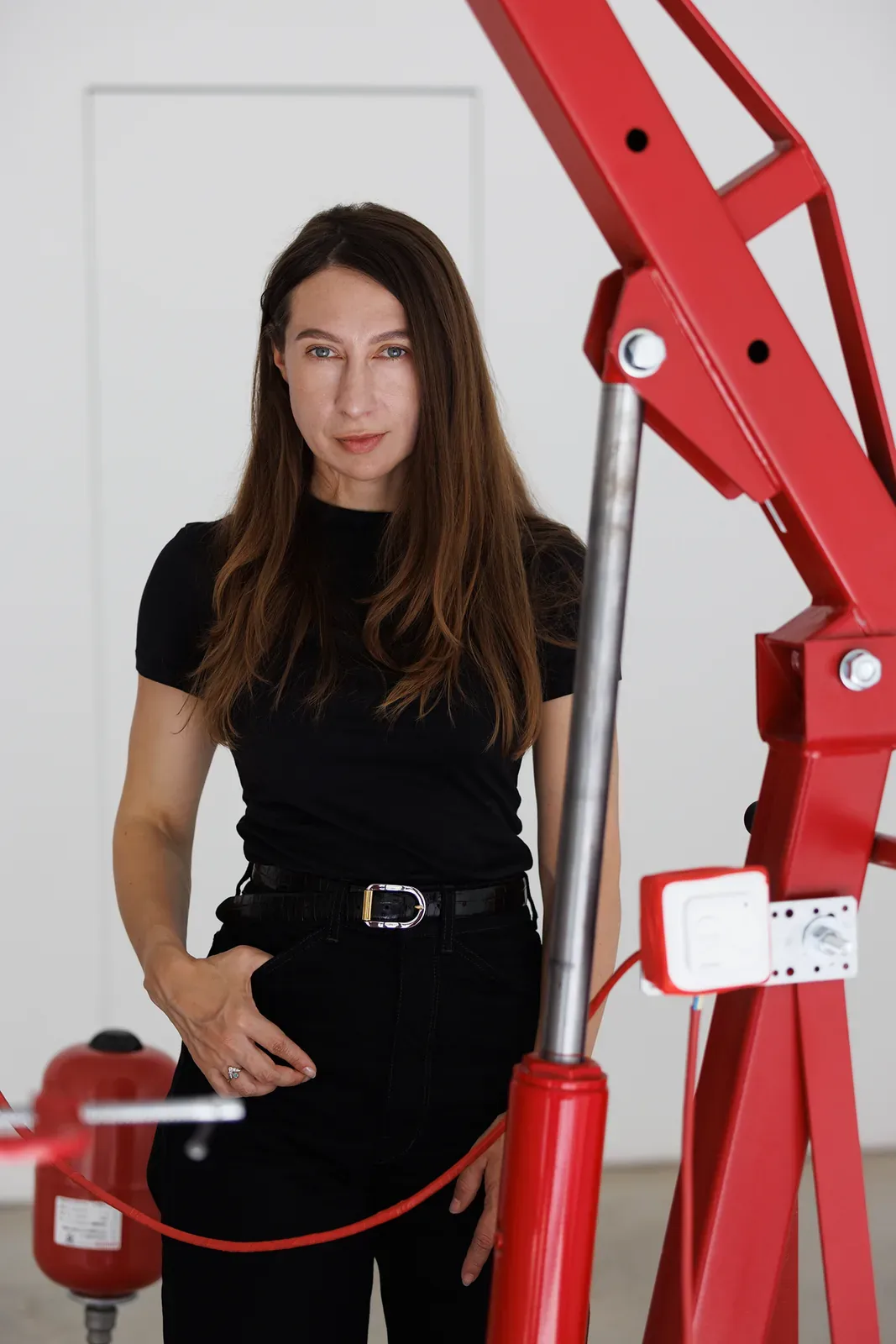
Unbuttoning our coats on entry to Grušaitė’s show, the first thing to hit you in the compact room is the unbearable heat. Registered on a domestic electronic thermometer, like the one connected to your thermostat, at about 25.5 degrees the jump of over ten degrees in temperature is extreme when entering from the cool Baltic wind. Produced, apparently, by an impressive machine we are allowed to touch, this climate makes the cold East much preferable to whatever sweltering space we are now in. It’s comprised of underfloor heating panels needed for baseline comfort in countries like Latvia. As in another show during Riga Art Week, the piece relates to material physical conditions, including of work. For example, at Kim? Live With/Think About where the gallery space becomes a living hub and creative symbolic home-studio for Kaspars Groševs where music is performed, work happens and brush strokes are secondary to ideas. There’s a sense of suspended home in Circulation that is thematically dense too: thinking about comfort, migration as a response to climate and mechanisms of control.
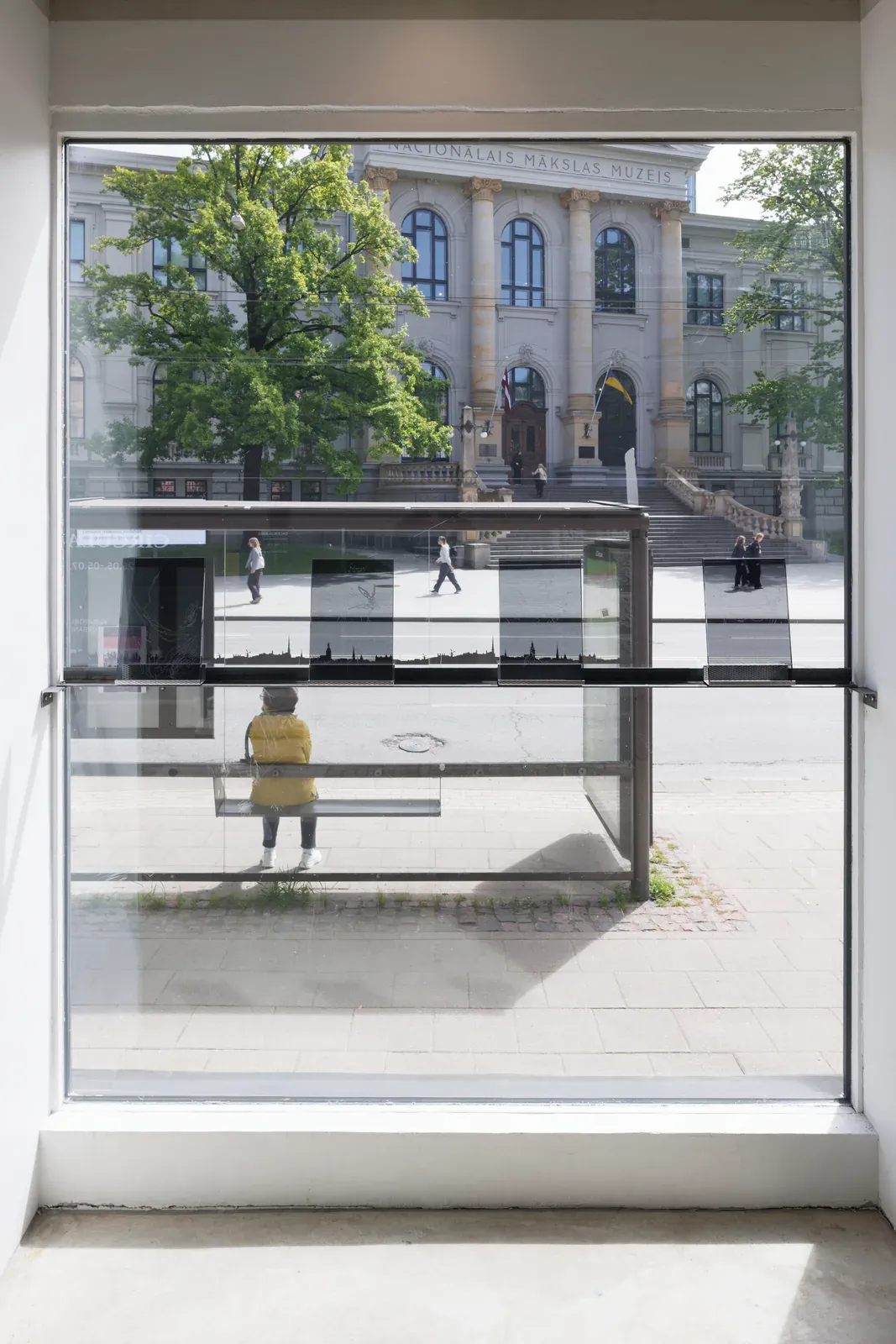
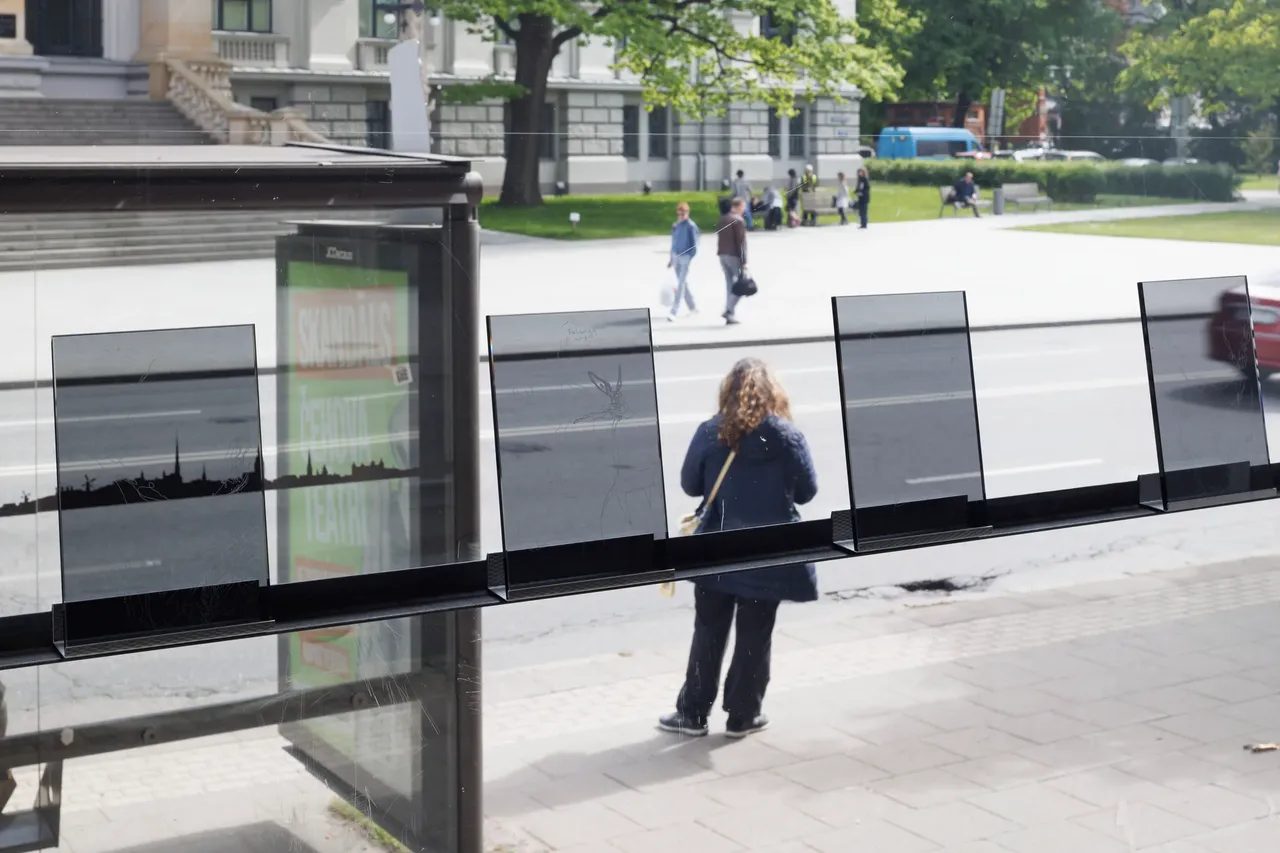
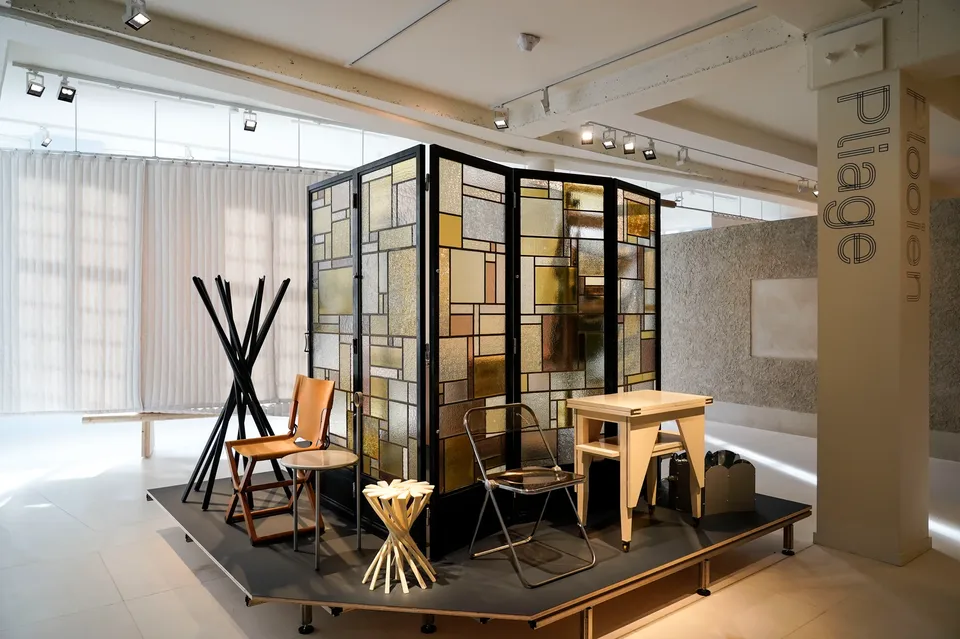
In a country that, since joining the EU, has lost one-fifth of its population to outward migration (CN Traveller 2024) and appears to continue to drop in population, a statement on movement that actually shows how unyielding another climate can be bucks the trend. The Baltics appear depicted by Grušaitė in slices of UV-protecting window panes around the room with creative naïve cartographical etchings by laser. These panes are the type recommended for building in the heat, like the Mediterranean, the sort of climate it feels we’re in at the opening. When I asked to what extent these illustrations relate to reality, the artist turns to talking about her literature, for which she’s known best, “It’s only real while the audience believes it’s real”. She explains her stories aren’t autofiction but do use real occurrences that her friends recognise. The work transcribes a shifting sense of place onto the ghostly transparent material. Again, like other works on show at Riga Art Week this reference to maps could speak to threats on nationhood that post-Soviet countries only know too well, as well as universal interest in borders and boundaries particularly in times of war.
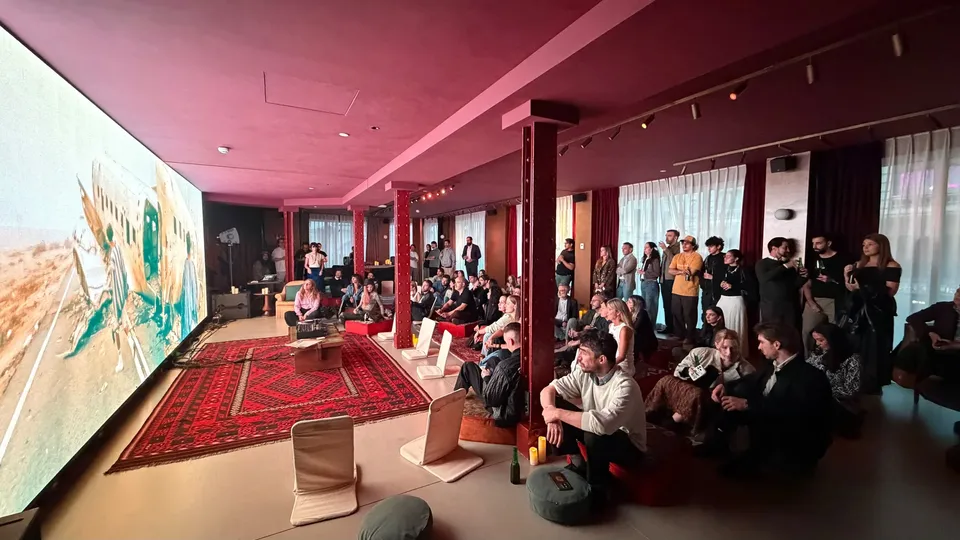
The elephant in the room that seemed to remain as a spectre rather than something people verbalised, beyond a recognition of the cold Northern European weather, is Russia. The answer was to party. Which we all did with artists in the most exquisite old Prussian building The Benjamins’ House, now a hotel, as well as an edgy, rundown abandoned schoolhouse where we saw a performance by Liudmila, Wet Work Over Lap, a mix of pop, techno and industrial. Some local attendees who I spoke to about art week shows took the crowd and the party as an arbiter of success. Shadows, dark outlines and even ghosts appeared in works, though. This was an opportunity for escapism whilst certain shadows linger.