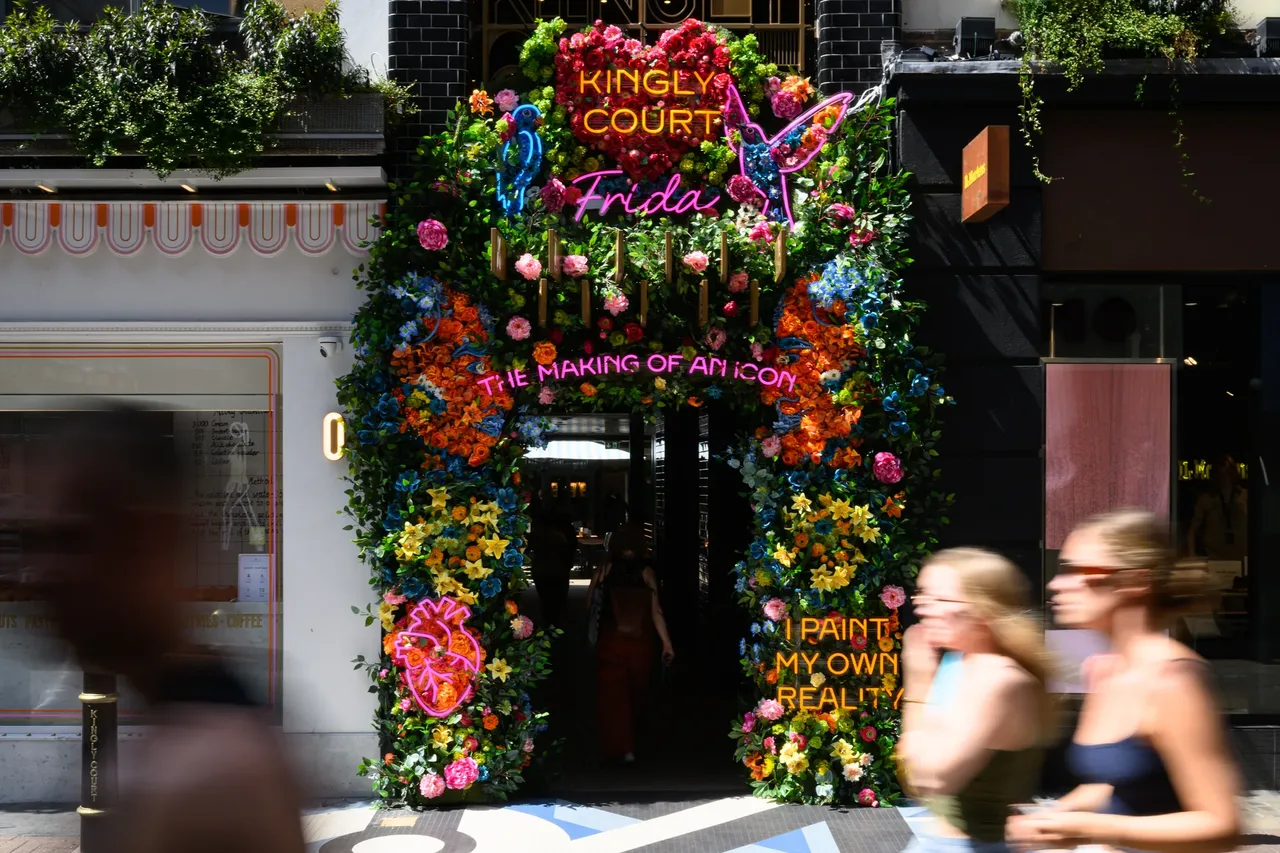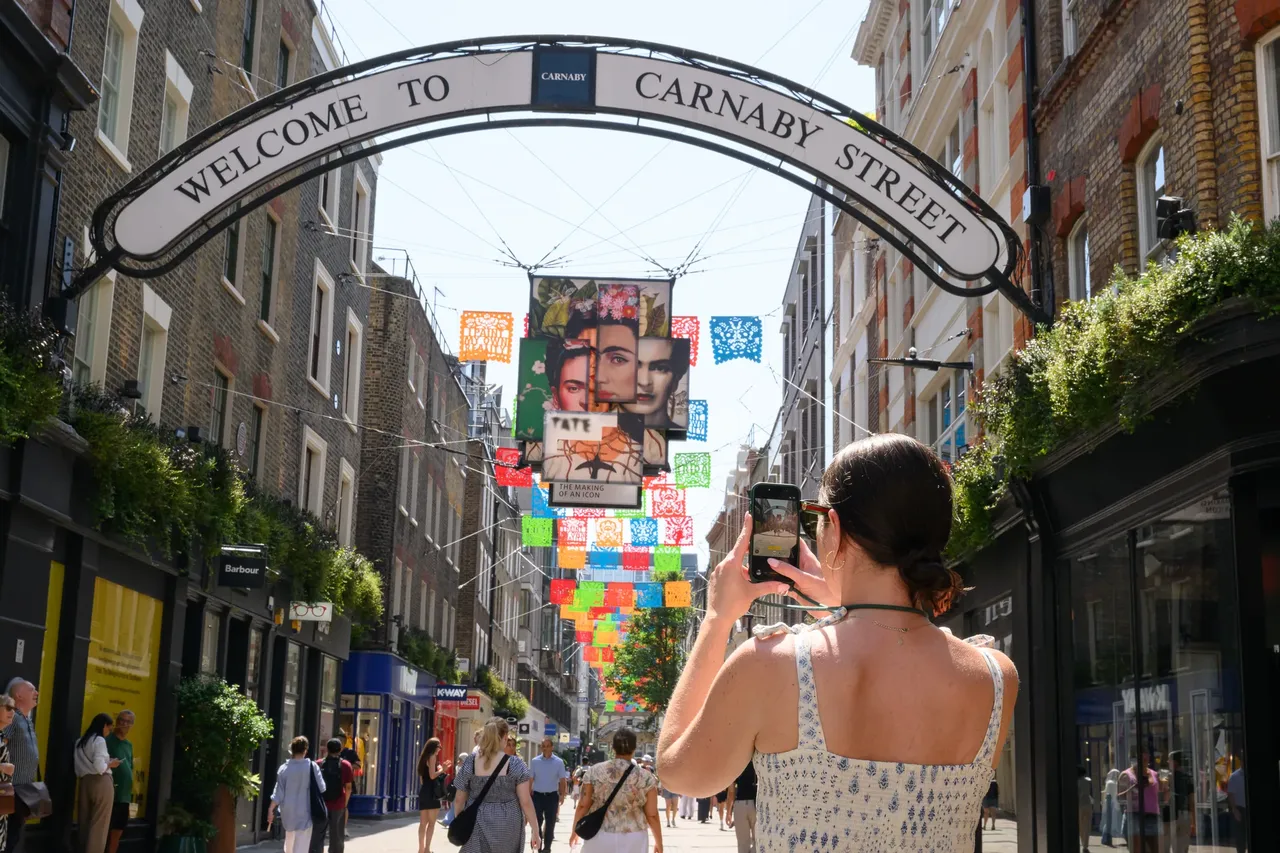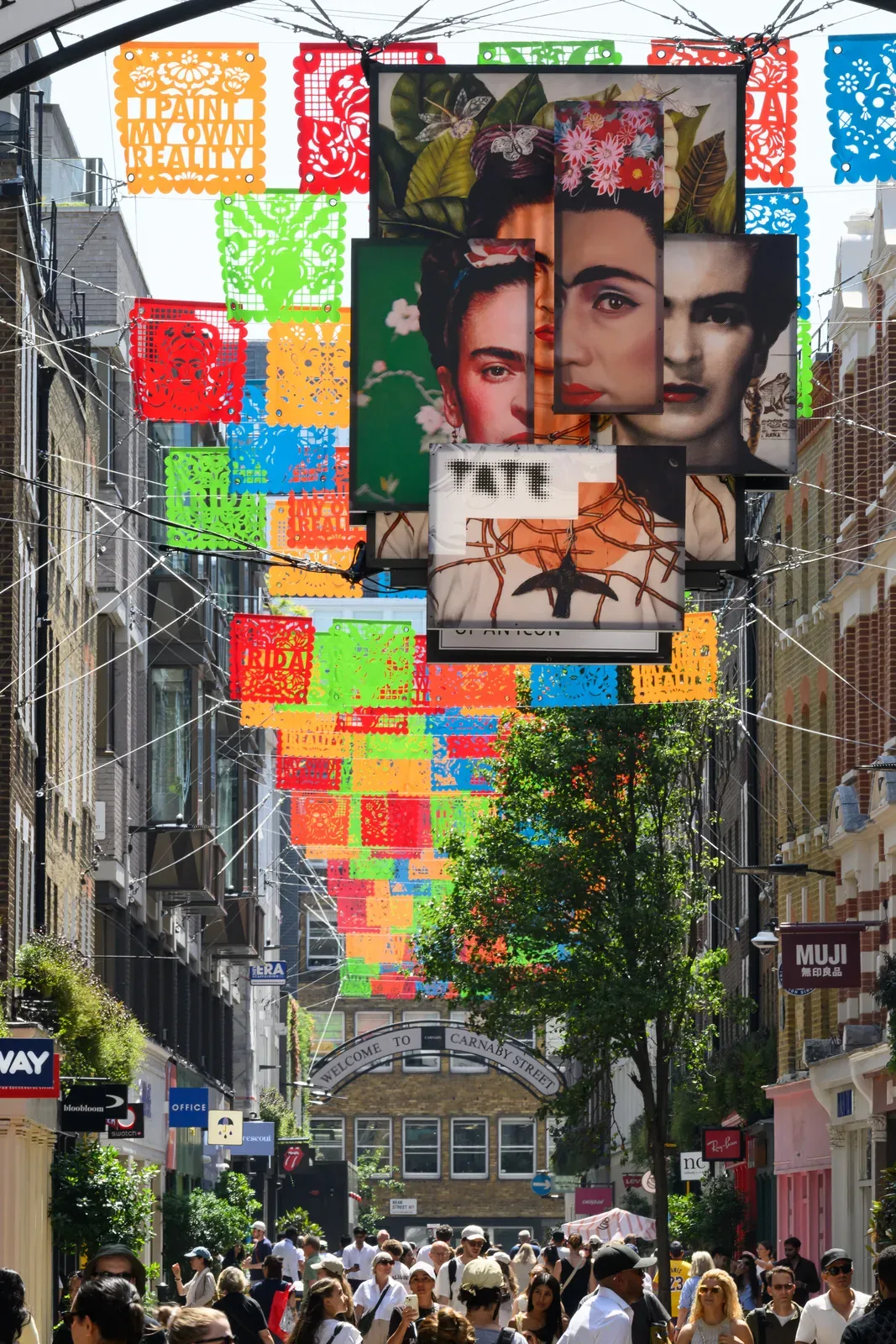
Frida Kahlo was a revolutionary spirit, one that made a lasting impact on both the world of art and society as a whole. Tate Modern’s latest exhibition, Frida: The Making of an Icon, traces the Mexican artist’s rise to becoming a cultural phenomenon and explores how her work has inspired others. Developed in collaboration with the Museum of Fine Arts, Houston, the show is on display from 25 June 2026 to 3 January 2027.
The last major UK exhibition documenting Frida Kahlo’s life took place at Tate Modern in 2005. This time, however, visitors will also see her cultural impact on art history and the many artists who found inspiration in how she communicated identity and biography through her art. It’s a fascinating analysis of how the work of one person continues to unfold through the eyes of those who come after, reimagining her work and carrying the essence of her being forward.
The Mexican painter explored the belief that one person can contain many selves, translating those personas through visual media. Her personal, political, physical and spiritual selves all informed who she was and made a complete version of her. The artist’s self-portraits presented these many parts of herself to the world: through her art, she touched on her Mexican heritage, queer identity and the female experience. After contracting polio at six years old and suffering serious injuries in a bus accident at eighteen, the struggles and pain she endured also became part of the life she conveyed through her creativity.
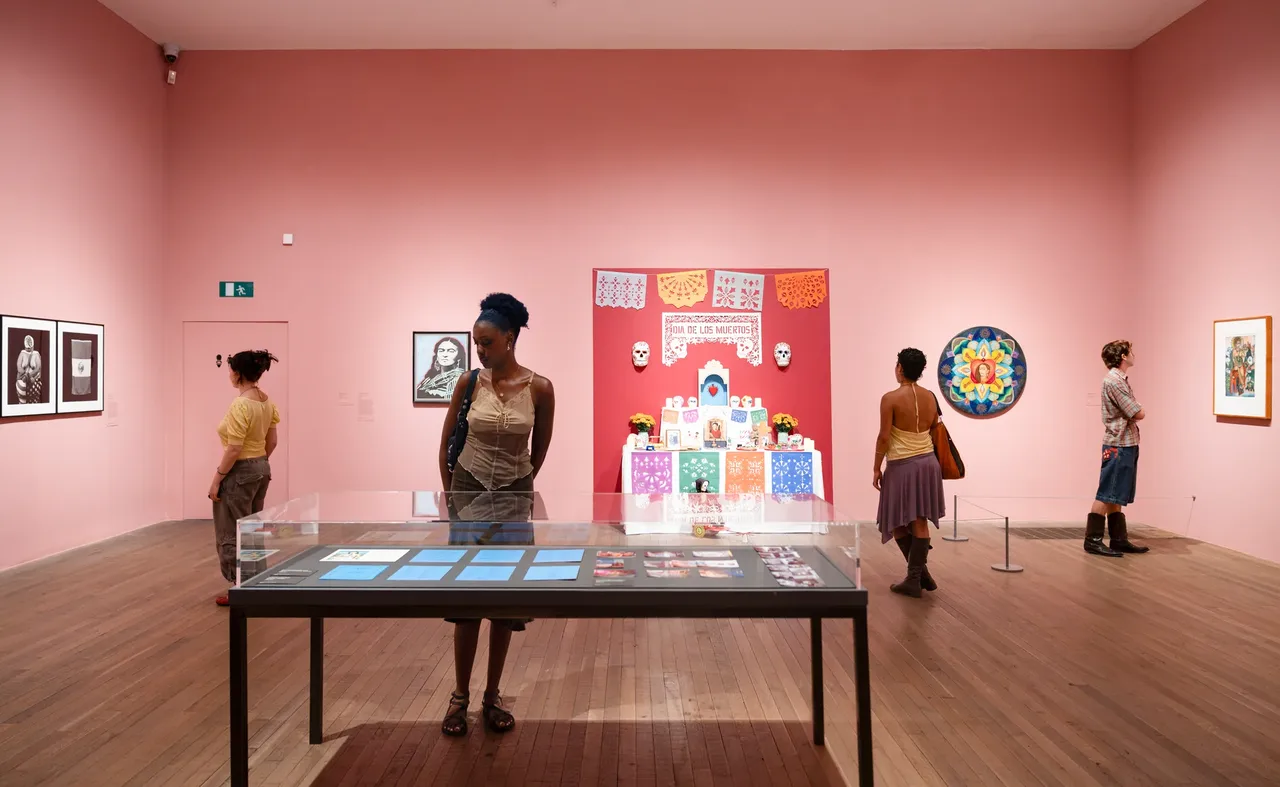
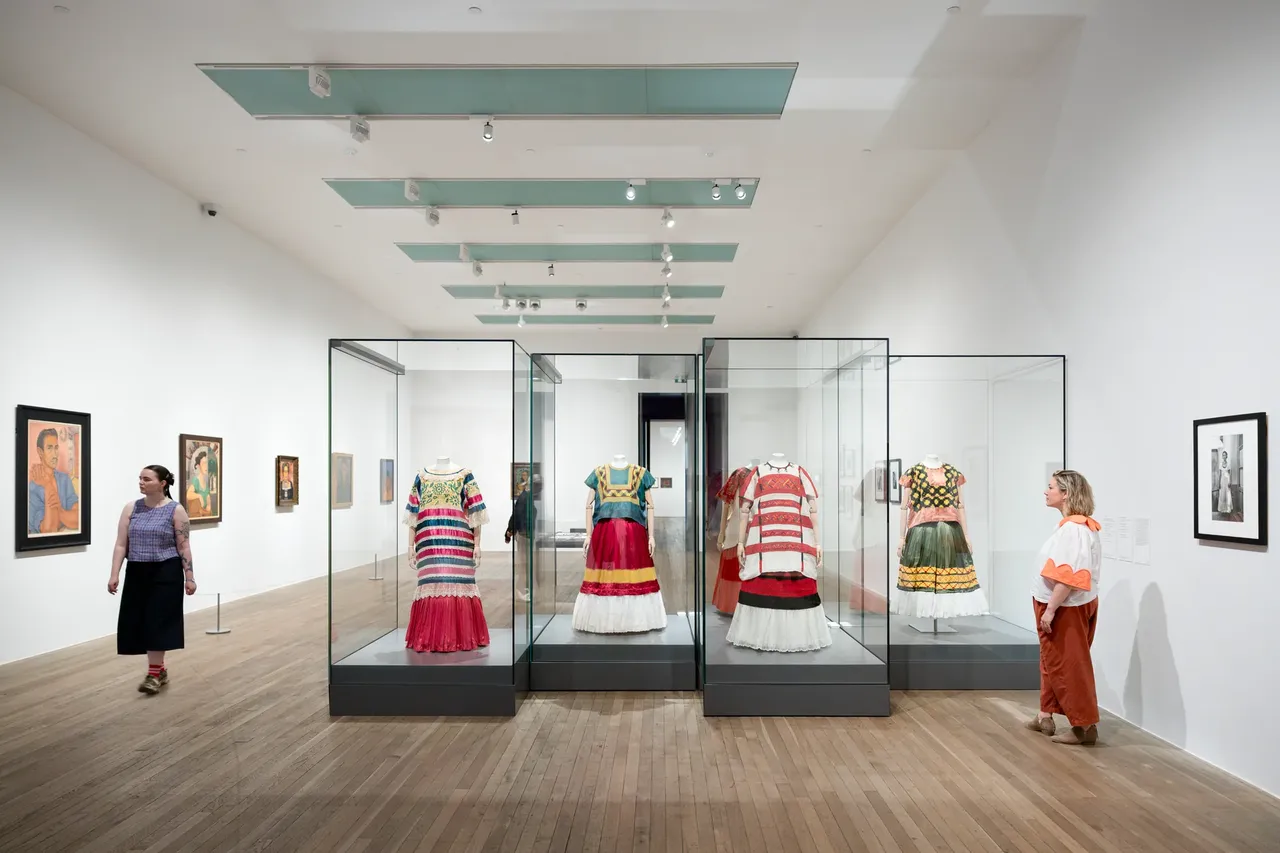
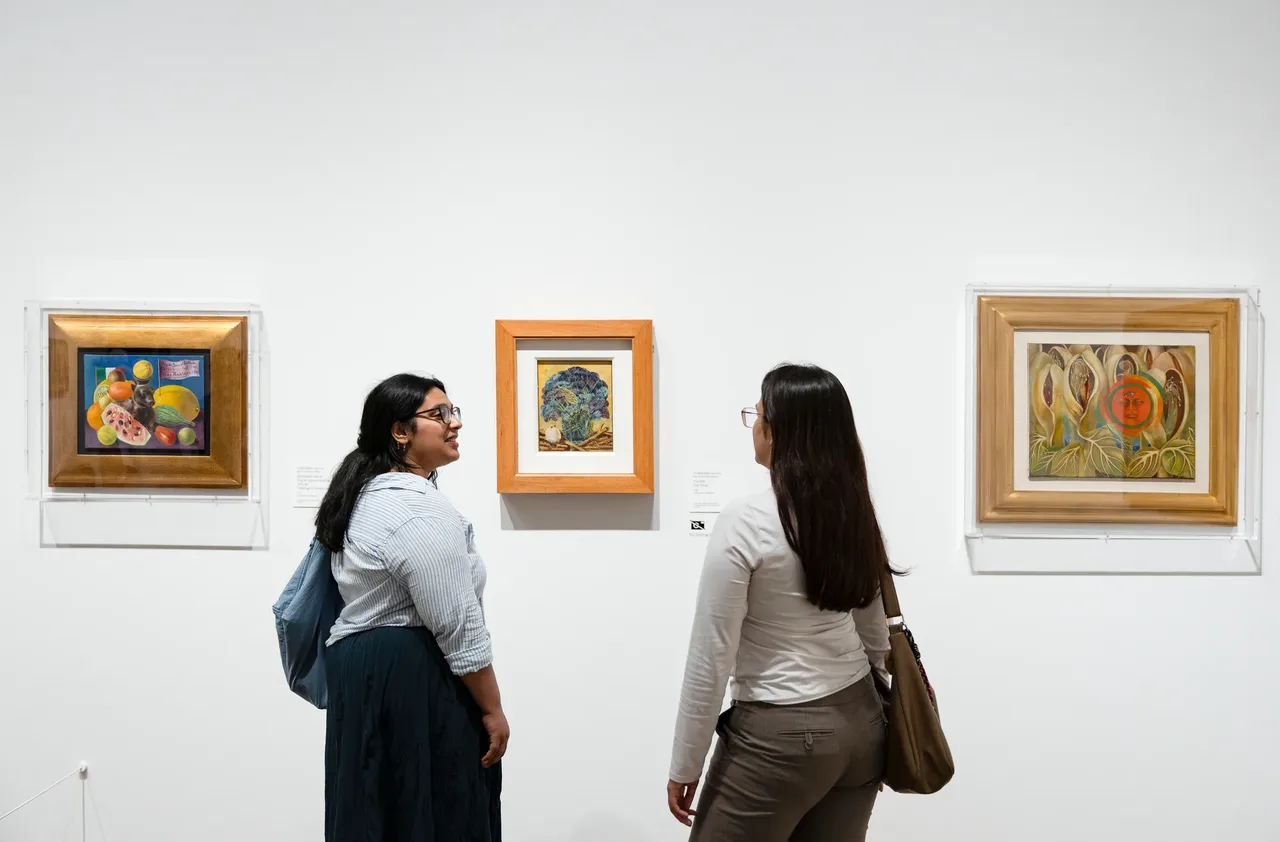
Other artists from the Mexican Renaissance, such as Diego Rivera and María Izquierdo, are displayed beside Kahlo’s self-portraits, photographs and archival objects from her personal collection. Kahlo was a self-made surrealist, as the movement’s founder André Breton suggested, even after she rejected the label of ‘Surrealist artist’. The Frame (1938), a self-portrait bought by the French national collection following Breton’s invitation to host an exhibition in Paris, is among the works on display at Tate Modern, alongside pieces such as Girl with Death Mask (1938) and Survivor (1938). Kati Horna, Leonor Fini and works by other Latin American artists are also presented, showing their shared interest in death, dreams and the self.
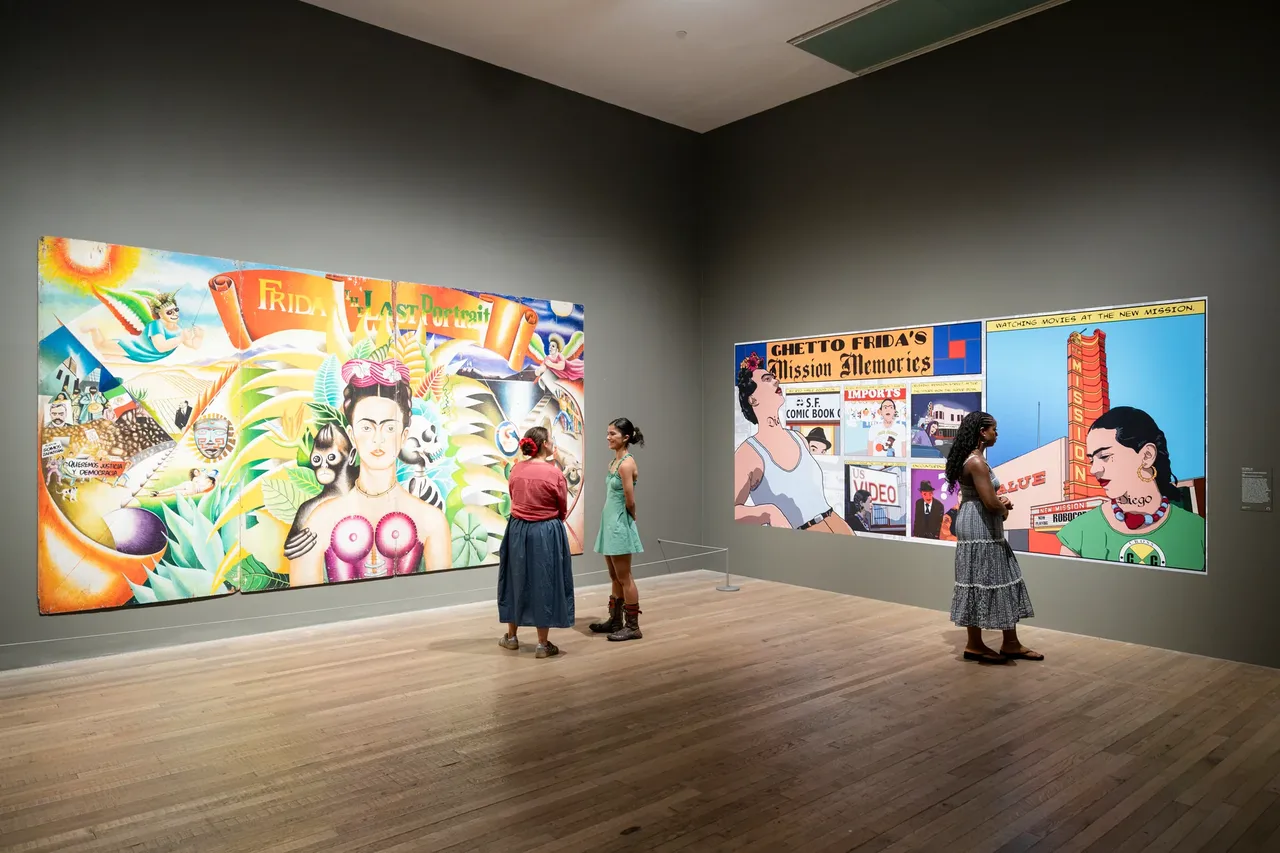
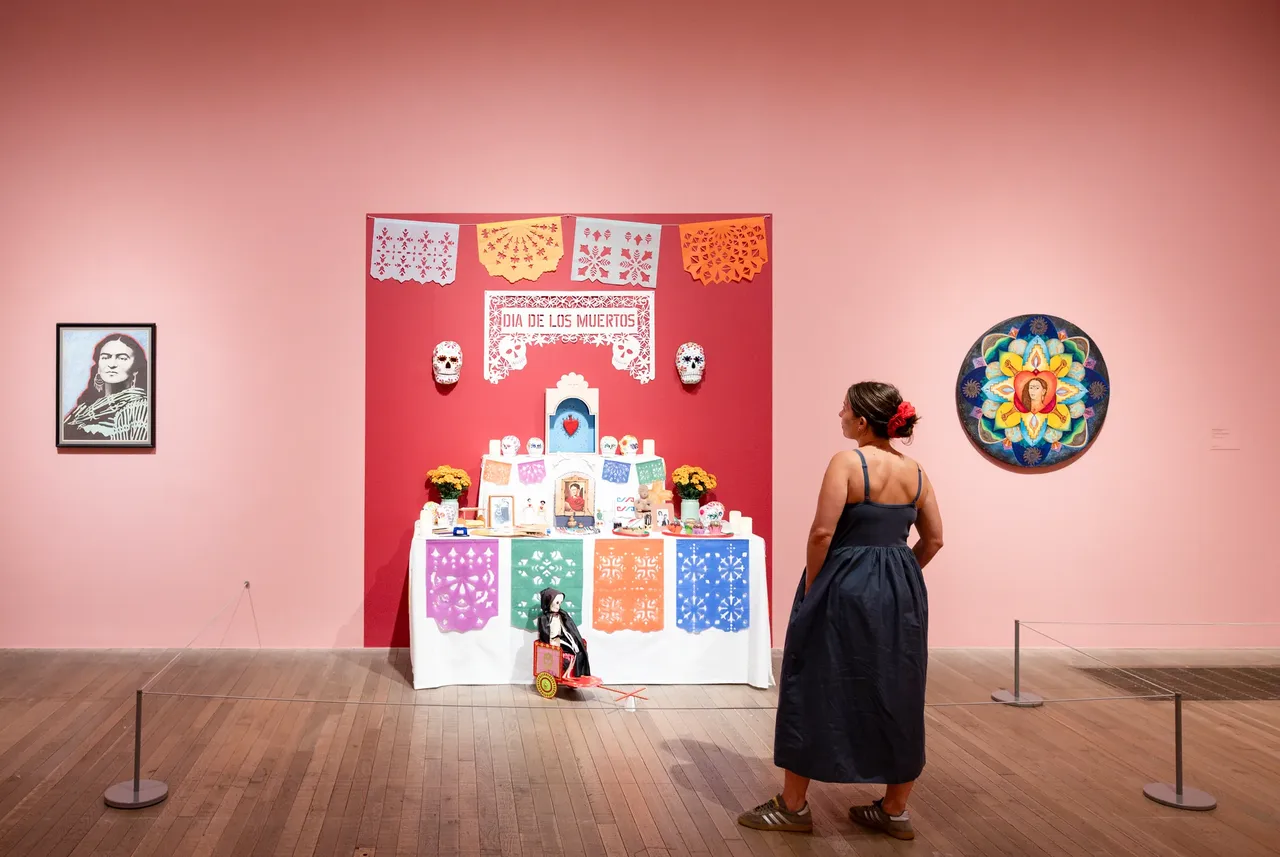
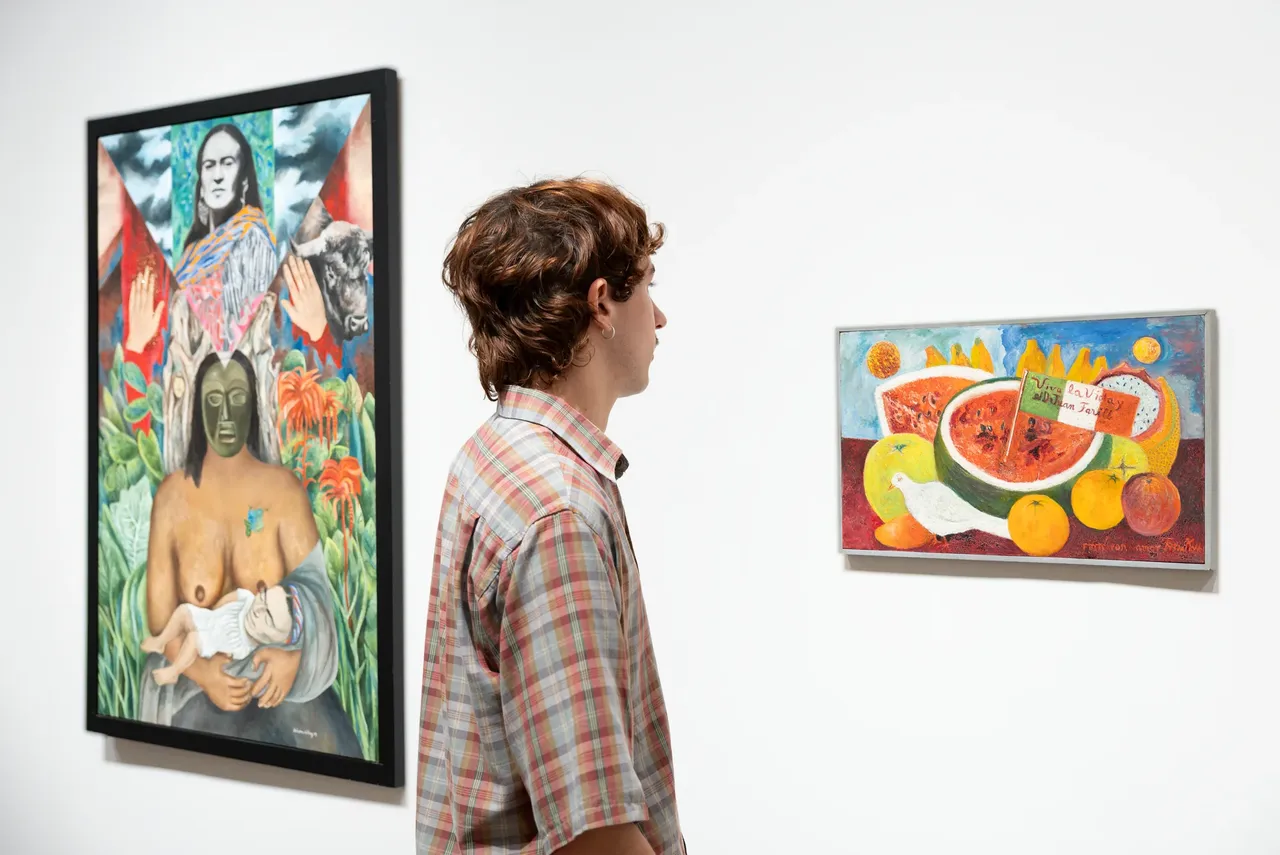
Mexican heritage always remained a constant theme in Kahlo’s work, but during the Chicano/a movement in the United States her name took on a much larger role within society, with works such as My Dress Hangs There (1933-38) resonating strongly with Mexican migrants. She served as a voice for her country and was celebrated for her resilience and refusal to diminish her heritage in favour of Western ideals. Her strength of character served as a muse for artists in Mexico during the 1980s and 1990s, including Nahum B. Zenil and Georgina Quintana, whose works are shown alongside Kahlo’s paintings.
Gender norms were frequently challenged by Kahlo as she depicted herself in masculine clothing, short hair and a moustache. Her refusal to give in to what was expected of her cemented her as a cultural icon. Her paintings exploring female identity, including childbirth and trauma, broke with the societal expectation of glossing over pregnancy loss and stressed the raw physical and mental toll on women’s bodies. These works are paired with those of other artists who explore identity and the existence of the body, such as Kiki Smith, Judy Chicago and Ana Mendieta.
Contemporary artists including Yasumasa Morimura, Martine Gutierrez and Berenice Olmedo have used Kahlo’s emblematic paintings and figure to spark dialogues around the same societal issues she fought against. Their work is now shown beside the very works of Kahlo’s that inspired them. She has reached legendary status in the history of art, and her work remains a powerful emblem of resistance and the fight to find yourself in a world that does not make it easy.
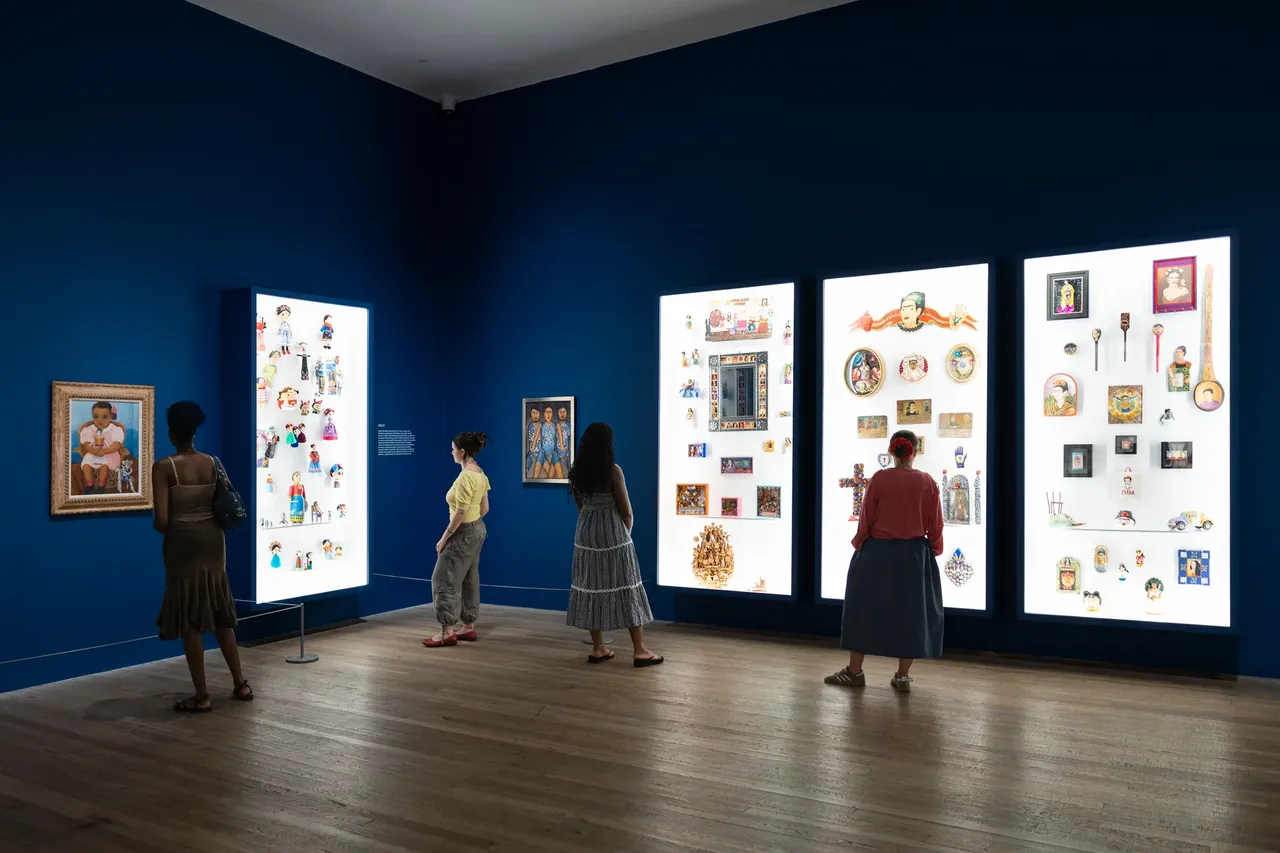
Her likeness has been licensed for use on a variety of objects, from perfume and clothing to alcohol, leading to widespread commercial merchandising — clashing with her radically communist, anti-consumerist ideology. Still, in one room of the exhibition, visitors can see more than two hundred objects made using her name and face, tracing how Kahlo was catapulted into pop culture alongside Hayden Herrera’s 1983 biography, Frida: A Biography of Frida Kahlo, which helped establish her status.