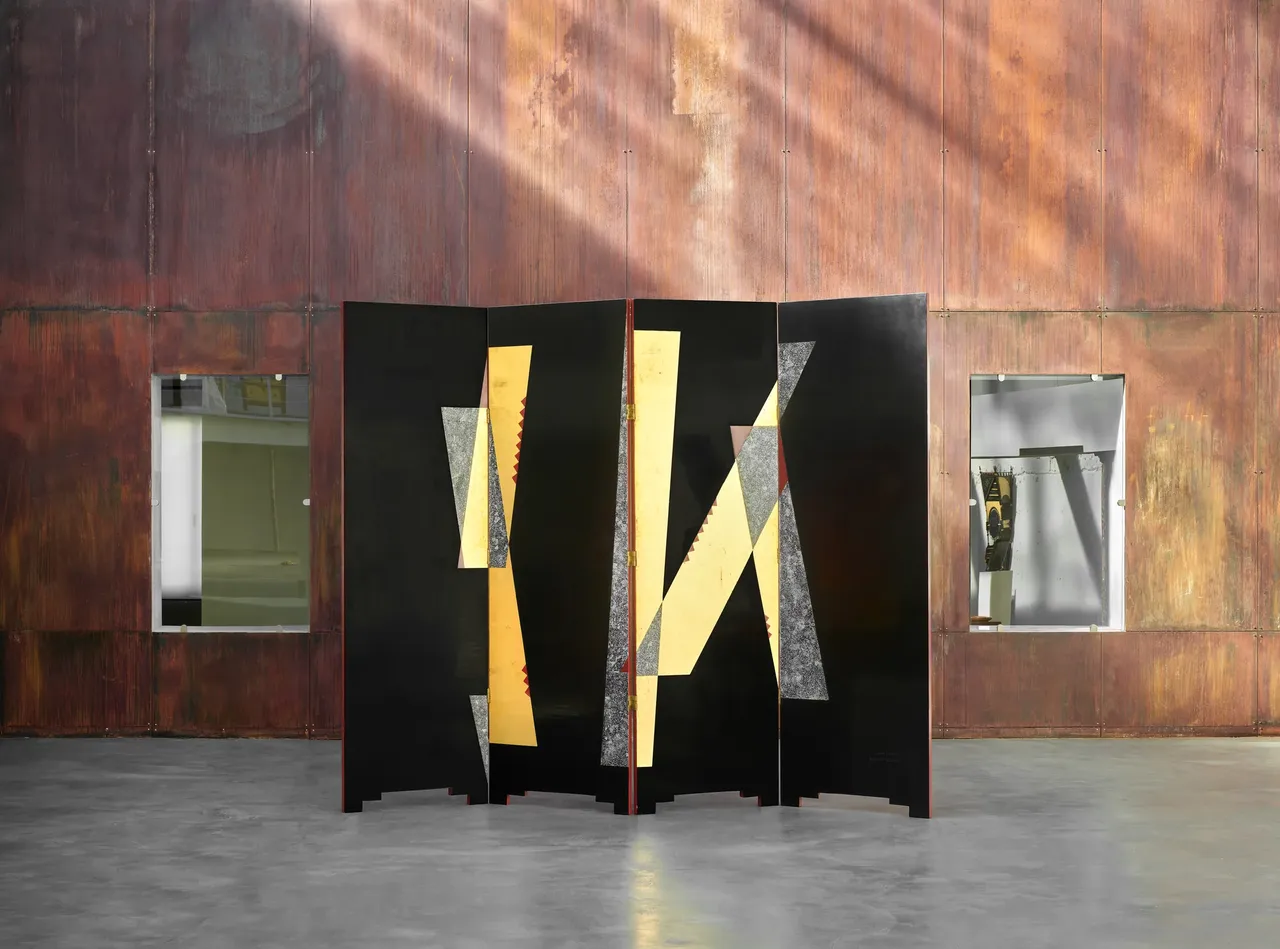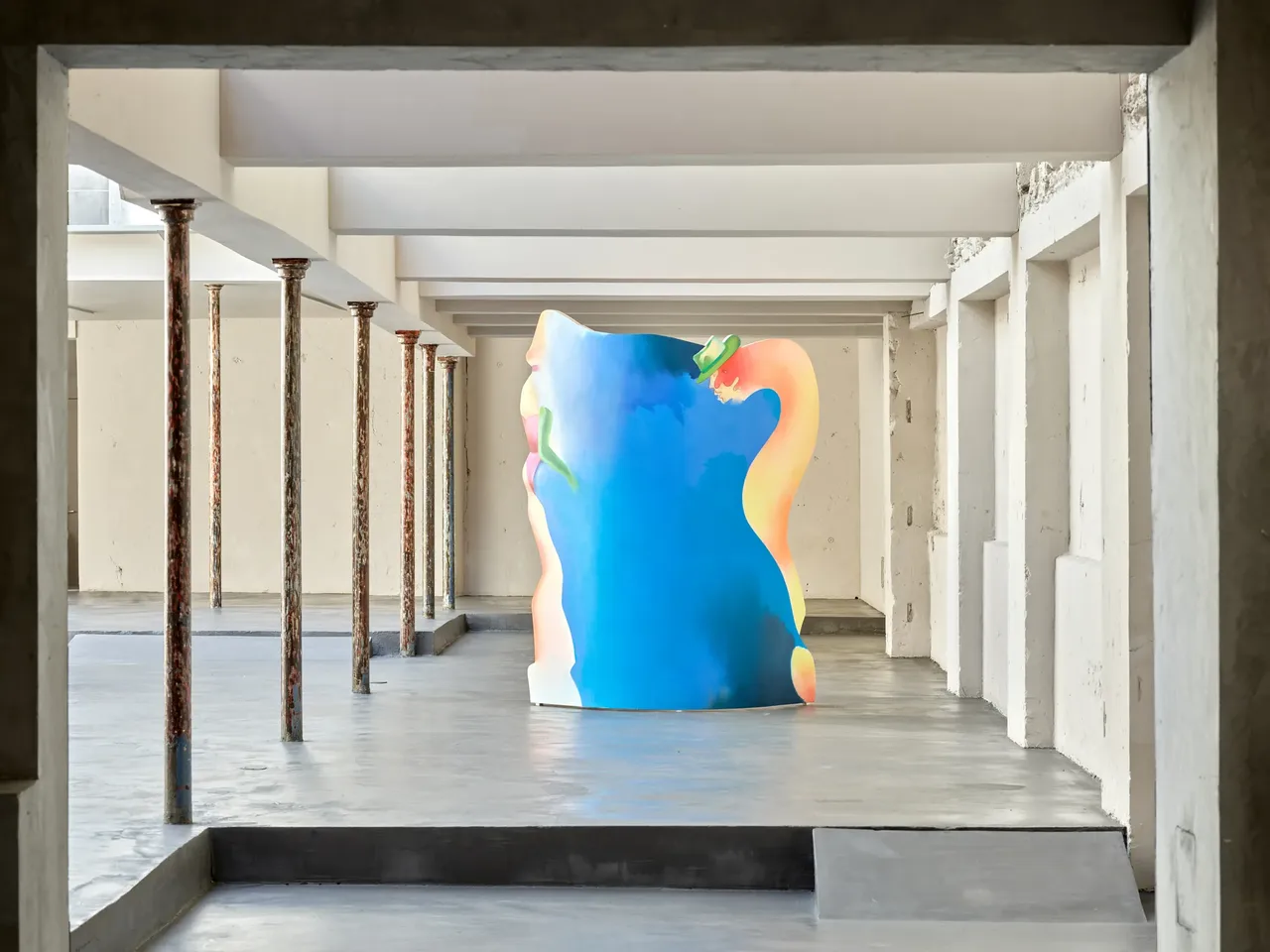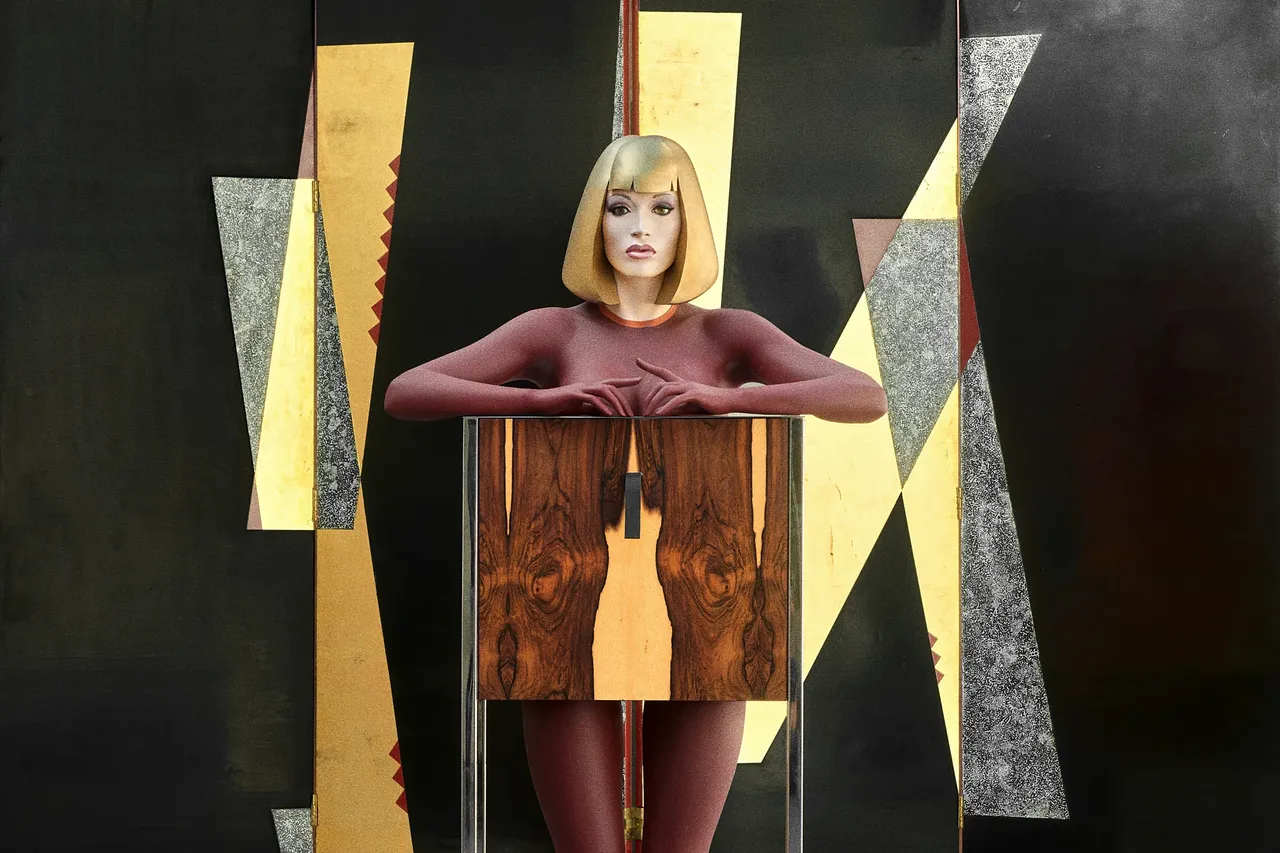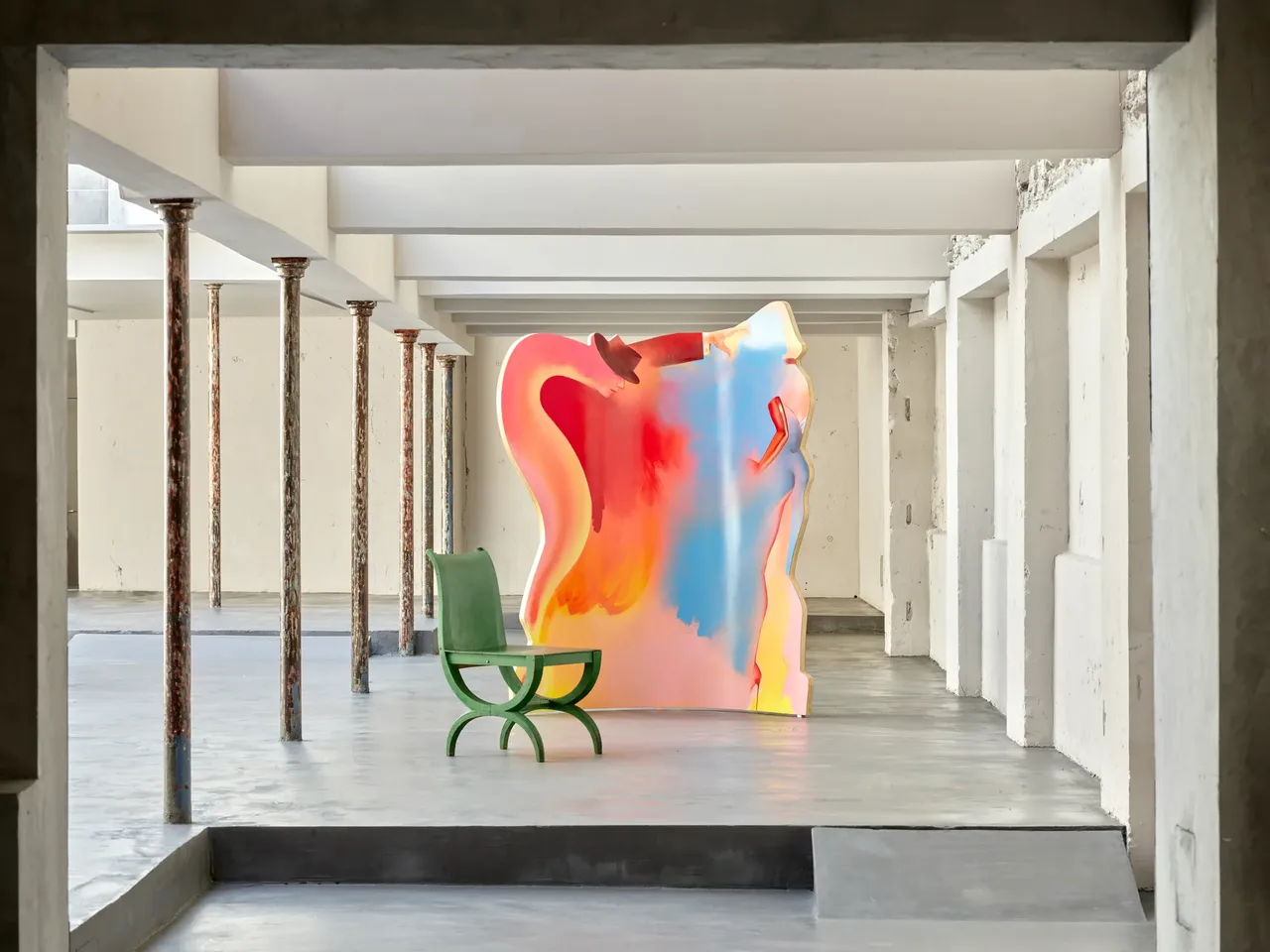
From Kate Moss’s legendary Body Armour to Kim Kardashian’s latest Met Gala look, British Pop Art pioneer Allen Jones has always known how to weaponise fashion. The exhibition Form and Temptation, on view at Sceners Gallery in Paris through 13 June, brings his controversial pieces into confrontation with today’s socio-political anxieties. Get ready: the debate around his legacy is officially back.
It turns out Kim Kardashian wasn’t that far off from this year’s Met Gala theme. Her striking orange body cast looked like something straight out of an X-Men movie, but its true origin belongs to the art world. This crossover between high fashion and comic-book futurism is exactly what Allen Jones has mastered for decades. And now, this exhibition in Paris is putting his controversial legacy back under the spotlight.
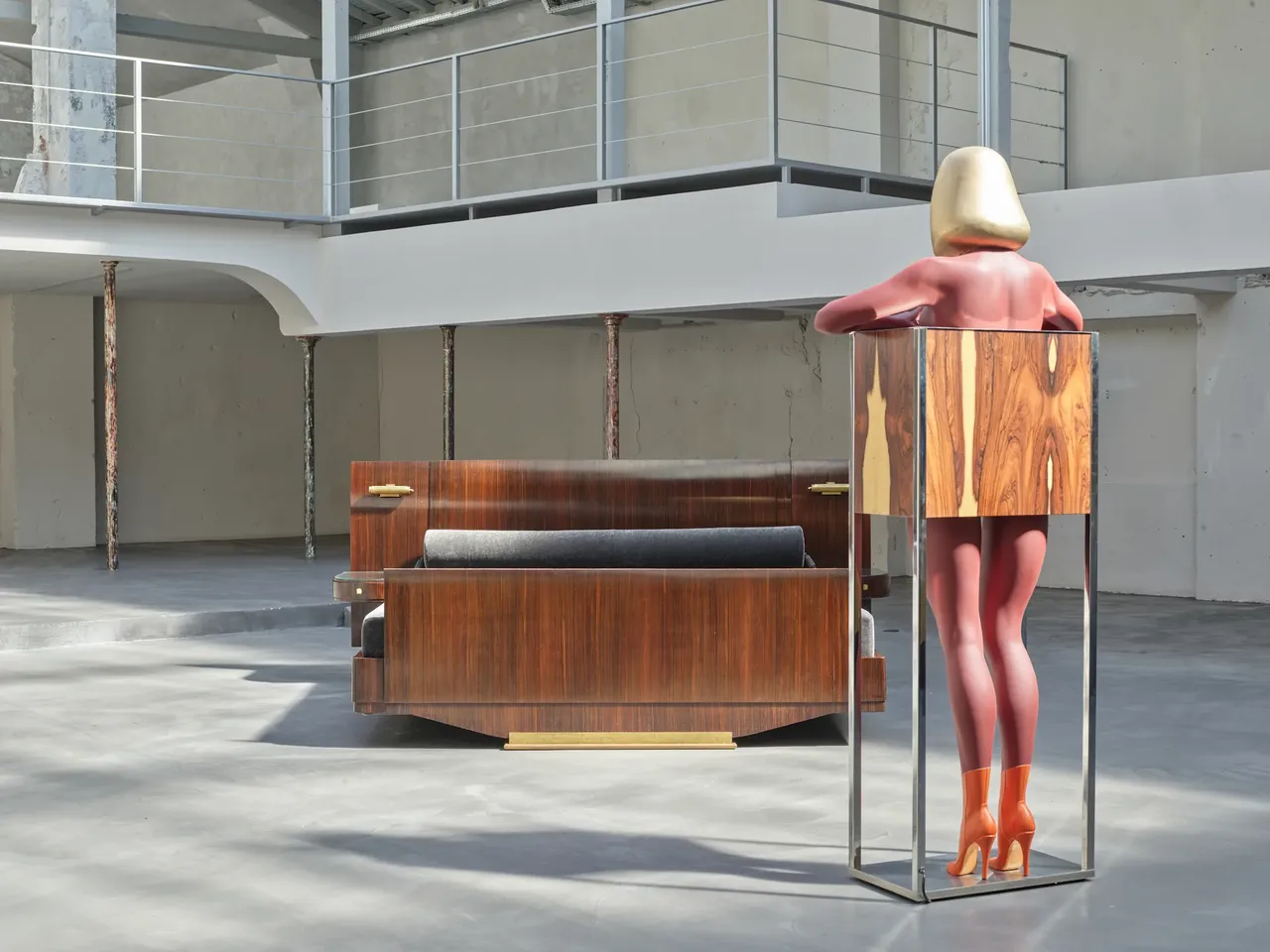
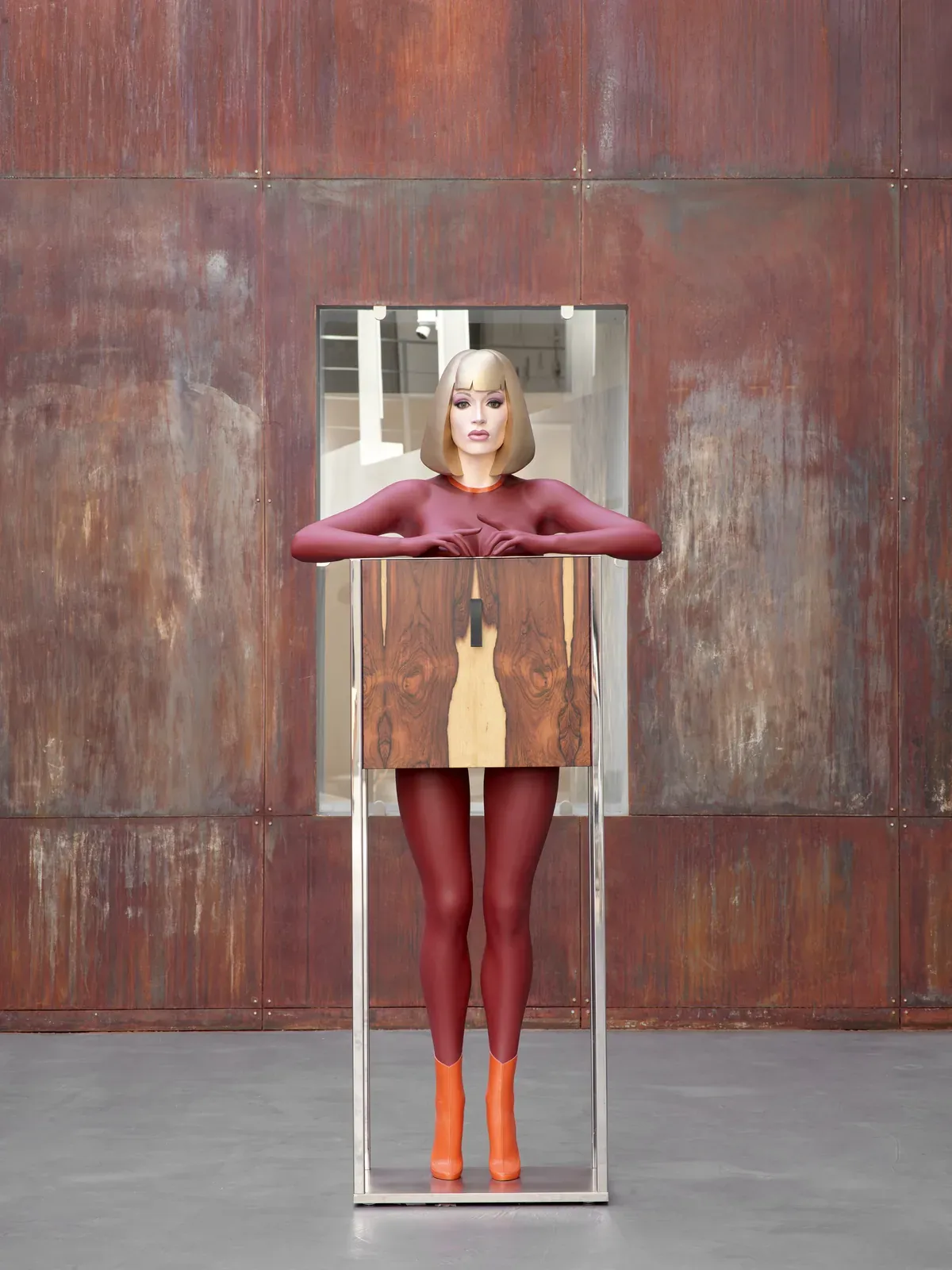
Jones is perhaps best known for his infamous women-as-furniture series from the 1960s and ’70s, because seeing a fibreglass woman contorted into a table or a chair is deeply unsettling. Look at the implications, the pain, the submission, the literal weight of a patriarchal society. And it forces an immediate, uncomfortable reaction too. Kim knew exactly what she was doing. Originally conceived as a response to the hyper-objectification of women, these works have remained under scrutiny for over fifty years. Critics and feminists alike continue to debate whether these pieces function as a protest against patriarchal oppression or whether they are themselves part of it. And the debate is still very much open.
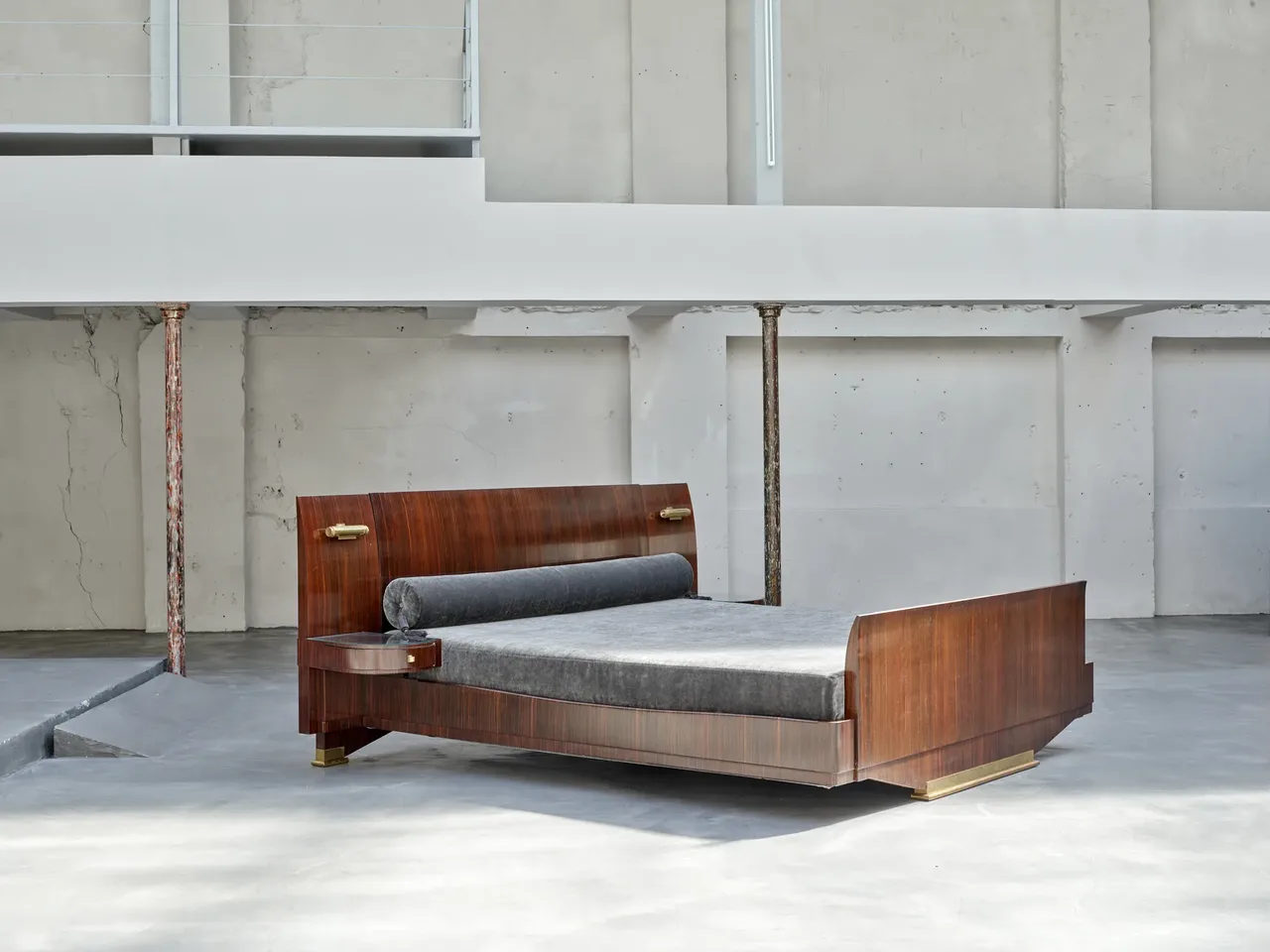
Here, in the realm of desire and fetish, where the Madonna-whore complex quietly lives among us all day, every day, Jones refuses to hide behind metaphors, since the objectification is presented quite literally as the object itself. In the exhibition, hosted at Sceners Gallery, the superhero costumes and mannequin dolls dialogue with other 20th-century artists and their equally talkative furniture, such as Carlo Bugatti, Jacques-Émile Ruhlmann and Jean Dunand.
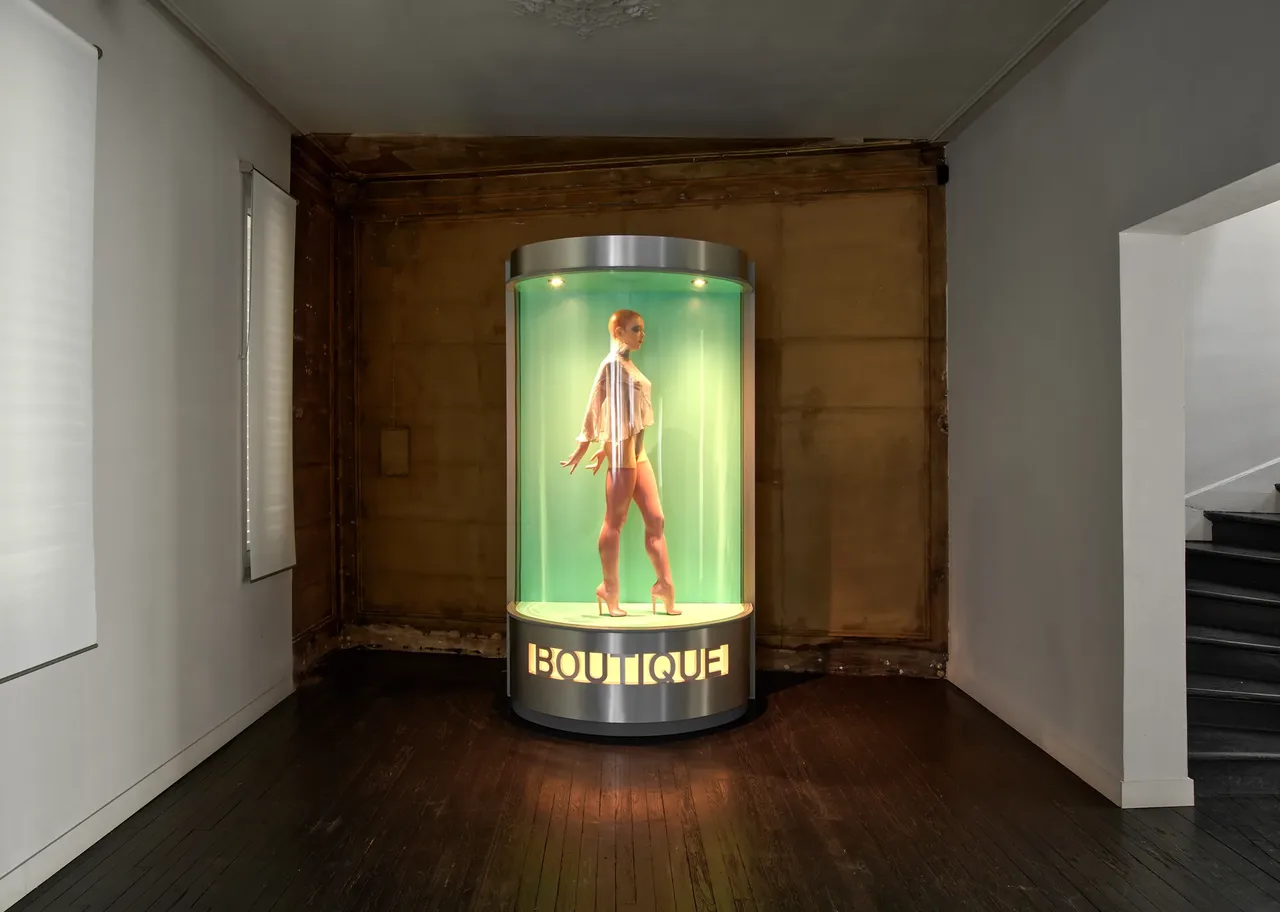
What makes Form and Temptation a must-see exhibition is exactly this confrontation of provocative and subversive ideas. For instance, the superwoman in Red Refrigerator taps into a deeper, psychological chill, speaking to the consumerist nature of how society views women, essentially as ‘meat’, while also reflecting the emotional coldness that comes from being armoured off from the world. Meanwhile, the Barbie box of Boutique explores how women’s bodies, much like fashion, are treated as something designed and consumed. Oh, and there’s a full-body armour too, capable of containing all of our superpowers, just like the one Kate Moss wore.
If art is really meant to “comfort the disturbed and disturb the comfortable,” then these pieces are certainly a success. And, whichever side of the story you choose when interpreting his art, one thing is certain: decades later, Allen Jones still refuses to let his audience sit comfortably.
The exhibition Form and Temptation is on view through 13 June at Sceners Gallery, 88 Boulevard de Menilmontant, Paris.