Every year, the opening of Forecast’s call for ideas marks a familiar moment in the cultural calendar, as it consistently reframes what mentorship can mean today. With applications now open for the 11th edition, Forecast Festival once again invites artistic practitioners and cultural producers from around the world to submit projects that are still in motion, ideas that need conversation rather than confirmation.
At METAL, we’ve followed Forecast closely over the past years, watching it evolve into a platform where process takes precedence over polish. In mid-2025, we explored the program’s tenth anniversary in depth, reflecting on how each edition reshapes itself through the mentors it brings together and the questions they open. That attention to dialogue over destination remains central as Forecast enters its next phase.
The 2026 open call is deliberately open-ended. There is no imposed theme, no age limit, and no expectation of a finished outcome. Instead, applicants are asked to think carefully about alignment: which mentor’s practice resonates with their project, and why that specific exchange matters. It is a subtle but important distinction. Forecast is not about selecting the most polished proposal, but about identifying ideas that can genuinely benefit from sustained mentorship.
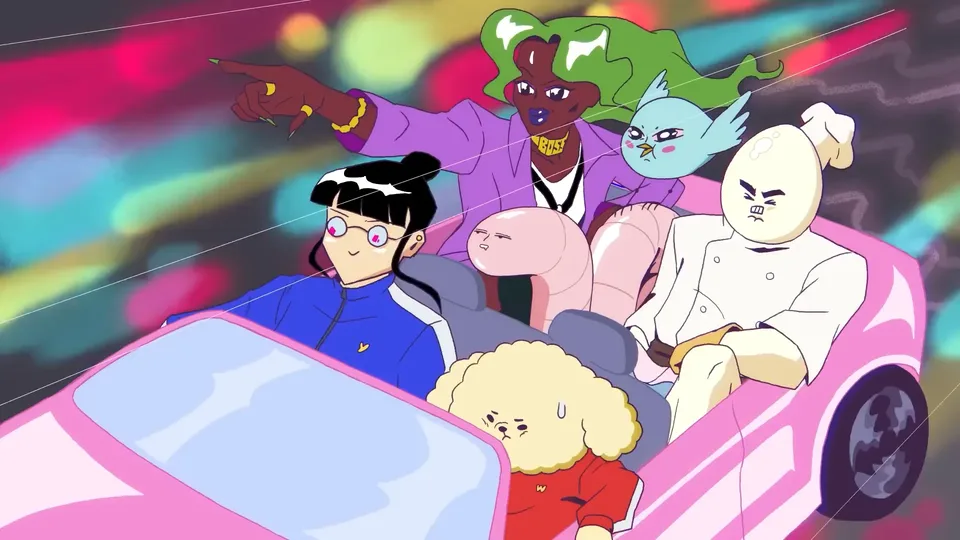
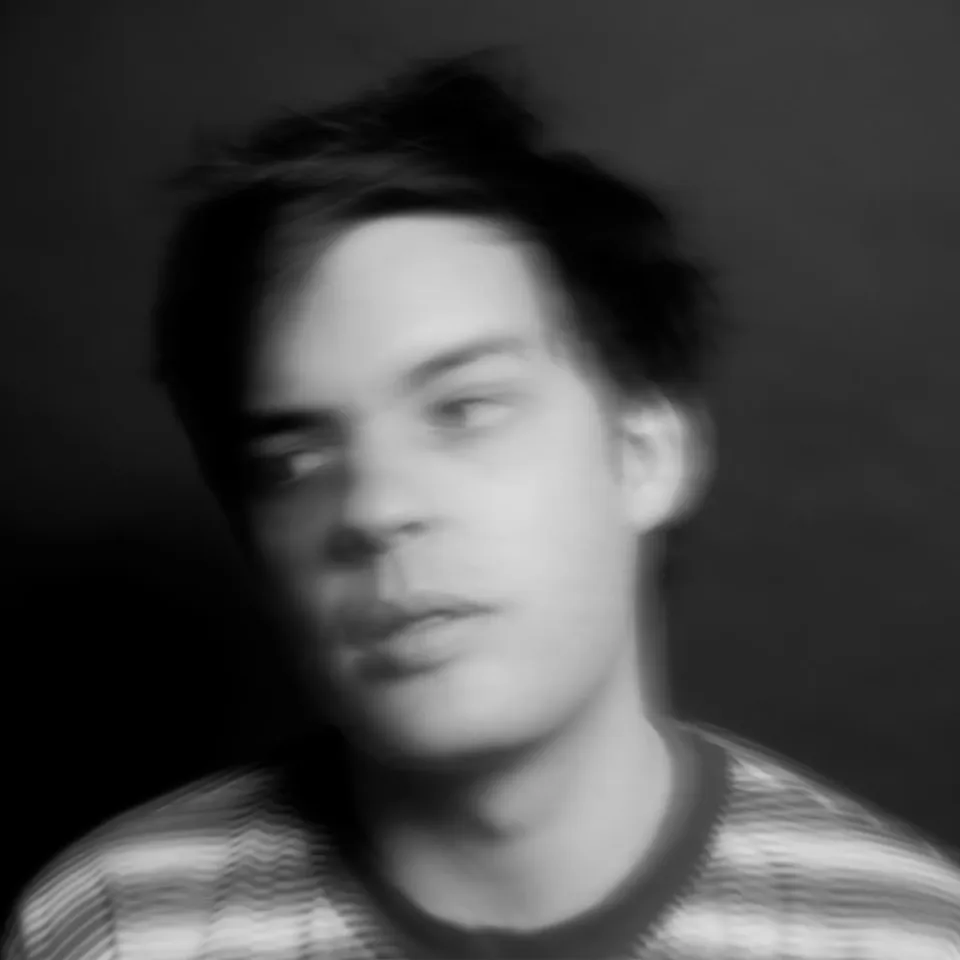
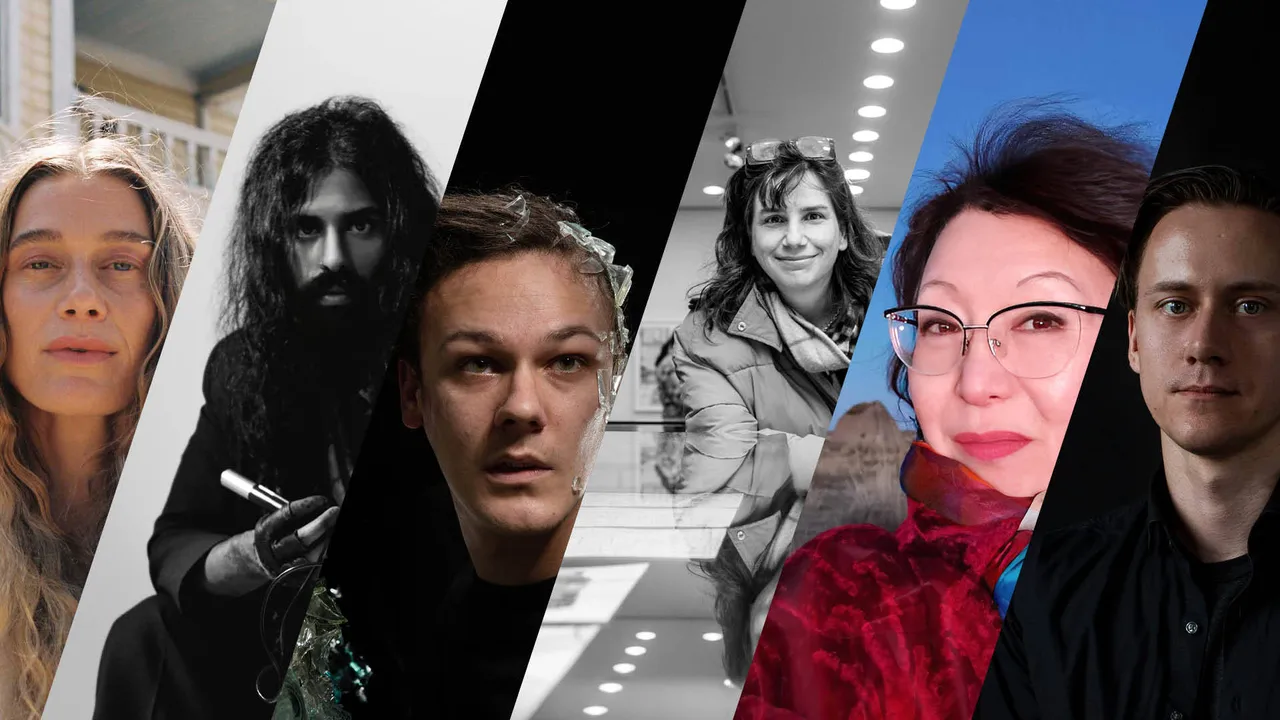
This year’s mentors operate across writing, performance, film, sound, speculative practice, and multimedia work. Writer and comedian Vidura Bandara Rajapaksa brings narrative and humour into sharp political focus; performance maker Tom Cassani works within expanded performance practices shaped by physical intensity and collaboration; artist and filmmaker Keren Cytter continues to dissect language, repetition, and emotional structure; sci-fi artist and body architect Lucy McRae speculates on the future of the human body; multimedia artist Almagul Menlibayeva draws from Central Asian histories and visual mythologies; and composer and sound artist Heinali bridges historical research with contemporary sonic experimentation.
What connects these practices is not discipline but attitude. Each treats lived experience as a working material, allowing personal histories, bodies, and environments to leak into artistic production. This approach reflects a broader shift Forecast has been articulating over recent editions: a move away from the ideal of neatly separated work and life, towards practices that accept contradiction, vulnerability, and instability as productive forces.
Since its tenth anniversary, Forecast has also begun inviting alumni back into the programme as mentors, reinforcing the idea of continuity. Cassani’s return is emblematic of this shift. Having previously taken part in the mentorship programme himself, his role now speaks to Forecast’s long-term commitment to exchange that extends beyond a single edition.
Our conversation with Hussein Chalayan, one of the six mentors of the 2025 edition, offered a particularly clear insight into how Forecast operates from within. Chalayan spoke not about outcomes or visibility, but about the value of friction, of allowing projects to remain unresolved for longer than the industry usually permits. “One thing I’ve learned is how different cultures approach creativity or how they relate to the body. I always knew this in theory, but this project made me experience it firsthand. I also learned a lot about audience engagement. That’s something I encouraged them to pursue, and each of them did it in their own way. Seeing how they approached it has really inspired me,” he told us when we asked him what he had learned from his mentees.
It is also worth underlining what Forecast is not. It is not a grant, nor a competition designed around short-term exposure. While selected nominees and mentees receive an artist fee and production budget, the programme’s primary offering remains mentorship itself, understood as a long-term investment in thinking, making, and professional relationships. Participants are supported not only in developing their projects but also in extending them beyond the festival through future collaborations and funding opportunities.
The open call runs until February 16, 2026, at 11:59 pm CET, and is open to applicants working in any creative field, anywhere in the world. The only condition is relevance: the proposed project must meaningfully connect to the mentor’s expertise.
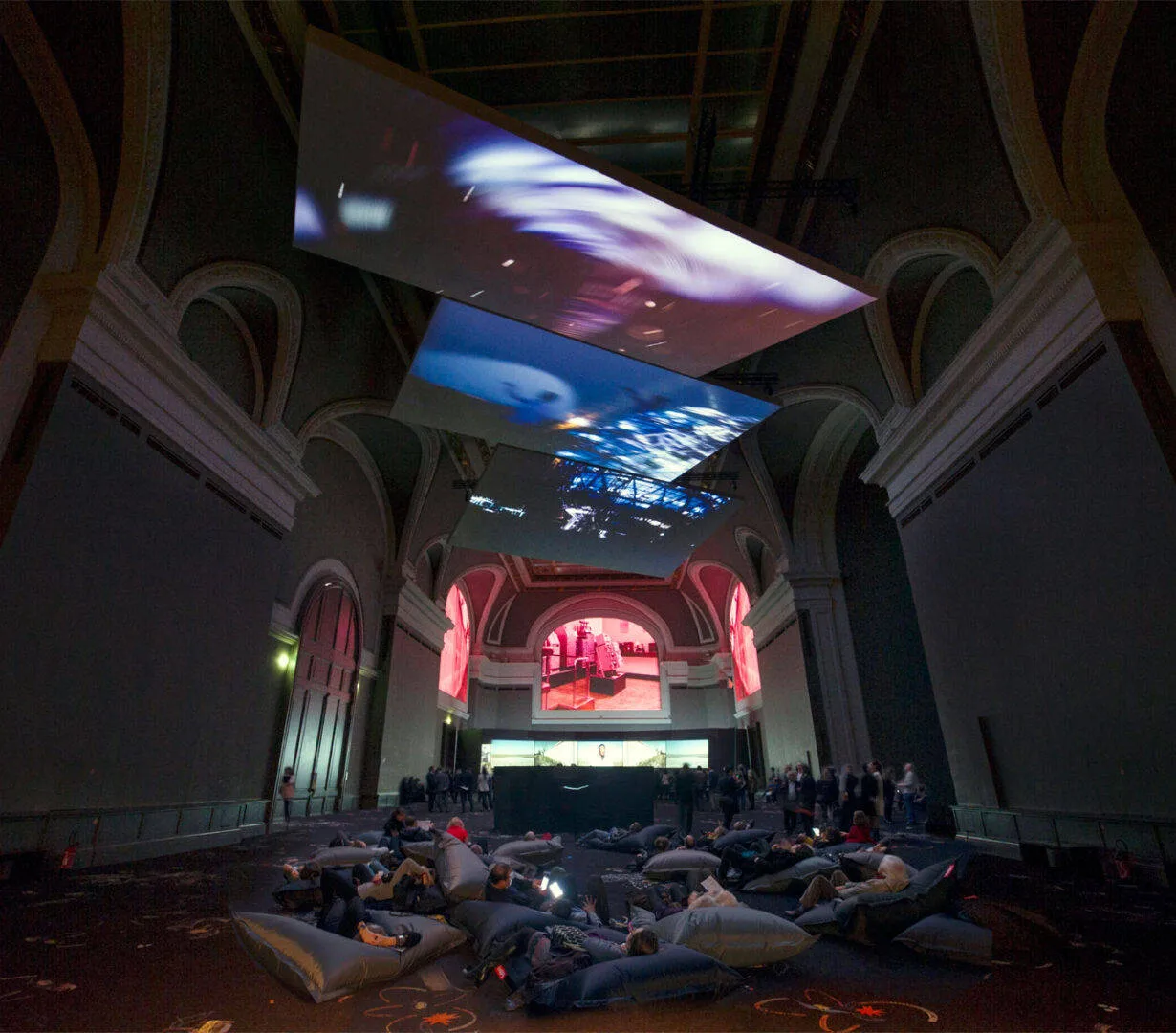
Almagul Menlibayeva - Transfromation, Grand Palais Paris 2016
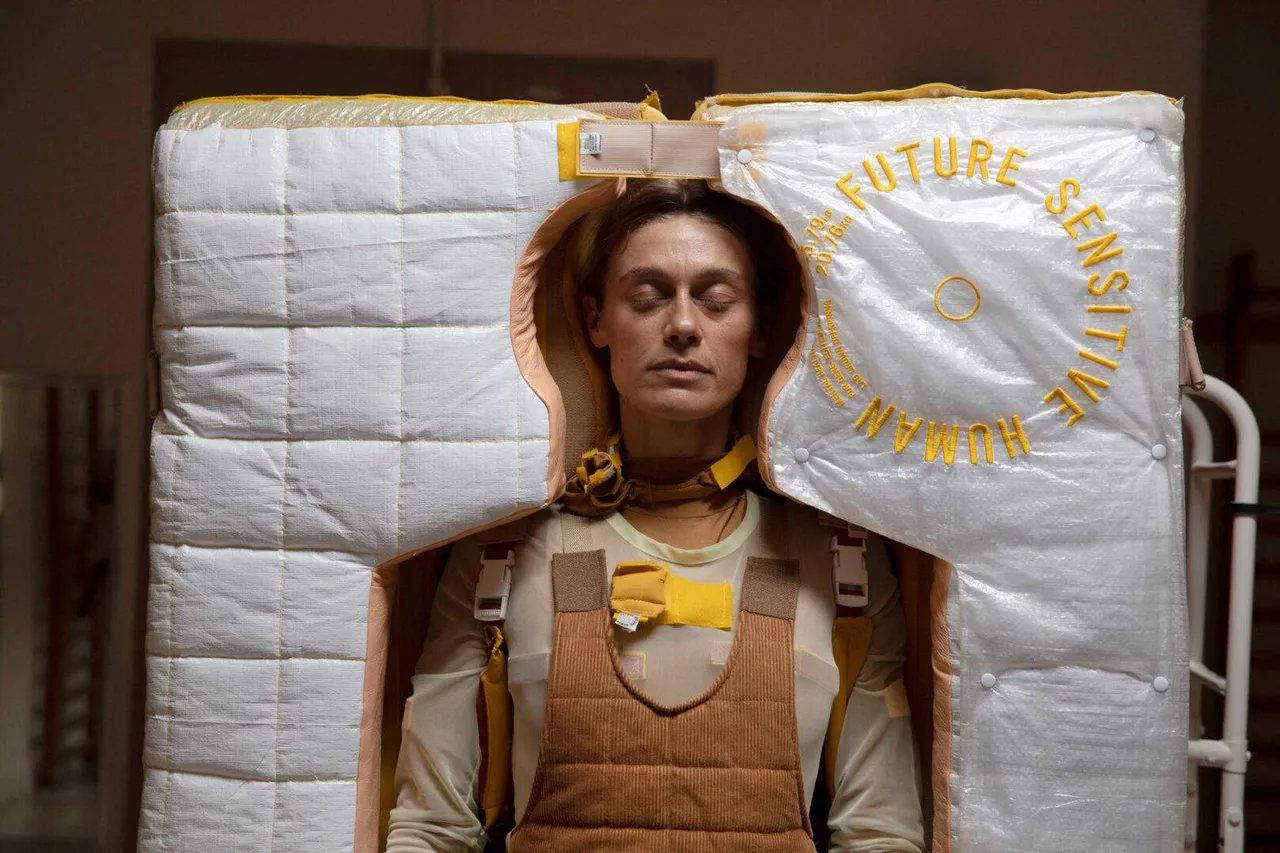
Heavy Duty Love 2021 © Lucy McRae - Photo: Brian Overend
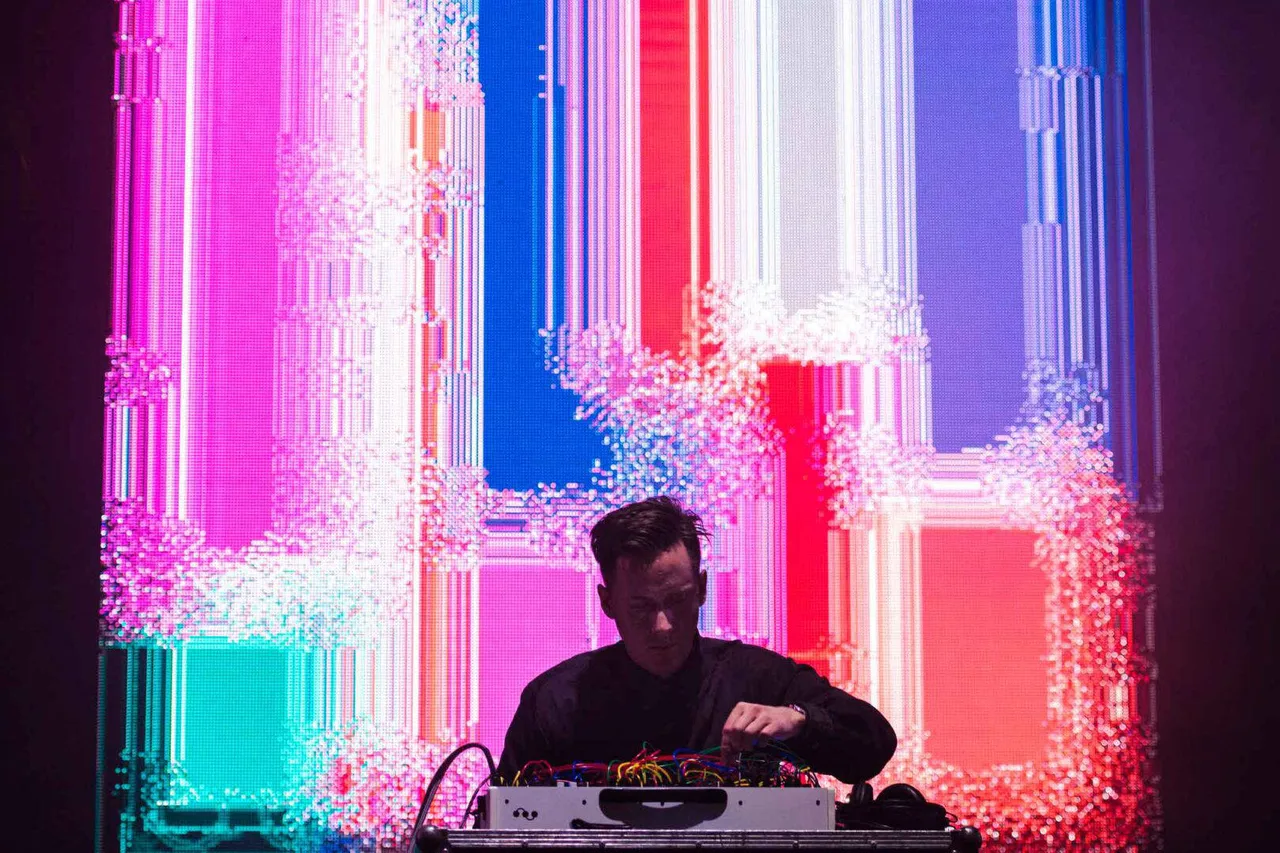
Heinali performs Organa at St. Sofia Kyiv 2021 - Photo: Alina Garmash and Vitaliy Mariash
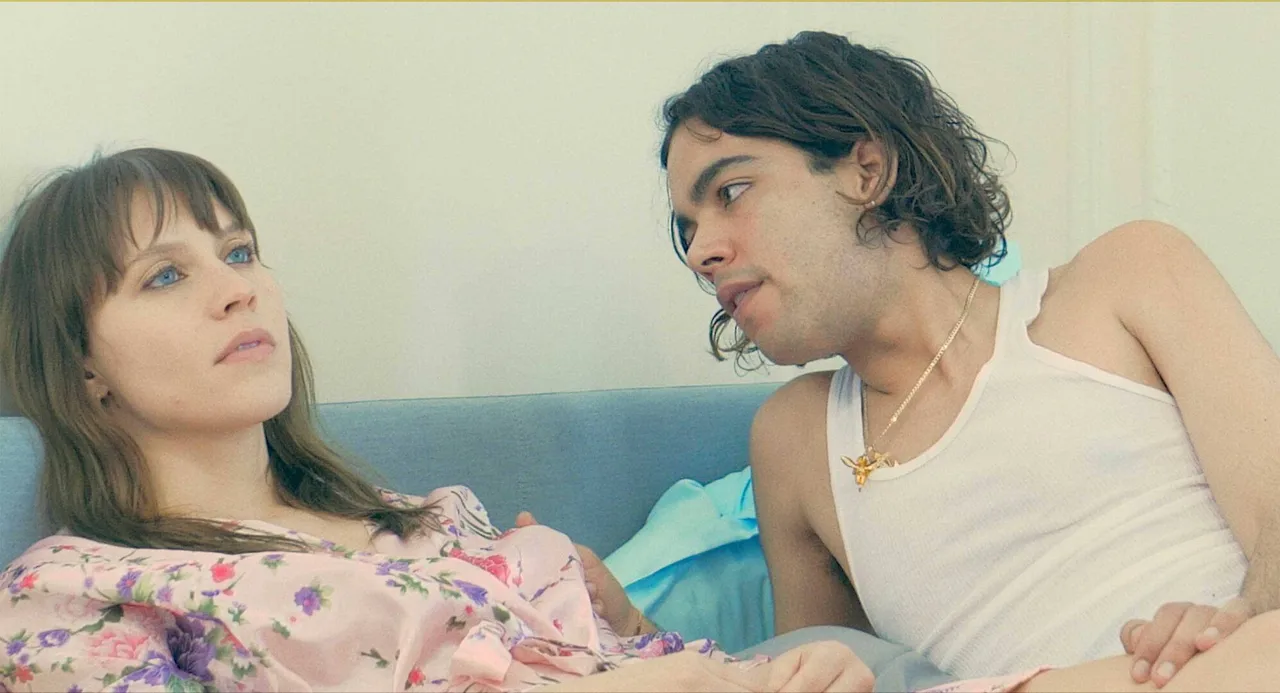
Keren Cytter film still from Endurance 2025
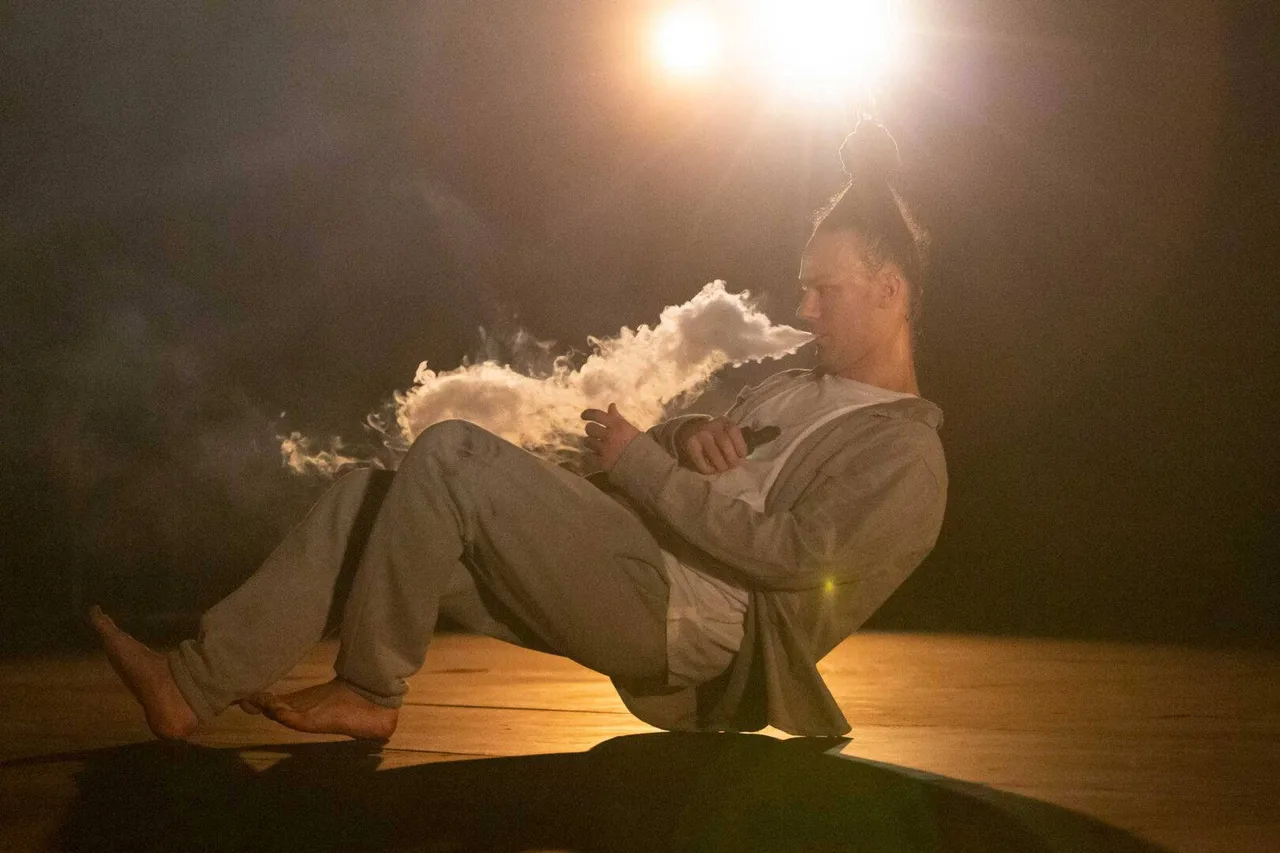
Tom Cassani © Julia Bauer
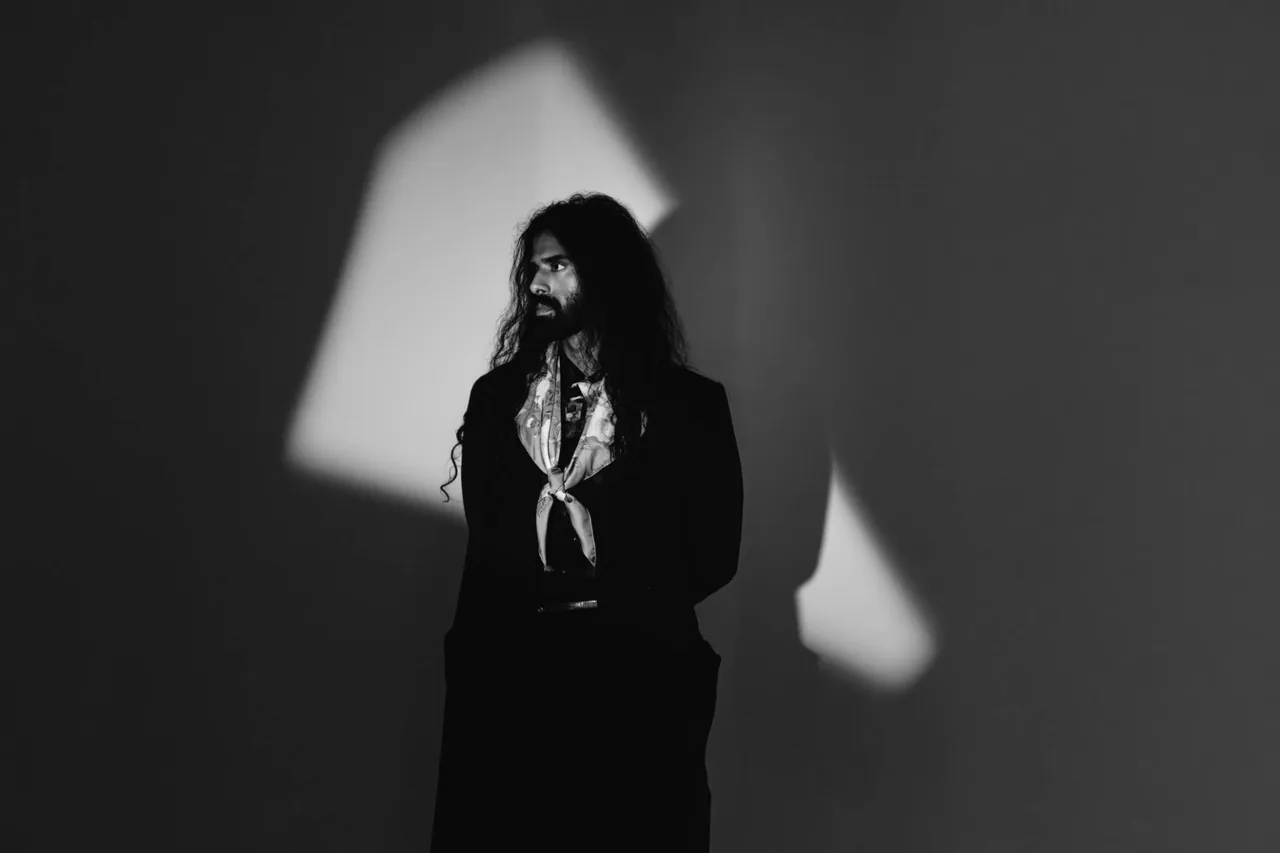
Vidura - Portrait: Jennifer McCord