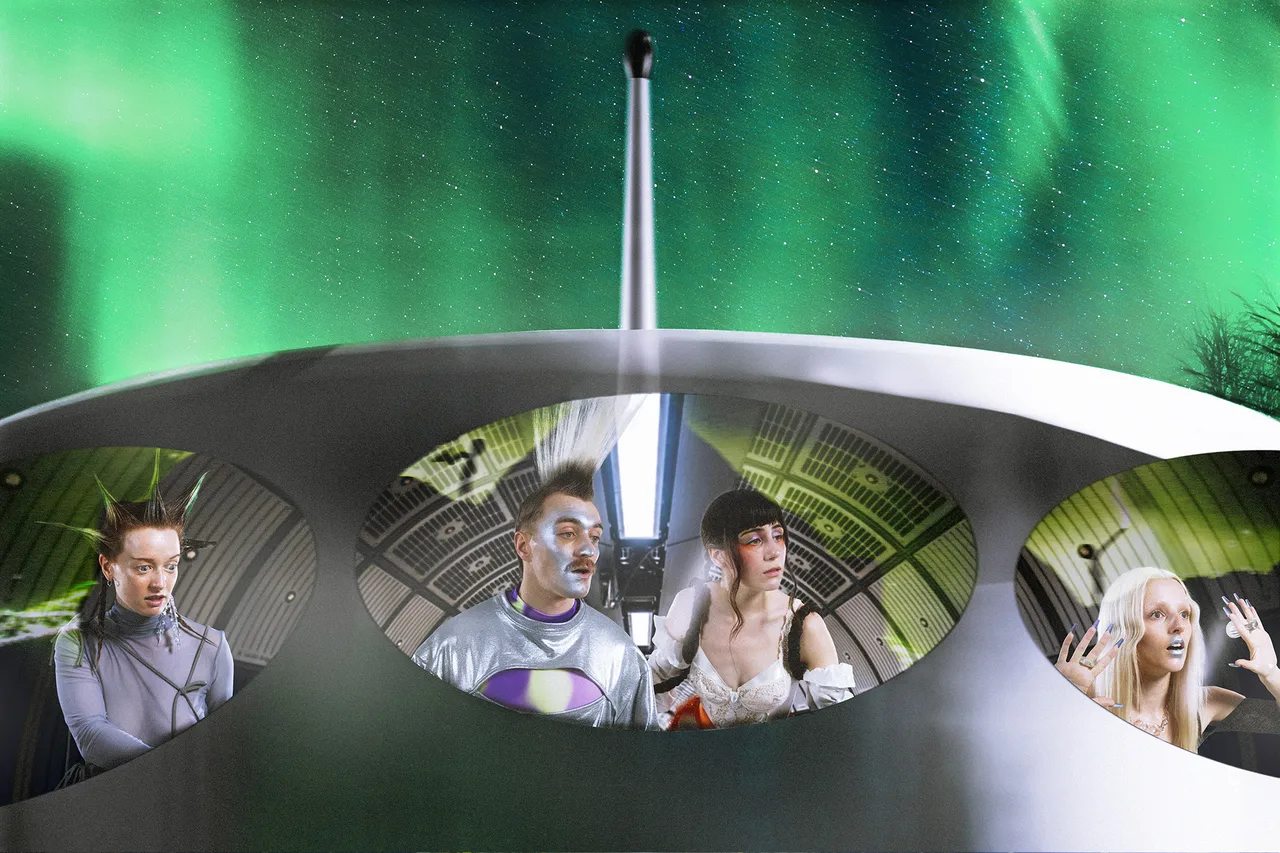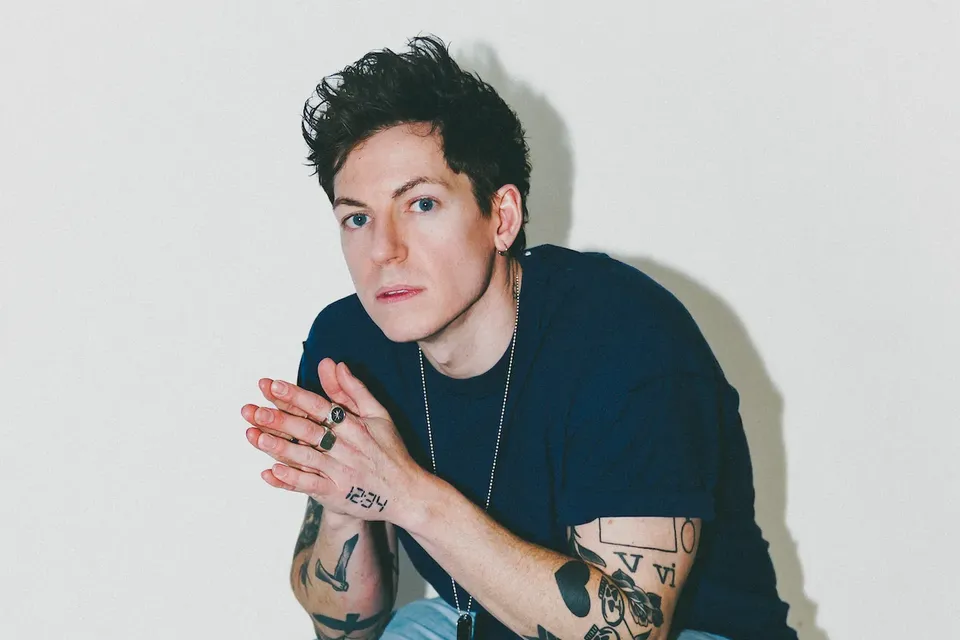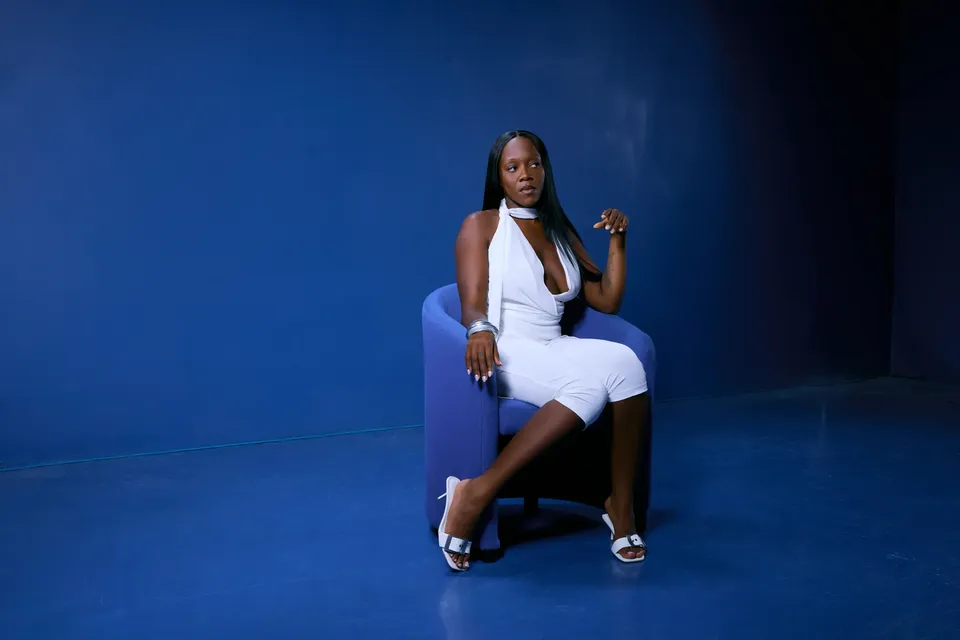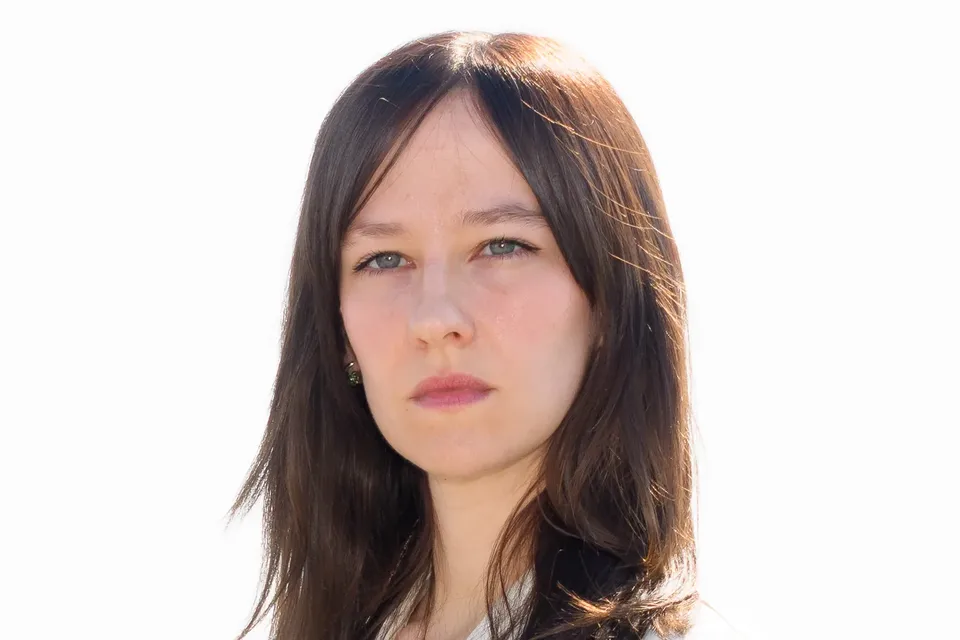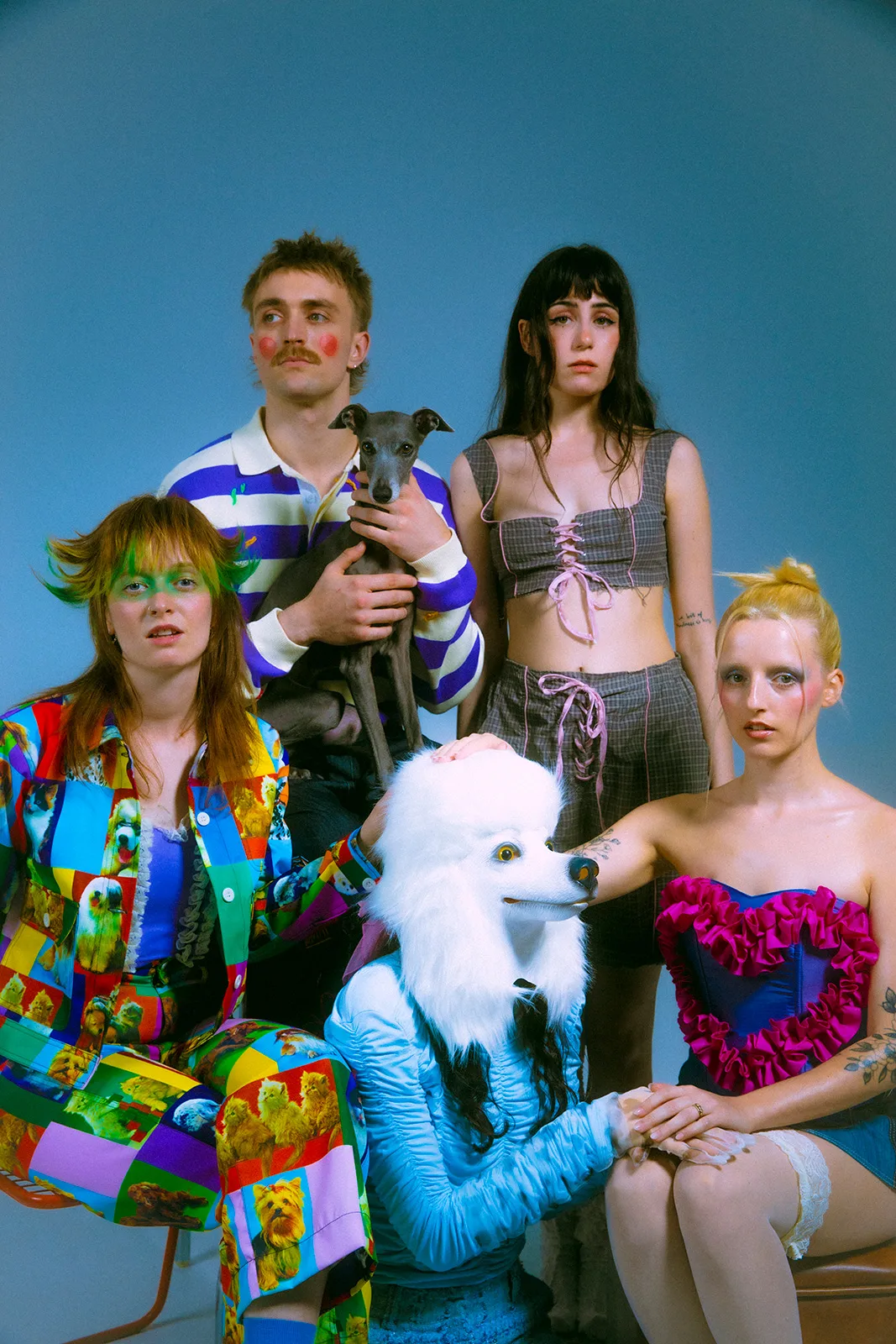
It’s all about exploring the dichotomy of friendship. Your favourite band Fizz, as they’re known on Instagram, is a loveable group of friends – dodie, Greta, Martin, and Orla – who happen to make music together. Their debut album, The Secret To Life drops on October 27th and offers a vibrant and bold take on the bridge between childhood and adulthood.
It’s hard not to love these four musicians. Ten years in the making, they’ve combined their individual strengths and experiences from their solo careers to form a cohesive, masterful group. Together with producer Peter Miles, they’ve honed a sound that’s cohesive, caring, and inviting to listeners. Happy accidents, vulnerability, and a mature emotional space have allowed the band and their various adjacent creatives to unlock that child within their hearts and create a tangible representation of themselves. So, get ready! Pack your bags and take a trip down to Fizzville with us to unlock the secret to life!
Thank you guys for speaking with me today! Prior to coming together as a band, I know that individually, the four of you had personal projects and things you were doing as musicians and as artists. Since forming Fizz, how has it been growing the friendship and creating music together?
Orla: We actually hate each other, and we are all paid actors. (The four laugh.) No, that couldn’t be further from the truth.
Martin: Honestly, not that much has changed. We just hang out way more than we would normally.
Greta: We’re contractually obligated to hang out with one another now.
dodie: Yeah, I would say making the music deepened our love for each other’s talents. When making the album, it was so important that we were each other’s biggest fans because it meant that we wanted to push everyone to the front and encourage them to have their moment and give everything that they could give, which we knew was great.
Orla: Yeah, it was the opposite in the studio, in terms of pushing our way to the mic. It almost felt like “great, alright now you take the mic” and pushing each other in the way that only really close friends can to be a really committed and elevated version of themselves. And I think that’s been carried across the visuals we’ve been doing as well. It started in the studio and continues to be true that Fizz feels like an animated version of the four of us.
Martin: Yeah, it feels braver, I think. We were holding each other’s hand through it a bit - in a cool way. I don’t think any of us would dare be this outrageous on our own. (The other three reply in agreement.)
Greta: To me, it feels like when you’re little, and you gather your friends together, and you play an imaginary game. You all sort of have this combined imagination and vision of what you are doing. The possibilities are somewhat limitless with what you are doing when you are a kid. I think this is what this project is for us. We’re kind of beyond our [individual] artist projects for this one. Like what we were saying, it started in the studio because it was such a new thing - we didn’t even have a band name when we first recorded the start of the album. There was no agenda. We didn’t have an identity, so the possibility of what [the record] could be was somewhat limitless - just writing whatever we wanted, and it was so nice to get to pull that out of each other. We weren’t like dodie, Martin Luke Brown, Orla Gartland, and Greta Isaac. We were just four friends having a blast, you know. It was really, really beautiful.
Martin: Honestly, not that much has changed. We just hang out way more than we would normally.
Greta: We’re contractually obligated to hang out with one another now.
dodie: Yeah, I would say making the music deepened our love for each other’s talents. When making the album, it was so important that we were each other’s biggest fans because it meant that we wanted to push everyone to the front and encourage them to have their moment and give everything that they could give, which we knew was great.
Orla: Yeah, it was the opposite in the studio, in terms of pushing our way to the mic. It almost felt like “great, alright now you take the mic” and pushing each other in the way that only really close friends can to be a really committed and elevated version of themselves. And I think that’s been carried across the visuals we’ve been doing as well. It started in the studio and continues to be true that Fizz feels like an animated version of the four of us.
Martin: Yeah, it feels braver, I think. We were holding each other’s hand through it a bit - in a cool way. I don’t think any of us would dare be this outrageous on our own. (The other three reply in agreement.)
Greta: To me, it feels like when you’re little, and you gather your friends together, and you play an imaginary game. You all sort of have this combined imagination and vision of what you are doing. The possibilities are somewhat limitless with what you are doing when you are a kid. I think this is what this project is for us. We’re kind of beyond our [individual] artist projects for this one. Like what we were saying, it started in the studio because it was such a new thing - we didn’t even have a band name when we first recorded the start of the album. There was no agenda. We didn’t have an identity, so the possibility of what [the record] could be was somewhat limitless - just writing whatever we wanted, and it was so nice to get to pull that out of each other. We weren’t like dodie, Martin Luke Brown, Orla Gartland, and Greta Isaac. We were just four friends having a blast, you know. It was really, really beautiful.
Congratulations on your upcoming debut album, The Secret To Life. Last month, you headlined your first show at Hoxton Hall in London. Peter Miles produced this new record. I know dodie and Orla have worked with Peter before. What was it like working with him again and exploring sounds with him as a larger group?
dodie: It was more Orla who really built her world at Middle Farms (Miles’ studio). In fact, that was one of the factors that led us to starting the band because we all found ourselves having a bit of fun doing the live sessions for her album.
Orla: Yeah, so Middle Farms is Pete’s studio, which is in Devon - like southwest England, a very beautiful place. Pete’s way of working is so old school, 70s; it’s tape machines; it’s live performance. It couldn’t have been more different from the way that we usually make music in London, which is more clinical and very much in the computer, so even though, dods (dodie’s nickname) and I have worked with Pete before, this was definitely the project that was like Peter Miles unleashed and better than ever - really rather than trying to mould Pete’s way of working to suit our project, it was more letting him take the reins and do music in the way he loves to do it, which is impulsive, very fast, no overthinking, and recording tracks all at the same time. There wasn’t demoing, chipping away - most of the vocals you hear on the record are the first time right after the idea comes to mind, so that was something very different for us. And I think it was very different for Pete. I think it was good for him to work in the way that he loves to, so I think we got the best out of each other and the best out of Pete and out of the space, which felt very different from before.
Martin: The main difference between Pete and others - I don’t want to speak for all of us, but I think it’s true - Pete is very focussed on pre-production - throw up all the mics, throw up all the instruments; everything is ready to go, and then he presses the red button, and it’s pure vibes. That’s all it is, man. That’s what the album is. It’s just pure vibes, whereas I think the way that we write tends to be way more backend heavy; we write the song; it’s very steady, very curated, and then, we’ll carefully figure out what the bass part is, what the keyboard part is. It’s very thinky and methodical. All the work ends up happening on the backend. You know, we’re on mixed revision number 20, whereas we felt with Pete it was completely reversed. We did all the work of setting it up in the perfect environment to then just press record, and it’d be great. Yeah, it was just about inverting our way of working.
Greta: And I think that whole process, the way of inverting how we made music, literally carried on through every aspect of the project. Reverting how we release songs; we release a song every other week, instead of waiting months between releases. Even the visuals, the marketing, everything. We’re intentionally trying to do what we always wanted to do in our solo projects and be more impulsive with it in the same way that writing the songs had a stream of consciousness to it. It’s like you’re hearing us writing, recording, producing the songs as we go on the album. It’s the same with every other aspect of the project moving forward.
Orla: Yeah, so Middle Farms is Pete’s studio, which is in Devon - like southwest England, a very beautiful place. Pete’s way of working is so old school, 70s; it’s tape machines; it’s live performance. It couldn’t have been more different from the way that we usually make music in London, which is more clinical and very much in the computer, so even though, dods (dodie’s nickname) and I have worked with Pete before, this was definitely the project that was like Peter Miles unleashed and better than ever - really rather than trying to mould Pete’s way of working to suit our project, it was more letting him take the reins and do music in the way he loves to do it, which is impulsive, very fast, no overthinking, and recording tracks all at the same time. There wasn’t demoing, chipping away - most of the vocals you hear on the record are the first time right after the idea comes to mind, so that was something very different for us. And I think it was very different for Pete. I think it was good for him to work in the way that he loves to, so I think we got the best out of each other and the best out of Pete and out of the space, which felt very different from before.
Martin: The main difference between Pete and others - I don’t want to speak for all of us, but I think it’s true - Pete is very focussed on pre-production - throw up all the mics, throw up all the instruments; everything is ready to go, and then he presses the red button, and it’s pure vibes. That’s all it is, man. That’s what the album is. It’s just pure vibes, whereas I think the way that we write tends to be way more backend heavy; we write the song; it’s very steady, very curated, and then, we’ll carefully figure out what the bass part is, what the keyboard part is. It’s very thinky and methodical. All the work ends up happening on the backend. You know, we’re on mixed revision number 20, whereas we felt with Pete it was completely reversed. We did all the work of setting it up in the perfect environment to then just press record, and it’d be great. Yeah, it was just about inverting our way of working.
Greta: And I think that whole process, the way of inverting how we made music, literally carried on through every aspect of the project. Reverting how we release songs; we release a song every other week, instead of waiting months between releases. Even the visuals, the marketing, everything. We’re intentionally trying to do what we always wanted to do in our solo projects and be more impulsive with it in the same way that writing the songs had a stream of consciousness to it. It’s like you’re hearing us writing, recording, producing the songs as we go on the album. It’s the same with every other aspect of the project moving forward.
On top of your image, your musical style is distinct as well – there are key changes; you play around with augmented and diminished chord progressions; I can hear jazz influences. What does your songwriting process look like?
dodie: Oh my god, it’s so fun. So fun. I feel like we weren’t really restricted in what we should do in our writing, whereas I feel personally that way whenever I’m writing for my projects. I’m very aware of radio play and where the song usually should go, whereas for Fizz, that is so built into us, and we understand how to write a structured song for the mainstream, yet we play, and we’re able to push the boundaries and let that happen. What ends up happening is everything is put in.
Greta: All the ideas. All of them crammed in.
dodie: Yeah, and it’s really, really fun. (To the other three) I love writing with you guys more than anything. I’d do it all the time. Whenever we’re in a campaign, and we’re doing all this admin, obviously it’s a lot of fun, but my favourite part is being in a room and building on ideas.
Martin: It’s basically just an exercise of saying yes to everything and letting go of any expectations.
dodie: And all of our talents come through in different ways. And also, we use each other for what we’re good at. For example, Greta’s amazing at harmony and chord building and really weird chord sequences; Orla’s excellent at guitar and structure; Martin’s amazing at lyrics. I feel like we do use all of those things, but also, sometimes-
Martin: -we just completely invert it.
dodie: Yeah, and suddenly, I’m writing lyrics, Greta’s on guitar - it’s so fun.
Orla: Martin’s on drums.
Dodie: Literally!
Orla: Lots of musical chairs.
Greta: All the ideas. All of them crammed in.
dodie: Yeah, and it’s really, really fun. (To the other three) I love writing with you guys more than anything. I’d do it all the time. Whenever we’re in a campaign, and we’re doing all this admin, obviously it’s a lot of fun, but my favourite part is being in a room and building on ideas.
Martin: It’s basically just an exercise of saying yes to everything and letting go of any expectations.
dodie: And all of our talents come through in different ways. And also, we use each other for what we’re good at. For example, Greta’s amazing at harmony and chord building and really weird chord sequences; Orla’s excellent at guitar and structure; Martin’s amazing at lyrics. I feel like we do use all of those things, but also, sometimes-
Martin: -we just completely invert it.
dodie: Yeah, and suddenly, I’m writing lyrics, Greta’s on guitar - it’s so fun.
Orla: Martin’s on drums.
Dodie: Literally!
Orla: Lots of musical chairs.
And the music has such easy-listening energy. It’s so crowd-pleasing, and the chants carry a loving and positive undertone. Where did this energy come from? How were you feeling when recording the album?
Greta: I think what was incredible about the whole process was that obviously it was full of so much joy and like semi-mania, at some points. What’s amazing about the tone of the space at Middle Farm and the friendship that we’ve built over about 10 years now is that we allow the space to be vulnerable with each other and to walk out and cry if you’re feeling overwhelmed and to be angry and to voice when you’re feeling frustrated or stuck on something - in a way that only a friendship of that long can allow. I think that really came out in the songs as well. The way we recorded most of the vocals was around one mic, even the lead vocals and the harmonies, all at the same time, and we’d just stack them. It’s really funny because when you listen to the individual stems, they sound awful, but all of them together, coming together, made something very beautiful. I think singing with your friends and singing with a community that you love-
Orla: is very primal.
Greta: Yeah, it’s very primal, very cathartic, and very beautiful.
Martin: And just joy, man. I remember saying before we went down (to Middle Farm), we didn’t have many expectations. It was just “let’s have a laugh”. I think I wanted to go and just have a holiday from the music industry and everything that was sort of expected of me as a musician and an artist. So, we go down there and all the boxes that we’ve sort of put ourselves in over the years and years in order to survive and be in our own lane suddenly just evaporated. We were just in this vast space to run around and have a really nice time. I think you can hear that, as well. It sounds like we’re screaming.
Greta: We weren’t confined to who we’d already been in our own artist projects. It was time for us to move forward and look forward to what we wanted more of in music. (To the other three) And it was great to get to do that with you guys.
Orla: is very primal.
Greta: Yeah, it’s very primal, very cathartic, and very beautiful.
Martin: And just joy, man. I remember saying before we went down (to Middle Farm), we didn’t have many expectations. It was just “let’s have a laugh”. I think I wanted to go and just have a holiday from the music industry and everything that was sort of expected of me as a musician and an artist. So, we go down there and all the boxes that we’ve sort of put ourselves in over the years and years in order to survive and be in our own lane suddenly just evaporated. We were just in this vast space to run around and have a really nice time. I think you can hear that, as well. It sounds like we’re screaming.
Greta: We weren’t confined to who we’d already been in our own artist projects. It was time for us to move forward and look forward to what we wanted more of in music. (To the other three) And it was great to get to do that with you guys.
Each track also carries very smooth transitions from one to the other, almost as if each is connected to the other. What was the intention behind this?
Orla: It’s something that Pete, the master producer, is really good at. I think he’s really good at zooming out and thinking of a record as a record and not just a music collection of individual songs. Part of that is just coincidental, like happy accidents sometimes.
Martin: Songs being in the same key.
Orla: Songs being in the same key. There’s one on there called Hell of a Ride that goes straight into another song called As Good As It Gets. We didn’t write them necessarily in tandem; we realised that they flowed pretty well from one to the other not just musically, but almost mood-wise. That again was just happy accidents, and I think because we make music so impulsively and so feverishly and fast, I don’t necessarily think we were doing a lot of zooming out. But I do think Pete the producer was thinking of things like that when it came to ordering the tracklist and creating those transitions, like the first track filtering through this effect called Space Echo, a delay unit that Pete uses a lot. We used that to create a lot of these sweeping transitions that go between one song and the next, and so it was not necessarily an afterthought. It was one of those things that really worked out well, and I think because we made the music in the same space and around the same time, a lot of those things happened without even trying.
Martin: I think overall, the whole album conceptually is on a quest to find the secret to life, and I think we wanted it to feel like it was a journey, rather than just song, song, song, song, the way that most albums are now - people write them and record them over the years and craft it and hone it. I think for us, obviously, the crafting and honing of the music has happened over the past ten years, but the actual making of the album was so quick. But we wanted to create the journey of what that was; it was only two weeks. It was a crazy two weeks. And there were lots of ups and downs. A lot of us cried at some points. You know, it was manic at different points. I think it really reflects that time.
Greta: I think it was really beautiful - the arc in the album is that the songs that we tend to sing all together are a little bit more theatrical and flamboyant and have nonsensical lyrics and yeah, a bit more theatrical in the way they are presented. I think there’s something beautiful poetically about the songs we sing individually that they’re a bit more sentimental and poignant. I think that just speaks nicely to me about when we’re given the opportunity to be pushed to the front - it’s the same as having an arm around you when you want to say something and be honest about something. We’re giving each other a voice to say that, and that’s what’s really nice about the album is that we have a balance of fun like “here we are as a group of friends. We love making music together. Let’s just do whatever we want”, but there are these moments where we allow that space to be serious and talk about things we care about and sing about things we really value. That’s what the journey of finding out what the secret of life is, to me, anyway - the balance of being silly, which represents youth, and the bridge into adulthood, which is talking about more serious things
Martin: Songs being in the same key.
Orla: Songs being in the same key. There’s one on there called Hell of a Ride that goes straight into another song called As Good As It Gets. We didn’t write them necessarily in tandem; we realised that they flowed pretty well from one to the other not just musically, but almost mood-wise. That again was just happy accidents, and I think because we make music so impulsively and so feverishly and fast, I don’t necessarily think we were doing a lot of zooming out. But I do think Pete the producer was thinking of things like that when it came to ordering the tracklist and creating those transitions, like the first track filtering through this effect called Space Echo, a delay unit that Pete uses a lot. We used that to create a lot of these sweeping transitions that go between one song and the next, and so it was not necessarily an afterthought. It was one of those things that really worked out well, and I think because we made the music in the same space and around the same time, a lot of those things happened without even trying.
Martin: I think overall, the whole album conceptually is on a quest to find the secret to life, and I think we wanted it to feel like it was a journey, rather than just song, song, song, song, the way that most albums are now - people write them and record them over the years and craft it and hone it. I think for us, obviously, the crafting and honing of the music has happened over the past ten years, but the actual making of the album was so quick. But we wanted to create the journey of what that was; it was only two weeks. It was a crazy two weeks. And there were lots of ups and downs. A lot of us cried at some points. You know, it was manic at different points. I think it really reflects that time.
Greta: I think it was really beautiful - the arc in the album is that the songs that we tend to sing all together are a little bit more theatrical and flamboyant and have nonsensical lyrics and yeah, a bit more theatrical in the way they are presented. I think there’s something beautiful poetically about the songs we sing individually that they’re a bit more sentimental and poignant. I think that just speaks nicely to me about when we’re given the opportunity to be pushed to the front - it’s the same as having an arm around you when you want to say something and be honest about something. We’re giving each other a voice to say that, and that’s what’s really nice about the album is that we have a balance of fun like “here we are as a group of friends. We love making music together. Let’s just do whatever we want”, but there are these moments where we allow that space to be serious and talk about things we care about and sing about things we really value. That’s what the journey of finding out what the secret of life is, to me, anyway - the balance of being silly, which represents youth, and the bridge into adulthood, which is talking about more serious things
The album art for the entire record and for the individual singles is very interesting. There are street signs, a lot of vibrancy, and wavy bodies of colour. Where did these designs draw inspiration from? And how do you think that they resemble the secret to life?
Greta: Aw, that’s so nice. When we were coming up with the concept of the album, we conceptualised this sort of make-believe place called Fizzville, which is I guess part-town, part-theme park. We wanted somewhere that represented this emotional landscape we all went to while writing the album, and so in Fizzville, every attraction and every ride is symbolic of a song on the album. There’s a High in Brighton rollercoaster that pops up in some visuals and definitely in the album art that people will get to see once the album is out - in the gatefold. Yeah, I think we just wanted to have a space where we could keep expanding as the campaign expands and as we grow as people I’m sure Fizzville will keep on growing. Its residents will double.
Orla: I love that you said “residents”.
Great: Yeah! The “residents” of Fizzville will double. We’re big fans of Willy Wonka and Alice in Wonderland and Tim Burton films - these constructed realities that are trying to elicit some joy but are ultimately created by flawed adults, basically what we’ve been doing with this album - so it felt very fitting, tying in those references into the visual world. But ultimately, we wanted it to be really fun. All the creatives that we’ve got on board we’ve had the pleasure of working with - Miranda Bruce, who illustrated the album, and JP Bonino, who is an incredible photographer who shot all the single artwork. It was such a joy seeing our creativity fuel their creativity, and vice versa. We wanted to get people on board we didn’t need to micromanage. We wanted them to just roll with whatever they thought of Fizzville.
Martin: It’s all play.
Greta: It’s all play, yeah. It was such fun to commission artists to do whatever they wanted to do.
dodie: And in terms of relating to The Secret to Life, I think Gret (Greta’s nickname) was talking about the constructed realities as how four adults try and capture the essence of childhood and the vibrancy and the playfulness. And there’s always some dark and twisted and jaded about it that you can’t quite put your finger on. And ultimately, I think for me personally, The Secret to Life is becoming friends with that and becoming and joining all it has to offer - the twistedness, but also the vibrancy and the childlike play, and also doing it with your friends by your side - experiencing that weirdness and wonk and maximalism that life has to offer.
Orla: I love that you said “residents”.
Great: Yeah! The “residents” of Fizzville will double. We’re big fans of Willy Wonka and Alice in Wonderland and Tim Burton films - these constructed realities that are trying to elicit some joy but are ultimately created by flawed adults, basically what we’ve been doing with this album - so it felt very fitting, tying in those references into the visual world. But ultimately, we wanted it to be really fun. All the creatives that we’ve got on board we’ve had the pleasure of working with - Miranda Bruce, who illustrated the album, and JP Bonino, who is an incredible photographer who shot all the single artwork. It was such a joy seeing our creativity fuel their creativity, and vice versa. We wanted to get people on board we didn’t need to micromanage. We wanted them to just roll with whatever they thought of Fizzville.
Martin: It’s all play.
Greta: It’s all play, yeah. It was such fun to commission artists to do whatever they wanted to do.
dodie: And in terms of relating to The Secret to Life, I think Gret (Greta’s nickname) was talking about the constructed realities as how four adults try and capture the essence of childhood and the vibrancy and the playfulness. And there’s always some dark and twisted and jaded about it that you can’t quite put your finger on. And ultimately, I think for me personally, The Secret to Life is becoming friends with that and becoming and joining all it has to offer - the twistedness, but also the vibrancy and the childlike play, and also doing it with your friends by your side - experiencing that weirdness and wonk and maximalism that life has to offer.
Wow, I think that it’s so cool to have that visual representation of your album concept and the world through which you want your songs to live in.
dodie: Yeah, and I think [Bruce] is so good at tying in all these elements and conveying it so good. I don’t think I could even put my finger on it really until everything started coming together and now, everything just makes sense.
Yeah! It’s super abstract. Furthermore, as a group, you guys have a very distinct image. Individually, you each have your own unique styles, but when it comes to the four of you together, you carry vibrant colours, dreamlike imagery, and cartoonish vibes. How was it discovering the crossovers between your individual vibes and combining them together?
dodie: It was really fun! I’m not really someone who wears colour all the time. I’m in sage green like all day, every fucking day (Martin and Orla laugh.) - earth tones - so opening up my wardrobe has been really fun! It’s so nice to bring colour back into my life. It’s really like inviting my inner child to come play.
Orla: Yeah, I think it mirrors what we were saying with the music. It’s still very much ourselves at the heart, but it’s a bolder, braver, more colourful version of our own instincts, and I think in the same ways it’s like “Greta, you get on the mic and sing this!” and I think the same is happening in the visuals and the styling. For sure, don’t be somebody you’re not, but be the most elevated and brave.
Martin: Dress up like a marshmallow! (Martin and dodie laugh.)
Orla: Dressing up as a marshmallow is a real highlight. But yeah, I think that’s definitely been the aim from the start - not to play dress up and pretend to be someone we’re not, but certainly to be the boldest, bravest, most maximal version.
Martin: Just like amplified.
Orla: I feel like it mirrors the music in a sense.
Greta: Yeah, when we go into fittings or get together for styling, we have our incredible stylist who gets that and gets that we want to push things a little bit more. I think there’s something really beautiful about how I see us, about sort of being the superheroes that we would look up to as children. You know, like “this is what I want to be when I grow up” and when you’re a kid, you don’t have these boundaries of what the ideal adult looks like. I think there’s something really amazing about imagining what your kid-self would want to be when they grow up, and just being that now as an adult. And even just referencing things we wore growing up. Like, I used to wear woolly tights and a tutu and a swimsuit and a stupid crown, and why not wear that now? You know? (She laughs.) Why not? You’d look crazy walking down the street. For a band, it’s good.
Martin: It’s a good excuse.
Greta: It’s a good excuse, yeah.
Orla: Yeah, I think it mirrors what we were saying with the music. It’s still very much ourselves at the heart, but it’s a bolder, braver, more colourful version of our own instincts, and I think in the same ways it’s like “Greta, you get on the mic and sing this!” and I think the same is happening in the visuals and the styling. For sure, don’t be somebody you’re not, but be the most elevated and brave.
Martin: Dress up like a marshmallow! (Martin and dodie laugh.)
Orla: Dressing up as a marshmallow is a real highlight. But yeah, I think that’s definitely been the aim from the start - not to play dress up and pretend to be someone we’re not, but certainly to be the boldest, bravest, most maximal version.
Martin: Just like amplified.
Orla: I feel like it mirrors the music in a sense.
Greta: Yeah, when we go into fittings or get together for styling, we have our incredible stylist who gets that and gets that we want to push things a little bit more. I think there’s something really beautiful about how I see us, about sort of being the superheroes that we would look up to as children. You know, like “this is what I want to be when I grow up” and when you’re a kid, you don’t have these boundaries of what the ideal adult looks like. I think there’s something really amazing about imagining what your kid-self would want to be when they grow up, and just being that now as an adult. And even just referencing things we wore growing up. Like, I used to wear woolly tights and a tutu and a swimsuit and a stupid crown, and why not wear that now? You know? (She laughs.) Why not? You’d look crazy walking down the street. For a band, it’s good.
Martin: It’s a good excuse.
Greta: It’s a good excuse, yeah.
You guys have a tour coming next year after the release of your album! How does preparation look for this tour? And what are some things you are looking forward to?
Greta: Just playing shows.
Orla: Yeah! Just taking it offline. Anytime that we’ve brought it into the real world in any show, it’s just so much more tangible when you’re in a room with people, and they’re singing your songs back at you. It’s just so much more real, so I’m looking forward to people singing along and people just knowing the album because we’ve lived with it for so long. We’re obviously dripping it out throughout the summer, but we’re excited for people to know all the album tracks, all the little sounds and everything.
Martin: It feels like a little cult, I think. (The four laugh.) In a really cool way. Whenever we’ve done shows, people are always dressing up in their craziest outfits. There was a girl that came up to us, and she got teary, and she was like “I’m just so excited to see you guys. You guys are just so weird, and I’m so weird.” (The four laugh.) It was just so lush that she said that! I just like holding a space for everybody to come and just be completely as weird as they want to be. It’s completely normal within that space. It’s so nice.
dodie: I also just love seeing my friends on stage, like that is so fucking fun. I feel the most present when I’m playing guitar and watching everyone do their thing and jumping around.
Greta: Yeah, this is sick! You can play guitar!
dodie: Like, oh my god! I’m so proud of you!
Orla: Yeah! Just taking it offline. Anytime that we’ve brought it into the real world in any show, it’s just so much more tangible when you’re in a room with people, and they’re singing your songs back at you. It’s just so much more real, so I’m looking forward to people singing along and people just knowing the album because we’ve lived with it for so long. We’re obviously dripping it out throughout the summer, but we’re excited for people to know all the album tracks, all the little sounds and everything.
Martin: It feels like a little cult, I think. (The four laugh.) In a really cool way. Whenever we’ve done shows, people are always dressing up in their craziest outfits. There was a girl that came up to us, and she got teary, and she was like “I’m just so excited to see you guys. You guys are just so weird, and I’m so weird.” (The four laugh.) It was just so lush that she said that! I just like holding a space for everybody to come and just be completely as weird as they want to be. It’s completely normal within that space. It’s so nice.
dodie: I also just love seeing my friends on stage, like that is so fucking fun. I feel the most present when I’m playing guitar and watching everyone do their thing and jumping around.
Greta: Yeah, this is sick! You can play guitar!
dodie: Like, oh my god! I’m so proud of you!
Haha! My editor sent me this proposal, and he was like “their pictures look crazy! I wonder how they’ll be in the interview; you have to tell me!”
FIZZ: (Cohesive monster noises, we all laugh.)
Which song are you most excited about debuting live?
Orla: There’s one called As Good As It Gets, definitely that one for me.
dodie: Oh my god, it’s so good.
Martin: Yeah, that one is amazing. So fun.
Greta: It’s the next one coming out.
Martin: Yeah, the next one! I’m also really excited about The Grand Finale.
dodie: Yeah.
Martin: I think I’m excited for people to hear the album and to hear a song and to digest it and for us to just go on that journey.
Greta: It’s like our 6-minute-long Bohemian Rhapsody.
dodie: Remember we were talking about throwing structure out the window? That’s that song.
Martin: So fun.
dodie: Oh my god, it’s so good.
Martin: Yeah, that one is amazing. So fun.
Greta: It’s the next one coming out.
Martin: Yeah, the next one! I’m also really excited about The Grand Finale.
dodie: Yeah.
Martin: I think I’m excited for people to hear the album and to hear a song and to digest it and for us to just go on that journey.
Greta: It’s like our 6-minute-long Bohemian Rhapsody.
dodie: Remember we were talking about throwing structure out the window? That’s that song.
Martin: So fun.
Well, I think we are out of time. Thank you guys so much.
FIZZ: Well, thank you for a lovely interview!